




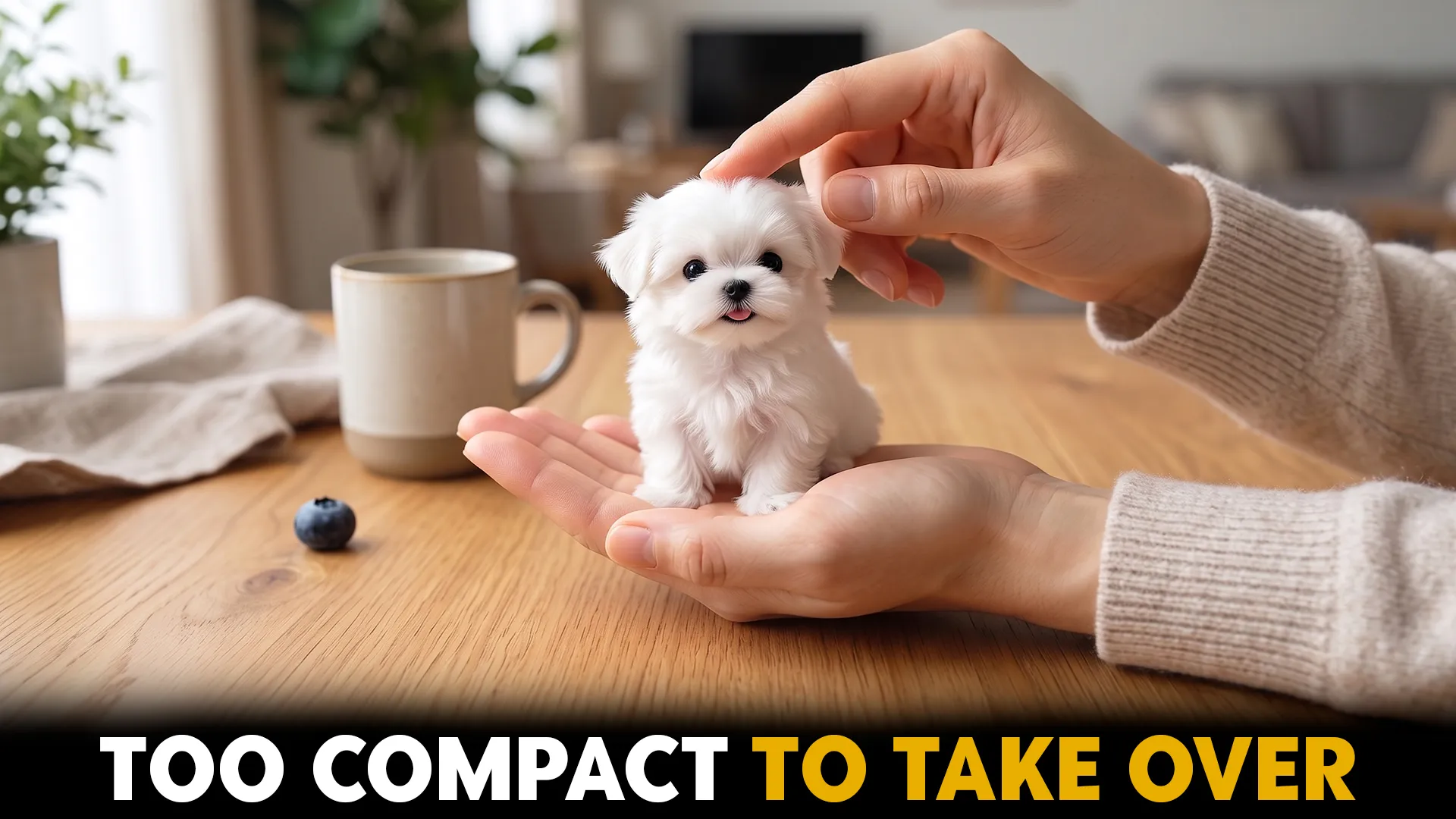
Living in an apartment does not necessarily mean giving up the companionship of a dog. Some breeds remain exceptionally small throughout adulthood, making them easier to accommodate in compact homes where floor space, storage, and access to outdoor areas may be limited.
Their diminutive size can also make everyday activities such as traveling, carrying them when necessary, and creating a comfortable sleeping area more manageable.
One fascinating detail about tiny dog breeds is that several were deliberately developed as companions rather than simply becoming small versions of larger working dogs.
Size alone, however, does not determine whether a dog will thrive in an apartment. Exercise requirements, barking tendencies, grooming demands, trainability, and personality all influence how easily a breed adapts to close-quarters living. The breeds below remain small while offering distinctly different temperaments and care requirements.
Dog Breeds That Stay Tiny, Perfect for Apartment Living
1. Chihuahua
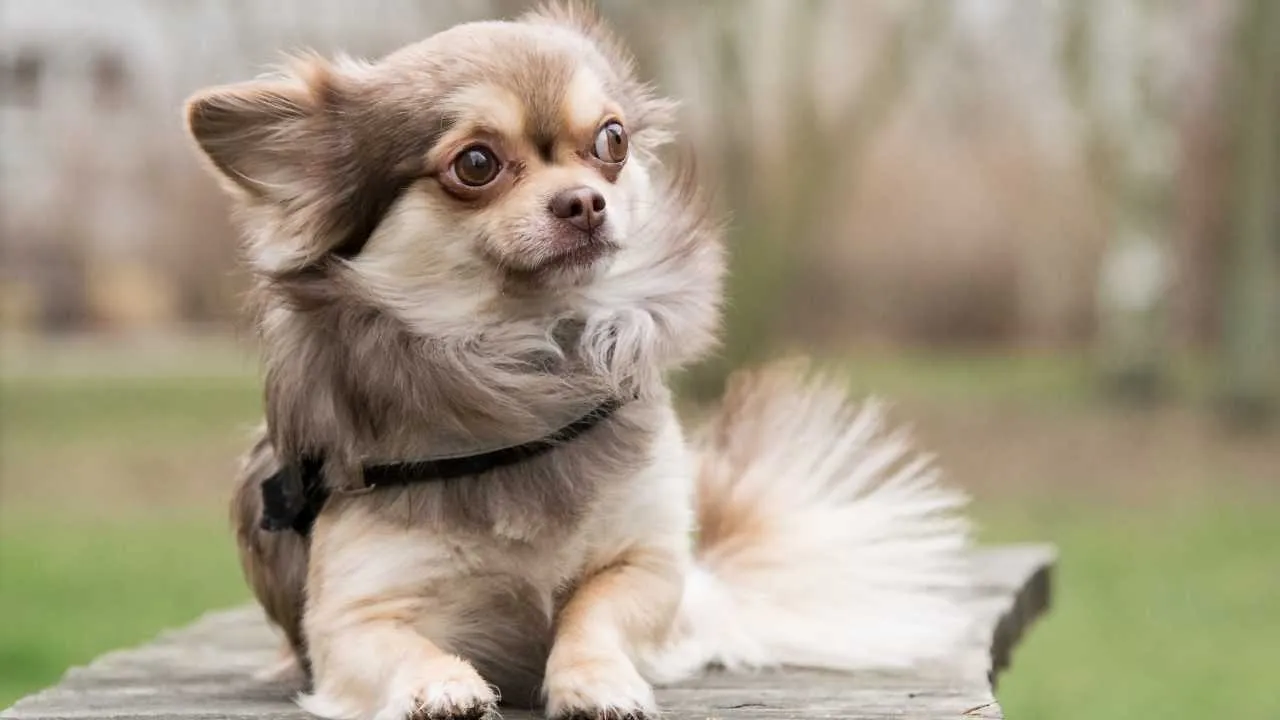
The Chihuahua takes its name from the Mexican state of Chihuahua and is associated with Mexico’s ancient canine history. Its ancestry is often connected with the Techichi, a small companion dog associated with the Toltec civilization. Later development in Mexico helped establish the Chihuahua as the tiny, expressive companion recognized around the world today.
Simple Grooming for a Compact Home
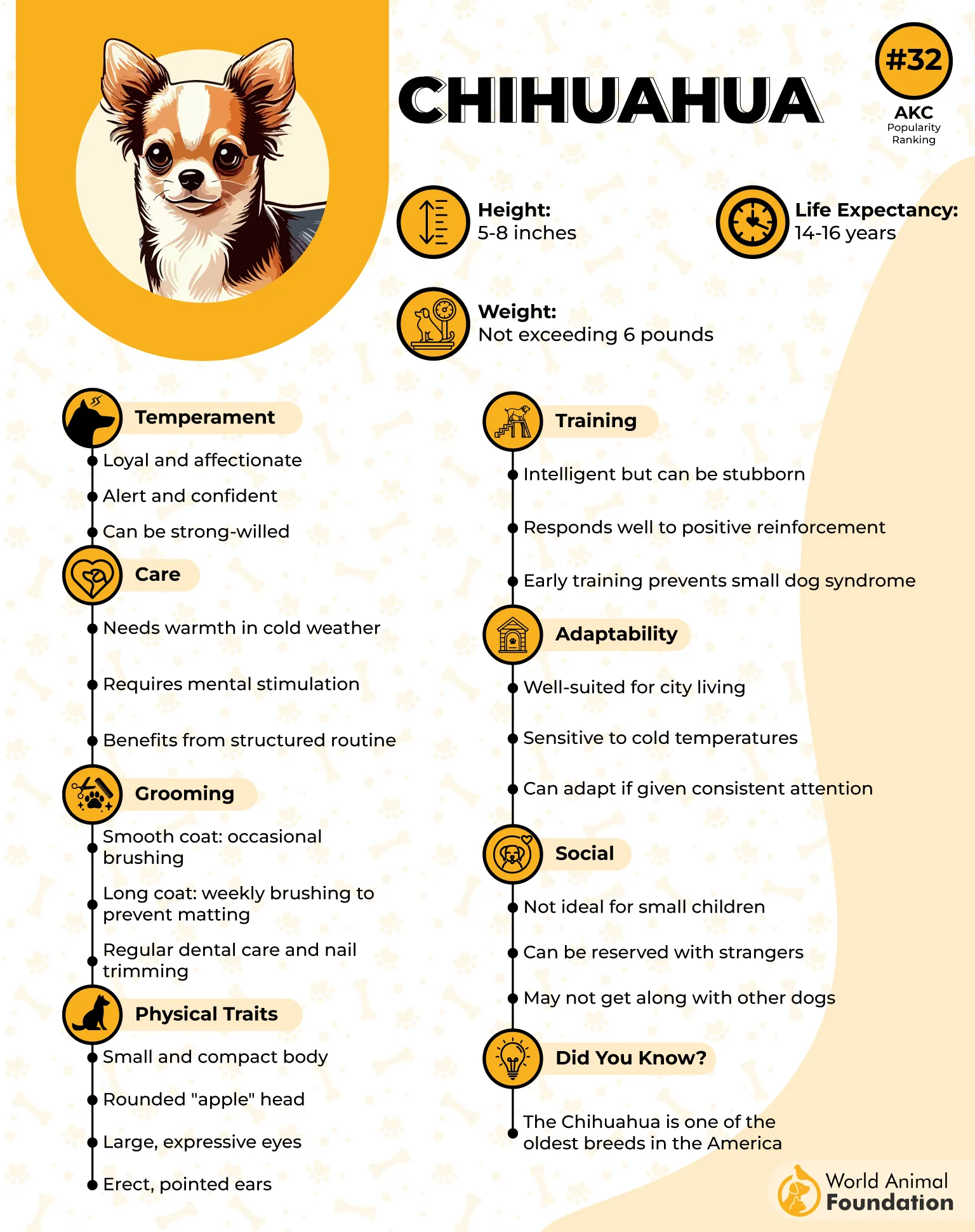
Chihuahuas can have either smooth or long coats. Smooth-coated dogs generally require minimal brushing, while long-haired dogs benefit from more frequent grooming to prevent tangles. Their exercise requirements are modest, with short walks, indoor games, and brief training sessions often providing suitable activity for their small bodies.
Tiny Dimensions for Easy Apartment Living
The Chihuahua’s exceptionally small size makes it particularly convenient for homes with limited floor space. It can usually exercise indoors between walks and does not require a large yard to move comfortably. Despite its size, however, it can have a confident personality and may become vocal in response to unfamiliar sounds, making early training valuable in apartment settings.
2. Pomeranian
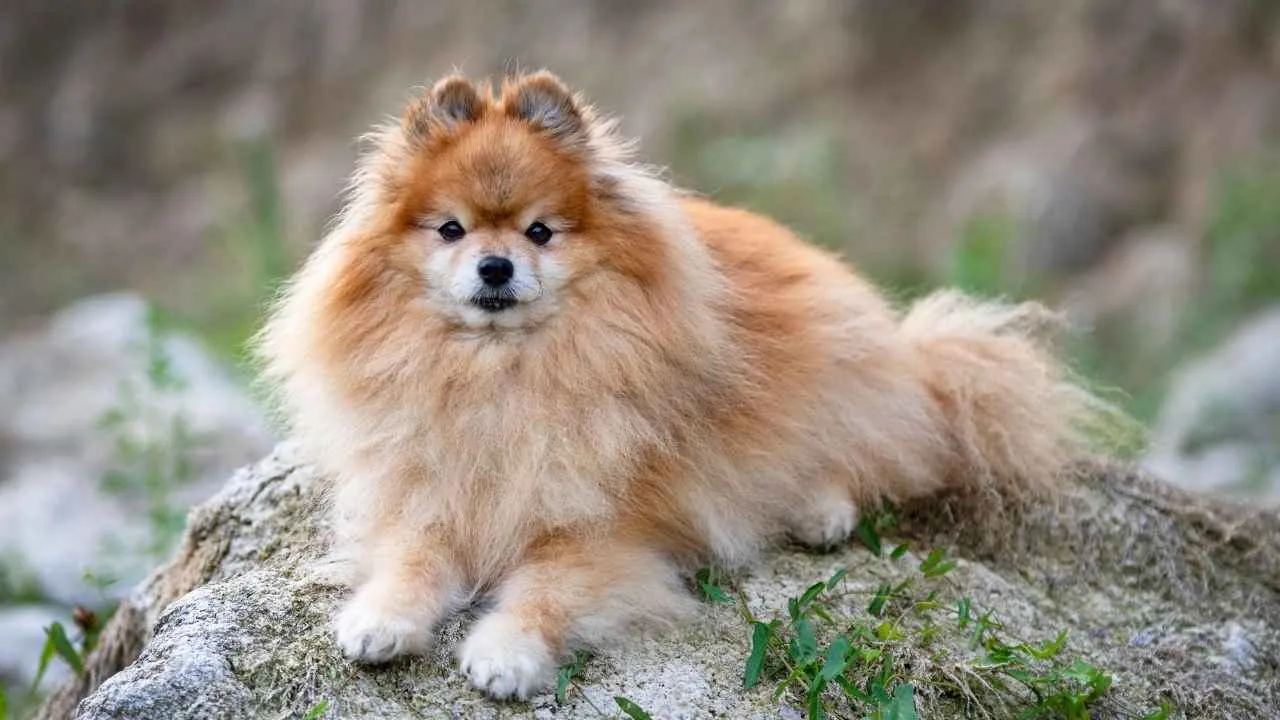
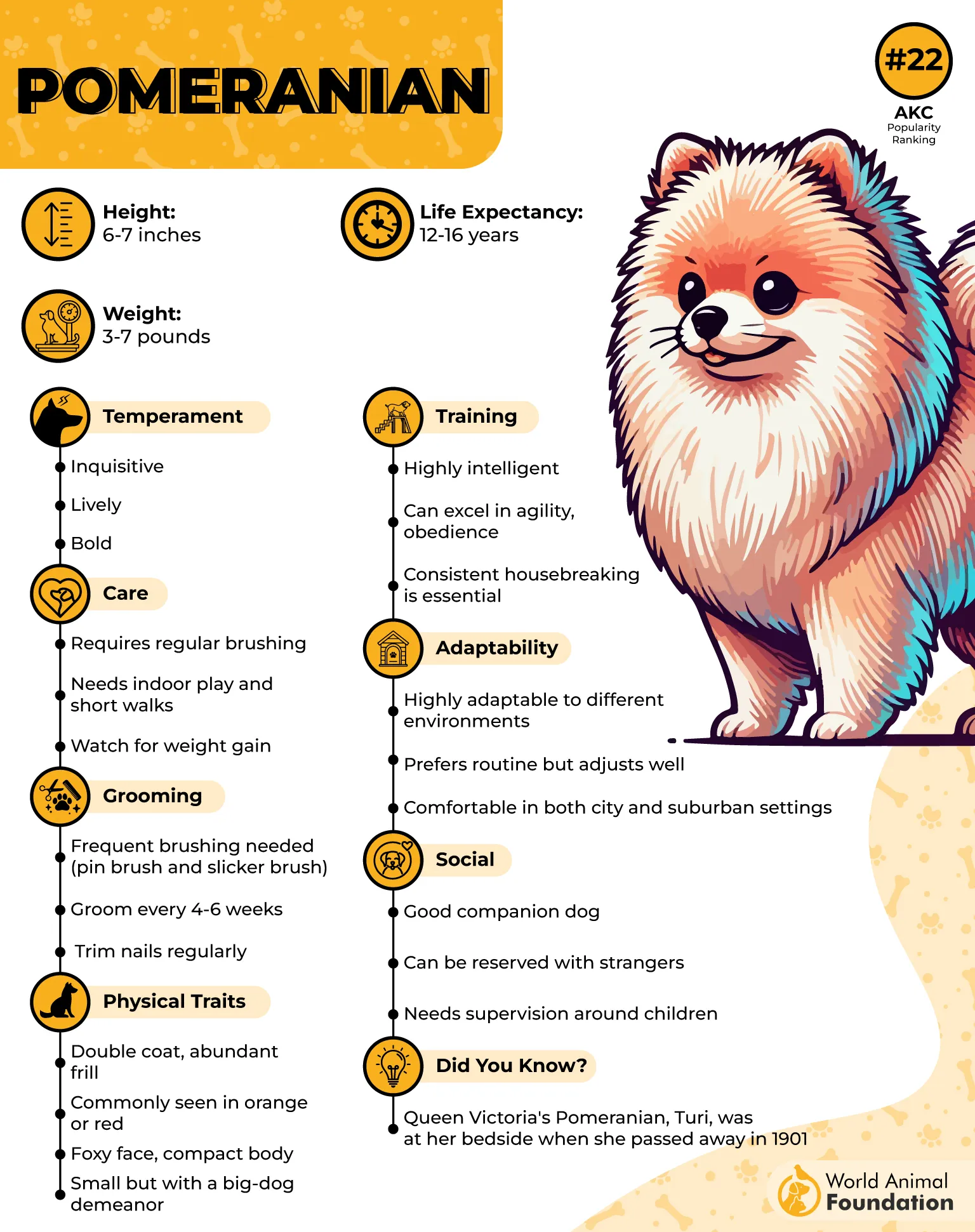
The Pomeranian belongs to the German Spitz family and takes its name from Pomerania, a historical region on the southern Baltic coast. Its ancestors were substantially larger Spitz-type dogs, but selective breeding gradually reduced the breed’s size. The smaller Pomeranian later gained popularity among European aristocracy and became established as a fashionable companion.
A Fluffy Coat That Needs Regular Attention
The Pomeranian’s abundant double coat gives it a distinctive rounded and fluffy appearance. Frequent brushing helps remove loose undercoat and reduce tangles, particularly during seasonal shedding. Its exercise needs are relatively manageable, with daily walks, indoor play, short training exercises, and mentally stimulating games providing useful activity.
A Small Body With Plenty of Personality
Pomeranians occupy little physical space but often bring a lively presence into the household. They can enjoy apartment life when given enough activity and attention, although their alert nature may lead to barking at hallway noises, visitors, or activity outside a window. Teaching quiet behavior and providing appropriate stimulation can make shared living easier.
3. Yorkshire Terrier
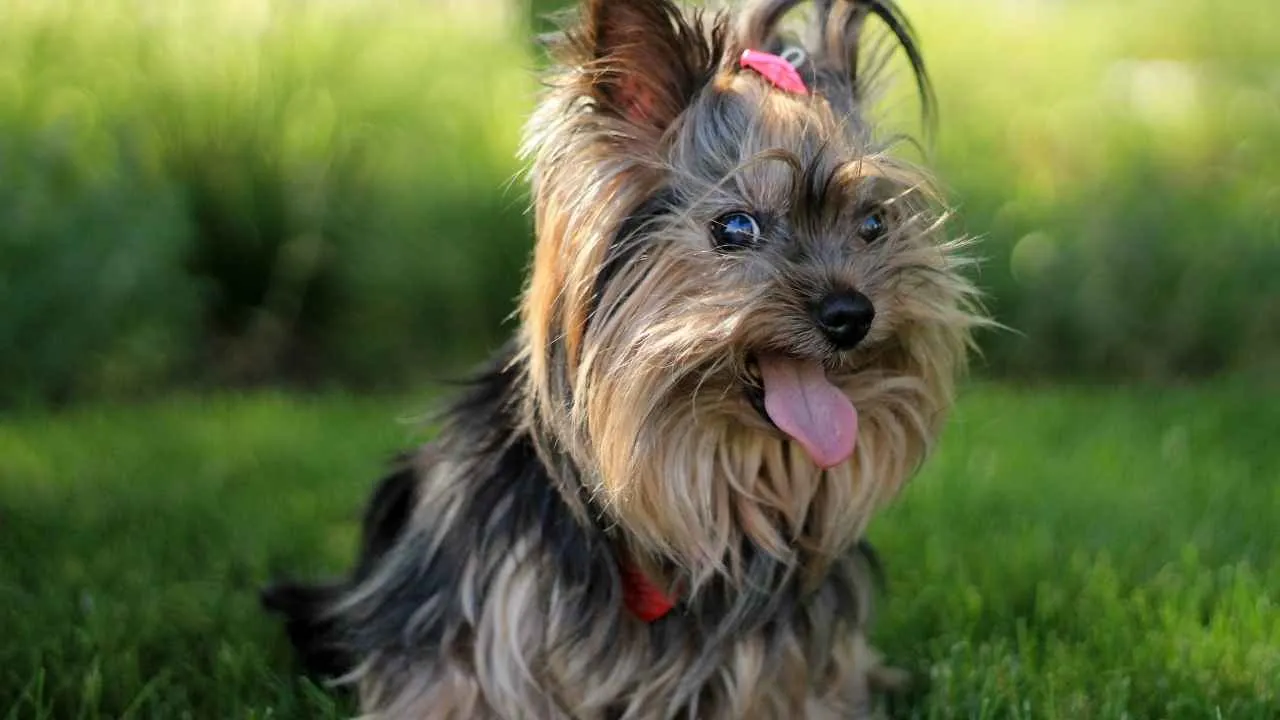
The Yorkshire Terrier developed in northern England during the Industrial Revolution, with small terriers brought by Scottish workers contributing to its early development, as per PDSA.
These dogs were initially valued for catching rats in textile mills. As their appearance and temperament attracted wider attention, they transitioned from industrial workplaces to fashionable homes and eventually became popular companion animals.
Silky Hair With a Detailed Grooming Routine
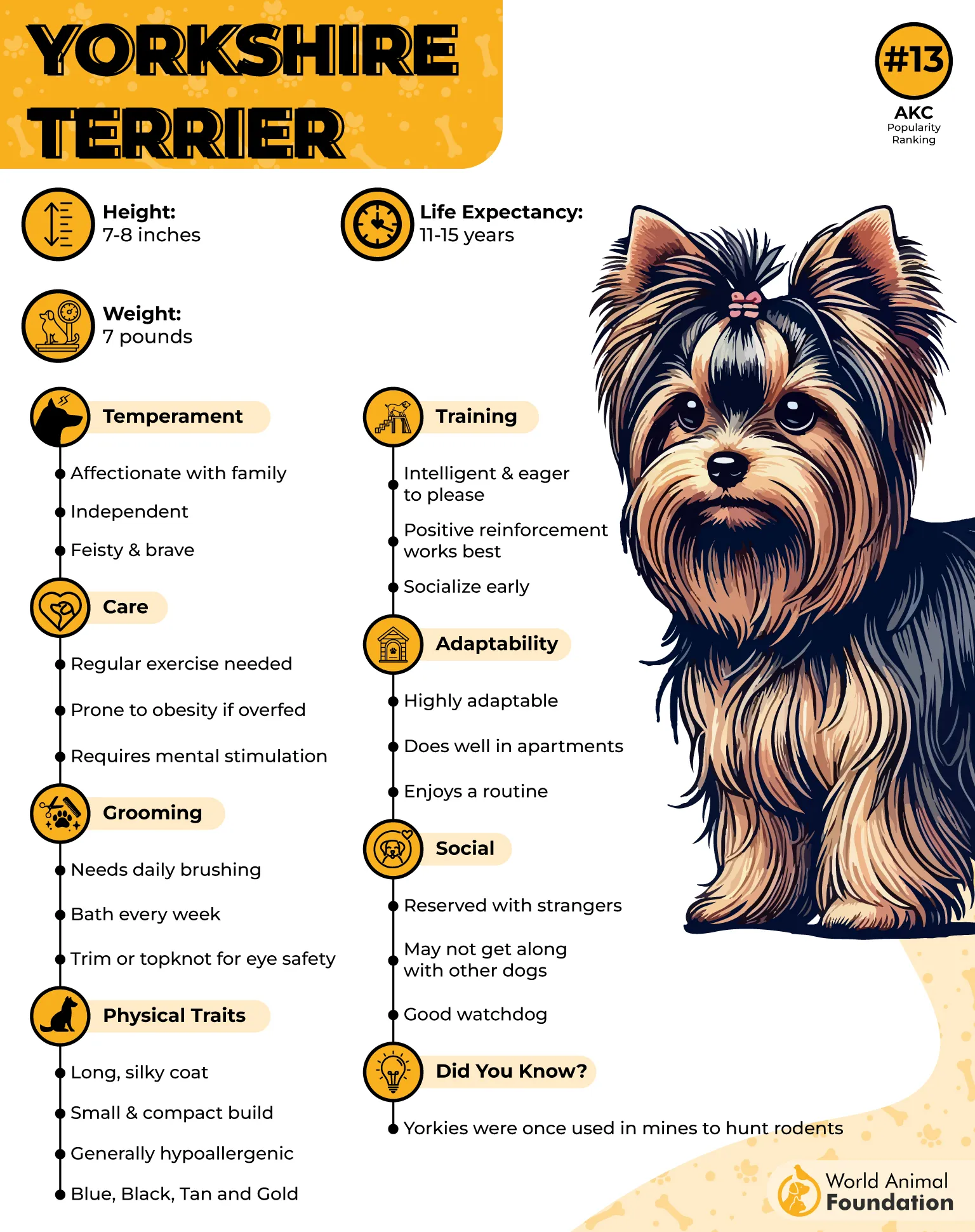
Yorkshire Terriers have fine, silky hair that can grow continuously and become tangled without regular care. Daily brushing is useful when the coat is kept long, while a shorter trim can simplify maintenance. Their small size means they can get substantial exercise indoors, although short walks and interactive play remain important for physical and mental health.

A Compact Companion for Limited Floor Space
A Yorkie can comfortably occupy a small apartment without requiring extensive room to roam. Its lively personality means that mental stimulation is still necessary, even in a compact home. Training, puzzle toys, short walks, and play sessions can help prevent boredom while also providing opportunities to reinforce calm household behavior.
4. Maltese
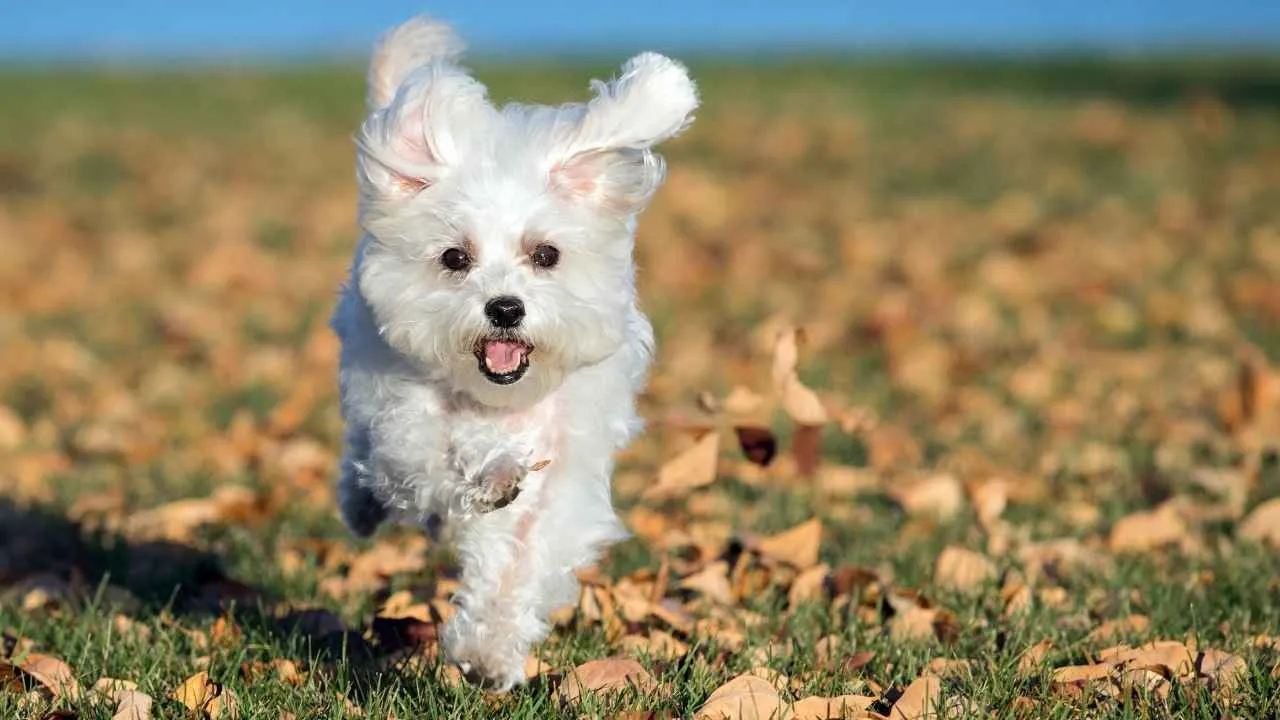
The Maltese has an ancient history as a small companion dog associated with the Mediterranean island of Malta. Dogs resembling the breed appeared in artwork and writings from the ancient Mediterranean world, where small white dogs were valued by affluent households. Over centuries, selective breeding helped preserve the breed’s tiny size and distinctive white coat.
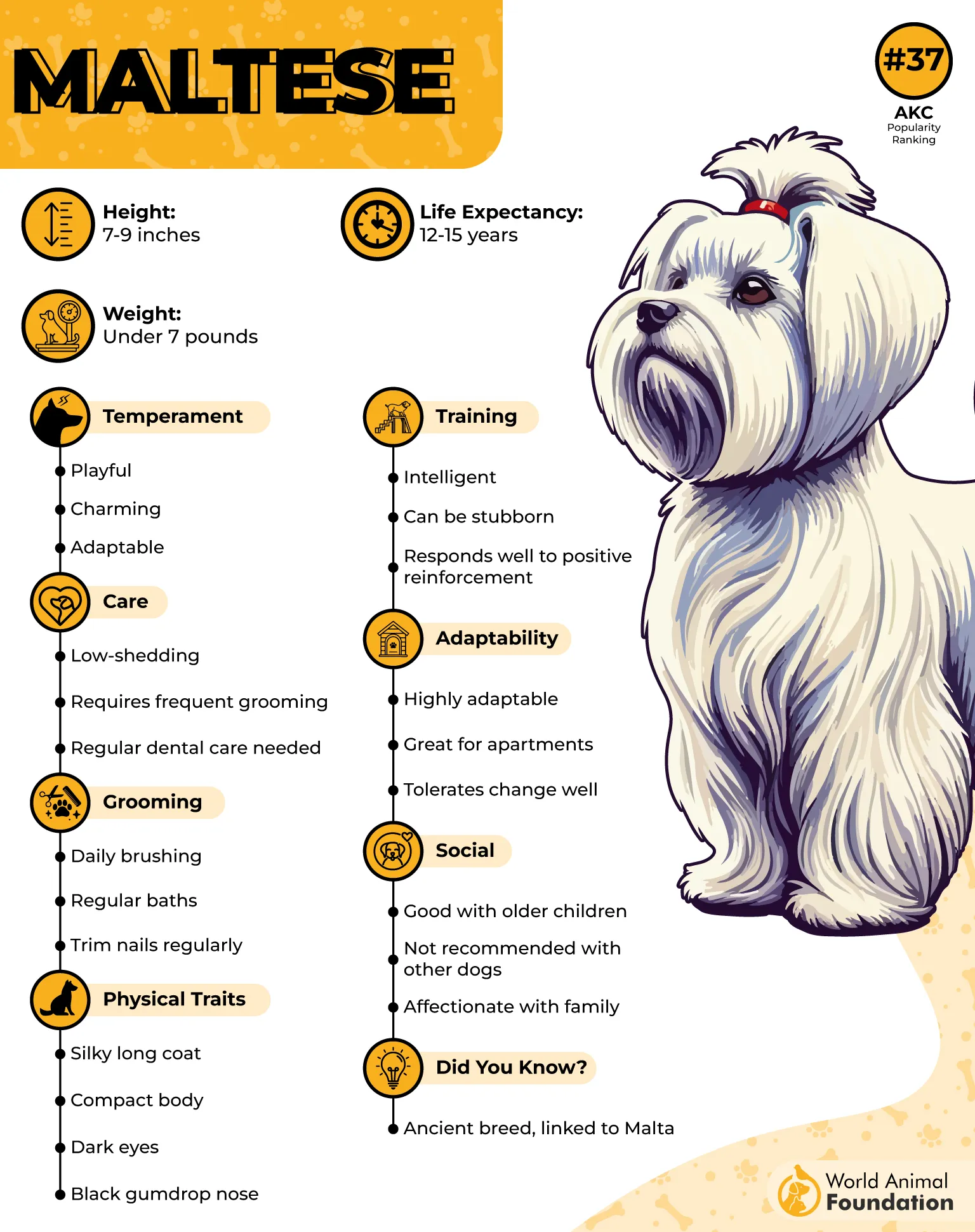
A White Coat That Requires Care
The Maltese has a long, silky coat that can mat easily without regular brushing. Owners who prefer easier upkeep often keep the hair trimmed shorter. Its exercise requirements are relatively modest, with short walks, indoor games, and playful interaction generally offering enough activity when combined with regular mental stimulation.
Gentle Scale for Smaller Homes
The Maltese is naturally suited to households where space is limited because of its compact adult size. It can be active indoors without needing a large living area, making it convenient for apartment residents. Its affectionate nature also means it often enjoys staying near its people, although gradual training can help prevent excessive dependence.
5. Papillon
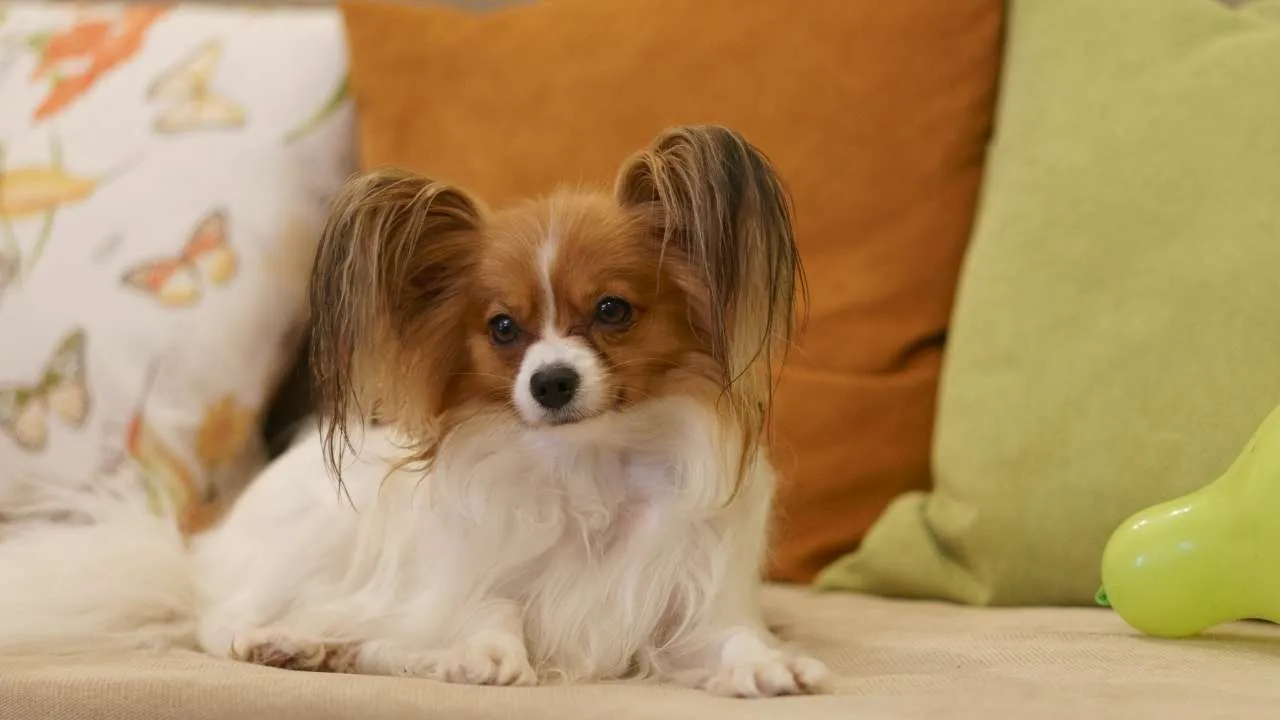
The Papillon is a small European companion breed whose history stretches back several centuries. Its ancestors were popular among European nobility and frequently appeared in paintings alongside aristocratic families. The breed’s name means “butterfly” in French, referring to the distinctive upright ears and long fringes that give its face a wing-like appearance, as per Britannica.
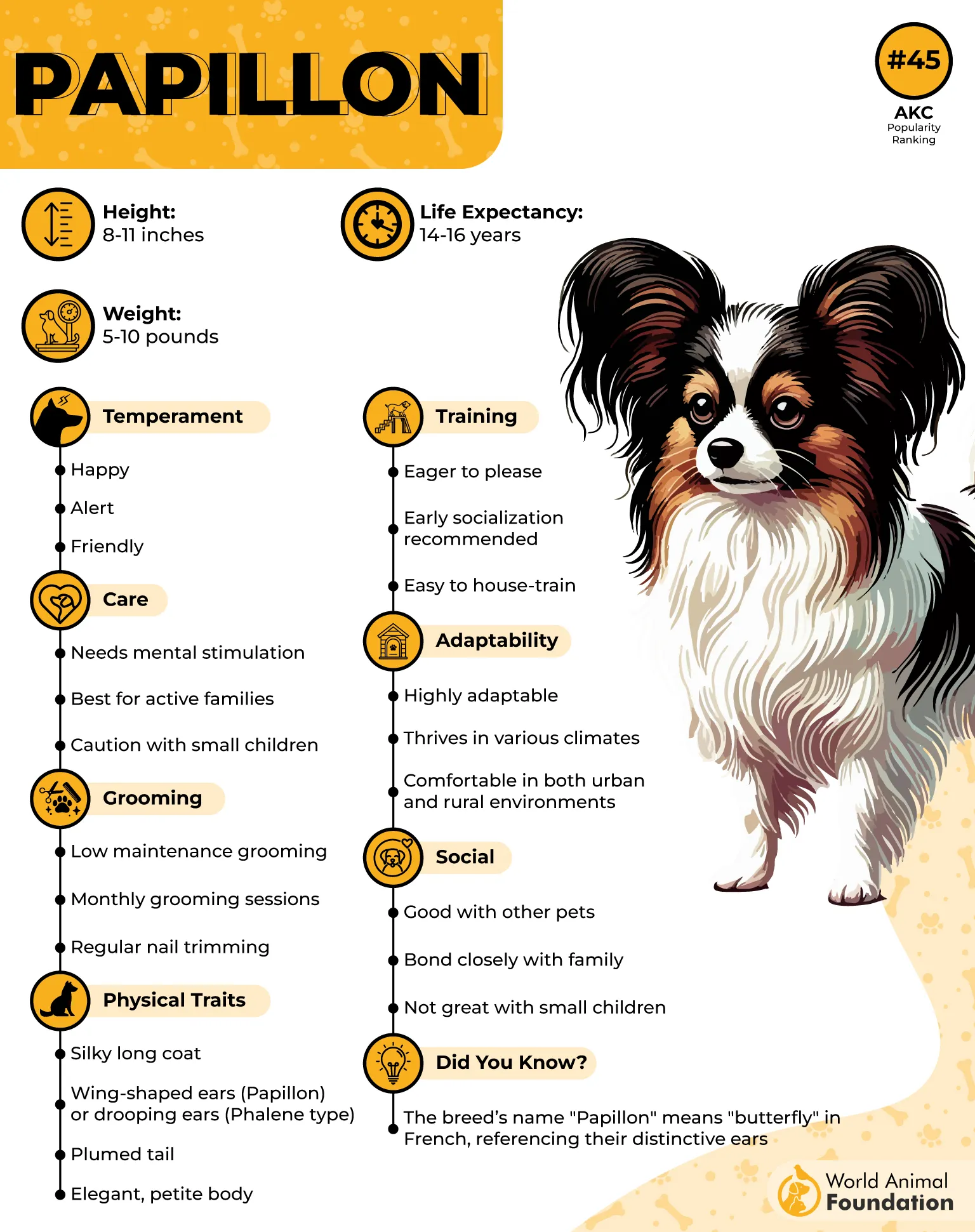
Fine Fur With Manageable Grooming
The Papillon has a long, fine, single-layer coat rather than a dense undercoat. Regular brushing helps keep its feathering smooth and prevents small tangles from developing around the ears and body. Despite its delicate appearance, the breed is energetic and benefits from daily walks, indoor games, trick training, and activities that challenge its intelligence.
A Tiny Dog With an Active Mind
Papillons are among the more mentally energetic small companion breeds. Their compact bodies make them easy to accommodate in apartments, but their brains need regular engagement. Obedience exercises, puzzle toys, agility-style activities, and interactive games can make a small living space much more satisfying for this clever breed.
6. Russian Toy
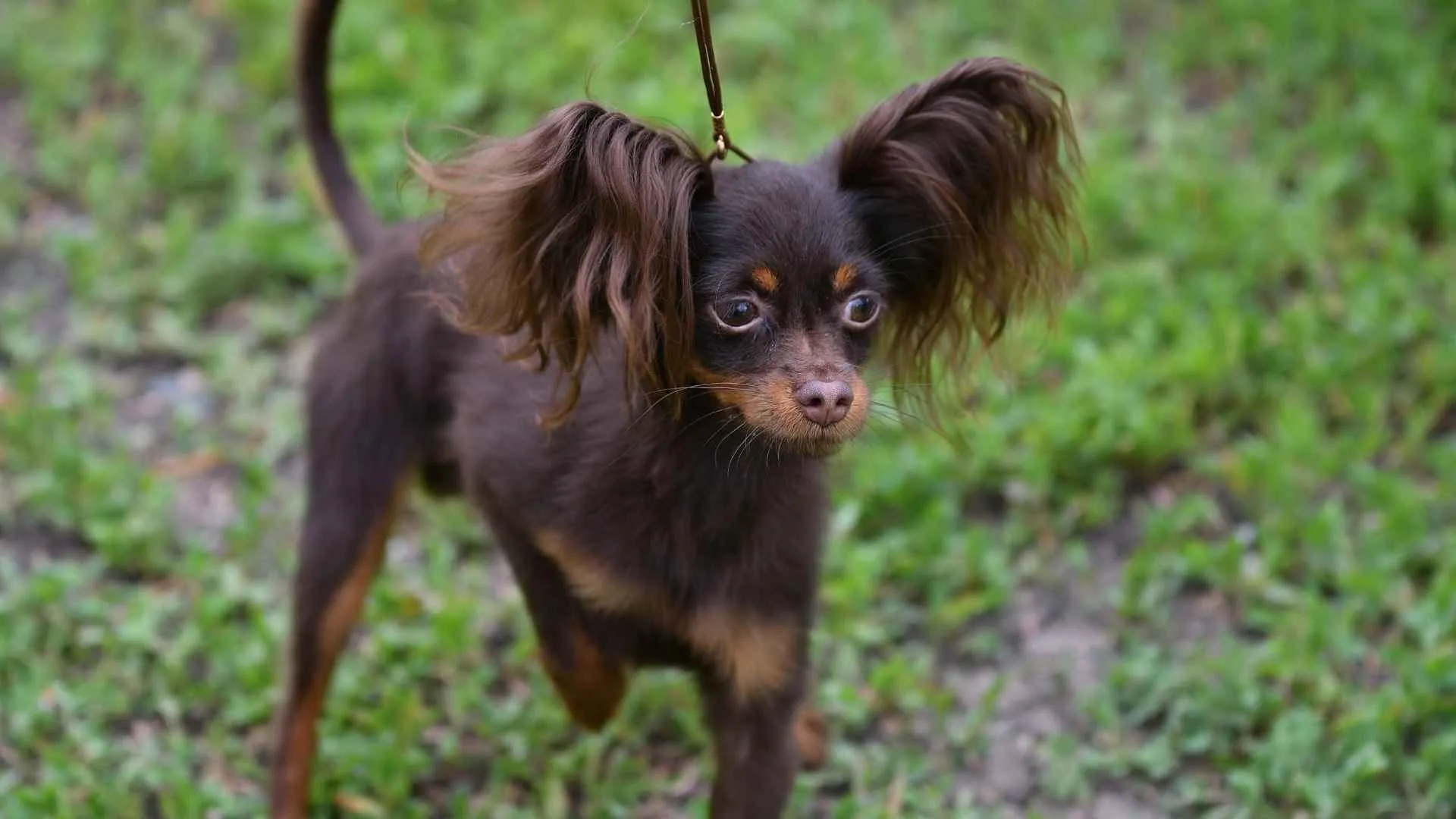
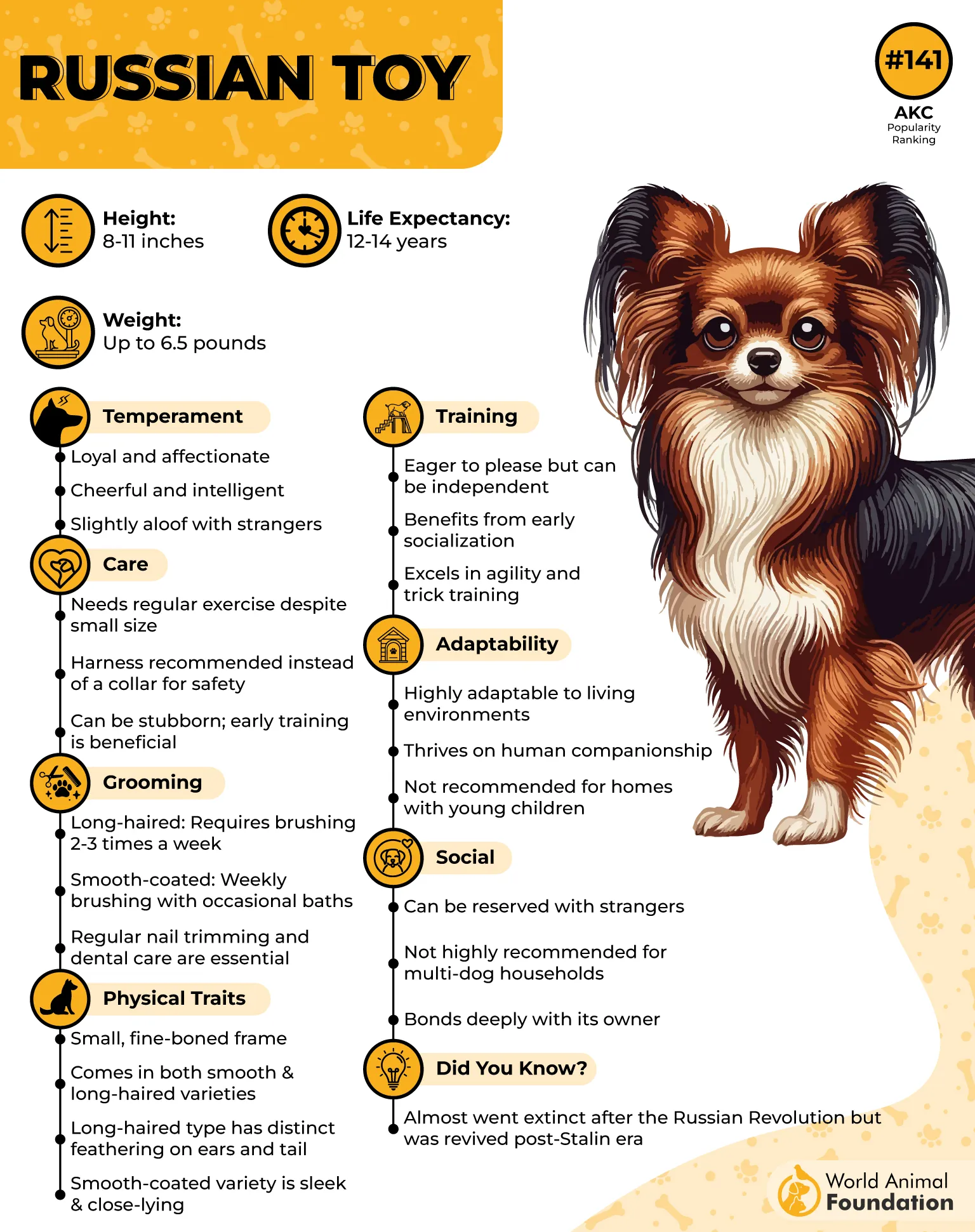
The Russian Toy was developed in Russia from small English Toy Terriers, with the breed becoming particularly associated with Russian urban households, as per Purina.
Over time, breeders developed both smooth-coated and long-coated varieties. Its small size and elegant appearance made it a favored companion, while its lively personality ensured that it was far more energetic than its delicate appearance might suggest.
Two Coat Types With Different Needs
Russian Toys may have a smooth coat or a longer coat with feathering. The smooth variety generally requires very little grooming, while long-coated dogs benefit from regular brushing to keep the fringes neat. Their physical requirements are modest in scale but still important, with daily walks, indoor play, and short training sessions helping provide adequate stimulation.
An Exceptionally Small Urban Companion
The Russian Toy’s tiny dimensions make it convenient for apartments and other compact residences. It can move comfortably through a smaller home and is relatively easy to transport. Nevertheless, its small body does not mean it should be treated as a decorative pet; regular activity, socialization, and positive training are important for developing a confident household companion.
7. Toy Poodle
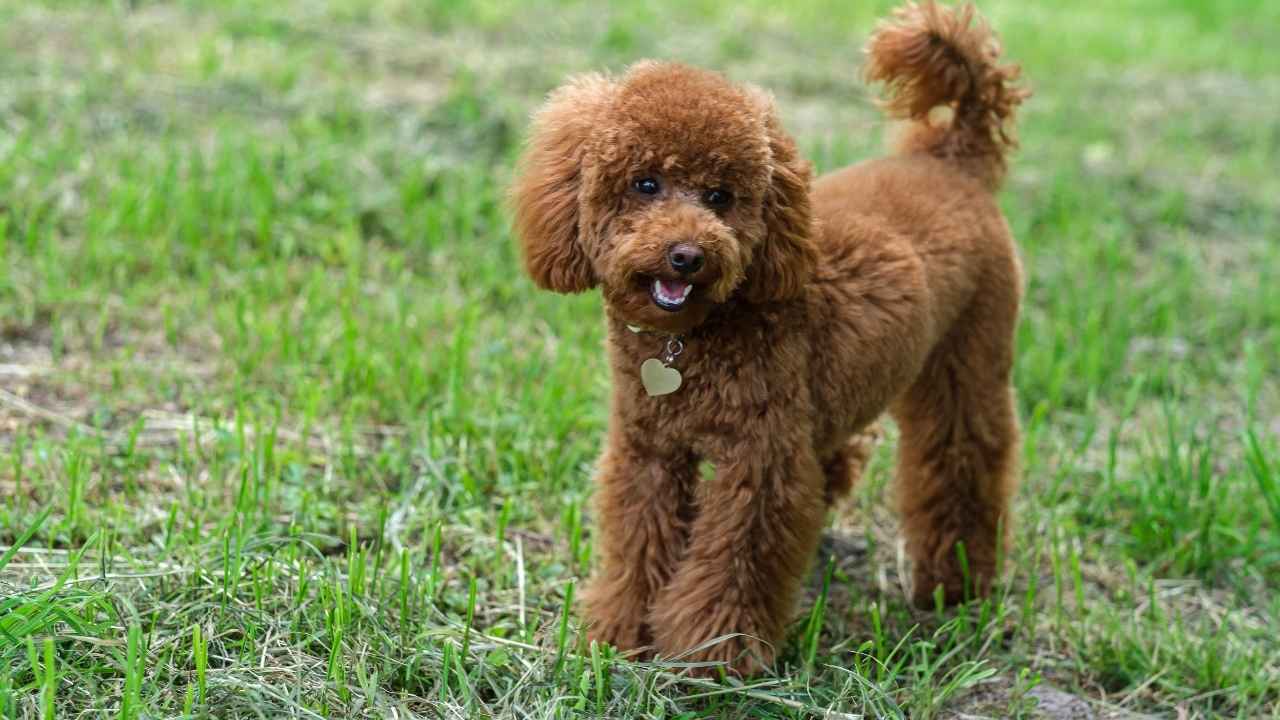
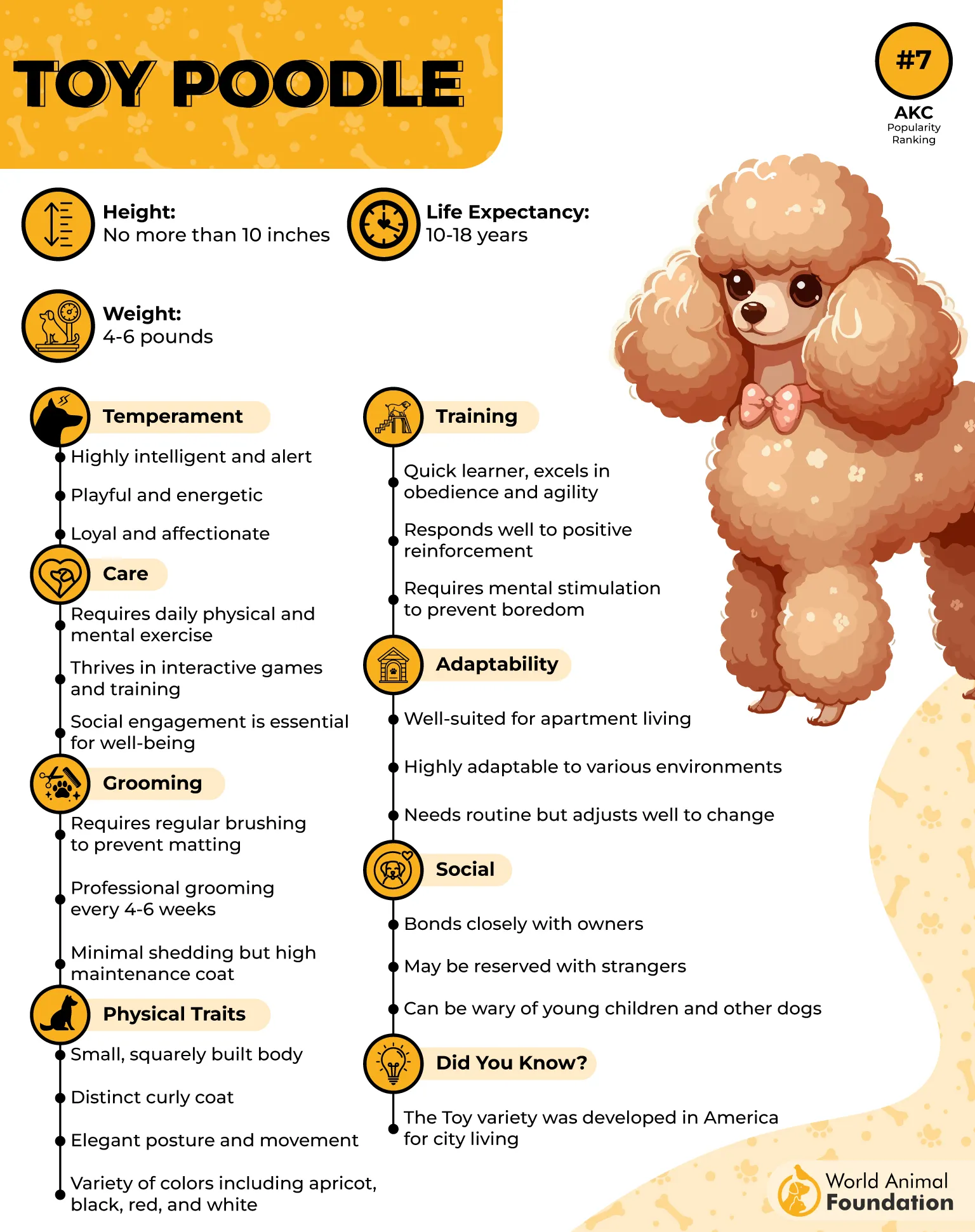
The Toy Poodle belongs to the Poodle family, whose broader history is connected with European water-retrieving dogs. Poodles were originally bred for practical working purposes before smaller varieties became increasingly popular as companions. The Toy variety was developed to provide the breed’s characteristic intelligence and appearance in a much more compact package.
A Curly Coat With Ongoing Maintenance
The Toy Poodle’s dense, curly coat grows continuously and requires regular brushing to prevent mats. Professional grooming is commonly part of its care routine, particularly when owners prefer a neatly trimmed appearance. Despite its tiny size, this breed needs daily exercise and mental stimulation through walks, games, obedience training, and interactive activities.
Small in Size, Large in Intelligence
The Toy Poodle can adapt well to apartment life because it occupies little physical space, but its intelligence means that boredom can become a problem if its days lack stimulation. Training sessions and puzzle-based games can be especially useful indoors. Its ability to learn quickly also allows owners to establish routines and household manners effectively.
Conclusion
Chihuahuas, Pomeranians, Yorkshire Terriers, Maltese, Papillons, Russian Toys, and Toy Poodles all demonstrate how much companionship can fit into a very small physical package. Their adult sizes make them practical candidates for apartments where a large dog might struggle with limited floor space, narrow hallways, or restricted access to outdoor areas.
Their similarities end there in many respects. The Chihuahua can be intensely confident, the Pomeranian brings a fluffy coat and lively personality, the Maltese often thrives on close companionship, while the Papillon and Toy Poodle combine tiny proportions with considerable intelligence. Grooming requirements also range from minimal coat care to frequent brushing and professional maintenance.
For apartment residents, the smallest breed is not automatically the easiest choice. Daily activity, barking habits, coat upkeep, social needs, and individual temperament should all be considered before bringing a dog home. With suitable exercise, training, enrichment, and a comfortable routine, a truly tiny breed can fit remarkably well into apartment life without sacrificing an engaging canine personality.
