




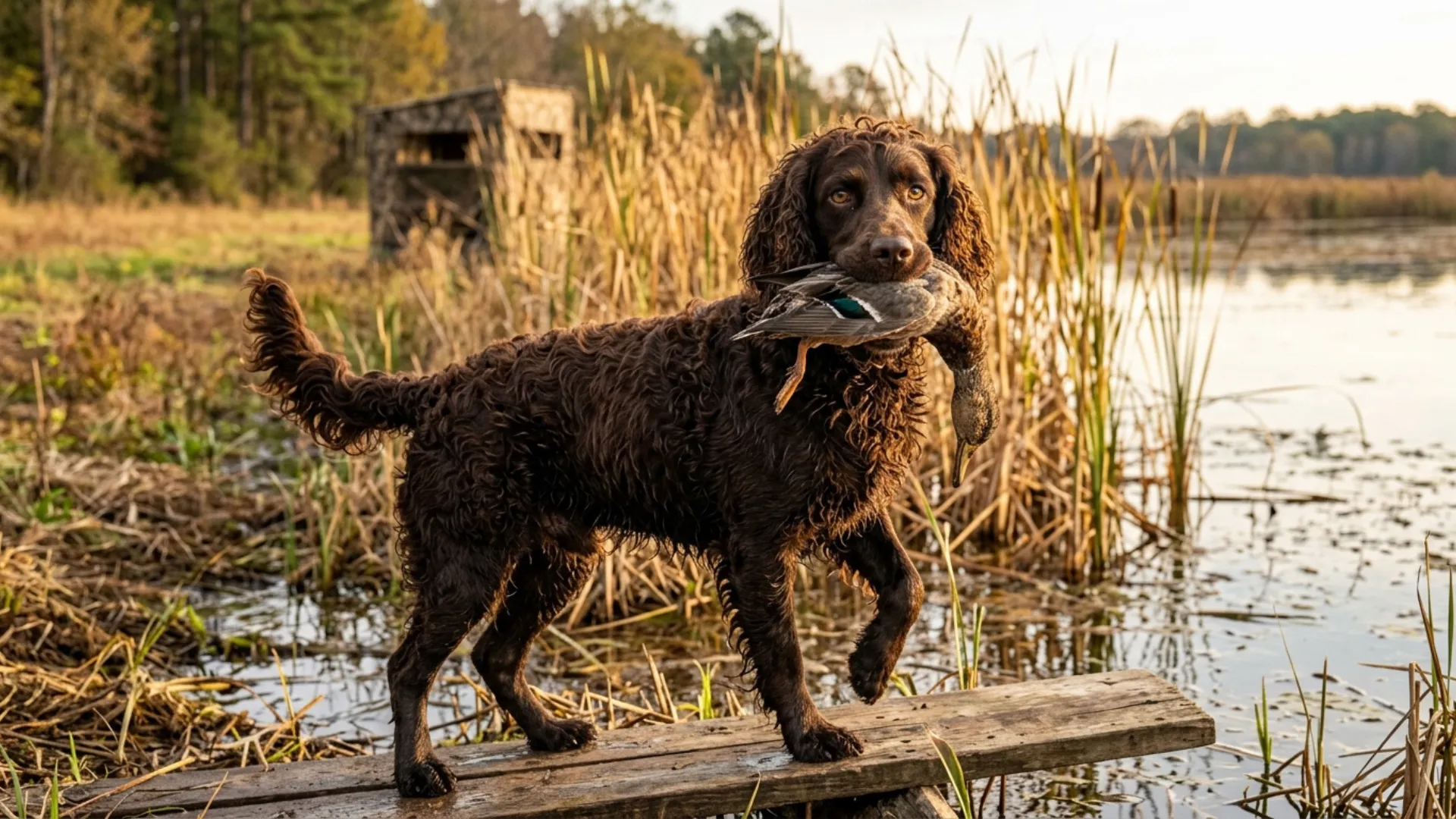
Not all hunting dogs are one-trick specialists. Some can point, retrieve, track, flush, work in water, and still have enough energy left to act like complete goofballs at home. That versatility is exactly what makes these breeds such impressive partners in the field.
Each breed brings its own hunting superpower. Some dogs rely on speed and sight; some lure waterfowl closer; and then there are a few who use their powerful nose and unmistakable voice to track and tree game.
Let’s talk about the versatile dog breeds that excel in diverse hunting; they share drive, stamina, intelligence, and a serious love of having a job to do. So whether your idea of adventure involves fields, forests, water, or rugged trails, these best dog breeds for hunting prove some dogs were built to do a little bit of everything.
Versatile Dog Breeds That Excel in Diverse Hunting
1. Boykin Spaniel
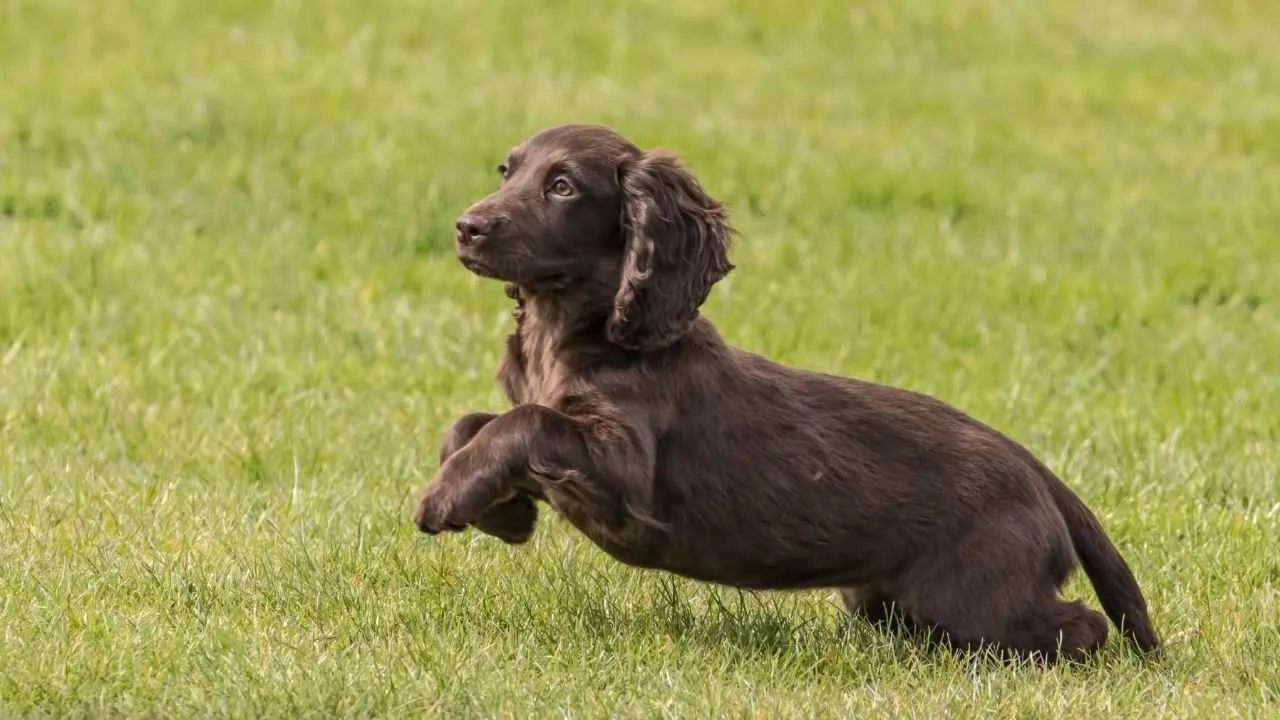
The Boykin Spaniel is basically that friend who is down for anything. Hunting trip? Absolutely. Boat ride? Already onboard. Long day outdoors followed by couch time? Perfect. This versatile American breed was developed to be a practical hunting companion, capable of flushing game, retrieving birds, and adapting to whatever the day throws their way.
Training this highly adaptable dog can be surprisingly fun because these dogs are eager to please and respond well to positive, encouraging methods. Just do not turn every lesson into the same drill on repeat. Like many spaniels, they can get bored with endless repetition and may suddenly decide that chasing a butterfly sounds way more interesting.
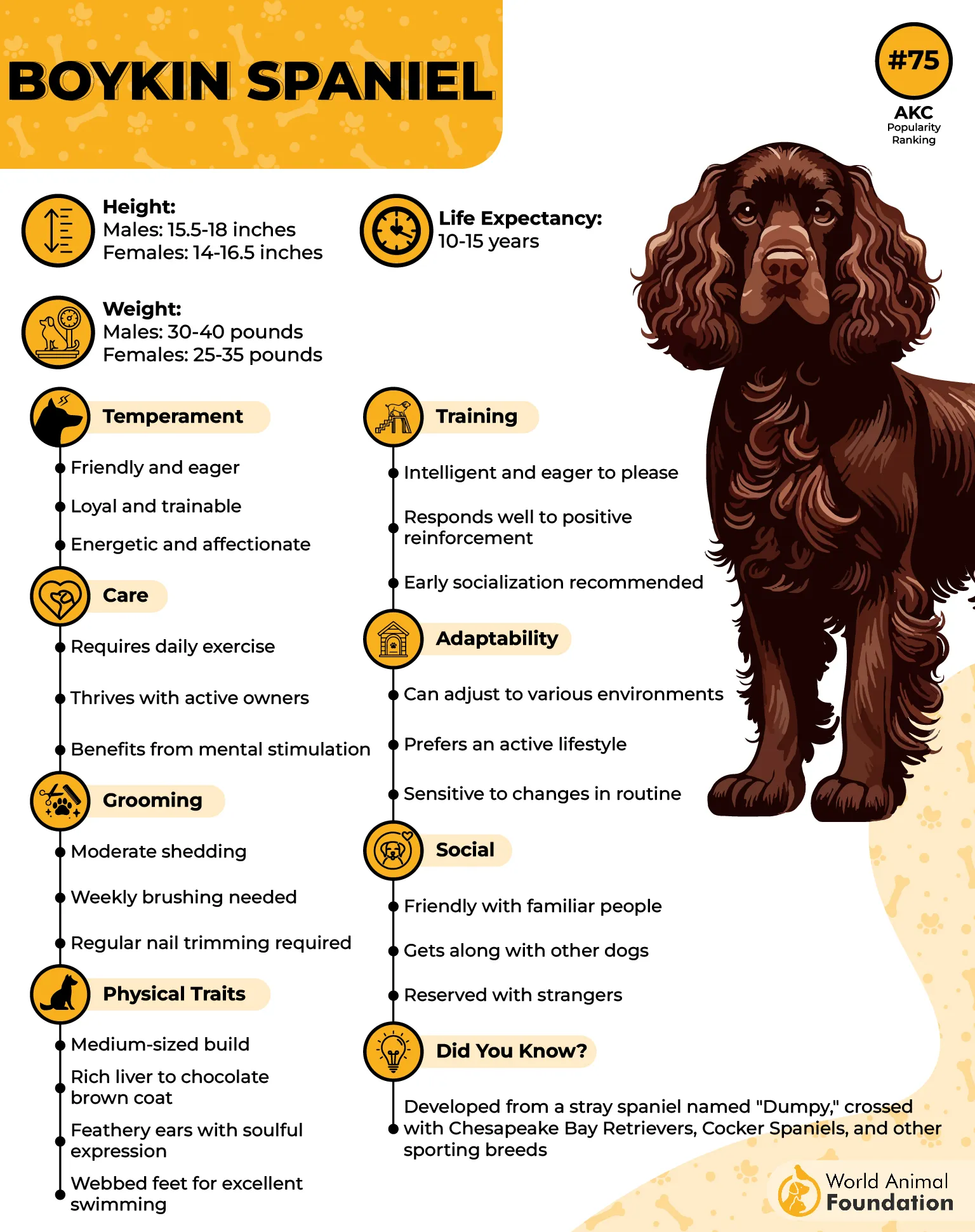
Out in the field, though, their natural talent really shows. Boykins can sit quietly beside a hunting blind, retrieve birds they see fall, and even move silently at heel during jump-shooting. With basic obedience and plenty of real-world experience, they can handle many of the jobs an everyday hunter needs without requiring ultra-complicated training.
For owners who are new to field sports, the Boykin Spaniel Club and the AKC can offer a more approachable introduction to their working instincts.
2. Vizsla
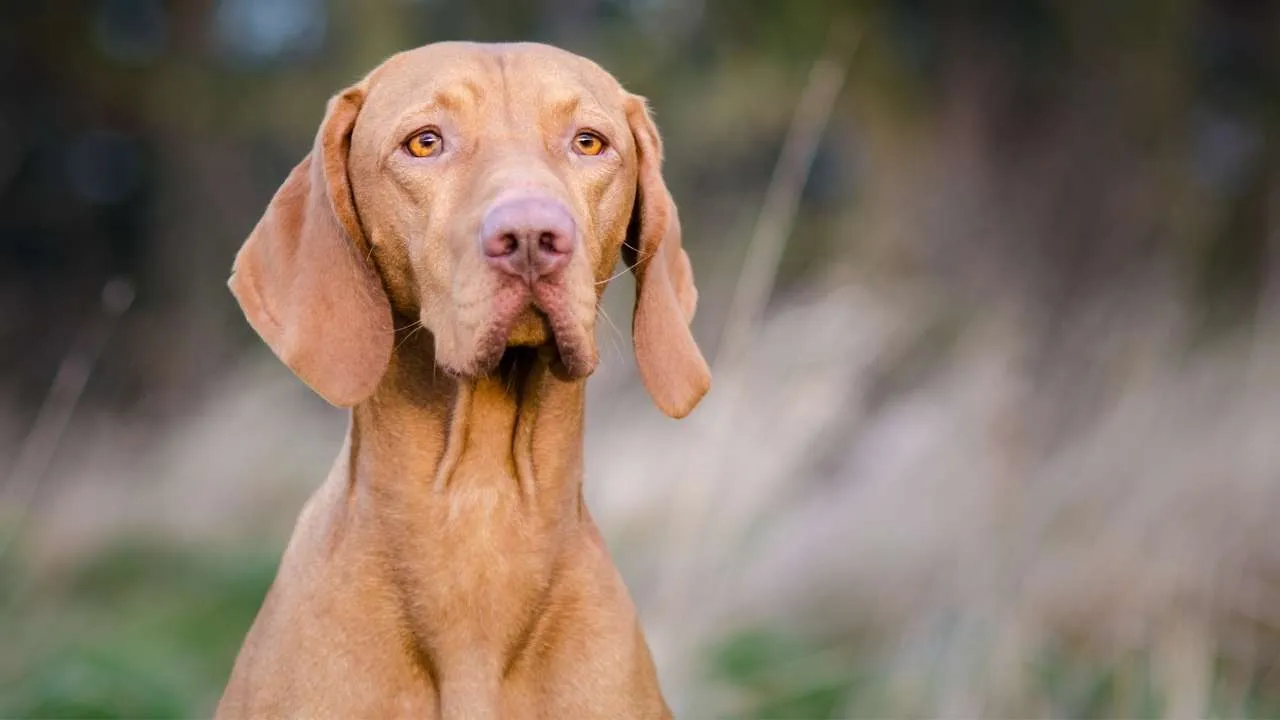
The Vizsla is basically the golden multitasker of the hunting world. This elegant Hungarian breed has roots stretching back to the 1300s, and its name comes from Magyar Vizsla, meaning Hungarian pointer.

Originally developed on Hungary’s open plains, the Vizsla was bred to hunt birds and small game with speed, caution, and serious focus. According to Britannica, these dogs were meant to move swiftly without disturbing their quarry, making them ideal partners for hunters covering wide ground.
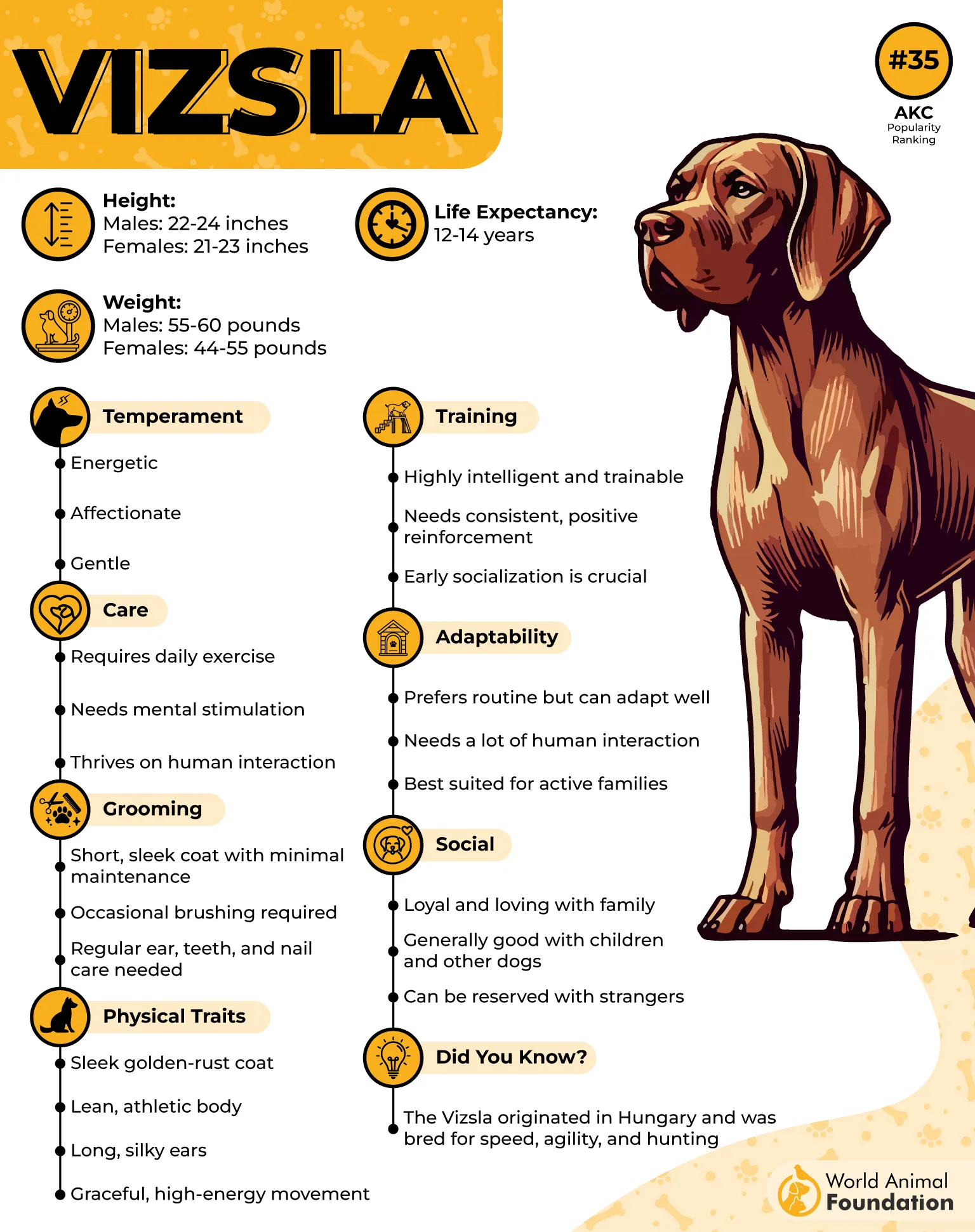
What makes the Vizsla especially versatile is that it can do much more than point. It is also a strong retriever on land and in water, a capable tracker, and a dog that naturally stays close to its handler. That “check-in” instinct makes the breed feel more like a hunting teammate than a dog simply doing its own thing.
All that talent comes with plenty of energy. Vizslas thrive on running, swimming, fetching, and organized activities such as hunt tests and agility. Give them enough action, and they can switch surprisingly well from full-speed field mode to calm, well-mannered companion at home.
Their history explains that close bond perfectly. They were bred to hunt cooperatively alongside people on foot or horseback.
3. Pharaoh Hound
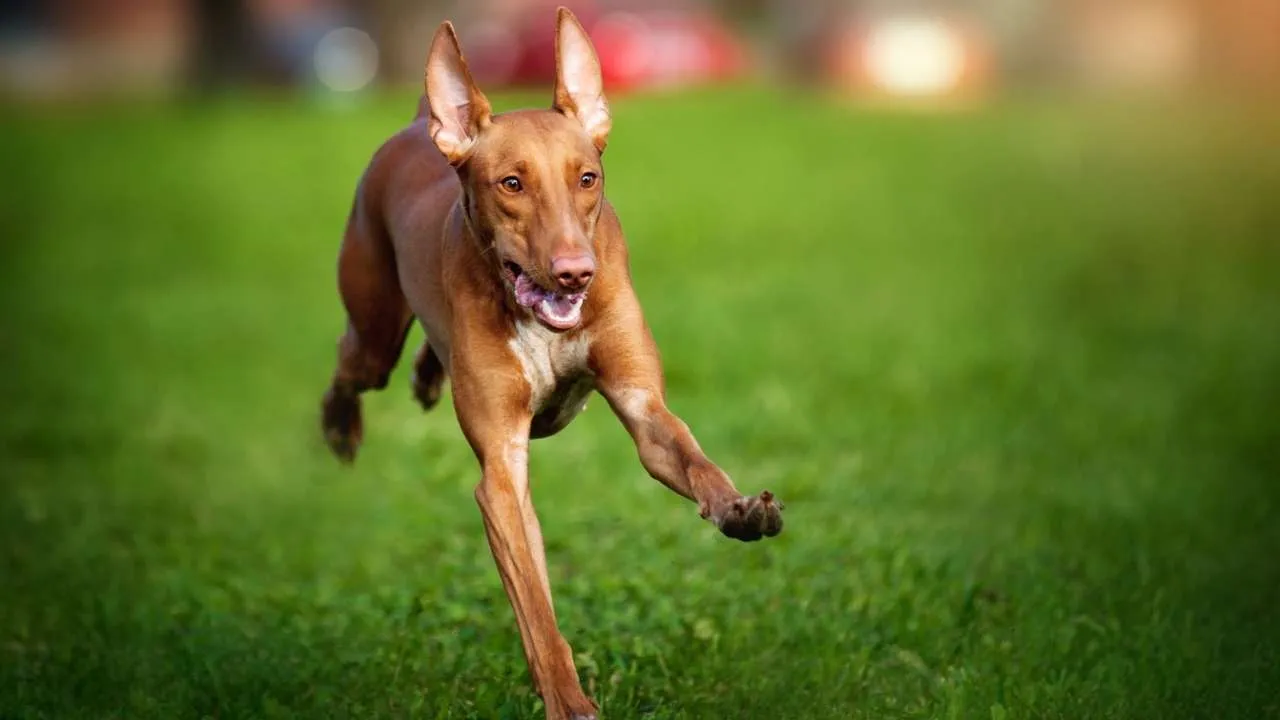
The Pharaoh Hound, a sleek hunter, is all about speed and action. This medium-sized breed has long been used to hunt rabbits on Malta, relying on both sight and scent to track down game across tough, rocky terrain.
Lean, muscular, and athletic, this super-fast dog has a body built for movement. Its slightly elongated frame, powerful legs, and impressive endurance help it handle both quick sprints and longer pursuits, which is exactly what a versatile hunting dog needs when the terrain gets unpredictable.
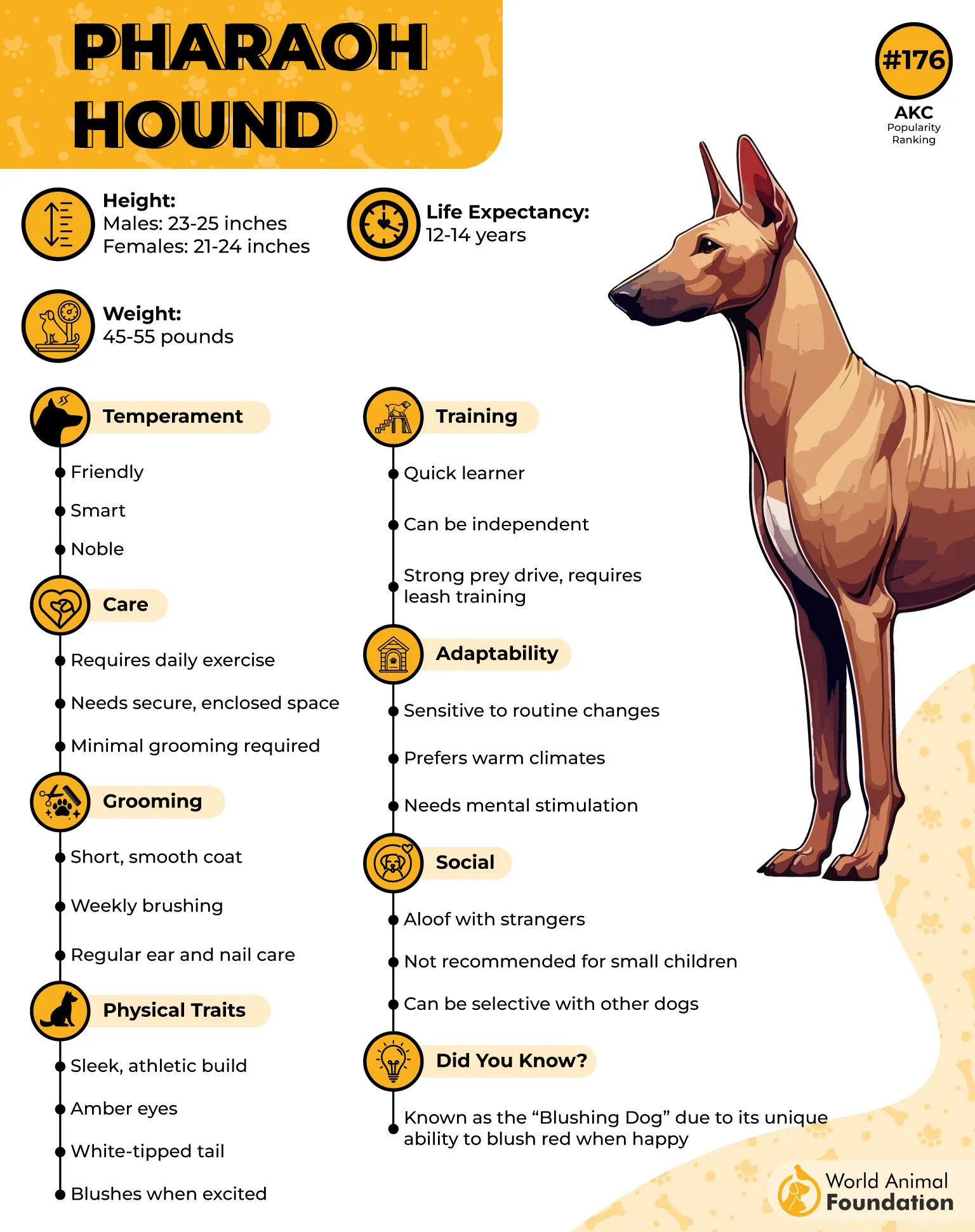
Hunting instinct runs deep in this breed. Pharaoh Hounds are independent thinkers with a strong prey drive, so smaller animals can easily trigger their chase mode. At the same time, they form close bonds with their families and stay playful and affectionate once the hunting mission is over.
Keeping one happy means giving that athletic engine somewhere to go. Daily exercise in a secure, fenced area or on a leash is essential, whether that means running, exploring, or games that let them use their natural tracking and chasing instincts.
4. Nova Scotia Duck Tolling Retriever
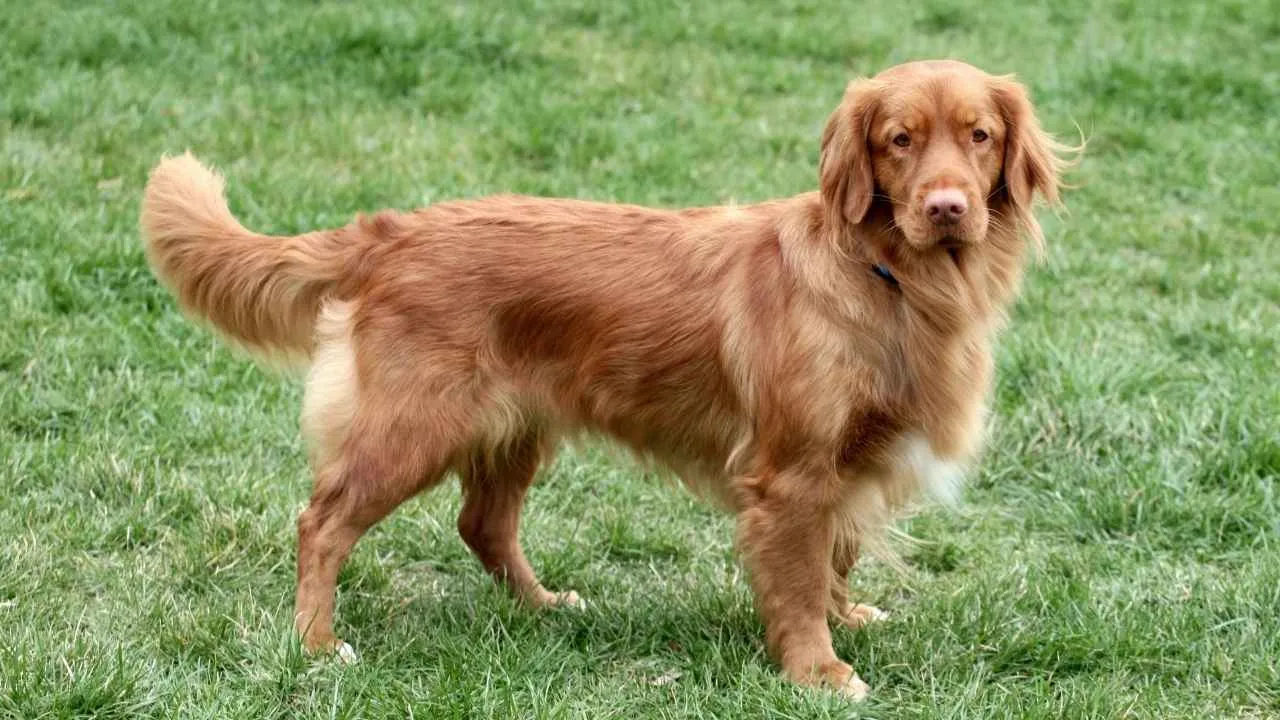
The Nova Scotia Duck Tolling Retriever, or Toller, has one of the coolest hunting tricks in the dog world. With its fox-like color, feathered tail, and quick movements, this clever retriever plays and splashes along the shoreline to grab the attention of curious waterfowl.
That playful behavior is actually part of the hunt. While the hunter stays hidden during the excursion, the dog’s movement helps lure, or “toll,” ducks closer to shore and within range. Once a bird is down, the Toller switches roles and does what retrievers do best—dives into the water and brings it back.
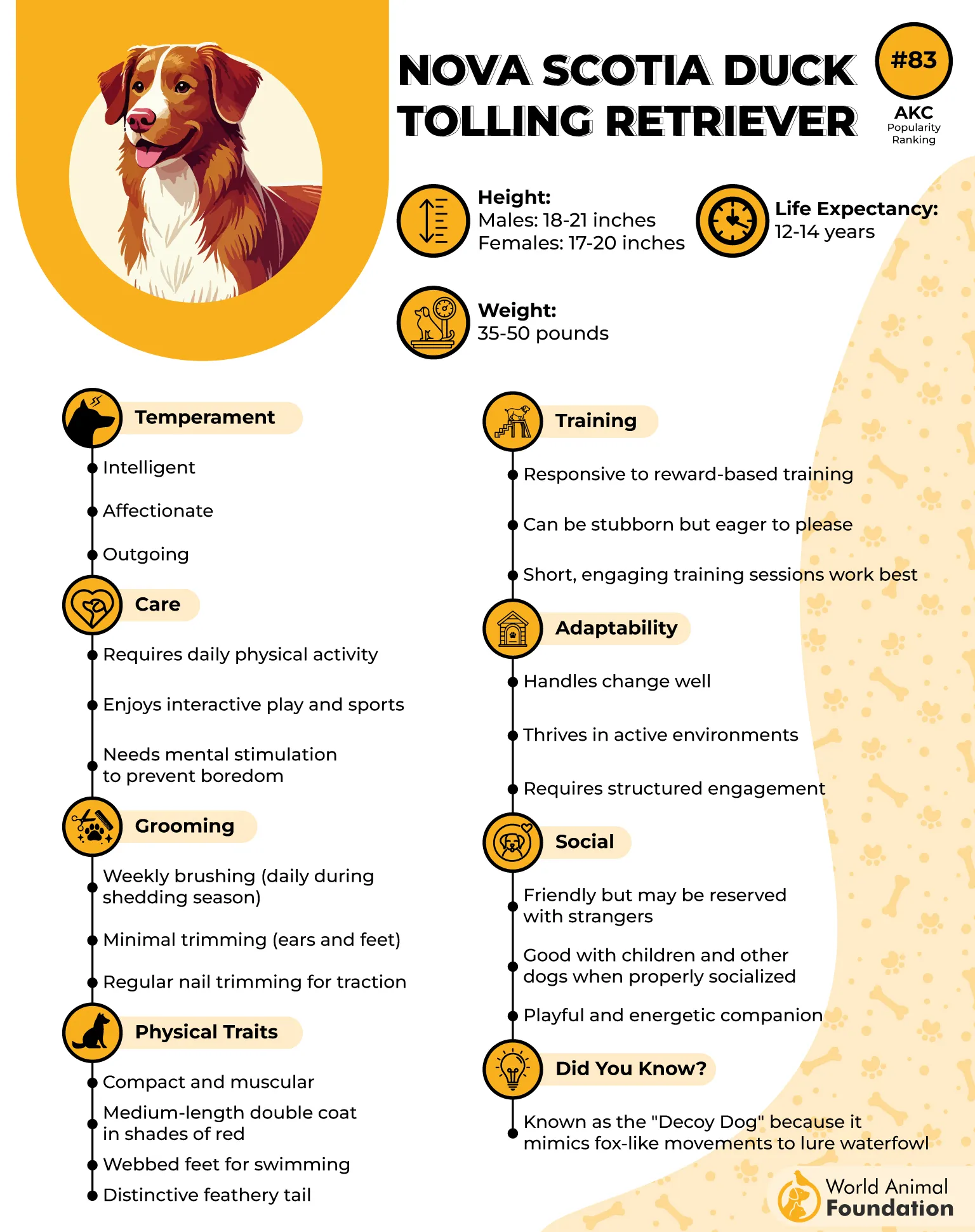
Tollers are the smallest of the retrievers, but they bring serious energy, intelligence, and versatility. Their versatility sets them apart. Some bird dogs specialize in pointing, flushing, or retrieving, but Tollers are natural multitaskers with a strong work ethic and a willingness to take on different jobs in the field.
Today, plenty of Tollers live happily as family dogs, but that hunting drive has not disappeared. They still need ways to burn off their famous retriever energy, whether that means swimming, fetching, training, or outdoor adventures.
5. Weimaraner
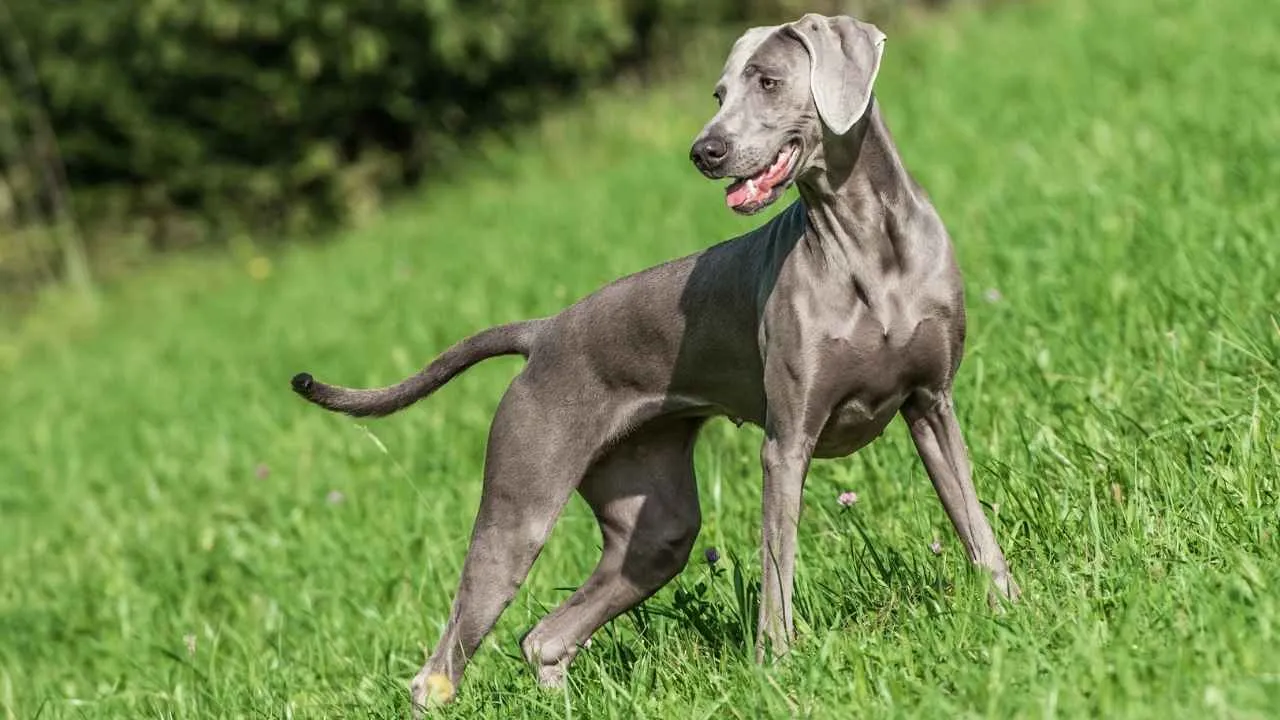
The Weimaraner has serious old-school hunting credentials. Developed in Germany in the 1800s, this sleek silver dog was originally used by royalty to pursue big game such as bears, deer, and boar. As hunting trends changed, the breed proved it could adapt, taking on smaller game like rabbits, foxes, and birds instead.
That ability to switch roles is a big part of the Weimaraner’s appeal. Rather than being locked into one job, these dogs became versatile hunting partners that could work across fields and forests. They are known for being energetic, robust, and systematic when searching terrain, which makes them useful before and after the shot.
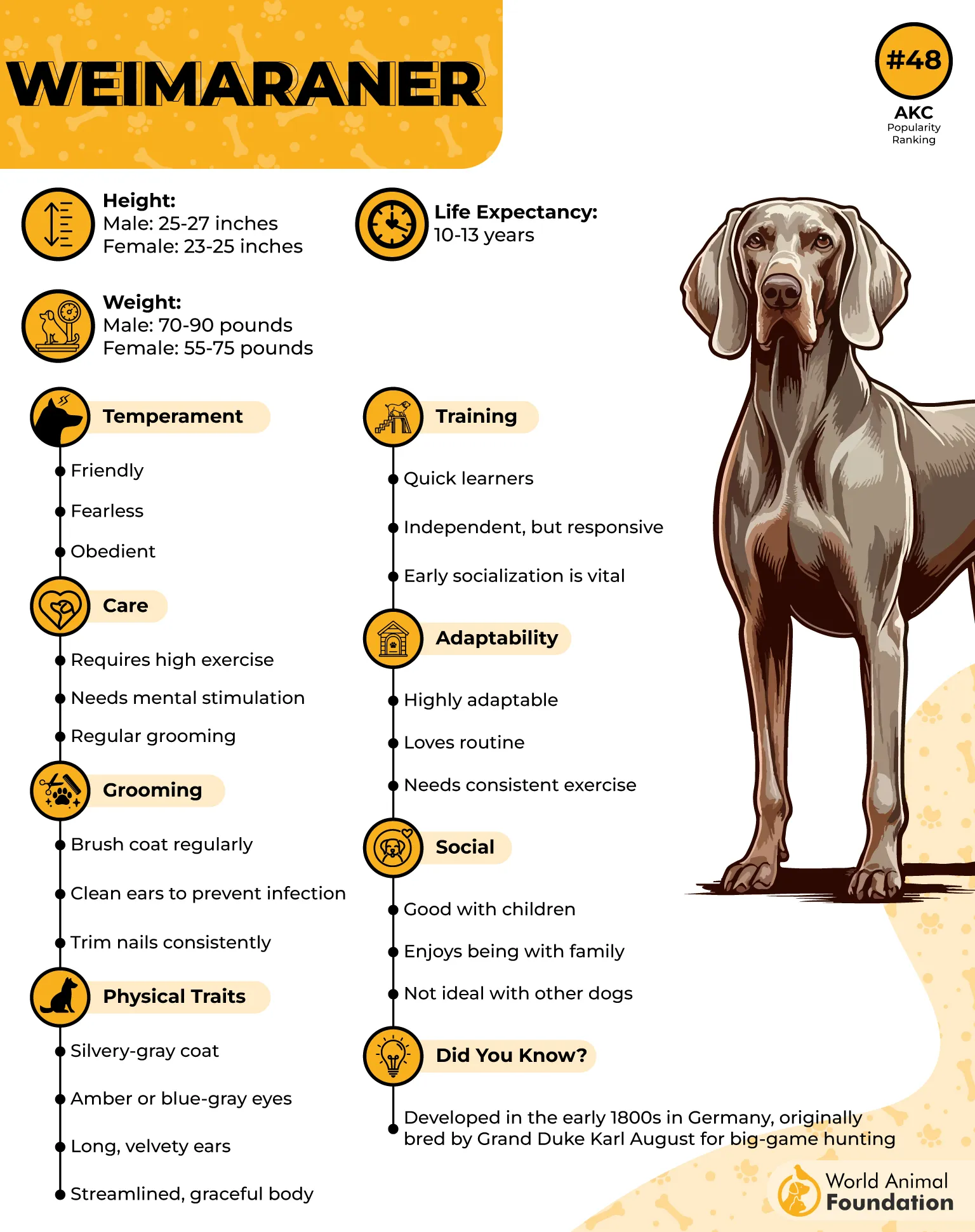
Different hunting traditions also shaped the breed in interesting ways. German lines historically emphasized controlled range and strong post-shot work, while Danish breeding placed more focus on creating dogs that were effective both before and after the shot.
Away from the field, Weimaraners are intensely people-oriented and love being close to their families. They are alert, quick to notice strangers, and can make watchful companions, but their real happy place is having a job, plenty of activity, and their favorite humans nearby.
6. German Shorthaired Pointer
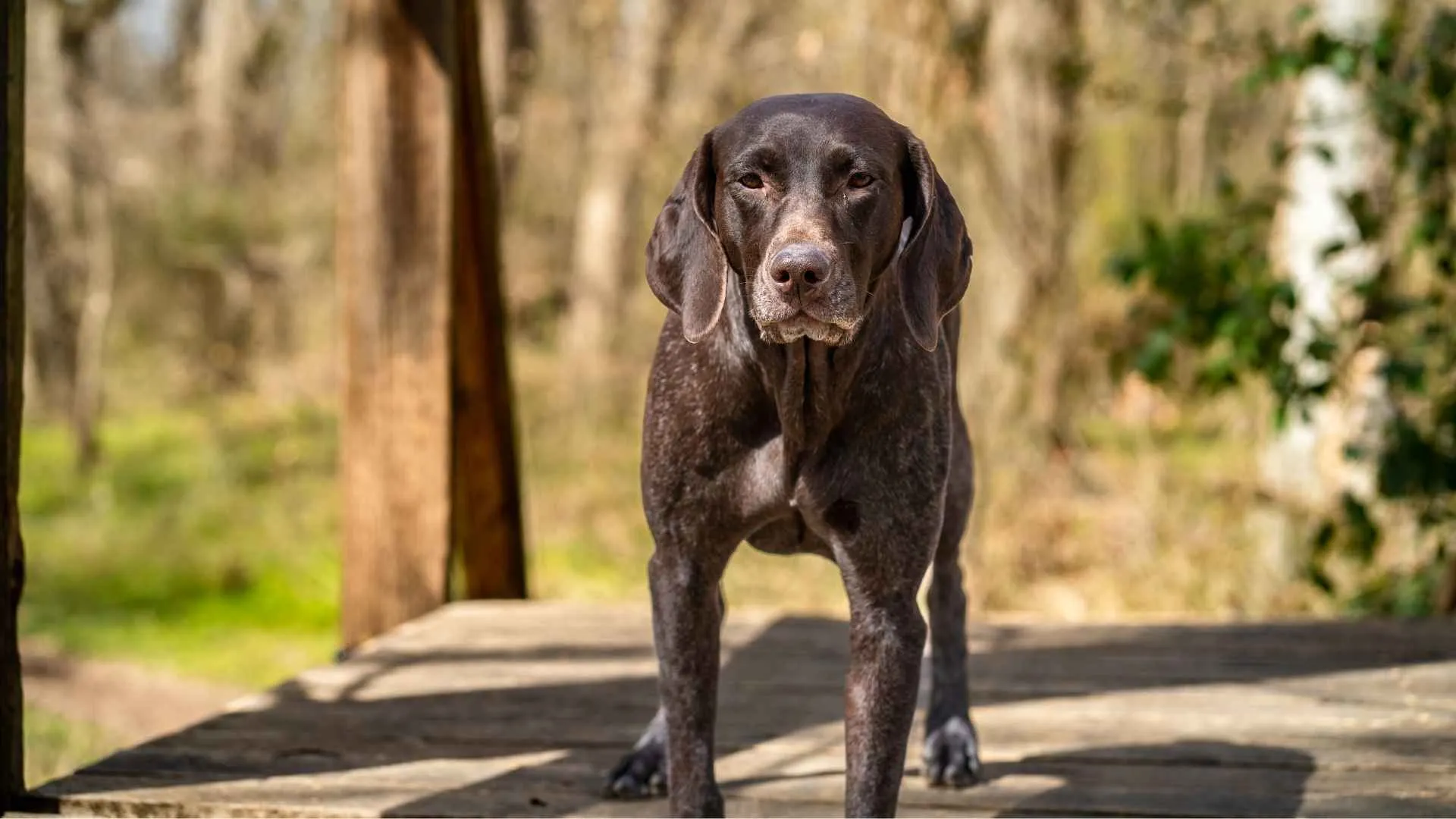
The German Shorthaired Pointer, or GSP, is basically the Swiss Army knife of hunting dogs. This athletic breed can point, retrieve, track, and work on both land and water, making it one of the most versatile gundogs around.
From upland birds and waterfowl to rabbits, raccoons, and even deer, the GSP is always ready for the next assignment.
GSPs are famous “bird dogs,” but their pointing style is what really makes them stand out. When they catch a scent, they freeze and aim their nose toward the game, giving the hunter a clear signal before the flush. According to PetMD, this pointing instinct is a defining part of their work in the field.
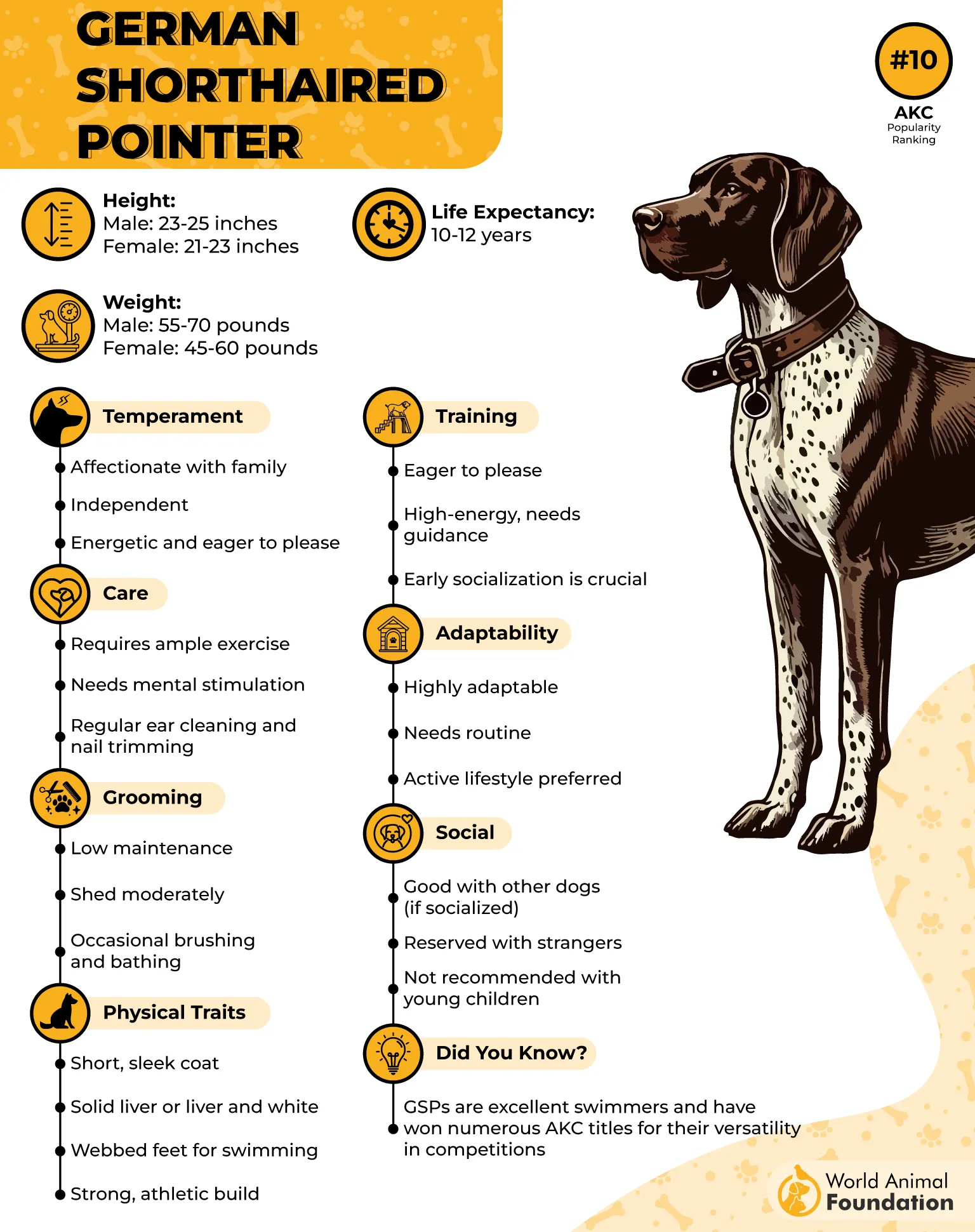
Retrieving is another major strength, especially around water. Their webbed feet, water-resistant coat, muscular frame, and serious stamina make them confident swimmers, so bringing back a downed bird from a lake is totally within their job description.
Training usually goes smoothly because these pointer dogs love working with their humans and respond well to praise, play, and food rewards. The trick is keeping things interesting. GSPs learn quickly but can get bored with repetitive sessions, so varied challenges, scent games, retrieves, and field exercises are much more their speed.
7. Treeing Walker Coonhound
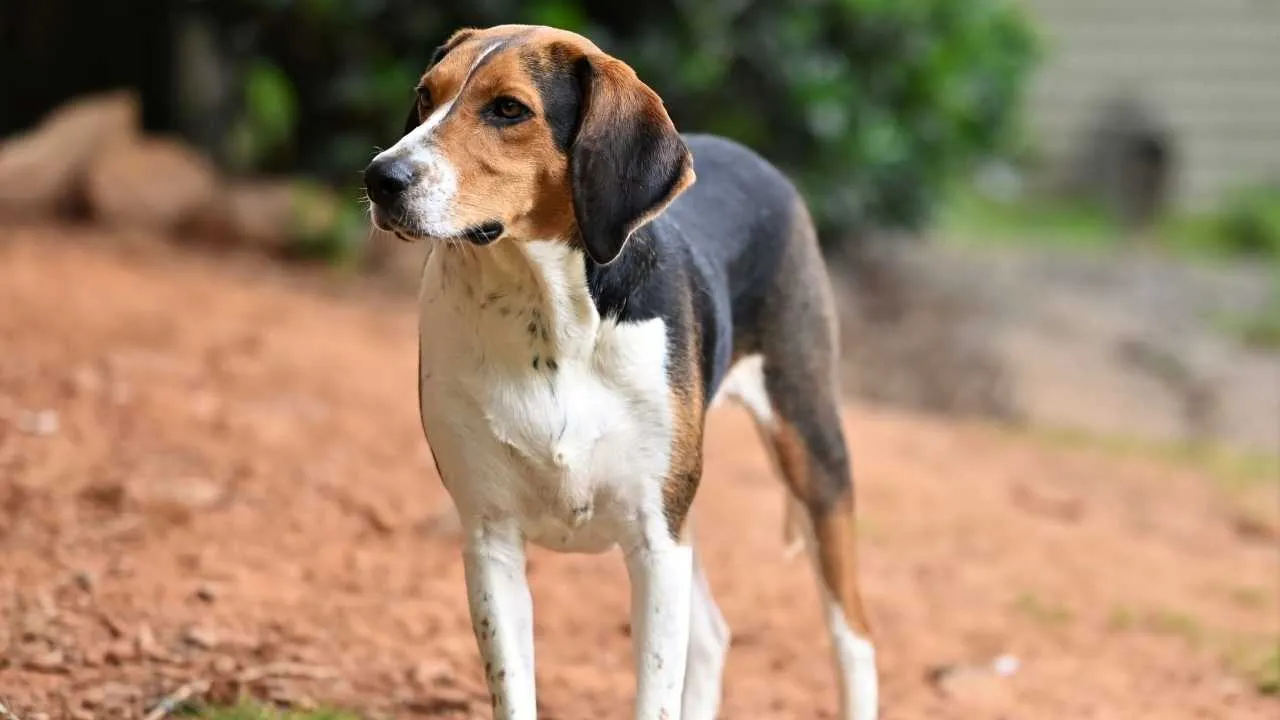
The Treeing Walker Coonhound is basically built for the chase. Famous for raccoon hunting, this fast, scent-driven hound tracks its target through woods and underbrush, pushes it up a tree, and then announces the location with that unmistakable coonhound bark until the hunter arrives.
These dogs have versatile, moldable builds, long legs, a powerful frame, a sharp nose, and impressive endurance, making them excellent at covering rough terrain. Although raccoons are their signature quarry, Treeing Walkers have also been used to pursue gray foxes, bobcats, black bears, and other animals that can be tracked and treed.
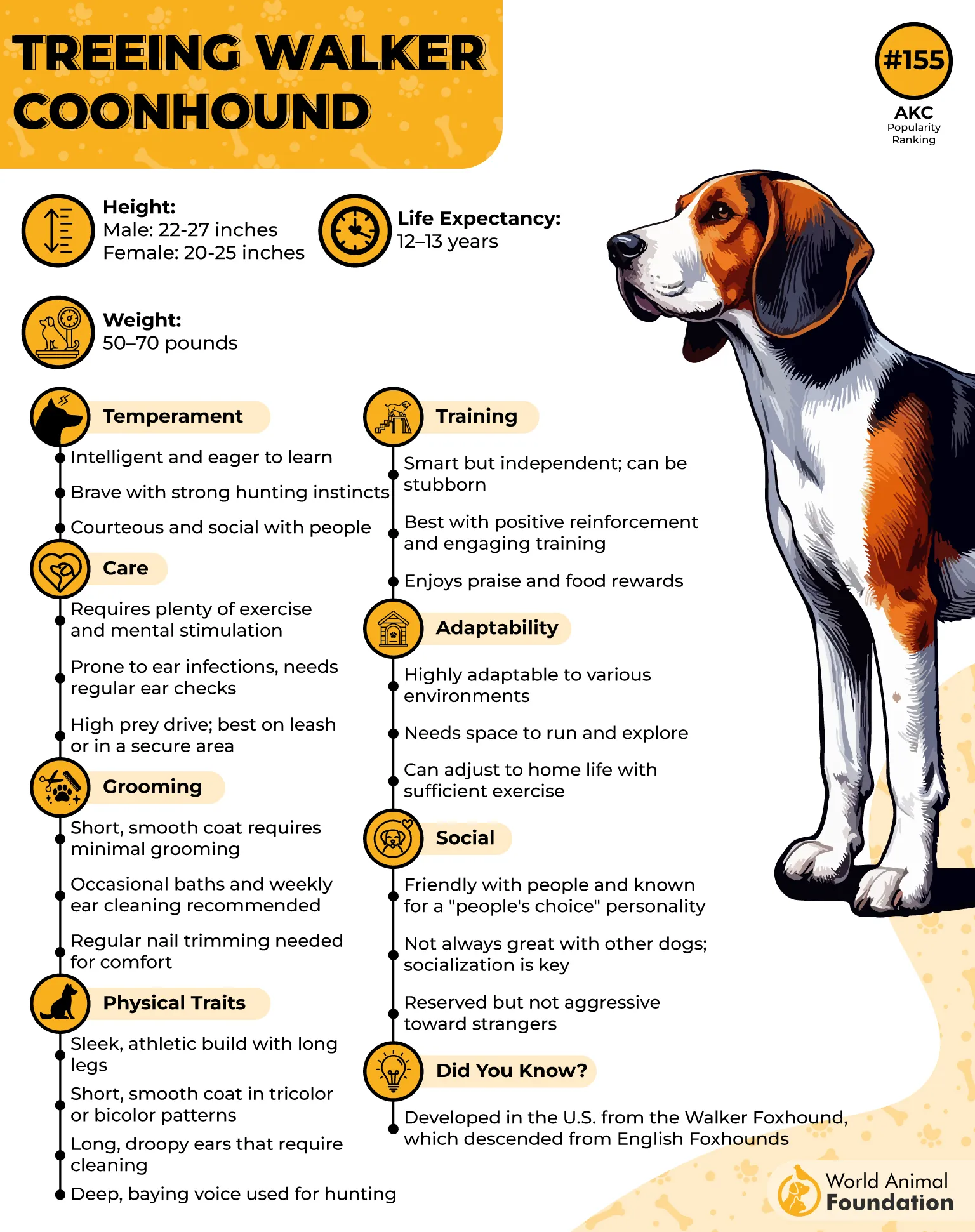
In the field, these fast and agile dogs are focused, competitive, and seriously loud. At home, though, they can flip the switch and become affectionate, goofy couch loungers who are very happy to claim a pillow between adventures.
One thing is non-negotiable: these dogs need activity. Without enough exercise and mental stimulation, all that hunting drive can turn into barking, restlessness, or destructive behavior.
Conclusion
From blazing through forests to locking onto scent trails, the Treeing Walker Coonhound is all energy, instinct, and determination. Its speed, stamina, and treeing ability make it a standout hunting partner with a serious work ethic.
Off duty, though, this focused hunter turns into a lovable, goofy companion who enjoys relaxing with the family. Give this breed enough exercise, training, and adventure, and you get the best of both worlds: a powerhouse in the field and a total sweetheart at home.
