





Would you rather share your couch than chase a ball all day?
Some dogs feel the same way! They love cozy naps, quiet evenings, and cuddles with their favorite people. If you enjoy a slower pace, the right dog can make your home feel even warmer.
Several low-energy dog breeds fit well with relaxed owners and calm families. Adult dogs often settle down more than puppies, making them a good choice for people who prefer peaceful days. But even the sleepiest pup needs daily walks, fun games, and mental play to stay happy and healthy.
So, which breeds make the best couch buddies?
From tiny lap dogs to gentle giants, these seven breeds offer different traits, needs, and charms. You will discover what makes each one special and what care it needs. This guide will help you find a furry friend that fits your home, daily routine, and lifestyle.
Ultimate Couch‑Potato Dog Breeds That Love to Lounge
1. Pekingese
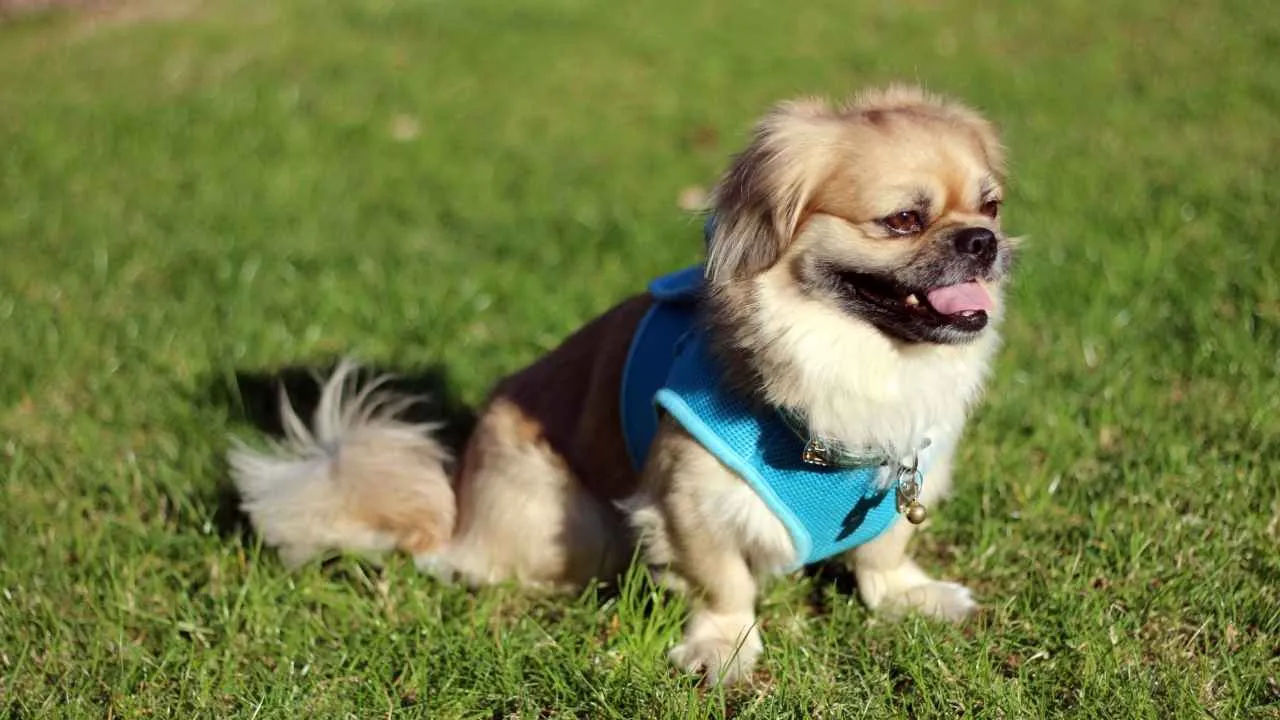
The Pekingese has a royal past and a big heart. This small toy dog comes from China, where it once lived in Chinese palaces with members of the imperial court. According to Wikipedia, its name refers to Beijing, the city where the Forbidden City stands.
Today, the Pekingese makes a devoted companion for people who enjoy a peaceful home. Its bold personality and love for familiar faces make it a charming friend. A large yard is not a must, either.
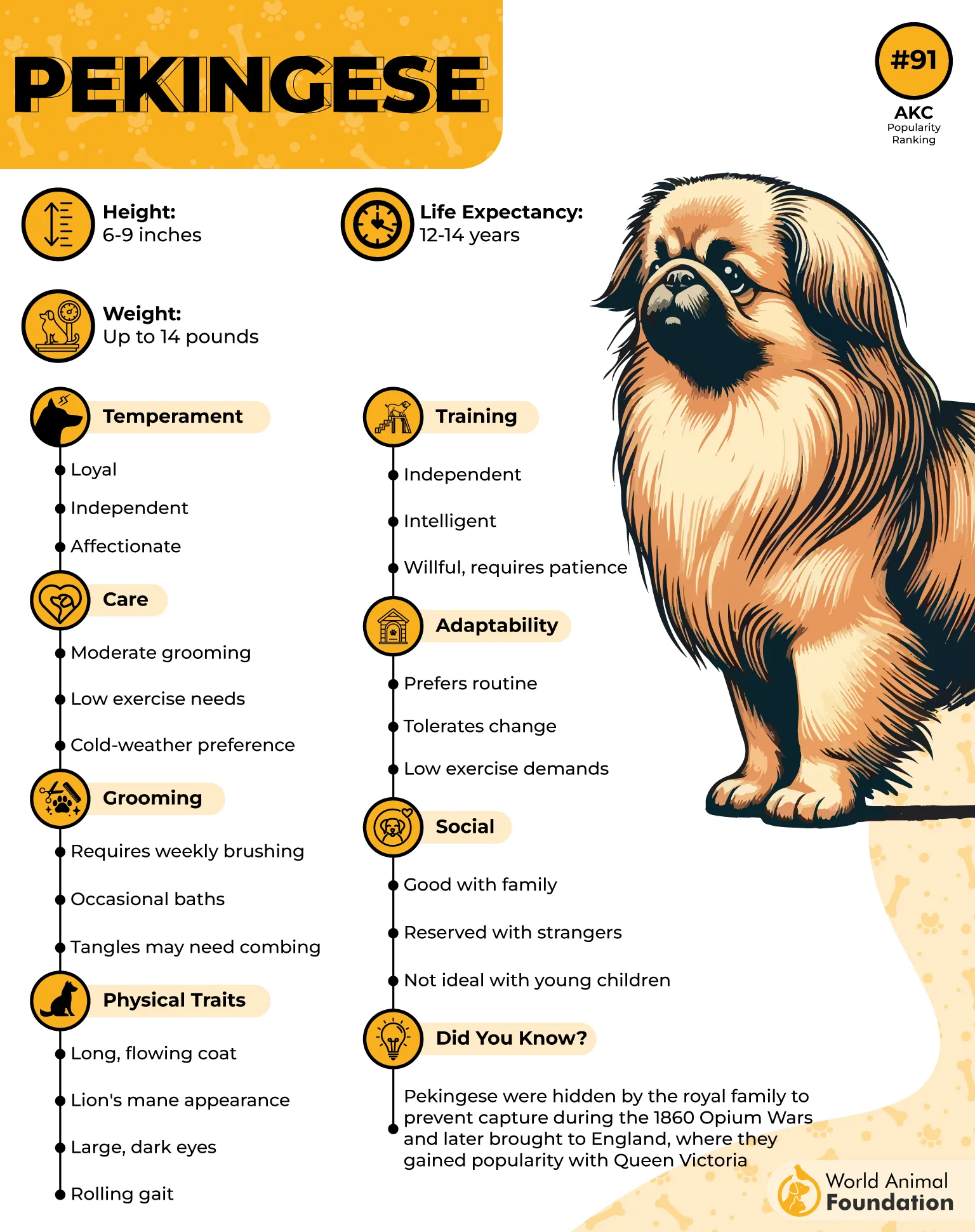
Pekingese can be perfectly happy in an apartment with a cozy sofa and plenty of company. However, its short face can make breathing harder, especially in hot weather.
Avoid strenuous activity on warm days, and keep exercise gentle. Though not highly active, this little dog still needs daily movement and loving care.
Caring for Your Pekingese
Brush the coat often: Daily brushing helps prevent knots and tangles in its long, thick fur.
Keep the face clean: Gently clean facial folds to remove dirt and moisture.
Watch its weight: Extra pounds can put more strain on its joints and breathing.
Use gentle training: Short, positive sessions work well with this confident, sometimes stubborn dog.
Plan regular vet visits: Routine checks help catch health concerns linked to its unique build.
2. Pug

The Pug is a funny little dog with a big heart. Its round head, sparkling eyes, and wrinkled brow give it a face full of charm. According to the American Kennel Club, Pugs once kept Chinese emperors’ company and later became linked to Holland’s royal House of Orange.
The Pug is one of the oldest dog breeds, with a history dating back to at least 400 BC. Today, they are loved for their sweet nature and strong desire to please their people.
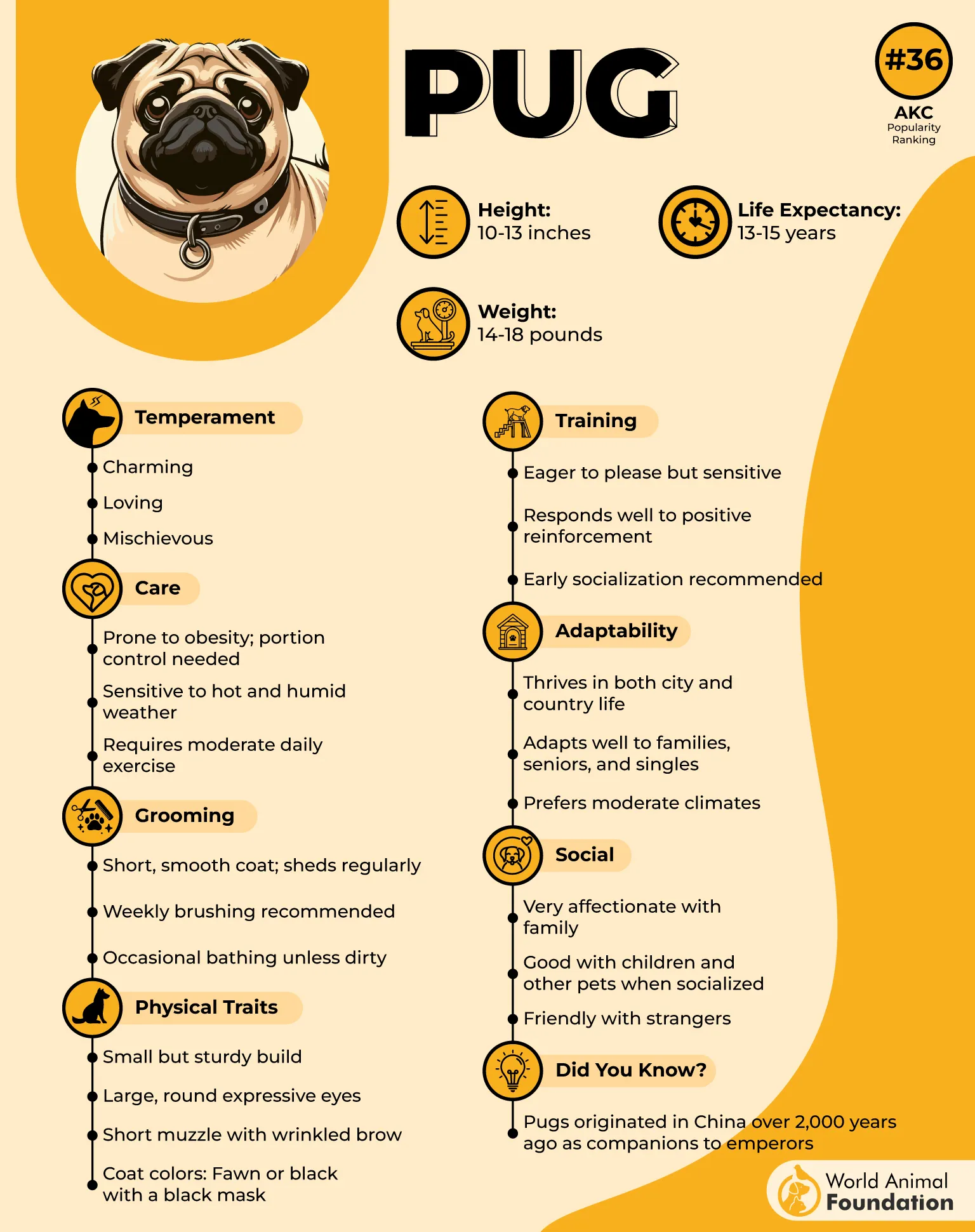
This lazy dog breed often enjoys curling up on the sofa after short walks. Its stubby legs and solid body suit a relaxed home, but daily exercise still matters. Pugs can also fit well into families with children and other pets, including cats, when introduced with care.

They may be low maintenance in terms of coat care, but their short muzzles need special attention. Keep them cool in warm weather and watch their weight to support healthy breathing.
Helping Your Pug Stay Happy and Healthy
Serve measured meals: Pugs love food, so watch portions to prevent unhealthy weight gain.
Clean facial wrinkles: Dry the skin folds gently to help prevent irritation and trapped moisture.
Use reward-based training: Praise and small treats can help your Pug learn good habits.
Protect their eyes: Their prominent eyes need care, so contact your vet if you notice redness or discomfort.
Plan calm indoor games: Simple puzzle toys offer mental fun without pushing your Pug too hard.
3. Cavalier King Charles Spaniel
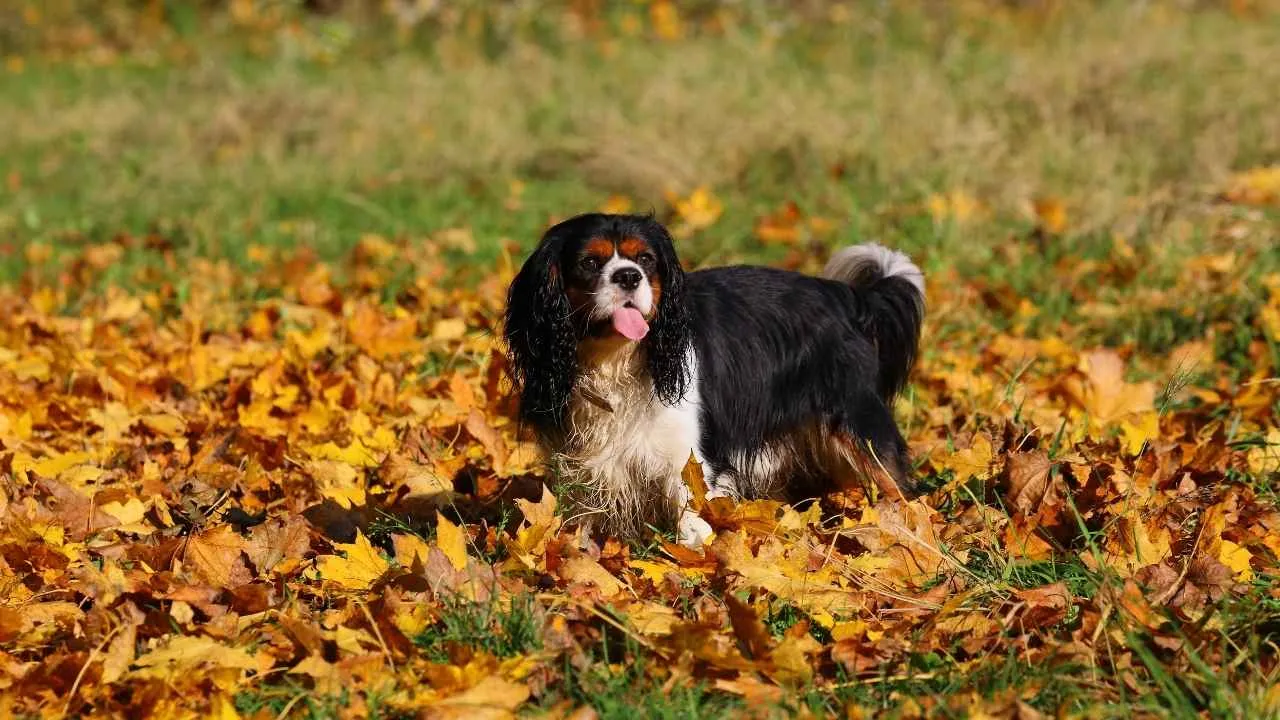
The Cavalier King Charles Spaniel has a loving, playful personality that makes it a joy to have around. According to PetMD, this affectionate companion got its name from British royalty in the 17th century. King Charles I and Charles II loved these dogs and took them almost everywhere.
Bred to warm laps in chilly castles and carriages, Cavaliers still enjoy curling up beside their people. Their small stature suits indoor living, and they can adapt well to a calm household. However, do not let their couch potato side encourage a sedentary lifestyle.
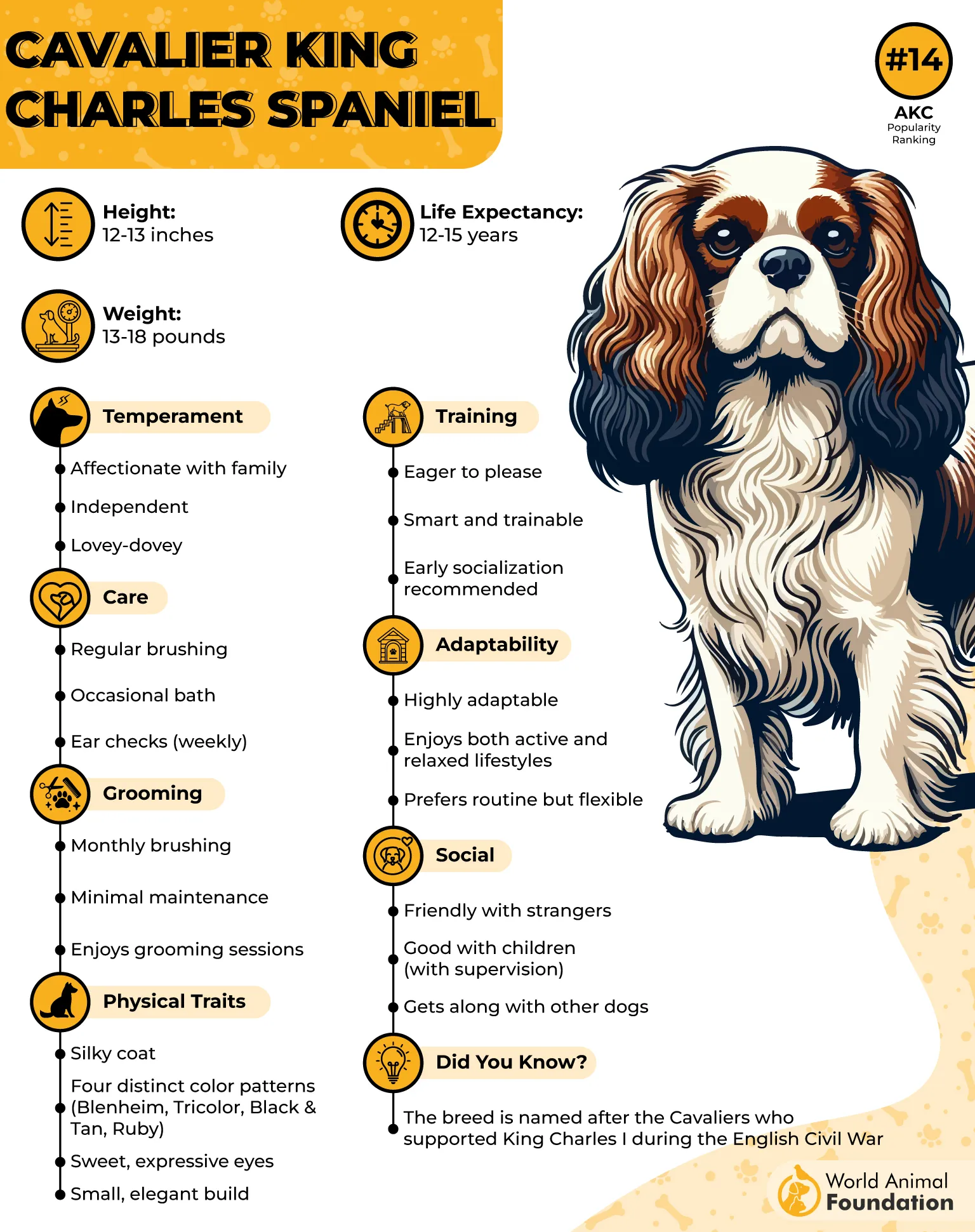
Cavalier King Charles Spaniels need daily exercise, play, and chances to explore. They often enjoy dog parks, too, when safely introduced to other pets. Their gentle nature can make them a good match for families with kids.
Still, they thrive on human company and may struggle when left alone for long periods.
Keeping Your Cavalier Happy
Watch heart health: Ask your vet about heart screenings, as mitral valve disease is a common concern in this breed.
Make play part of the day: Toss a soft toy or let your dog roll around during supervised play.
Use kind training: Gentle praise and rewards help this eager dog learn good manners.
Check the ears: Clean and inspect the long, floppy ears to help prevent moisture-related problems.
Offer company: Plan family time and activities to help your Cavalier feel secure and included.
4. Clumber Spaniel
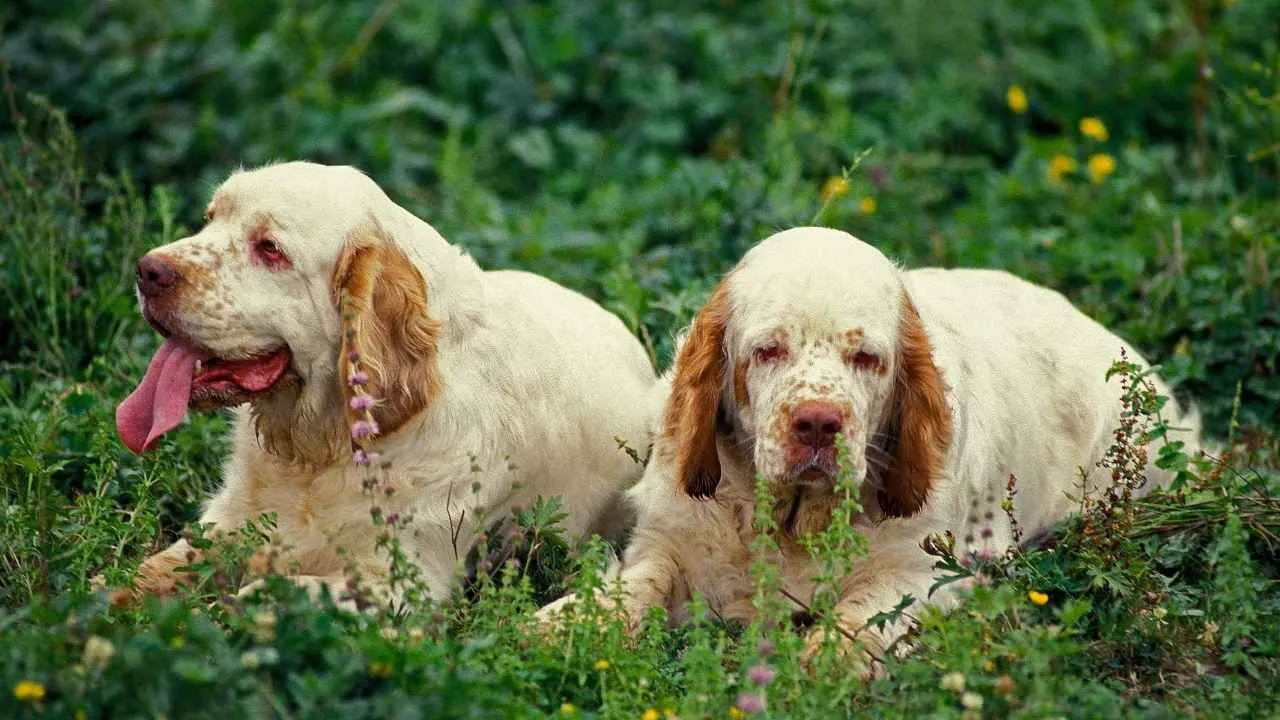
The Clumber Spaniel is a large breed with a calm nature and a rich hunting past. According to Britannica, the breed takes its name from Clumber Park in Nottinghamshire, England. British breeders developed these dogs, and they later became favorites of royals, including Prince Albert.
Despite their history as hunting companions, Clumbers often bring a relaxed energy to family life. This lazy dog breed may be perfectly content resting at home after gentle outdoor adventures.
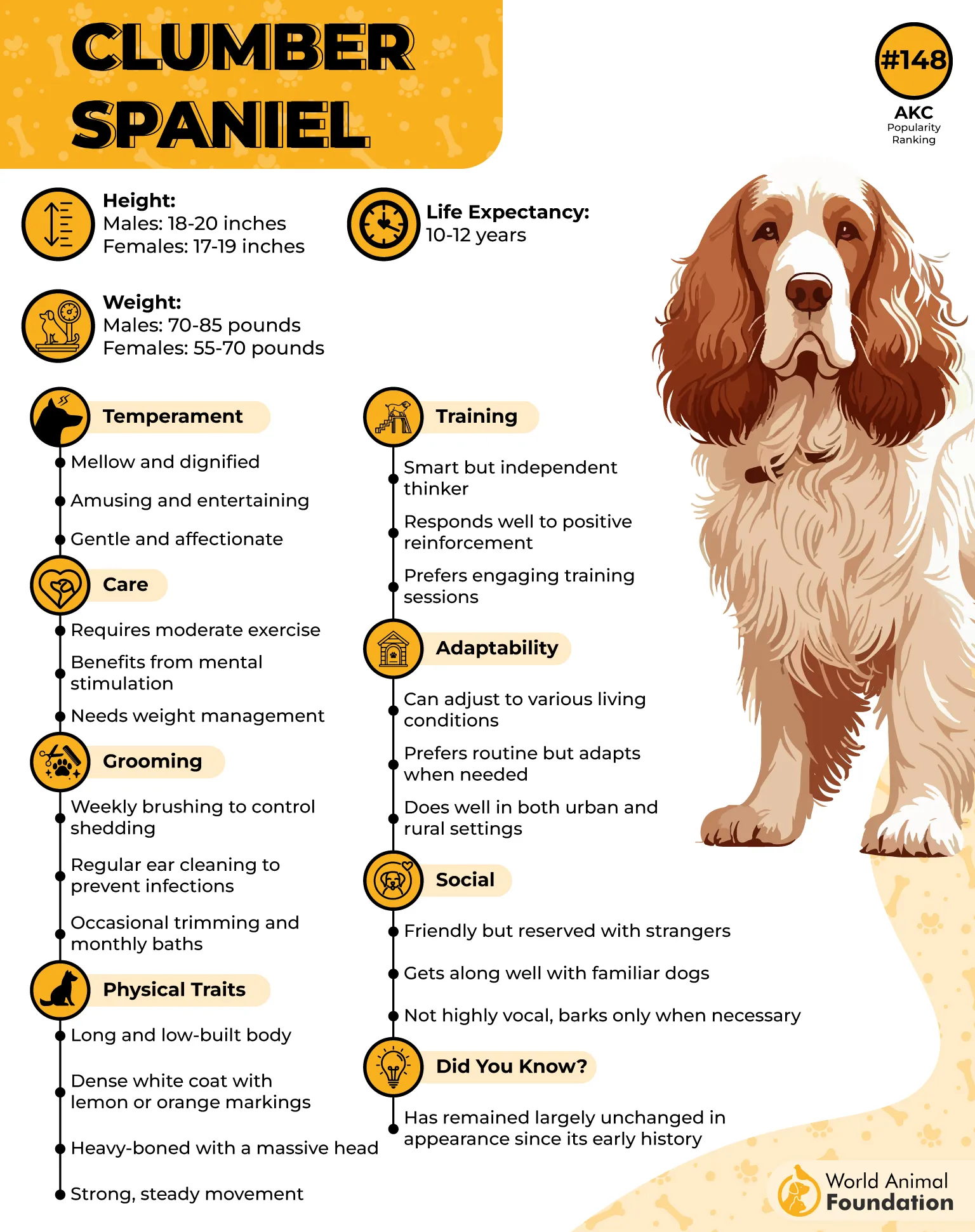
Its heavy body and droopy ears give it a distinct look. However, owners should still plan daily walks and short bursts of play. Small sessions of scent games can keep this clever dog active without tiring it too much.
Clumbers need room to move, but they do not need intense exercise. Puppies may show more energy, so build healthy habits early and avoid too much activity in the heat.
Caring for Your Clumber Spaniel
Manage food portions: This breed can gain weight easily, so measure meals and limit extra treats.
Groom the coat: Brush its dense fur often to remove loose hair and prevent tangles.
Check those ears: Clean and dry the hanging ears as needed to help prevent infections.
Prepare for drool: Keep a towel handy, especially after meals or a drink of water.
Choose safe activities: Let your dog sniff and explore at its own pace, especially in warm weather.
5. Basset Hound

The Basset Hound is easy to spot, with short legs and a powerful nose. According to Purina, this breed once helped hunters track small game. Today, its relaxed and affectionate nature makes it a popular family dog.
As a low-energy dog breed, the Basset Hound often enjoys a quiet afternoon on the sofa after exploring outdoors. It may seem perfectly content lounging at home, but it still needs daily walks and exercise.
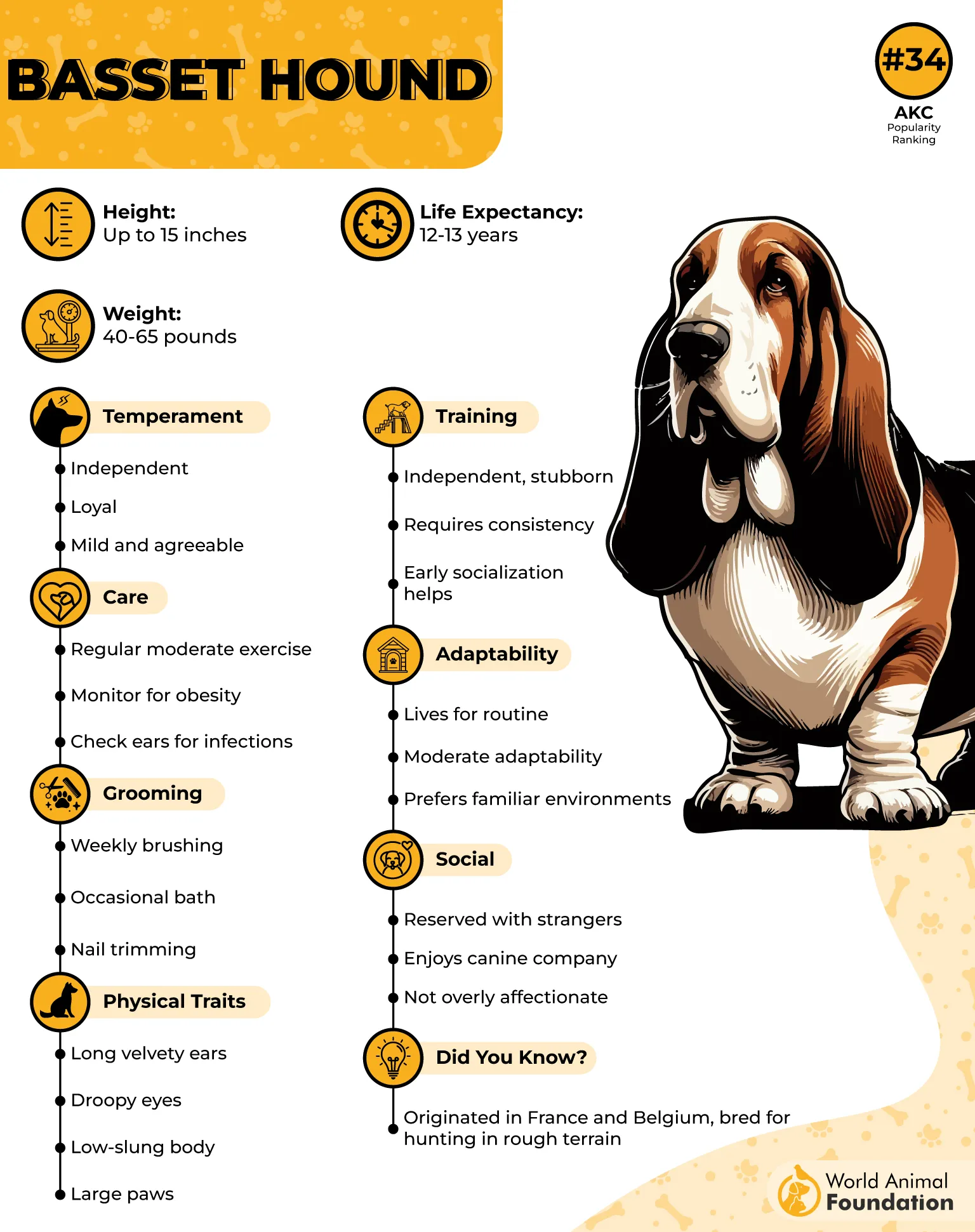
Following scents gives this hunting dog a fun way to explore the world at its own pace. A sedentary lifestyle can lead to weight gain, so owners should plan regular play sessions.
Although its short coat makes grooming fairly low maintenance, its long ears need extra care. Basset Hounds can also bark or howl when excited, bored, or following an interesting scent.
Keeping Your Basset Hound Comfortable
Protect its back: Limit repeated jumping from furniture and use steps where needed.
Check those ears: Clean them as advised by your vet to reduce the risk of infection.
Keep meals measured: Watch portion sizes to help prevent weight gain.
Make walks interesting: Allow plenty of time for sniffing without forcing a fast pace.
Use gentle games: Try scent puzzles and indoor searches to keep your dog mentally engaged.
6. Newfoundland
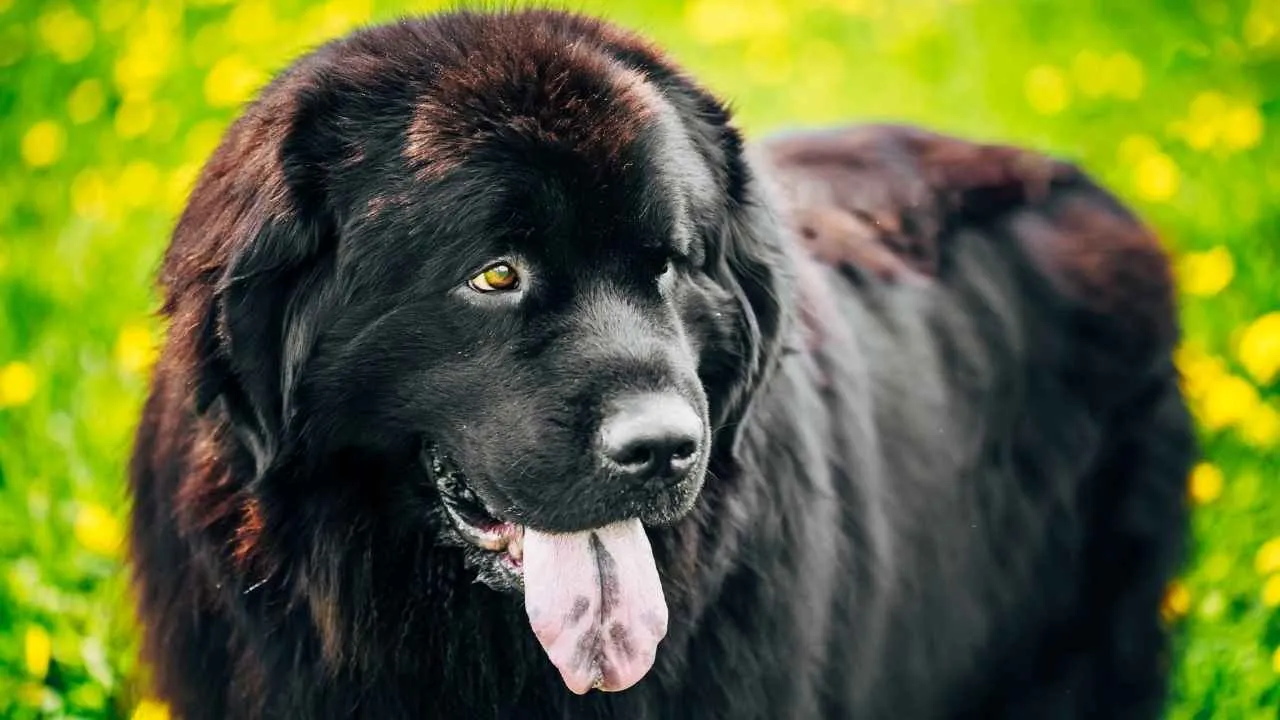
The Newfoundland is a lovable giant with a calm, people-focused personality. According to Hill’s Pet, these dogs once helped with cart-pulling, water rescue, and backpacking. That working past still shapes their need for purpose today.
While a Newfoundland may look like a couch potato beside the sofa, it still needs daily activity to stay fit and fulfilled. It does not usually need as much exercise as a highly active sporting dog, but gentle walks and safe tasks should remain part of life.
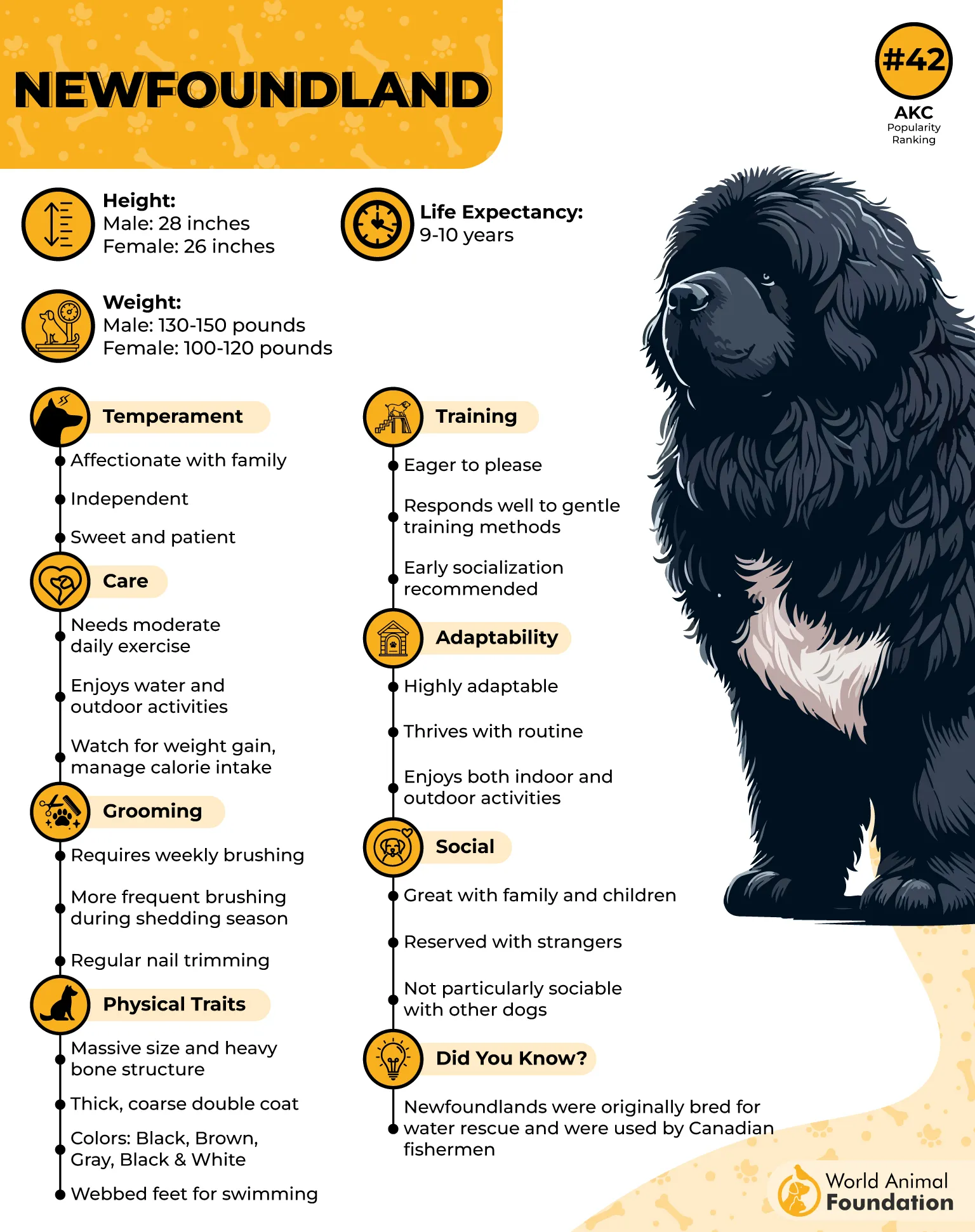
These dogs prefer cooler, mild weather and space to stretch out. They can be quite patient family members and may live well with children, cats, and other pets when socialized from a young age.
They enjoy time with their people and should not spend long days alone.
Caring for Your Newfoundland
Brush the thick coat: Brush several times a week to manage loose hair and prevent painful mats.
Keep drool wipes handy: Their loose lips can create plenty of mess around food and water bowls.
Choose quality food: Follow your vet’s feeding advice to support healthy growth and maintain a healthy weight.
Protect growing joints: Avoid hard, repetitive exercise while puppies develop, and ask your vet about safe activity levels.
Plan for vet costs: Large dogs may need extra attention to joint health, so include regular checkups in your budget.
7. Saint Bernard
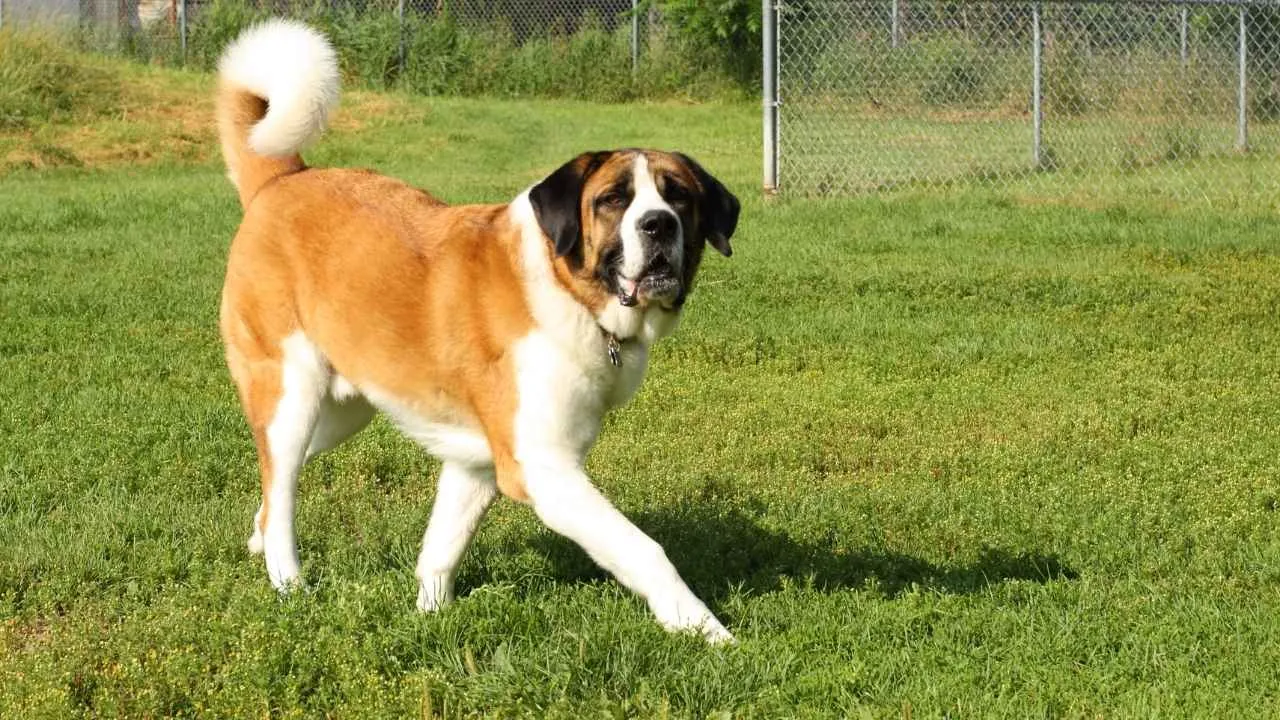
The Saint Bernard is a gentle giant with a heart to match its size. According to the PDSA, these dogs can suit many families, provided they have enough room for a large dog breed. Their history links them to rescue dogs in the Swiss Alps, where they helped travelers in snowy mountain passes.
Despite their size, Saint Bernards often have a patient, affectionate personality. Many enjoy relaxing beside their owners on the sofa after a calm day. These dogs can be playful, too, and may enjoy games like fetch when the weather is cool.
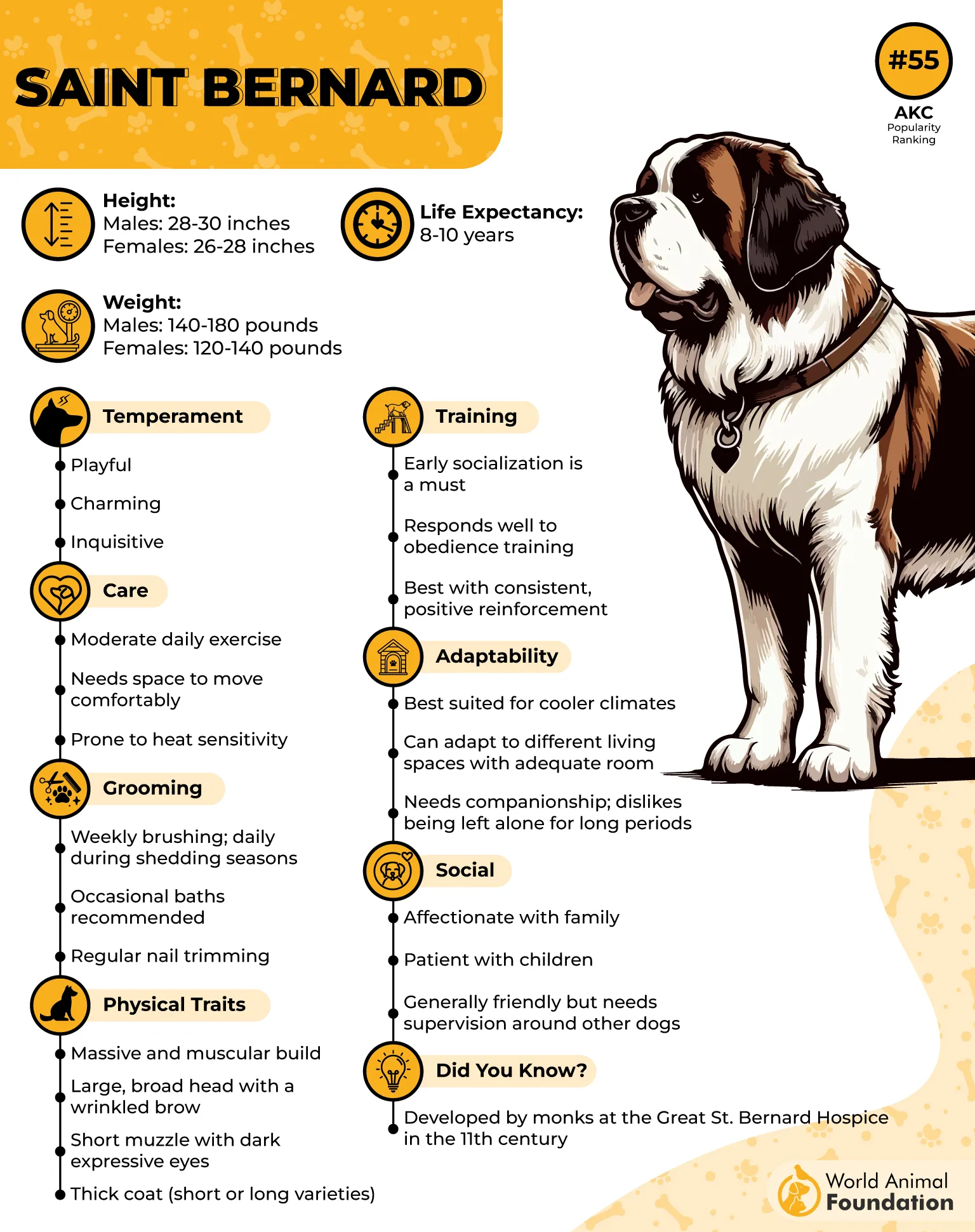
Daily exercise helps keep them fit, but long, forced runs are not ideal. Train pups early to walk calmly on a lead and behave safely around others.
Saint Bernards shed heavily throughout the year, so owners should prepare for plenty of loose hair. Their thick coats also make heat management vital.
Caring for Your Gentle Giant
Start training early: Use praise and rewards to teach good manners before your dog grows stronger.
Make room to rest: Provide a spacious bed where your dog can stretch out comfortably.
Keep cool in summer: Choose shady spots, fresh water, and cooler times for outdoor activity.
Brush the coat often: Regular brushing helps manage shedding and keeps loose hair under control.
Choose safe social time: Calm visits to dog parks can help your dog meet others when properly supervised.
Conclusion
Choosing a couch-loving dog can make quiet days even sweeter. The Pekingese, Pug, Cavalier King Charles Spaniel, Clumber Spaniel, Basset Hound, Newfoundland, and Saint Bernard each offer a different kind of comfort and companionship.
Still, every dog has its own personality, care needs, and energy level. Age, past experiences, and health issues can also affect how much activity a dog enjoys. Even low-energy breeds need daily exercise, play, and mental stimulation to stay well.
Before deciding, consider your lifestyle, available space, grooming needs, food costs, and vet care. Think about whether the dog will suit indoor life and your family’s daily routine.
Meet the dog first, and ask a trusted breeder or rescue group about its needs. A clear picture of what to expect helps you choose wisely. The right companion can make quiet days feel special.
