




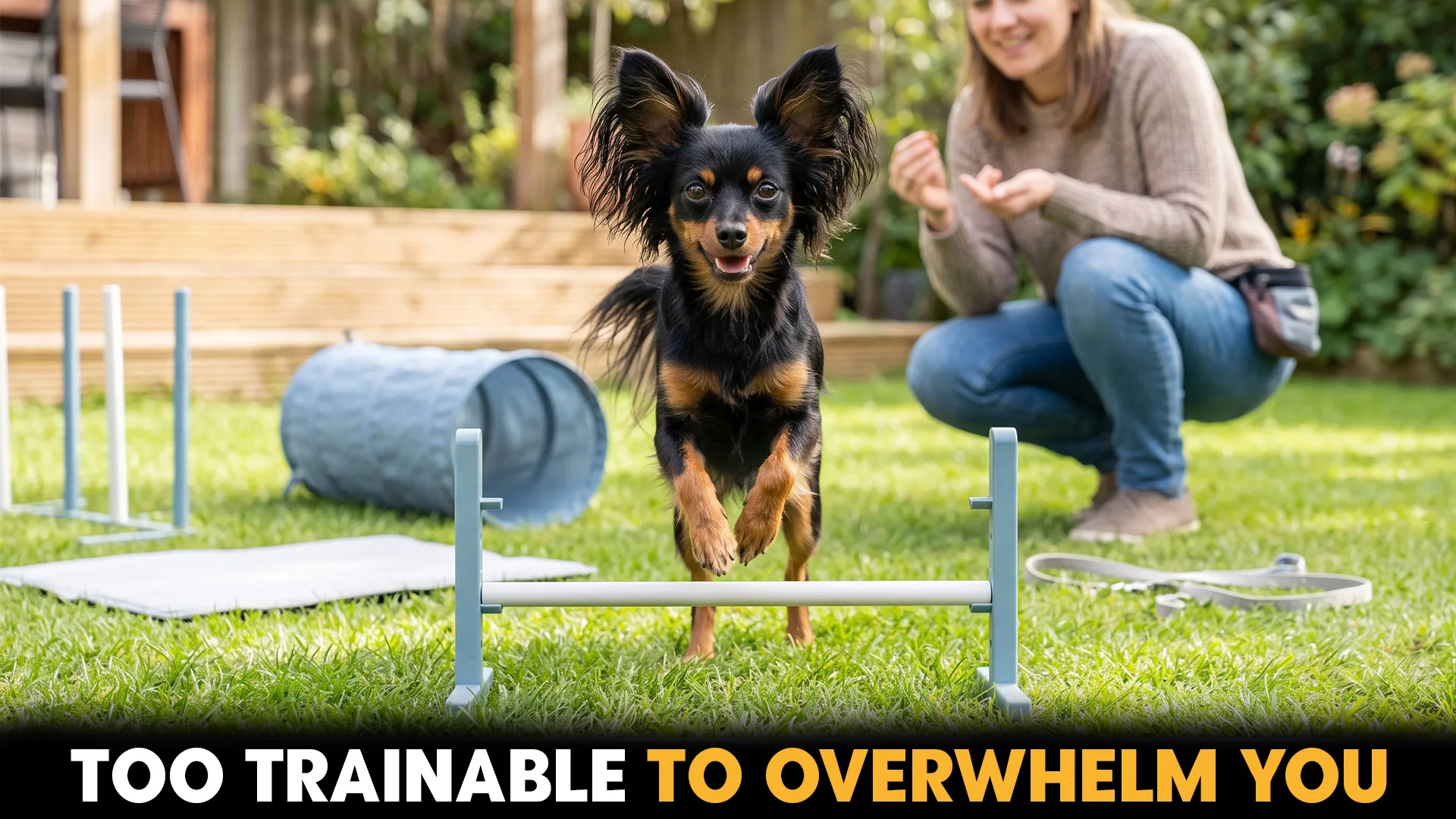
Choosing a small dog is exciting, but finding one that is also easy to train can make everyday life much smoother.
For first-time owners, a dog that listens, stays focused, and responds well to guidance can make everything from basic commands to house rules feel less overwhelming.
Trainability often comes down to more than intelligence. Dogs that enjoy working with people, pay attention to their owners, and are motivated by praise or rewards may pick up new commands more easily.
If you’re a beginner looking for a small companion that may make the training process a little easier, these highly trainable breeds are a great place to start.
Top Trainable Small Dog Breeds for Beginner Owners
1. Russian Toy
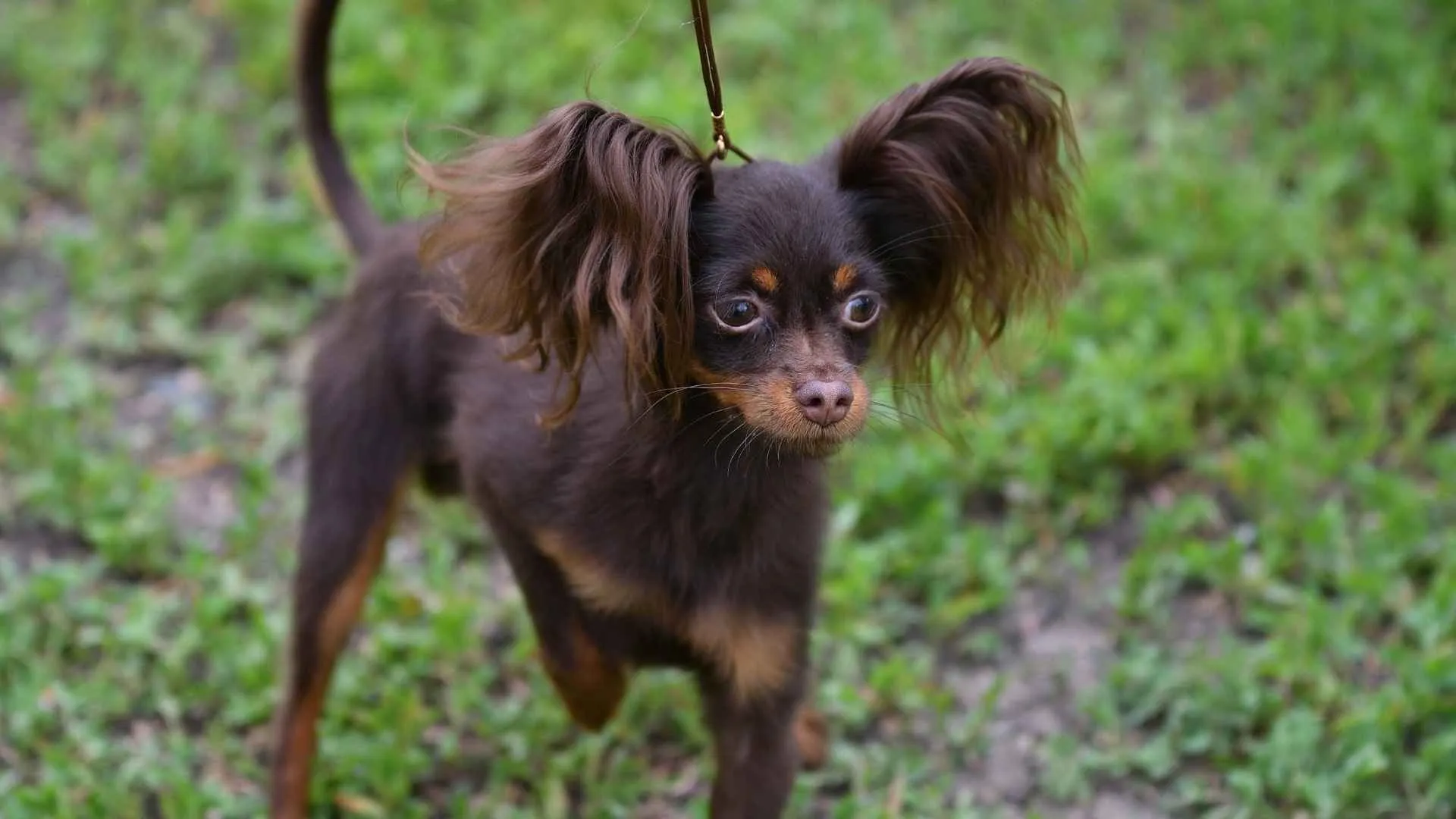
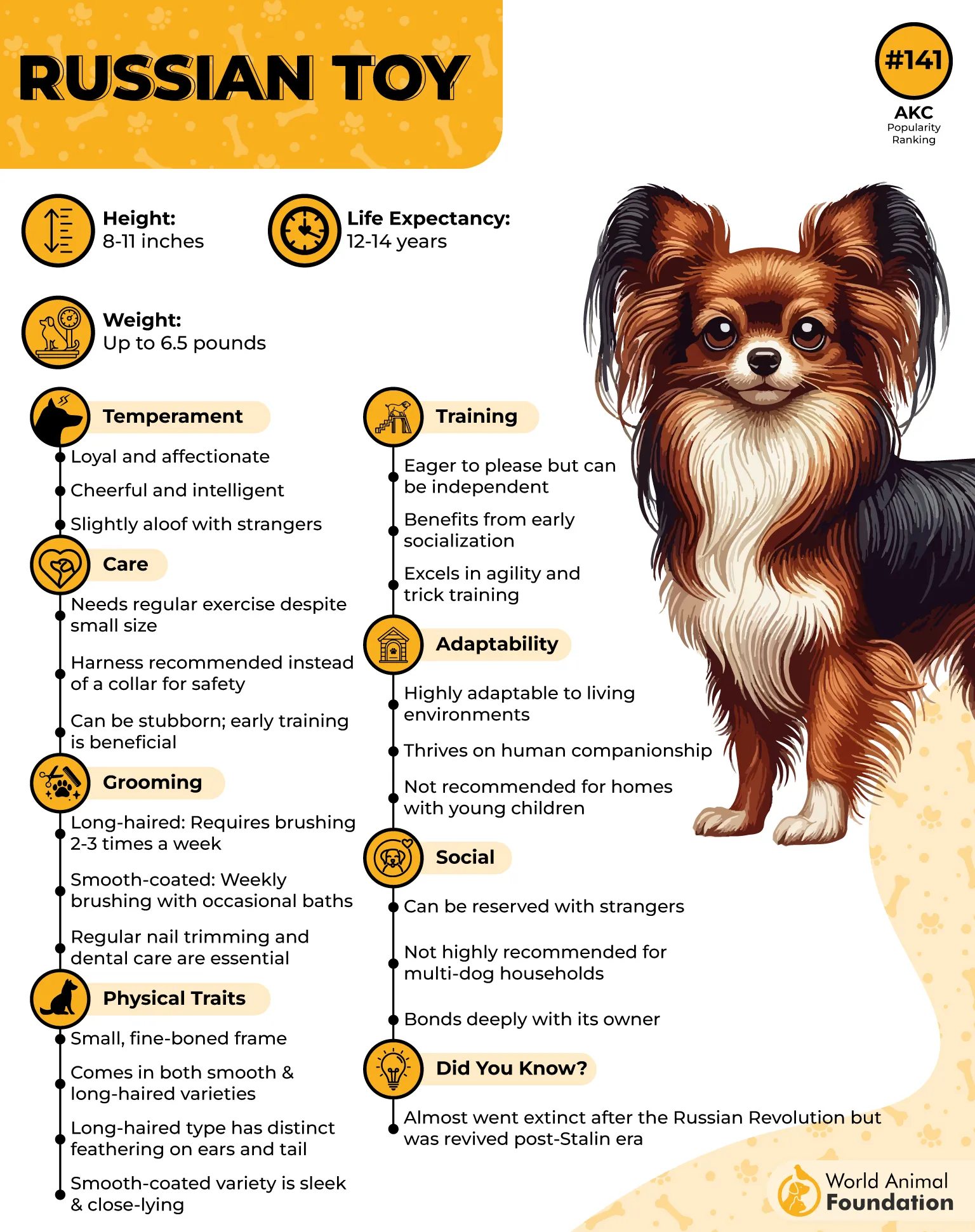
The Russian Toy is a small, elegant dog with a lively and cheerful nature. They have keen intelligence and enjoy staying close to their human companions.
Their terrier ancestry gives them a confident and playful side, while their alert nature makes them quick to notice anything unusual around the home.
Personality and Traits
Russian Toys are affectionate, playful, and full of personality. They enjoy running around the house, chasing toys, and spending time with their families. When playtime is over, many are happy to curl up on a lap.
Purina says they can be slightly reserved with strangers, so early socialization with children, pets, and other dogs is important. They may also bark when they notice something suspicious.
Training and Activities
Russian Toys are quick and clever dogs that often enjoy learning new things. They can have fun with clicker training, tricks, and heelwork.
They can also take part in Rally, Hoopers, mini agility, and man-trailing. Their active nature means they can enjoy a range of activities despite their small size.
2. American Hairless Terrier
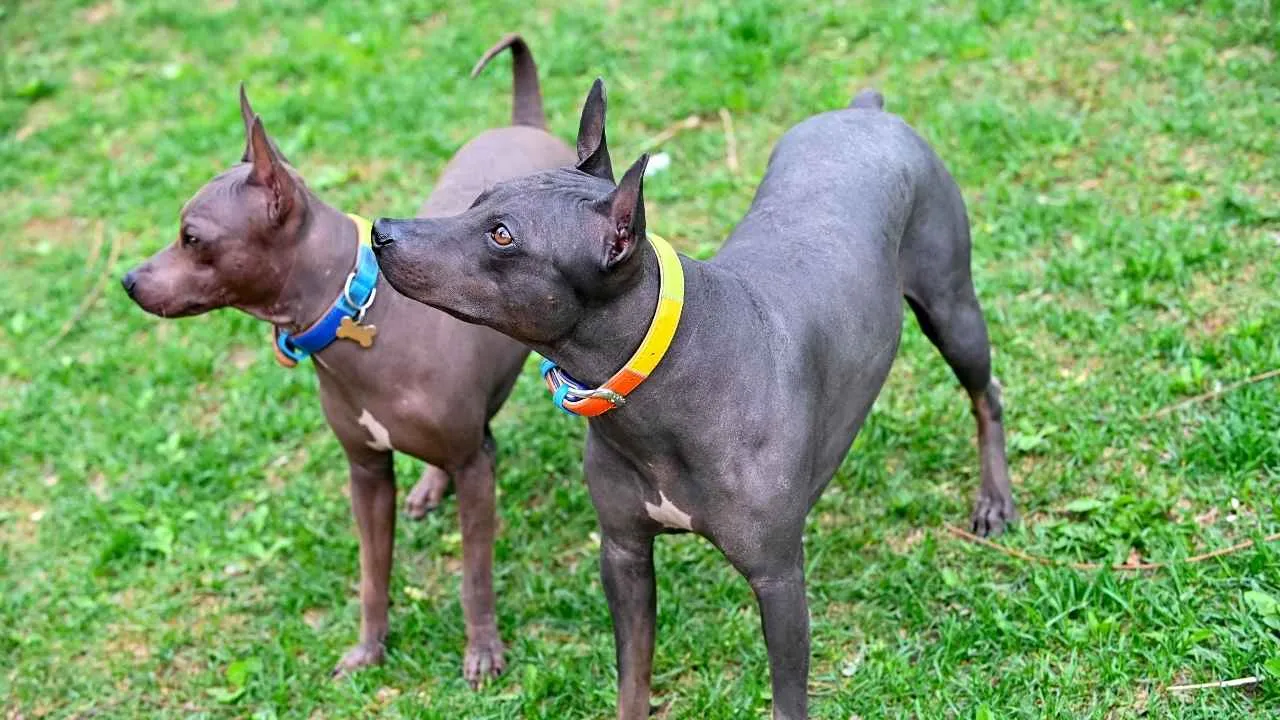
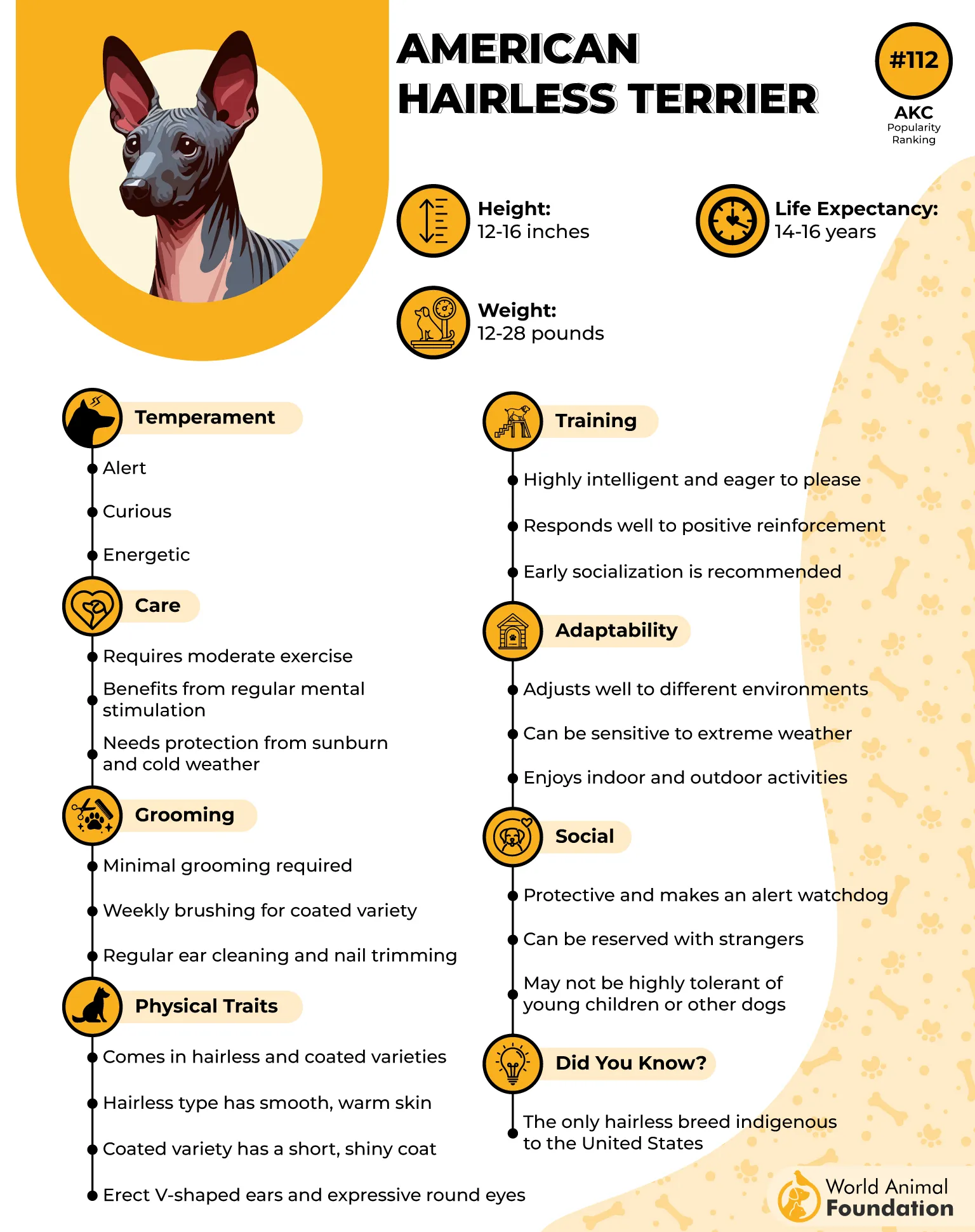
The American Hairless Terrier is a small breed with a big personality. It is the only hairless dog breed native to the United States and traces its history to a hairless Rat Terrier puppy born in the 1970s.
These dogs are intelligent, playful, energetic, and affectionate. They enjoy family life and can be lively playmates for children.
Personality and Traits
American Hairless Terriers are athletic and have plenty of stamina. Their terrier background gives them a strong prey drive, so they enjoy digging and chasing things.
They can also be bossy and stubborn at times. They may get along with other dogs with proper introductions but may not be suited to homes with smaller furry pets.
Training and Activities
These smart dogs respond well to reward-based training. Forceful methods can make their stubborn side harder to manage, so sessions should stay short, varied, and fun.
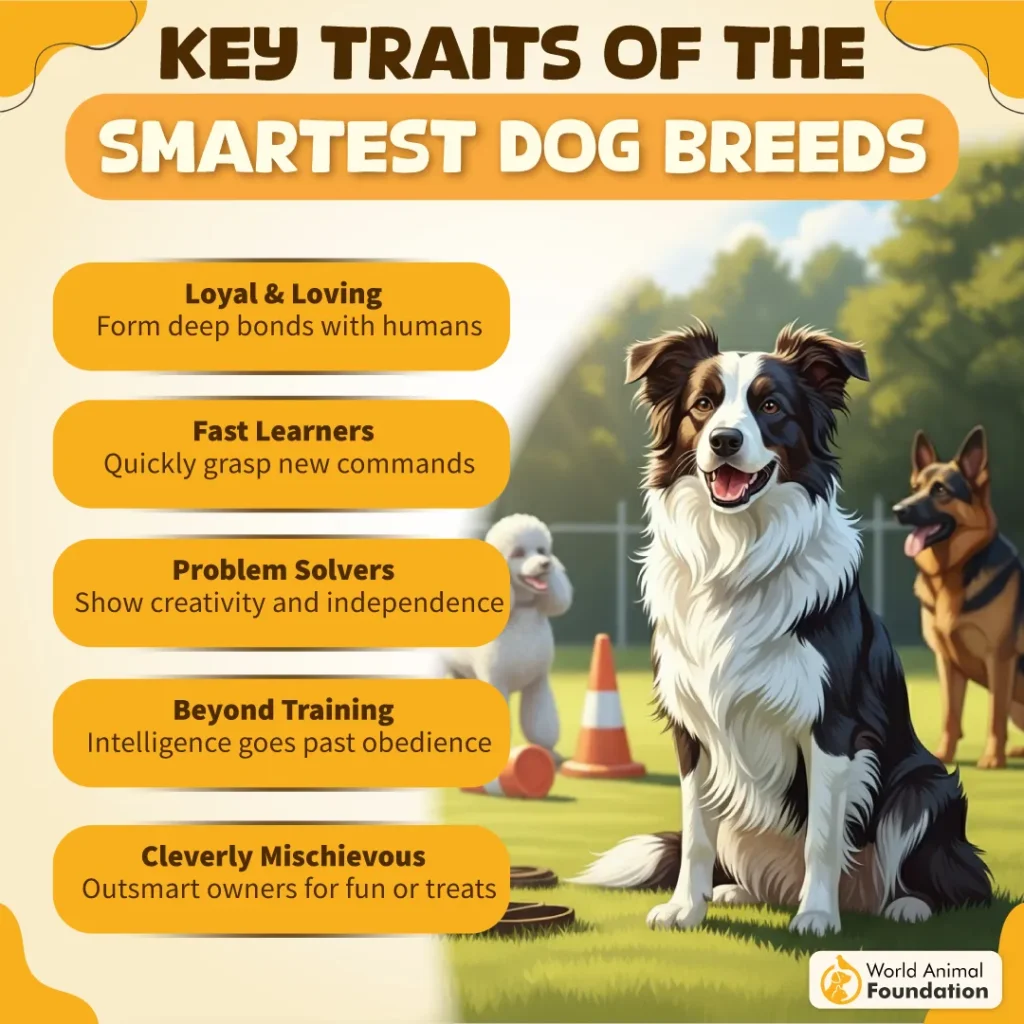
A strong recall is important because their prey drive can lead them to chase. Regular exercise and mental stimulation also help keep their energy focused.
3. Papillon
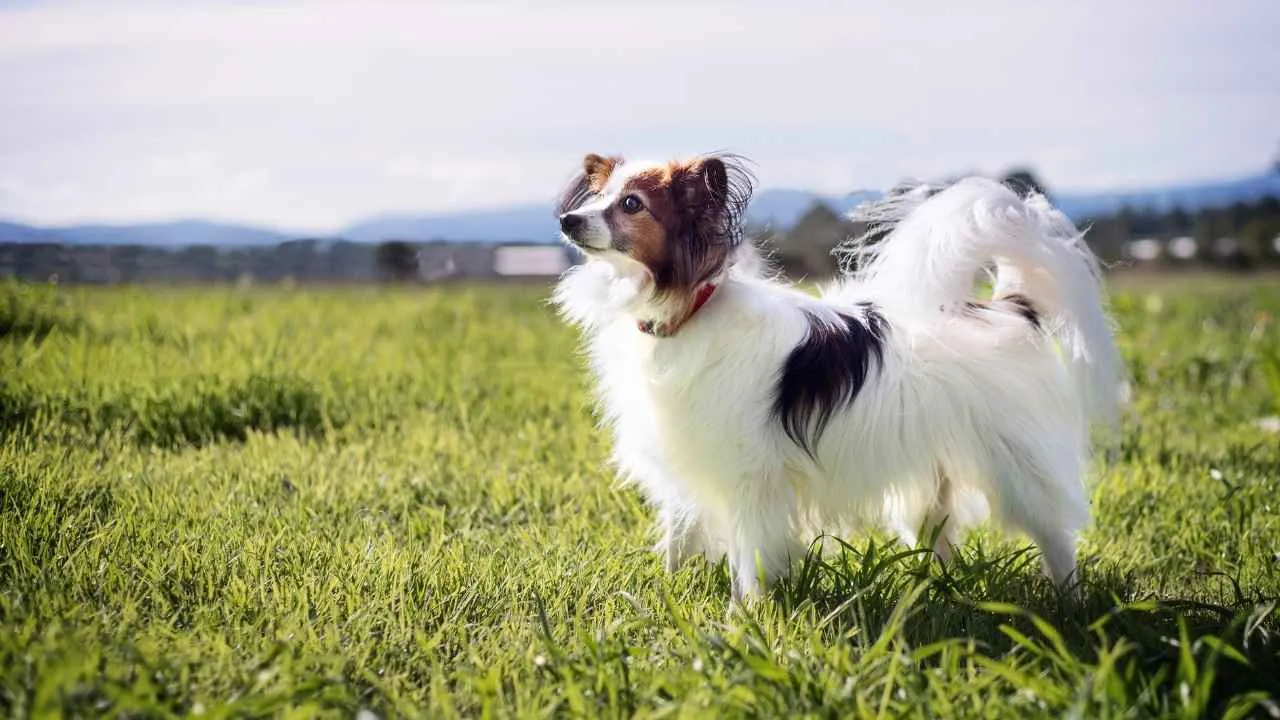
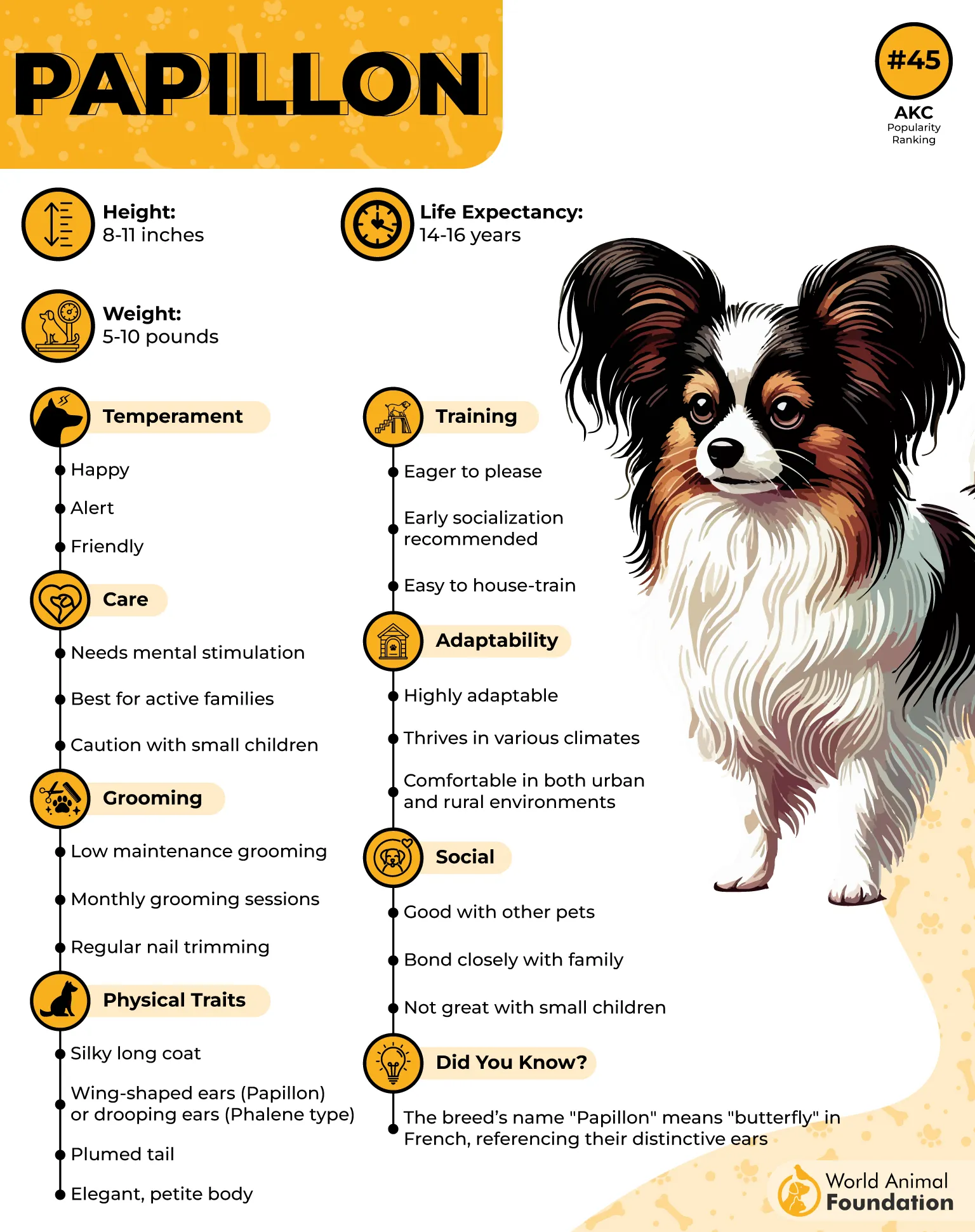
Papillons are happy, outgoing dogs that enjoy both cuddling and staying active. Their name means “butterfly” in French, referring to their large, feathered ears.
They have a long history as companion dogs, with their image appearing in Western European artwork as far back as the 1500s. Today, they are known for their intelligence, energy, and friendly nature.
Personality and Traits
Papillons are lively without usually being nervous or high-strung. They enjoy people, children, other dogs, and even cats when properly socialized.
They love running, playing fetch, and spending time with their families. Their small size means young children should be taught to handle them gently. Some may also bark from excitement.
Training and Activities
Papillons are among the most trainable toy breeds. Their intelligence, alertness, athleticism, and desire to please help them learn quickly. They often excel in obedience, agility, tracking, and even therapy and service work.
Training should stay consistent, positive, and fun. They also need regular mental stimulation and exercise to keep their active minds and bodies engaged.
4. Havanese
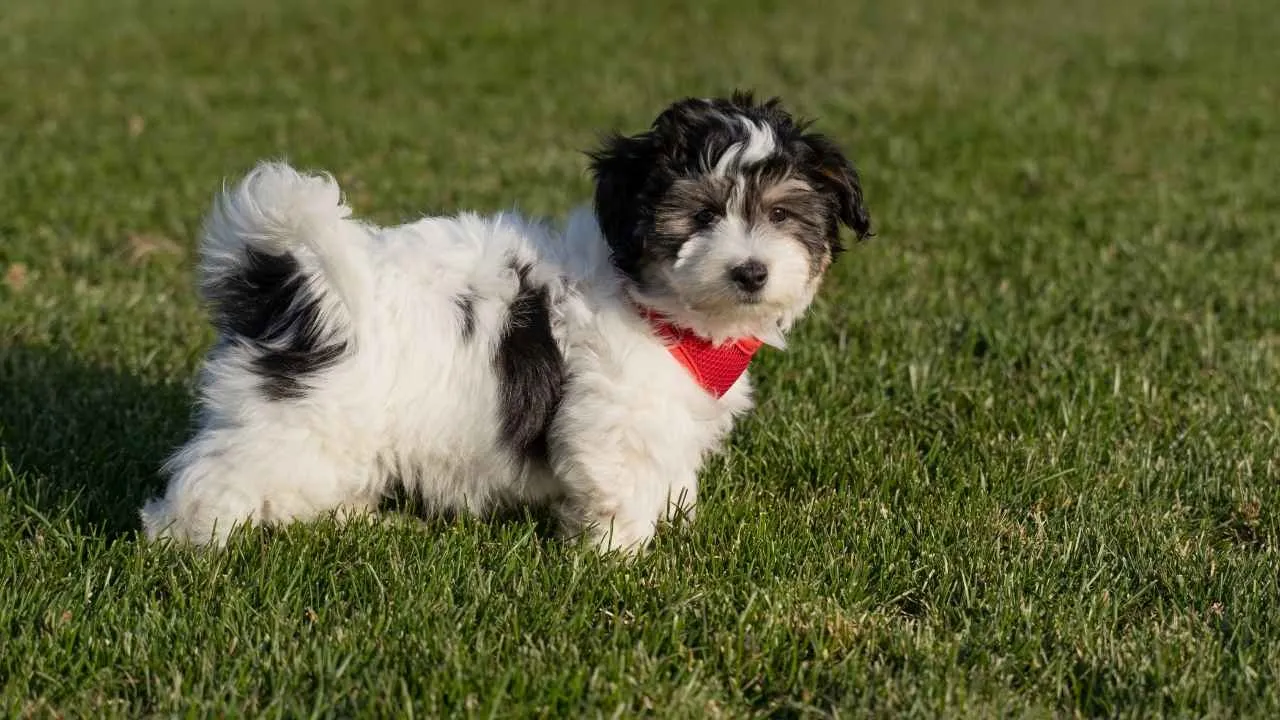
The Havanese is a cheerful and curious toy breed with roots in Cuba. Its ancestors were brought from Spain to Cuba centuries ago, where the breed became popular among wealthy families.
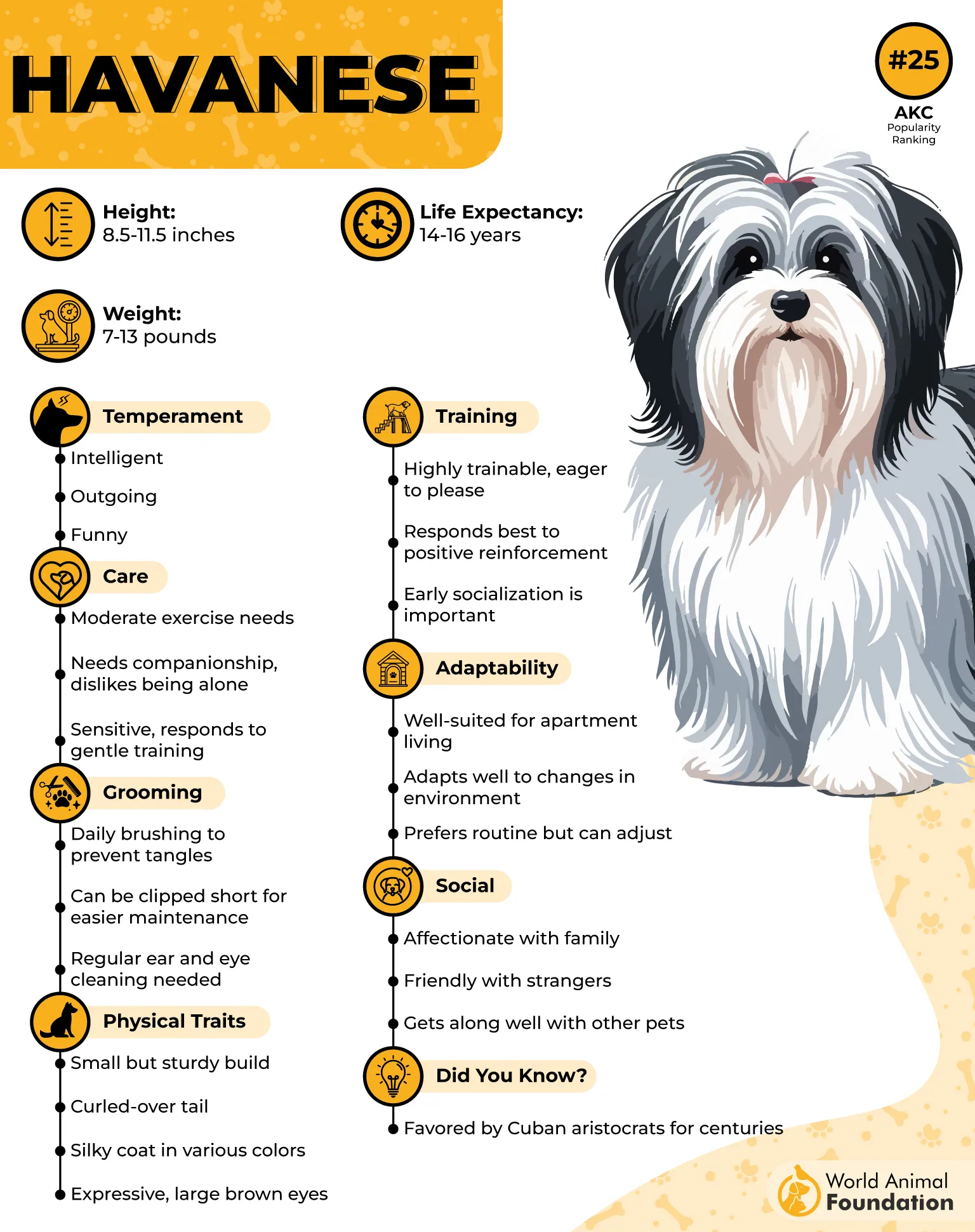
Havanese are lively, affectionate, and love being around people. According to Omlet, they are often called “velcro dogs” because they like staying close to their owners.
Personality and Traits
Havanese are playful, entertaining, and friendly with people and other animals. They enjoy attention and can dislike being left alone for long periods.
Early socialization helps them behave well around children, pets, and strangers. They can also bark to get attention, but proper training can help manage this habit.
Training and Activities
Havanese are intelligent, eager to please, and highly trainable. They learn quickly and enjoy training games, tricks, agility, and activities that involve their owners.
Positive reinforcement and firm, consistent training work well. They also need daily walks and playtime to stay active.
5. Cavalier King Charles Spaniel
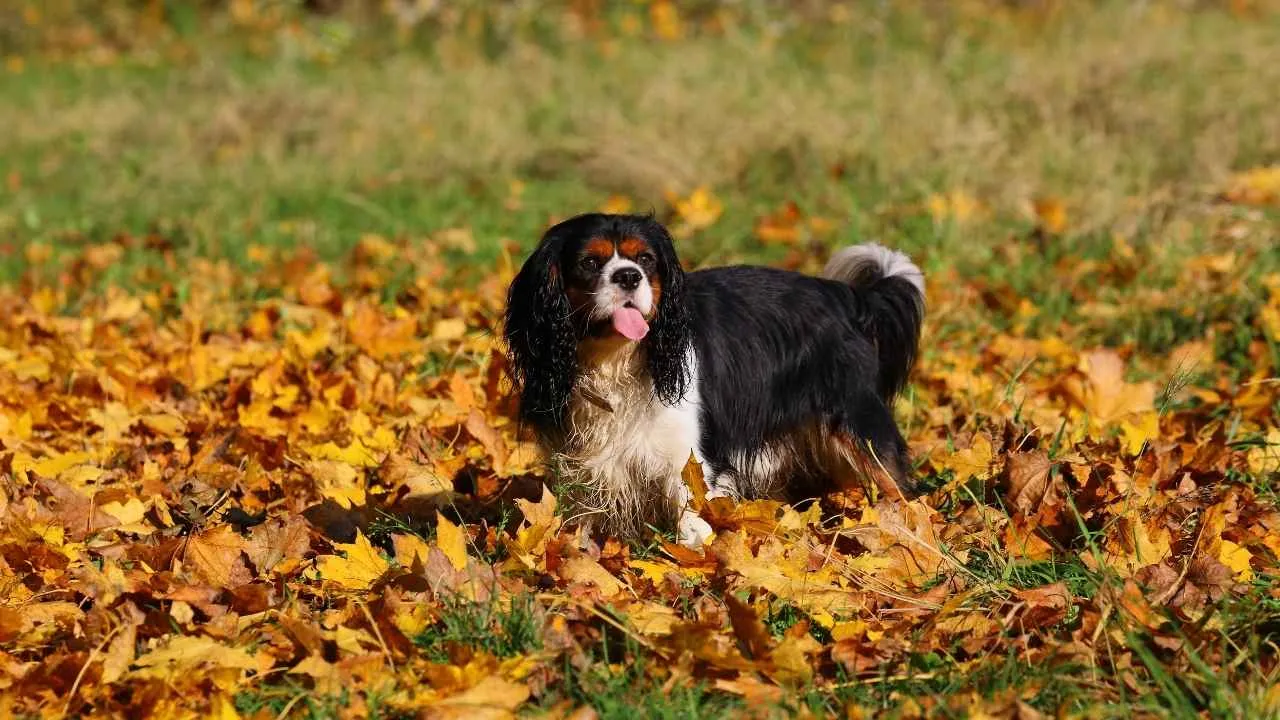
The Cavalier King Charles Spaniel is a loving companion with a gentle and friendly nature. The breed became closely associated with British royalty in the 17th century, especially King Charles I and Charles II.
Originally bred as lap dogs, Cavaliers enjoy staying close to their families and are known for their affectionate personalities.
Personality and Traits
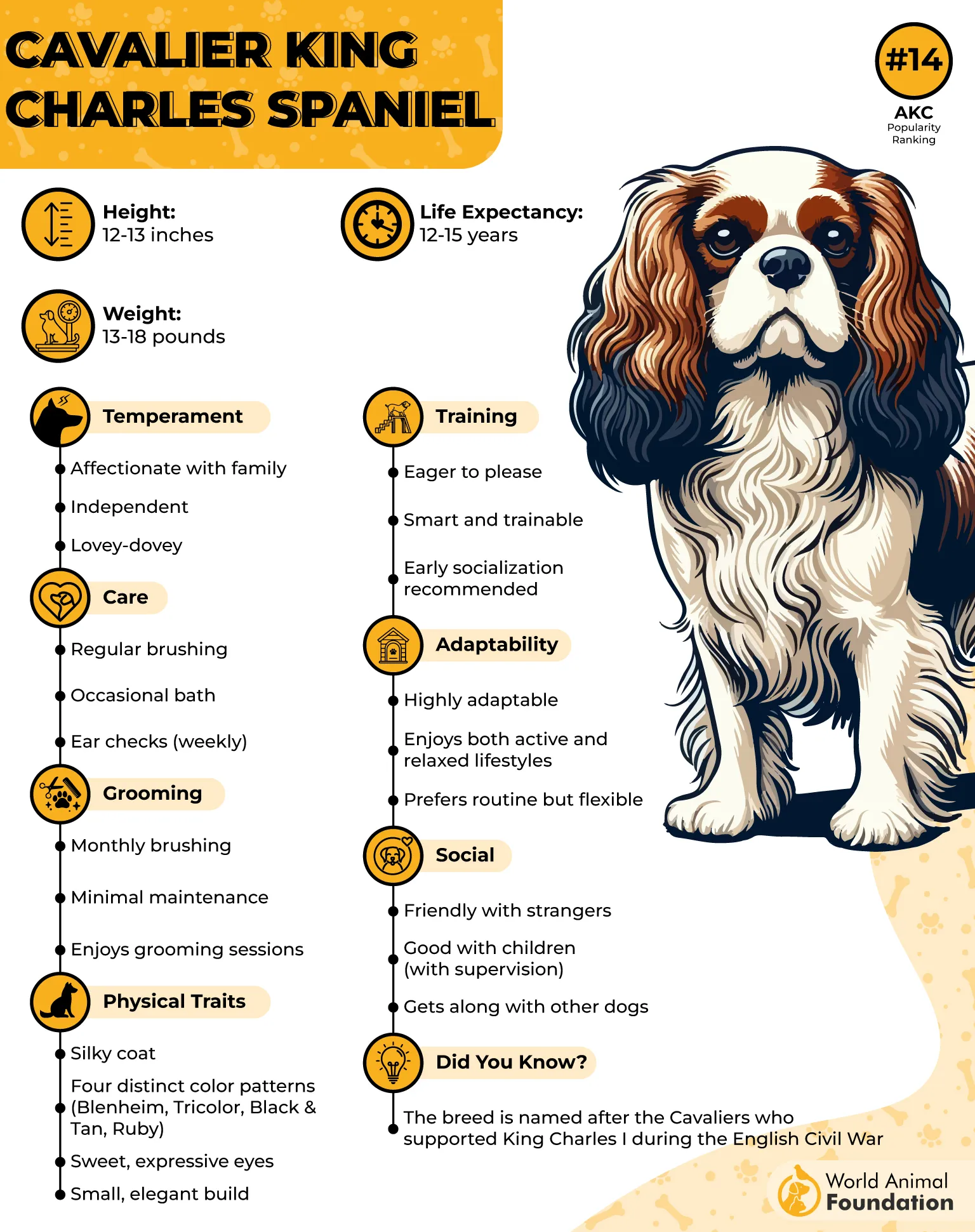
Cavaliers are playful, patient, and comfortable around people, children, dogs, and cats. They have moderate energy and enjoy daily walks and playtime before settling down with their families.
They should not be left alone for long periods because they thrive on human companionship. Their sporting background also gives them a hunting instinct, so they may chase birds, balls, or other moving things.
Training and Activities
Cavaliers are intelligent, eager to please, and relatively easy to train. Positive reinforcement with treats and toys works well, while short and enjoyable sessions help them learn quickly.
They can excel in obedience, Rally, and agility. Early training and socialization can also help them become confident and comfortable in different situations.
6. Shih Tzu
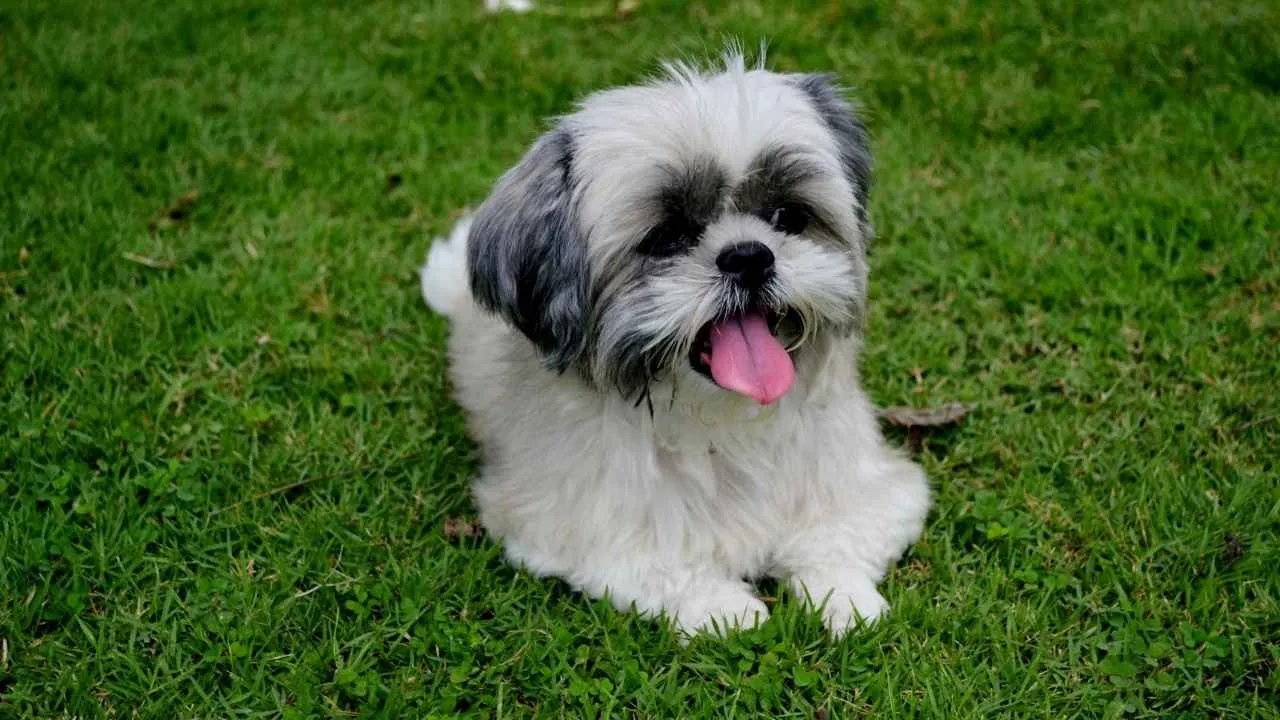
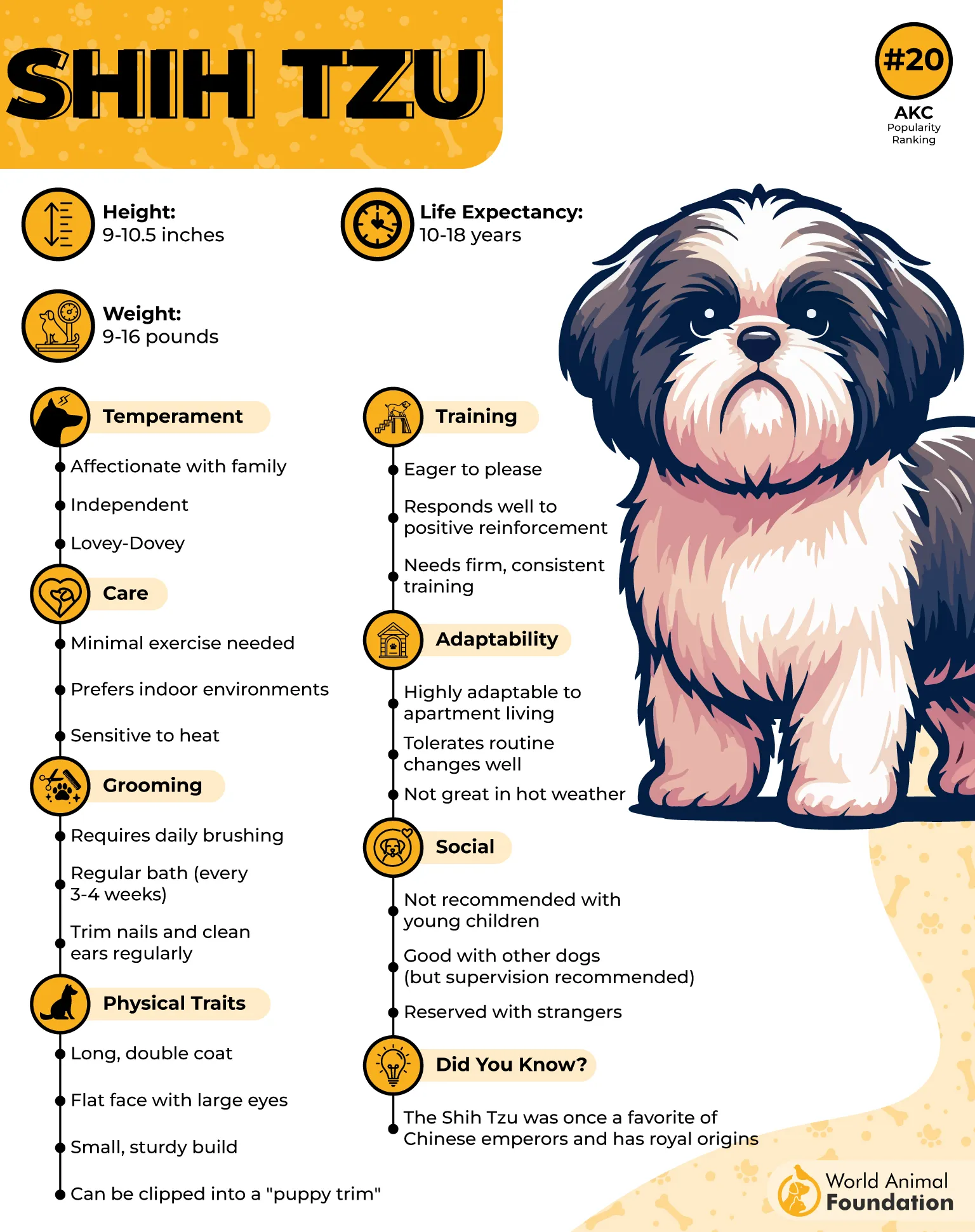
The Shih Tzu is a small companion breed with a long history dating back centuries. Their name means “lion dog,” and they were once closely associated with Buddhism and imperial rulers in China.
Originally bred as pampered companions, Shih Tzus are now loved for their friendly, playful, and affectionate nature.
Personality and Traits
Shih Tzus are outgoing and sociable with people and other animals. They enjoy playing but are just as happy relaxing on the sofa with their families. They can do well with older children and other pets when properly introduced.
They are also alert and may bark to let their owners know when someone arrives. Early socialization helps prevent unwanted behaviors such as excessive barking or digging.
Training and Activities
Shih Tzus can learn quickly but may sometimes be slow to cooperate because they have an independent side. Patience and consistency are important during training.
They enjoy learning when they are engaged and can respond well to positive methods. A 30-minute walk along with playtime at home is usually enough to keep them active.
7. Australian Terrier
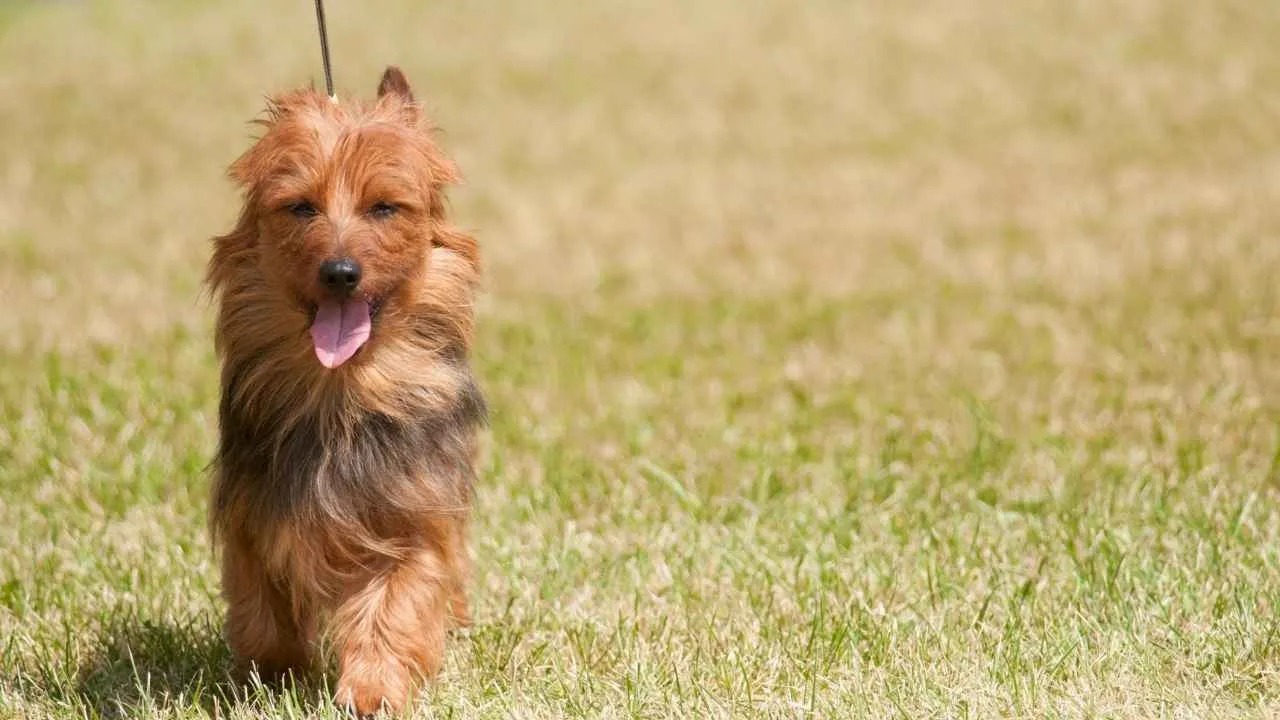
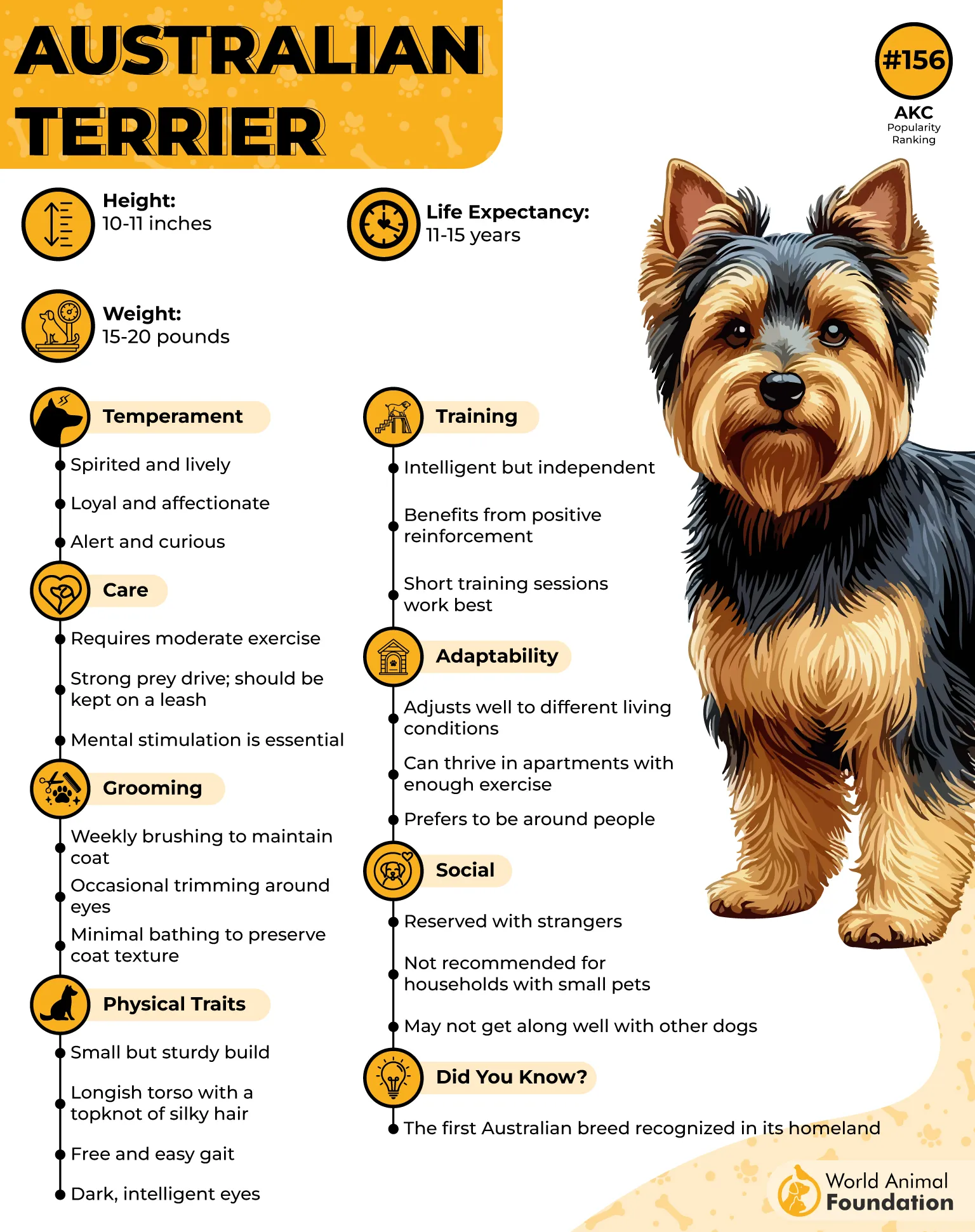
The Australian Terrier is a small, lively breed that originated in Australia in the 1800s. It was developed from several small terrier breeds to help farmers control rodents and other pests.
These dogs are intelligent, alert, and devoted to their families. They are active companions and can adapt to different homes when their needs are met.
Personality and Traits
Australian Terriers are cheerful, energetic, and strongly attached to their families. They can be reserved around unfamiliar people and may get into mischief if they do not get enough exercise or attention.
Their hunting background gives them a strong instinct to chase small animals, so they often do best as the only pet. Early socialization is important for helping them adjust to new people and situations.
Training and Activities
These dogs are intelligent but also independent and strong-willed. They respond best to positive reinforcement, especially when training is made into a game.
Regular exercise and mental stimulation are important to keep their energy focused. Without enough activity, they may develop habits such as excessive barking or chewing.
8. Brussels Griffon
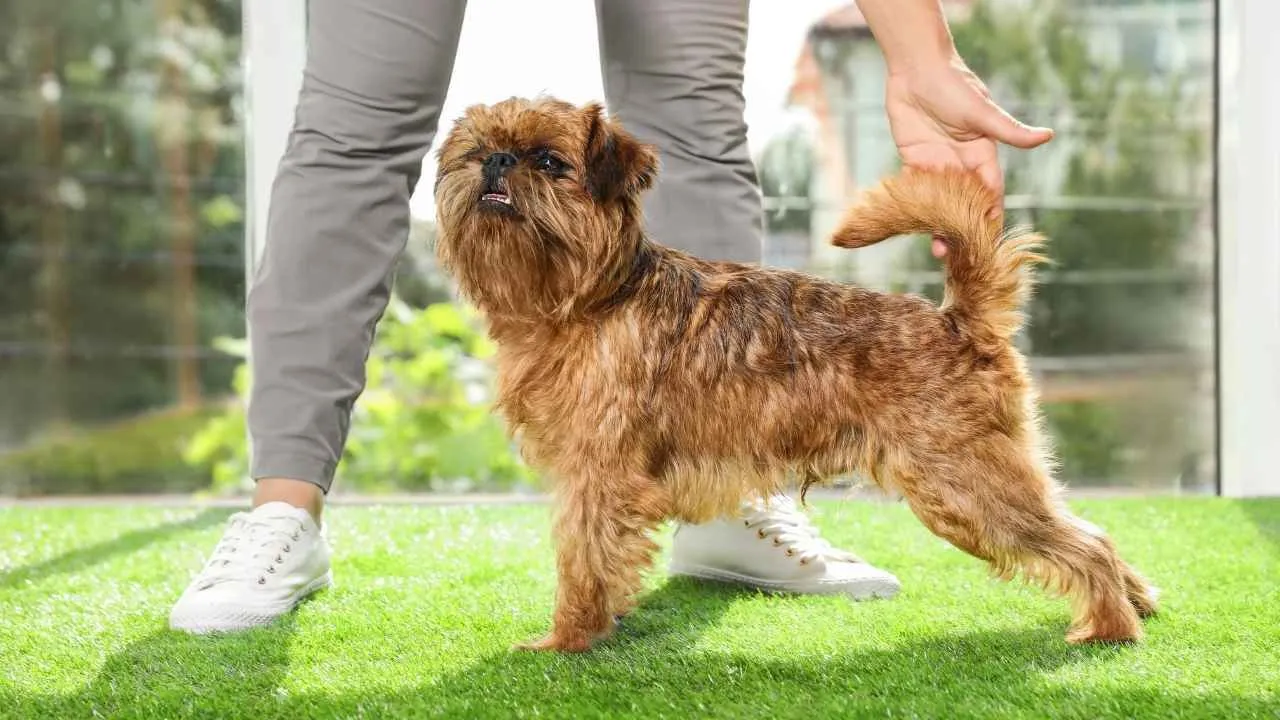
Brussels Griffons are adorable, intelligent, and social dogs with expressive, almost human-like faces. Their large eyes, short muzzles, and scruffy beards give them a unique appearance.
They were originally bred in Belgium to hunt rats and other vermin, which is also reflected in their stocky bodies and purposeful trot.
Personality and Traits
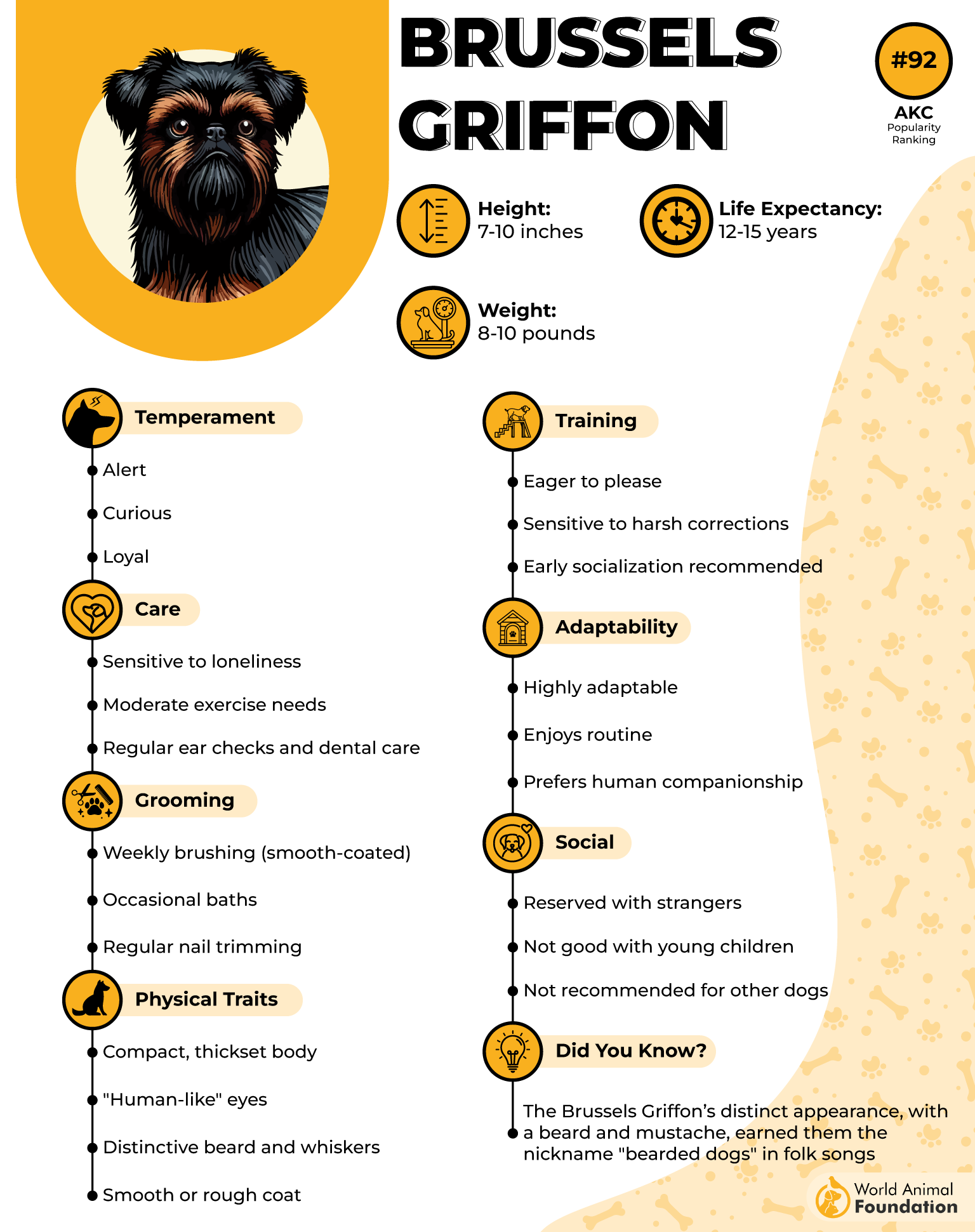
Brussels Griffons are lively, playful, and sensitive dogs that love being around their people. They are known as “Velcro” dogs because they enjoy staying close to their special person and do not like being left alone for long periods.
They are friendly with new people, dogs, and cats, but their hunting instincts may make them less comfortable around small pets such as hamsters and gerbils.
Training and Activities
Training a Brussels Griffon can be challenging, so persistence is important. They respond well to positive reinforcement, and consistent training can help bring out their intelligence and abilities.
Their energetic nature means they benefit from activities that keep them engaged both physically and mentally.
9. Border Terrier
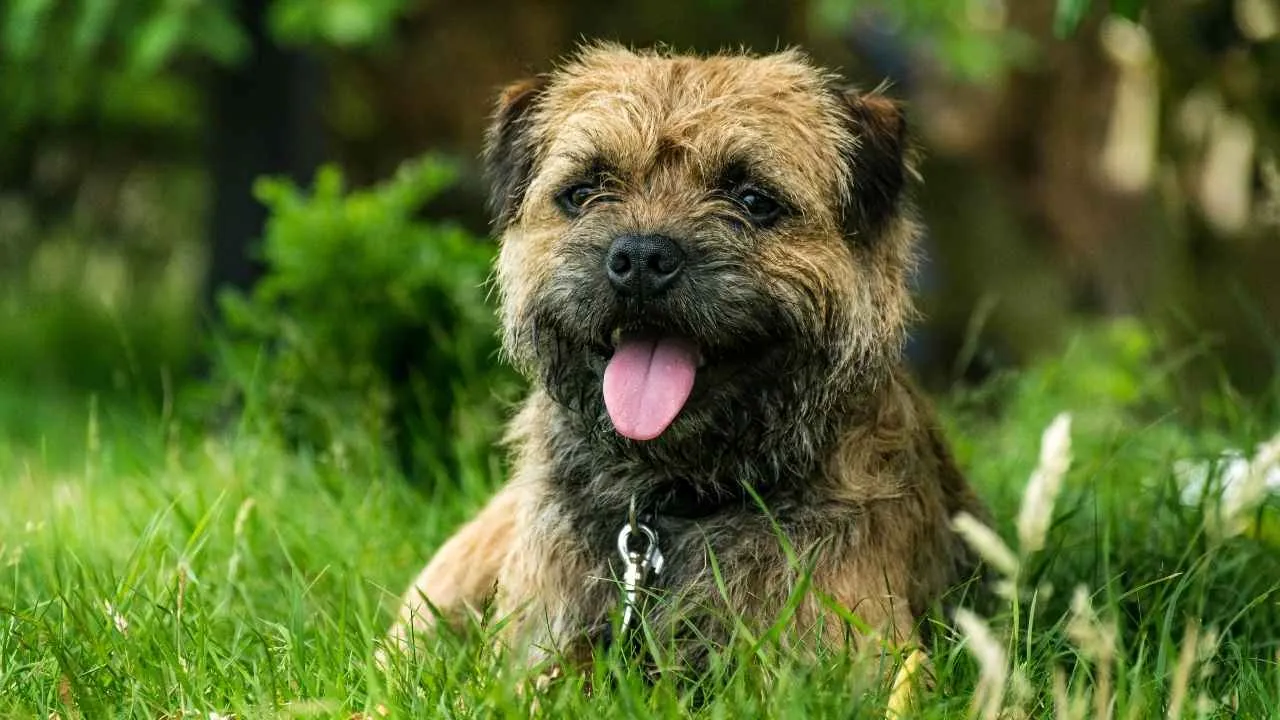
Border Terriers were developed as working dogs for English and Scottish farmers and shepherds. They were bred to work alongside foxhounds and chase prey, while also fitting into family life after the hunt.
Their small size does not hold back their drive, and they are known for digging in pursuit of prey.
Personality and Traits
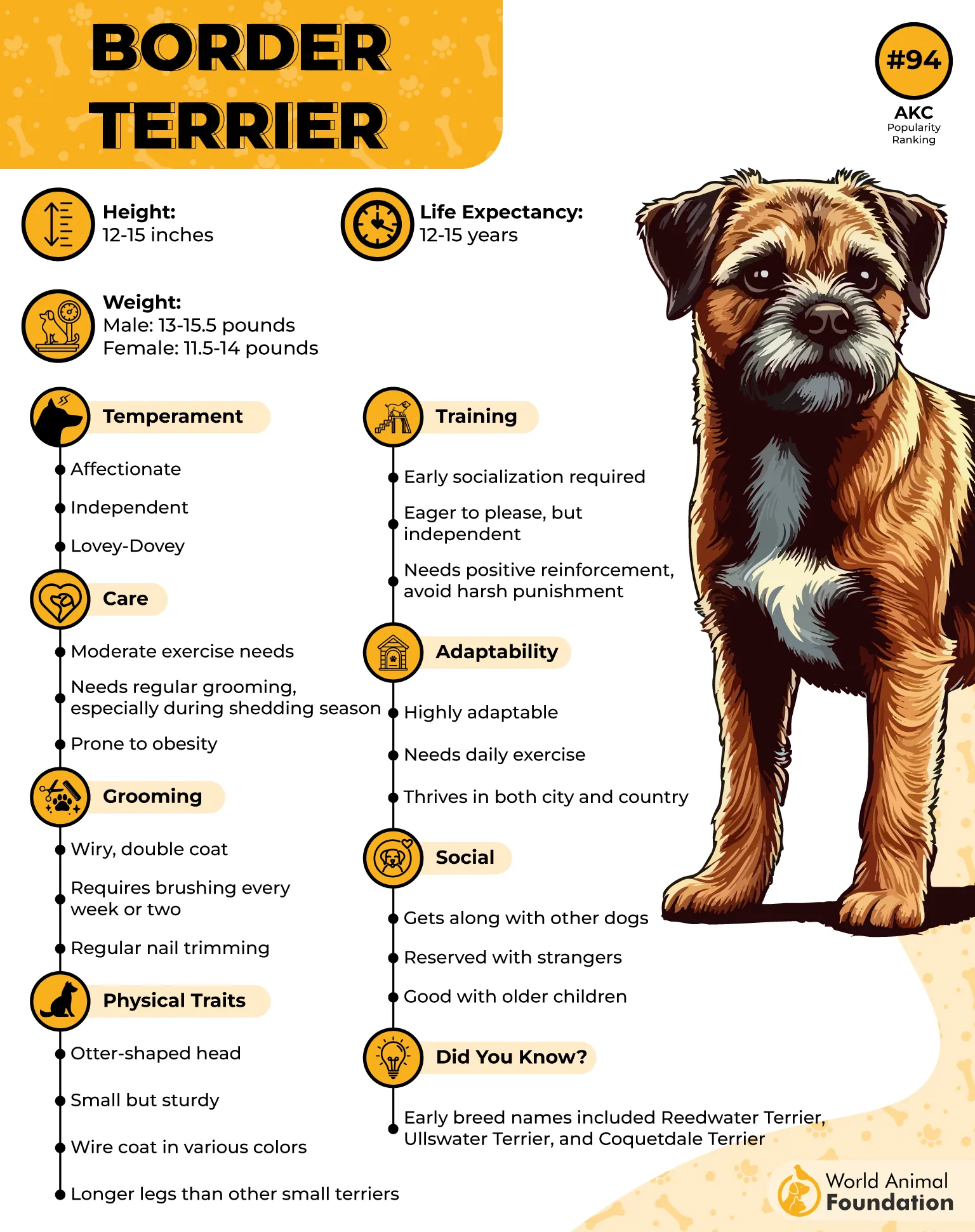
Border Terriers are affectionate, fun-loving, brave, and adaptable. They are generally easy-going and good with people, especially children.
They have an independent side and like to make their own decisions, which can be both endearing and frustrating. They want to be part of the family rather than spending their time in a kennel.
Training and Activities
Border Terriers are described as affectionate, obedient, and easily trained. They were bred to think for themselves, so they may sometimes show an independent streak during training.
They need plenty of physical exercise and mental stimulation to manage their energy. Their wiry coats also need professional grooming to stay in good shape.
10. Bolognese
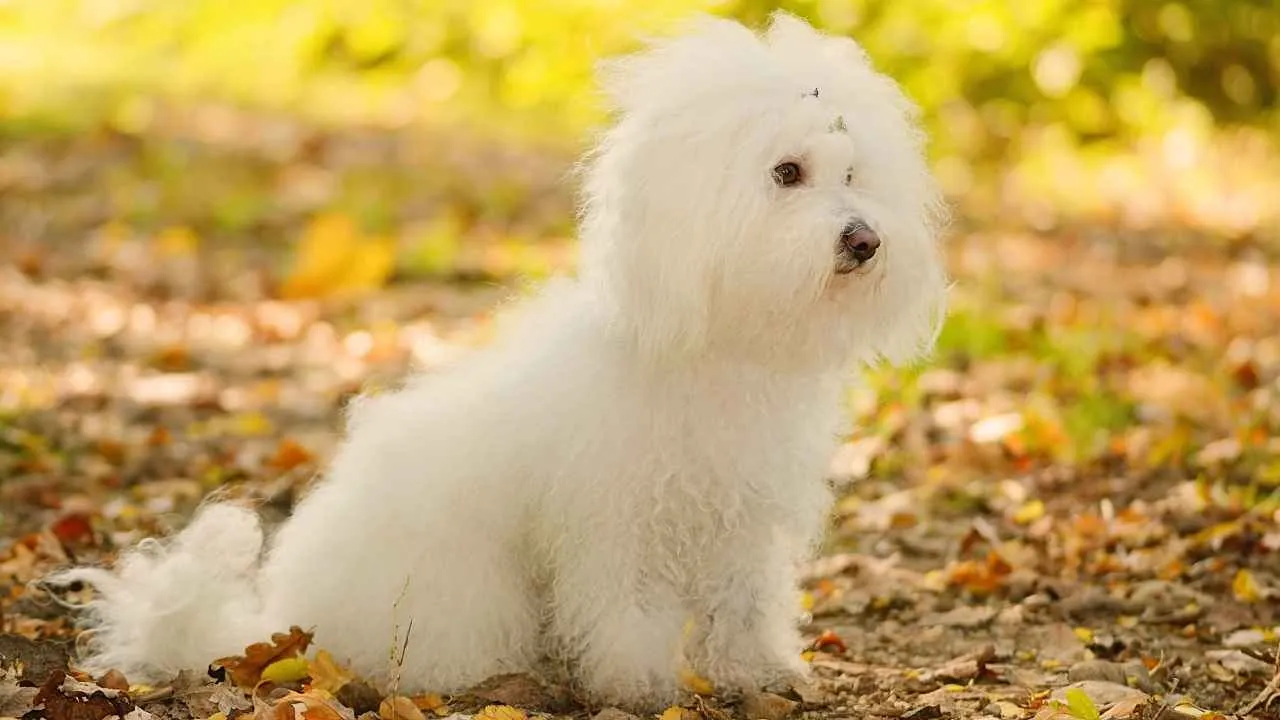
Bolognese dogs are true companion dogs that bond closely with their owners. They have been treasured companions for centuries and originated in the Italian city of Bologna.
Italian nobility valued the breed, and these small fluffy dogs often appeared in Renaissance-era art. They were bred as lap dogs for wealthy families and were often given as gifts.
Personality and Traits
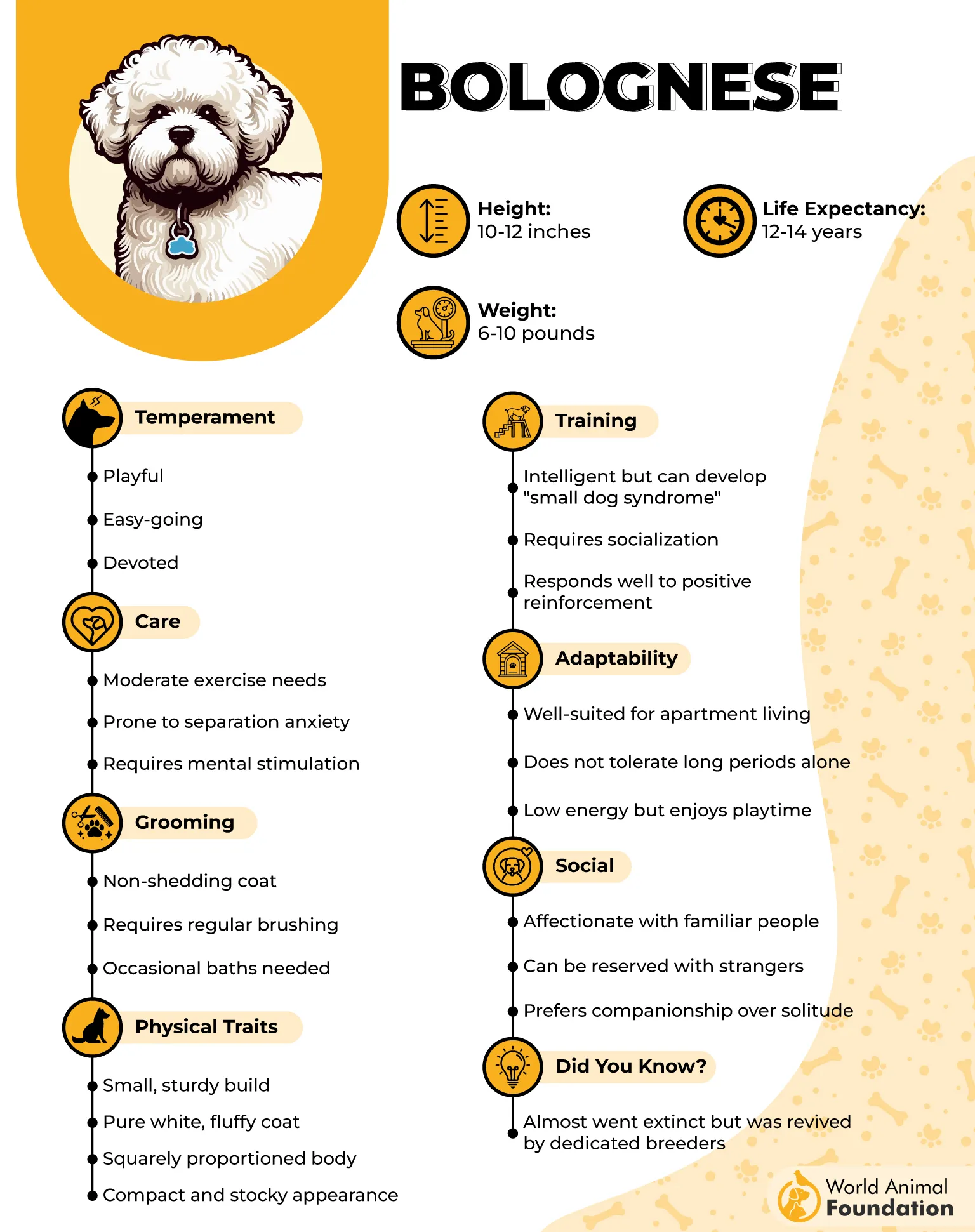
Bolognese dogs are loving, affectionate, calm, and loyal. They enjoy cuddling, sitting on laps, and staying close to their families. They are patient, playful, and active with children without being overly energetic.
They usually get along well with cats and other dogs when introduced early. PetMD says Bolognese dogs can be a bit shy with strangers and will bark at the door or anything new and unusual.
Training and Activities
Bolognese dogs are intelligent and quick learners, so training helps keep their active minds engaged. Their calm and people-focused nature can make them responsive during training, but they still benefit from regular mental stimulation.
Along with training, their soft, wavy coat needs careful grooming to prevent mats and keep it looking its best.
Conclusion
Small dogs can bring plenty of personality, energy, and companionship into a home, but trainability can make daily life easier for first-time owners. The breeds mentioned above each have their own learning style, personality, and activity needs.
Before bringing one home, take time to consider the breed’s temperament, exercise needs, social habits, and training style. A little patience and consistent positive training can help build good habits while strengthening the bond between you and your dog.
The smallest dogs can have some of the biggest personalities, so choose one whose needs fit naturally into your everyday life.
