




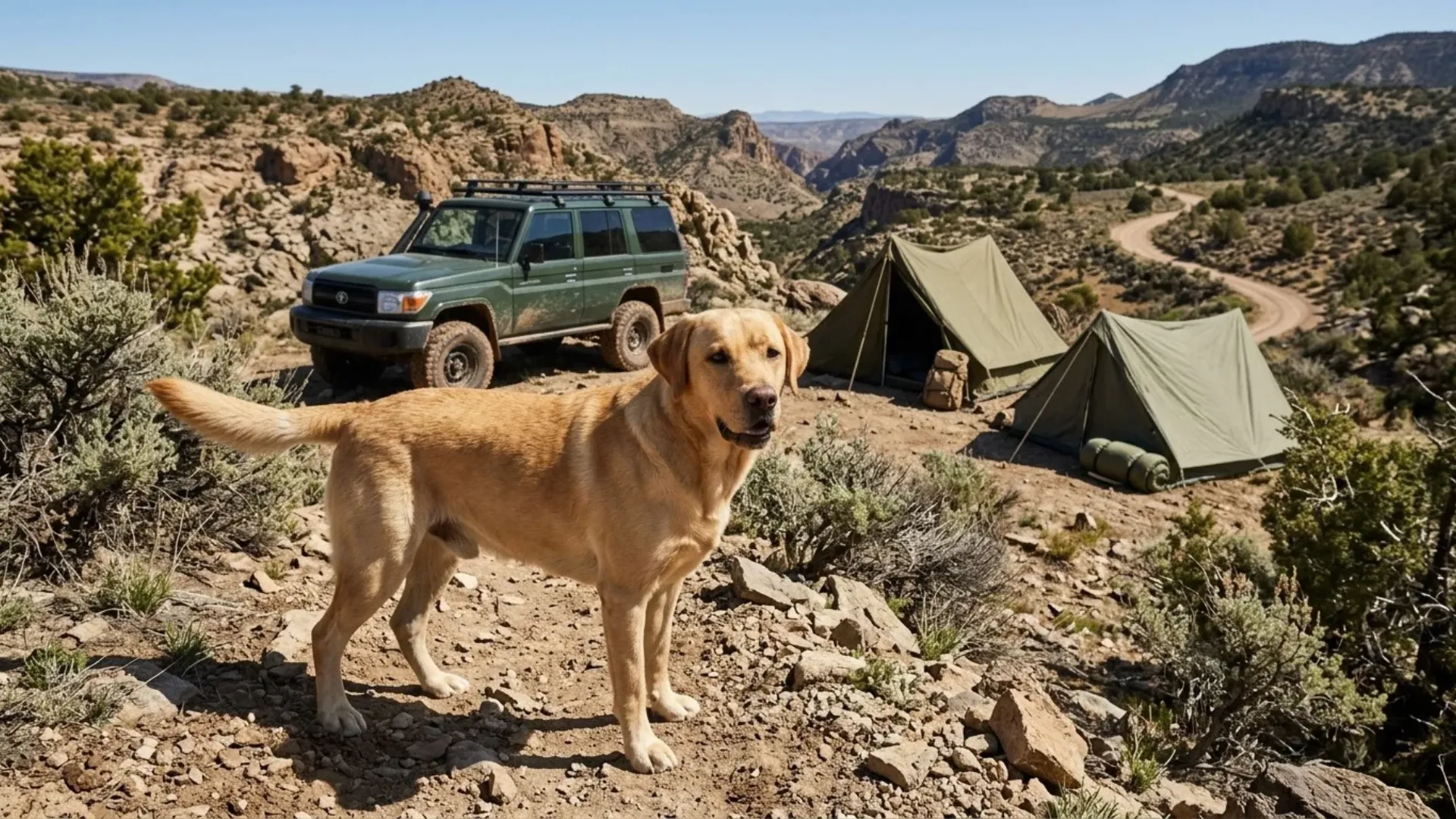
Off-road camping brings exciting opportunities to explore rugged trails, remote campsites, and unfamiliar landscapes with a furry friend. The right dog can make these adventures more enjoyable, whether you plan to hike through forests, cross open terrain, or relax beside a tent after a long drive. Athletic, adaptable breeds often thrive in these environments.
However, not all dogs are suited to demanding outdoor trips. Energy levels, endurance, weather tolerance, recall, and comfort around other animals all influence whether a breed is a good fit. Owners must also prepare food, fresh water, secure restraints, and suitable sleeping arrangements to maintain their dog’s safety.
The following ten breeds offer different strengths for off-road camping adventures. From powerful working dogs to enthusiastic hunting companions, each has qualities worth considering before choosing a trail partner.
Top Dog Breeds for Off‑Road Camping Adventures
1. German Shorthaired Pointer
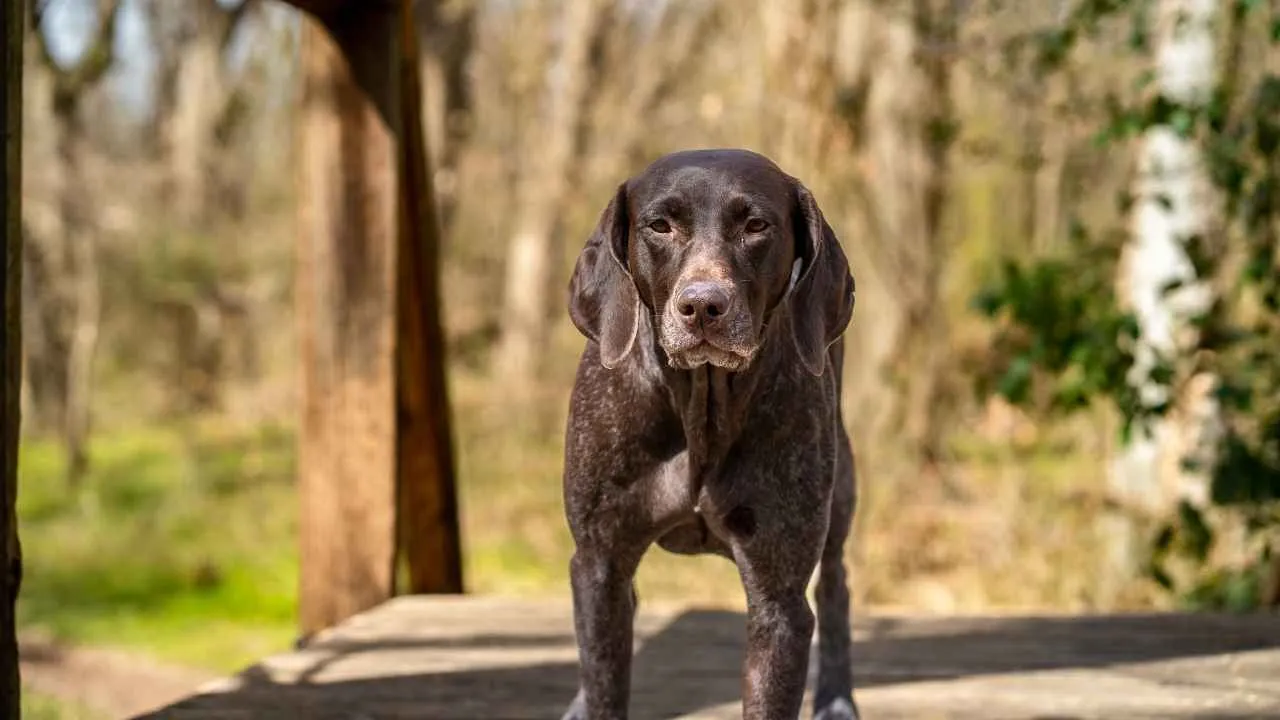
The German Shorthaired Pointer developed in Germany during the 19th century as a versatile hunting dog. Breeders combined pointing and hunting breeds to create an athletic companion capable of locating game and retrieving birds across varied terrain. Its history as a working dog shaped its endurance, intelligence, and eagerness to explore unfamiliar environments.
Conditioning and Training for Demanding Trails
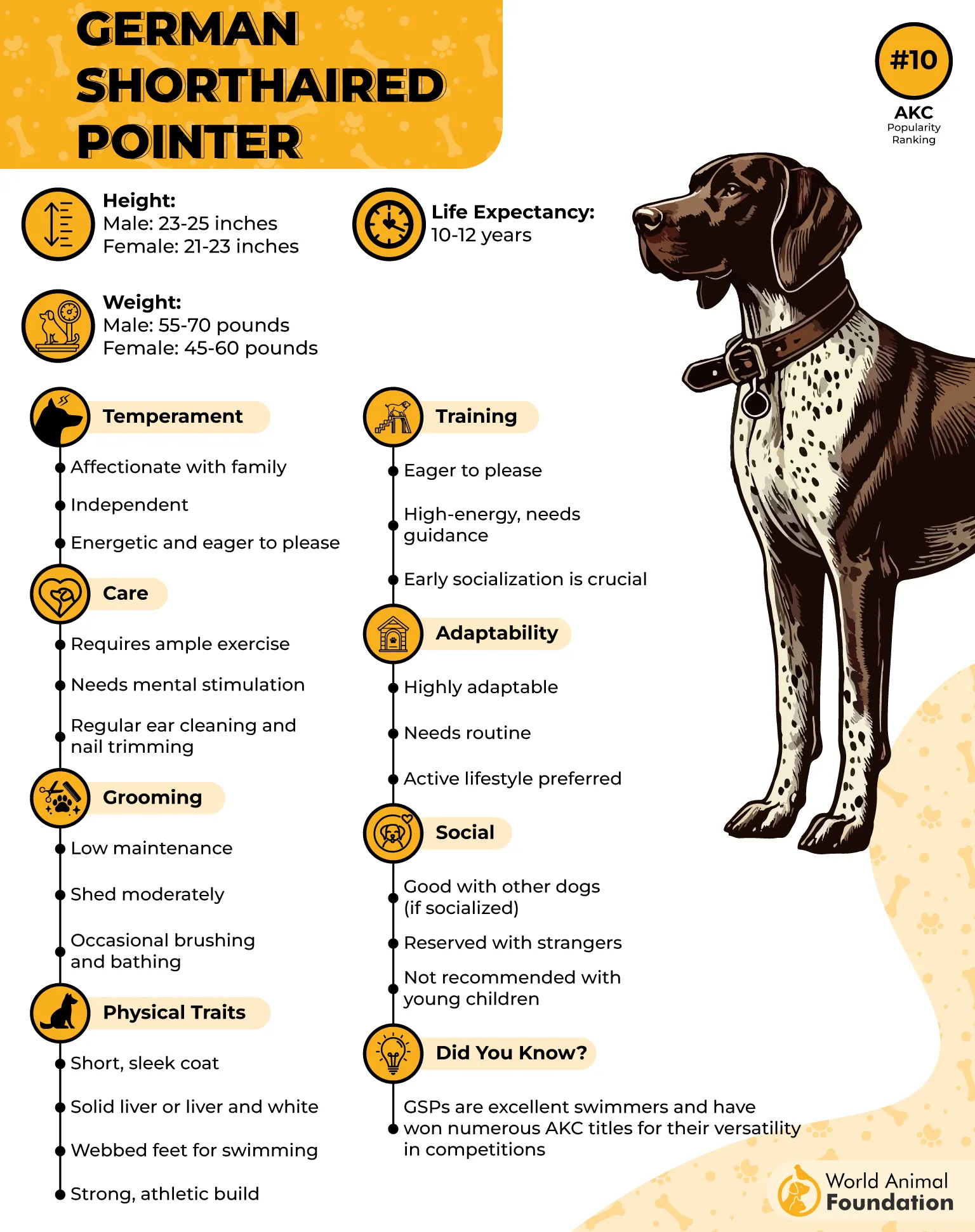
German Shorthaired Pointers need substantial daily exercise and gradual conditioning before lengthy hikes. Recall training, leash manners, and impulse control are essential around wildlife. Their short coats offer limited protection in cold conditions, so owners should prepare accordingly. Regular water breaks and paw checks help maintain comfort during rugged adventures.
A Tireless Explorer With a Keen Nose
This breed suits active campers who enjoy covering considerable ground. Its powerful nose and athletic build make exploring wooded trails and open landscapes particularly engaging. However, its hunting instincts can draw attention toward small animals. Reliable control is essential, especially when camping near wildlife or traveling through unfamiliar wilderness.
2. Labrador Retriever
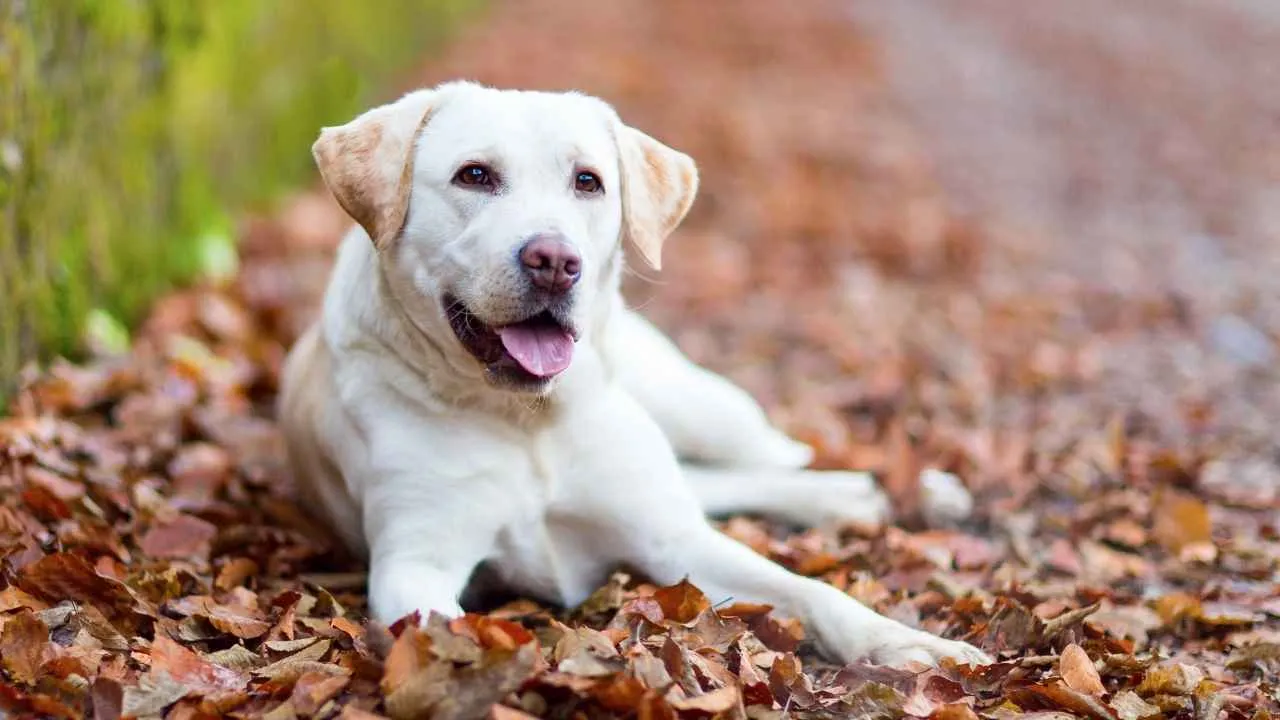
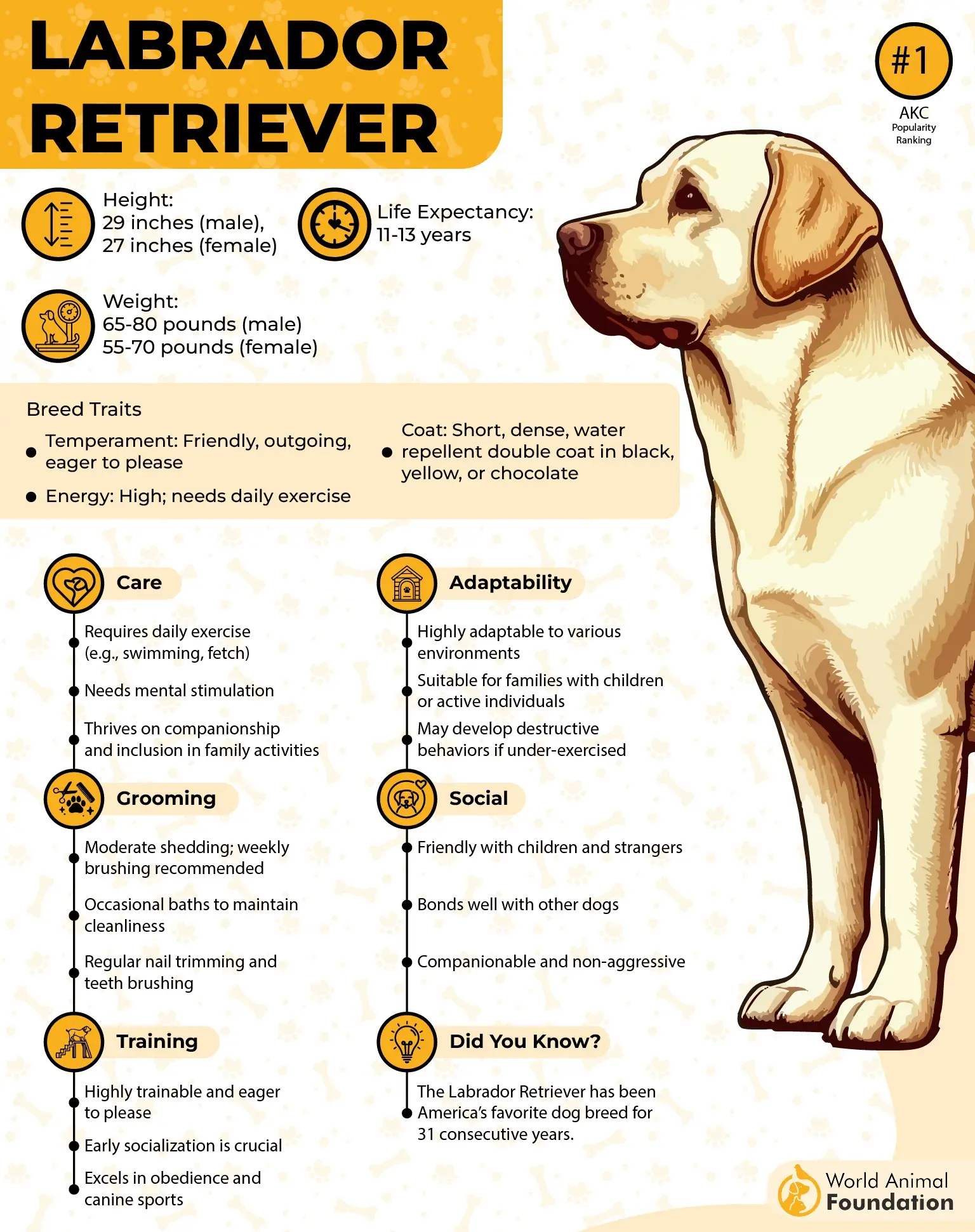
The Labrador Retriever traces its ancestry to working dogs from Newfoundland, Canada, where fishermen valued their retrieving abilities and willingness to work in water, as per Britannica. British breeders later refined the breed for retrieving game during hunting activities.
These working origins helped create a cooperative, athletic dog that remains popular with active families and outdoor enthusiasts.
Building Stamina Through Consistent Exercise
Labradors benefit from daily walks, swimming when safe, and retrieving games. Increase hiking distances gradually and practise reliable recall before exploring remote trails. Their enthusiasm can lead them to investigate unfamiliar animals, so leash control matters. Pack sufficient food and water, and allow rest periods after strenuous activity.
A Versatile Companion for Land and Water
Labrador Retrievers often enjoy varied camping activities, from woodland walks to splashing in suitable lakes. Their friendly temperament and willingness to cooperate make them adaptable travel companions. Many settle comfortably at camp after exercise. Their retrieving instincts provide opportunities for interactive play, although owners should supervise swimming and avoid overexertion in hot weather.
3. Australian Shepherd
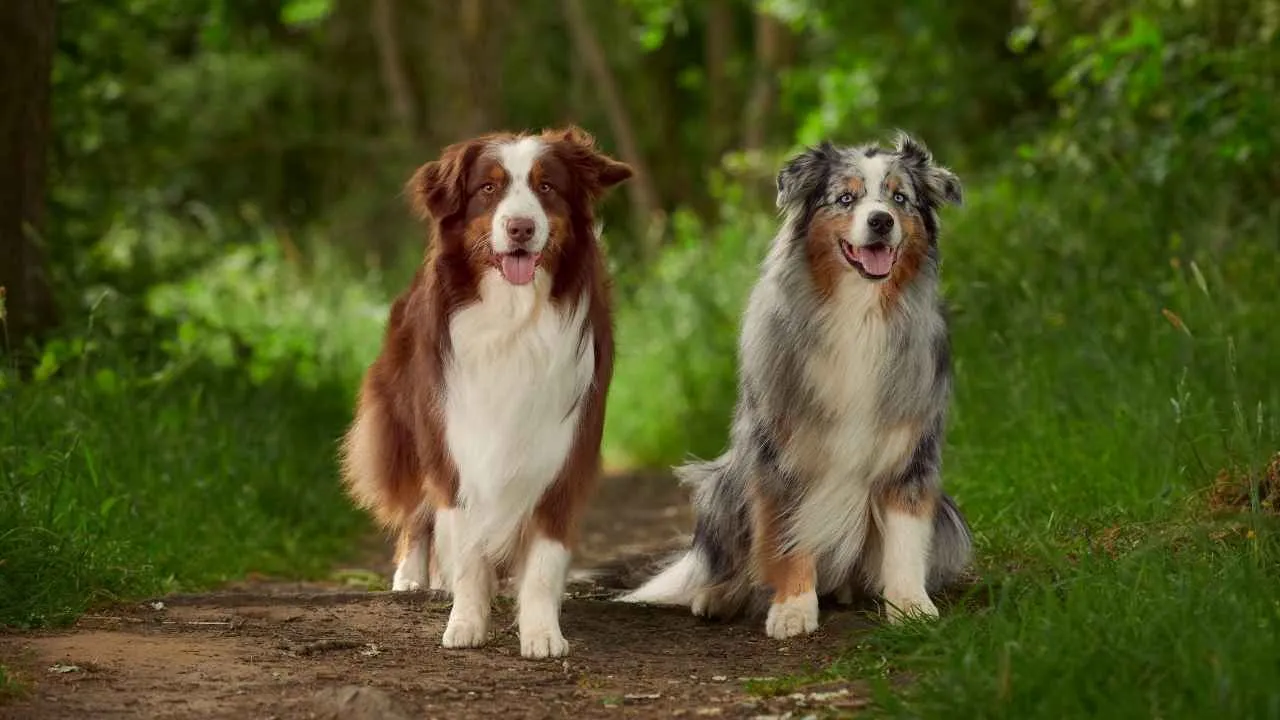
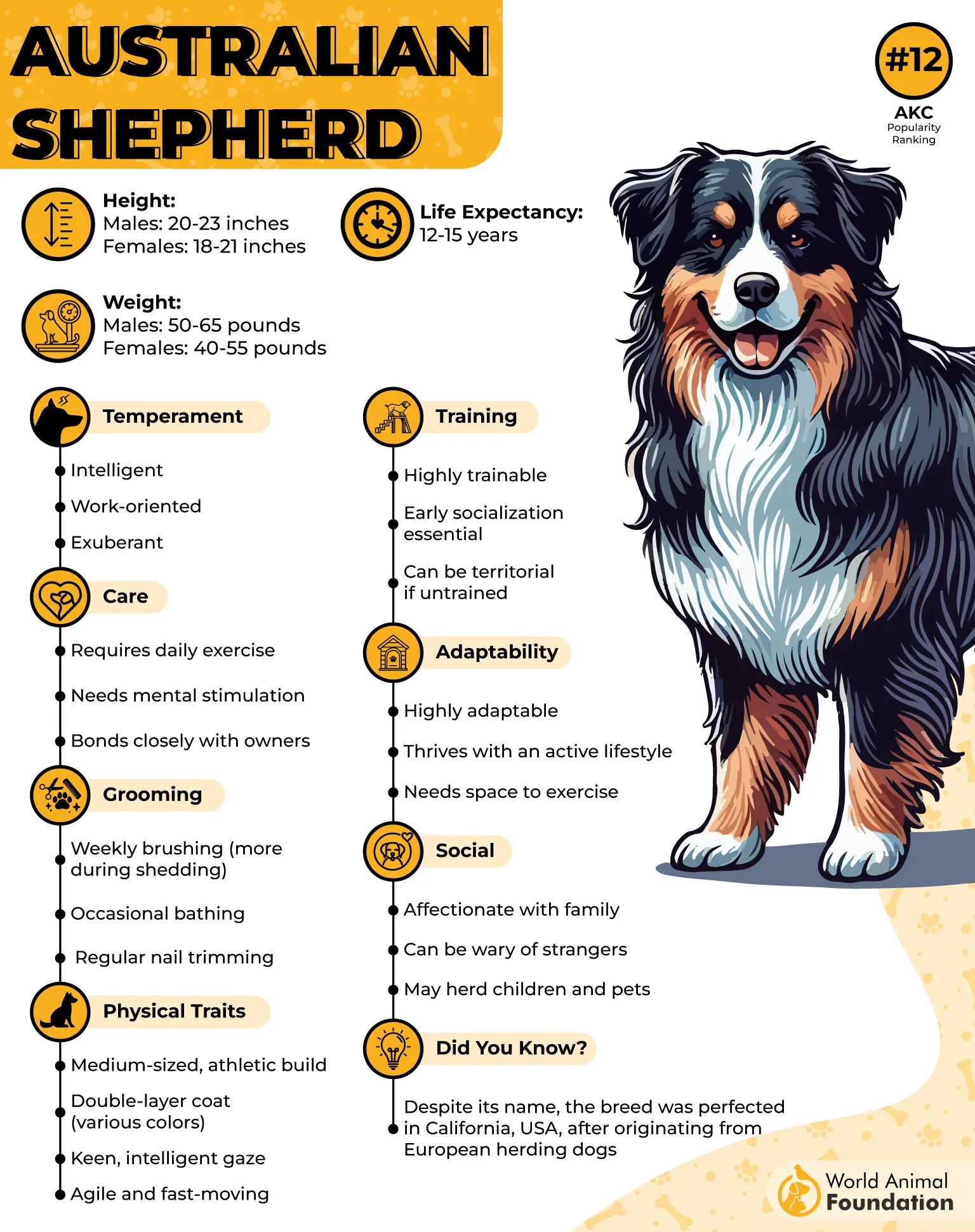
Despite its name, the Australian Shepherd was developed primarily in the United States, where ranchers valued its ability to herd livestock, as per Purina. Selective breeding emphasized intelligence, agility, and stamina, producing a highly capable working dog. Its background explains why Australian Shepherds often enjoy outdoor challenges and respond well to activities that engage both mind and body.
Mental Challenges and Trail-Ready Conditioning
Australian Shepherds need regular exercise alongside obedience practice and mentally stimulating games. Before off-road trips, train recall, settling calmly at camp, and responding around distractions. Their herding instincts can prompt chasing or circling behavior, so careful management around children and other animals is important. Gradually build endurance for longer hikes.
An Intelligent Partner for Active Explorers
Australian Shepherds thrive when camping involves more than simply resting at a campsite. They often enjoy navigating trails, learning routines, and participating in interactive games. Their intelligence can make training rewarding, but boredom may lead to barking or unwanted behavior. Provide purposeful activities as well as quiet time to recover.
4. Border Collie
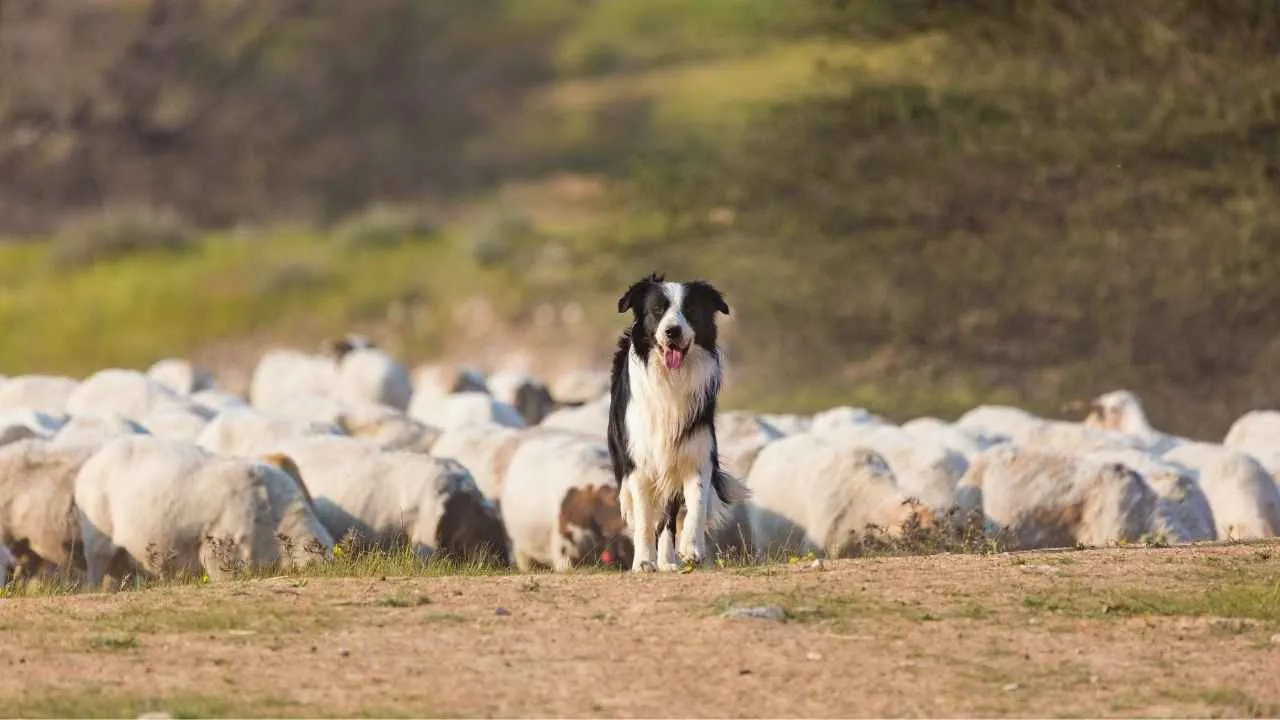
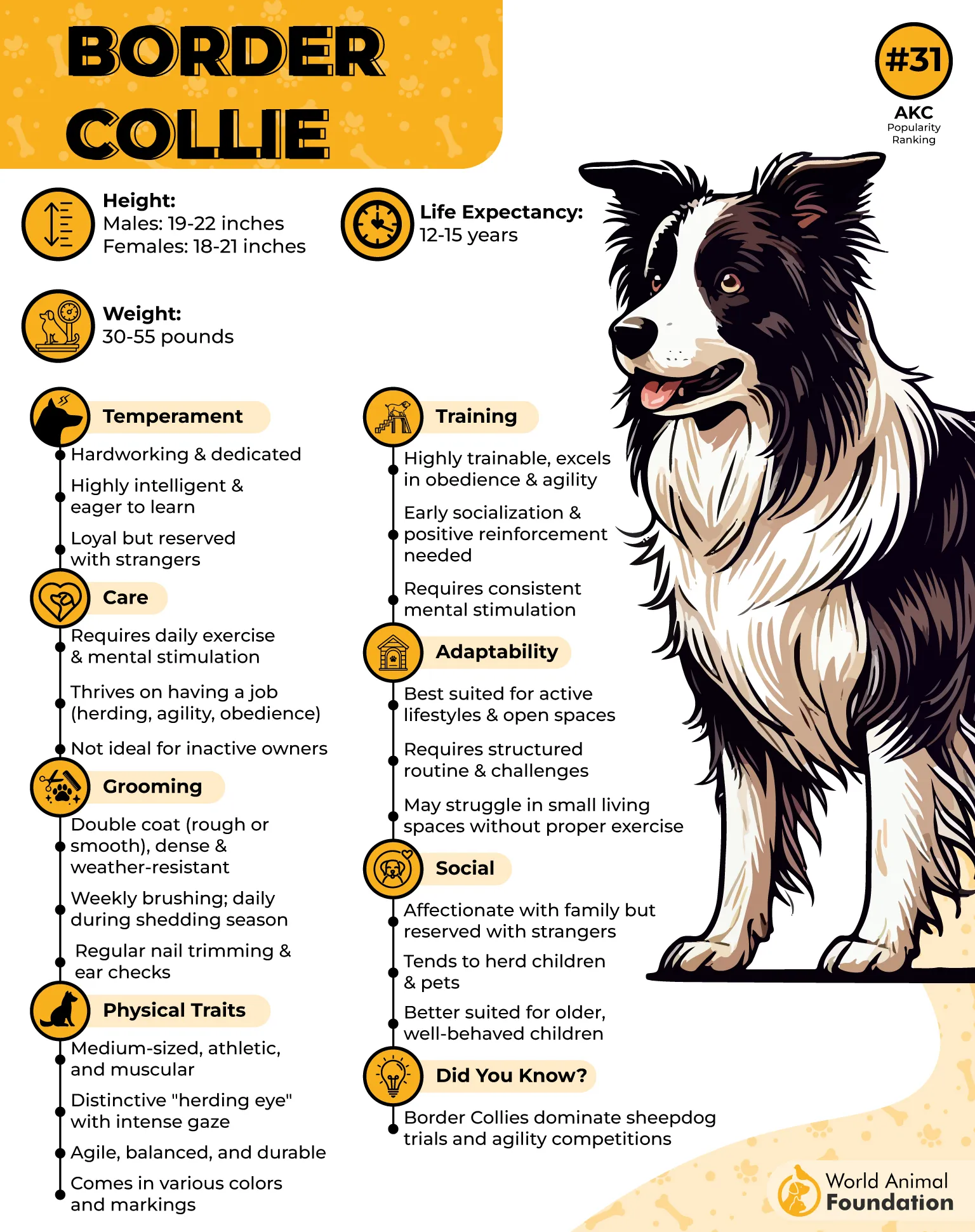
The Border Collie developed along the border regions of Scotland and England, where shepherds needed responsive dogs to manage livestock across challenging farmland. Generations of selective breeding produced exceptional intelligence, stamina, and problem-solving abilities.
Although the breed is best known for herding, these qualities can also benefit owners who enjoy structured outdoor adventures.
Exercise and Obedience for a Focused Trail Companion
Border Collies need daily physical activity and regular mental challenges. Practise recall, leash walking, and calm behavior around wildlife before visiting remote areas. Puzzle games and short training sessions help prevent boredom during downtime. Their sensitivity to movement also means owners should manage encounters with cyclists, unfamiliar dogs, and grazing animals carefully.
A Smart Adventurer Who Enjoys Having a Job
Border Collies often excel on trips that combine hiking with interactive activities. They may enjoy learning campsite routines, practising commands, or playing structured games after exploring. Their alertness helps them notice changes in their surroundings, but constant stimulation is unnecessary. A balance of activity and rest keeps adventures enjoyable for both dog and owner.
5. Siberian Husky
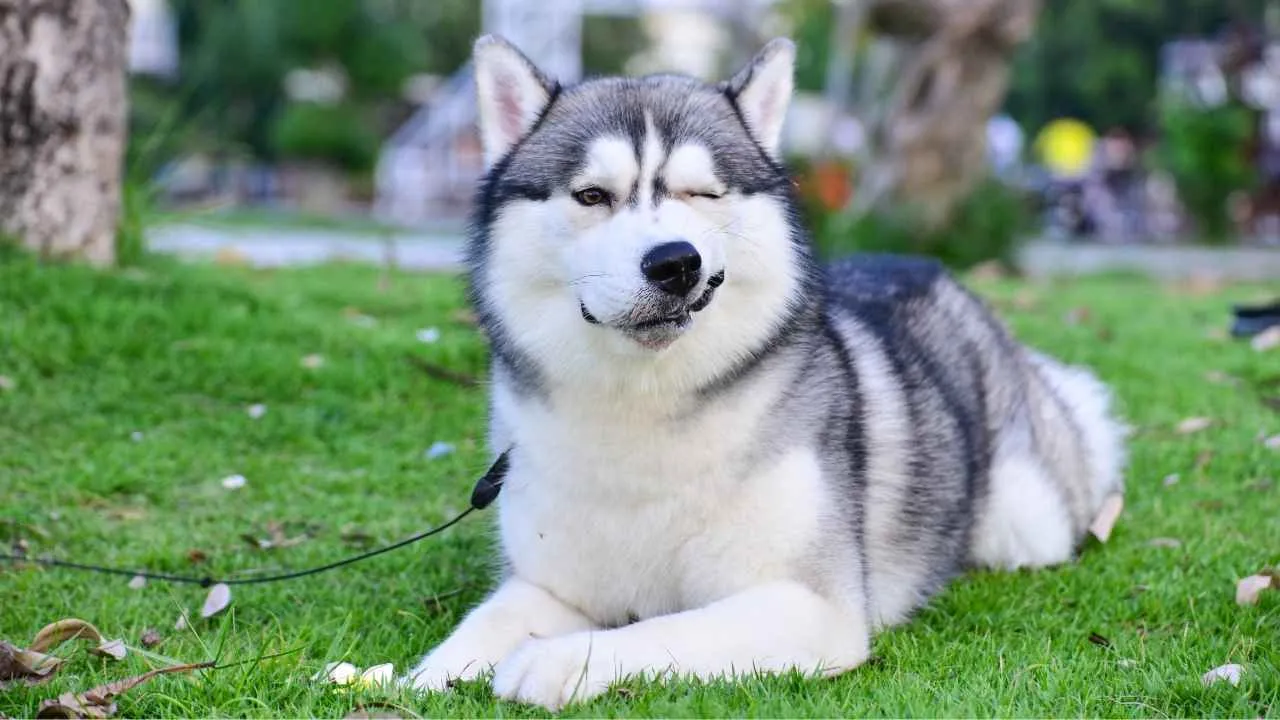
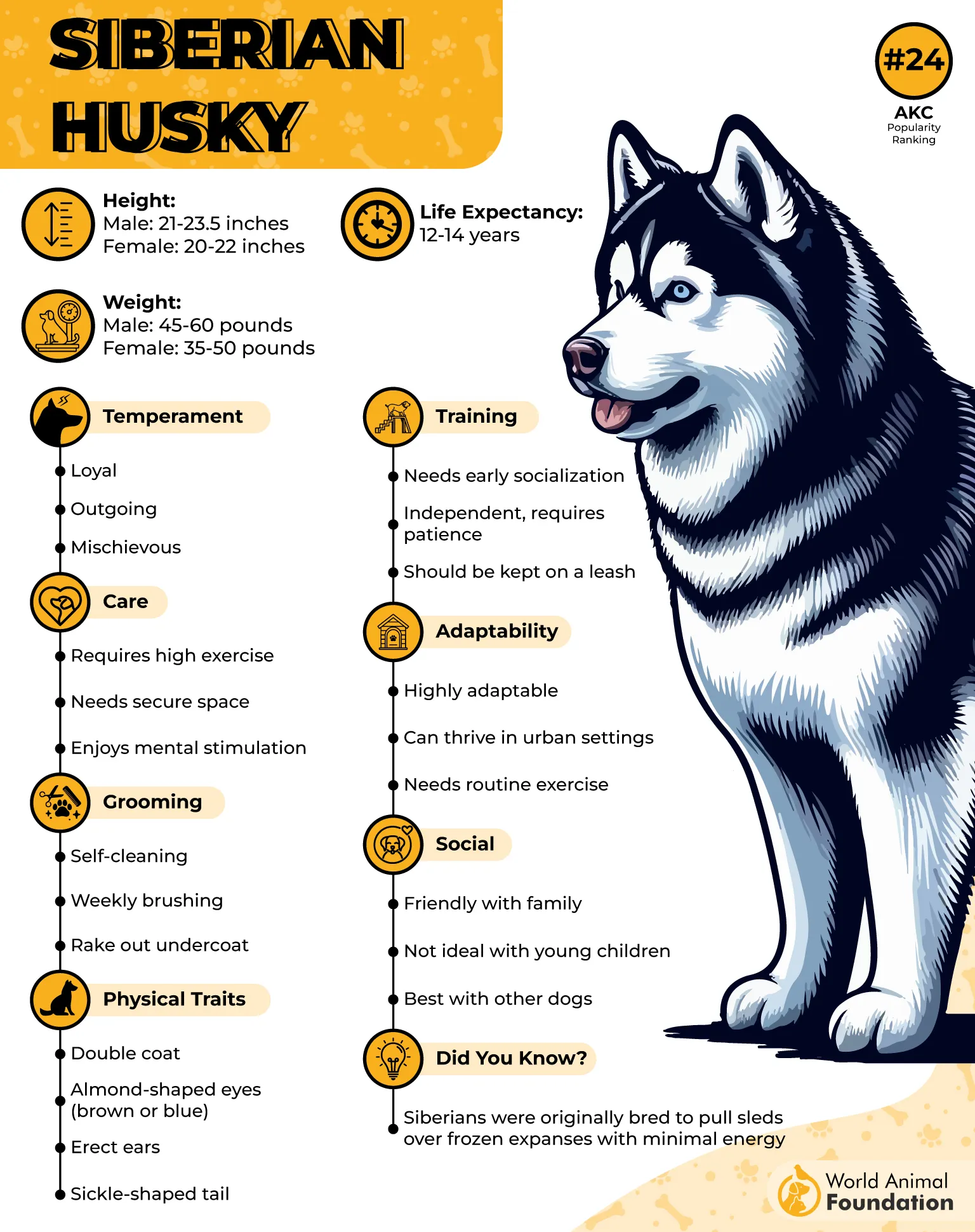
The Siberian Husky originated in northeastern Siberia, where the Chukchi people developed sled dogs capable of traveling long distances in extremely cold conditions. These muscular dogs needed endurance, cooperation, and efficient movement rather than sheer size. Their working heritage remains visible in their athletic build, thick double coat, and strong instinct to run.
Endurance Training and Secure Outdoor Handling
Siberian Huskies require regular exercise and gradual conditioning, but heat management is especially important because of their dense coats. Secure leashes and reliable containment are essential, as many have strong roaming instincts. Recall can be challenging around wildlife. Owners should plan cooler activity periods and provide shade, fresh water, and comfortable rest areas.
A Cold-Weather Traveler With Impressive Stamina
Huskies can be excellent companions for cold-weather camping and long outdoor journeys when properly conditioned. Their endurance makes them enthusiastic hiking partners in suitable conditions. However, they may chase wildlife or wander if given the opportunity. They are best suited to owners who can maintain secure control and accommodate their substantial exercise needs.
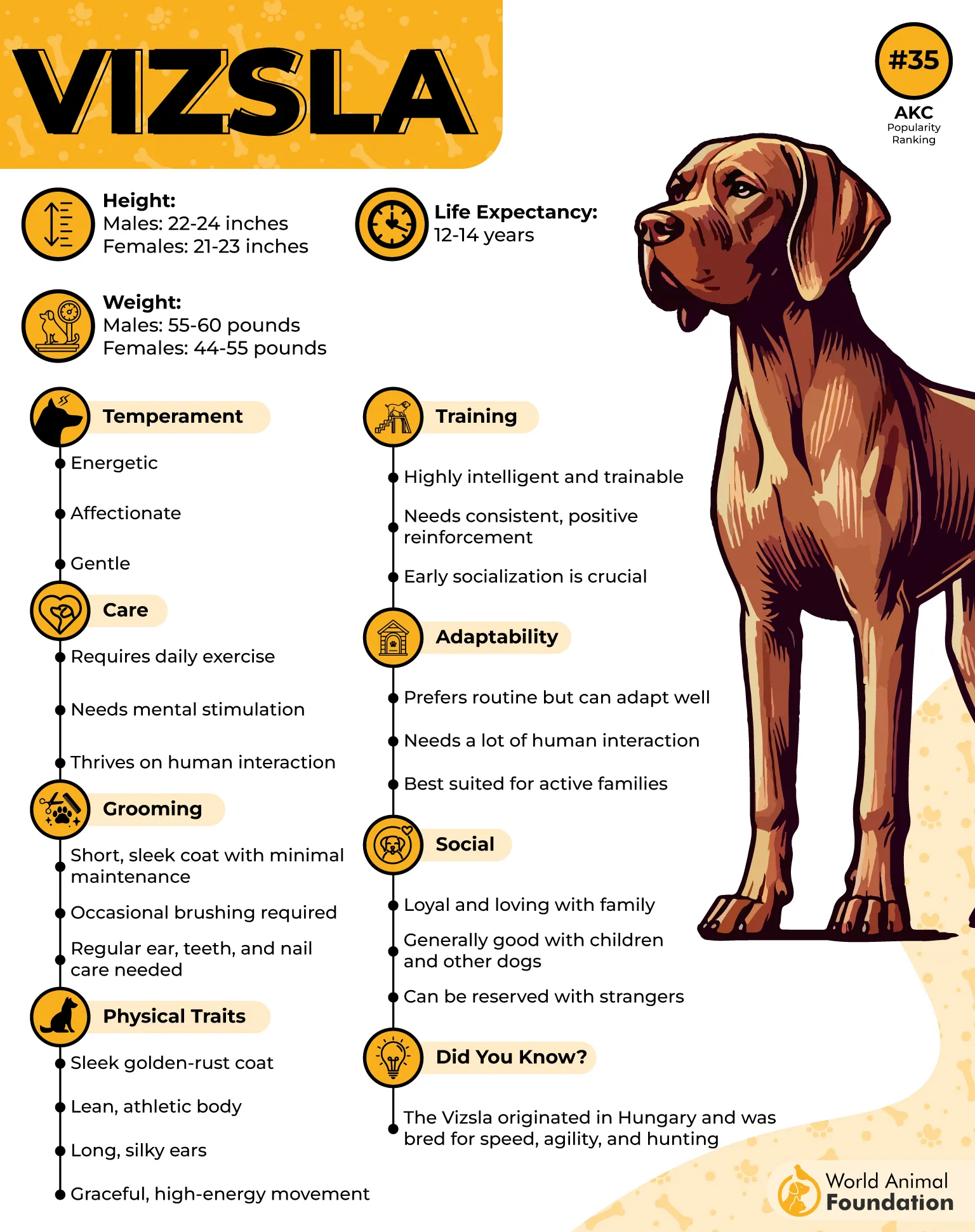
6. Vizsla
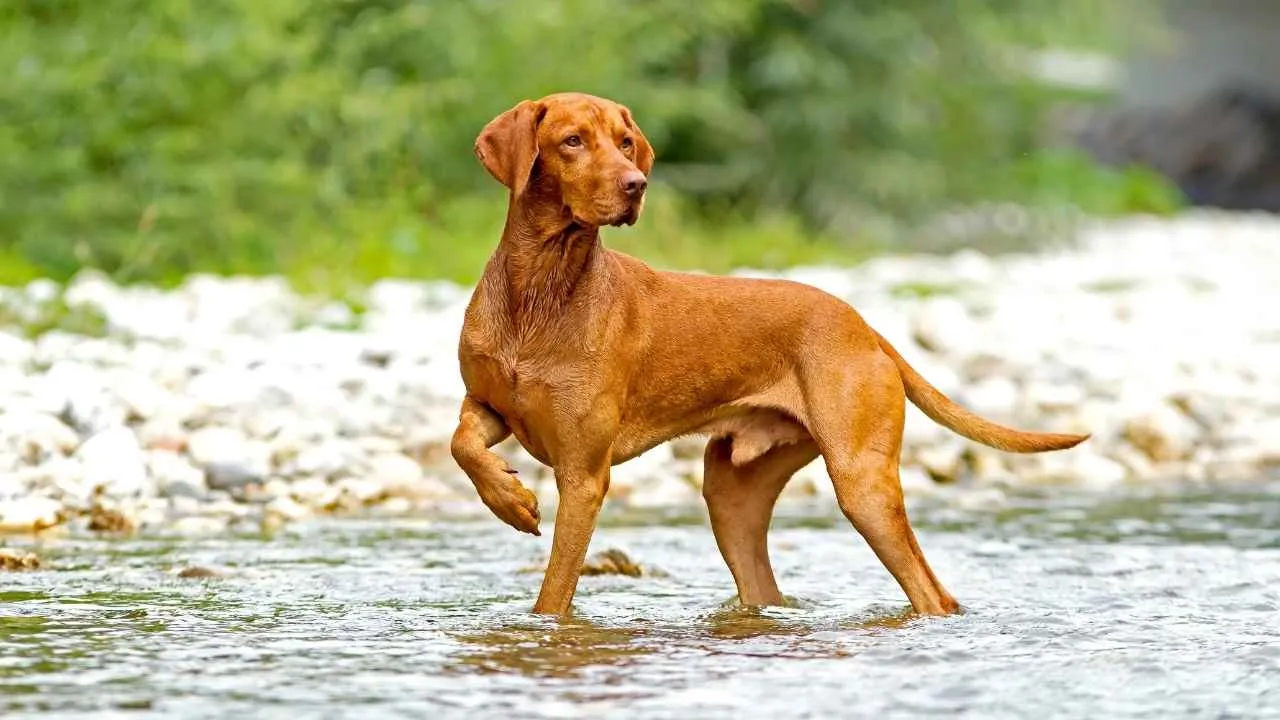
The Vizsla has historical roots in Hungary, where it served as a versatile hunting dog valued for locating and pointing game, as per PDSA. Its athletic build, keen nose, and close relationship with handlers developed through generations of selective breeding. Today, the breed is admired for its energy, intelligence, and affectionate temperament, making it appealing to active outdoor enthusiasts.
Fitness, Recall, and Comfortable Camp Routines
Vizslas need substantial exercise and gradual preparation for longer hikes. Practise recall and leash manners around distractions before exploring wildlife-rich areas. Their short coats provide limited insulation in cold weather, so warm bedding or a suitable dog jacket may be necessary. Regular breaks and fresh water help maintain energy throughout the trip.
An Affectionate Hiking Partner Who Stays Engaged
Vizslas often enjoy exploring alongside their owners and participating in shared outdoor activities. Their athleticism supports active hikes, while their people-oriented nature makes campsite downtime rewarding. Many prefer staying close to their companions rather than spending extended periods alone. Their enthusiasm makes them a strong match for campers who enjoy regular movement and interaction.
7. Rhodesian Ridgeback
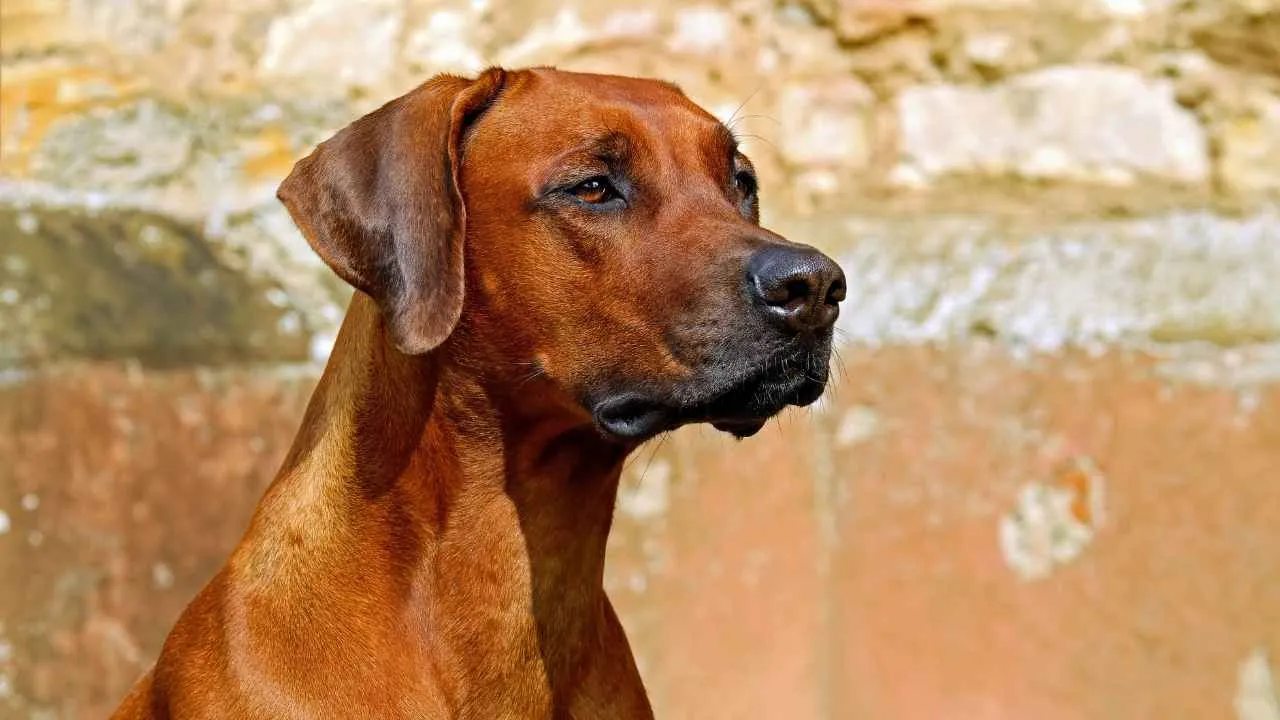
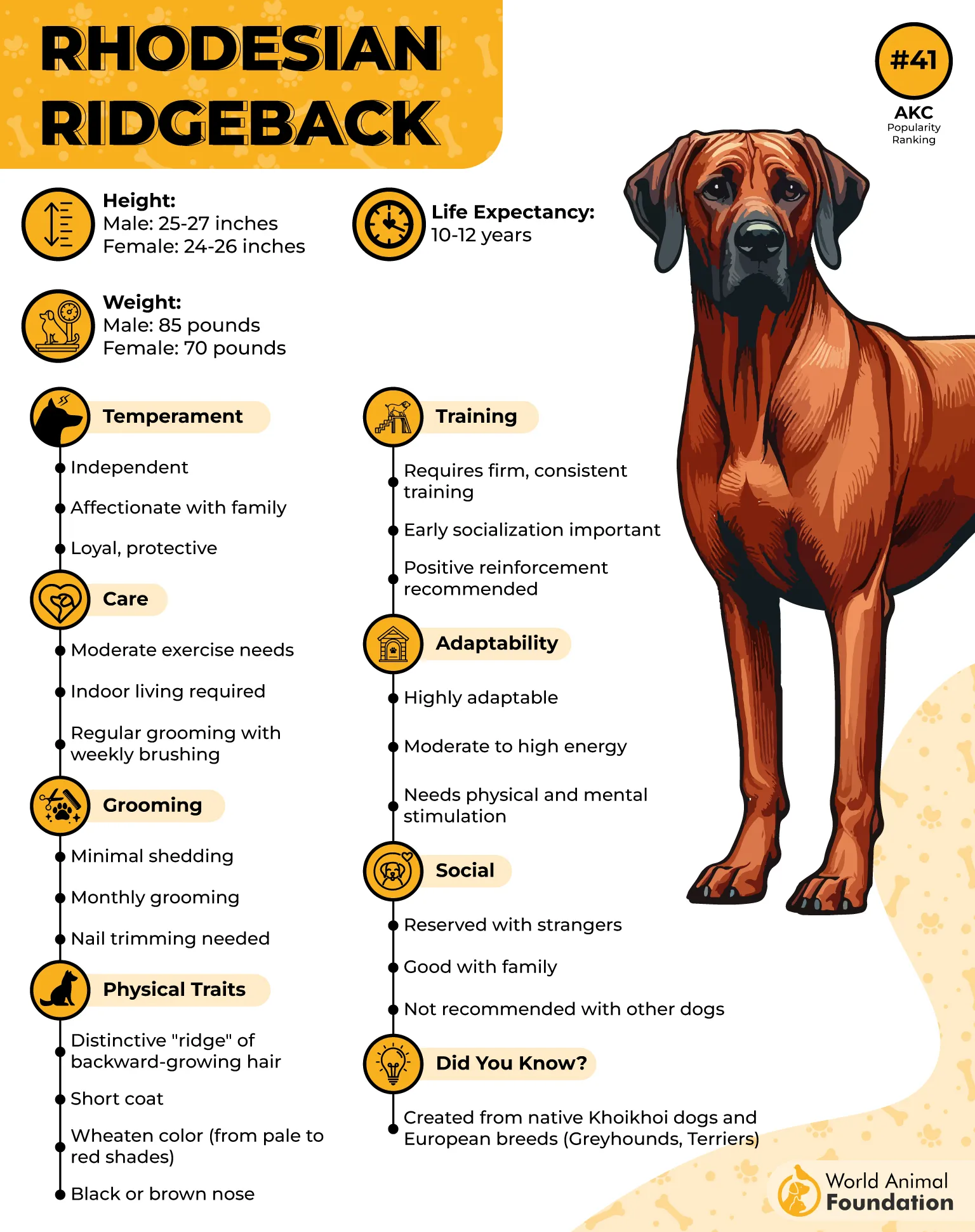
The Rhodesian Ridgeback developed in southern Africa from European dogs crossed with local ridged hunting dogs. Early settlers valued these animals for tracking and hunting large game, tasks requiring courage, endurance, and independent judgment. The breed’s athletic build and short coat reflect its working history, making it an interesting option for experienced campers seeking a robust companion.
Balanced Exercise and Confident Trail Training
Rhodesian Ridgebacks need regular exercise and gradual conditioning for demanding hikes. Training should emphasize recall, leash manners, and calm responses to unfamiliar animals.
Their independence can make obedience challenging without consistent practice. Because their short coats offer limited protection against cold weather, owners should consider temperatures and provide suitable shelter during overnight trips.
A Powerful Explorer Built for Long Distances
Rhodesian Ridgebacks can be rewarding partners for campers who appreciate athletic dogs with considerable stamina. Their curiosity and strength help them tackle varied terrain when properly conditioned.
However, their hunting background means small animals can trigger chasing behavior. Secure handling, appropriate supervision, and realistic expectations are essential on wilderness adventures.
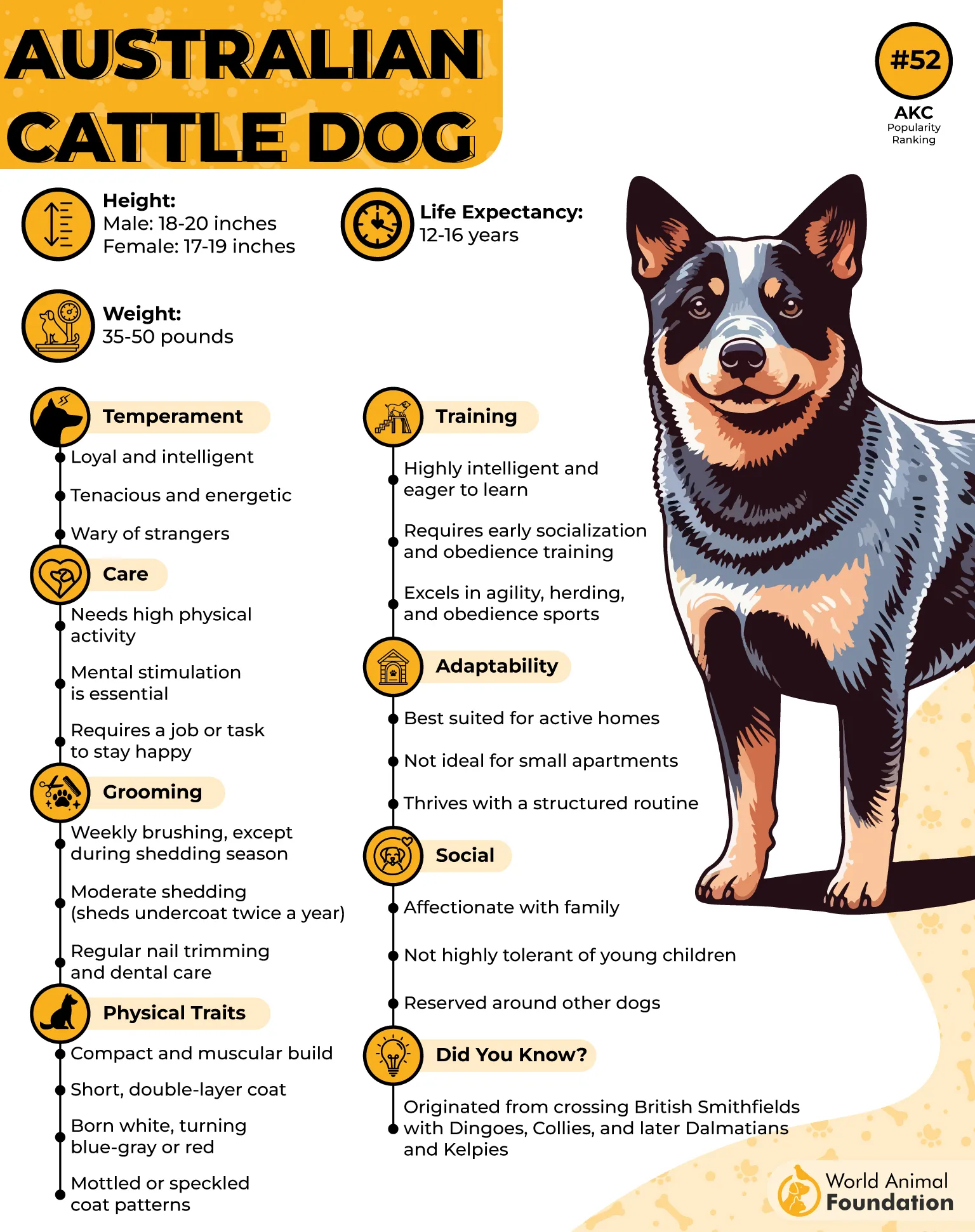
8. Australian Cattle Dog
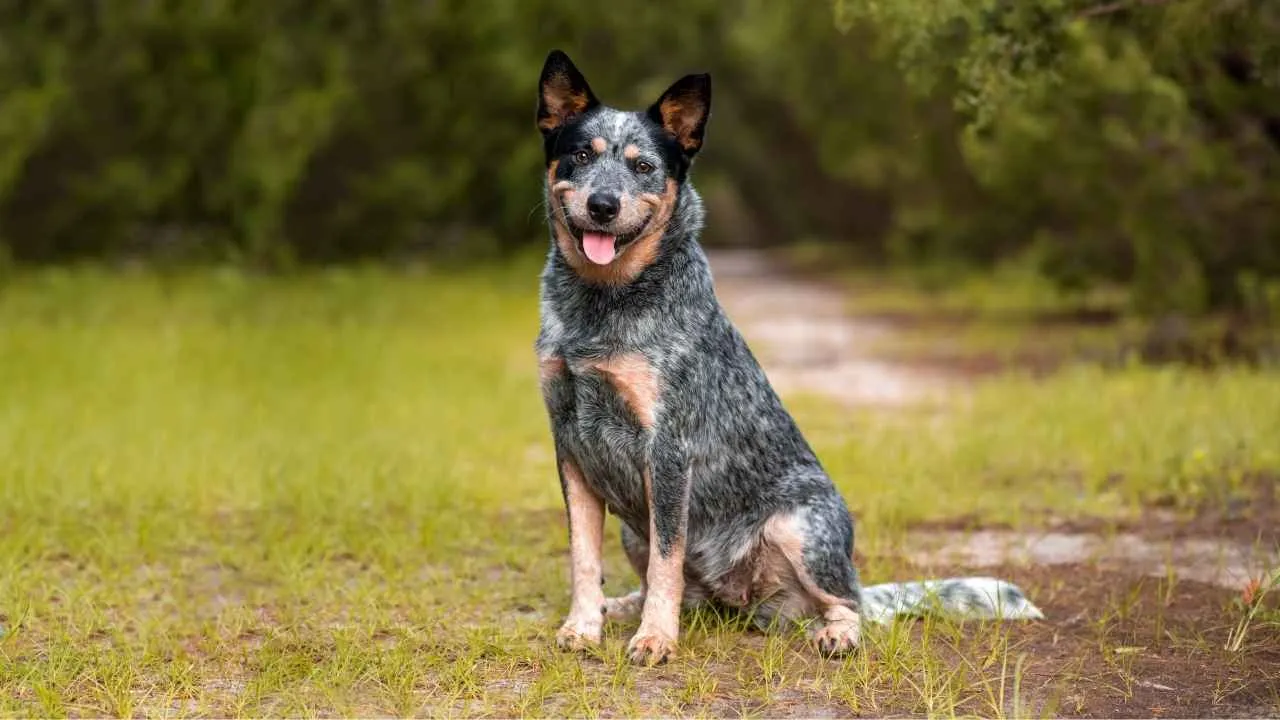
The Australian Cattle Dog was developed in Australia to help ranchers move cattle across vast properties and demanding landscapes, as per PetMD. Breeders combined working dogs with other breeds to produce a hardy, intelligent herder capable of managing difficult conditions. Its background shaped its endurance, alertness, and determination, qualities that can be valuable during active camping trips.
Daily Workouts and Reliable Trail Manners
Australian Cattle Dogs need plenty of exercise and mental stimulation. Hiking, obedience practice, and structured games help channel their energy productively. Early training should address recall, leash manners, and behavior around livestock. Their natural herding instincts require supervision around children and other animals, while secure containment prevents unwanted roaming at camp.
A Tenacious Companion for Rugged Country
Australian Cattle Dogs often thrive when outdoor adventures include challenging trails and purposeful activities. Their compact, muscular build supports agility, while their intelligence helps them learn routines quickly. They can be independent and persistent, so owners should balance exploration with clear boundaries. This breed generally suits active people who enjoy keeping their dogs engaged.
9. Bernese Mountain Dog
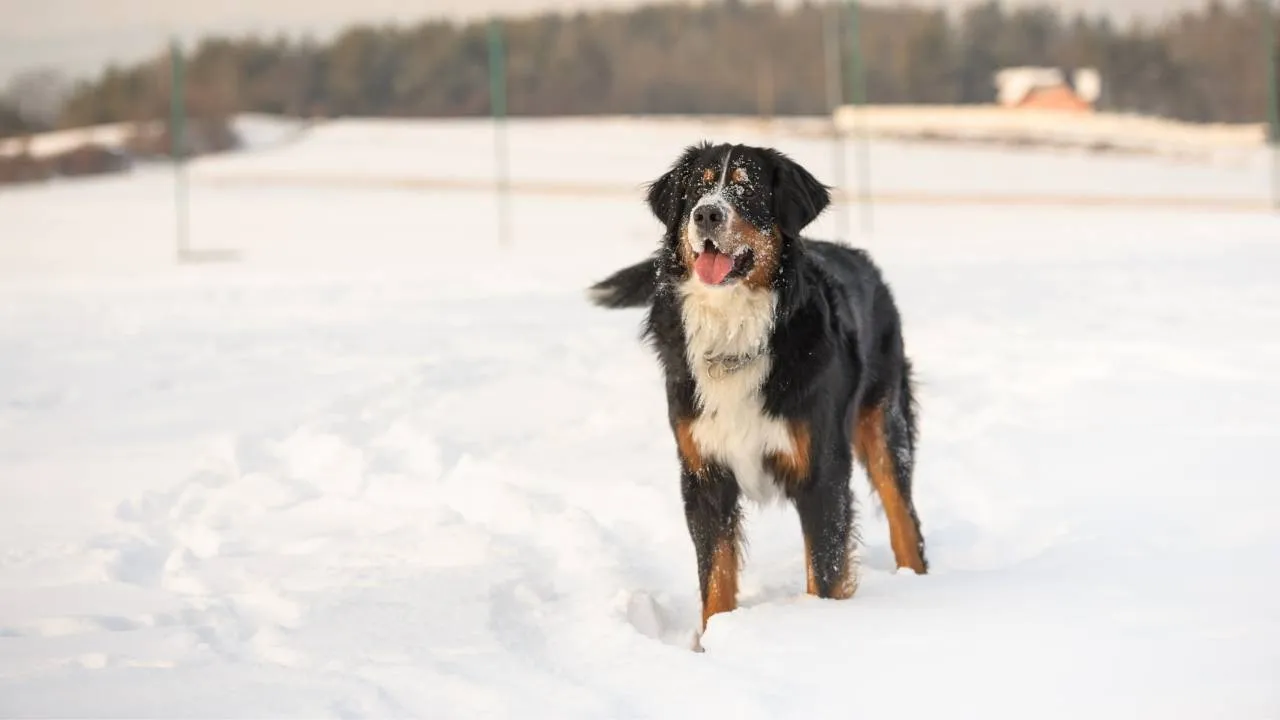
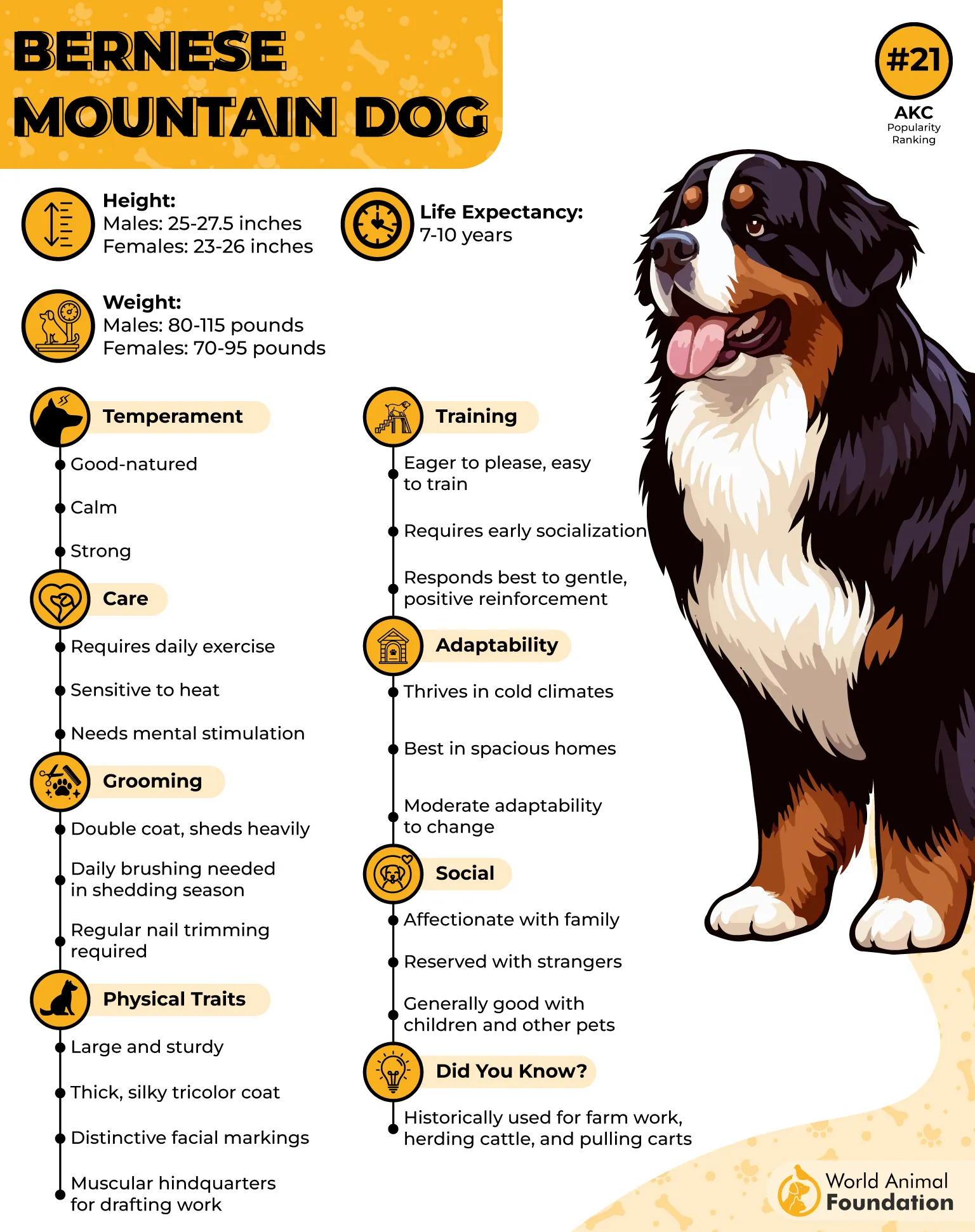
The Bernese Mountain Dog originated in Switzerland, where farmers used these strong dogs for pulling carts, guarding property, and assisting with livestock. Its thick double coat suited cold mountain conditions, while its strength made it useful for demanding rural work. Today, the breed is known for its affectionate personality and willingness to accompany its family on outdoor outings.
Moderate Exercise and Cold-Weather Preparation
Bernese Mountain Dogs benefit from regular walks and gradual conditioning for longer trails. Their heavy coats require routine brushing, particularly during shedding seasons. Training should focus on leash manners and reliable responses because of their size. They can struggle in hot weather, so choose cooler camping destinations and provide shade, fresh water, and frequent breaks.
A Gentle Mountain Companion for Relaxed Adventures
Bernese Mountain Dogs often enjoy walking with their families and settling near the campsite afterward. Their calm, affectionate nature can make them pleasant companions on moderate outdoor trips. They are generally better suited to steady exploration than extreme endurance challenges in hot conditions. Their size and coat make careful temperature management particularly important.
10. Weimaraner
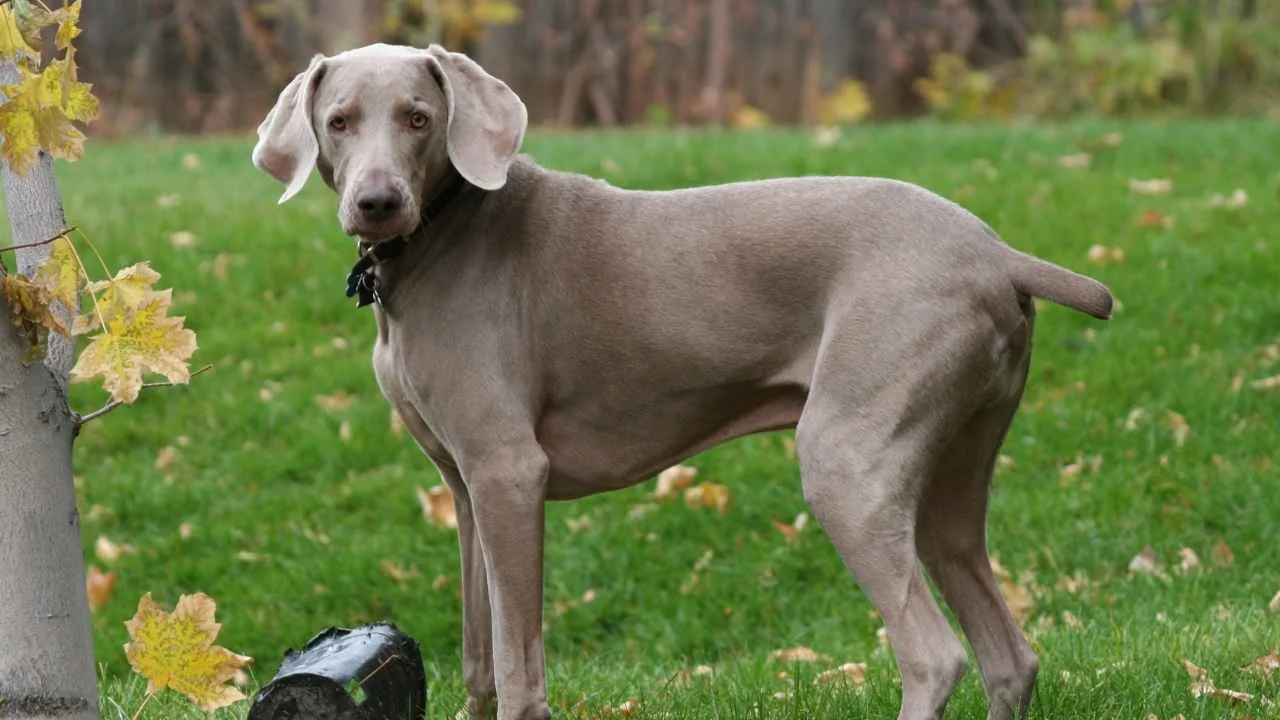
The Weimaraner originated in Germany, where hunting enthusiasts developed the breed for tracking and pursuing game. Early dogs were valued for their athleticism, scenting ability, and endurance across varied terrain. Over time, they became versatile hunting companions known for their distinctive gray coats and strong attachment to their handlers.
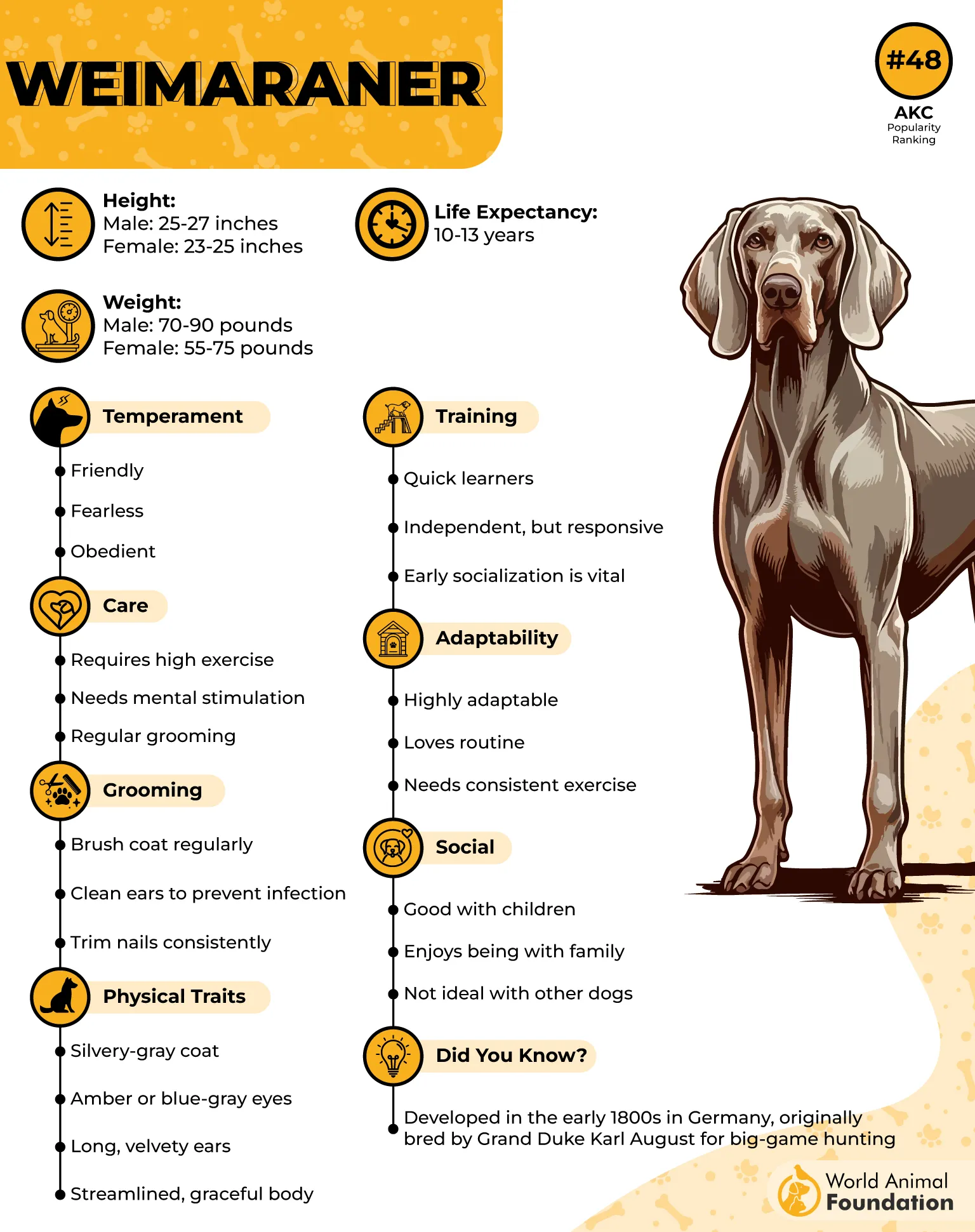
Exercise Planning and Consistent Recall Practice
Weimaraners need substantial daily exercise and gradual conditioning before challenging hikes. Training should emphasize recall, impulse control, and calm behavior around wildlife. Their short coats offer limited insulation in cold weather, making warm bedding important during chilly nights. Regular hydration and rest breaks help prevent overexertion during long outdoor activities.
An Energetic Companion for Adventurous Campers
Weimaraners often enjoy exploring new landscapes and staying involved in their owners’ activities. Their speed, curiosity, and stamina make them appealing partners for active hikers. However, their strong hunting instincts can draw them toward unfamiliar animals, so reliable control is essential. They thrive best with owners who can provide structured exercise and companionship.
Conclusion
Each of the above dog breeds offers different strengths for off-road camping. Some excel at endurance, others enjoy water, and several thrive on mentally challenging activities. The right choice depends on your destination, climate, trail difficulty, and experience with active dogs.
Before traveling, practise essential commands and gradually introduce your dog to tents, vehicle journeys, and unfamiliar environments. Pack food, fresh water, a leash, identification, waste bags, suitable bedding, and a canine first-aid kit. Check campsite rules and local wildlife guidance, and never assume a dog is safe off leash simply because it responds well at home.
Most importantly, plan around your dog’s individual fitness and comfort. Provide shade in warm weather, insulation in cold conditions, and frequent opportunities to rest. With careful preparation and responsible handling, a well-matched dog can become a loyal companion on rugged trails, making every camping adventure more rewarding.
