




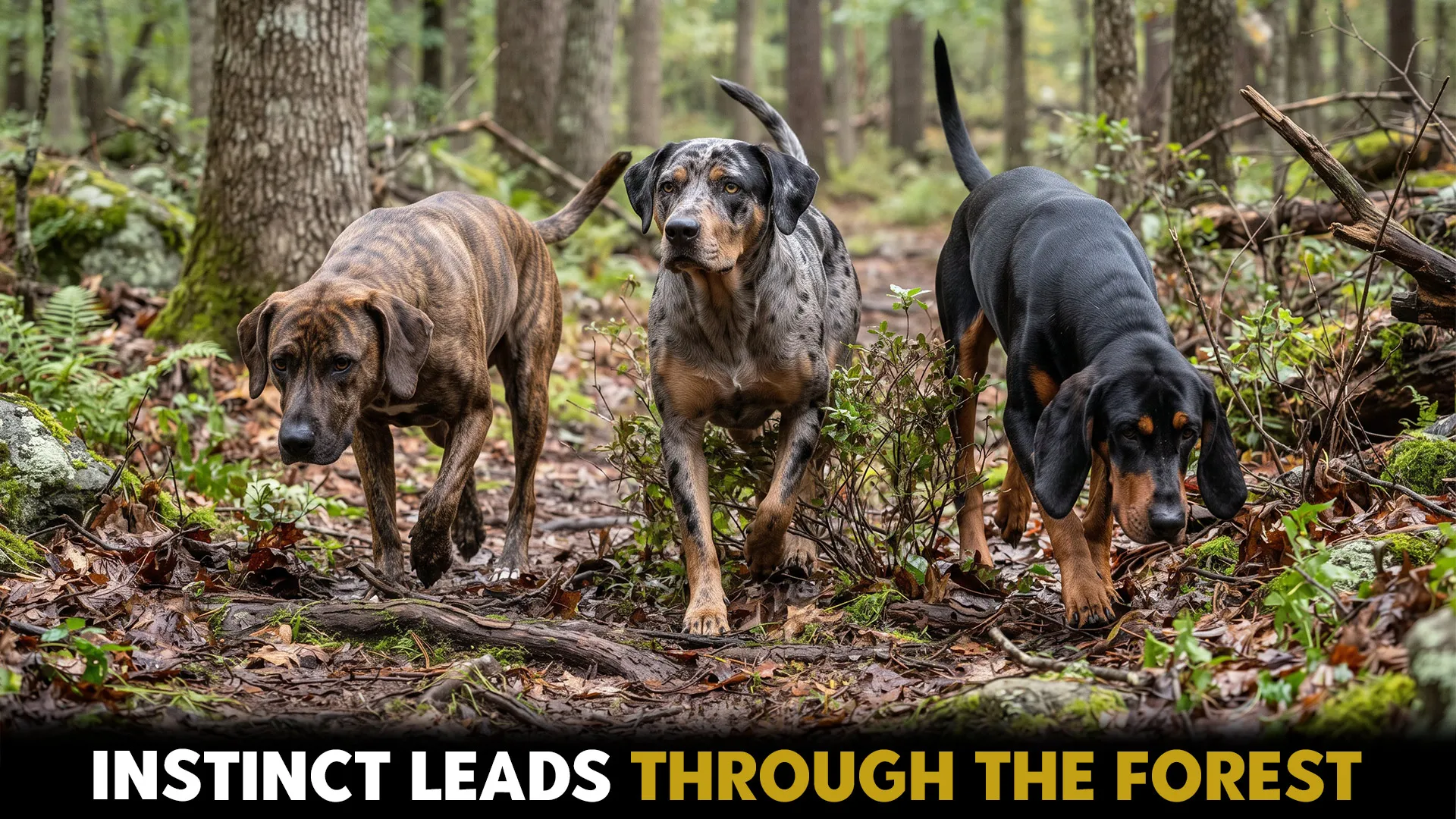
Here’s something most people don’t realize: forest hunting is nothing like hunting in open fields. Thick cover, low visibility, and scent that gets trapped under the canopy make it a completely different game for canine companions.
Nature has a way of testing every hunting dog’s nose, nerve, and stamina. That’s exactly why not every hunting dog is built for the woods. Some breeds are natural trackers, and others thrive chasing and pointing bigger game through rough terrain and harsh conditions. Versatility matters here, and so does stamina for long hunts.
So, how do you know which type actually fits your needs? It comes down to matching the dog to the game, the terrain, and your own hunting style. Ready to meet some seasoned hunters built for exactly that?
Dog Breeds Specialized for Forest Hunting
1. American Foxhound
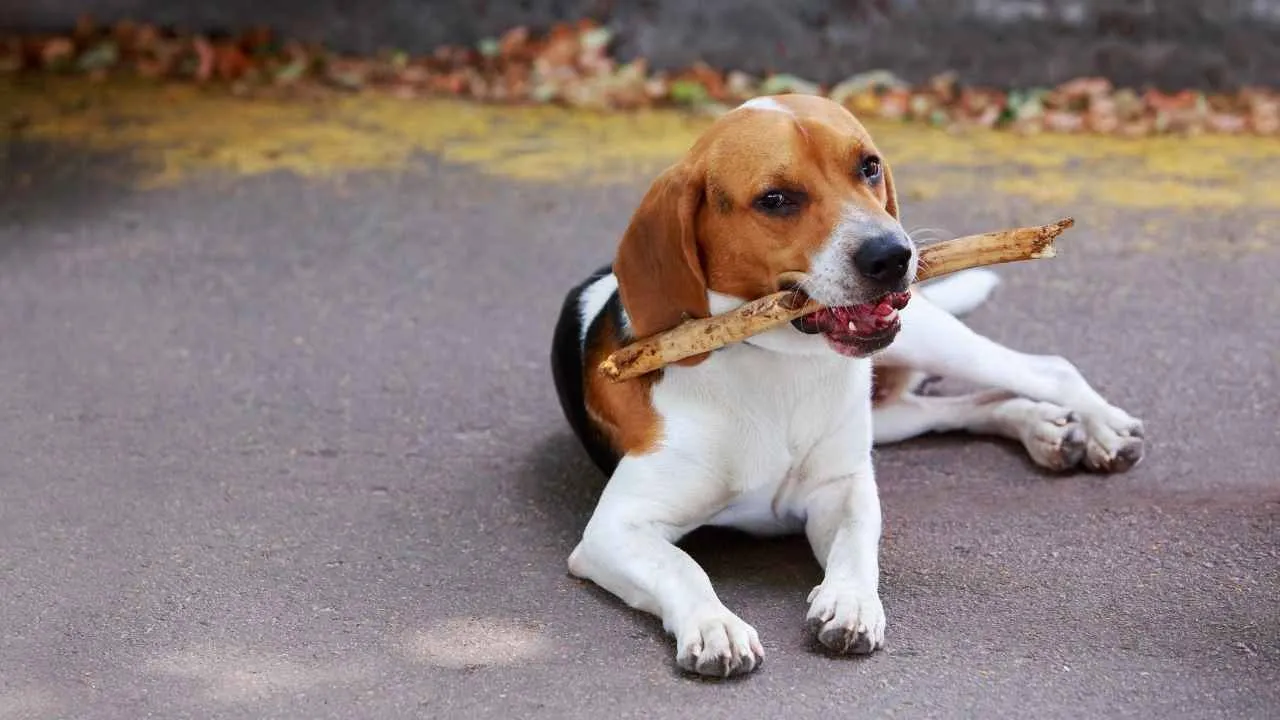
Meet the original forest chaser. The American Foxhound was built for one job: run fox through thick woods by scent alone, and it still hunts like it has something to prove. Fast, focused, and a little bit famous, this hound carries a legacy older than the country itself.
Nose: Locks onto a scent trail and rarely loses it.
Voice: Bays loud and long once the chase is on.
Independence: Bred to think for itself, not wait for orders.
Coat: Short and tough enough to shrug off briars.
Because that nose runs the show, a fenced yard or leash is non-negotiable on forest walks. Ear checks and steady, reward-based training keep this independent hunter from turning stubborn. Skip the harsh corrections. This breed responds to patience, not pressure.
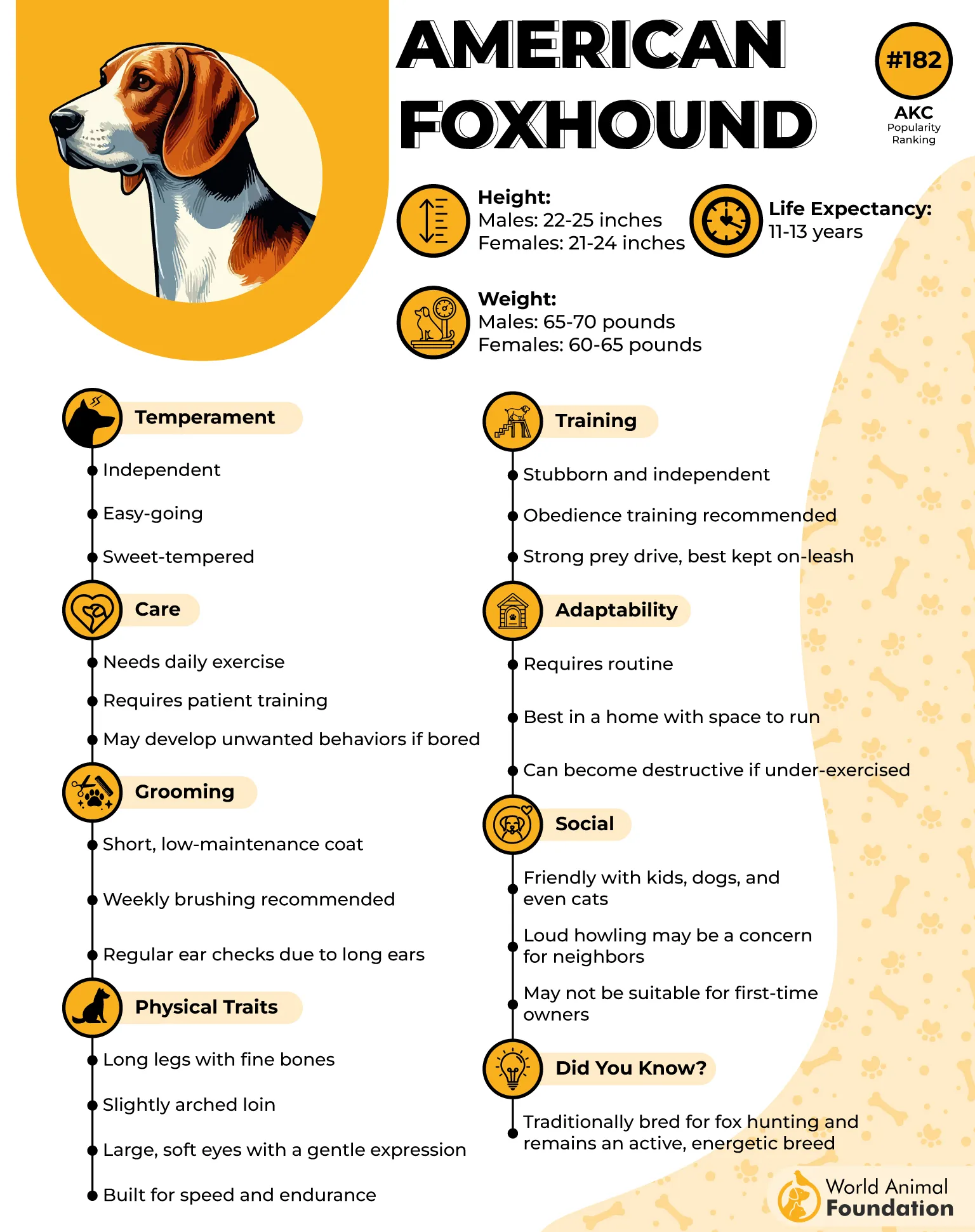
Fun fact: This hound has been an official AKC breed since 1886. That long history hasn’t made it common. Oddly enough, it’s still one of the rarest hounds around today.
2. Treeing Walker Coonhound
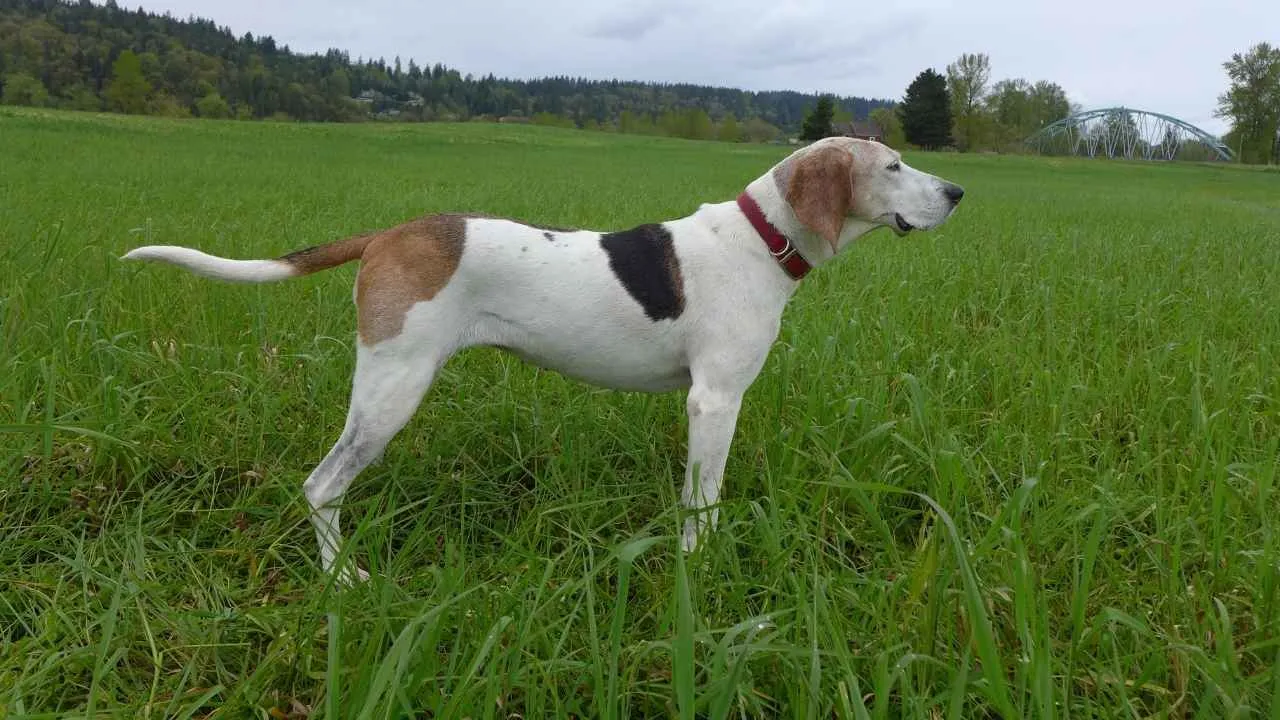
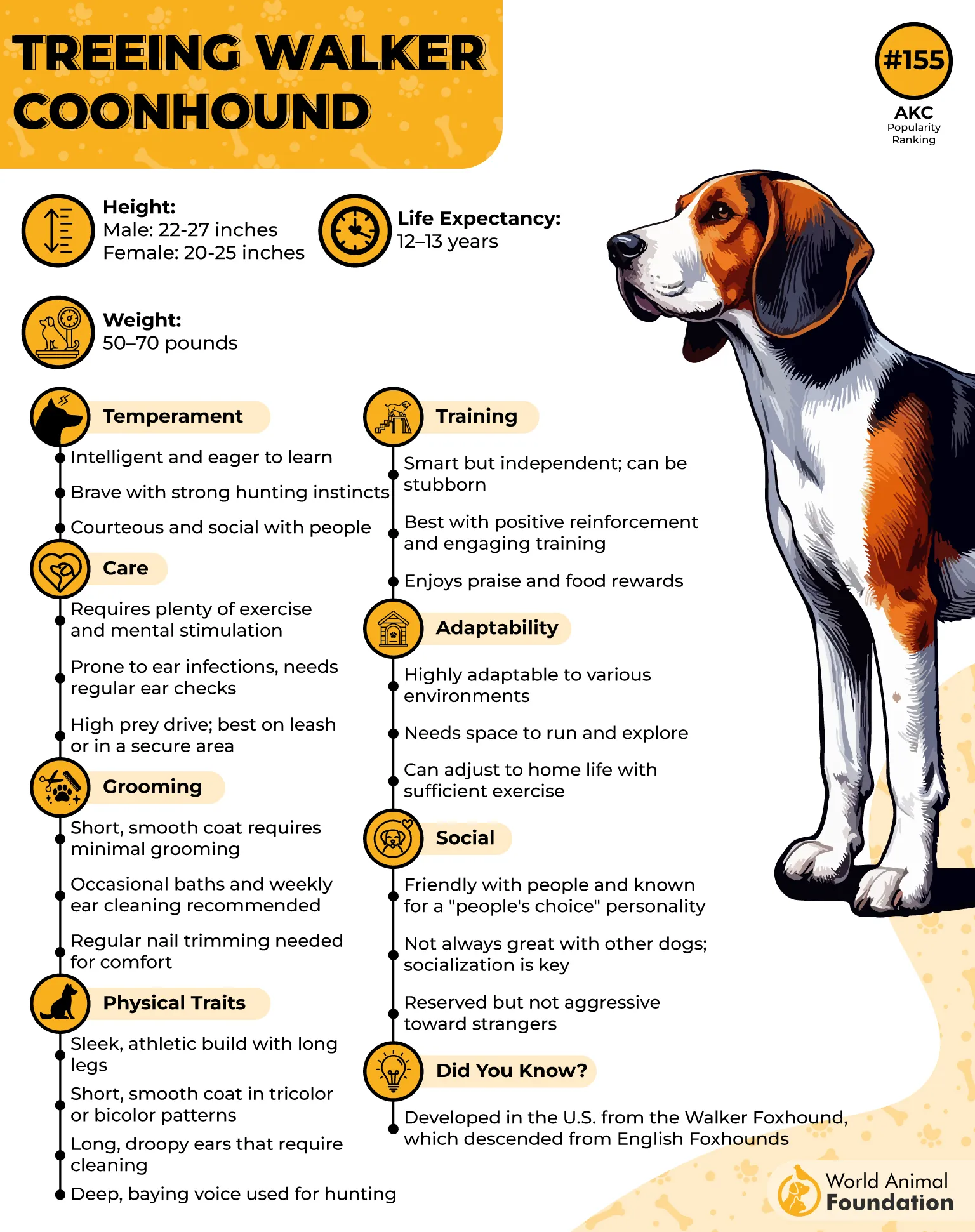
If forest hunting had a fan favorite, this would be it. Bred to trail and tree raccoons through dense cover, the Treeing Walker Coonhound covers ground fast and announces every find with a signature bawl. Hunters call it “The People’s Choice,” and honestly, it earns the title.
Nose: Hot on fresh scent, quick to commit to a trail.
Voice: Loud, distinct bawl heard from far off.
Stamina: Built to run for miles without slowing down.
Coat: Short and low maintenance, easy after a muddy hunt.
At home, this dog flips a switch and turns into a total couch potato. According to VCA, it’s calm, affectionate, and genuinely great with kids indoors. Outdoors, though, that same dog is alert, intense, and impossible to ignore.
Fun fact: The breed’s bloodline reportedly traces back to a stolen hound nicknamed Tennessee Lead. One good dog, one wild backstory, and a whole breed born from it.
3. Black And Tan Coonhound
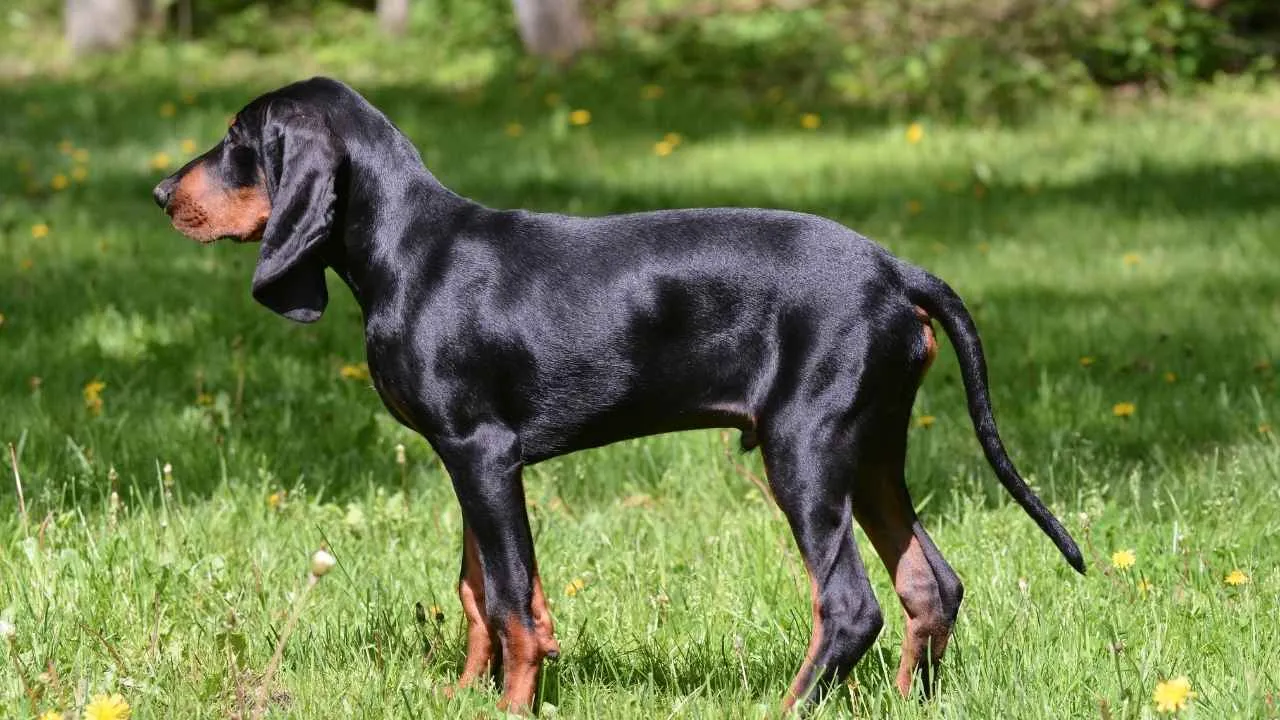
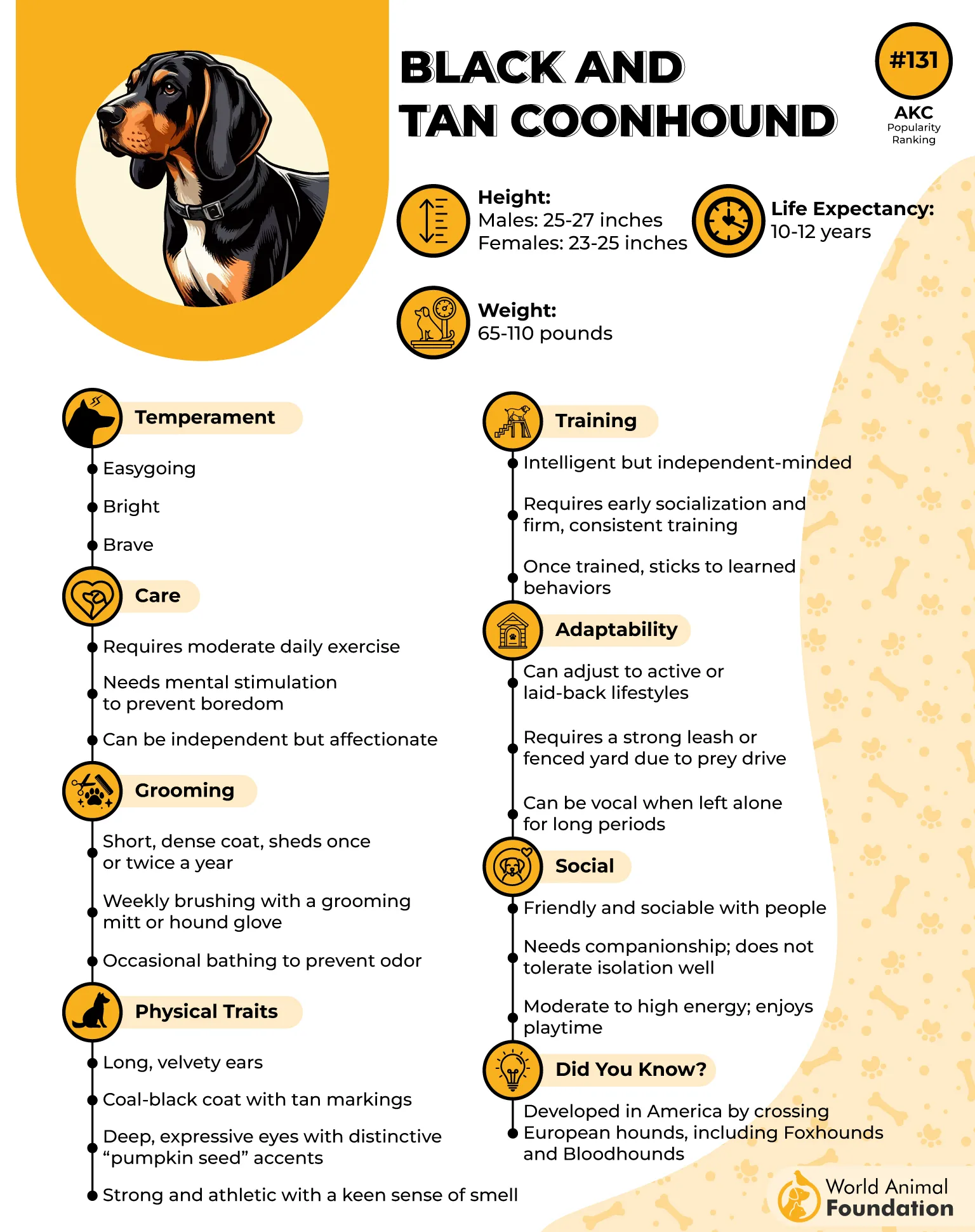
This one hunts with patience, not panic. The Black and Tan Coonhound has a cold nose, meaning it can pick up an old, faded trail and still follow it home. Bred for raccoon, it’s just as comfortable working bear or deer hunting when the job calls for it.
Nose: Cold-nosed, works trails long after the scent has faded.
Voice: Deep, howling bay that carries across the woods.
Independence: Stubborn once locked onto a scent.
Coat: Short, dense, and easy to maintain.
Those long ears look charming but need regular cleaning to avoid infection. According to Hill’s Pet, this breed’s Bloodhound ancestry shows up in its trailing skill and its floppy, scent-trapping ears. Keep those checked, and this dog stays comfortable.
Fun fact: Its calm couch manners disappear the second it steps outside. Indoors it’s mellow. Outdoors, the nose takes full control.
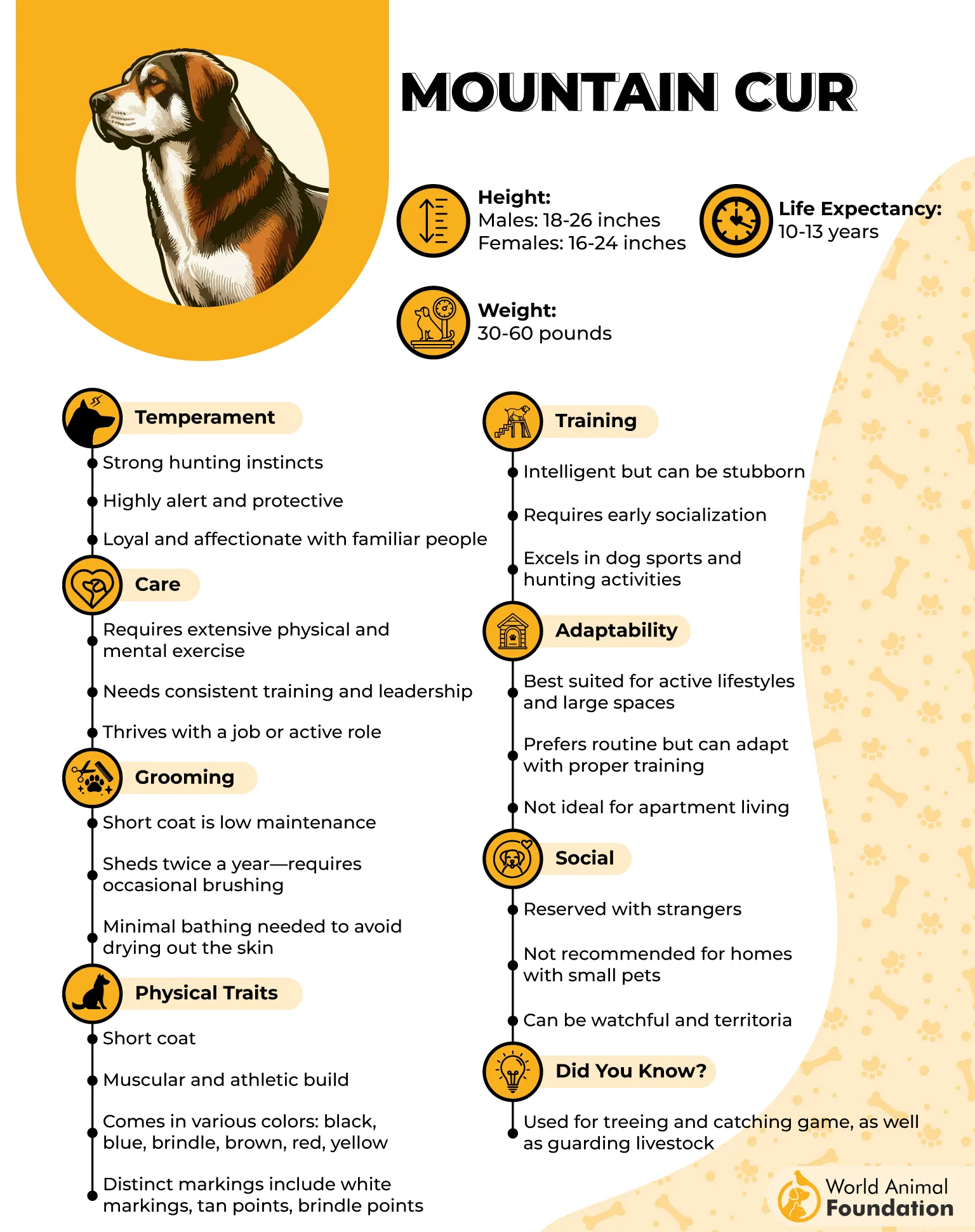
4. Mountain Cur
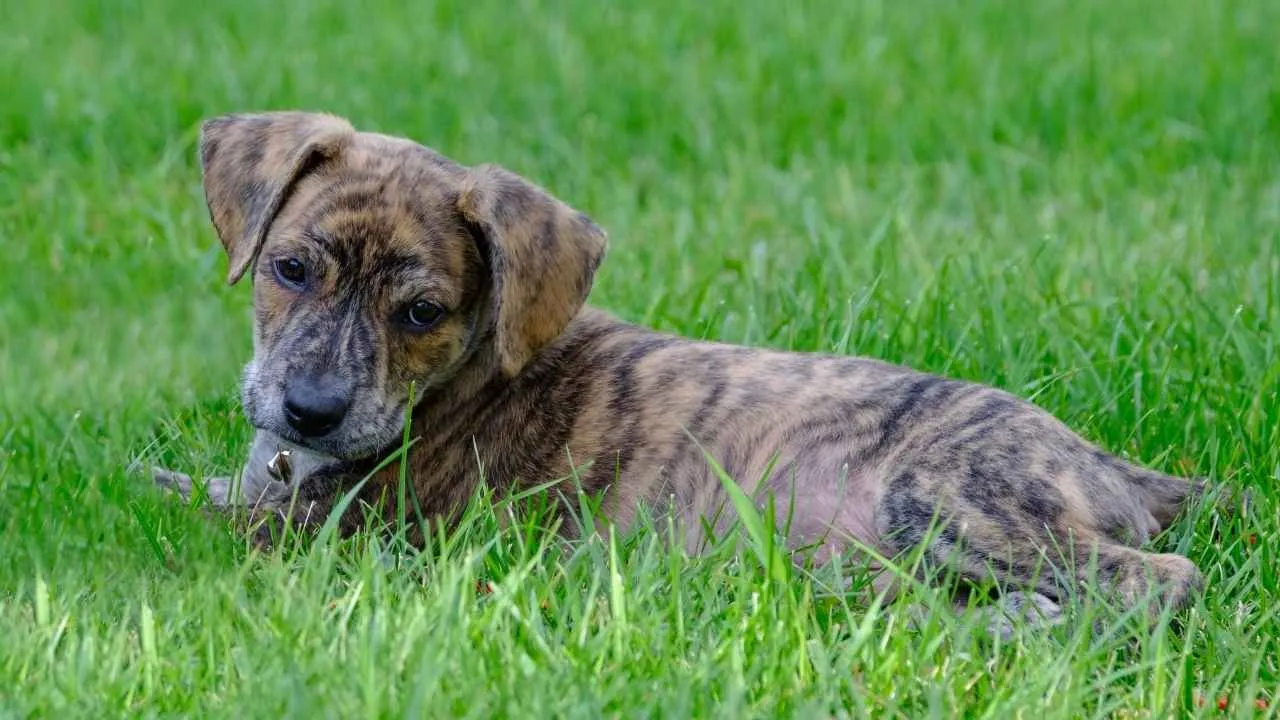
Call this the do-it-all forest dog. The Mountain Cur tracks squirrels using both eyes and nose, then turns around and bays at bigger game like boar without blinking. It’s less a specialist and more a whole toolkit on four legs.
Nose and eyes: Hunts using scent and sight together.
Voice: Vocal enough to signal a handler from a distance.
Independence: Fearless, confident, and always ready to work.
Coat: Short, weatherproof, and low fuss.
This breed thrives on a job. Without one, that intelligence and drive can turn into mischief fast. Regular exercise and early socialization keep it steady; experienced hunters note the breed’s courage and eagerness to please its handler.
Fun fact: This breed nearly disappeared after families left rural life for factory work. A handful of dedicated breeders brought it back from the edge, saving a true piece of American frontier history.
5. Catahoula Leopard Dog
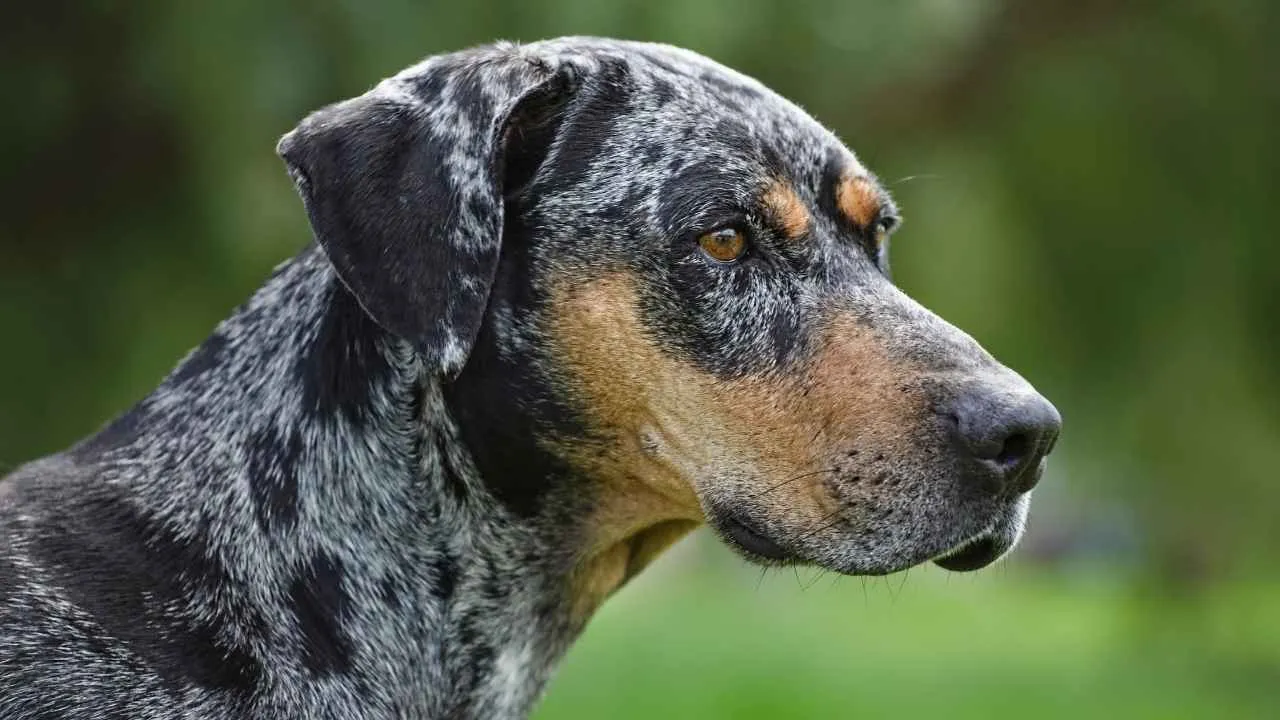
This one looks wild and hunts like it too. The Catahoula Leopard Dog was originally a boar-catching specialist, built for grit over grace in swampy southern woods. Its spotted coat and glass colored eyes only add to the legend.
Independence: Confident, strong-willed, and not for beginners.
Coat: Short and suited to hot, humid forest conditions.
Stamina: Built for grinding, physical work with big game.
Voice: Used alongside pressure and presence, not constant baying.
Early socialization matters here more than with most breeds on this list. Left untrained, that independence can tip into stubbornness fast. A firm, patient handler brings out the loyal, protective side of this dog instead.
Fun fact: This rugged hunter also doubles as Louisiana’s official state dog. Not bad for a breed nicknamed the “hog dog” by generations of hunters.
6. Bluetick Coonhound
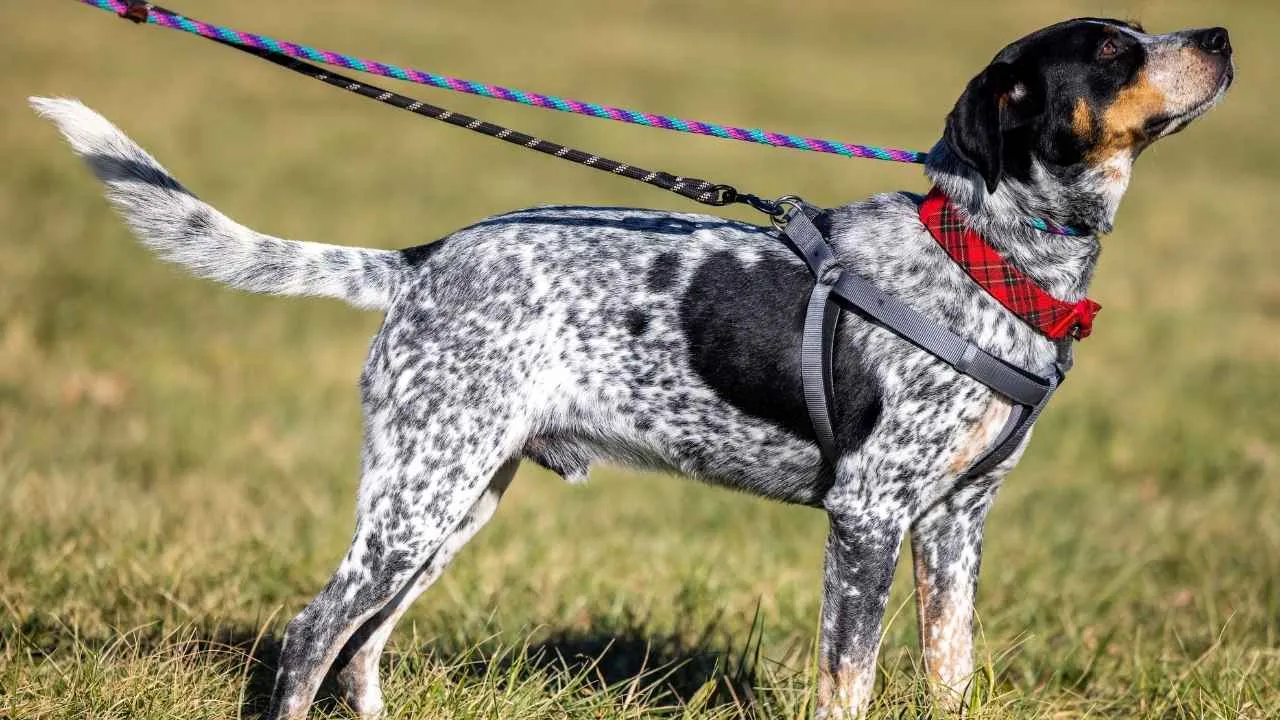
This one sounds as good as it hunts. The Bluetick Coonhound has a cold nose and a deep bawl that echoes through the forest the moment it strikes a trail. Raccoon is its bread and butter, though it’s tracked far scarier game too.
Nose: Cold and steady, built for long, patient trails.
Voice: Deep bawl, loud and unmistakable.
Independence: Once on a scent, good luck calling it back.
Coat: Sleek, speckled, and easy to keep clean.
Because that nose can vanish into the woods in seconds, a secure yard matters more than a strong recall command. This breed was officially registered in 2009, per WebMD. Better late than never for such a legendary hunter.
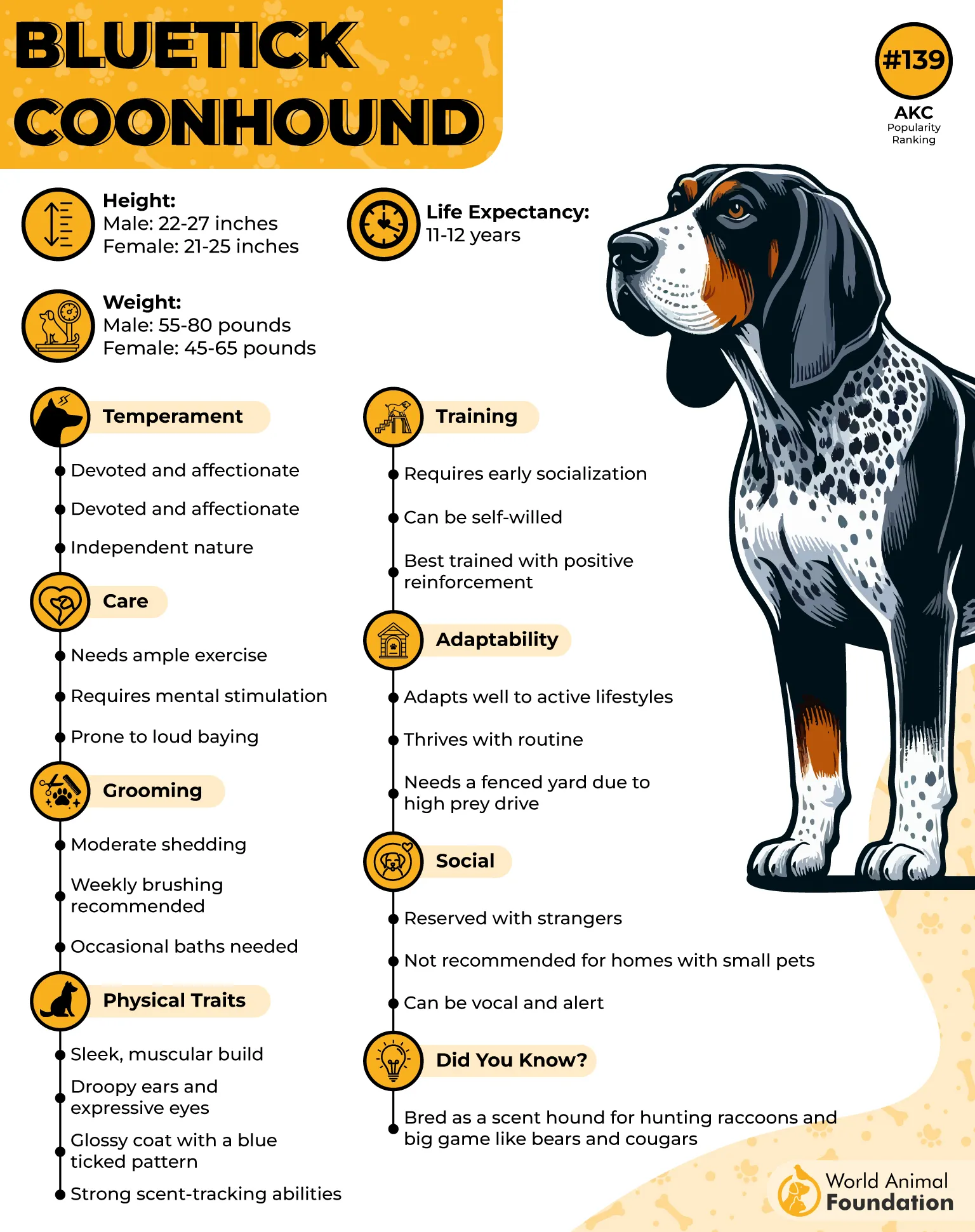
Fun fact: Its ancestors were French staghounds gifted to George Washington. Somewhere along the way, colonial diplomacy turned into one of America’s favorite coonhounds.
7. Plott Hound
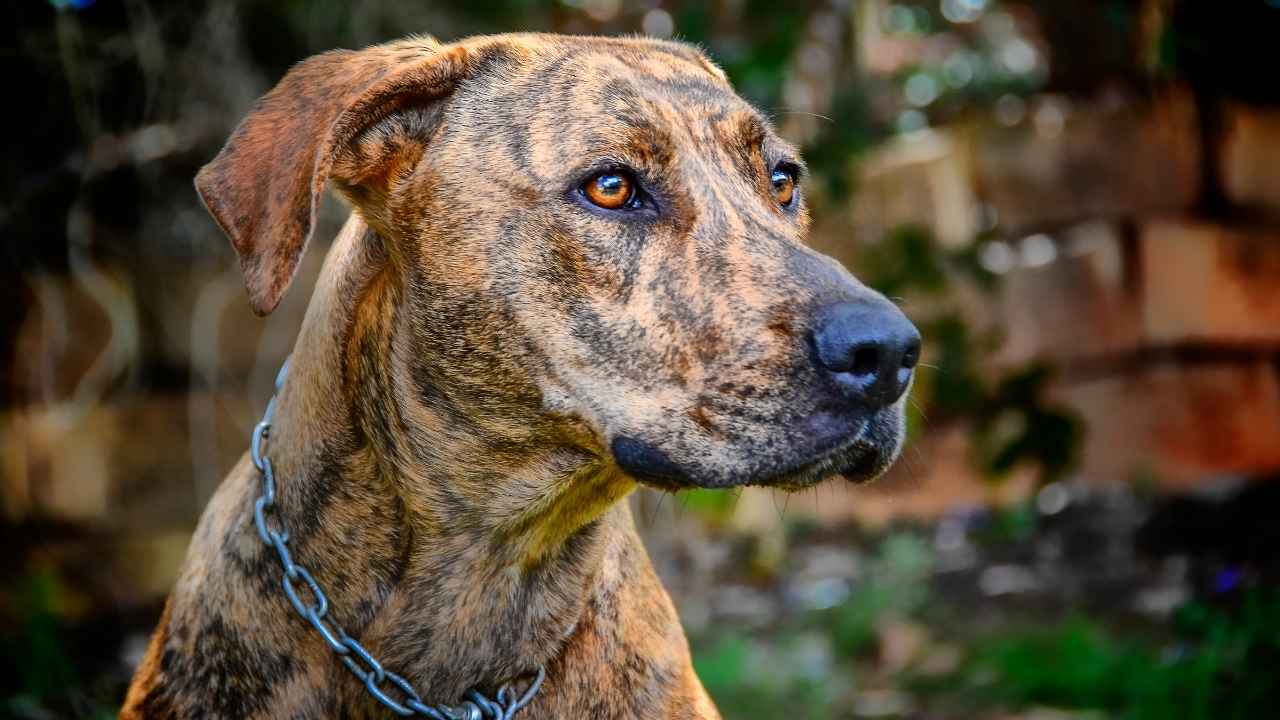
This is the heavyweight of the group. The Plott Hound was bred specifically to hunt bear and wild boar, and it does that job with a courage most hounds simply don’t have. Coonhound duty is basically a side gig for this one.
Voice: Sharp, high-pitched bark that alerts hunters fast.
Independence: Fearless and bold, even against big game.
Stamina: Built for long chases over rugged terrain.
Coat: Brindled and tough, made for rough country.
Its boldness around dangerous game means secure handling matters more than usual. Controlled introductions to other animals help keep that fearless streak in check. This is a dog that needs an experienced, confident handler, not a first-timer.
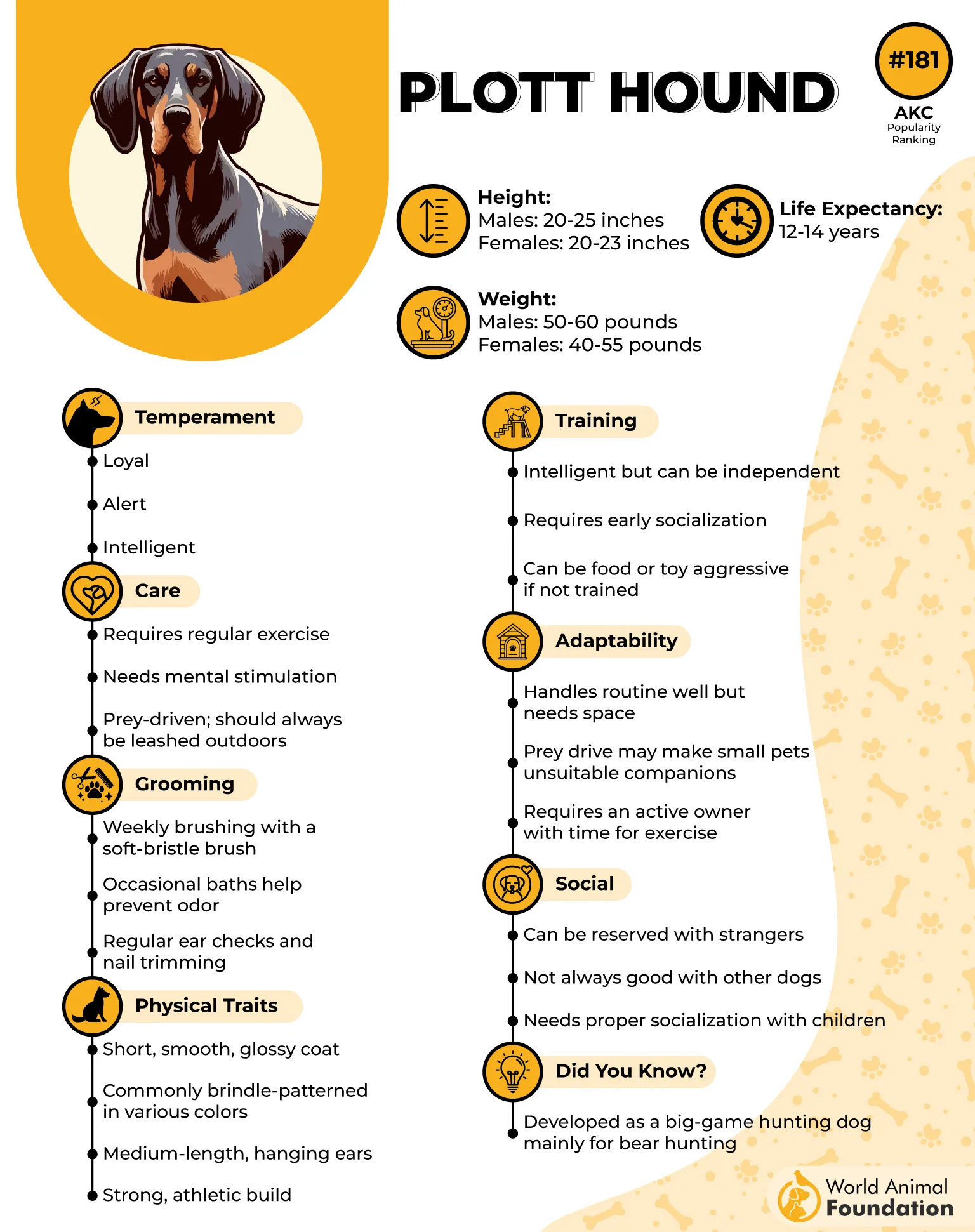
Fun fact: Its ancestors were German boarhounds brought over by a single immigrant family in the 1700s. That one bloodline eventually became North Carolina’s official state dog.
Conclusion
Seven very different types of dogs, one shared talent: turning a quiet forest into their personal hunting ground. From long hunts to short bursts of agility, these breeds prove there’s no single formula for a good hunting dog, just the right nose, voice, and drive for the job.
So next time someone asks about the best dog breeds for the woods, you’ll have real answers, not guesses.
Got a favorite from this list? Drop it in the comments and let’s talk hounds.
