




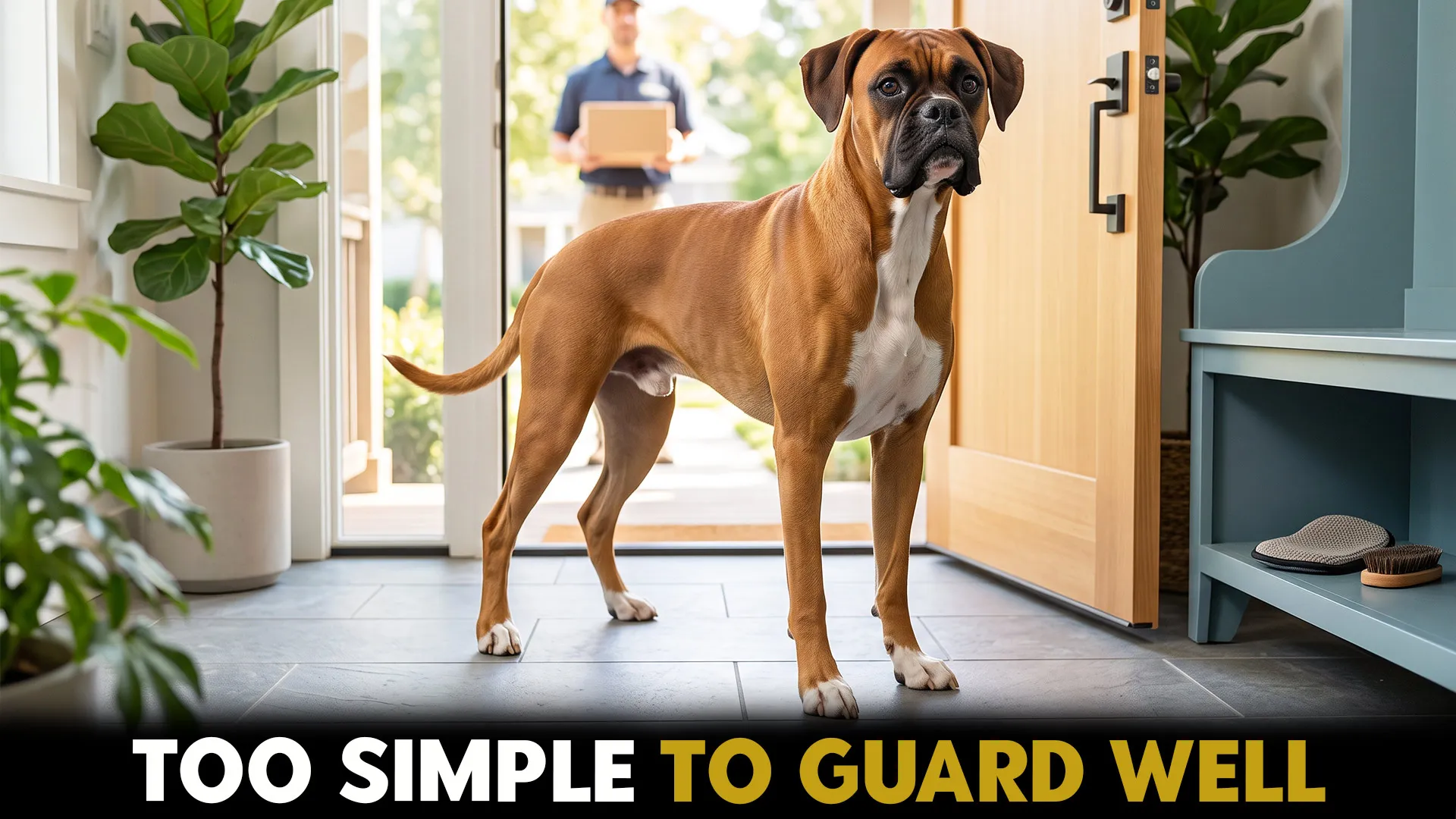
A reliable home guardian needs more than an intimidating appearance. Dogs with natural alertness, confidence, and loyalty can help owners feel secure while remaining devoted household companions. Choosing a suitable breed also means considering grooming demands, exercise requirements, and the time needed for training.
Low-maintenance does not mean maintenance-free, especially when dealing with large protective breeds. Every dog needs socialization, regular exercise, veterinary care, and clear boundaries. Responsible training encourages controlled behavior rather than unnecessary aggression, helping a dog distinguish ordinary visitors from unfamiliar situations.
The seven breeds below combine guarding instincts with different levels of grooming and activity needs. Their temperaments vary, so prospective owners should consider their experience, living arrangements, and ability to manage a powerful dog responsibly.
Low-Maintenance Dog Breeds for Home Guarding Made Easy
1. Dogue De Bordeaux
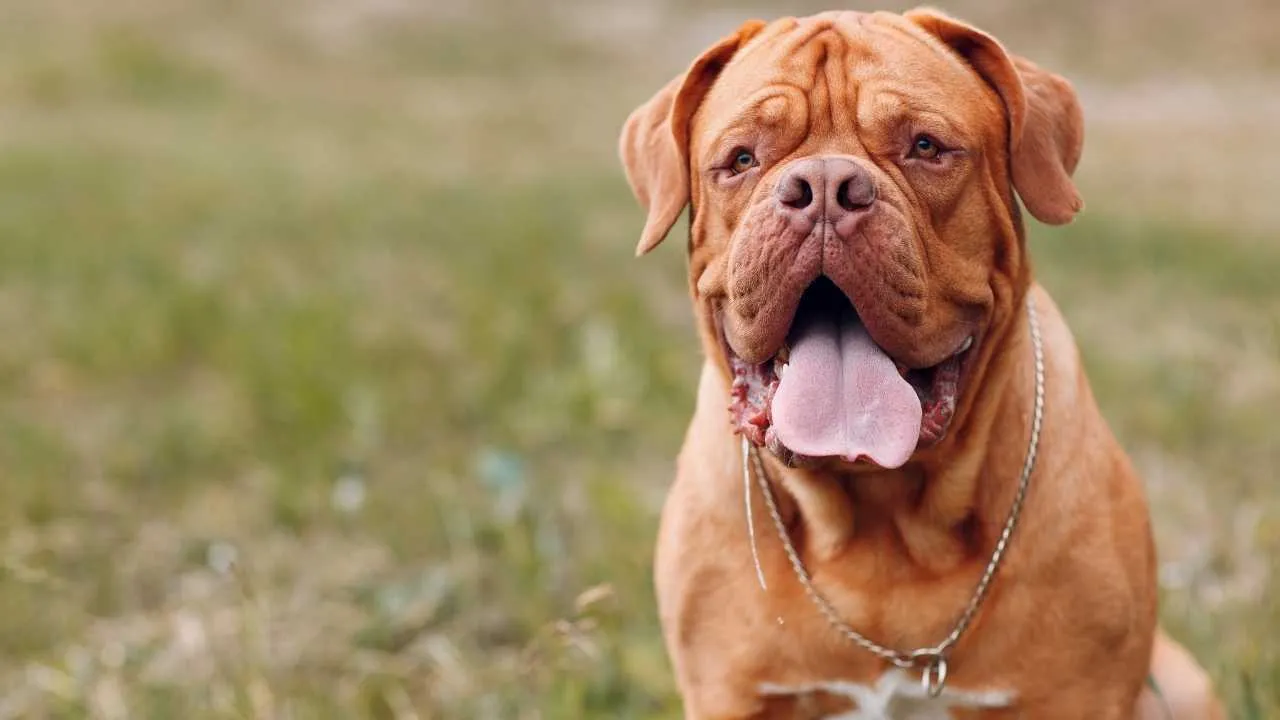
The Dogue de Bordeaux is an ancient French mastiff-type breed historically used for guarding property and performing demanding working tasks. Its powerful build and protective instincts made it useful for deterrence. Over time, it also became a companion dog, forming strong attachments to its household. Today, its imposing appearance and loyalty make it recognizable among guardian breeds.
Keeping a Powerful Guardian Healthy and Well-Trained
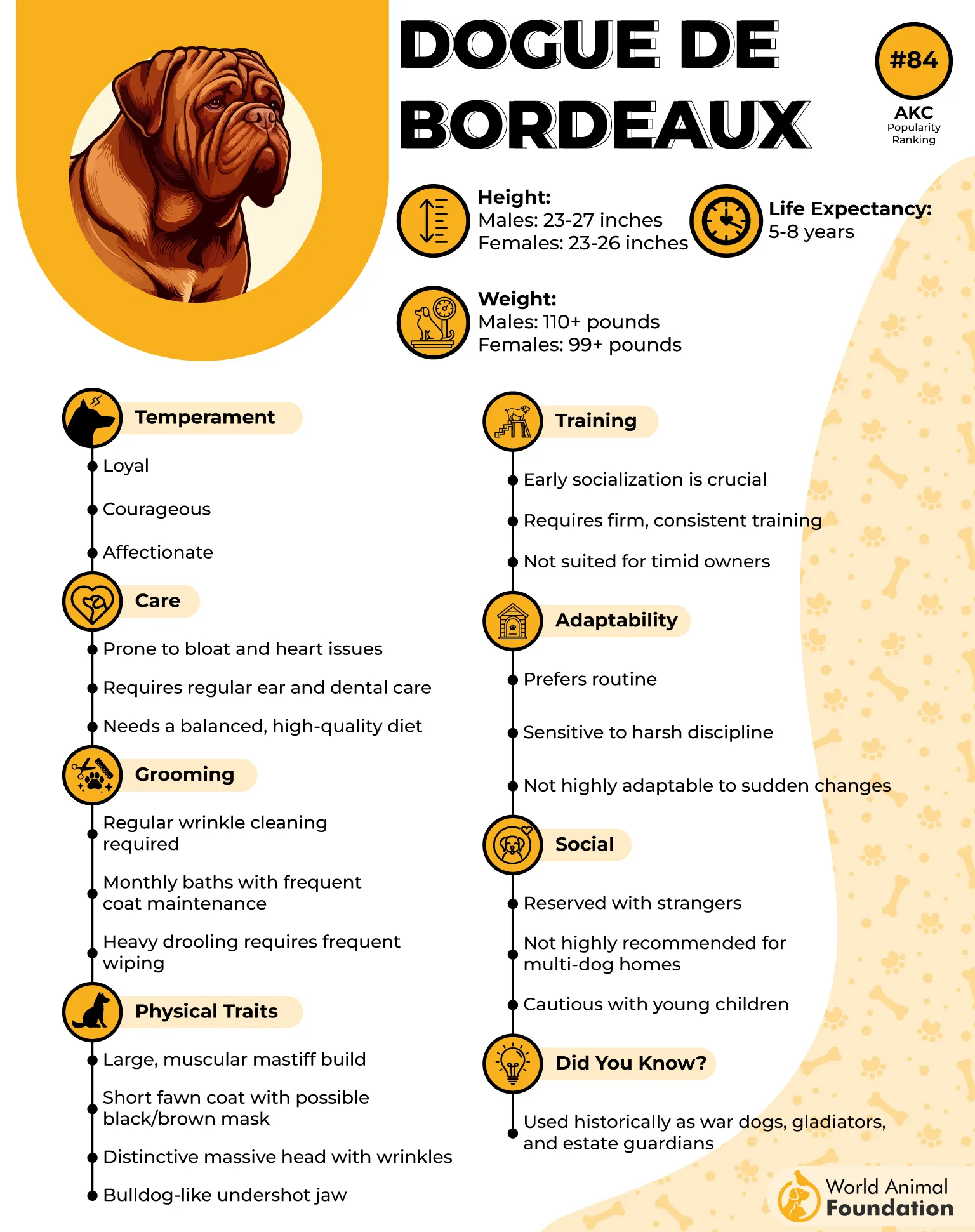
The Dogue de Bordeaux has a short coat that requires relatively little brushing, although its facial folds need regular cleaning.
Daily moderate walks and consistent obedience training help maintain good behavior. Early socialization is essential because of its strength and protective instincts. Owners must also monitor breathing and heat tolerance, as its short muzzle can contribute to health problems.
A Watchful Presence With Strong Family Loyalty
This breed often forms deep bonds with familiar people and may remain alert around strangers. Its size alone can discourage unwanted approaches, but dependable guarding requires control rather than aggression.
Consistent training helps it respond appropriately to visitors and everyday activity. Families should consider its strength, health needs, and potential veterinary costs before choosing this powerful companion.
2. Mastiff
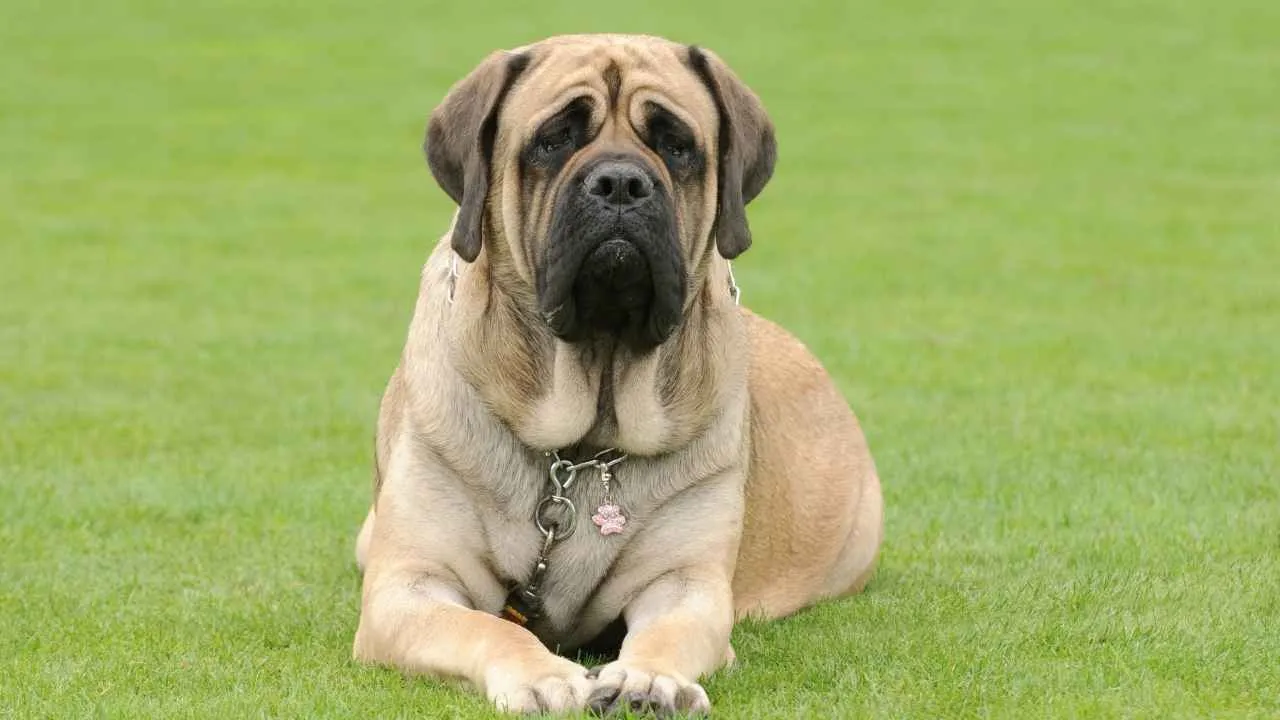
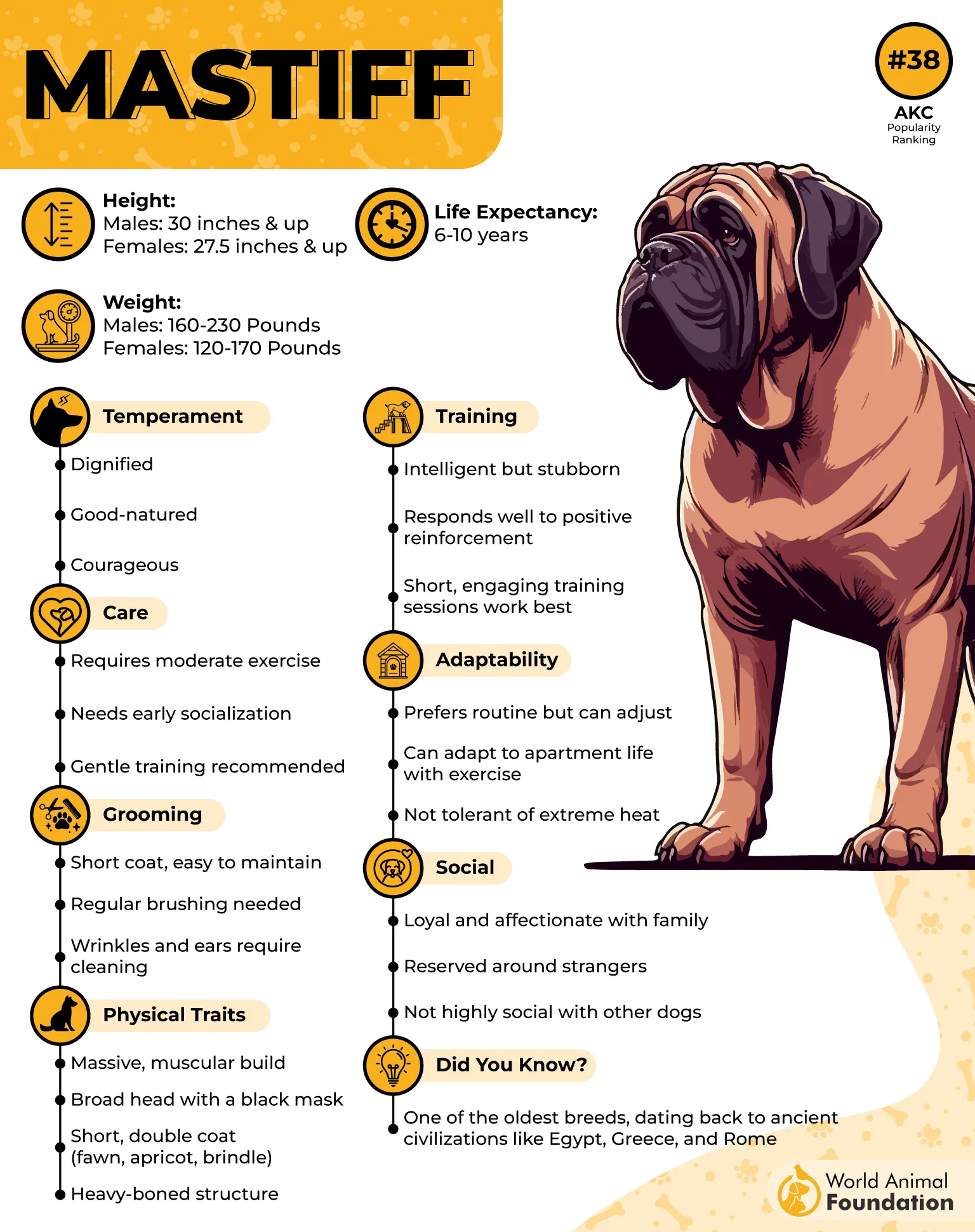
The Mastiff has ancient roots in Britain, where large dogs were used for guarding estates and protecting property. Historical accounts describe mastiff-type dogs serving as guardians and working companions over many centuries.
Selective breeding emphasized substantial size, strength, and a confident temperament. Modern Mastiffs are often calmer household companions, although their imposing stature remains an important part of their guarding presence.
Simple Coat Care and Consistent Daily Training
Mastiffs have short coats that generally require only routine brushing, although shedding and drooling can be considerable. Moderate walks and basic obedience practice help maintain fitness and manageable behavior.
Early socialization is important because an adult Mastiff can be difficult to control without training. Owners should also protect growing puppies from excessive exercise and monitor their weight carefully.
A Calm Guardian Who Commands Attention
Mastiffs often rely on their size and quiet vigilance rather than constant activity. Many are affectionate with their families while remaining reserved around unfamiliar people.
Their presence can be a deterrent, but proper socialization helps prevent unnecessary suspicion. Because of their enormous strength, they suit owners prepared to establish consistent boundaries and manage introductions responsibly.
3. Great Dane
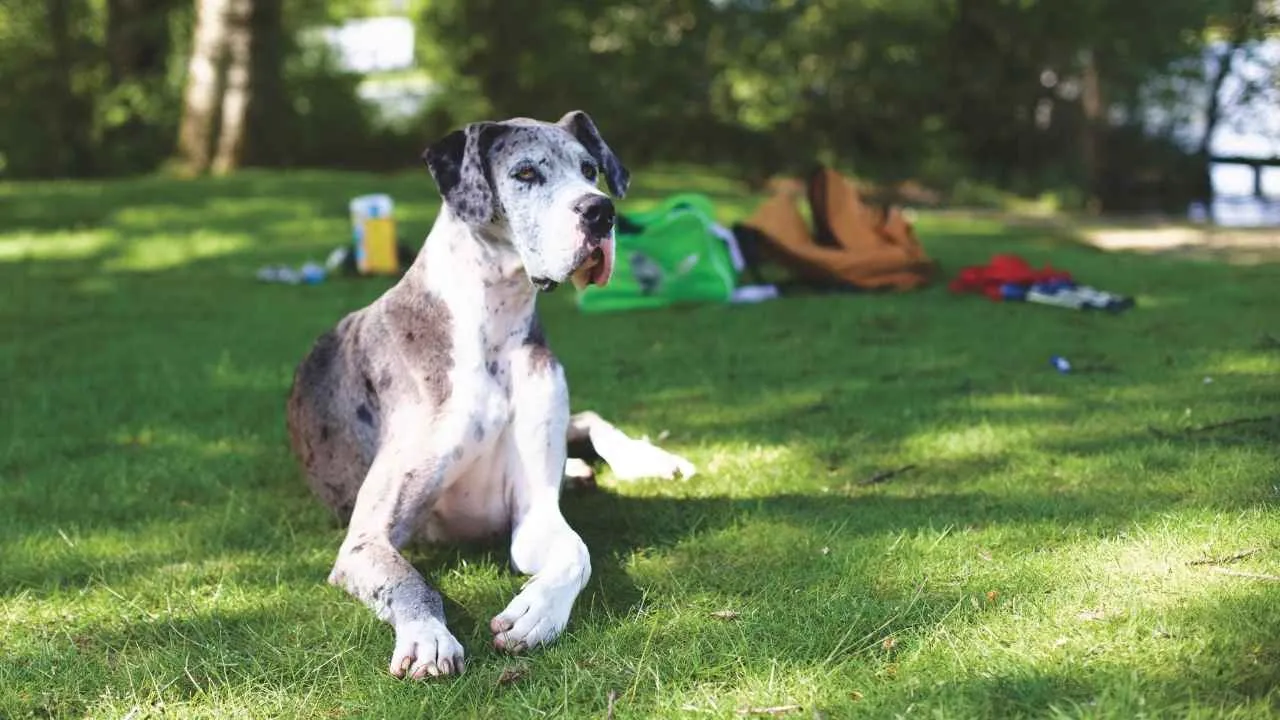
The Great Dane developed in Germany from large dogs used to hunt substantial game, including wild boar. Over time, selective breeding produced a tall, powerful dog that also became a companion.
Its impressive height gives it a naturally commanding appearance. Despite its size, the Great Dane is often affectionate and people-oriented when properly socialized.
Easy Grooming With Structured Exercise and Training
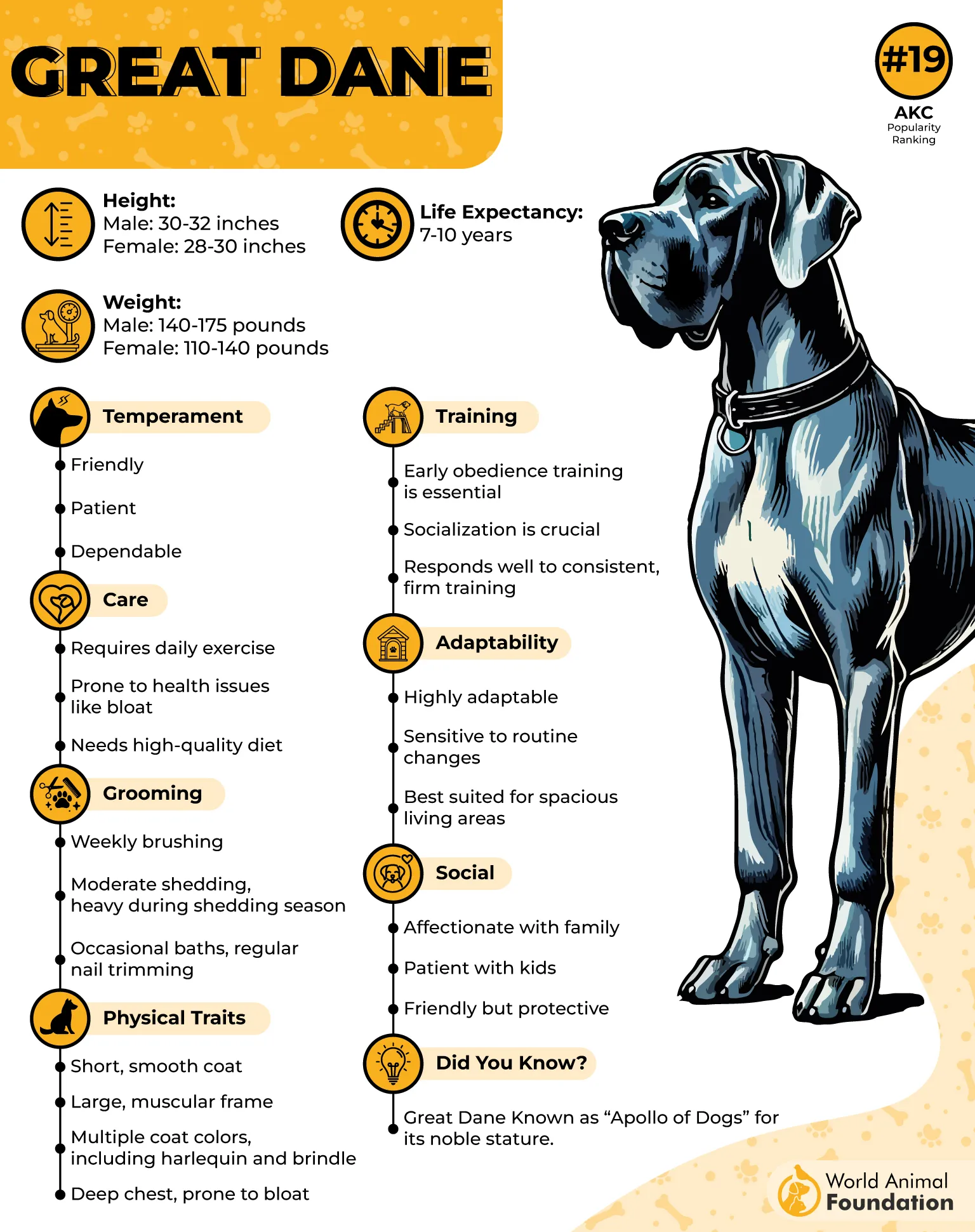
Great Danes have short coats that need only occasional brushing, making routine coat care relatively straightforward. Daily walks and controlled play help maintain fitness without excessive strain. Early leash training and reliable obedience are essential because of their height and strength. Owners should also discuss bloat risks and preventive care with a veterinarian.
An Impressive Watchdog With a Gentle Side
A Great Dane’s towering stature can make unfamiliar visitors think twice, even when the dog is simply observing its surroundings. Many are affectionate with their families and can be relaxed at home.
Their guarding ability should come from alertness and controlled behavior, not encouraged aggression. Careful training and supervision remain important, particularly in homes with young children.
4. Newfoundland
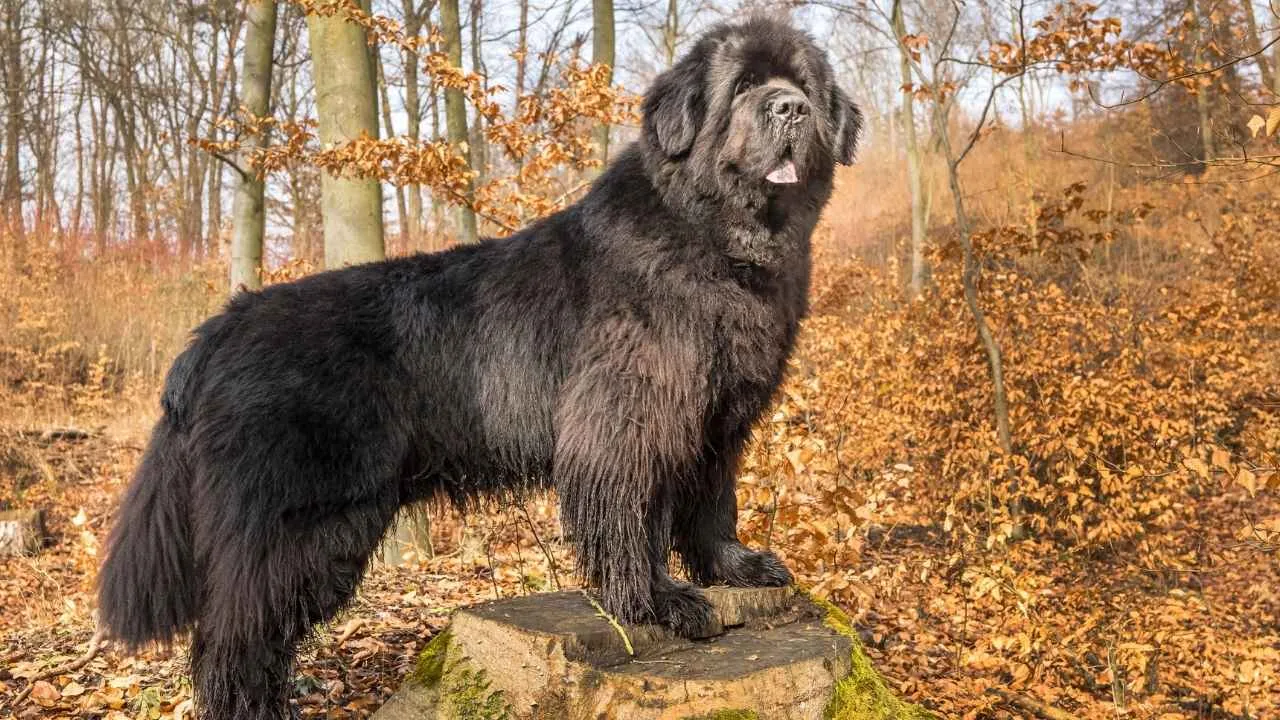
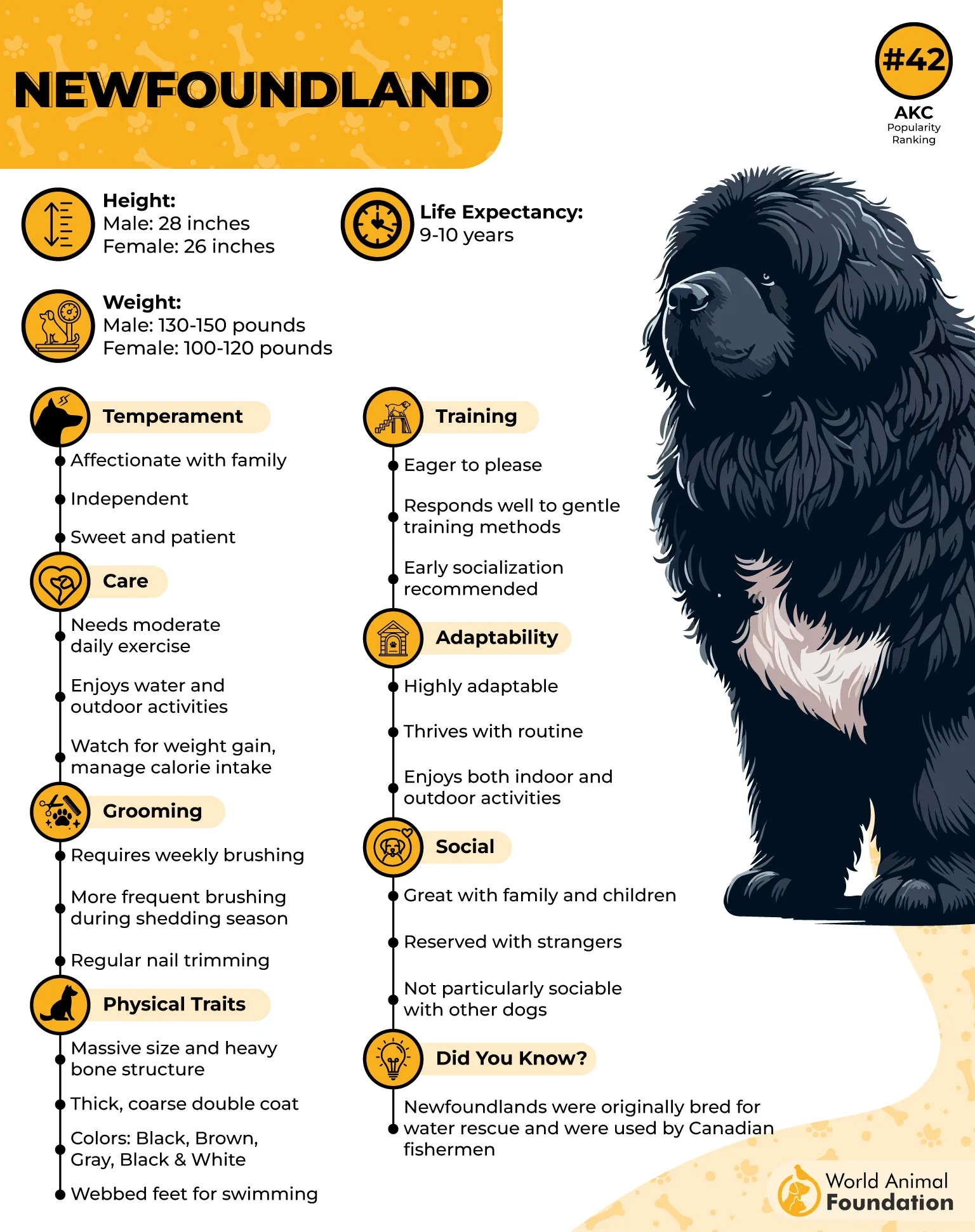
The Newfoundland originated on the Canadian island of Newfoundland, where fishermen relied on powerful dogs for hauling equipment and assisting with water-related tasks, as per PetMD.
Over time, they became known for their gentle dispositions and loyalty. Although not a traditional protection specialist, their size and alertness can provide a reassuring presence at home.
Managing Grooming, Exercise, and Everyday Manners
Newfoundlands need regular walks, moderate exercise, and consistent training to manage their substantial size. Their thick double coats require frequent brushing, particularly during shedding seasons. Owners should also prepare for drooling and the extra cleaning it can bring. Early leash training and socialization help ensure that their strength does not become difficult to manage around visitors.
A Gentle Giant With a Strong Presence
Newfoundlands are often affectionate and patient with familiar family members. Their large build may discourage unwanted approaches, but they are generally better suited to companionship than specialized protection work.
Many remain calm around the home when their needs are met. Families seeking a dog that combines a substantial appearance with a gentle temperament may appreciate this breed.
5. Rhodesian Ridgeback
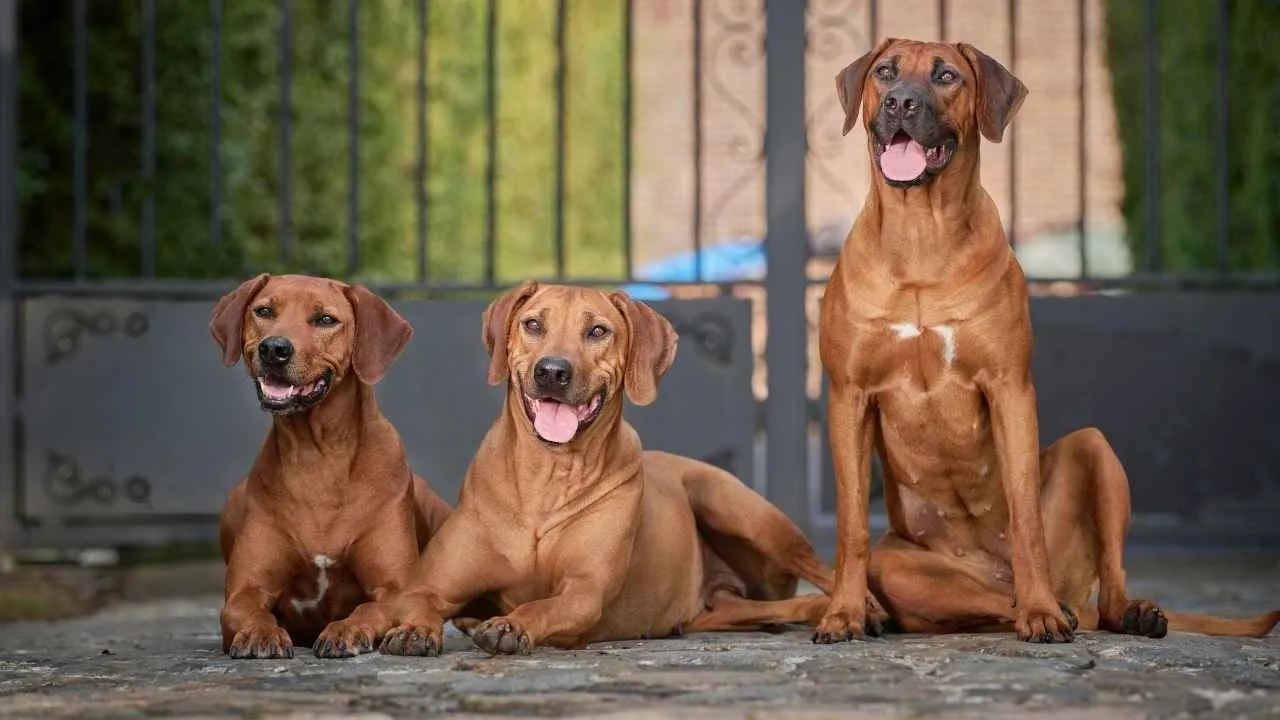
The Rhodesian Ridgeback developed in southern Africa from European dogs crossed with local ridged hunting dogs. Early settlers valued these athletic animals for hunting and tracking large game. Their work required courage, endurance, and independent judgment.
Today, Ridgebacks remain athletic companions with natural alertness, although their historical hunting role does not automatically make every individual a reliable guardian.
Low-Fuss Grooming and Purposeful Daily Exercise
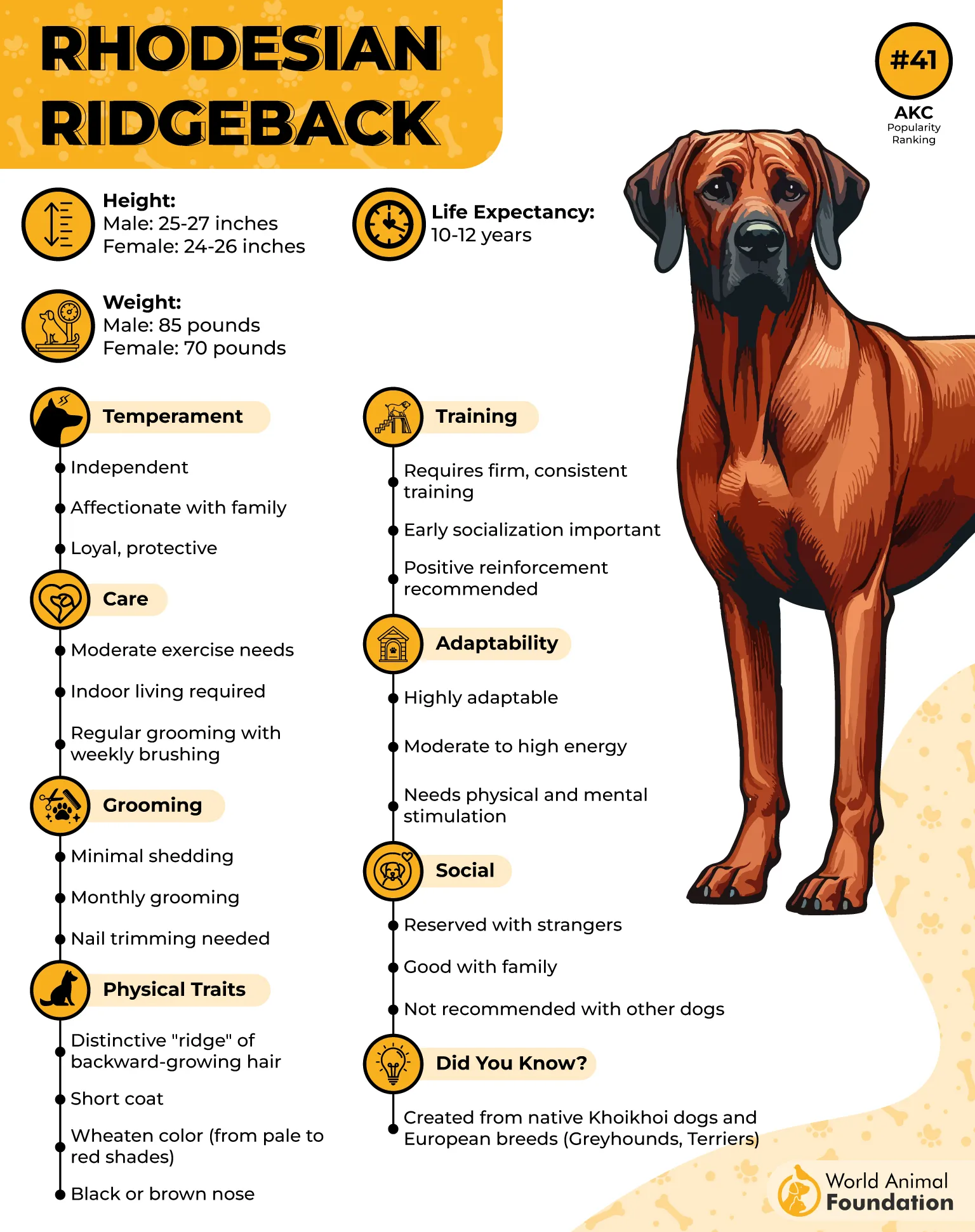
Rhodesian Ridgebacks have short coats that require minimal brushing, but they need substantial daily exercise. Long walks, structured running, and mental challenges help manage their energy. Training should focus on recall, impulse control, and calm behavior around strangers.
Their independence can challenge inexperienced owners, making early socialization and consistent guidance especially important.
An Athletic Guardian With Natural Alertness
Rhodesian Ridgebacks are often watchful and reserved around unfamiliar people while remaining affectionate with their families. Their athletic build and confidence can contribute to a protective presence.
However, their hunting instincts and independence require careful management. Owners should prioritize obedience and appropriate boundaries rather than encouraging confrontational behavior.
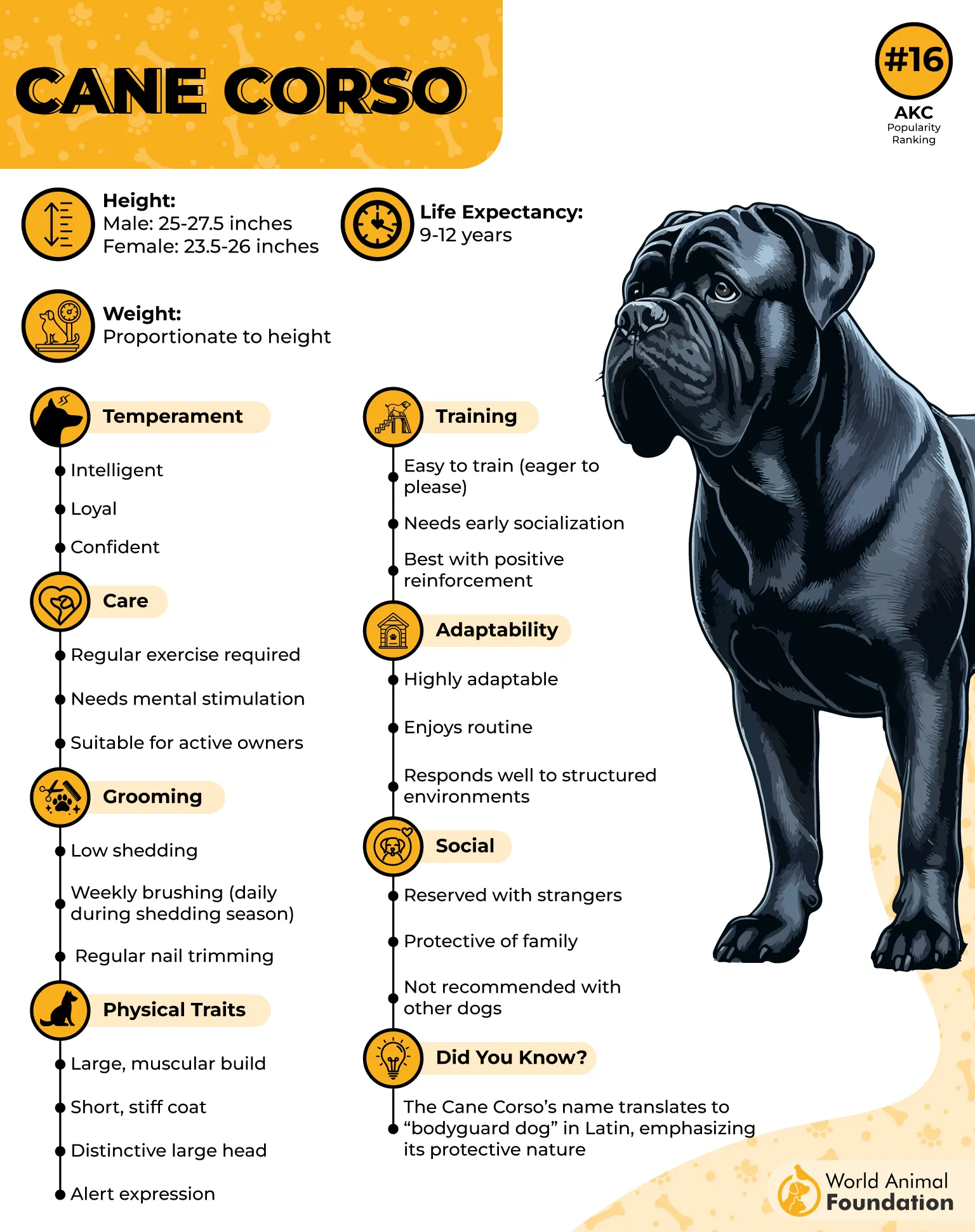
6. Cane Corso
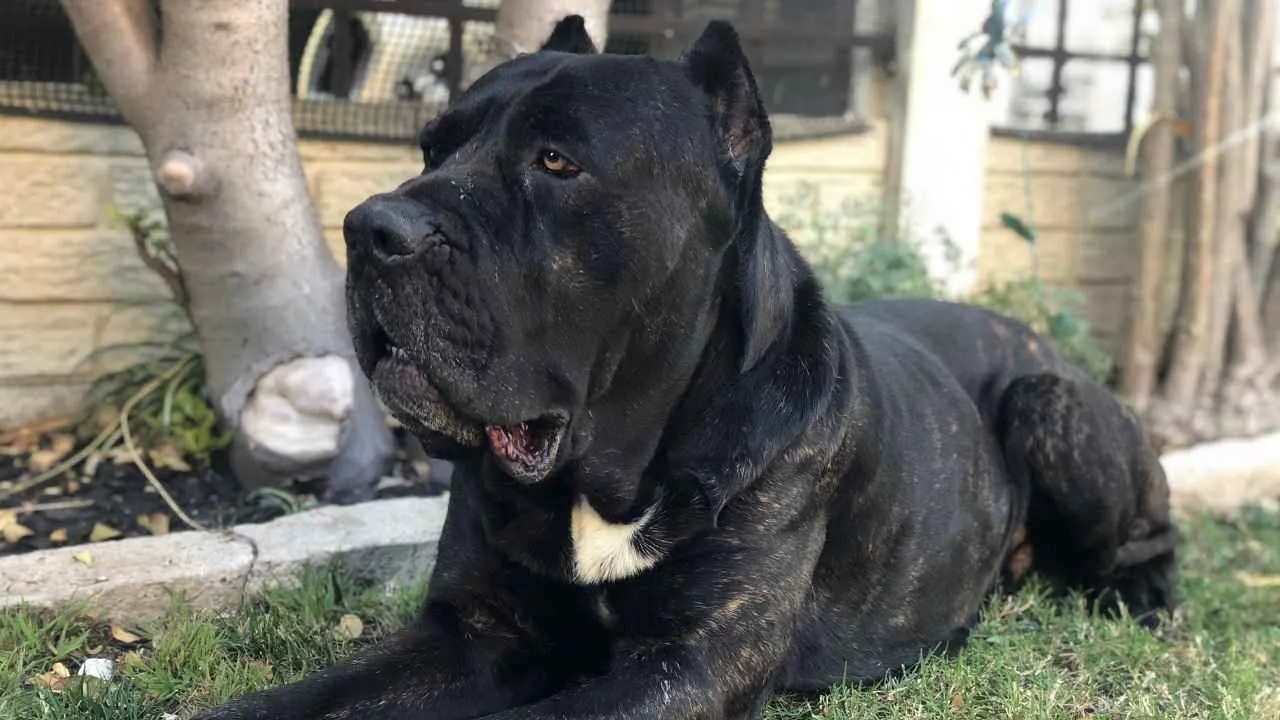
The Cane Corso originated in Italy and descends from ancient Roman mastiff-type dogs, as per WebMD. Historically, these powerful animals were used for property protection, livestock management, and other demanding rural tasks.
Selective breeding preserved their strength, alertness, and close working relationship with handlers. Today, the Cane Corso is recognized as a serious guardian breed that requires responsible ownership and consistent training.
Straightforward Coat Care and Firm, Fair Training
The Cane Corso’s short coat requires relatively little grooming, although regular brushing and nail care remain necessary. Daily exercise and structured training help maintain physical fitness and behavioral control.
Early socialization is essential because the breed is powerful and naturally protective. Owners should seek experienced guidance when needed and ensure the dog can respond reliably around visitors.
A Confident Protector Who Needs Clear Direction
Cane Corsos often form strong bonds with their families and remain attentive to unfamiliar activity. Their natural guarding tendencies can make them effective deterrents when paired with reliable obedience.
However, their strength and protective instincts are not suitable for careless handling. They are best matched with owners who can provide structured training, appropriate socialization, and responsible supervision.
7. Doberman Pinscher
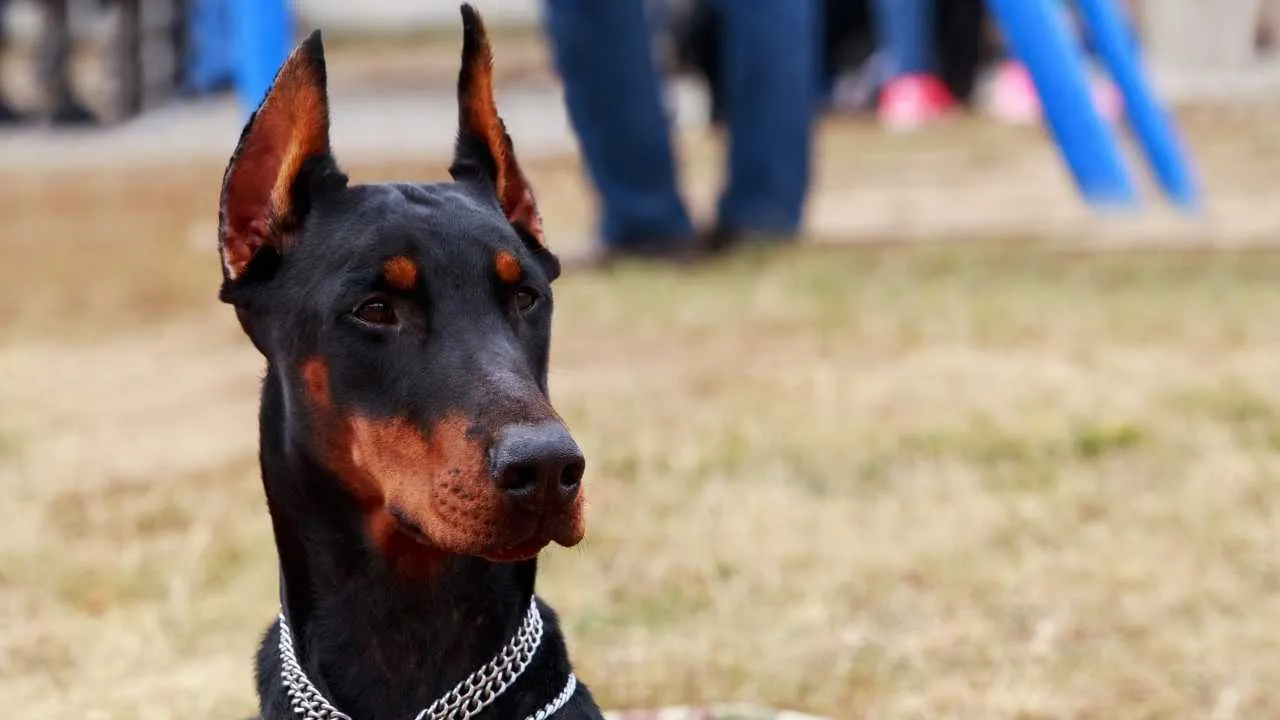
The Doberman Pinscher was developed in Germany during the late 19th century by tax collector Karl Friedrich Louis Dobermann, as per the AKC.
He wanted a dependable dog to accompany him during his work, leading to the development of an alert and versatile guardian. Selective breeding emphasized intelligence, athleticism, and loyalty. These qualities later made Dobermans popular in security work and as devoted household companions.
Minimal Grooming and Engaging Daily Training
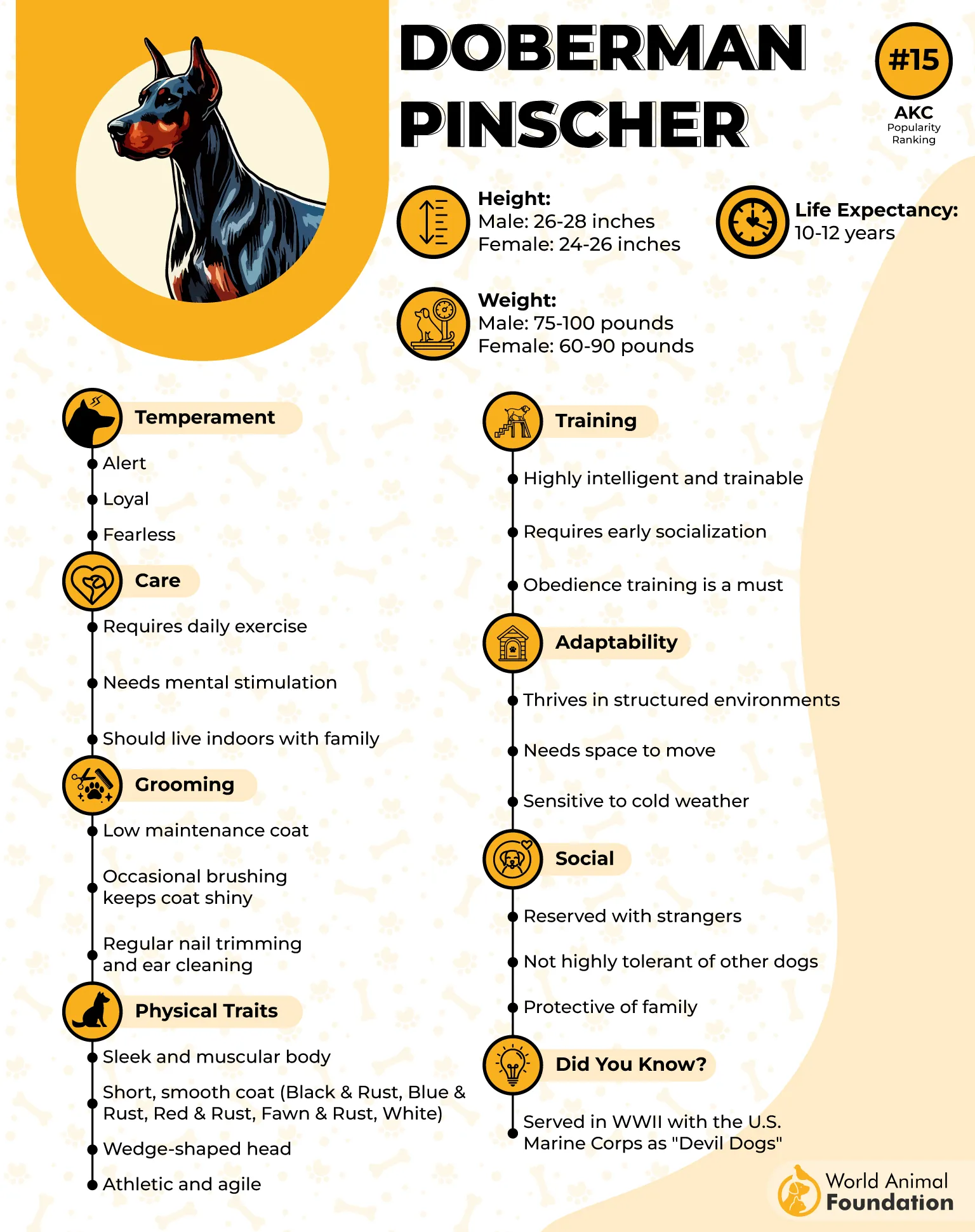
Doberman Pinschers have short coats that are easy to maintain with regular brushing. However, they need substantial exercise and mental stimulation to remain settled. Obedience training, structured games, and consistent socialization help channel their intelligence and energy.
They also benefit from learning to relax calmly at home. Owners should research inherited health concerns and arrange appropriate veterinary screening.
An Intelligent Watchdog With Strong Devotion
Dobermans are often highly attentive to their surroundings and closely bonded with their owners. Their alertness, athleticism, and responsiveness can support responsible home-guarding roles.
However, they need clear guidance to distinguish normal visitors from situations requiring attention. Their loyalty is best expressed through controlled behavior, making consistent training and positive socialization essential.
Conclusion
A low-maintenance protection dog breed still requires daily attention, appropriate exercise, socialization, and regular veterinary care. Powerful breeds need reliable obedience and responsible handling around children, guests, and other animals. Owners should never encourage uncontrolled aggression as a substitute for training. A well-managed dog should be able to remain calm during ordinary household activity.
Before choosing the best guard dog breed, consider your experience, available space, budget, and ability to provide proper training. Research health risks and seek reputable breeders or responsible rescue organizations. With the right match and responsible care, a naturally alert dog can provide companionship and a reassuring presence without compromising household safety.
