




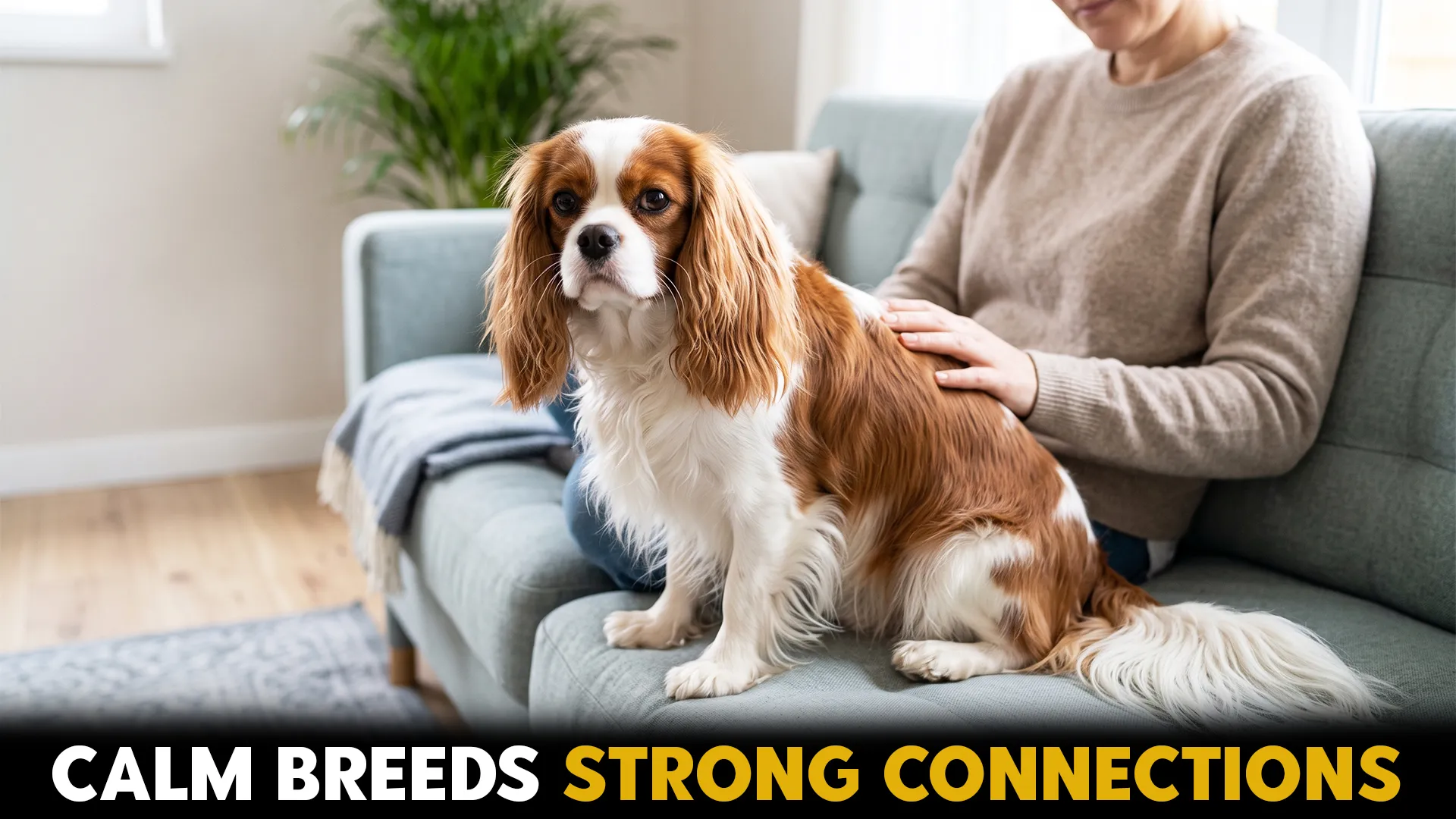
Some dogs are naturally inclined to approach life with patience, steadiness, and a strong attachment to their families. Rather than constantly seeking excitement, these breeds often enjoy peaceful companionship, predictable routines, and spending time near the people they trust. Their calm presence can make everyday life feel more relaxed, especially in households that appreciate a devoted canine companion.
Many calm and loyal breeds were originally developed for demanding working roles, including guarding livestock, rescuing people, and assisting hunters. These responsibilities encouraged qualities such as independence, reliability, and close bonds with their human partners. However, a relaxed temperament does not mean a dog requires little attention. Exercise, training, socialization, and companionship remain essential for maintaining good behavior.
The seven breeds below are known for their affectionate dispositions and dependable nature. Each expresses loyalty differently, from the protective instincts of mountain guardians to the gentle companionship of family-oriented dogs.
Dog Breeds Known for Their Calm and Loyal Nature
1. Great Pyrenees
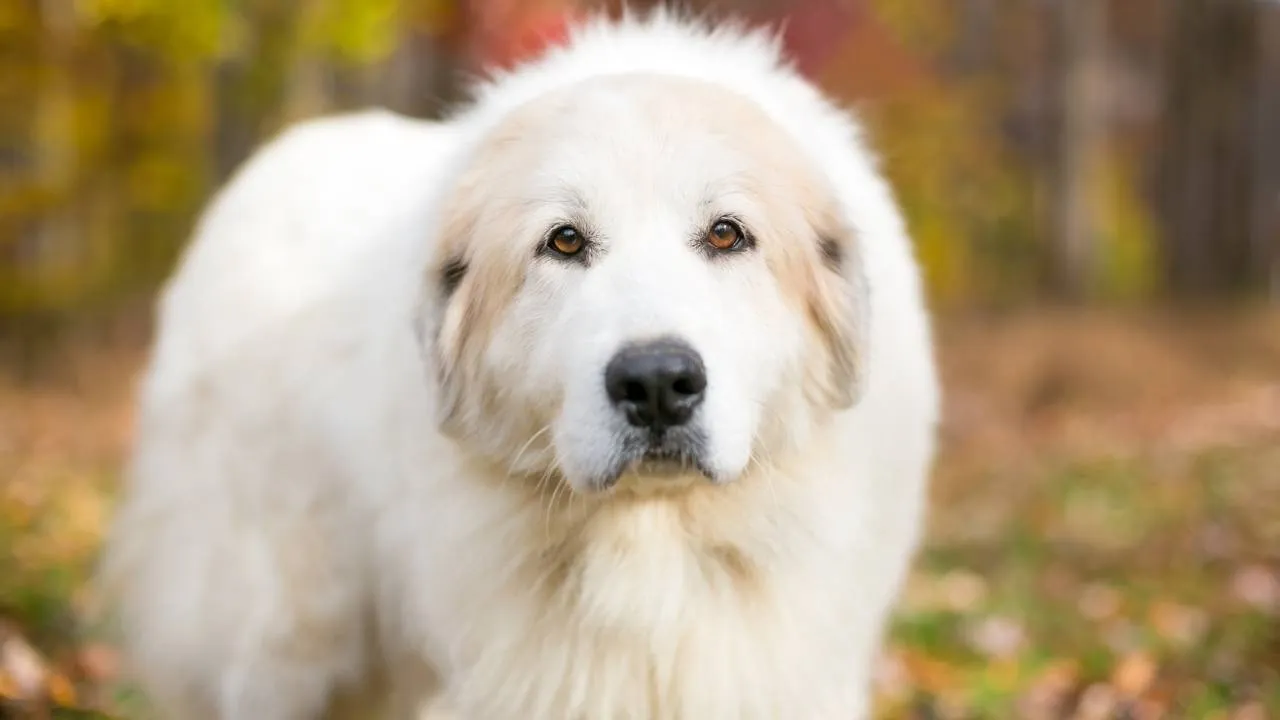
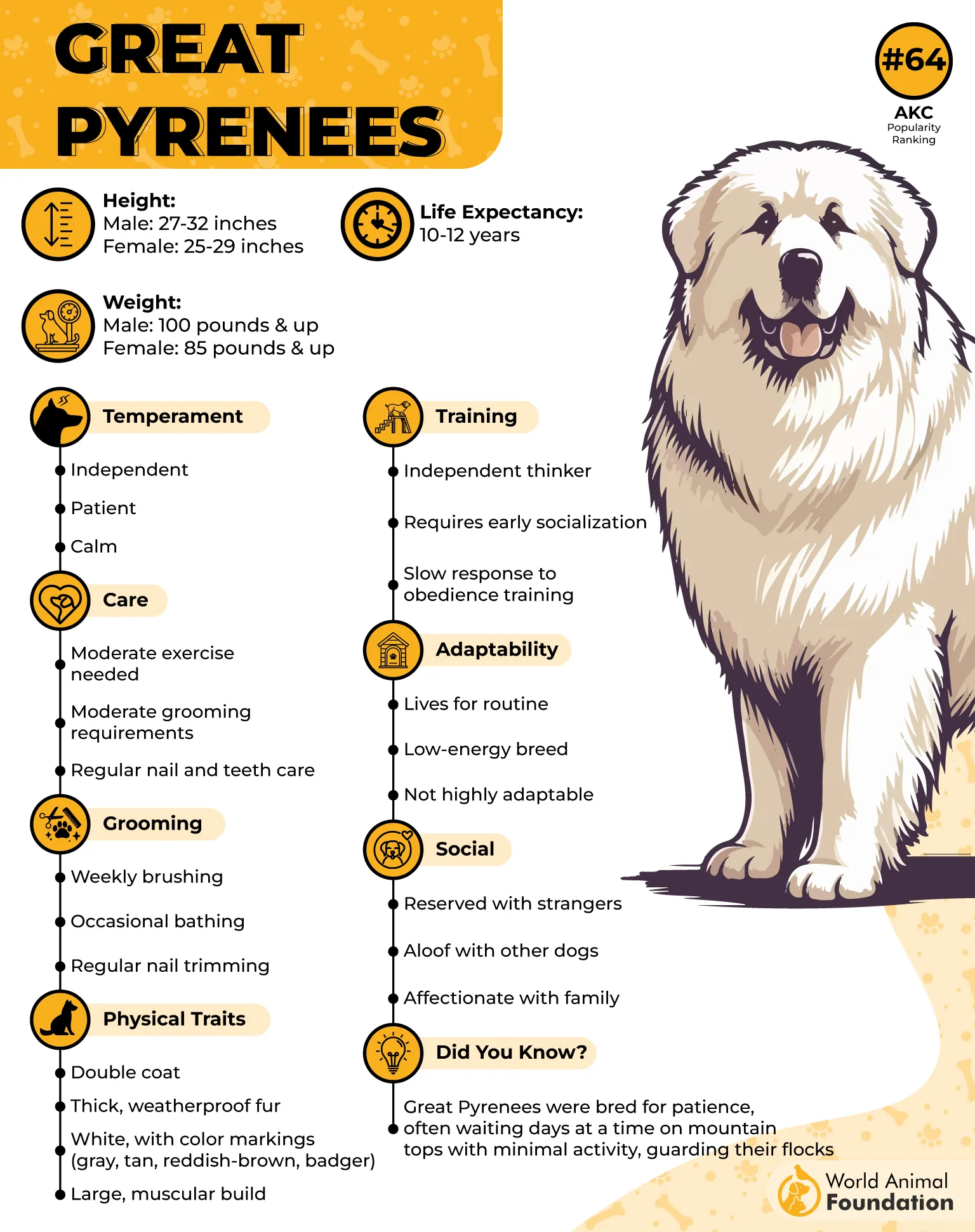
The Great Pyrenees originated in the mountainous regions between France and Spain, where it protected livestock from predators. For centuries, shepherds relied on these large dogs to guard flocks across isolated pastures and challenging terrain. Their work required patience, independent judgment, and the ability to remain composed around unfamiliar situations.
Exercise and Training Needs
Great Pyrenees dogs need regular walks, opportunities to explore securely, and enough space to move comfortably. Early socialization helps distinguish normal household activity from genuine concerns. Secure fencing is important because their guardian instincts may encourage roaming or independent patrols.
A Gentle Guardian With Unwavering Devotion
The Great Pyrenees often demonstrates loyalty through quiet vigilance rather than constant demands for attention. Their protective instincts can make them reassuring companions when properly socialized.
However, owners should remember that their independence and tendency to bark are natural traits requiring thoughtful management.
2. Newfoundland
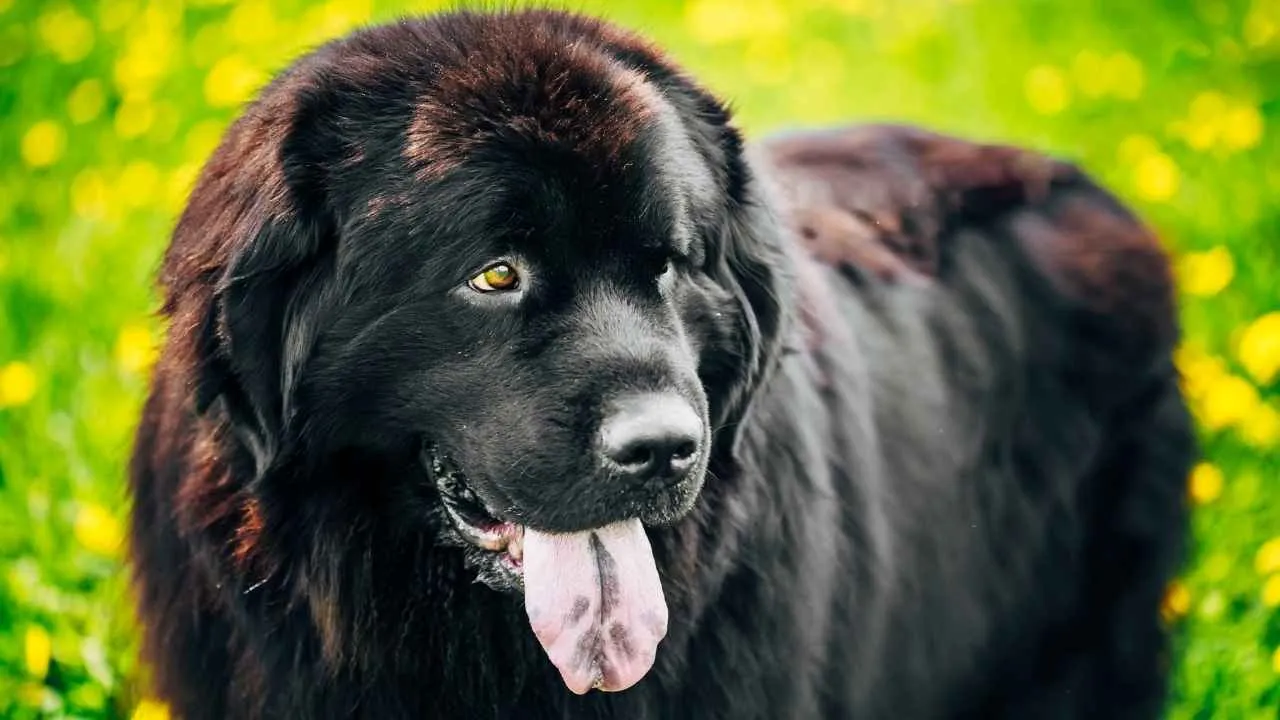
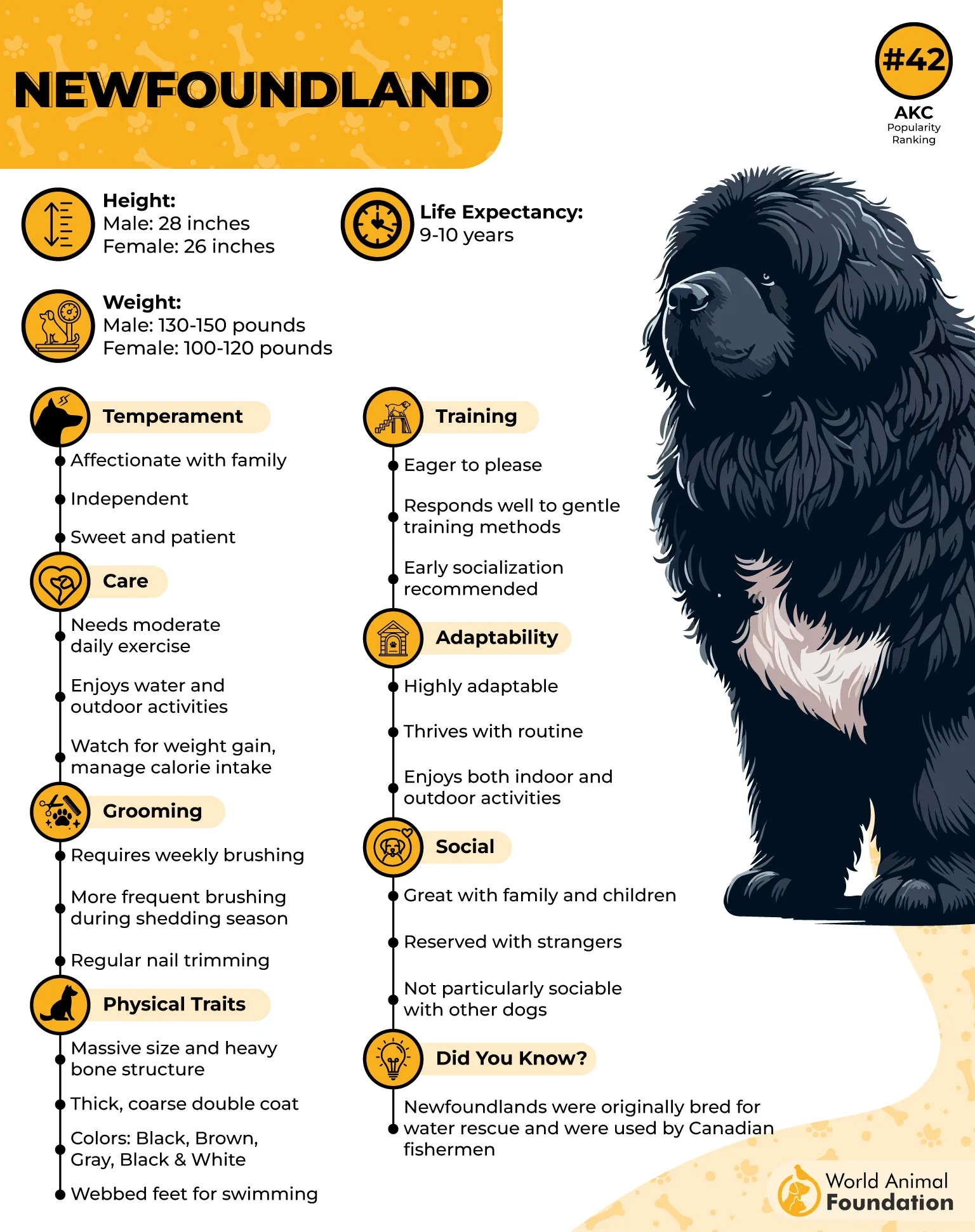
The Newfoundland developed on the Canadian island that shares its name, where fishermen valued strong dogs capable of working in cold waters. Over time, their working abilities became closely associated with a patient temperament and a remarkable willingness to cooperate with people.
Keeping a Gentle Giant Healthy and Well-Mannered
Newfoundlands require regular, moderate exercise, including walks and suitable swimming opportunities when conditions are safe. Consistent, reward-based training is essential for teaching polite greetings and manageable leash behavior. Early socialization helps them become comfortable around people and other animals.
A Patient Companion With a Heart for People
Newfoundlands are widely admired for their gentle, people-oriented personalities. Many remain composed around familiar family members and enjoy being included in everyday activities. Their history of working alongside fishermen reflects a willingness to cooperate, although individual temperaments differ.
3. Cavalier King Charles Spaniel
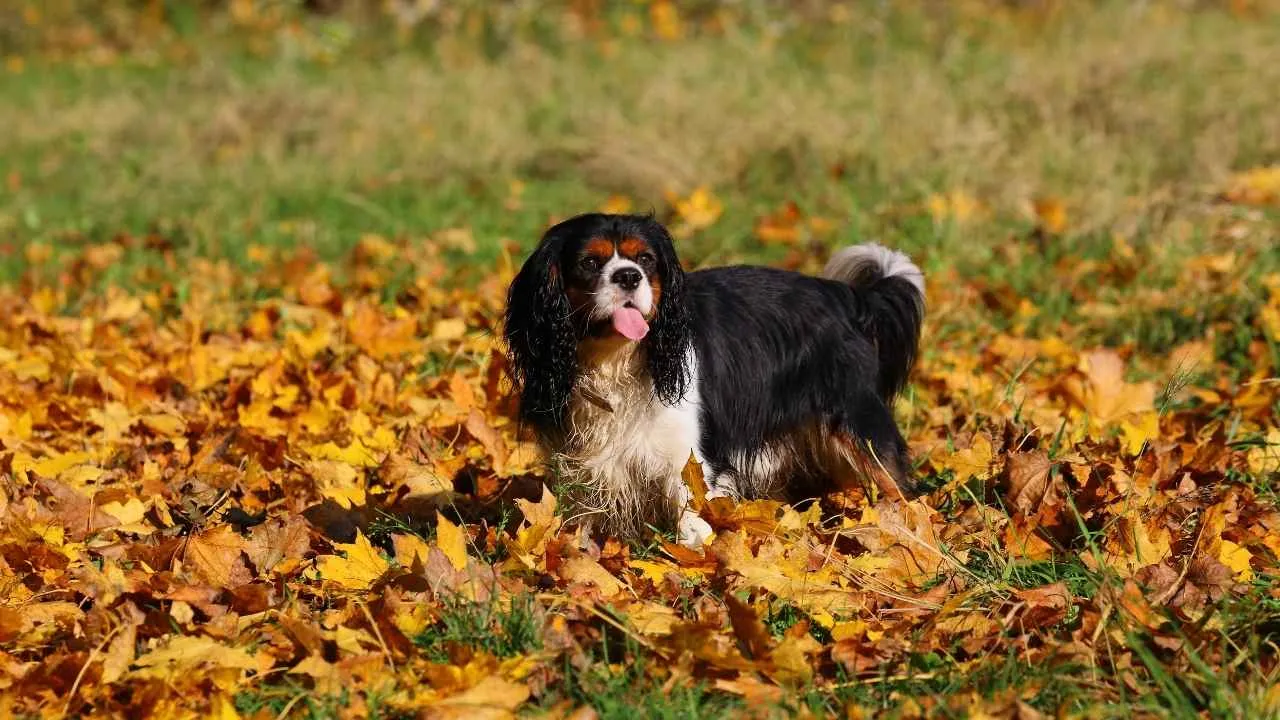
The Cavalier King Charles Spaniel developed from small companion spaniels favored by British aristocrats, particularly during the 16th and 17th centuries. The modern Cavalier was re-established through selective breeding during the 20th century, drawing inspiration from historical spaniel types, as per PetMD.
Gentle Activity and Positive Learning
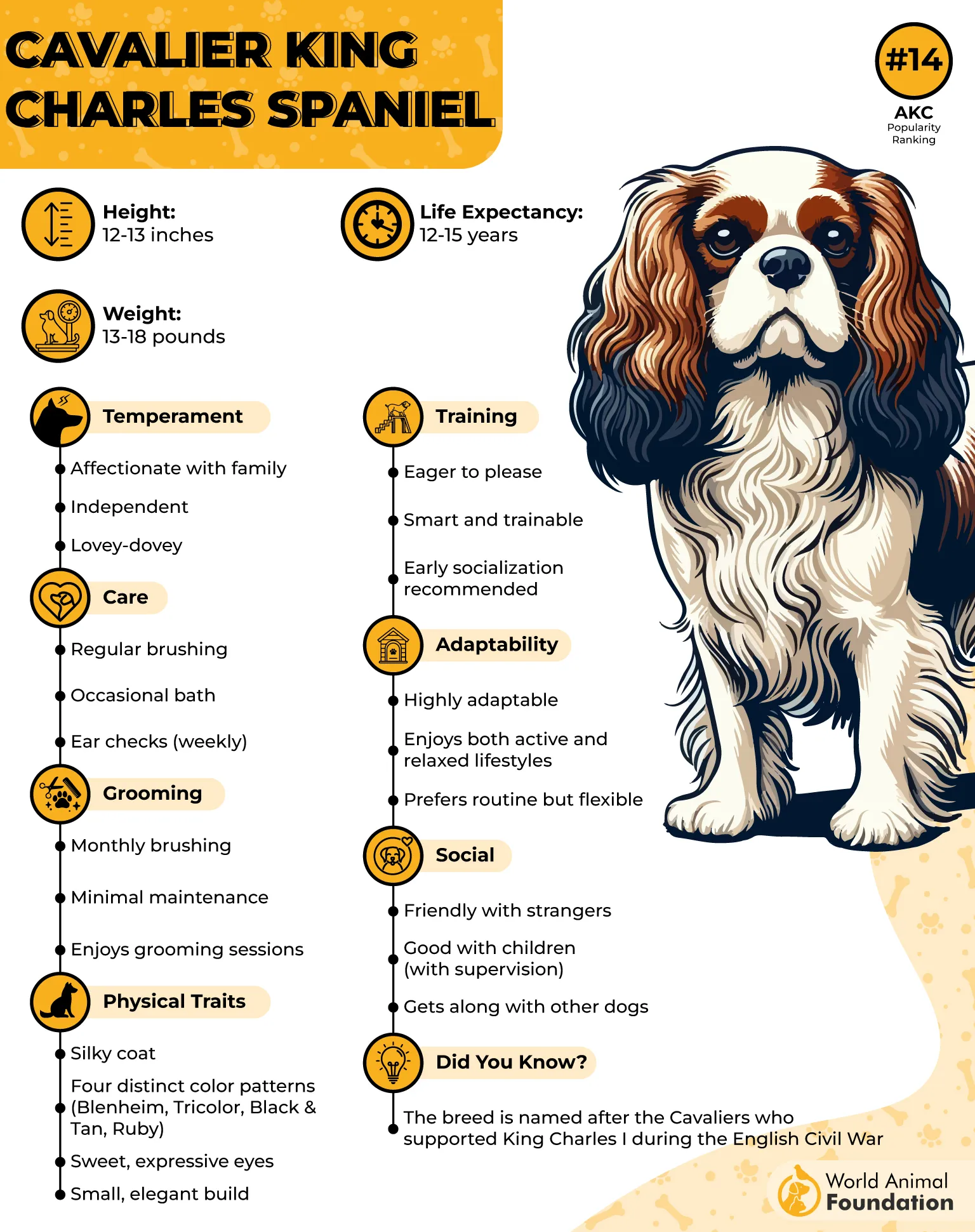
Cavalier King Charles Spaniels generally enjoy daily walks, interactive games, and short training sessions. Their willingness to engage with people often makes reward-based learning enjoyable and productive.
Prospective owners should pay close attention to responsible breeding and veterinary screening because the breed is prone to several inherited health conditions, including mitral valve disease.
Affection That Follows You Everywhere
The Cavalier is particularly known for seeking close contact with its favorite people. It may curl up beside someone reading, follow family members between rooms, or happily welcome a familiar visitor. Many Cavaliers are sociable with appropriate introductions and can adapt to different home environments.
4. Clumber Spaniel
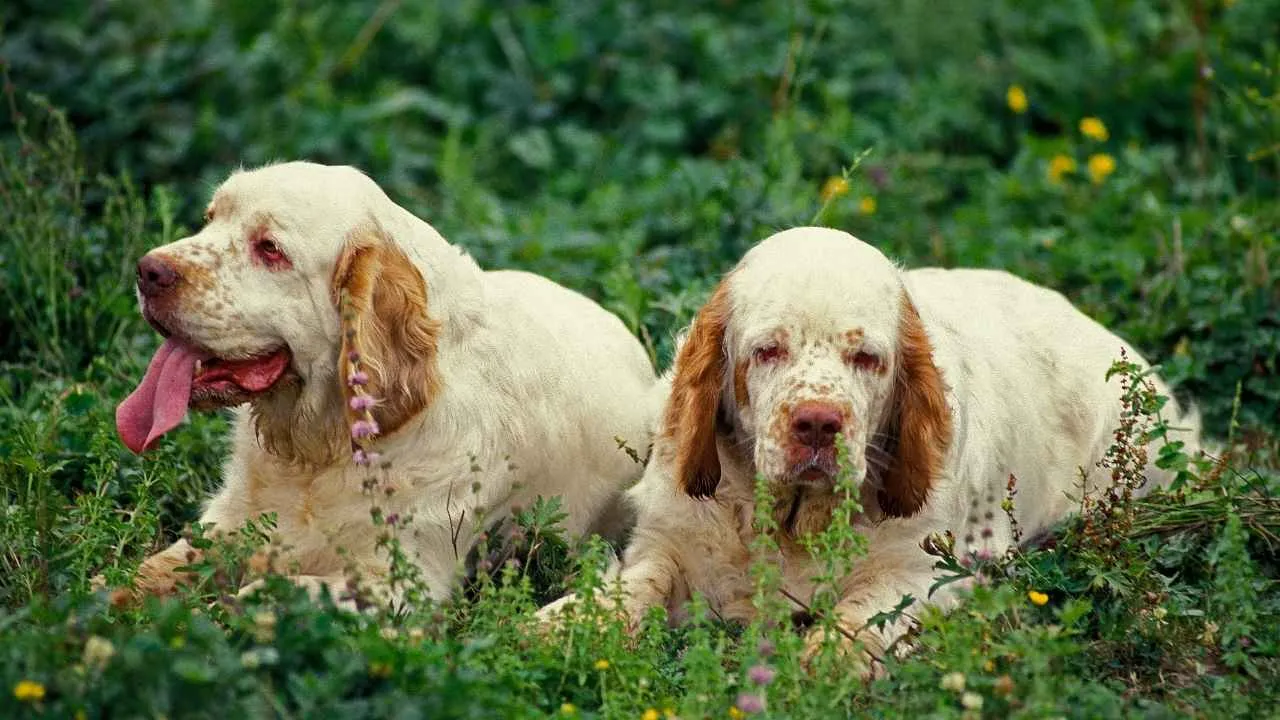
The Clumber Spaniel developed in Britain and became associated with aristocratic hunting estates, particularly during the 18th and 19th centuries. Their history as close-working hunting dogs helped shape a patient, thoughtful temperament that remains a defining characteristic today.
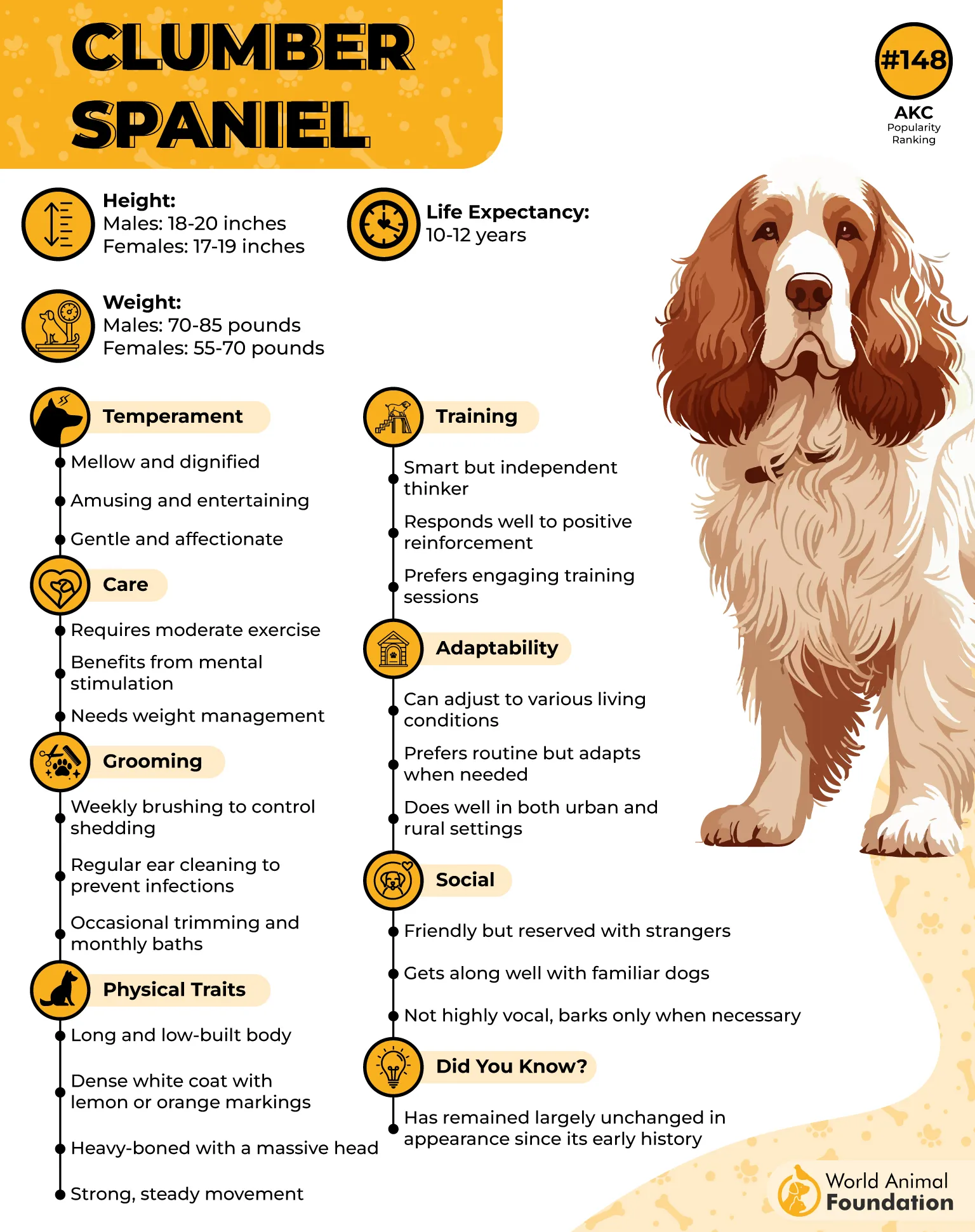
A Steady Routine for a Substantial Spaniel
Clumber Spaniels benefit from daily walks, controlled play, and opportunities to investigate scents at their own pace. Their sturdy build means they shouldn’t be pushed into strenuous exercise, especially in hot weather. Reward-based training helps keep them engaged while encouraging reliable household manners.
Quiet Confidence and Unhurried Affection
The Clumber Spaniel often approaches family life with a relaxed, undemanding attitude. It may prefer leisurely exploration or resting nearby to participating in nonstop activity.
With appropriate exercise, many Clumbers settle comfortably into domestic routines. Their combination of patience and affection can suit owners who prefer a companion with a calmer pace.
5. Saint Bernard
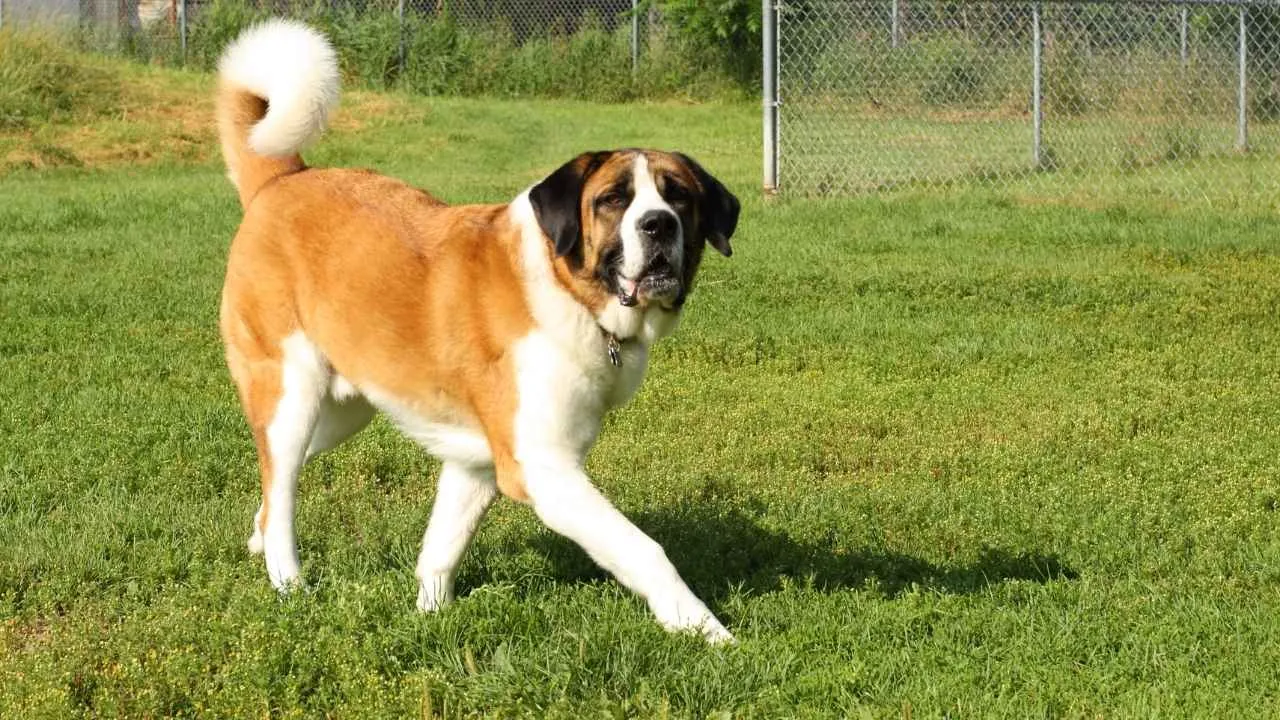
The Saint Bernard originated in the Swiss Alps, where monks at the Great St Bernard Hospice developed and used large dogs to assist travelers, as per Britannica.
The breed became famous for mountain rescue work, helping locate and reach people caught in dangerous weather conditions. Although modern Saint Bernards are primarily companions, their history continues to influence their image as dependable, steady dogs.
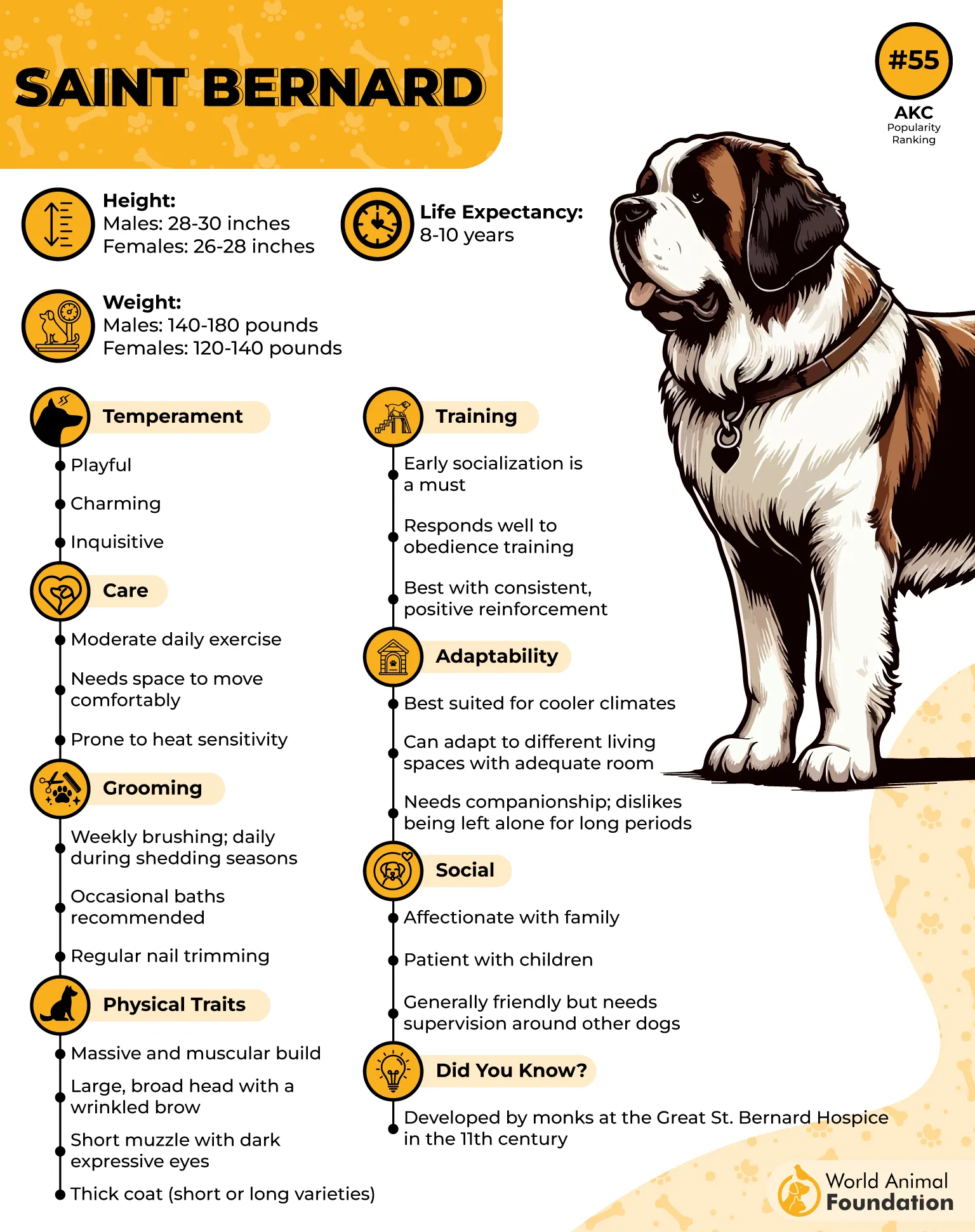
Building Good Habits in a Giant Breed
Saint Bernards need regular, moderate walks and controlled activity suited to their size. Positive reinforcement works best when lessons remain consistent and engaging. Owners should also provide a cool resting environment, monitor their weight, and prepare for the grooming and drooling associated with this giant breed.
A Reassuring Presence With a Devoted Heart
Saint Bernards are often appreciated for their patient, affectionate approach to family life. Many enjoy remaining close to their owners and can be gentle with familiar people when properly socialized.
Their substantial size may make them look intimidating, but a well-raised individual can be remarkably easygoing. They often express attachment through companionship rather than constant activity.

Their loyalty, combined with their generally steady demeanor, makes them appealing to families prepared for the responsibilities of a giant dog.
6. Irish Wolfhound
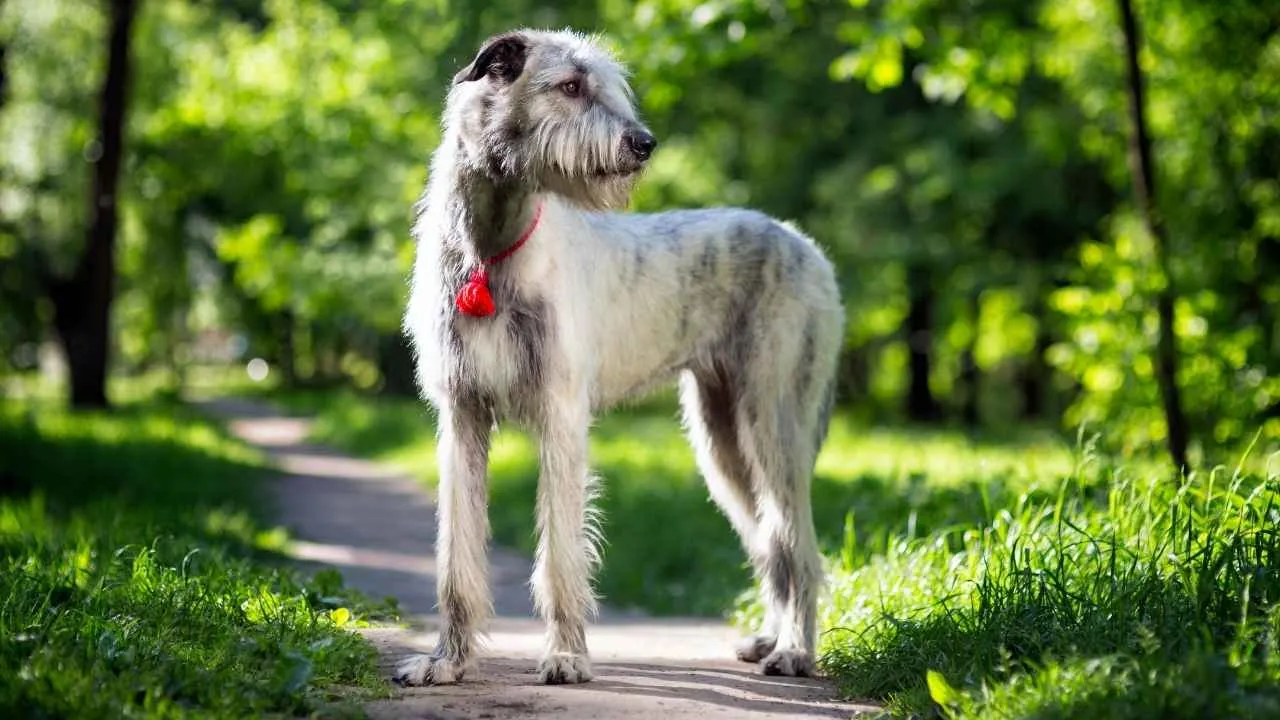
The Irish Wolfhound has a long history in Ireland, where large sighthounds were used to pursue wolves and other substantial game. Historical accounts describe these dogs as valuable companions among warriors and noble families. Selective breeding emphasized size, speed, and the ability to cover considerable ground.
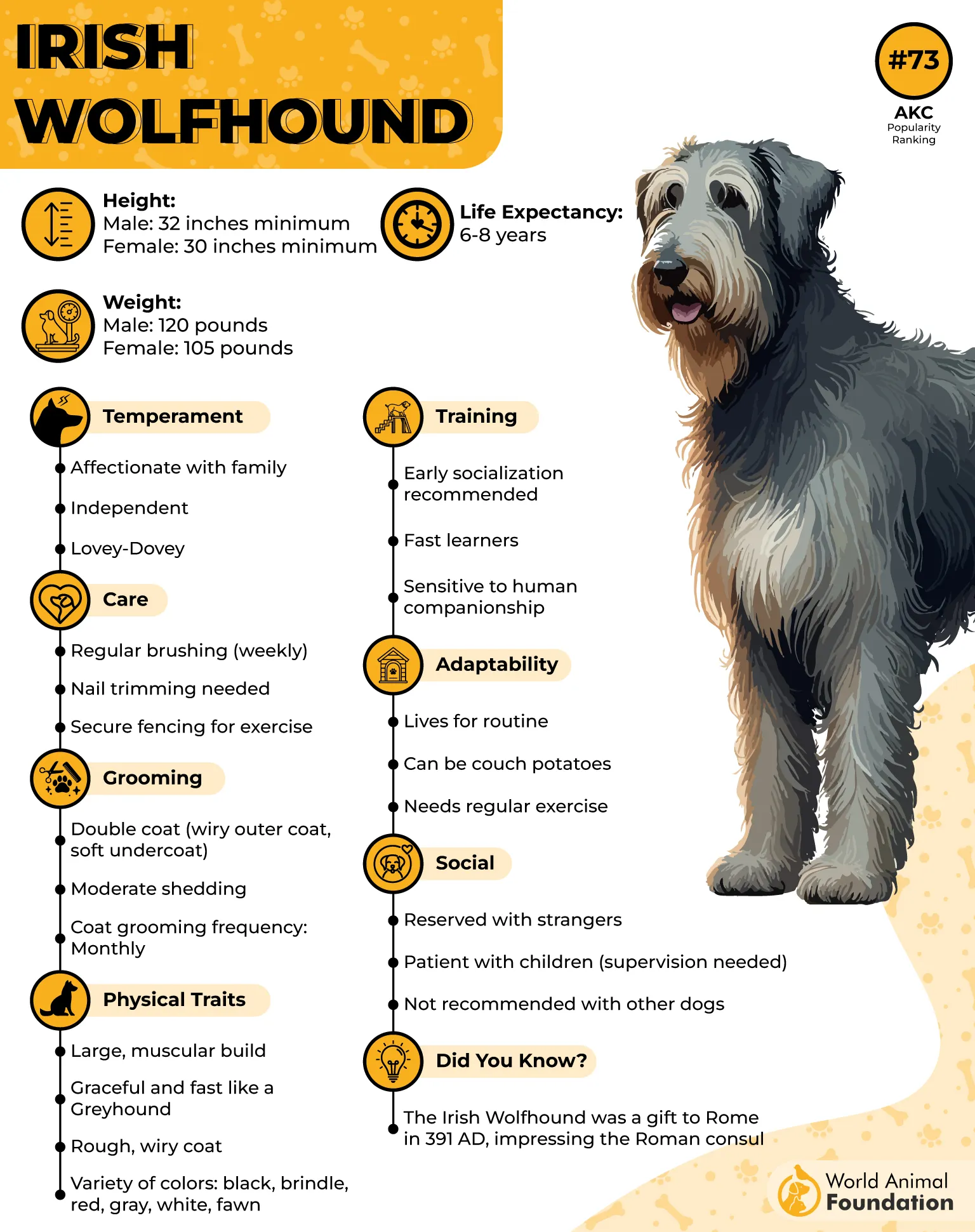
Exercise That Respects Their Size
Irish Wolfhounds need regular walks and opportunities for movement in securely enclosed areas. Although they are large athletes, their exercise should be carefully managed while they grow and throughout adulthood, as per PDSA. Reward-based training helps establish good manners, particularly because their size can make pulling or jumping difficult to control.
A Soft-Spoken Giant With a Loyal Nature
The Irish Wolfhound often combines an imposing appearance with a surprisingly gentle manner. Many enjoy relaxed companionship and prefer staying near their families rather than constantly seeking attention. Their calm presence can be particularly appealing to owners who appreciate a dignified, affectionate dog.
7. Bernese Mountain Dog
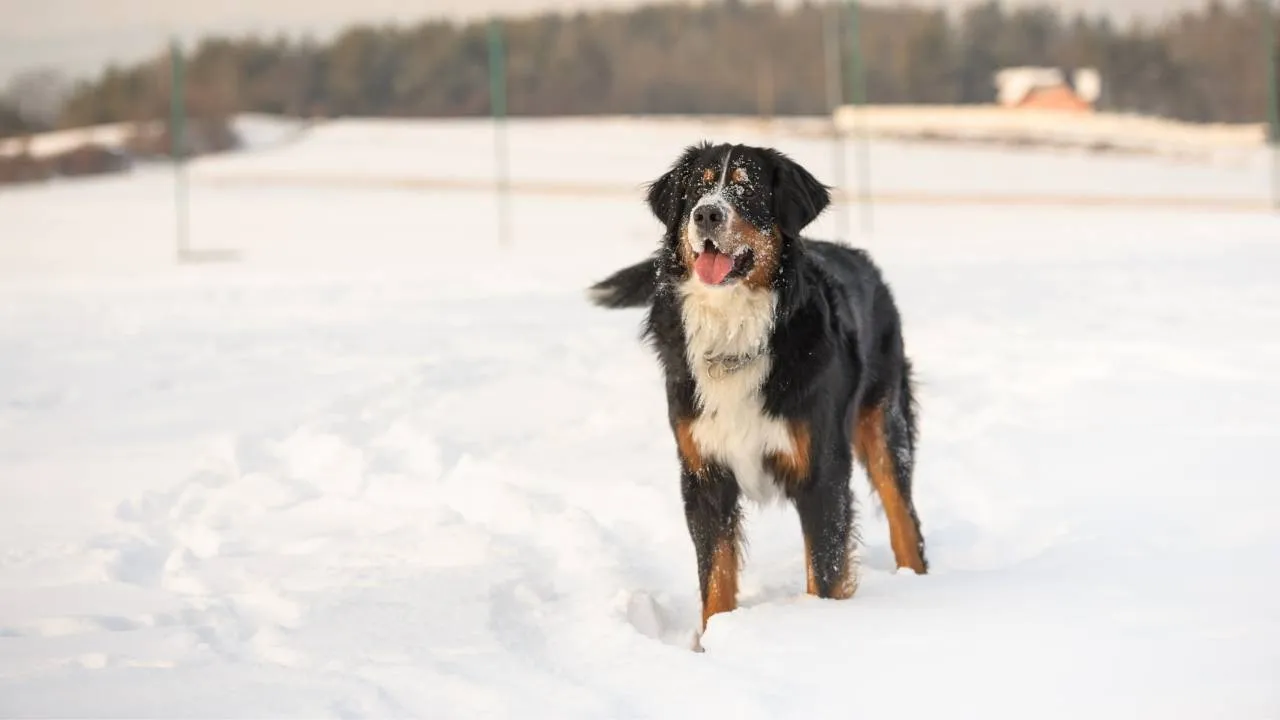
The Bernese Mountain Dog originated in Switzerland, particularly in the canton of Bern, where farmers relied on muscular dogs for versatile agricultural work. Generations of working alongside people helped establish the breed’s reputation for cooperation, affection, and dependable companionship.
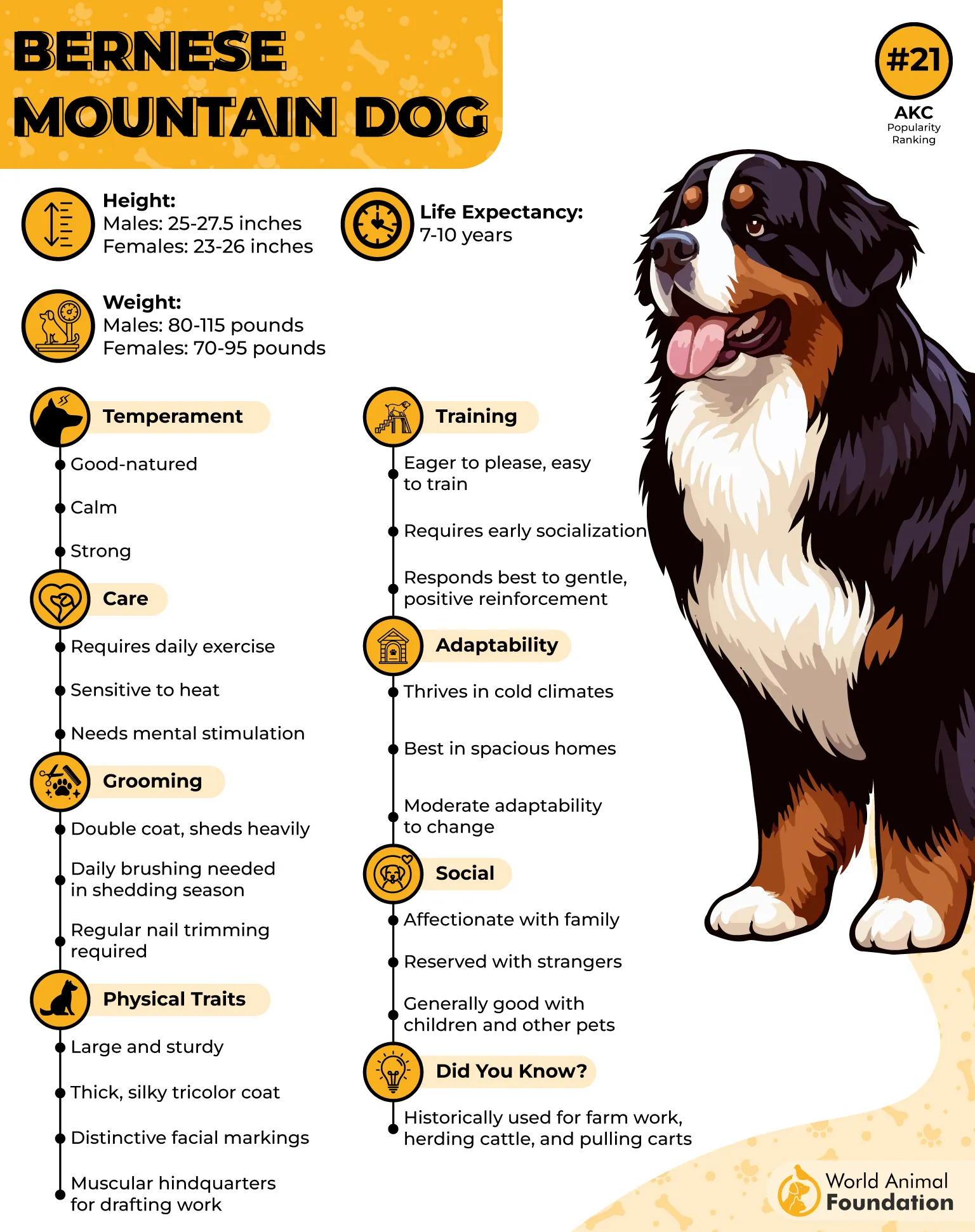
Balanced Exercise and Consistent Guidance
Bernese Mountain Dogs need daily walks, moderate play, and opportunities to participate in family activities. Because they are large and grow rapidly, puppies should avoid excessive high-impact exercise while their joints develop.
Owners should also discuss responsible breeding and health screening with reputable breeders because the breed is susceptible to several serious inherited conditions.
A Devoted Family Dog With a Calm Side
Bernese Mountain Dogs often form strong bonds with their families and enjoy being involved in ordinary household routines. Many are affectionate and sociable when raised with consistent guidance and appropriate socialization.
They can be playful outdoors yet content to relax near familiar people afterward. Their loyalty is often expressed through steady companionship and a willingness to participate in family life.
Conclusion
Choosing the right breed requires considering individual personality, available space, exercise needs, and long-term care responsibilities.
A calm reputation should never be mistaken for a lack of training or exercise requirements. Large working breeds need consistent guidance, while affectionate companion dogs benefit from socialization and gradual independence training. Grooming, veterinary expenses, and breed-related health concerns also deserve careful consideration. Meeting individual dogs and learning about their backgrounds can help prospective owners make an informed decision.
Ultimately, loyalty develops through trust, companionship, and responsible care. Regular exercise, positive training, and a stable home environment help dogs feel secure and behave confidently. Although no breed is perfectly calm in every situation, these seven are widely appreciated for their affectionate and steady qualities. With the right match and appropriate care, they can become devoted companions for many years.
