




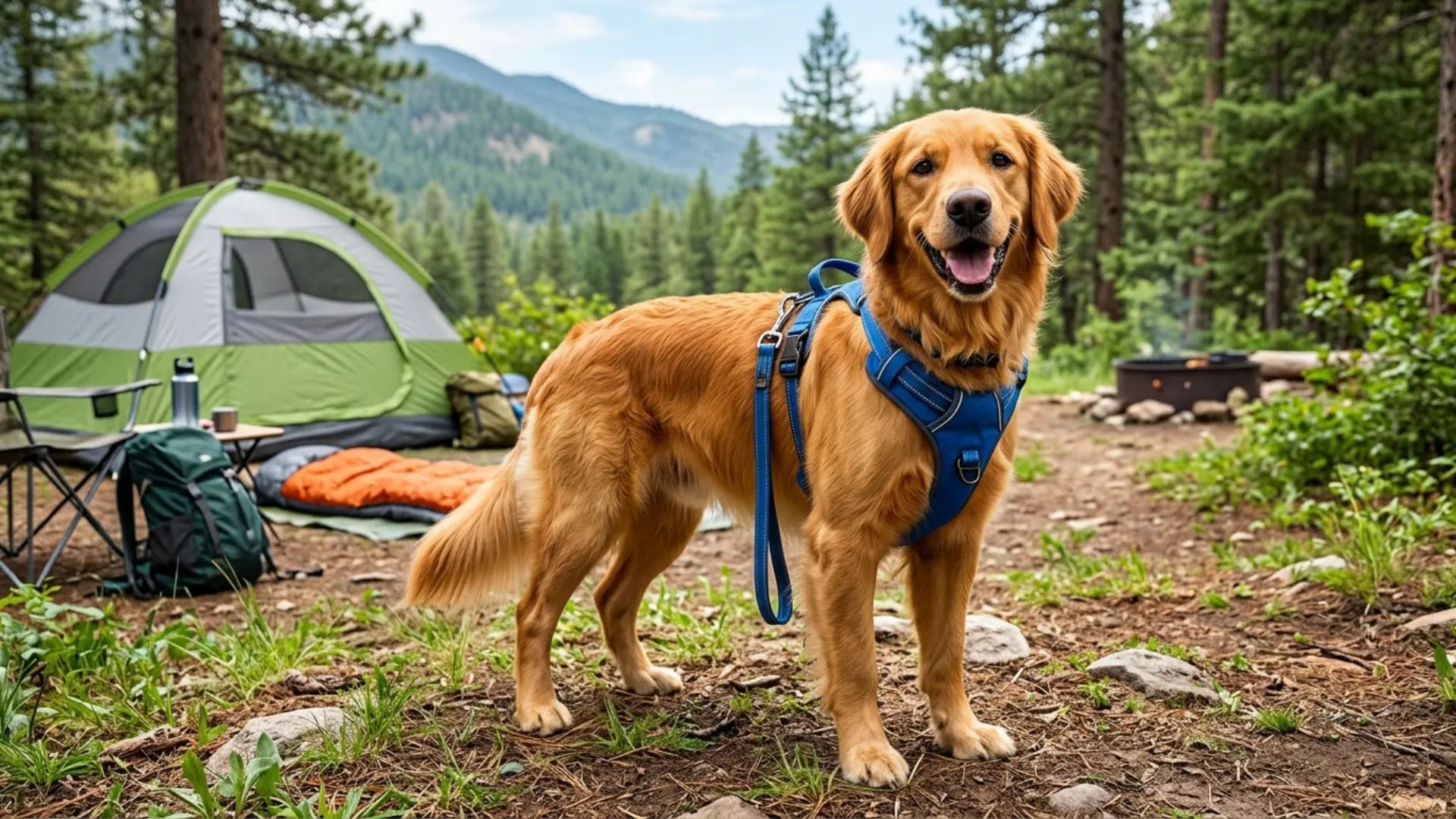
Camping becomes more enjoyable when a four-legged companion is ready to explore the outdoors. The right dog can join you on hiking trails, relax beside the tent, and adapt to new surroundings with confidence. Active, people-oriented breeds often make excellent companions, provided their exercise needs and temperaments suit your plans.
However, camping with a dog requires preparation beyond choosing an adventurous breed. Reliable recall, leash manners, wildlife awareness, and comfort around unfamiliar environments are essential. Owners must also consider weather conditions, trail difficulty, access to water, and opportunities for rest during outdoor activities.
The following seven breeds are known for their energy, intelligence, or enthusiasm for spending time outdoors. Each offers different strengths, so consider your camping style and experience before choosing your adventure partner.
Pack‑Friendly Dog Breeds Perfect for Camping Trips
1. Labrador Retriever
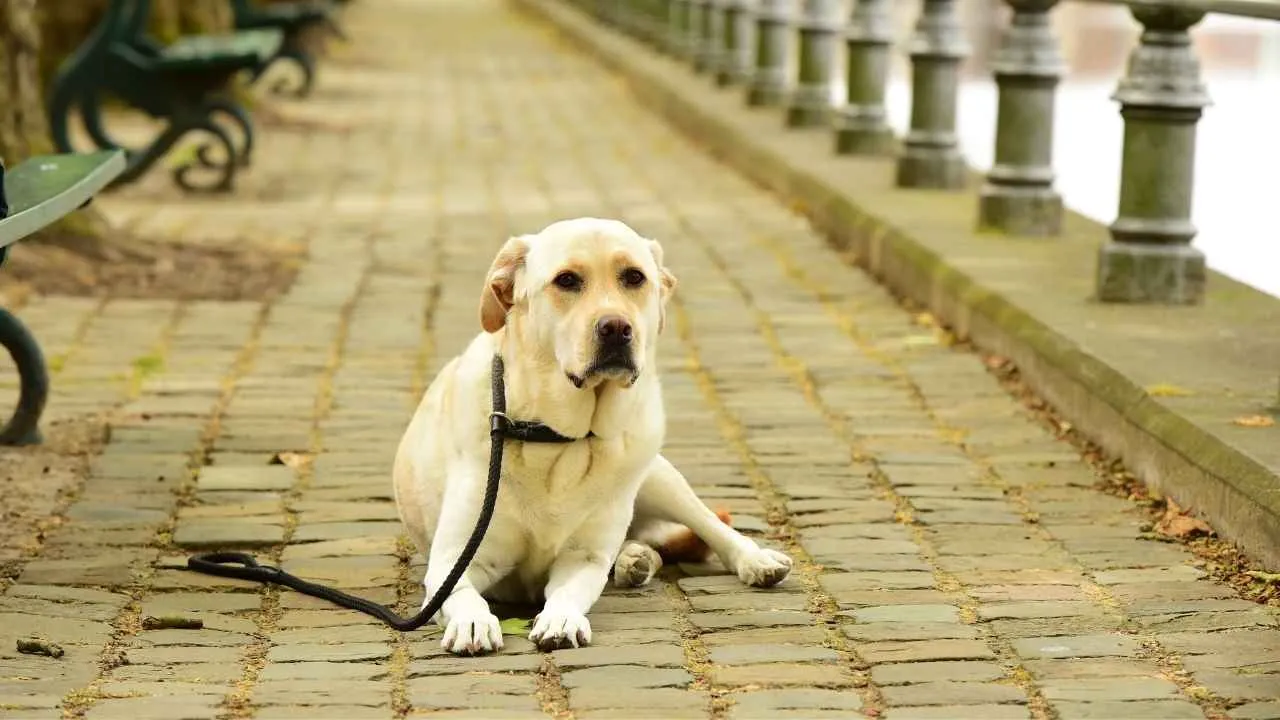
The Labrador Retriever developed from working dogs associated with Newfoundland, Canada, where fishermen valued their ability to retrieve objects and assist with water-related tasks. British breeders later refined the breed for retrieving game during hunting activities, as per Orvis.
Its cooperative temperament, athletic build, and love of water helped establish the Labrador as a popular working dog and outdoor companion.
Trail Training and Conditioning for Outdoor Adventures
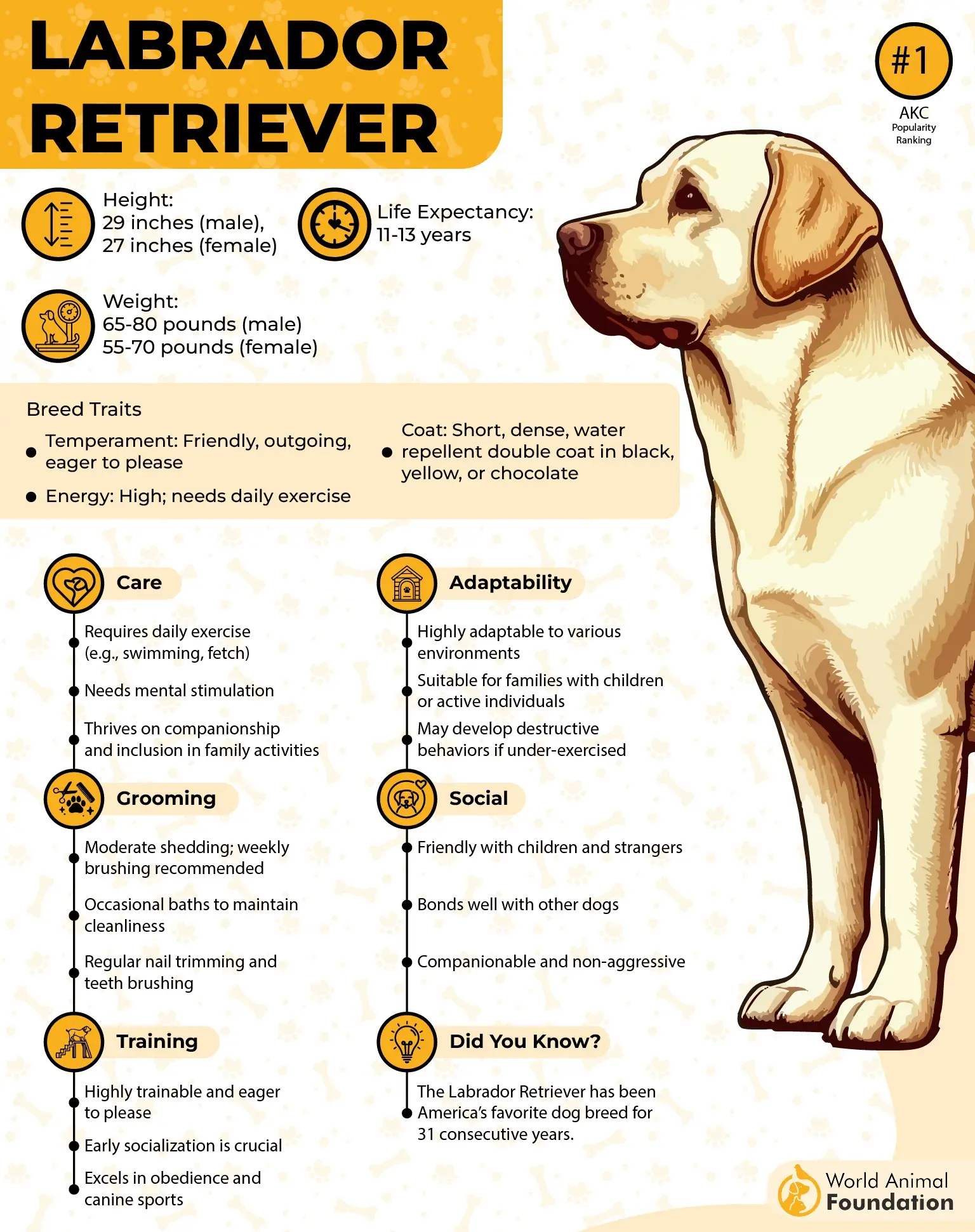
Labradors need regular exercise, swimming opportunities when safe, and consistent obedience training. Before longer camping trips, gradually build their endurance through walks and hikes. Reliable recall and leash manners help keep them safe around wildlife and other campers. Bring sufficient water, allow rest breaks, and monitor their paws on rough terrain.
A Versatile Companion for Campsites and Lakes
Labradors often enjoy exploring trails, retrieving toys, and swimming in suitable locations. Their sociable personalities can make them pleasant companions around familiar people and other well-socialized dogs. Many adapt well to different outdoor activities when introduced gradually. Their enthusiasm is an advantage, although owners must prevent overexertion and keep them under control around wildlife.
2. Golden Retriever
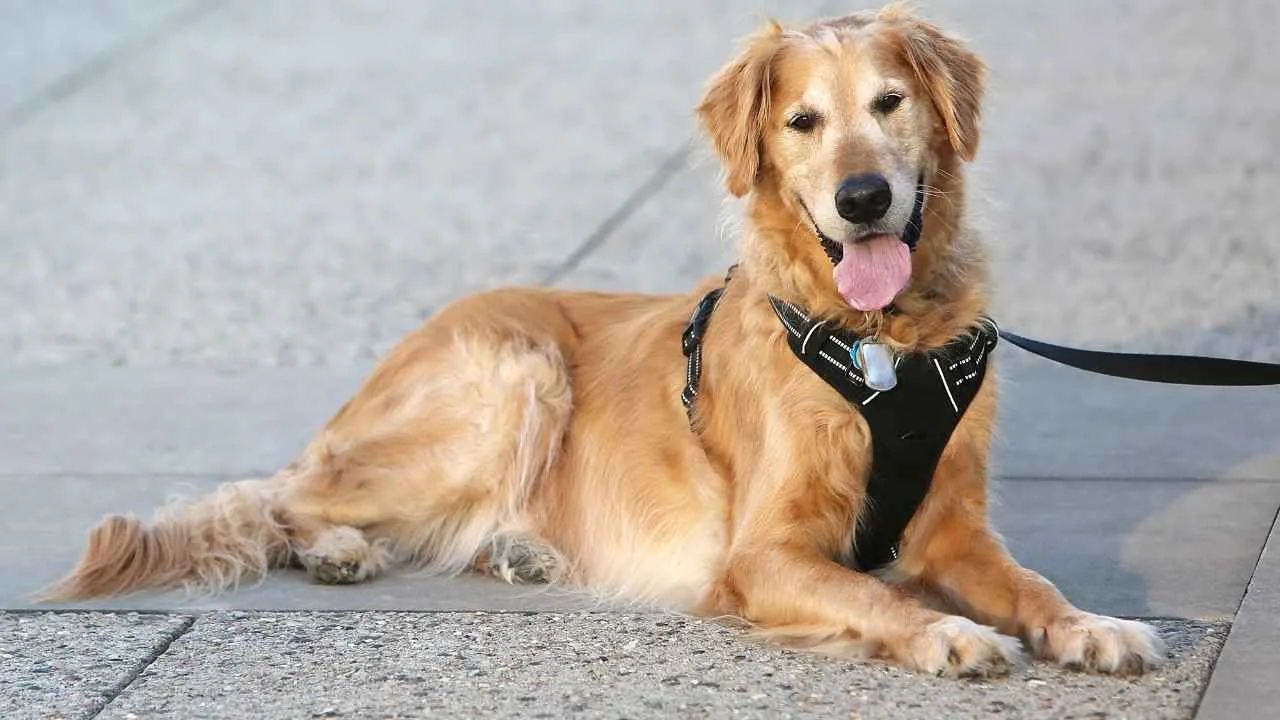
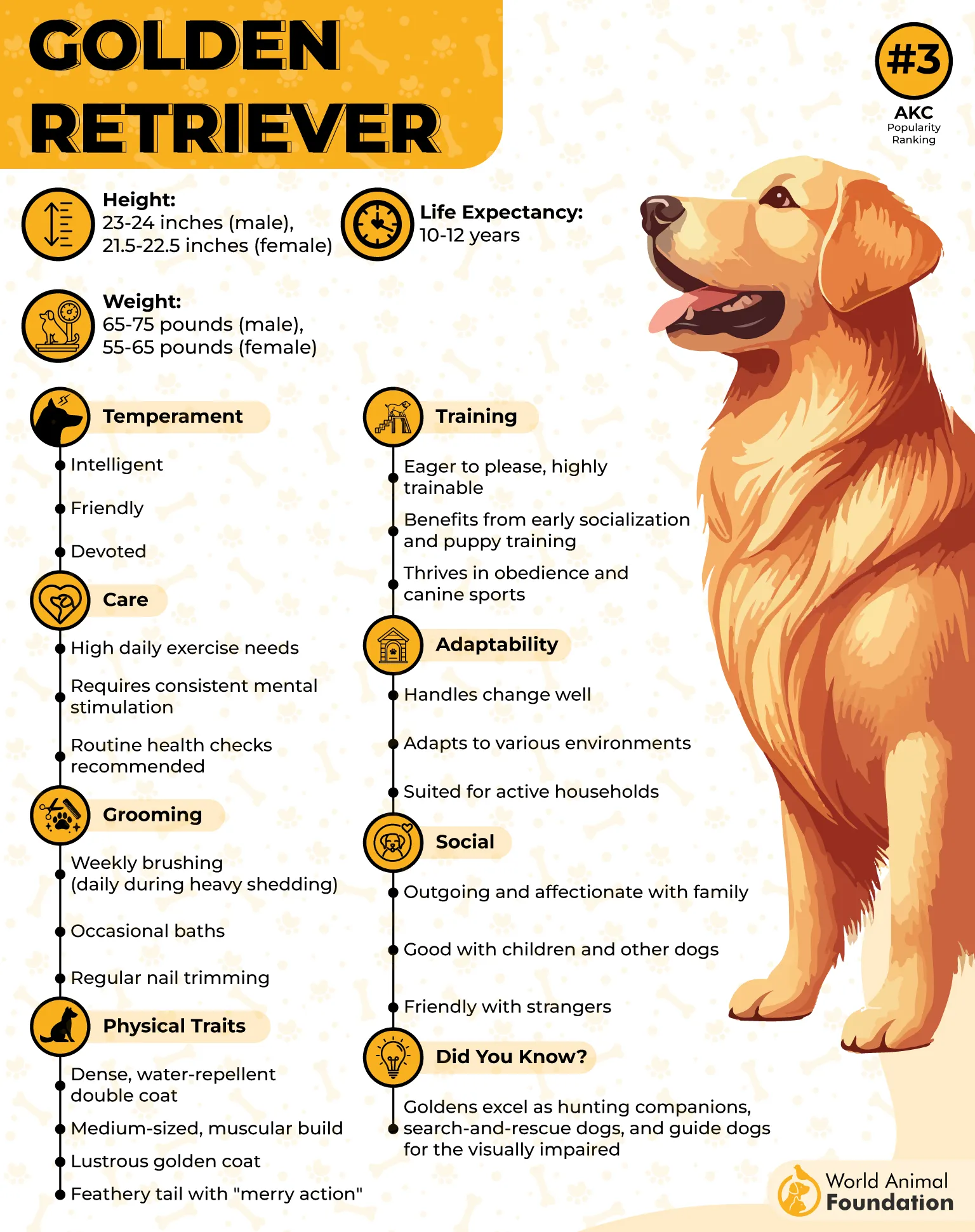
The Golden Retriever originated in Scotland during the 19th century, where Lord Tweedmouth developed a capable retrieving dog for hunting estates, as per the AKC. Breeding emphasized a reliable temperament, a soft mouth for carrying game, and the ability to work on land and in water. These qualities eventually helped the breed become a beloved family companion and outdoor partner.
Building Stamina With Positive Training
Golden Retrievers benefit from daily walks, retrieving games, and gradual conditioning before demanding hikes. Their eagerness to cooperate makes reward-based training useful for beginners and experienced handlers alike. Practice recall, settling quietly at camp, and walking calmly on a leash. Regular coat checks help identify burrs, ticks, and debris collected during outdoor adventures.
A Friendly Teammate for Long Days Outside
Golden Retrievers often enjoy sharing activities with their families, from woodland walks to relaxing beside a tent. Their sociable nature and enthusiasm for retrieving can make outdoor play particularly rewarding. Their willingness to engage with people makes them appealing companions for camping trips that combine exercise and relaxation.
3. German Shorthaired Pointer
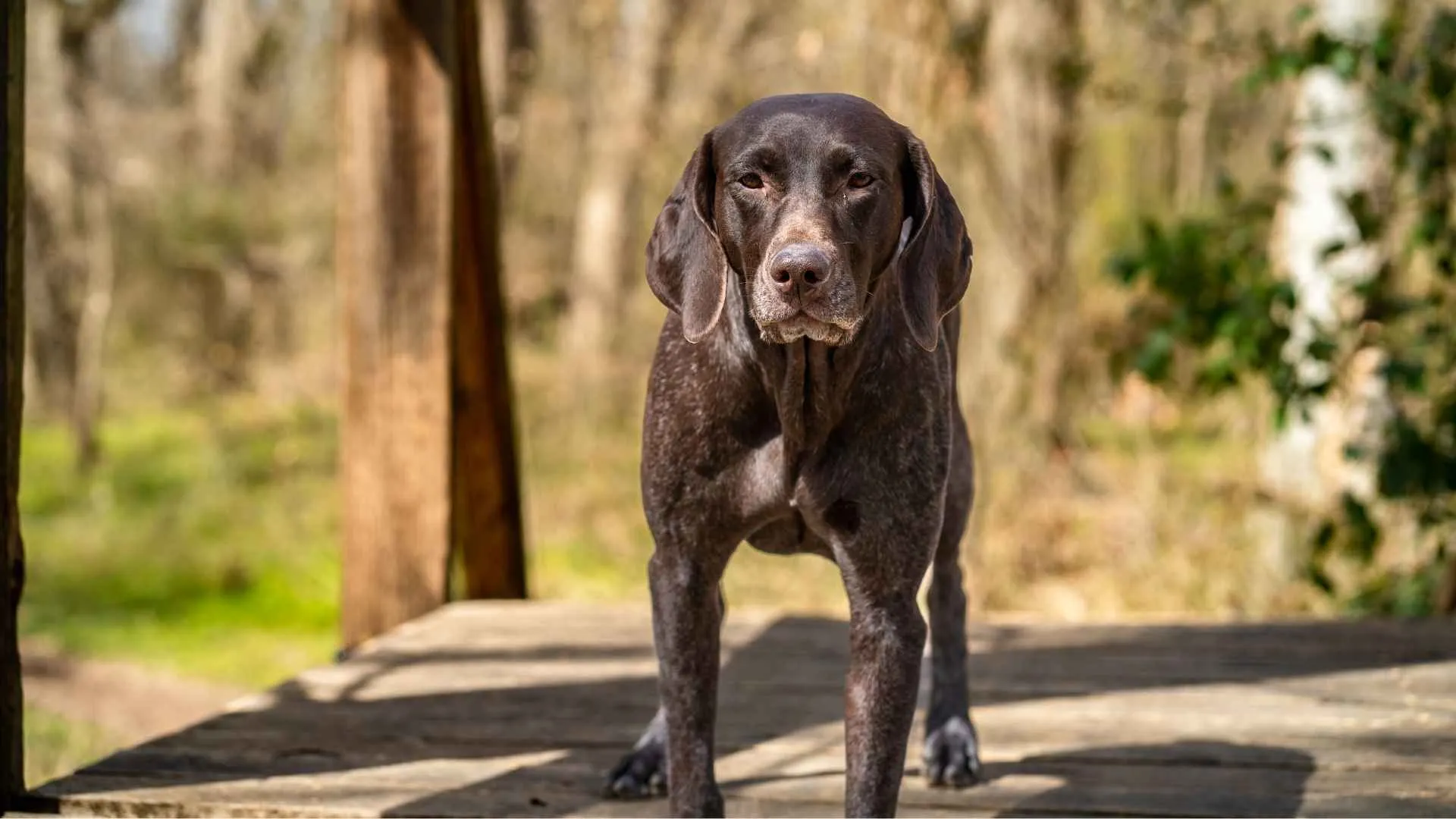
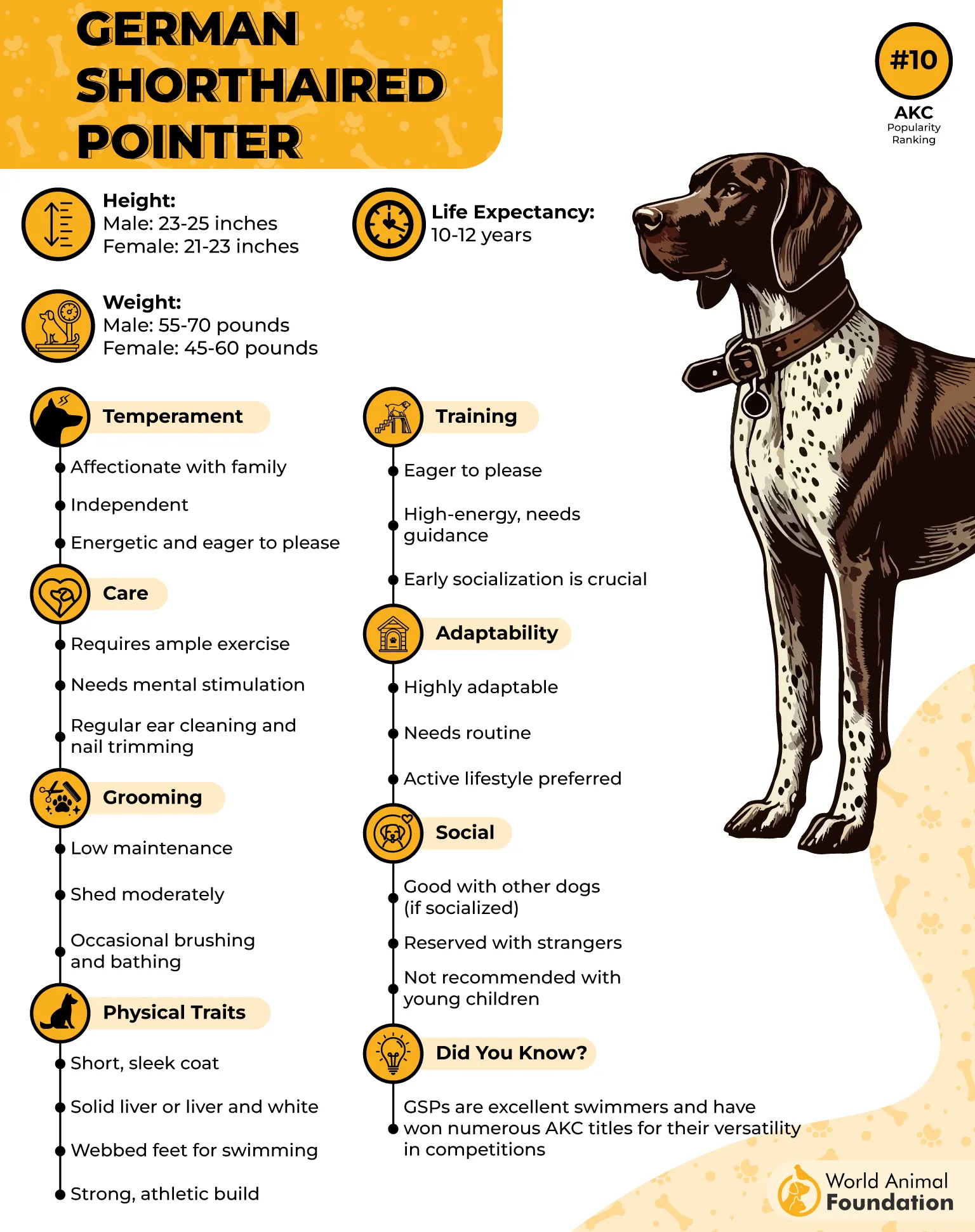
The German Shorthaired Pointer was developed in Germany during the 19th century as a versatile hunting dog. Breeders combined pointing and hunting dogs to create an athletic companion capable of locating game, retrieving birds, and working across varied terrain. Its stamina, scenting ability, and adaptability reflect a history of demanding outdoor work.
Endurance Training for an Energetic Explorer
German Shorthaired Pointers require substantial daily exercise and regular opportunities to run safely. Longer hikes should follow gradual conditioning rather than sudden increases in distance. Training should emphasize recall, impulse control, and responding reliably around wildlife.
These dogs also benefit from mental challenges, secure rest areas, and protection from extreme heat during strenuous activities.
A High-Energy Partner for Challenging Trails
German Shorthaired Pointers are well suited to active campers who enjoy covering substantial ground. Their athleticism and curiosity make exploring varied landscapes rewarding, while their strong noses encourage investigation of new scents. They may become distracted by wildlife, so reliable control is essential.
For experienced outdoor enthusiasts, this breed can be an enthusiastic companion on demanding adventures.
4. Border Collie
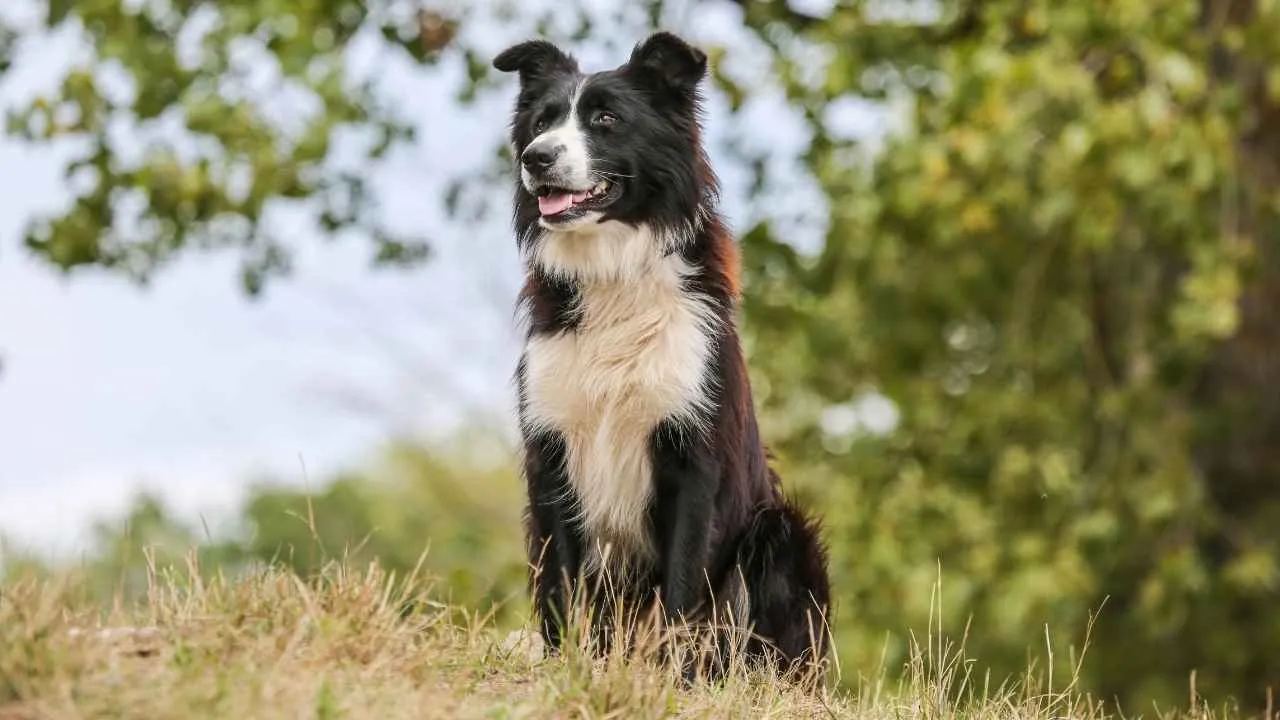
The Border Collie developed along the border regions of Scotland and England, where shepherds needed intelligent dogs to manage livestock across rugged farmland. Selective breeding emphasized responsiveness, stamina, and independent problem-solving.
These working qualities made the breed famous for its herding ability. Today, Border Collies remain highly active companions that thrive when given purposeful tasks and regular mental stimulation.
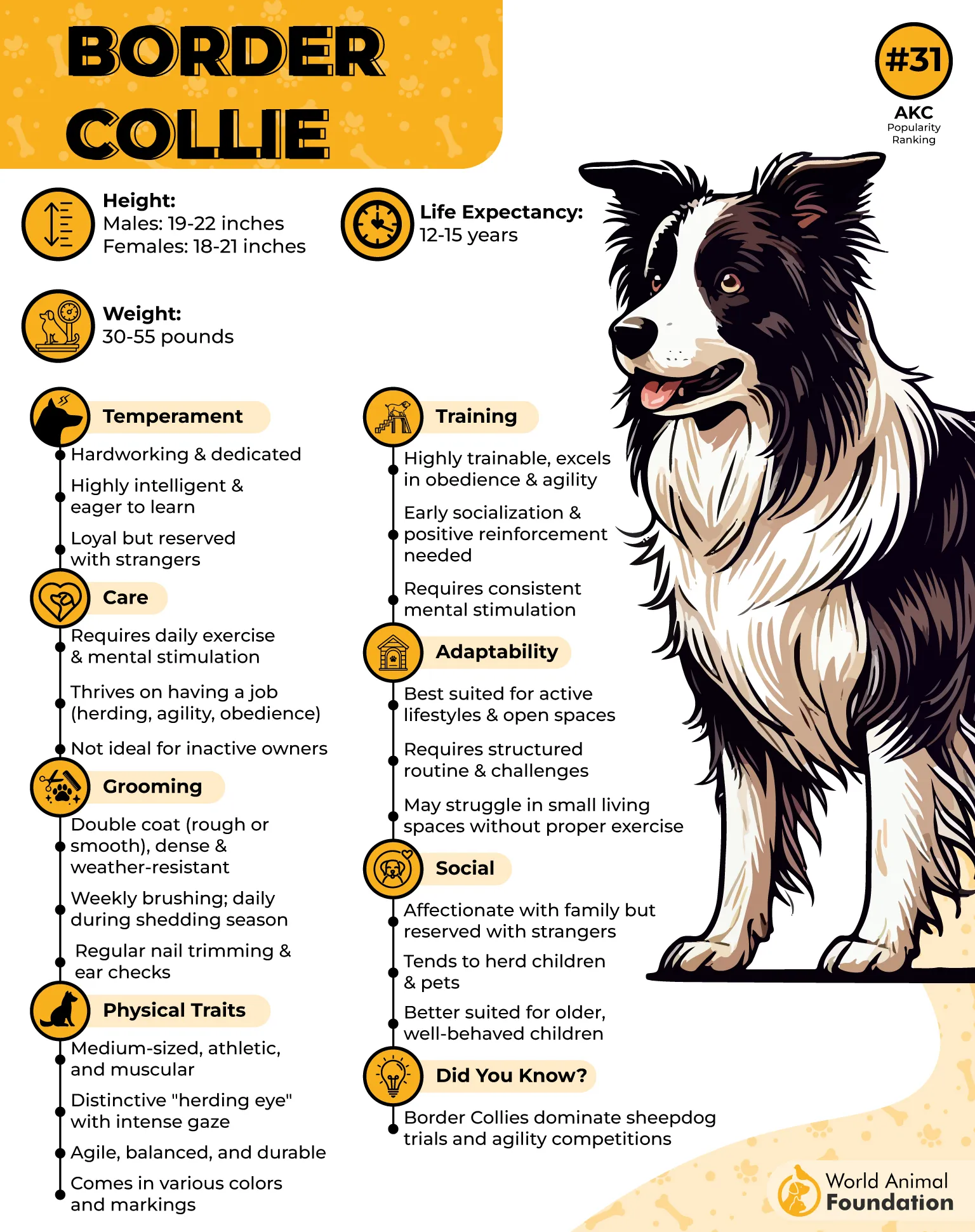
Mental Challenges and Physical Preparation
Border Collies need daily exercise alongside activities that engage their intelligence. Before camping, practise recall, settling on a mat, and responding to commands around distractions. Puzzle games and short training sessions help prevent boredom at camp. Because they can be sensitive to movement, careful management around wildlife, cyclists, and unfamiliar dogs is important.
An Alert Adventurer Who Loves Having a Job
Border Collies often excel on camping trips that combine hiking with interactive activities. They may enjoy learning trail routines, practising commands, or playing structured games at a campsite. Their intelligence helps them learn quickly, but boredom can lead to unwanted behavior. Owners should provide clear tasks and quiet downtime rather than expecting constant activity.
5. Portuguese Water Dog
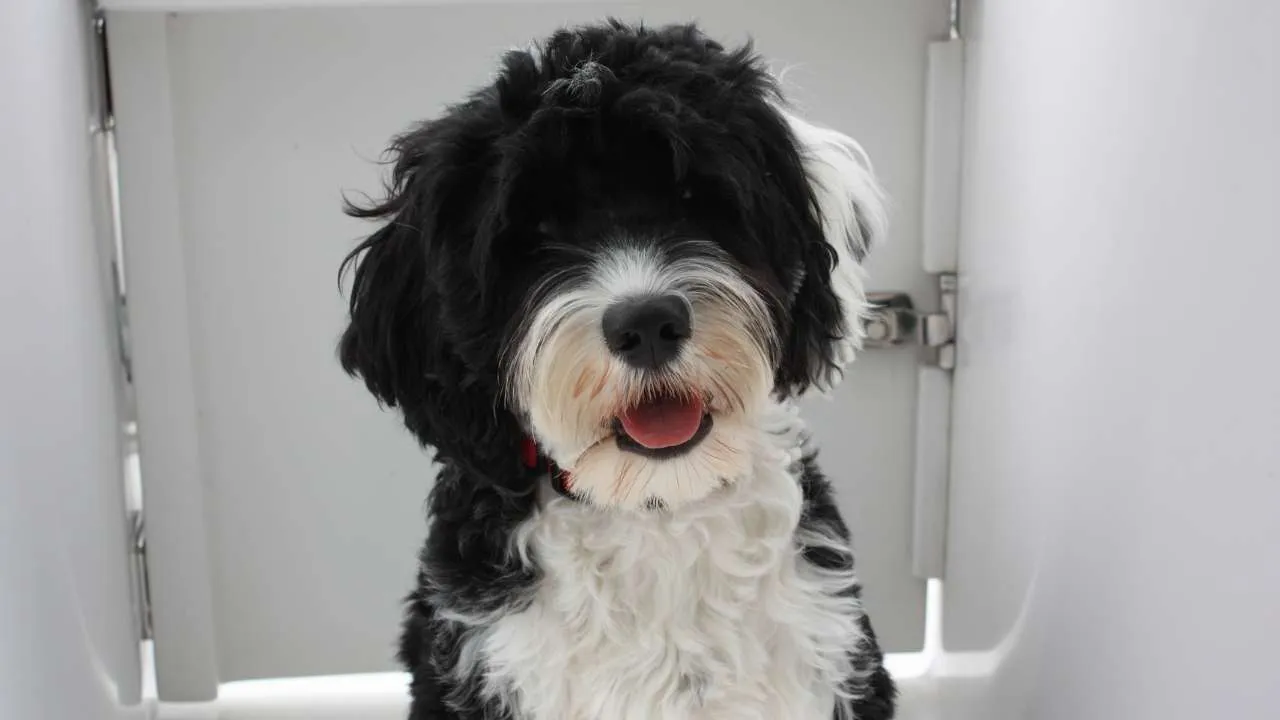
The Portuguese Water Dog originated in Portugal, where fishermen used these capable dogs to retrieve equipment, carry messages, and assist with fishing nets. Their swimming ability and weather-resistant coats suited life around the coast. As traditional fishing methods changed, the breed became more widely appreciated as a companion.
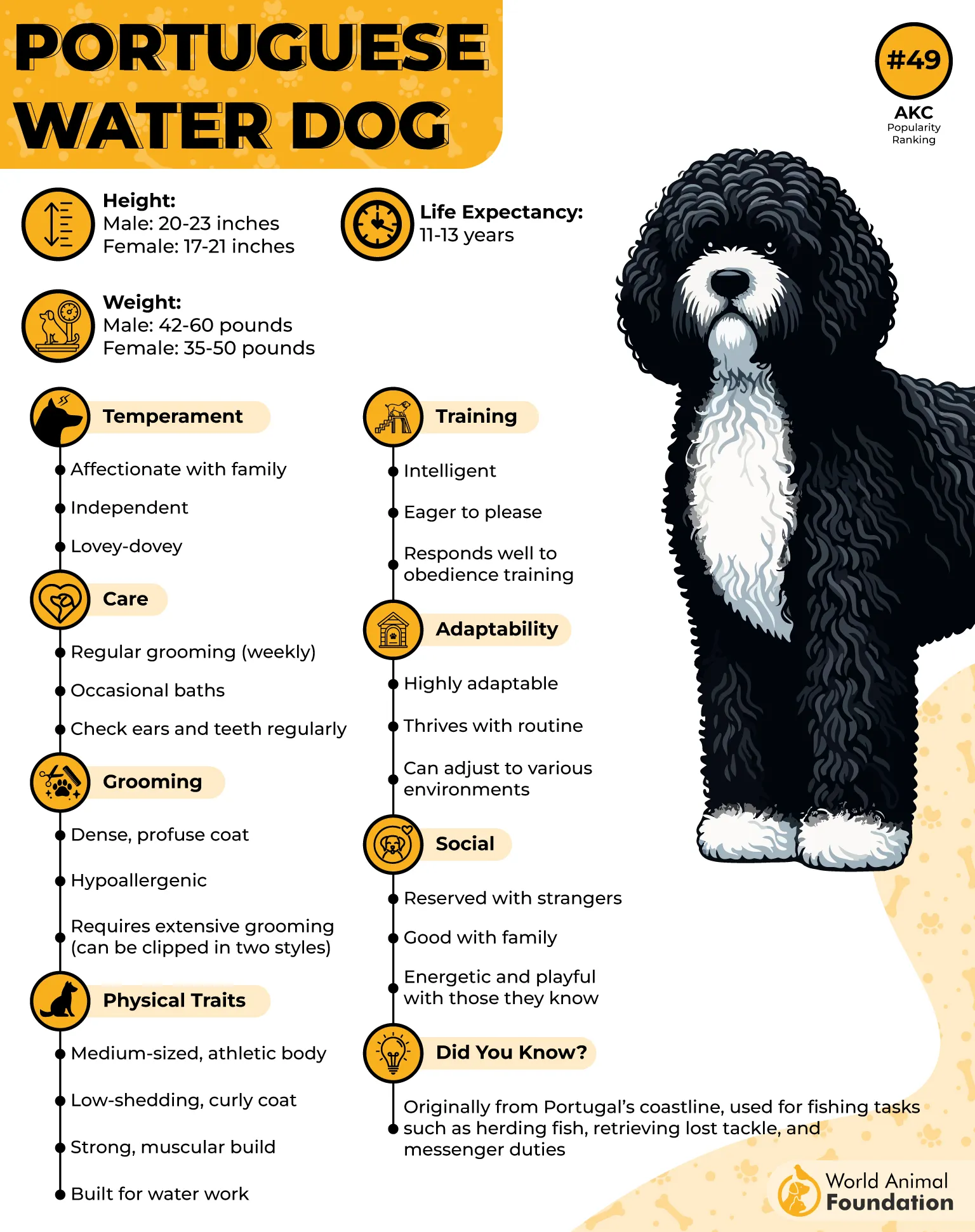
Water-Safe Exercise and Consistent Trail Manners
Portuguese Water Dogs benefit from daily exercise, swimming in safe locations, and regular training. Gradual conditioning prepares them for longer hikes, while recall practice helps maintain control near lakes and rivers. Their curly coats require regular grooming to prevent matting. Owners should also provide shade, fresh water, and rest breaks during warm-weather adventures.
A Water-Loving Companion for Lakeside Camps
Portuguese Water Dogs often thrive on camping trips that include swimming and interactive outdoor games. Their energetic personalities make them enthusiastic participants in family adventures. Many enjoy retrieving toys from water when conditions are safe and supervision is available. Their strong attachment to people can also make them pleasant campsite companions after a busy day outdoors.
6. Vizsla
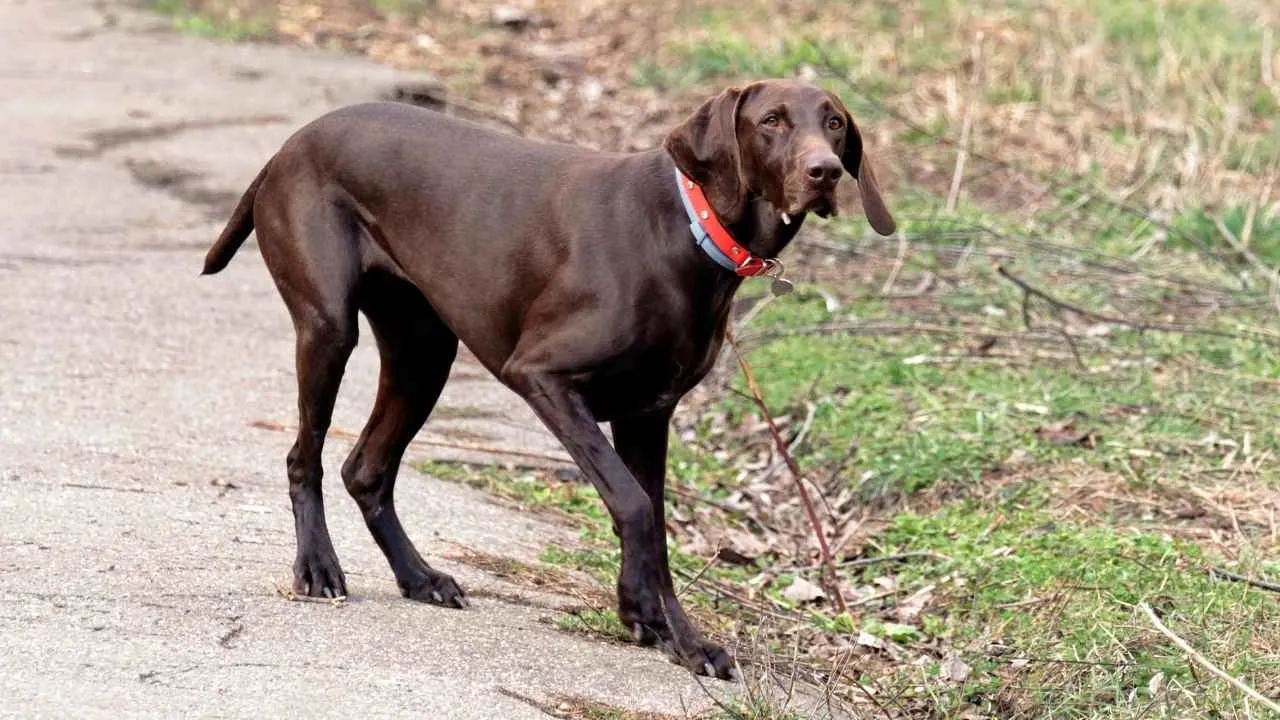
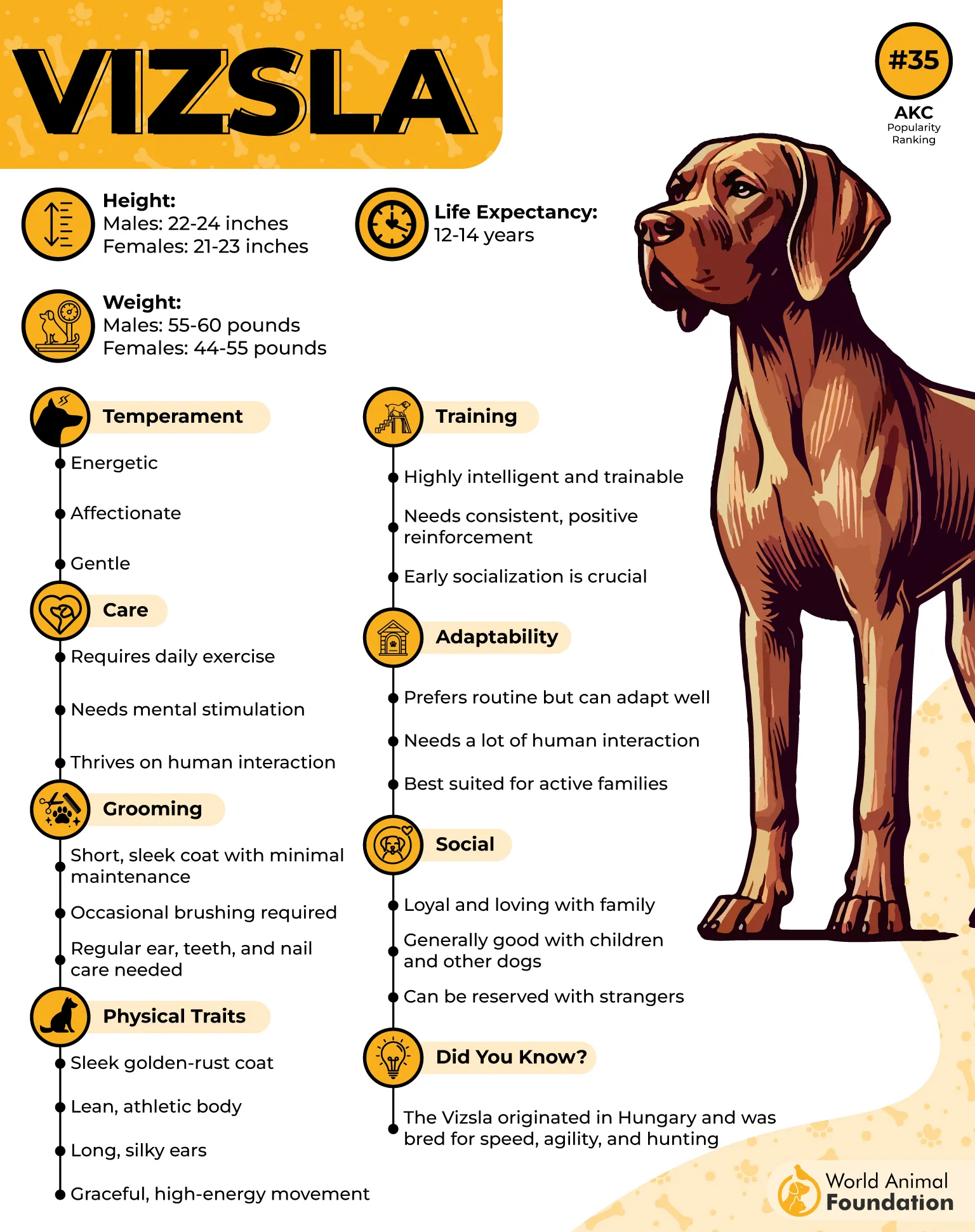
The Vizsla has historical roots in Hungary, where it served as a versatile hunting dog valued for locating and pointing game, as per PDSA. Its athletic build, keen nose, and close working relationship with handlers developed through generations of selective breeding. The breed became known for combining hunting ability with an affectionate temperament.
Fitness, Recall, and Comfortable Rest Stops
Vizslas need substantial daily exercise, regular training, and opportunities to work closely with their owners. Build hiking distance gradually and practise recall in controlled environments before attempting busy trails. Their short coats offer limited protection in cold weather, so appropriate insulation may be necessary. Comfortable bedding and sufficient rest help them recover after active days.
A Devoted Hiking Partner Who Stays Close
Vizslas often enjoy exploring alongside their favorite people and participating in shared activities. Their athleticism supports active hiking, while their affectionate nature makes campsite downtime enjoyable. Many prefer staying close to their owners rather than spending long periods alone.
Their energy requires planning, but they can be excellent partners for campers who enjoy regular movement and companionship.
7. Brittany
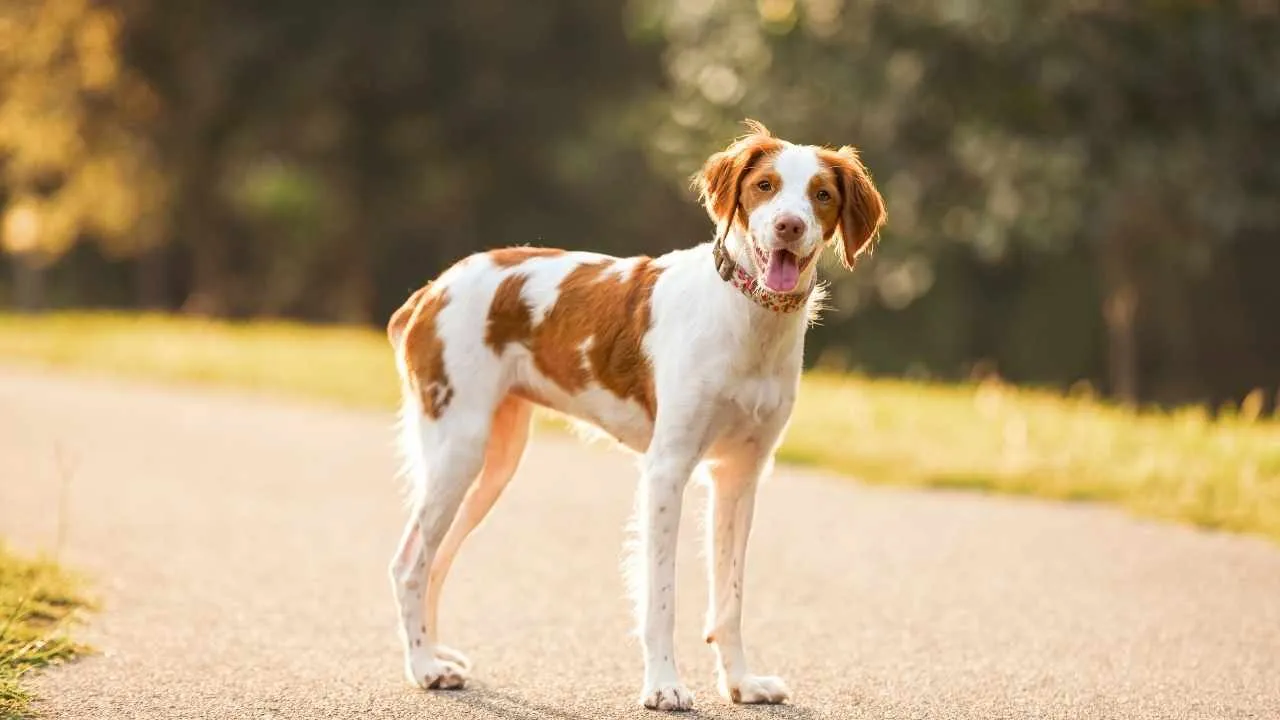
The Brittany developed in the French region of Brittany, where hunters valued small dogs capable of locating and retrieving game birds. Its precise ancestry remains debated, but its development as a practical sporting dog is well established.
The breed became popular for combining agility, intelligence, and an enthusiastic working style. These traits make Brittanys appealing companions for people who enjoy active outdoor pursuits.
Conditioning and Focus for Varied Terrain
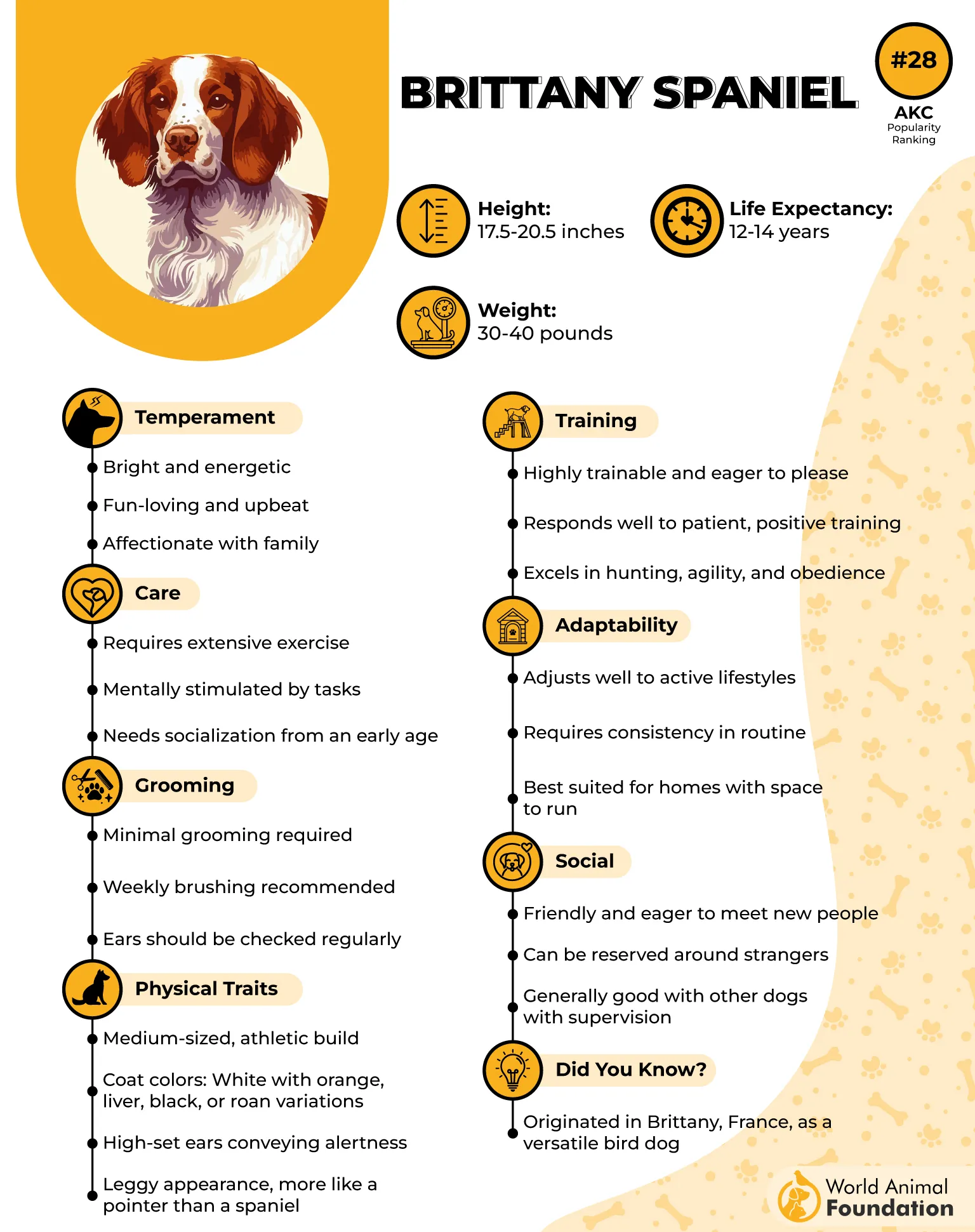
Brittany needs regular exercise, scent-based games, and consistent training to manage their energy. Gradually increase hiking distance and practise recall around distractions before visiting wildlife-rich areas. Their eagerness to investigate scents can make leash control especially important. Owners should also check their coats and paws after traversing brush, rocky paths, or tall grass.
An Agile Explorer With Endless Enthusiasm
Brittanys often approach outdoor adventures with curiosity and impressive energy. They may enjoy woodland trails, open fields, and interactive games that encourage them to explore. Their compact build makes them maneuverable across varied terrain, while their people-oriented nature supports shared activities. However, their hunting instincts mean owners should maintain reliable control around birds and other wildlife.
Conclusion
Labrador Retrievers, Golden Retrievers, German Shorthaired Pointers, Border Collies, Portuguese Water Dogs, Vizslas, and Brittanys each offers useful qualities for camping adventures. Some excel at swimming, others thrive on long hikes, and several enjoy mentally challenging activities. The best choice depends on your usual terrain, trip length, and ability to meet a dog’s exercise requirements.
Before leaving home, practise essential commands and introduce your dog gradually to tents, unfamiliar sleeping arrangements, and outdoor sounds. Pack fresh water, suitable food, a leash, waste bags, identification, and a canine first-aid kit. Check campsite rules and local wildlife guidance, and protect your dog from extreme temperatures, parasites, and rough terrain.
Most importantly, plan trips around your dog’s individual fitness and comfort. Provide frequent breaks, secure sleeping arrangements, and opportunities to rest after exercise. With suitable preparation and responsible handling, a well-matched dog can become a rewarding companion on camping trips, bringing companionship and enthusiasm to every outdoor adventure.
