




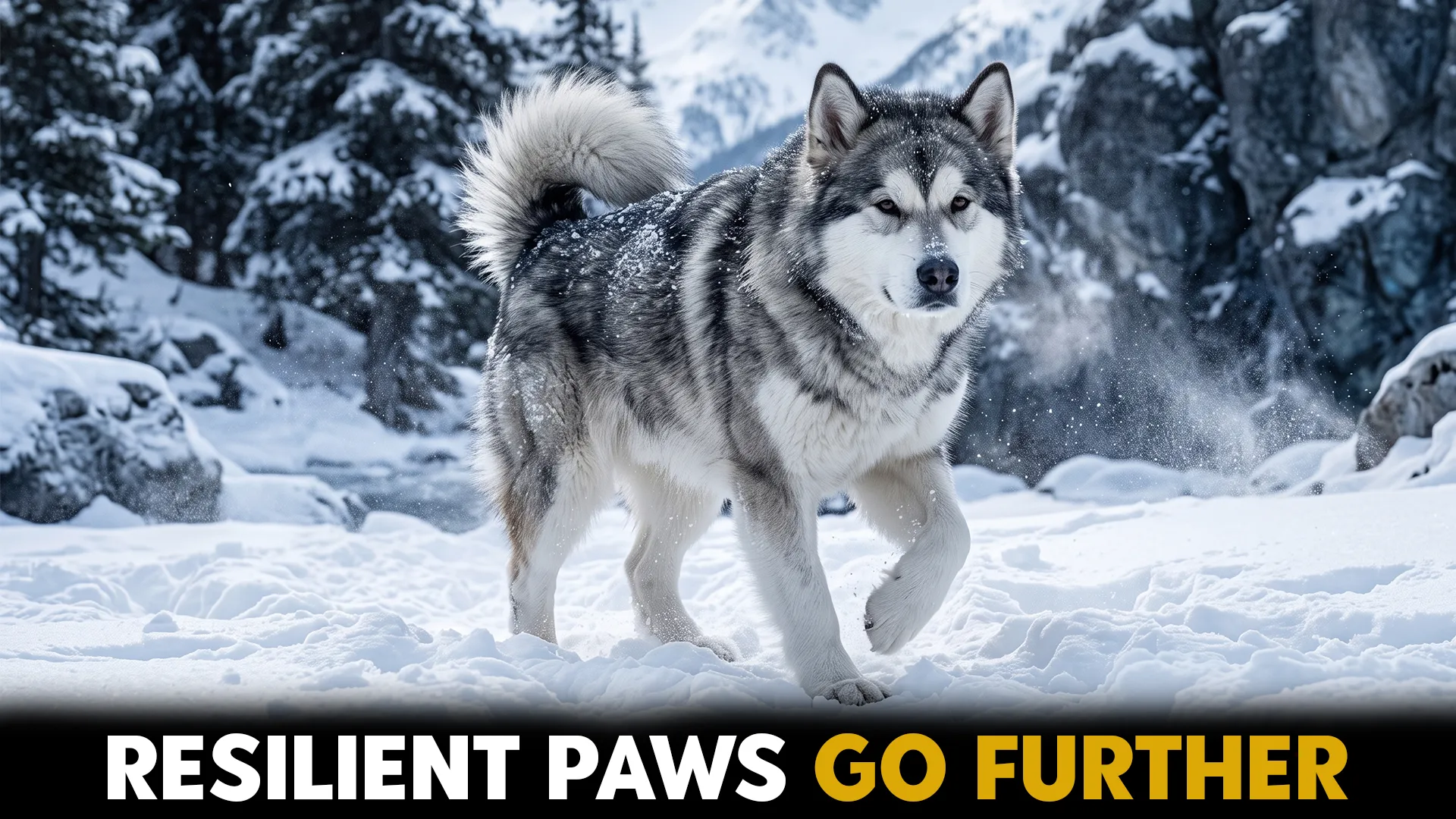
Some dogs are built for cozy couches. Others look at a blizzard, a dusty trail, or a long day of work and say, “Is that all you’ve got?”
Resilient dog breeds did not become tough by accident. For generations, people bred them to pull sleds across ice, guard livestock from predators, herd cattle in brutal heat, and survive places where winter does not ask permission.
They are the four-legged version of a well-worn pair of work boots: dependable, sturdy, and not easily rattled. But “tough” does not mean “low-maintenance.” Many of these dogs need space, training, and a job to do. Without one, they may invent a job, like redesigning your backyard.
If you want a dog with grit, heart, and a little wild streak, these ten breeds deserve a closer look.
Most Resilient Dog Breeds That Can Withstand Extreme Conditions
1. Siberian Husky
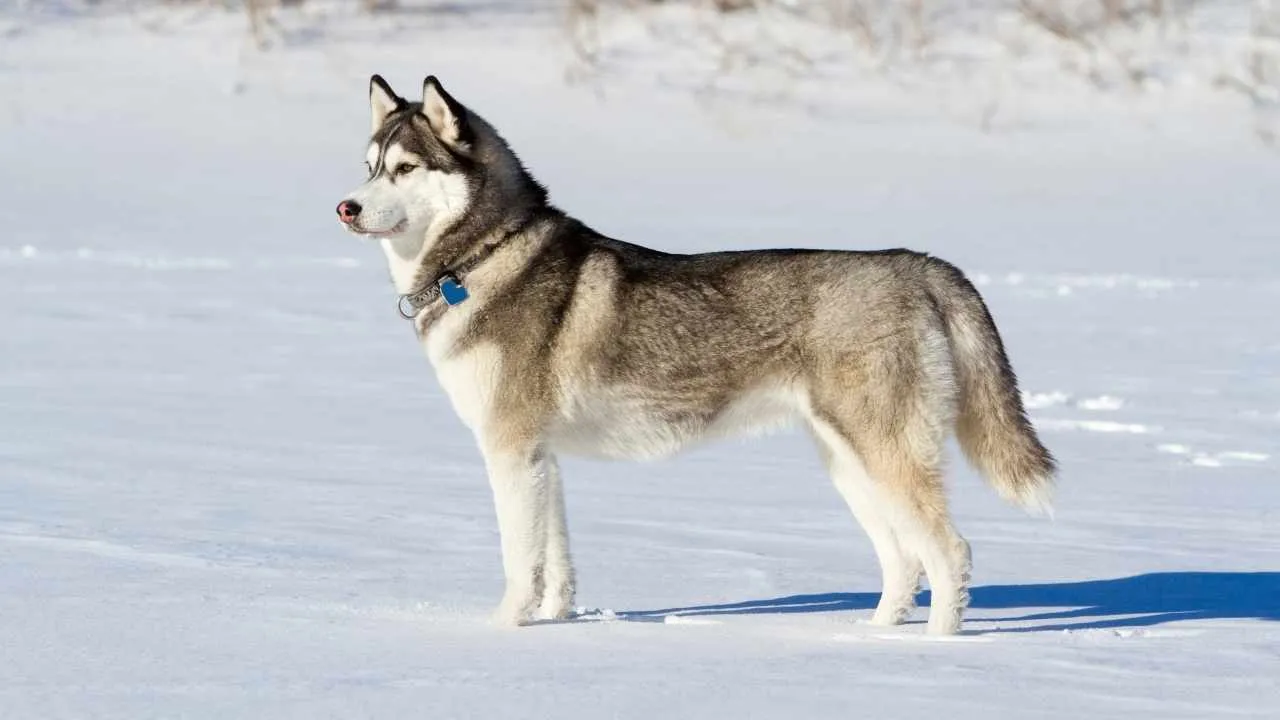
One of the oldest dog breeds, the Siberian Husky was developed by the Chukchi people some 4,000 years ago to pull heavy sleds over long distances and can endure freezing temperatures.
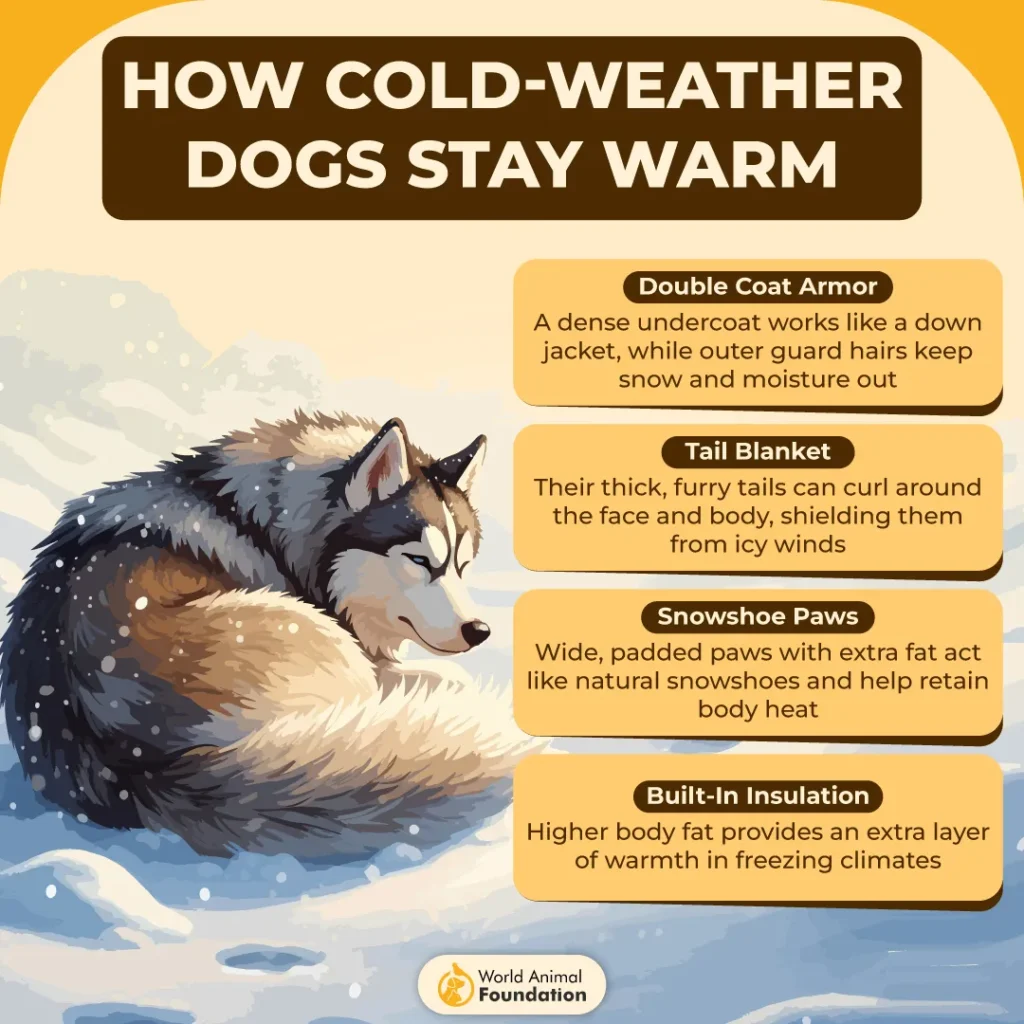
The dense and woolly coat has two layers: the outer layer acts as a guard against external stimuli, while the inner one traps air and acts as a thermoregulator. With the extensive network of blood capillaries in paws, there is counter-current heat exchange. The fox-tail protects the nose and eyes from freezing winds while sleeping outdoors in snow.
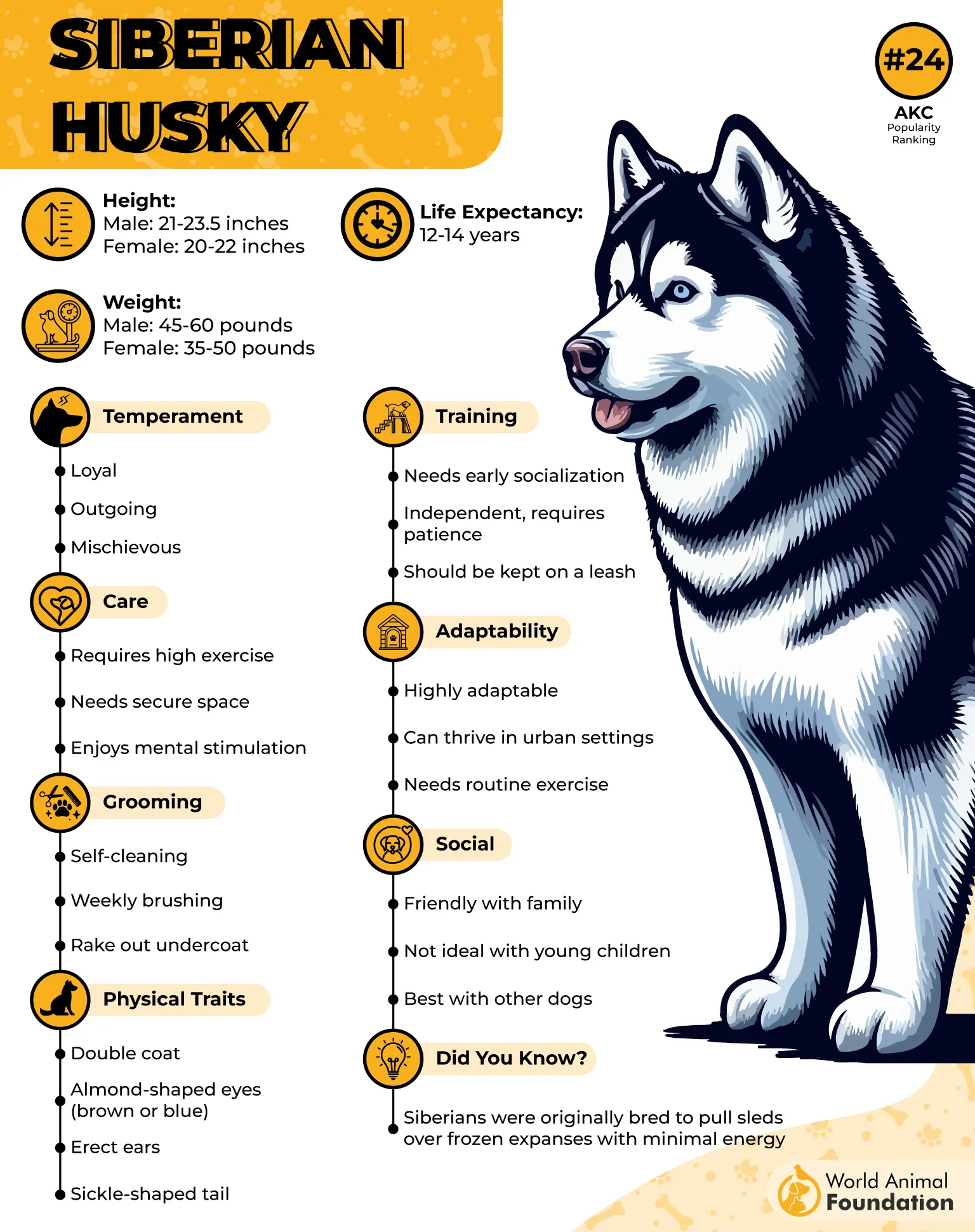
The hardy dog was selectively bred to travel at moderate speed. It can cover up to 100 miles a day tirelessly. It activates its energy-saving mode by switching to proteins and lipids.
2. Alaskan Malamute
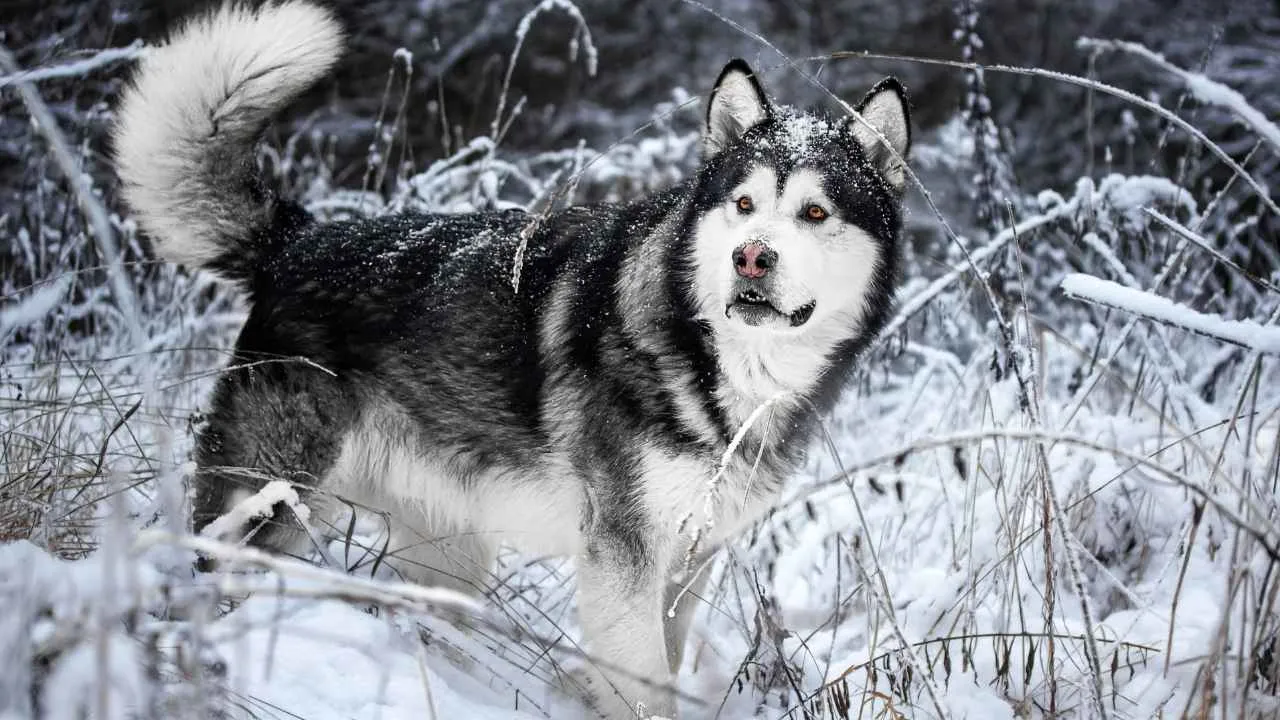
Closely related to wolves, the breed was originally bred in northwestern Alaska and was descended from the working dogs living with the Mahlemuts. It was bred in the 19th century to scare away polar bears, hunt seals, and pull heavy carts, says Orvis.
The upright triangular, erect ears have dense fur, which reduces heat dissipation. The large pads have thick fur grown between the toes. The almond-shaped eyes are squinted heavily to maintain field of vision. The oily outer coat repels water and dust, helping it excel in outdoor exercise and activities.
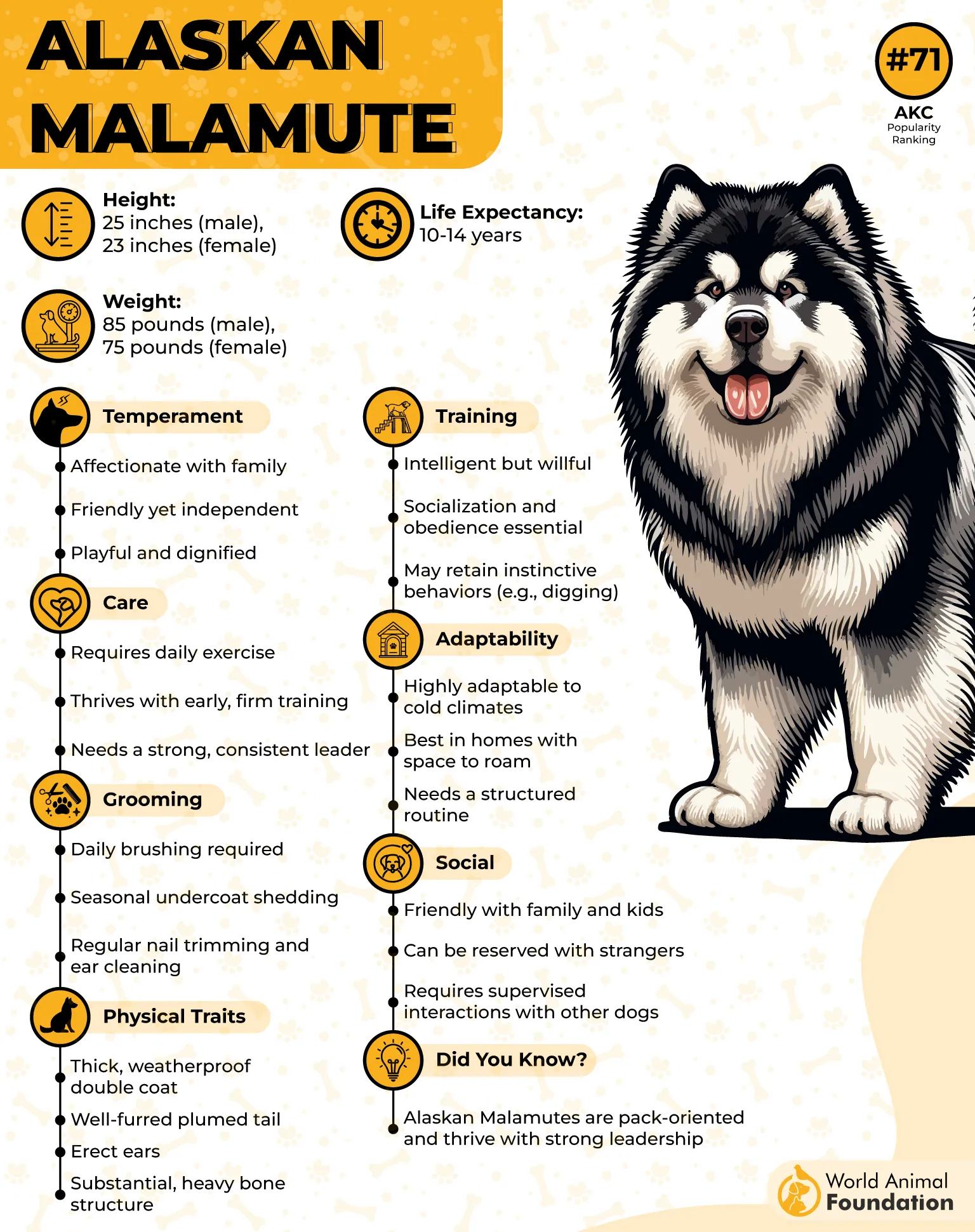
Specifically designed for endurance, the breed excels in sled pulling, deep wilderness backpacking, sub-zero SAR operations, competitive weight pulling, and ice detection.
3. Australian Cattle Dog
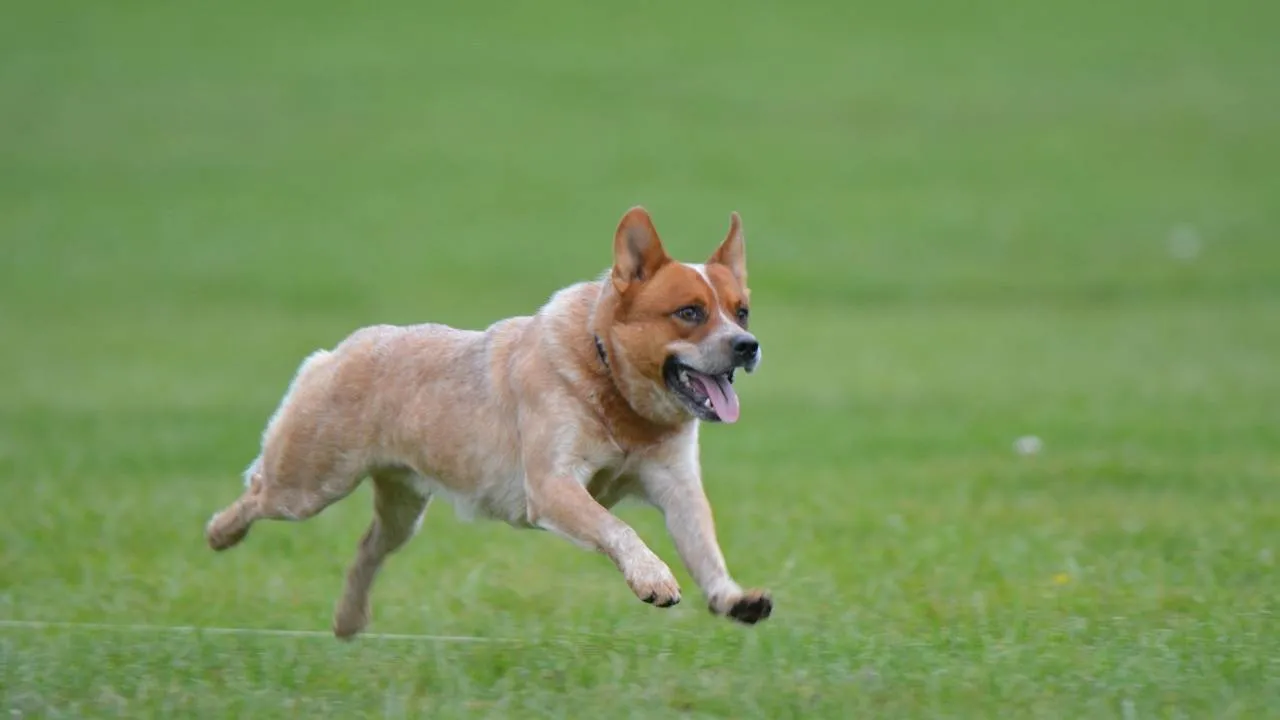
Australian stockmen noticed that the Collies imported from Britain were not suitable for the country’s harsh weather. Hence, after selective breeding for 60 years in the 19th century, they developed a breed by crossing Dingo, Collie, Sheepdog, Dalmatian, Kelpie, and Bull Terrier.
The upright prick ears, muscular cheeks, and broad skull act as heat radiators in warm weather. The breed has a high threshold for pain and discomfort. The breed is incredible at dropping flat to the ground right after nipping to dodge kicks from the cattle. It can run at a high speed of 30 mph.
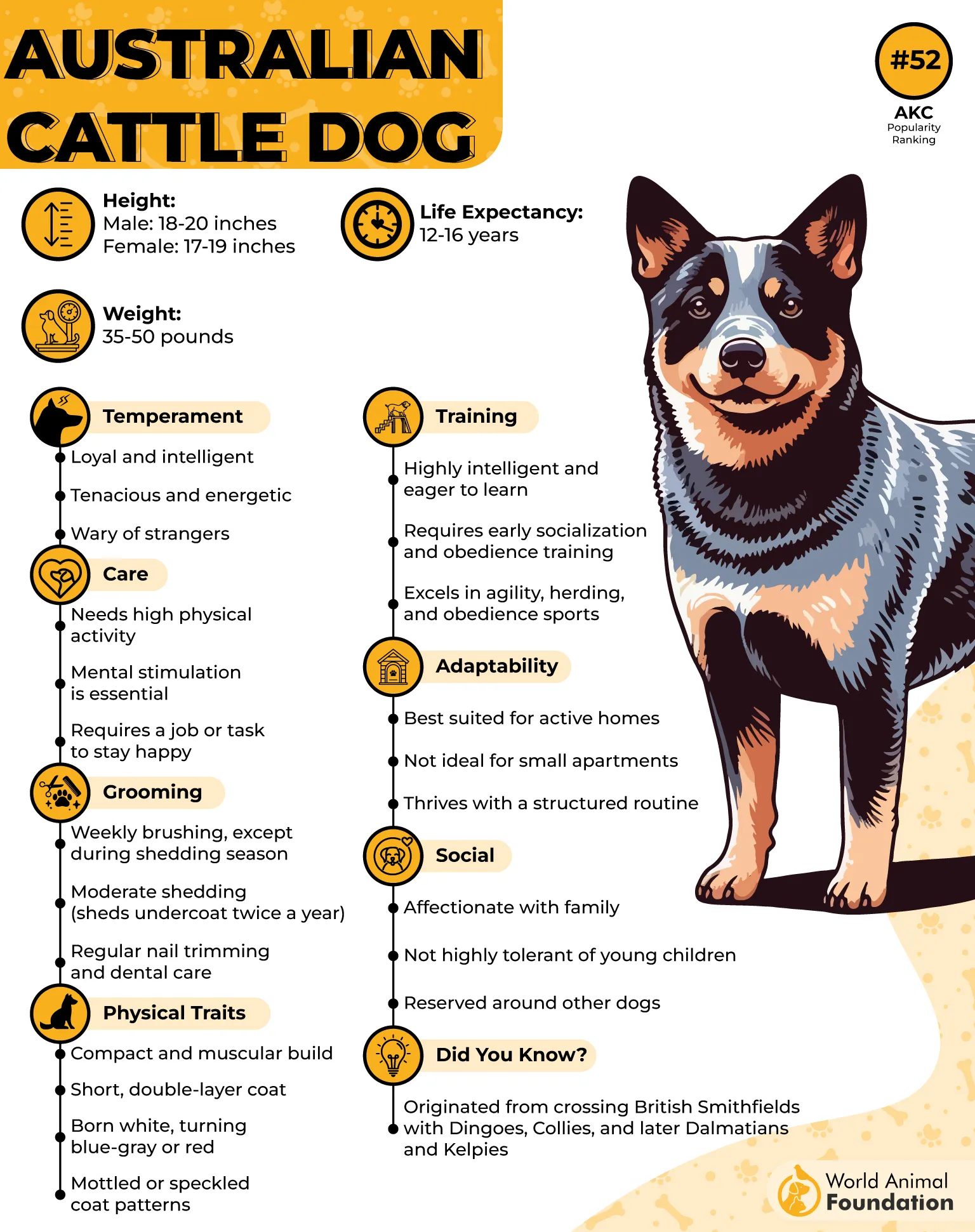
Known for traveling 5 miles a day alongside drovers, it is not prone to heatstroke. The dog excels in long-distance livestock driving, sub-freezing night tracking, scent detection, and combat maneuvering.
4. Anatolian Shepherd
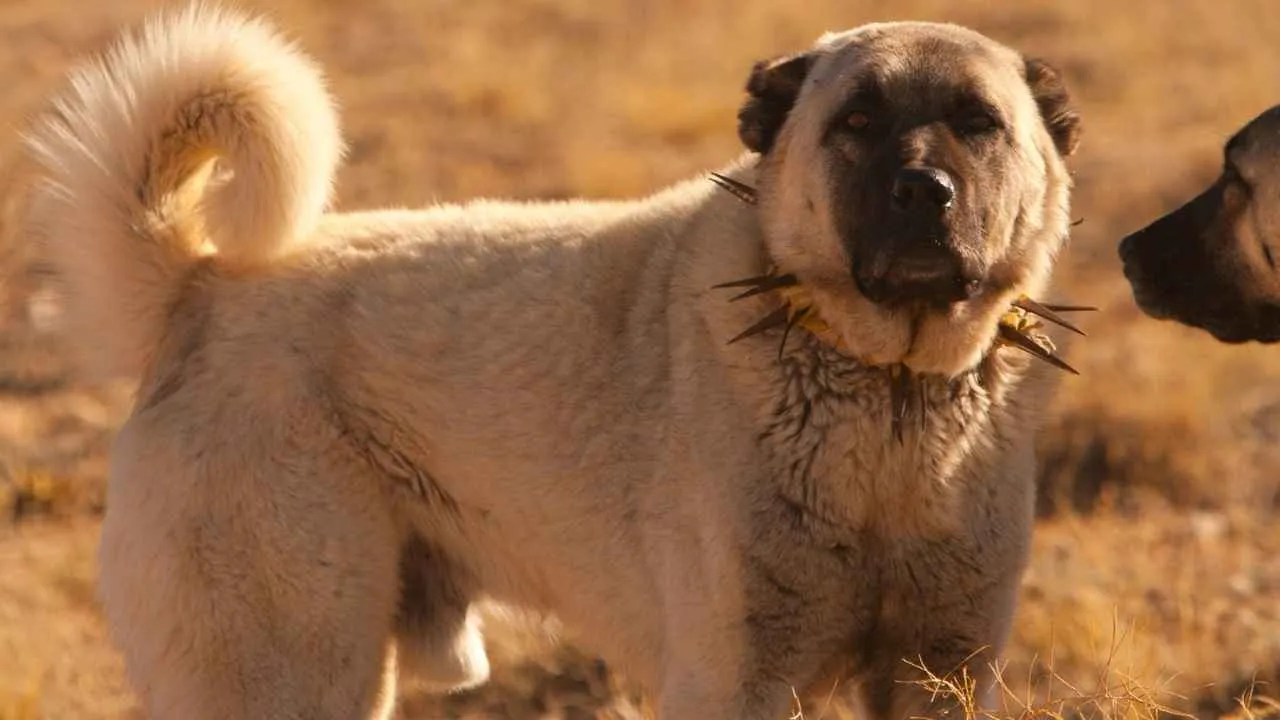
Descended from the Middle Eastern flock guardian breeds and mastiff-like dogs, the Anatolian Shepherd was designed in Turkiye for the protection of livestock from large predators, according to Purina.
The dog has a tucked-up abdomen and long legs, and can patrol and sit still for hours, minimizing metabolic burn. There is thick and loose skin around the throat and neck that acts as a defensive shield against predators’ attacks. The herding dog has a strong bite force to grip predators.
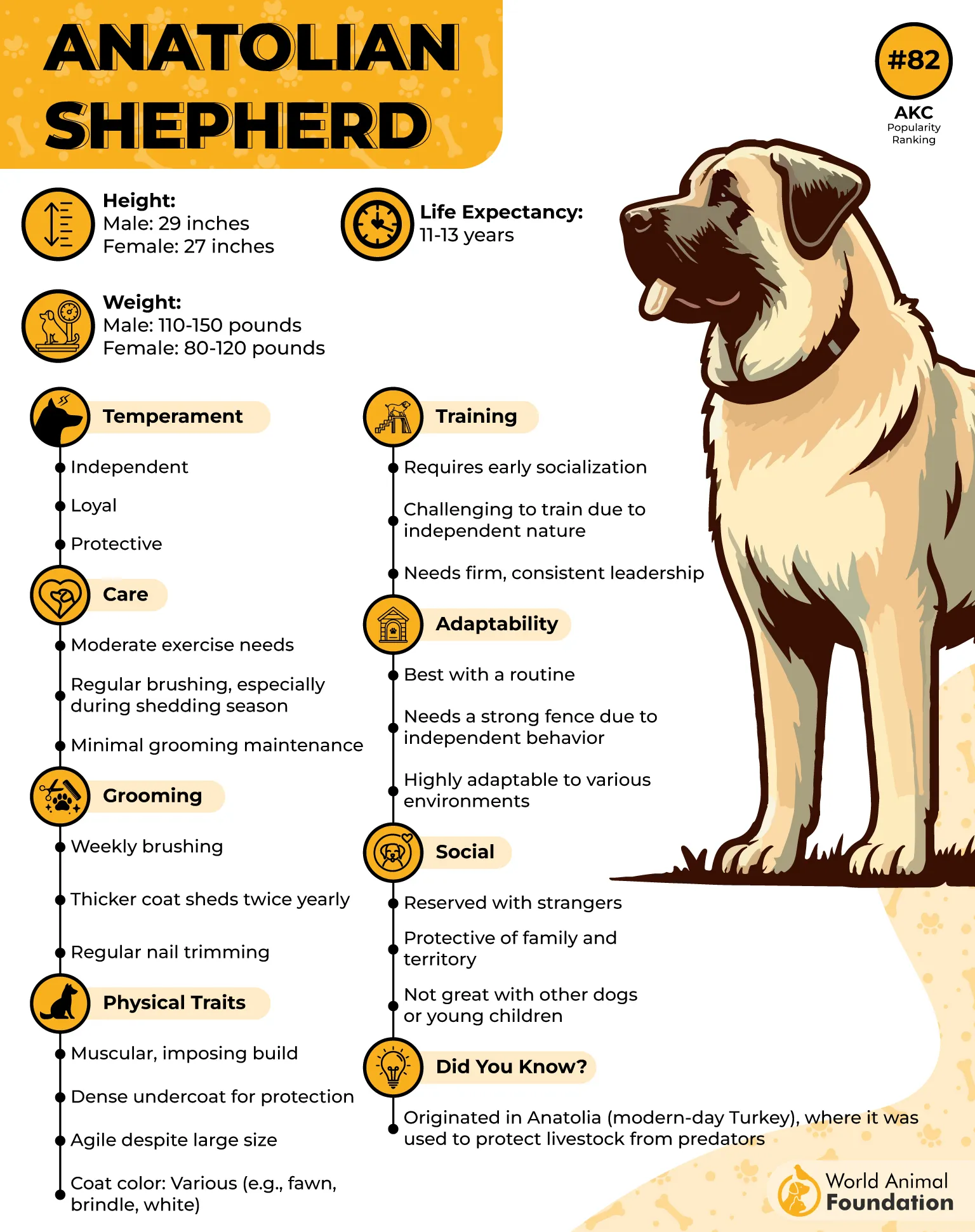
The athletic and energetic dog thrives in sub-zero perimeter patrolling, desert interception, non-lethal psychological deterrence, backpacking missions, and multi-day wilderness foraging.
5. Norwegian Elkhound
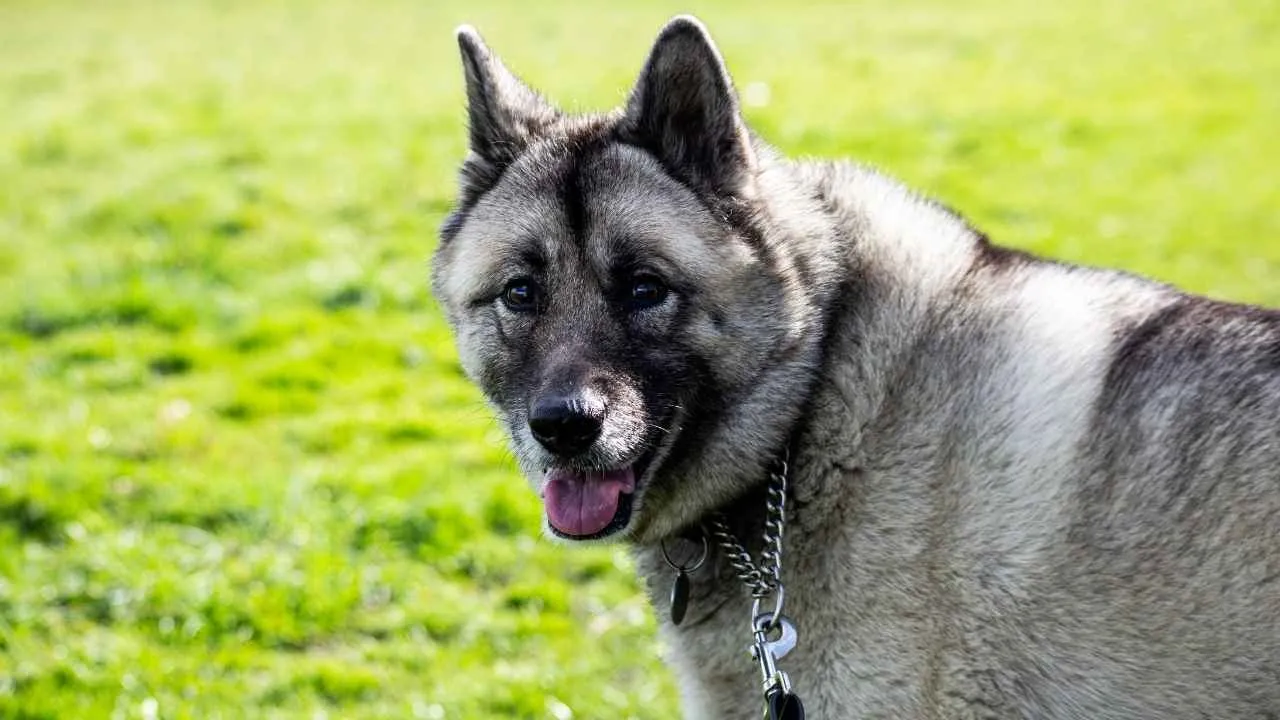
The dog has been around for almost 6,000-7,000 years and was originally used to free-track game in the forest. The hunting dog becomes a great watchdog off-season. Known for its strong sense of smell, it follows the prey and barks to alert the owner.
Most animals in cold regions have adapted to shorter limbs and compact bodies to reduce the surface-area-to-volume ratio, thus conserving heat. The breed processes lactic acid effectively and hence has minimal muscle fatigue. The smooth coat is capable of shaking mud and ice easily from the body.
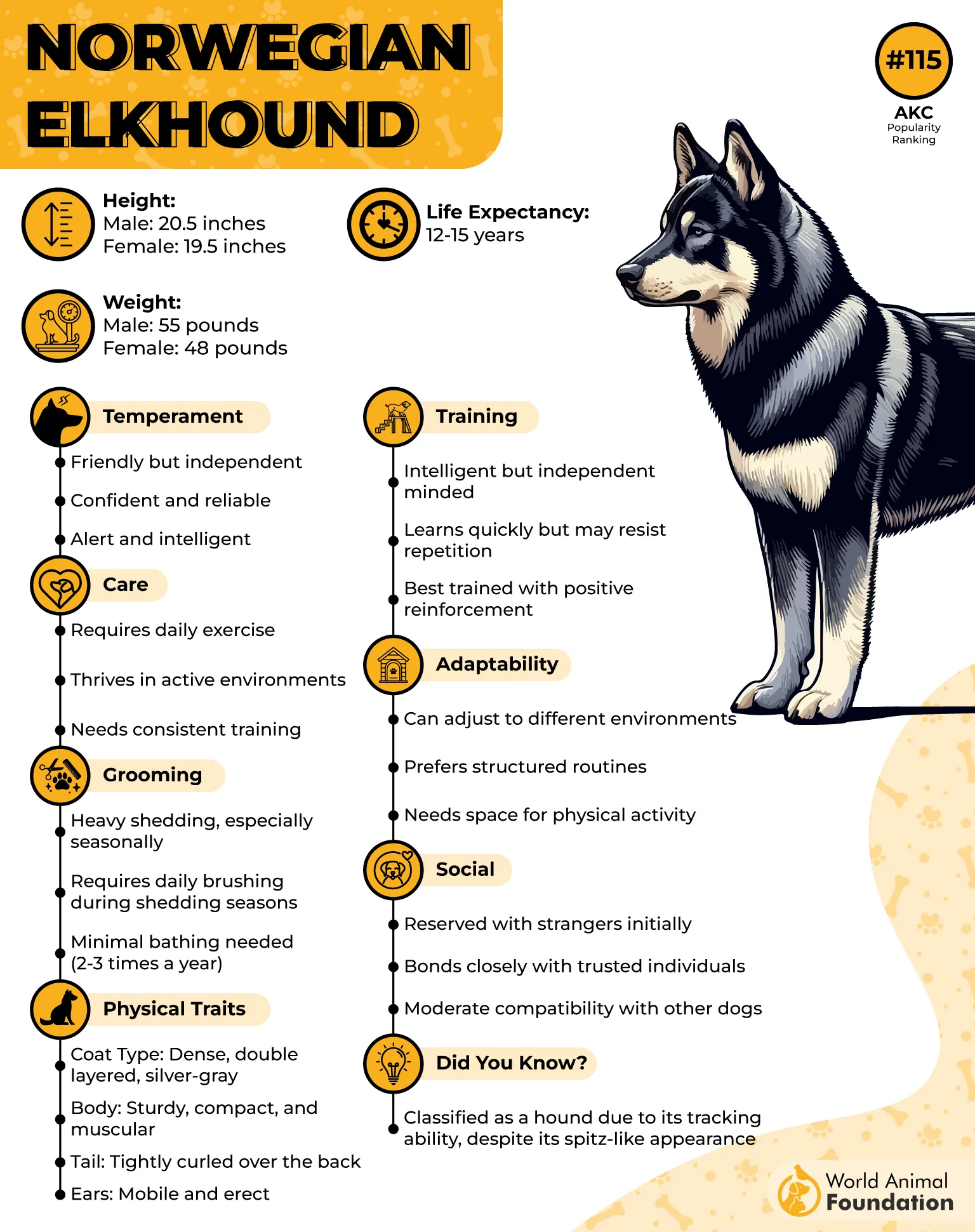
The adaptable dog excels in big game tracking, wartime military supply transport, sledding sports, deep snow conditioning, alpine herding, and flock guarding.
6. Tibetan Mastiff
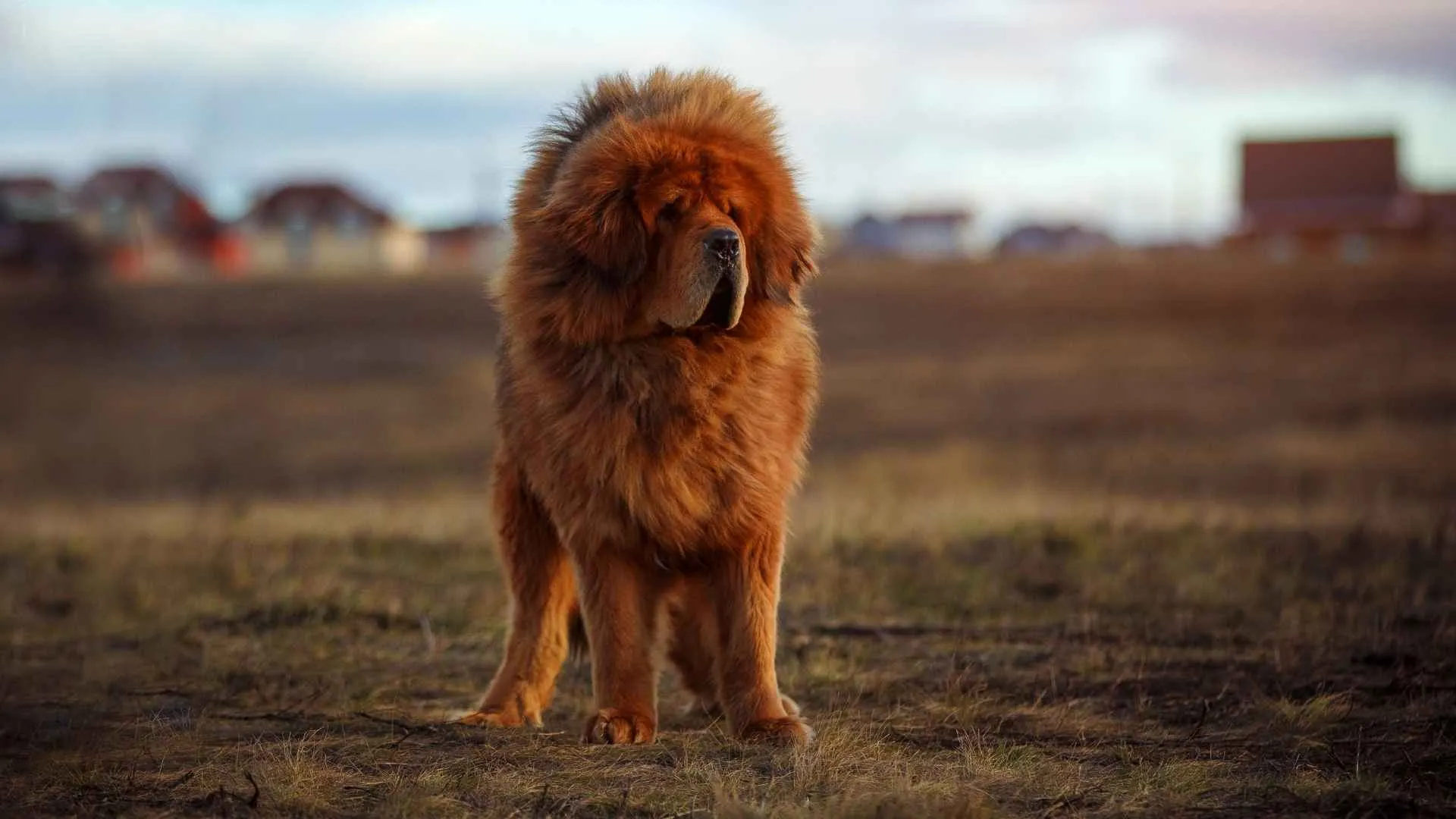
The ancient breed was introduced to the West by royalty. The breed almost went extinct in Tibet after China’s invasion, but was revived by America in the 1970s. It was recognized by the AKC in 2006.
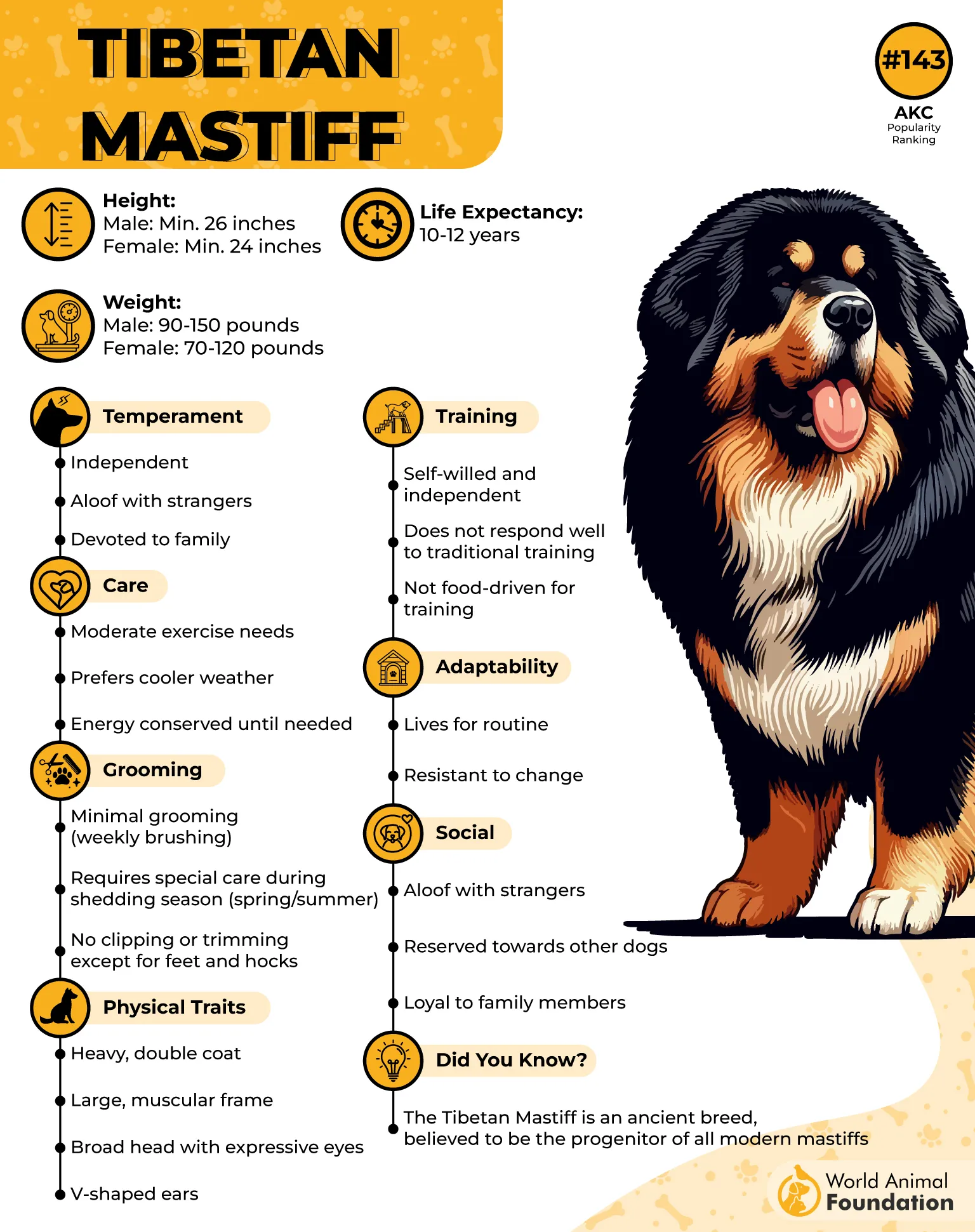
The breed can sleep in cold temperatures (below -40°C) without triggering hypothermia because of the thick double coat and the lion-like mane around its neck. The large breed has a low energy level and is known for skipping meals voluntarily. Being a nocturnal breed, it tends to become active and vocal at night.
Habituated to surviving 16,000 feet above sea level, the gentle giant thrives in sub-zero guarding, apex predator confrontation, snow navigation, low-energy endurance, and multi-species alloparenting.
7. Yakutian Laika
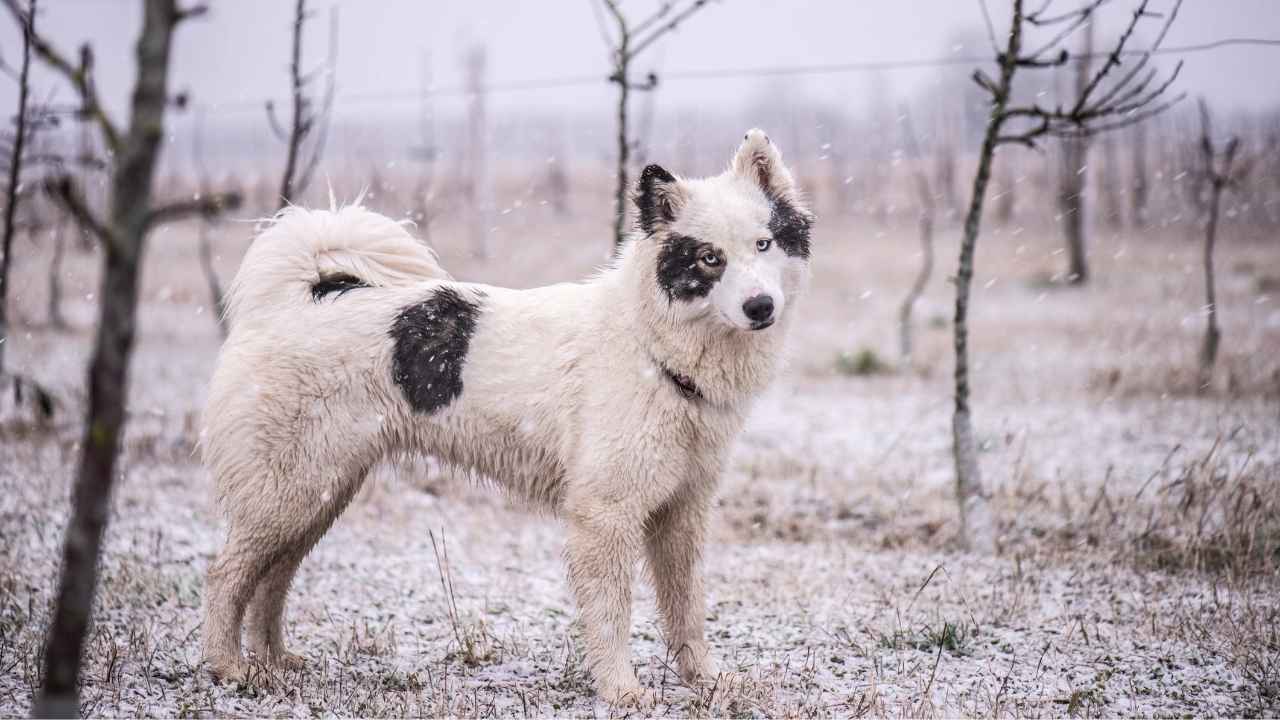
The breed originated in northeast Russia in the 17th century, and the population declined drastically in the 20th century. However, it was revived again in the late 20th century as a sled dog.
The dog has extremely thick and tight skin, reducing localized heat loss. The thick pads act like snowshoes, preventing sinking deep into the snow. The wide nostrils warm freezing air before it enters the lungs. It utilizes an energy-dense diet to generate prolonged metabolic heat.
The Arctic working dog is widely used in sled pulling, Arctic hunting, camp guarding, high endurance sport, rig running, and protection.
8. Rhodesian Ridgeback
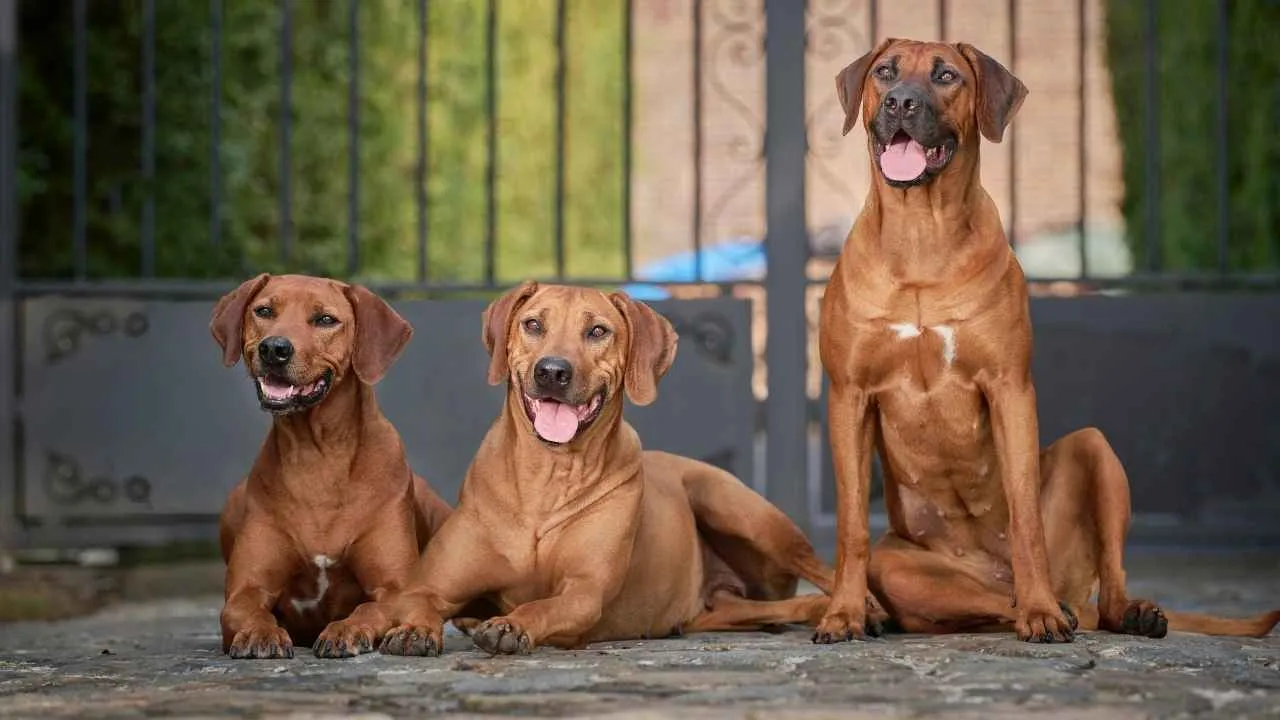
The breed was developed in South Africa in the 17th century as a Lion hunting dog by tracking, chasing, and alerting the owner. It was recognized by the American Kennel Club in 1955.
It has a sleek, single-layered, and short coat that facilitates maximum vasodilation (heat tolerance) in warm climates. However, the large muscle mass and metabolic heat help maintain temperature in cooler climates. The skeletal leverage results in a balanced stride, minimizing upward vertical oscillation.
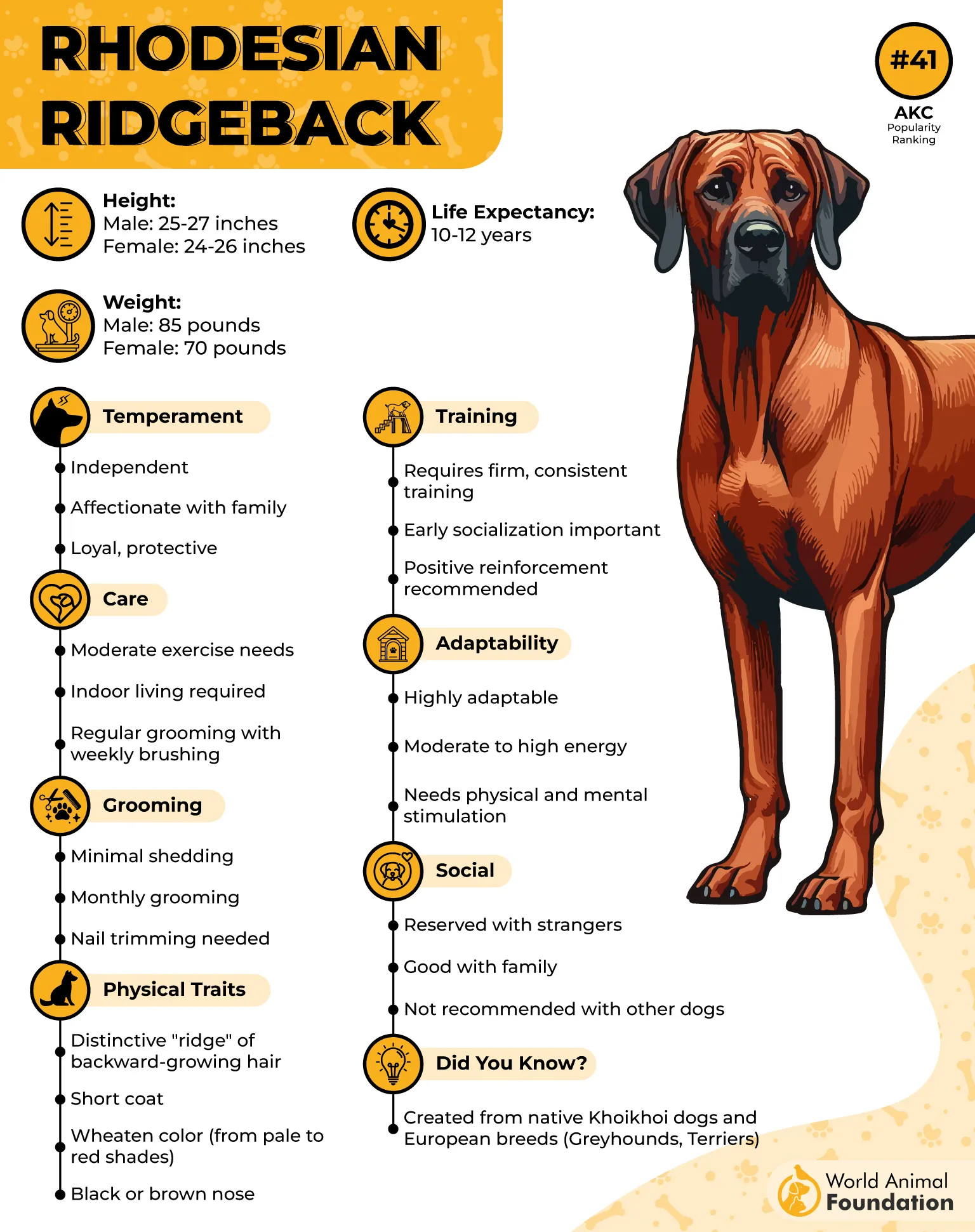
The well-arched toes and thick paw pads limit the surface area touching hot ground. It can survive 24 hours without water while still working. The breed thrives in big game tracking, lure coursing, and deep wilderness hiking.
9. Caucasian Shepherd
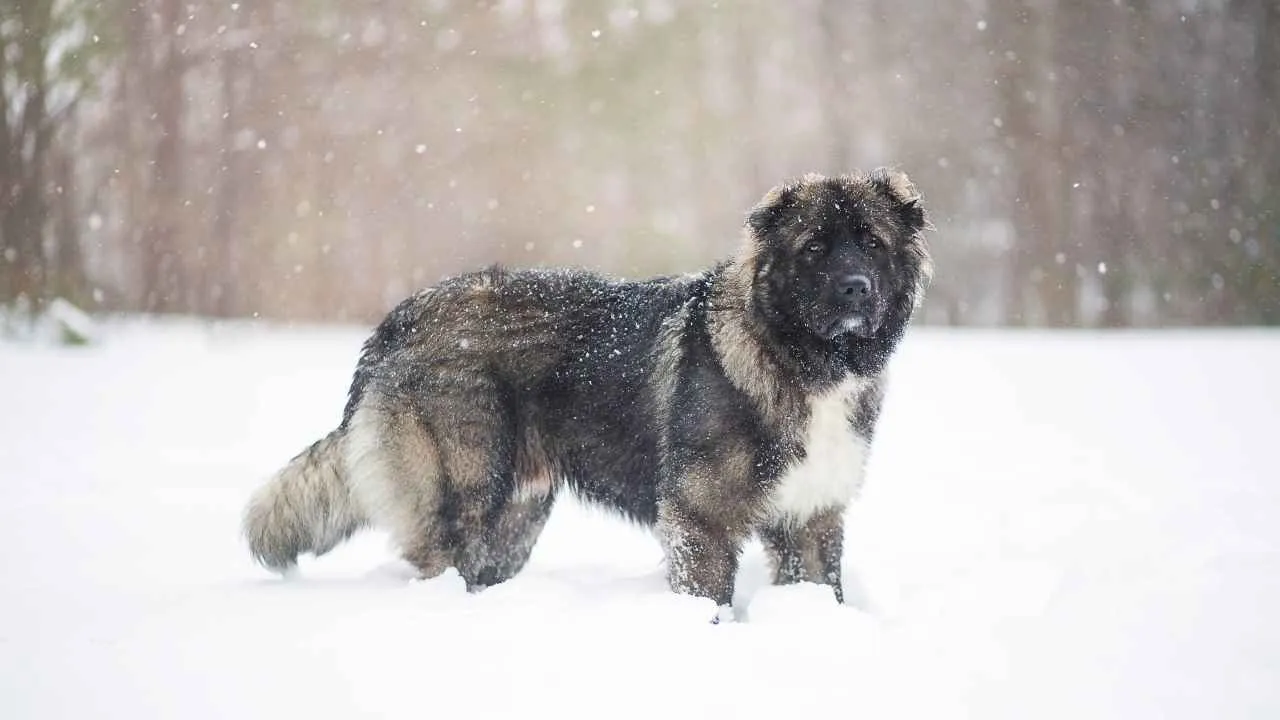
Also known as the Caucasian Ovcharka, the large livestock guardian was bred in the Soviet Union to protect the sheep from large predators, such as wolves and human thieves.
The four-legged friend has a heavy build with substantial bone thickness. The broad and flat facial structure protects the breed from critical sinus and brain injuries during physical combat. It has cat-like paws that prevent ice from accumulating between the pads. The breed can even survive on poor-quality food scraps and conserves energy.
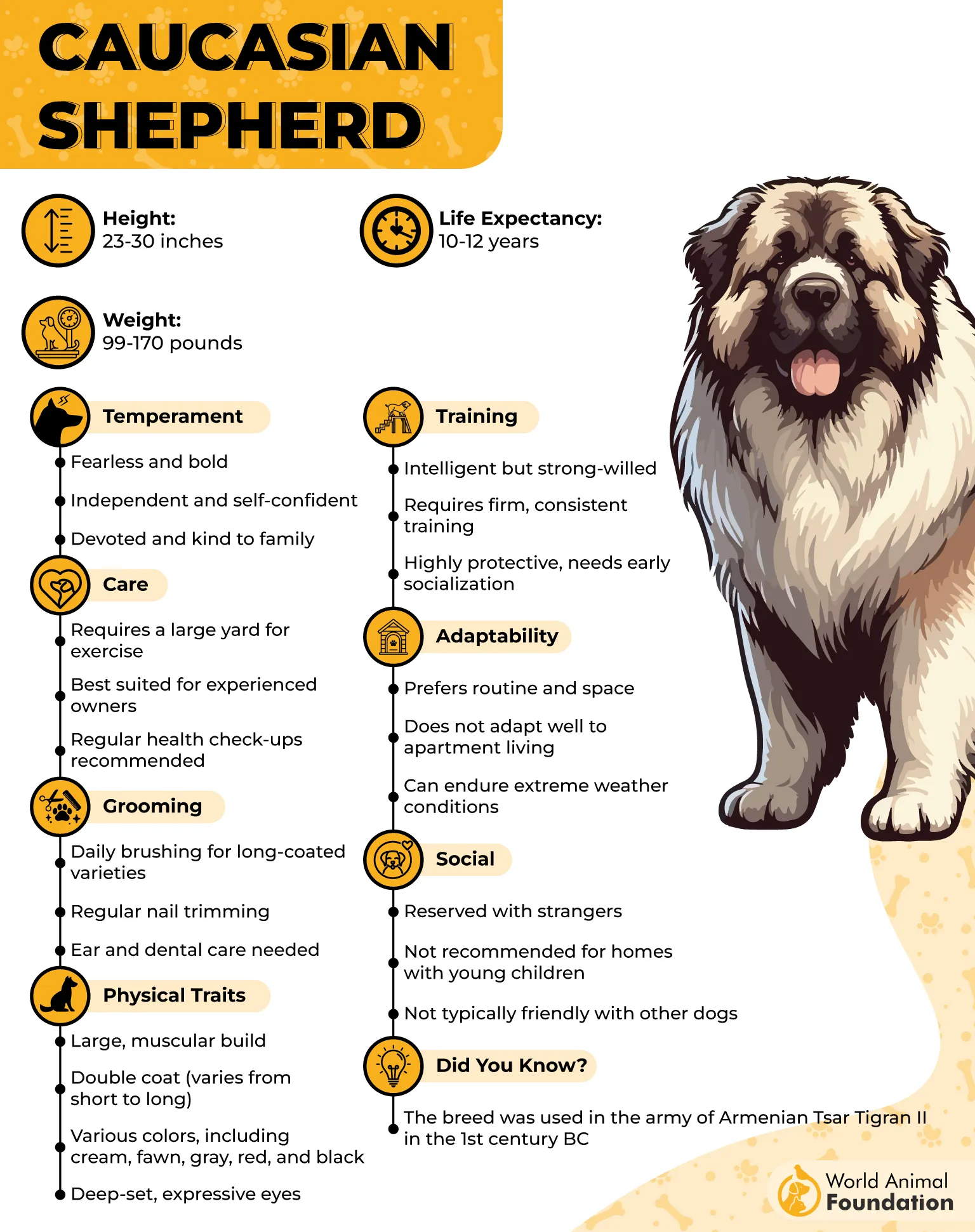
The dog thrives in outdoor activities, such as sub-zero static perimeter patrolling, state prison security, transhumance endurance trekking, and combating apex predators.
10. Great Pyrenees
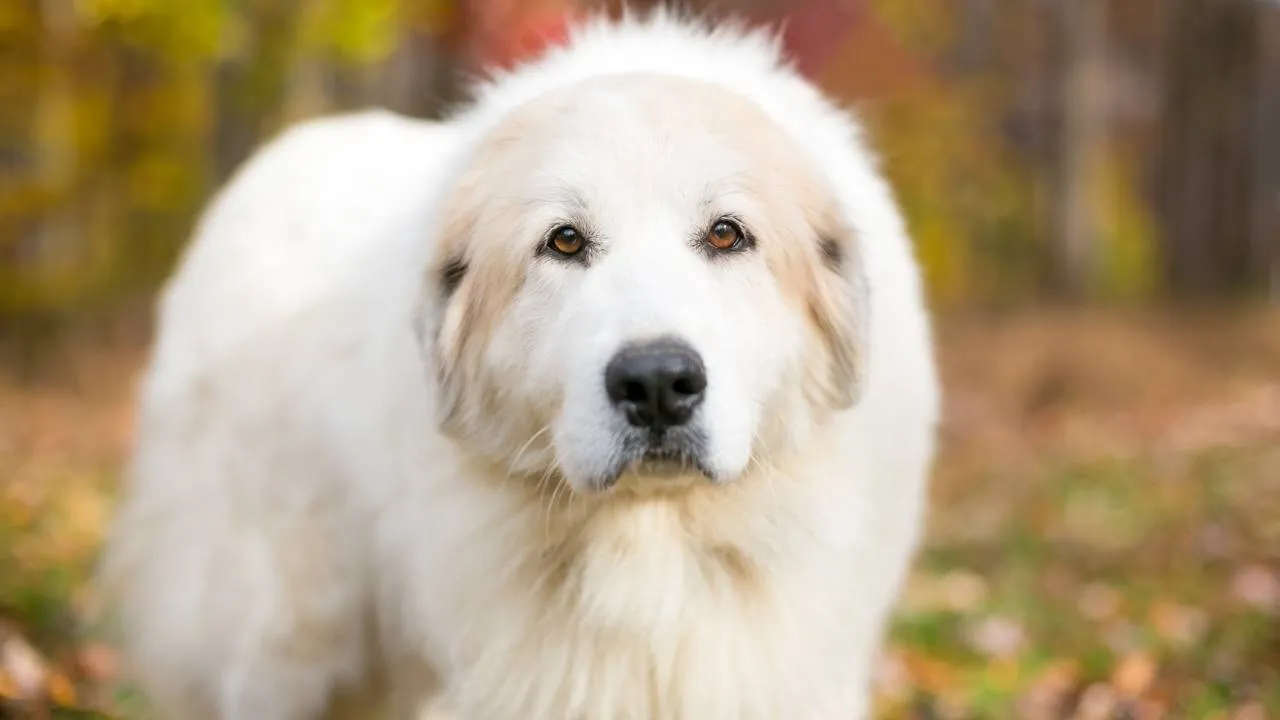
The history of the ancient breed dates back to 3,000 years ago when it was developed between France and Spain as a livestock guardian. Today, it is widely kept as a companion dog.
The badger-marked or snow-coat actively reflects solar radiation, keeping the breed cooler when temperatures rise. It has double dewclaws on its rear legs, helping it navigate through icy and rough terrain. The independent breed can survive on low food for longer periods and has a highly conservative metabolic rate.
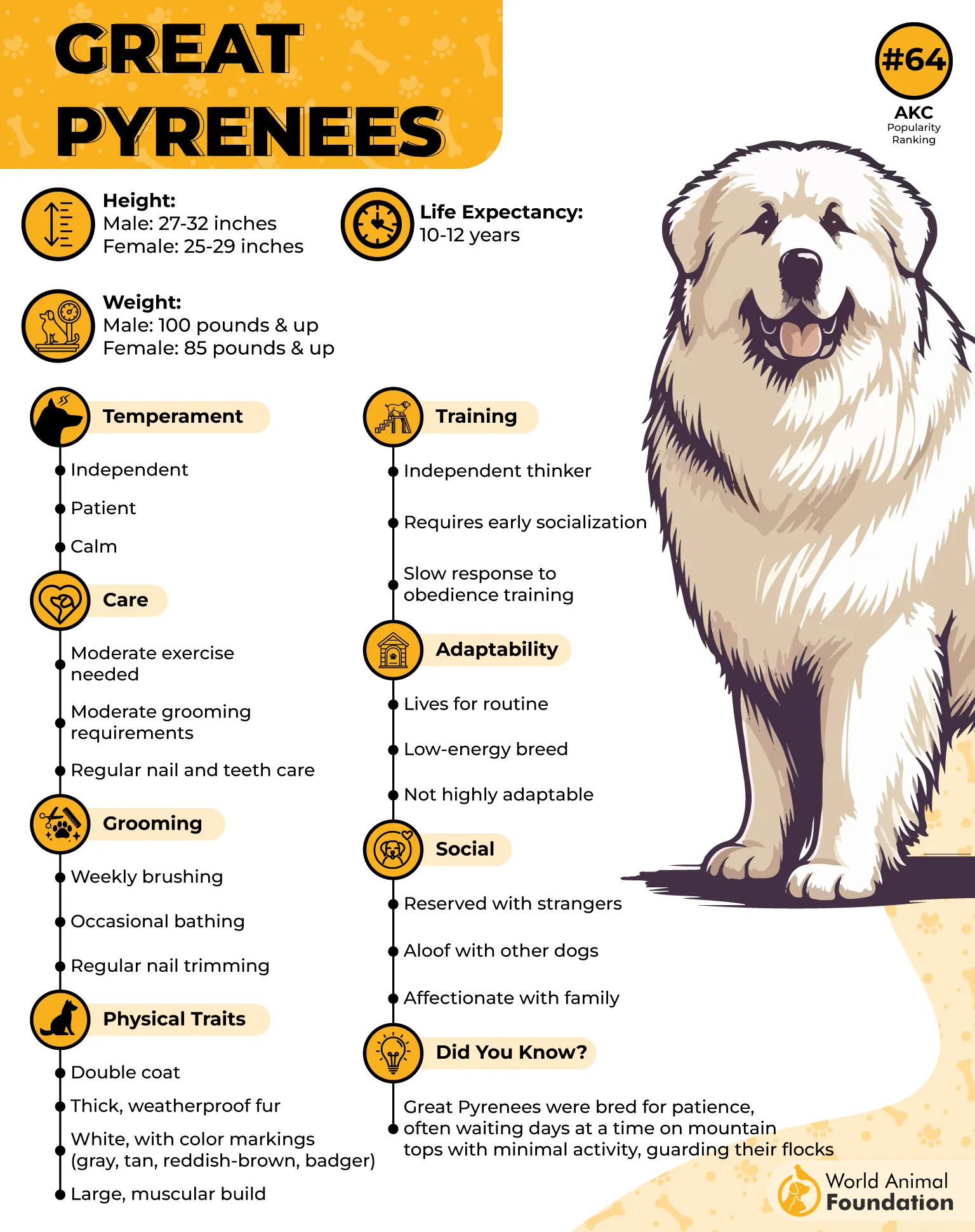
Designed to endure extreme alpine conditions. The dog excels in border patrolling, alpine draft work, heavy freight carting, winter sports, and wilderness scent tracking.
Conclusion
Resilient dogs are inspiring because they remind us that strength is not only about size. Sometimes it looks like a Husky running through snow. Sometimes it is a Cattle Dog working under a hot sun. Sometimes it is a Great Pyrenees quietly watching over a home while everyone else sleeps.
If you choose one of these breeds, be ready for energy, independence, shedding, and a companion with opinions. In return, you may gain something rare: a dog that meets hard days with courage and still finds time to lean against your leg.
