




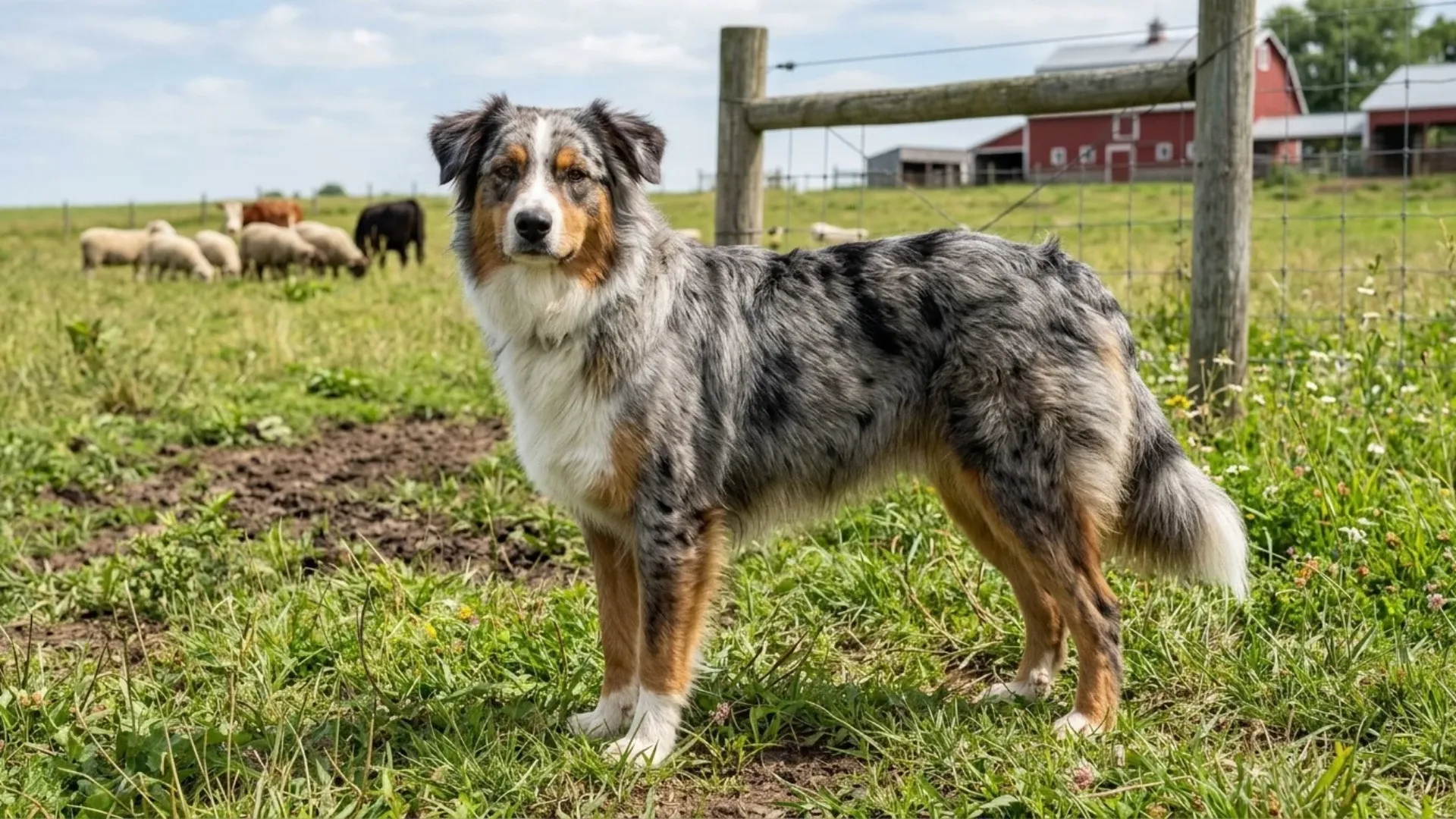
When fifty-acre chores hit in freezing rain, pretty looks and pedigree papers don’t mean a thing. A gate blows open, cattle scatter, and you realize fast: you don’t need a cute pet in your corner. You need a powerhouse, a relentless partner with the lungs for a fourteen-hour shift and the muscle to back it up when work gets ugly.
Farm life is raw, grueling, and demanding. The dogs that truly thrive here carry real functional strength, razor-sharp tactical brains, and unbreakable heart.
Whether you need a lightning-fast strategist to outsmart headstrong steers, a massive guardian to hold the perimeter against predators, or an all-around heavy lifter for the homestead, picking the right breed changes everything.
Here is our breakdown of the top sturdy, muscle-bound farm dog breeds, covering their real-world drive, physical grit, and temperament, so you can find the exact partner your land deserves.
Top Sturdy Farm Dog Breeds with Muscular Frames
1. Rottweiler
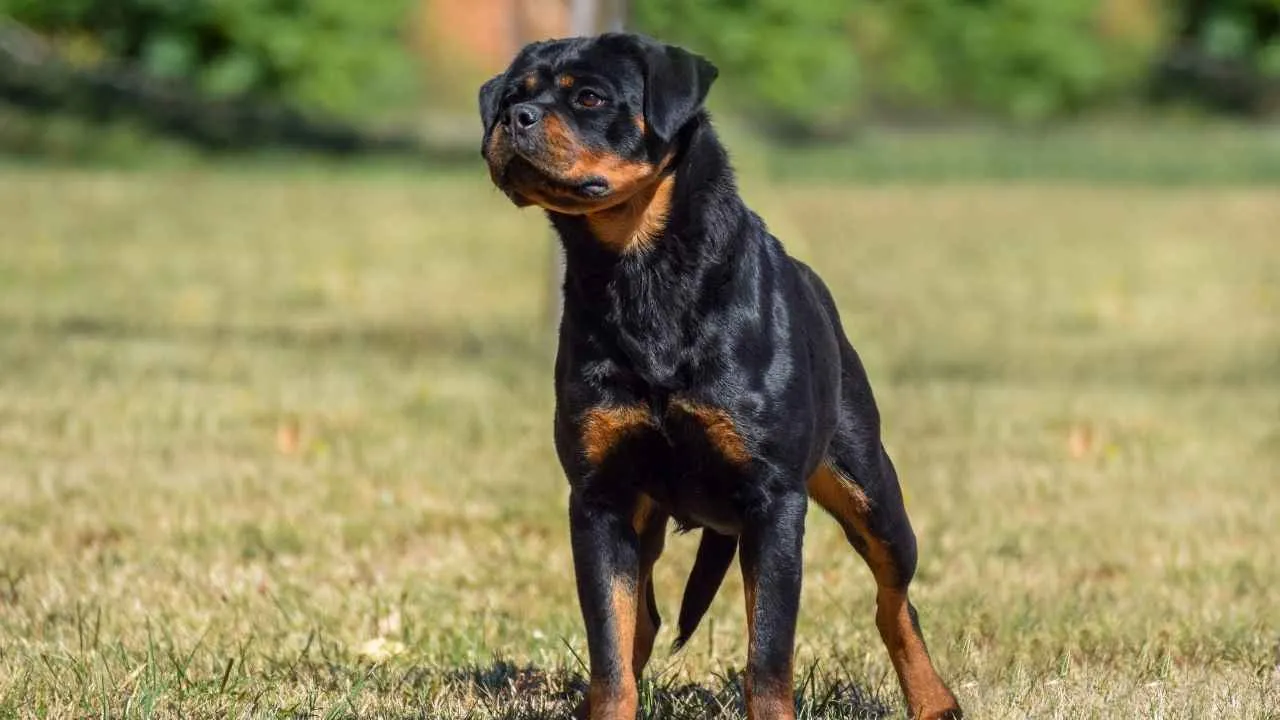
Some farm dogs earn their reputation through speed, others through stamina, and the Rottweiler brings a commanding blend of strength and versatility. Historically associated with cattle driving and property protection, this breed developed a muscular body suited to demanding physical tasks.
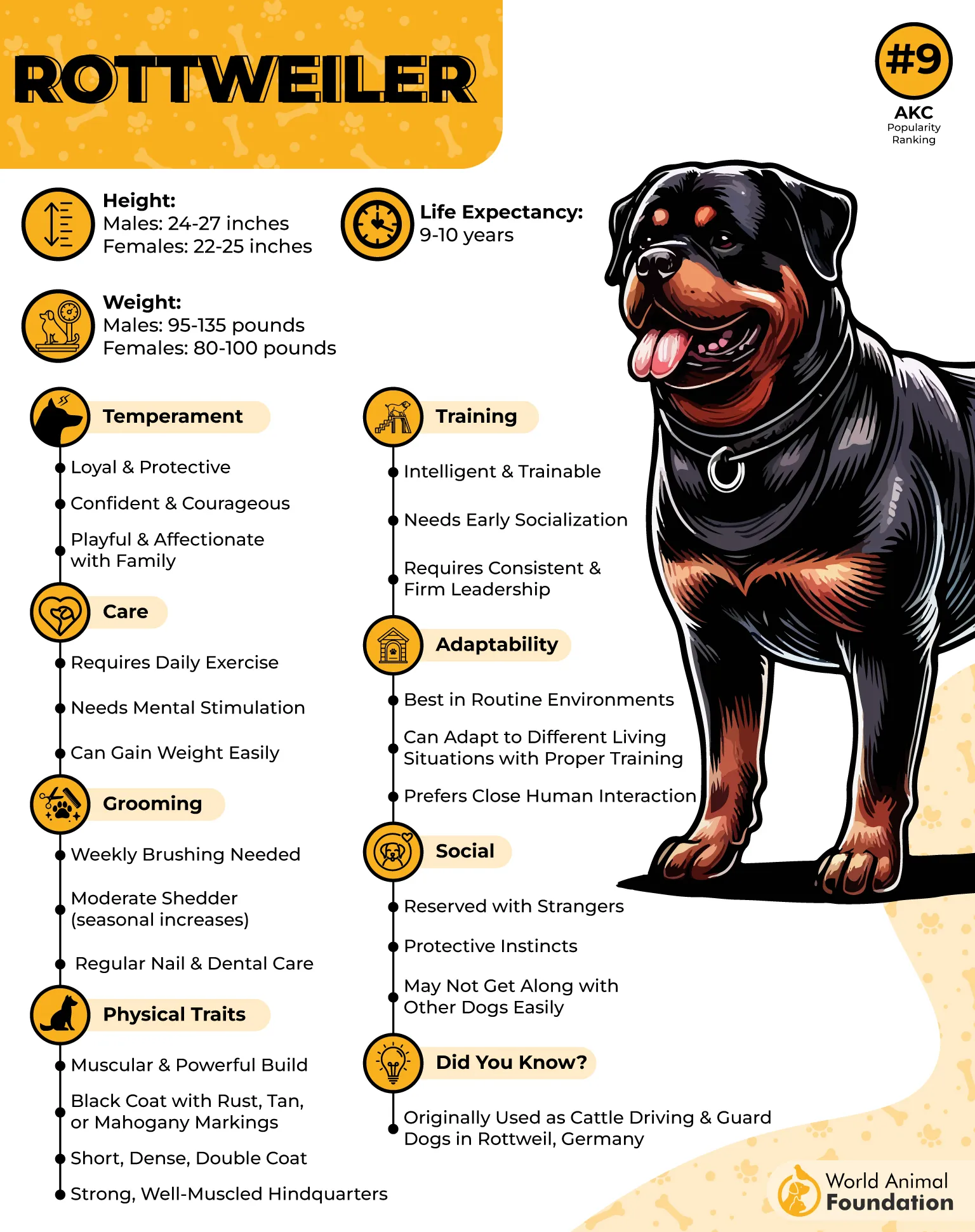
Its broad chest, powerful legs, and substantial bone structure give the Rottweiler an unmistakable appearance. Beneath its short black coat with rust or mahogany markings lies an intelligent, confident dog capable of learning complex routines.
Rottweilers form strong bonds with their family members and are naturally alert to changes around their surroundings. Their protective instincts make them attentive guardians, although good manners depend on proper training and early socialization.
Britannica stated that these dogs benefit from regular exercise, obedience sessions, and meaningful activities. Their size and strength require responsible handling, especially around unfamiliar people and animals.
2. Australian Cattle Dog
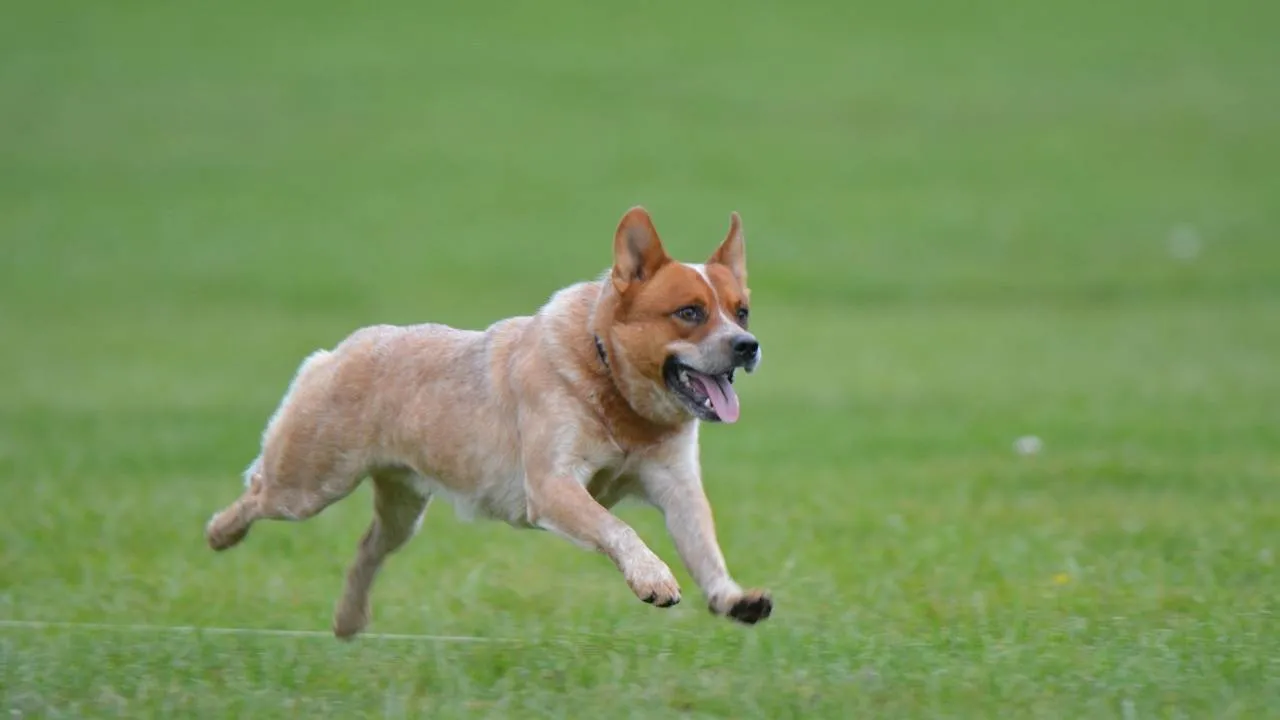
When cattle refuse to cooperate, a farm needs a dog that thinks quickly and moves even faster. Australian Cattle Dogs were developed for demanding livestock work, combining a compact, muscular build with remarkable agility and high endurance.
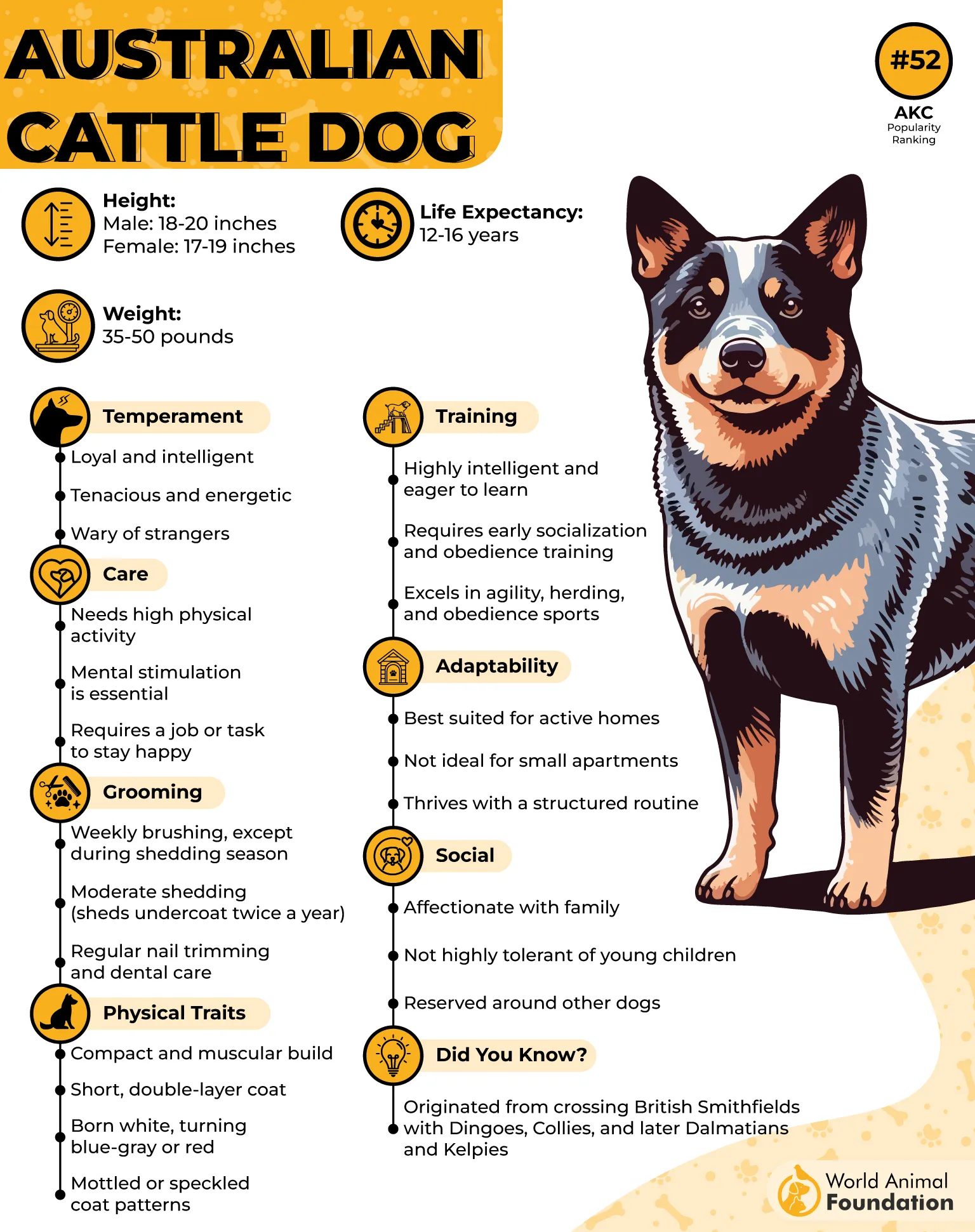
Often called Blue Heelers or Red Heelers, these dogs have a dense, weather-resistant short double coat. Their speckled or mottled coloring is distinctive, but their real talent lies in herding cattle through carefully timed movements and quick changes of direction.
These highly intelligent dogs thrive on having a purpose. Their strong herding instincts make them effective at directing livestock, and they respond well to consistent lessons that reward good decisions.
However, their high energy levels demand more than a short walk around the yard. Training exercises, supervised farm duties, and mental stimulation help channel their enthusiasm. For active farms seeking a compact worker with remarkable stamina, this breed offers a practical combination of determination, speed, and intelligence.
3. Australian Shepherd
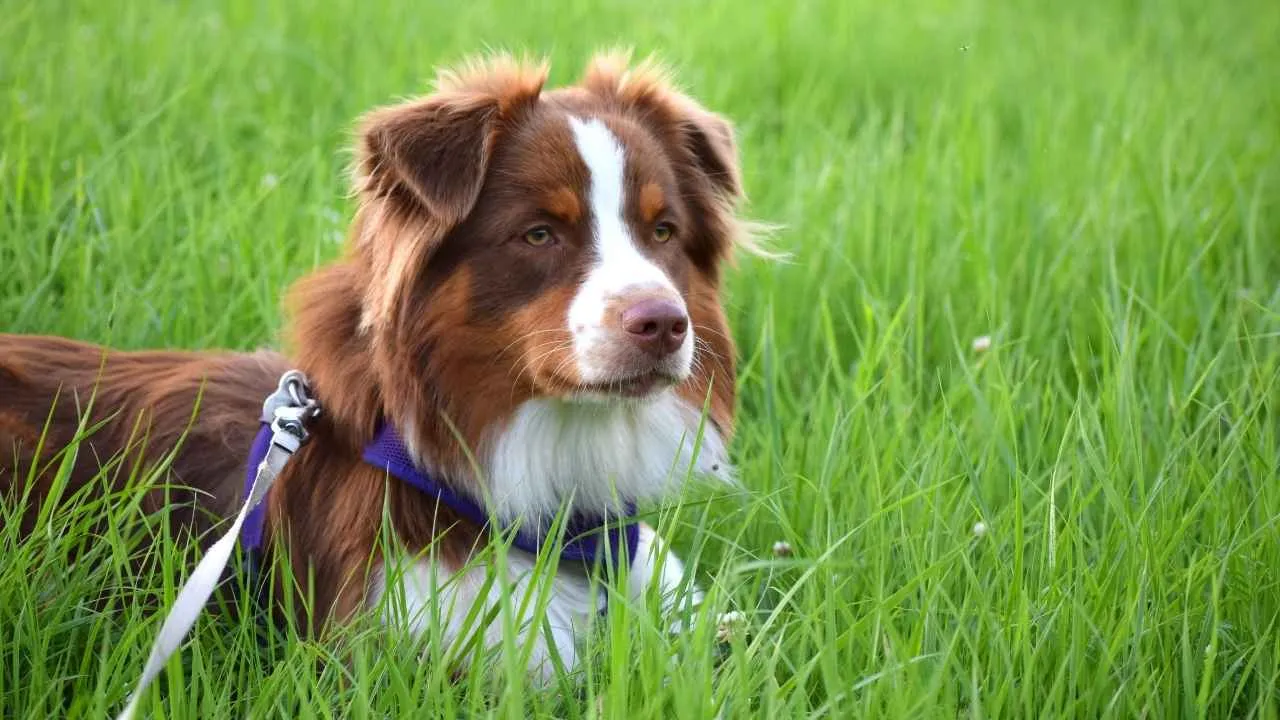
A busy ranch can feel like a giant puzzle, with livestock heading in different directions and several jobs demanding attention. Australian Shepherds thrive in this environment, bringing sharp instincts, agility, and an eagerness to work alongside their handlers.
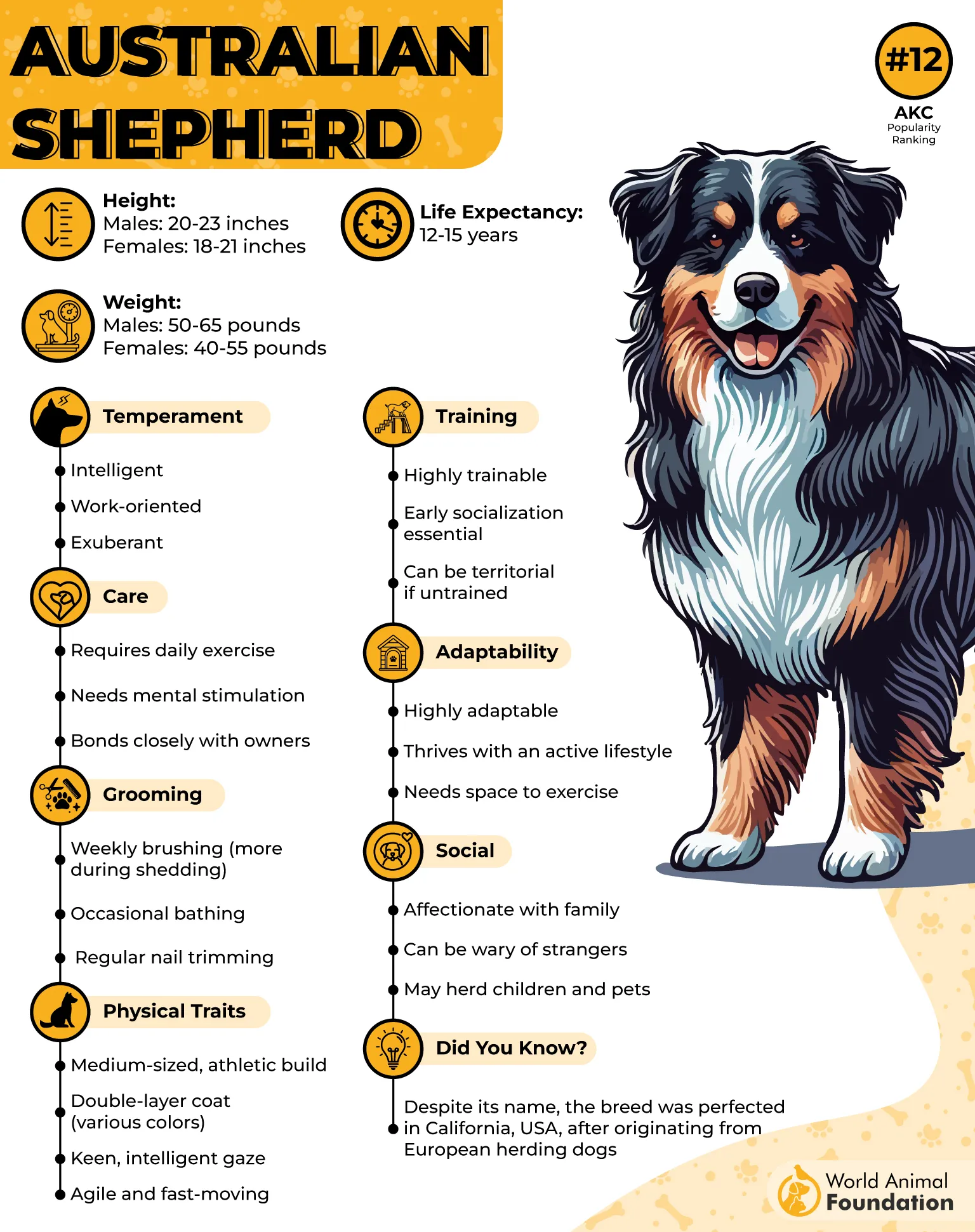
Despite its name, this breed developed into the familiar ranch dog in the United States. Its medium-sized, athletic frame provides a balance of strength and maneuverability. The double coat comes in several striking patterns, including blue merle, red merle, black, and red.
Australian Shepherds are quick learners who enjoy challenging activities. Their herding abilities help them manage sheep and other livestock, while their intelligence makes them responsive to structured training.
These energetic dogs form close bonds with their people and appreciate regular companionship. Daily walks alone rarely satisfy their working drive; obedience practice, interactive games, and supervised outdoor tasks provide more fulfilling outlets.
Regular brushing helps maintain the coat, particularly during shedding seasons. With appropriate exercise and consistent guidance, this breed is well suited to active homes and farms where its abilities have a useful outlet.
4. Anatolian Shepherd
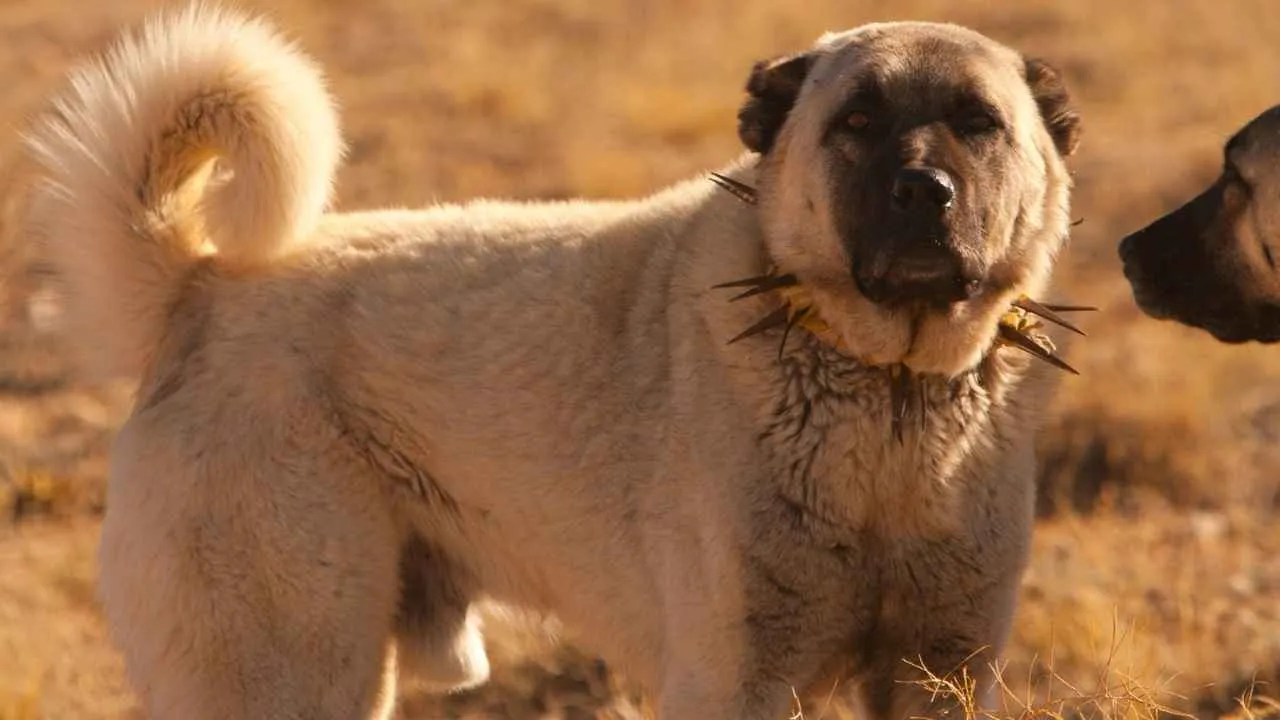
Some farm dogs direct animals from behind, while others watch over the herd and assess what happens around them. The Anatolian Shepherd belongs to the second group, a powerful livestock guardian that originated in Turkey.
Its deep chest, thick neck, and substantial frame reflect a history of protecting flocks across expansive landscapes. The coat protects against changing weather, and a fawn coat with a dark facial mask is common.
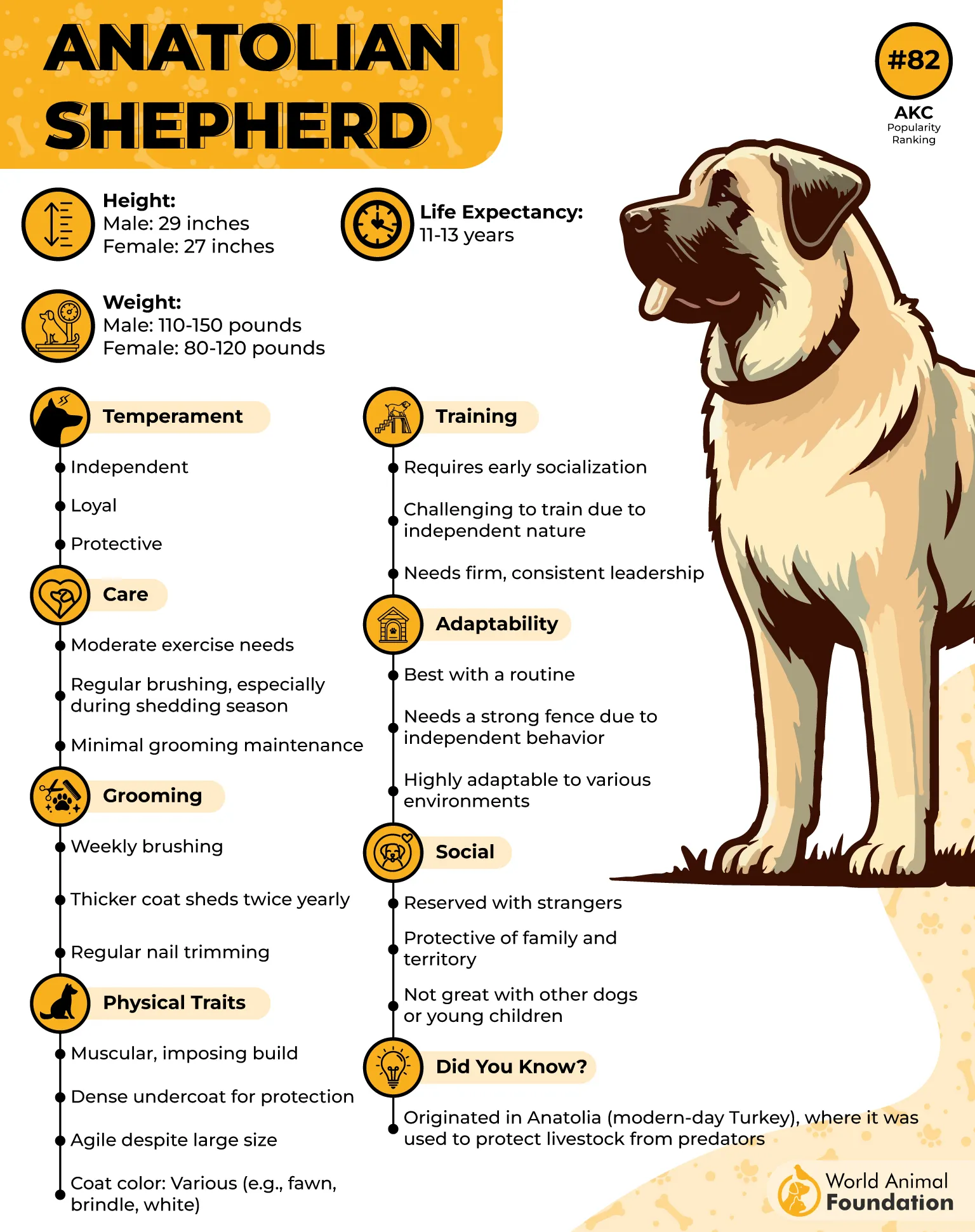
Anatolian Shepherds are independent thinkers. Their traditional work required them to make decisions without constant direction, so they aren’t always as eager to follow repeated commands as more handler-focused herders.
Their strong protective instinct makes them vigilant around unfamiliar visitors. Purina highlights that early socialization, secure fencing, and experienced handling are essential, particularly when the dog shares its environment with livestock or neighboring animals.
5. Beauceron
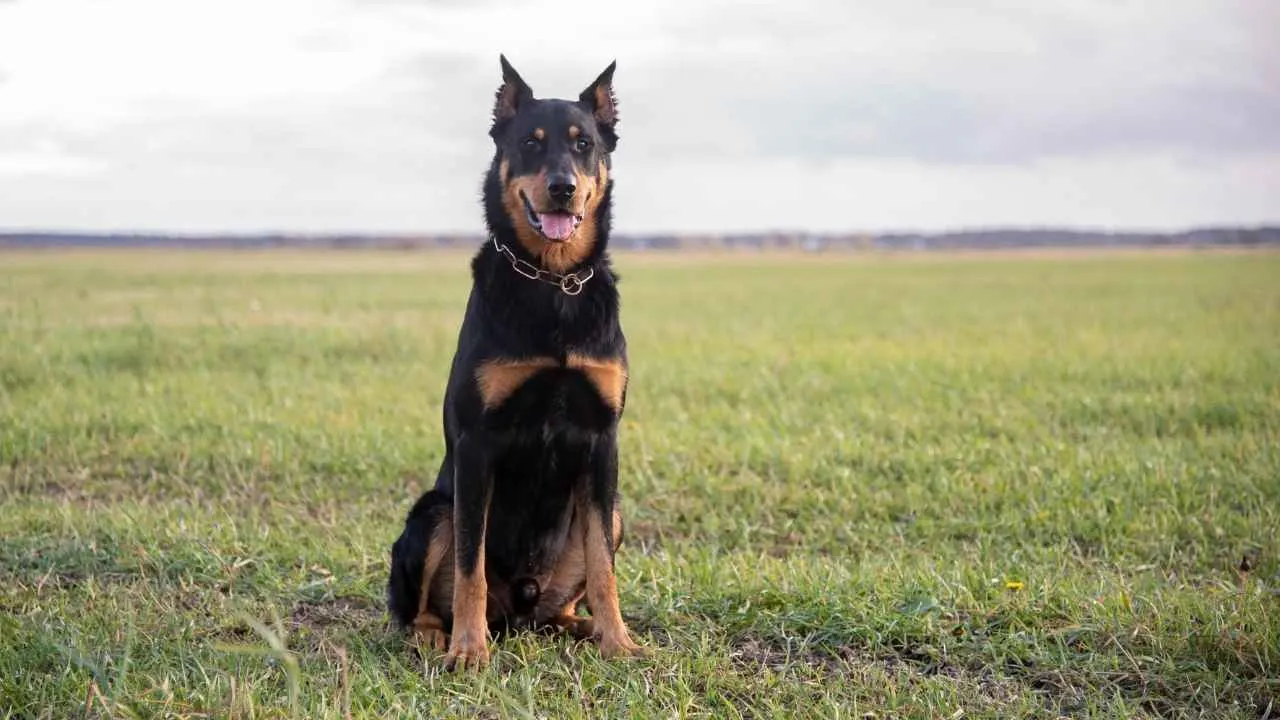
France has its own answer to the hardworking farm shepherd: the Beauceron. This large breed has a long history of herding sheep and protecting property, making it a compelling choice for people who appreciate both physical capability and a sharp mind.
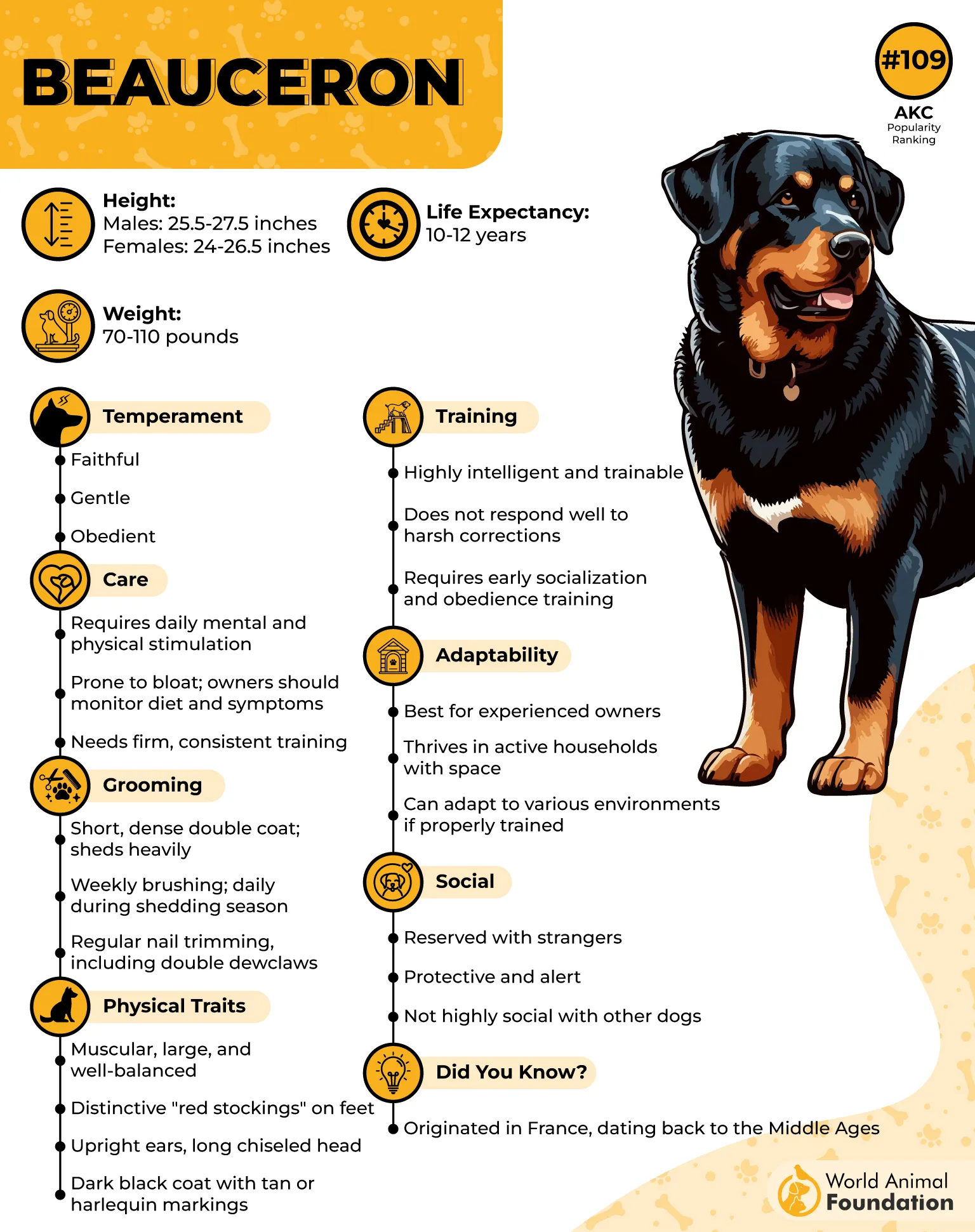
Beaucerons combine confidence with considerable intelligence. Orvis notes that they learn routines quickly, notice changes in their surroundings, and respond well to training when they have a clear role. Their working background supports activities involving livestock management, obedience, and supervised guarding.
These dogs need more than a large yard. Regular exercise, structured lessons, and problem-solving activities help prevent boredom and encourage appropriate behavior.
Routine brushing keeps the coat in good condition, with extra attention during shedding periods. For owners seeking a versatile working companion, the Beauceron offers endurance, alertness, and a muscular build suited to active duties.
6. Boerboel
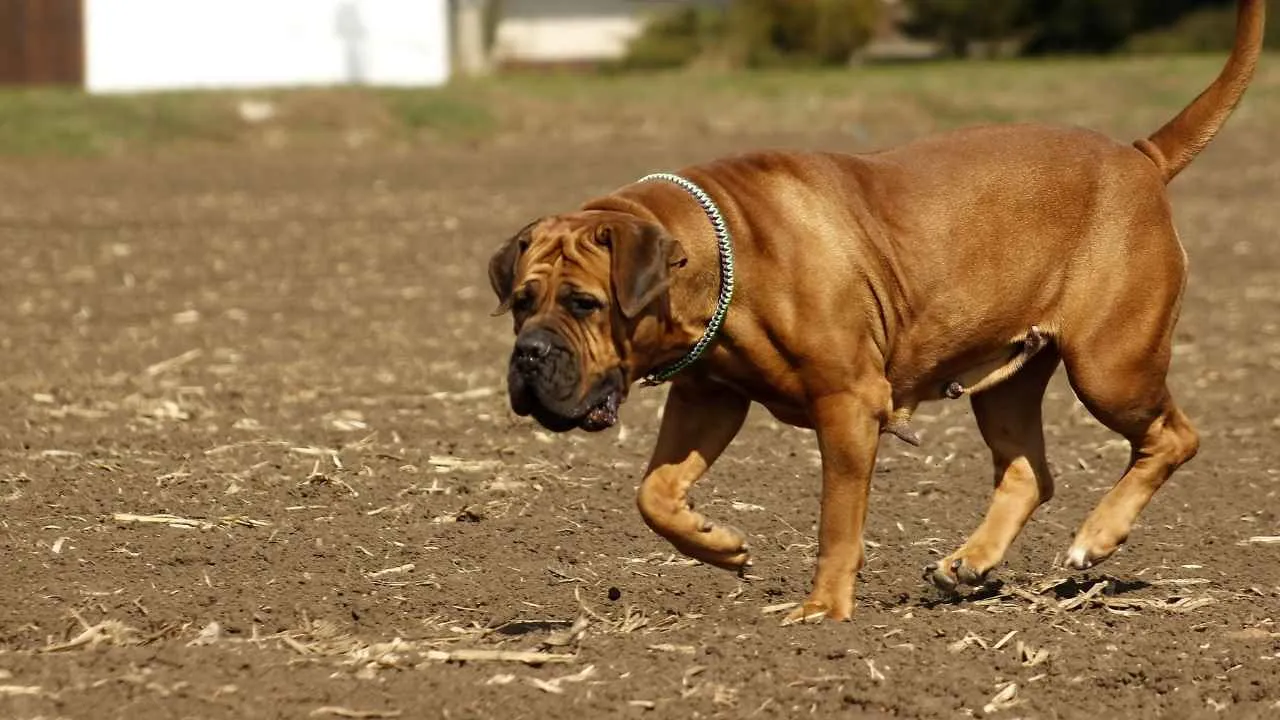
When the job involves watching over a remote homestead, the Boerboel, with a substantial build and a steady temperament, becomes especially valuable. The Boerboel originated in South Africa, where it developed as a powerful farm guardian.
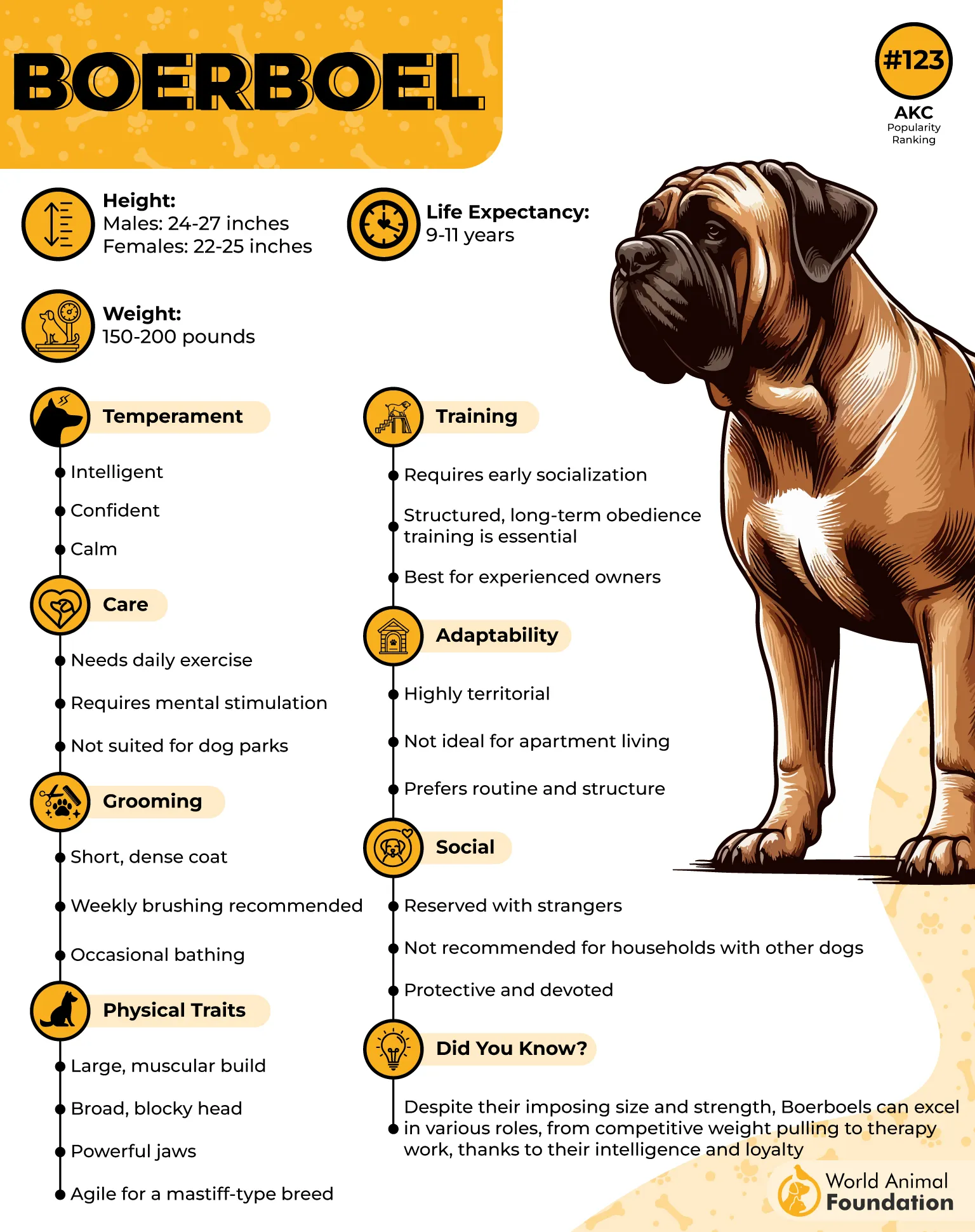
Its broad head, thick neck, deep chest, and well-developed muscles create an imposing appearance. The short coat is relatively easy to maintain, making everyday grooming less demanding than with many long-haired breeds.
Despite its size, a well-raised Boerboel should be discerning rather than indiscriminately confrontational. These dogs are loyal, confident, and attentive to their surroundings. They benefit from early introductions to different people and environments, along with consistent, humane training.
A Boerboel isn’t a casual choice for an inexperienced owner. Its considerable strength calls for an adult handler who understands large guardian breeds and can provide secure boundaries, structured exercise, and responsible management.
Adequate space and regular activity help support good physical condition. Owners should also investigate responsible breeding practices and health screening.
For the right property and handler, the Boerboel offers a formidable guardian with a strong connection to rural working traditions.
7. Bouvier des Flandres
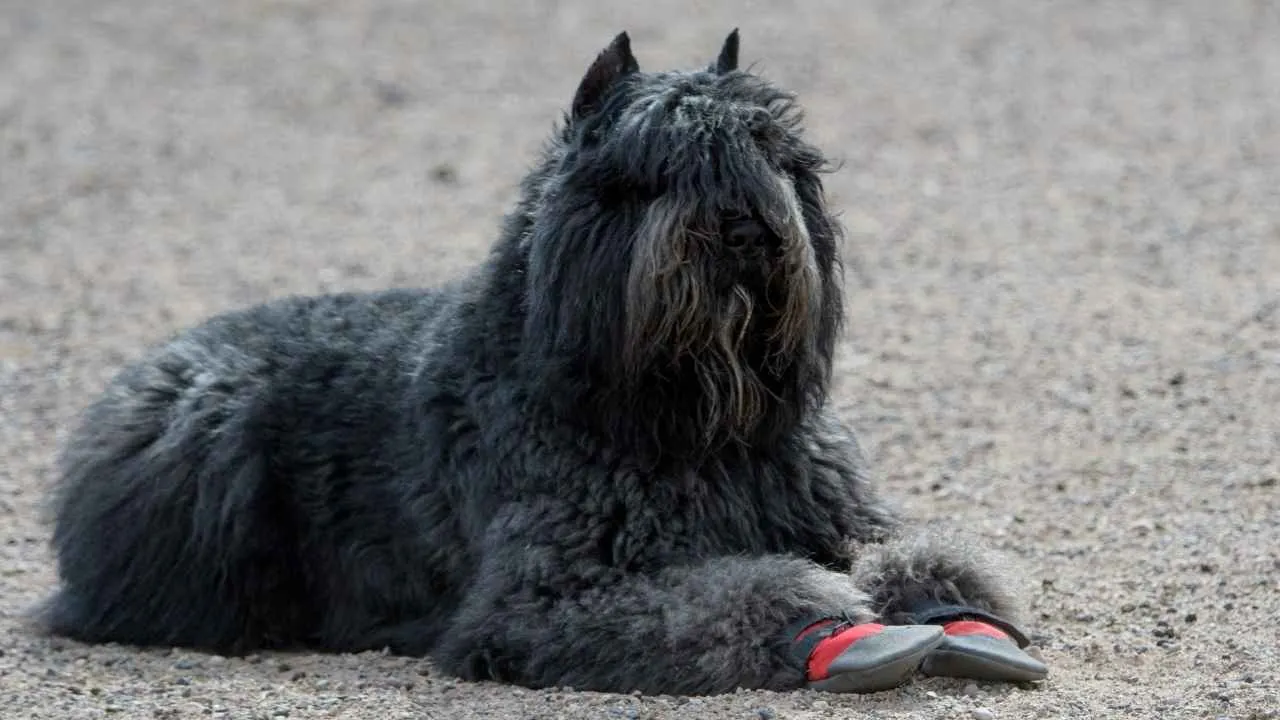
Not every muscular farm dog wears a sleek coat. The Bouvier des Flandres looks as though it has just returned from a muddy working day, complete with a shaggy beard and an expressive face. Originating in the Flanders region of Belgium and France, this breed historically helped with cattle work and other farm duties.
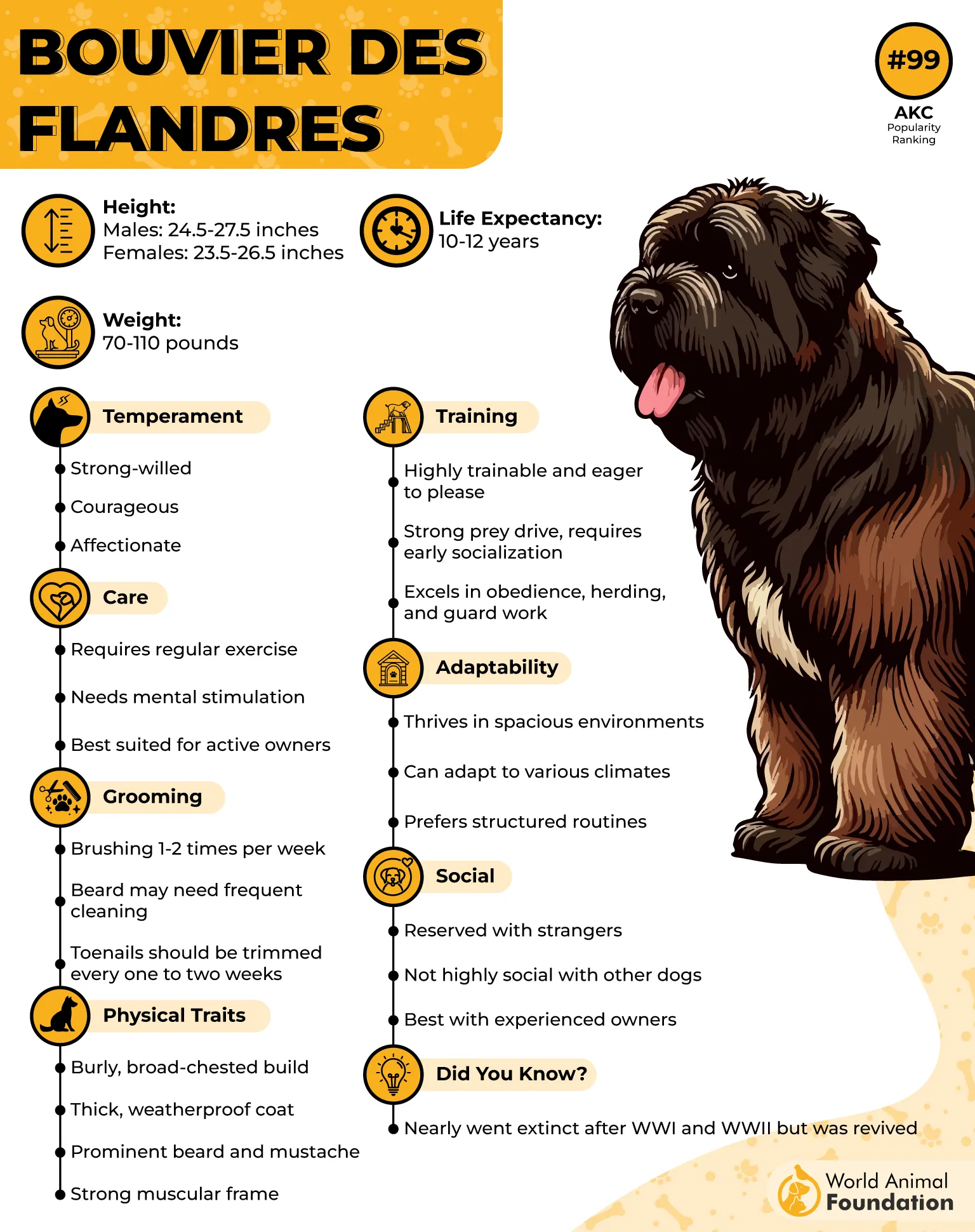
Bouviers are confident, intelligent, and devoted to their households. Their working background makes them responsive to purposeful training, particularly when lessons are consistent and engaging. With appropriate guidance, they participate in herding-related activities, obedience work, and property routines.
These dogs need daily movement and interaction rather than being left alone simply because they have access to open fields. For owners who appreciate a rugged appearance and versatile working abilities, the Bouvier brings a memorable combination of strength and character.
8. Entlebucher Mountain Dog
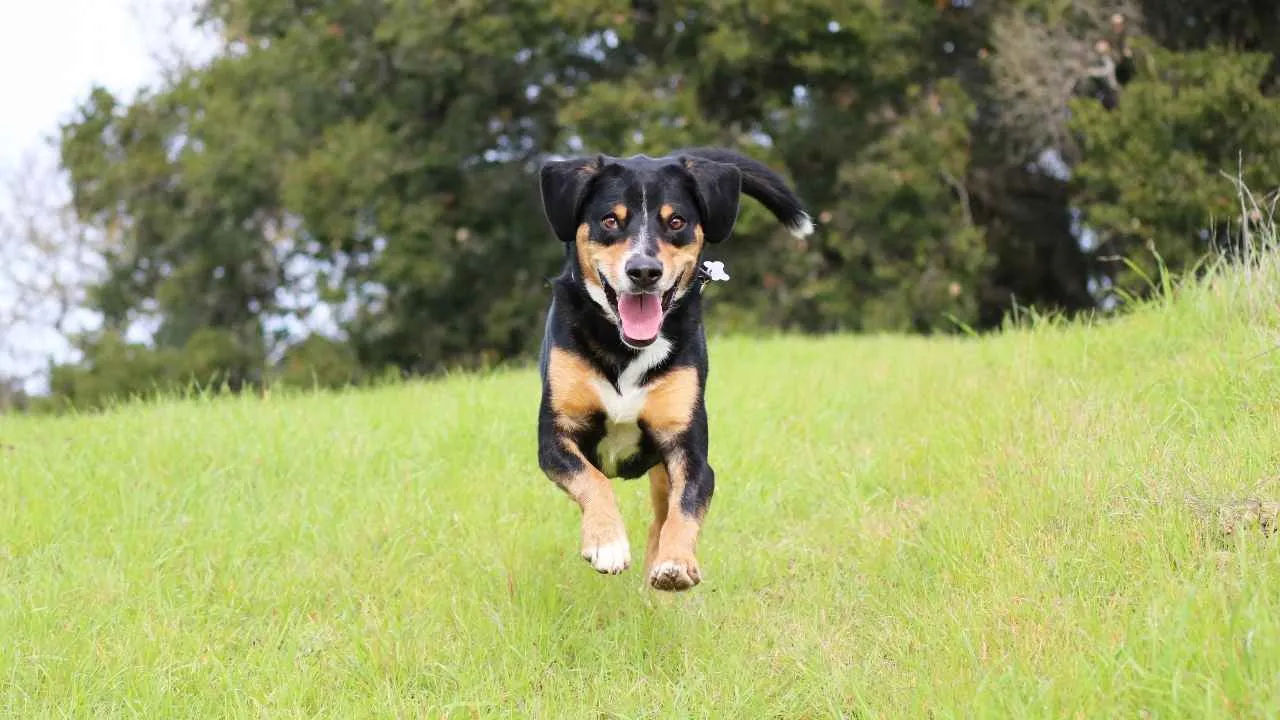
Big working ability doesn’t always come in a giant package. The Entlebucher Mountain Dog, the smallest of Switzerland’s four Sennenhund breeds, demonstrates how a compact frame can deliver considerable strength and agility.
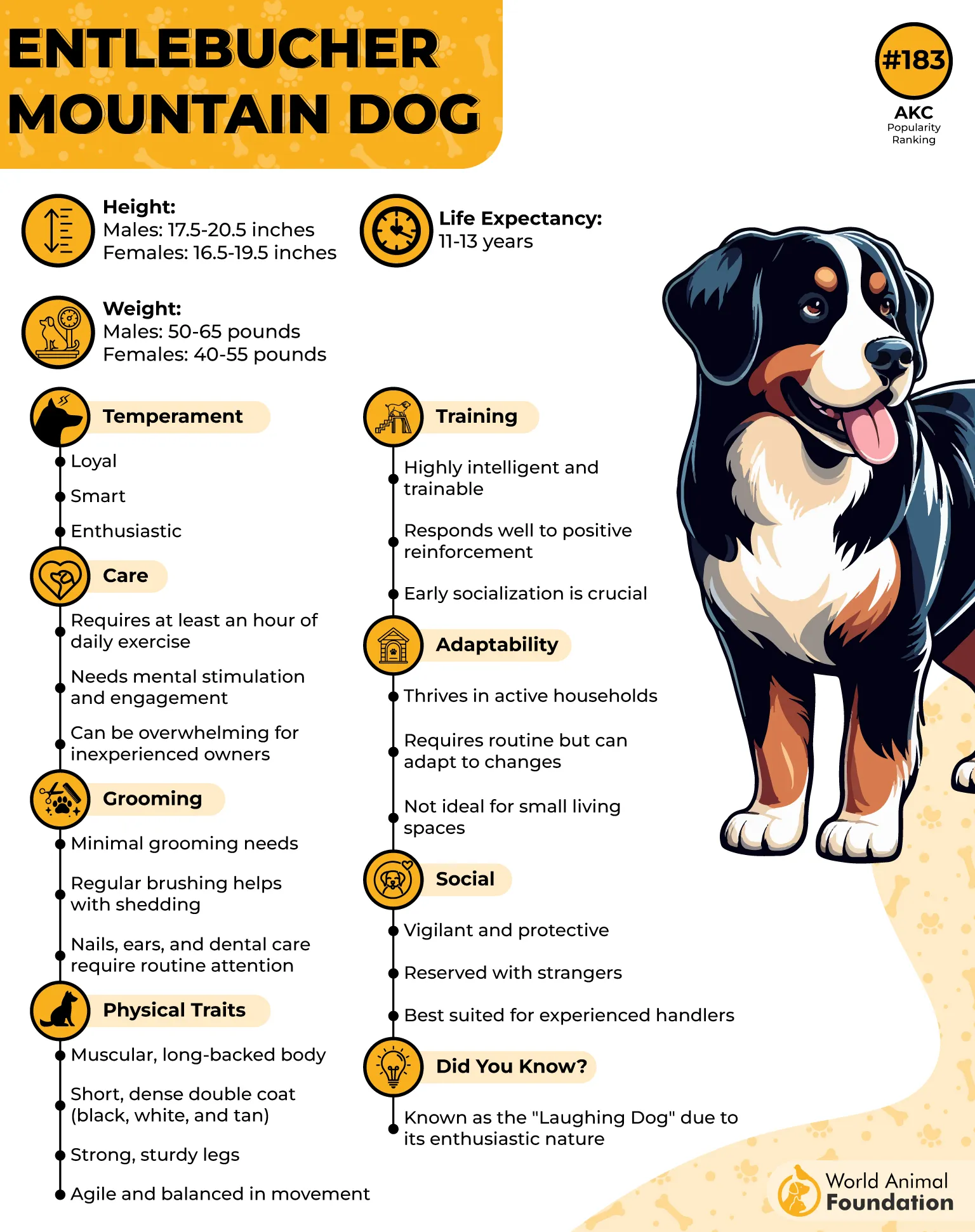
Traditionally used to drive and manage cattle, this sturdy dog has a solid body, strong legs, and a dense, short coat. Its classic tricolor pattern combines black, white, and rich tan markings.
Entlebuchers are energetic, alert, and closely connected to their people. Their intelligence helps them learn routines, but they benefit from consistent lessons and activities that give their enthusiasm a constructive outlet. Herding exercises, obedience practice, and supervised outdoor adventures are useful options.
Although smaller than many livestock guardians, these dogs still need daily exercise and mental challenges. Their enthusiasm may overwhelm a sedentary household, so prospective owners should be prepared to make activity part of everyday life.
For farms that need an agile cattle dog rather than an enormous guardian, the Entlebucher offers compact strength and spirited determination.
9. Australian Kelpie
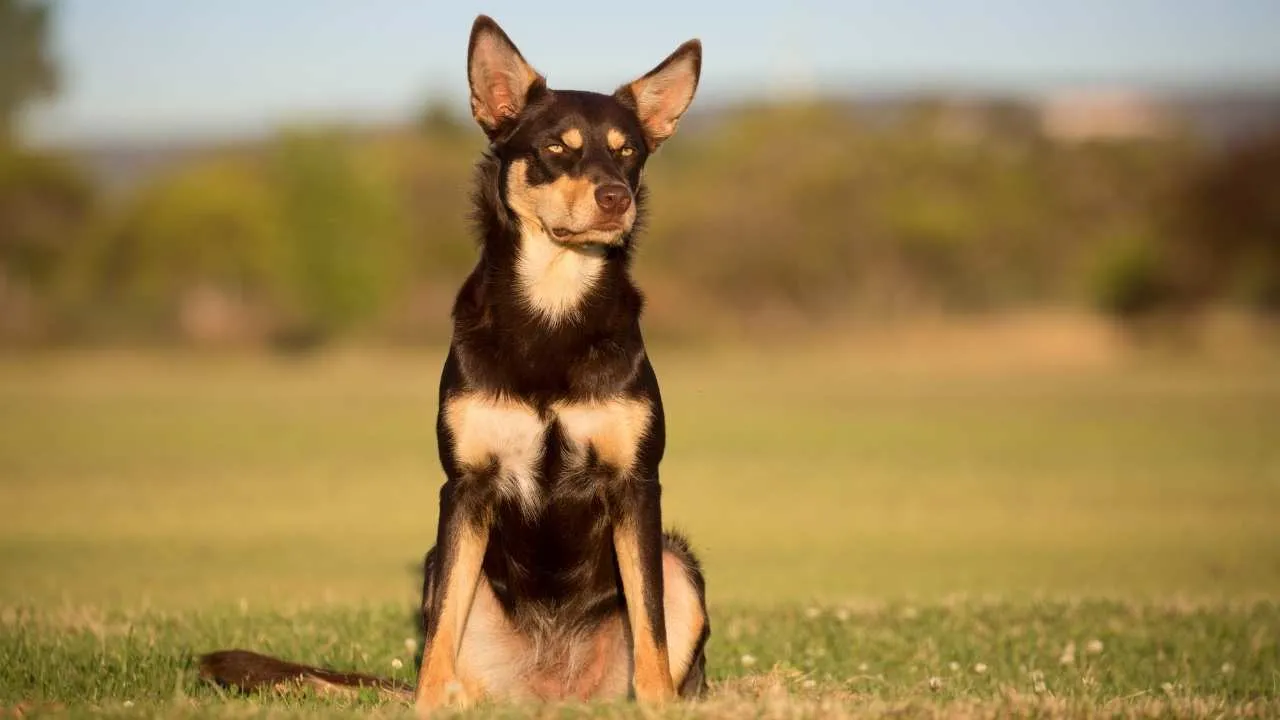
The Australian Kelpie is a celebrated herding specialist whose lean, athletic build and remarkable energy suit long days managing sheep and other livestock.
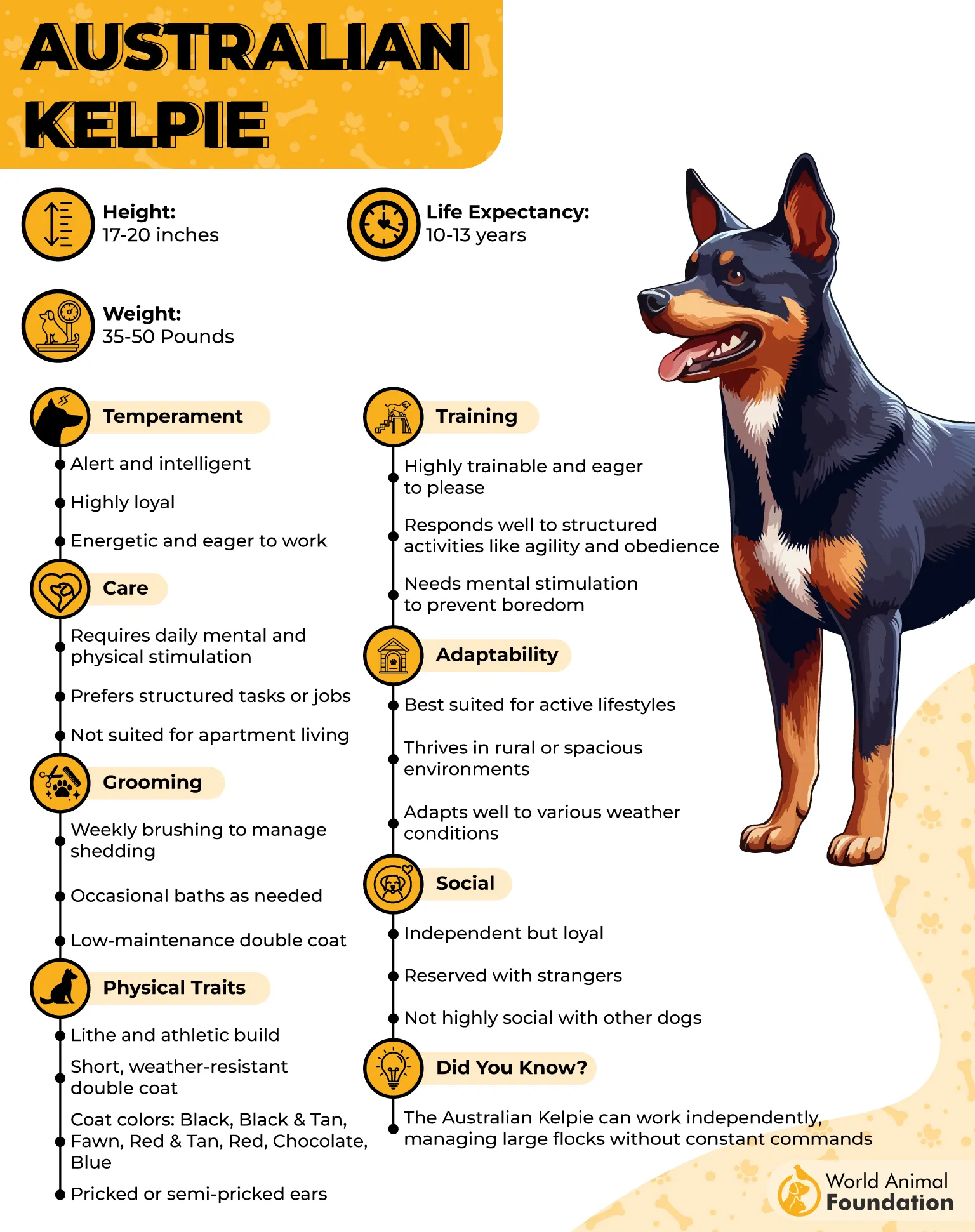
Developed in Australia for demanding outdoor conditions, the Kelpie is known for its agility, stamina, and ability to work across wide areas. Its muscular limbs support rapid turns and sustained movement, while the short coat helps it cope with outdoor work.
Unlike heavier guardians, the Kelpie relies on speed, coordination, and intelligent decision-making. It watches livestock closely and responds quickly to movement, making it useful for handlers who need a responsive working partner.
Greencross Vets says that Kelpies are exceptionally active dogs. They require more than occasional exercise, benefiting from purposeful herding opportunities, training sessions, and activities that engage their problem-solving abilities. Without sufficient stimulation, their energy can turn into unwanted behavior.
For anyone who values efficiency, endurance, and athletic ability, this Australian herder rounds out the list with a lighter but remarkably capable build.
Conclusion
A great working dog does far more than earn its keep; it becomes the silent backbone of your daily operation. Long after the tools are put away, and the sun drops behind the barn, these dogs are still on duty, watching over your land and keeping your livestock secure.
Choosing the right breed comes down to a clear, honest look at your daily routine. Match your terrain, your stock, and your actual workload to the right canine partner. When physical power aligns with instinct, raw farm labor turns into a seamless team effort.
The ultimate farm companion won’t just lighten your workload across the pastures. It will earn your trust, guard your livelihood, and stand by your side through every single season.
