




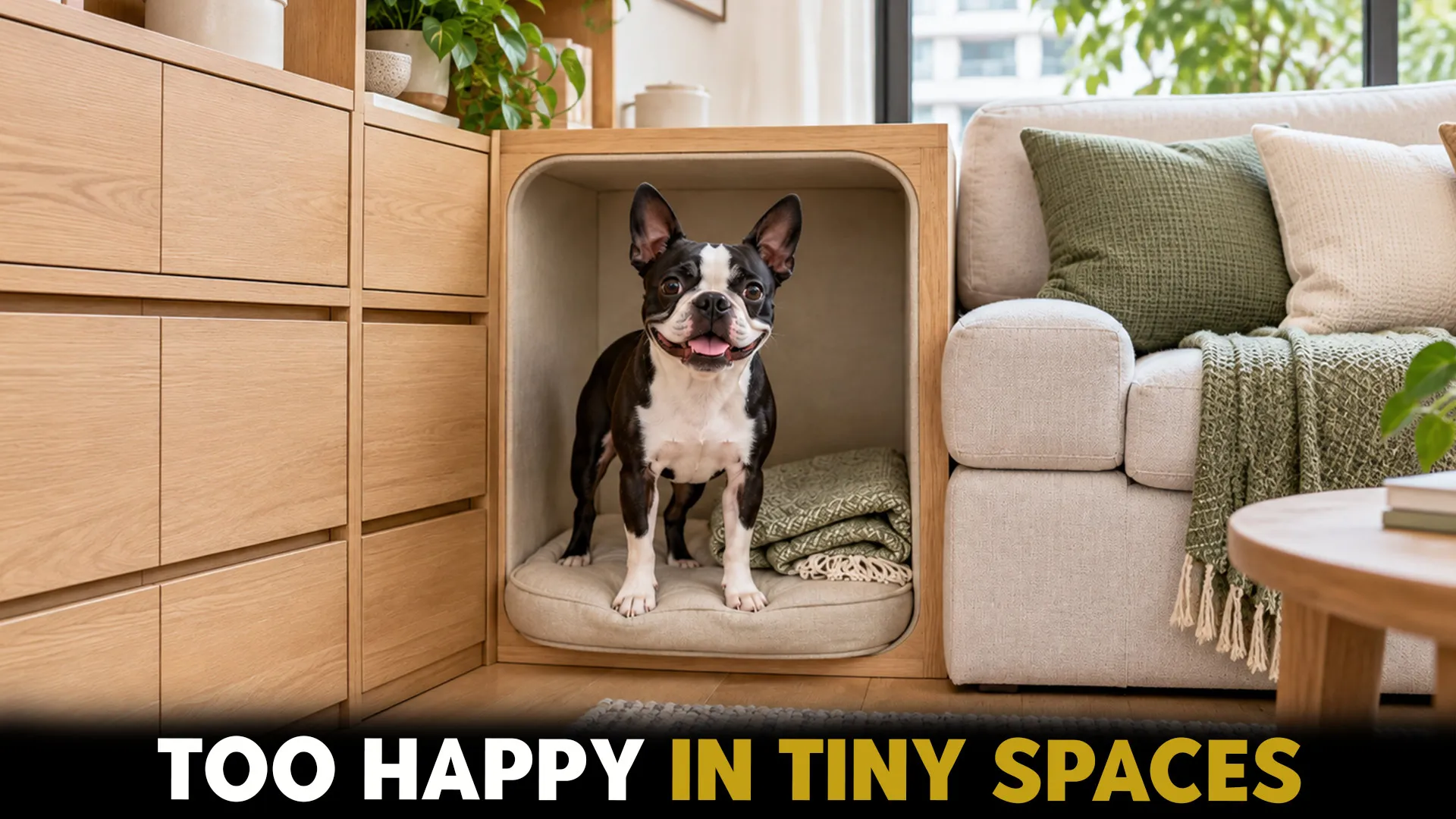
Living in a small apartment does not mean giving up the joy of owning a dog. It simply means choosing a companion whose personality fits your space as comfortably as your favorite pair of slippers. Some dogs need a huge yard to feel happy; others are perfectly content turning a sunny corner of the living room into their personal kingdom.
The right small-space dog can be calm, affectionate, playful, and easy to live with/without turning your home into a canine circus. From fluffy lapdogs to charming little comedians, these breeds bring warmth, laughter, and companionship into compact homes.
Here are seven fantastic dog breeds that truly love small spaces.
Fantastic Dog Breeds That Love Small Spaces
1. Bolognese
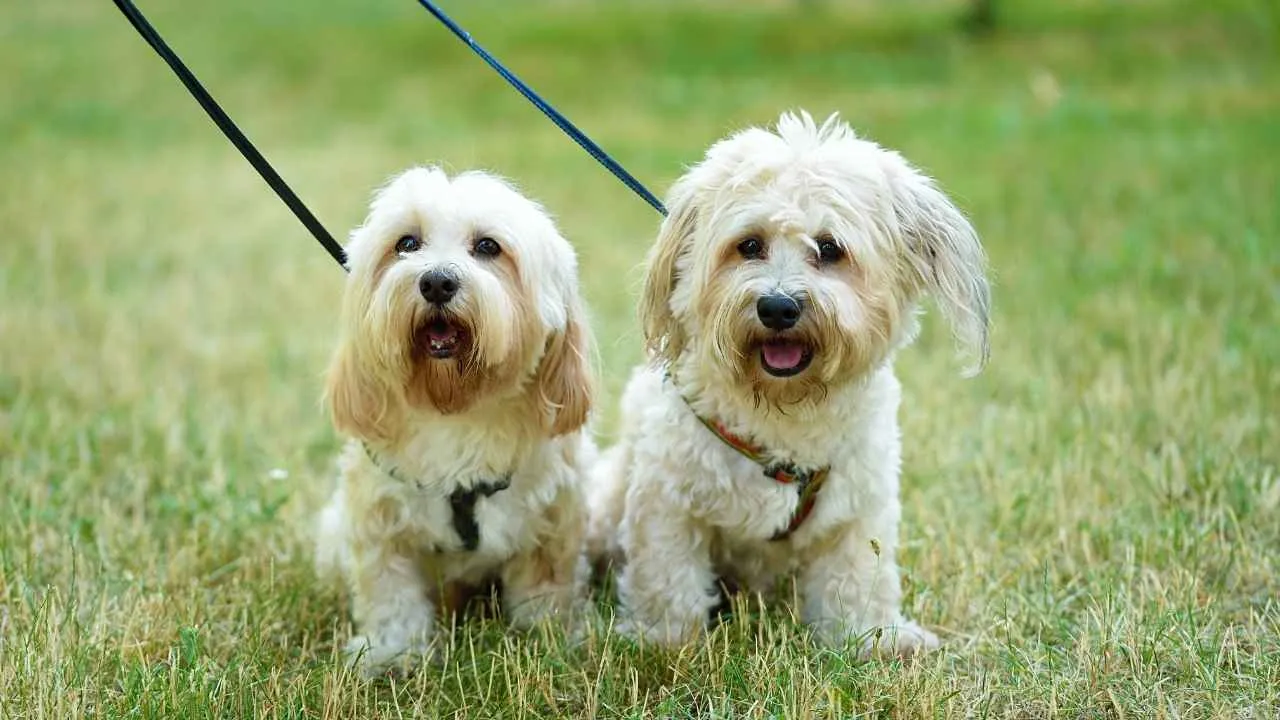
The small dog breed was developed in the Italian city of Bologna and is closely related to the Bichon Frise. The primary purpose was to serve as the lap dog for ladies and was often gifted to wealthy people. The number declined after WWII, but soon revived, according to Omlet.
With its ovoid face and large, round, and dark eyes, the dog has a human infant-like appearance. It tends to rest on the softest spot in the house. The breed is not prone to excessive barking, making it a great choice for apartment living. Low prey drive and territorial instincts help it not chase moving objects.
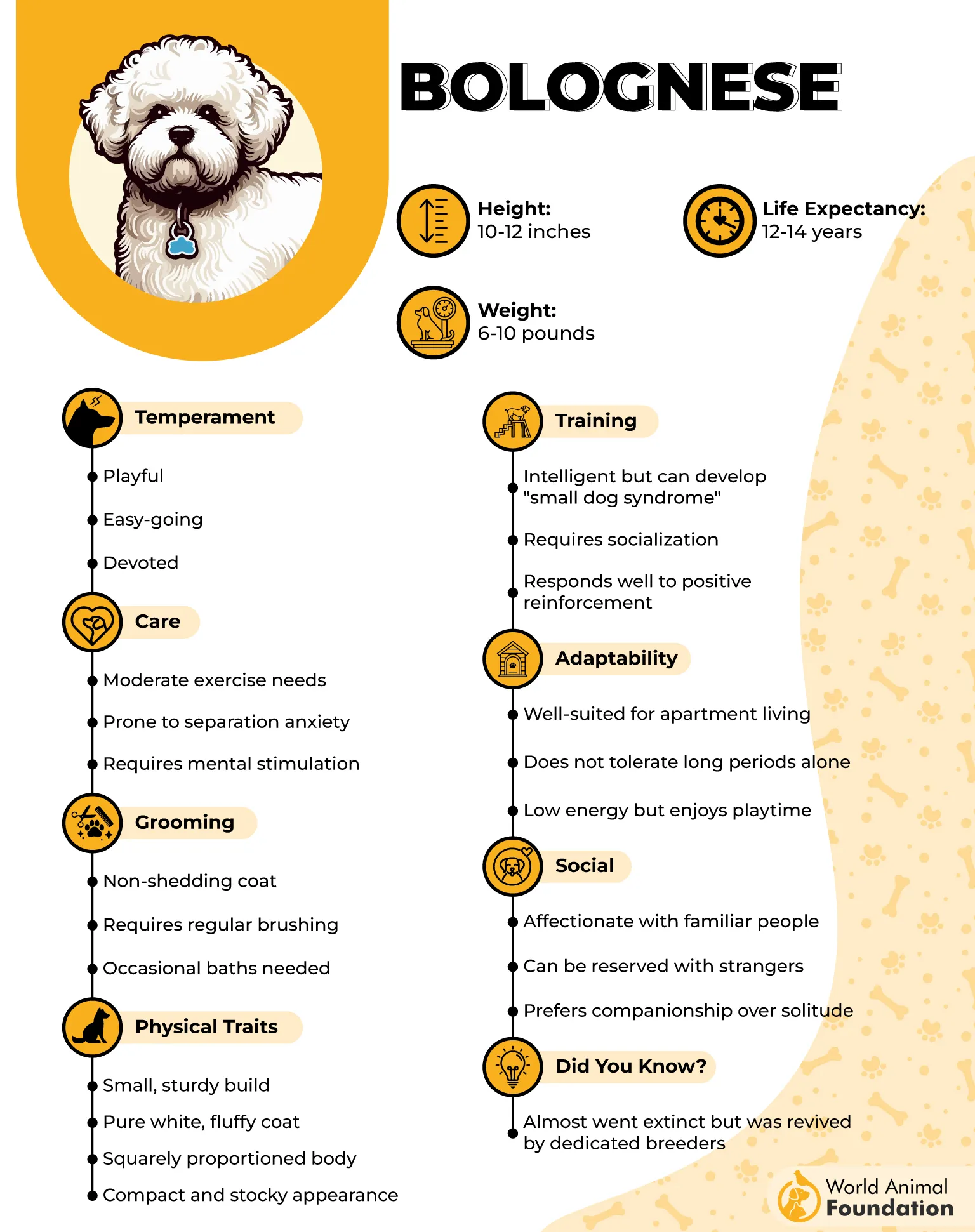
It has a low-to-moderate energy level, and daily exercise for 30-45 minutes is enough for physical and mental stimulation. The dog lacks an undercoat and does not shed much; thus, it is a hypoallergenic breed.
2. Coton De Tulear
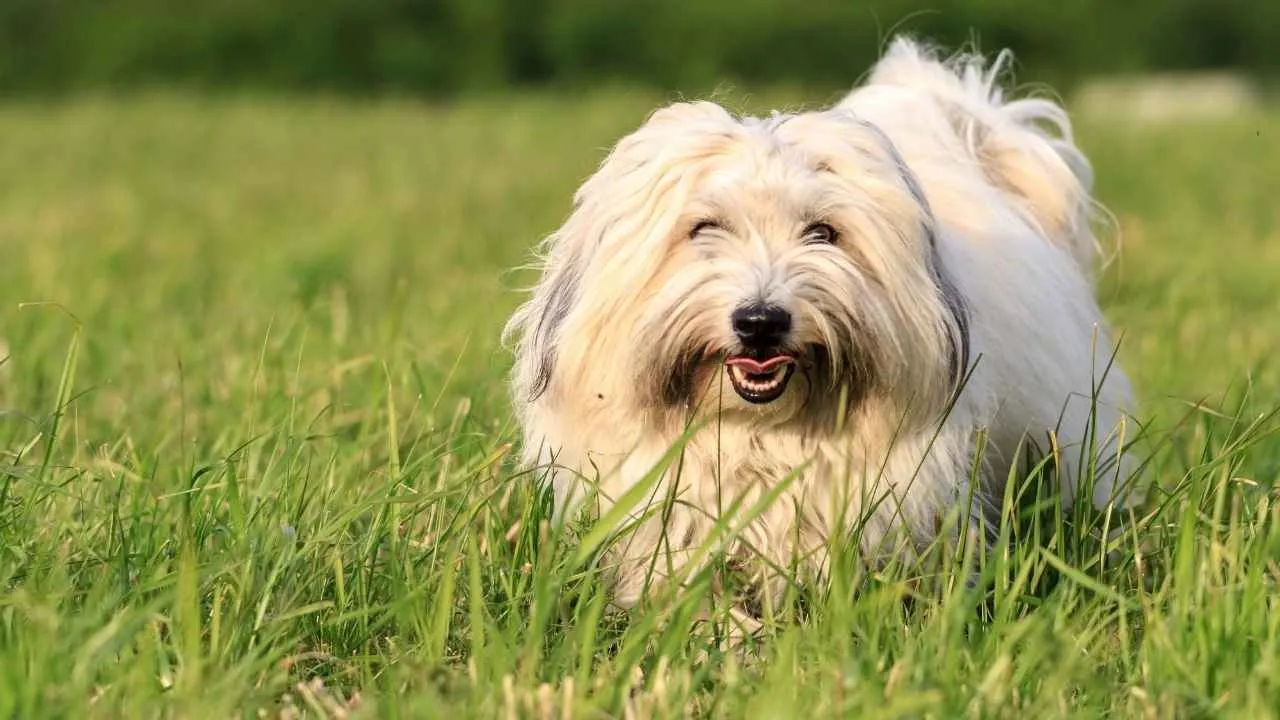
Though originally bred in Madagascar, the history of the white dog dates back hundreds of years. It was initially introduced for companionship. This Bichon breed entered France in the 1970s. The word coton in the name suggests the fluffy, cotton-like appearance of the coat.
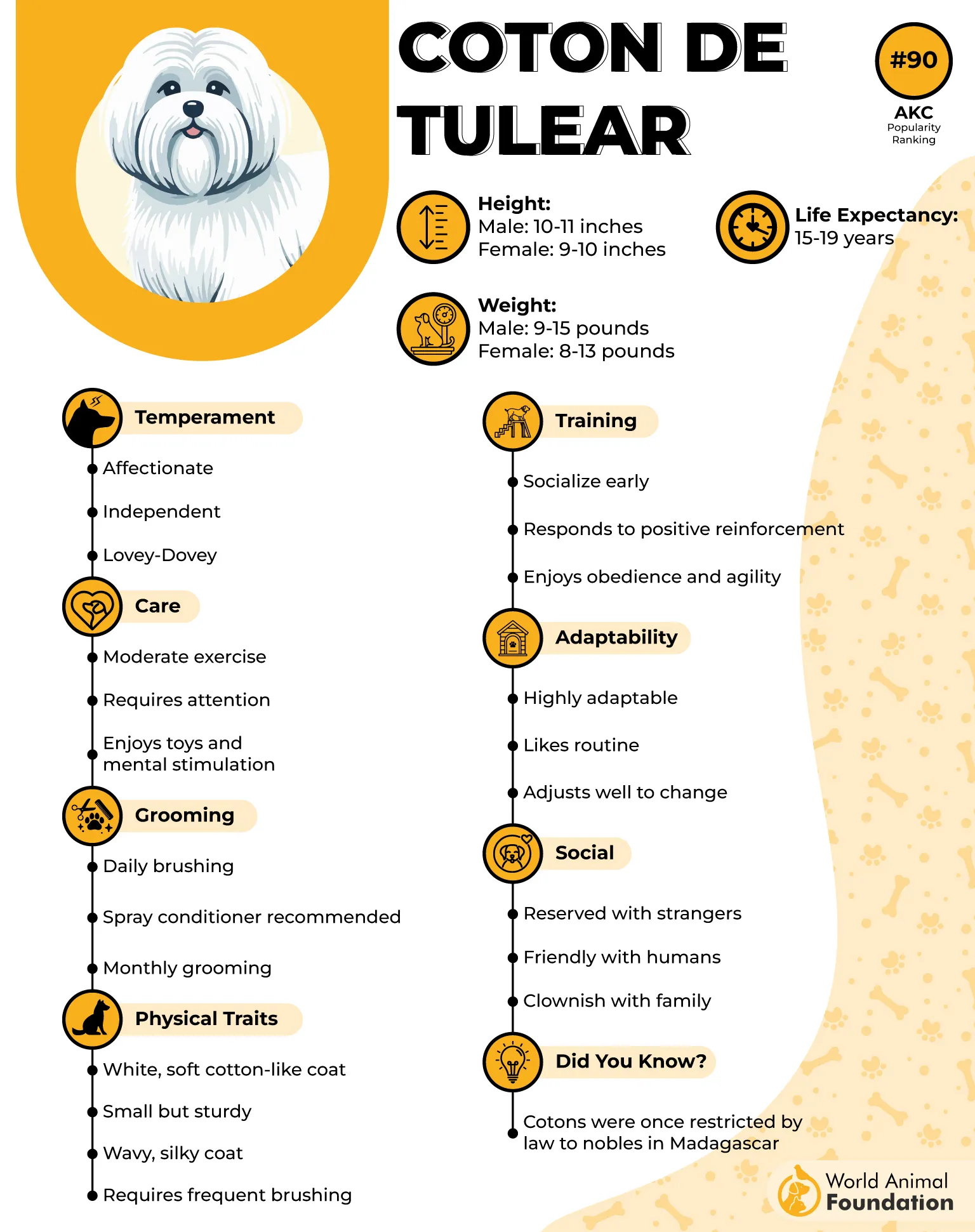
It has an innate ability to stand, walk, and dance on its hind legs. It is not a yapper; however, it communicates with chortles, vocalizations, and grunts. It has a friendly nature and goes well with family members, children, other pets, and strangers alike. The coat has minimal odor and sheds less.

The intelligent breed matches the energy level of the environment (runs in a big mansion and prefers couch sleep in small apartments). It has an eager-to-please nature and loves to learn new tricks to amuse the owner.
3. Shih Tzu
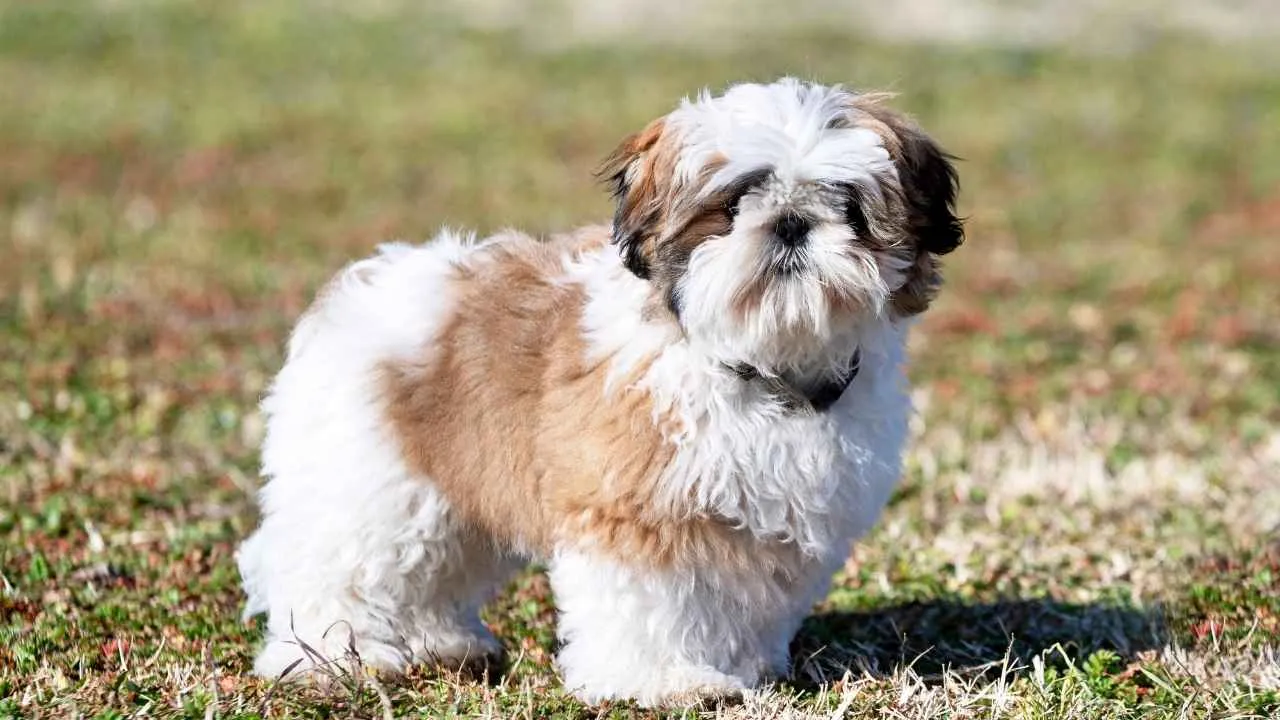
Developed within the Forbidden City’s walls of Tibet in the 17th century by crossing the Lhasa Apso and Pekingese, the Shih Tzu is also known as the Lhasa Lion Dog. Since it was not allowed to be traded outside the country, it was taken outside in the 20th century, as reported by Purina.
Ranked 1/5 for prey drive, it has a high threshold for reactivity. It has low structural independence and tends to follow the owner from room to room. Because of its unique jaw structure, the loyal breed is rarely a destructive chewer. The brachycephalic nature makes it highly prone to physical exhaustion.
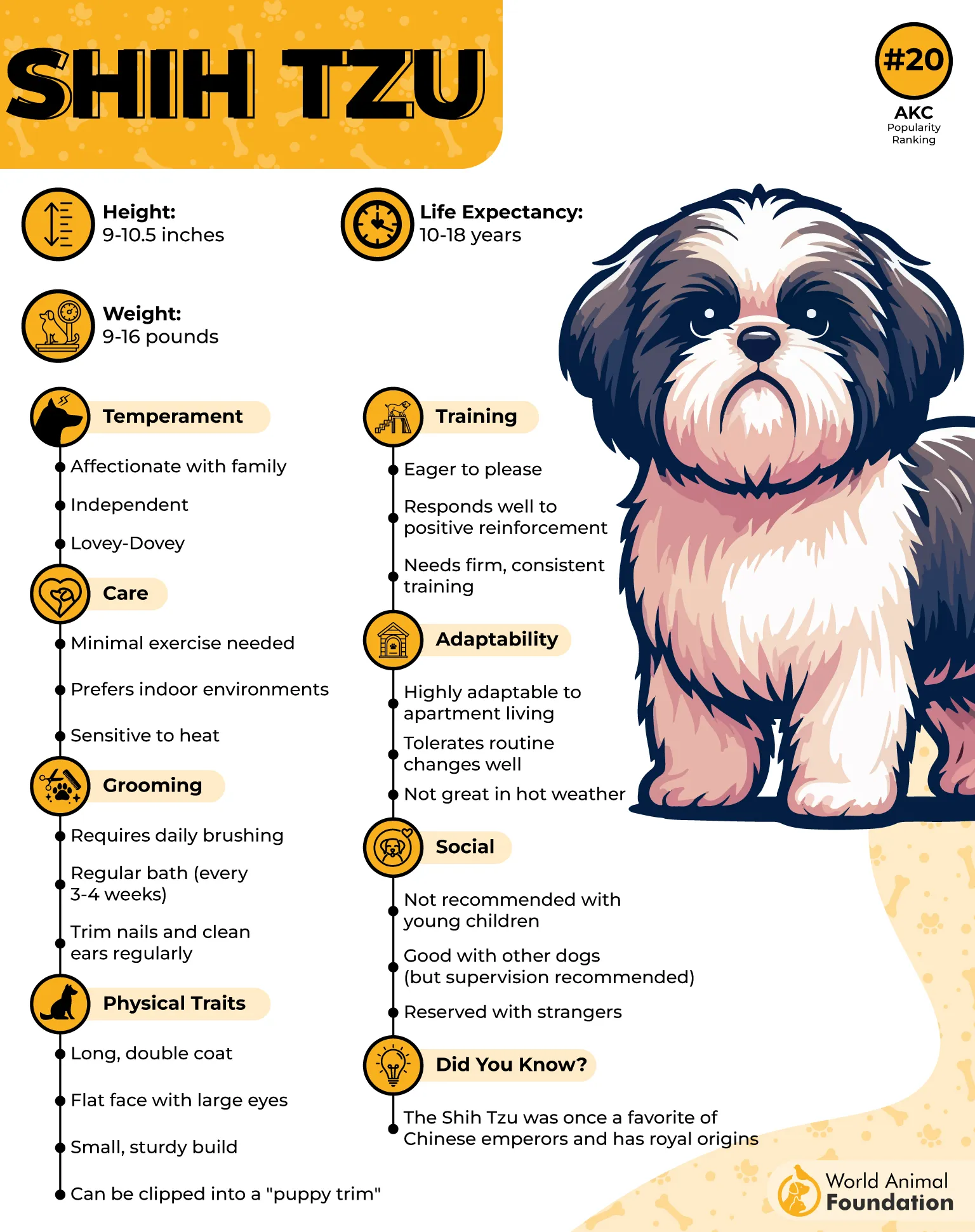
The compact body paired with short legs enables a low-impact stride. The double coat has a hair-like texture; thus, it does not require extensive grooming. It has short bursts of energy rather than endurance.
4. Boston Terrier
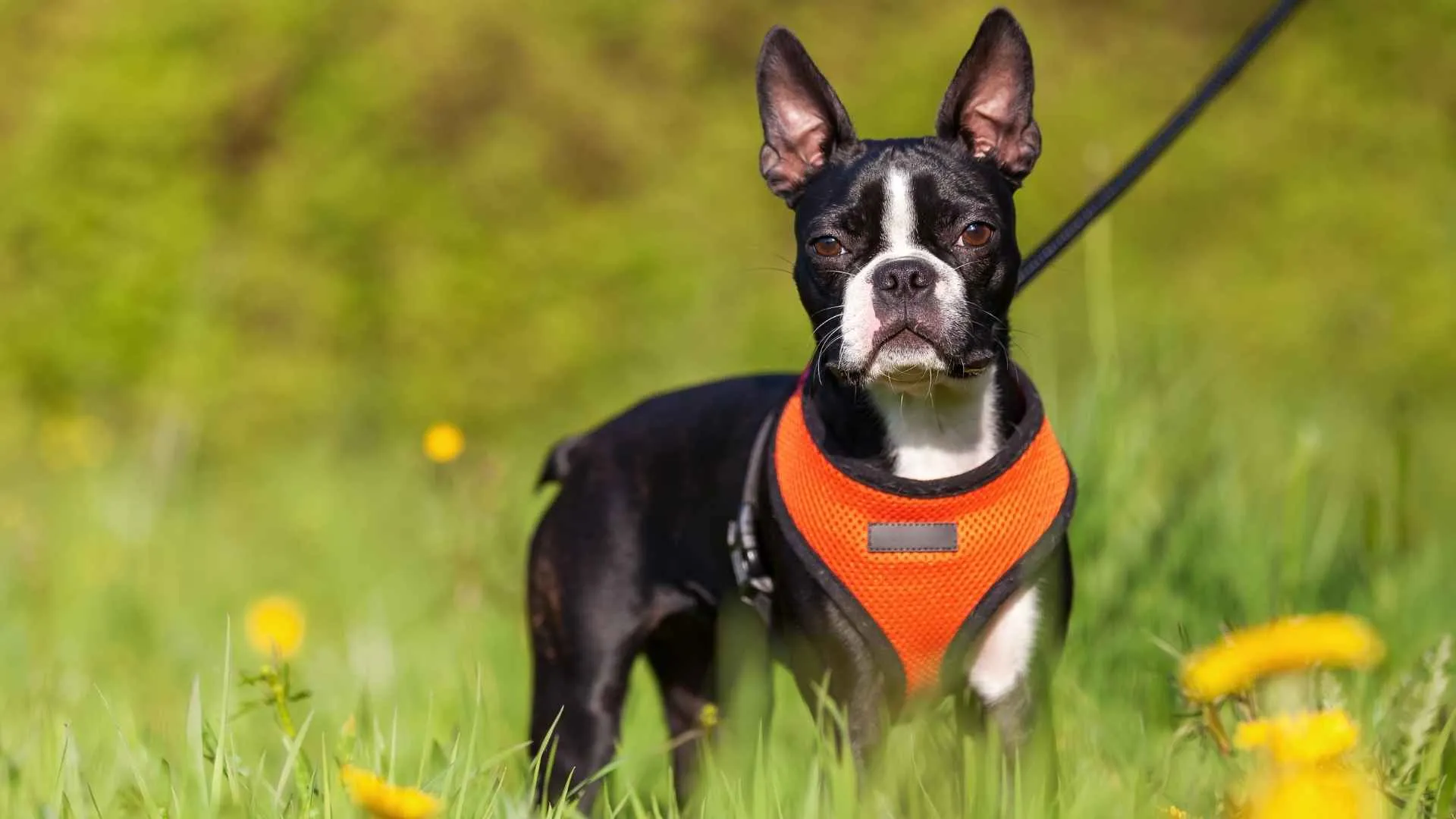
The small dog breed was bred in Massachusetts, America, in the mid-19th century by Mr. R.C. Hooper. He used a mixed breed of a White English Terrier and an English Bulldog. The dog was officially recognized by the American Kennel Club in 1983.
The gentle breed is divided into 3 monitored weight categories. All are highly portable and can adjust to a compact living space. It has a square and muscular physique, making it tolerant during rowdy play sessions with kids. Being a relentless sun-seeker, the dog tends to lie flat in a patch of heat for relaxation.
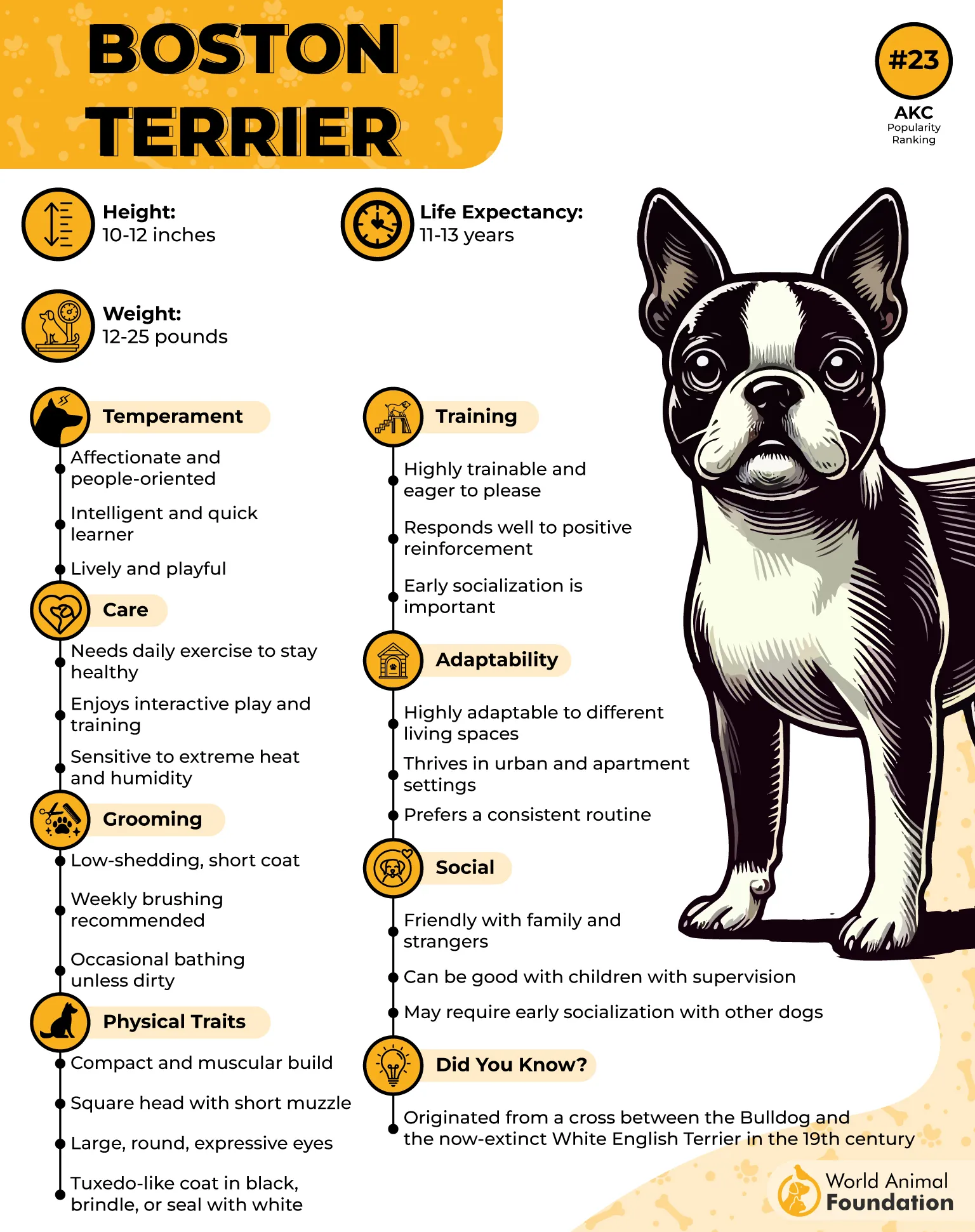
It is not a barker and loves to read the owner’s face to gauge their mood. It utilizes a dramatic head tilt in response to what is being said to it. Since it has a naturally bobbed tail, it is less likely to get injured while walking indoors.
5. Japanese Chin
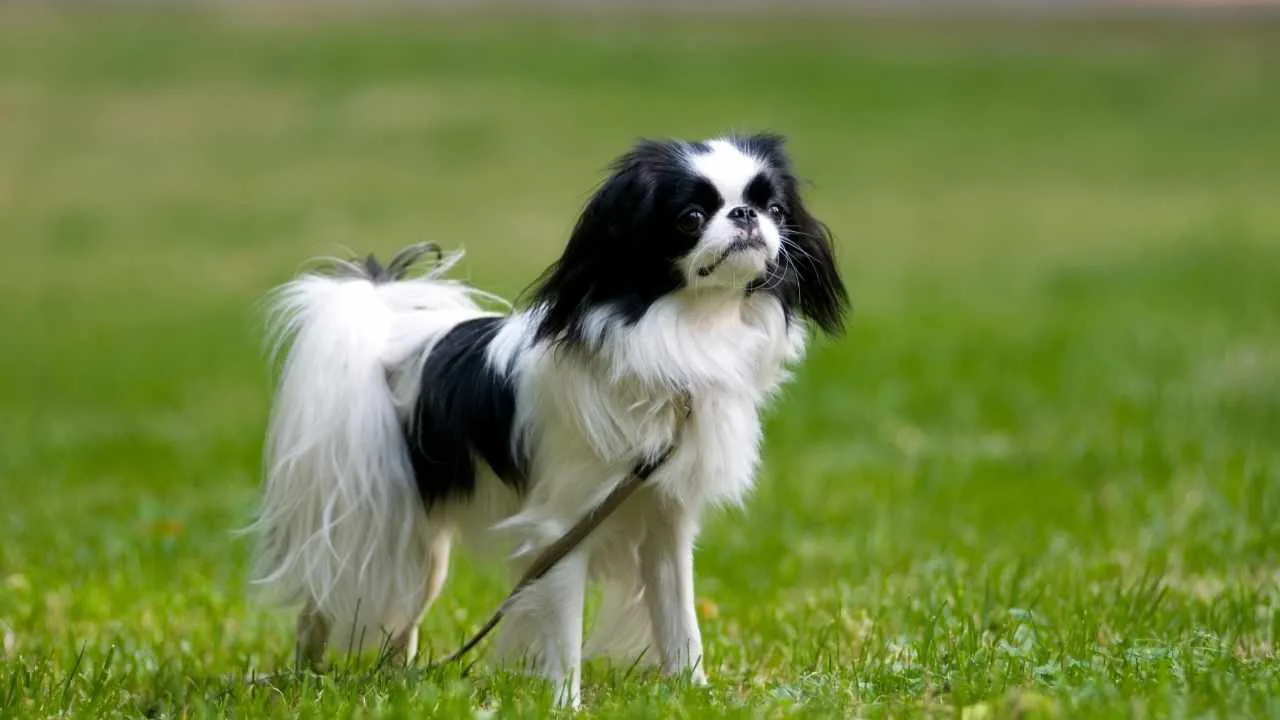
The breed was originally bred in China centuries ago, and a similar dog has been depicted in art in the Far East. Over the years, it was crossed with the Pekingese and the Tibetan Spaniel. It was initially kept by the Buddhist monks and was gifted to traveling dignitaries, says WebMD.
The dog has cat-like characteristics and loves to perch on high points and observe its surroundings silently. It often licks its paws and cleans its face with its paws. The breed can easily be trained for indoor litter training. Known for its ‘Chin Spin,’ it loves to dance on its hind legs and move in tight circles.
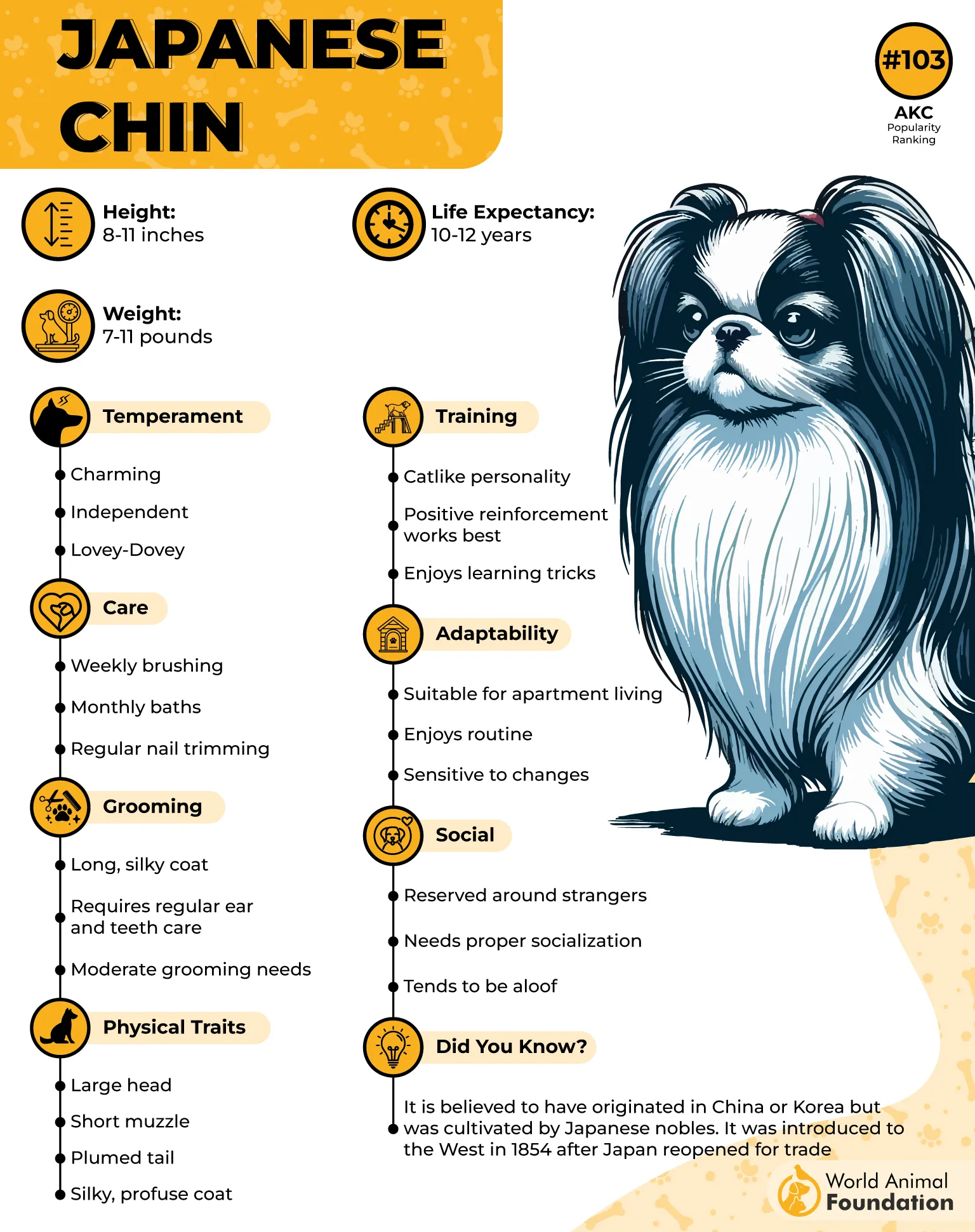
Because of the tight lips, the dog is not prone to drooling and has minimal dog odor, making it a perfect match for cleanliness freaks. The couch potato needs only 20-30 minutes of daily exercise.
6. Pug
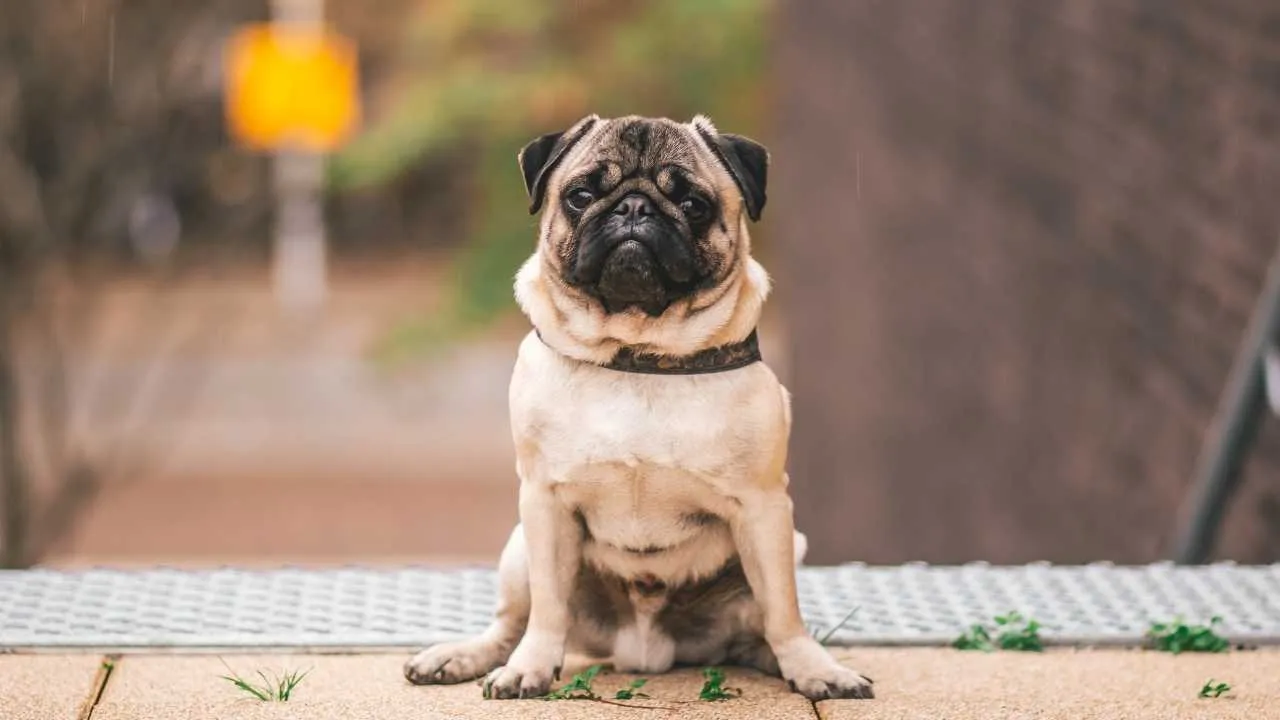
Descended from the Mastiff, the dog is thought to have developed in the Orient centuries ago. The dog entered Europe through the East India Company in the 18th century. The name comes from a Latin word ‘Pungus,’ which means ‘a clenched fist,’ known for its wrinkled skin.
The clownish behavior makes it zoom around the house and exhibit short bursts of energy before finally coming back to the resting phase. The breed is extremely intelligent and learns complex commands within a few repetitions; however, it has an independent streak which can be controlled with reward training as it is highly food-motivated.
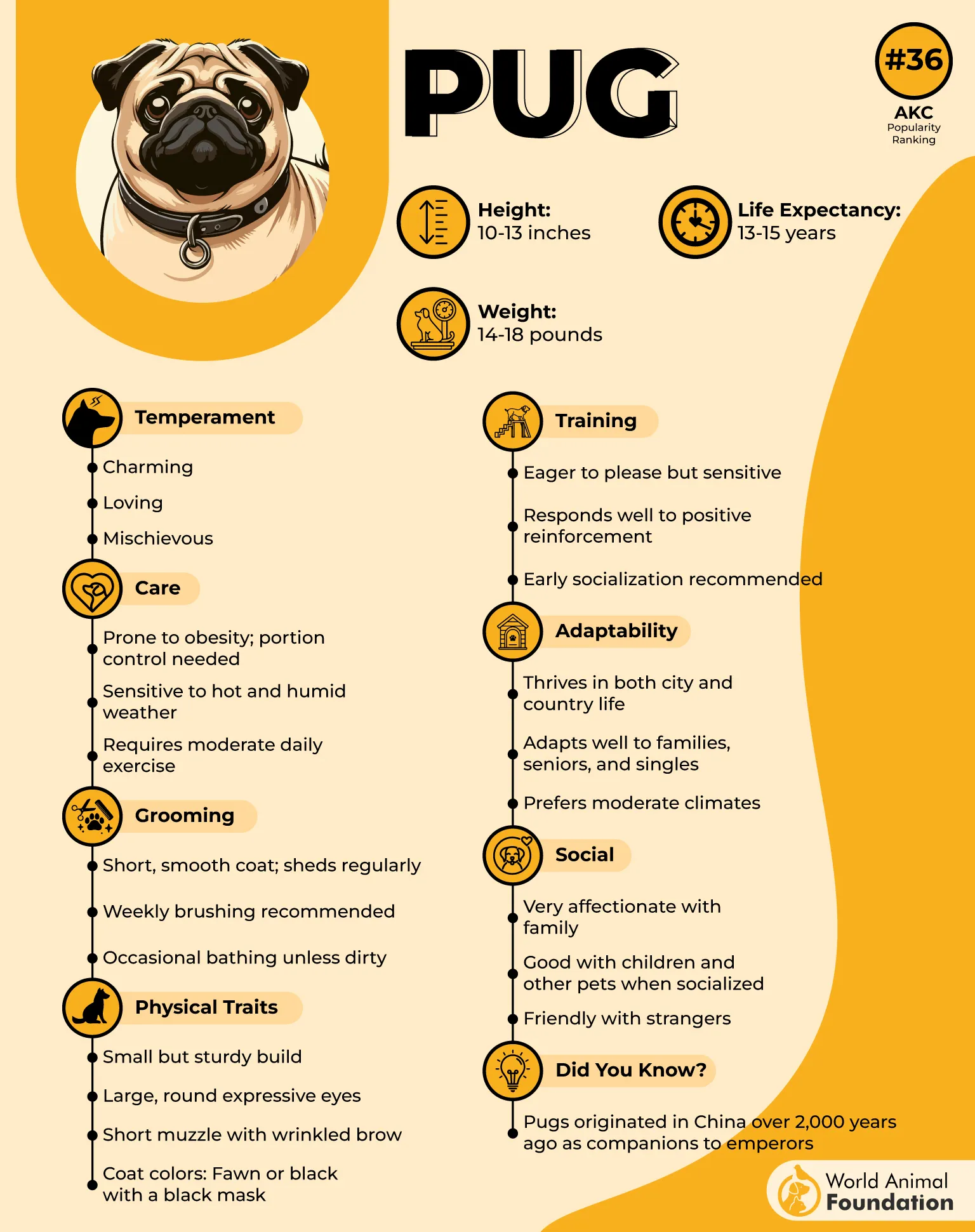
The calm breed was selectively bred for human companionship and thus has lower chances of showing aggression. The couch potato disposition allows it to sleep on the sofa for hours during the day.
7. Maltese
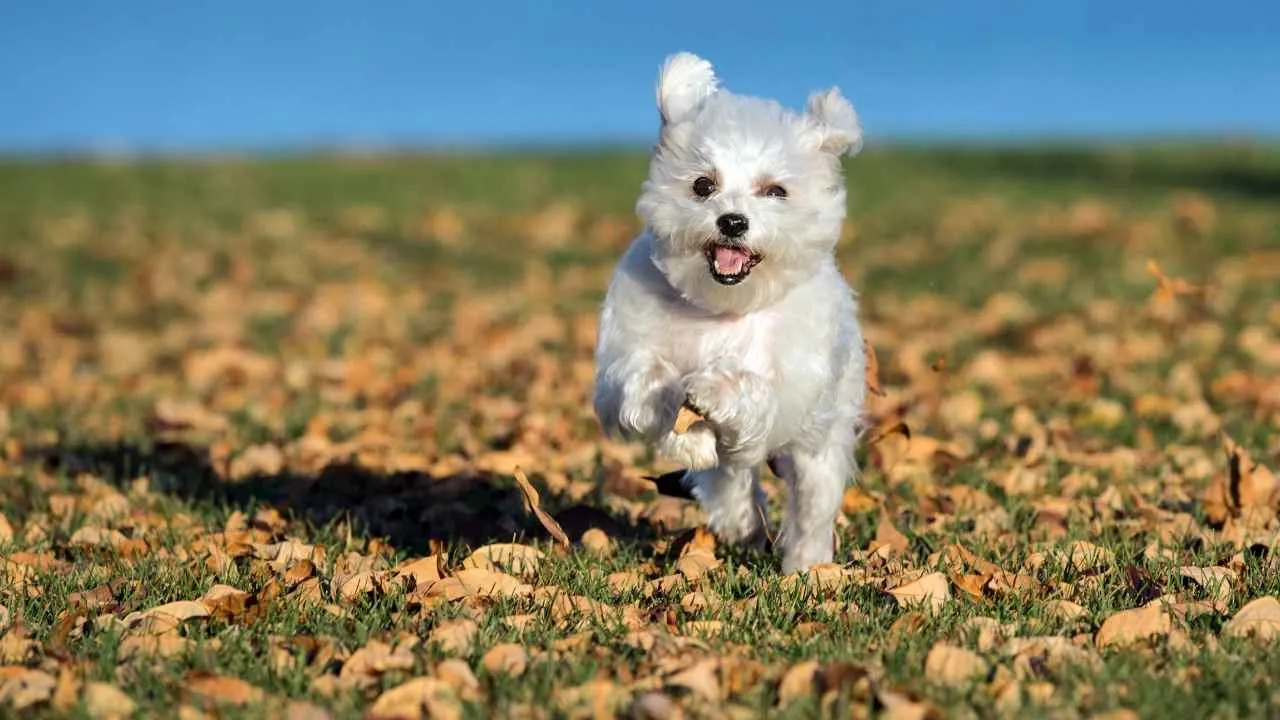
The history of the ancient breed is 28 centuries long. It was depicted in the tomb art by the Greeks in the 5th century. It was popular among the royal ladies who used to carry the breed in their bosoms or sleeves. It was recognized by the AKC in 1888.
The dog loves being the centre of attention and responds well to positive reinforcement. It quickly learns how to use its gumdrop black nose and dark eyes to manipulate its owner’s emotions. The trusting nature allows it to befriend strangers and other dogs. It is highly athletic despite its small size and excels in dog sports, such as agility and competitive obedience.
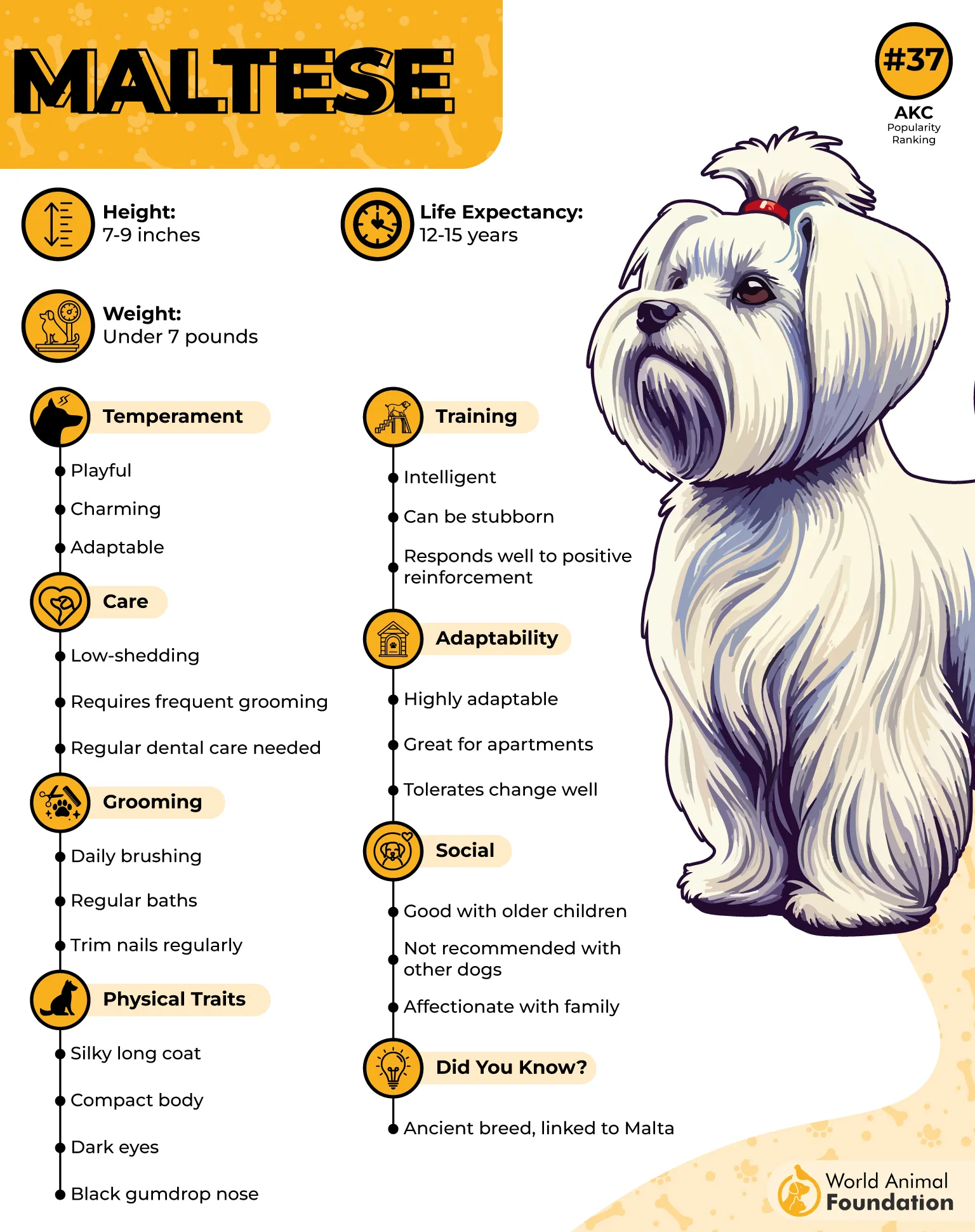
The dog is prone to separation anxiety because of its velcro nature. Being an alert watchdog, it is prone to excessive barking; desensitize the breed with a ‘quiet’ command at an early age.
Conclusion
A small home can hold a very big friendship. The best dog for a compact space is not always the tiniest breed; it is the one whose energy, temperament, grooming needs, and health requirements match your daily life. A calm Bolognese, playful Coton, relaxed Shih Tzu, lively Boston Terrier, quiet Japanese Chin, affectionate Pug, or elegant Maltese can all bring comfort and personality into an apartment.
Before choosing, consider your schedule, noise tolerance, budget for grooming and veterinary care, and how much time you can honestly give each day. Visit reputable breeders, rescue groups, or shelters, and spend time with a dog before bringing it home. The right companion will not just fit into your space; it will make that space feel more like home.
