




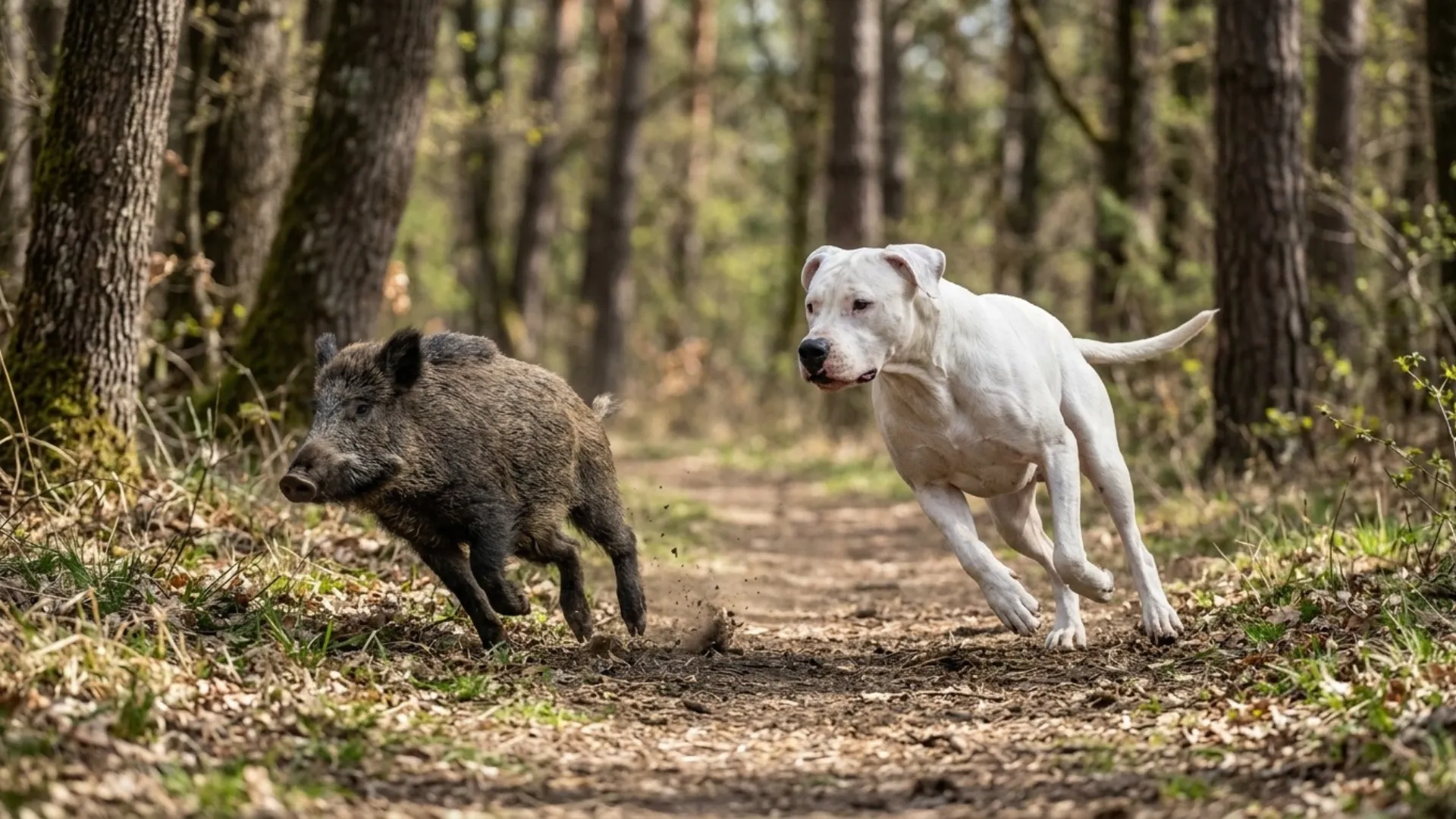
Wild boars are aggressive, fast, and armed with sharp tusks. Finding them in heavy brush takes a specialized dog. You need a focused worker with a sharp nose, high stamina, and unwavering confidence.
Not every canine can handle this demanding environment. Top hunting breeds possess instincts refined across generations of selective breeding. They track cold scent trails across steep hills, mud, and dense cover without breaking stride.
A great hunting dog also knows how to work closely with its handler. It uses vocal signals to report its position while keeping a watchful eye on shifting surroundings. These traits turn a difficult outdoor chase into a controlled, successful outing.
Here are the ten best dog breeds for tracking wild boars. Each brings a unique mix of speed, intelligence, and determination to help you navigate the field with success.
Top Dog Breeds for Tracking and Hunting Wild Boars
1. Dogo Argentino
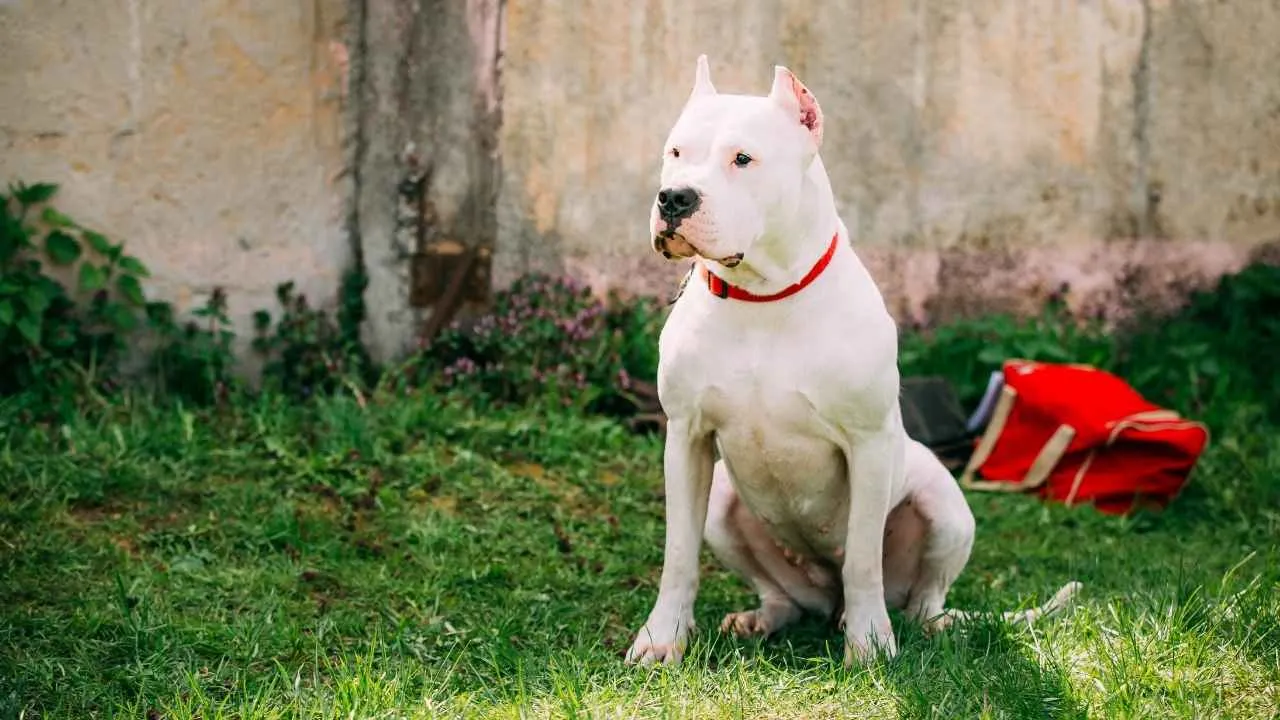
Dogo Argentino is like a snowy powerhouse engineered for pure tenacity in the raw wilderness. Developed in 1920s Argentina by crossing historic fighting stock with big-game pursuers, this athletic canine ranks among the most capable hunting dog breeds for managing dangerous quarry.
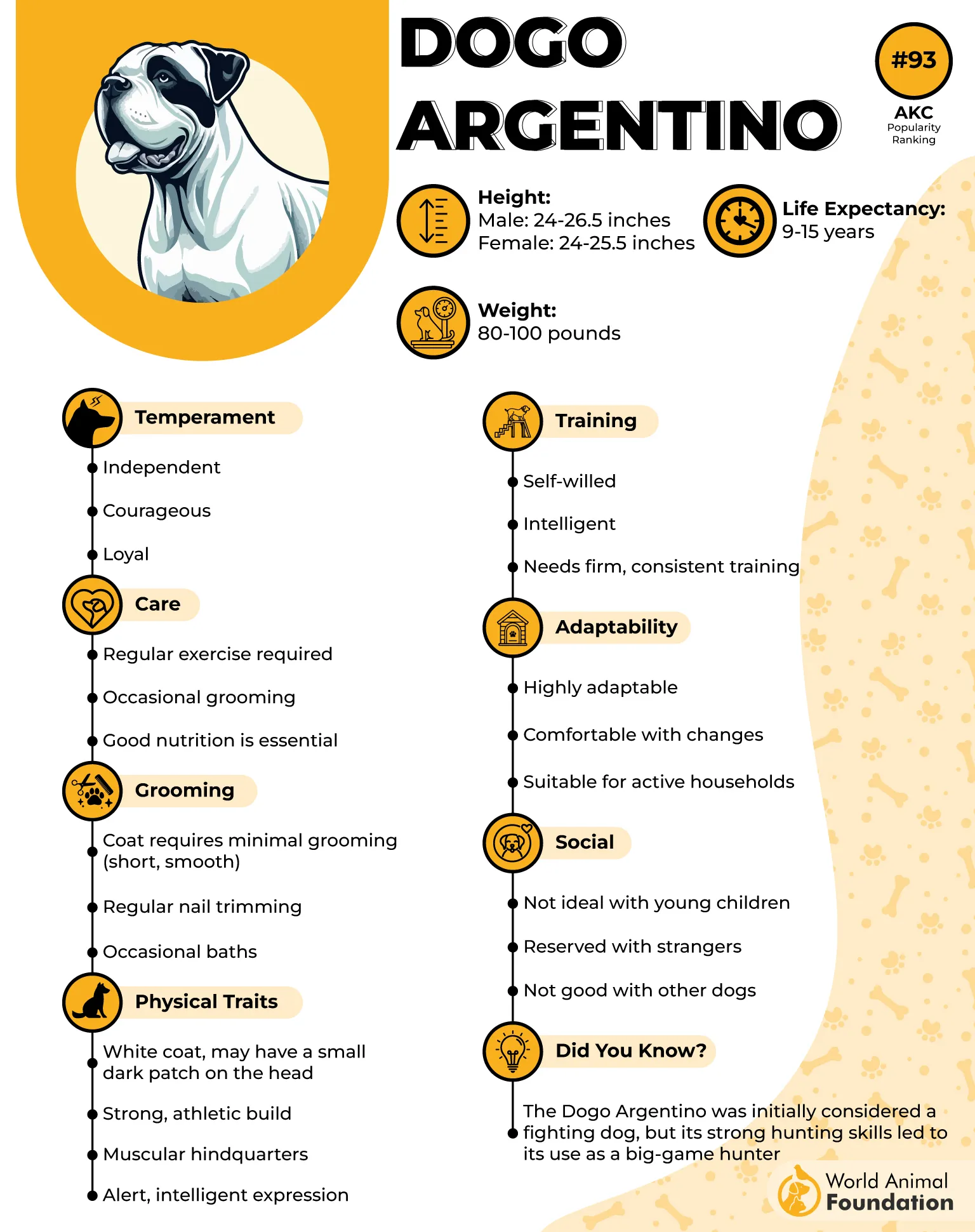
Its broad chest, sturdy limbs, and short white coat create a striking silhouette. Beyond looks, its exceptional strength and stamina support grueling outdoor missions, while a deep bond with its handler fosters flawless cooperation in the field.
WebMD mentions that this brave breed thrives best under an experienced owner who understands intense prey drive and independent instincts. Early socialization is vital. Its low-maintenance coat requires minimal grooming, though routine skin checks are recommended to catch scratches after field work.
Training & Exercise
Daily workouts, consistent obedience practice, and structured activities help channel this energetic dog’s drive. Prioritize reliable recall and composure around distractions.
Scent games offer excellent mental stimulation without encouraging dangerous confrontations. During hunts, focus on controlled tracking, protective gear, and maintaining safe distances from wild boars.
2. Catahoula Leopard Dog
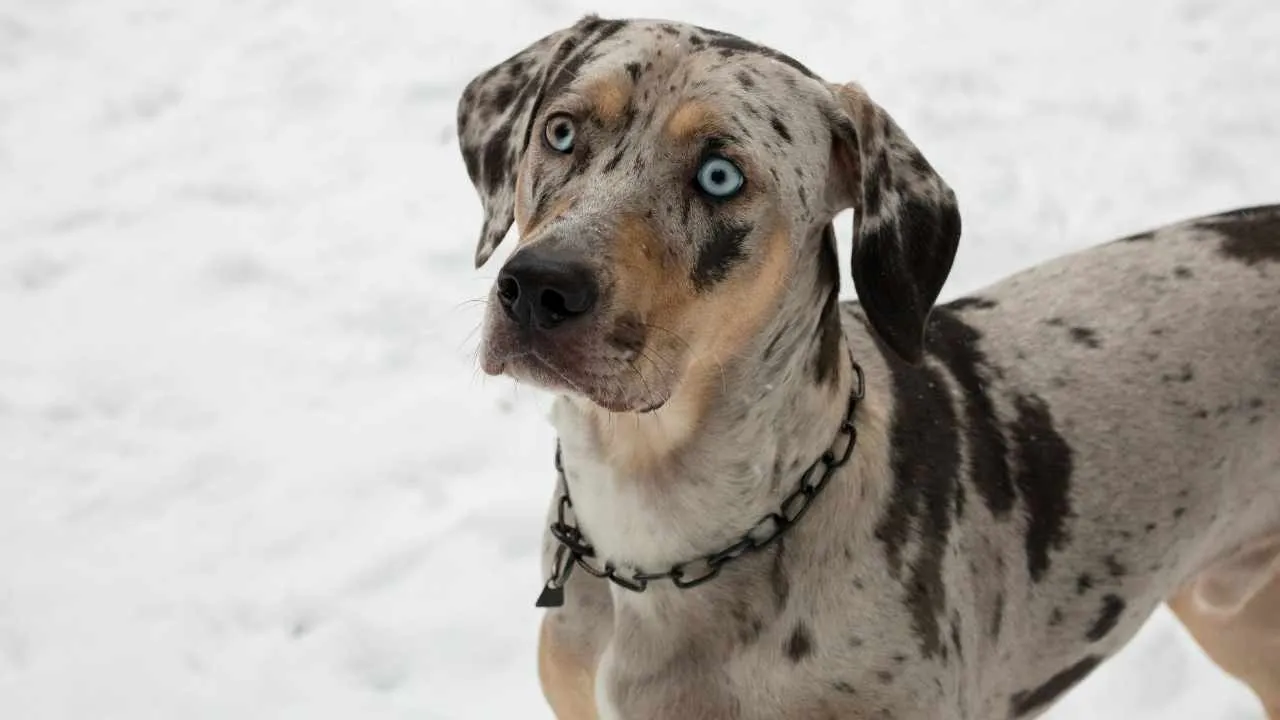
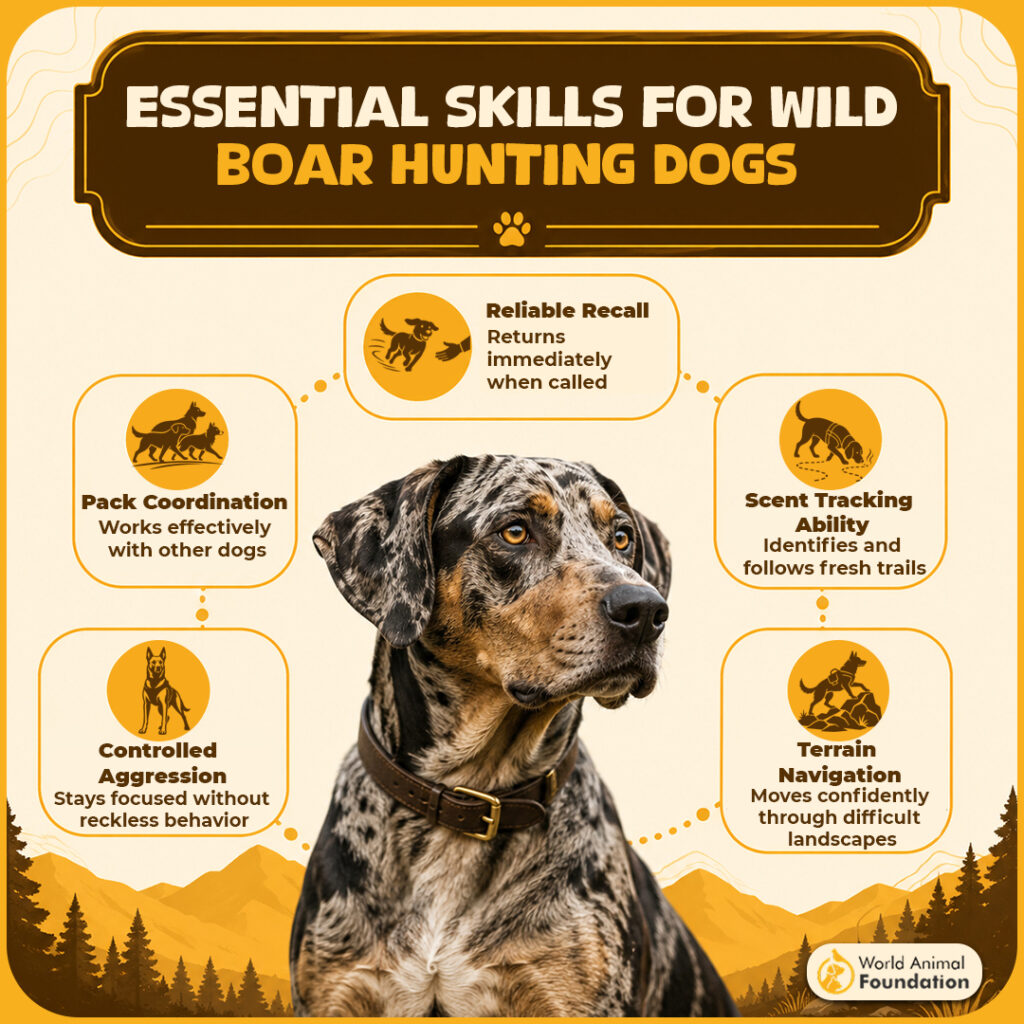
Hardworking and fearless, the Catahoula Leopard Dog is a Louisiana native built for tough outdoor jobs. Settlers originally bred this colorful hound to navigate dense swamps, manage livestock, and work through difficult terrain effortlessly.
This energetic canine moves effortlessly across mud, thick vegetation, and uneven ground. A powerful nose fuels its scent work, while an alert nature helps it navigate shifting surroundings. Eye-popping coat patterns range from merle markings to solid hues.
Purina mentions that a strong independent streak reflects its working background. Its suitability for wild boar hunting depends on individual talent, conditioning, and handler experience rather than appearance alone. Early socialization ensures appropriate responses to visitors and strange animals.
Training & Exercise
Catahoulas require steady physical activity, mental challenges, and calm, consistent obedience guidance. Tracking games, structured walks, and supervised outdoor adventures provide healthy outlets. Secure fencing and dependable recall are essential to manage their strong chasing instincts around wildlife.
3. Plott Hound
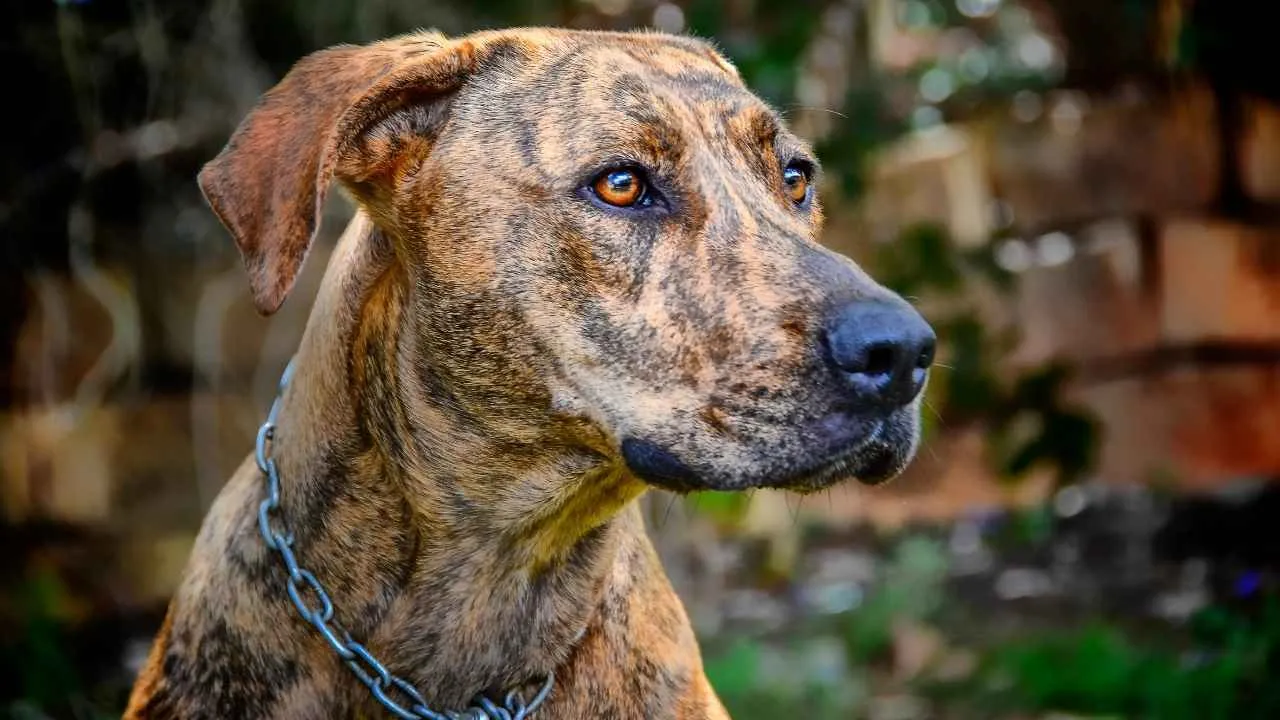
Plott Hound is an unyielding scent-seeker that refuses to abandon a cold trail. Descended from eighteenth-century German stock brought to North Carolina, generations of selective breeding shaped a relentless hunter capable of pursuing large quarry across rugged mountain country.
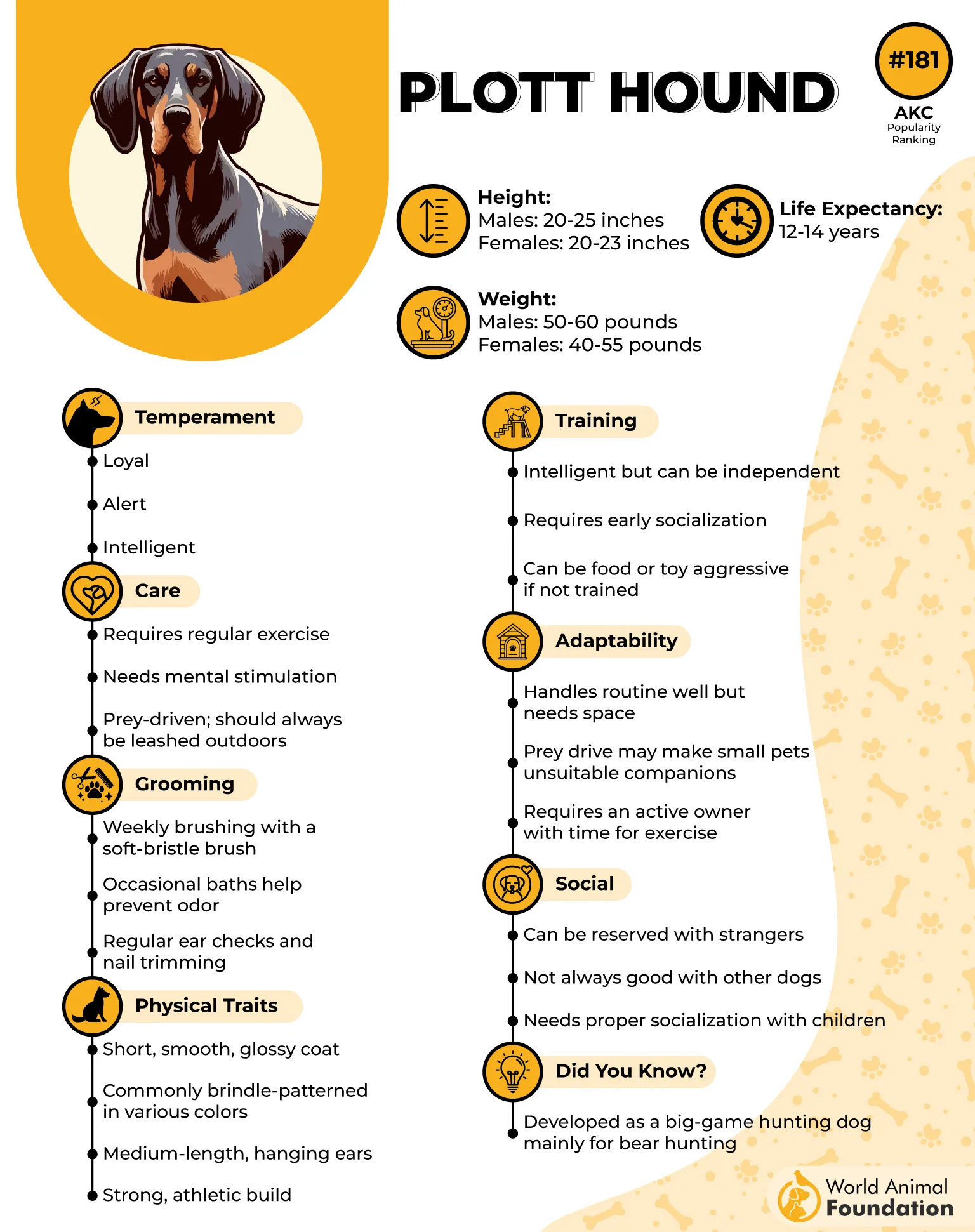
A brindle coat, muscular frame, and sturdy paws fit demanding outdoor pursuits. But the real magic happens at ground level: a Plott Hound unravels scent trails with unbelievable persistence, using its booming voice to communicate with handlers.
Its rich history with big game makes it a top contender for hunters researching wild boar tracking. At home, this vocal hound balances serious working instincts with a loving, affectionate personality.
Training & Exercise
Daily workouts, scent games, and structured drills keep this energetic mind satisfied. Consistent recall training deserves extra focus since compelling scent trails easily hijack its attention. Patient obedience work and safe tracking sessions build cooperation while keeping hunting instincts under control.
4. Slovensky Kopov
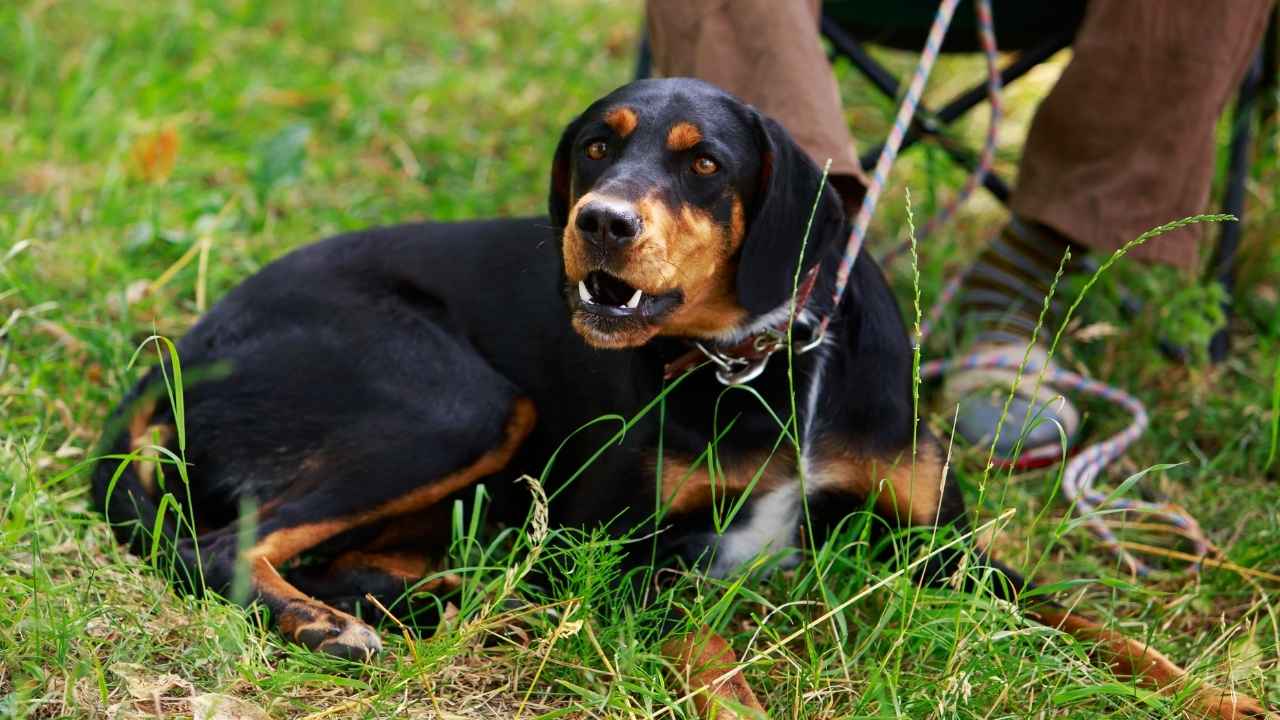
Stealthy focus meets pinpoint accuracy inside the remarkable Slovakian Hound. Hailing from dense European forests and mountainous terrain, local outdoorsmen relied on this medium-sized scenthound to single-mindedly decode complex game paths.
Black-and-tan markings, long ears, and an athletic frame give it classic hound appeal. It locks onto scent trails with complete concentration, baying clearly so handlers can follow its progress through dense cover.
This breed’s independent nature reflects generations of purposeful fieldwork. At home, it forms close bonds and thrives on a predictable routine. However, the AKC states that its high energy demands an active household that respects working-dog instincts.
Training & Exercise
Regular exercise, structured scent exercises, and clear communication are key. Early socialization promotes calm responses in new environments. Patient obedience training reinforces recall, while tracking games provide vital off-season mental stimulation. Secure boundaries prevent unsupervised roaming when an intriguing trail catches its nose.
5. Karelian Bear Dog
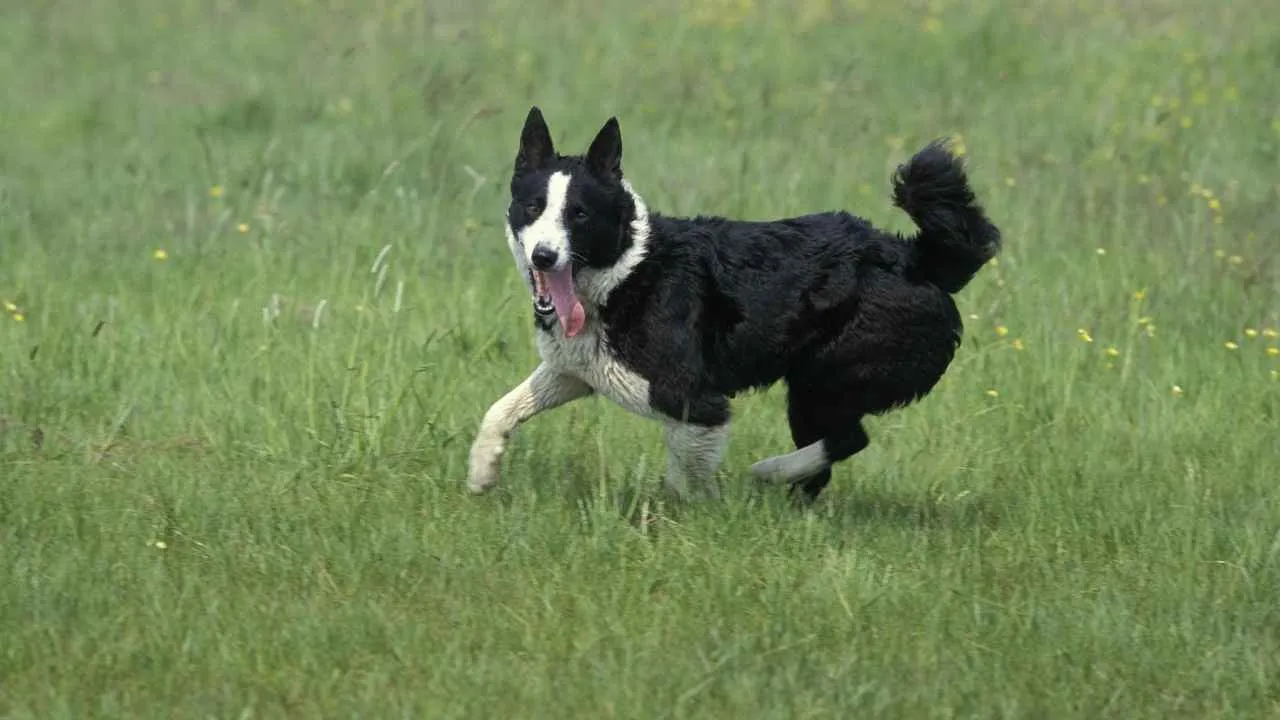
Powerful and alert, the Karelian Bear Dog was built to handle tough Finnish wilderness conditions. Local hunters relied on this bold working dog to confront large animals, track big game, and navigate rough outdoor terrain without hesitation.
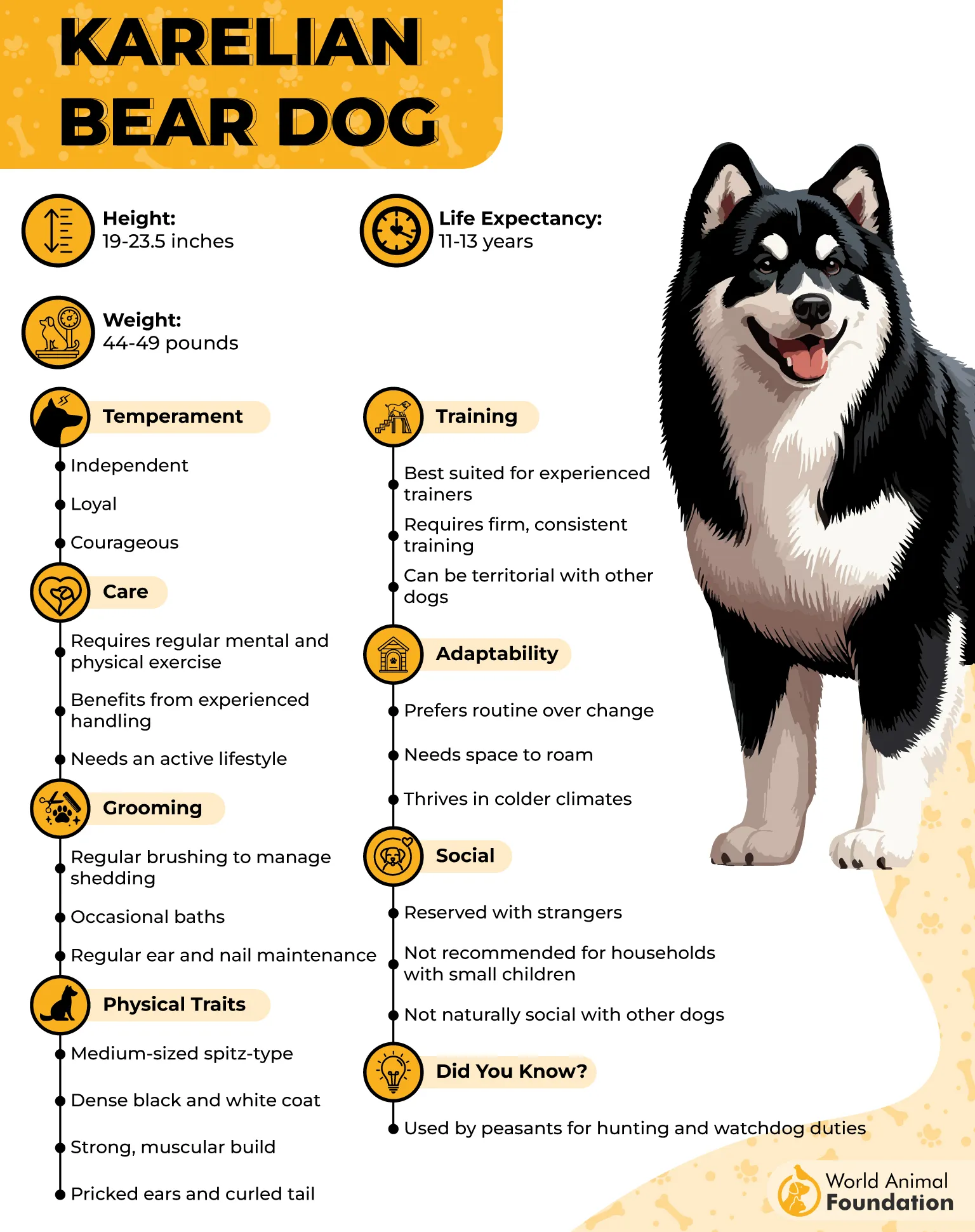
Its black-and-white coat, compact muscular body, and agile movement suit rugged woodland terrain. Rather than relying solely on brute force, it uses sharp environmental awareness and loud vocal communication to manage the game.
While deeply attached to family, this breed requires careful introductions to unfamiliar animals. An independent personality demands an owner who respects working boundaries. Its dense double coat offers excellent cold-weather protection but requires frequent brushing during seasonal shedding.
Training & Exercise
Daily exercise, firm obedience work, and supervised scent games are essential. Practice reliable recall in controlled settings before introducing heavy outdoor distractions. Purposeful activities satisfy its working drive, but handlers must always maintain safe working distances from formidable game.
6. Jagdterrier
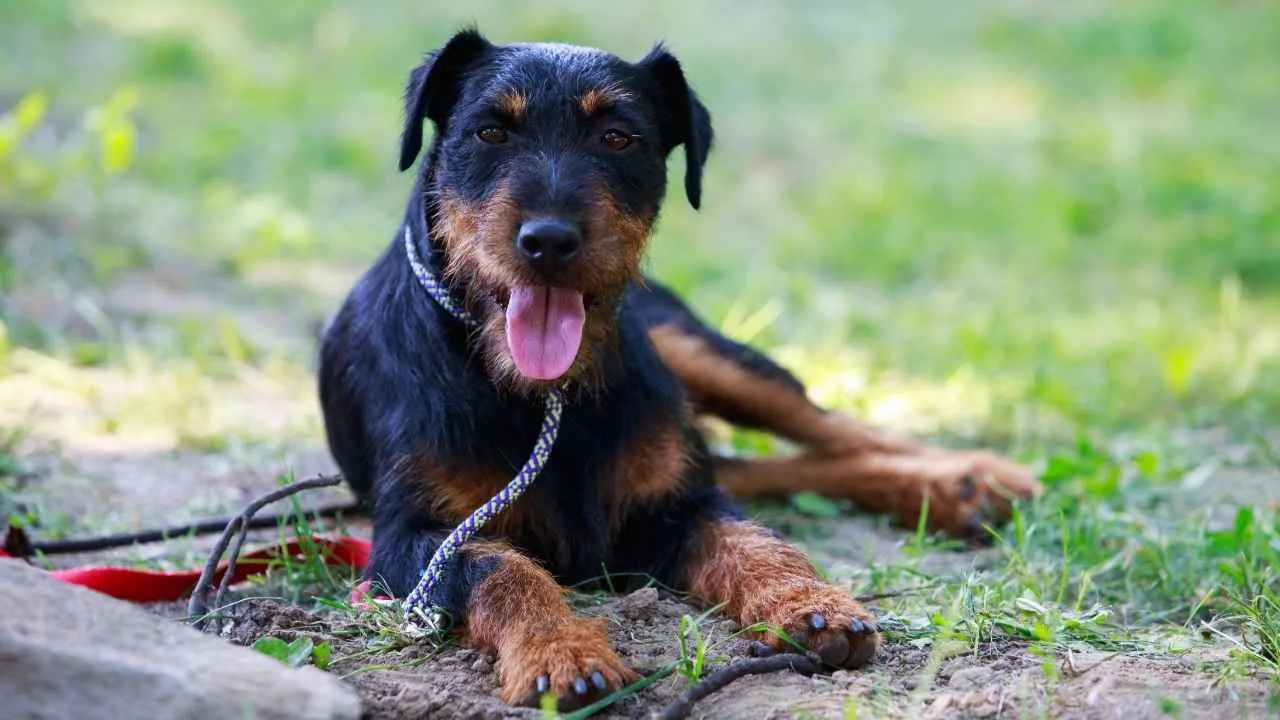
Despite having small stature, the Jagdterrier is a German dynamo that delivers explosive intensity. Engineered in twentieth-century Europe for uncompromising drive, this pint-sized powerhouse negotiates thick brush and tight spaces where larger dogs stall out.
An alert expression, black-and-tan coat, and swift movements showcase a breed built for action. While smaller dimensions help it slip through thick undergrowth, courage should never be confused with invulnerability against dangerous wildlife.
The Jagdterrier appeals to experienced handlers who value lightning-fast reactions and high tenacity. A fierce prey drive requires close supervision around smaller pets. Despite its intense working style, this spirited terrier brings endless personality to an active home.
Training & Exercise
Plenty of physical activity, mental exercises, and clear boundaries are mandatory. Early obedience must focus on recall, impulse control, and handler focus around distractions. Scent games channel nervous energy, while secure fencing prevents chasing neighborhood wildlife.
7. Serbian Hound
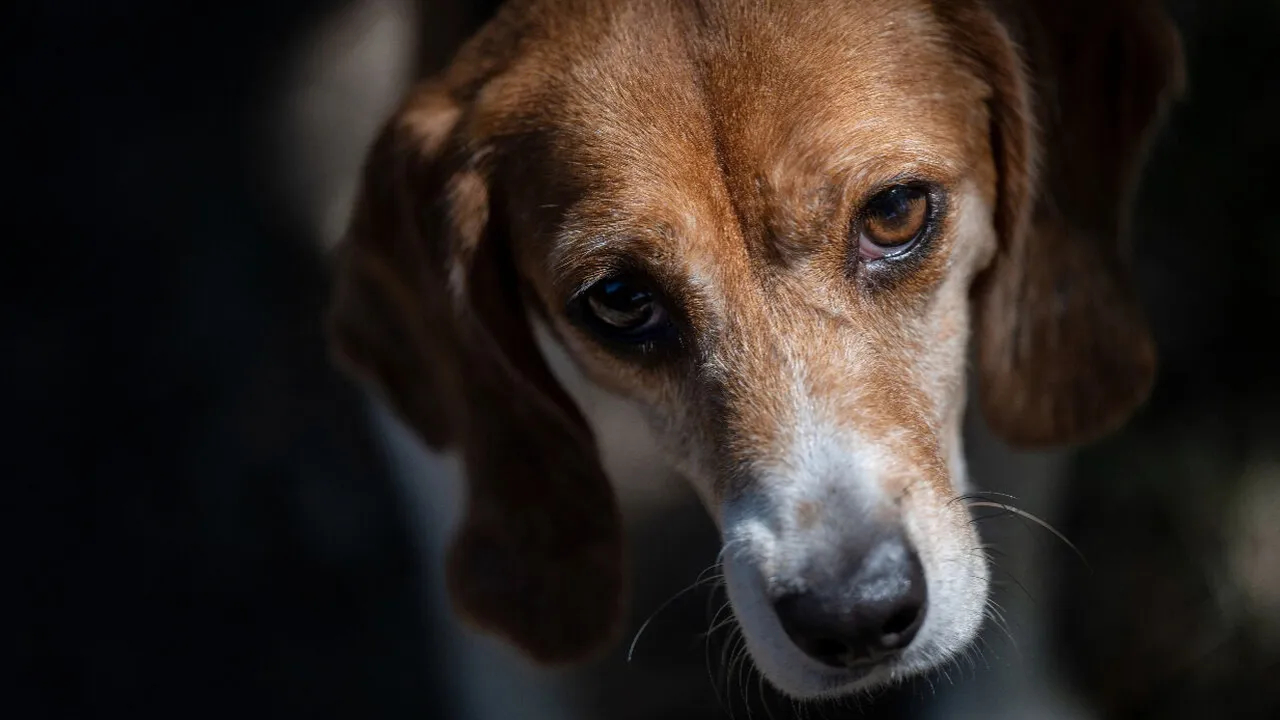
The Serbian Hound is a vibrant tracker breed that brings unmatched stamina to every outing. Revered throughout southeastern Europe, hunters prized this athletic tricolor performer for its keen nose and ringing bay.
A reddish coat, black saddle, and tan markings give it a classic tricolor look. Long legs power steady movement across rugged ground, while its sensitive nose tracks trails effortlessly through woods and open fields.
This active hound blends high endurance with sharp tracking instincts. Beyond the trail, it forms warm, loving bonds with its human family. However, prospective owners must plan for its naturally vocal personality, especially in residential areas.
Training & Exercise
Frequent walks, scent games, and structured outdoor adventures fulfill its physical and mental needs. Early socialization and rigorous recall training keep chasing instincts in check. Secure fencing is essential, and patient obedience practice builds a strong bond between handler and dog.
8. Black Mouth Cur
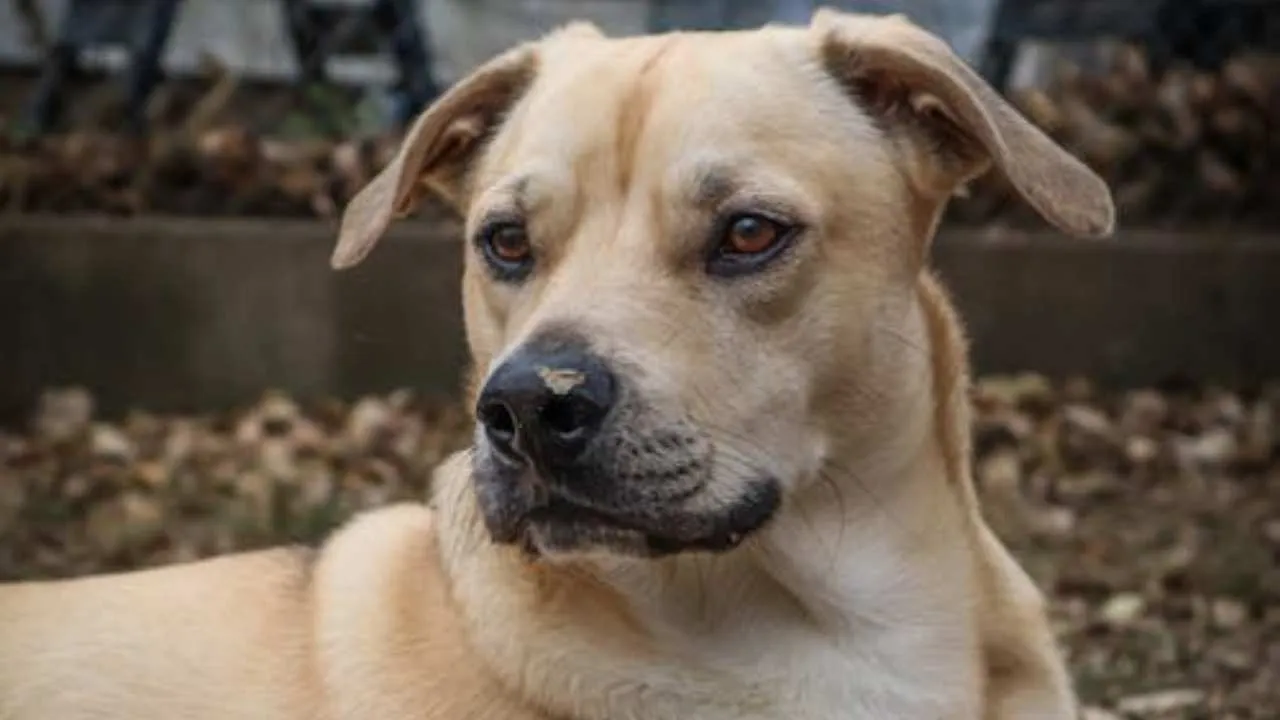
Built for hard labor, the Black Mouth Cur is an iconic Southern hunting and farm dog. Early homesteaders relied on this strong, energetic canine to manage livestock, protect family land, and navigate tough woodland terrain with ease.
A short coat, strong legs, and muscular frame suit rugged outdoor work. Many display exceptional endurance during long outings. High intelligence makes them quick learners, though independent instincts require consistent leadership.
Black Mouth Curs form deep family bonds and love having a job to do. Protective tendencies make early socialization crucial around strangers and unfamiliar animals. Working capability should always be evaluated individually rather than by breed name alone.
Training & Exercise
Needs regular exercise, clear rules, and mental engagement. Early socialization encourages stable behavior, while obedience work builds dependable field communication. Scent games and structured walks help burn off energy. Perform routine coat and paw checks after woodland outings to spot ticks or scratches.
9. Transylvanian Hound
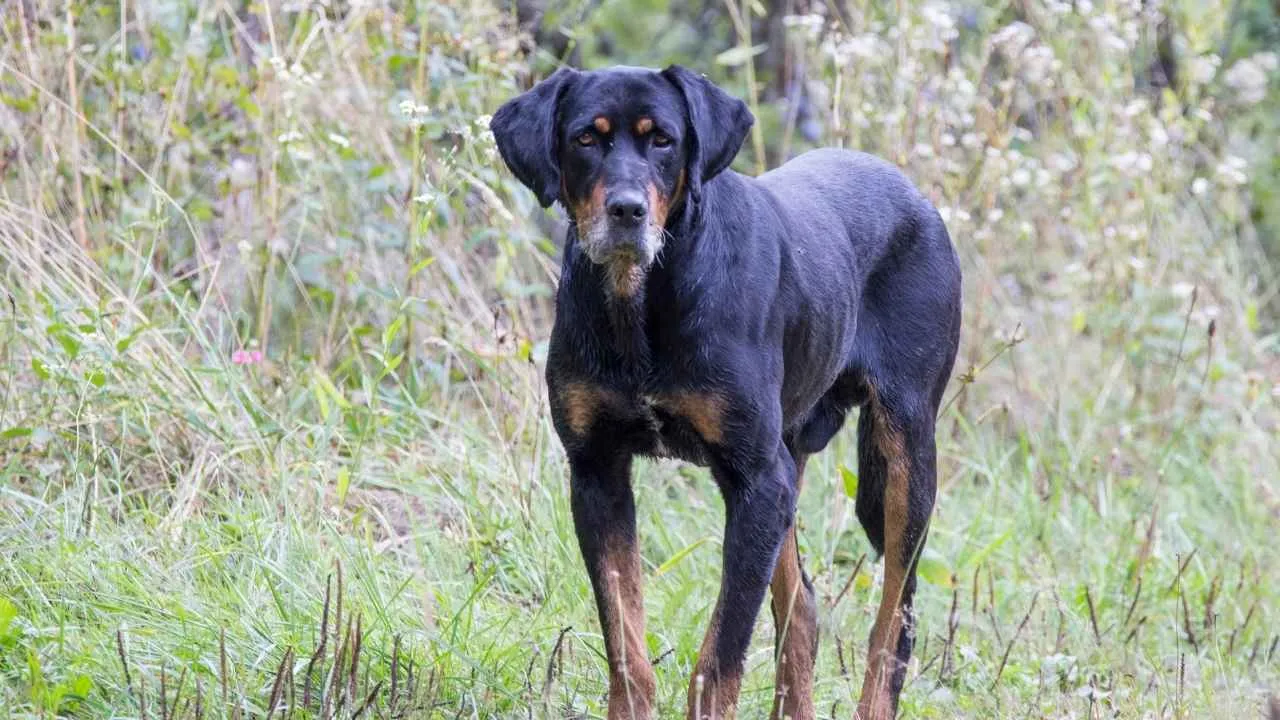
Steeped in royal European lore, the Transylvanian Hound emerges directly from the ancient Carpathian ranges. Hungarian woodsmen historically trusted these swift, high-endurance scenthounds to navigate hazardous mountain passes and track evasive quarry through thick forest floors.
Black-and-tan markings, long legs, and a sturdy body lend an elegant, hardworking appearance. Powerful scenting instincts and impressive endurance make it ideal for long outdoor pursuits.
For hunters researching wild boar tracking companions, this breed offers a rich traditional option. An independent streak reflects its working past, but at home, it transforms into an affectionate companion. Regular ear, coat, and paw checks keep it healthy after forest runs.
Training & Exercise
PetMD says that these dogs thrive on vigorous outdoor activity, scent work, and steady obedience training. Patient guidance and dependable recall practice manage pursuit instincts around wildlife. Secure fencing and supervised tracking exercises provide safe mental outlets without encouraging uncontrolled chasing.
10. Griffon Nivernais
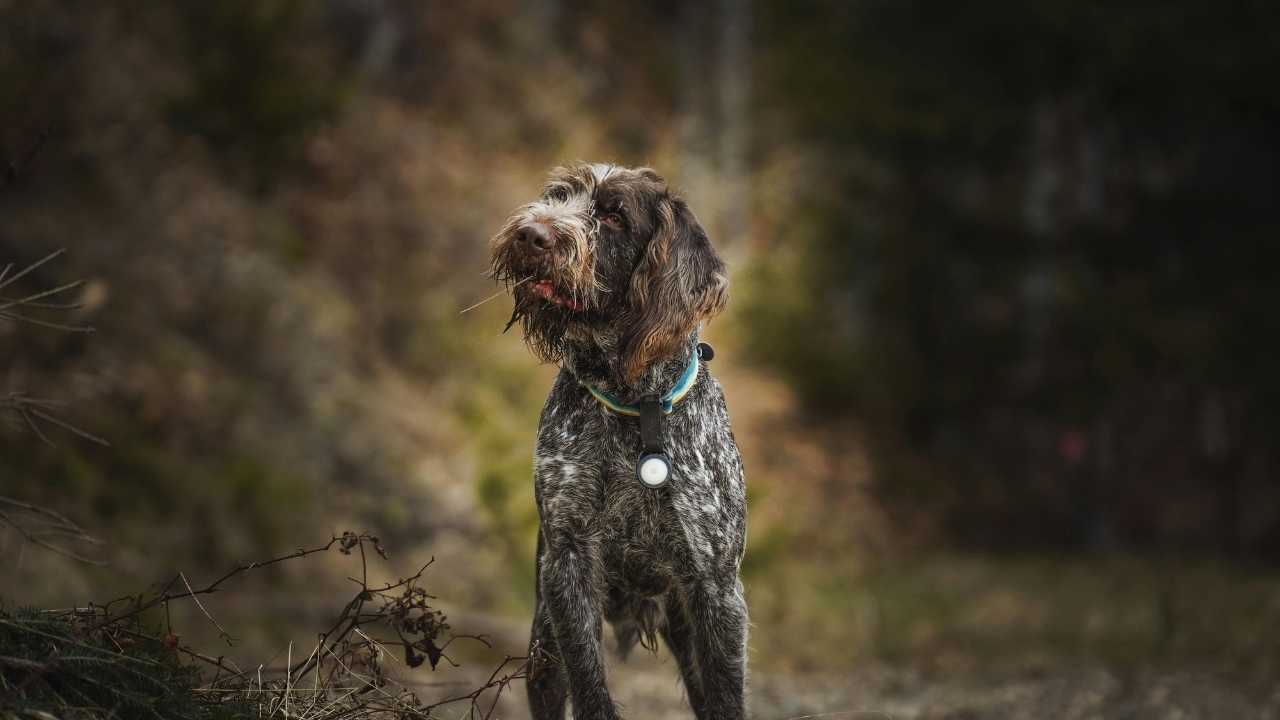
Griffon Nivernais brings rustic charm and a scruffy aesthetic look. Bred intentionally to conquer harsh brush, its wirehaired coat acts as natural armor during extended forest outings.
A rough, grizzled coat guards against thorns, while a powerful nose supports persistent trail work. Strong legs and an energetic working style allow it to cover challenging terrain effortlessly.
Its specialized heritage makes it a standout choice, though individual training and preparation dictate field success. An independent personality benefits from experienced handling. Its charming shaggy coat requires regular brushing to clear debris, along with routine ear and skin checks.
Training & Exercise
Requires daily exercise, mental stimulation, and structured obedience work. Patient guidance paired with scent activities channels its energy productively. Practice recall religiously, and prepare for a vocal companion whose enthusiastic baying is a natural part of its hound heritage.
Conclusion
Selecting the right hunting companion depends on your preferred hunting style, local terrain, and personal experience. Big-game powerhouses provide strength at close range, while traditional scenthounds offer steady tracking over long distances. High-energy terriers and versatile working breeds add agility and sharp focus to specialized hunting setups.
Before hitting the trail, prioritize clear obedience training, protective vests, and proper field safety. Wild boars react unpredictably when cornered, making safe working distances vital for your dog’s survival.
A successful hunt relies on teamwork rather than brute force alone. Invest time in steady training, care for your dog’s health, and build a reliable partnership built for the outdoors. With the right preparation, your canine companion will serve as a trustworthy partner on every adventure.
