




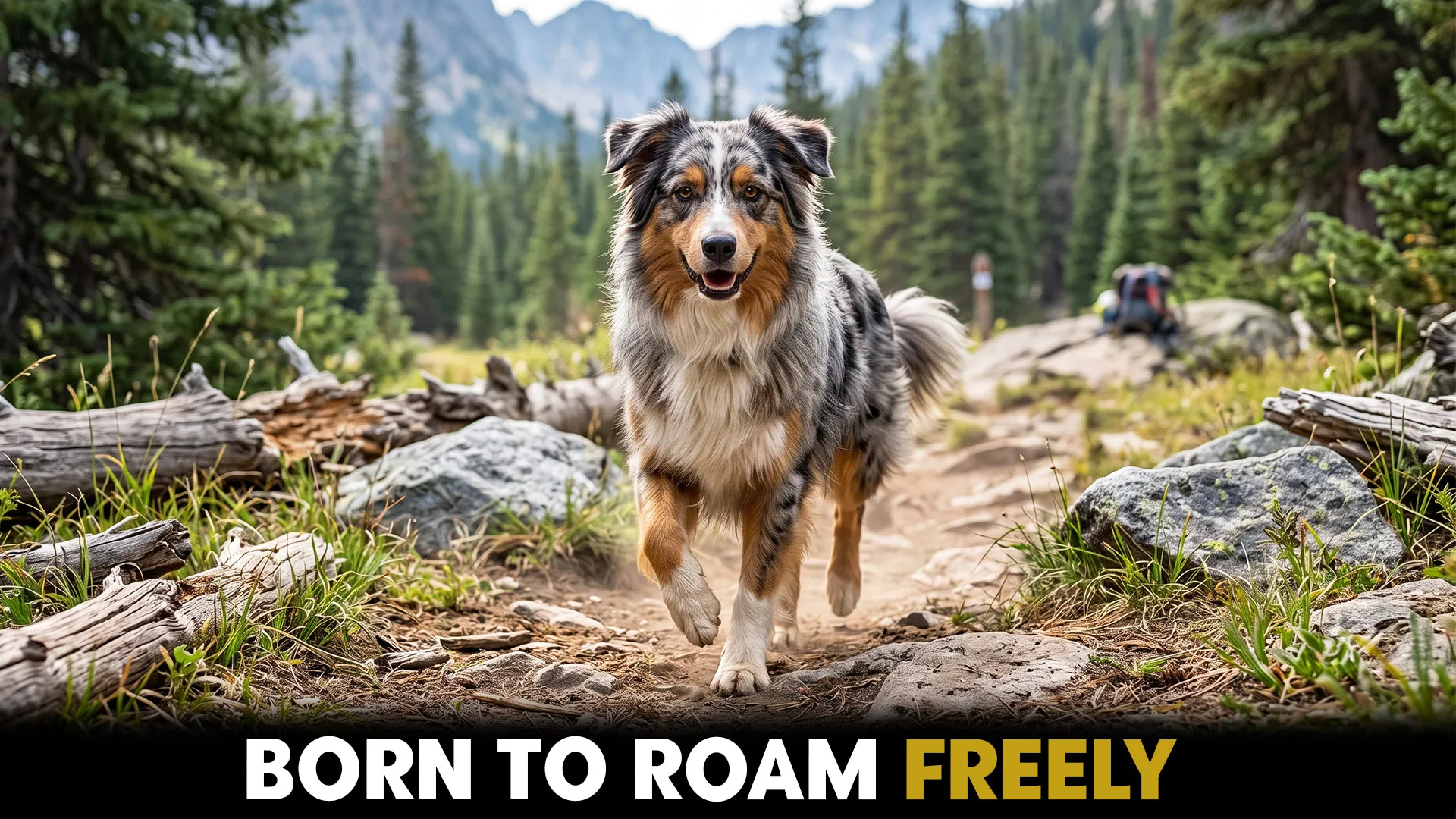
Some dogs see a quiet afternoon on the couch. Others see a trail, a muddy path, and a suspicious-looking hill and think, “Yep, we’re climbing that.” For outdoor-loving owners, the right canine companion can turn hiking, camping, and wilderness exploring into a whole new kind of adventure.
Active dogs with plenty of energy, endurance, and enthusiasm often thrive when they have room to move, sniff, and investigate everything nature puts in their path. Of course, every wilderness buddy needs suitable training, conditioning, and care.
So grab your hiking boots because these adventurous dogs are ready to discover what lies beyond the next trail.
Did you know?
Walking or hiking with your dog can create natural opportunities to meet fellow dog owners, share a quick chat, and feel more socially connected. So, exploring the wilderness together may bring new trails, new memories, and even new friendships.
Amazing Dog Breeds Ready to Explore the Wilderness
1. Australian Cattle Dog
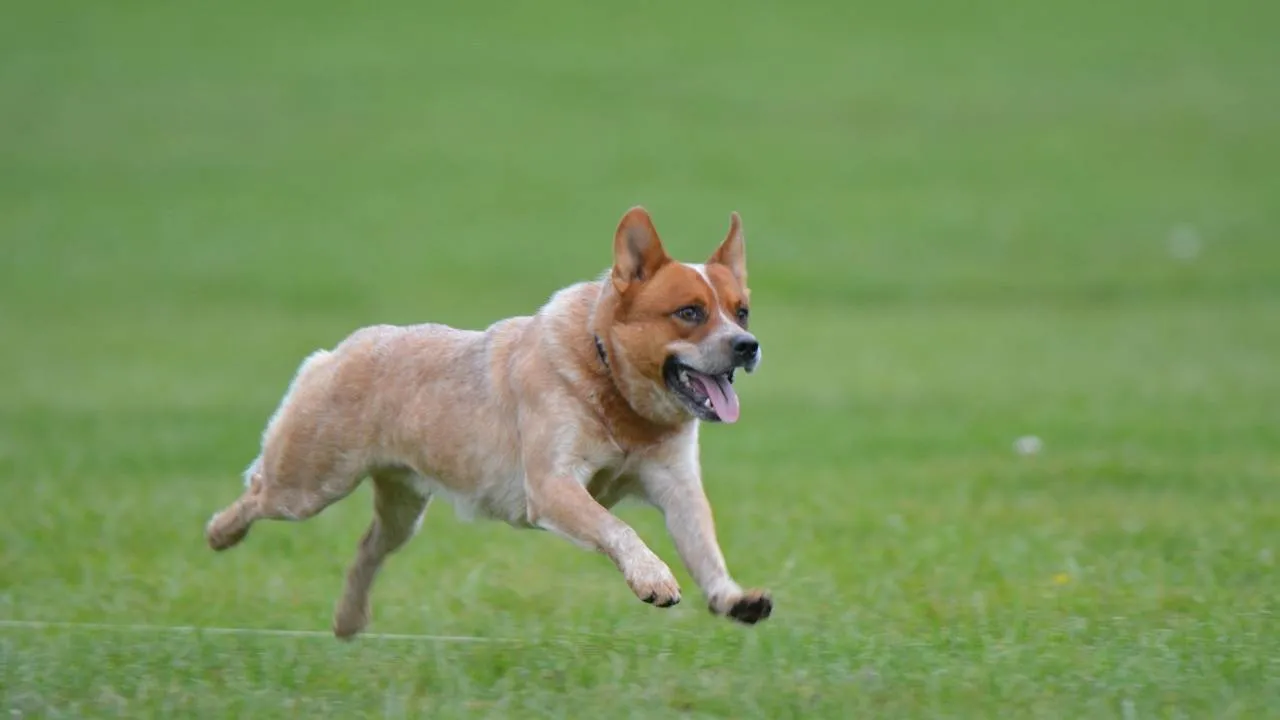
You can almost see the Australian Cattle Dog sizing up the day before it begins. Smart, quick to react, and naturally alert, this excellent companion thrives on activity. A quiet routine is simply not its favorite assignment.
Back in Australia, these dogs were originally bred for demanding cattle work rather than leisurely afternoons. Breeders crossed Dingoes with herding stock to create a tougher worker. The goal was a dog able to handle rough country and long distances.
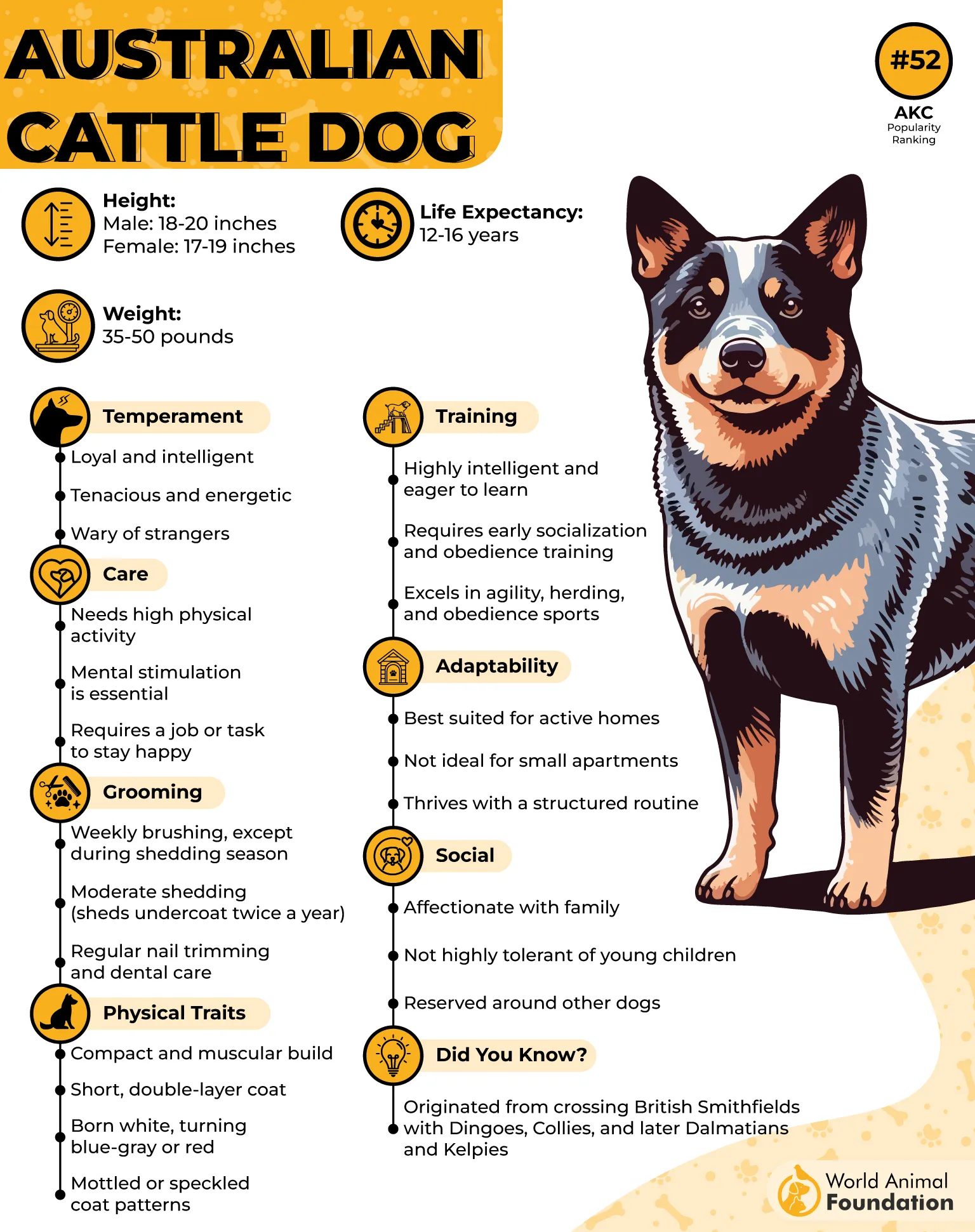
Out where the path gets messy, the Australian Cattle Dog looks right at home. Its muscular build and stamina support energetic exploration. Add its ability to handle hot or cold conditions, and wild country suddenly seems far less intimidating.
Why This Breed Excels in Wilderness Exploration
A dense double coat offers useful protection from weather and scrubby undergrowth.
Strong loyalty can create a focused partnership with a pet parent who enjoys active outdoor time.
2. Siberian Husky
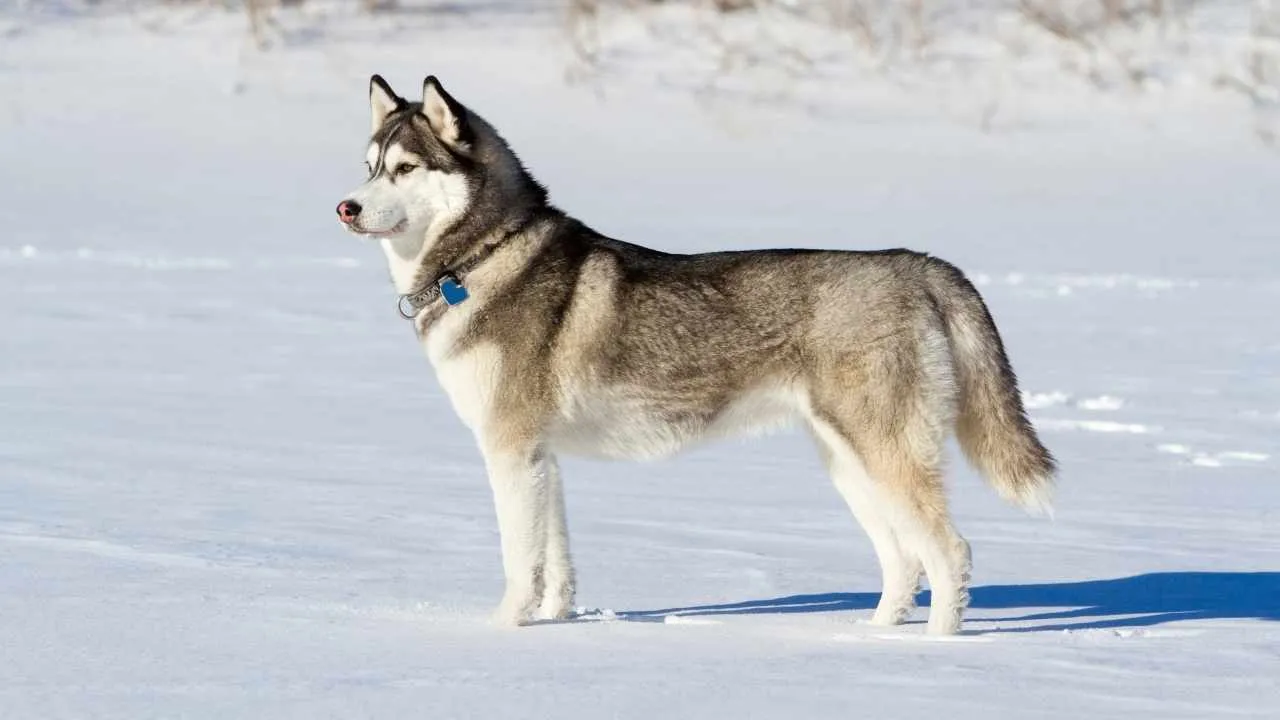
A Siberian Husky can make an ordinary outing feel suspiciously close to an expedition. Friendly, intelligent, and independent, this social northern breed brings plenty of personality and boundless enthusiasm. Owners who enjoy staying active and can handle a little mischief may appreciate the appeal.
Snow on the trail is hardly a reason to cancel plans for this breed. Developed for very cold conditions, Siberian Huskies can run for long periods. Snowy mountains and brisk outdoor adventures fit their working background remarkably well.
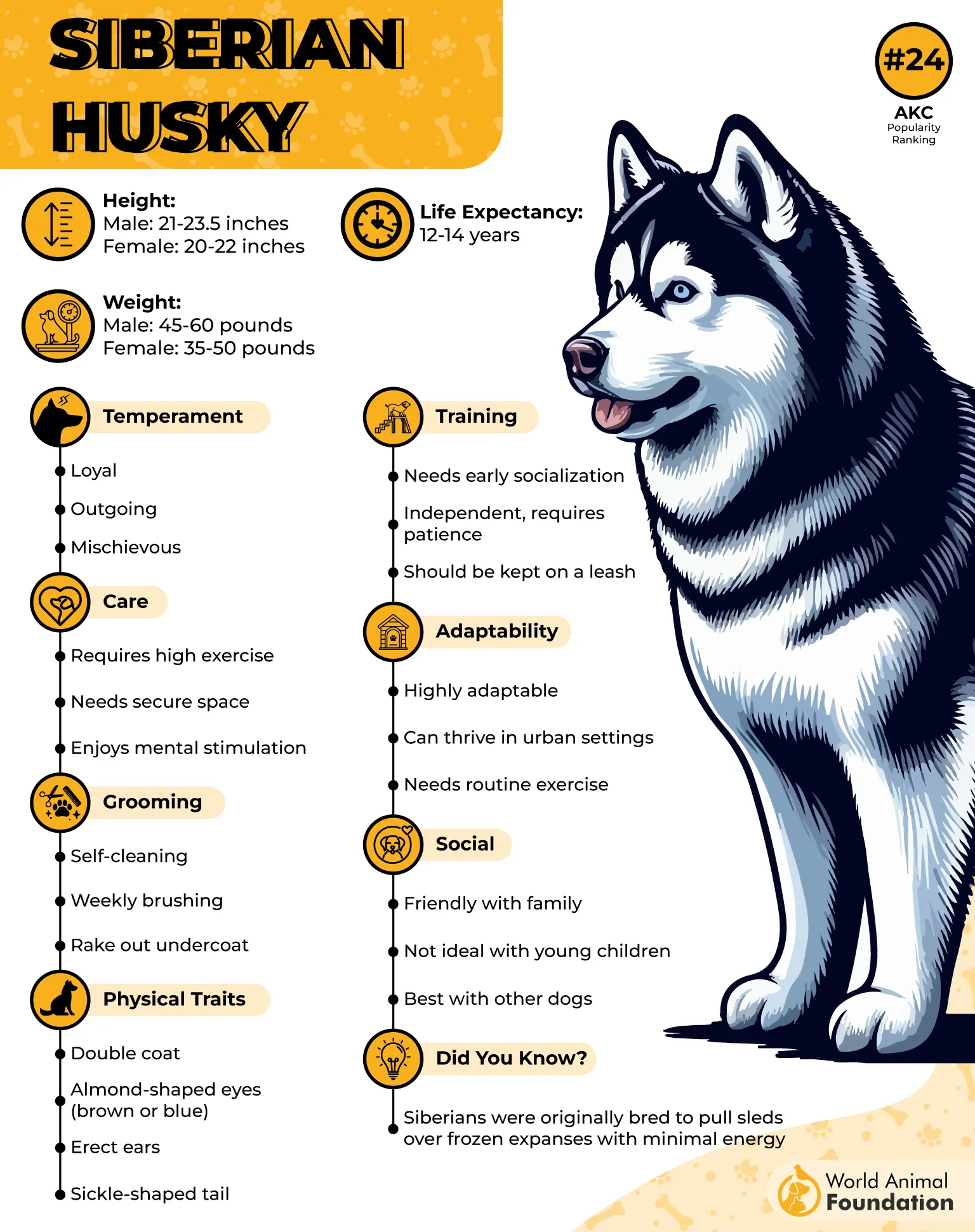
As noted by PetMD, Siberian Huskies benefit from training that starts in puppyhood and stays consistent. Leash training helps curb their urge to wander, while short, frequent sessions with treats and positive reinforcement can keep these independent dogs engaged.
Why This Breed Excels in Wilderness Exploration
Pack-oriented behavior can make shared adventures with people and other dogs feel natural.
Sledding and skijoring provide outdoor activities closely connected to the breed’s working heritage.
3. Australian Shepherd
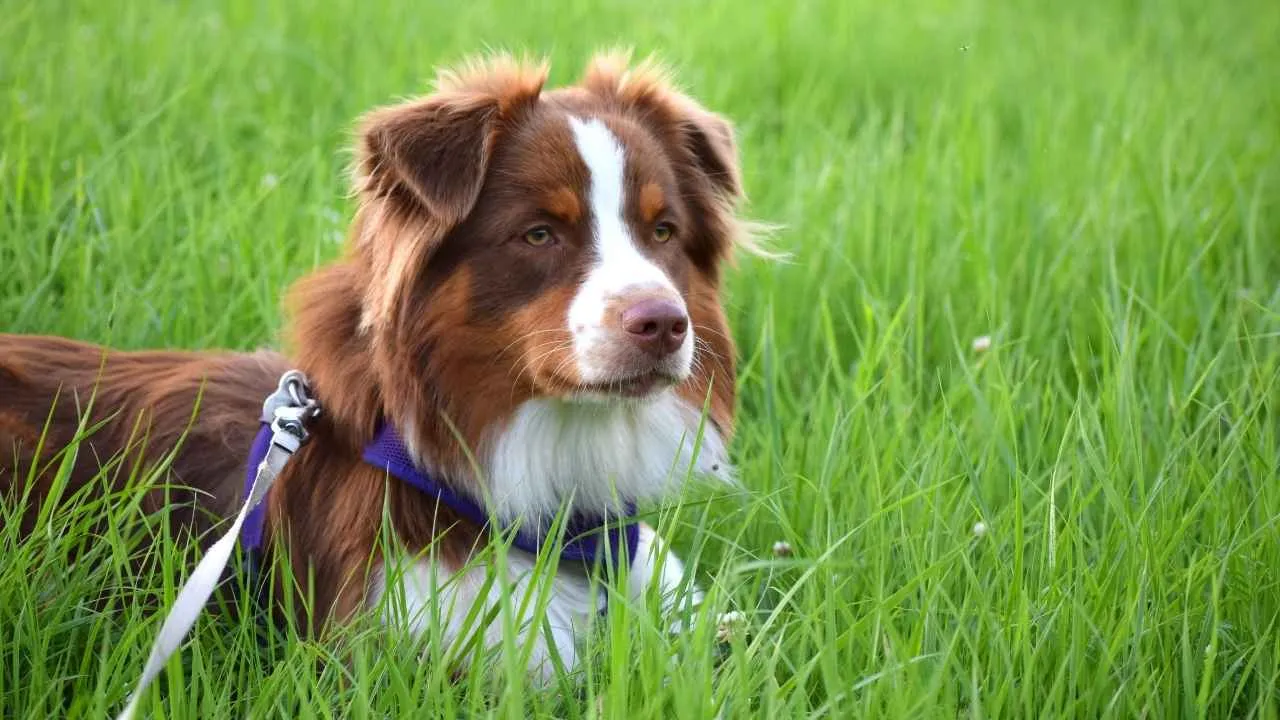
Give an Australian Shepherd something interesting to do and suddenly the day has a project manager. These highly intelligent, agile dogs enjoy staying busy with their people. Open spaces and active excursions usually make far more sense than endless indoor downtime.
Good company does not have to be human-only for an Aussie. With early socialization, Australian Shepherds can live harmoniously with other dogs. Their natural herding tendencies may still inspire them to organize whoever happens to be moving nearby.
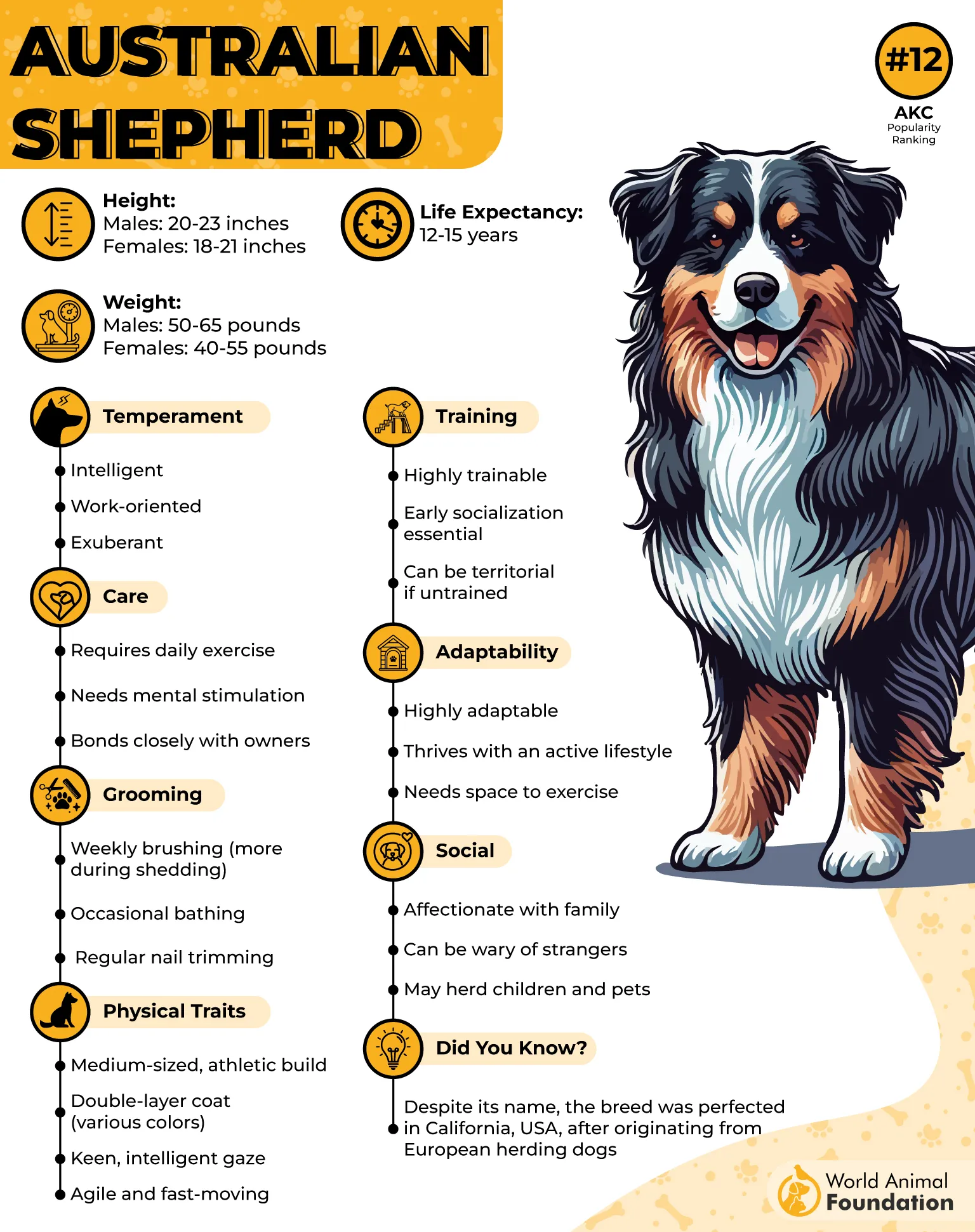
Keeping an Aussie satisfied takes more than simply opening the back door. Consistent mental and physical stimulation is essential. Hiking, running, advanced obedience, herding, or agility can turn all that buzzing energy into something useful and genuinely enjoyable.
Why This Breed Excels in Wilderness Exploration
A water-resistant double coat provides useful coverage when outdoor conditions become damp or muddy.
Strong working instincts give them enthusiasm for tasks that require concentration as well as movement.
4. German Shorthaired Pointer
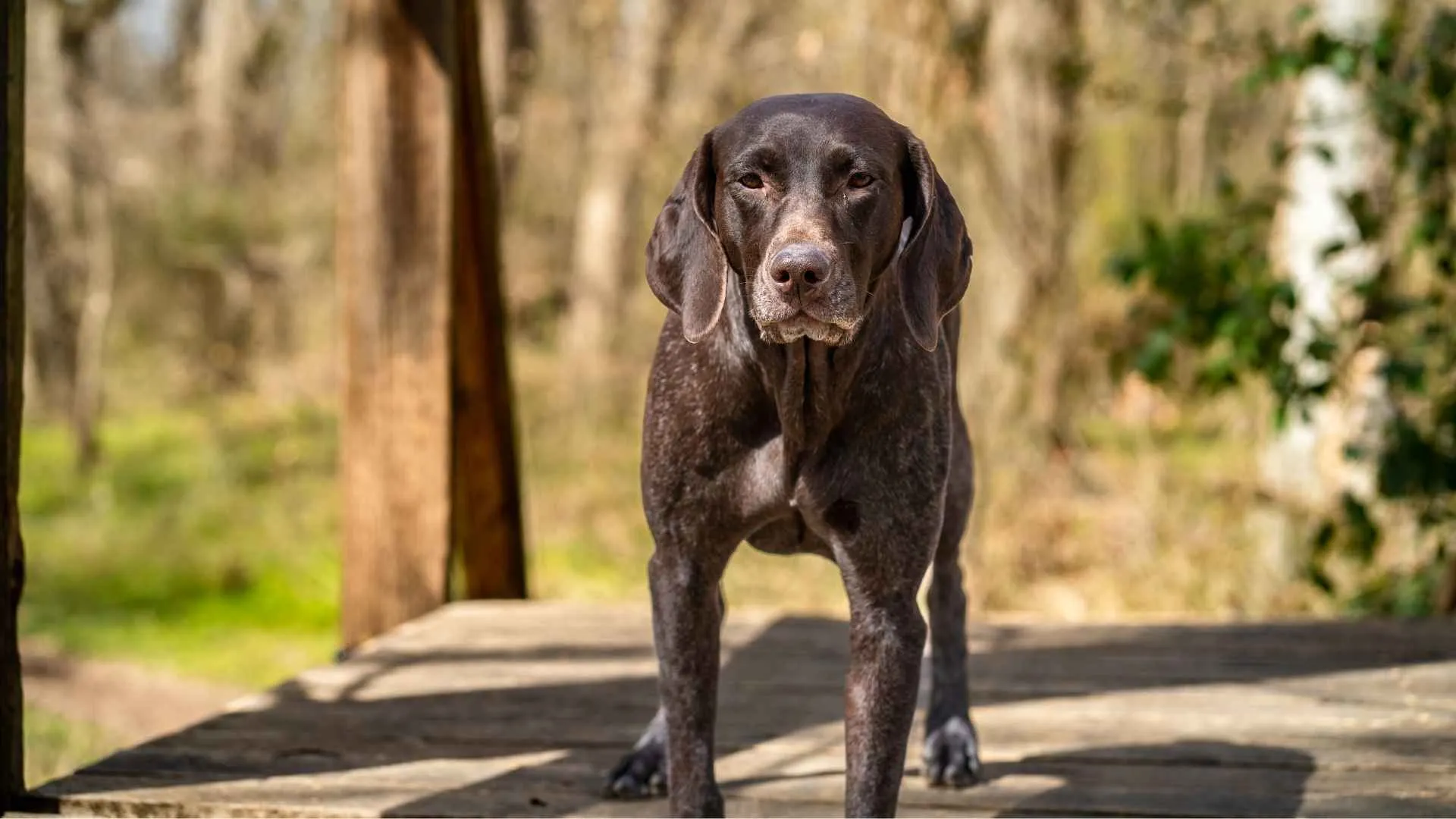
Few dogs wear athletic enthusiasm quite like the German Shorthaired Pointer. Recognized by the AKC in 1930, this sporting breed combines speed, agility, and endurance. Its genuine love of outdoor activity makes sitting around feel rather off-brand.
Long before these dogs became family companions, their job description was impressively broad. German breeders developed them as adaptable hunters able to trail, point, and retrieve game. That versatility included working across both land and water.
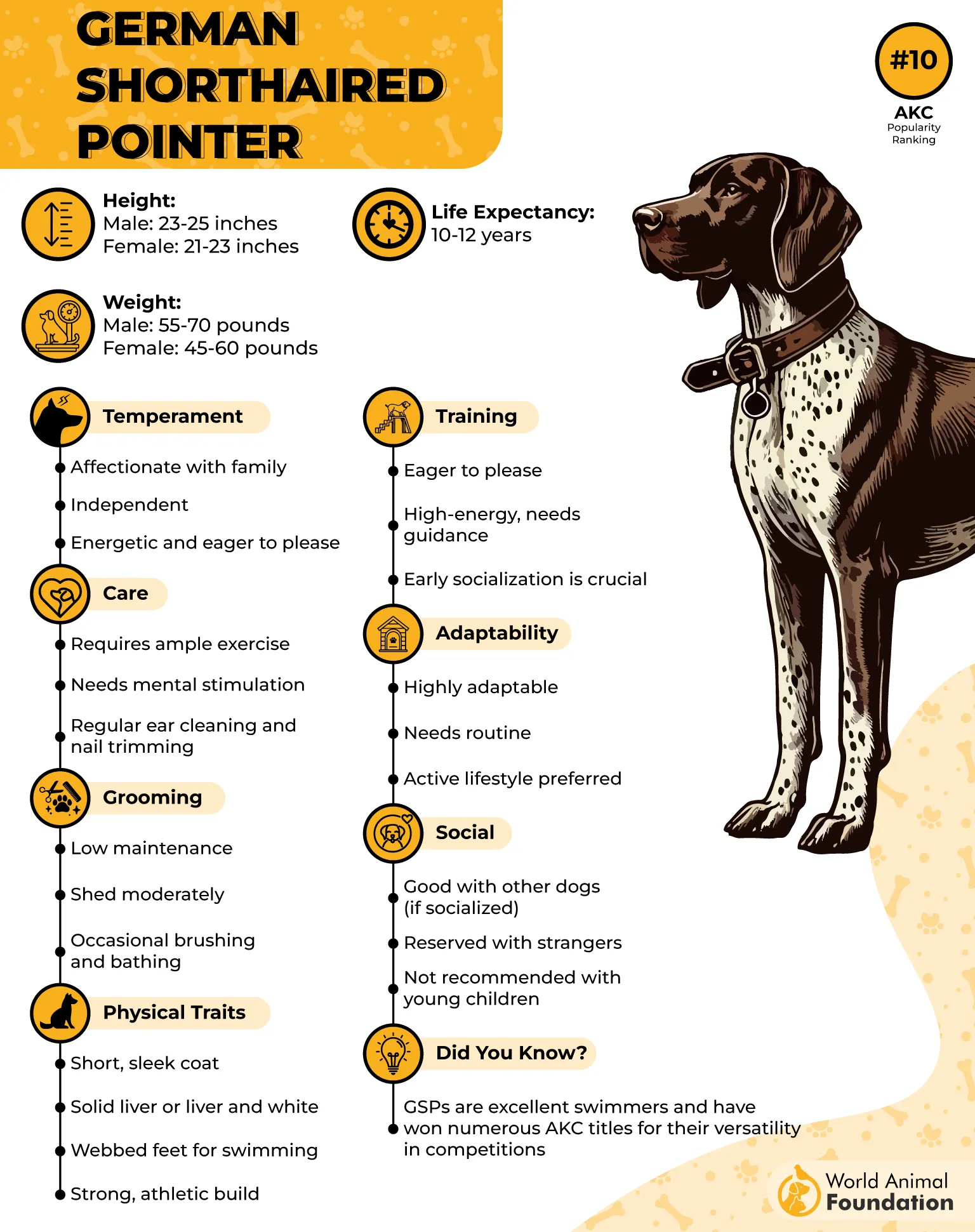
Once the excitement of exploring the great outdoors winds down, the GSP has another priority: staying close to its people. These loyal, loving dogs form deep bonds with their families and can generally do well with other pets. After enough activity, relaxing beside their favorite humans sounds like an excellent plan.
Why This Breed Excels in Wilderness Exploration
Webbed feet add a practical advantage when an outing includes streams, lakes, or other water.
A short coat keeps routine grooming relatively straightforward after dusty or dirty adventures.
5. Alaskan Malamute
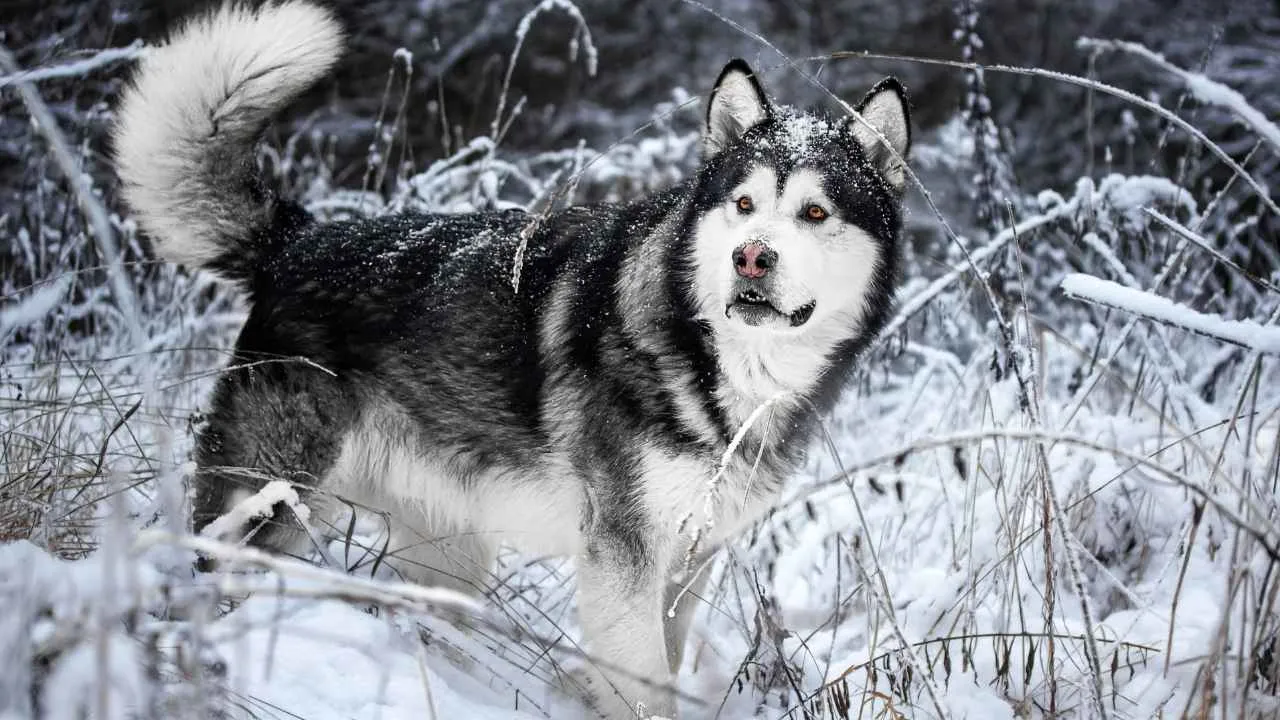
If adventure had a fluffy co-pilot, Alaskan Malamutes would volunteer immediately. These bright, spirited dogs love being part of the action. Cold climate only seems to make the invitation more appealing when there is something active to do.
Give them a long trail, and Malamutes are very much in their element. Bred for endurance rather than racing speed, they enjoy hiking, running, swimming, and backpacking. Long daily walks can easily become their favorite kind of shared plan.
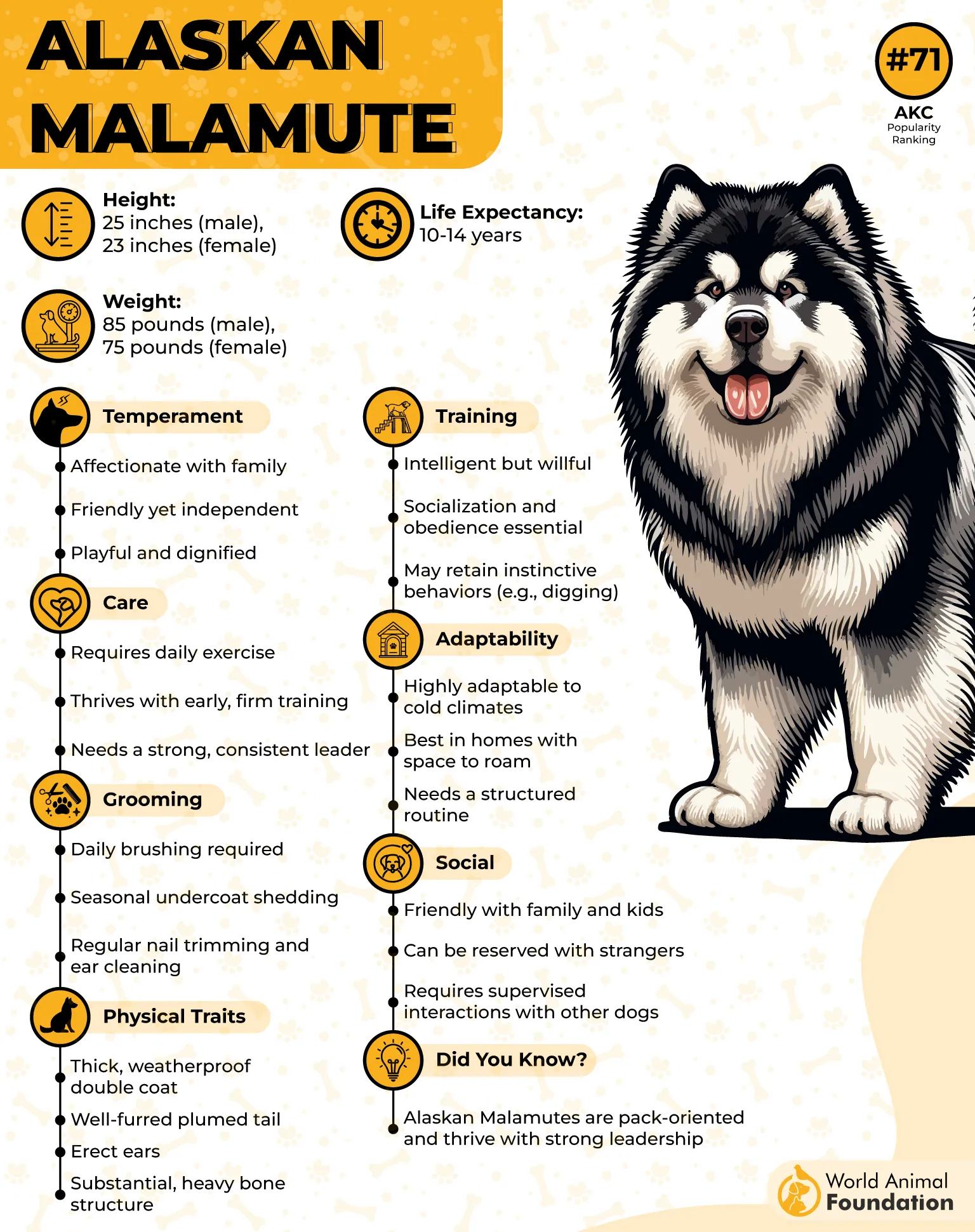
Keep things moving, and these dogs stay much happier. Regular physical activity gives their strength and stamina a useful outlet. Puzzle games, tricks, and agility can also keep their quick-thinking minds from inventing entertainment nobody actually requested.
Why This Breed Excels in Wilderness Exploration
Their thick waterproof double coat is naturally adapted to harsh Arctic conditions.
Powerful shoulders and substantial builds were developed for hauling heavy loads over challenging distances.
6. Rhodesian Ridgeback
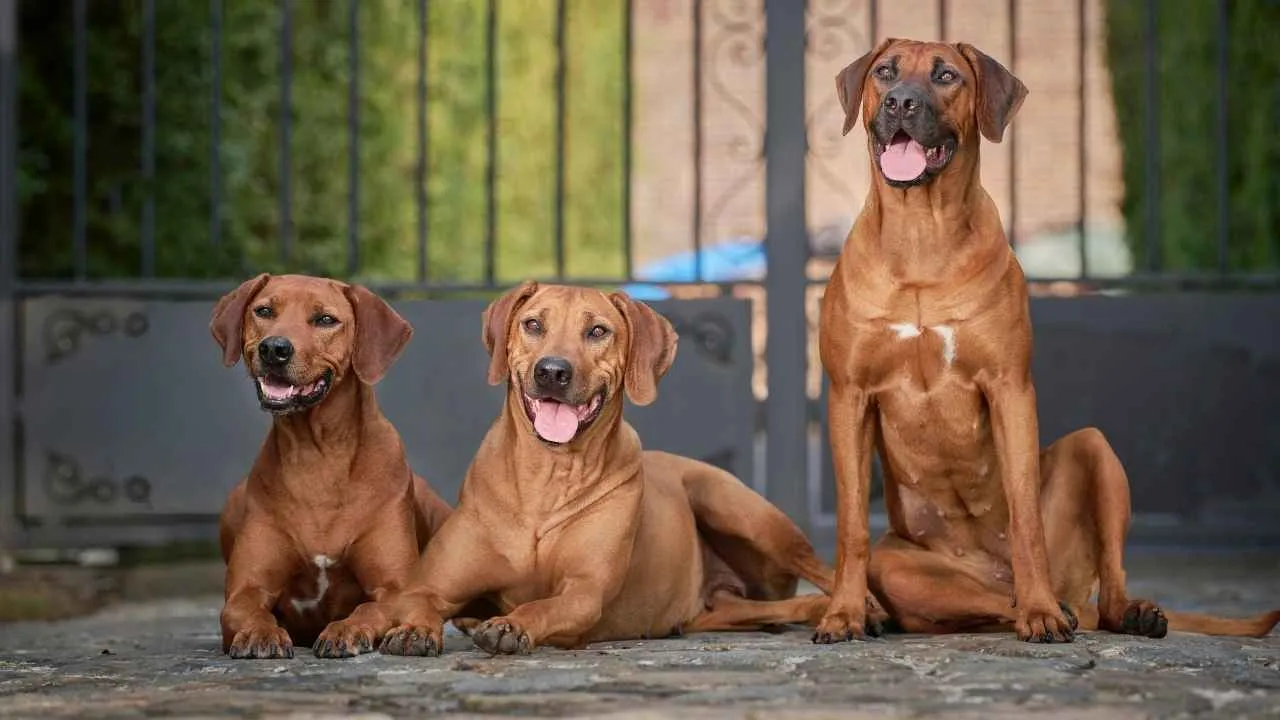
A Rhodesian Ridgeback brings a calm, serious presence to outdoor life, but there is plenty of athlete under that famous ridge. These powerful hounds are known for speed and courage. Their independence adds a distinctly self-possessed edge to every outing.
For camping trips, their love of long walks and running can make active days easier to plan. Rhodesian Ridgebacks can also enjoy hiking, swimming, agility, and scent tracking, giving athletic owners plenty of ways to keep outdoor adventures varied and engaging.
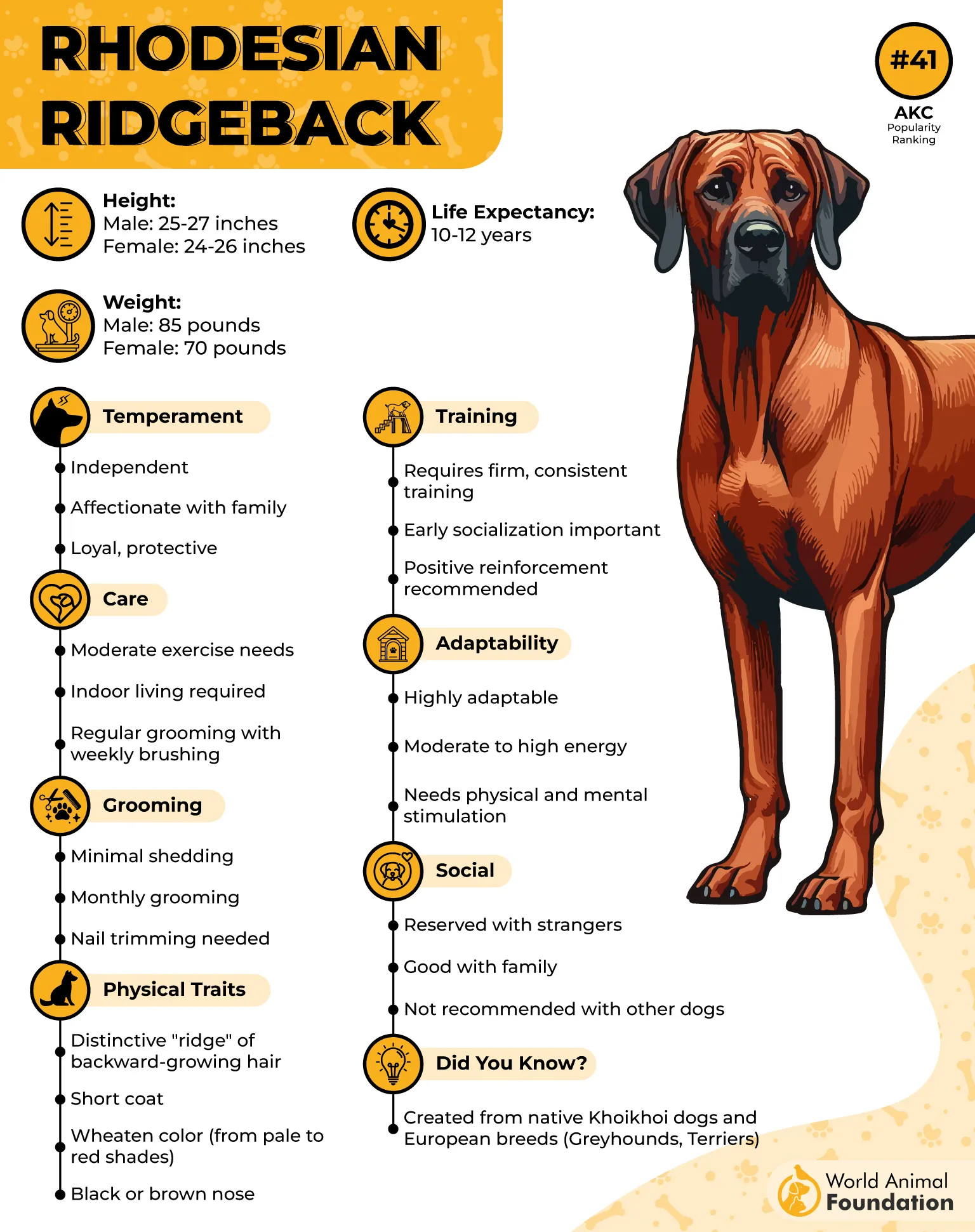
As mentioned by WebMD, Rhodesian Ridgebacks have a strong prey drive, so early socialization and obedience training matter. These strong-willed dogs need consistent guidance from a young age and should stay leashed or safely enclosed when outdoors.
Why This Breed Excels in Wilderness Exploration
Tracking and agility can challenge both their minds and bodies in active settings.
Their generally quiet nature means barking is often reserved for alerting owners when something deserves attention.
7. Vizsla
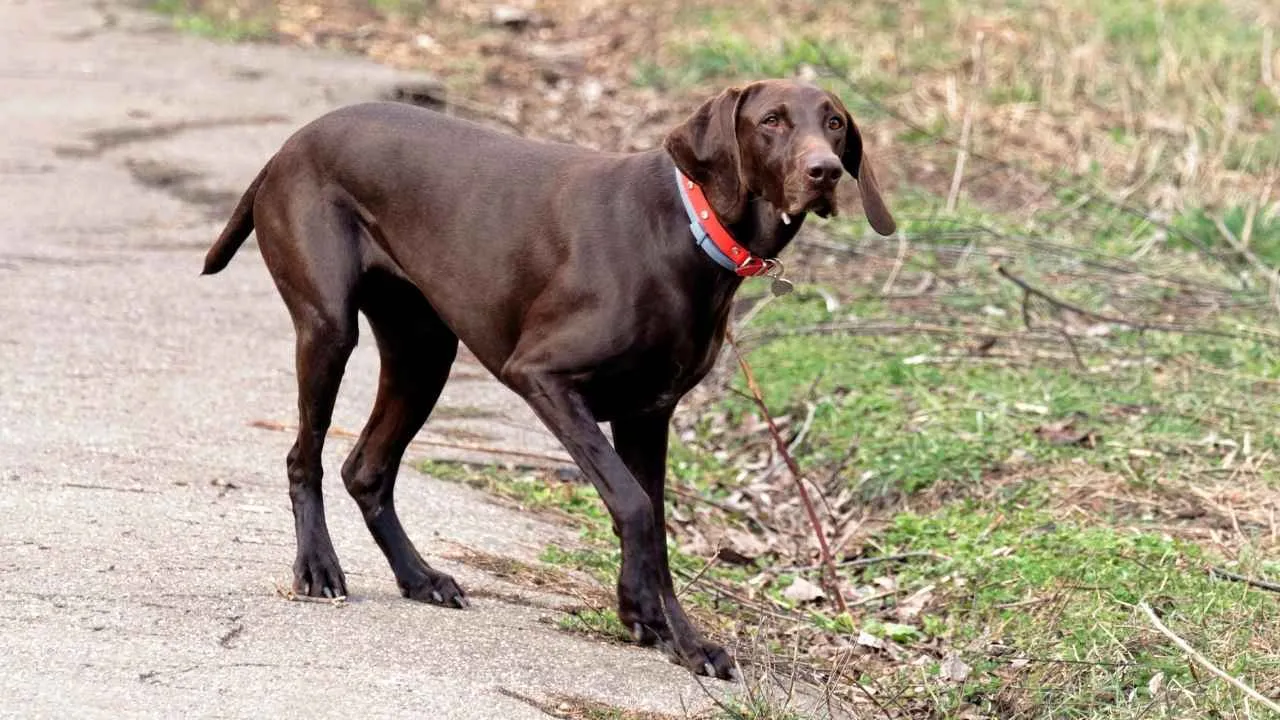
A Vizsla does not really believe in casual participation. These cheerful, energetic dogs prefer to be fully involved, especially when their favorite person joins the plan. Their athletic nature makes an active outdoor routine feel almost suspiciously well matched.
Long before they became beloved and great companions, Vizslas worked as Hungarian hunting dogs. They were developed to track, point, and retrieve game while staying close to people. That background helps explain why purposeful movement still suits them so naturally.
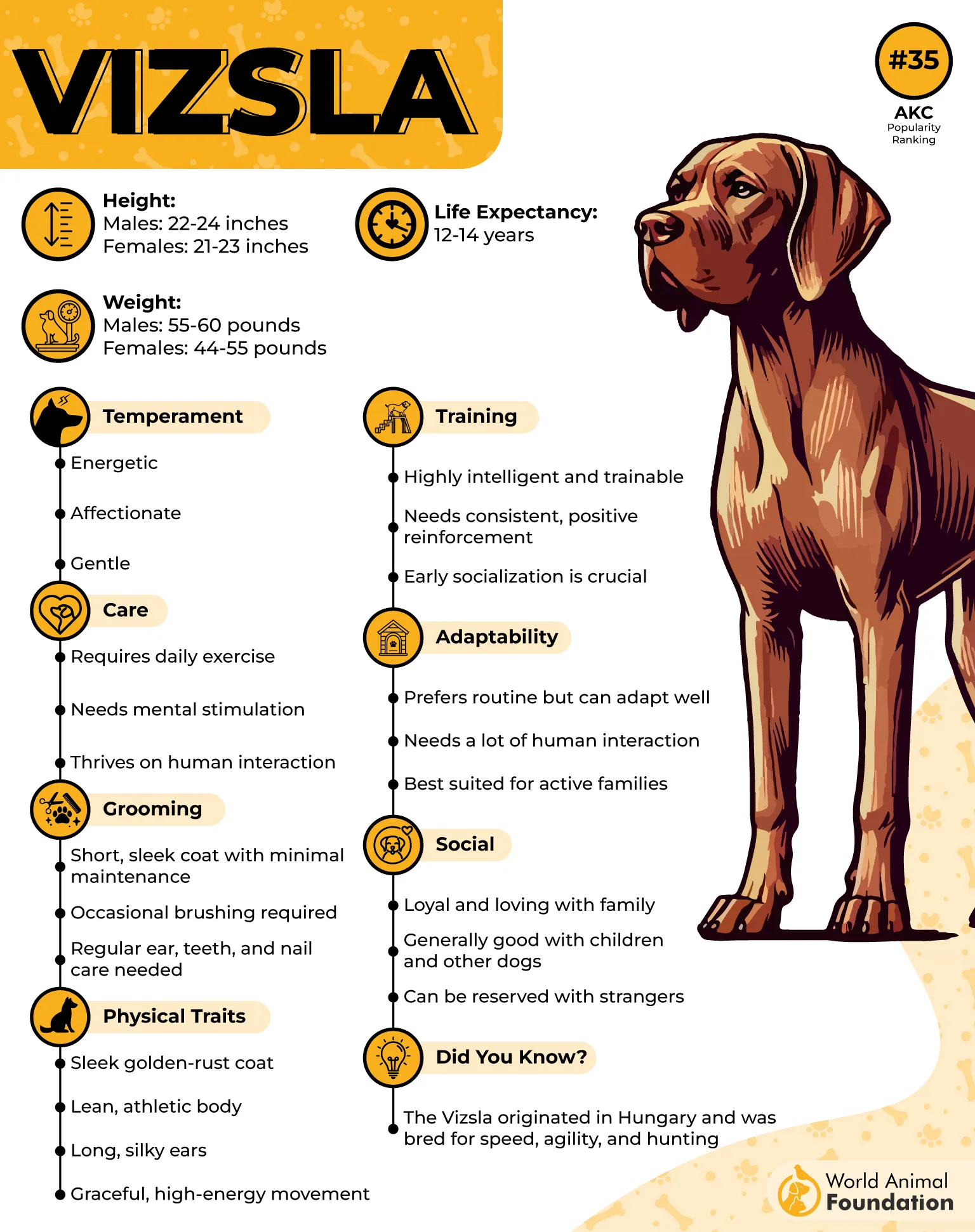
Put a Vizsla on a trail and their natural stamina starts making sense. Hiking, running, and swimming can suit their energetic nature beautifully. Mental challenges also matter, giving that busy brain something useful to do while the body stays active.
Why This Breed Excels in Wilderness Exploration
Obedience, rally, dock diving, scent work, and tracking offer plenty of ways to vary outdoor challenges.
Older Vizslas typically remain active and playful, keeping their enthusiasm for engaging activities well beyond puppyhood.
Conclusion
Adventure looks different for every dog owner, but the right breed can make time outdoors feel a lot more exciting. Some thrive on long trails, others love cold weather, water, or demanding activity. Match that energy with your lifestyle, and you may have one seriously enthusiastic trail partner.
Before heading into the wild, think about the kind of activity you actually enjoy and what your dog can comfortably handle. Pick a companion whose needs fit your routine, prepare properly, and go make some muddy, memorable moments together. That next great adventure might be closer than you think.
