




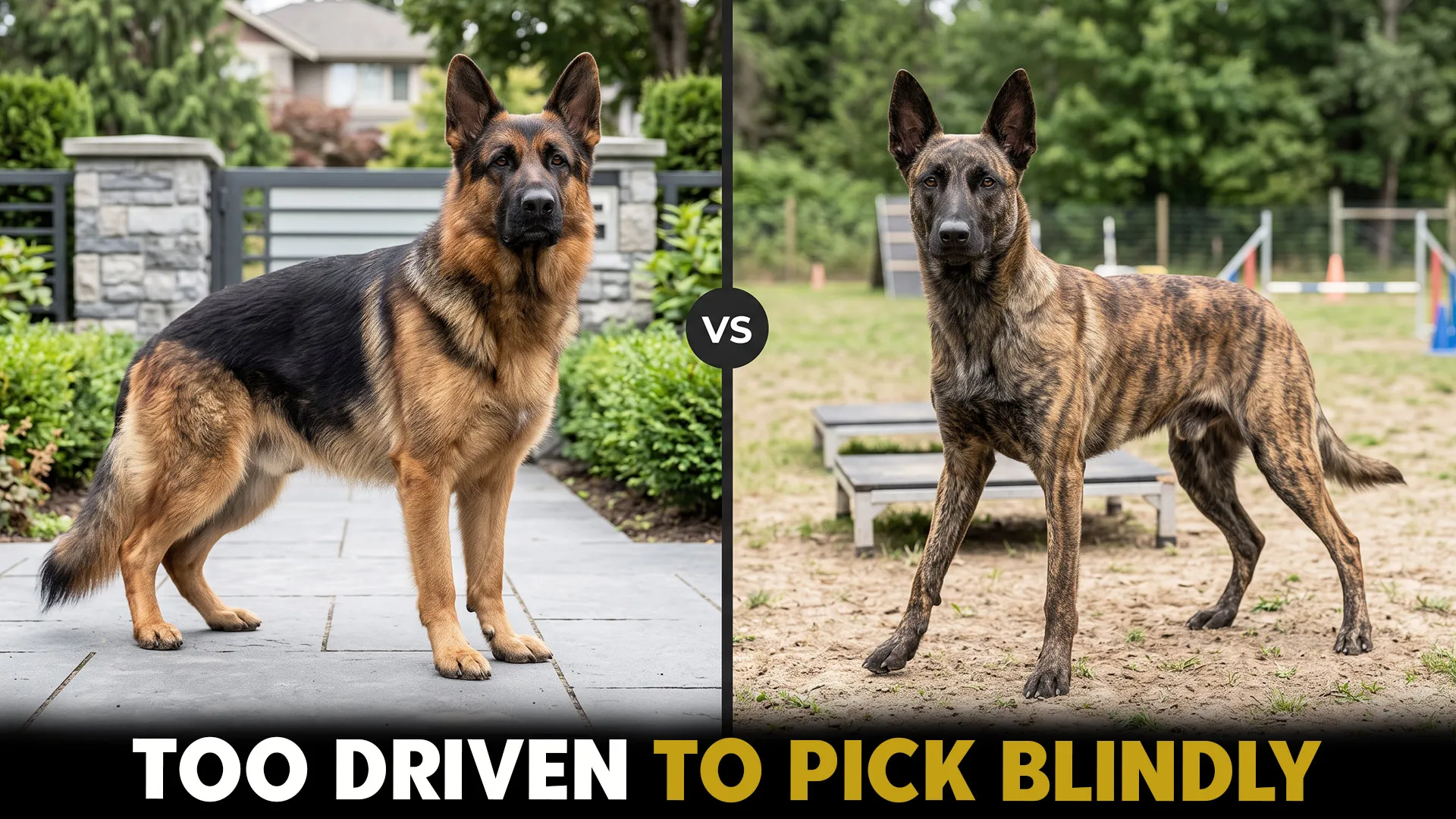
German Shepherd Dogs and Dutch Shepherds can look remarkably similar at first glance. Both were developed as hardworking herding dogs and are now valued in police, protection, search-and-rescue, and other demanding roles.
Despite their shared working heritage, the two breeds are not interchangeable. Their histories, body types, coat patterns, personalities, and working styles reveal several differences that may surprise people familiar with only the German Shepherd.
The comparison below looks at each breed separately before examining where they actually differ. It also highlights lesser-known facts that can help explain why one may be better suited to a particular lifestyle or working role.
German Shepherd Dog Breeds vs. Dutch Shepherds: Surprising Facts
1. Origins & Purpose
German Shepherd Dog: Created Around a Modern Working Ideal
The German Shepherd Dog was formally developed in Germany in the late 19th century by Max von Stephanitz, who wanted to establish an exceptionally capable German herding dog. In 1899, he purchased a dog named Horand von Grafrath, who became the foundation of the modern breed.
Dutch Shepherd: The Practical Farm Worker
The Dutch Shepherd originated in the Netherlands and was used by farmers for herding, guarding property, and general farm work. Its job was not limited to moving sheep; versatility was part of its original purpose. The breed’s independent working ability remains an important part of its character.
Their Biggest Historical Difference
The surprising point is that both breeds began as herding dogs but developed along somewhat different paths. The German Shepherd became highly standardized around intelligence, trainability, and versatility, eventually becoming a major service and police dog.
The Dutch Shepherd retained more of its traditional all-purpose farm-dog character, including its ability to make independent decisions while working.
2. Size & Physical Build
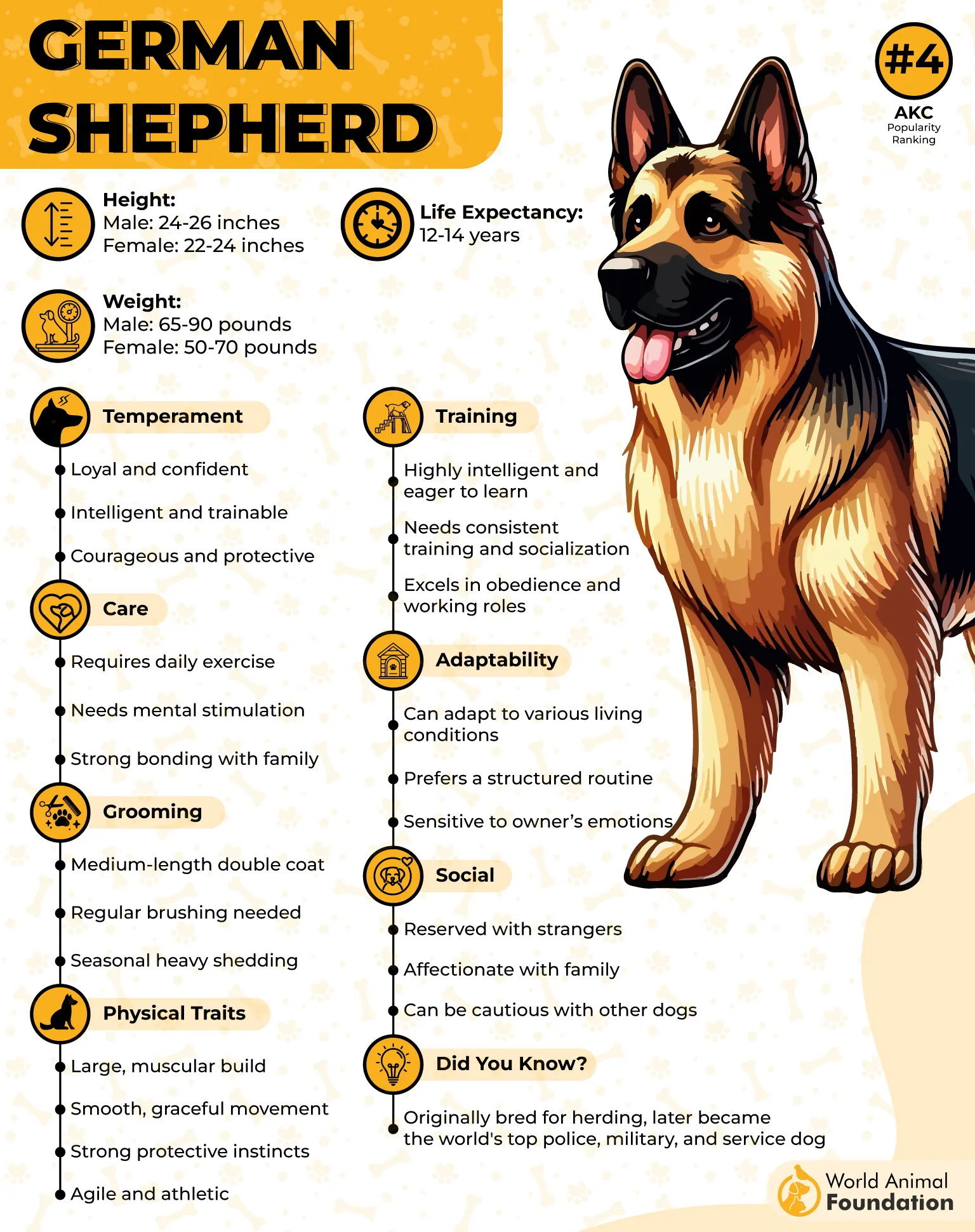
German Shepherd Dog: The Larger, Heavier Athlete
Male German Shepherd Dogs stand 24–26 inches and weigh 65–90 pounds, while females stand 22–24 inches and weigh 50–70 pounds. Their bodies are muscular and athletic, with a long, efficient stride designed to cover ground effectively.
Dutch Shepherd: Slightly Smaller and Lighter
The Dutch Shepherd is a well-muscled, medium-sized dog. The AKC standard gives males a height of 22.5–24.5 inches and females 21.5–23.5 inches; typical weight is around 42–75 pounds. Its proportions are slightly longer than tall, giving it a lean, balanced working appearance.
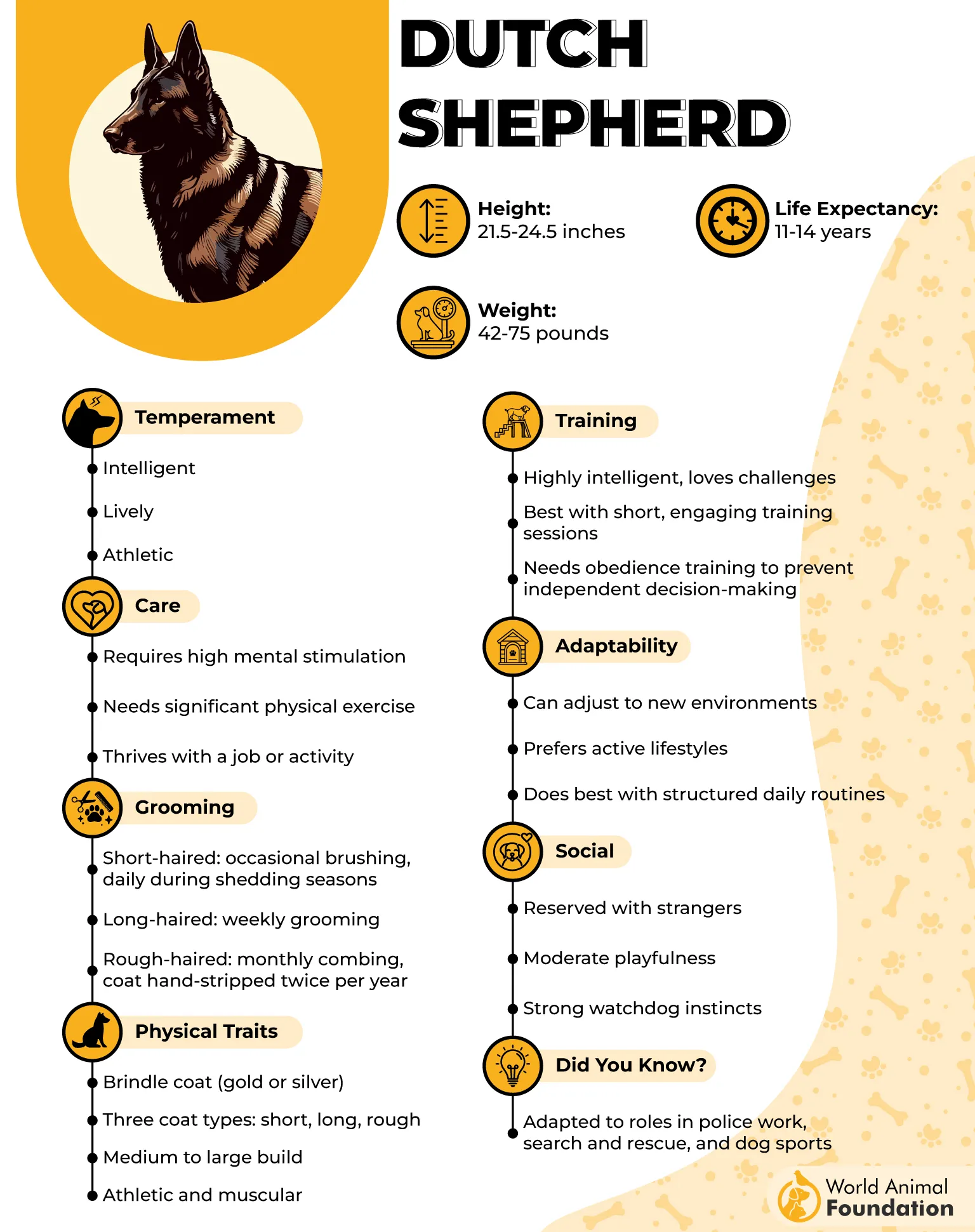
Dutch Shepherd Has a More Compact Working Build
The difference is not enormous, but the Dutch Shepherd is generally somewhat lighter and more compact. A German Shepherd may have the advantage when substantial physical strength is useful, while the Dutch Shepherd’s lighter frame can be advantageous for agility and prolonged movement. Both, however, are built for demanding work rather than sedentary living.
3. Temperament & Personality
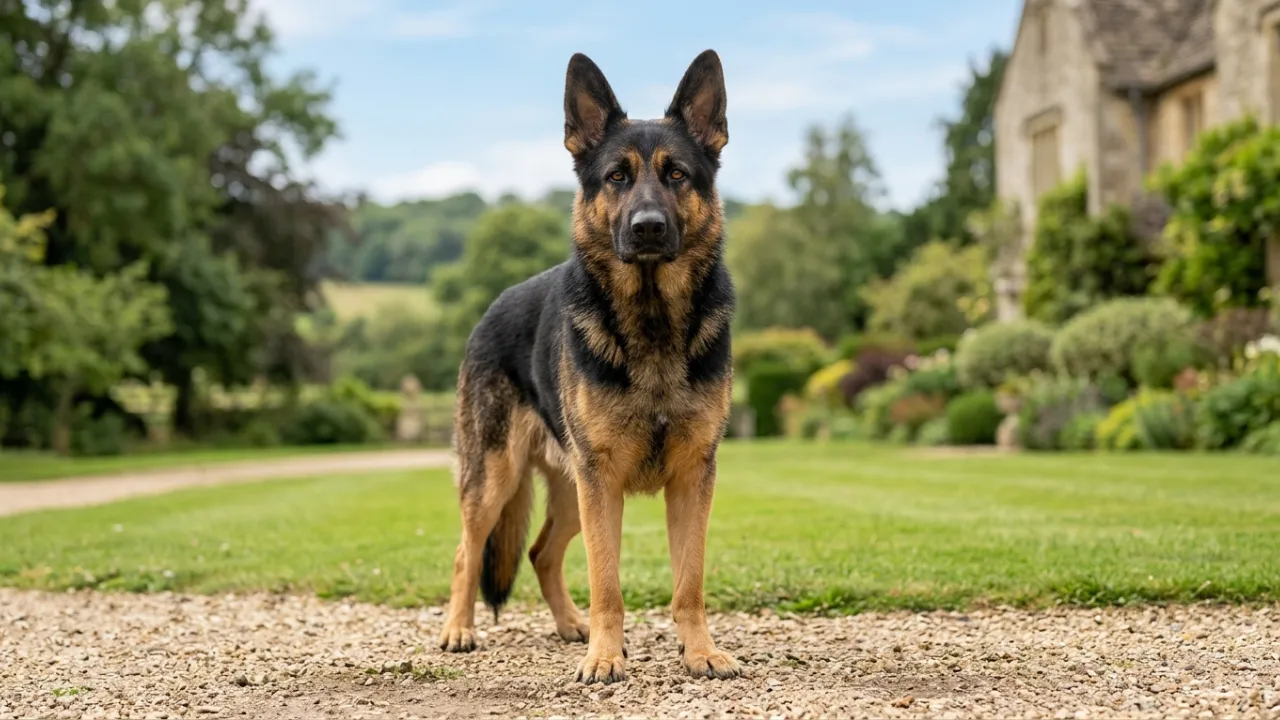
German Shepherd Dog: Serious, Loyal, and Protective
German Shepherd Dogs are known for confidence, courage, intelligence, and loyalty. They can be affectionate with their families while remaining reserved around unfamiliar people. Their protective instincts and close attachment to their handlers have helped make them successful working and guardian dogs, as per PetMD.
Dutch Shepherd: Alert With More Independent Thinking
Dutch Shepherds are lively, intelligent, alert, and devoted, but they can also be independent and somewhat obstinate. Their traditional work required them to make decisions while managing livestock, so they are not necessarily dependent on constant direction from a person.
The Surprising Personality Contrast
People often assume the Dutch Shepherd will simply behave like a slightly smaller German Shepherd. Its independent streak can make the two feel quite different in practice. A German Shepherd is often intensely focused on its handler, whereas a Dutch Shepherd may be more willing to assess a situation and act without waiting for continuous instruction.
4. Exercise & Energy Levels
German Shepherd Dog: Needs Both Movement and a Job
The German Shepherd is a highly active breed that requires substantial physical exercise and mental stimulation. Walks alone may not be enough for an individual with a strong working drive. Activities such as tracking, agility, herding, obedience, and other structured work can help turn its energy into productive behavior.
Dutch Shepherd: Remarkable Endurance
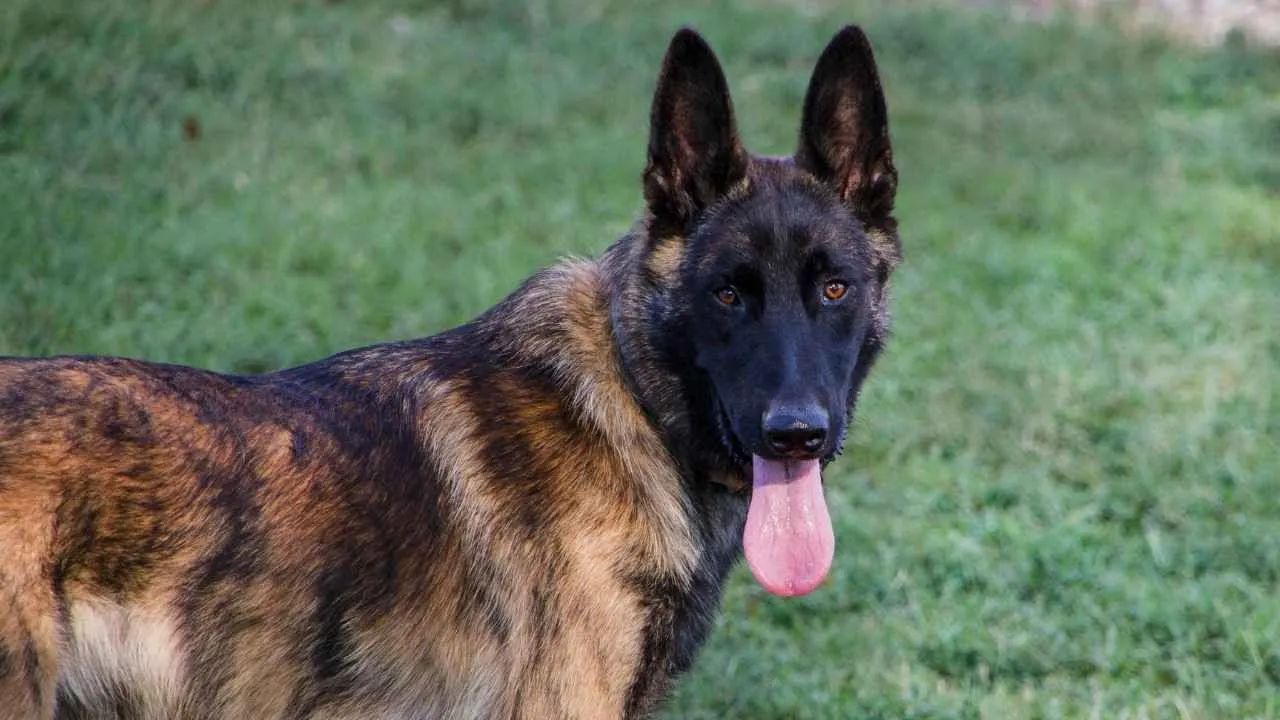
The Dutch Shepherd was expected to work around farms and manage livestock for extended periods. Its athletic structure reflects that history, and the AKC notes that the breed is capable of running for long periods. Daily exercise needs to involve more than a brief outing, particularly for dogs with strong working instincts.
Dutch Shepherd May Have the Greater Endurance Edge
Both breeds have substantial exercise requirements, but their energy can express itself differently. German Shepherds often thrive when physical activity is combined with structured tasks, while Dutch Shepherds can be especially relentless once given a job. The surprising lesson is that choosing either breed for a low-activity household can create a mismatch.
5. Training & Intelligence
German Shepherd Dog: Exceptionally Versatile Learner
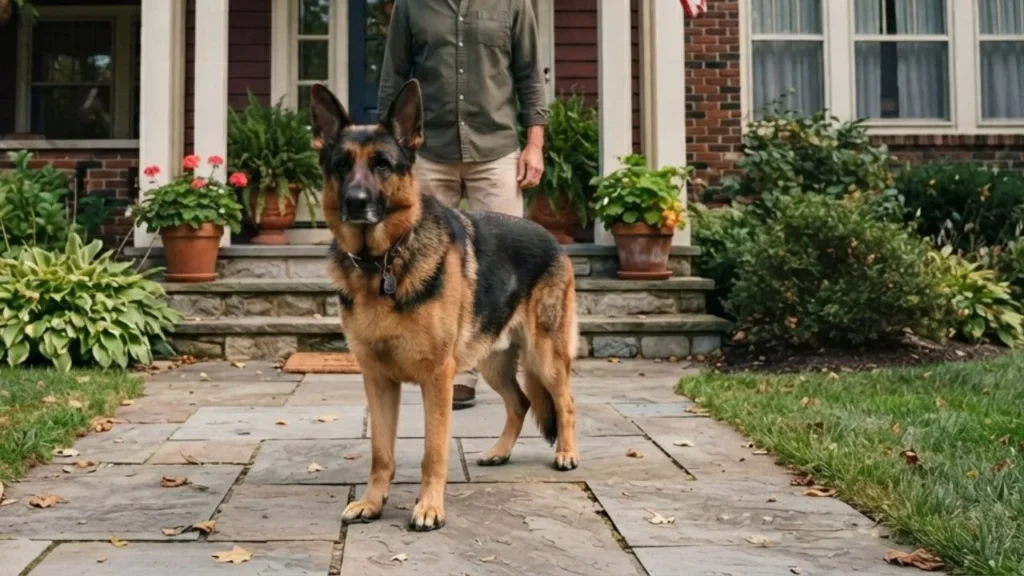
The German Shepherd’s ability to absorb and retain training is one of its defining characteristics. It has succeeded in police work, military roles, service work, search-and-rescue, scent detection, and dog sports, as per Purina. Its combination of intelligence, willingness to work, and responsiveness allows it to switch between very different assignments.
Dutch Shepherd: Smart Enough to Work Independently
Dutch Shepherds are also highly intelligent and willing to learn, but their independence can influence how training feels. The breed standard describes them as persistent, intelligent, prepared to obey, and capable of handling tasks independently. This combination can be extremely useful in experienced hands.
Which One Is Easier to Direct?
The German Shepherd often has an advantage for owners who want a dog intensely focused on cooperation with its handler. The Dutch Shepherd can be equally capable but may challenge the trainer to provide clearer purpose and consistency. Interestingly, its independent streak is not a lack of intelligence; it is part of what made the breed effective at traditional farm work.
6. Coat Maintenance
German Shepherd Dog: The Familiar Double Coat
German Shepherd Dogs have a medium-length double coat consisting of a dense outer coat and softer undercoat. Regular brushing helps control loose hair, while shedding can become considerably heavier during seasonal periods. The coat should not be shaved because its natural structure provides protection and insulation.
Dutch Shepherd: Three Coat Types
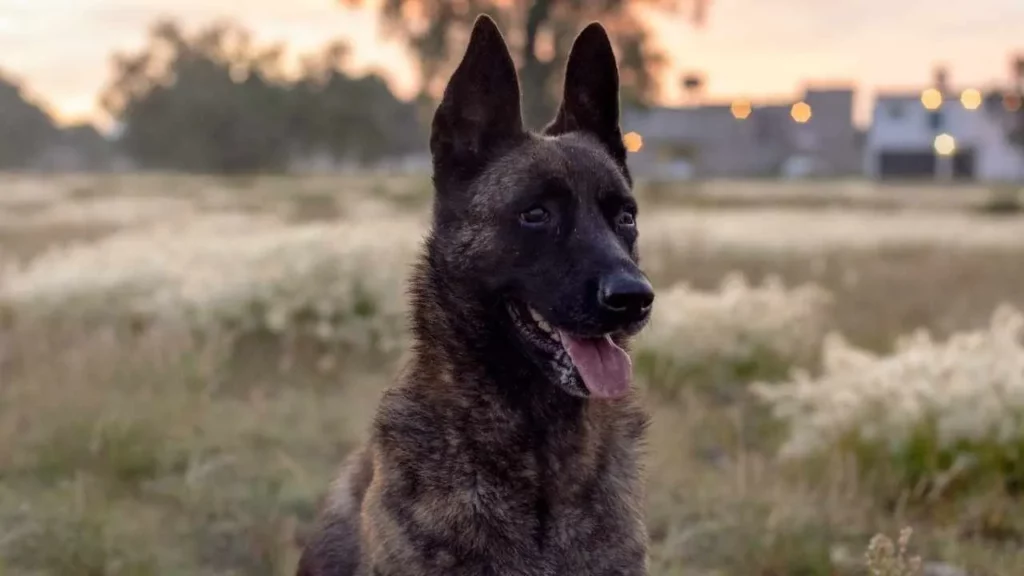
The Dutch Shepherd offers a surprising amount of coat variation. It can have short, long, or rough hair, with all three types carrying the breed’s characteristic brindle pattern. Coat care therefore depends partly on which variety an owner has, with rough and long coats requiring different attention from the short coat.
Dutch Shepherd Offers More Coat Variety
The German Shepherd is commonly associated with its recognizable double coat, although coat length can vary within the breed. The Dutch Shepherd stands out because three distinct coat types are officially recognized. Another surprising difference is color: brindle is the defining accepted pattern of the Dutch Shepherd, while German Shepherds occur in several recognized colors and patterns.
7. Health & Lifespan
German Shepherd Dog: Around 12–14 Years
Britannica lists a typical life expectancy of 12–14 years for German Shepherd Dogs. Responsible breeding programs commonly screen for hip and elbow problems, and owners should also be aware of concerns such as degenerative myelopathy and bloat. Regular veterinary care remains important throughout the dog’s life.
Dutch Shepherd: Around 12–15 Years
Dutch Shepherds are generally reported to live approximately 12–15 years. Their athletic structure and working heritage can support an active lifestyle, but responsible breeding and routine veterinary care remain important. Health outcomes naturally vary between individual dogs.
Dutch Shepherd Has a Slight Longevity Advantage
The published ranges overlap substantially, so neither breed should be chosen solely on lifespan. Still, the Dutch Shepherd’s commonly cited 12–15-year range extends about a year beyond the German Shepherd’s AKC estimate. The more important consideration is the individual dog’s genetics, breeding quality, weight, exercise, and preventive healthcare.
Conclusion
German Shepherd Dogs and Dutch Shepherds share a remarkable working heritage, but they are not simply two versions of the same breed. The German Shepherd was deliberately shaped into a highly versatile working and service dog, while the Dutch Shepherd retained more of the independent, all-purpose character associated with traditional Dutch farm work.
The German Shepherd is generally the larger dog and may be the better fit for someone seeking an intensely trainable, handler-focused working partner. The Dutch Shepherd offers a somewhat lighter build, exceptional endurance, three coat varieties, and a more independent working style.
Perhaps the biggest surprise is how much these two breeds can differ despite their similar appearance and shared herding roots. Their intelligence is not identical in expression: the German Shepherd often excels through close cooperation with its handler, while the Dutch Shepherd’s ability to think and act independently remains one of its defining strengths.
