




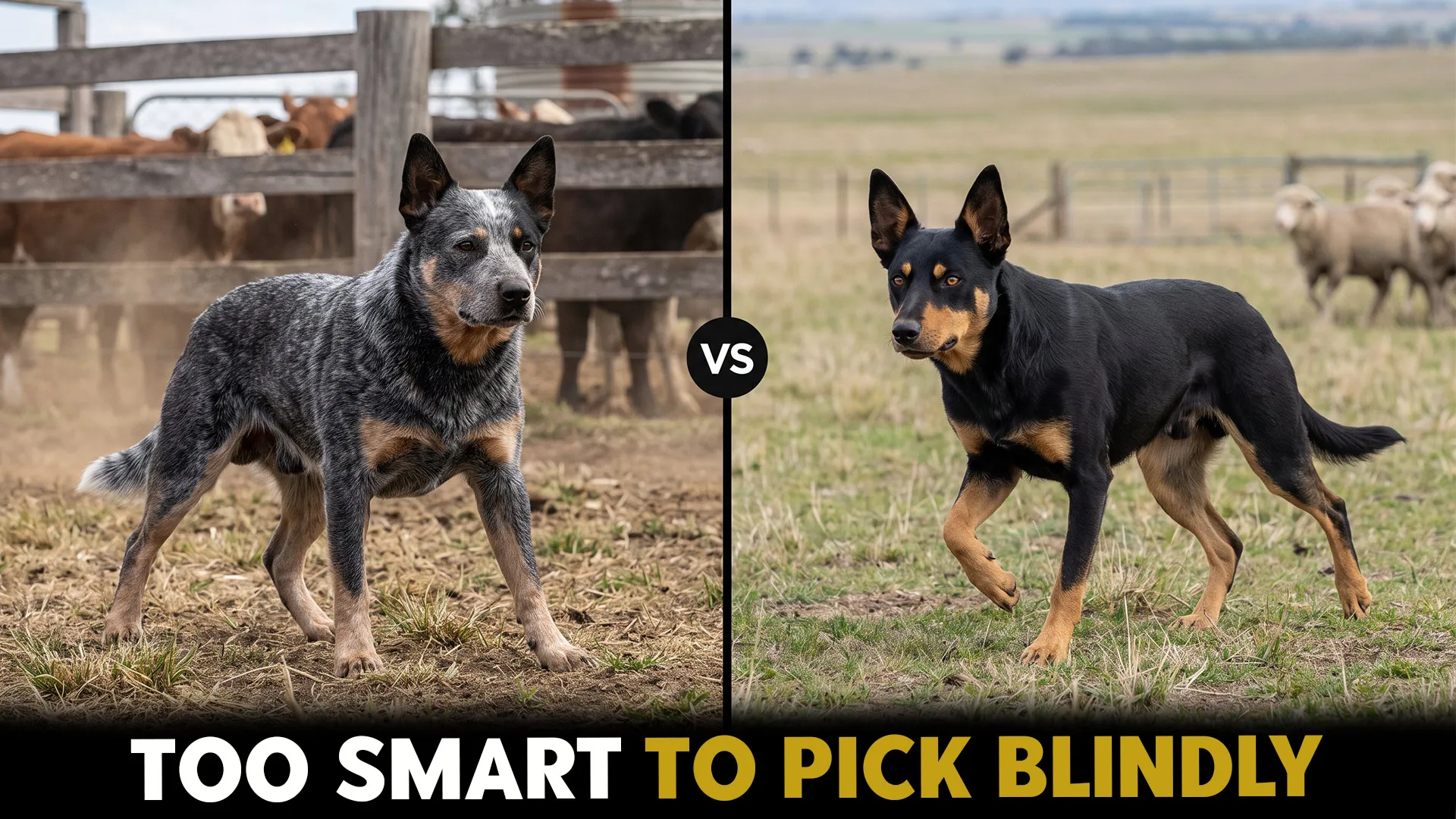
Australian Cattle Dogs are easy to confuse with Australian Kelpies because their names sound alike and both have a herding history. But these beautiful dogs are actually different types of herders.
ACDs are drivers, built stocky and low to the ground. These Heelers were bred to push heavy, stubborn cattle forward by nipping at their heels. Kelpies, on the other hand, are gatherers and headers.
They’re lean, fast, and built for agility. And that’s not all. These two working breeds also differ in build, coat, temperament with strangers, and energy style.
This guide breaks down the differences between the two in detail. So if you’re not sure which one is right for your farm work, stick around. These herding breeds are quite different, and it helps to understand everything before you choose.
Australian Cattle Dog vs. Australian Kelpie: Key Differences Explained
The Australian Cattle Dog and Australian Kelpie are two intelligent, energetic herding breeds known for their impressive work ethic and loyalty. While they share similar backgrounds, their size, temperament, training needs, and herding styles set them apart.
Origins & Purpose
Australian Cattle Dogs were developed in the 19th century by British settlers to drive wild, unhandled cattle across vast, rough terrain. These dogs were bred to be fearless, heat-tolerant, and tough, and they move stubborn livestock by nipping at their heels.
Australian Kelpies, on the other hand, were developed in the mid to late 19th century from imported Scottish working collies. They were bred to handle huge flocks of sheep across wide open ground, and their main job was to work independently in high heat.
Both of these medium-sized dogs are herders, but their roles differ. ACDs were built to push and drive heavy, stubborn cattle from behind, while Kelpies were built to circle livestock and gather them.
Size & Build
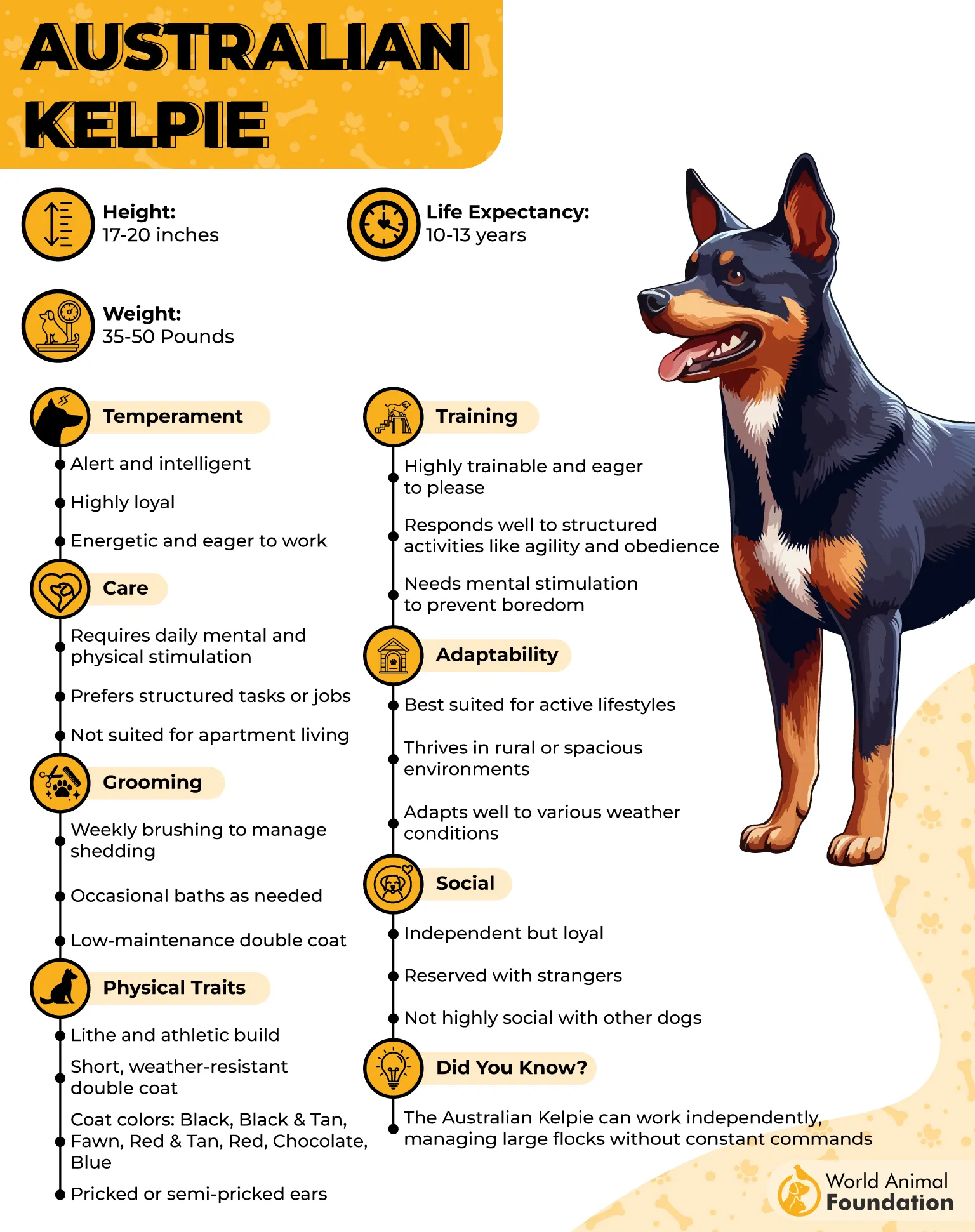
Male Australian Cattle Dogs stand 18 to 20 inches at the shoulder and typically weigh 35 to 50 pounds. Male Kelpies stand 18 to 20 inches tall as well, but they usually weigh a bit less, at 35 to 45 pounds.
ACDs are compact, broad-chested, heavy-boned, and muscular dogs. Their sturdy, low-slung frame is built for raw strength and durability. Kelpies, on the other hand, are lean, athletic, and fine-boned.
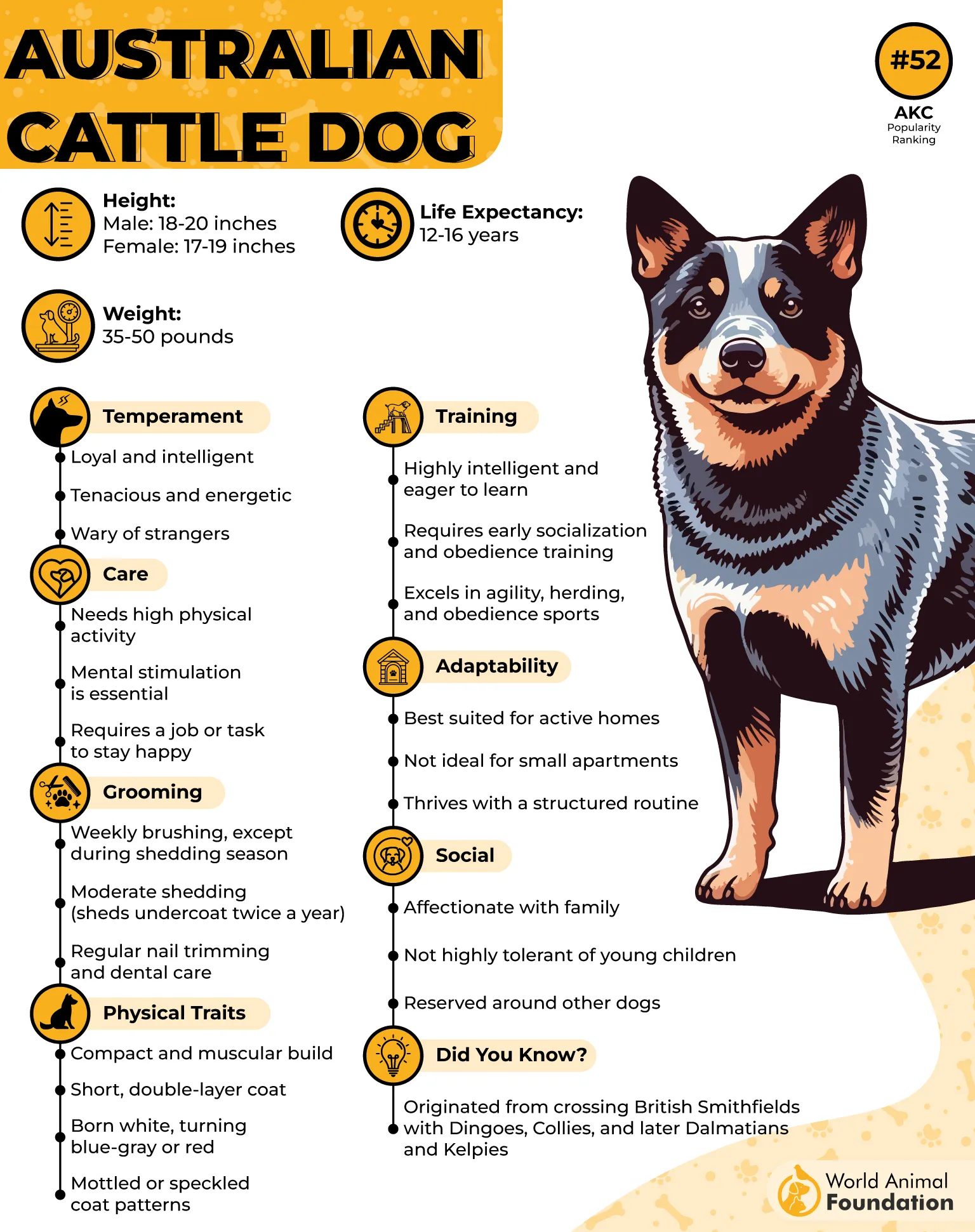
That lighter frame is built for speed, explosive agility, and tireless endurance. So while both breeds are medium-sized, ACDs are stockier and heavier, and Kelpies are noticeably leaner and more streamlined.
Pricing & Availability
ACDs generally cost between $500 and $1,500, and sometimes more depending on the breeder and bloodline. They’re also widespread and generally easier to find in shelters than Kelpies.
Kelpies typically cost between $800 and $1,800, and sometimes up to $2,000 depending on the breeder. They’re rarer, though, and hard to find in shelters outside Australia.
Most “Kelpies” in local shelters are actually Cattle Dog or Border Collie mixes. If you’re set on a Kelpie puppy, look for a reputable breeder and get on the waitlist. If you’re working with a tighter budget, check nearby shelters for a budget-friendly pup.
Temperament & Personality Style
ACDs, also called Red or Blue Heelers, are exceptionally devoted to their primary handler and children. They tend to be wary of strangers, though, and they fiercely guard their home and territory. They’re also bold, tenacious, and high-drive.
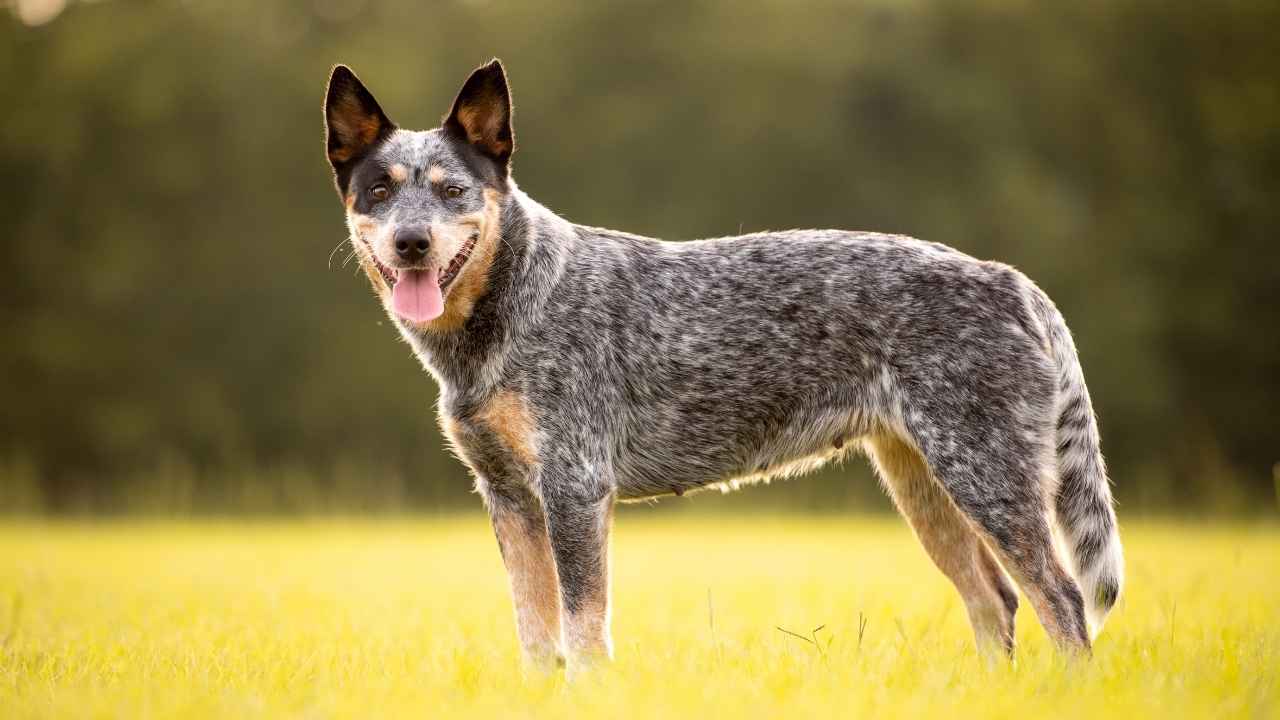
These dogs don’t back down easily, but they have a fun-loving side with their family. Kelpies, in contrast, are work-obsessed and hyper-focused, with a love of jobs and mental challenges. They’re independent and quick-witted.
They’re affectionate too, and they can make good family pets, according to CKCUSA. They’re also far less territorial and protective than Heelers. So ACDs have an assertive, protective personality, while Kelpies have a more work-driven one.
Exercise Needs & Energy Levels
Australian Cattle Dogs are high-energy dogs that need around 1.5 to 2 hours of exercise a day, as PetMD also notes. They have the stamina, toughness, and tenacity to work alongside their owners, and they enjoy vigorous activity.
They love hiking, agility training, running, and advanced fetch. And yes, Heelers can get destructive quickly if their energy needs aren’t met. Kelpies are just as driven and need about 2 hours of regular exercise a day.
They enjoy dog sports like flyball, agility, and treibball. Kelpies are also known to invent their own jobs when they have nothing to do. Both breeds are highly active and need a similar amount of exercise, so make sure you can meet it.
Trainability & Obedience
ACDs are highly intelligent, but they’re also headstrong and have a high prey drive. They test boundaries and need a confident handler who offers clear structure and fair guidance, which helps them grow into well-mannered, biddable companions.
Focus on soft mouth training, as Purina describes, along with positive reinforcement to manage nipping. Kelpies, on the other hand, are quick learners with an intense drive to cooperate, so they respond best to subtle cues.
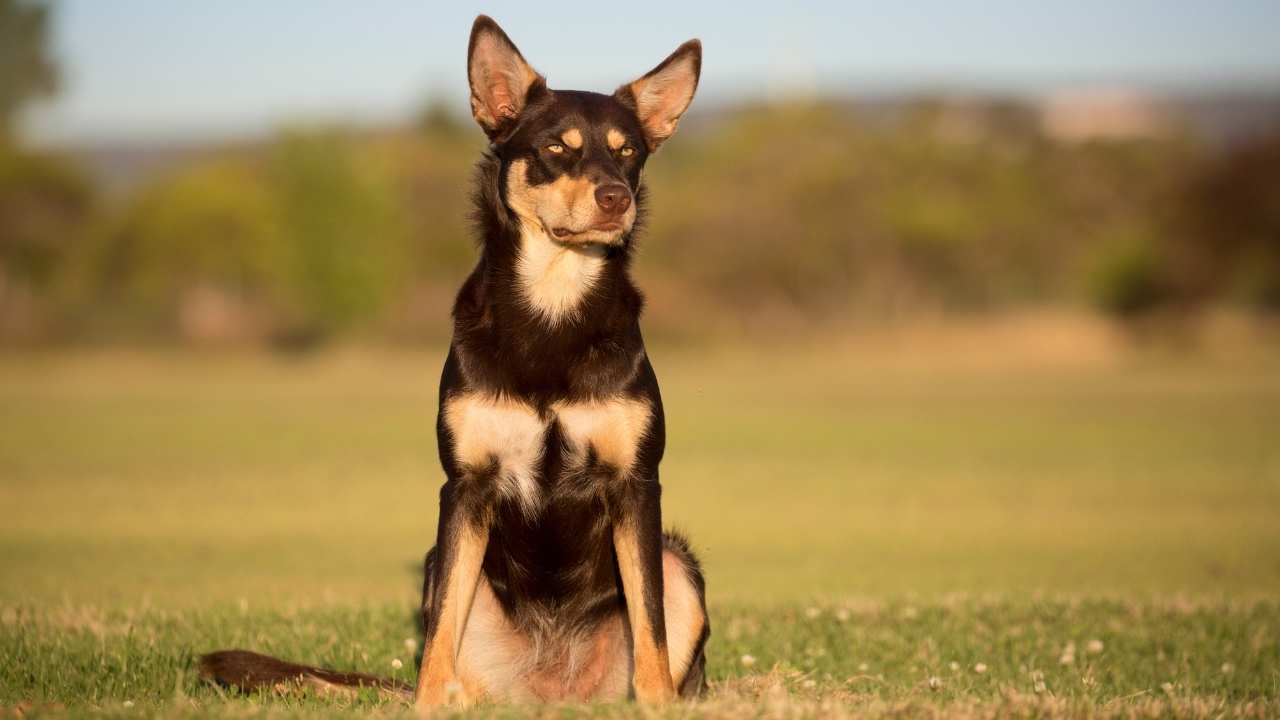
These dogs pick up vocal and visual commands quickly. They’re also motivated by constant work, so problem-solving challenges, agility courses, and precise directional work are usually helpful in training them.
Grooming Needs & Shedding
ACDs have a dense, weather-resistant double coat, with a tough outer layer and an undercoat that repels water. They shed moderately year-round and blow their coat heavily twice a year as the seasons change.
Even so, the coat is low-maintenance and needs brushing just once or twice a week with a slicker brush to keep shedding under control. Kelpies, on the other hand, have a short, flat, weather-resistant double coat, as the AKC notes.
They shed a moderate amount, with heavier shedding during seasonal changes. Kelpies also have a low-maintenance coat, and weekly brushing is usually enough. Both breeds have wash-and-wear coats, though ACDs have a slightly denser undercoat.
Herding & Work Drive
Australian Kelpies are natural herders and gatherers. They use intense eye contact, body positioning, and wide circling movements to move livestock. They have an exceptionally high prey drive and can become fixated on anything that moves.
Their drive is relentless and needs constant redirection. Australian Cattle Dogs, on the other hand, have a moderate to high herding drive and strong territorial instincts. They’re assertive and reactive, so they may chase smaller animals and cats.
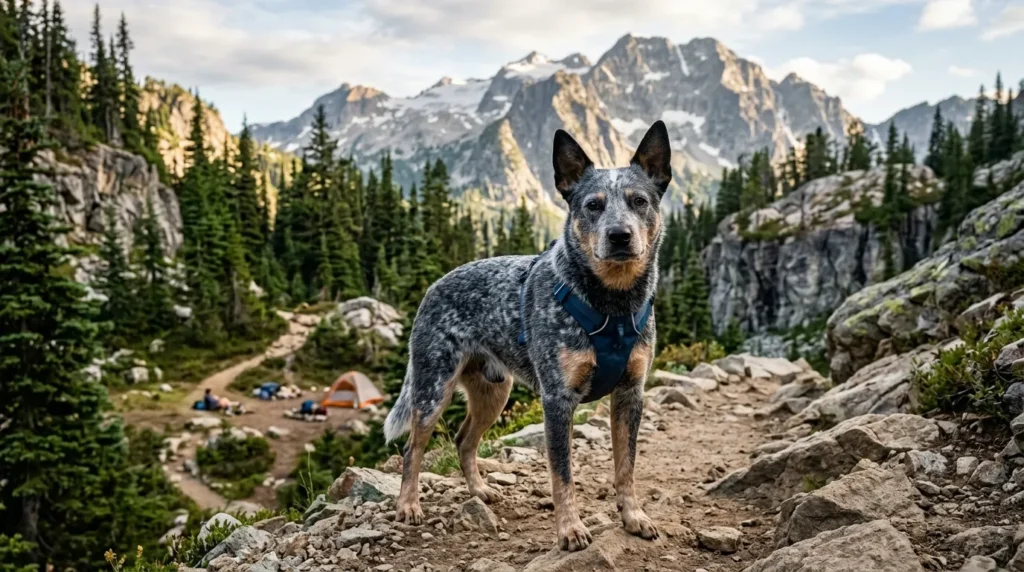
Because of their herding history, both breeds need training to behave well around children. Both have a strong work drive, but ACDs work through physical contact, while Kelpies work from a distance and rely on pursuit.
Health & Lifespan
ACDs are hardy, long-lived dogs with an average lifespan of 12 to 15 years, and one cattle dog named Bluey is famously recorded as living to almost 29. These dogs may experience PRA, PLL, and congenital hereditary deafness, along with hip and elbow dysplasia.
Kelpies typically live 10 to 14 years. They are prone to cerebellar abiotrophy (CA), PRA, hip dysplasia, and patellar luxation, so health screening for CA, PRA, and hip or elbow dysplasia is important when adopting.
ACDs carry a higher risk of genetic deafness than Kelpies. Kelpies’ working-line heritage helps keep genetic issues relatively low, but they still need monitoring for neurological conditions.
Australian Cattle Dog vs. Australian Kelpie: Which Working Dog Is the Better Fit for You?
Cattle Dogs are perfect if you want an intensely loyal, velcro-style dog that doubles as a protective guardian for your home, yard, and family. They’re a best match for experienced owners because they need firm, structured training.
They’re also well suited to people who love hiking, camping, trail walks, and other outdoor adventures. Kelpies, in contrast, are a great fit if you want a competitive sports dog or a swift, tireless worker for handling sheep or goats.
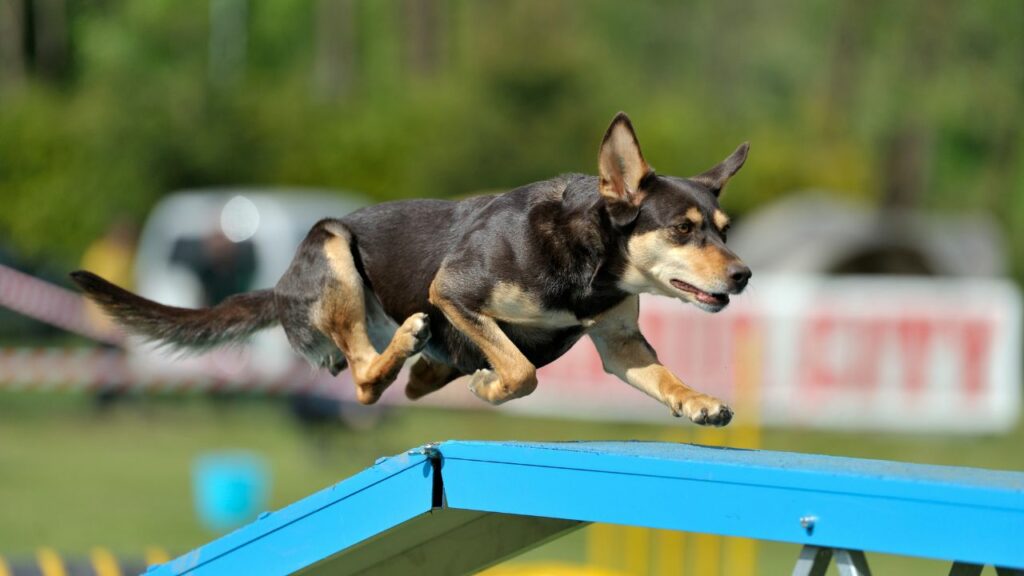
They’re ideal for endurance-minded owners like cyclists, long-distance runners, and trail enthusiasts. If you want an independent, work-obsessed dog with plenty of energy, the Kelpie is your go-to.
Conculsion
Both are herding dogs, but their roles are different. ACDs are ideal for driving livestock forward by nipping at their heels, while Kelpies are better at gathering them. These breeds also differ in temperament, coat, ideal owner, and energy. If you’re looking for a farm dog and can’t decide between the two, this guide is worth a read.
