




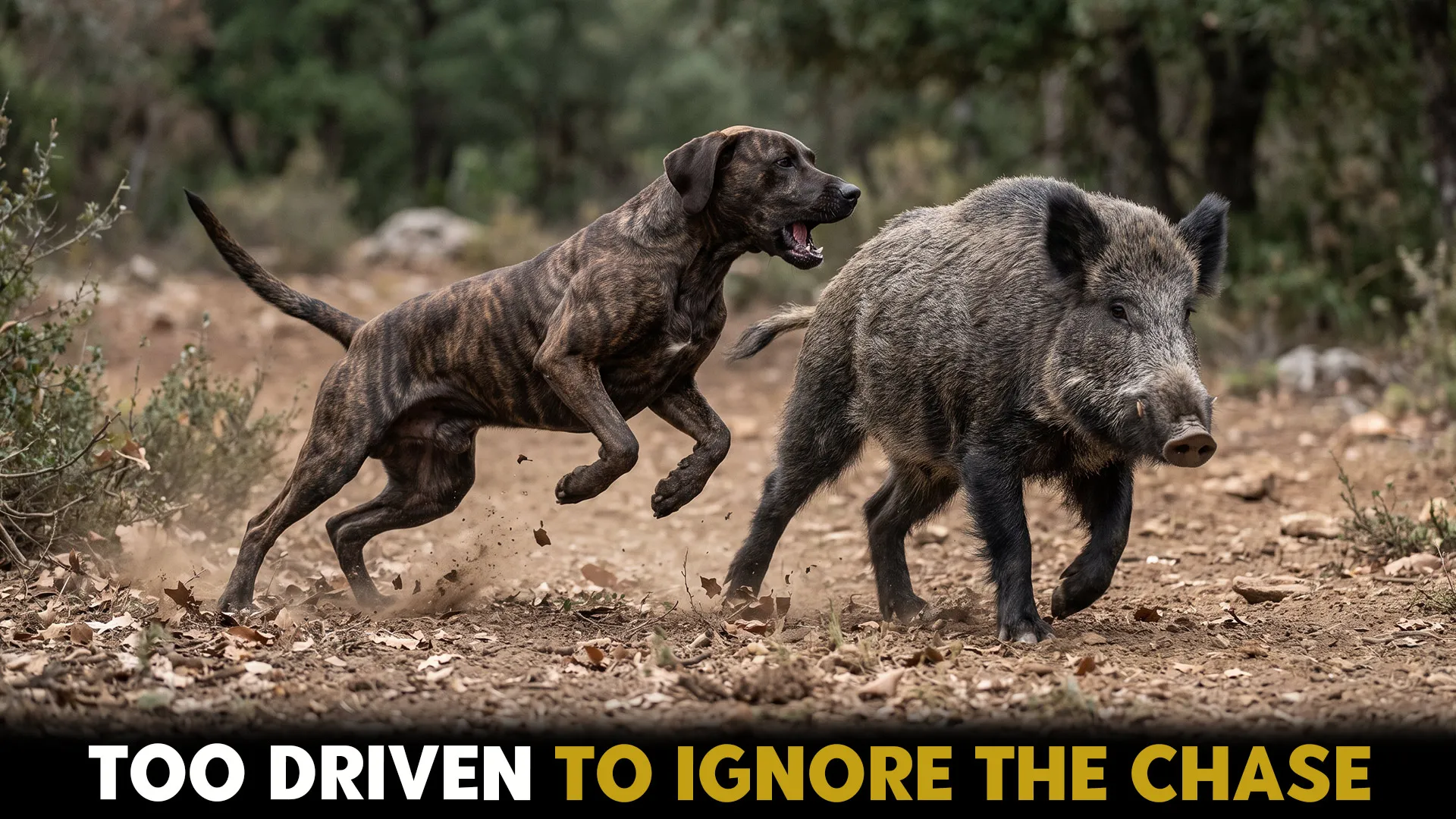
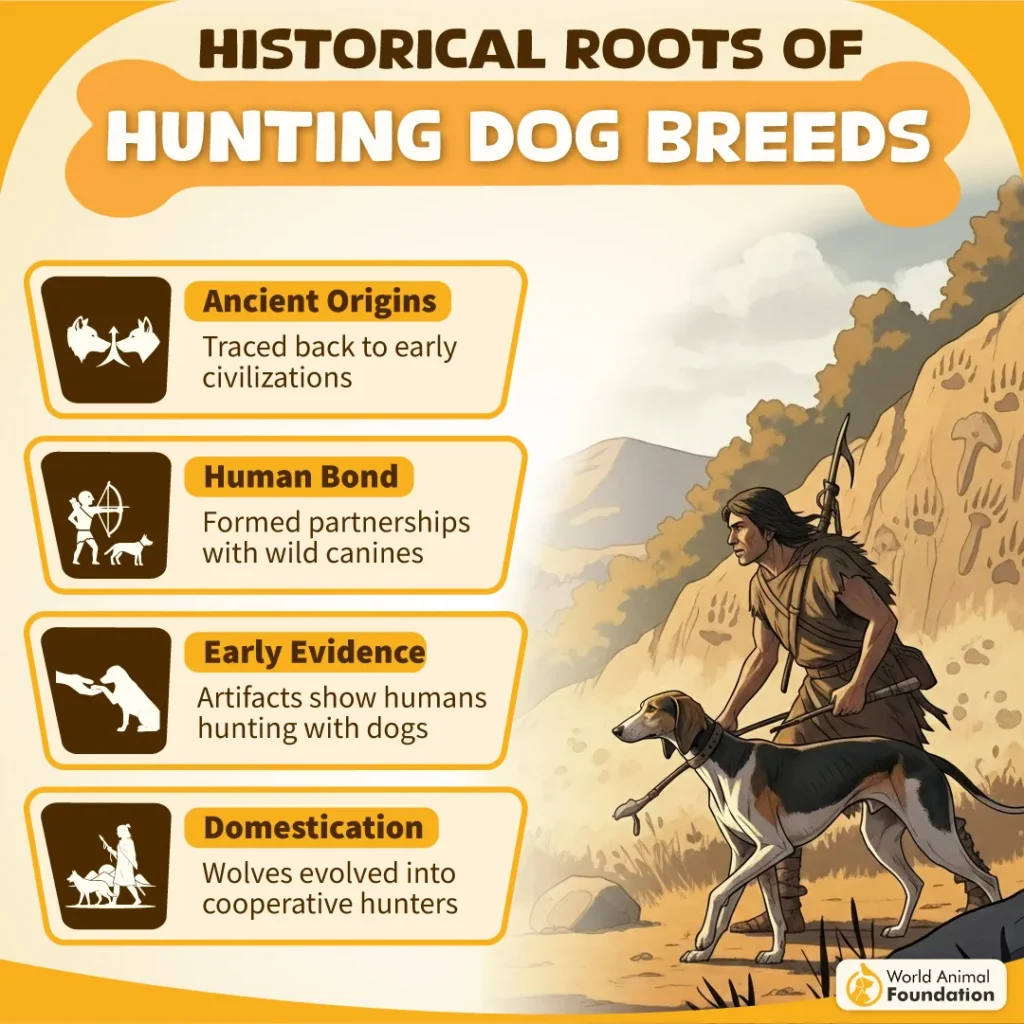
One minute, your dog is strolling beside you. The next, a squirrel turns the walk into a full detective mission. Sound familiar? For dogs bred to hunt, finding game was a job long before it became a backyard distraction.
A dog’s hunting drive is closely connected to its prey drive, which is the instinct to notice, stalk, chase, grab, or capture moving animals. However, not every hunting breed behaves the same way.
Scent hounds rely on their extraordinary sense of smell to follow trails, sighthounds use sharp vision and explosive speed to pursue prey, while terriers are known for their determination when chasing small animals.
These dogs can win your heart, but their working roots deserve more than a quick walk and crossed fingers. This guide explores seven amazing dog breeds with a high hunting drive, helping you understand what makes each special and what ownership involves before those soulful eyes talk you into bringing one home.
Amazing Dog Breeds with a High Hunting Drive
1. German Shorthaired Pointer
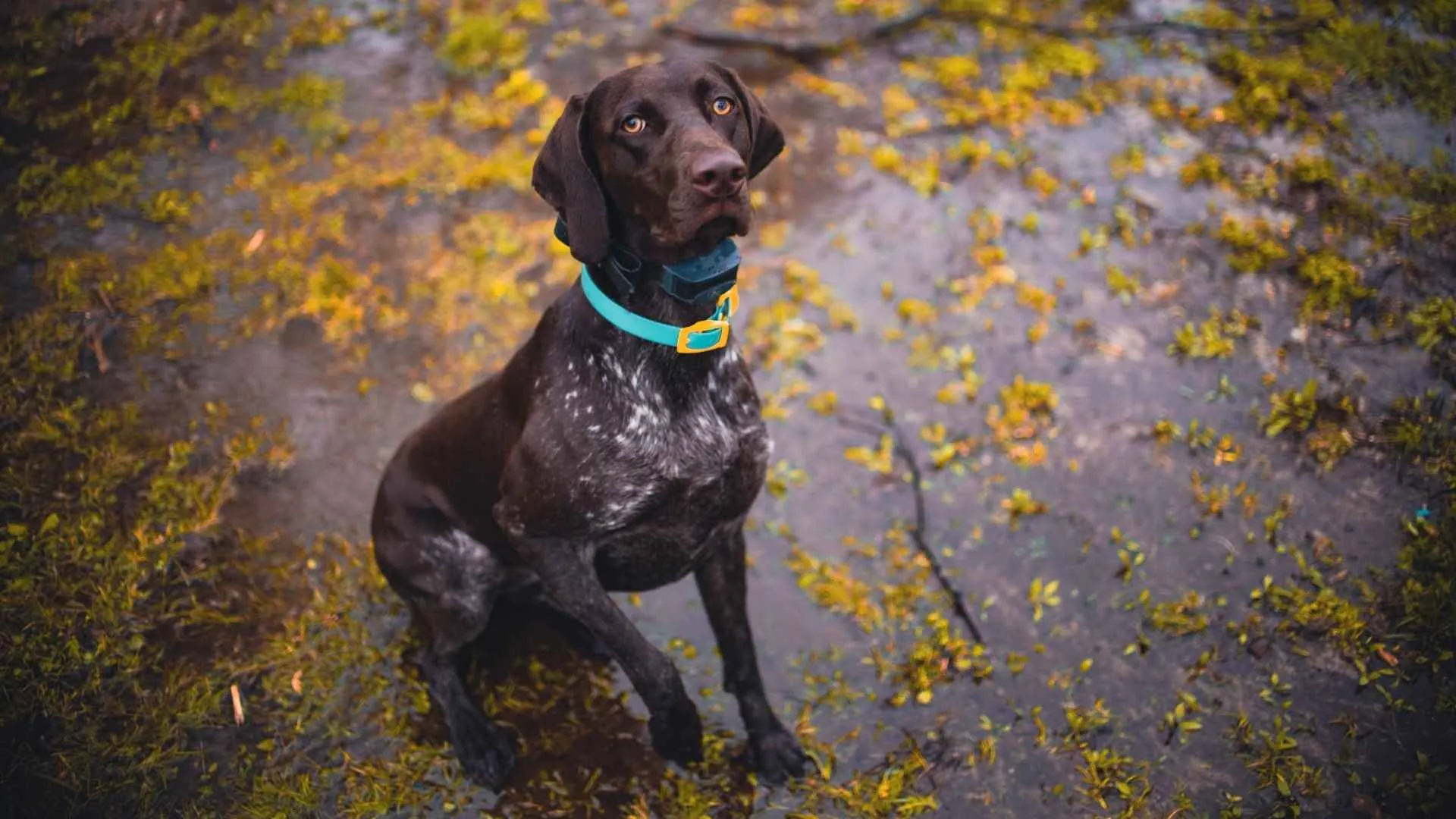
The dog was originally bred in Germany in the 17th century by crossing the German bird dog, the bloodhound, and the Spanish Pointer. Since the initial breed was slow and heavy, improvements were made to make it lighter and faster by further crossing it with the English Pointer in the 19th century, says Purina.
The laid-back shoulders, coupled with well-angulated knees, provide shock absorption and high forward propulsion. The cat-like feet have arched toes, providing traction on slippery banks. The unique nasal architecture separates olfaction from respiration, enabling it to process airborne scent work efficiently.
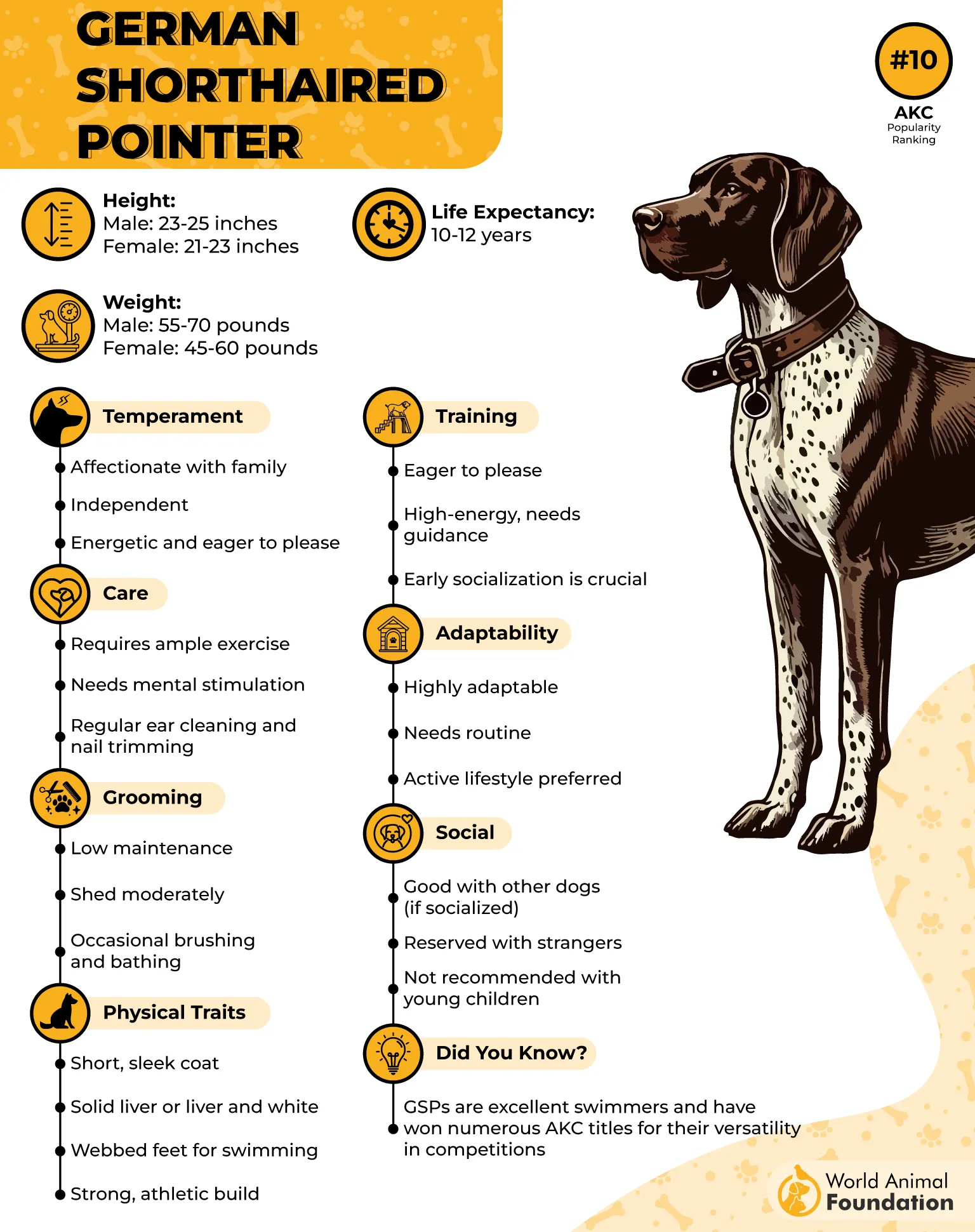
With a modified predatory motor pattern that begins with orient and ends at grab-bite, it is a prolonged pattern with a stalk/freeze stage. This helps it point its nose in the direction of the prey to direct the handler.
2. Vizsla
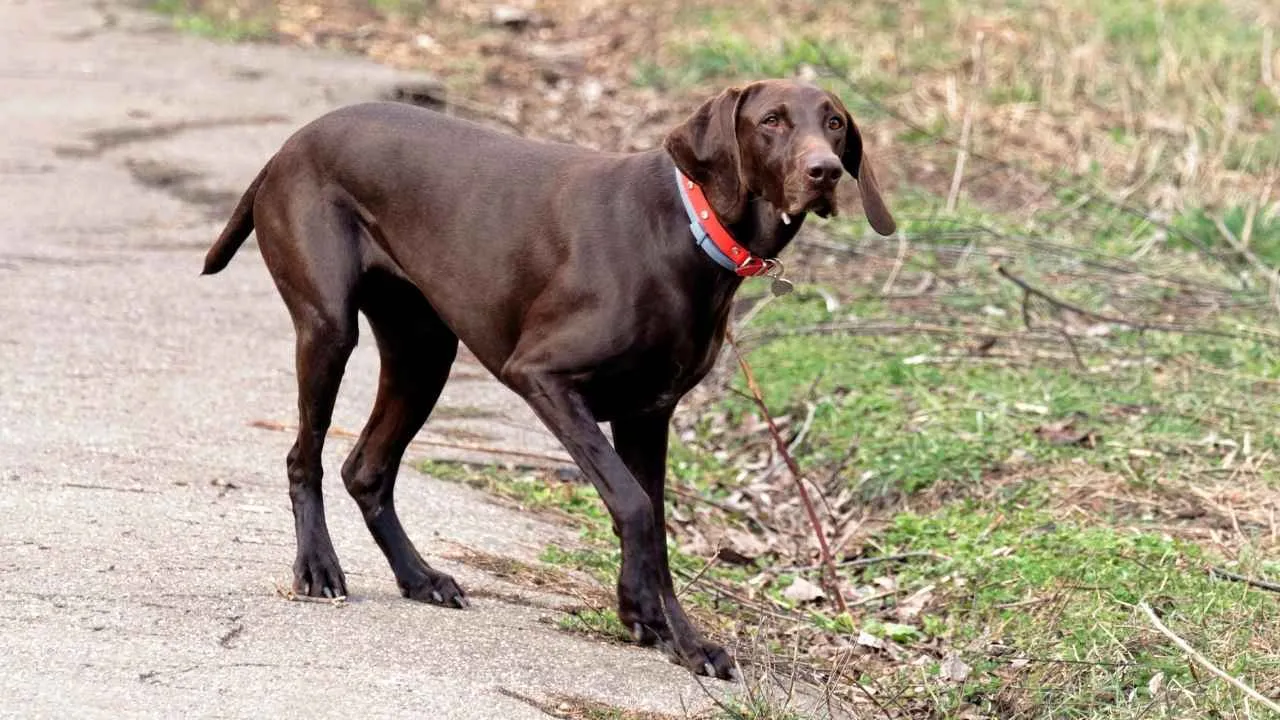
The old dog breed is closely related to the Weimaraner but with a different coat colour. It is believed to have been developed by crossing the Weimaraner and the pointers in the 20th century. However, the primitive breed has been around since the 11th and 12th centuries.
The droopy ears are hung close to the cheeks, funnelling air currents to the nose while running. The almond-shaped eyes have conjunctival margins that protect the eyes from briars and reeds. The hunting dog has a russet-gold coat, creating a perfect visual camouflage and helping the dog to approach upland game and bird hunting.
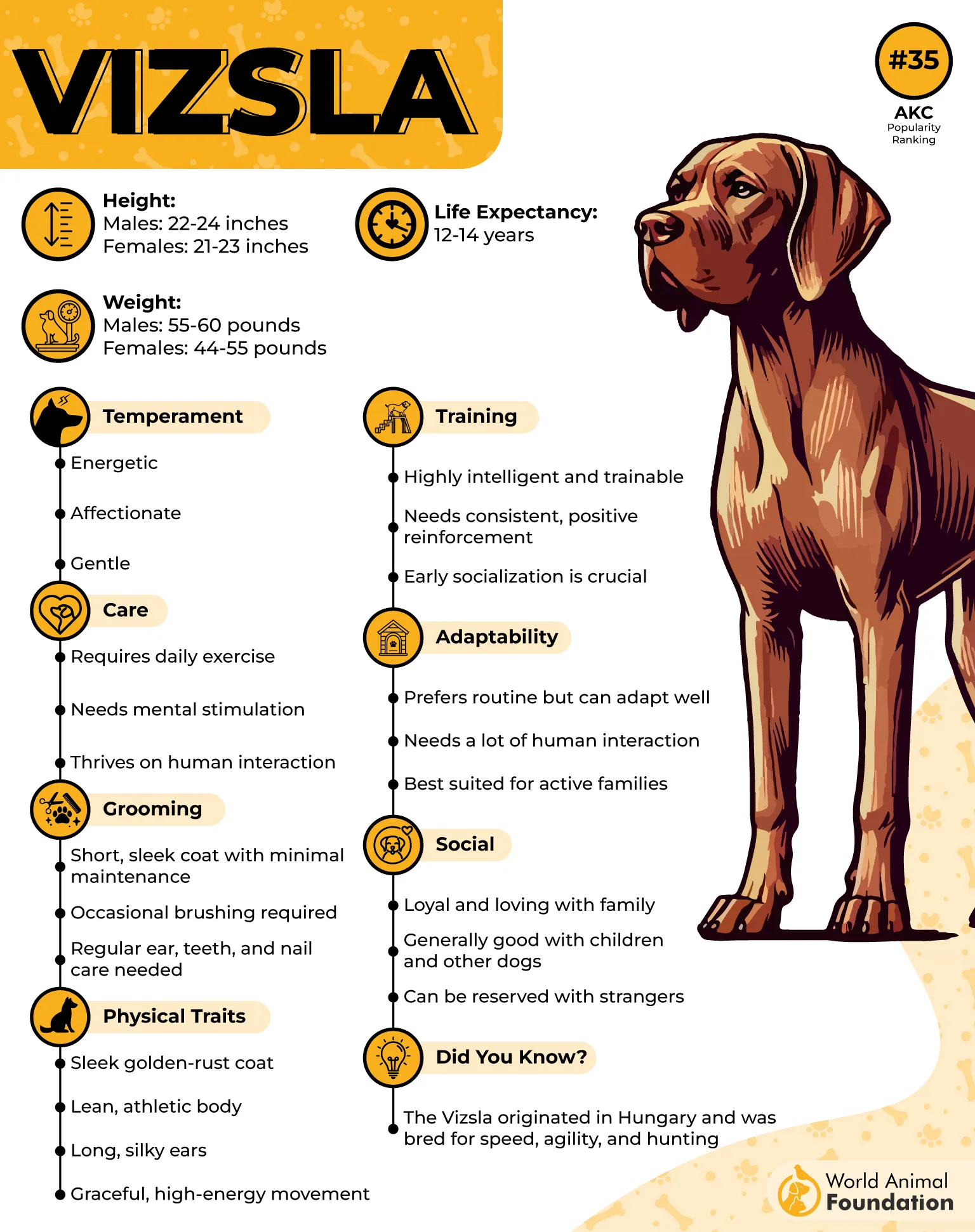
The highly intelligent dog has a soft mouth and tends to retrieve the prey without physically damaging it. Because of its affectionate nature, the excellent family pet requires close handler contact.
3. Weimaraner
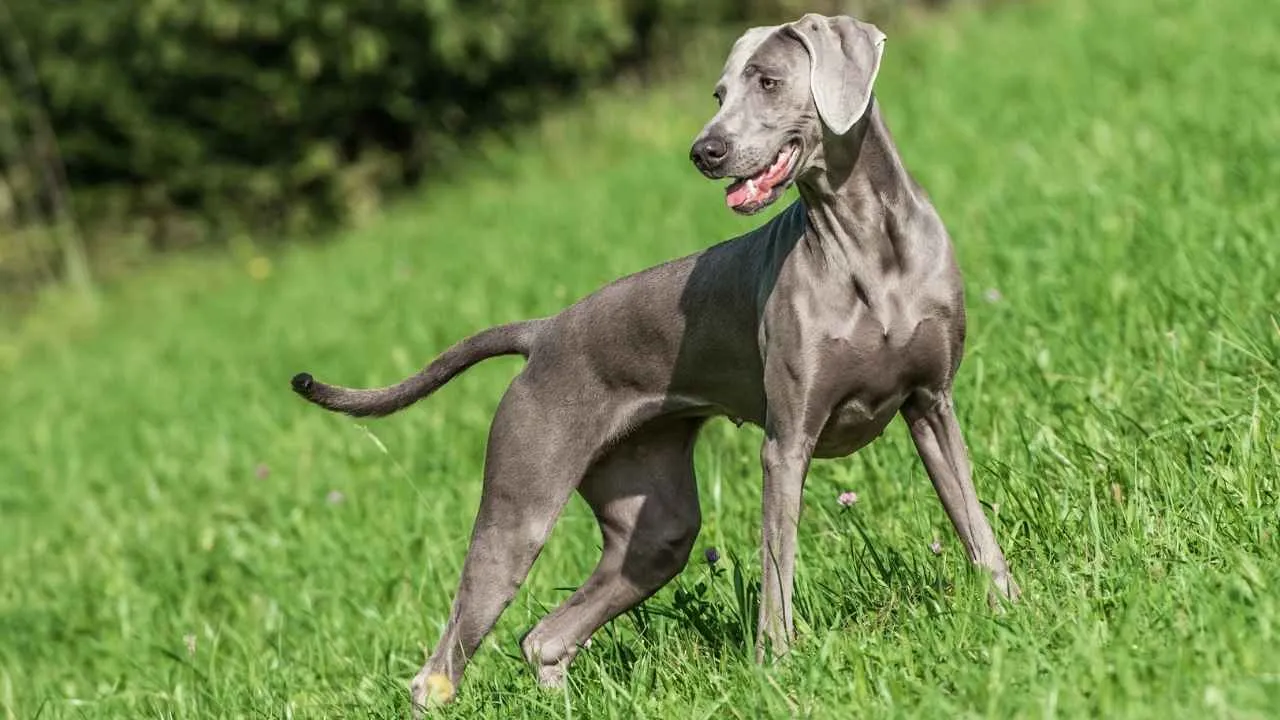
The medium-to-large hunting breed was originally bred in Germany in the 19th century and was officially recognised in 1891. The all-purpose gun dog is known for its stamina, strong sense of sight and smell, and speed. The dog is not considered suitable as a companion breed in Germany, as per Wikipedia.
The loyal breed has a rectangular physique (with a body ratio of 12:11). It has a sloping topline, allowing a ground-covering trot at a speed of 35 mph. The blue-grey eyes provide a wide field of vision and high motion sensitivity.
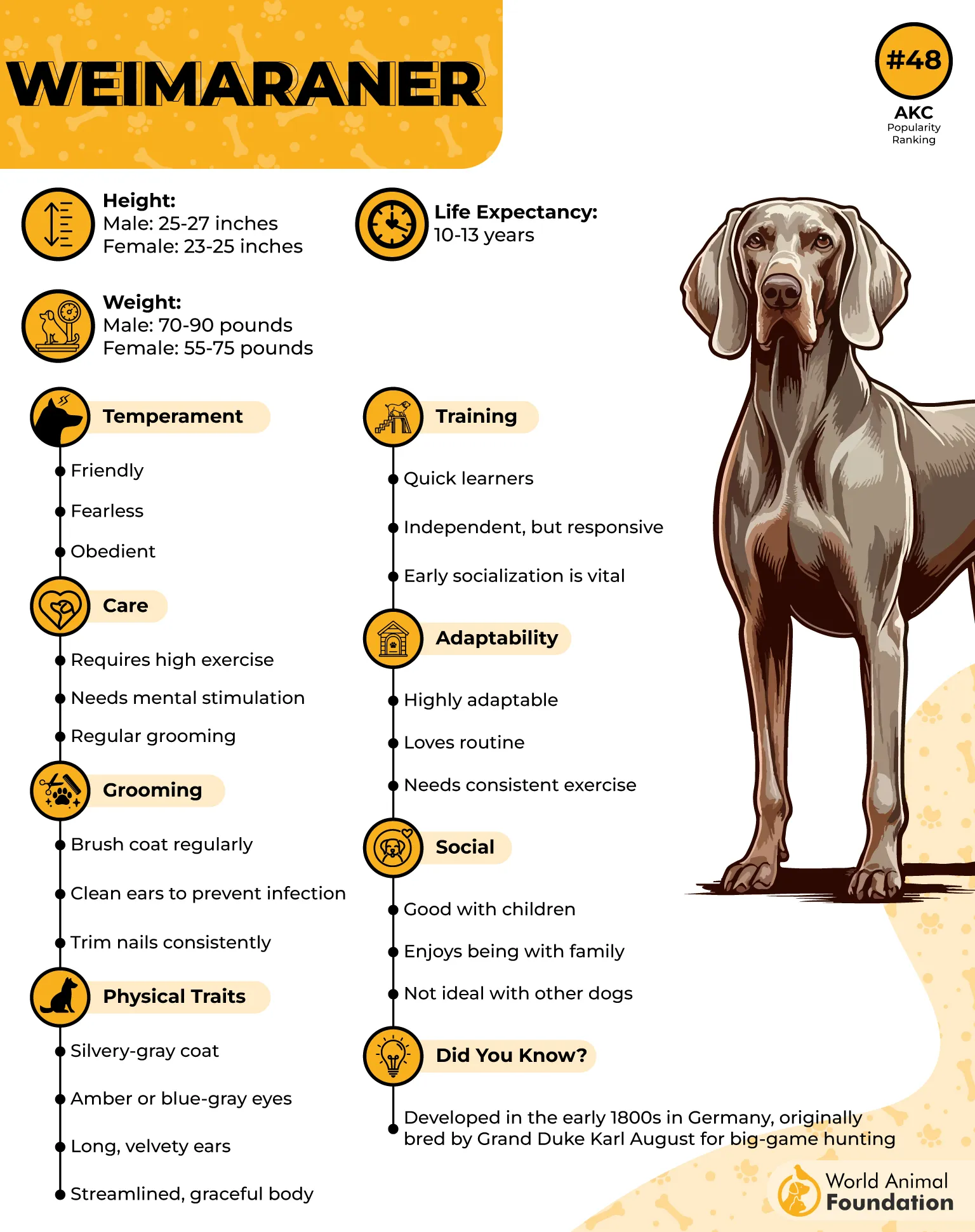
Despite having a strong prey drive, the dog was selectively bred to work closer to the royalty. The dog runs in systematic crisscross patterns to cover more ground. The dog has high pain tolerance.
4. American Foxhound
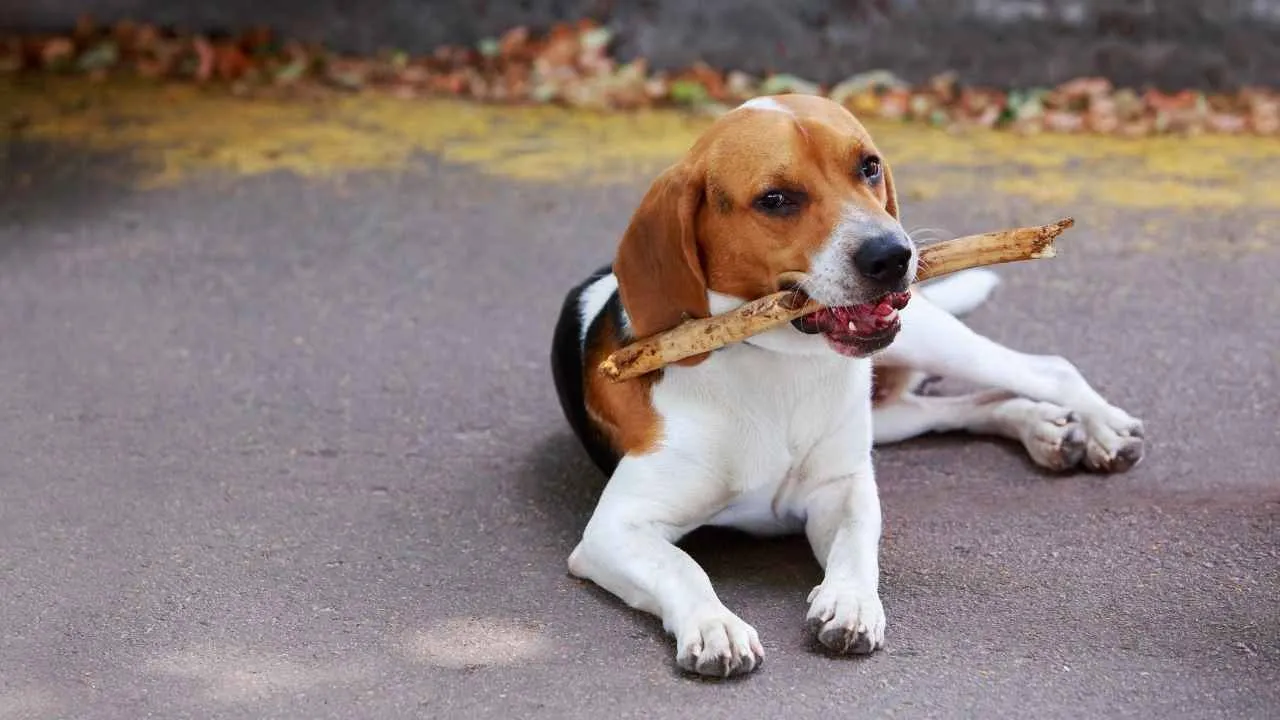
Originally developed in America, the American foxhound is closely related to the English foxhound and was used for fox hunting. George Washington is credited with leading the foundation of this initial scent hound. It was recognised by the American Kennel Club in 1886.
The longer limbs provide boundless energy and reduce the mechanical energy required per stride. Known for its fox-like feet, the dog has thick pads and well-arched toes, protecting the feet from structural injuries. The heavily muscled hindquarters convert muscle contractions into efficient forward propulsion.
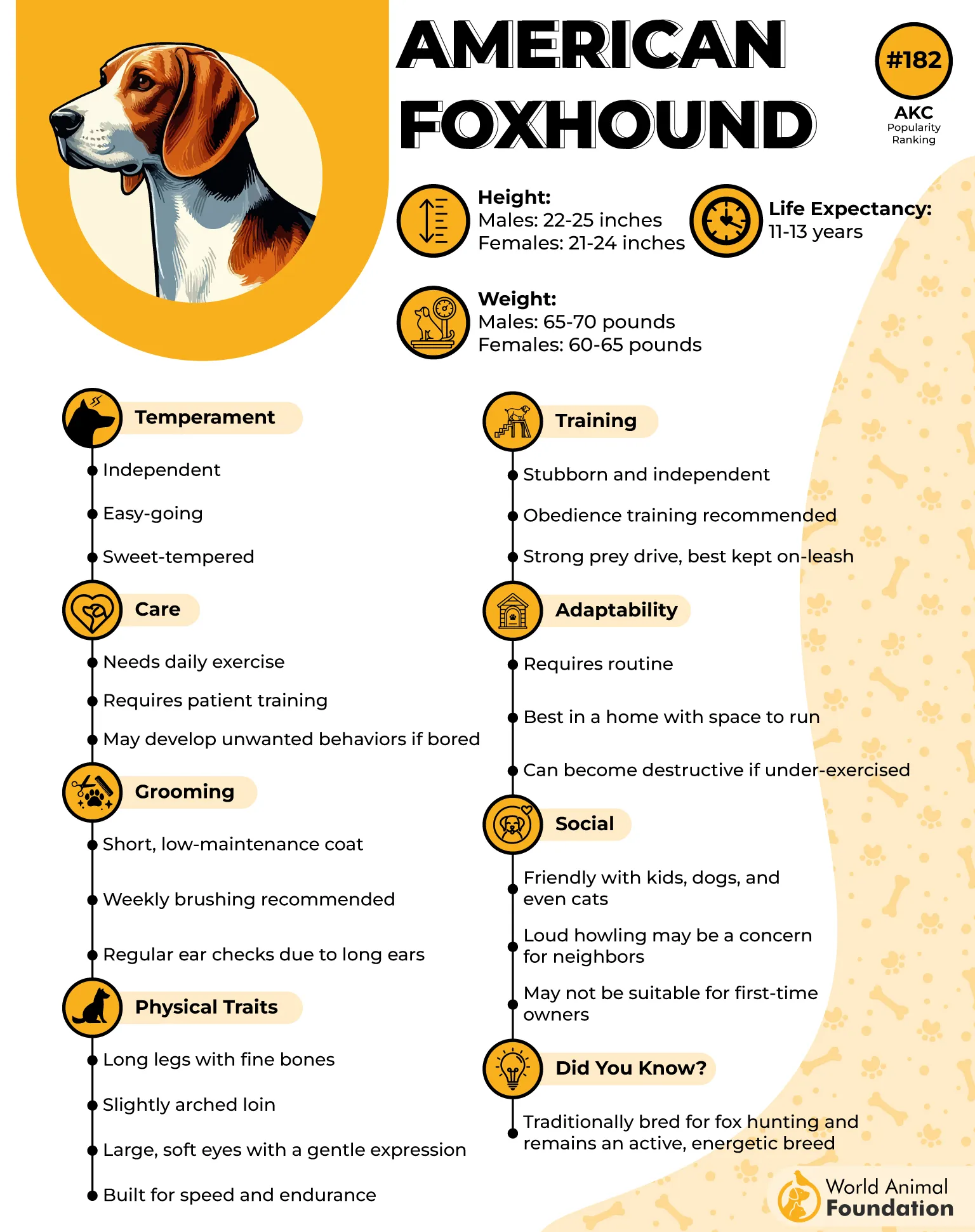
Since it has a deep bark, it notifies the hunter of its exact location. The high scent drive leads to selective hearing. It has an extreme level of pack sociability and weak territorial instincts.
5. English Springer Spaniel
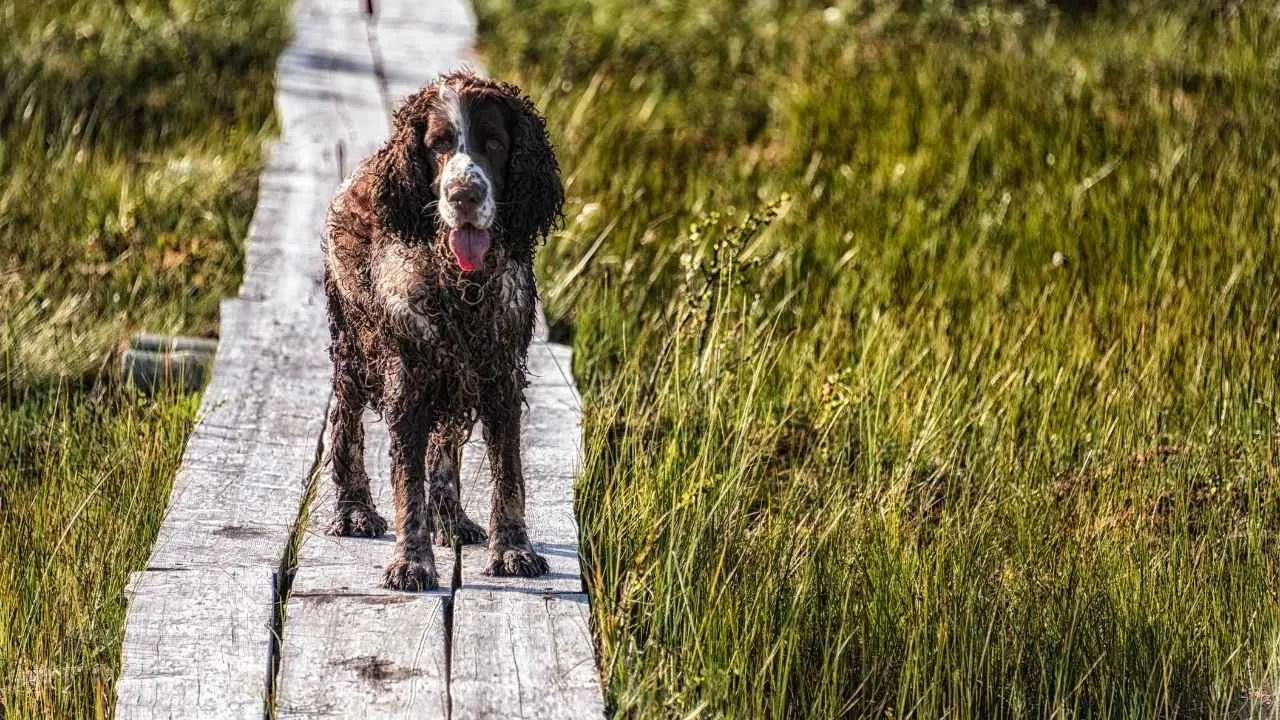
Originating in Spain, the breed was developed in the 19th century; however, a similar breed has been found in the artwork from the 16th century. While the ‘Springer’ and the ‘Cocker’ spaniels come from the same lineage, they are classified as different breeds because of their large size and flushing skills, according to Orvis.
The gentle breed has muscular hindquarters, well-angulated knees, and strong hocks, enabling the classic “springing” leap to flush hidden birds into flight. The water-resistant double coat protects the breed from external stimuli. The slightly up tail signals excitement and concentration.
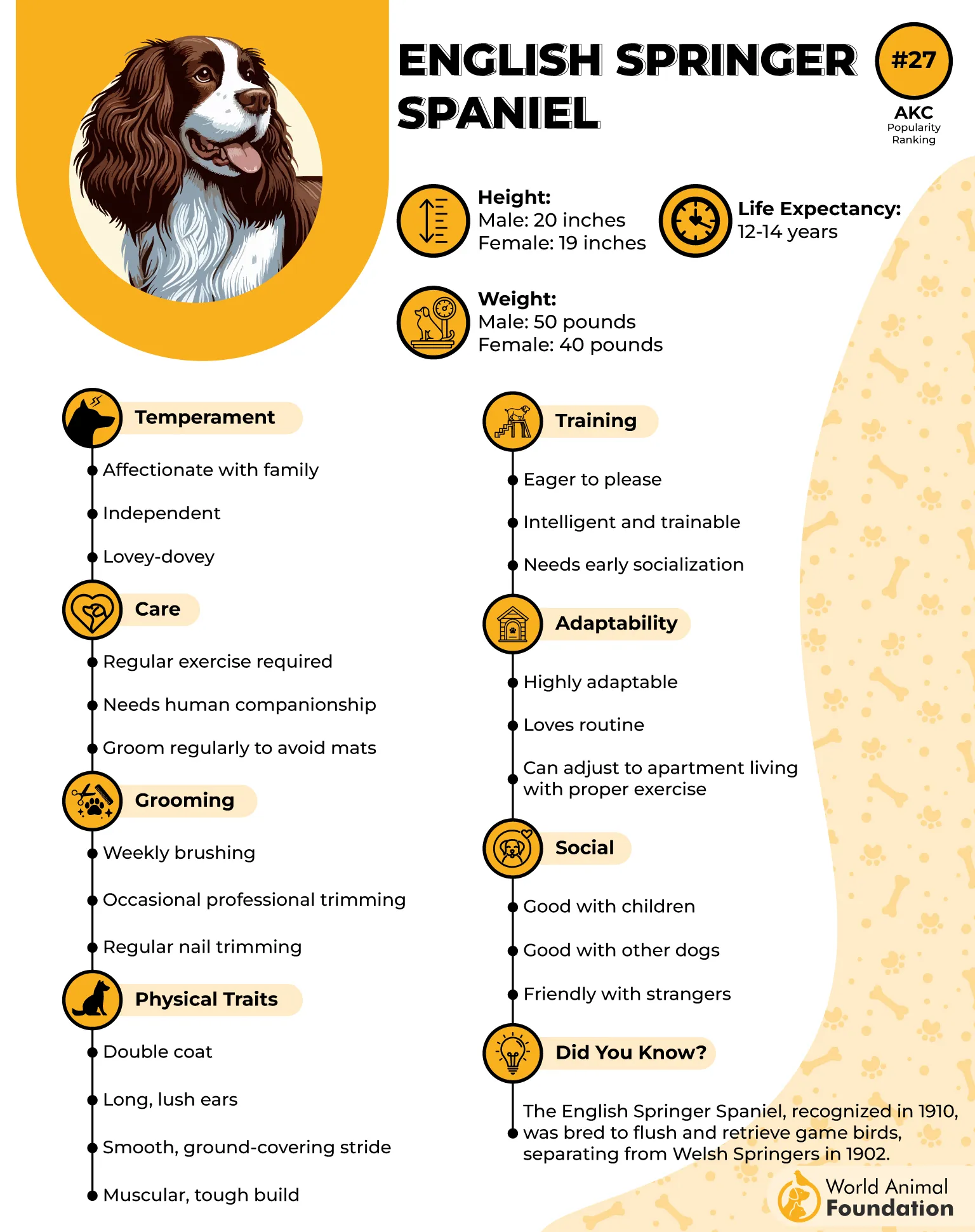
With the innate behavioural pattern of ‘quartering’, it runs within a shotgun range of 20 to 30 yards. It constantly adjusts its angle of horizontal sweeps according to winds. It rhythmically wags its tail during a standard searching drive.
6. Plott Hound
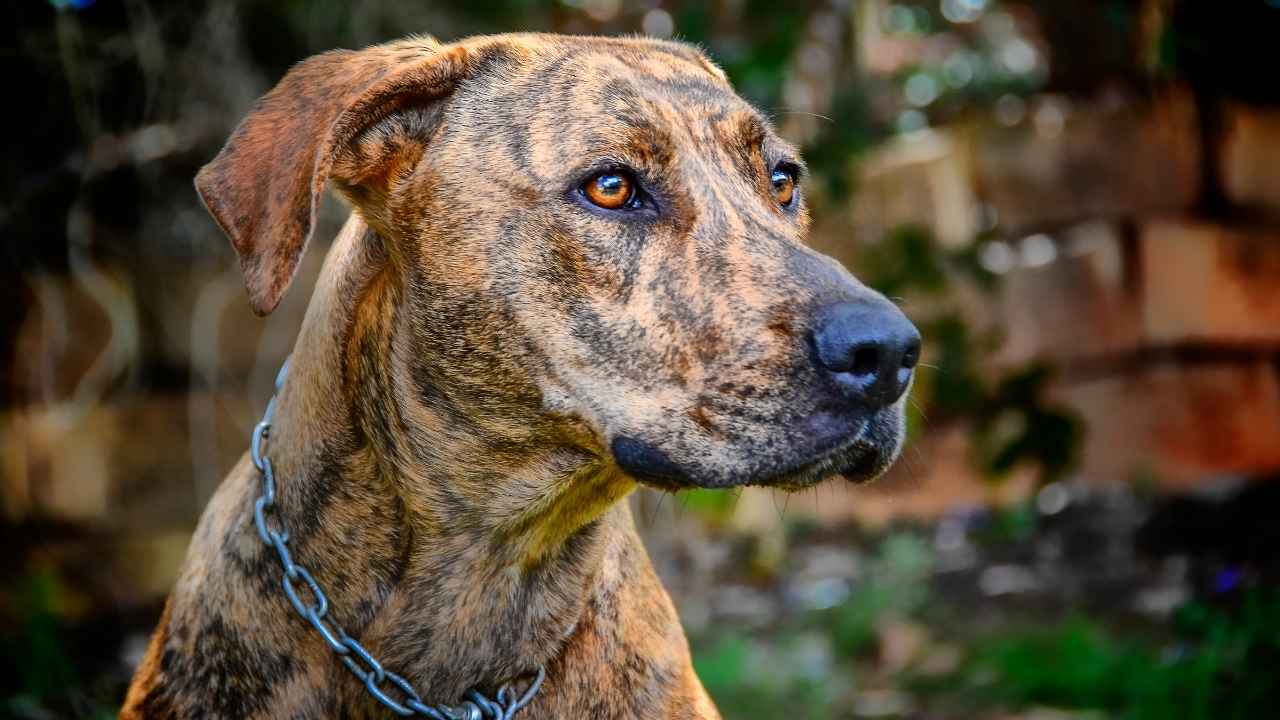
The dog was originally bred in America as a boar hunter in the mid-18th century but has its origins in Germany. The hunting breed was commonly known as the game dog in North Carolina; however, it was officially recognised by the AKC in 2006.
It has tight-fitting skin with moderate pendant ears, preventing tissue tearing while chasing. The dog is hardwired for cold trailing. It has a strong jaw structure that gives a strong grip and scissor bites. The breed has an independent streak and tends to work without the handler’s instructions.
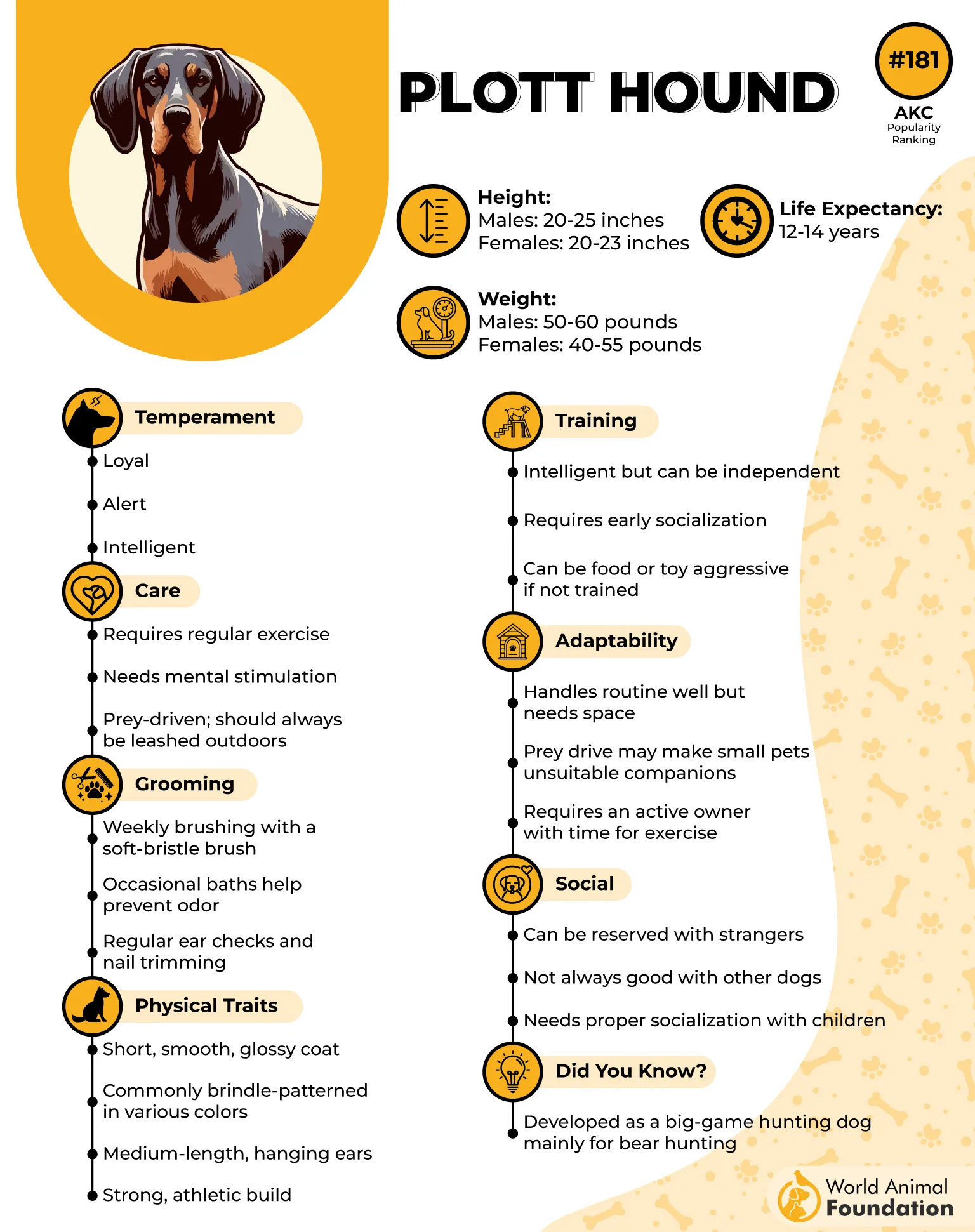
It can instantly shift the roles between cornering, flanking, and tracking. While gentle at home, it naturally becomes aggressive towards the potential target outdoors.
7. Mountain Cur
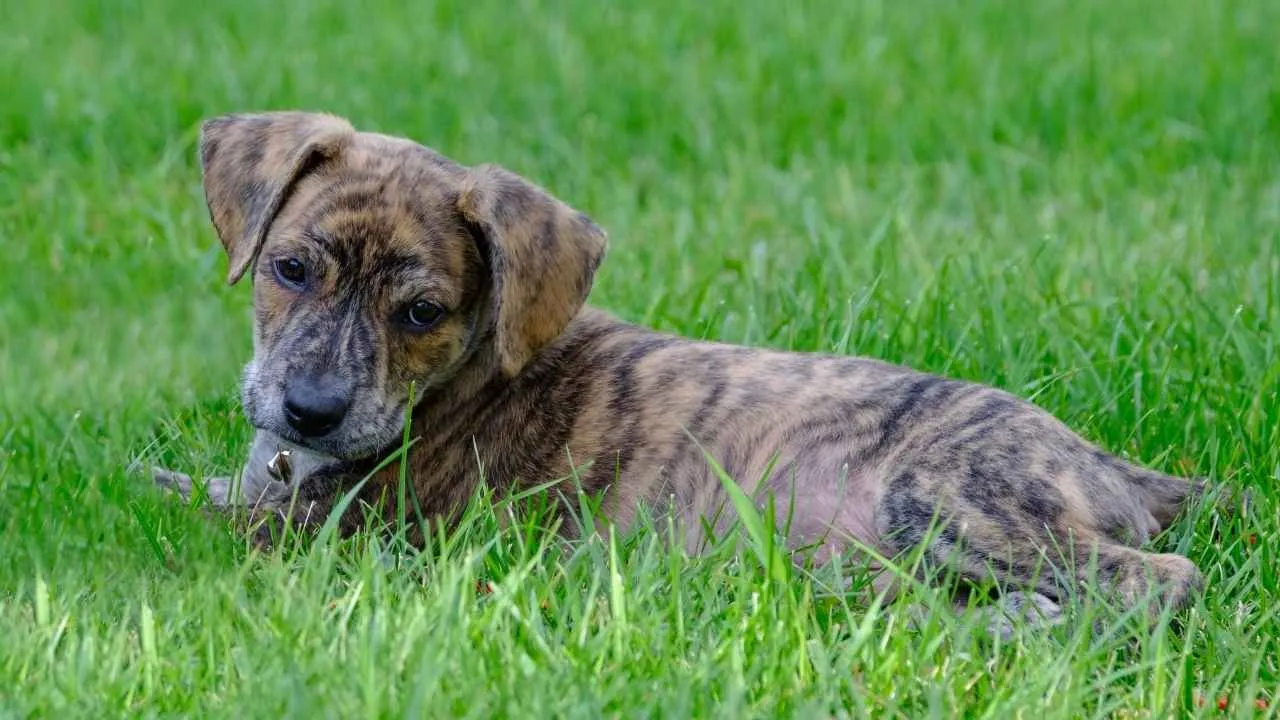
The working dog breed was developed for training to hunt raccoons and squirrels. The primary purpose was to act as an all-purpose farm dog, a hunting breed, and a water dog. The breed was brought by the European settlers to America some 200 years ago.
The breed is characterised by running tracks with its head carried high. The medium-length ears are attached high on the skull, giving it an alert expression. Despite having an independent nature, the dog generally looks back to check the handler and takes directions.
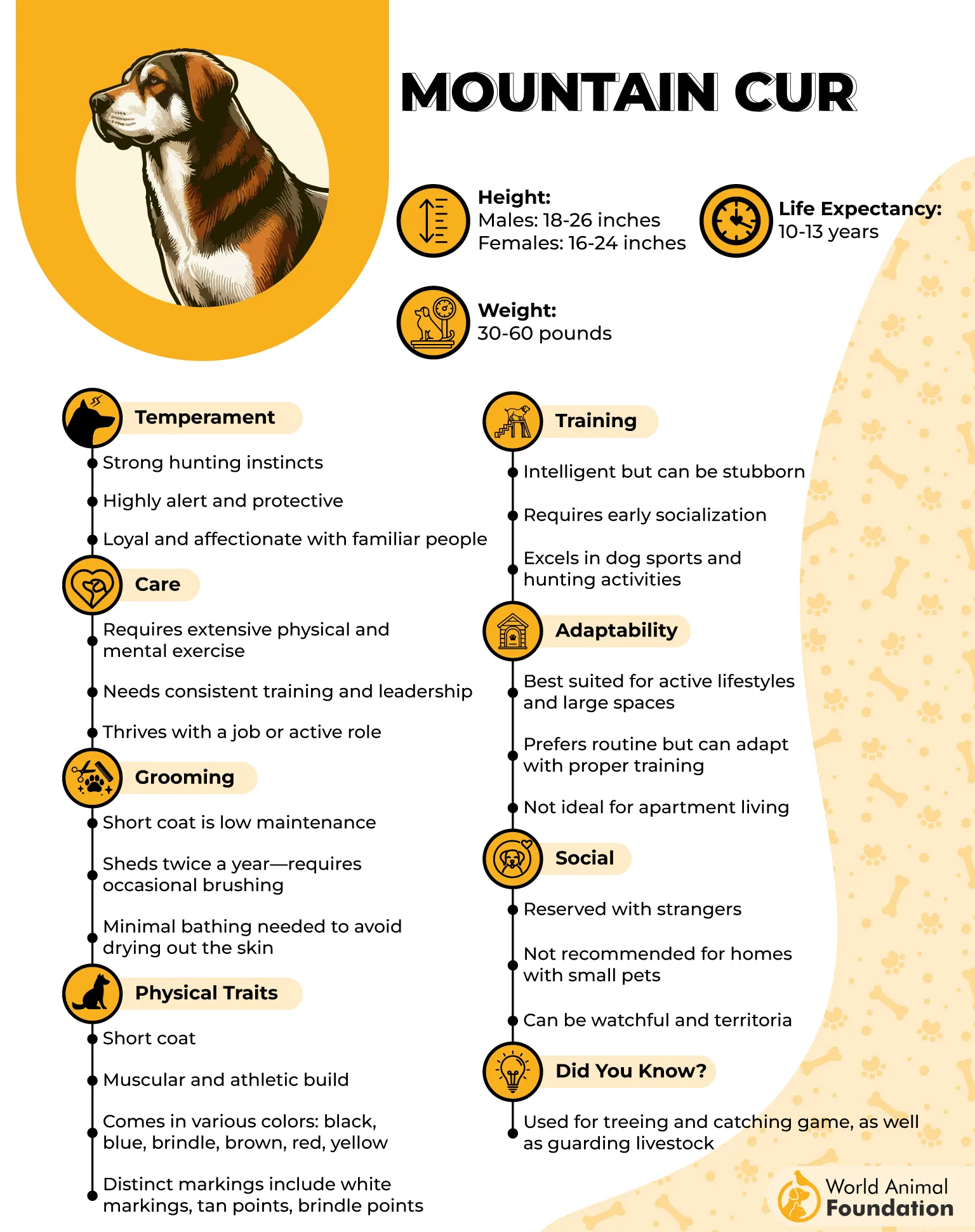
It moves systematically in circles in the absence of cold scent and drifts across the cold line. The dog uses treeing to catch small game and baying for larger game.
Conclusion
The best match is not always the dog with the prettiest coat or the most impressive hunting history. It is the one whose needs fit the life you can honestly offer. Picture an ordinary Tuesday, not your dream weekend outdoors. Will you still enjoy sharing your time with an eager working dog when the weather turns miserable? That question matters more than a cute puppy photo.
There is something deeply rewarding about understanding a dog instead of wishing it were different. Its drive is part of its story, not a flaw to erase. Choose with care, respect the individual, and leave room for a little muddy joy. A good match feels like a partnership, not a daily tug of war.
