




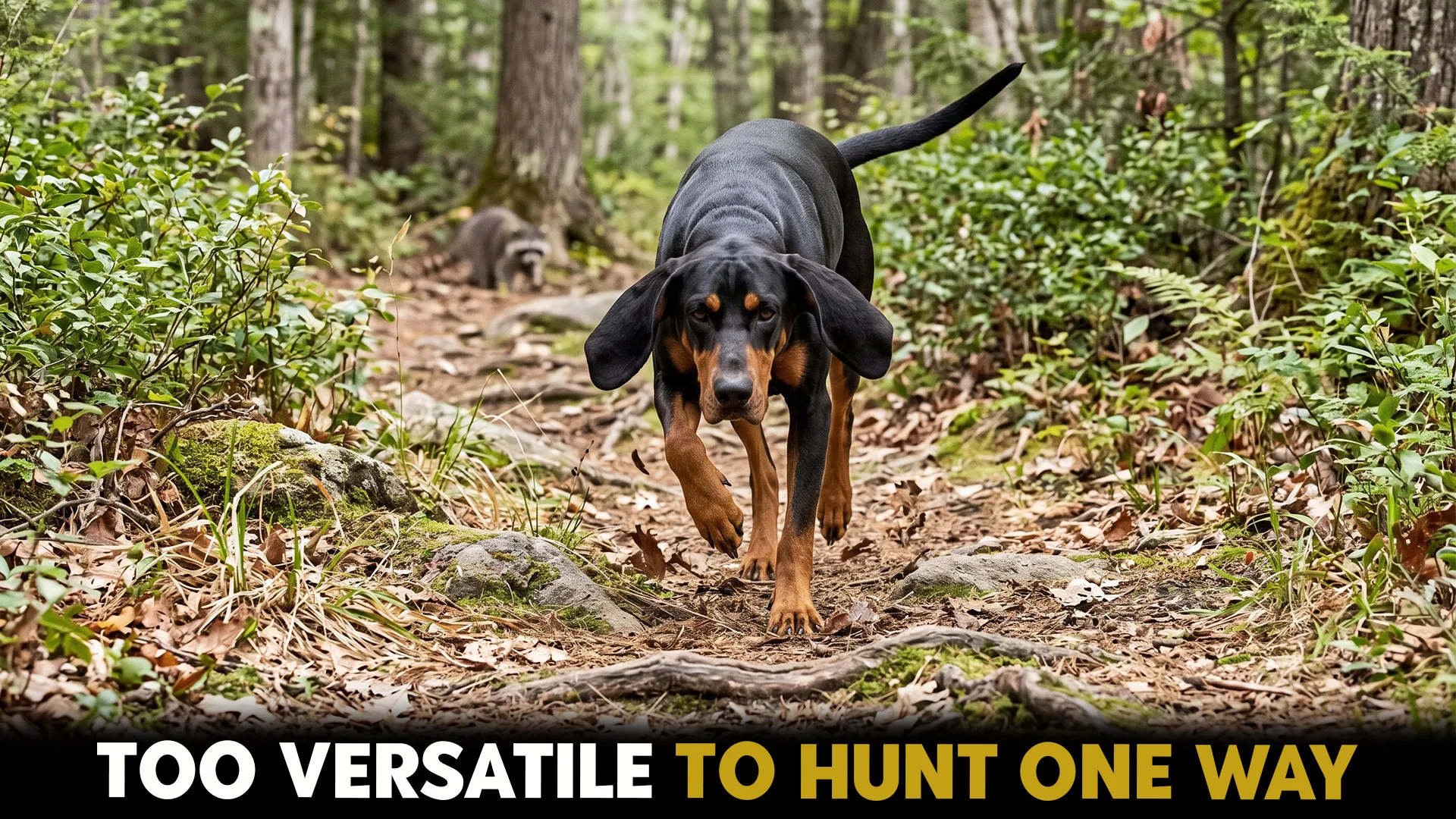
For centuries, dogs have worked alongside humans in the field, developing specialized abilities to locate and pursue game. While some breeds excel at one task, versatile hunting dogs can combine tracking, flushing, retrieving, and field endurance.
These adaptable canines rely on powerful noses, keen awareness, athleticism, intelligence, and a strong willingness to work with their handlers. Their abilities can make them valuable partners across different hunting environments and tasks.
Beyond the field, many versatile hunting breeds can also become devoted companions when their physical and mental needs are met. Explore ten remarkable breeds that bring multiple skills to the hunt while offering plenty of personality at home.
Top Versatile Hunting Dog Breeds for Hunting and Tracking
1. German Shorthaired Pointer
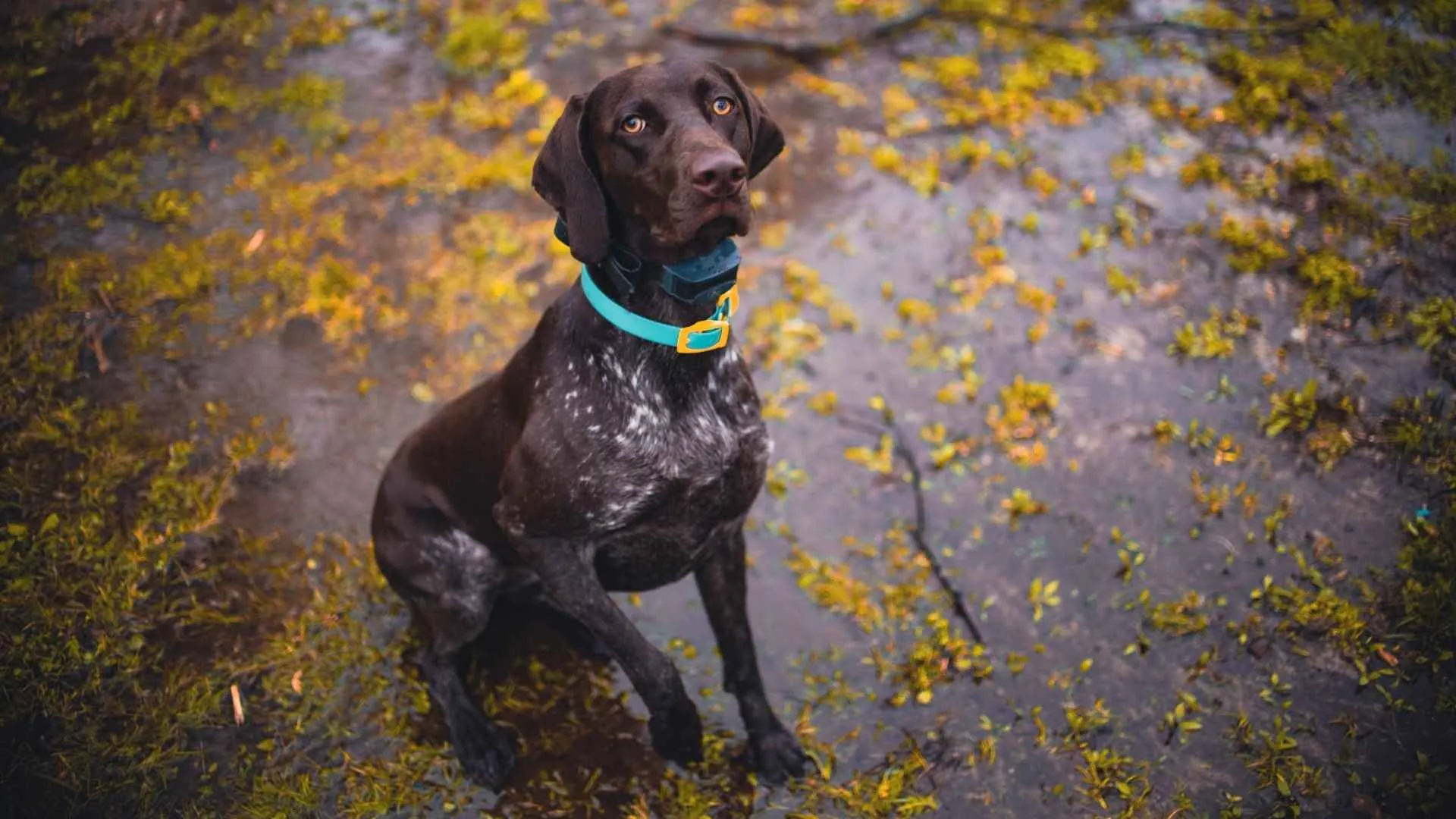
The German Shorthaired Pointer is an athletic, all-purpose hunting dog capable of pointing, retrieving, and tracking. Its stamina and strong hunting drive make it well suited to experienced hunters who want a dependable partner for demanding outings and regular training.
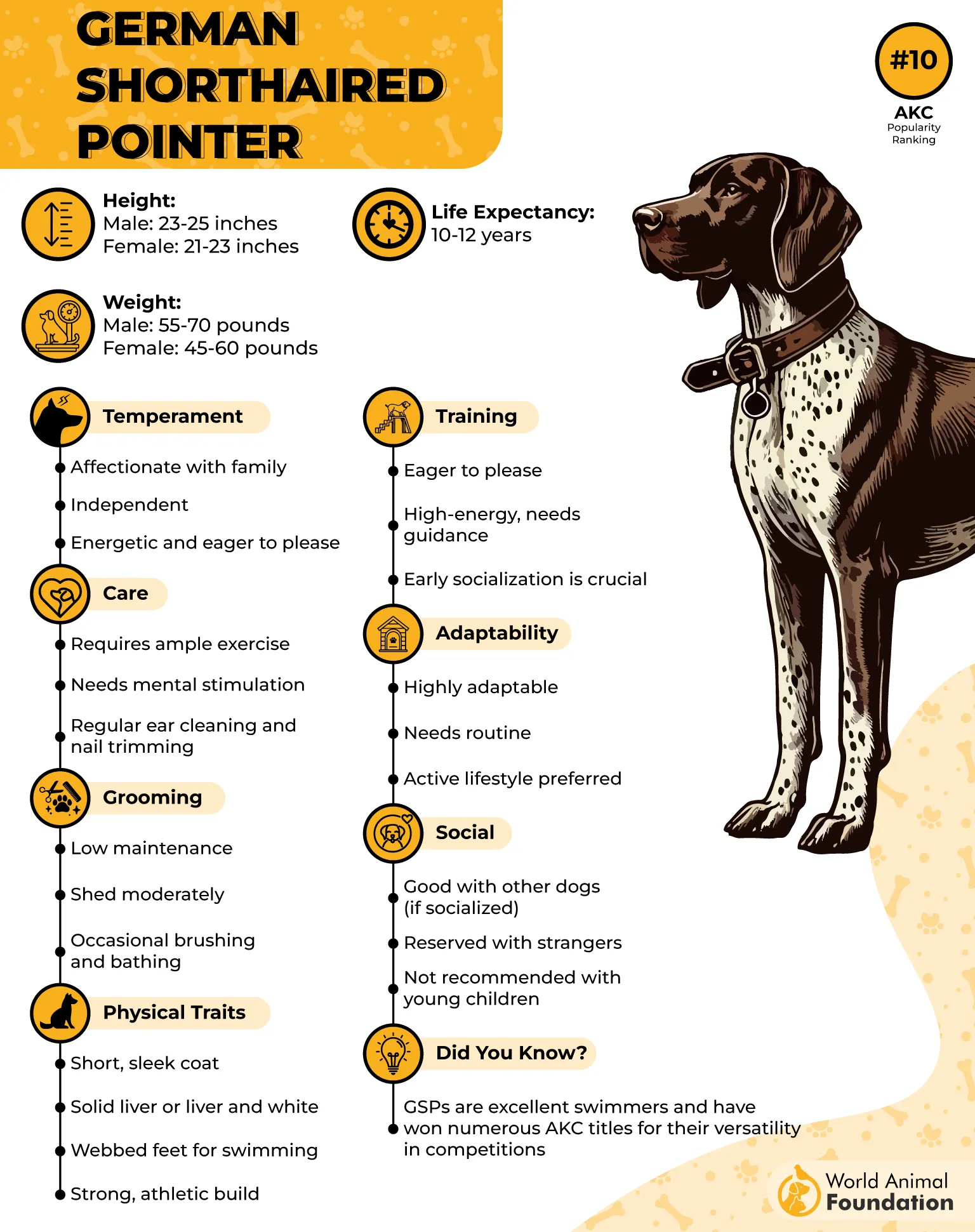
Equally capable on land and around water, this breed can pursue different types of game, including ducks and deer. Webbed toes support its water work, while its capable nose helps locate quarry. Its natural pointing ability further allows hunters to identify and approach game effectively.
How This Breed Stands Out
Versatile land-water hunter: It can work across upland terrain and waterfowl environments, giving hunters a flexible field companion.
Strong pointing instinct: Its natural ability to point helps locate game and direct the hunter toward its position.
2. Bloodhound
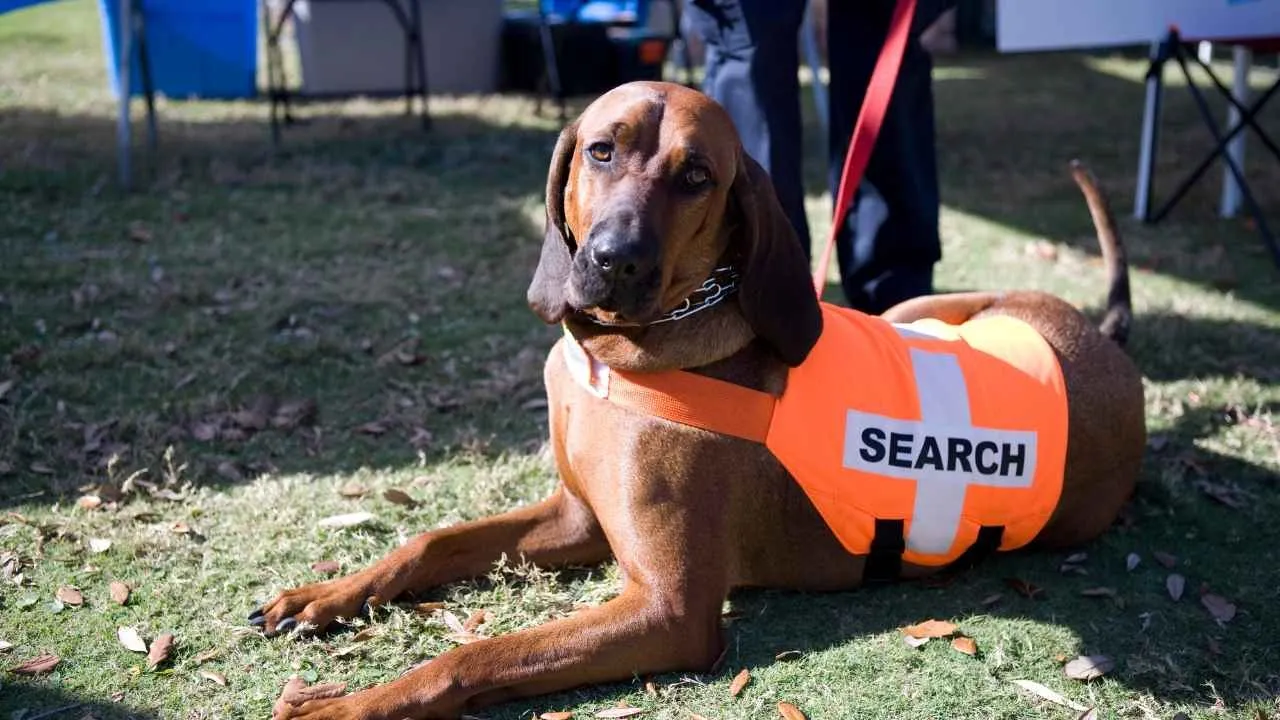
With one of the most powerful noses among dog breeds, the Bloodhound is exceptionally skilled at following complicated scent trails over long distances. Its ability to stay focused on a scent makes it particularly valuable for tracking and trailing work, including hunting and search-and-rescue tasks.
According to the AKC, Bloodhounds can get additional exercise in a securely fenced yard, as they are skilled diggers and escape artists.
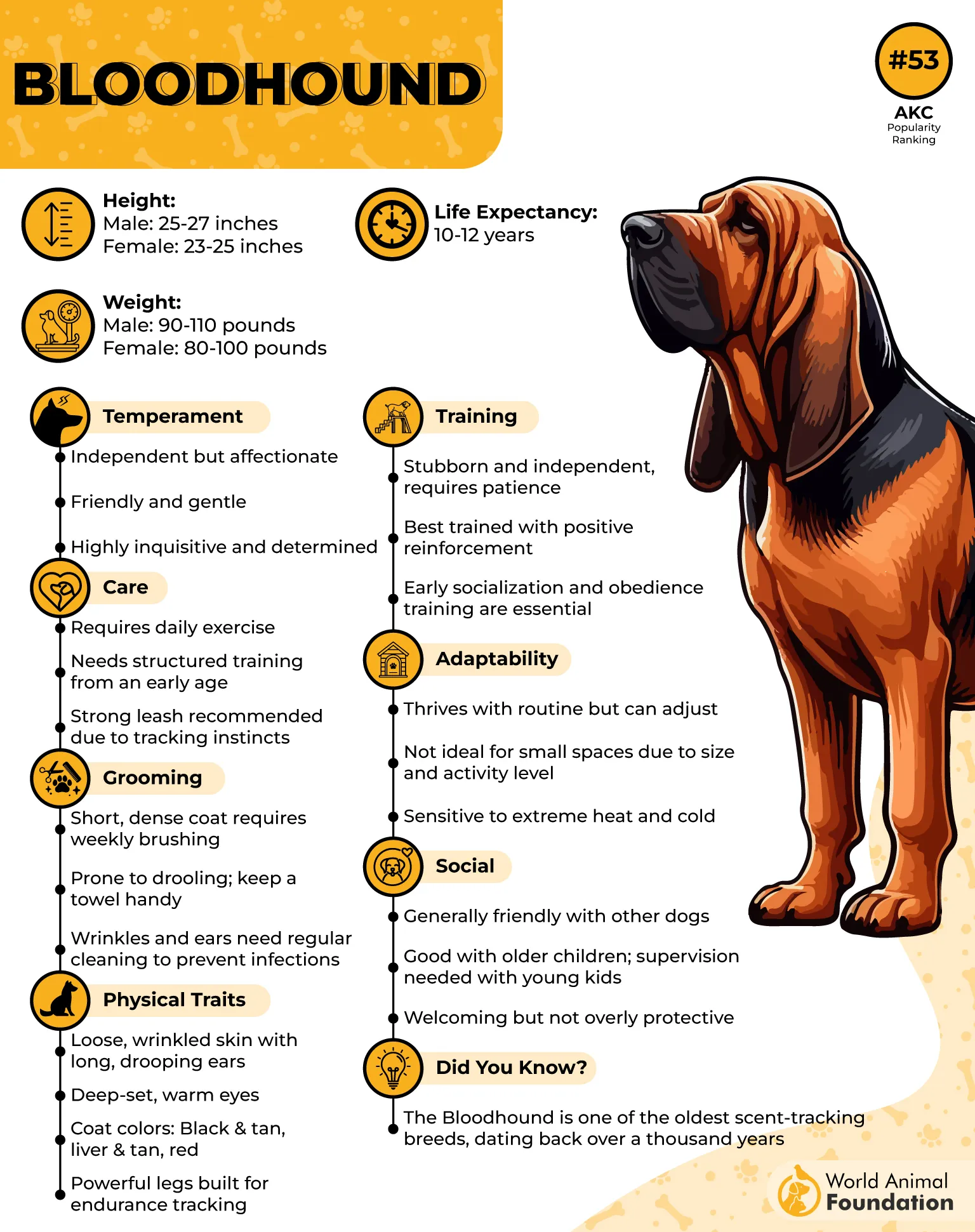
The breed’s determination allows it to continue pursuing a scent even when the trail becomes challenging. Although its independent nature can make training demanding when an interesting smell captures its attention, clear commands are key to improving learning and maintaining focus.
Regular field exercises can sharpen the Bloodhound’s tracking ability. Bloodhounds remain affectionate and loyal toward their families.
How This Breed Stands Out
Extraordinary scent precision: Its exceptional nose allows the Bloodhound to detect and follow complex scent trails with remarkable accuracy and steady focus.
Exceptional trail persistence: Strong determination is a key advantage, helping it remain committed to a scent over extended distances and challenging terrain.
3. Redbone Coonhound
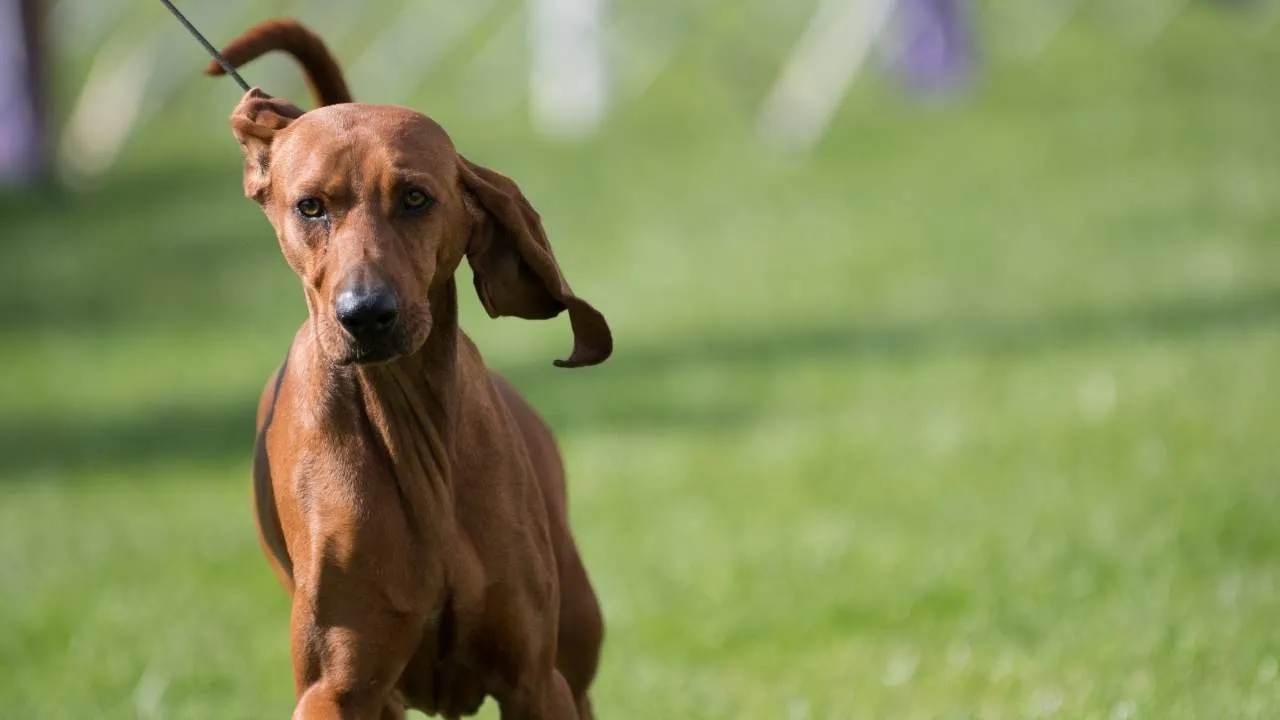
Developed by American frontiersmen for tracking and treeing raccoons, the Redbone Coonhound has the characteristics hunters look for in a determined tracking hound, including impressive speed, agility, and stamina.
Its steady temperament and persistent scent work make it a dependable choice for hunters seeking consistent performance in the field.
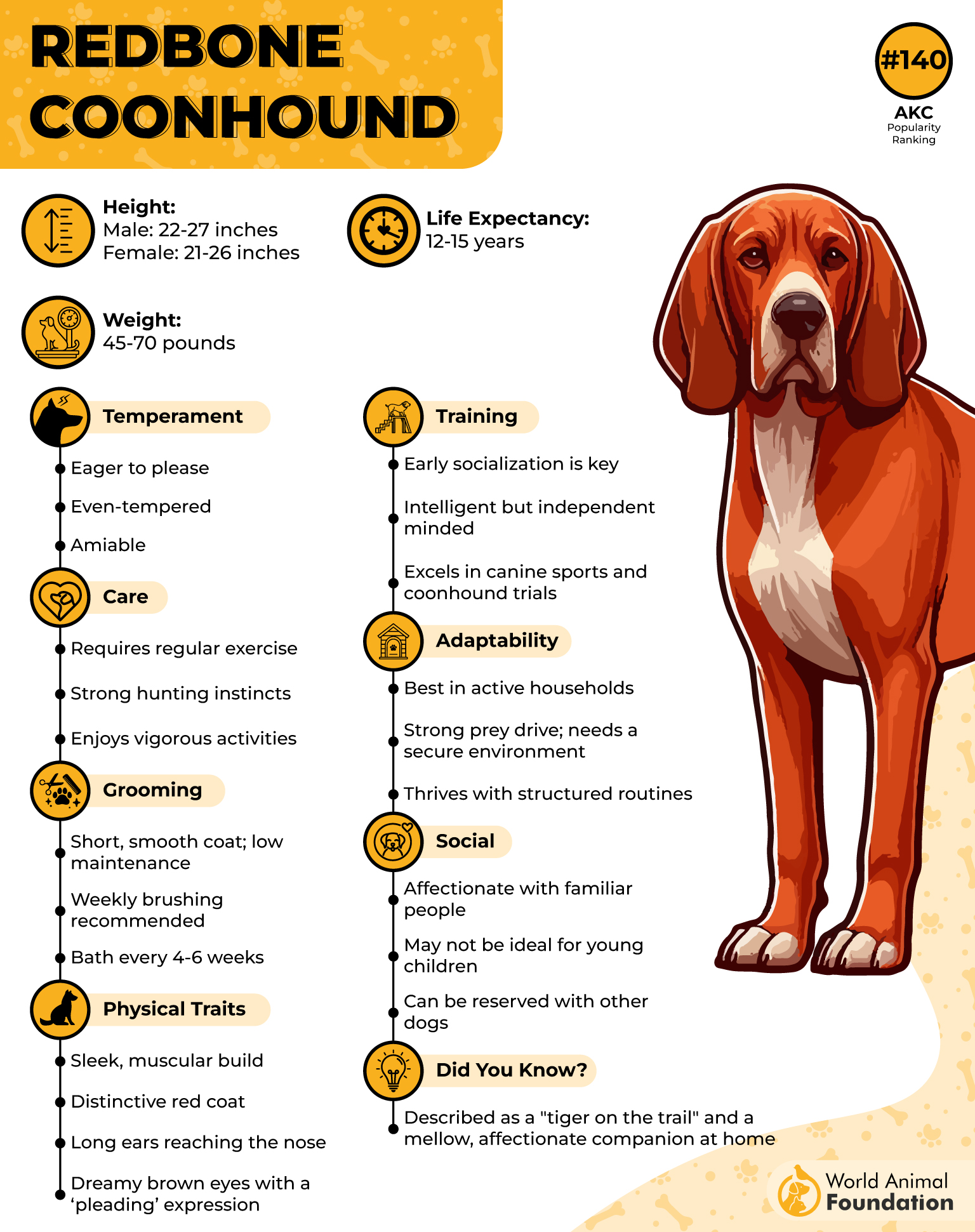
The breed’s sleek build supports energetic pursuits, while its endurance allows it to remain focused during extended hunts. At home, however, Redbones are known for their friendly nature and are often described as affectionate and easygoing; many owners also consider them great family pets when their exercise needs are met.
How This Breed Stands Out
Striking red coat: Its sleek, richly colored coat is a defining feature inherited partly from its Red Irish Foxhound ancestry.
Strong swimming ability: Its athletic build and hunting versatility can support work in environments where swimming ability is valuable.
4. Treeing Walker Coonhound
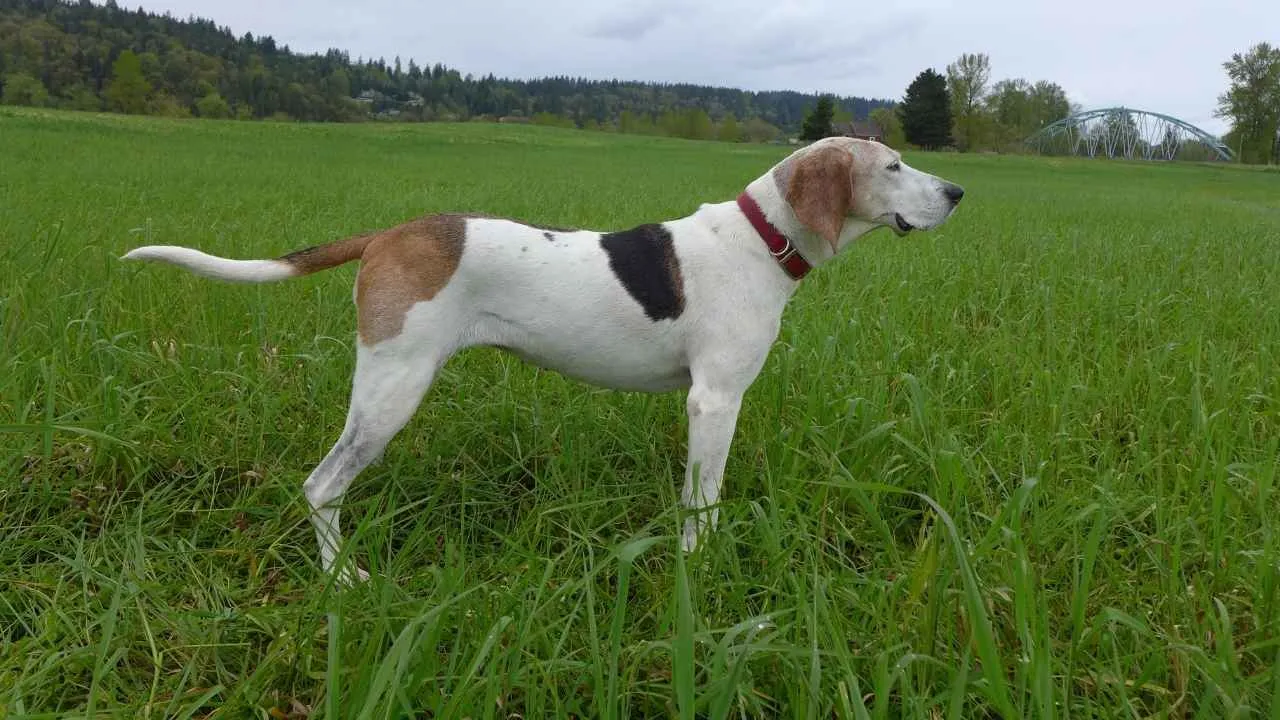
The Treeing Walker Coonhound was developed to track and tree raccoons and other small game, using its speed, athleticism, and keen nose, and staying eager to pursue fresh trails once it picks up quarry. Known for its “hot nose,” this breed can quickly follow scent and remain persistent once it has located quarry.
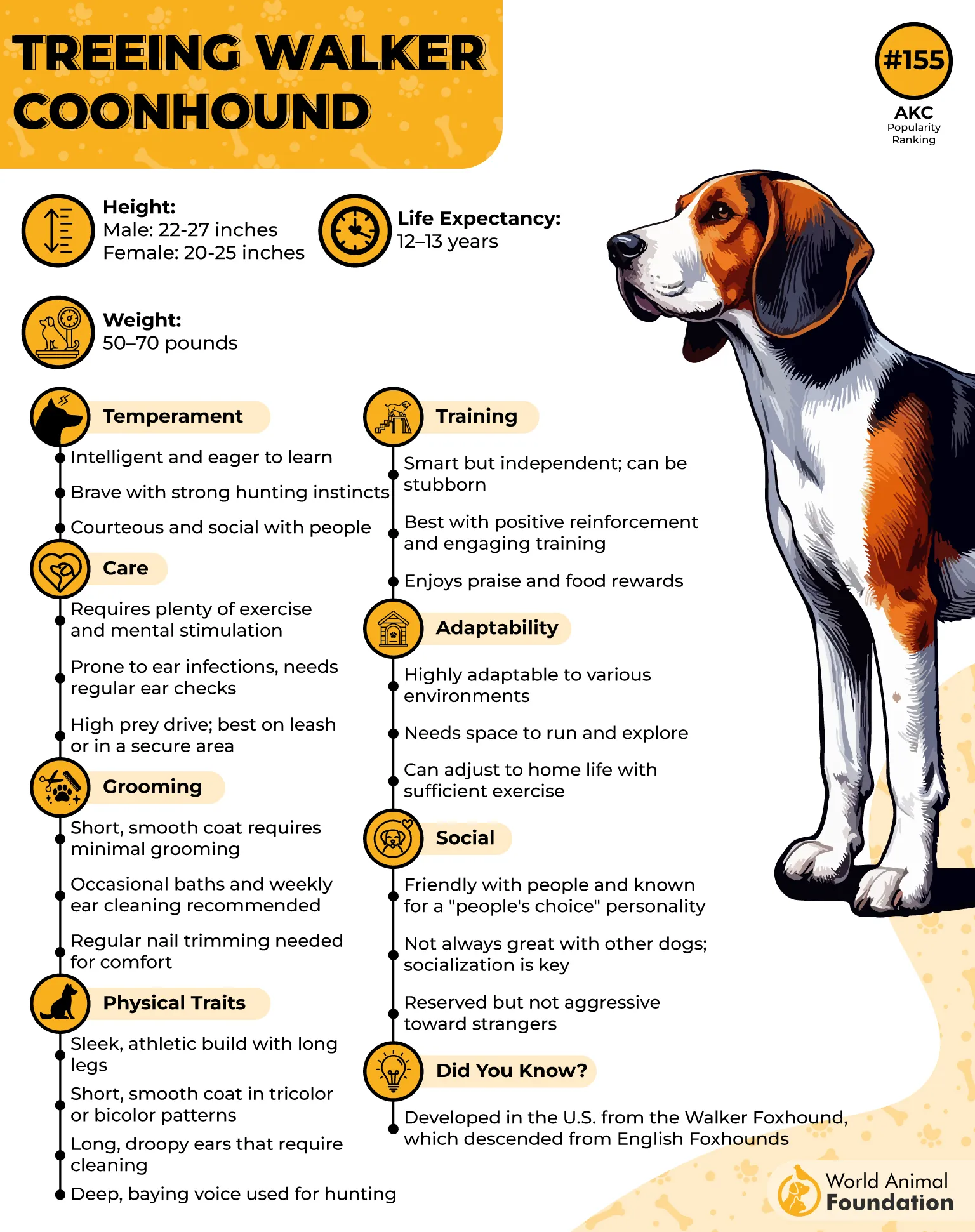
After reaching the game, the Walker uses its distinctive voice to alert the hunter without hesitation, helping signal that the quarry has been treed. Although particularly renowned for raccoon hunting, its tracking abilities can extend to various game, while its athleticism and determination also make it effective in field trials.
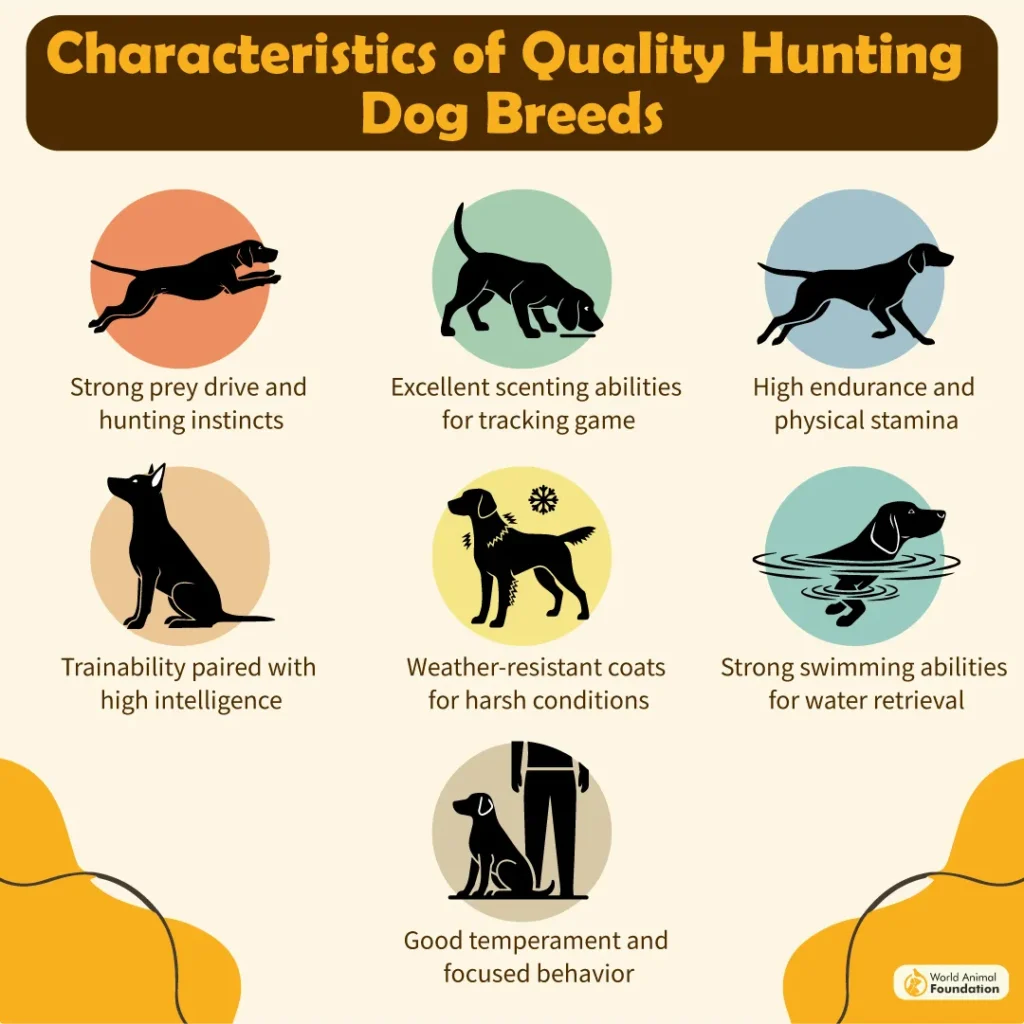
How This Breed Stands Out
Rapid quarry localization: Its strong scenting ability and speed help it locate fresh game trails and reach quarry efficiently.
Distinctive treeing technique: Once game is treed, it uses a loud, recognizable bay to alert the handler and hold attention on the quarry.
5. Black and Tan Coonhound
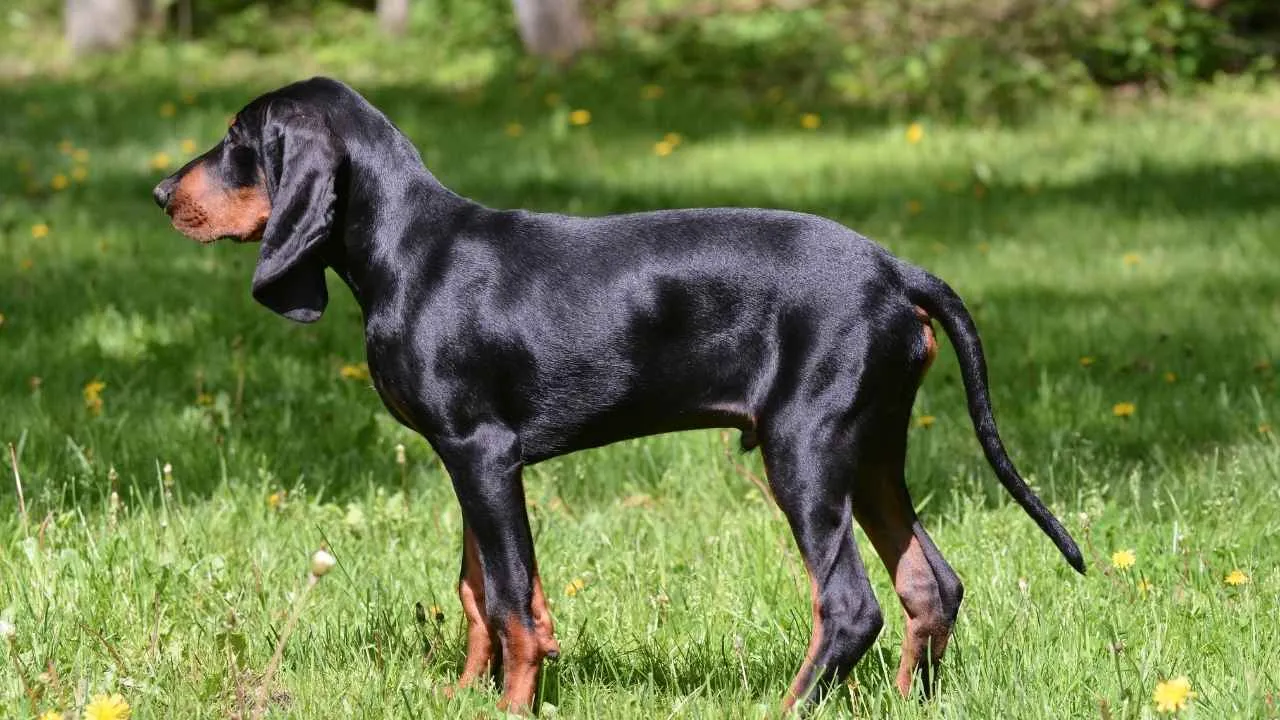
Descended from Bloodhounds and Foxhounds, the Black and Tan Coonhound is a powerful hunting breed with an exceptionally sensitive nose. Bred to track raccoons and larger game, it can remain focused and persistent on the trail while maintaining an easygoing, affectionate temperament at home.
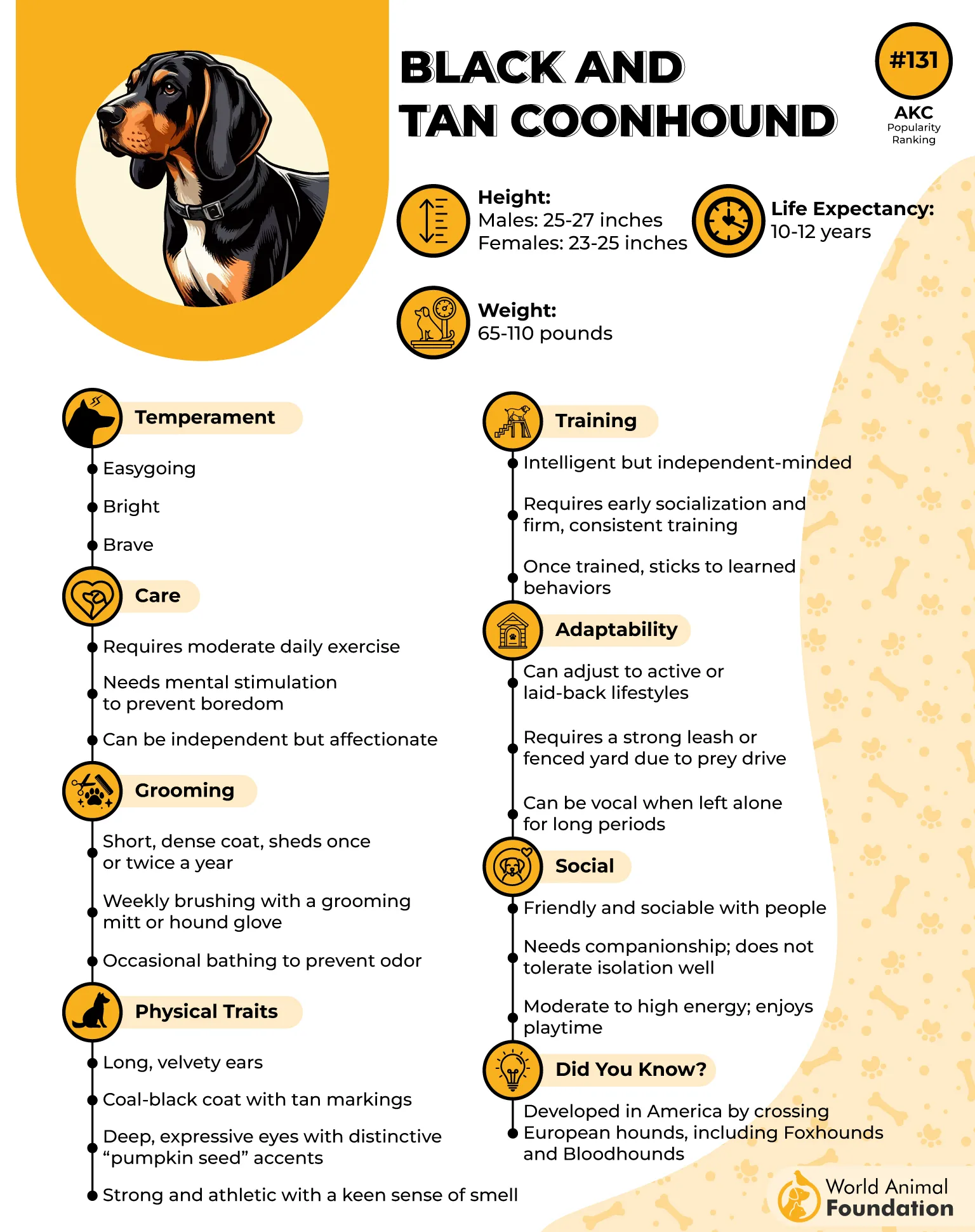
Its sociable nature means it enjoys staying close to its family, while its strong prey drive can quickly activate when it detects an animal’s scent. Regular exercise and secure handling are important for this energetic hound, which can also be trained to pursue various types of game.
How This Breed Stands Out
Long, pendulous ears: Its long, velvety ears are one of the breed’s most recognizable physical features.
Deep, resonant bay: Its distinctive, powerful voice helps communicate its location and presence while tracking game.
6. Plott Hound
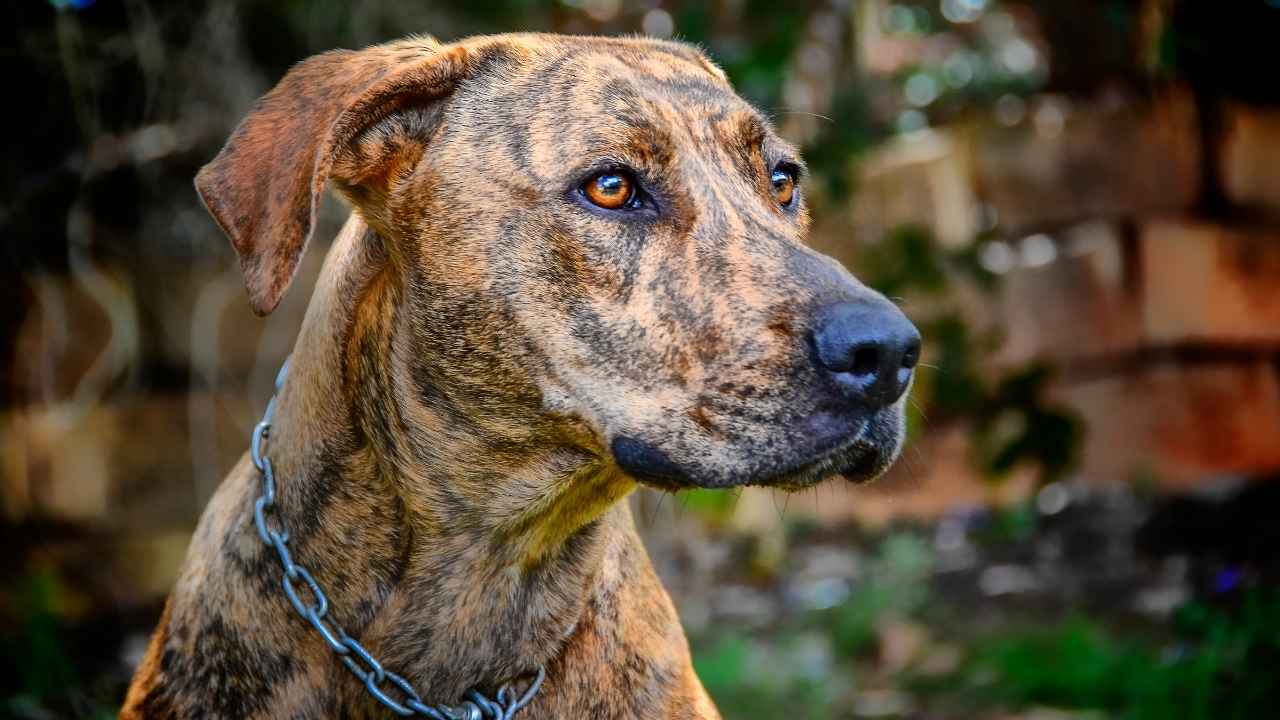
Built for demanding big-game hunts, the Plott Hound has the stamina, determination, and keen sense of smell needed to work through rugged terrain. Its heritage traces back to Hanover Hounds brought to North Carolina by a German immigrant, where the breed was developed for pursuing wild boar and other large game.
Hunters working in rough, cold country or a challenging area often look to hardy dogs like the Plott Hounds for that kind of adaptability.
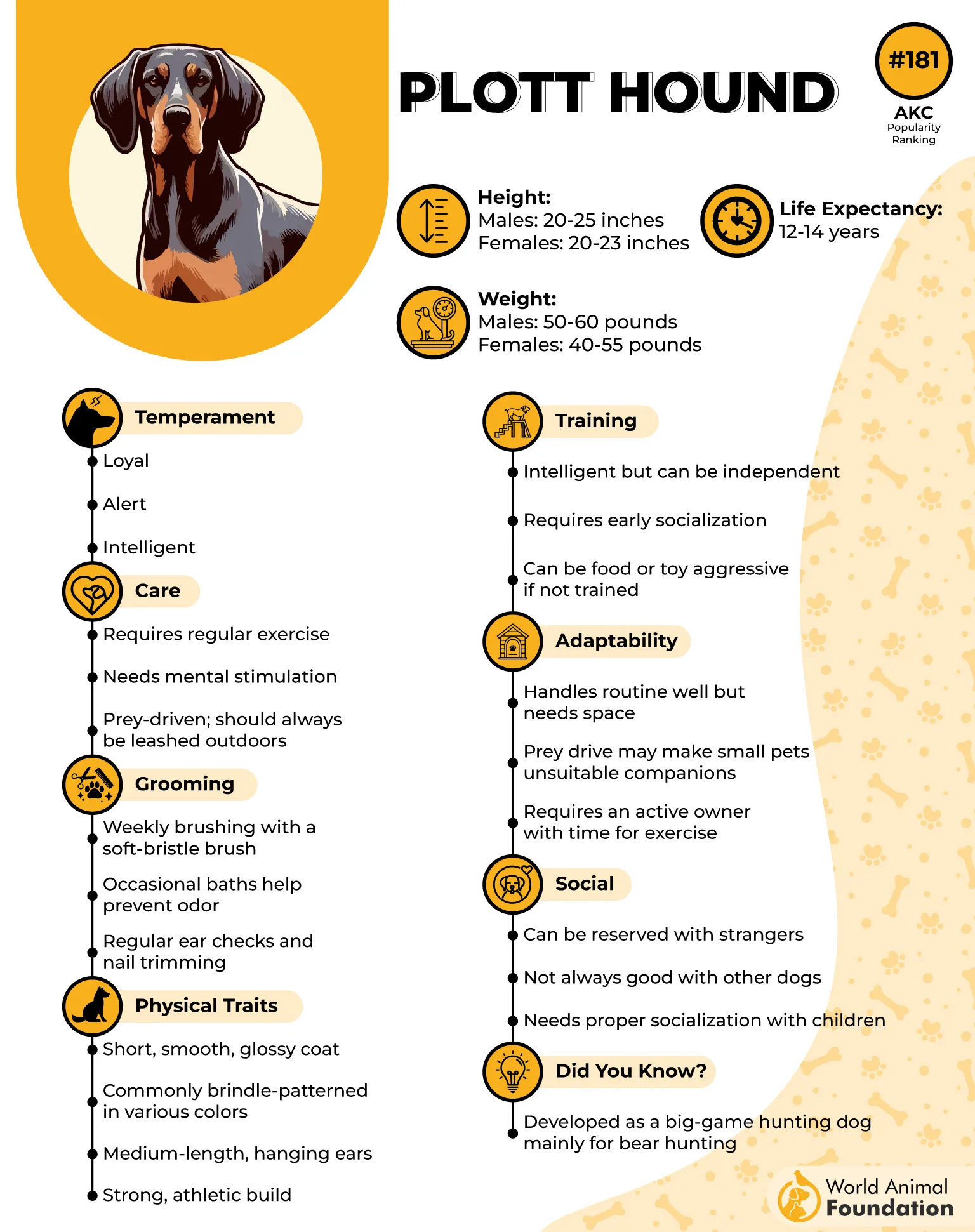
Highly driven and courageous, Plott Hounds are best suited to experienced handlers who can provide structured outlets for their strong working instincts. Although they may be reserved around unfamiliar people, these dogs are loyal and protective with their families, while their deep, vocal nature adds to their distinctive hunting character.
How This Breed Stands Out
Fearless big-game courage: Its determination and stamina allow it to tackle demanding hunts involving large and powerful quarry in rough mountain areas.
Brindle coat pattern: The breed is recognized for its distinctive brindle coloring, adding to its rugged appearance.
7. American Foxhound
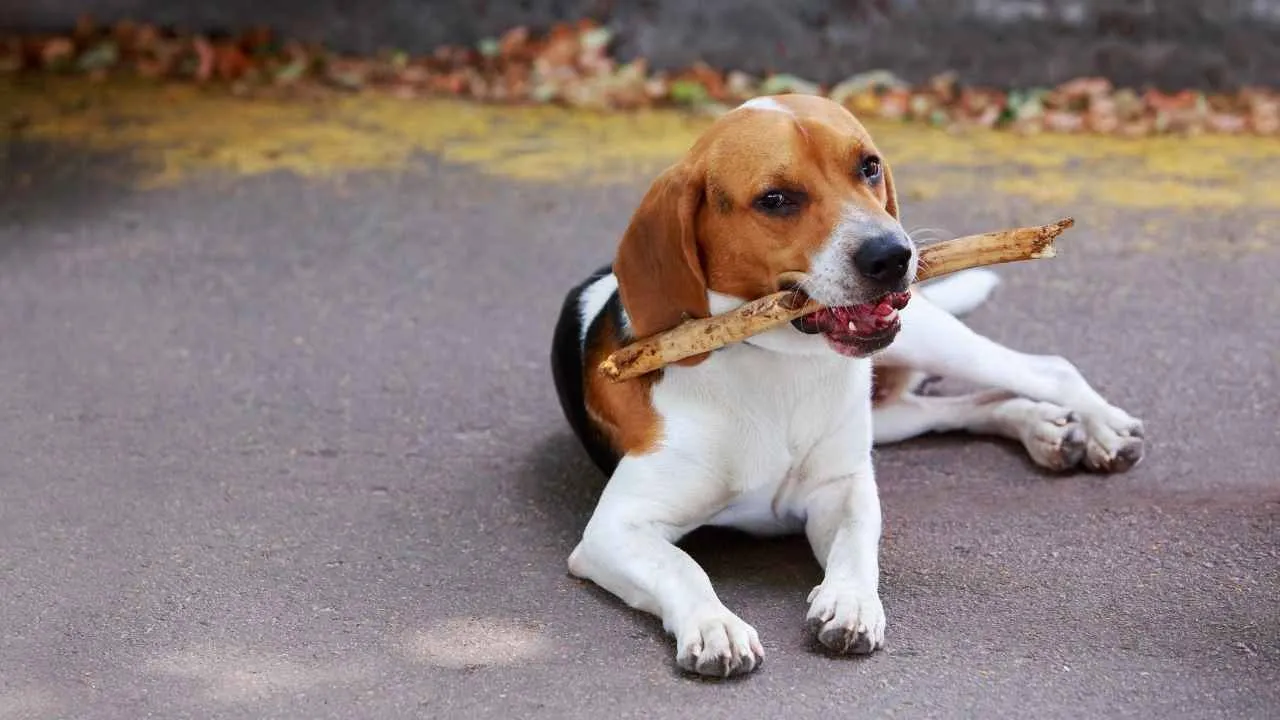
The American Foxhound was developed for long pursuits of foxes, combining a powerful sense of smell with impressive endurance and an ability to cover expansive areas. Its stamina and independent working style make it particularly suited to scent-driven hunting for active handlers who enjoy spending time outdoors.
According to PetMD, they are intelligent, energetic dogs that need daily activities to keep both their bodies and minds engaged.
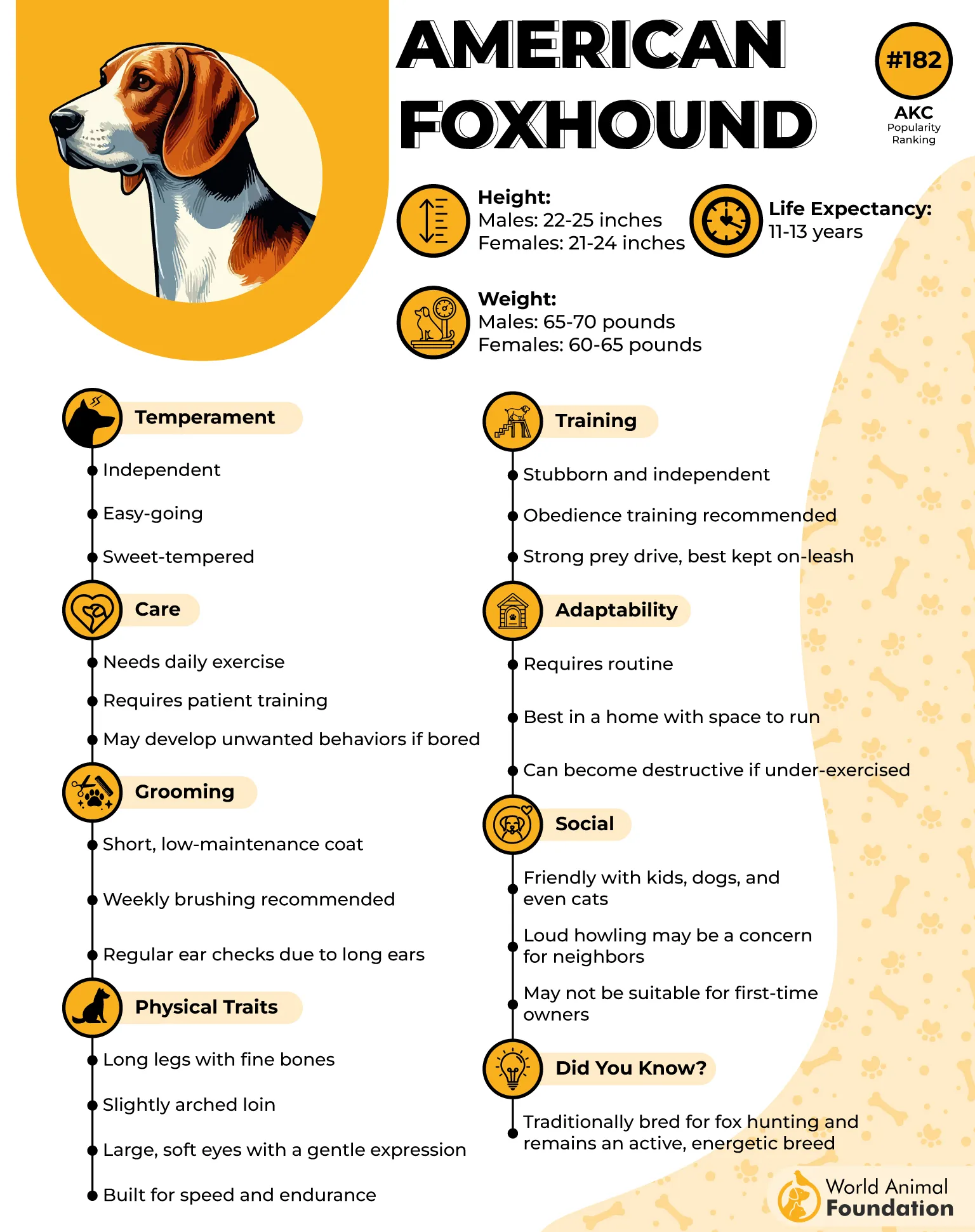
Built for sustained movement, this breed can maintain an efficient pace while following game over long distances. American Foxhounds are friendly with children and other dogs, but their strong instinct to follow their nose can make training challenging. They also require substantial daily exercise to stay satisfied.
How This Breed Stands Out
Famous pack-hunting background: Developed as a fox-hunting breed, the American Foxhound has a strong heritage of pursuing game alongside other hounds.
Effortless ground-covering stride: Its long legs and endurance help it travel efficiently across wide hunting grounds.
8. Weimaraner
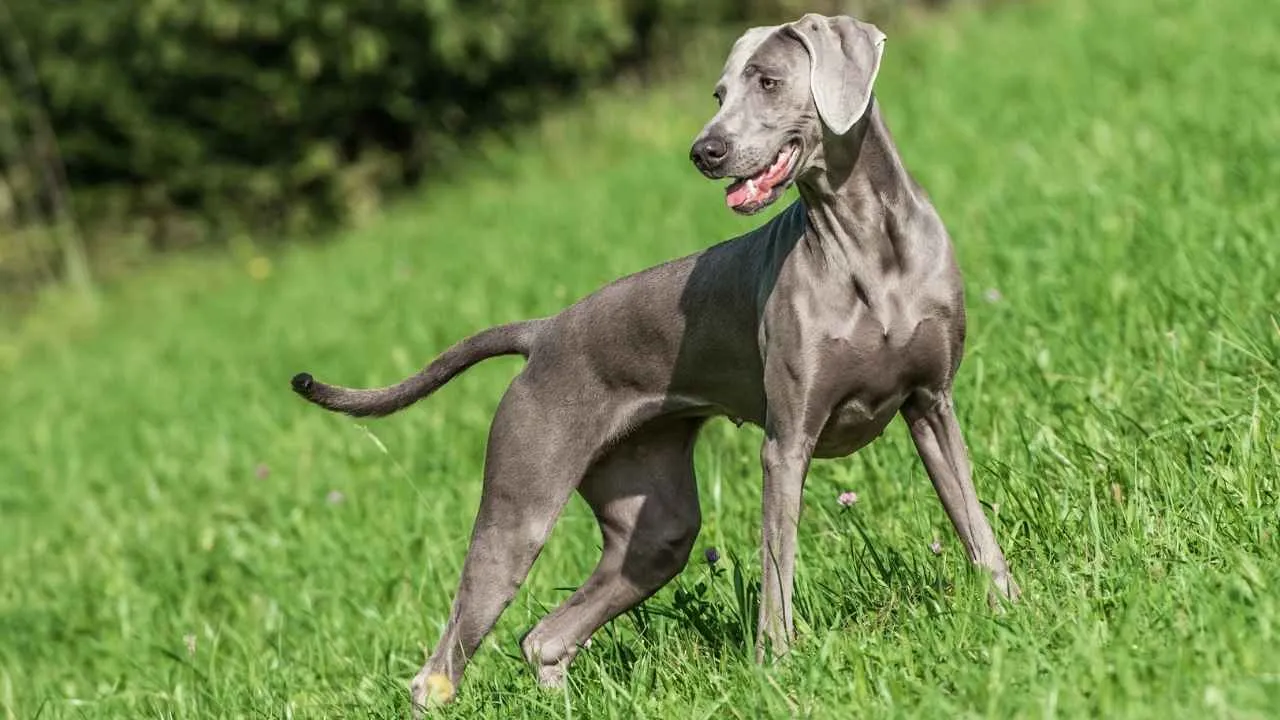
Originally developed in Germany for hunting large game, the Weimaraner later became valued as a pointer and tracking dog. Its speed, intelligence, and high energy allow it to locate targets and signal their position by freezing and pointing, making it an effective close-working partner for hunters.
According to Orvis, Weimaraners are alert dogs that may bark when strangers approach, making them effective watchdogs without being aggressive or hostile.
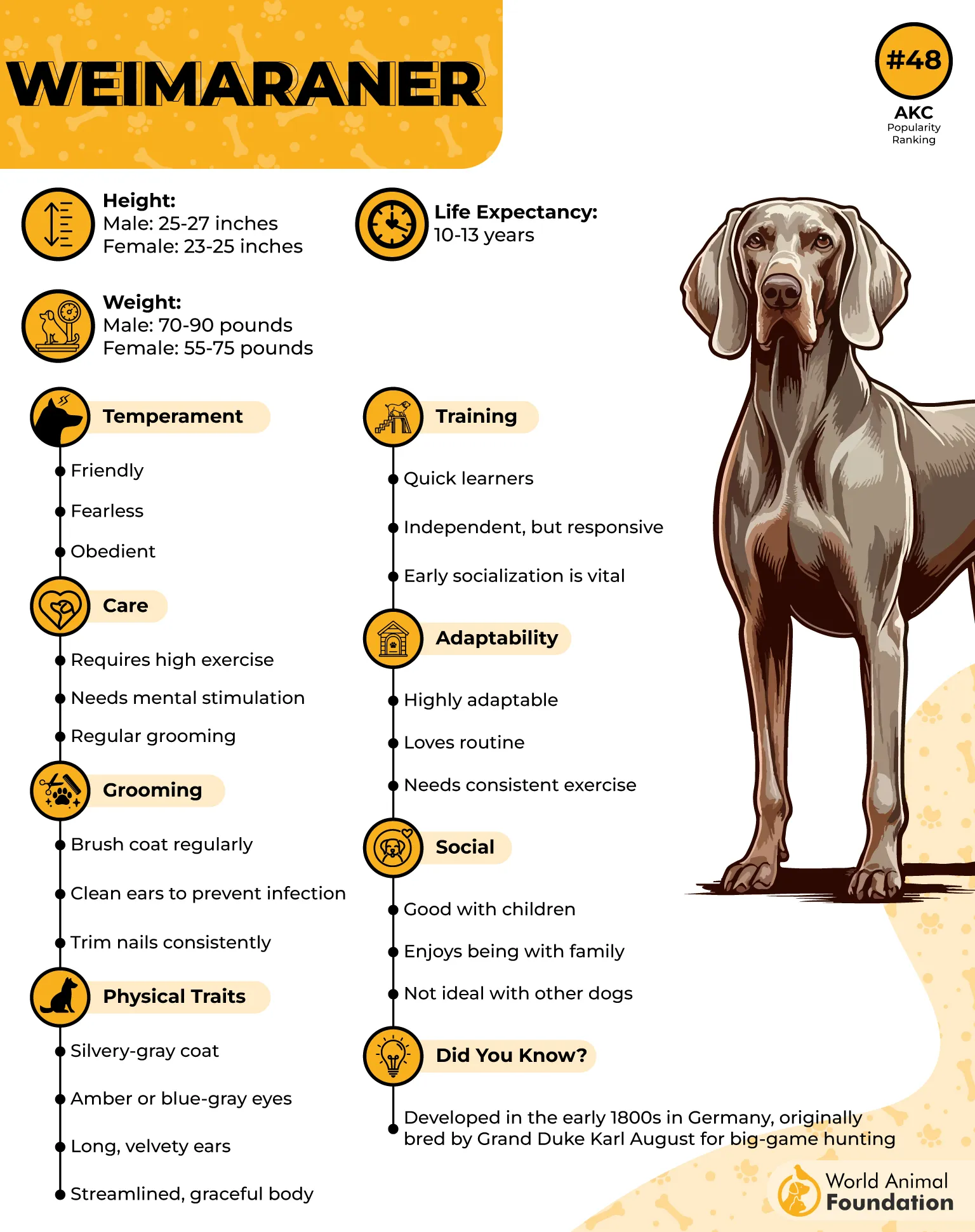
Known for its distinctive silvery-gray coat, the Weimaraner combines athletic ability with a strong attachment to its people. The breed thrives on substantial physical activity, mental engagement, and consistent training. Its intelligence allows it to learn quickly, but early socialization and structured guidance are important.
How This Breed Stands Out
Sleek silver-gray appearance: Its streamlined build and distinctive silvery-gray coat give the Weimaraner its recognizable “Gray Ghost” appearance.
Close partnership with handler: Its strong attachment to people and responsive pointing work support a cooperative relationship in the field and help meet the demands of cooperative field work.
9. Catahoula Leopard Dog
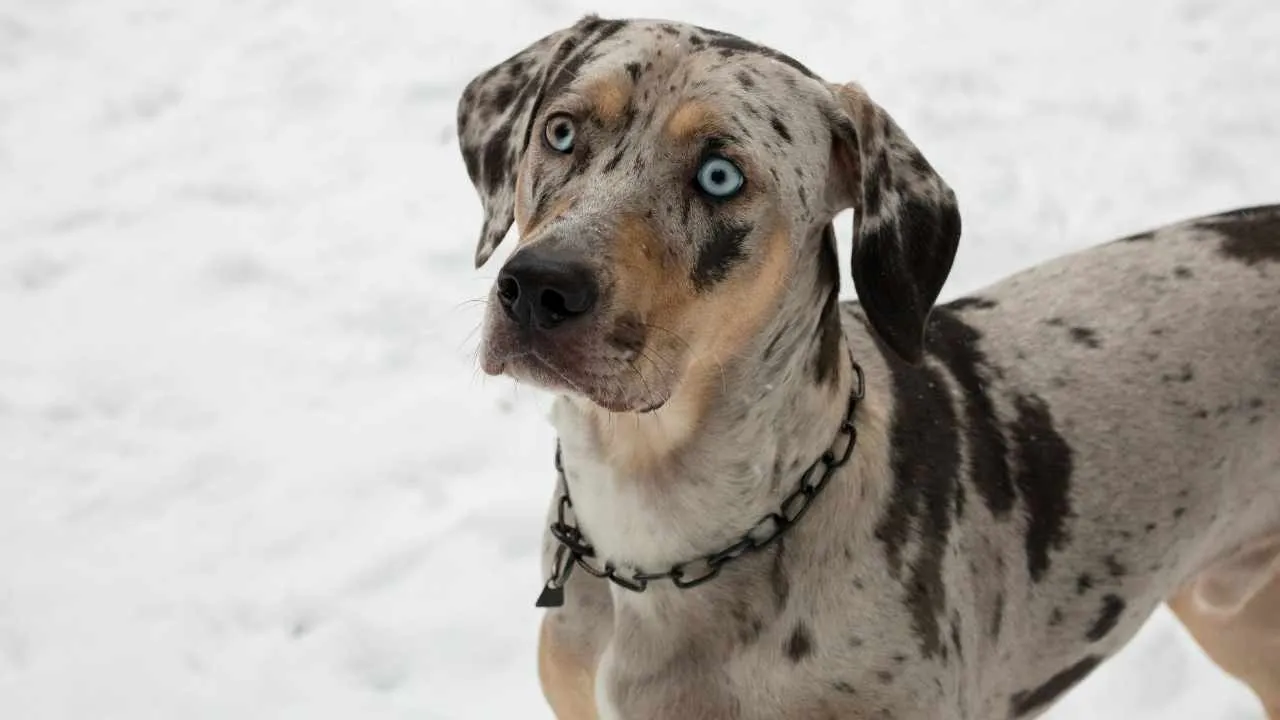
The Catahoula Leopard Dog is a powerful, agile working breed with the endurance needed for demanding tasks. Historically used as a stock dog, bay dog, tree dog, watchdog, and guard dog, it combines a serious working attitude with a more playful personality at home.
Independent and energetic, Catahoulas need firm guidance, early socialization, and plenty of physical and mental activity; active working breeds like this thrive when they receive structure, exercise, and mental stimulation.
Their distinctive coat and eye patterns add to their striking appearance, while their working instincts and ability to bay, tree, and guard make them versatile partners in challenging environments.
How This Breed Stands Out
Leopard-like coat pattern: Its varied coat colors and distinctive patterns give the breed its characteristic leopard-like appearance.
Strong baying instinct: As a historic bay dog, the Catahoula uses its working instincts to help manage and locate animals during demanding tasks.
10. Griffon Nivernais
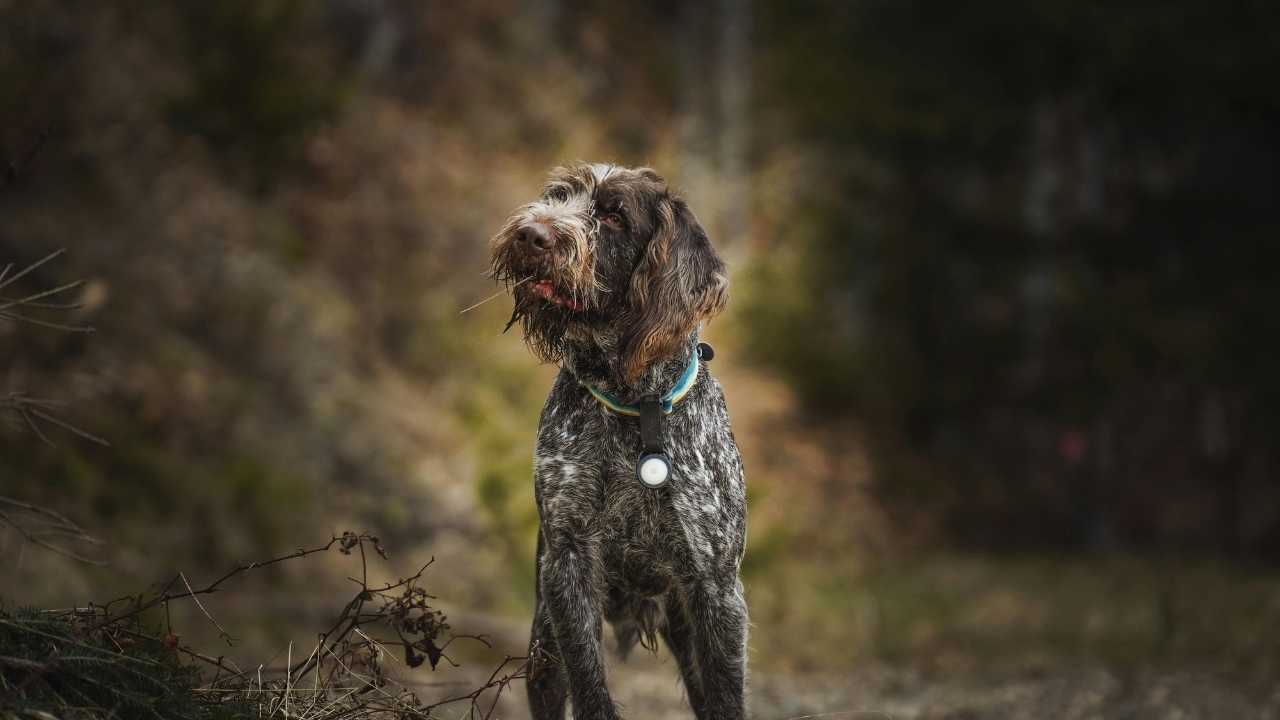
The Griffon Nivernais is a hardy French scenthound developed primarily for hunting wild boar, often working in small packs but capable of operating independently. Its stamina, courage, and initiative allow it to follow tracks through demanding environments while maintaining a steady working pace rather than relying on speed alone.
A distinctive rough coat and bearded appearance give this breed a scruffy look suited to its rugged working heritage. Athletic and energetic, the Griffon Nivernais enjoys outdoor activity and can be trained for tracking work.
How This Breed Stands Out
Wiry, tousled coat: Its long, rough, shaggy coat and beard create the breed’s distinctive rugged appearance.
Works confidently in dense undergrowth: Its stamina, tracking ability, and hardy build support this hound type when hunting through challenging terrain and vegetation.
Conclusion
Versatile hunting and tracking dogs bring together powerful noses, endurance, athleticism, and specialized instincts. Their abilities allow them to pursue scent trails, locate quarry, point, retrieve, and work across challenging terrain.
German Shorthaired Pointers and Weimaraners offer flexible field skills, while Bloodhounds and Coonhounds excel at persistent scent work. Plott Hounds and Catahoulas bring courage and determination to demanding hunts.
American Foxhounds and Griffon Nivernais are built for sustained pursuits, with stamina suited to covering large areas and navigating rugged environments. Each breed offers distinctive strengths that can benefit different hunting styles.
Choosing the right hunting companion depends on the quarry, terrain, training experience, and work required. With appropriate exercise, consistent training, and responsible handling, these capable breeds can become dependable partners in the field.
