




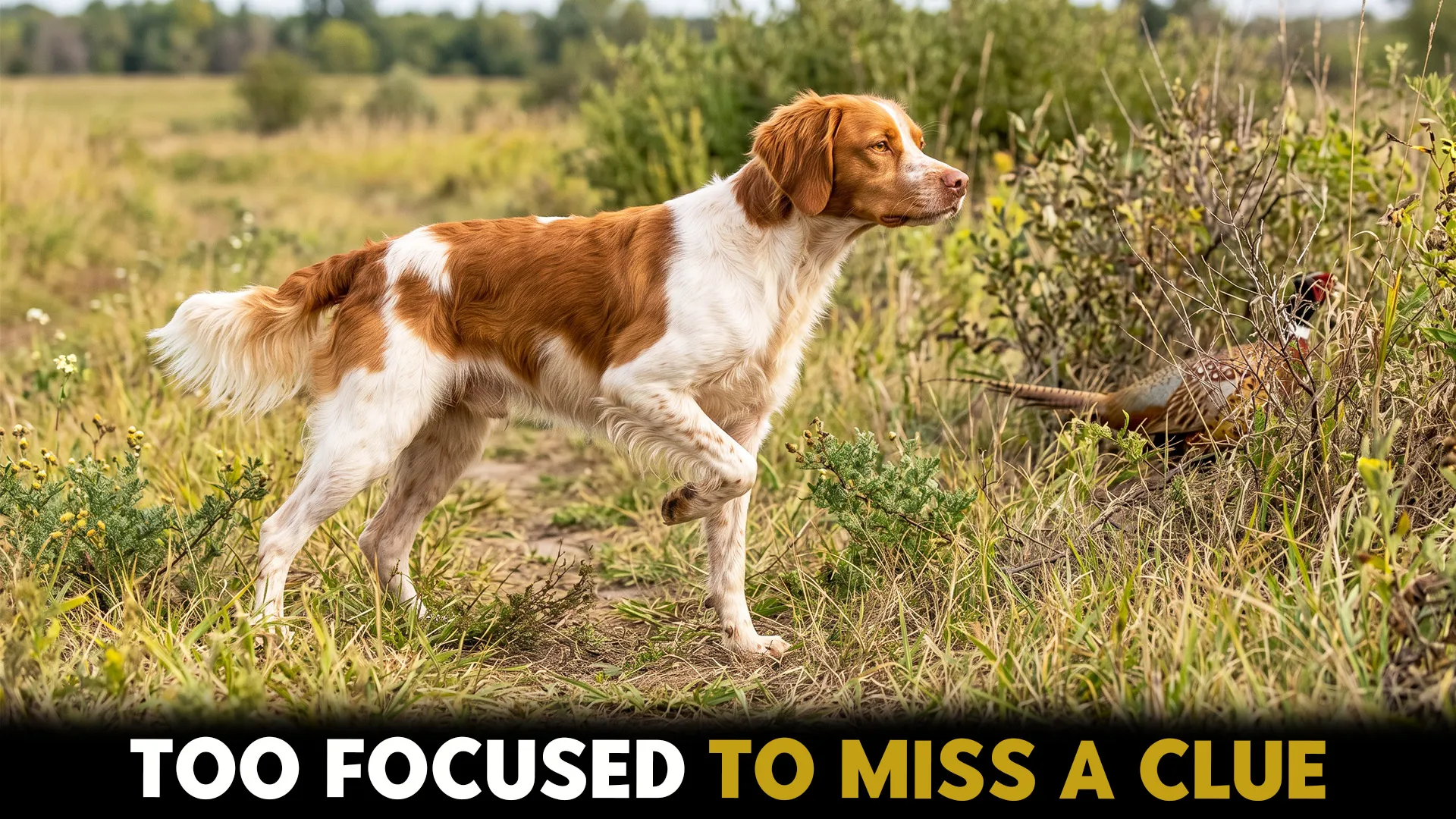
What happens when a hunting dog catches the scent of a bird that you cannot see? The dog may slow down, lift its head, work toward the scent, and then freeze into a pointed stance. That sequence is what makes pointing dogs so useful in upland bird hunting.
Their noses can detect scent carried through vegetation and shifting air, helping them locate birds hidden in cover. Quail, pheasants, and grouse are among the game birds commonly hunted with pointing dogs. Yet scent alone does not explain their performance.
A useful hunting companion also needs focus, range, responsiveness, and enough control to hold position until the hunter is ready. Different breeds bring different combinations of these traits, which can affect how they handle fields, brush, distance, and training.
The best fit depends on the kind of hunt you pursue. The dogs that consistently excel at locating and pointing game birds deserve a closer look.
Key Takeaways
Somewhere beyond the grass and brush, a bird may be completely hidden from view, yet a skilled pointing dog can pick up its scent and show the hunter exactly where to look.
German Shorthaired Pointer can work across marshes and forest edges, using the wind to find birds while staying connected with its handler.
Brittany follows with its sweeping search pattern, while the English Pointer is known for holding that striking pose once the scent trail becomes clear.
The rest of the list brings more surprises, including a breed with a famous “Velcro dog” reputation and another with a coat made for rough, wet cover.
Top Dog Breeds That Locate and Point Game Birds
1. German Shorthaired Pointer
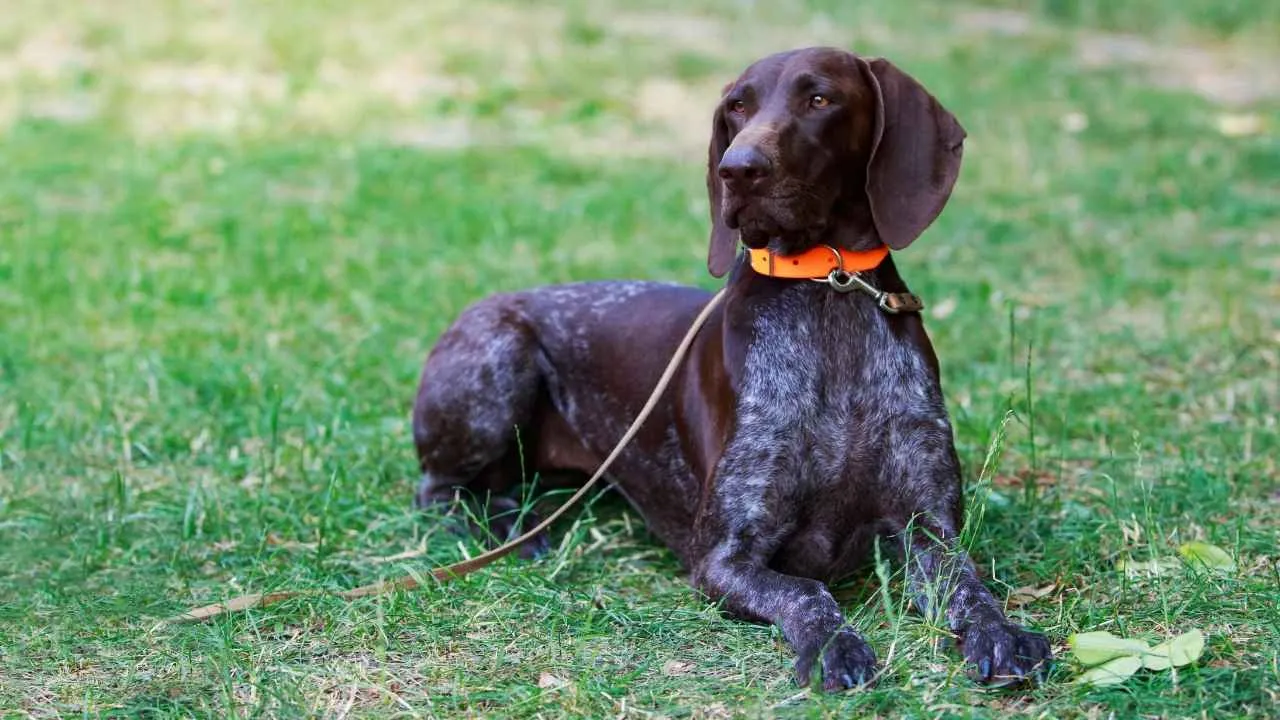
German Shorthaired Pointer emerged from 17th-century efforts to combine mammal trailing with bird pointing, beginning with the heavy Spanish Pointer and Hanoverian Hound. Later English Pointer crosses refined its pointing ability, followed by further selection for retrieving and handling wounded game.
Made for Bird Work
This good bird dog breed uses an exceptionally strong sense of smell to pick up birds carried on the wind, then freezes in a deliberate pointing stance. Its long legs, deep chest, and athletic frame support sustained galloping during extended hunts across demanding ground.
A closer look at its field skills reveals:
Air-scenting from a distance
Holds game at range
Works across marshes and forest edges
Focused on the Handler
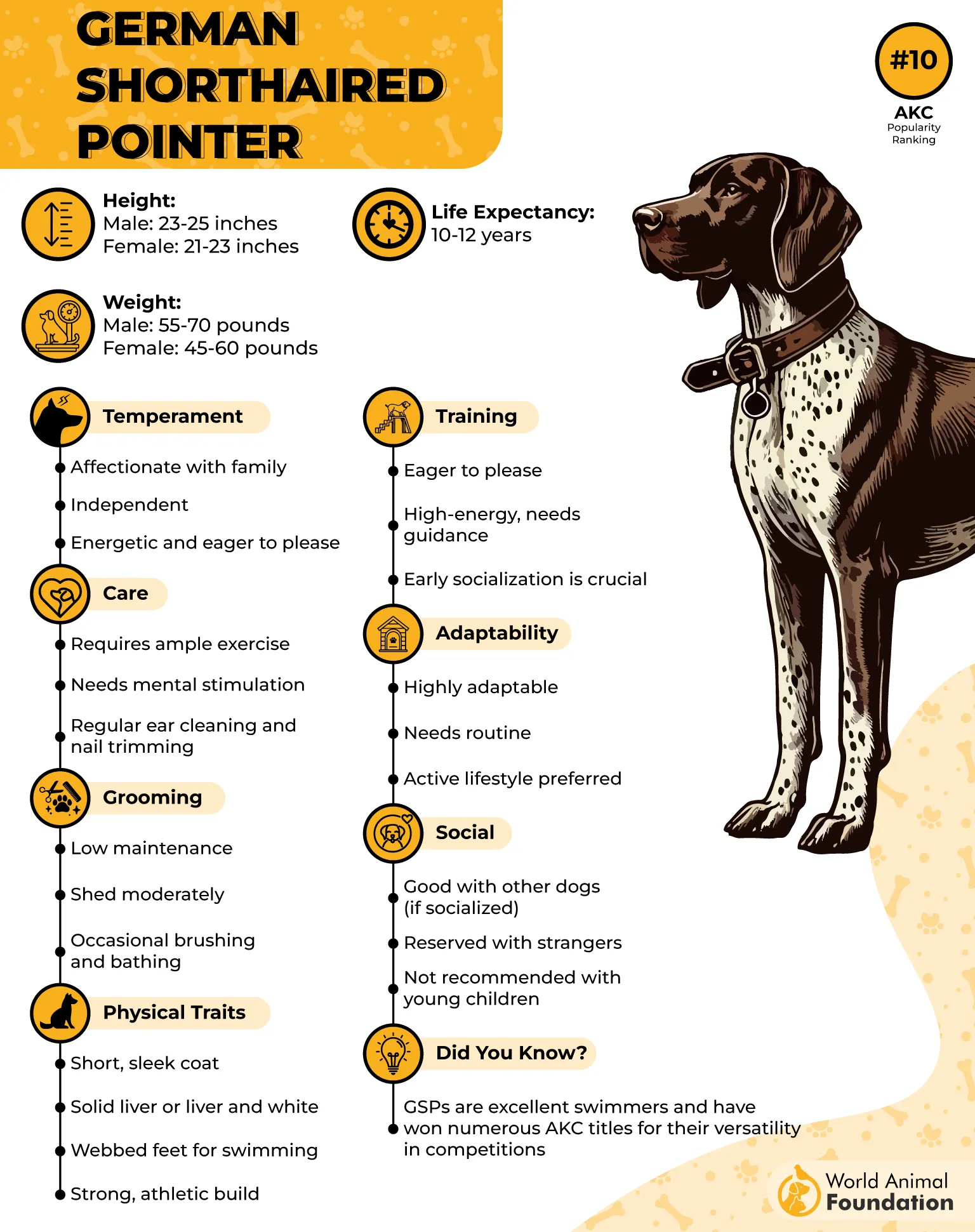
German Shorthaired Pointer combines strong handler focus with trainability, allowing it to work at a distance while keeping contact with its person, as Purina notes.
Its people-oriented nature also means it needs regular attention, training, and activity, with older children and active households fitting its demanding routine.
2. Brittany
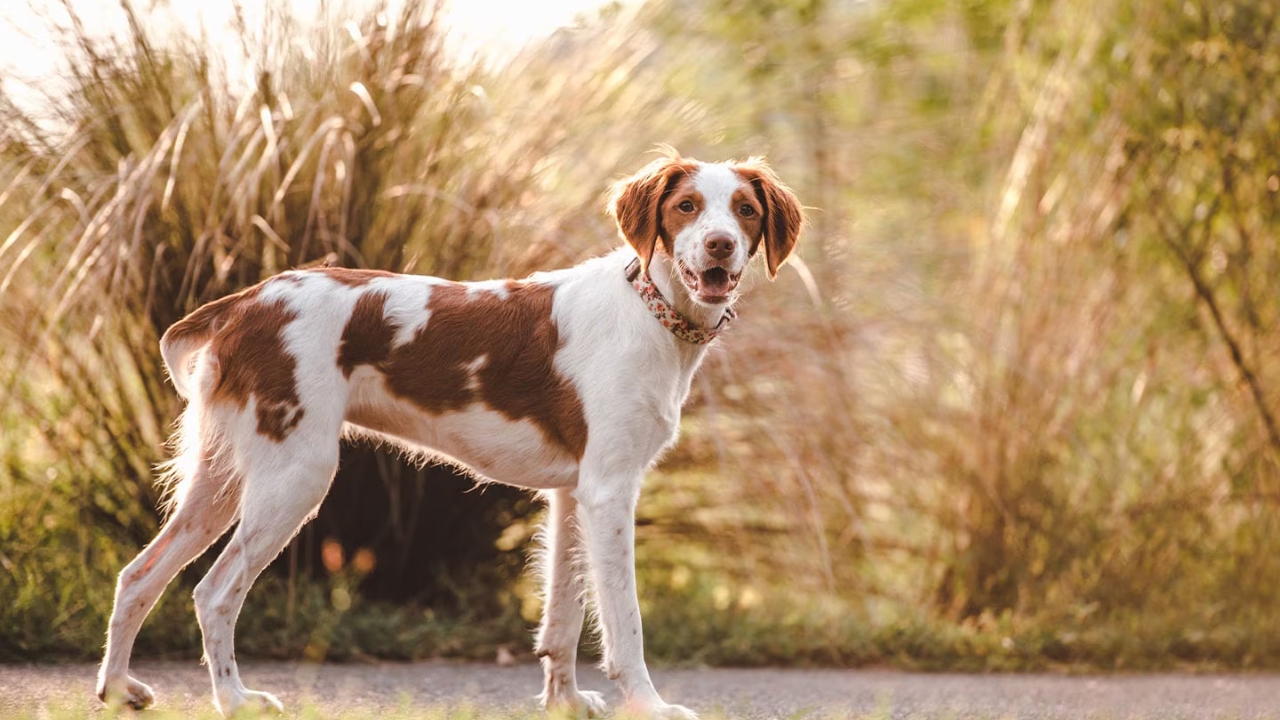
Brittany, aka Brittany Spaniel, was originally bred from the hunting dog breeds of Britain and France, with local spaniels mixing with pointers and setters brought into Brittany by British gentry. By the 19th century, the breed had longer legs and a more athletic build suited to covering hunting conditions.
A Precise Point
Brittany is a versatile Hunt, Point, Retrieve dog, using scent to locate game birds before freezing in place, often with one forepaw raised. Its sweeping quartering pattern lets it search cover from side to side while using the wind to pick up faint bird scent, as UKC outlines.
That field work comes with some remarkably precise skills:
Periodic check-ins with the handler
Soft-mouth bird retrieving
Quick head movements on scent trails
Sensitive at Home
This versatile hunting dog can be intensely responsive to flushing birds and squirrels, making impulse-control training particularly useful during adolescence. At home, its close attachment may have it following family members from room to room, while loud, hectic surroundings can become overwhelming.
3. English Pointer
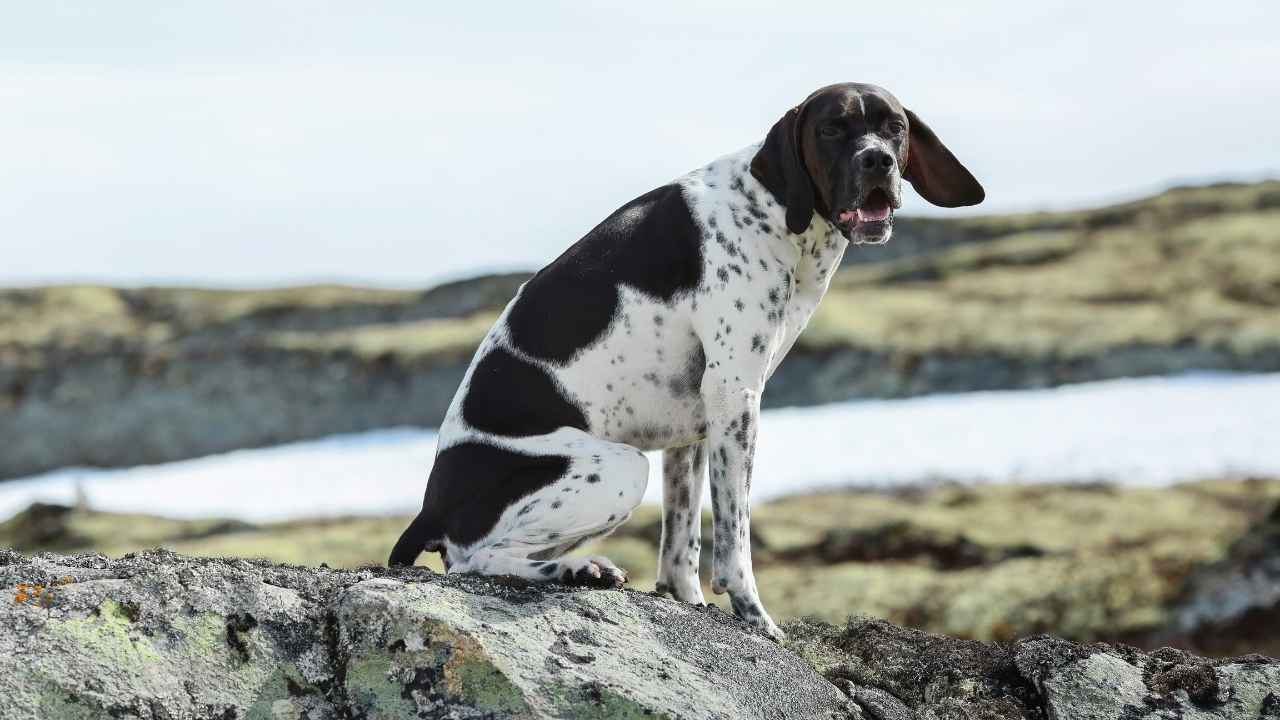
English Pointer is recognized by a remarkably specific pose when it catches the scent of game, freezing with its nose aimed toward the bird and its tail aligned with its head and back. One foreleg may lift at the wrist, giving the hunter a clear visual direction to follow.
Built for Open Fields
Europeans used Pointers as early as the 1600s to locate hare for greyhounds to chase, and by the next century, these dogs had become prized hunting companions. Their speed, endurance, and scenting ability proved especially useful across large hunting grounds.
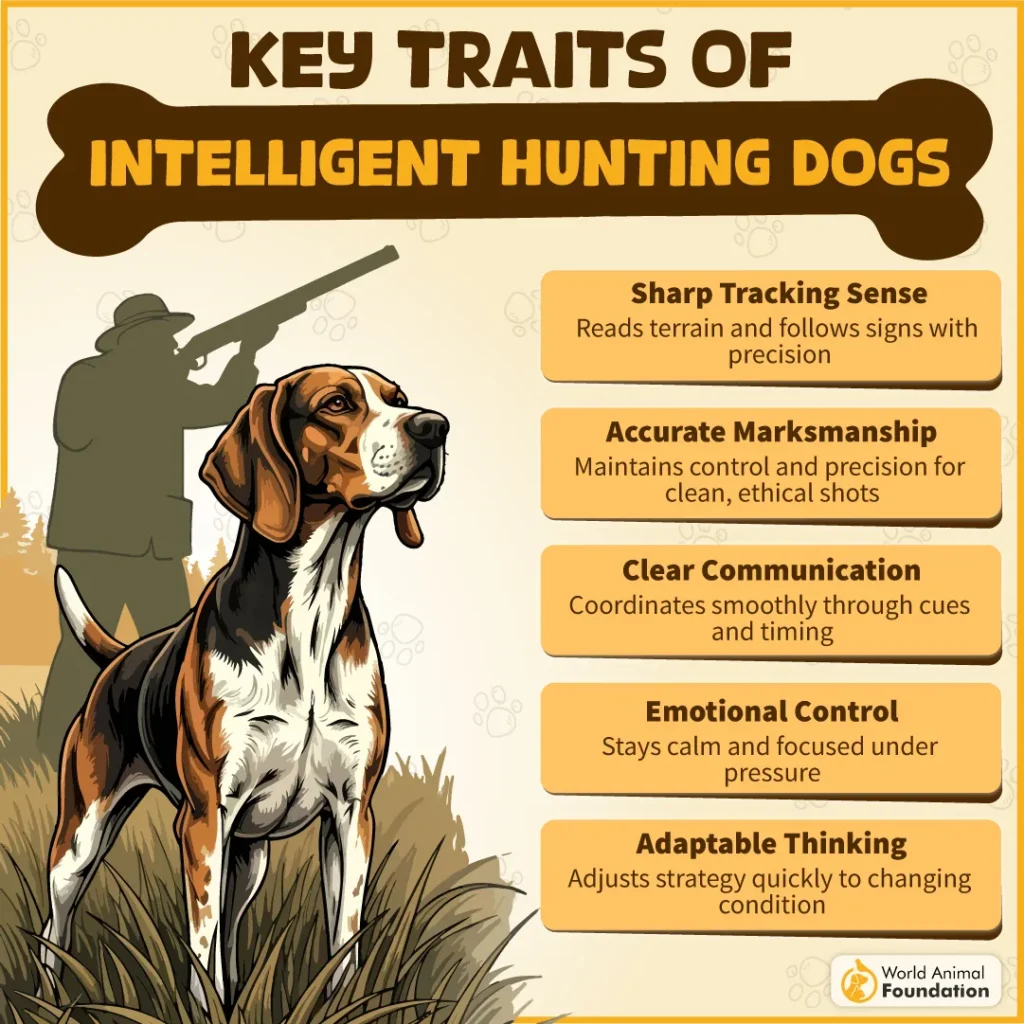
These field details reveal how precisely this work is performed:
Sweeps back and forth while searching
Can follow drifting scent through the air
Responds to distant whistle or hand cues
Scent Before the Chase
This upland hunting breed can lift its head to catch a bird’s drifting scent, then gradually lock onto the odor as it becomes stronger, as mentioned by Hill’s Pet. Selective breeding strengthened this prolonged freezing response, allowing the dog to locate game without immediately rushing after it.
4. Vizsla
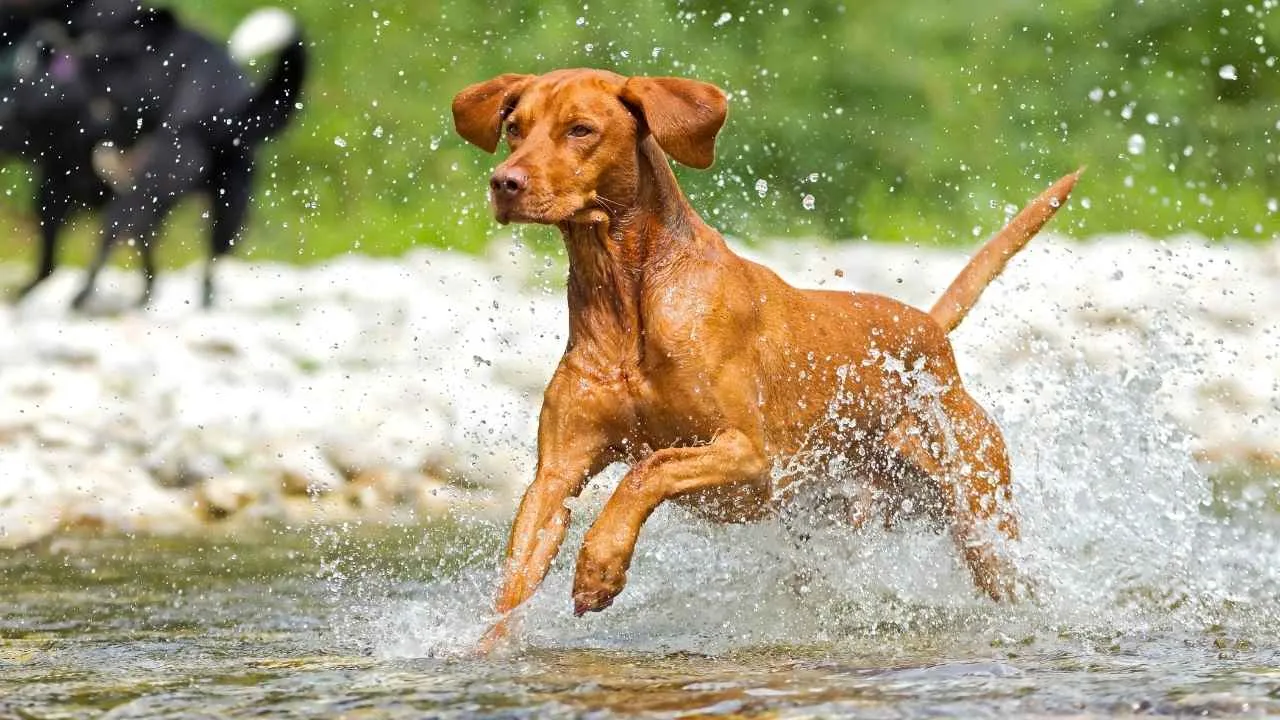
The story of the Vizsla starts in Hungary, where it was developed to assist hunters in the field. Known by names such as Hungarian Vizsla and Hungarian Pointer, the breed gained international recognition after World War II and eventually became valued both for work and companionship.
A Natural Pointer
This athletic dog was used to locate and point game for hunters, freezing into a rigid stance with its tail steady when it detects hidden birds. Its strong nose can trigger sudden head turns or zigzagging when airborne scents reach it, helping it work through grass and brush.
These traits reveal how precisely it works in the field:
Retrieves bird species with a gentle mouth
Repeatedly checks back with its handler
Uses long legs for quick ground coverage
Always Near Its Person
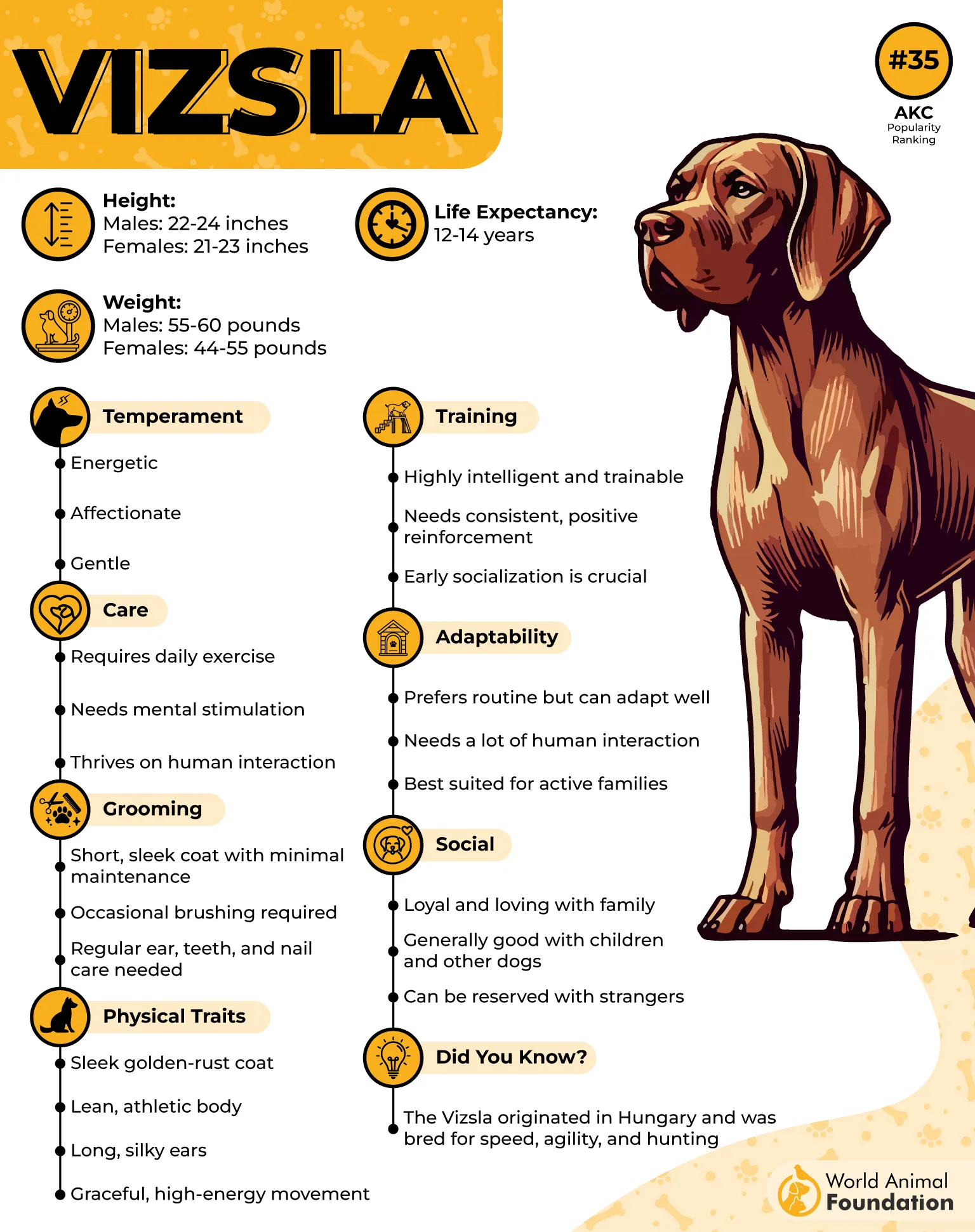
Vizsla has an intense need for human company and has earned the nickname “Velcro dog” because it often follows its favorite people from room to room. At home, this good house dog breed may climb onto a lap, share a pillow, or burrow beneath the duvet.
5. Bracco Italiano

Bracco Italiano is one of Italy’s oldest pointing breeds, with references appearing in texts from the fourth and fifth centuries. Medici and Gonzaga breeders later paired heavier northern scent hounds with faster southern coursing dogs, shaping the breed we recognize today.
Reading the Field
Bracco Italiano uses its nose deliberately, shifting between ground and airborne scents while searching farmland and marsh. Once game is located, it can freeze into a focused pointing stance, giving the hunter a clear signal instead of rushing after the bird.
A few working traits make its style especially distinctive:
Close quartering with frequent handler check-ins
Careful switching between air and ground scent
Gentle retrieving of objects
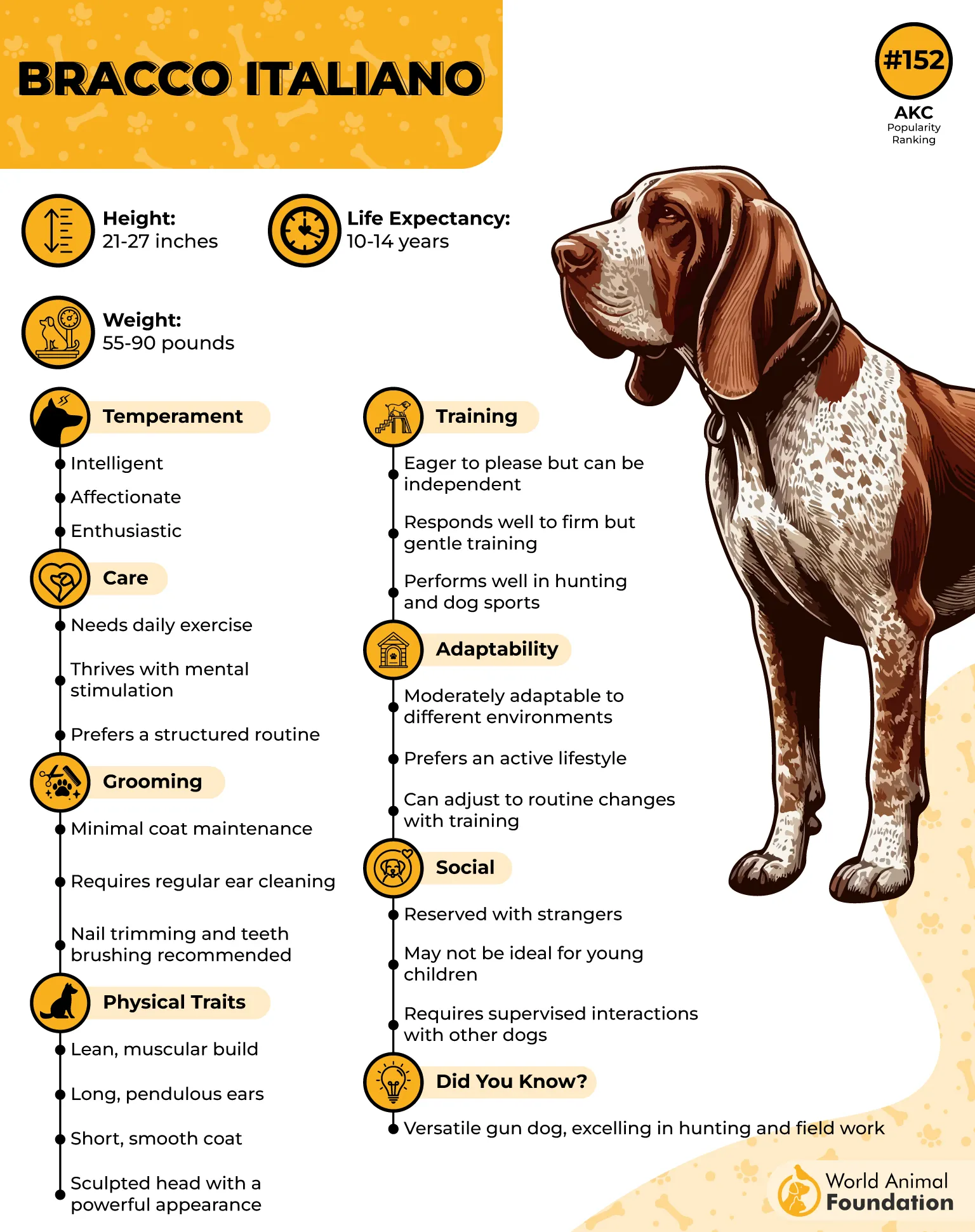
Built for Distance
Bracco Italiano has a substantial, balanced frame suited to long days in the field at a sustainable pace. Its short, dense coat also provides practical coverage through brush and changing weather, while the roan and white pattern can make the dog easier for hunters to spot.
6. English Setter
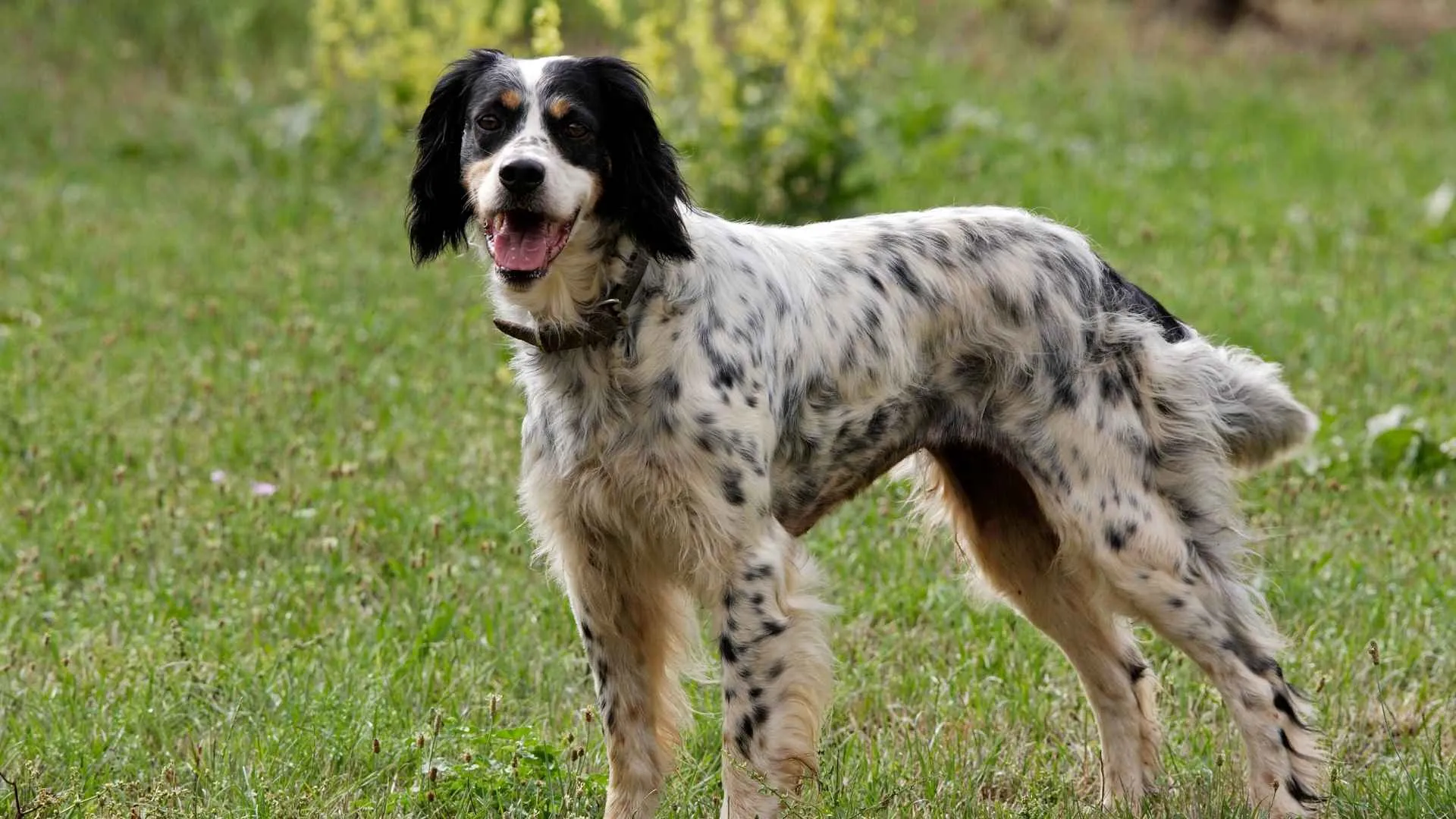
English Setter is one of the oldest gun dog breeds, with roots reaching back to the 14th century and an early identity as the “setting spaniel.” Its ancestry includes Spanish and French pointers along with several spaniel types, giving the breed a long connection with locating upland game.
Reading the Field
English Setter uses its exceptional sense of smell to work across open fields and moorland, covering ground in wide zigzag patterns called quartering.
Once scent strengthens, it can freeze into the classic set, crouching or standing with its tail level or slightly raised to indicate where game is located.
Its hunting ability is supported by several coat traits:
Belton ticking breaks up its outline in grass
Feathered tail can signal stronger scent
Medium coat handles changing field weather
A Cooperative Hunt
This rugged dog was shaped for close cooperation with hunters, responding to whistles and hand signals while working at a steady pace. Its athletic frame favors sustained trotting and galloping across broad ground, making long searches possible without relying on short bursts of speed.
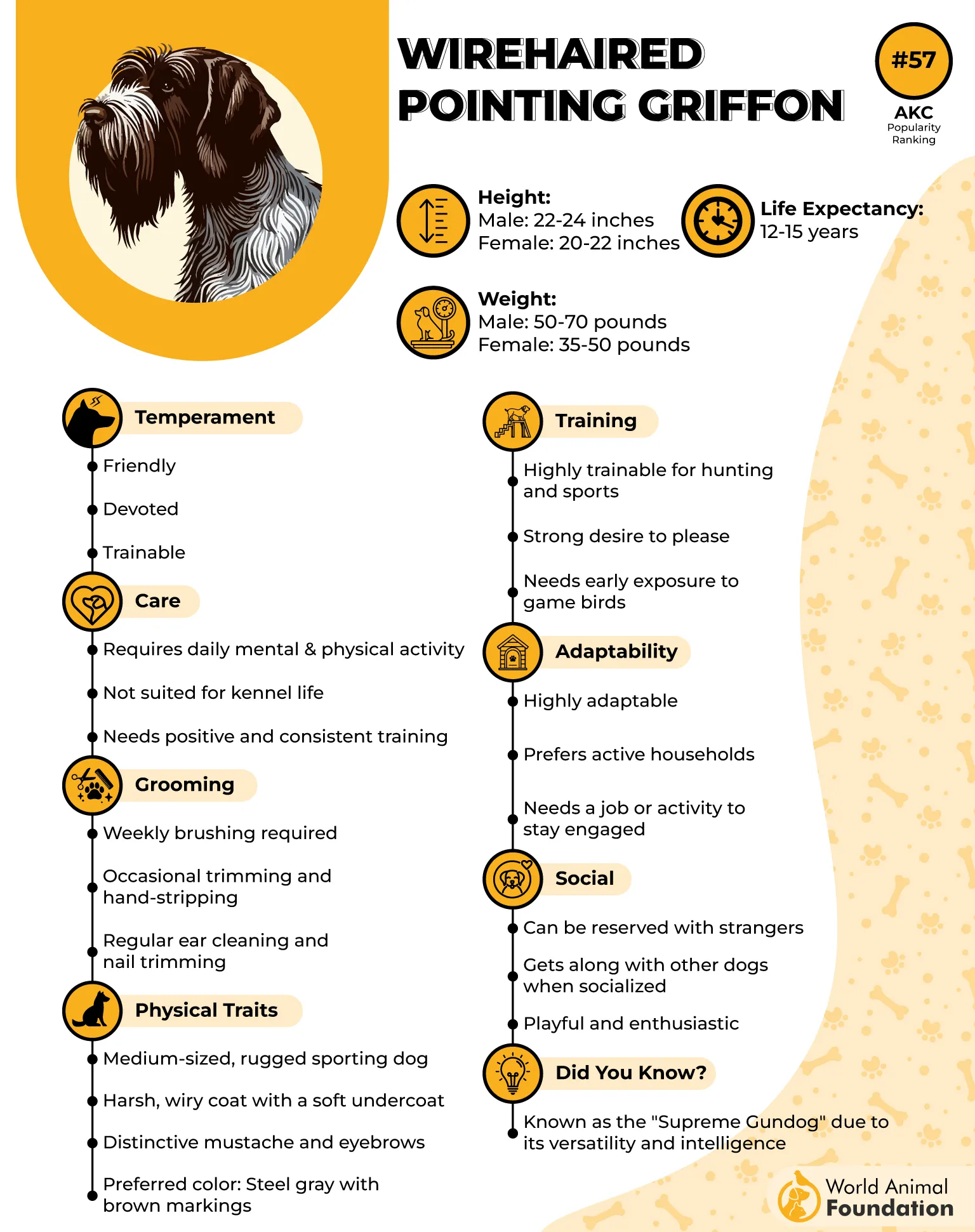
7. Wirehaired Pointing Griffon
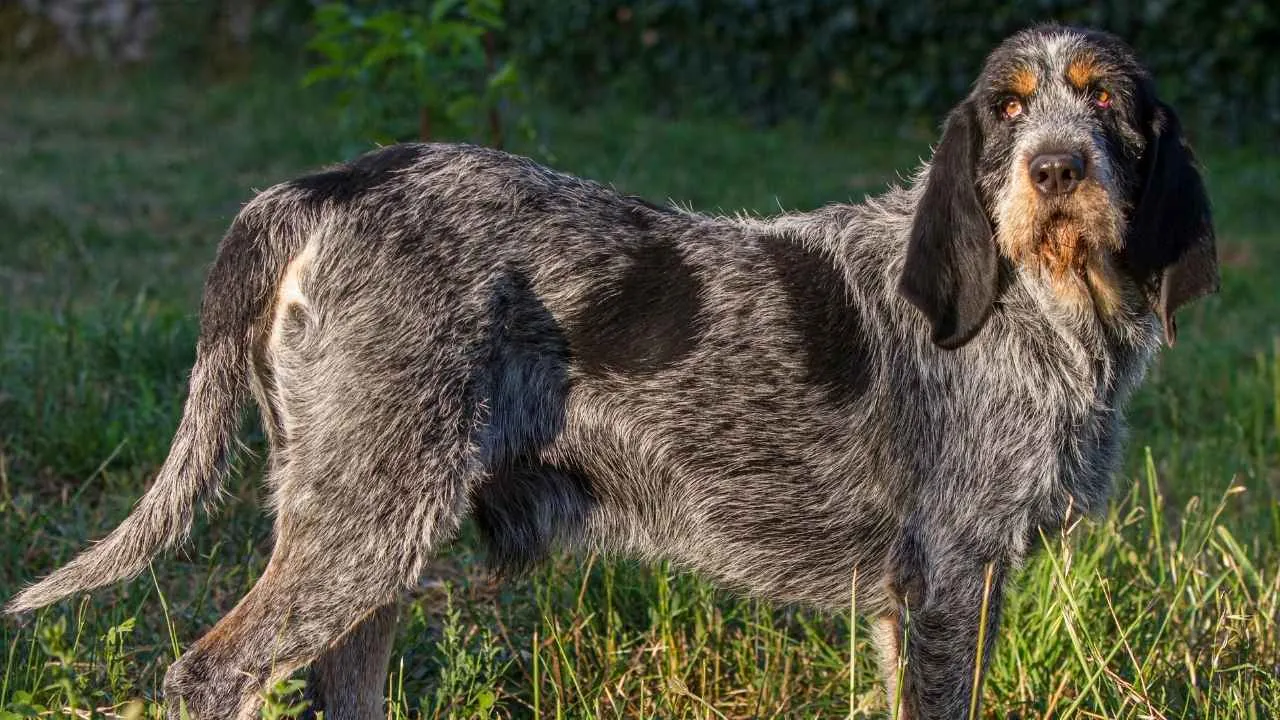
Wirehaired Pointing Griffon began taking shape in the Netherlands in the late 1800s under Dutch hunting enthusiast Eduard Karel Korthals. He worked with Griffon-type dogs and likely incorporated German Shorthaired Pointers, setters, or retrievers while pursuing a versatile field companion.
Reading the Field
Wirehaired Pointing Griffon uses an unusual combination of scent work and body control when searching for birds. It can freeze into a rigid point with intense eye focus and one paw raised, then quarter across the ground to cover territory efficiently.
These field qualities make that work especially precise:
Large padded feet for muddy terrain
Soft-mouthed retrieving ability
Quick reorientation after pushing through cover
Ready for Rough Cover
This versatile dog breed has a harsh outer coat and dense undercoat that provide insulation and water resistance during cold, wet hunts, well-suited for waterfowl hunting. Its beard and brows also help shield the eyes and muzzle when the dog pushes through thorns, reeds, and abrasive vegetation.
Conclusion
Finding hidden game is only part of what makes the best hunting dog breeds useful. A dependable field partner needs a strong nose, enough stamina to cover ground, and the discipline to freeze when scent becomes strong. Handler communication also matters, especially when working at a distance across open fields or through dense cover, where a strong retrieving instinct can help locate downed birds.
Owners should consider hunting style, terrain, weather, exercise needs, and training time before choosing a companion. Some dogs naturally range farther, while others work closer and check in frequently. Certain breeds can also be good family dogs when their daily needs are met. When those traits match the hunt, the dog and hunter can work together successfully with greater control throughout the day.
