




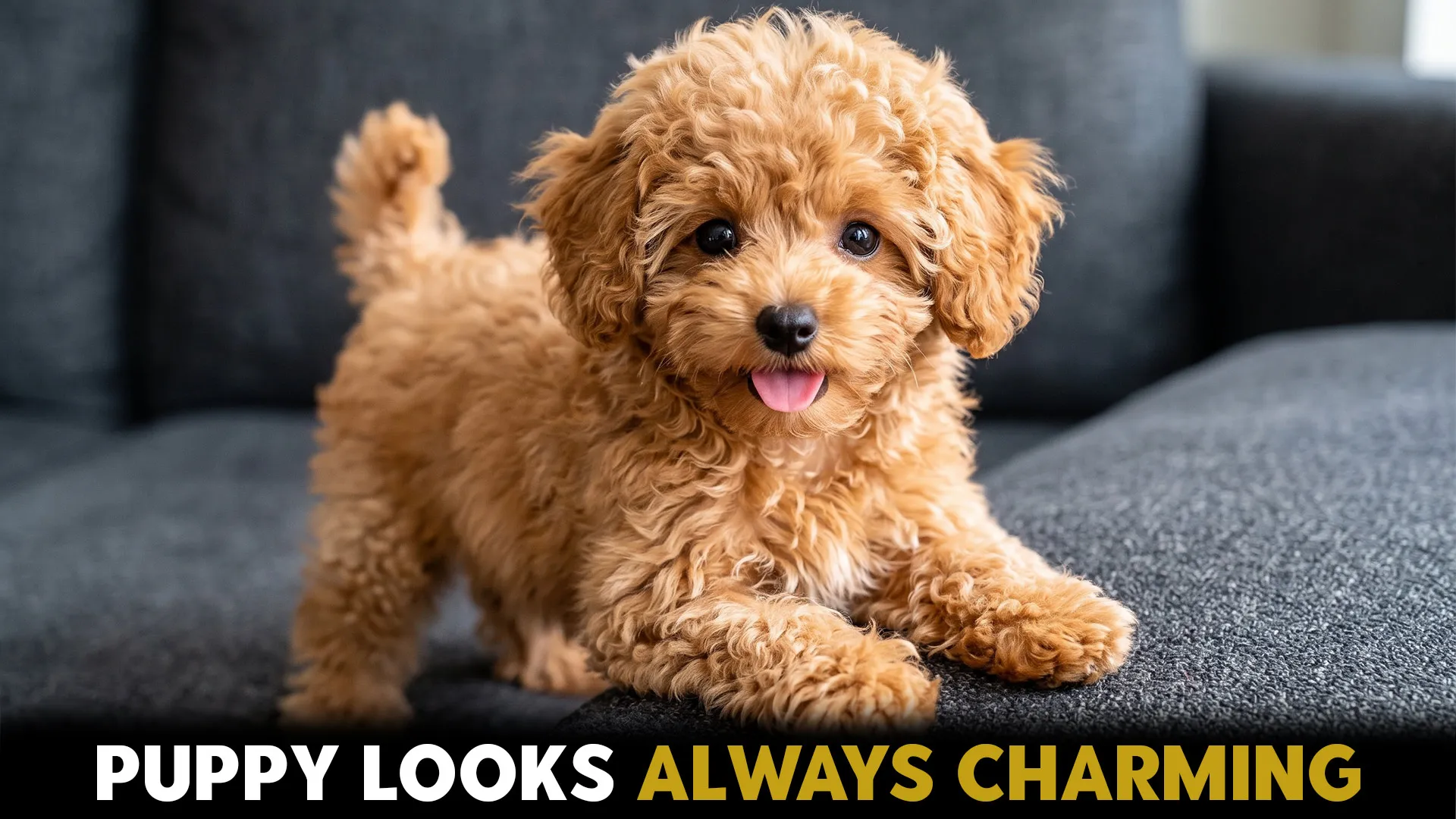
Who can resist a dog that stays tiny, even after puppyhood?
Some small dog breeds keep their cute, compact proportions well into adulthood. Many small breeds weigh under 10 pounds, though each breed has its own size range. Their final size also depends on genetics and individual growth.
Plus, grooming styles can change how a dog looks, sometimes making an adult dog appear even younger or smaller. However, naturally tiny dogs are not the same as “teacup” dogs. Extreme breeding for size can lead to serious health problems, so choosing a healthy breed matters.
In this guide, we’ll explore 10 small dog breeds that keep their puppy-like charm as they grow. You’ll learn about their size, appearance, history, personality, and care needs.
Whether you’re a pet lover, a family, or simply seeking a tiny companion, this list can help you find a breed that fits your life.
Top Small Dog Breeds That Keep Their Puppy Size
Here we go, with the best small dog breeds.
1. Chihuahua
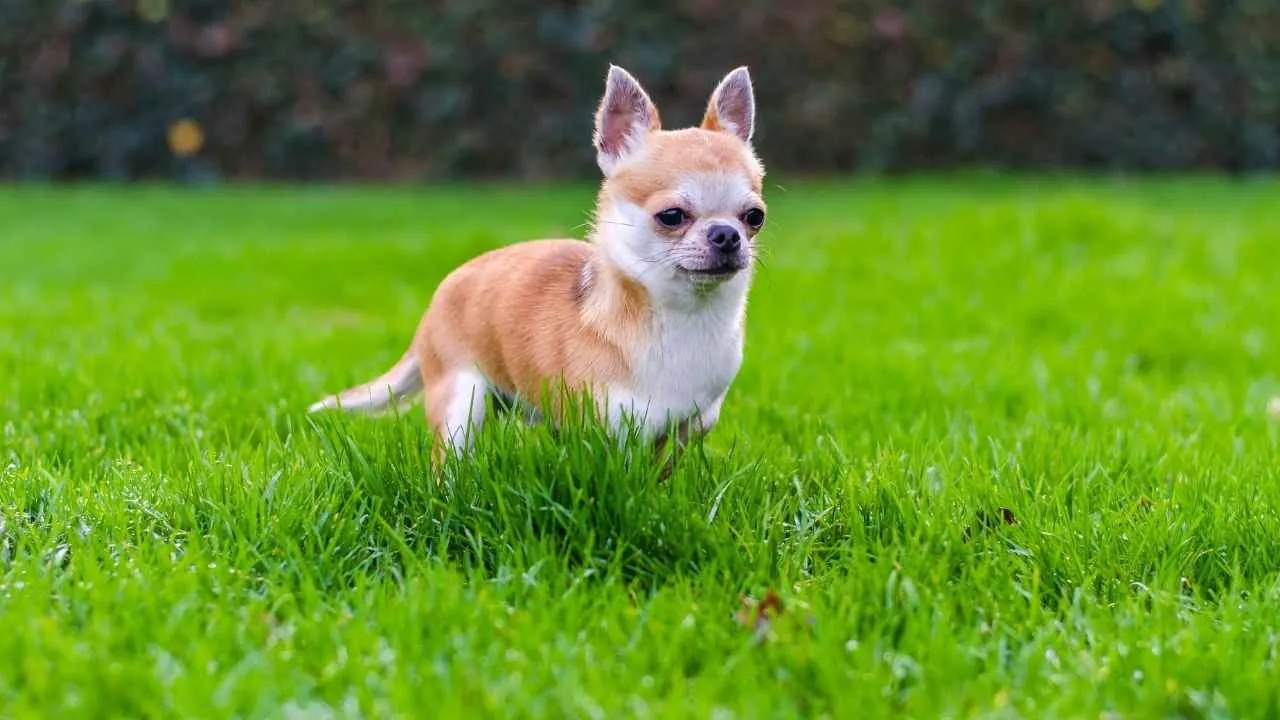
The Chihuahua is often called the world’s smallest dog breed, yet its history reaches far beyond its tiny frame. According to Britannica, this breed takes its name from Chihuahua, Mexico, where it was first noted in the mid-19th century.
It may have descended from the Techichi, a small dog kept by the Toltec people centuries ago. The Chihuahua weighs 6 pounds or less and stands about 5–8 inches tall. Its round head, large ears, and bright eyes give it a striking look.
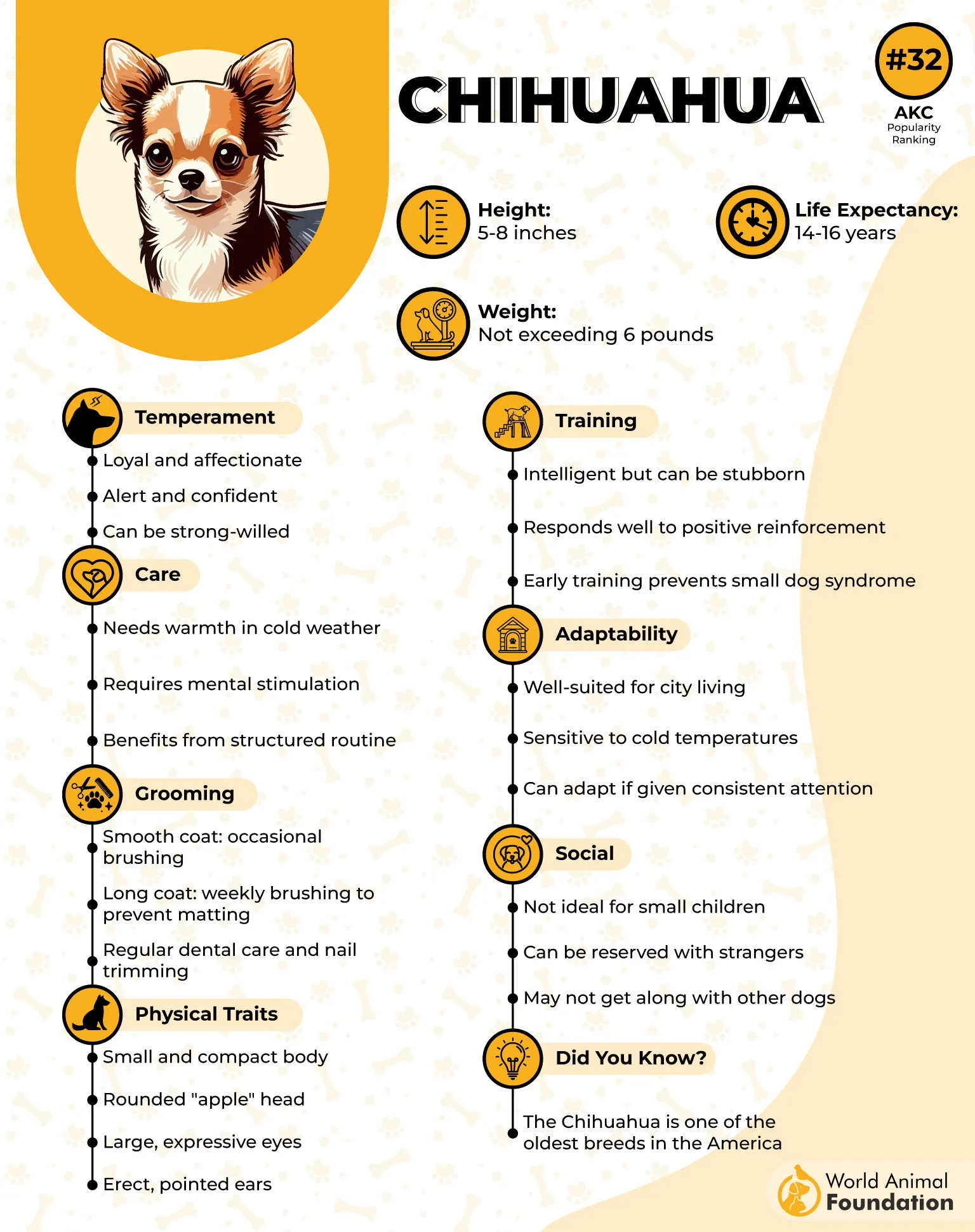
Though tiny, this breed has a curious temperament and a sturdy body. It makes a highly trainable companion dog for owners who enjoy close company. Chihuahuas were originally bred as companion dogs, rather than for demanding work.
Their compact size suits apartment life, and indoor play can keep them engaged. While no dog can literally stay small forever beyond adulthood, Chihuahuas remain remarkably petite throughout life.
2. Russian Toy
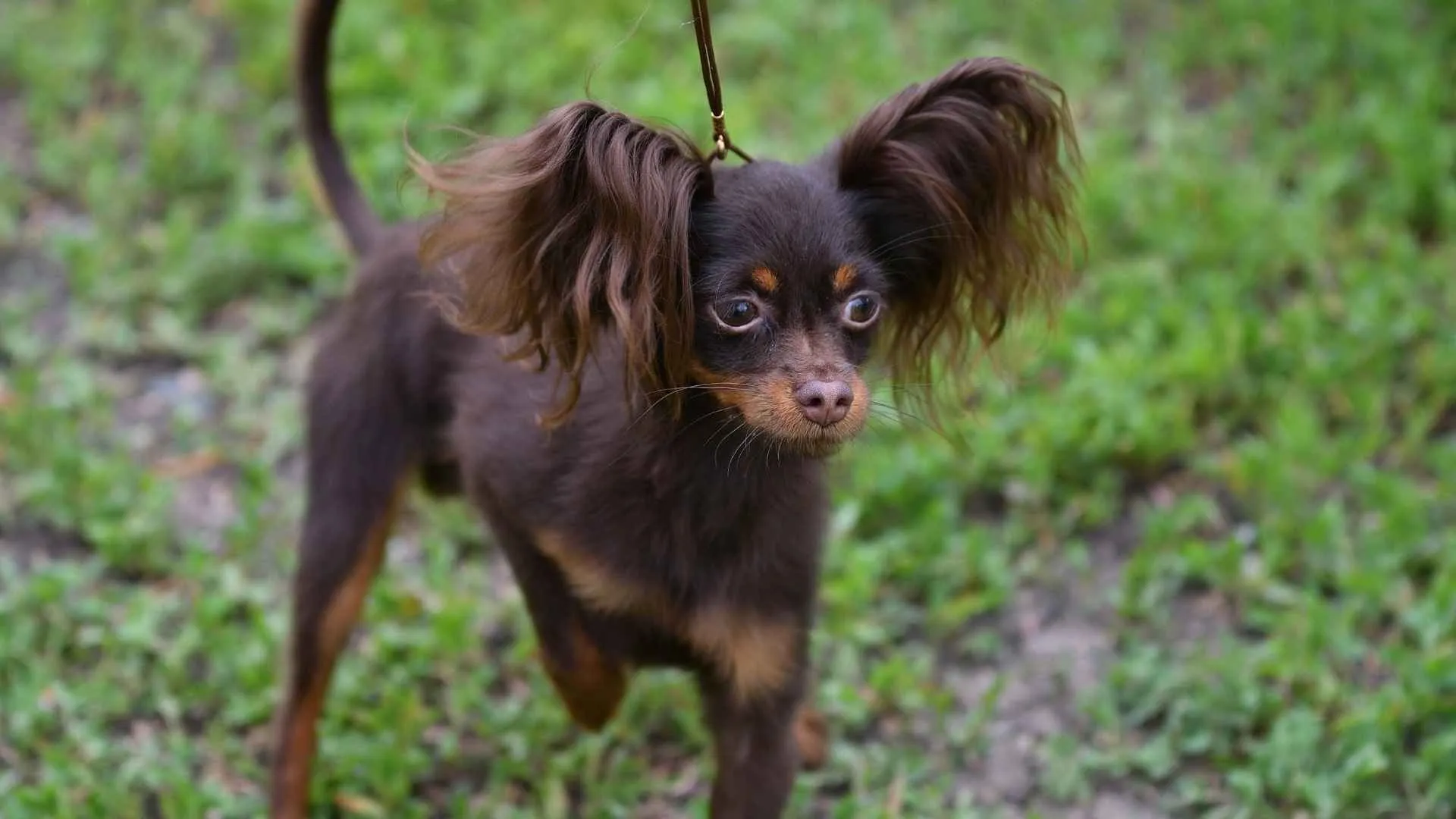
The Russian Toy brings a touch of Russian aristocracy to the toy group. According to the American Kennel Club, this very small breed has fine bones, long legs, and lean muscles. Its history traces back to Russia’s upper-class homes, where it became a cherished companion.
Today, it can be a lively family dog that enjoys both games and quiet lap time. Its affectionate nature makes it especially happy when people stay close. It can also live peacefully with other pets when introduced with care.
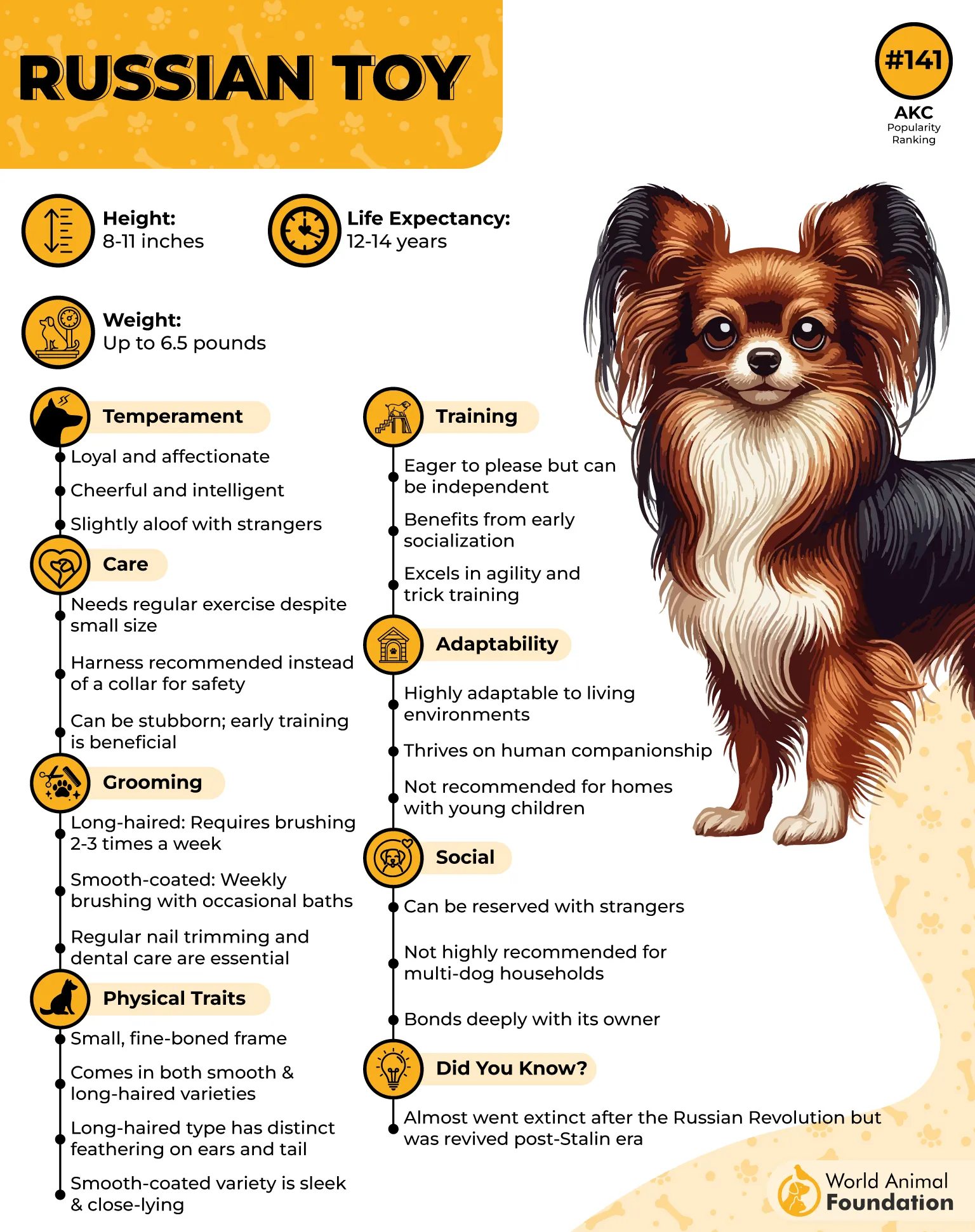
One interesting feature is its two coat types: smooth and semi-long. The longer coat develops feathering on the ears, tail, and legs, while the smooth coat has a sleek finish.
Both varieties share a friendly character and love being involved in family life. Although they may seem reserved around strangers, Russian Toys are generally friendly with people they know and trust.
3. Yorkshire Terrier
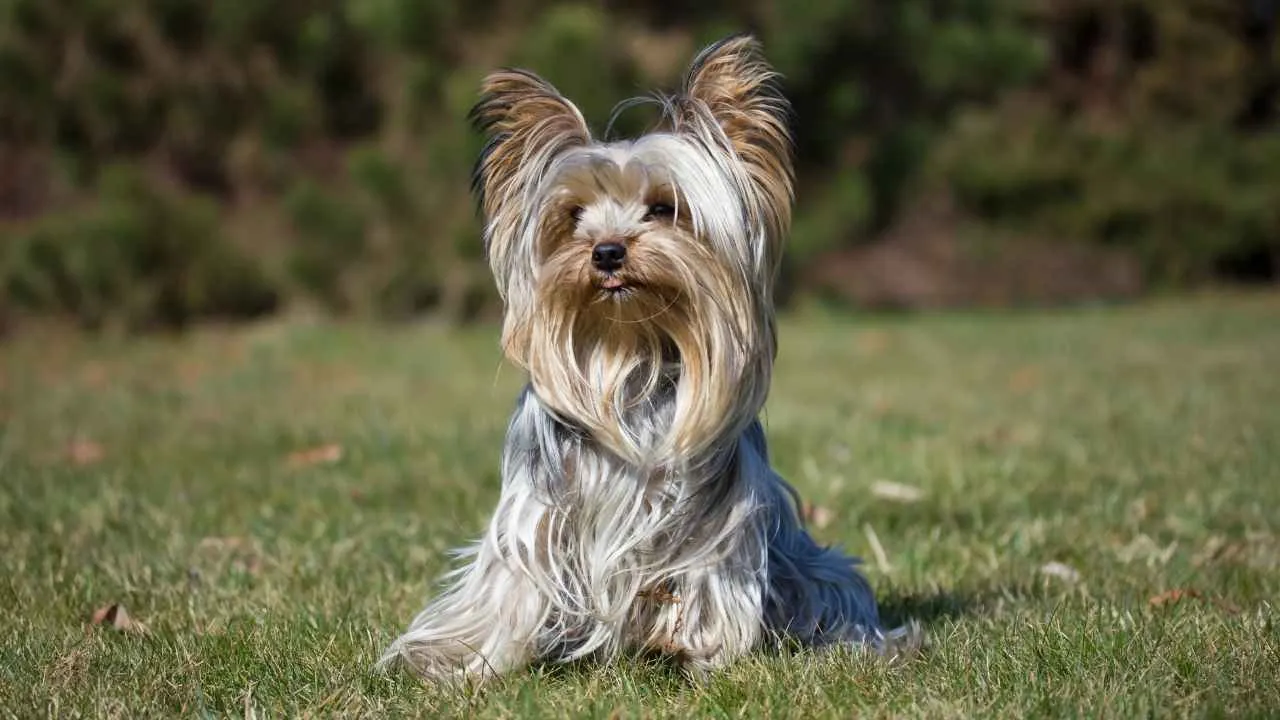
The Yorkshire Terrier may look delicate, but its roots tell another story. Yorkshire Terrier was bred for practical work, not simply for its looks. It became a skilled watchdog and rat catcher, using classic terrier characteristics to chase unwanted pests, as noted by Wikipedia.
These dogs could even hunt small game despite their small size. Today, the Yorkie is one of the most popular small dog breeds, usually weighing around 4–7 pounds.
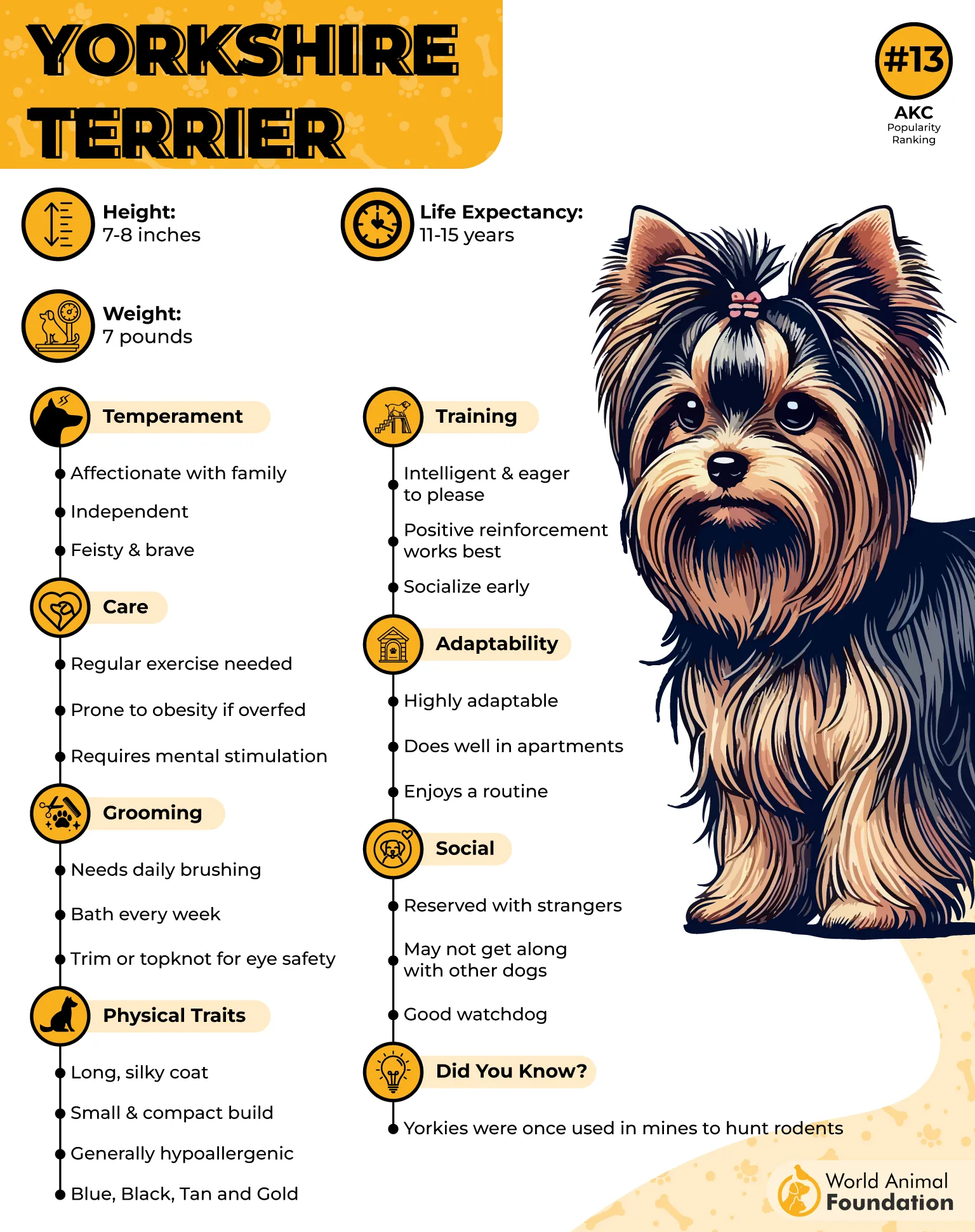
A Yorkshire Terrier can have a remarkably dainty appearance, especially with its long, flowing coat. Yet that elegant look hides a lively working spirit. A Yorkshire Terrier may seem like a pampered lap dog today, but its history proves otherwise.
While some owners seek tiny dogs, responsible breeding matters more than extreme size. Teacup Yorkies weigh less than the breed standard, but unusually small dogs may face added health risks.
4. Maltese
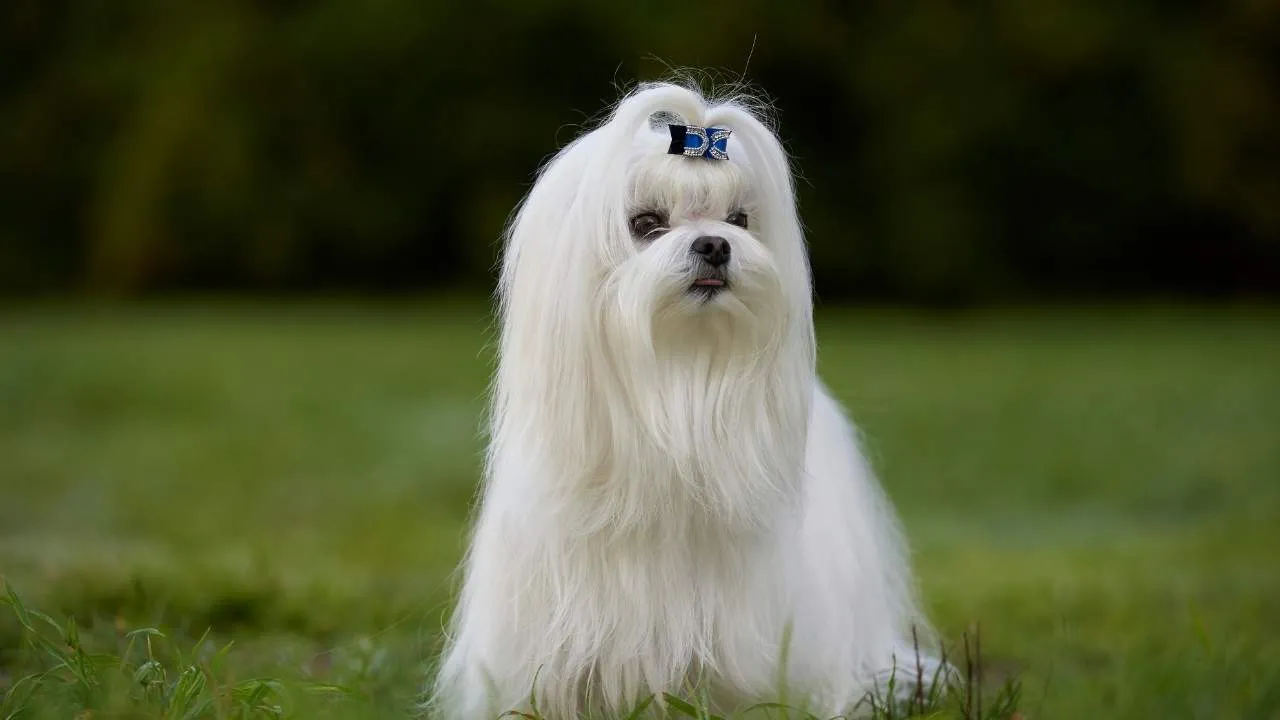
The Maltese proves that little dogs can have plenty of personality. According to Hill’s Pet, this breed is gentle, affectionate, intelligent, and responsive. Maltese dogs typically weigh under 7 pounds, giving them a truly small-scale dog frame. Their history also adds to their charm.

They were originally bred as companion dogs and have long been valued for their close bond with people. Malta even recognizes the Maltese as officially the national dog of the country.
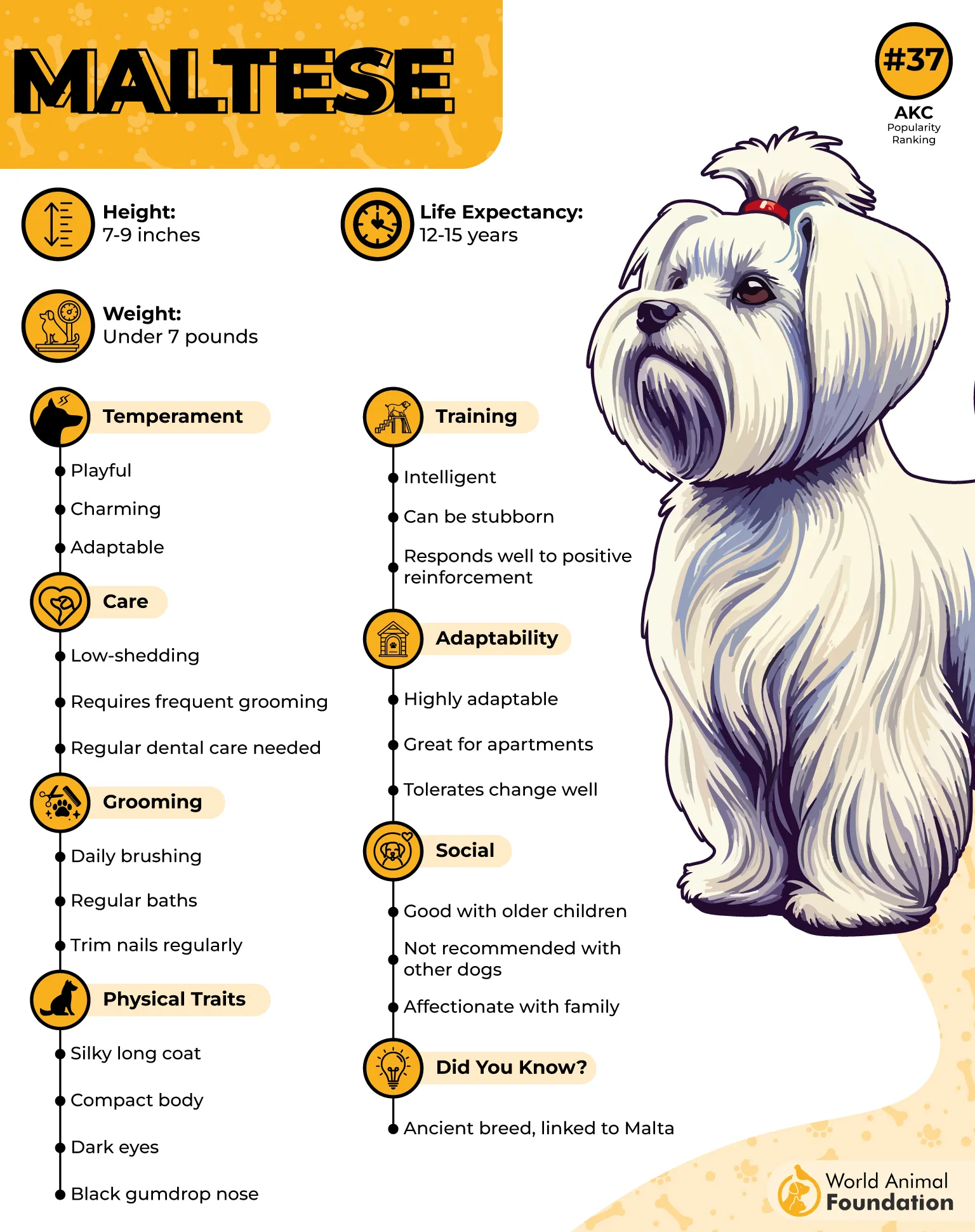
These dogs’ delightfully dainty appearance can make them look like delicate lapdogs, but their behavior can be surprisingly bold. This cuddly companion is often lively, playful, and eager to learn tricks.
Maltese can get along well with family members, although noisy children may test their patience. Their alert nature can also make them quite outgoing, especially when unfamiliar sounds catch their attention.
5. Pomeranian
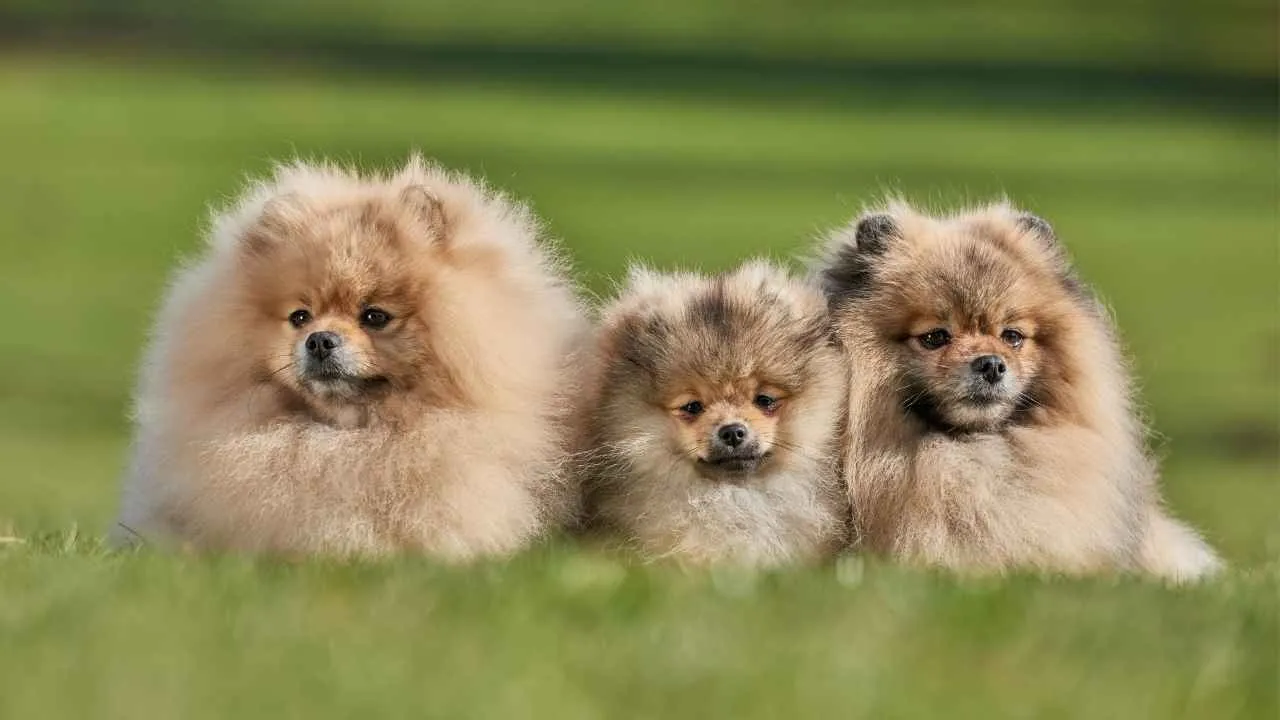
The Pomeranian is a beautiful dog breed with a surprisingly lively spirit. According to PDSA, Pomeranians belong to the Toy group, which includes toy dogs bred mainly for companionship. This very small breed typically weighs about 3–7 pounds and stands around 6–7 inches tall.
Its fluffy outline often makes it look larger than it really is. The breed also has a fascinating connection with Queen Victoria, whose interest helped bring Pomeranian royal patronage and greater popularity.
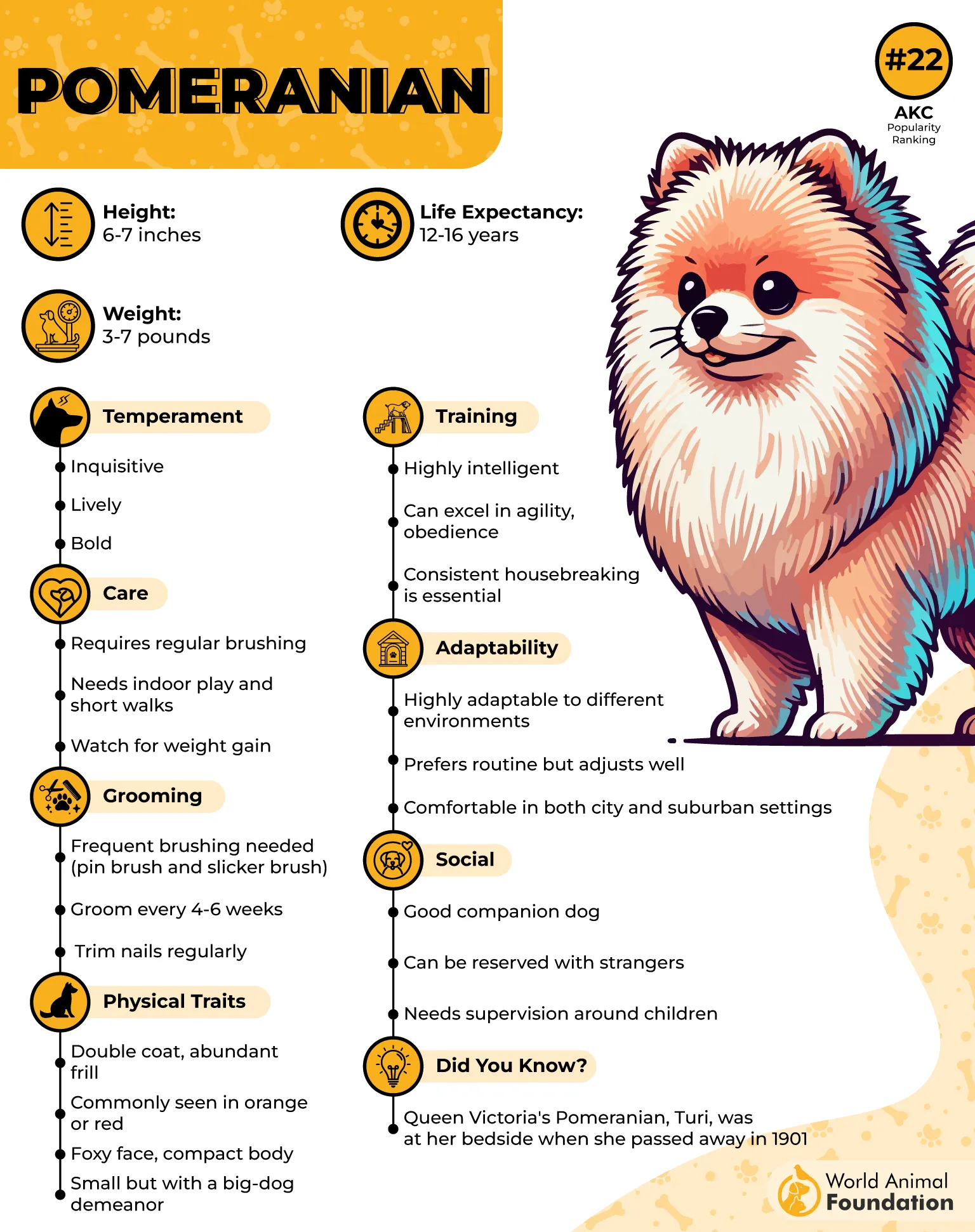
Despite its tiny frame, this energetic dog can have good watchdog traits. Pomeranians are often alert to unfamiliar sounds and use their vocal abilities to announce what they notice.
They are also curious and playful, always ready for a game. While they may seem like puppies for life, no dog can truly stay small forever beyond its natural adult size.
6. Toy Poodle
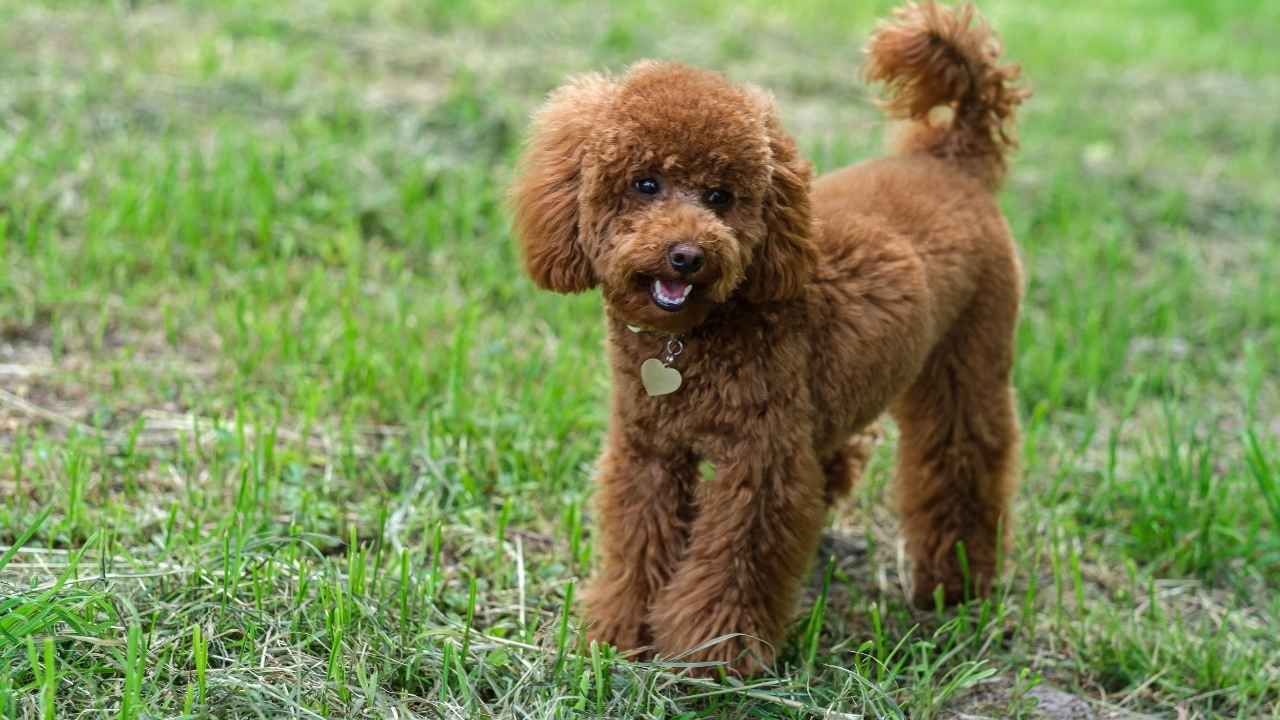
The Toy Poodle shows that a diminutive breed can have a remarkably sharp mind. According to Omlet, Toy Poodles are bright, alert, and easy to train. They were originally bred from Poodles and became popular performers because they quickly learned tricks and loved attention.
A Toy Poodle weighs around 4–6 pounds and stands under 10 inches tall. This intelligent breed closely resembles the larger Poodle in many ways, while keeping a much smaller frame. It is also considered a hypoallergenic breed, making it appealing to some families with allergy concerns.
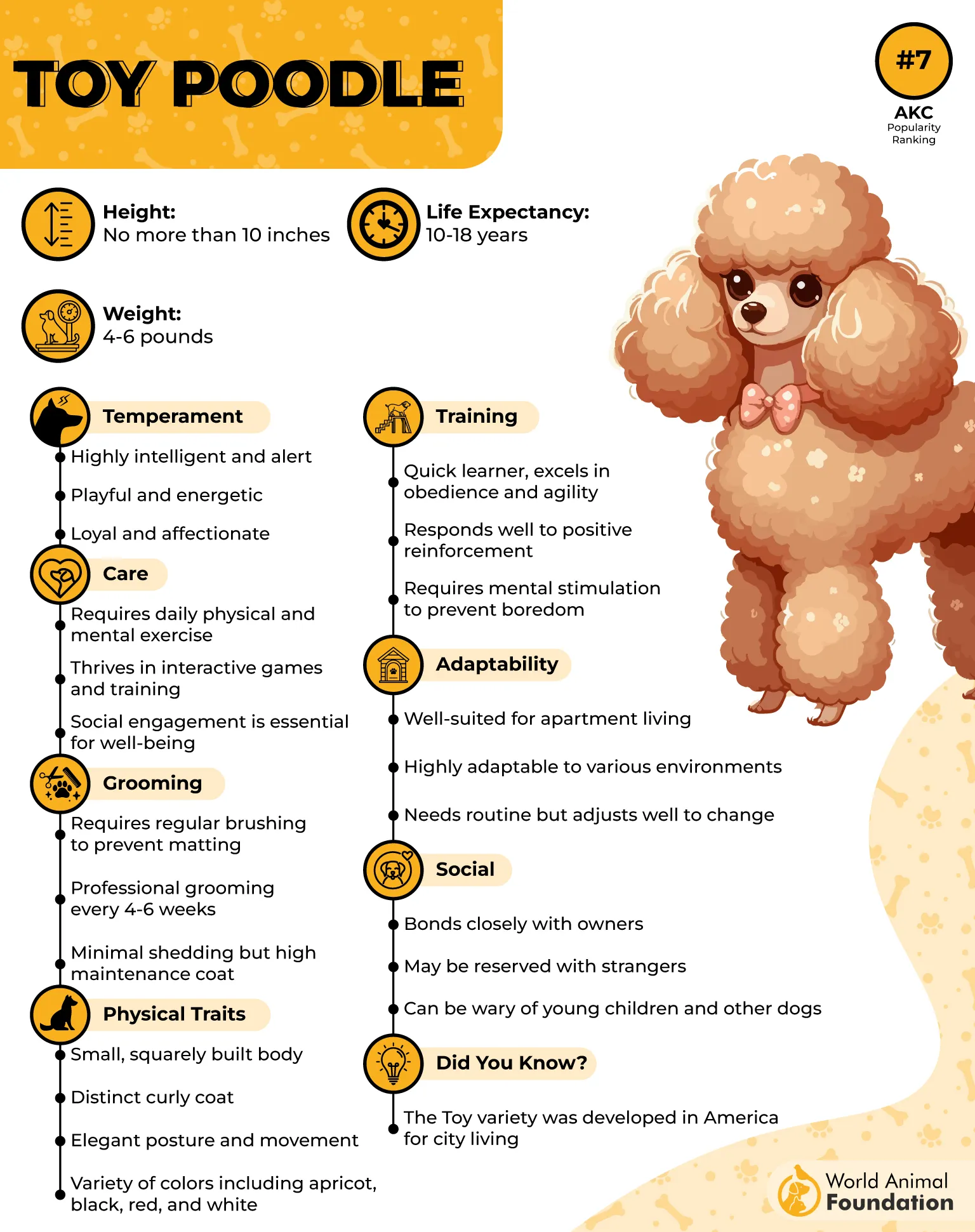
As a highly trainable companion dog, it needs fun, reward-based lessons and regular mental stimulation. Toy Poodle’s curious temperament can lead to mischief when it feels bored or ignored.
Still, this exceptionally loyal little dog thrives when included in family life and given plenty of chances to learn, play, and please its people.
7. Papillon
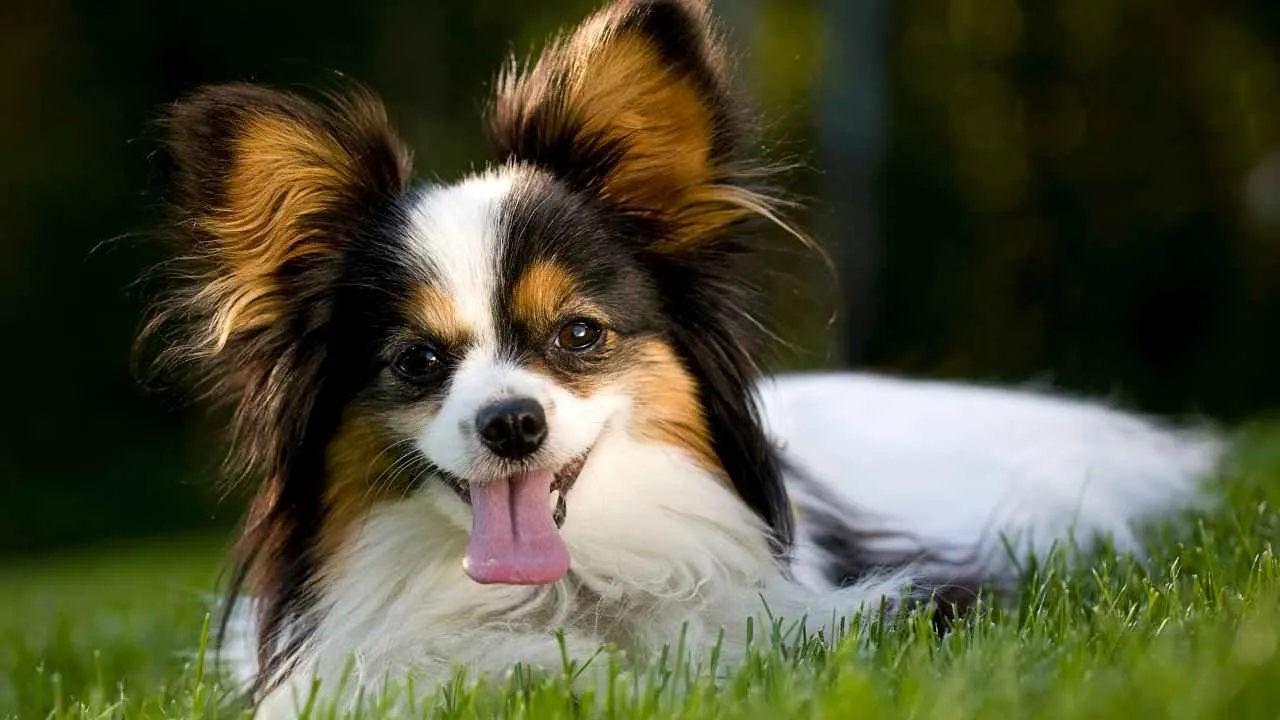
The Papillon has one of the most distinctive looks among toy breeds. According to Britannica, this butterfly dog has been known since the 16th century, when it was called a dwarf spaniel. Its name means “butterfly,” inspired by its large, flaring ears.
This is one of the small dog breeds, which usually weighs about 5–10 pounds, yet its lively nature can make it seem much bigger. Its cute little body and elegant ears have appeared in paintings by famous Old Masters.
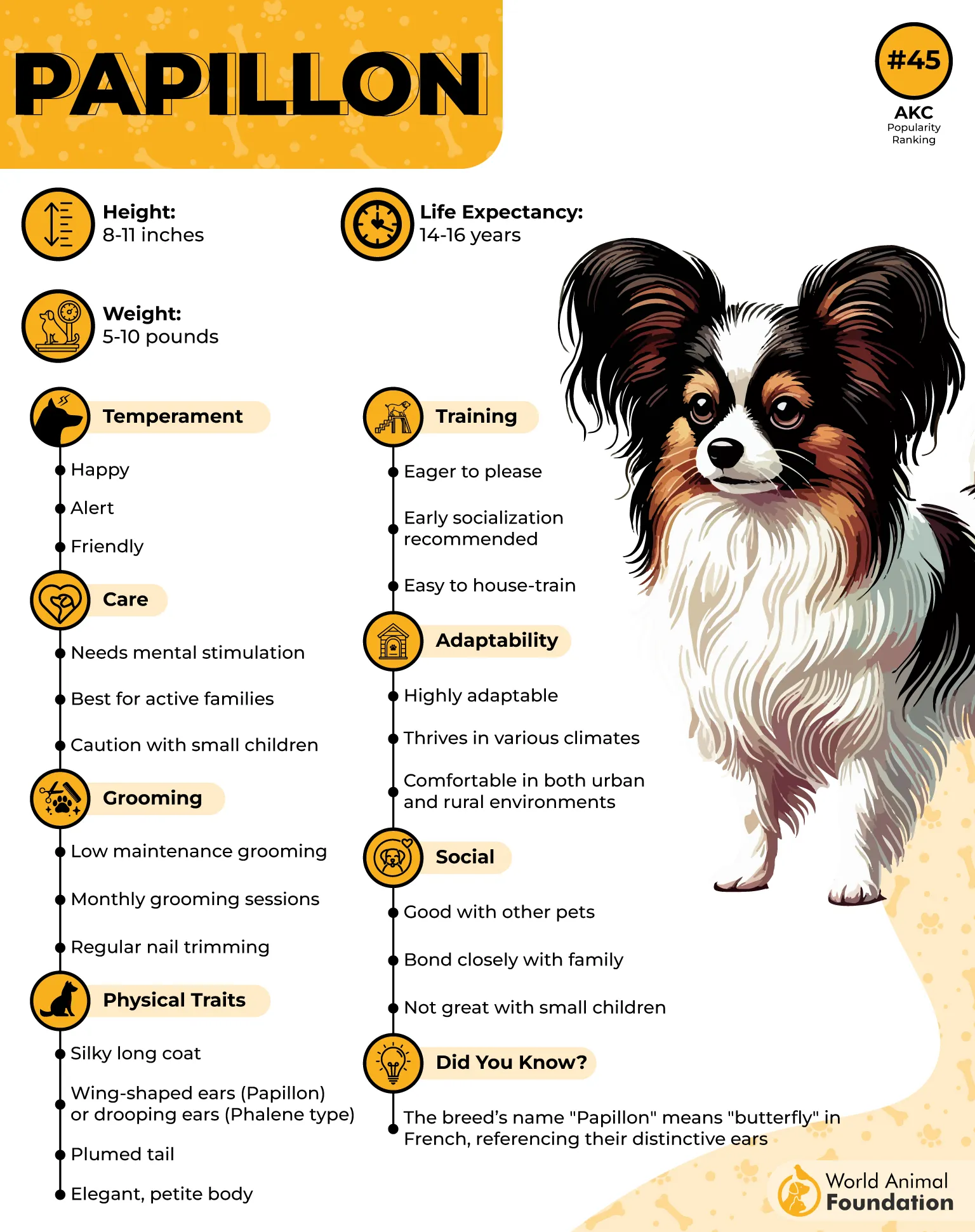
The breed was also favored by figures such as Madame de Pompadour and Marie-Antoinette. Today, the Papillon can be an affectionate companion and a wonderful family dog. It is fun-loving, energetic, and enjoys regular walks and play.
The Phalene, with drooping ears, represents the smaller version of the traditional look. Still, no dog can truly stay small forever beyond adulthood.
8. Japanese Chin
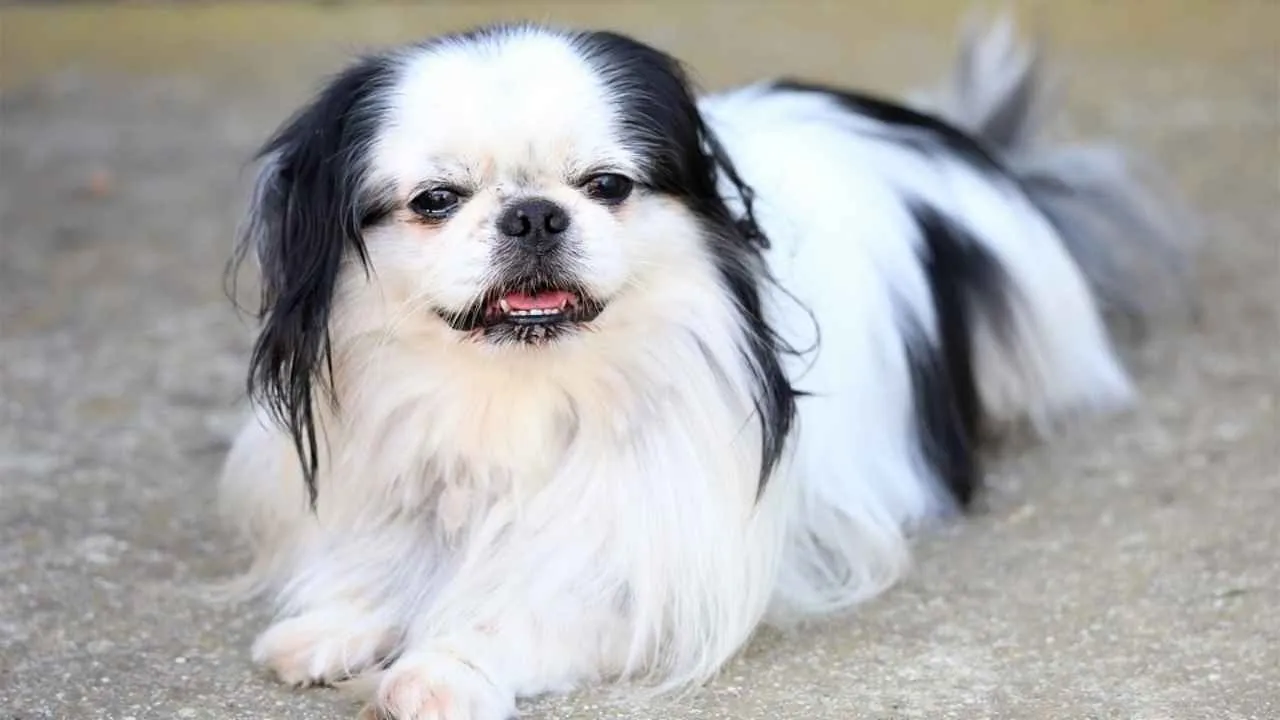
The Japanese Chin is a refined Japanese dog breed known for its close bond with familiar people. It was originally bred as a companion for people in elite Japanese households, where its small frame suited indoor life.
Today, these compact dogs can form deep connections with their families and remain exceptionally loyal to their favorite people. According to WebMD, they may seem reserved around strangers at first. They can also become sensitive when left alone or given too little attention.
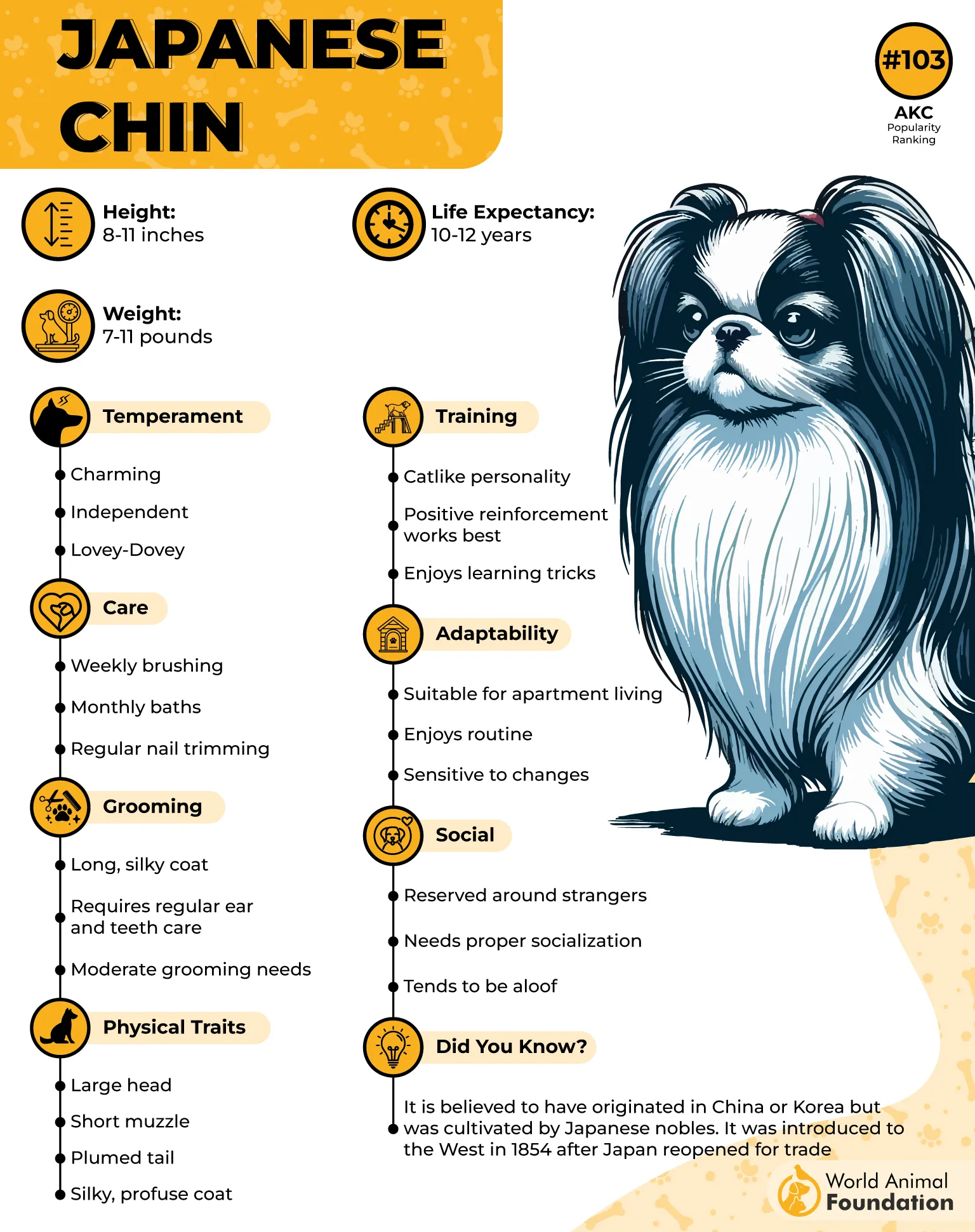
Despite their petite size, they have a powerful personality and need gentle training based on trust rather than harsh methods. They can live with other pets when introduced properly.
Their moderate energy needs can also make them a good choice for people who live in apartments. With steady attention and a calm home, Japanese Chins can adapt well to family life.
9. Pekingese
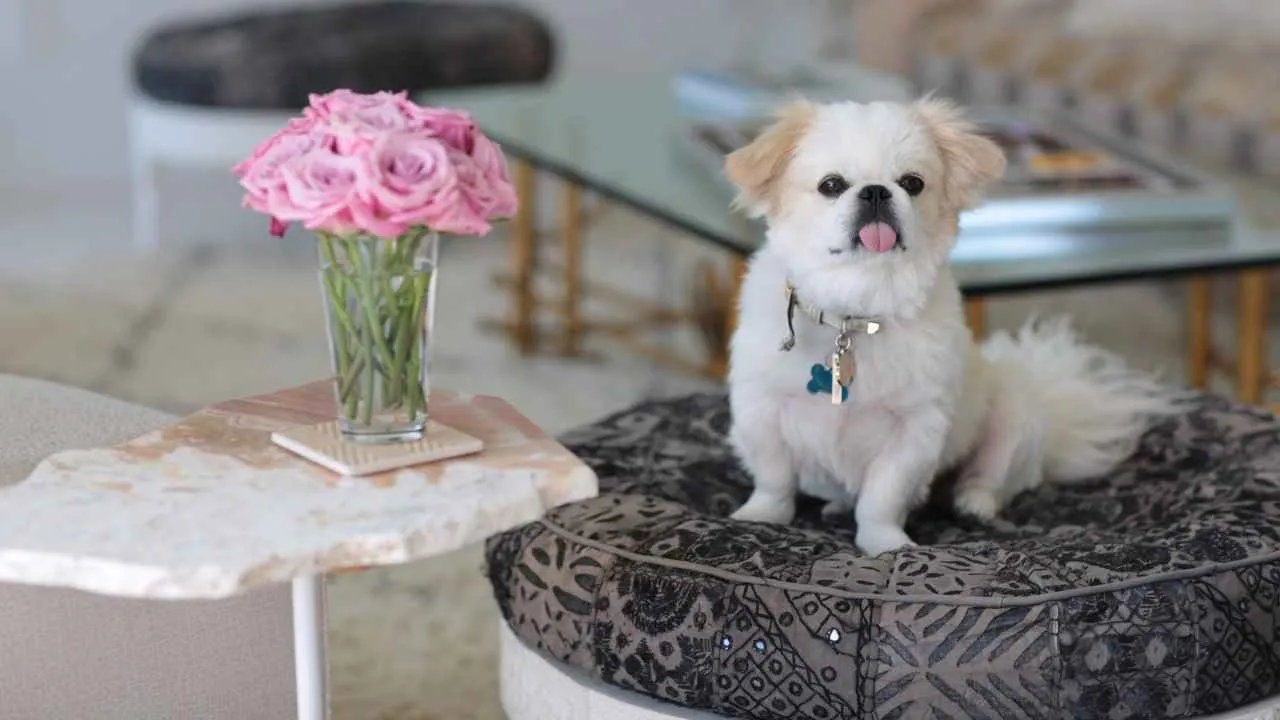
The Pekingese carries an unmistakable air of royalty. According to Royal Canin, this toy-sized dog was once a favored companion of Chinese royalty. Its low, compact body gives it the look of a miniature lion, while its confident walk adds to its regal charm.
As one of the small dog breed favorites, the Pekingese can suit quiet homes and apartment life well. These small-scale dogs usually prefer peaceful surroundings over loud games or rough activity. They can also be wary of unfamiliar people, which gives them useful instincts.
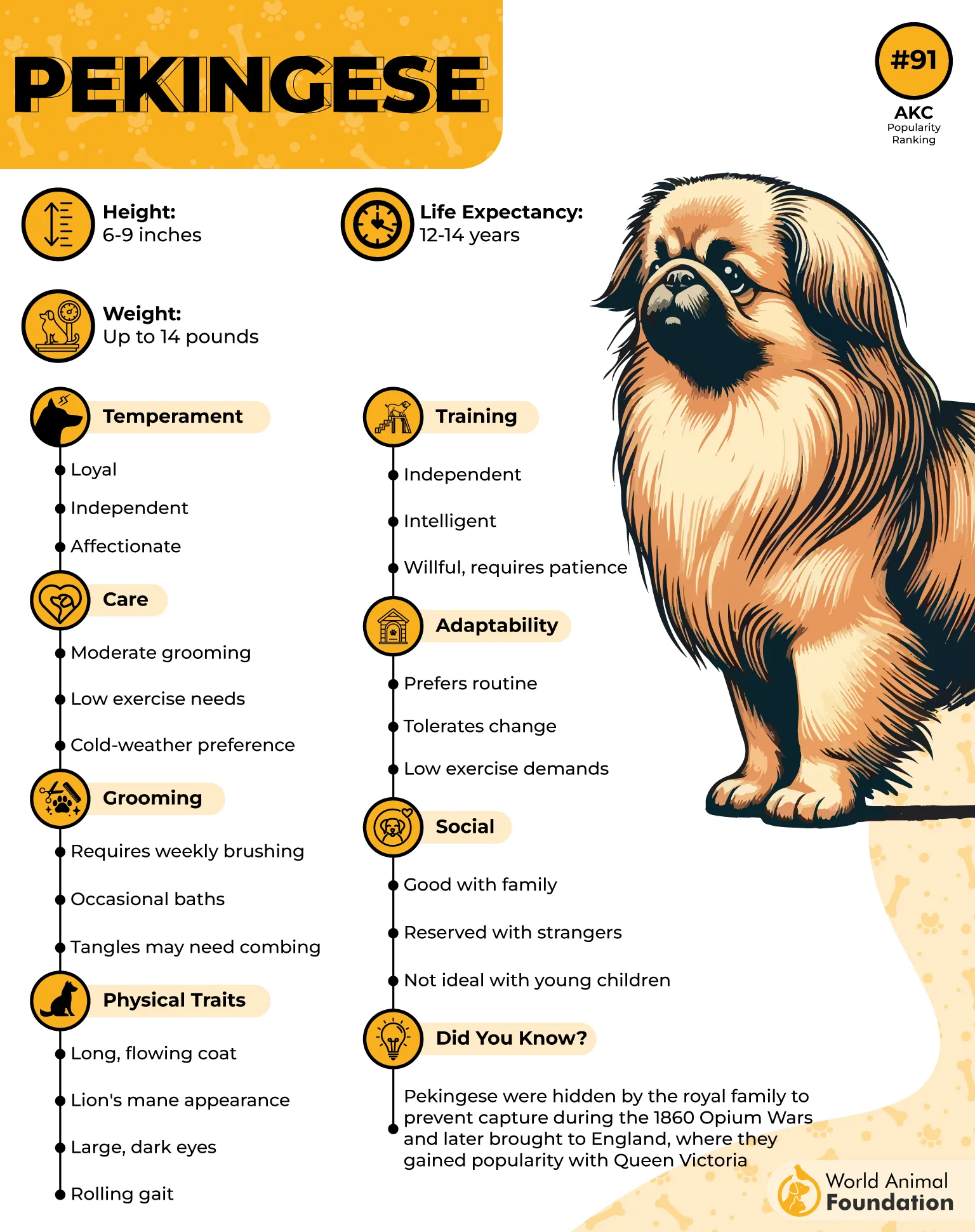
In fact, a Pekingese can become a great watchdog, using its bark when something seems unusual. With patience, respect, and trust, it can show remarkable loyalty and affection.
For adults or families with older children who appreciate a calmer pet, the Pekingese can be a perfect choice. Like many pets, it responds best when treated with respect.
10. Brussels Griffon
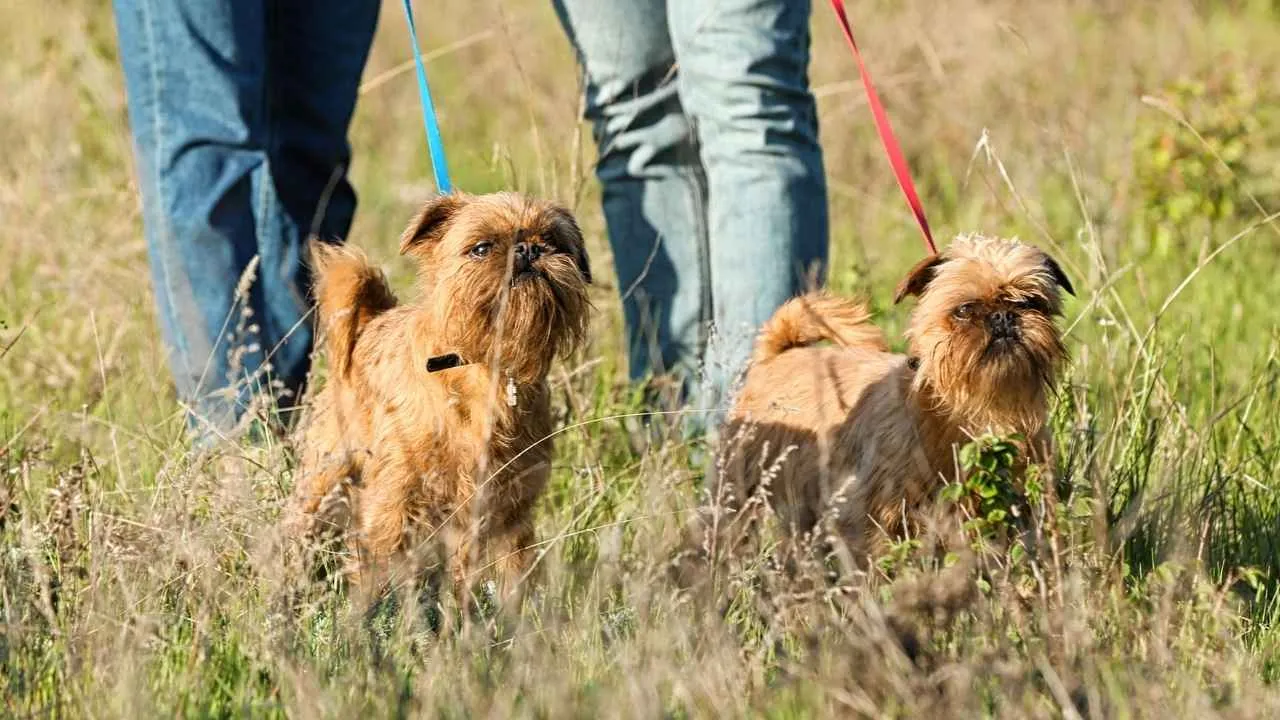
The Brussels Griffon stands out among small dog breeds with its expressive face and charming personality. Its cute little body may be tiny, but this breed has plenty of confidence and character.
According to Purina, Brussels Griffons are lively, intelligent, and sensitive, and they dislike spending long hours alone. Their strong attachment to people makes them a beloved companion, especially for adults who enjoy a close bond.
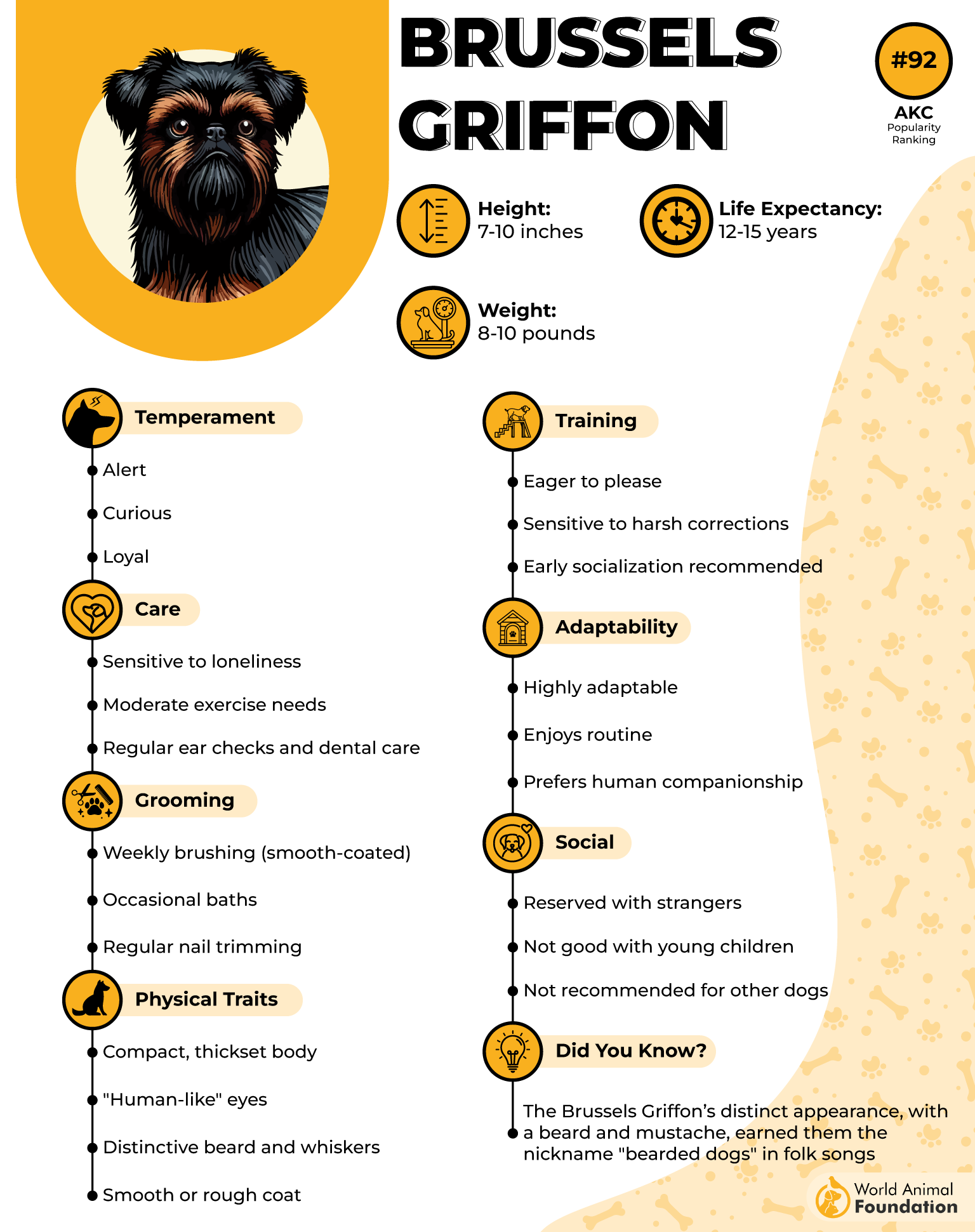
Their small size also makes them easy to keep indoors, where indoor play can provide fun between walks. Despite their compact frame, Brussels Griffons can be a great watchdog, quickly noticing unfamiliar sounds or visitors.
Their alert nature pairs well with their devoted temperament. Some grooming styles can also change their facial look, giving each dog an individual appearance. Although they may look puppy-like, no breed can stay small forever beyond its natural adult size.
Conclusion
Small dogs can keep their adorable, puppy-like charm well into adulthood. Yet their tiny size does not mean they need less care or attention. Some are easy to train, while others need patience and steady guidance. Many enjoy regular walks, indoor play, and plenty of time with their families.
Their friendly characters and powerful personalities can make them wonderful companions, but every dog has different needs. Genetics and individual growth also affect how small a dog becomes, so no breed can truly stay small forever beyond its natural adult size.
Avoid choosing pets based only on extreme size, especially through unsafe breeding practices. Instead, focus on healthy traits, friendly behavior, grooming needs, exercise, and long-term responsibility. With the right match and proper care, a naturally petite companion can bring years of joy to your home.
