




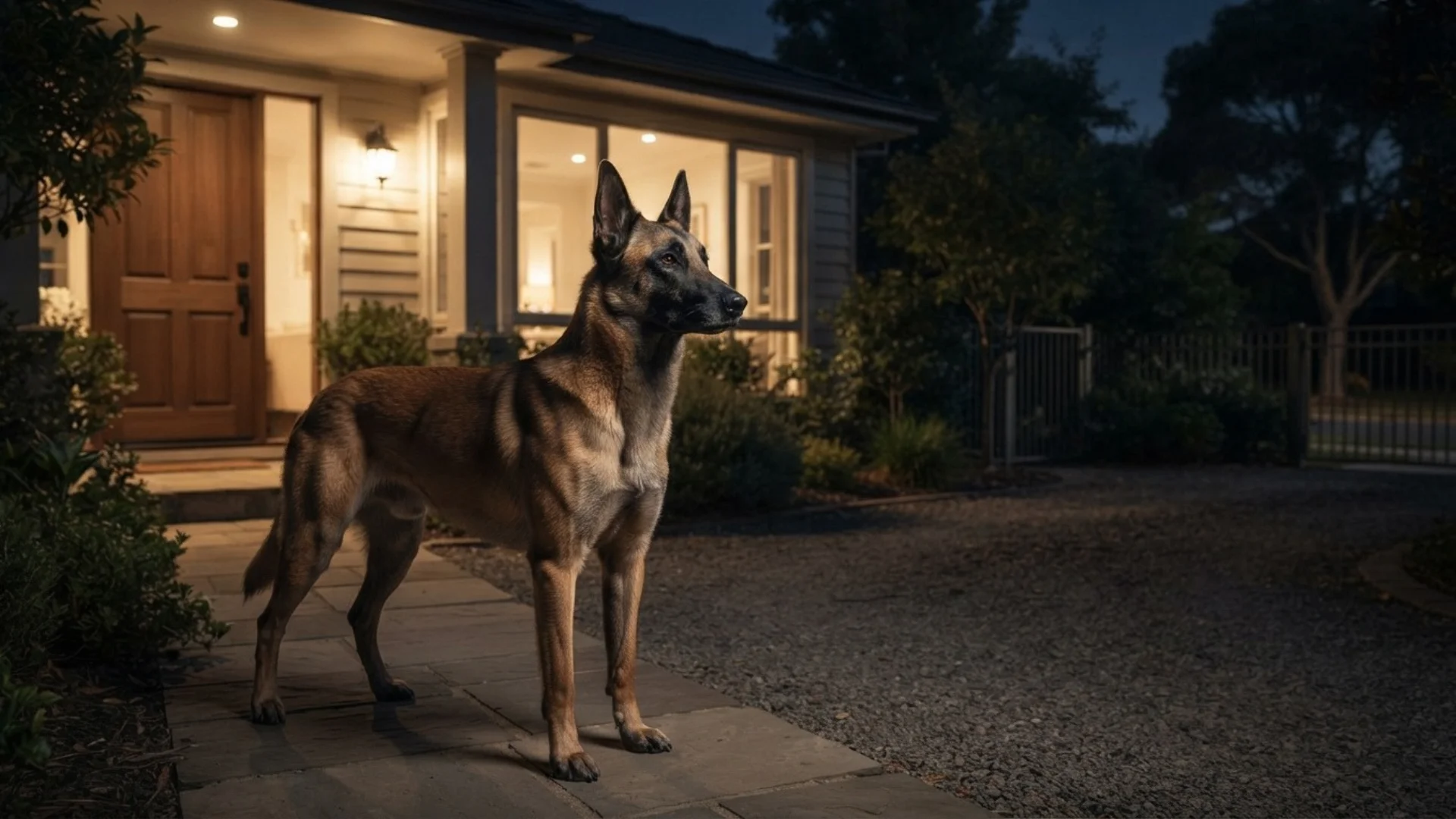
What do working dogs, farm guardians, and military canines have in common? They’re not only hardworking and loyal, but many also have the alertness and protective instincts that can make them devoted family guardians.
When the sun goes down and the house gets quiet, having a dog that naturally stays watchful can bring an added sense of security.
Of course, bringing a protective dog home comes with responsibility. These dogs still need affection, proper training, socialization, exercise, and a safe environment to thrive.
If you’re looking for a four-legged companion that can stay close to your family while keeping a watchful eye at night, these nine protective dog breeds are worth getting to know.
Key Takeaways
Meet 9 protective breeds built to stay alert when the house goes quiet.
See why German Shepherds and Dobermans are trusted for protection.
Discover how Akitas, Cane Corsos, and other guardians handle strangers and threats.
Learn what training, exercise, and socialization these powerful dogs need.
Protective Dog Breeds That Will Keep You Safe at Night
1. German Shepherd
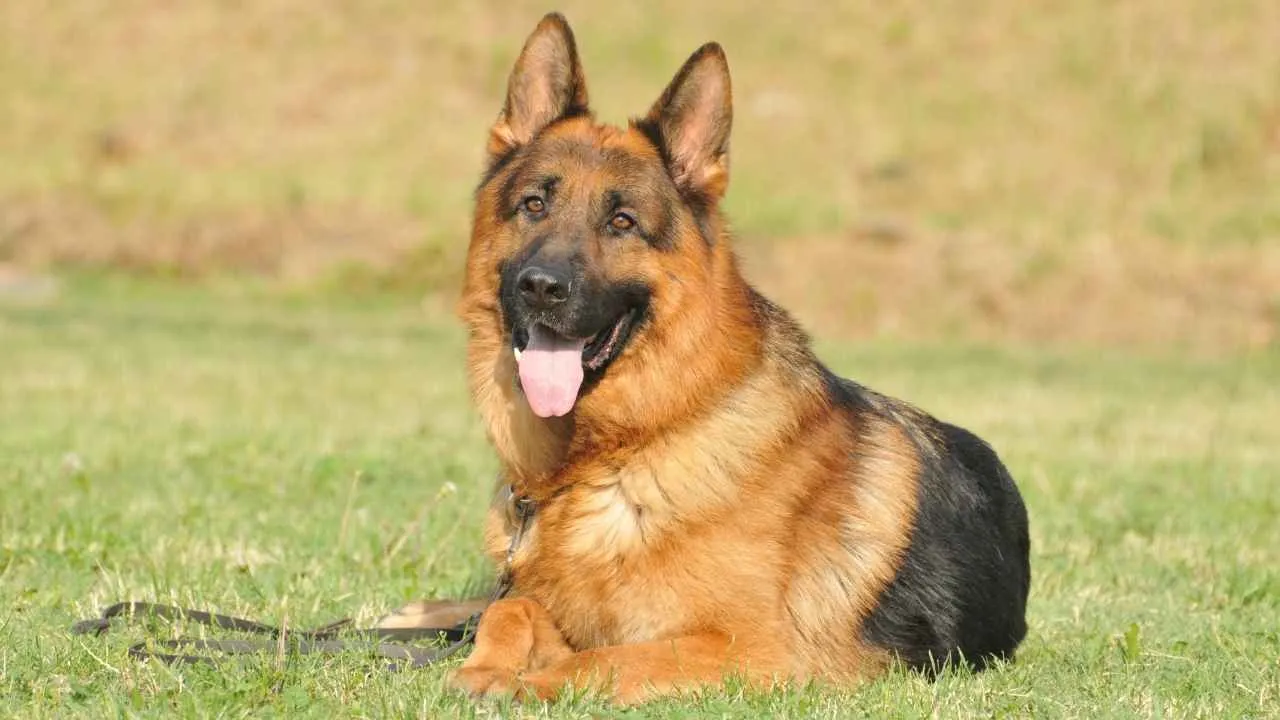
German Shepherds are strong, agile, highly intelligent, and loyal dogs. Their confidence and bravery make them well suited to protective roles.
With their history as herders and guardians, they are naturally alert and may be reserved around strangers. They also form strong bonds with their families and handlers, making them devoted and vigilant companions.
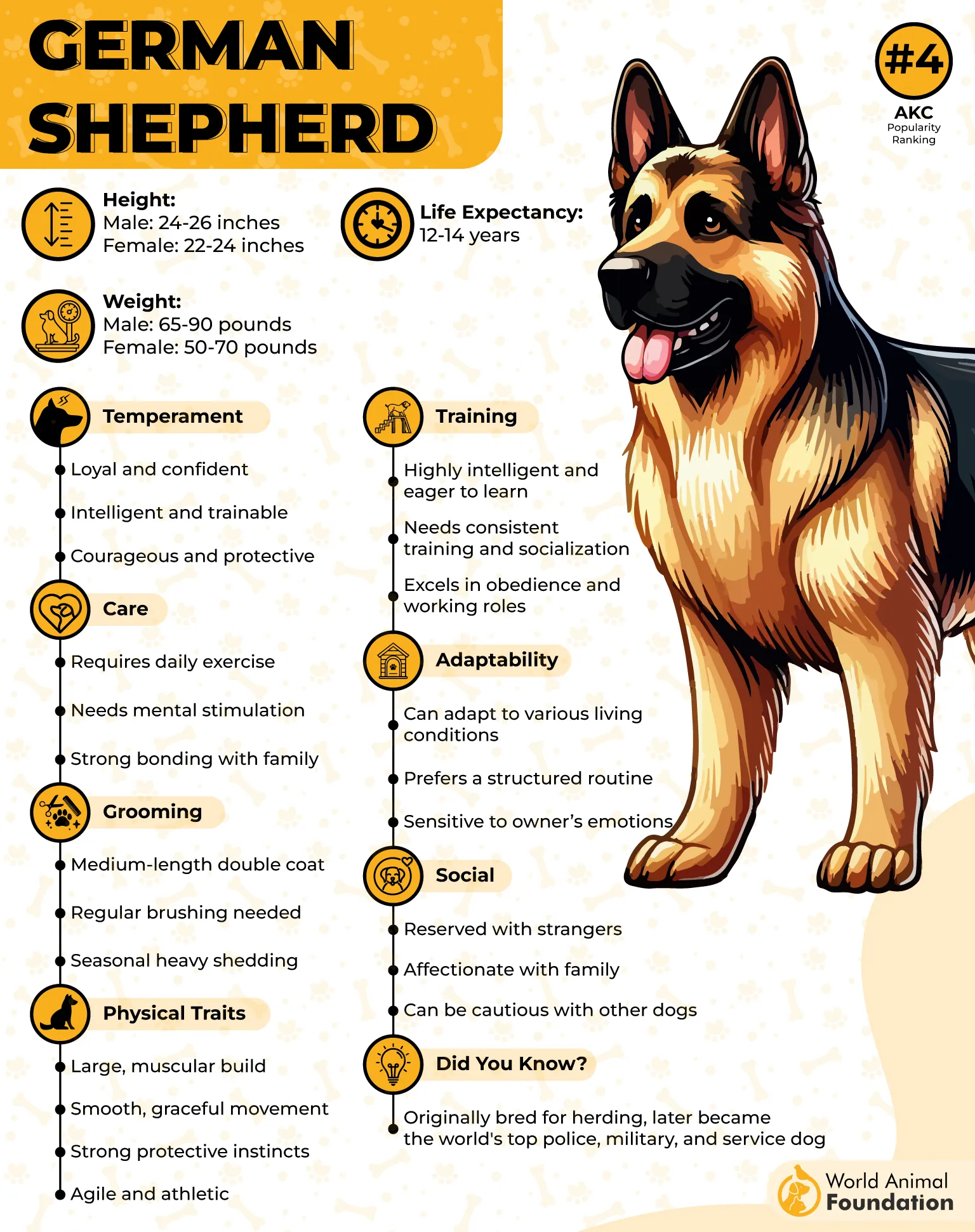
Protective Nature
German Shepherds are widely used in police and military work, including patrols, tracking, search and rescue, and detecting drugs and explosives. They also work as guard and service dogs.
Their alert nature helps them notice potential threats, and they may bark when they sense danger. They are known for being protective while still being playful and energetic with their families.
Training and Exercise
German Shepherds need consistent training, proper socialization, and clear guidance. They learn quickly and enjoy having a job or purpose, but their protective instincts need to be directed properly.
Kindness, patience, and positive reinforcement can help them become calm and steady dogs. According to PetMD, they also need one to two hours of daily exercise and mental stimulation.
2. Akita
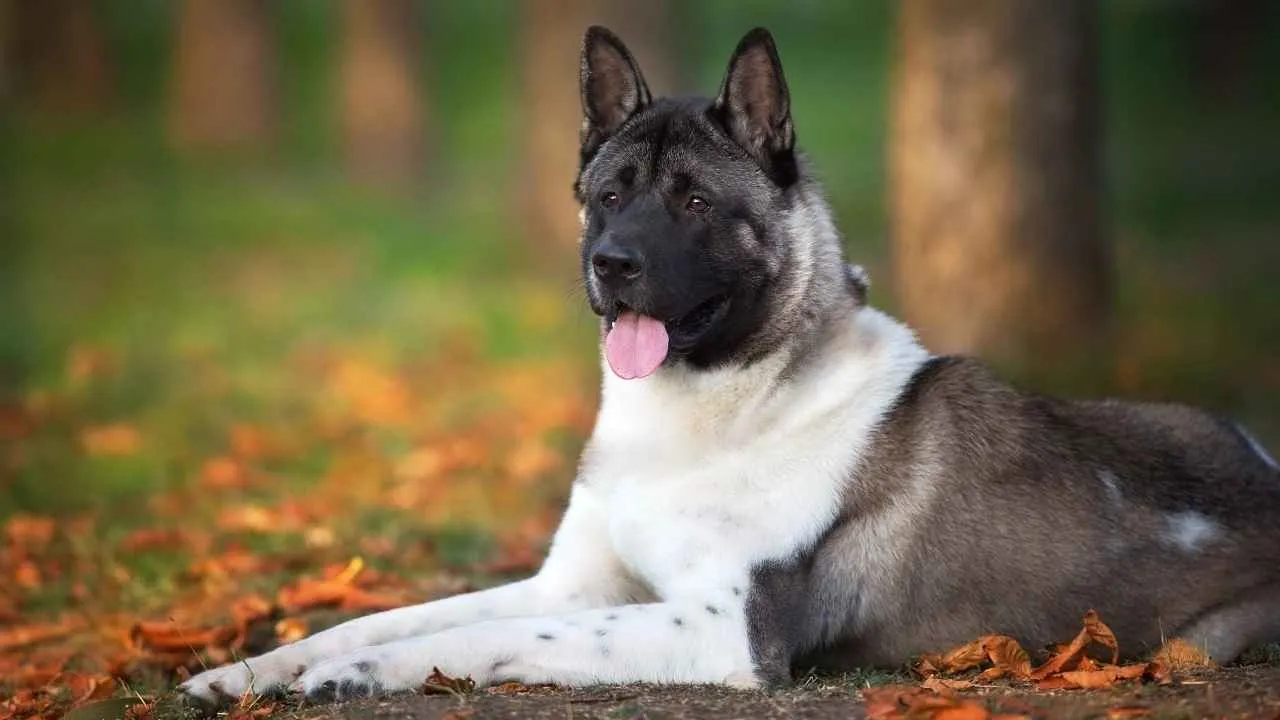
Akitas are alert, courageous, and highly protective dogs. Originally bred as hunting dogs in Japan, they are known for their loyalty and strong bond with their families.
They tend to be one-family dogs and can be reserved or suspicious around strangers. Akitas are calm as adults and are not excessive barkers, but they will alert their families when someone enters their territory.
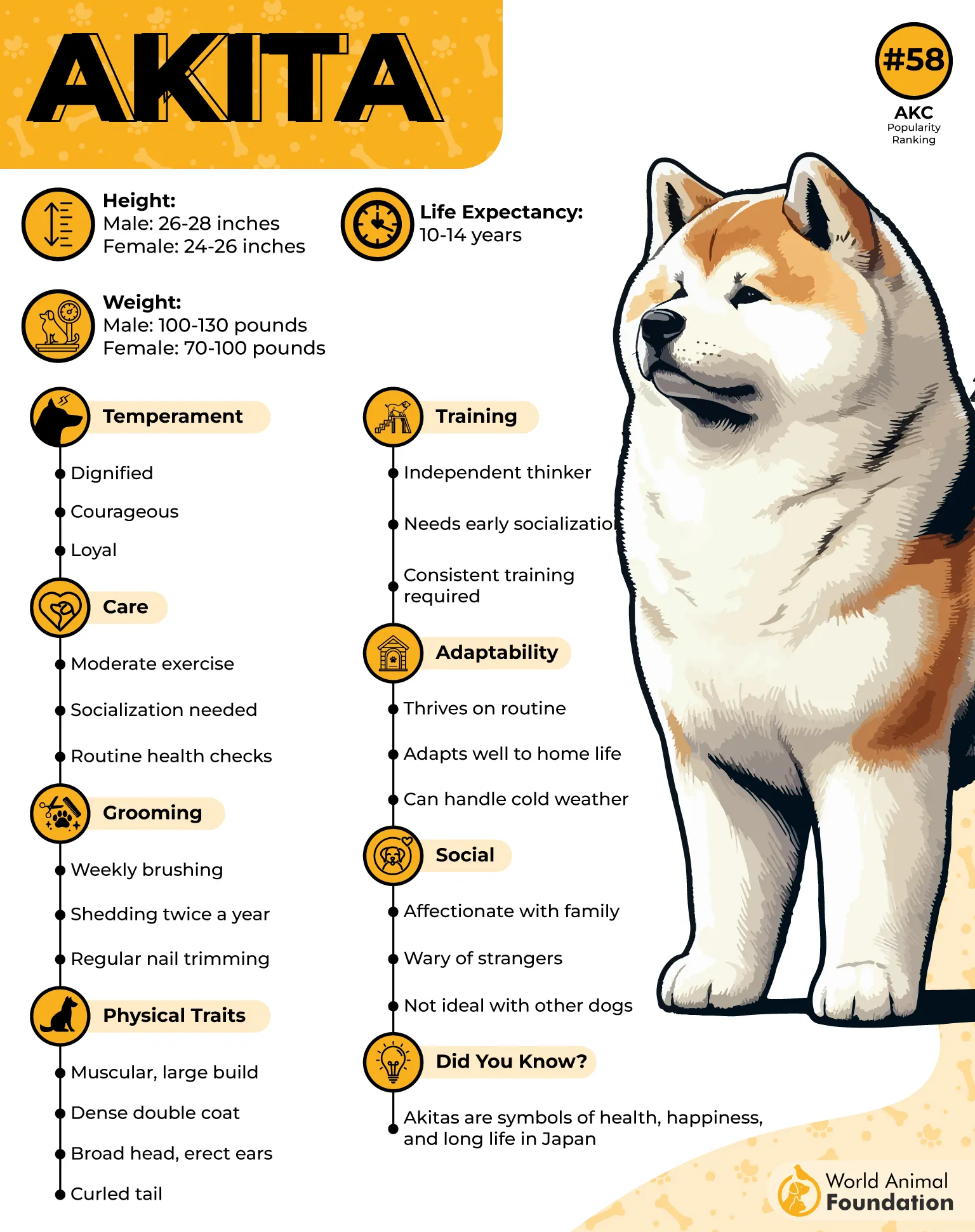
Protective Nature
Akitas are excellent watchdogs and guard dogs. They may place themselves between their family and a perceived threat. Their independent nature and strong protective instincts can also make them suspicious of innocent actions.
Once a visitor is welcomed inside, they are usually reserved rather than aggressive. Their strong-willed personality means they need clear boundaries and experienced handling.
Training and Exercise
Akitas need consistent training and socialization from a young age. They can learn quickly but may not always be eager to follow commands because of their independent nature.
They are moderately active and need long walks or jogs along with playtime. Their thick coat can make them sensitive to heat, so cooler climates suit them better.
3. Doberman Pinscher
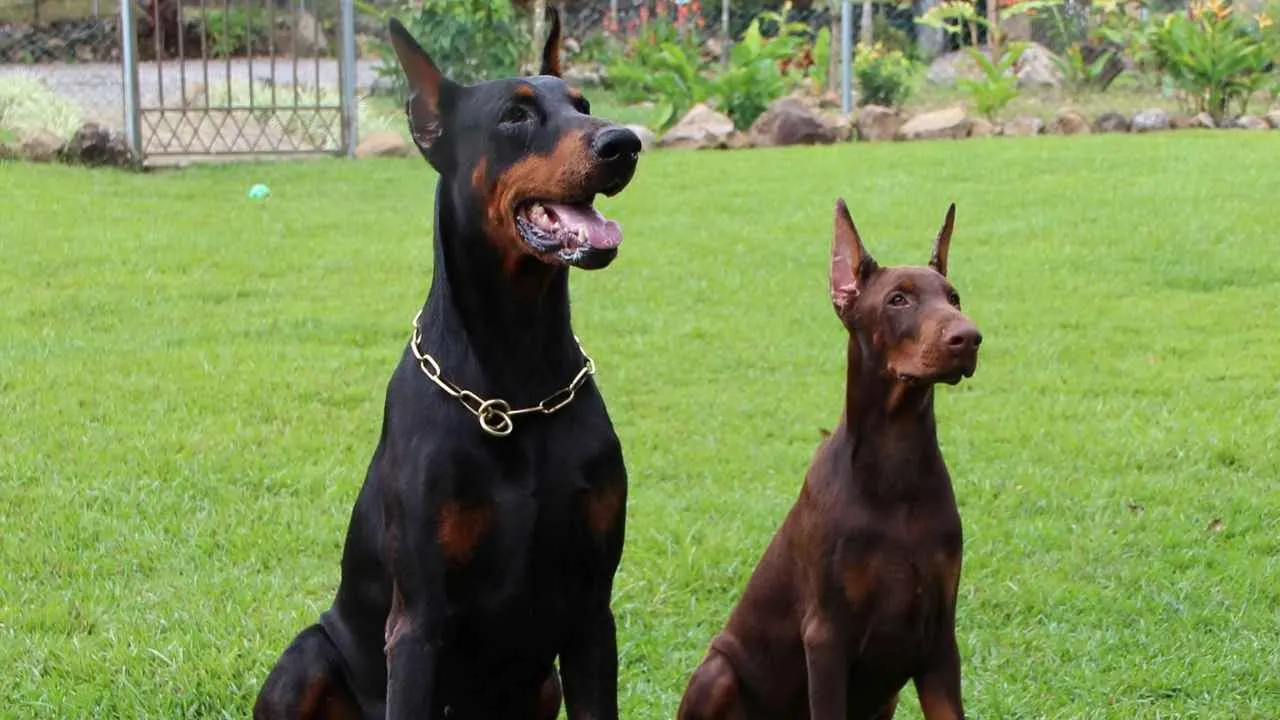
Doberman Pinschers are loyal, intelligent, alert, and protective dogs. Developed in Germany as guard dogs and companions, they are known for their courage and strong bond with their families.
They are often wary of strangers and can be tough toward people they see as threats. At the same time, they can be loving, playful, and affectionate with their families and handlers.
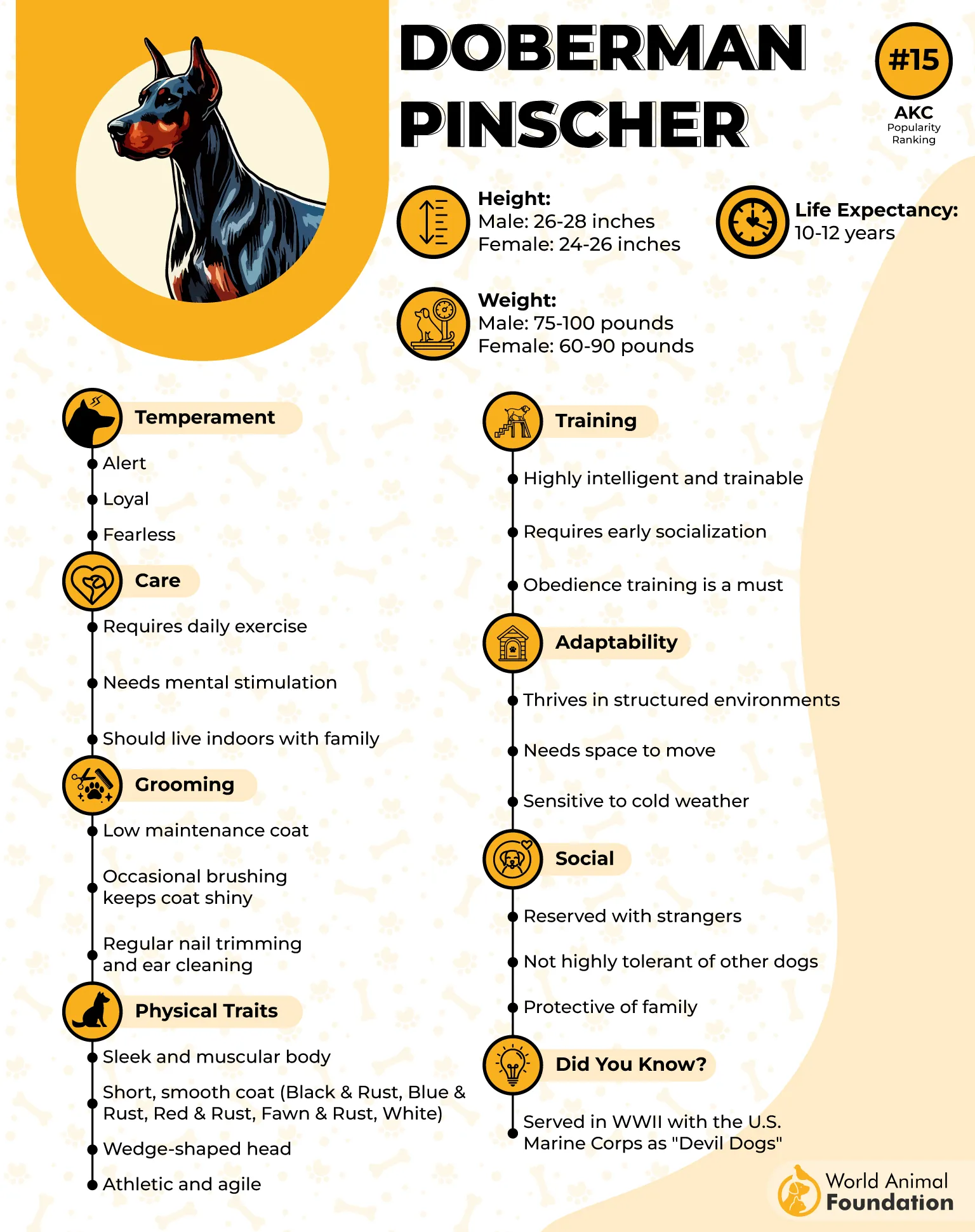
Protective Nature
Doberman Pinschers are commonly used for security, police work, search and rescue, and family protection. They are alert but generally quiet, usually sounding an alarm when needed. Their intelligence also allows them to learn complicated tasks.
They are protective and fearless, while their loyalty makes them attentive to their families. They can get along with family pets but may be domineering toward unfamiliar dogs, as mentioned by Britannica.
Training and Exercise
Dobermans are energetic dogs that need plenty of physical and mental activity. Long walks, runs, hikes, and playtime can help keep them engaged. Without enough exercise, they may develop unwanted behaviors.
They also need early and consistent training and socialization. Dobermans learn quickly but can become bored, so training should stay interesting.
4. Belgian Malinois
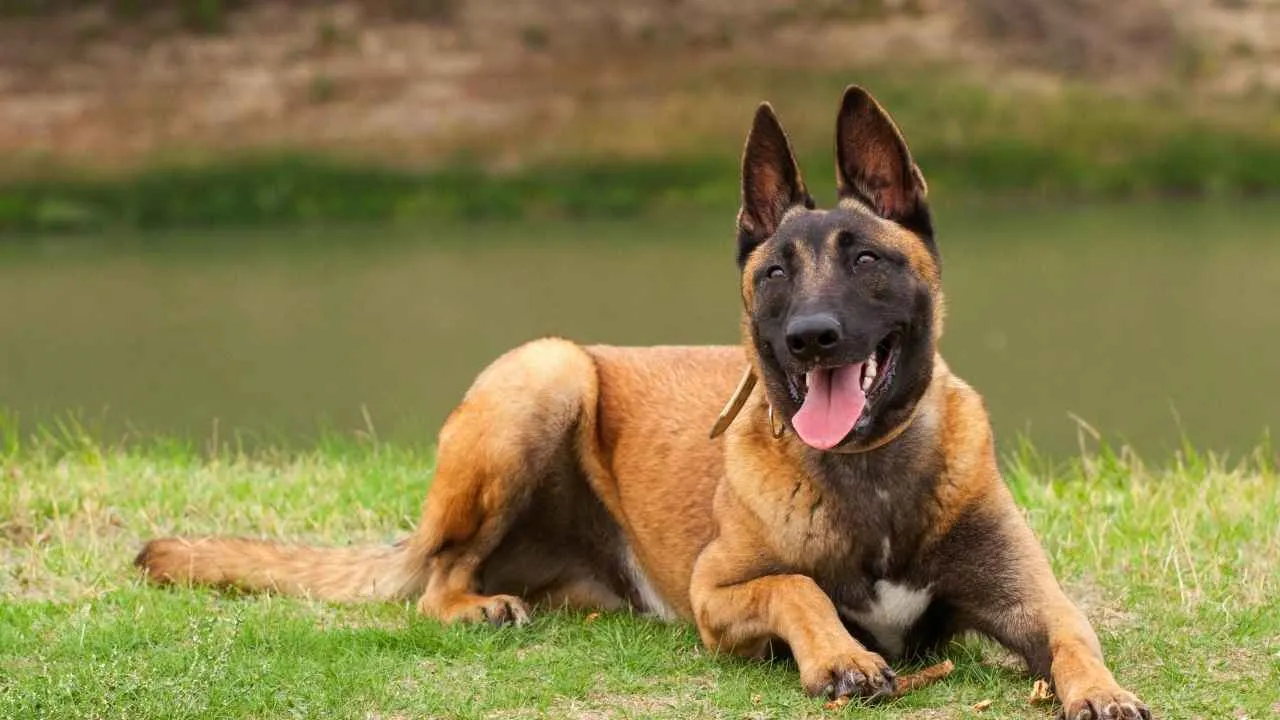
Belgian Malinois are confident, intelligent, hard-working, and highly alert dogs. Originally bred as herding dogs in Belgium, their trainability and strong work drive led them into police and military roles.
They are loyal to their families and quick to respond to their handlers. Their strength, intelligence, and alert nature also make them capable protection dogs.
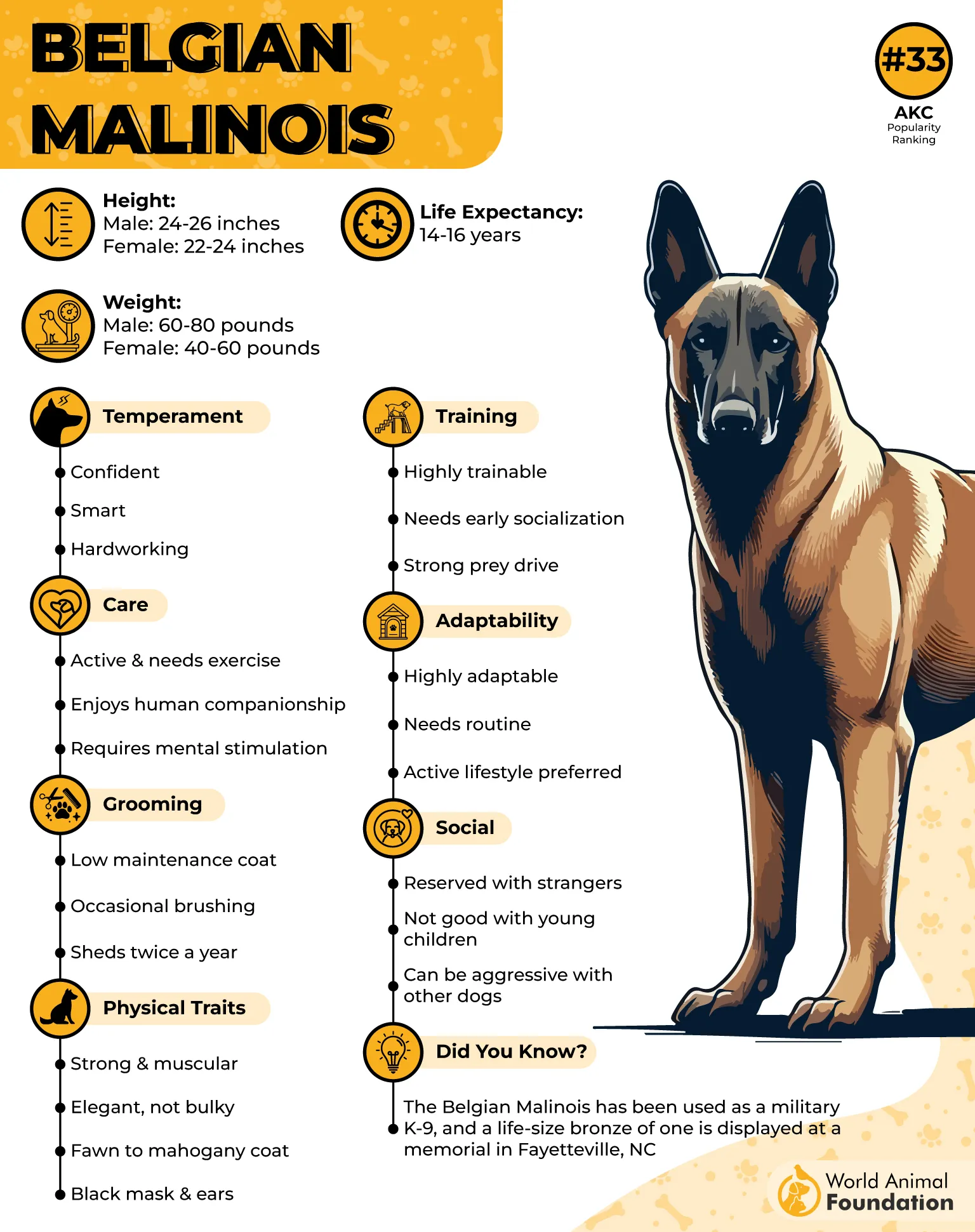
Protective Nature
Belgian Malinois are often used for police work, search and rescue, and bomb and drug detection. They are focused and do not give up easily when given a task. Their alert nature makes them watchful around unfamiliar people and animals.
They also have a naturally high prey drive, so sudden movements and moving objects can trigger their instinct to chase. Early obedience training and socialization are important.
Training and Exercise
Belgian Malinois need an active lifestyle with plenty of physical and mental stimulation. Daily walks alone are not enough for this energetic breed. They can enjoy running, hiking, biking, agility, tracking, herding, and obedience work.
They do best when they have a job or activity to focus on. Without enough exercise and mental stimulation, they may develop destructive behaviors.
5. Cane Corso
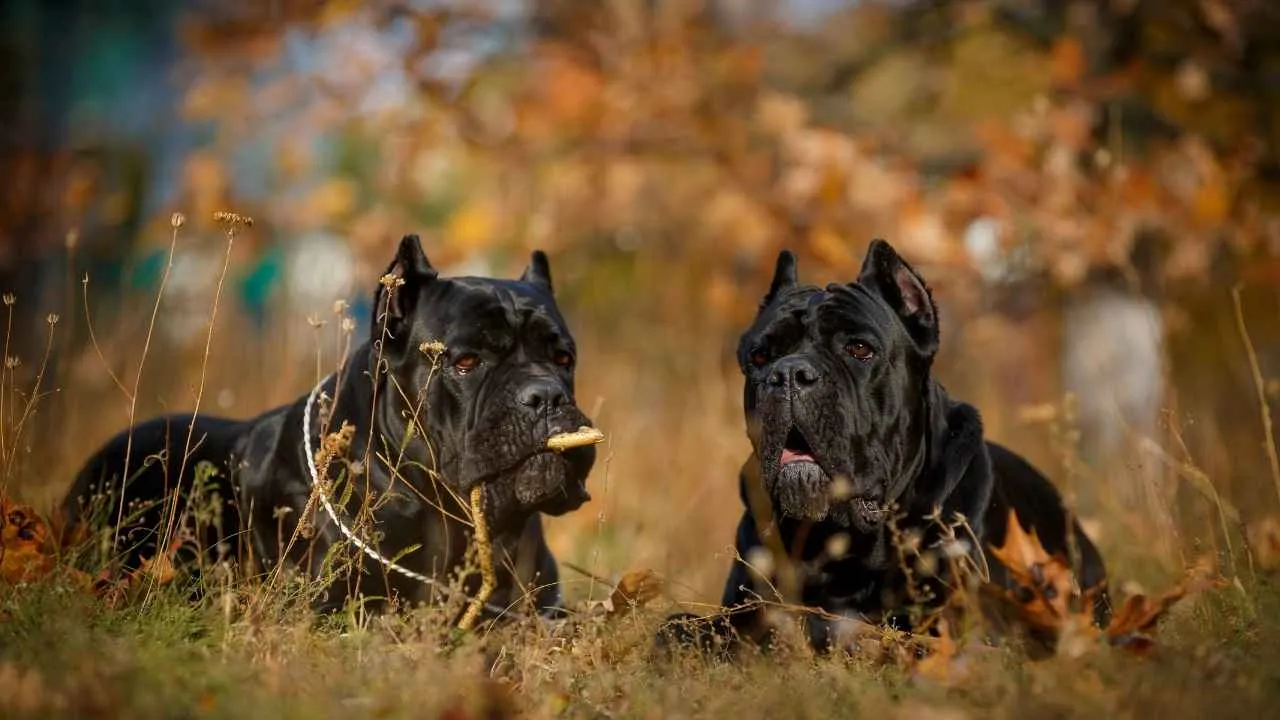
Cane Corsos are large, muscular, intelligent, and deeply loyal dogs. Also known as Italian Mastiffs, they were historically used as watchdogs, farm dogs, and even canine soldiers.
Their name can be translated from Latin as “guard dog of the courtyard.” Today, they can be devoted family companions while still retaining their strong guarding instincts.
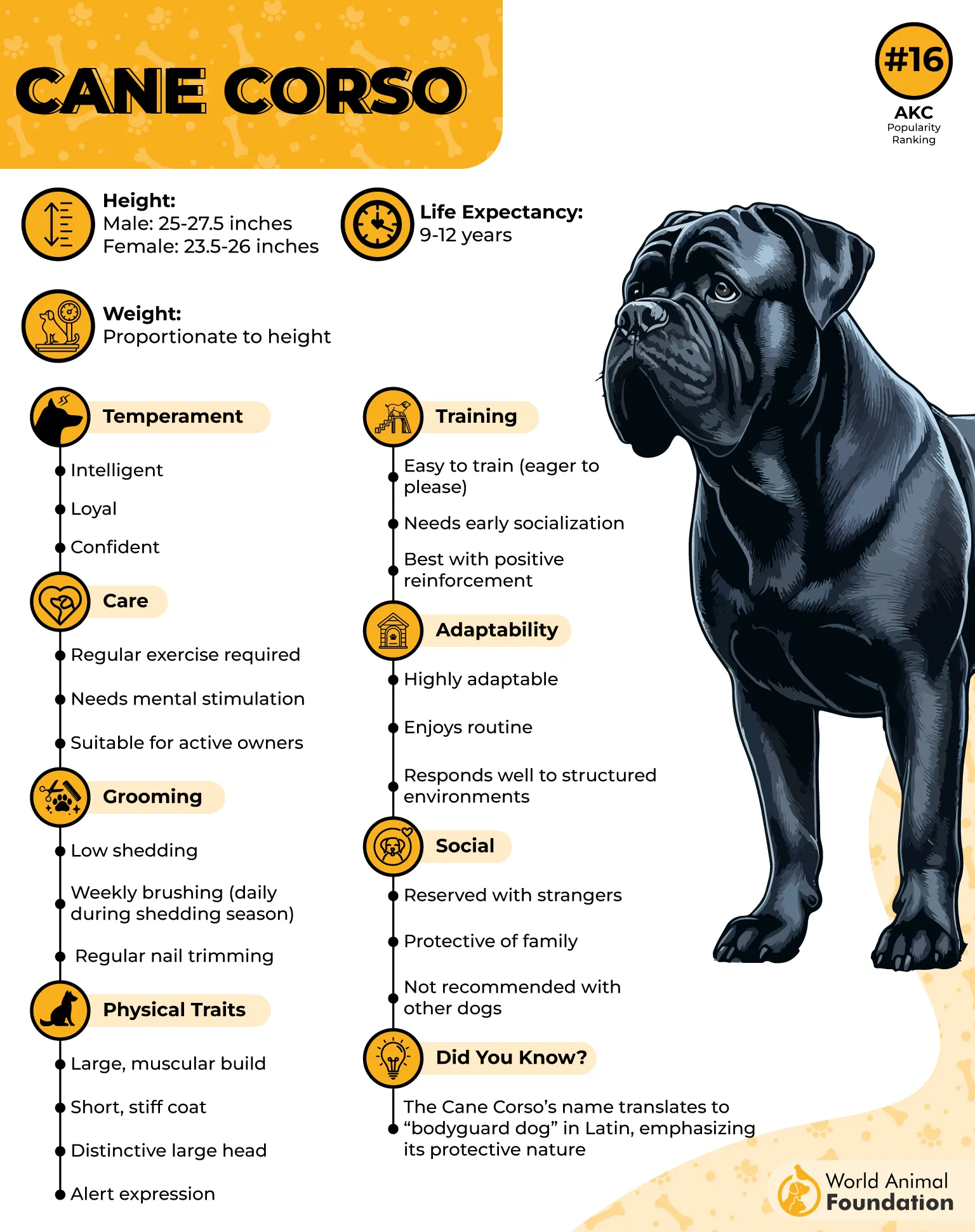
Protective Nature
Cane Corsos are naturally protective and closely bonded to their families. They can be serious and cautious around unfamiliar people, especially when protecting their home or yard.
Early socialization with people, children, and other dogs is important for helping them become comfortable in different situations. Once properly socialized, they can form close bonds with children and their families.
Training and Exercise
Cane Corsos are intelligent, eager to please, and versatile, but they can also be willful. They need an experienced owner who can provide early socialization and consistent positive-reinforcement training.
As working dogs, they need plenty of daily exercise and are happiest when they have a job to do. Two walks a day can help keep them active, while activities such as tracking, obedience, agility, and protection sports can provide extra stimulation.
6. Rottweiler
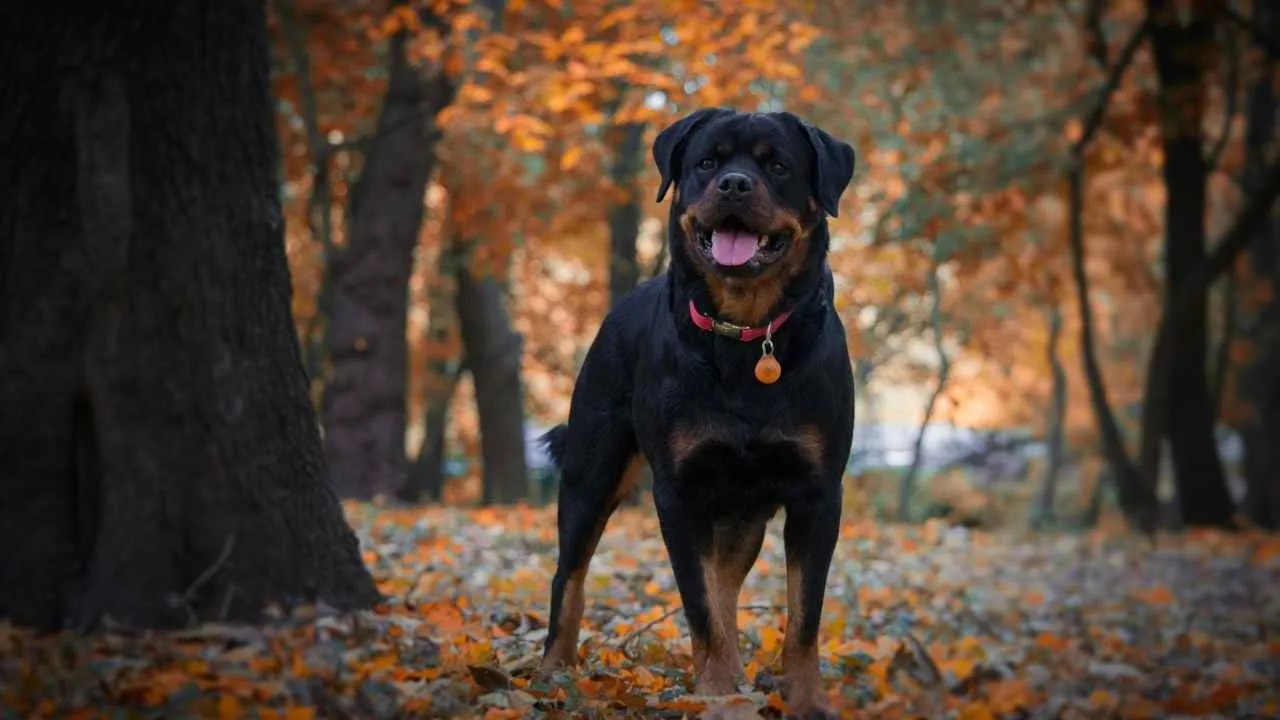
Rottweilers are strong, brave, intelligent, and loyal working dogs. They were originally developed to control livestock, pull carts, and protect their owners from robbers.
These traits remain part of the breed today. Rottweilers are often serious and observant dogs that may stay reserved around unfamiliar people. They are also naturally protective of their families and property.
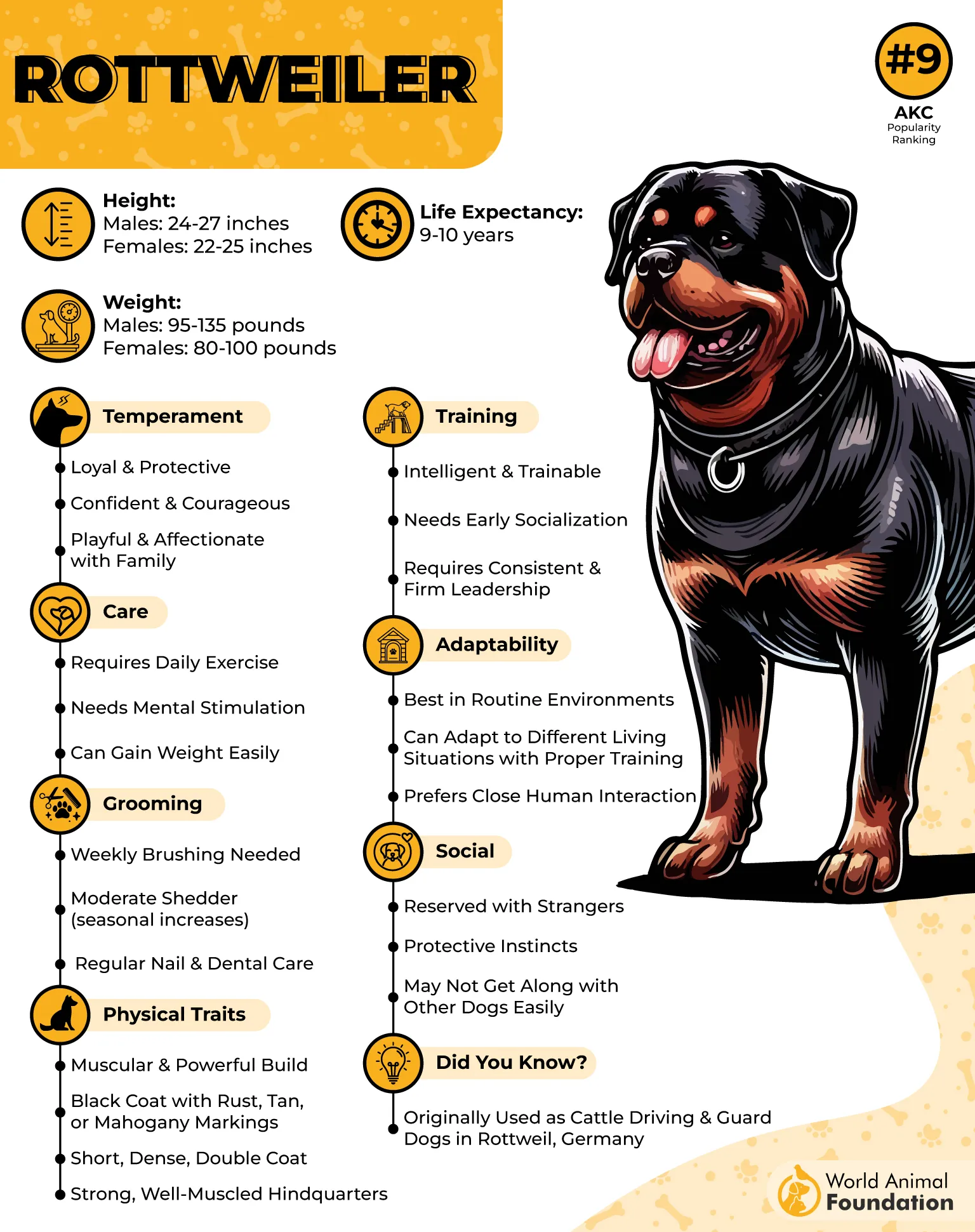
Protective Nature
Rottweilers are dependable guardian dogs with a strong sense of loyalty. They may become territorial or protective of their families, especially in unfamiliar situations. They are not known for excessive barking and often observe their surroundings before reacting.
Because temperaments can vary, early socialization and training are especially important. Rottweilers are strong-willed and are generally not suited to first-time owners, as Purina notes.
Training and Exercise
Rottweilers learn quickly but can be stubborn when they do not want to follow a task. They need consistent training and mental stimulation from an early age.
They also require at least 60 minutes of exercise each day, which can include walks, hikes, dog sports, or backyard play. Without enough activity, they can become bored and develop unwanted behaviors.
7. Kuvasz
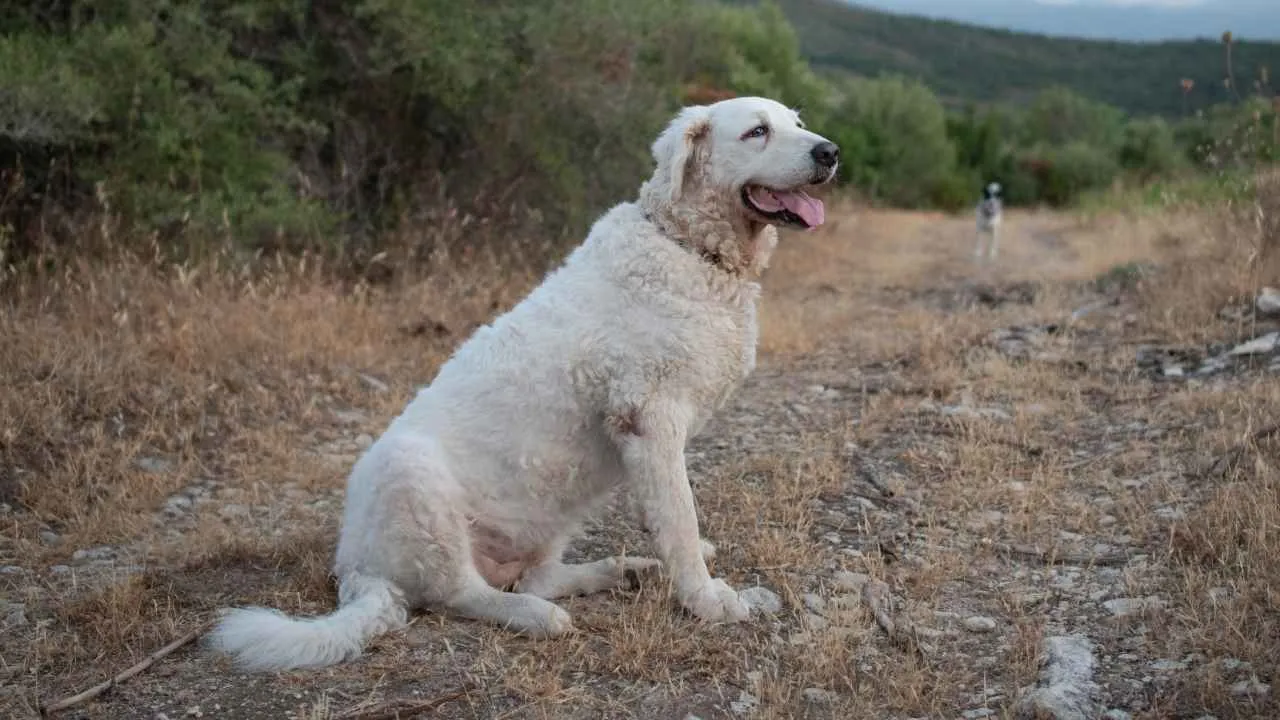
Kuvaszok are large, intelligent, and protective Hungarian dogs with a long history as livestock guardians. The Magyar people brought their ancestors to Hungary, where they watched livestock and served as hunting partners and personal guardians.
Today, they retain their watchful nature while also being gentle and loyal with their families.
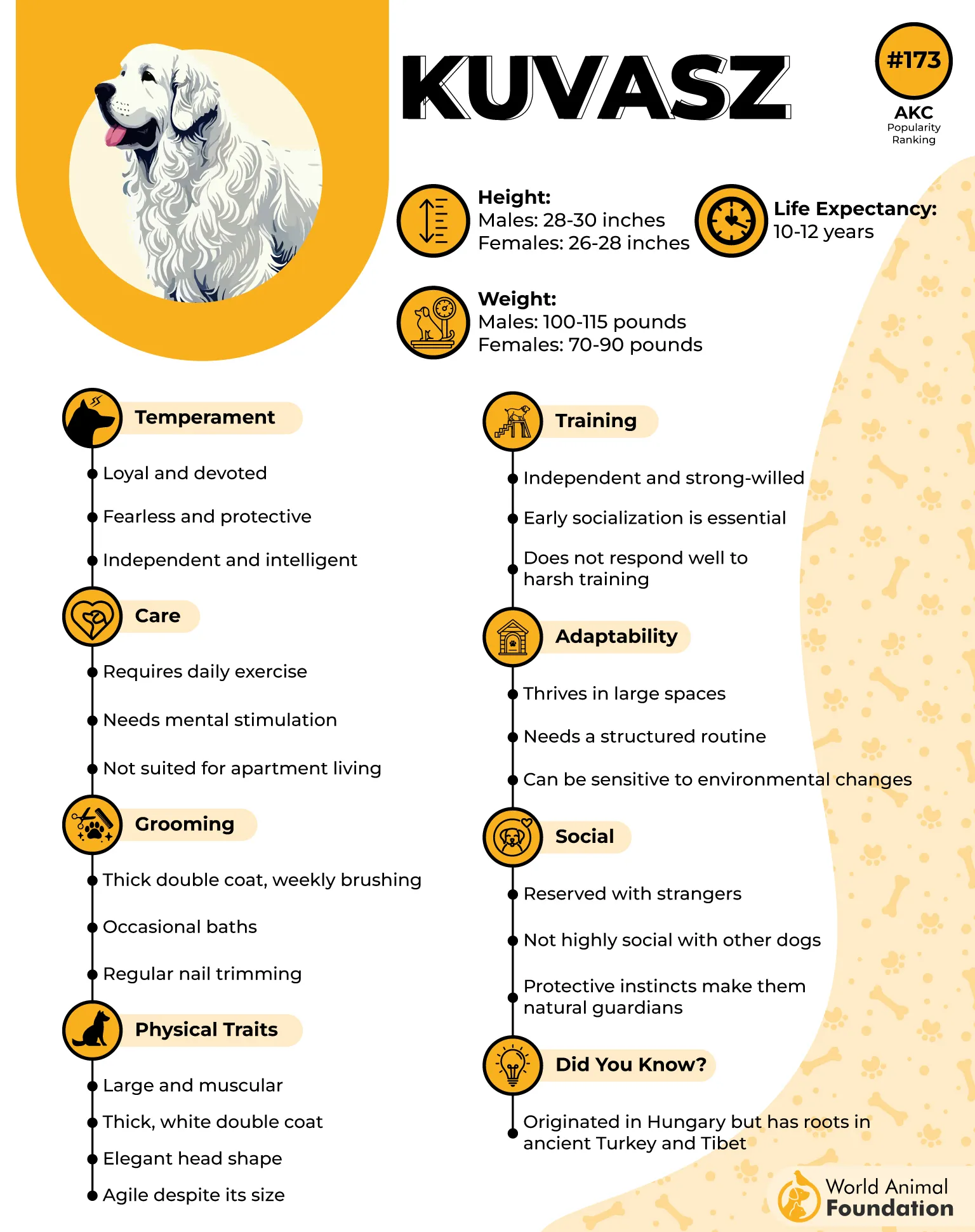
Protective Nature
Kuvaszok are naturally protective of their homes and suspicious of strangers. As independent guardians, they can make decisions without waiting for their owners.
They may bark when they sense something is wrong and can act quickly when they believe there is a threat. Their strong guarding instincts mean they need careful management, early socialization, and an experienced dog owner.
Training and Exercise
Kuvaszok are extremely smart but can be challenging to train because they are independent and do not always enjoy training for its own sake.
They need regular physical activity and mental stimulation, along with a job or structured exercise. They also have a strong tendency to roam and may try to escape fenced areas.
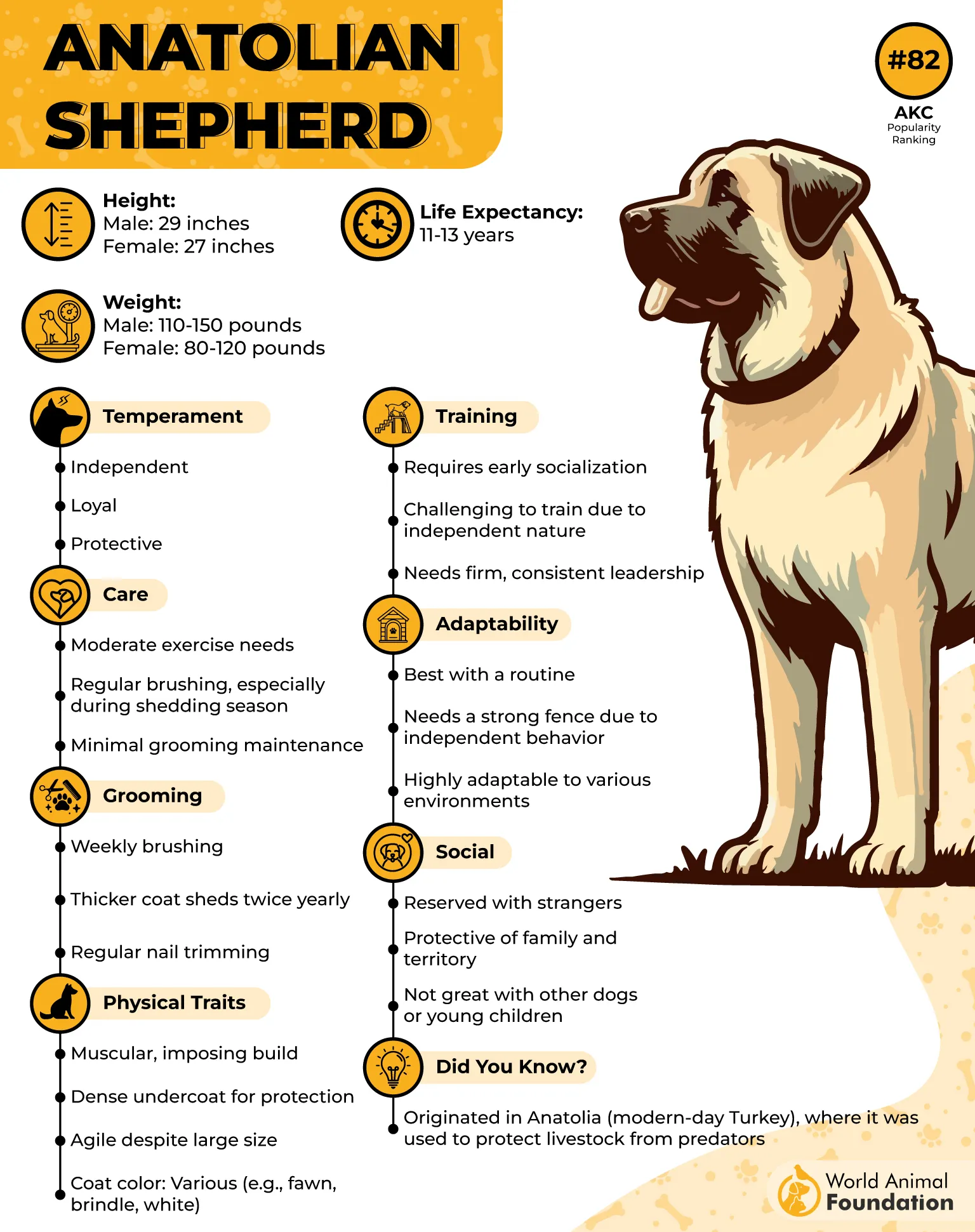
8. Anatolian Shepherd Dog
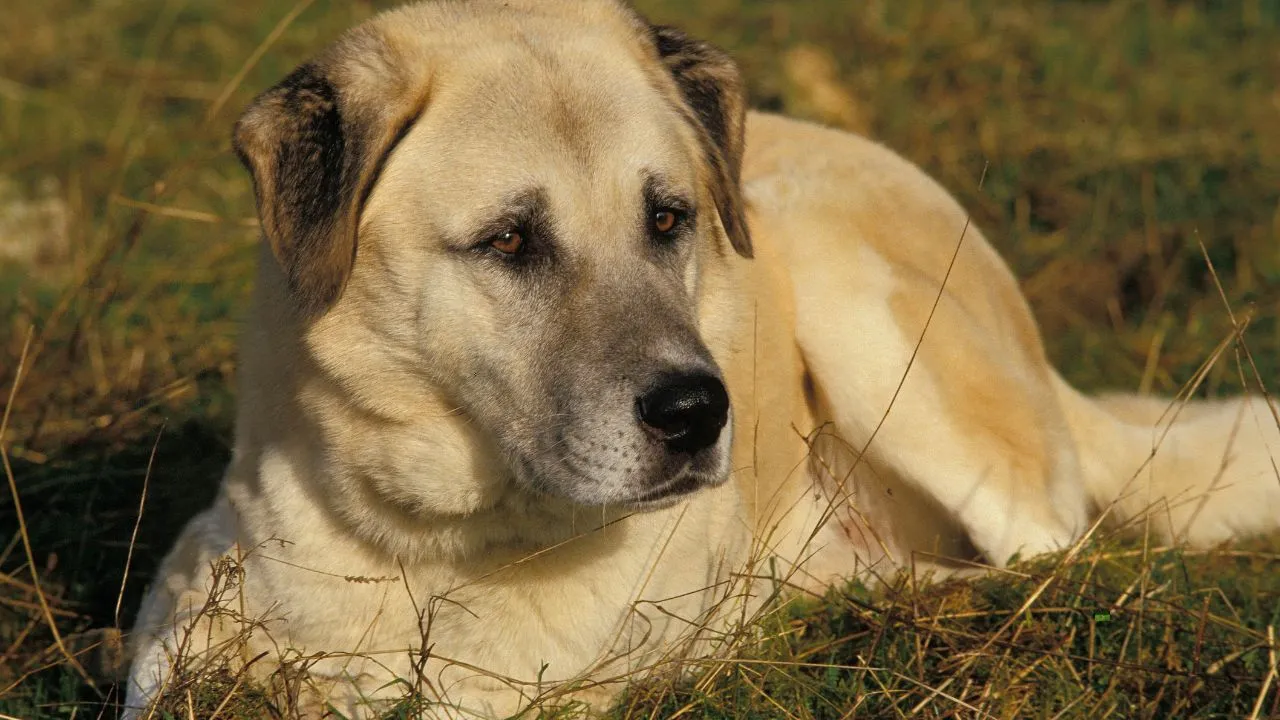
Anatolian Shepherds are loyal, intelligent, calm, and reserved dogs with a long history as livestock guardians. Their ancestors are among the oldest domestic canine bloodlines, dating back thousands of years.
Originally bred in Turkey, they were trusted to protect livestock independently. Today, they remain devoted to their families while keeping their strong working instincts.
Protective Nature
Anatolian Shepherds are naturally suspicious of strangers and quick to react to perceived threats. They are territorial and may bark to raise the alarm when someone unfamiliar approaches.
Their independent nature means they are used to making decisions without waiting for direction, which can make them challenging to manage at home.
Training and Exercise
Anatolian Shepherds need an experienced owner who understands their independent personality and can provide firm, consistent training.
They are intelligent and willing to please but may push boundaries or decide to do things their own way. They also have a tendency to roam, so recall needs constant reinforcement and secure areas are important when they are outdoors.
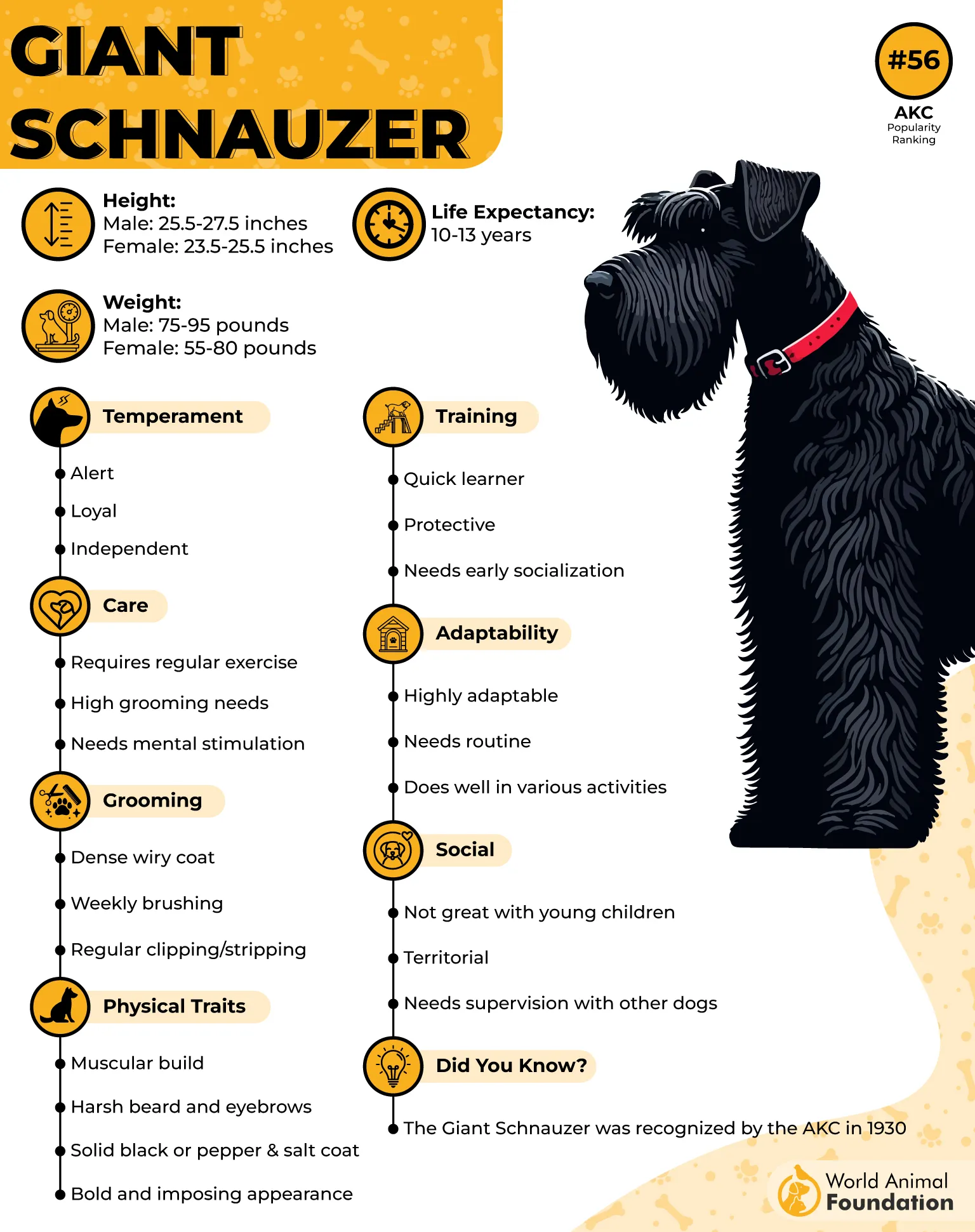
9. Giant Schnauzer
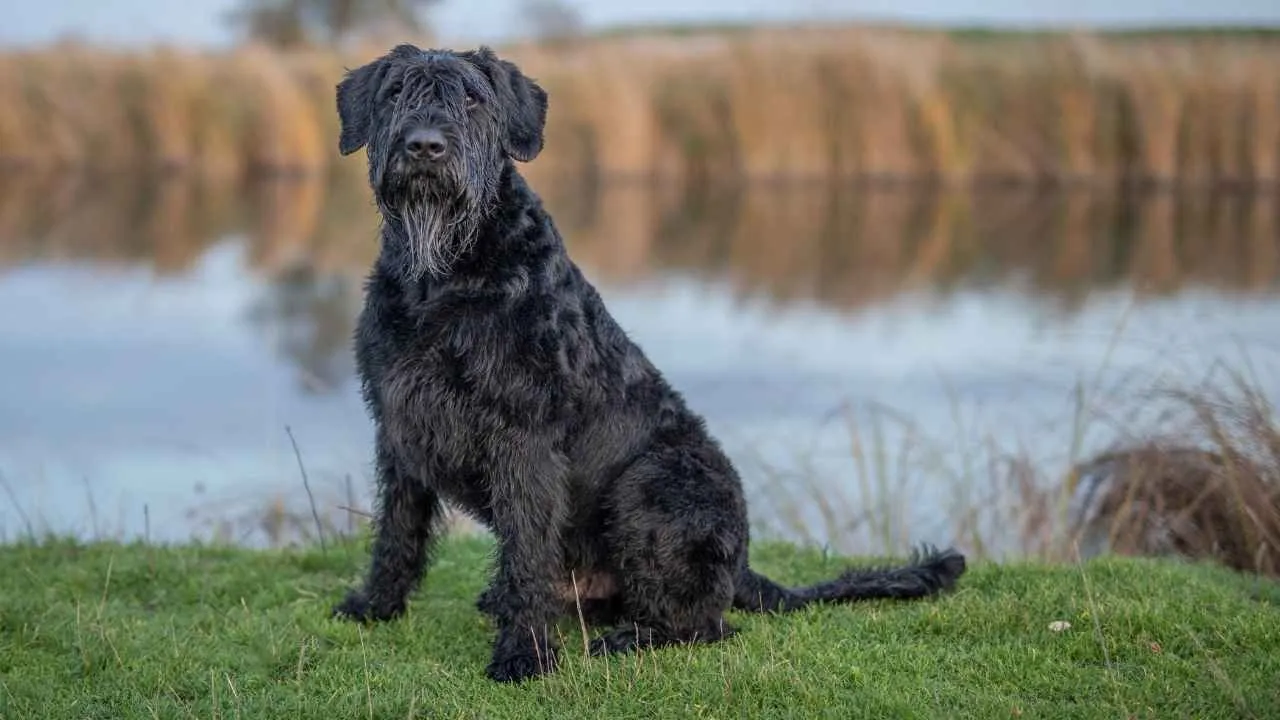
Giant Schnauzers are the largest of the three Schnauzer breeds and were developed in Germany as farm and home guardians. They are brave, loyal, intelligent, and highly energetic dogs that love having a job to do.
Their working background has also led them into police and military roles. Around their families, they are calm, gentle, and affectionate.
Protective Nature
Giant Schnauzers are natural guard dogs that are protective of their homes and families. They can be cautious or suspicious around unfamiliar people and are generally quiet, barking when they have a reason to.
Early socialization is important to help them become comfortable with new people, animals, and experiences. When raised with other dogs and cats, they can usually live peacefully with them, although their history of catching vermin means they should not be trusted around rodents.
Training and Exercise
Giant Schnauzers are intelligent, eager to please, and quick to learn, but they also have an independent and stubborn side. They need consistent, firm handling and short daily training sessions to keep their skills fresh.
Puppy and adult training classes can also help reinforce good habits. Along with training, they need plenty of daily exercise, mental stimulation, and playtime to stay happy and settled.
Conclusion
When it comes to nighttime protection, these breeds bring different strengths to the job. From the loyal German Shepherd and alert Doberman to the independent Anatolian Shepherd and powerful Giant Schnauzer, they share strong protective instincts and a history of working closely with people.
Choosing a personal protection dog also means understanding the responsibility that comes with their size, energy, and guarding nature.
Early socialization, consistent training, and proper care can help these dogs become steady companions. The right guardian is not simply the one that looks intimidating, but the one whose nature fits your home and lifestyle.
