





Apartment life does not mean giving up on having a dog. It simply means choosing a dog whose habits fit your walls, neighbours, and daily routine. A nonstop barker can turn a peaceful home into a tiny concert hall, but the right breed can make things much easier.
Low-noise dogs are not necessarily silent. Every dog may bark when excited, alert, scared, or simply feeling chatty.
The key is finding breeds that tend to be quieter and can settle well indoors. From the affectionate French Bulldog to the graceful Whippet, these nine breeds offer different personalities and energy levels for apartment dwellers.
Some love lounging, while others still need regular walks and playtime. The best match depends on more than size; it depends on lifestyle, training, and temperament.
Top Low-Noise Dog Breeds Best for Apartment Dwellers
1. French Bulldog
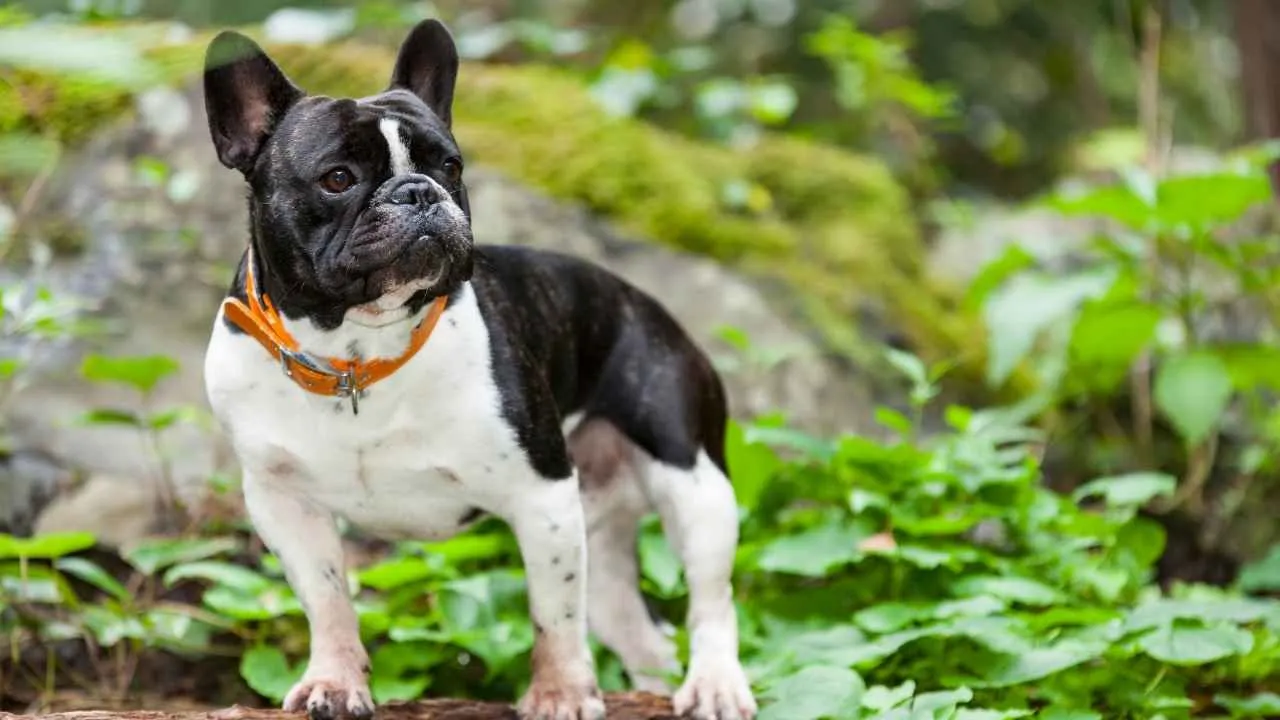
It is believed that the breed was developed from the Toy Bulldog brought to France by the lace workers during the Industrial Revolution. These tiny dogs were crossed with the Pug and the Terrier to develop the breed we know today, according to Dogs Australia.
Since it has lower stamina and naturally reduced lung capacity, the small dog breed can not tolerate high-intensity exercise. Unlike humans, a dog’s thermoregulation depends on panting, and as the Frenchie has a short muzzle, it is susceptible to overheating and heatstroke.
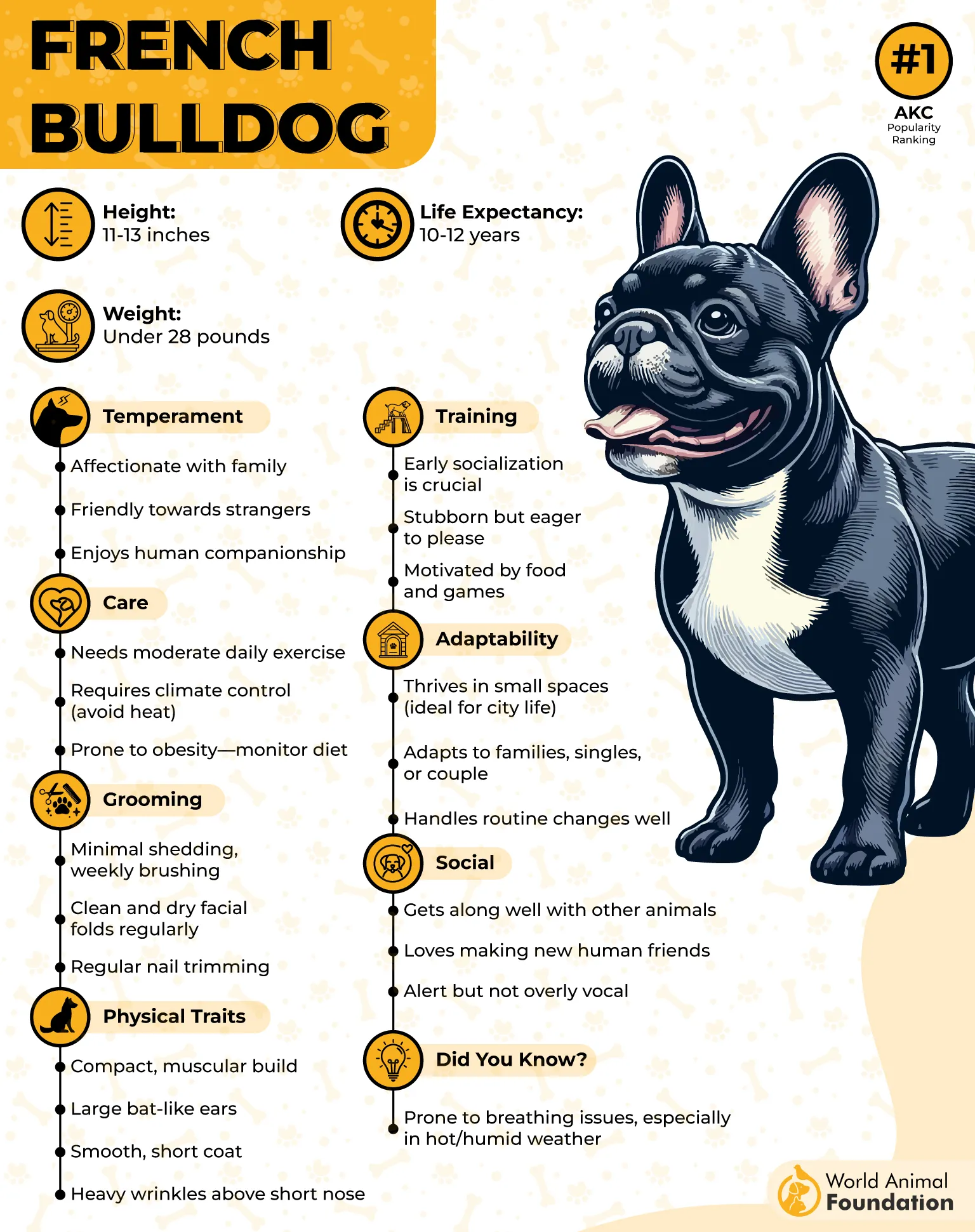
The breed has a calm temperament and barks only to alert the owner. Built for companionship, the dog lacks high prey drive. Only 20-30 minutes of daily walks and indoor play sessions are enough.
2. Bolognese
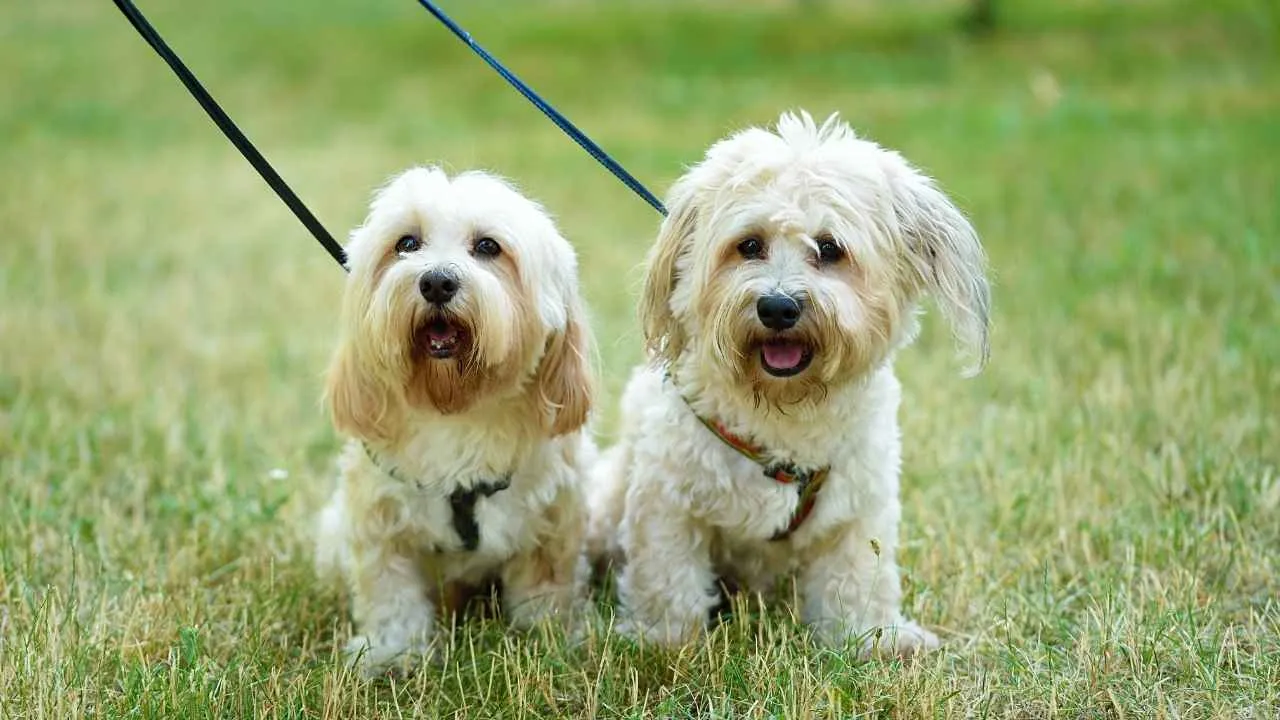
Closely related to the Bichon Frise, the breed was originally bred in Italy by crossing the small white dog and the large water dog. The primary purpose was to serve as a lap dog for wealthy women.
The small breed has a single-layered coat that does not shed. Hence, it preserves the indoor quality of apartments where airflow is concentrated. It mirrors the owner’s emotions and is highly affected by loud noises and environmental stress. High intelligence allows it to learn basic and complex house rules quickly.
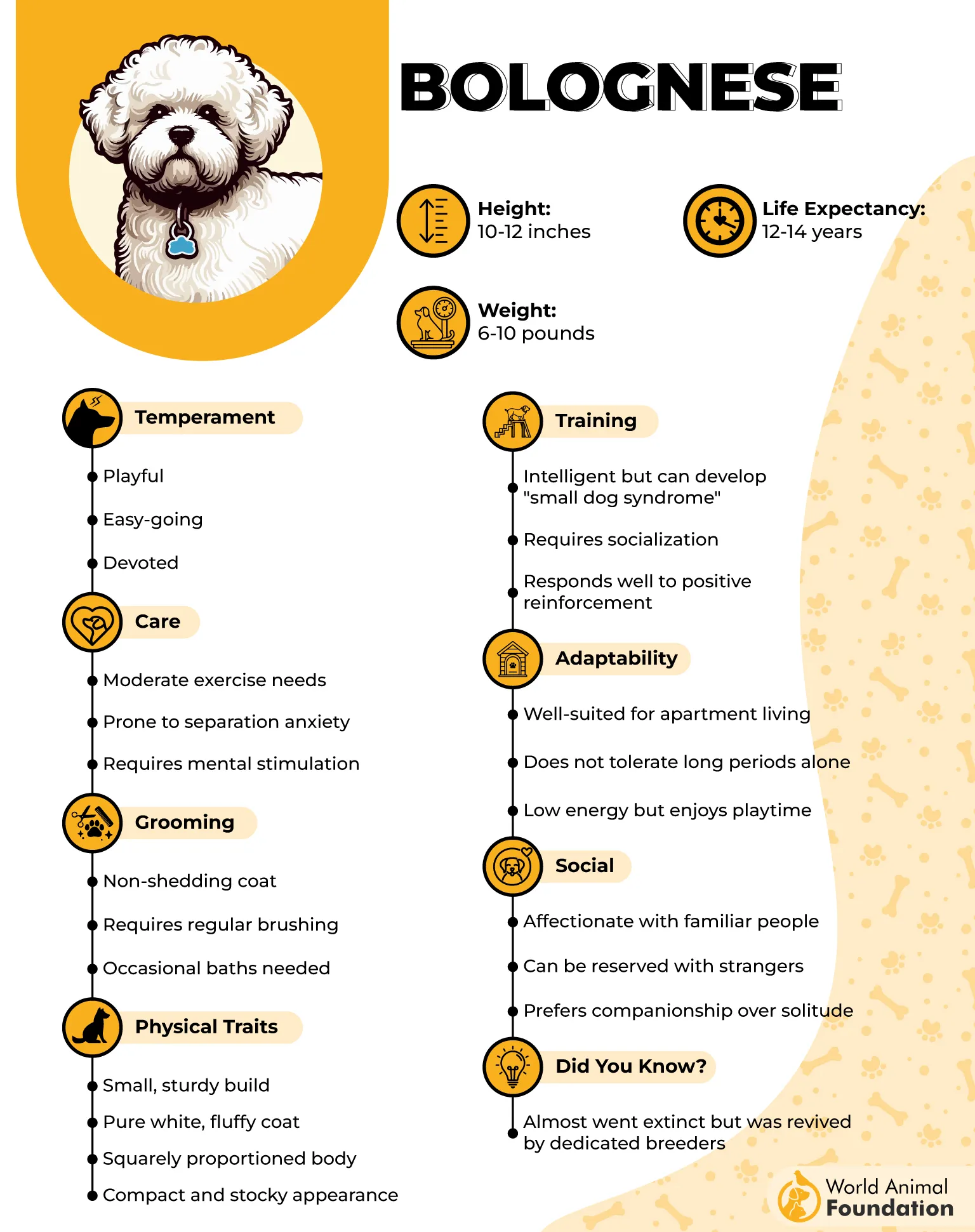
30 minutes of daily exercise and mental stimulation are suggested. It forms strong bonds with the family and may develop separation anxiety when left alone for too long. Because of its reserved nature, it makes an excellent watchdog.
3. Coton De Tulear

The breed is believed to have developed in Madagascar from small white dogs. The ancestors of the breed used to be carried on voyages, hunt rats, and accompany the sailors.
The cotton-like coat produces less sebum, and thus, there is minimal or zero dog odor, making it ideal for apartment living. It is capable of matching the family’s energy levels and may rest at your feet to track quiet indoor surroundings. It is known for making endearing noises like chattering, grunts, and whimpers to communicate with the owner.
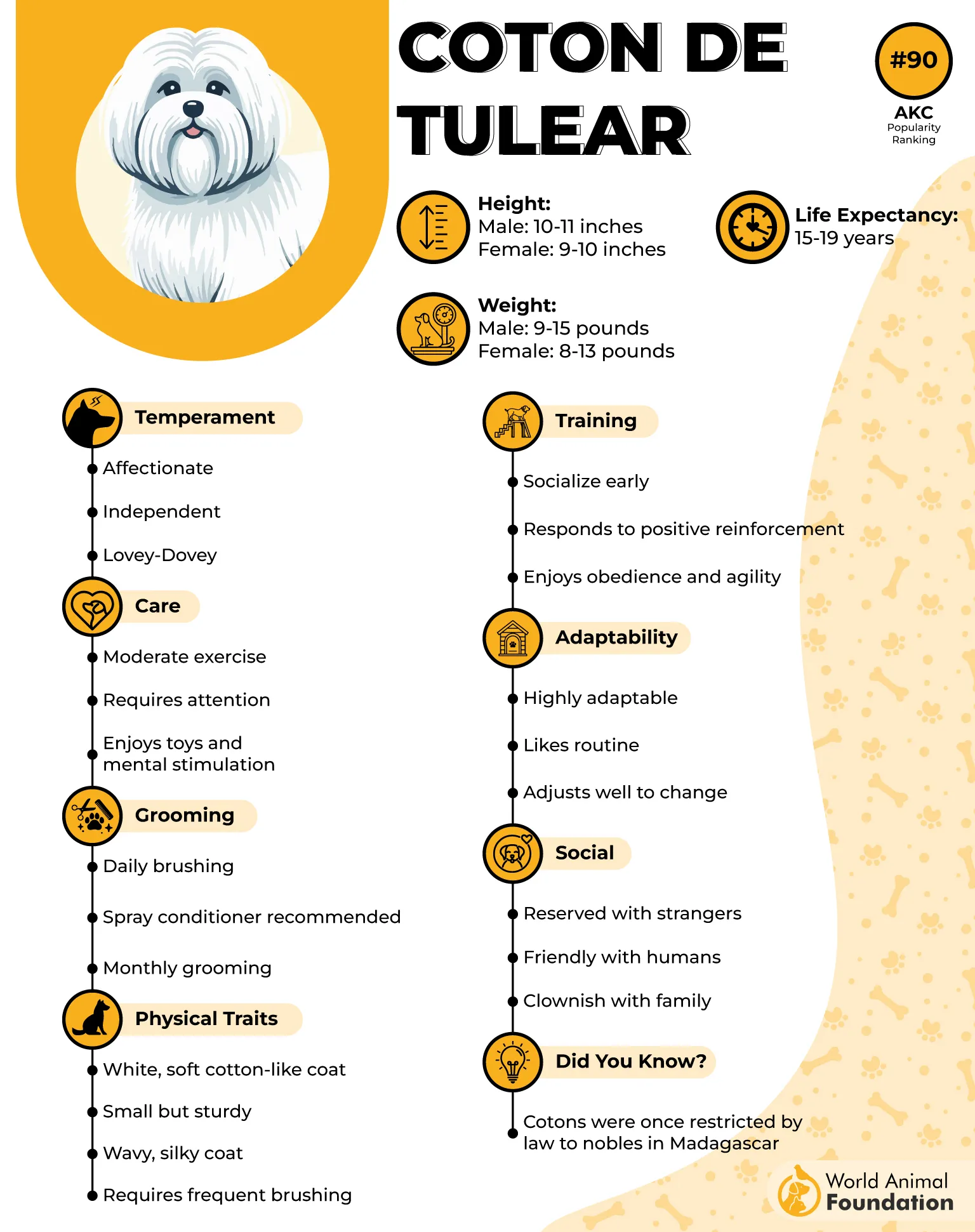
It exhibits a unique ‘on/off’ switch behavior, where it can be clownish in play and relaxed and calm indoors. The breed has moderate exercise needs: soft fetching, short walks, and chasing a ball.
4. Japanese Chin

Also known as the Japanese Spaniel, the ‘barkless dog’ originated in China and was gifted to the Japanese royalty in 732 AD. It has been used as a lap dog by the wealthy ladies since 1868, as reported by Wikipedia.
The breed lacks repetitive, high-frequency barks and only emits a minor ‘alert’ bark if it sees a stranger at the door. Being brachycephalic in nature, it may run short of breath during intense exercise. It is an avid climber and loves to perch on high vantage points. It is a self-groomer and cleans its coat and face with its paws.
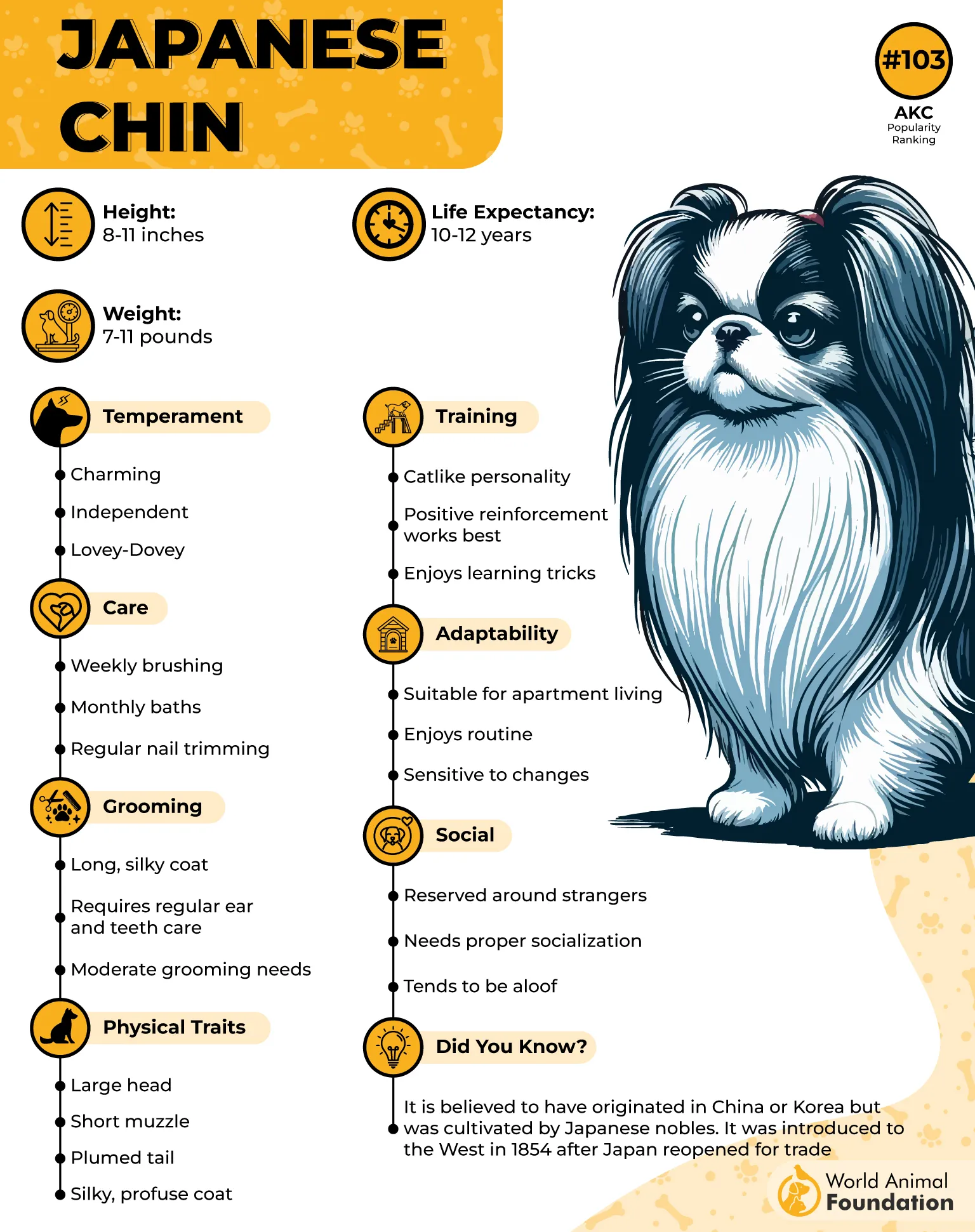
The breed is known for producing low-volume voices, such as ‘woo-woo’, and shows a ‘Chin spin’ dance when excited. The dog tends to burn off excess energy with short bursts, followed by long hours of lounging.
5. Whippet
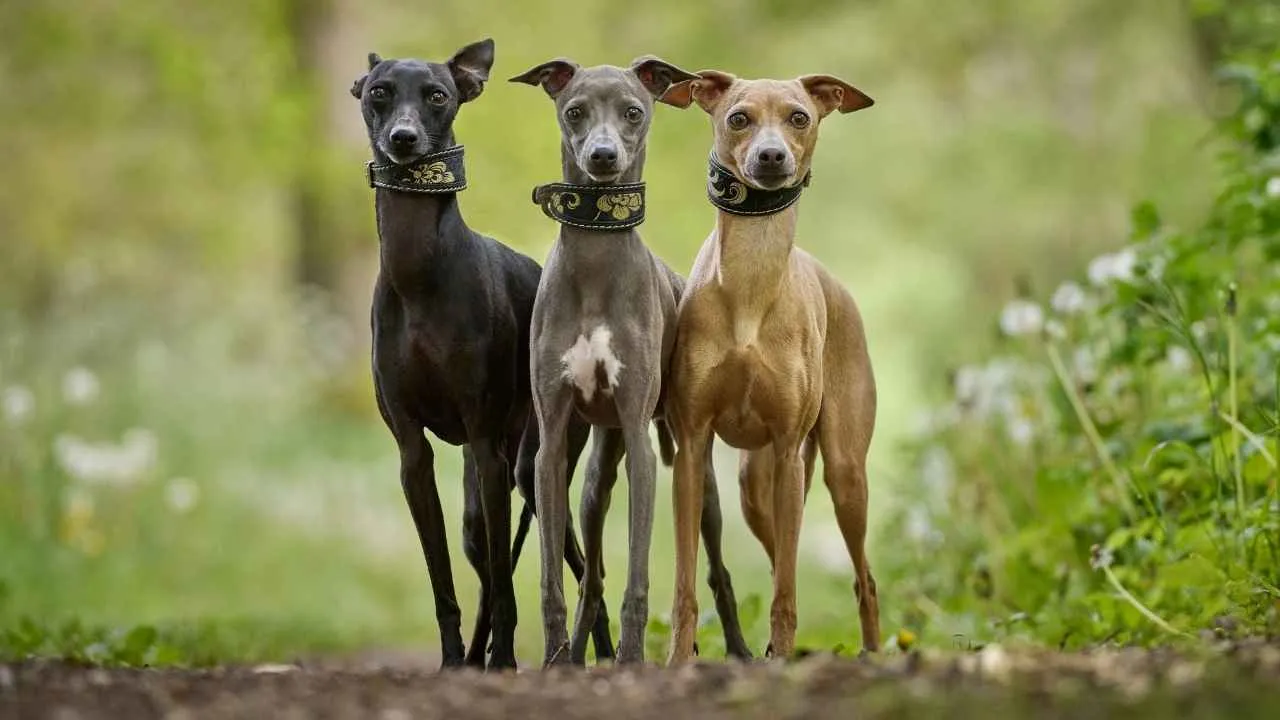
Descended from the small English Greyhound, the Whippet was bred as a hunting dog breed since the forefather was not able to hunt stag or other big game. Later bred with other terriers, the dog sharpened its hunting skills.
Bred for short bursts of speed, the dog is prone to rapid anaerobic exertion rather than endurance. Because of the short coat and low body fat, it is sensitive to cold temperatures. It has a baseline indoor temperament and is deeply attached to the owners. Like any other sighthound, the breed is triggered by visual motion rather than auditory signals.
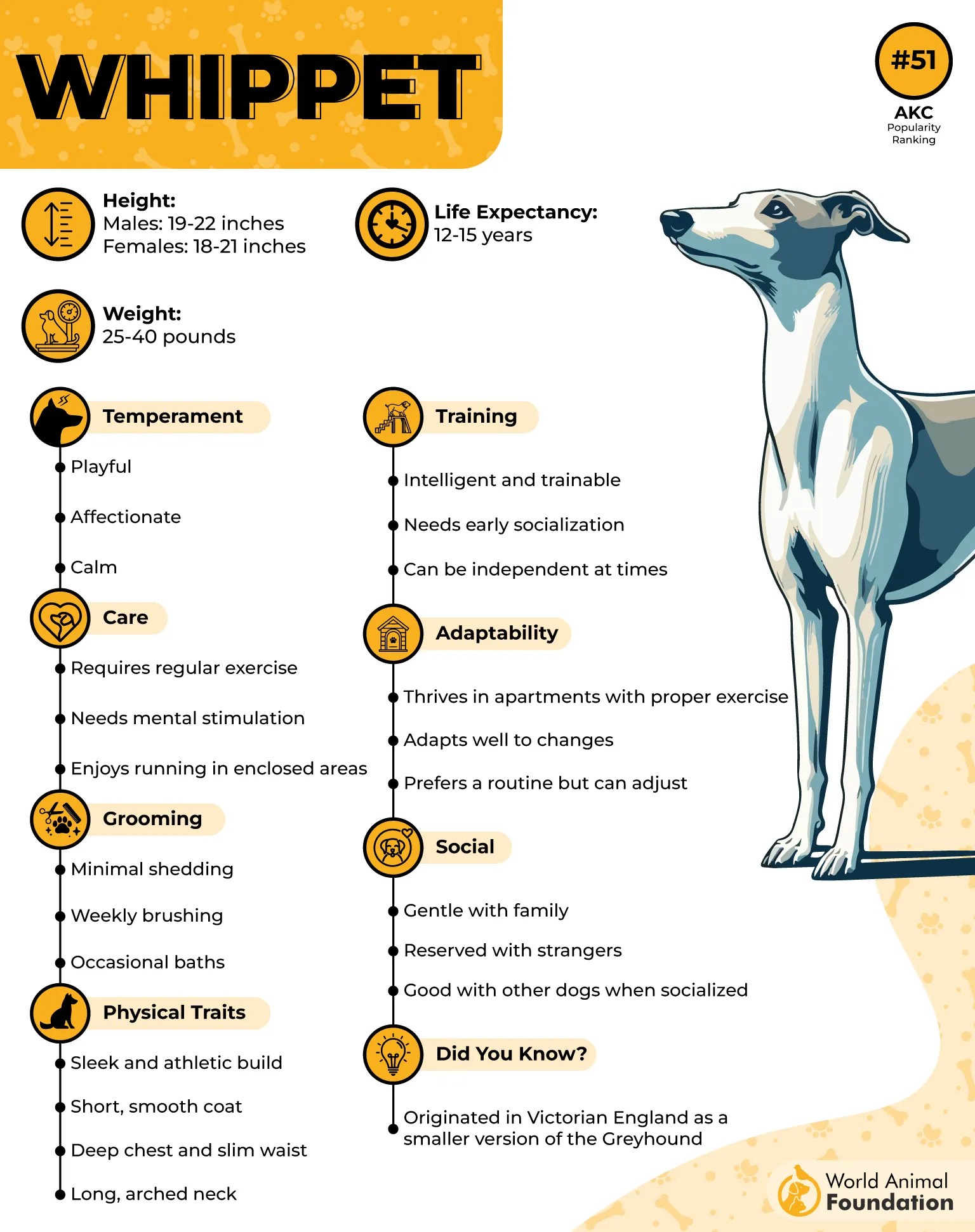
The breed remains inactive indoors and sleeps for hours during the day. Because of its friendly nature, it makes a poor watchdog. It has an innate reputation of being respectful around household furniture and tight spaces.
6. Pug

The history of one of the oldest dog breeds begins in 400 BC. Closely related to the Pekingese, the breed is believed to have descended from the Mastiff and the Bulldog. It was spread around Europe in the 16th century.
The low-energy breed lacks the territorial drive to bark at minor auditory stimuli. It is more likely to generate a grunt, ‘huff’, or soft snorting noises because of its brachycephalic nature. The square build makes it physically the right dog for small spaces. It thrives best in climate-controlled apartments to avoid fatal heatstroke.
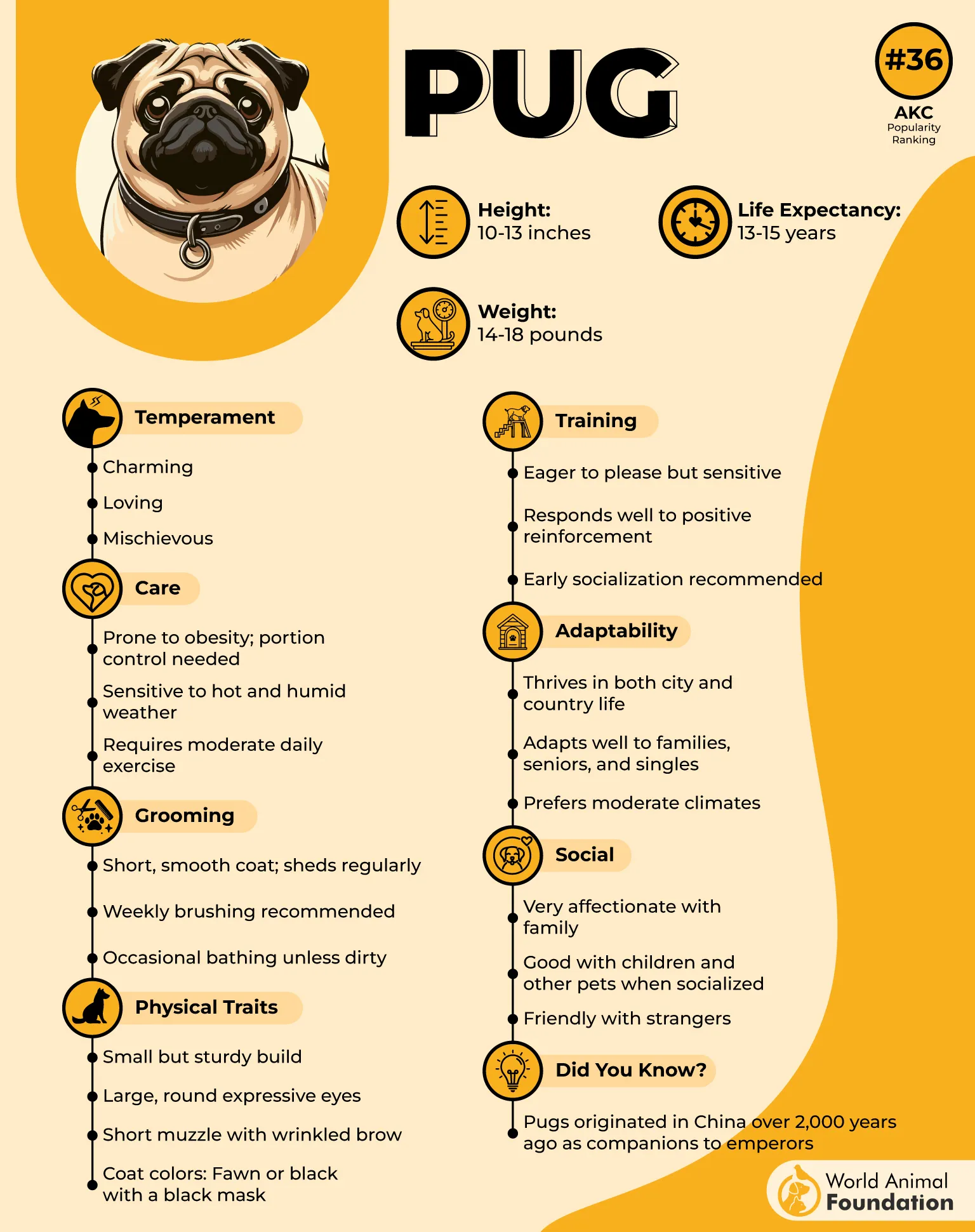
The dog bonds closely with the owner and tends to follow them from room to room. It often pats you to gain your attention and spends 10+ hours sleeping on the couch.
7. Pekingese

Originating in China, the breed was developed by the monks and is also called a ‘Lion Dog.’ The breed gained popularity in England in the mid-19th century. However, the history dates back to 2,000 years where the dog was used to hide under the sleeves of the Emperors, says Omlet.
The Pekingese has a heavy front build with short and bowed legs. This unique structure enables a rolling gait rather than running or hiking. It lacks the urge to dig, patrol, and follow objects, making it a low-energy, independent breed. It naturally retreats to quiet corners to protect itself in a chaotic environment.
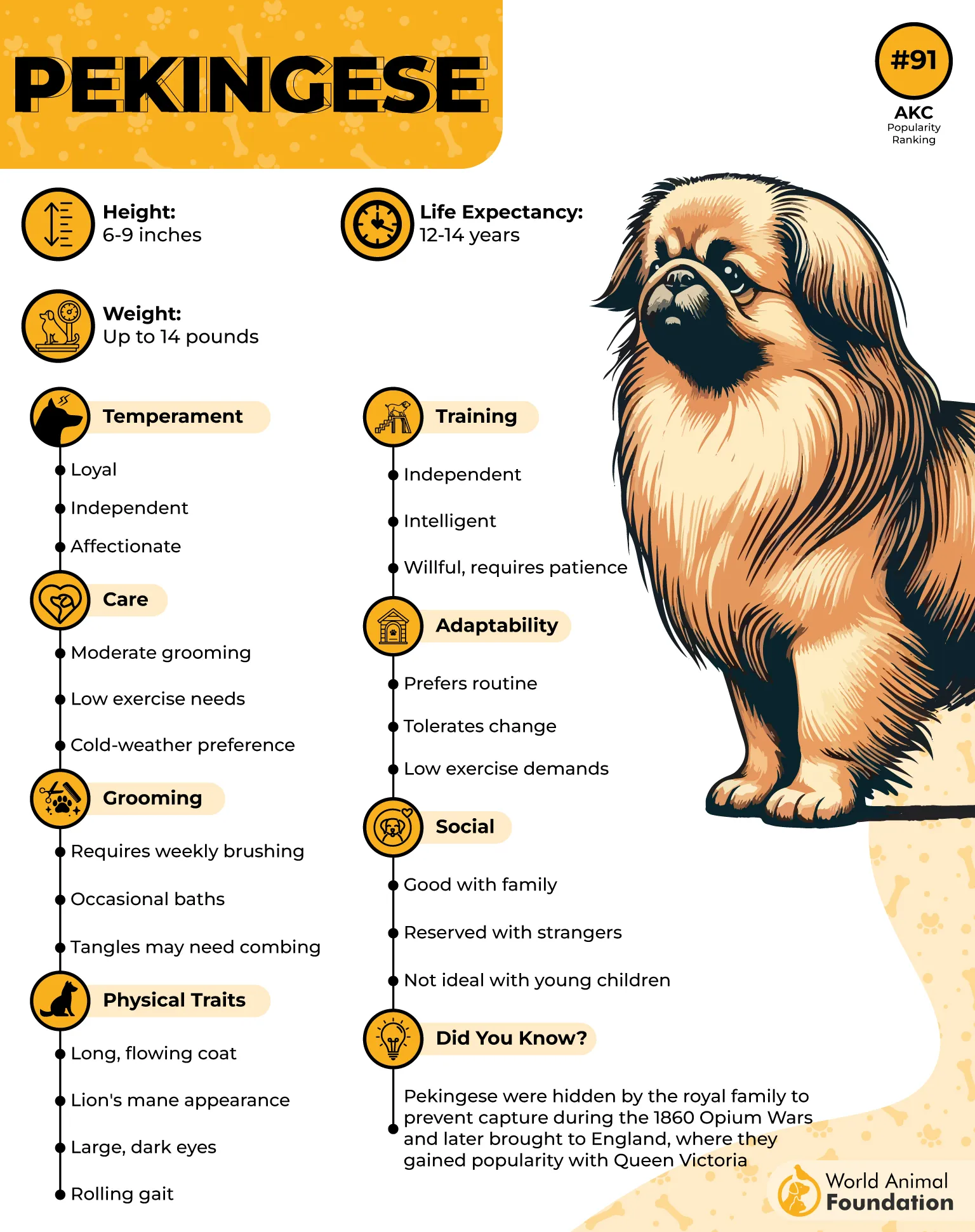
Since the breed does not require constant attention, it is highly suitable for busy pet owners. Having low energy levels, the breed prefers brisk walks, indoor play, and napping on the couch.
8. Glen of Imaal Terrier
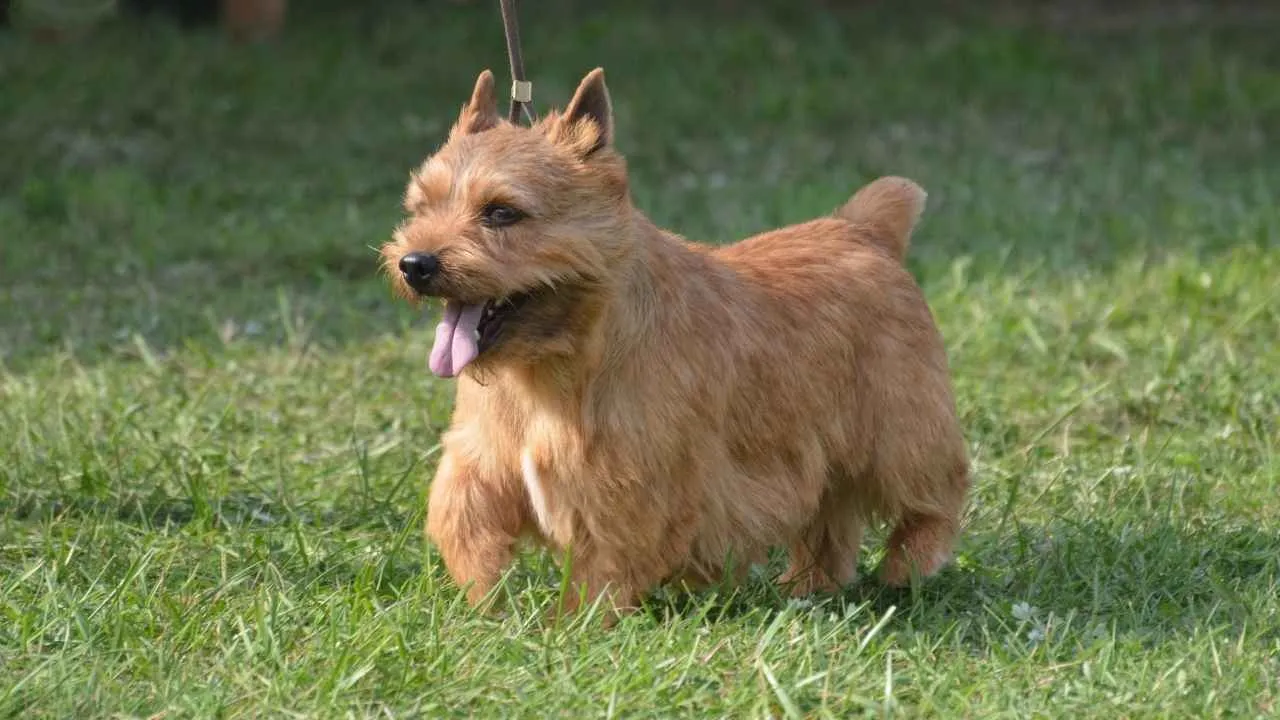
The Glen of Imaal Terrier is thought to have originated in the mountainous region of County Wicklow in Ireland. It was developed by the farmers to hunt vermin, badgers, and foxes. Also known as the ‘turnspit dog,’ the dog was used to walk on the hamster wheel-like contraption that turned meat.
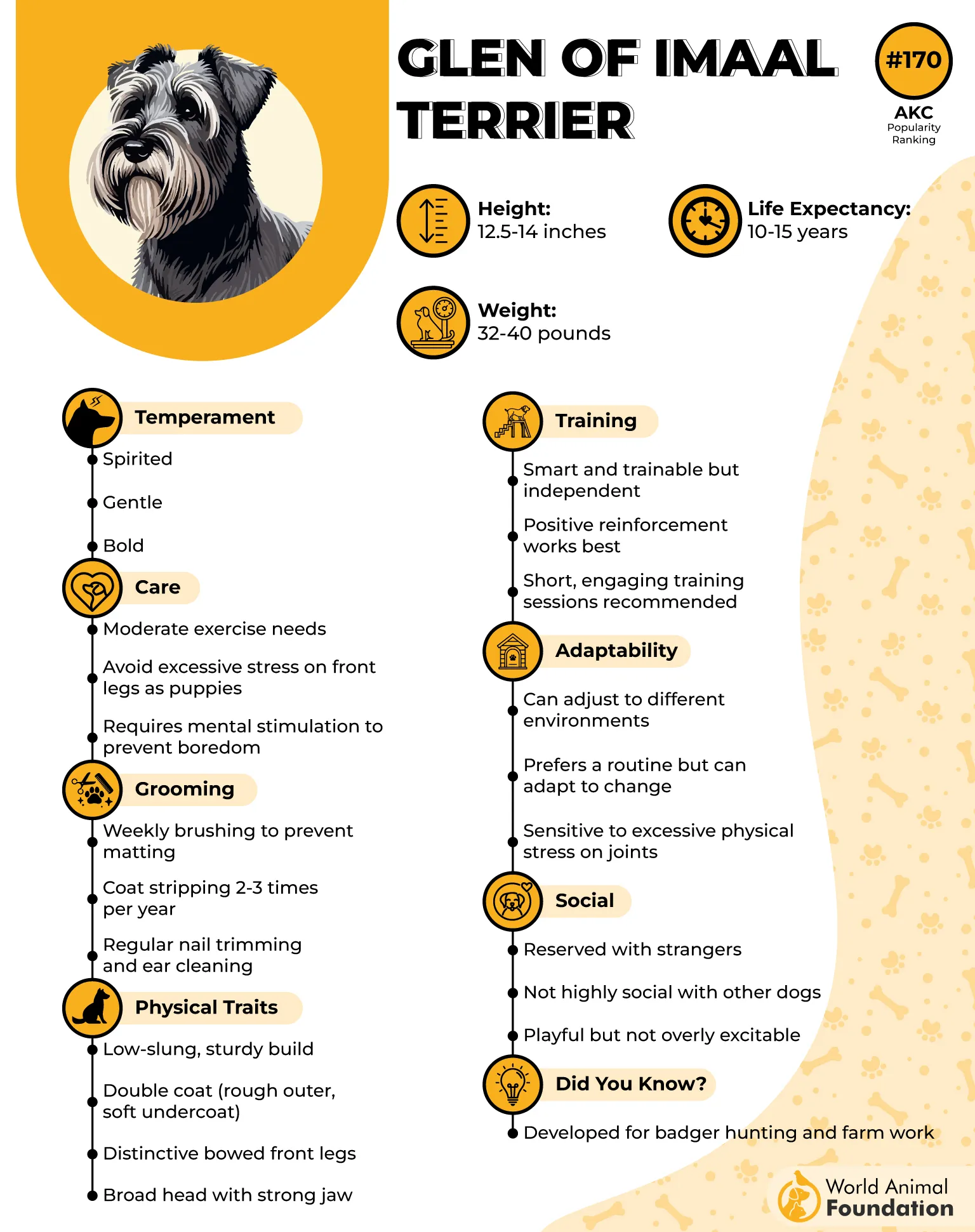
The small-sized breed lacks the hyperactive “motor” and prefers lounging on the sofa. It has short legs and a low-slung body that tires it after a small activity. Despite having a hunting history, it has a quiet demeanor. Since it has an independent nature, it tends to create its own entertainment indoors.

It has a harsh and wiry double coat that produces less dander, making it a low-maintenance breed: weekly brushing, occasional hand stripping, and monthly baths.
9. Boston Terrier
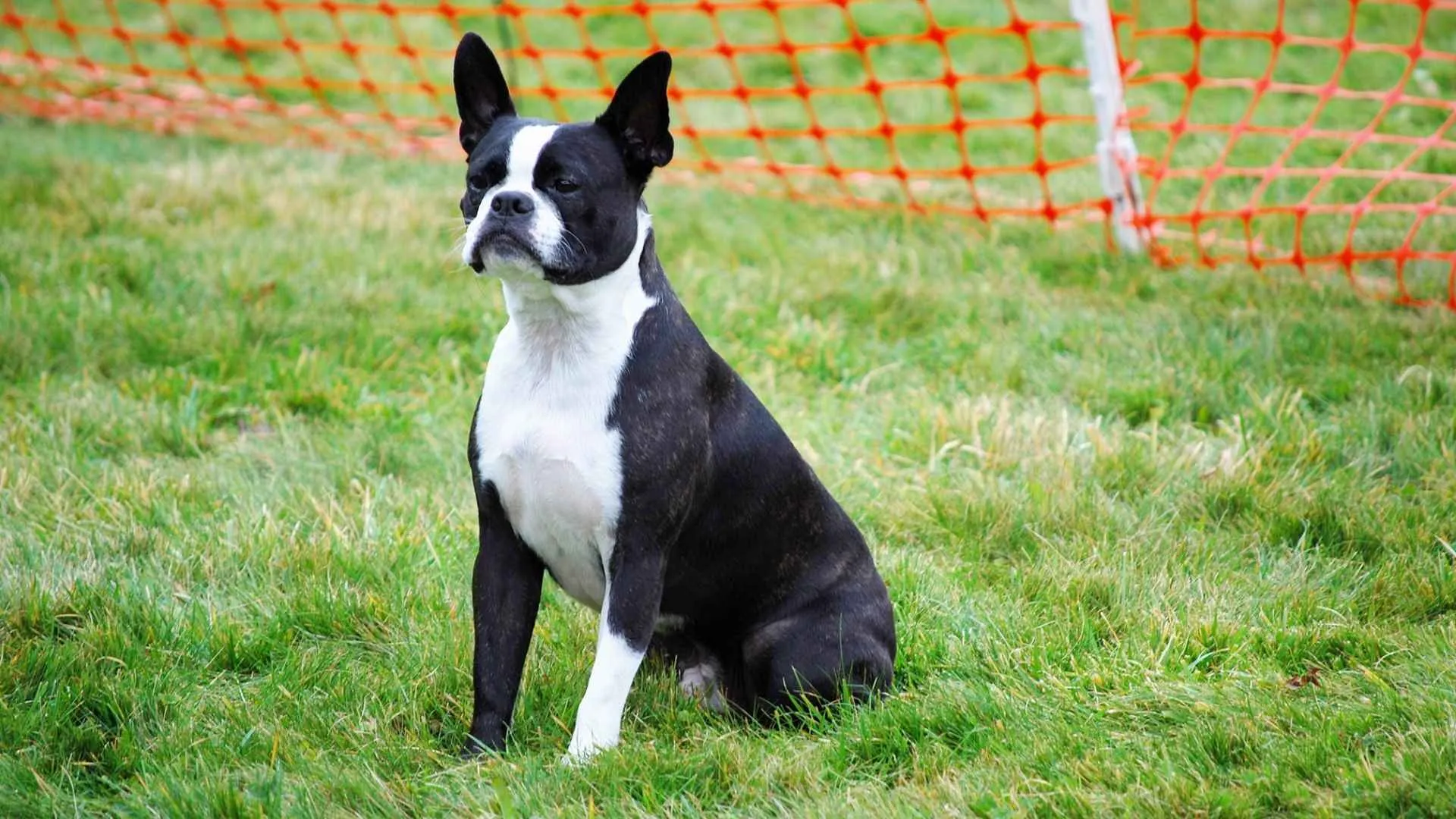
The breed was developed in the United States in the mid-19th century by Mr RC Hooper. It was bred by crossing the English White Terrier and the English Bulldog. Later, the dog was named ‘American Bull Terrier.’
Because of its eager-to-please nature, it learns complex house commands quickly. It has high emotional intelligence and mirrors the energy levels of the environment. It can not tolerate hot climates because of its brachycephalic nature. The breed has short bursts of energy: zooms around in the house and moves in tight circles before coming back to its resting phase.
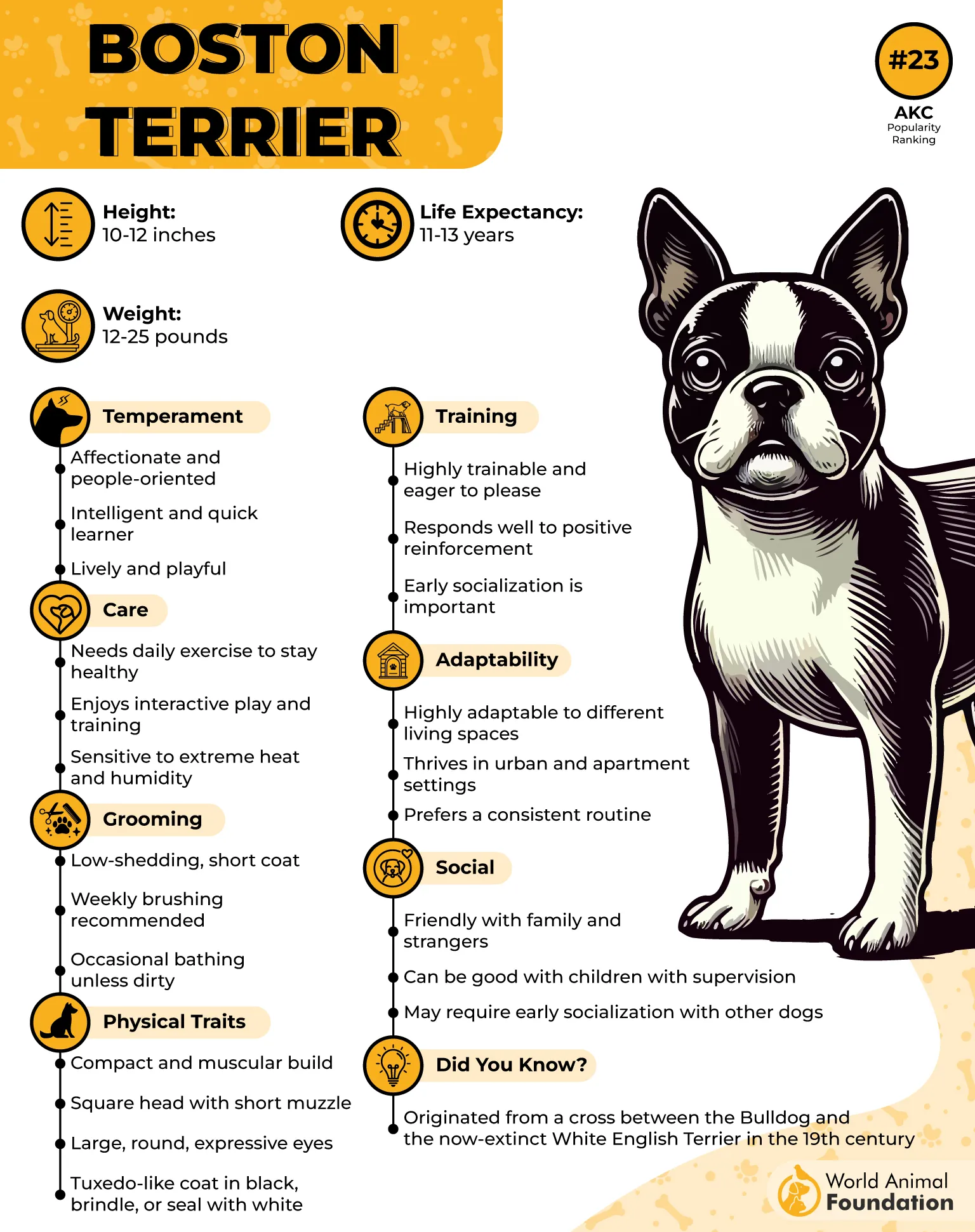
The physical and mental stimulation can be fulfilled with short walks and indoor play sessions. Being people-oriented, it has a gentle disposition towards children and senior citizens.
Conclusion
Choosing a low-noise dog for an apartment is less about finding a dog that never makes a sound and more about finding one whose natural habits suit your home.
French Bulldogs and Pugs can be content with a relaxed routine, while Whippets bring a quieter personality with a need for regular exercise. Smaller companion breeds such as the Bolognese, Coton de Tulear, Japanese Chin, and Pekingese can also fit well when their social and grooming needs are handled properly.
Even the Glen of Imaal Terrier and Boston Terrier can work for the right household. Remember, individual personality matters. Early training, enough mental stimulation, daily activity, and respectful, neighbor-friendly habits can make apartment life smoother for both you and your four-legged roommate.
