




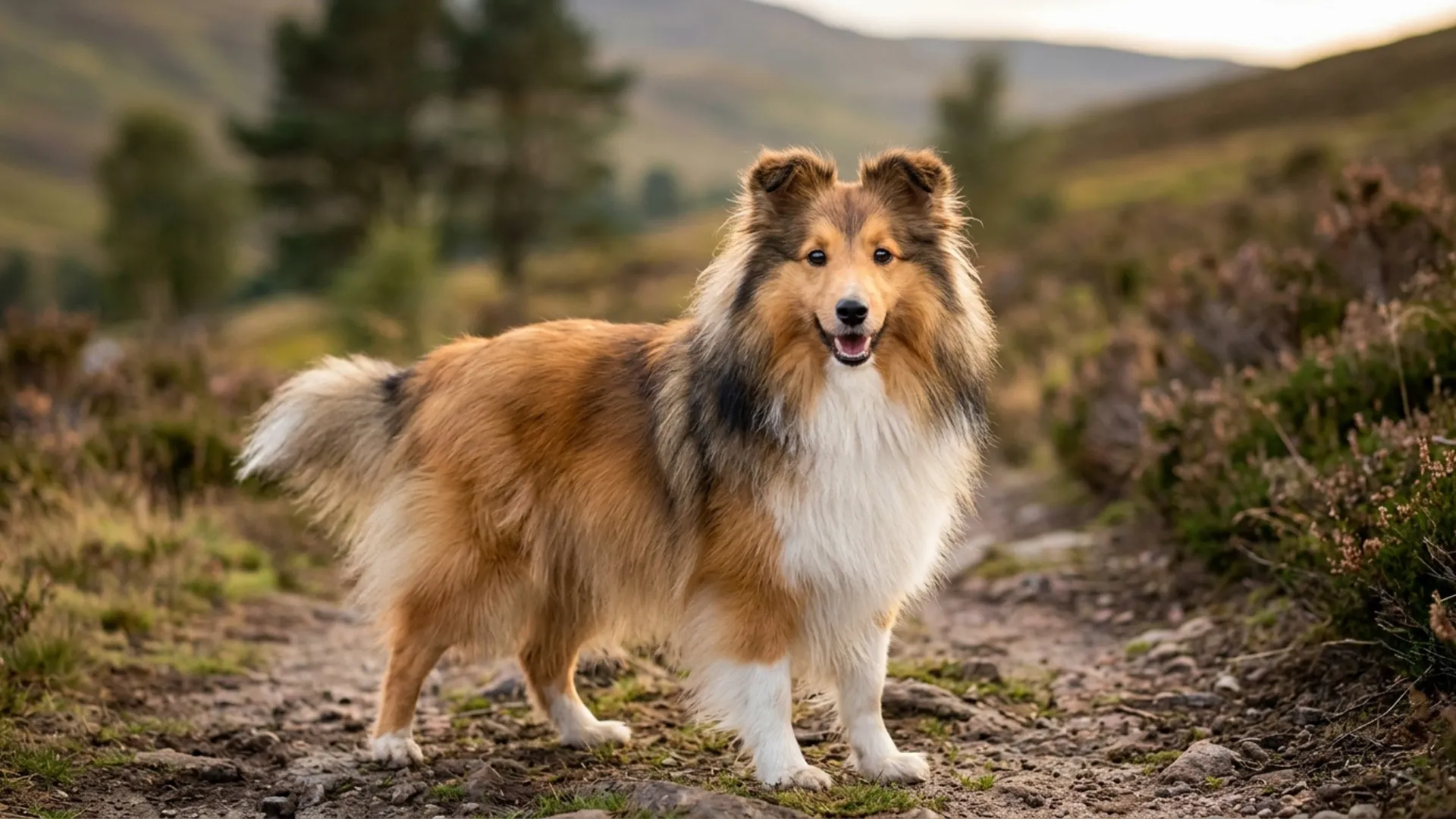
A dog’s coat can be one of its most distinctive features, and sable coloring is particularly interesting because it can create a mixture of light and dark shades rather than a single uniform color. Individual hairs may have darker tips over a lighter base, creating a coat that can appear to change tone depending on lighting, age, and grooming.
Sable isn’t limited to one breed or one specific look. It can range from warm golden and reddish shades to deeper brown or charcoal tones, and the pattern may look different across breeds. Genetics, coat length, furnishings, and individual variation all influence the final appearance.
The following breeds are known to have sable varieties or sable-associated coloring. Their histories and personalities differ considerably, showing how a similar coat pattern can appear on dogs developed for very different purposes.
Amazing Dog Breeds Featuring Sable Coat Varieties
1. German Shepherd
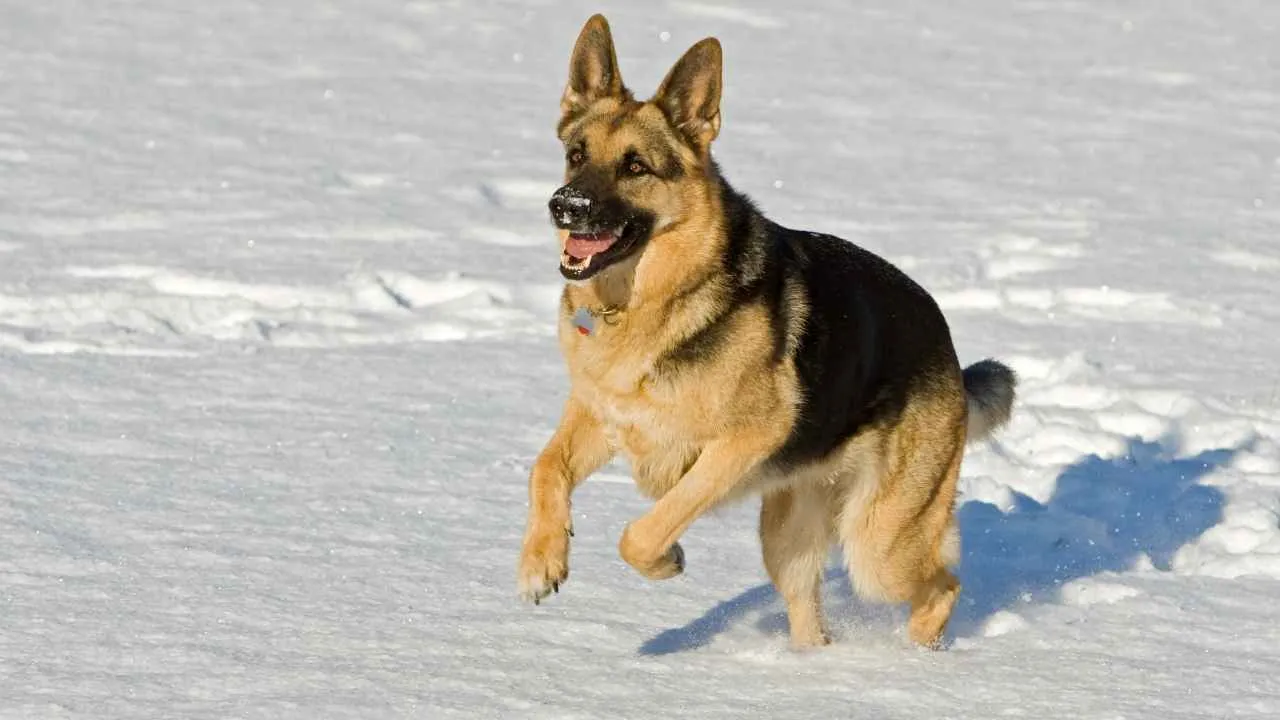
The German Shepherd originated in Germany in the late 19th century through the work of Max von Stephanitz and other breeders seeking an intelligent, capable herding dog.
Early German Shepherds were selected primarily for working ability, including livestock management, endurance, and responsiveness. Their versatility later helped them transition into police, military, search-and-rescue, assistance, and companion roles around the world, as noted by PetMD.
Intelligent, Protective, and Highly Responsive
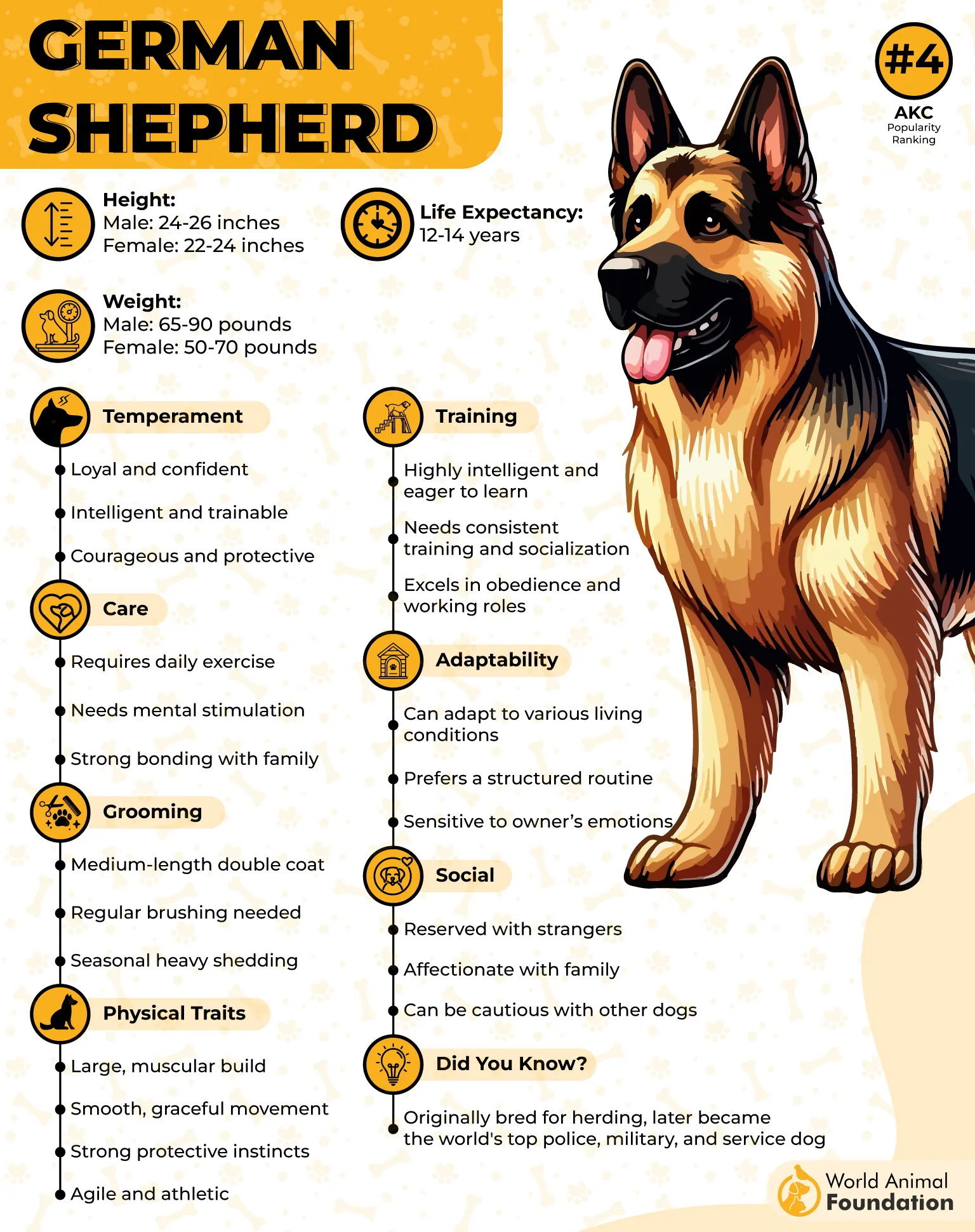
German Shepherds are known for their intelligence and strong connection with their handlers. They often learn commands quickly and tend to thrive when given a clear purpose. Their protective instincts can make them attentive to their surroundings, while proper socialization and training help channel that alertness into confident, controlled behavior.
Sable Creates a Distinctive Working-Dog Appearance
Sable is one of the recognizable coat patterns found in German Shepherds. Rather than producing a completely uniform color, sable coats can contain bands of darker and lighter pigmentation that give the dog a shaded, layered appearance. The exact tone can vary considerably, with some dogs appearing grayish, tan, or darker overall as individual hairs change in coloration.
2. Shetland Sheepdog
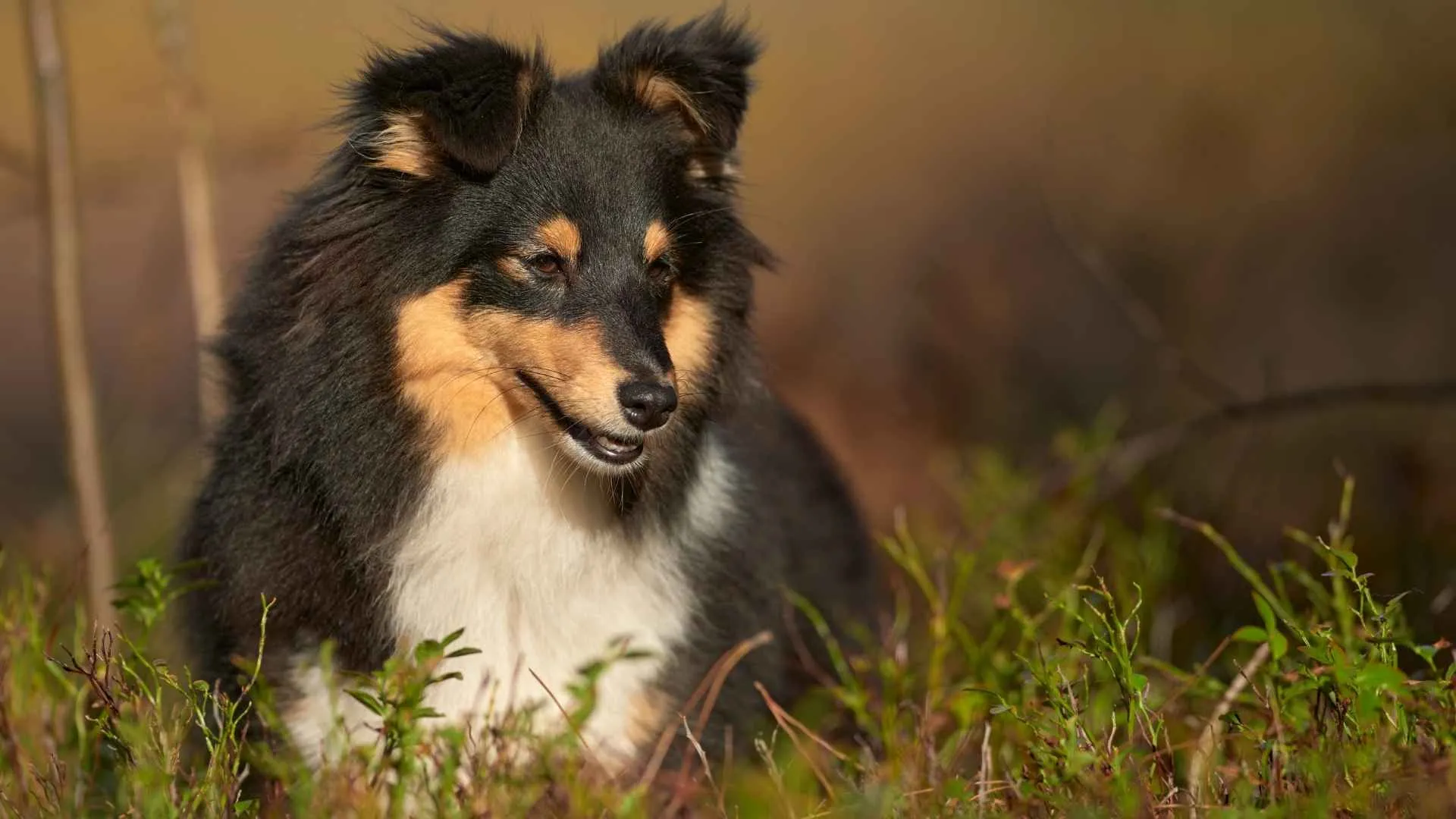
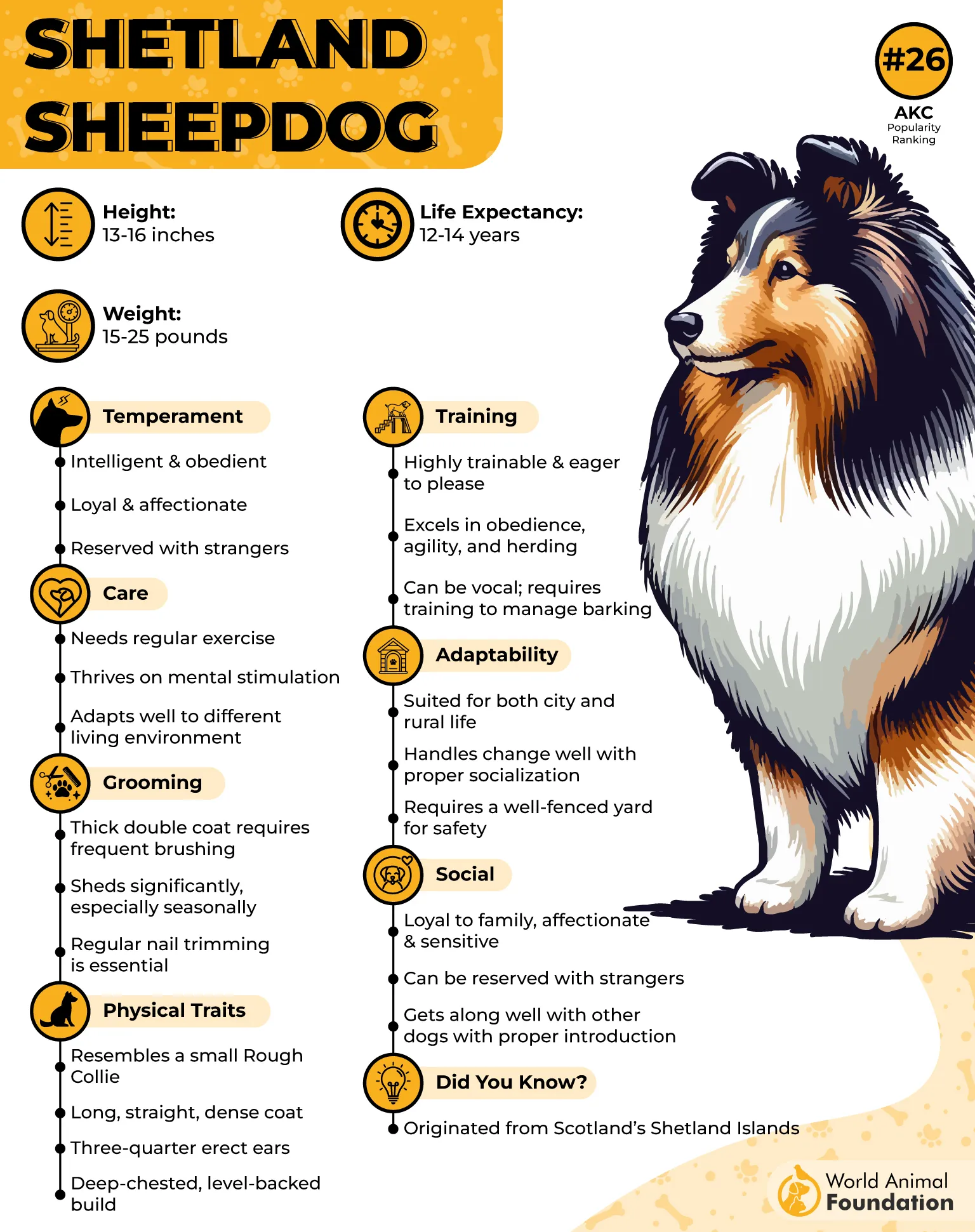
The Shetland Sheepdog, often called the Sheltie, developed in the Shetland Islands north of mainland Scotland. Its ancestors included small working sheepdogs that were adapted to the islands’ challenging climate and terrain. Selective breeding eventually produced a refined herding dog capable of managing livestock while remaining considerably smaller than many mainland Collie breeds.
Sensitive, Alert, and Eager to Learn
Shelties are often remarkably attentive to their owners and responsive to training. They can be energetic and vocal, with a tendency to notice changes in their surroundings. Their sensitivity can make positive reinforcement particularly useful, as they generally respond better to patient guidance than to unnecessarily harsh handling.
A Soft Coat With Rich Sable Shading
Sable Shelties can display anything from pale golden coloring to richer mahogany or reddish shades, often with darker tips creating additional depth. Their long, abundant coat can make these color variations especially noticeable around the neck, chest, and body.
3. Pomeranian
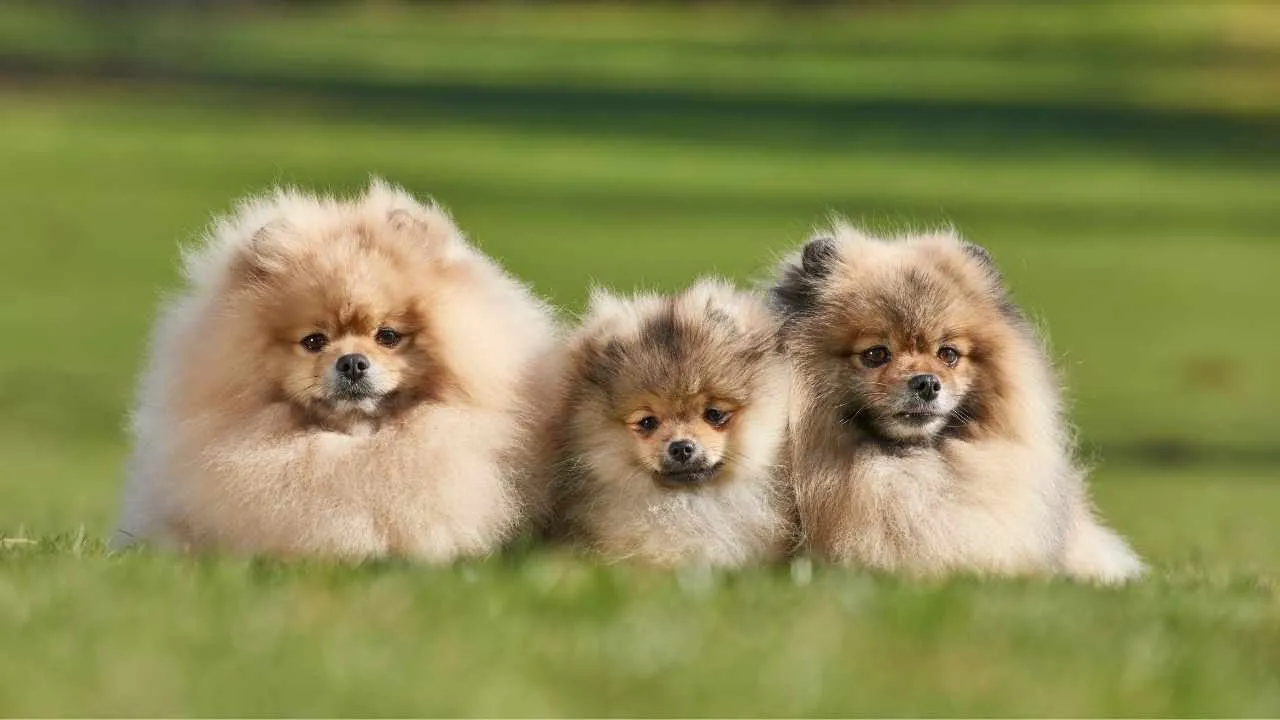
The Pomeranian takes its name from Pomerania, a historical region of Central Europe, although its ancestry traces back to larger Spitz-type dogs. Early dogs associated with the breed were considerably larger than today’s toy-sized Pomeranians. Selective breeding, particularly in Britain, eventually reduced the breed’s size and helped establish the lively companion recognized today.
Bold Personality Inside a Tiny Frame
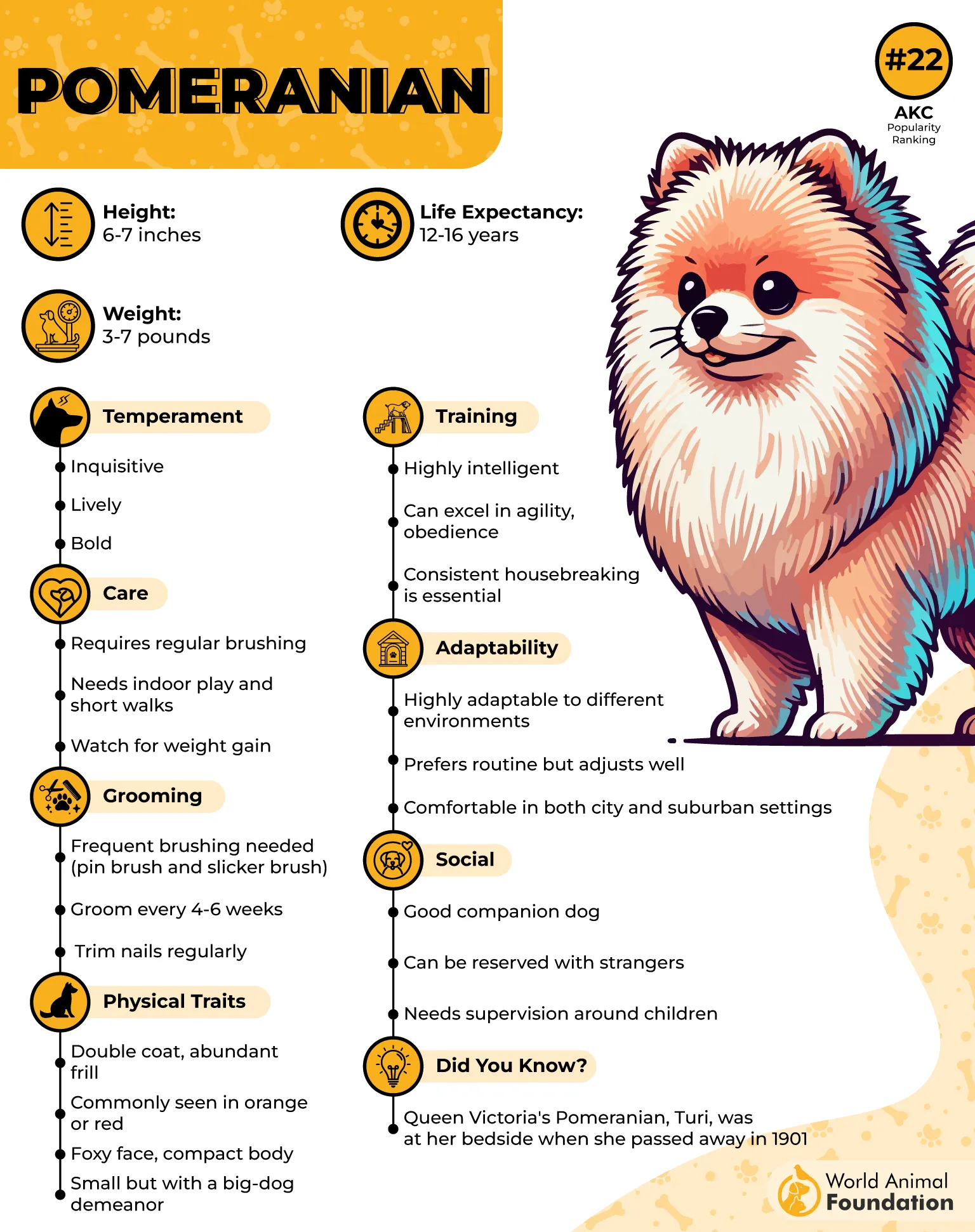
Despite its small stature, the Pomeranian often has a confident and spirited personality. These dogs can be curious, alert, playful, and surprisingly assertive. They frequently form strong attachments to their owners and enjoy mental stimulation, although their intelligence can sometimes translate into independent or demanding behavior if boundaries are inconsistent.
Sable Coloring Can Look Almost Three-Dimensional
Sable Pomeranians can have a fascinating mixture of colors because darker hair tips overlap lighter underlying shades. Depending on the individual dog, sable may appear orange, cream, tan, brown, or even somewhat gray. The breed’s dense double coat enhances this effect, giving the coloration a textured appearance that can become particularly striking around the face and ruff.
4. Pembroke Welsh Corgi
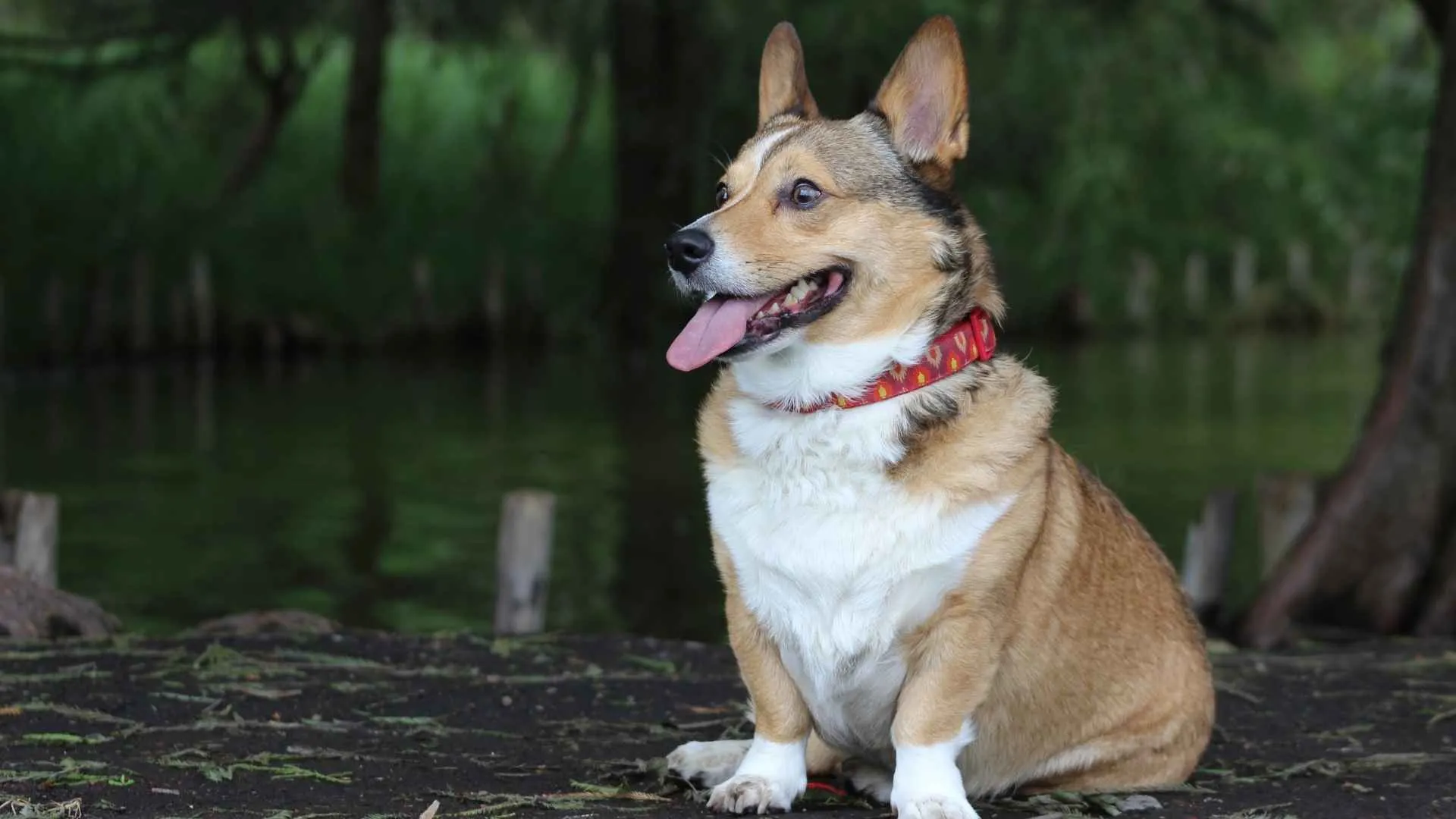
The Pembroke Welsh Corgi developed in Wales and was traditionally associated with herding cattle. Its low body allowed it to work close to the ground and move beneath the kicks of livestock while helping control their movement. Over time, the breed became both a working farm dog and a popular companion, eventually gaining international recognition.
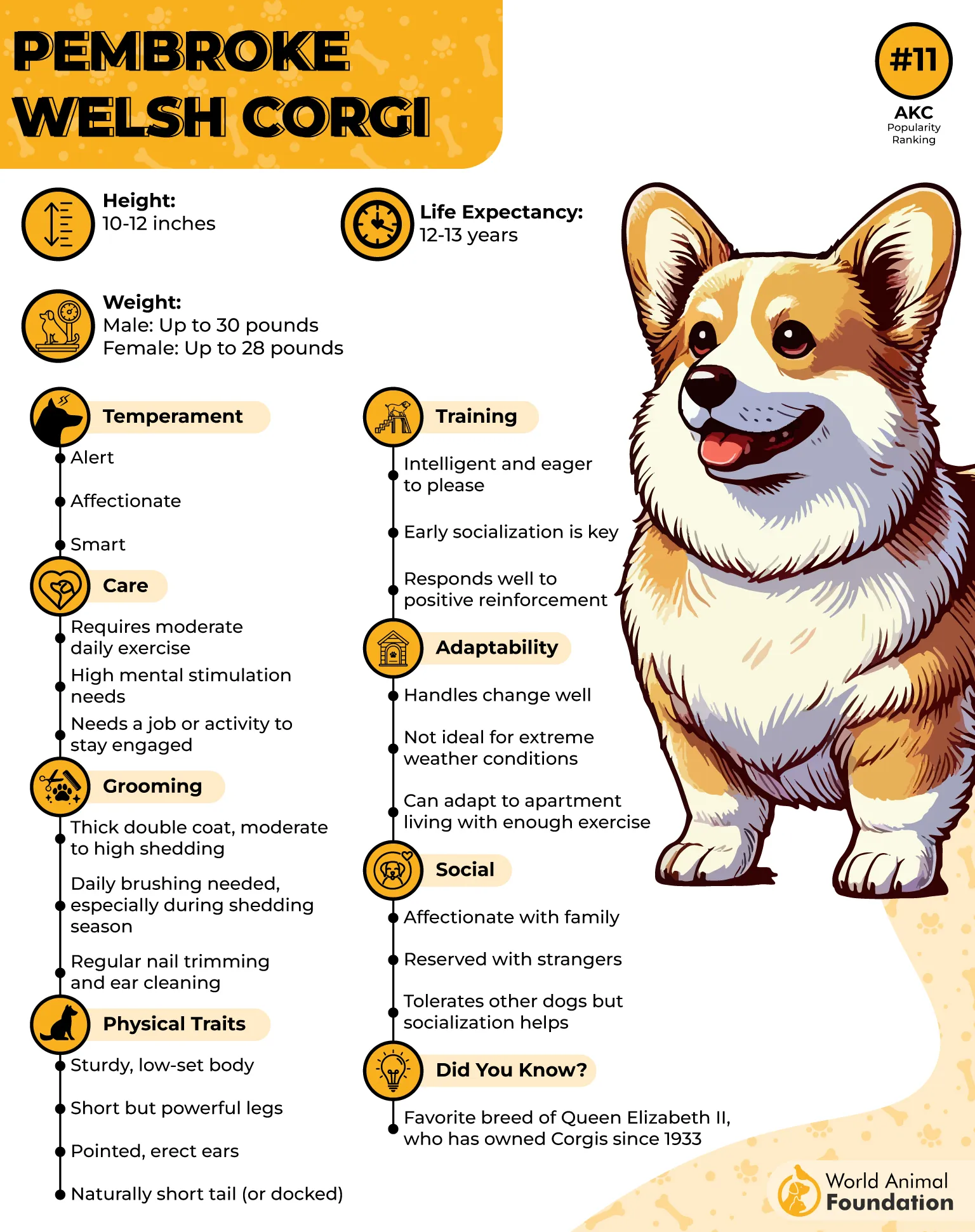
Lively, Clever, and Full of Character
Pembroke Welsh Corgis are generally active and intelligent dogs that enjoy having something to do. Their herding background contributes to quick reactions and an awareness of movement around them. They can be affectionate with their families while retaining an independent streak, so consistent training and appropriate exercise remain important.
Sable Adds Warmth to the Corgi’s Compact Silhouette
Sable is among the coat colors associated with the Pembroke Welsh Corgi. Depending on the individual, sable coloring can combine tan, red, cream, and darker shading to produce a coat with considerable variation. The darker pigmentation may be especially visible around the back, ears, or individual hair tips, creating more visual depth than a solid-colored coat.
5. Collie
Collies have their roots in Scotland and northern England, where their ancestors were used as working sheepdogs, as per the AKC. Early collies were valued primarily for practical herding abilities rather than the refined appearance associated with some modern show lines.
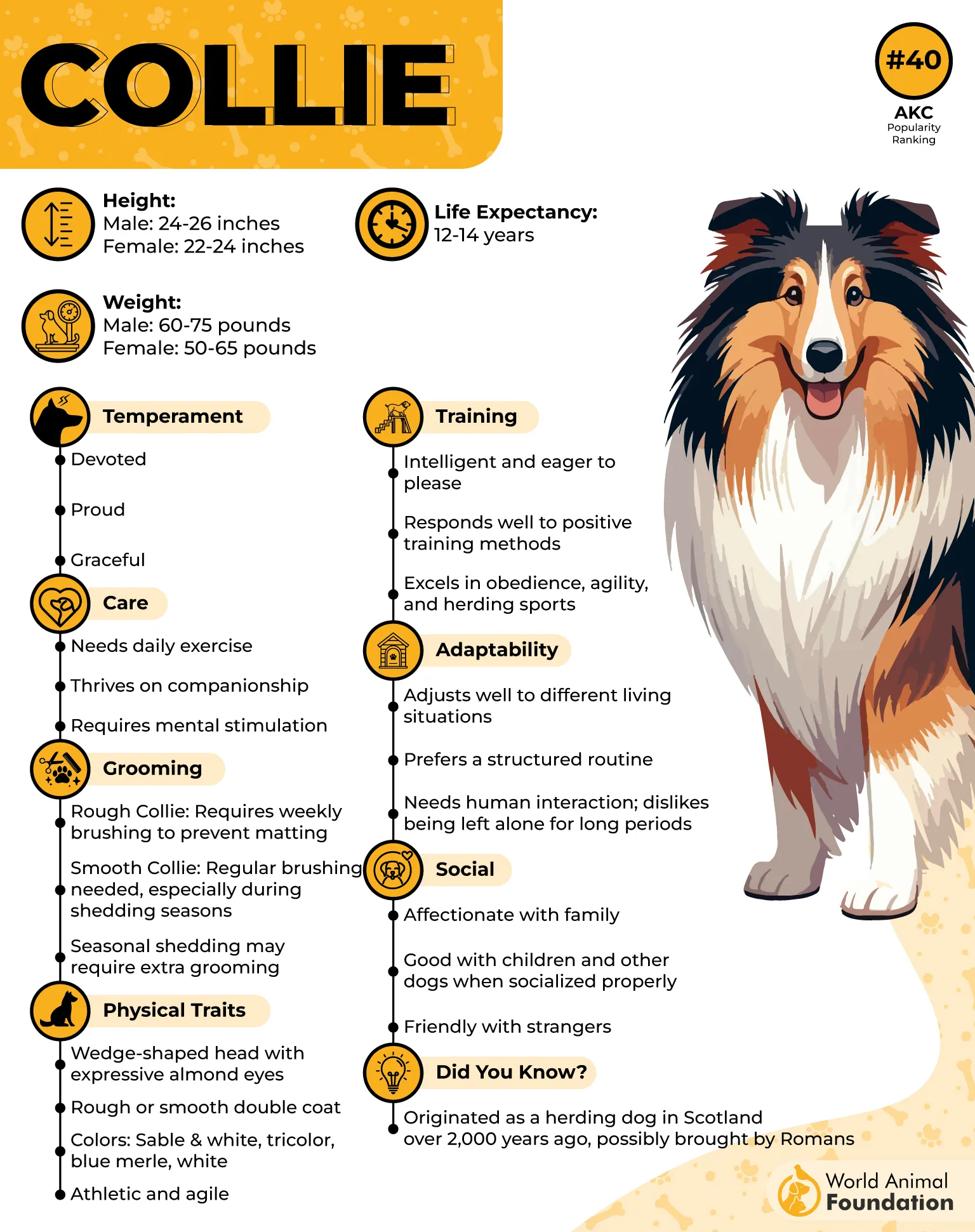
Gentle, Attentive, and Devoted
Collies are often admired for their combination of intelligence and sensitivity. They can be highly responsive to human direction and frequently develop close relationships with their families. Their herding heritage also gives many individuals an instinct to monitor movement and stay attentive to what is happening around them.
Sable Can Give the Collie a Golden, Layered Look
Sable and white is a recognized Collie color pattern. The sable portion can range from pale gold to deeper mahogany, with darker hair tips sometimes producing a richer appearance. Against the white markings commonly seen on the muzzle, chest, legs, or tail, the sable areas can create a particularly recognizable contrast.
6. Border Collie
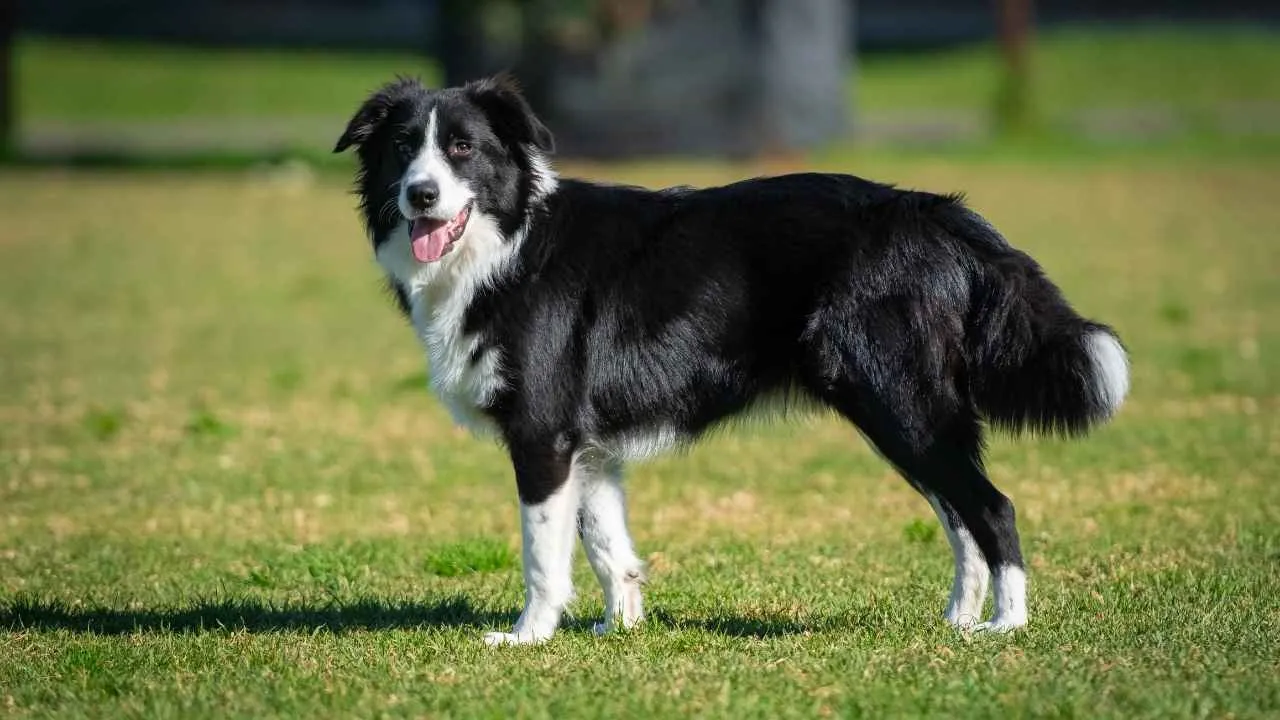
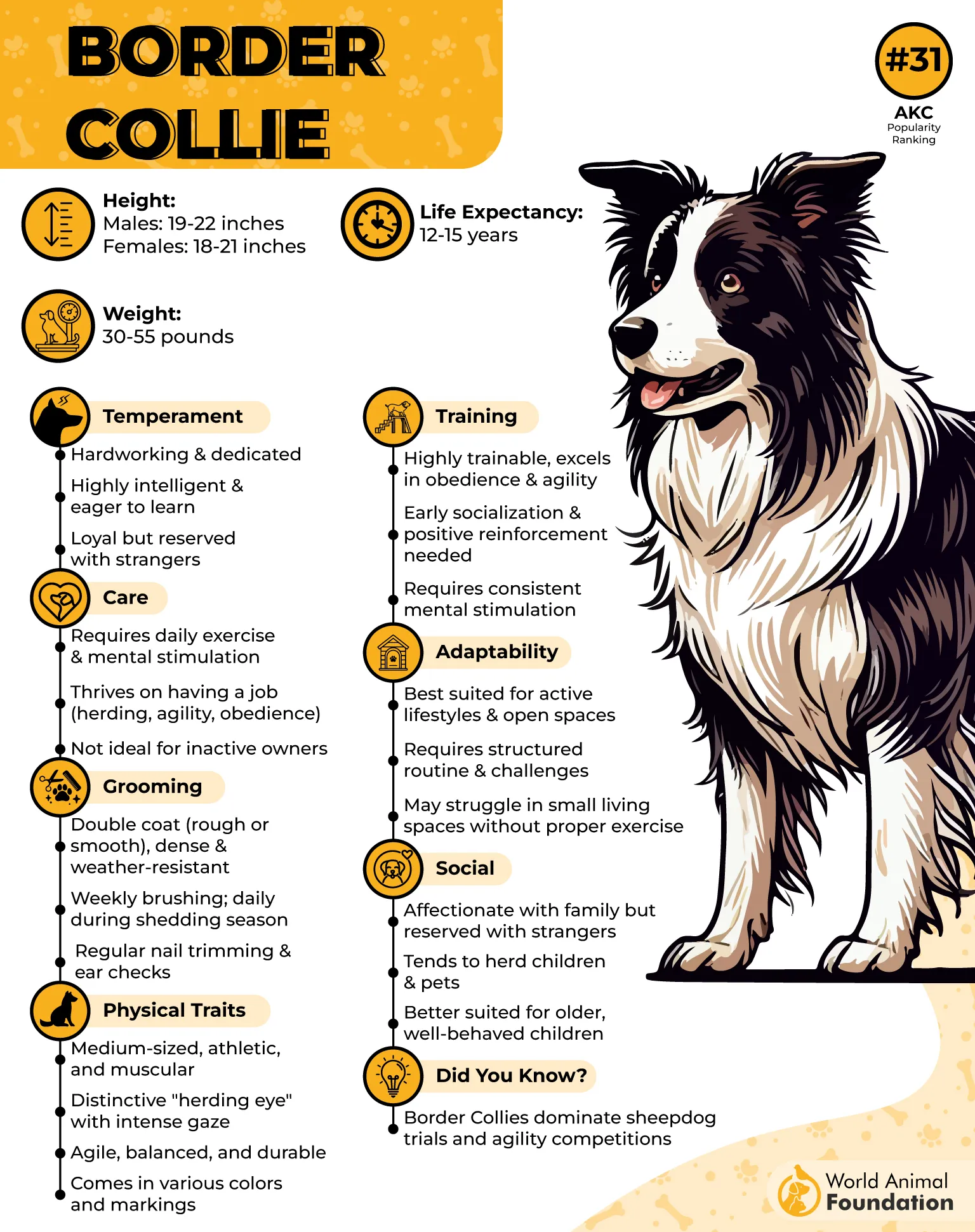
The Border Collie developed along the border between Scotland and England, where farmers needed agile and intelligent dogs capable of controlling sheep across large areas. Their working ability was shaped heavily by practical livestock management, and dogs with exceptional responsiveness and herding instincts were selectively bred.
Exceptionally Smart With a Strong Work Ethic
Border Collies are often considered among the most intelligent dog breeds, but intelligence is only one part of their character, as per Purina. They are highly energetic, observant, and motivated to work. Without enough physical activity and mental engagement, they may invent their own activities, which is why structured exercise and training are particularly important for this breed.
Sable Patterns Meet the Border Collie’s Varied Coat Genetics
Sable coloring can occur in Border Collies, although the breed is better known for its wide range of other coat patterns and colors. In sable individuals, the coat may show lighter underlying coloration with darker pigmentation toward the ends of some hairs. The result can be subtle or pronounced depending on the dog’s genetics and overall coat pattern.
7. Icelandic Sheepdog
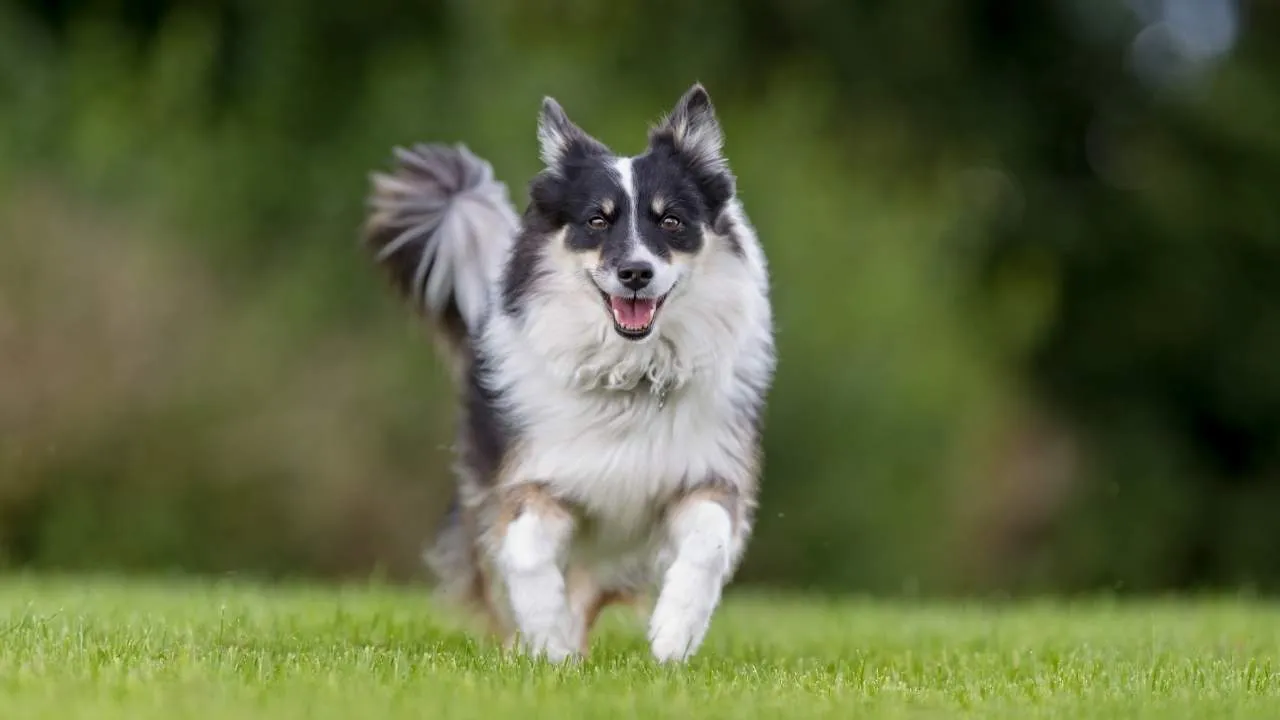
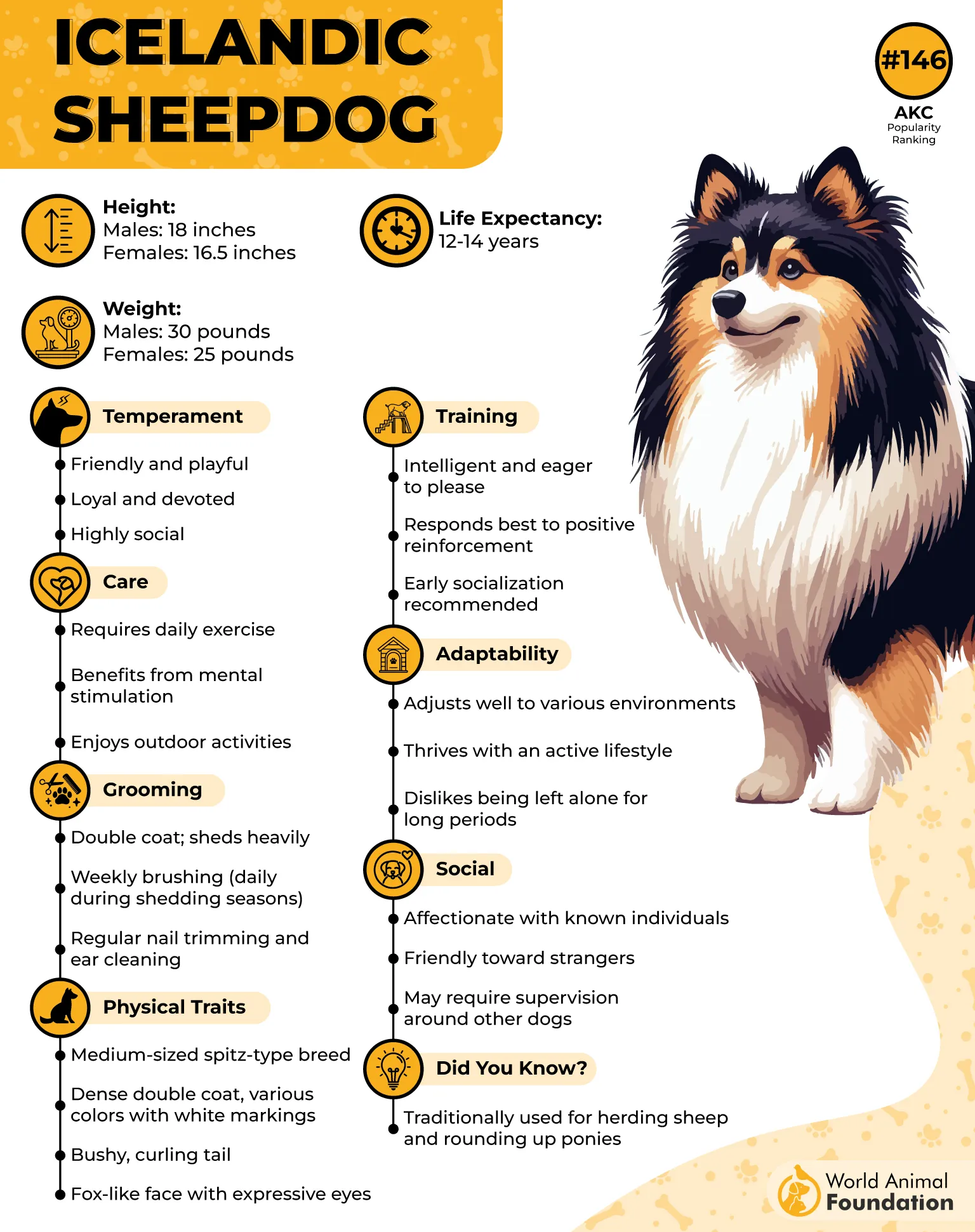
The Icelandic Sheepdog is Iceland’s native dog breed and descends from dogs brought to the island by Norse settlers. For centuries, these dogs worked on farms, helping manage sheep and other livestock while adapting to Iceland’s cold climate and rugged landscapes. Their history as an isolated island breed contributed to the development of a distinctive Spitz-type herding dog.
Cheerful, Social, and Naturally Alert
Icelandic Sheepdogs are often lively and friendly dogs that enjoy being involved with their families. They can be vocal and attentive, reflecting their historical role as farm dogs that needed to notice activity around the property. Their combination of sociability and energy makes regular interaction, exercise, and training useful parts of everyday life.
Sable Tones Complement the Breed’s Nordic Appearance
Sable coloring can appear in Icelandic Sheepdogs alongside the breed’s other recognized coat colors and markings. Depending on the individual, sable areas can contain golden, tan, reddish, or darker hairs, often combined with white markings. The effect can be especially attractive against the breed’s thick double coat and characteristic curled tail.
Conclusion
Sable coats give dogs a distinctive appearance because they can combine several shades within individual hairs rather than relying on one flat color. All the above-discussed dog breeds demonstrate just how differently this type of coloration can appear across breeds.
The same sable label can describe a wide range of visual effects, from the darker, layered appearance often seen in some German Shepherds to the warm golden shades associated with certain Collies and Shelties. Coat texture, length, genetics, and accompanying markings all influence how the color ultimately looks.
Of course, coat appearance is only one part of choosing a dog. Each of these breeds has its own exercise requirements, grooming needs, temperament, training considerations, and historical purpose. Anyone considering one should look beyond coloration and choose a dog whose overall characteristics fit their household and lifestyle.
