




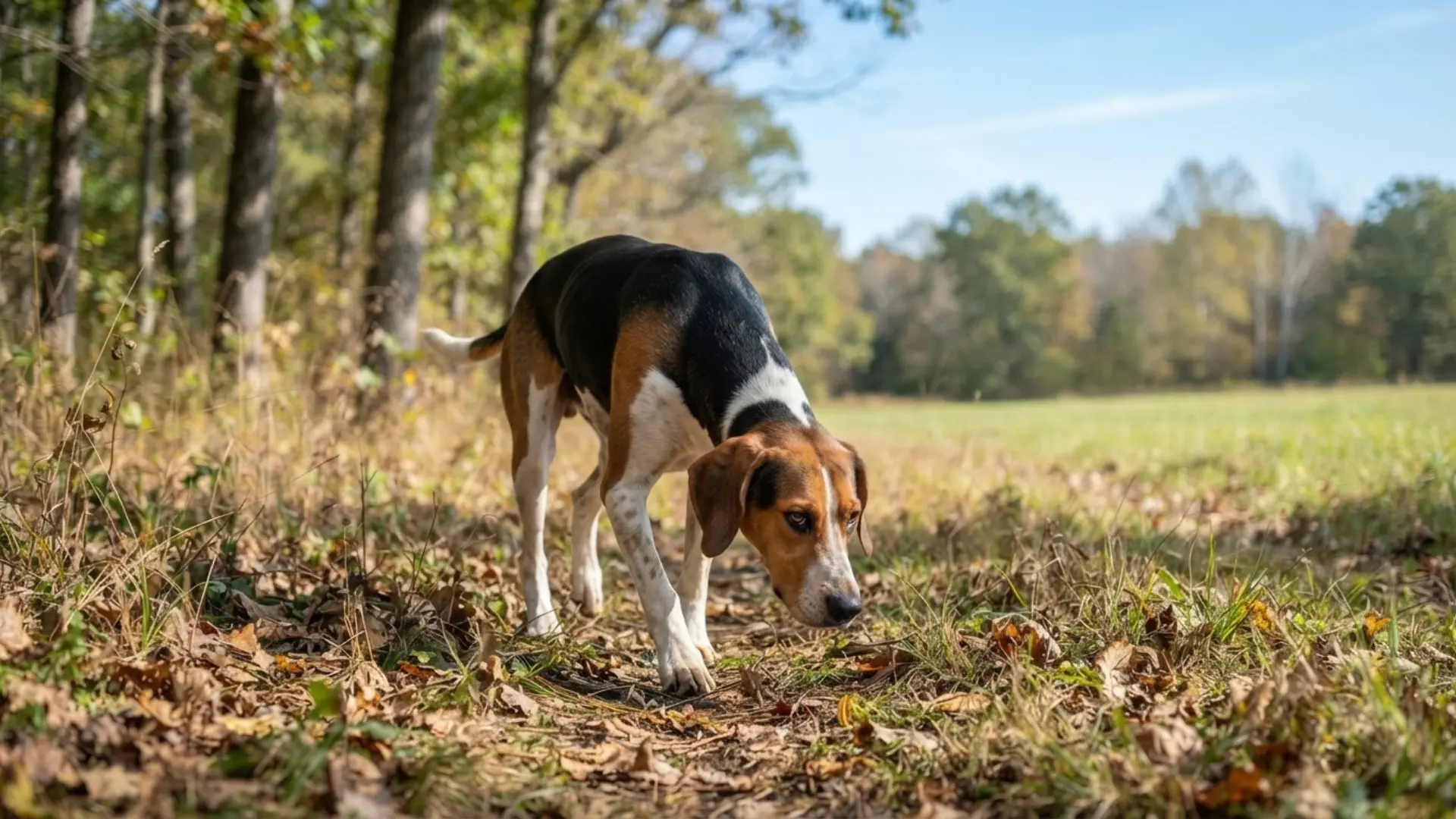
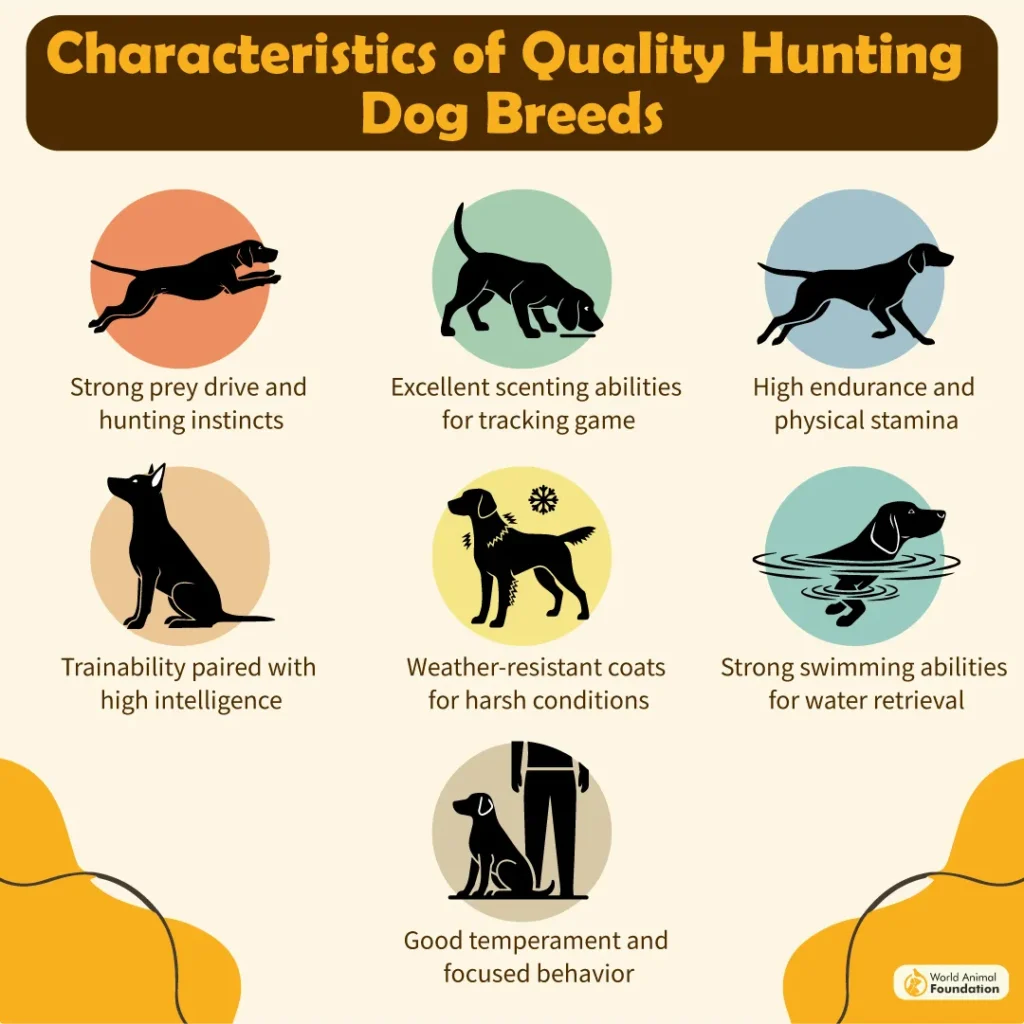
Hunting dogs are not all built to perform the same job. Some excel at following a scent across difficult terrain, others locate and point toward game, while certain breeds are especially useful for flushing or retrieving. Their differences come from generations of selective breeding for specific tasks.
A good hunting companion also needs more than instinct. Reliable recall, responsiveness to the handler, physical conditioning, and the ability to work around distractions can determine how effectively a dog performs in the field. Training methods should build on the abilities the breed already possesses rather than trying to force every dog into the same role.
The breeds below represent several traditional hunting styles, from specialized coonhounds and tracking dogs to versatile pointers and waterfowl retrievers. Each brings a different combination of nose, stamina, independence, concentration, and cooperation to hunting work.
Best Dog Breeds Choices for Hunting and Tracking
1. American English Coonhound
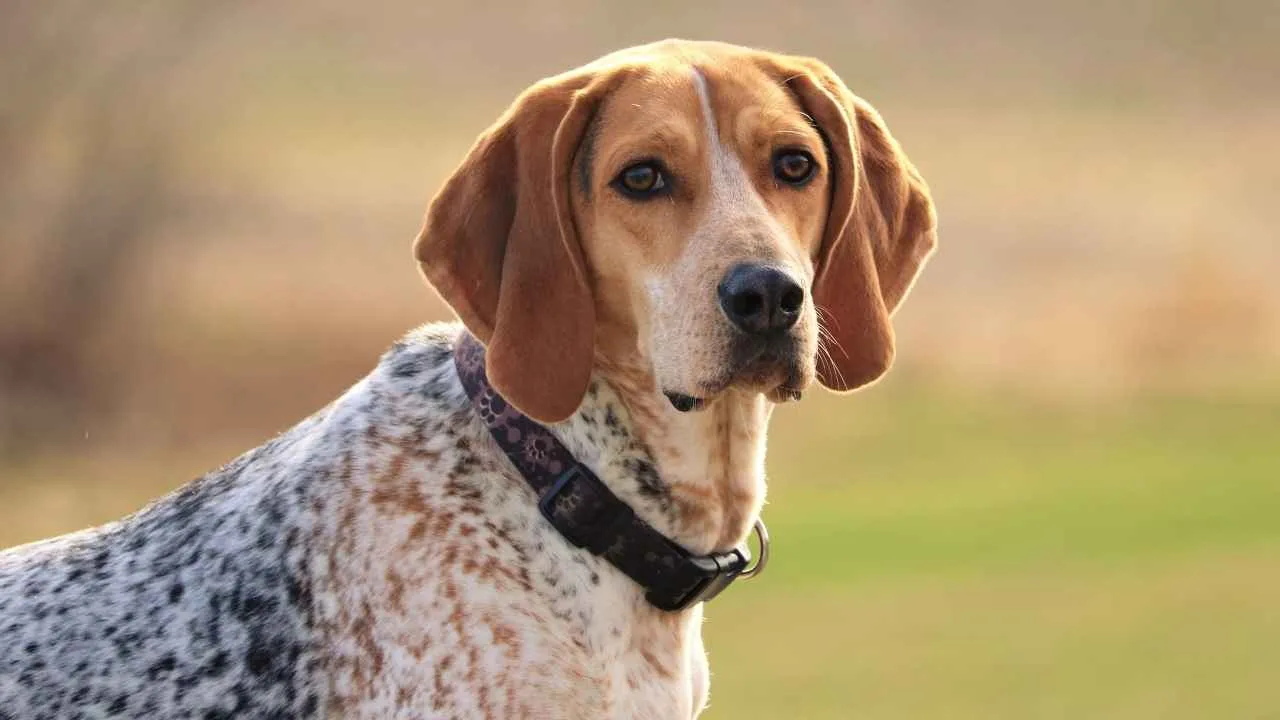
The American English Coonhound is a fast-moving scent hound developed from hunting dogs brought to North America. It became particularly associated with pursuing raccoons and other quarry, using its nose to follow trails while maintaining a strong desire to continue the chase.
Its energetic nature and distinctive vocalization reflect a dog originally bred to work rather than simply accompany its owner.
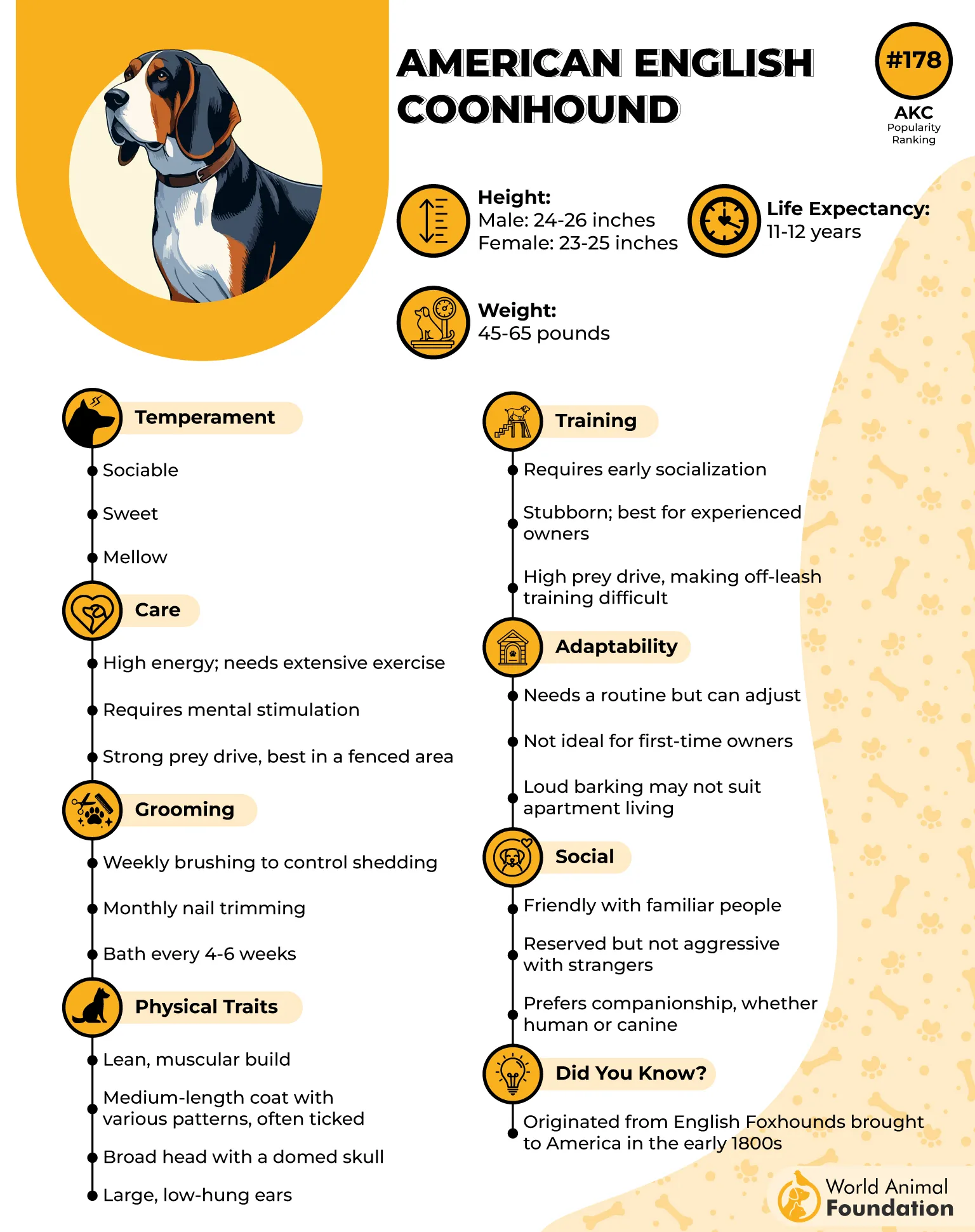
Turning a Determined Tracker Into a Reliable Partner
Training an American English Coonhound requires an understanding of its powerful scent drive. Recall should be practiced carefully in controlled environments before the dog is trusted around tempting trails, while leash work and directional commands can help establish communication with the handler.
Long walks, scent games, and opportunities to investigate safe outdoor environments can provide useful outlets for its considerable energy.
Built to Follow a Trail Through the Field
Its greatest hunting asset is its nose. Once a scent captures its attention, the American English Coonhound can remain focused on following the trail across changing terrain. This persistence makes it particularly suited to hunters who need a dog capable of locating and pursuing quarry rather than simply staying close to the handler.
2. Black and Tan Coonhound
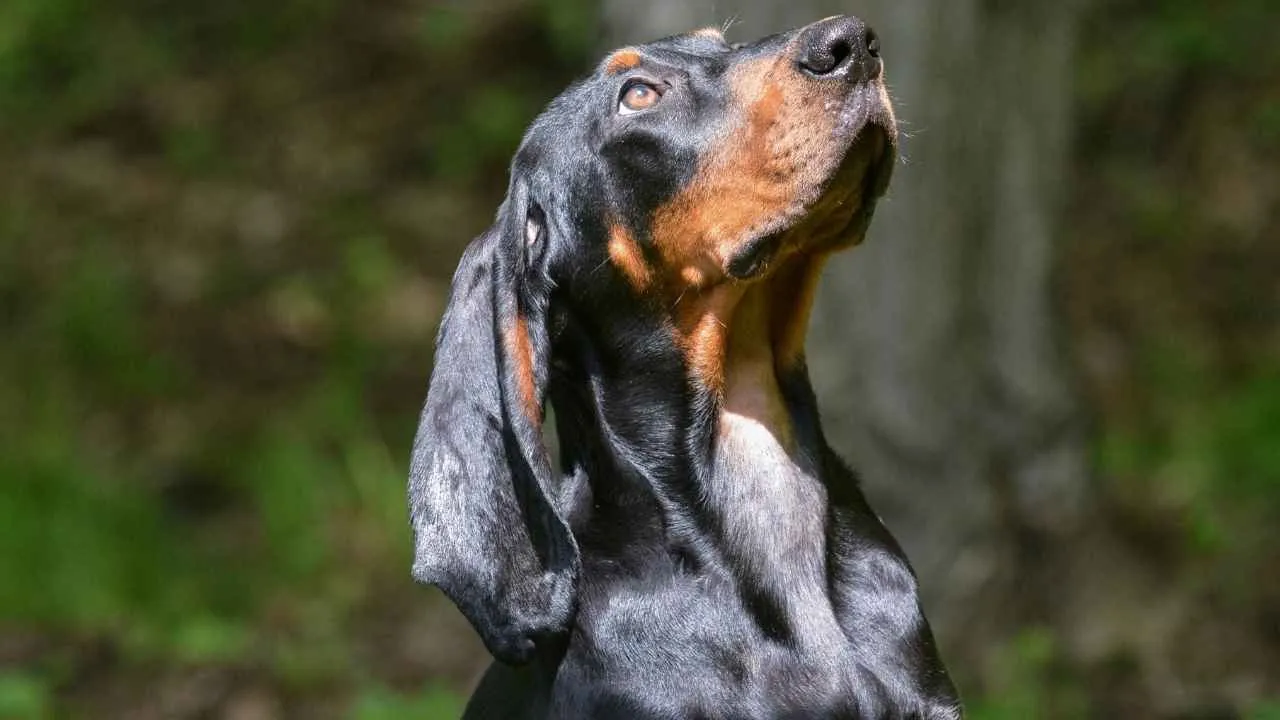
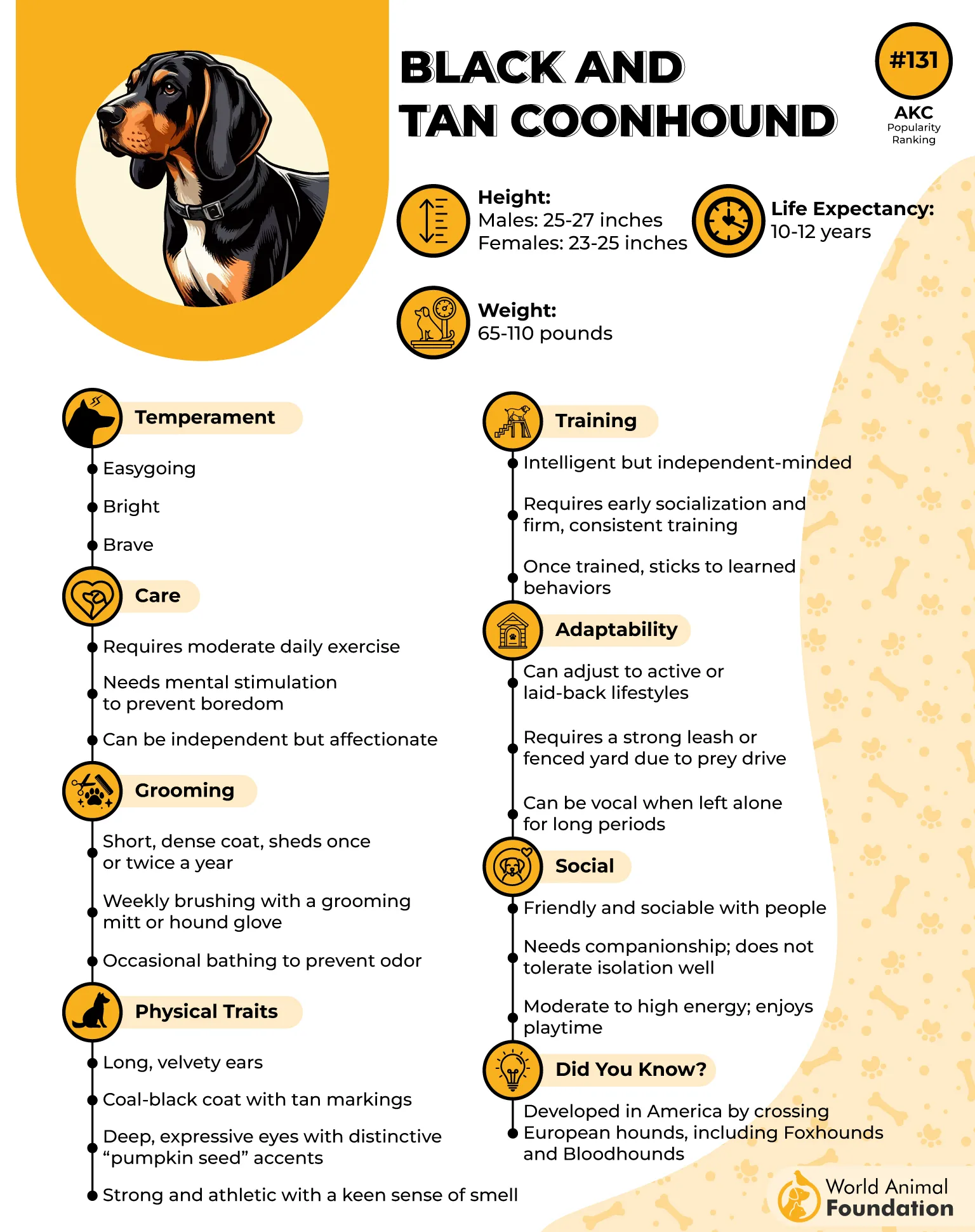
The Black and Tan Coonhound is a powerful American scent hound traditionally associated with tracking raccoons and larger quarry.
Its long ears, loose skin, and prominent nose contribute to its classic hound appearance, while its working background has produced a dog with determination and considerable endurance. It is often happiest when given a task that allows it to use its keen sense of smell.
Channeling Its Nose Without Losing Focus
Because scent can be enormously rewarding to this muscular breed, training should make cooperation with the handler worthwhile. Recall, leash manners, and basic directional commands are particularly useful foundations.
Tracking exercises can turn its natural tendencies into structured work, while regular physical activity helps prevent a highly energetic hound from becoming restless.
A Specialist for Scent-Based Pursuit
The Black and Tan Coonhound’s value in hunting comes from its ability to identify and follow scent over substantial distances. Its characteristic bay can also help a hunter determine where the dog is working when it has moved beyond immediate sight. For tracking-focused hunting, few aspects of this breed are more important than its combination of nose, persistence, and stamina.
3. Mountain Cur
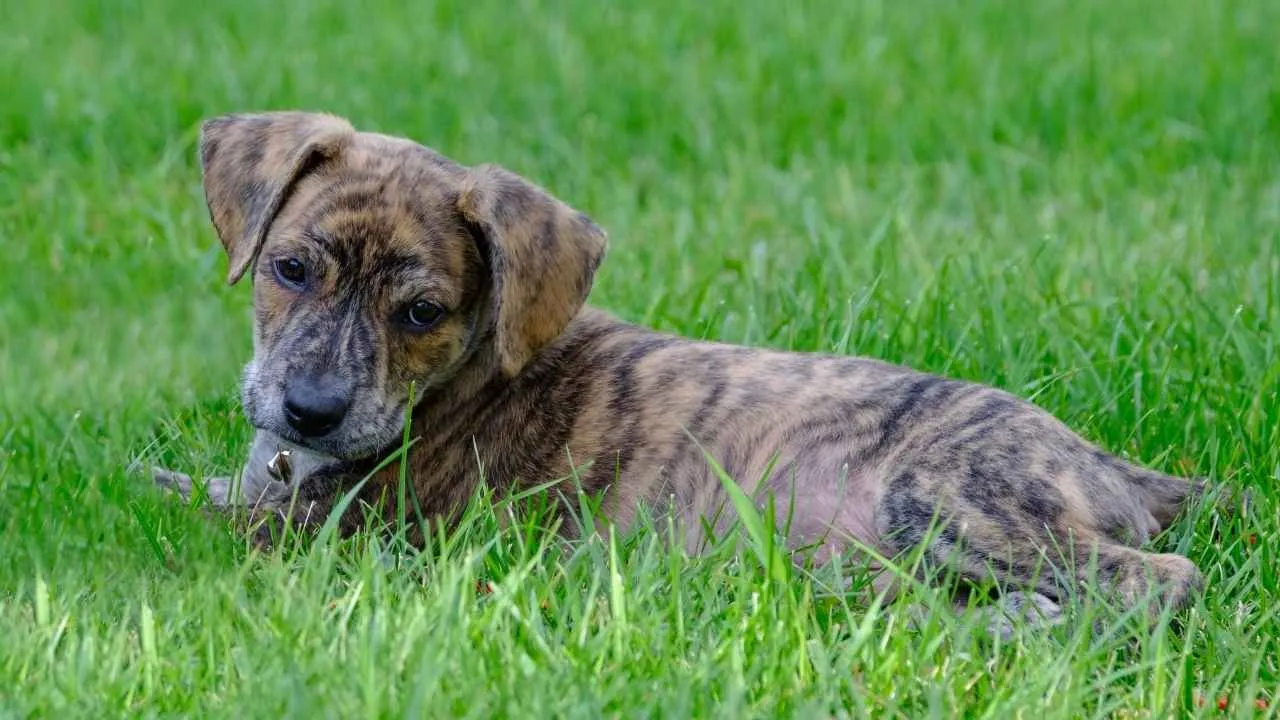
The Mountain Cur developed in the United States as a versatile working dog used by settlers for hunting, guarding, and other farm duties, as per the UKC.
Unlike breeds developed around a single narrow hunting role, the Mountain Cur was expected to adapt to the practical demands of rural life. Its intelligence, courage, athleticism, and willingness to work remain central to its character.
Training an All-Purpose Working Dog
Mountain Curs tend to benefit from purposeful training rather than repetitive drills. Teaching recall, obedience, tracking, and controlled searching can give their intelligence a productive direction.
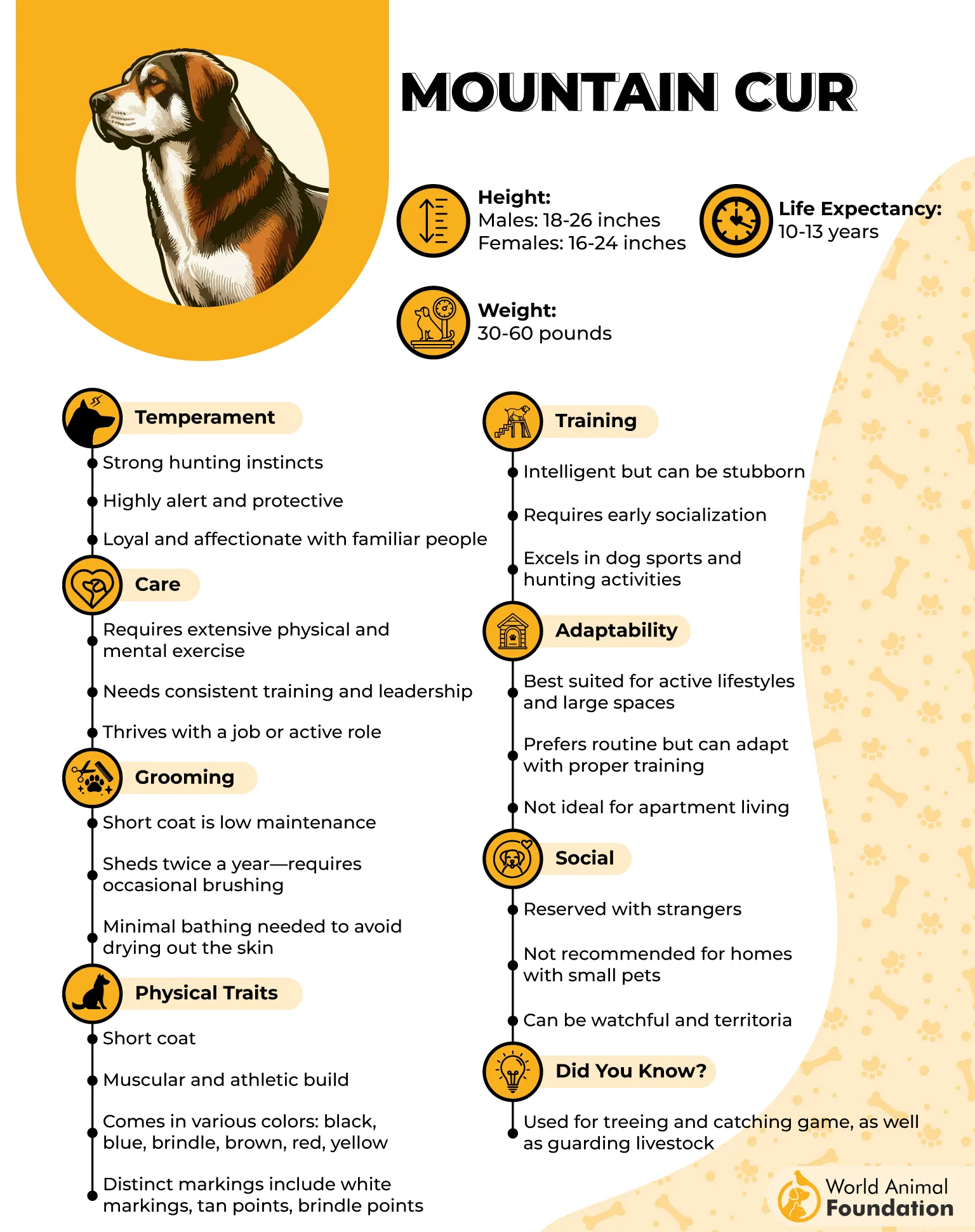
Their physical ability also calls for regular exercise, and activities that combine movement with problem-solving can be especially rewarding.
Versatility Is Its Greatest Field Advantage
A Mountain Cur can appeal to hunters who want more than a specialist. Its background allows it to participate in different forms of outdoor work, and its athletic build helps it handle varied terrain. Rather than relying on one defining hunting skill, the breed brings adaptability and determination to the field.
4. Plott Hound
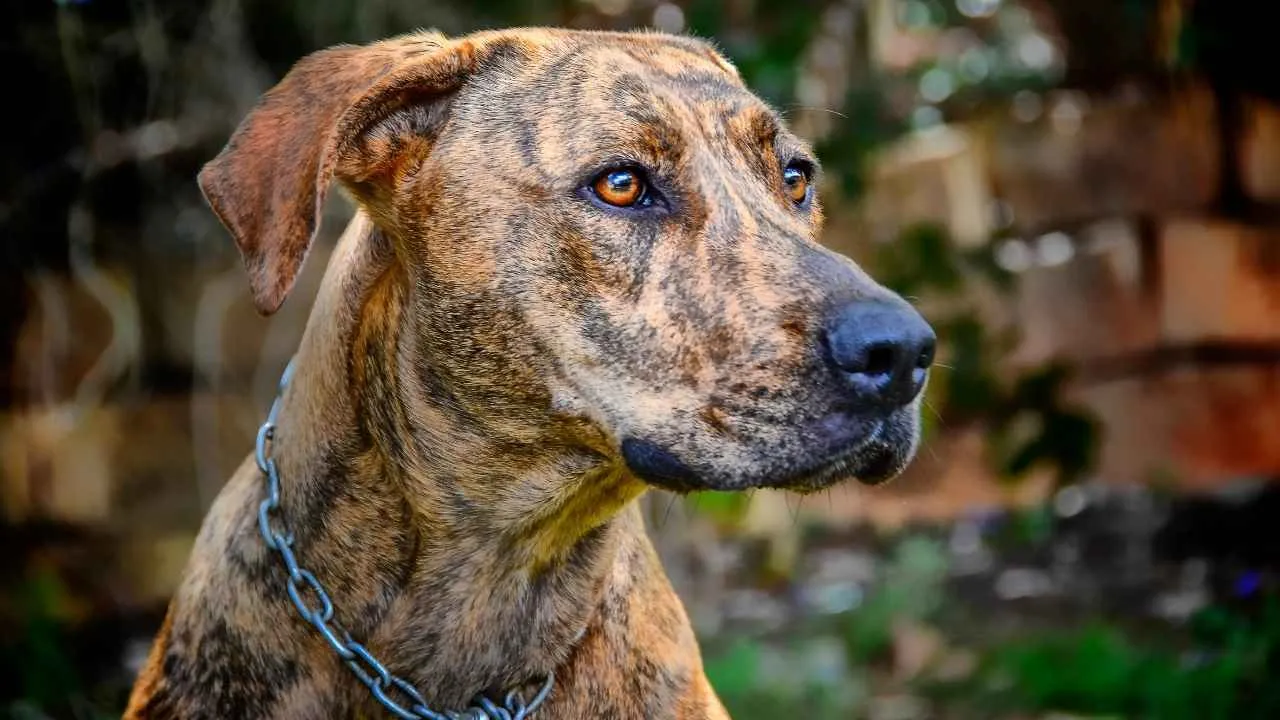
The Plott Hound has a distinctive American history tied to the Plott family of North Carolina, where the breed developed for hunting demanding quarry such as bear and wild boar.
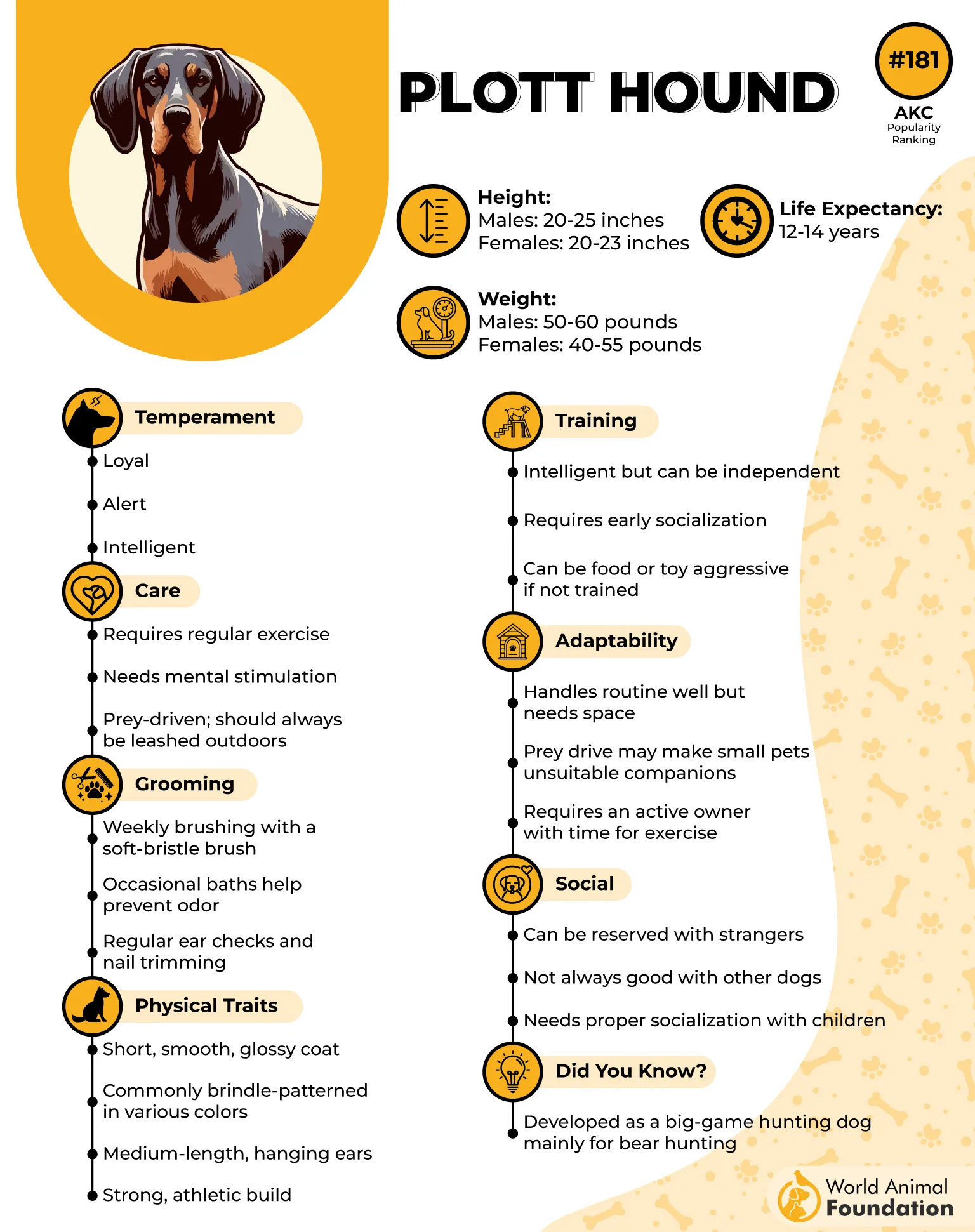
This background helped produce a muscular, courageous hound with considerable endurance, as per WebMD. Its confidence in difficult hunting situations is one of the characteristics that sets it apart from many other scent hounds.
Developing Control in a Strong-Willed Hunter
Plott Hounds need training that combines consistency with meaningful rewards. Their confidence and determination can become valuable working qualities when the dog understands what is expected, but basic obedience should be established before more demanding fieldwork.
Regular exercise is essential, with opportunities to run, explore, and use their nose helping satisfy their substantial working drive.
Courage for Challenging Quarry
The Plott Hound’s traditional role demanded more than simply finding a scent. It needed the physical ability and nerve to pursue powerful animals through difficult environments. That history remains visible in the breed’s confidence and endurance, making it particularly interesting for hunters seeking a rugged dog capable of demanding tracking work.
5. American Foxhound
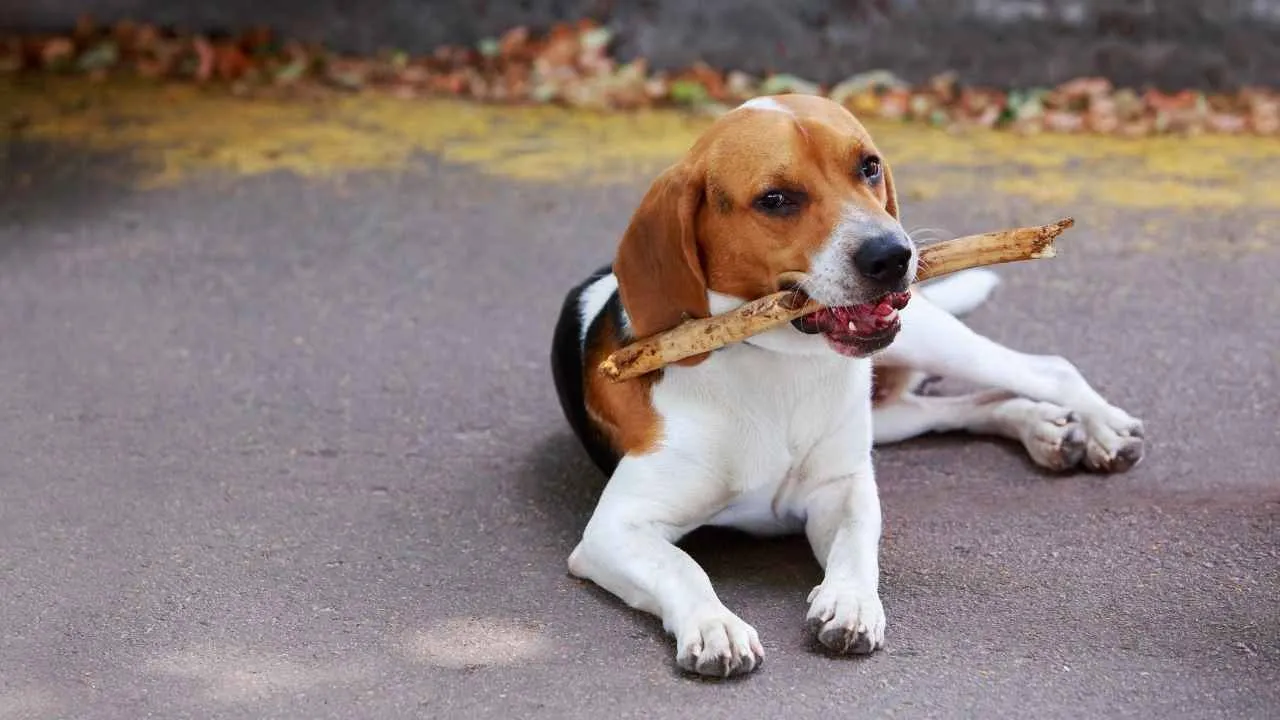
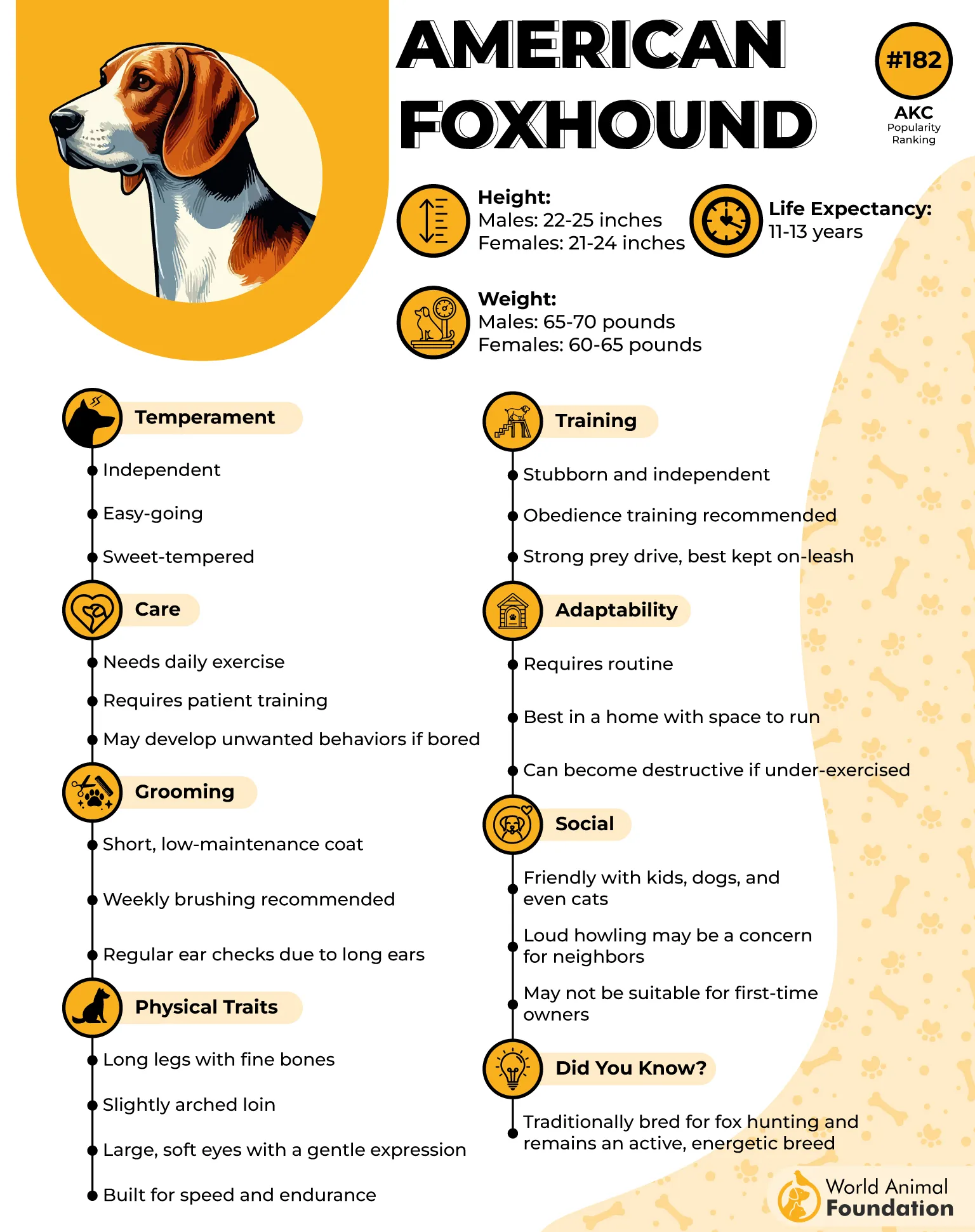
The American Foxhound was developed in the United States from foxhounds brought from Europe and subsequently adapted to American hunting conditions. It became closely associated with mounted fox hunting, where stamina and the ability to maintain a scent trail were highly valued. Its lean build reflects a dog designed to cover considerable ground rather than work in short bursts.
Building Endurance Alongside Obedience
American Foxhounds need training that accounts for both their independence and their physical stamina. Recall deserves particular attention because an interesting scent can quickly become more rewarding than staying close to the handler.
Regular running and long, controlled walks can help satisfy their exercise requirements, while scent-based activities give them a constructive way to use their noses.
Made for Distance and Persistent Tracking
This strong breed’s strength lies in its ability to keep moving while following a scent. Its endurance makes it particularly suited to hunts where the dog may need to cover large areas over an extended period.
For hunters looking for a hound capable of sustained pursuit rather than a brief search, the American Foxhound offers a specialized combination of speed and staying power.
6. German Shorthaired Pointer
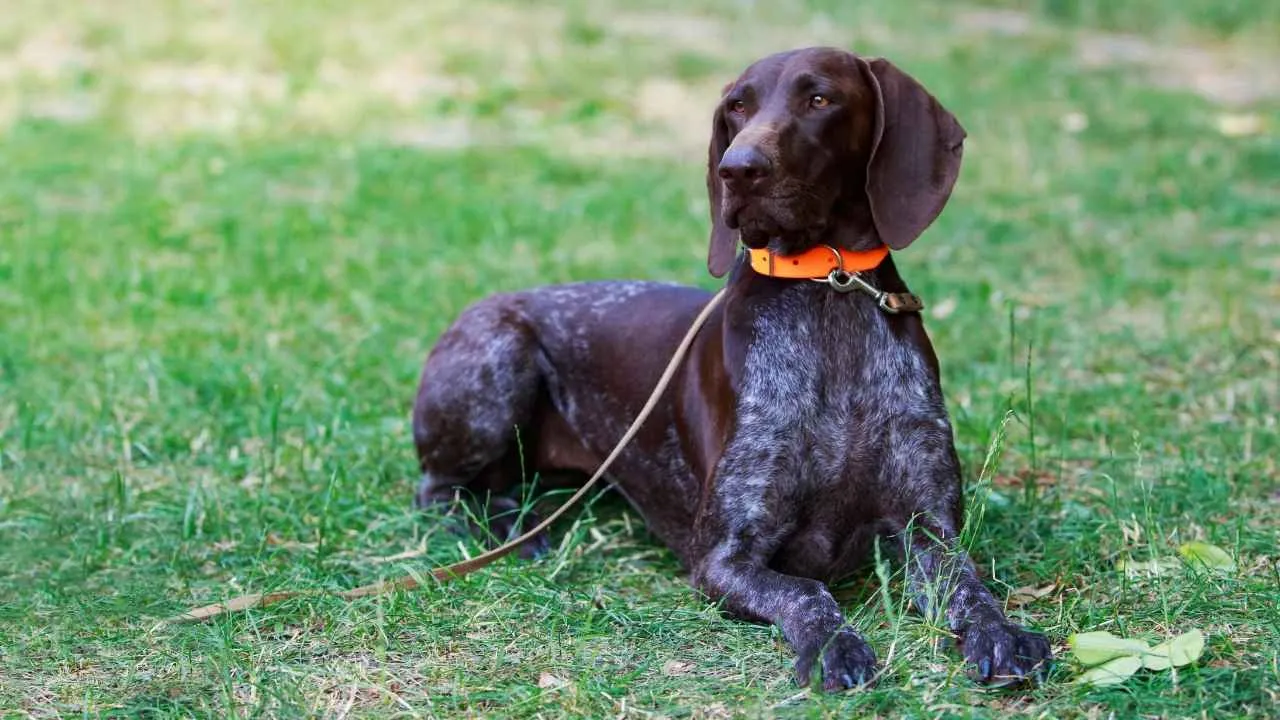
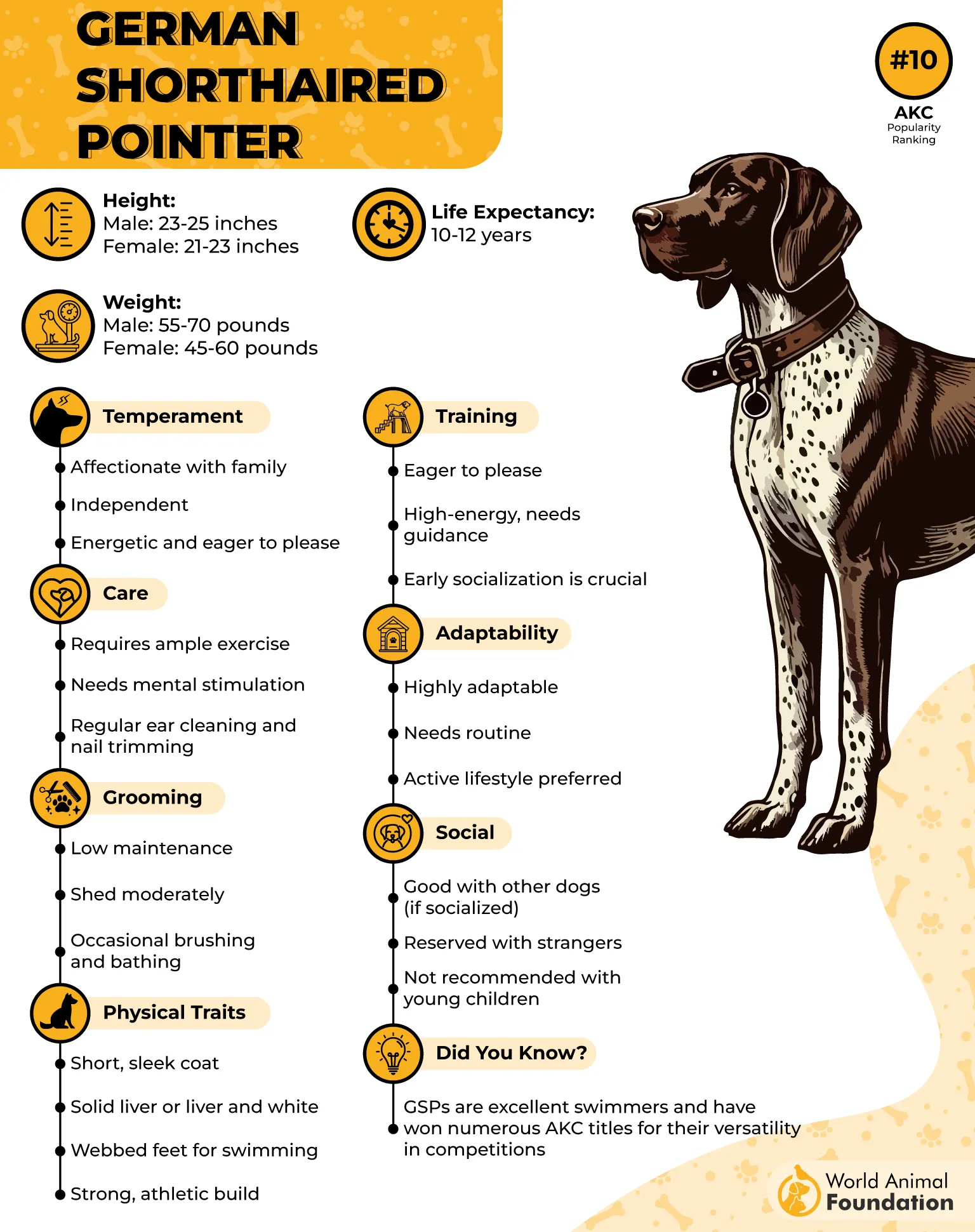
The German Shorthaired Pointer was developed in Germany as a versatile hunting dog capable of performing several jobs in the field. Its athletic build, keen nose, and willingness to work made it useful for locating game, pointing, and retrieving. Unlike a specialist hound focused primarily on scent trails, the German Shorthaired Pointer can participate in multiple stages of a hunt.
Combining Obedience With Athletic Conditioning
This breed generally thrives when training and exercise are incorporated into the same routine. Obedience work, retrieving drills, directional commands, field searches, and controlled exposure to hunting environments can all build useful skills.
A German Shorthaired Pointer also needs substantial physical activity, making it better suited to an owner prepared to provide regular opportunities to run and work.
A Multi-Purpose Performer in the Field
Its greatest advantage is versatility. A well-trained German Shorthaired Pointer can locate game, indicate its position through pointing, and retrieve after the shot. That broad skill set makes it a strong option for hunters who want one dog capable of contributing to different parts of a hunting day.
7. Boykin Spaniel
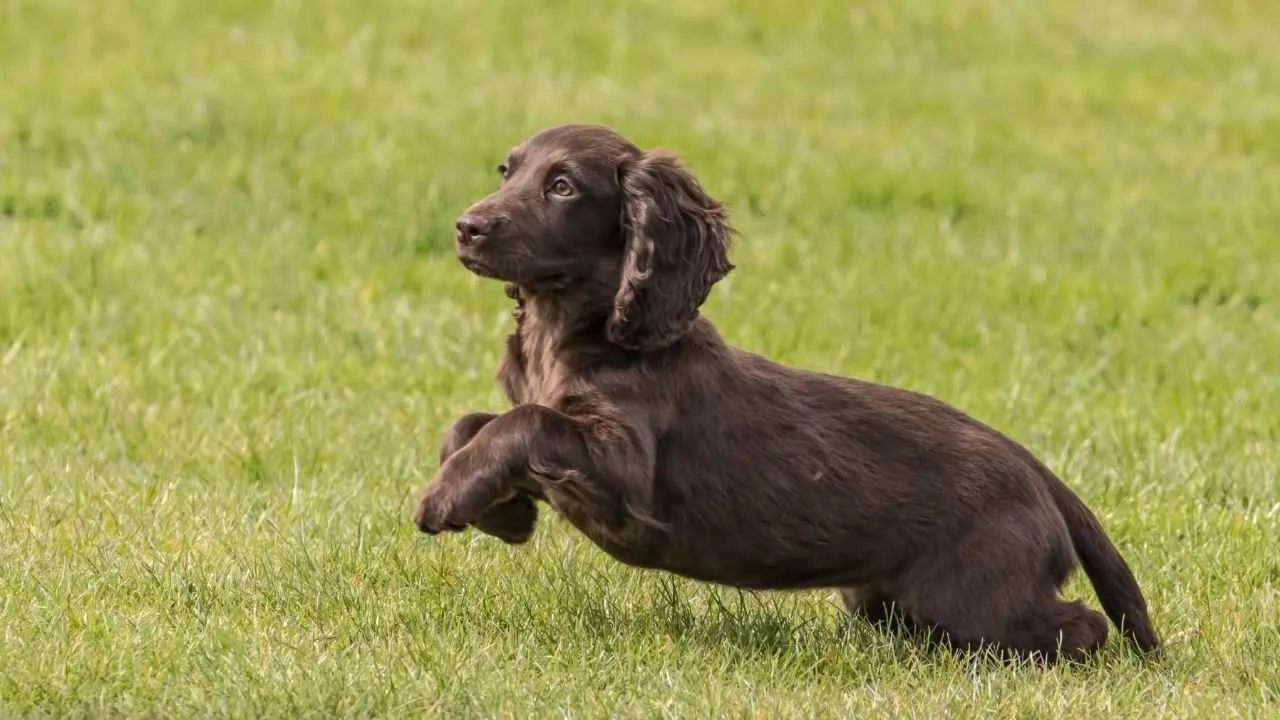
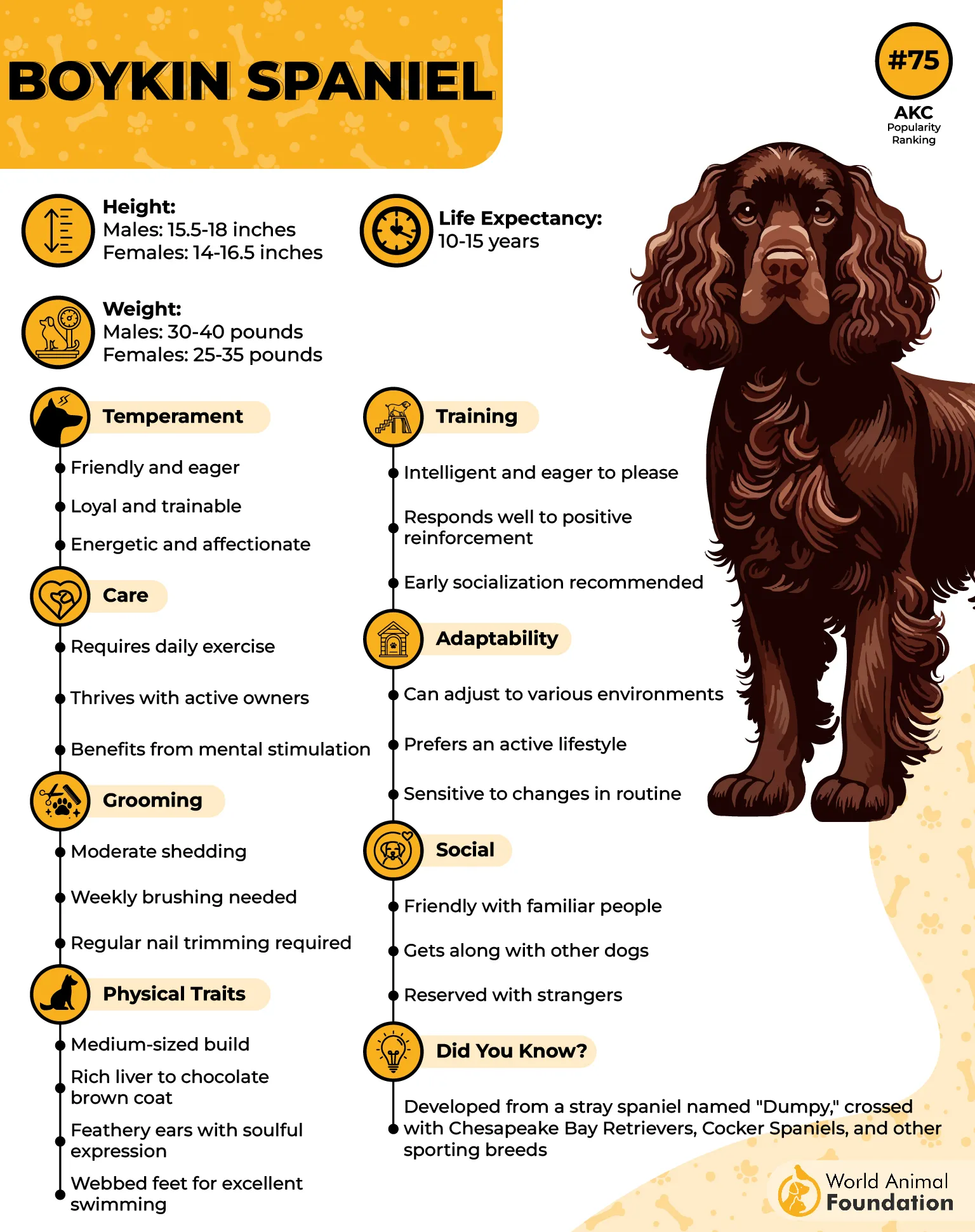
The Boykin Spaniel originated in South Carolina and was developed as a compact hunting dog particularly valued for flushing and retrieving game, as per Hill’s Pet.
Its manageable size allowed it to work effectively from boats and in dense cover, while its enthusiasm for water made it useful for retrieving waterfowl. Today, its combination of energy, trainability, and enthusiasm continues to define the breed.
Teaching a Responsive Retriever
Boykin Spaniels tend to benefit from upbeat training that rewards cooperation and keeps exercises engaging. Retrieving practice, steadiness, recall, and controlled searching can prepare them for fieldwork, while regular swimming and outdoor play can provide excellent physical outlets.
Their eagerness to participate makes frequent interaction with the handler an important part of their development.
Compact Size With Serious Hunting Ability
The Boykin Spaniel demonstrates that a useful hunting partner does not need a large frame. Its smaller stature can be an advantage when working through thick vegetation or from a boat, while its retrieving instincts allow it to handle tasks associated with both land and water.
For hunters wanting an agile, manageable companion with strong field enthusiasm, that combination is particularly valuable.
Conclusion
The American English Coonhound, Black and Tan Coonhound, Mountain Cur, Plott Hound, American Foxhound, German Shorthaired Pointer, and Boykin Spaniel illustrate the variety found among hunting and tracking dogs.
Coonhounds and Foxhounds bring exceptional scenting ability and persistence, while the Mountain Cur offers versatility for hunters who want an adaptable working partner. The Plott Hound is distinguished by its courage and endurance, the German Shorthaired Pointer by its ability to perform several field tasks, and the Boykin Spaniel by its compact build and retrieving talent.
Choosing a skilled hunting dog breed should ultimately depend on the type of work the bird dog will be expected to perform. A breed with outstanding tracking instincts may not be the best choice for retrieving, just as an athletic pointer may not replace a specialized scent hound. Matching the dog’s inherited abilities with the hunter’s terrain, quarry, training approach, and preferred style of bird hunting can create a much more effective working partnership.
