




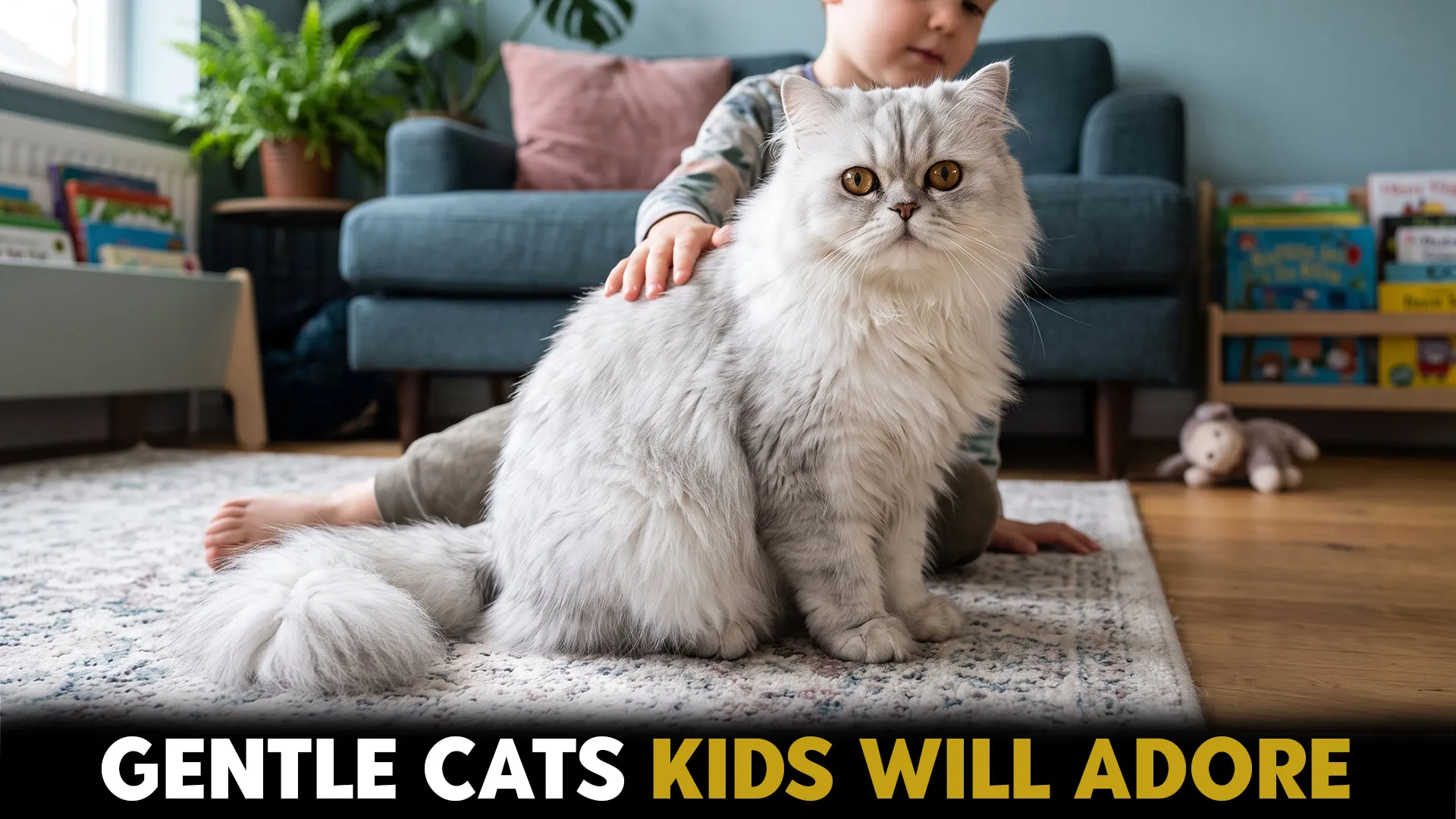
Cats form attachment bonds with their humans that look almost identical to how babies bond with parents. That fact changes how you should think about choosing a companion for a house full of kids.
Researchers at Oregon State University found that roughly 65% of cats show this kind of secure bond, nearly the same rate seen in human infants. Love and loyalty run in both directions long before anyone notices.
But bonding and being gentle with kids are not the same ability, and that gap is where families get surprised. A cat that seems friendly and comfortable in general can still have a short fuse around loud noise, grabby hands, or a toddler’s hug.
The right match depends on your child’s age, energy, and how much patience the cat brings to the table. Ready to see which personalities pass the test? Keep reading.
Best Gentle Cat Breeds for Kids
1. Ragdoll
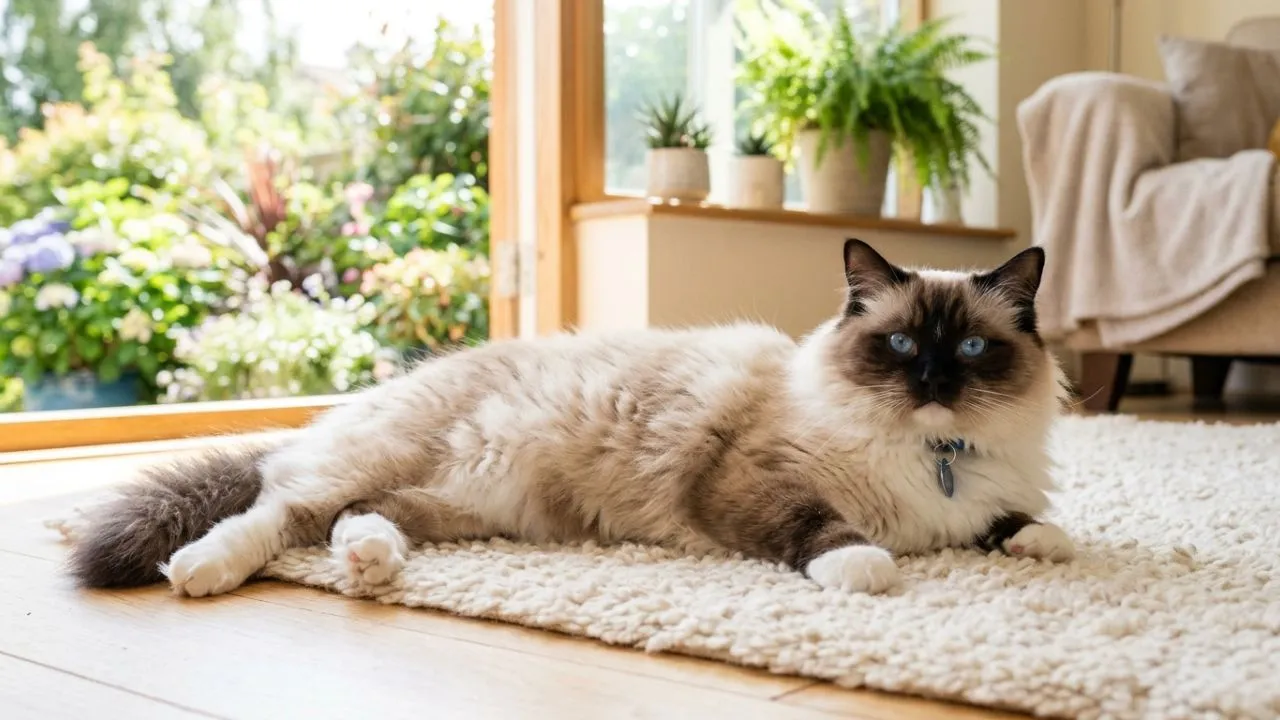
Ragdoll cats flop into your arms the moment you pick them up, like a living plush toy that purrs on command. This breed stays calm no matter how busy a household gets, making it a natural fit for toddlers and older kids alike. Many parents call it the gentlest cat they have met.
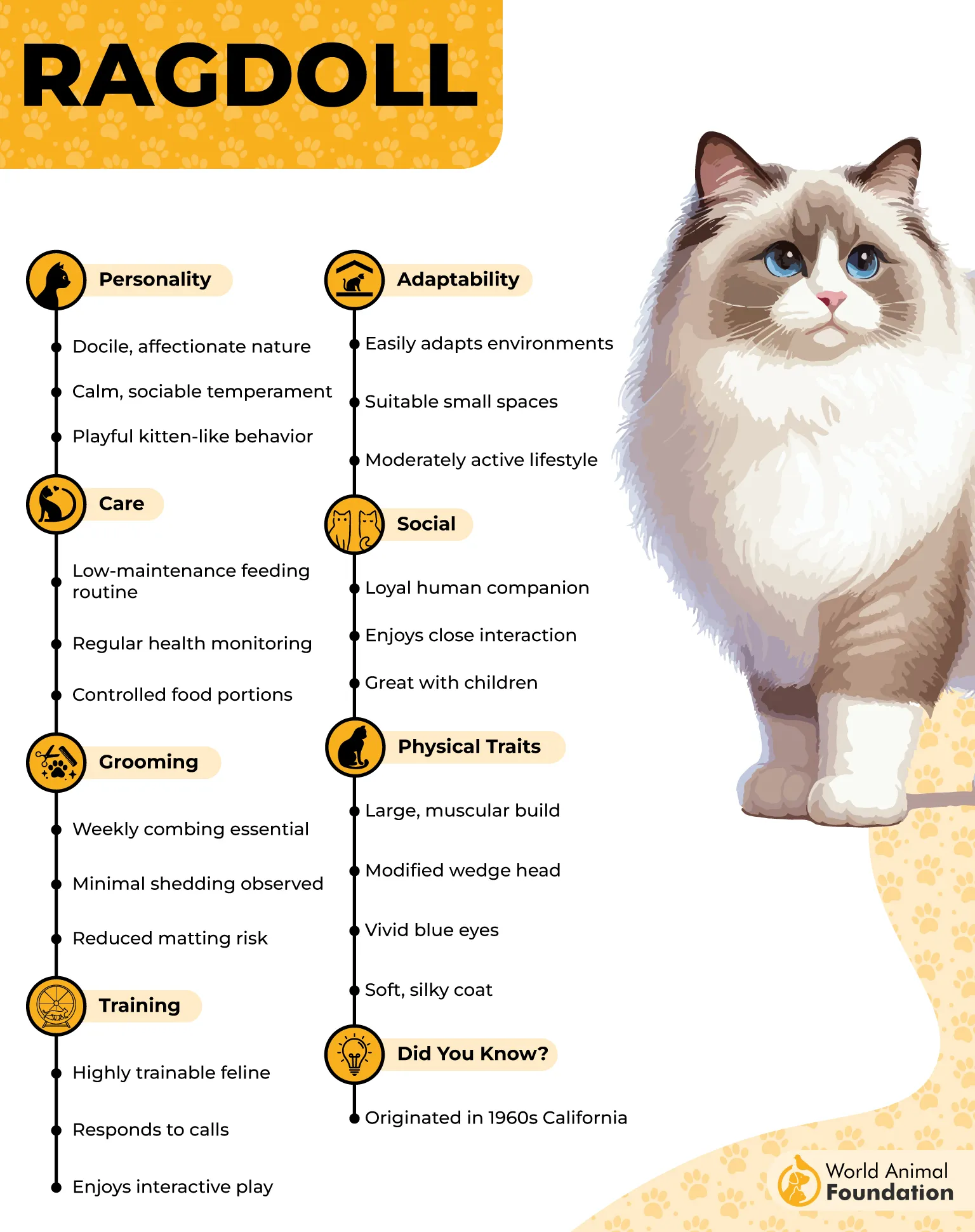
Loud noise barely registers with a Ragdoll, who tends to just watch with curious eyes instead of bolting. Sudden movement gets the same shrug, and being picked up or carried only makes it go more limp and content, true to its name. Even repeated or rough petting rarely bothers this breed, which tolerates a firm hand far longer than most.
Watch for a stiffened tail or flattened ears, the earliest sign of stress. A soft, low grumble follows if those cues get missed.
2. Birman
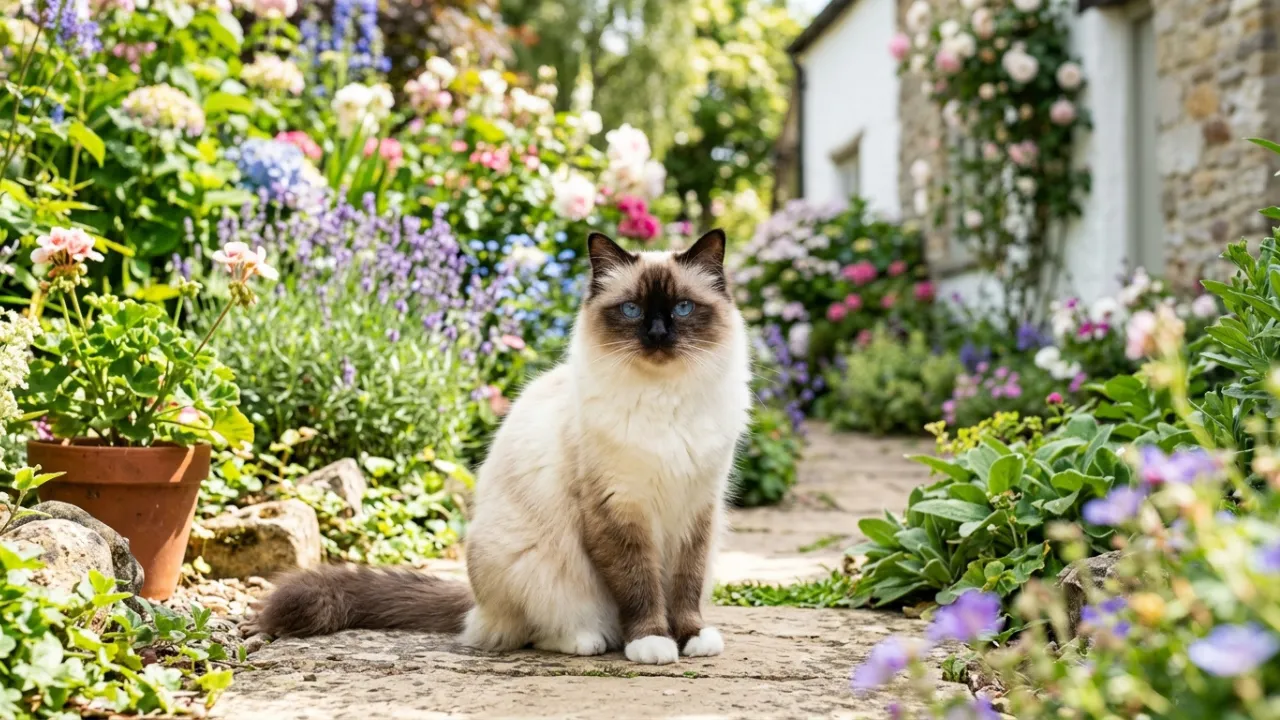
The Birman greets children with a soft chirp instead of a meow, a quiet hello that feels made for gentle hands. This breed suits school-age kids especially well, since it prefers calm attention over wild chasing games. Its round face only adds to the charm.

A sudden crash of noise usually sends a Birman drifting toward a quieter room rather than sticking around to investigate. Fast or jerky movement makes it freeze for a moment before deciding whether to stay close or wander off. Being picked up works fine as long as the hold feels secure, but repeated rough petting wears its patience thin fast, and it will pull away well before getting annoyed.
Early stress often shows as a flicking tail tip or sideways ears, says Britannica. Catch that moment, and the cat resets fast.
3. Maine Coon
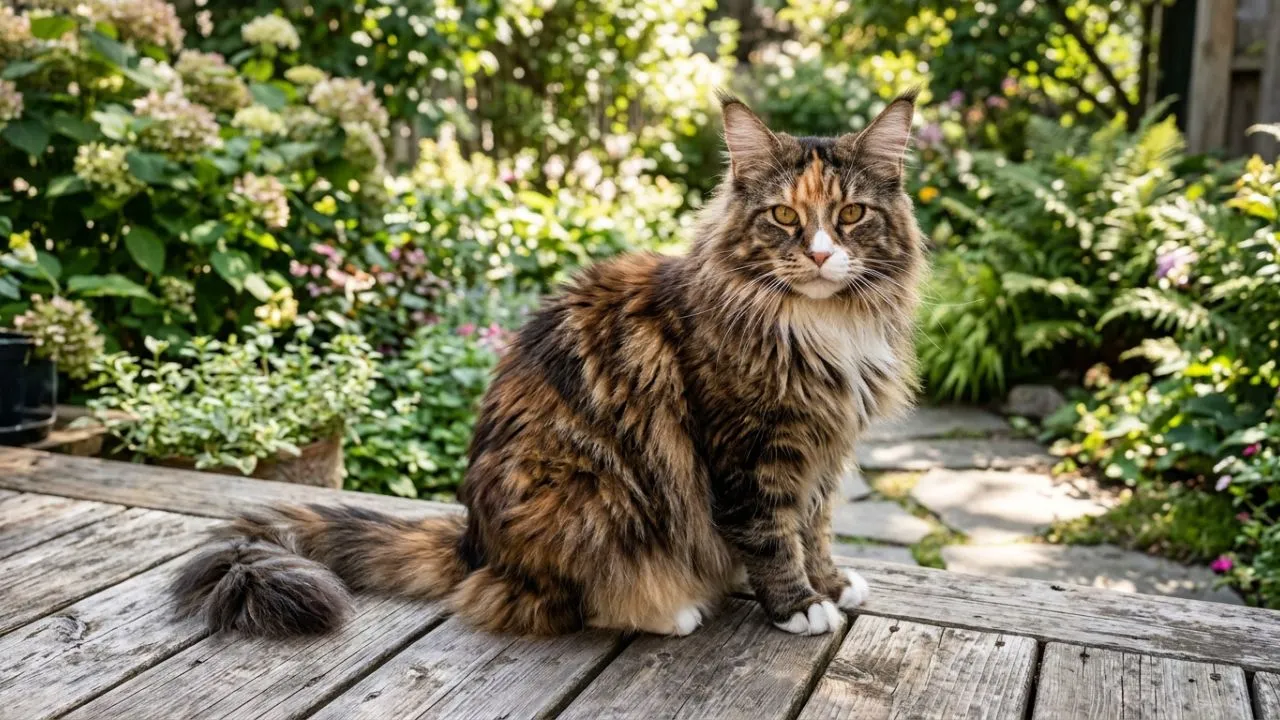
A Maine Coon treats family members like its own entourage, following them room to room with dog-like loyalty. Bigger kids tend to suit this breed best, since its size and sturdy frame handle enthusiastic play without much fuss. Few breeds match its genuine affection.
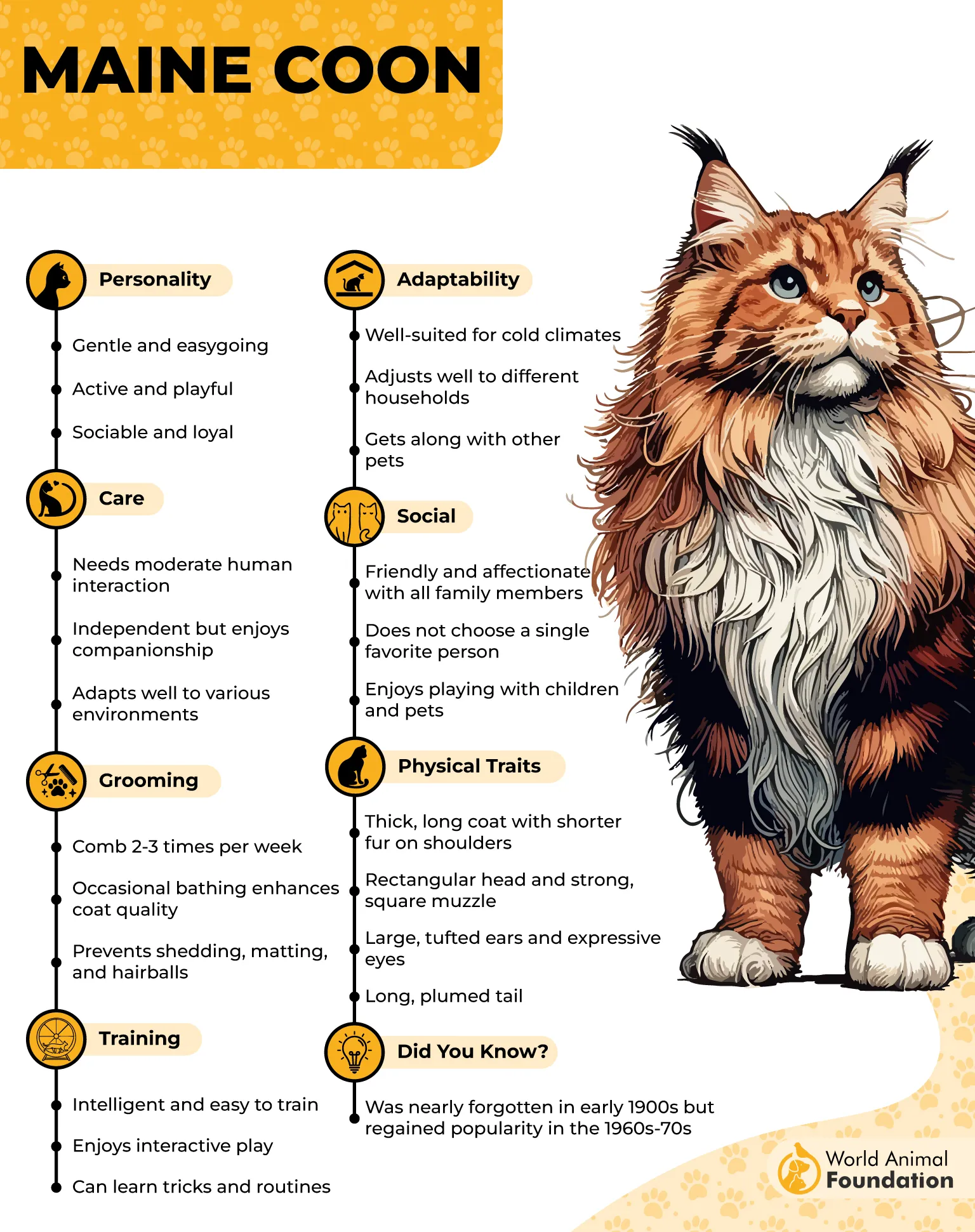
Loud noise rarely fazes a Maine Coon, which usually just glances over with mild curiosity. Sudden movement gets a similar response, and it will often join in rather than retreat from the action. Being picked up is a different story, since this breed prefers all four paws on solid ground, and rough or repeated petting gets met with a calm walk-off instead of any fuss.
Stress rarely shows outright, so a subtle tail swish or sudden stillness is the real tell, according to VCA.
4. Exotic Shorthair
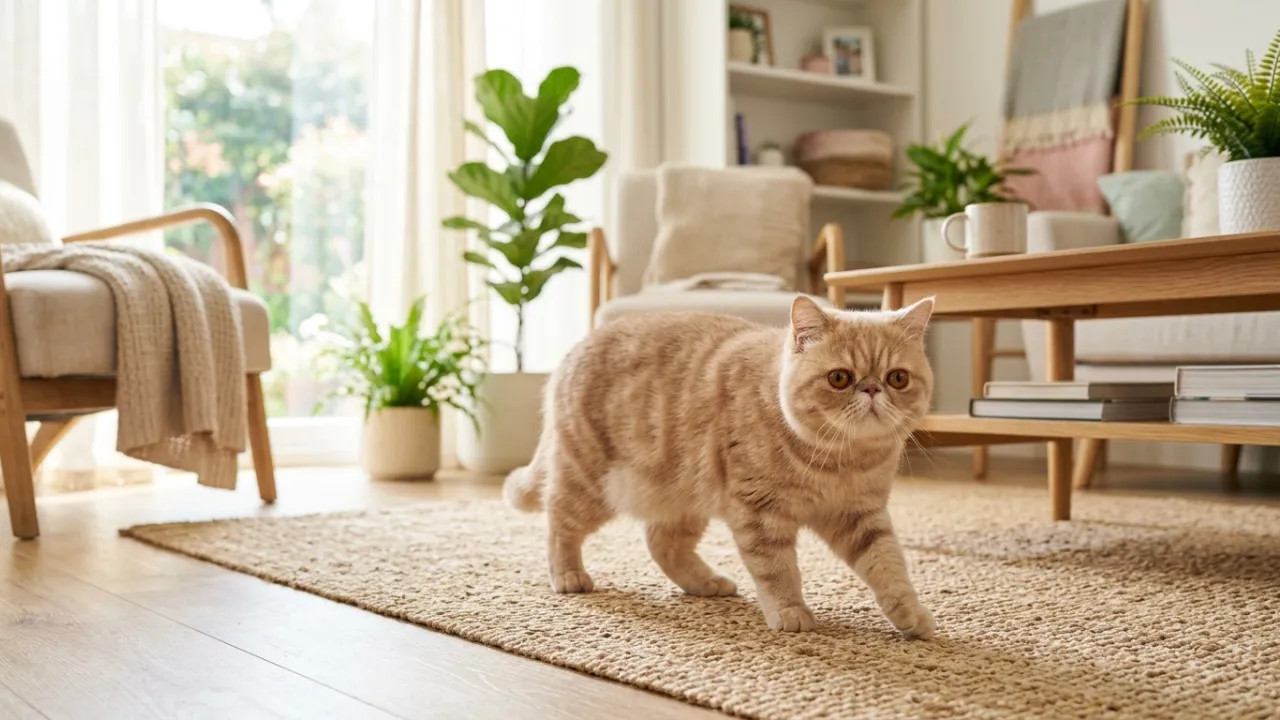
The Exotic Shorthair looks like a sleepy teddy bear and mostly behaves like one, content to nap near whatever the kids are doing. Younger children tend to suit this breed well, since it rarely needs the fast, chasing play older kids crave. Its flat face only adds to the charm.
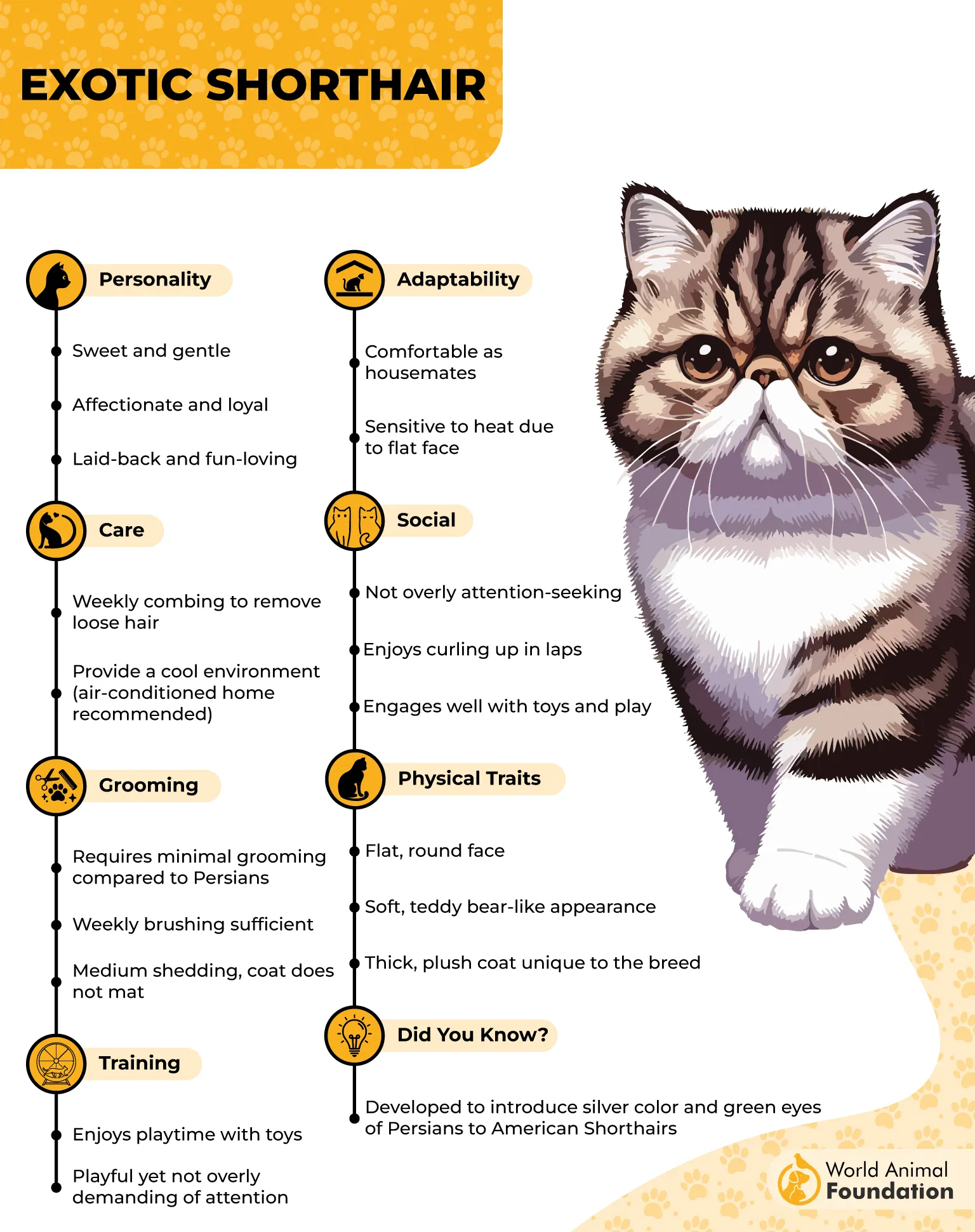
Loud noise barely interrupts an Exotic Shorthair’s nap, and sudden movement earns little more than a slow, unbothered blink. Being picked up or carried works well too, especially when held close and low rather than swung around. Repeated or rough petting just makes it shift position instead of pulling away, which says a lot about how little rattles this breed.
Because this breed stays so quiet, stress can be easy to miss, so a tucked paw or held breath matters more than any loud reaction.
5. Persian
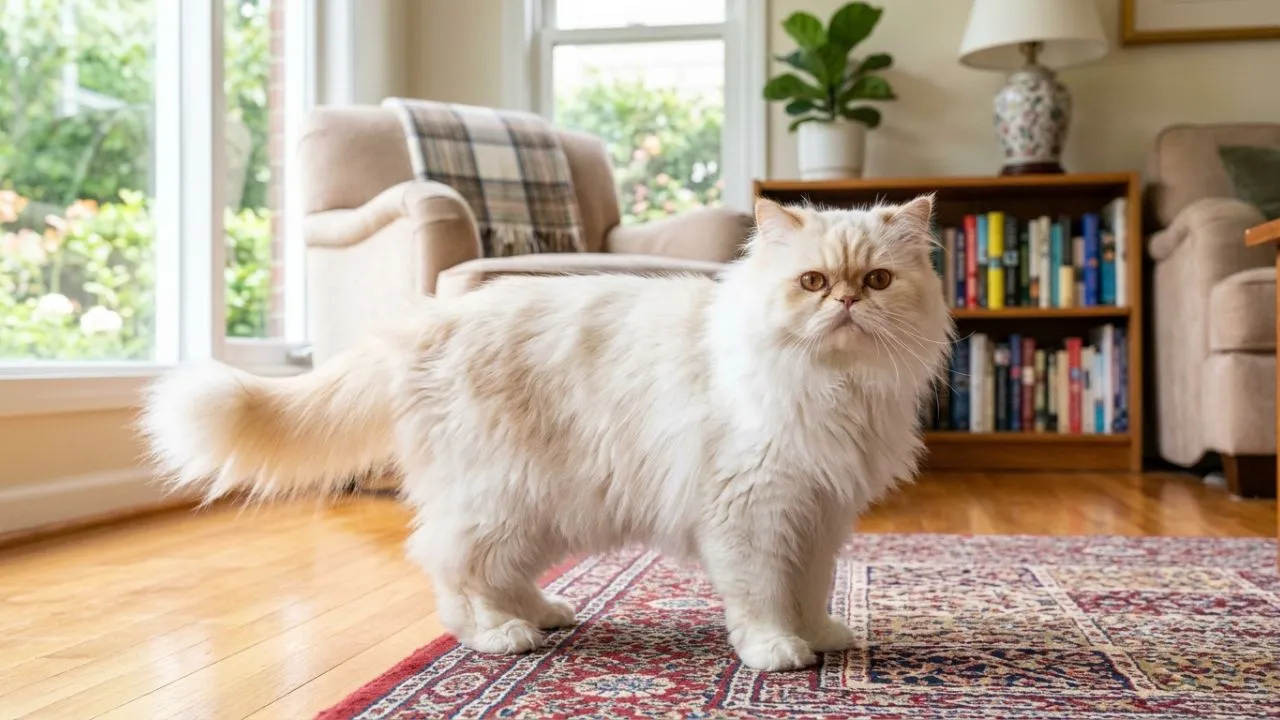
A Persian prefers a slower kind of love, the type where a child sits beside it rather than chases it around. This breed suits calmer, older kids best, the ones who already understand that patience earns a cat’s trust. Its long coat matches its composed nature.
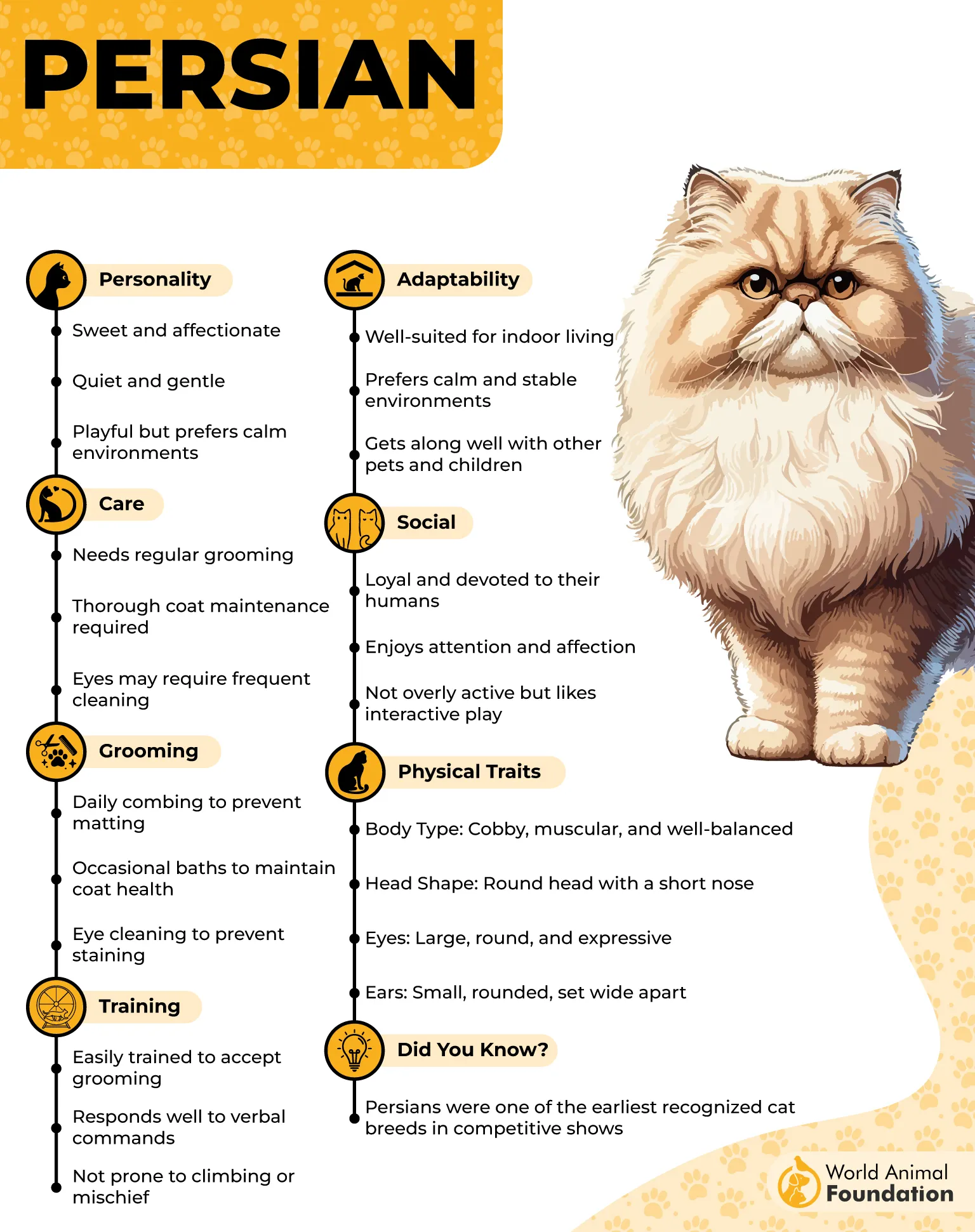
A Persian tends to move toward a quieter spot when noise picks up rather than confront it head-on. Sudden movement makes it hesitate, often choosing stillness over any startled reaction. Being picked up works only with a careful, supported hold, and repeated rough petting ends the moment quietly, with the cat simply walking away rather than making a scene.
A Persian signals discomfort early through squinted eyes or a lowered head, well before any swat occurs.
6. Ragamuffin
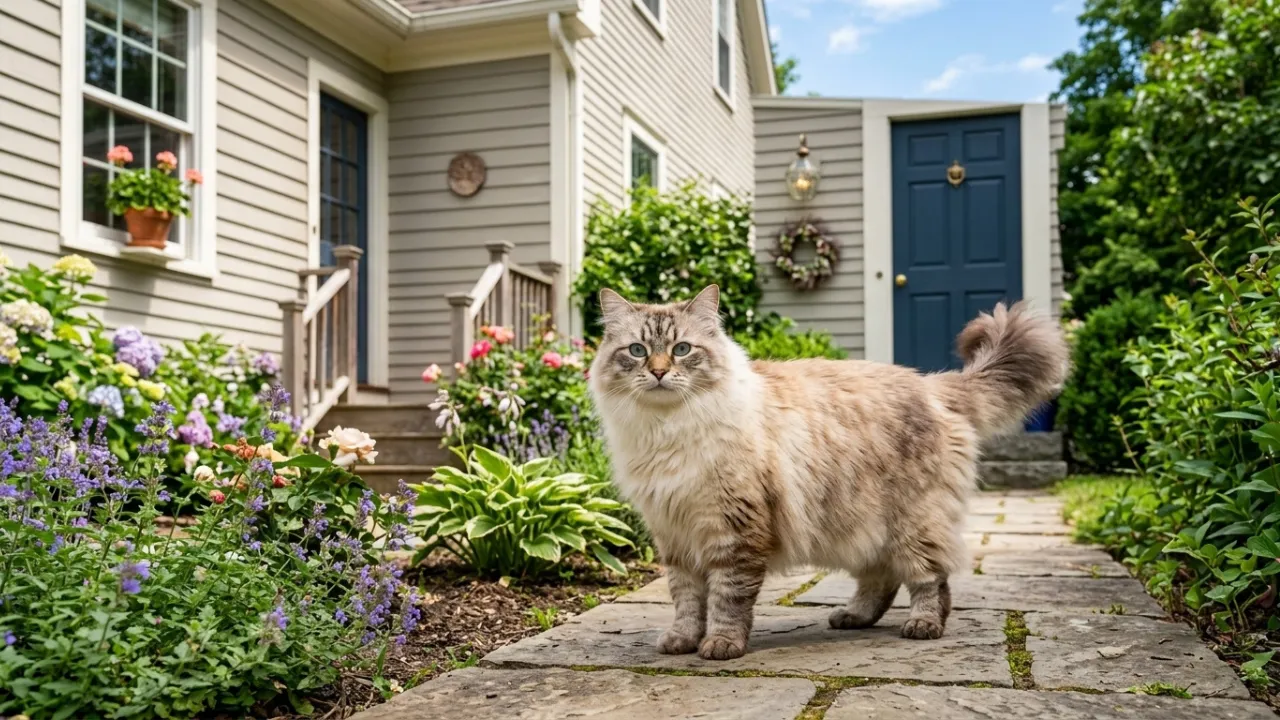
The Ragamuffin seems built for cuddling, a breed that goes soft and trusting the instant a child wraps it in a hug. It fits nearly any age of kid, from curious toddlers to gentle teens, since its patience rarely runs short. Few cats embrace a busy household this warmly.
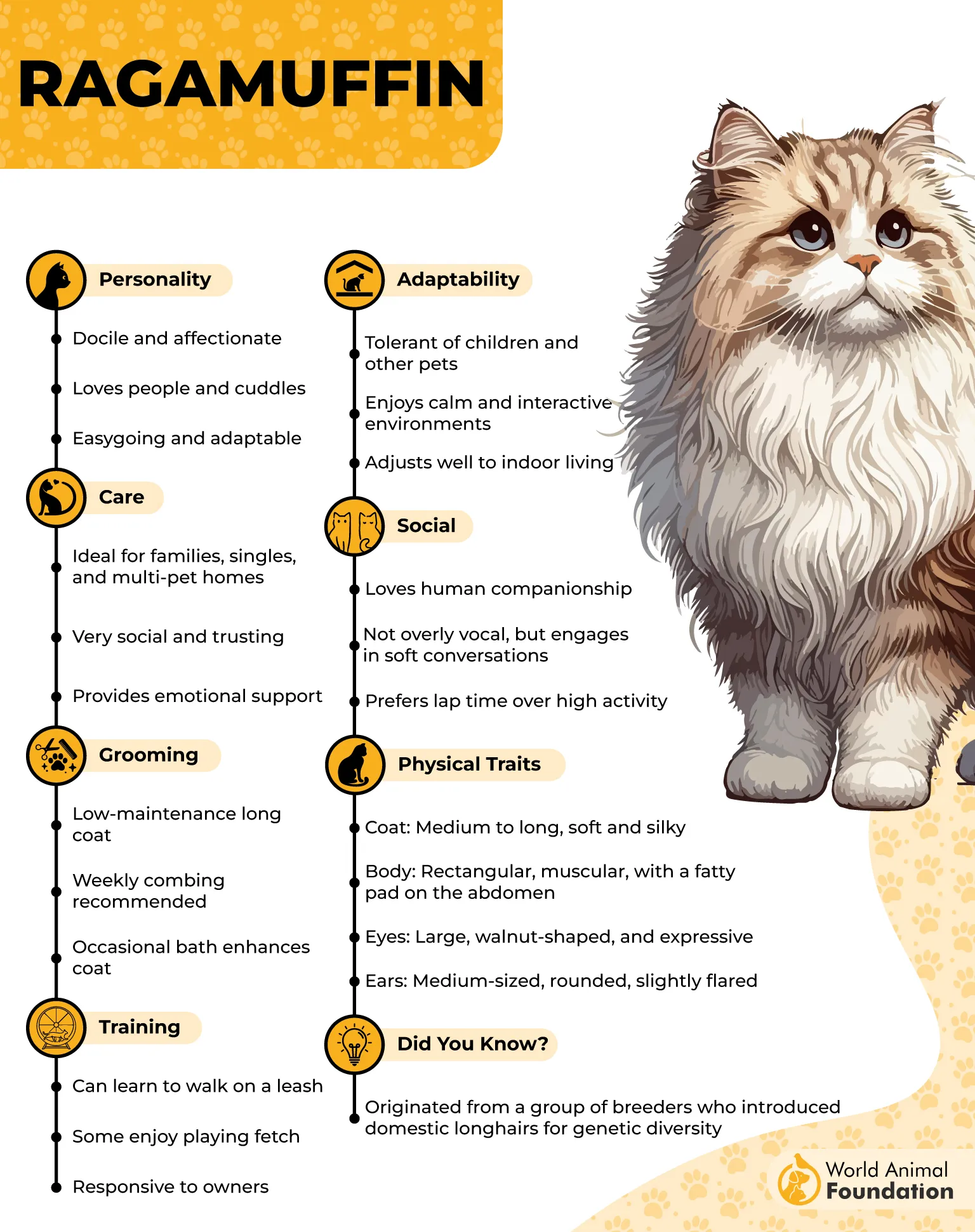
Household racket barely registers with a Ragamuffin, which stays put and unbothered through most of it. Sudden movement tends to pull it along rather than send it running, and being picked up or carried is met with an almost instant relaxation into the hold. Even repeated or rough petting gets a lean in for more rather than any pulling away.
Stress is rare but usually shows first as a stiffened body or brief freeze, as per PetMD.
7. Burmese
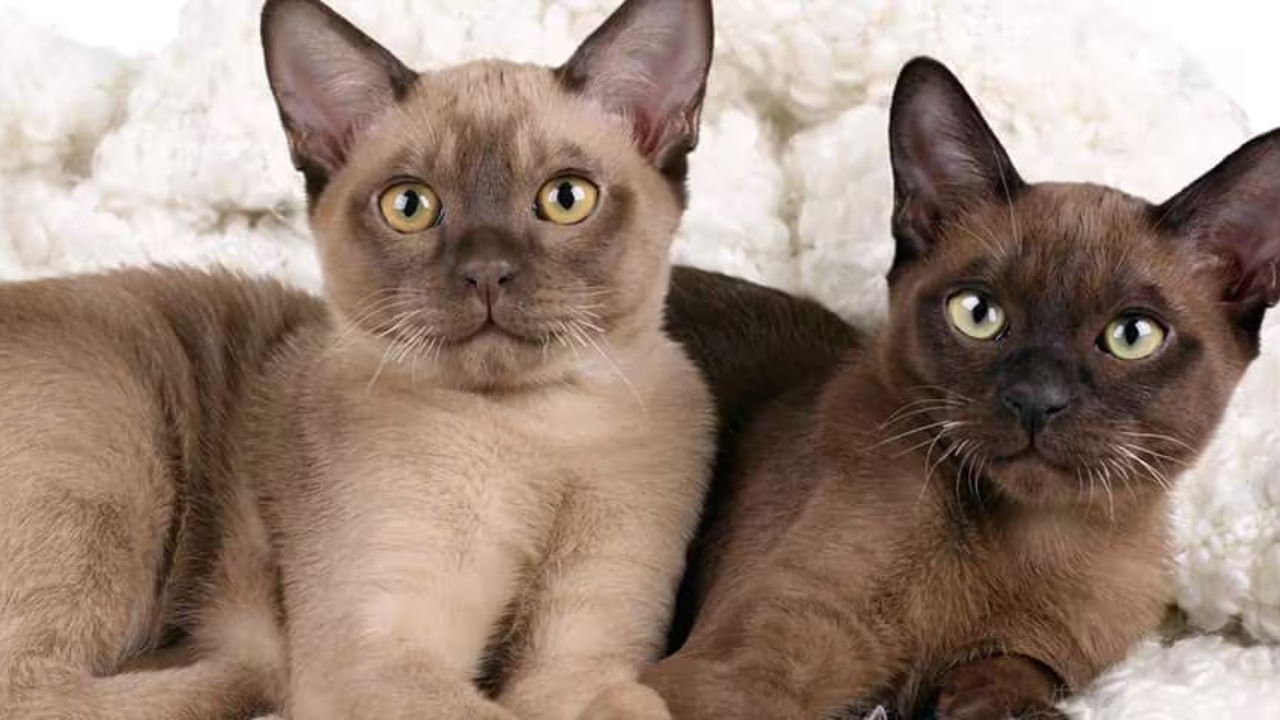
A Burmese follows its people around like a small, determined shadow, always ready for the next round of attention or play. This breed thrives with energetic kids who want a genuine playmate, not just a lap companion. Its bright eyes give away how social it is.
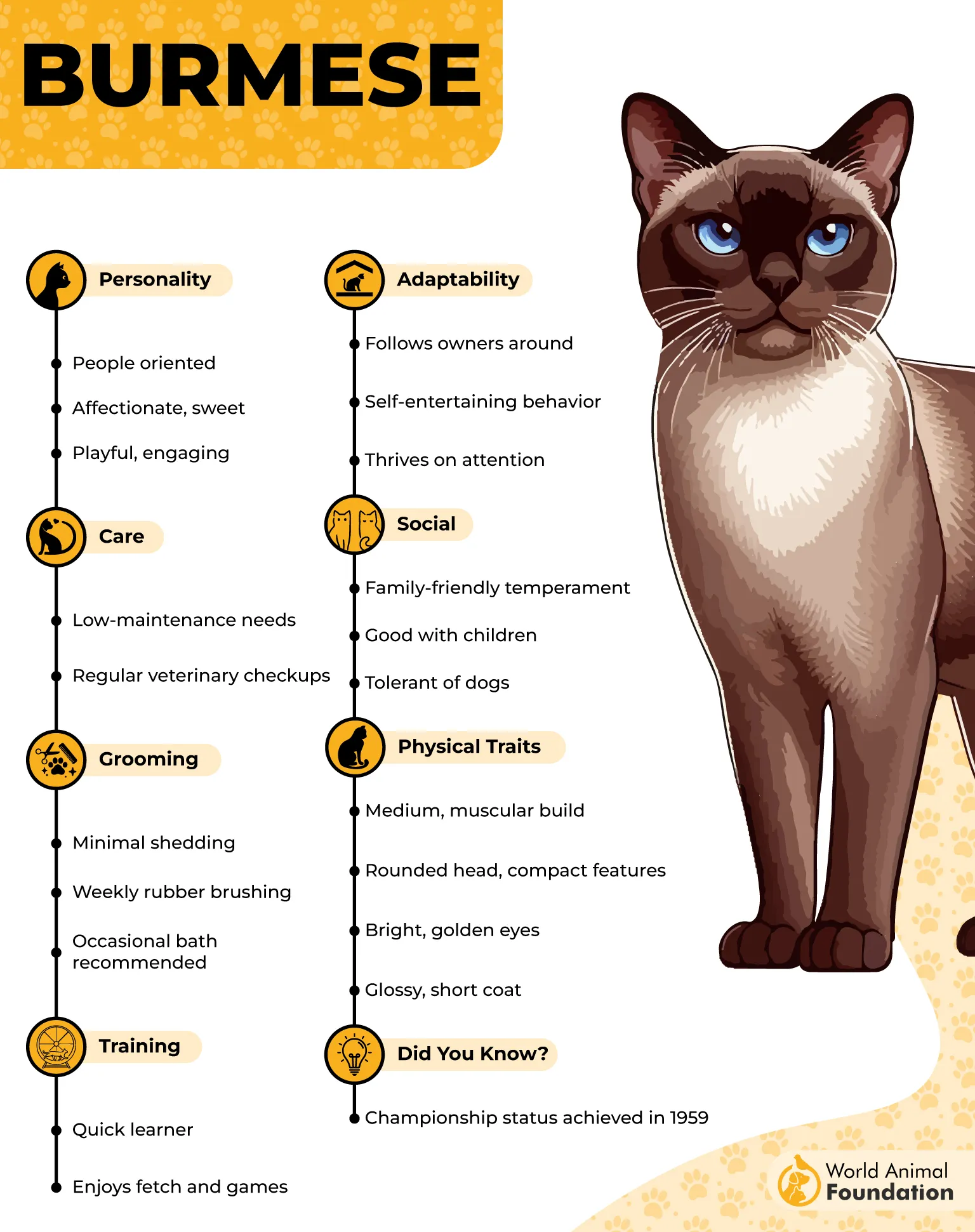
Loud noise tends to spark curiosity in a Burmese rather than concern, and sudden movement usually gets it joining the fun instead of retreating. Being picked up is enjoyable for a short while, though it will wriggle to get back to playing soon enough. Repeated or rough petting sometimes earns a playful nip, which is this breed’s way of asking for a gentler touch.
Stress shows fast through a flicking tail or sharper meow.
Conclusion
Every cat on this list proves that gentle looks different depending on the breed, and the real trick is matching that nature to your child’s age and energy. A Ragdoll and a Burmese are both friendly, but only one wants a lap nap while the other wants a playmate, so pick the companion that fits your house, not just the cutest face.
Bring any of these seven home and give that first meeting time to unfold slowly, since trust between a cat and a child is never instant. Remember which signals to watch for, and this bond will grow into one of the most comfortable, rewarding parts of family life.
