




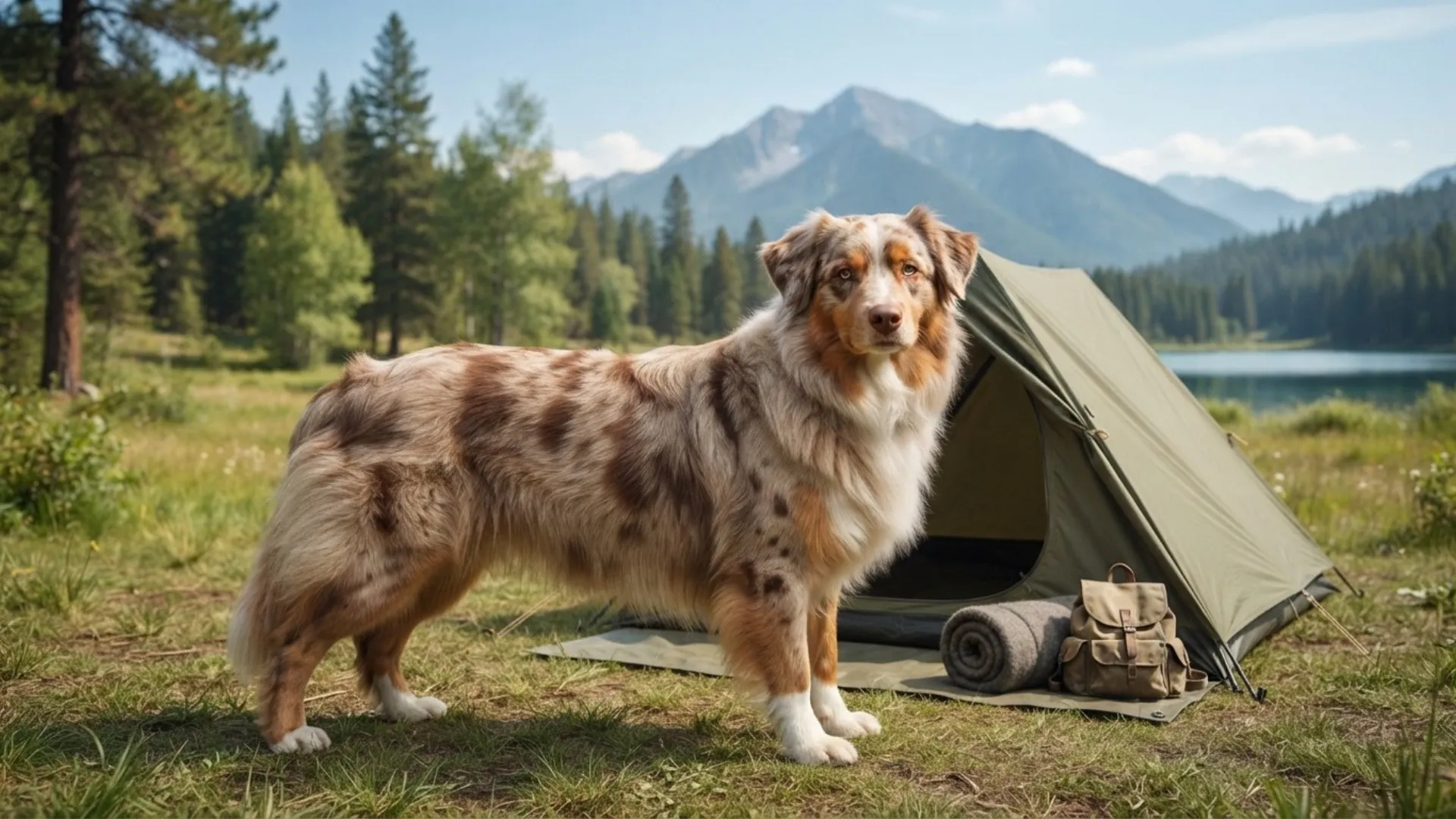
When your dog can participate in adventure, camping is a lot more fun. The ideal camping buddy is someone who is able to enjoy being outdoors and on various surfaces, and is willing to sit and relax after a day’s activities.
However, not all dogs with lots of energy will make a suitable pet. For some breeds, there is so much physical and mental demand that a casual weekend at a campsite may not be sufficient. Others, however, are flexible and find pleasure in various forms of activity, ranging from a long hike to sitting around the tent.
Weather also matters. A dog that can cope in cool mountain weather may not be able to do as well during a hot summer camping trip, and a short-coated dog will need additional protection in cold weather.
Each of the seven breeds below has a different contribution to make a camping trip. Some can swim naturally, some are great trail partners, and some are easy to train or are easy in new environments.
Thoughtful Dog Breeds to Pair With Your Camping Journeys
1. Labrador Retriever
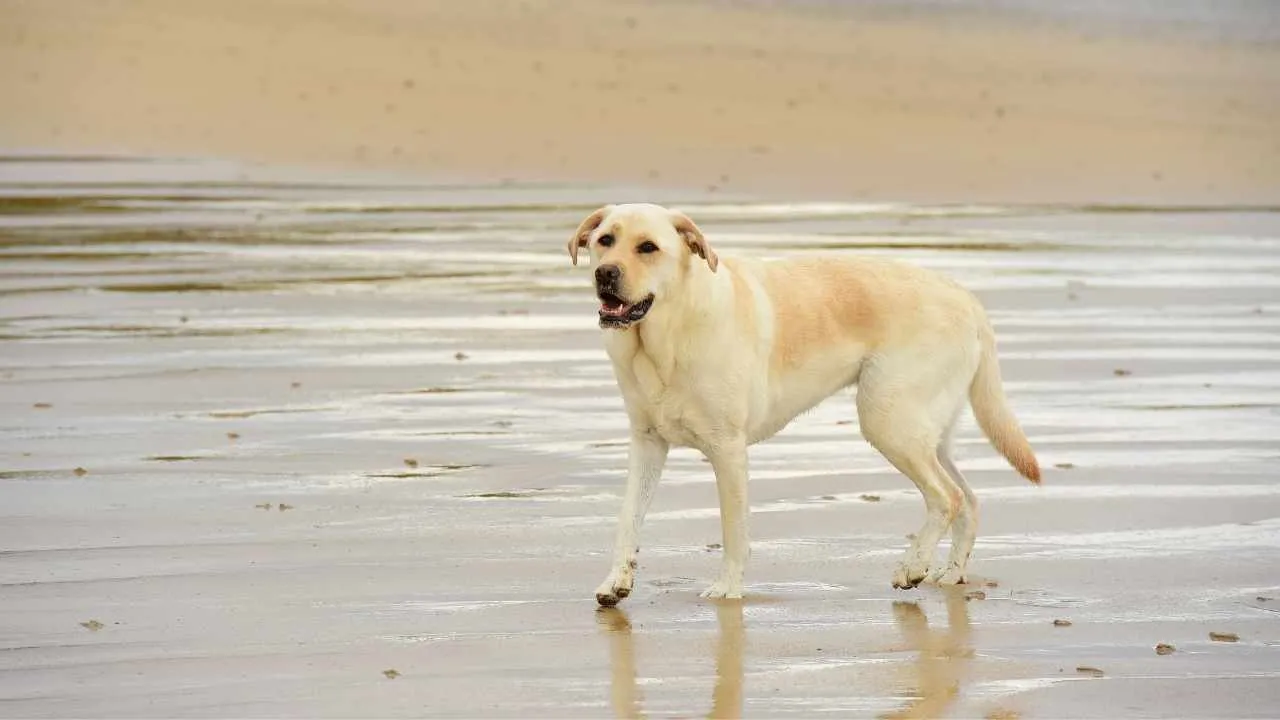
One of the most popular breeds to imagine when in the company of a campsite is the Labrador Retriever, as a lot of its traditional skills are associated with outdoor work. Labs have been bred to retrieve game and are very water-oriented, swimming and retrieving from lakes and rivers.
The water-resistant double coat also provides them with good protection in outdoor water-based activities.
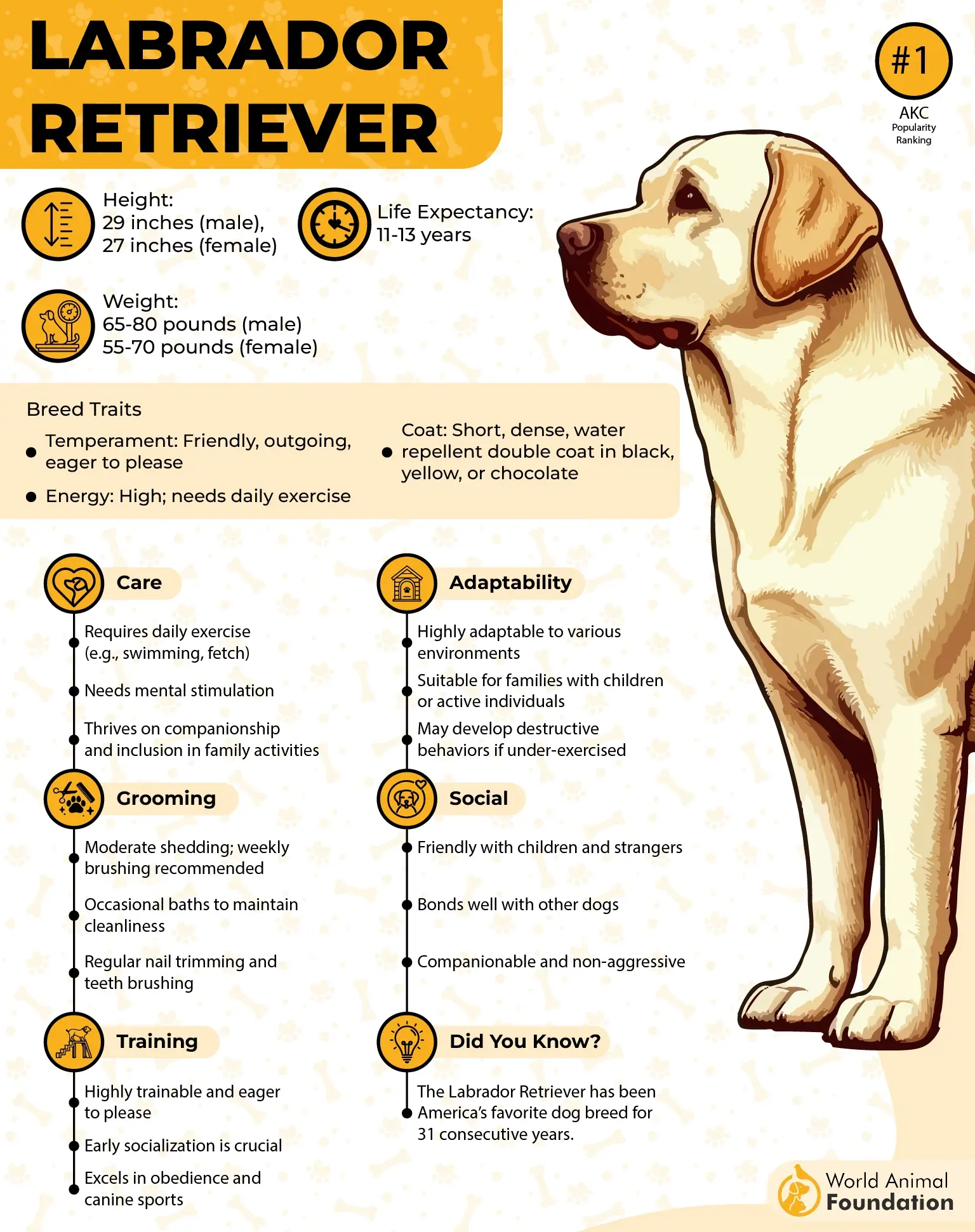
That makes a Labrador very handy when you’re on a camping trip with lakes, streams, or long days outside the cabin. It’s possible to go hiking in the morning, play fetch in an open space, and if the conditions are safe, let it have a shot at swimming.
These dogs have a lot of energy. The breed requires a lot of exercise, and an under-exercised Lab may become destructive and hard to handle, according to the American Kennel Club.
2. Golden Retriever
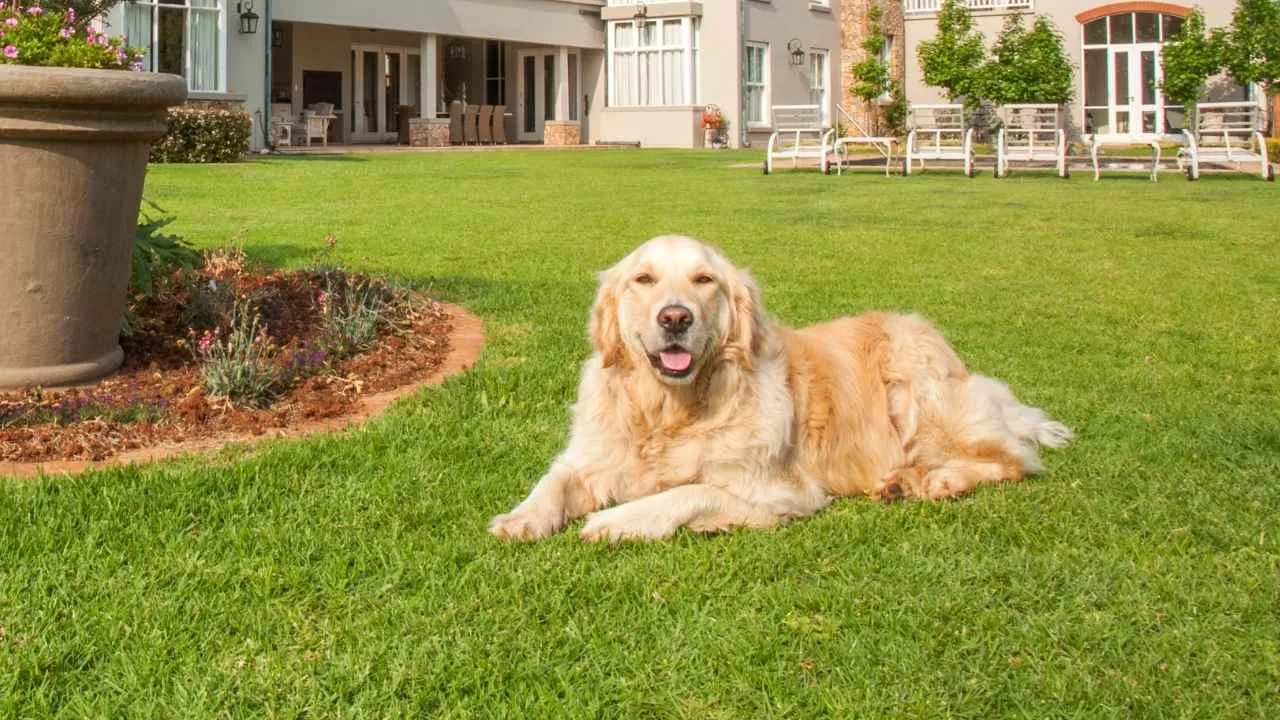
Golden Retrievers take a special flavour to camping. These dogs are athletic for long outdoor days and also very trainable and people-oriented.
Goldens can go along with the owner on a hiking trail, a swim, and a long walk and be treated like a normal dog rather than a special working dog. It’s also a breed that loves to learn and engage in family activities. Purina states that Goldens excel in outdoor sports like hiking, running, and swimming.
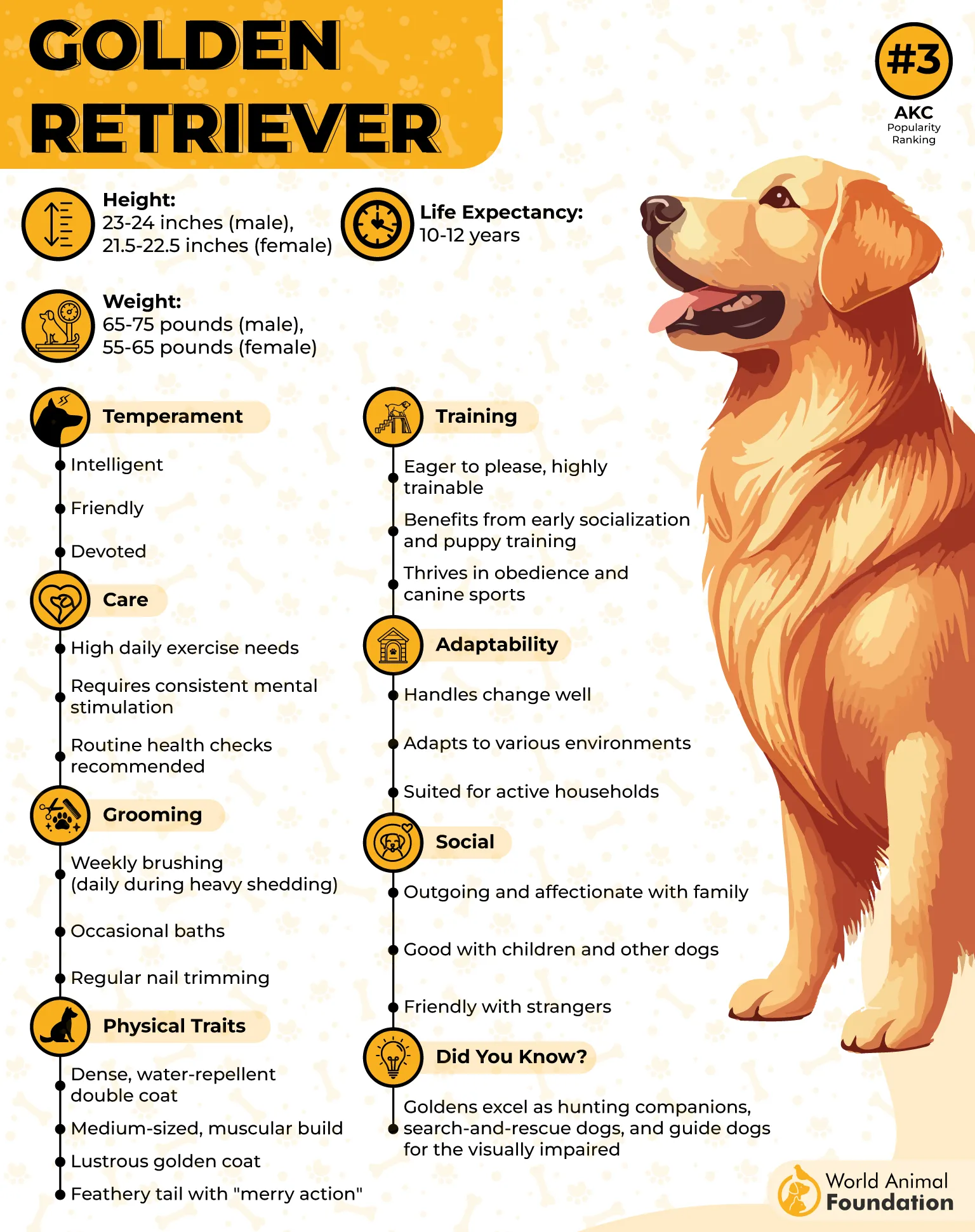
They are also easy to train, which can be beneficial at a campsite. A dog that knows and reliably can follow simple commands is much easier to control and a great asset in camping journeys.
They also require regular exercise on a regular basis even if you don’t go camping. A Golden that does not get enough activity throughout its normal life cycle may not behave in the best of ways.
3. Australian Shepherd
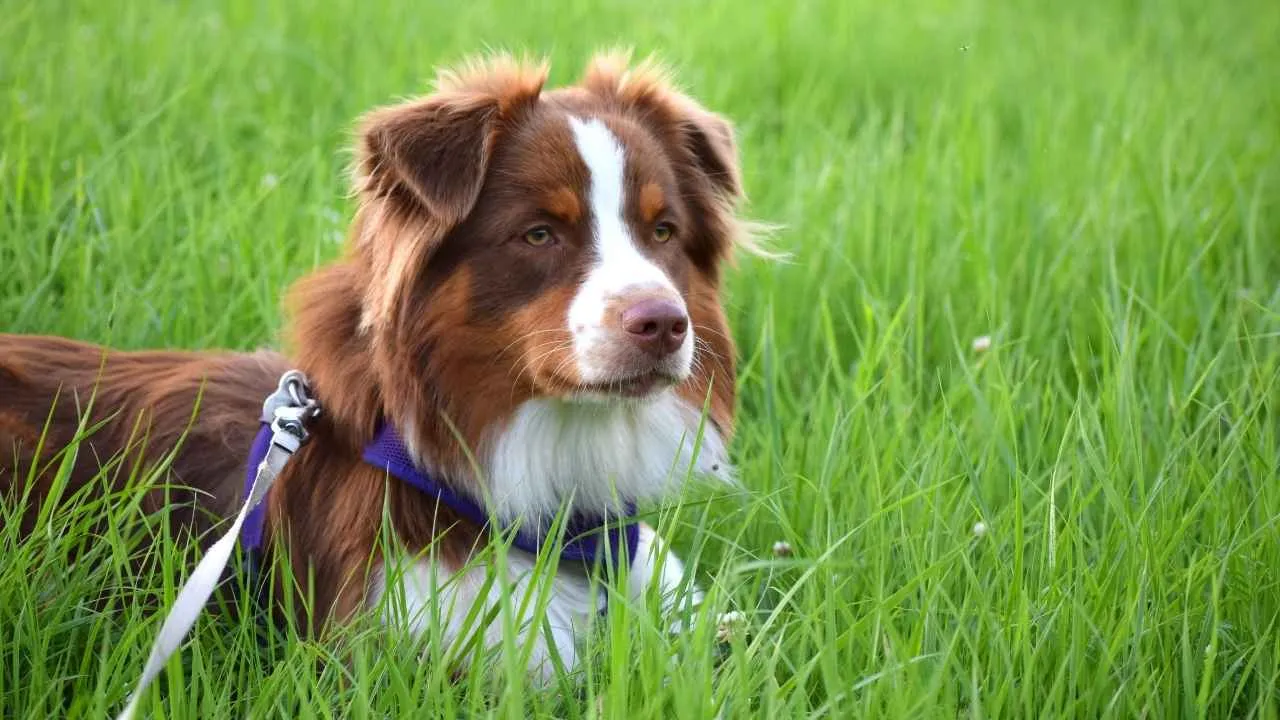
The Australian Shepherd is an excellent dog for campers who would like to have something to do during the camp.
As the name might suggest, the breed was developed in the USA and closely linked to ranch and livestock work. The background is significant because Australian Shepherds aren’t just dogs that like to go for walks. They are smart, clever working dogs that like having normal and physical work.
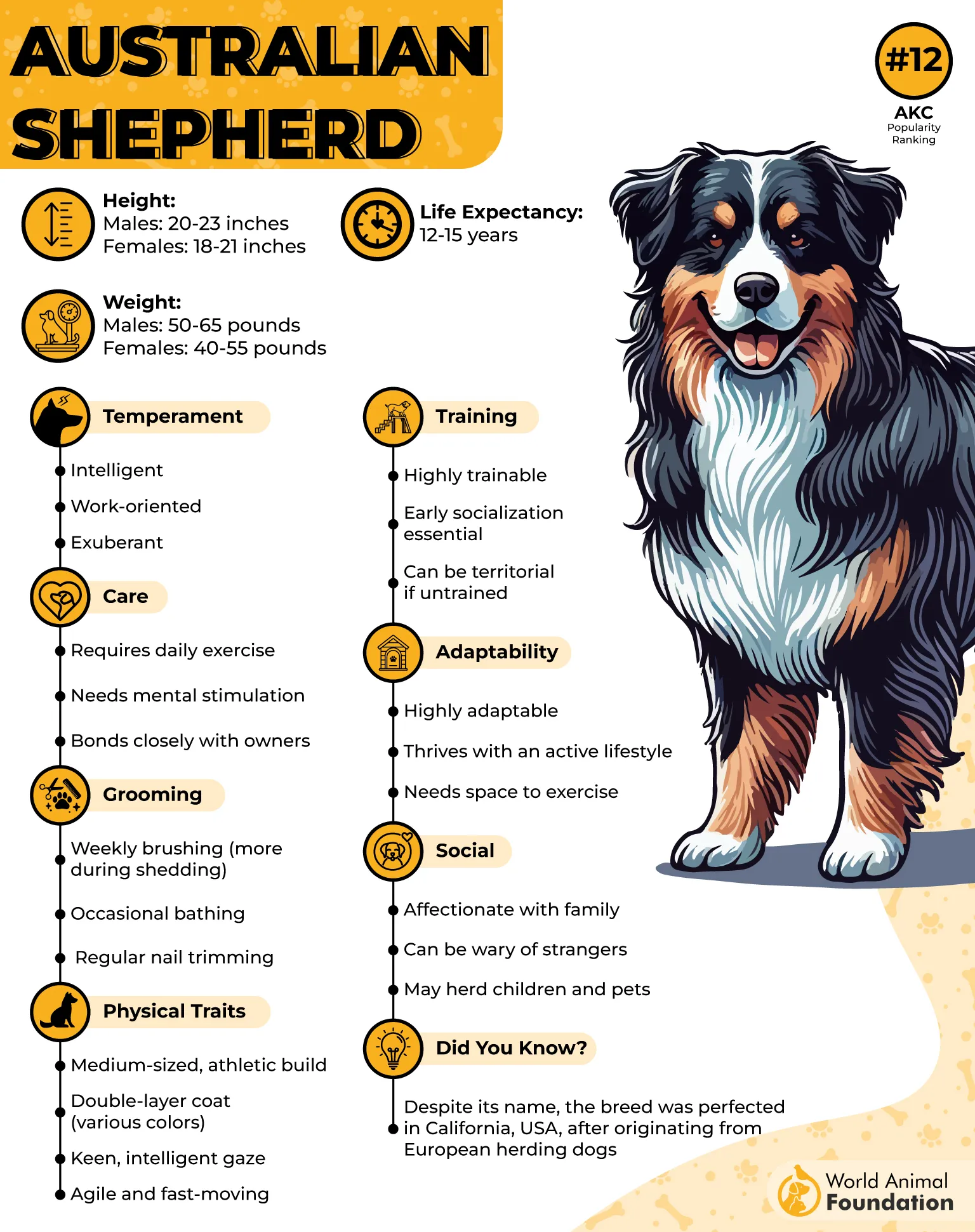
A camping trip could offer a lot of such involvement. A long hike can provide an Australian Shepherd with exercise; obedience training, retrieving games, exploring trails, or learning campsite routines can provide concentration.
This dog breed is also highly intelligent, which can make its training rewarding. An Australian Shepherd that knows where to go, when to go, and what not to do can be easier to control when you are taking the dog out for a walk, according to Dog Breed Info.
4. German Shorthaired Pointer
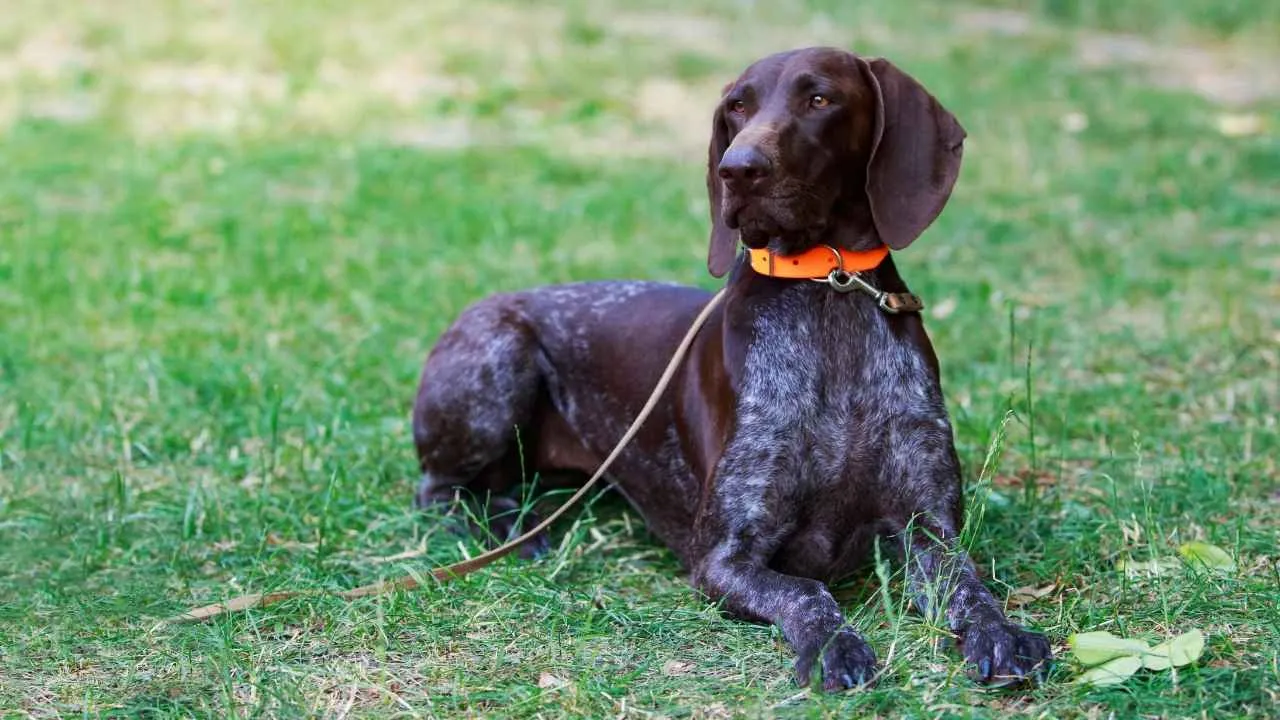
The German Shorthaired Pointer is a great choice for a campout that involves a lot of walking, open areas, and spending many hours outside.
The breed has been bred to be a versatile hunting dog, and that is relflected in its physical capability. Pointers are designed for long-duration running, swimming, and work. Hiking is very suitable for this breed as they love outdoor activities.
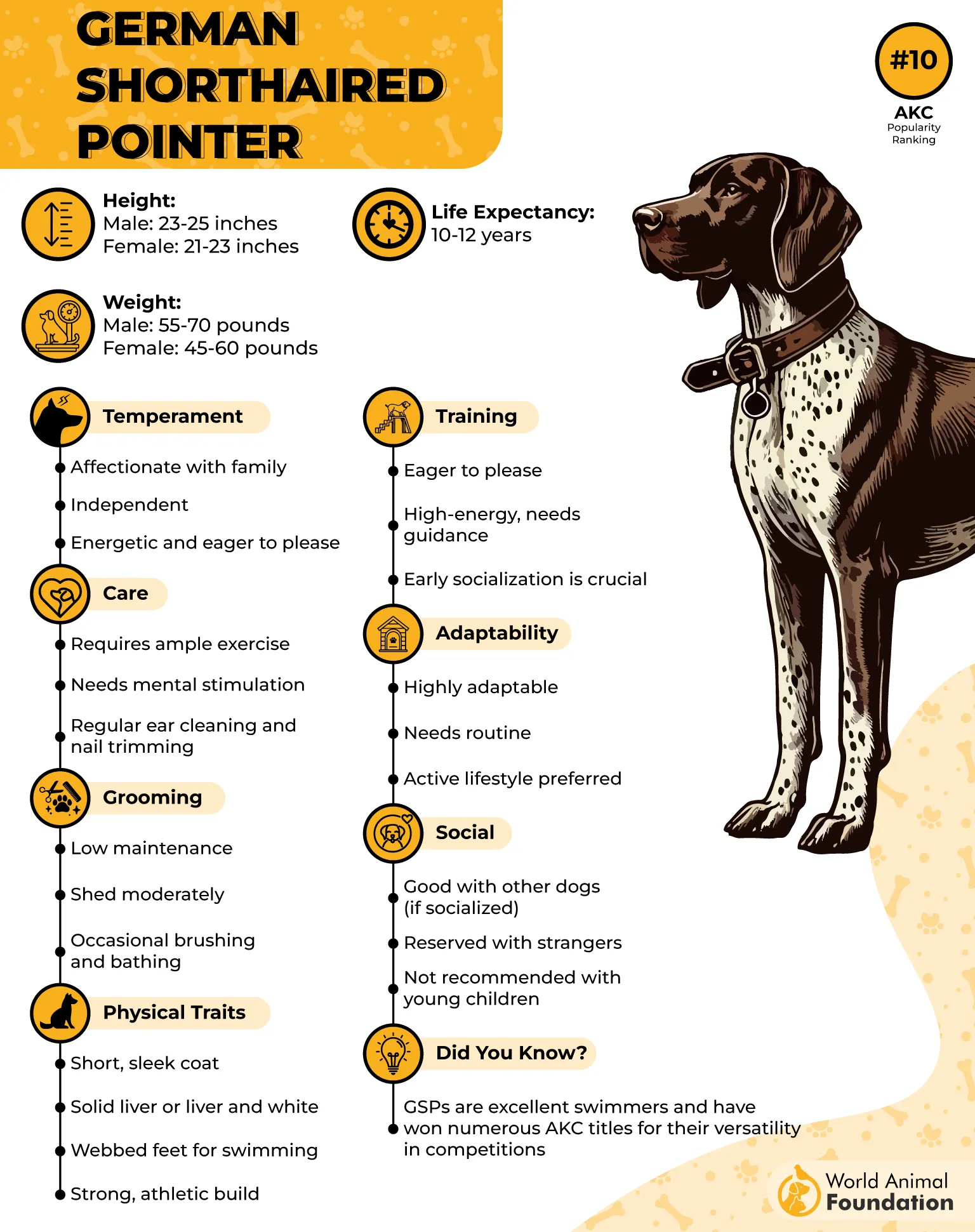
Another advantage of their short coat is that it is very functional at camp. Their coat does not trap as much dirt as a long coat, and basic grooming is relatively easy.
Cleaning is usually easier with a muddy coat than a heavily feathered coat, and after a muddy trail or swim, the process is pretty much the same.
5. Vizsla
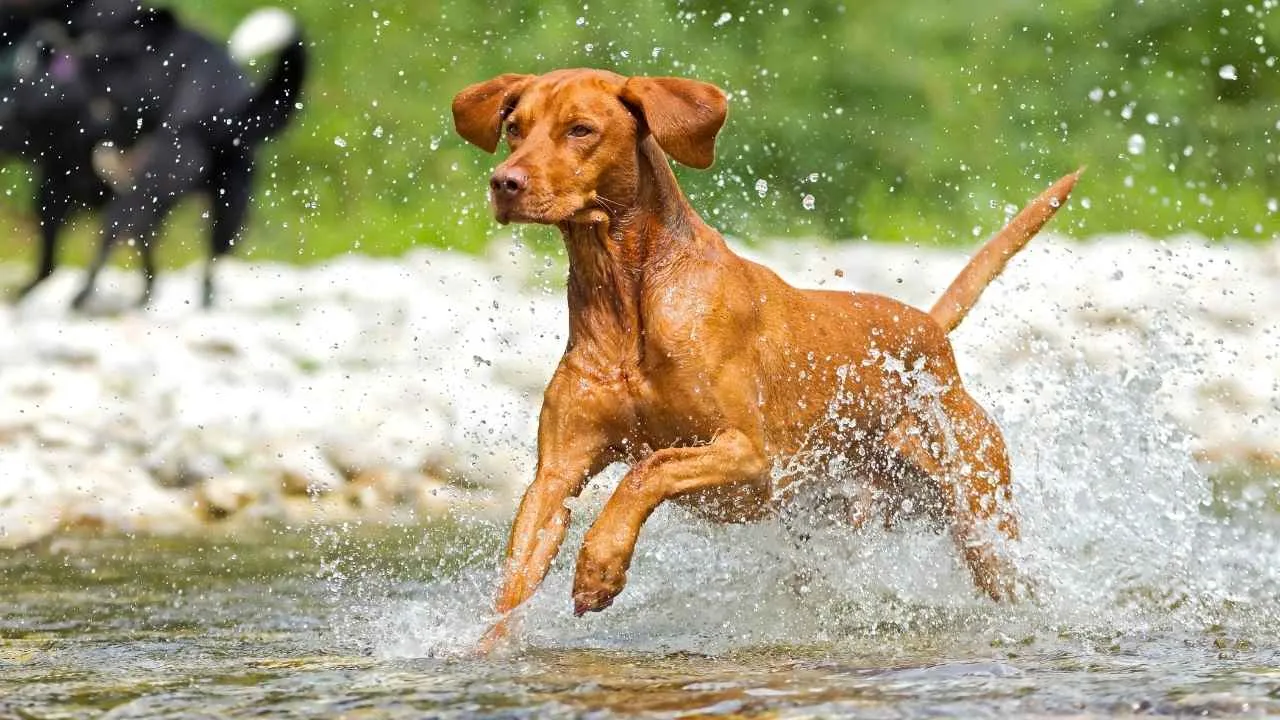
The Vizsla’s athletic nature and its close bond to its owner make it an interesting camping dog.
The Vizsla is a hunting dog originally bred in Hungary, where they were used to hunt alongside mankind. Today, that means that it frequently wants to be involved in its family’s activities. This dog breed is very active, loving, and is well suited for hiking, running, biking, and backpacking.
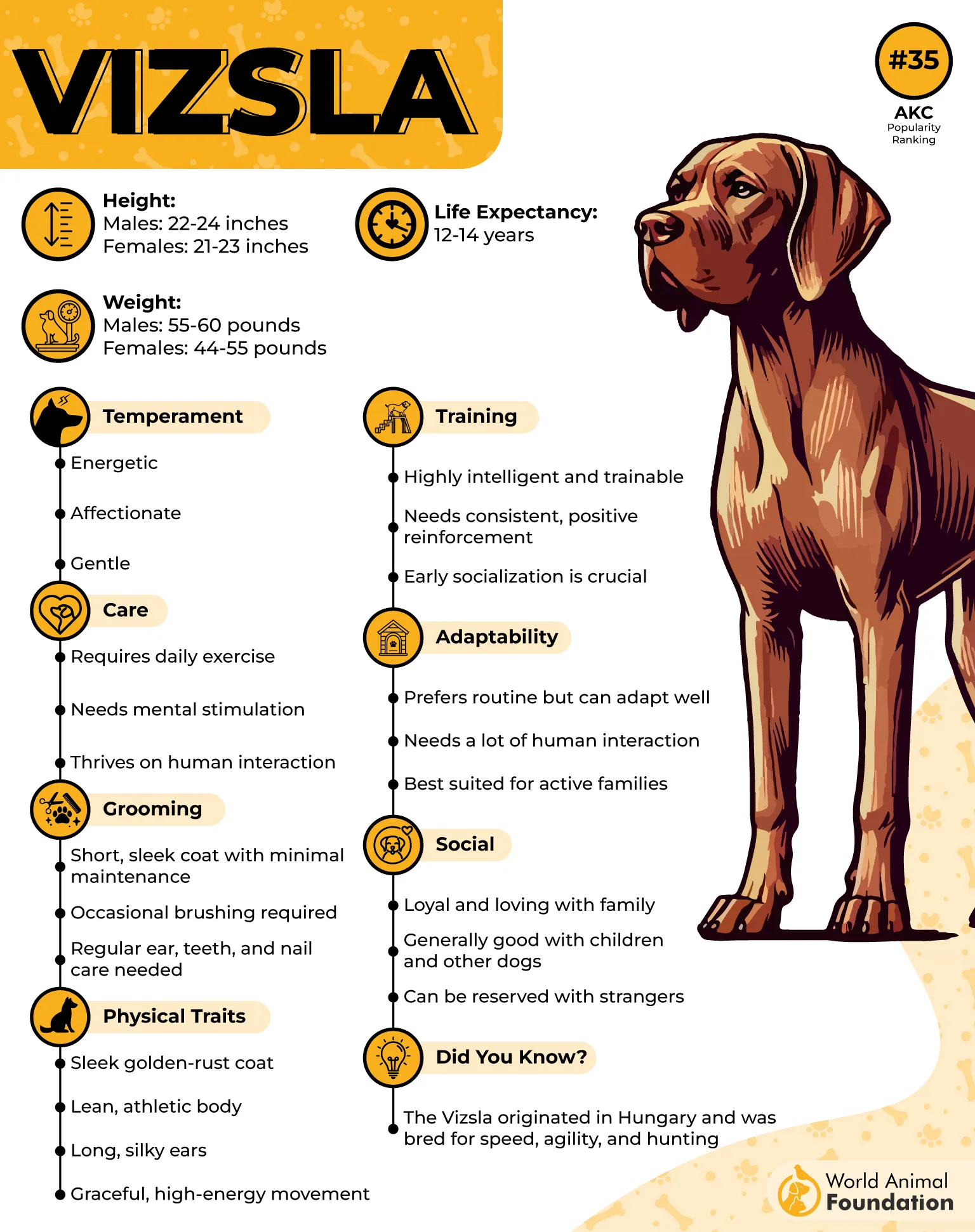
It has a short coat, too, which makes it easier to camp with. Their less long fur doesn’t trap dirt, sticks, and plant material, and regular brushing makes their coat clean and healthy.
The most important thing for the Vizsla is to have someone to keep it company. These dogs do not do well when left alone for long periods of time and are more suited to campers that want their dog to be in on the day’s activities instead of hours alone at the campsite.
6. Siberian Husky
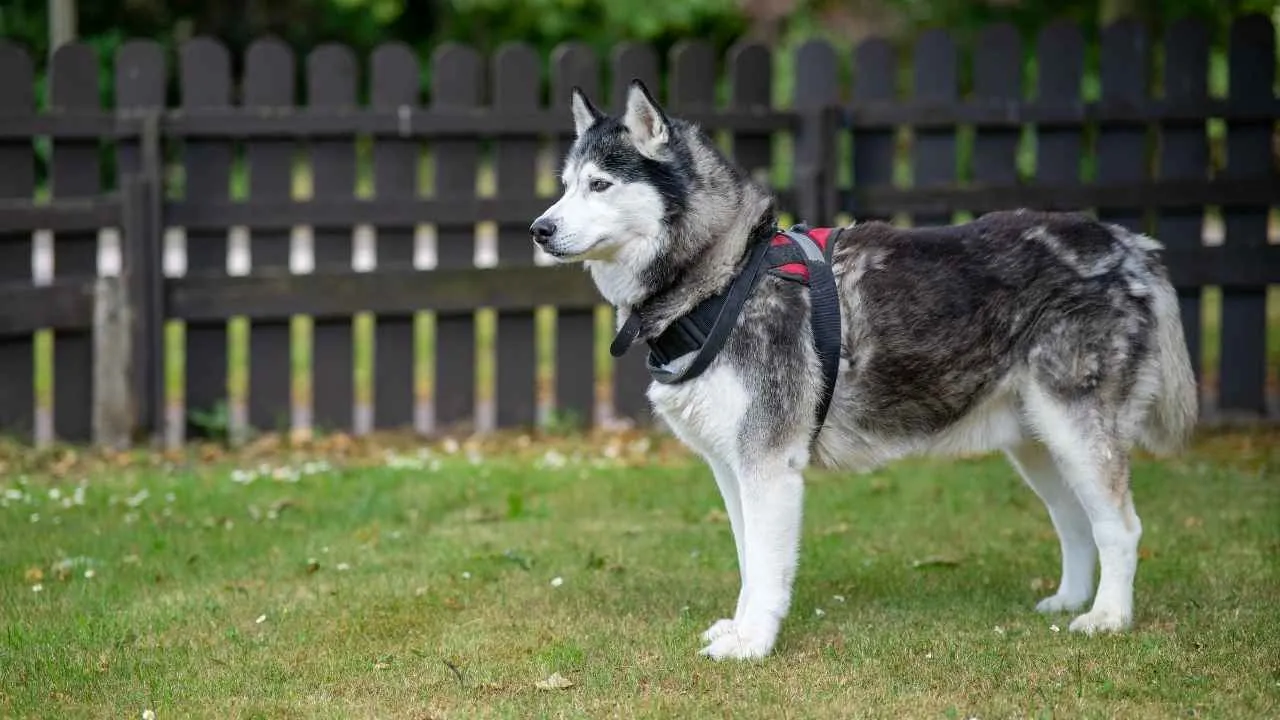
The Siberian Husky was designed to perform its job: pull a sled over long distances across the snow in freezing conditions.
This history is ingrained in the breed: its natural ability to survive in cold weather and adapt to winter conditions for camping and adventure.
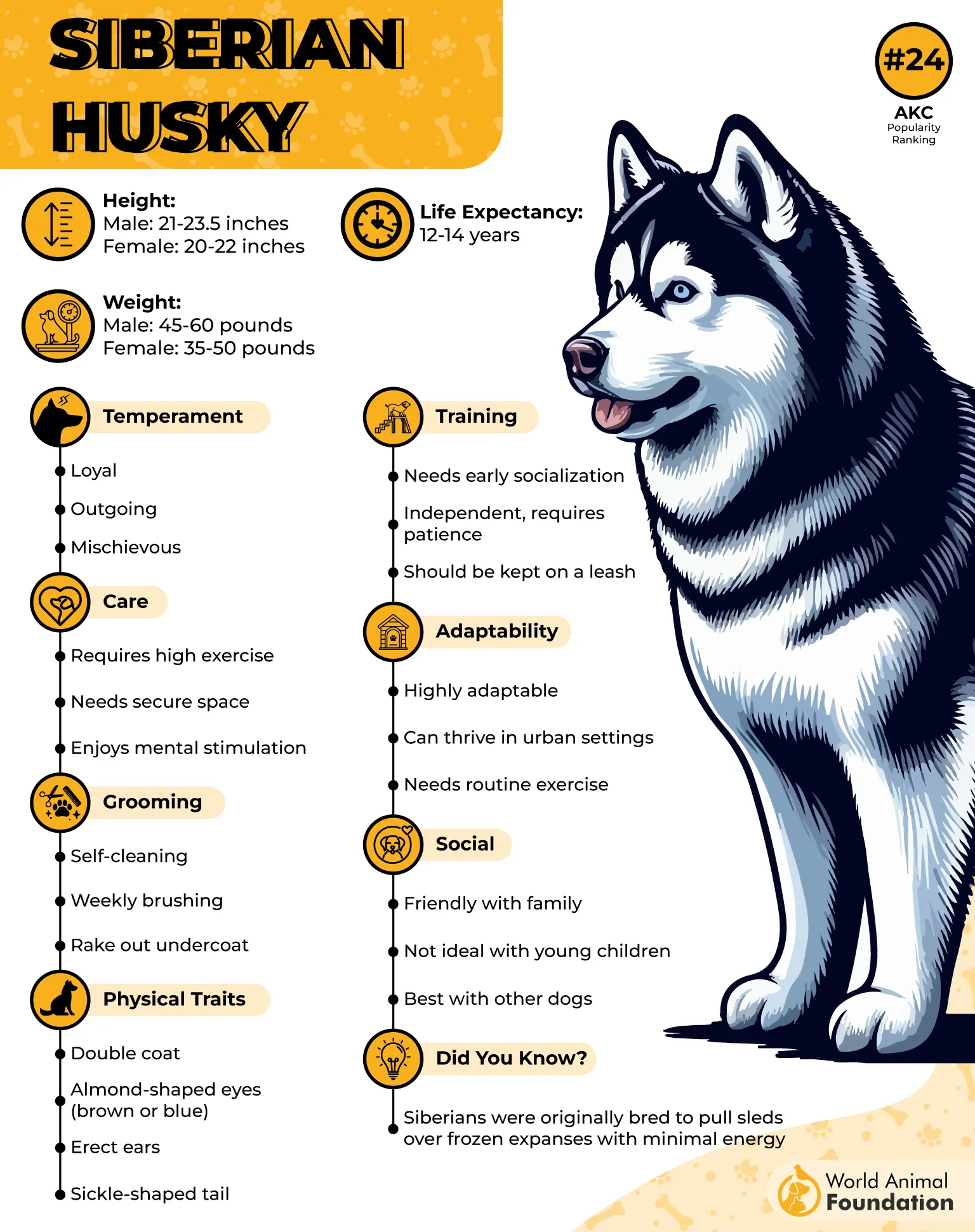
Huskies are high-energy dogs and tend to enjoy running and exploring. These dogs are very active and require lots of physical and mental exercise.
A winter camping adventure can then be the setting where a Husky is covered with good insulation, and care should be taken when exercising the dog in warm weather. There’s another practical issue – the breed’s independence and curiosity can make it important for secure containment.
7. Rhodesian Ridgeback
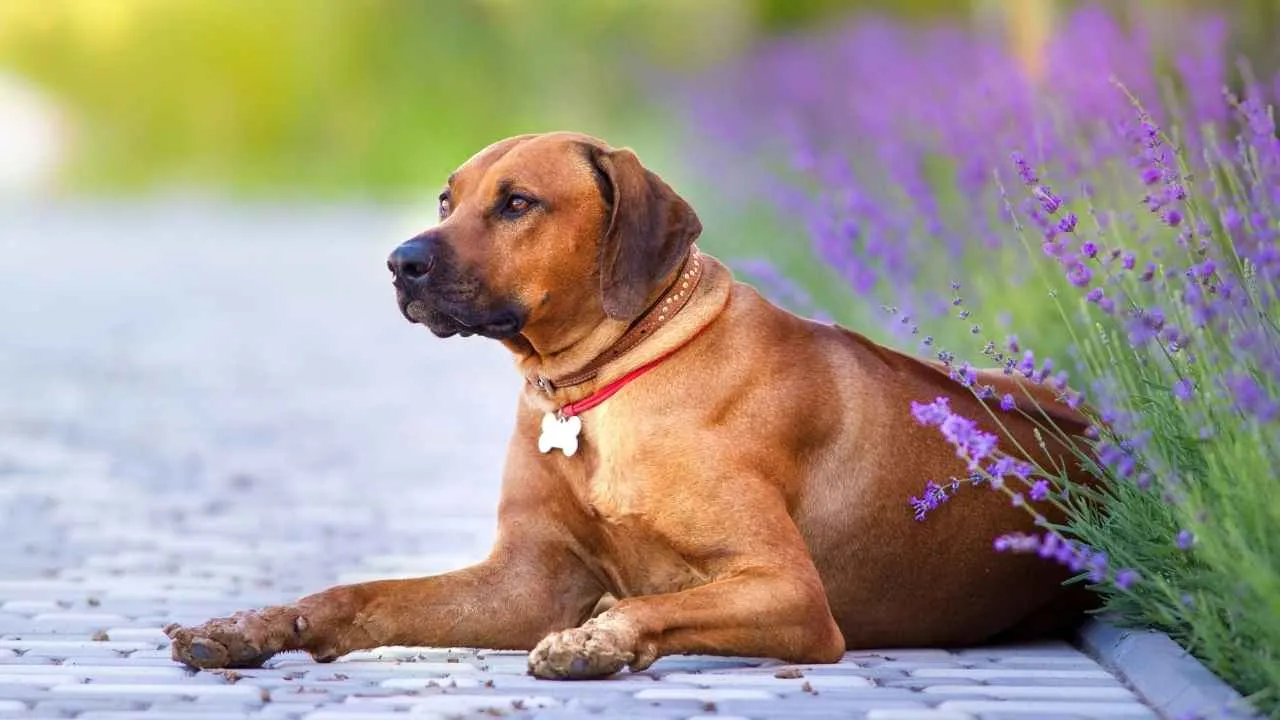
The Rhodesian Ridgeback is a suitable choice for campers who are looking for a dog with endurance, but are not so much looking for a dog that is heavily coated.
It has a short coat which is easy to care for after spending a day outdoors and is very active, which means it can take a lot of walking and tough terrain. The Ridgeback is strong, agile, active and great for outdoor pursuits, such as running and backpacking.
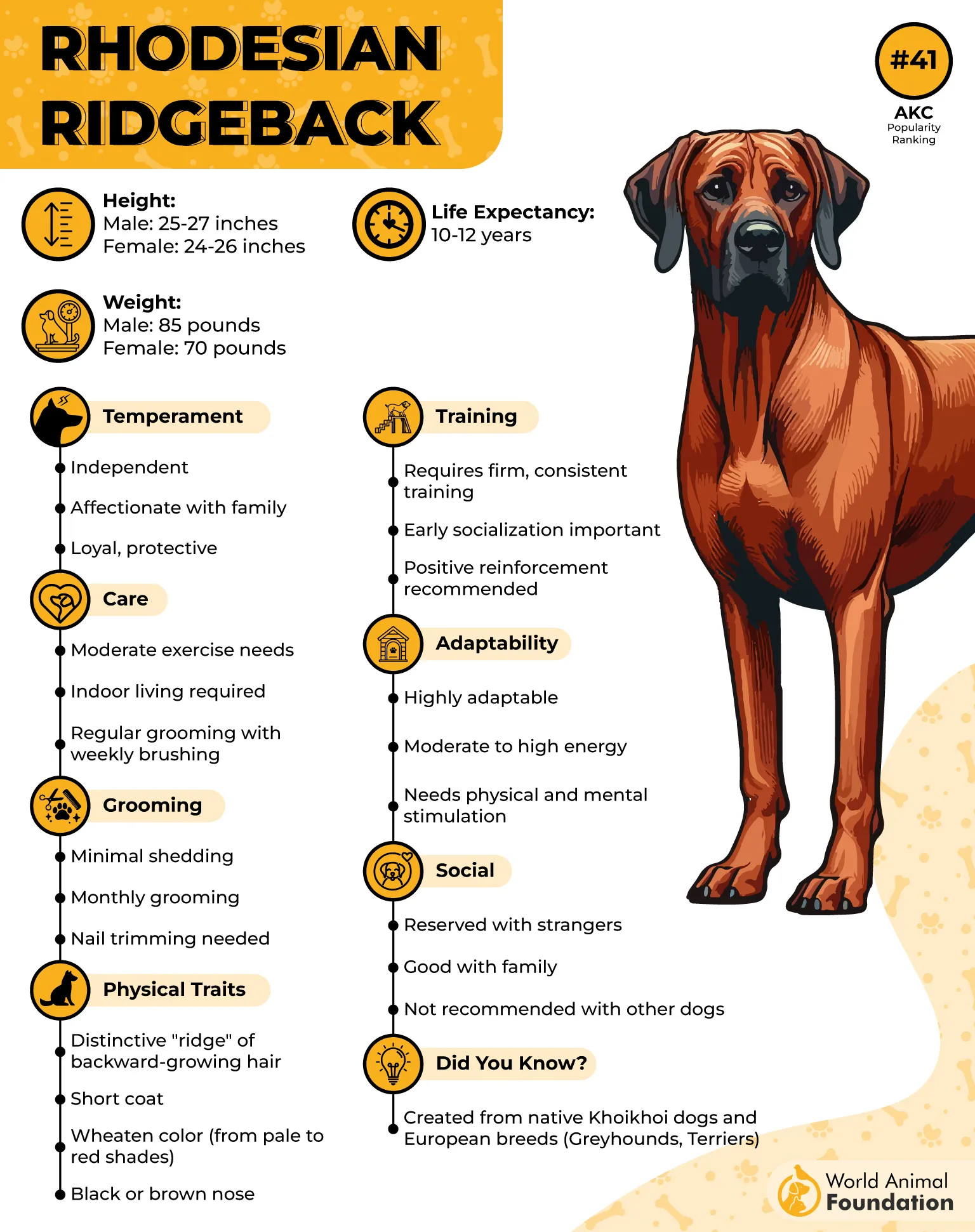
It can be a real boon in camp to have a short coat. In a long or over-furred coat, mud, leaves and small bits of vegetation can be caught more easily. Make sure you look for ticks or injuries after a hike, but before they become an issue.
It is particularly crucial to make this dog learn recall and leash manners in wildlife areas so they don’t end up getting lost while chasing prey.
Conclusion
Camping dogs don’t need to walk the furthest to be the best camping dogs. Camping features new sounds, animals, weather conditions, people, terrain, and events that dogs most likely do not see or experience daily.
People who love hiking and are dog lovers will have a seamless experience with intelligent breeds, even when they are off-leash. These puppies are much more obedient than other animals. Both you and your pup can pack your bags and go out camping if your furry friend is properly trained.
Ensure that a dog’s recall and basic obedience are dependable before embarking on any dog camping. Follow the guidelines, ensure that the dog is kept in check around animals and on the road, and bring plenty of clean water; be mindful of the weather conditions prior to engaging in strenuous activities.
