




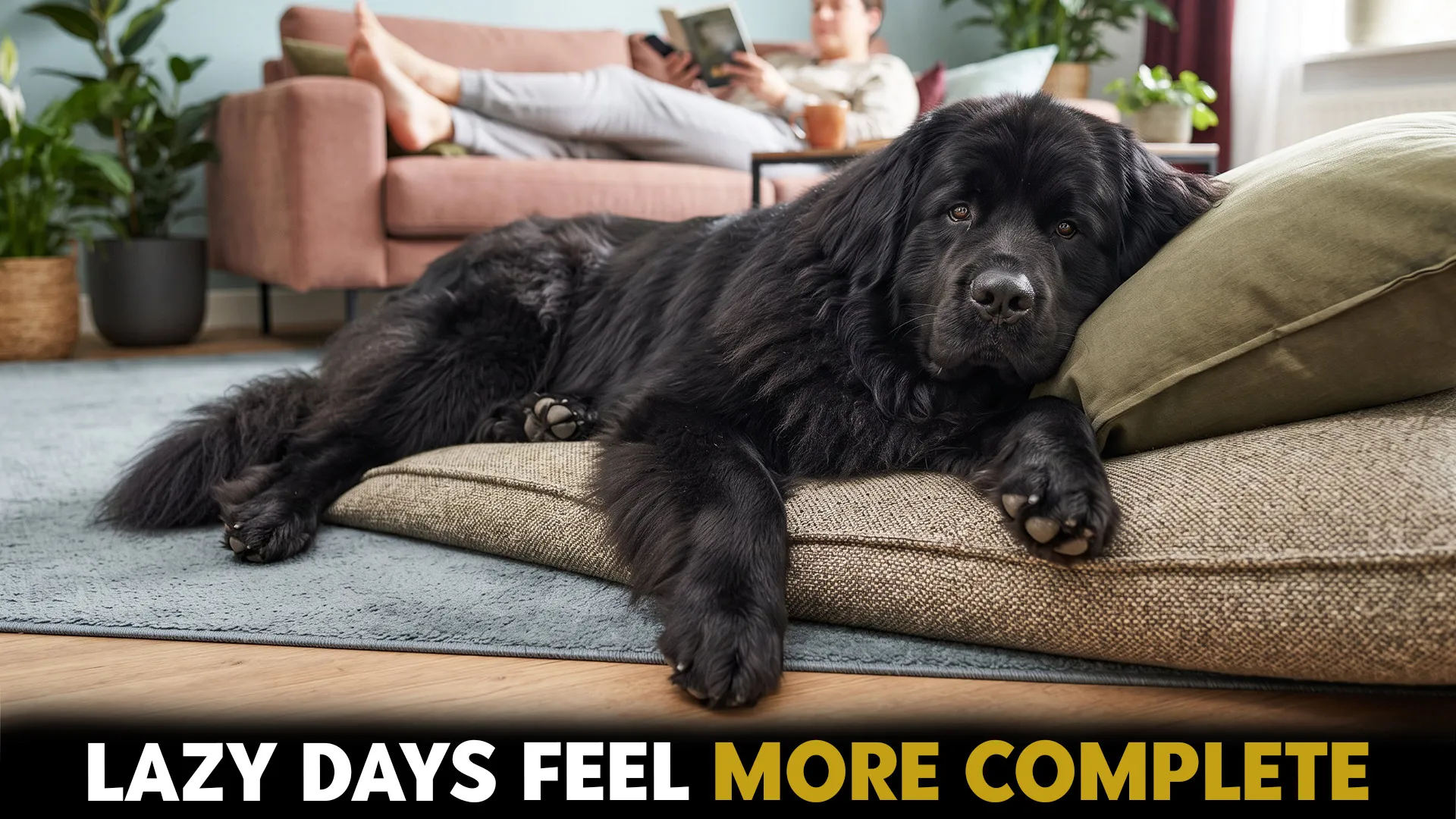
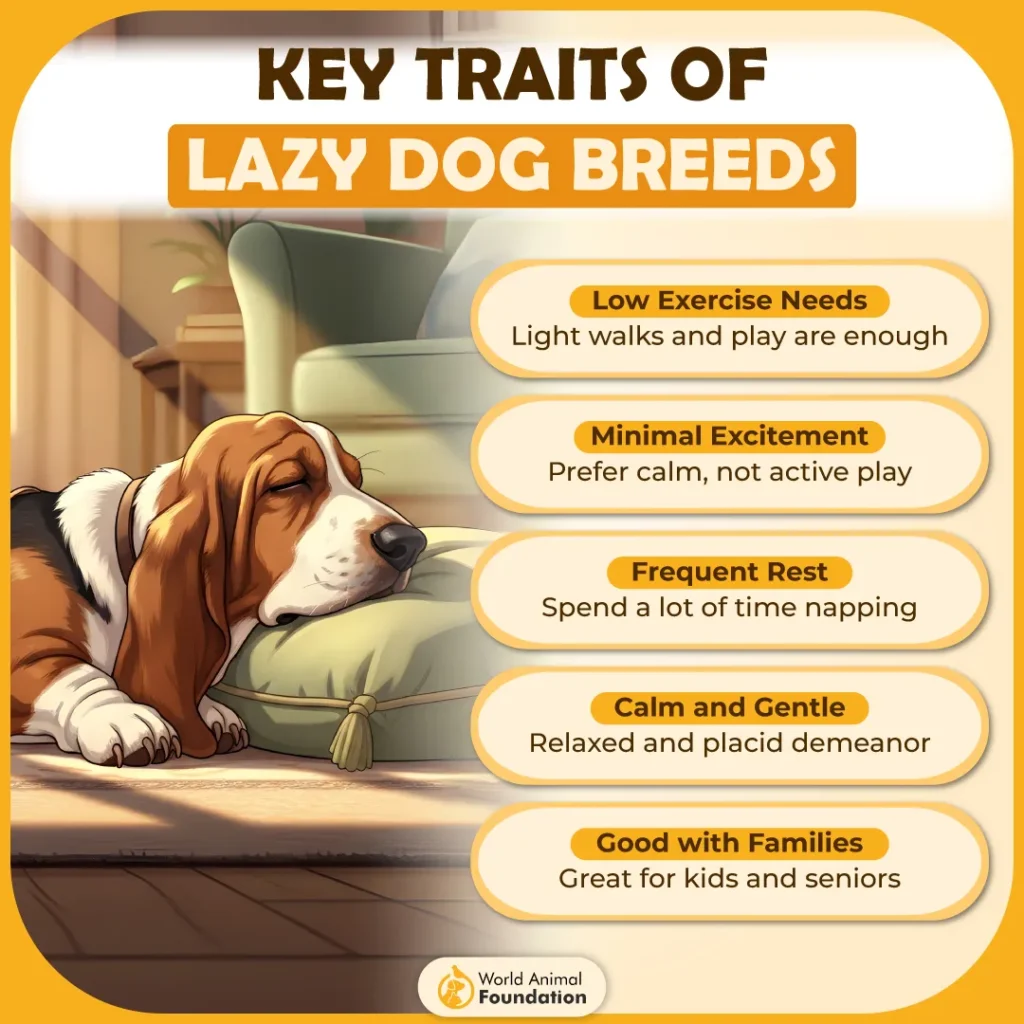
Some dogs want a marathon. Others want the remote, a soft blanket, and a spot beside you on the couch. If your idea of a perfect evening is a movie, snacks, and zero pressure to “do something,” a gentle, low-key dog may be your ideal match.
These breeds are not lazy in a bad way. They are calm companions who enjoy quiet company, short walks, and long naps. Think of them as furry roommates with excellent cuddle skills and very little interest in judging your pajama schedule.
Of course, every dog still needs daily care, mental stimulation, and time with you. But the breeds below tend to bring peace into a home rather than chaos.
Gentle Dog Breeds for the Ultimate Couch‑Potato Lifestyle
1. Cavalier King Charles Spaniel
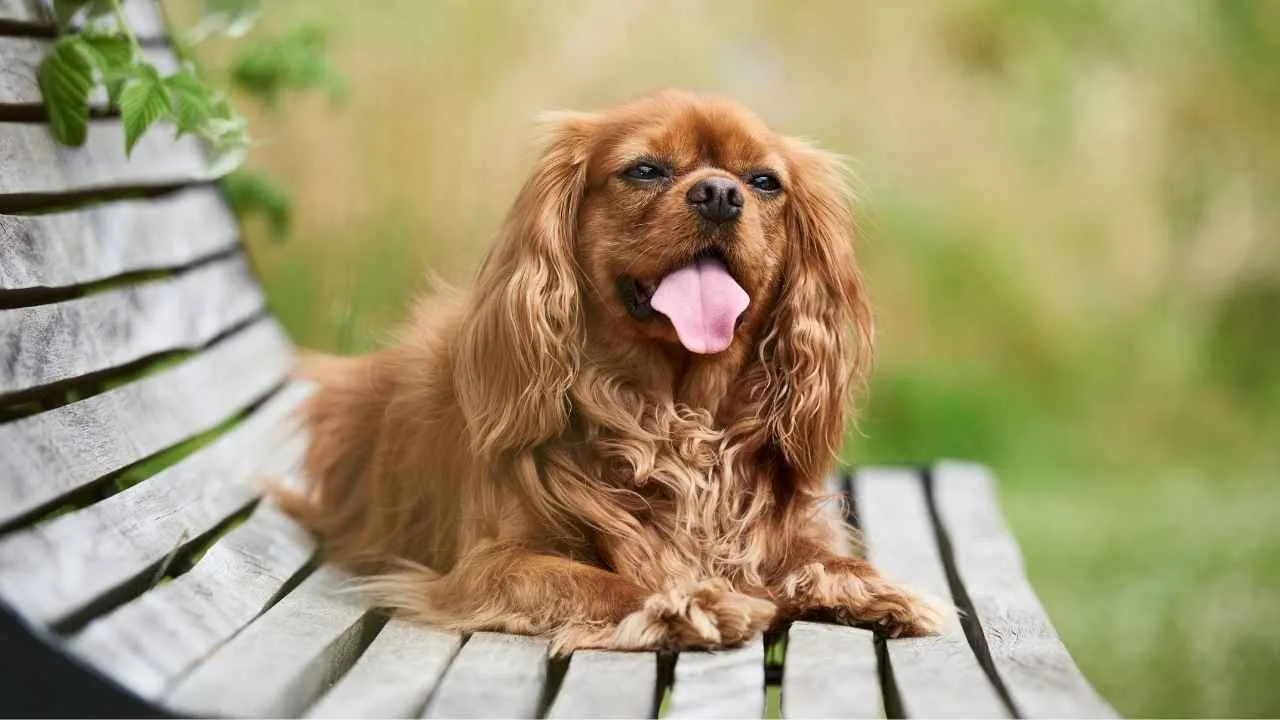
Descended from a toy Spaniel, the breed comes in 4 different colors. The famous Bohemian color was named after John Churchill, a breeder credited with the development of the breed. It was favored by many British royal members, says Orvis.
Built for sprinting rather than endurance, the small dog can easily sleep for 18-20 hours a day. It is highly attuned to human emotions and adjusts its energy level according to the owner’s mood. The breed does not possess hyper-vigilance and usually makes good friends with everyone.
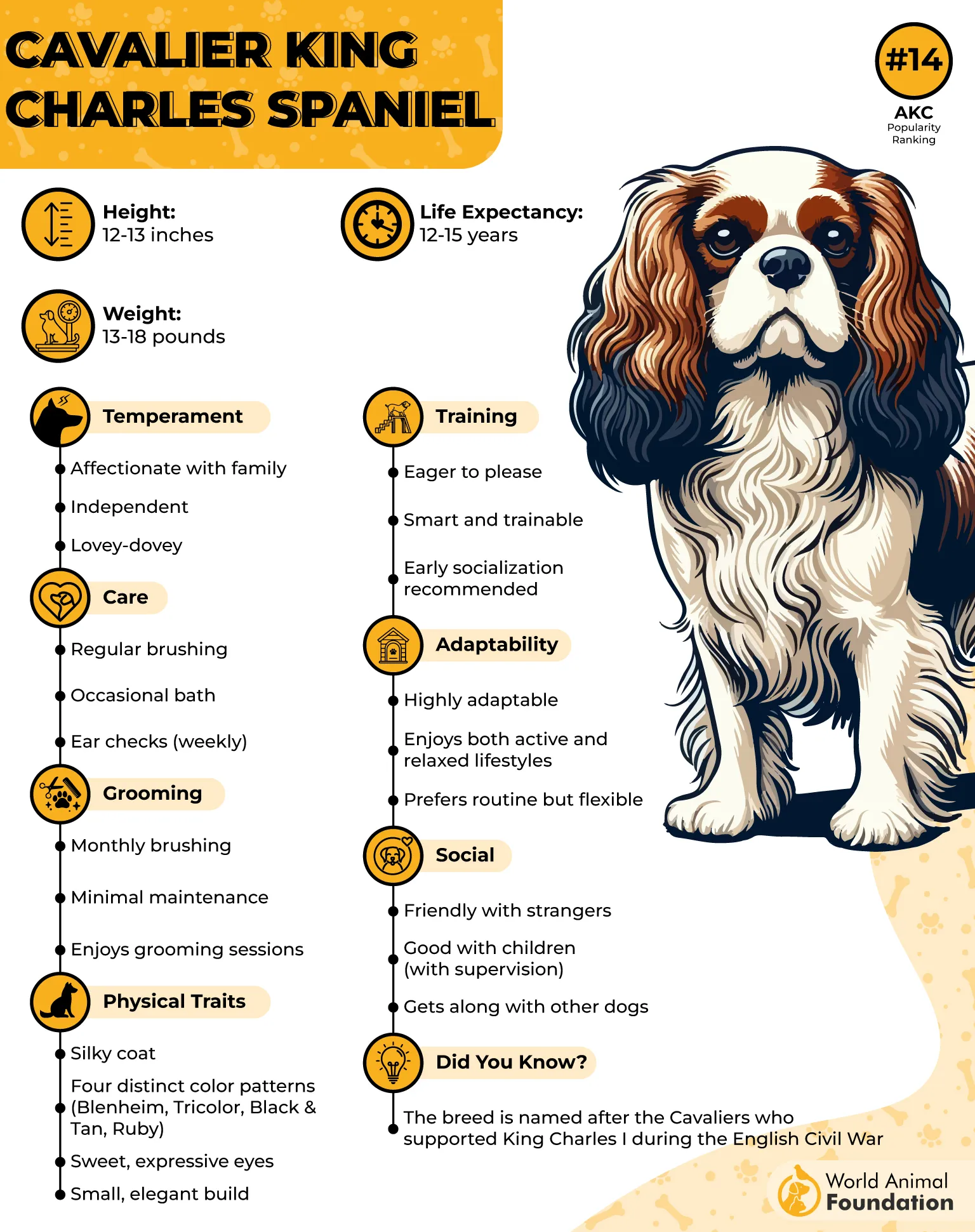
The dog has large and soulful eyes and uses this expression to demand belly rubs and chin scratches. It thrives on human physical contact, making it a perfect fit for apartment living.
2. Tibetan Spaniel
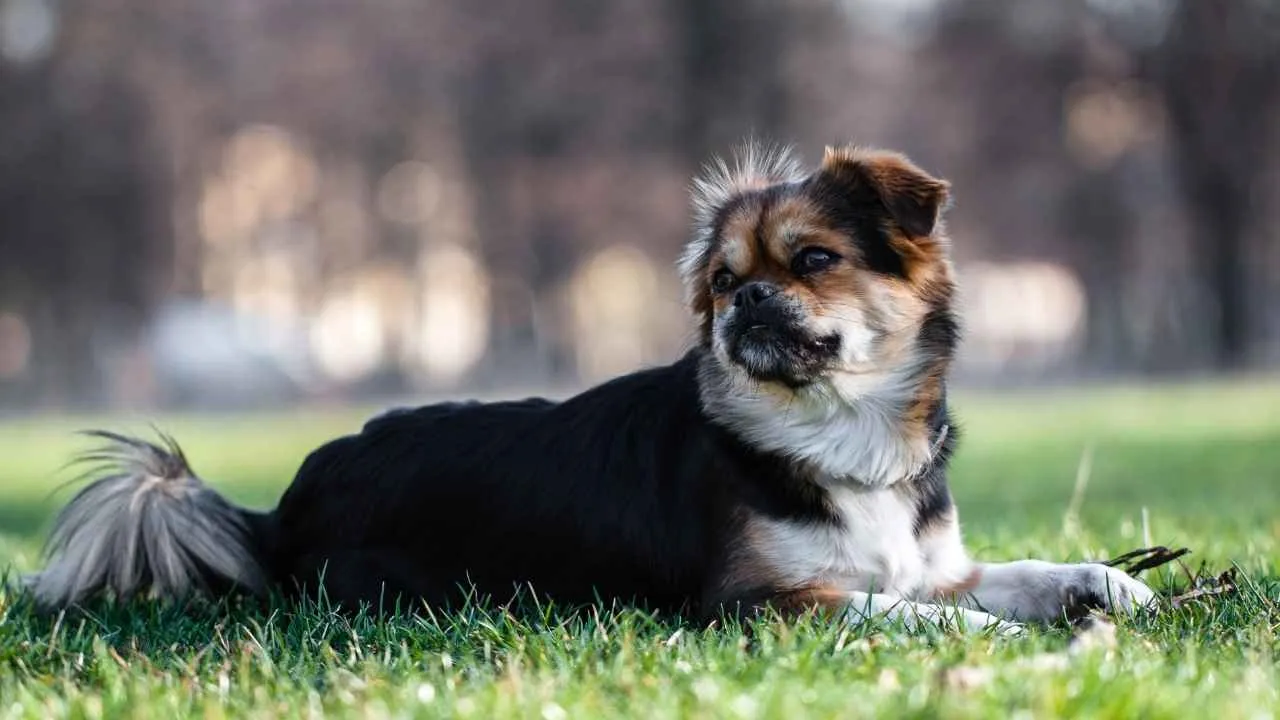
Bred some 2,000 years ago in Tibet, the Tibbie was developed by the Buddhist monks as a watchdog. Though it is not a Spaniel, the misnomer today was then used for a companion dog.
Because of its feline-like characteristics, it tends to perch on high points and look for any unusual activity in its surroundings. Despite its keen eyesight and excellent hearing, it can stay completely still for hours at a time. It has compact airways that make breathing difficult during outdoor time (brachycephalic nature).
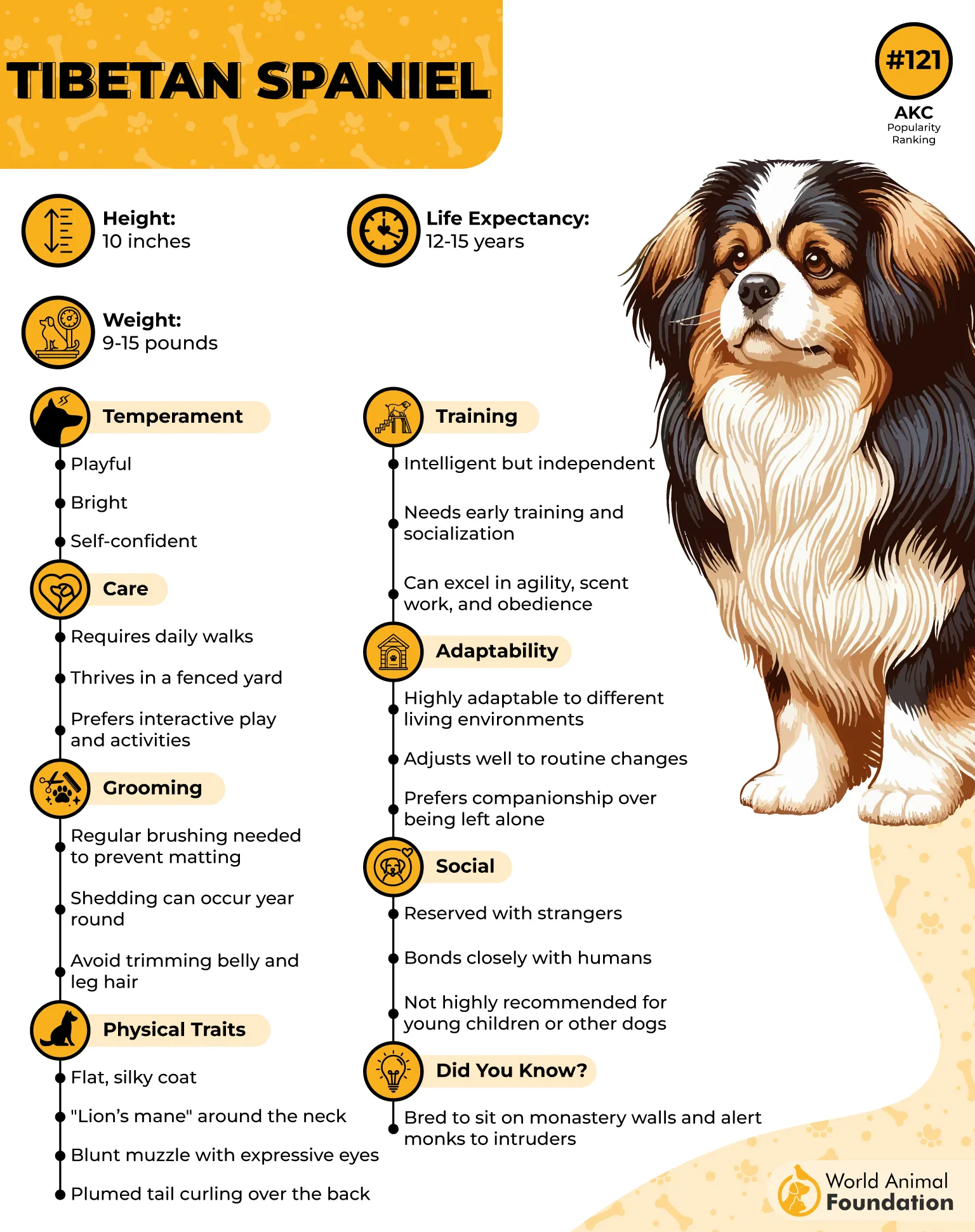
Since it has an independent nature, the dog does not actively require human companionship. It has moderate exercise needs (30-45 minutes): indoor toy tossing and brisk walks.
3. Pekingese
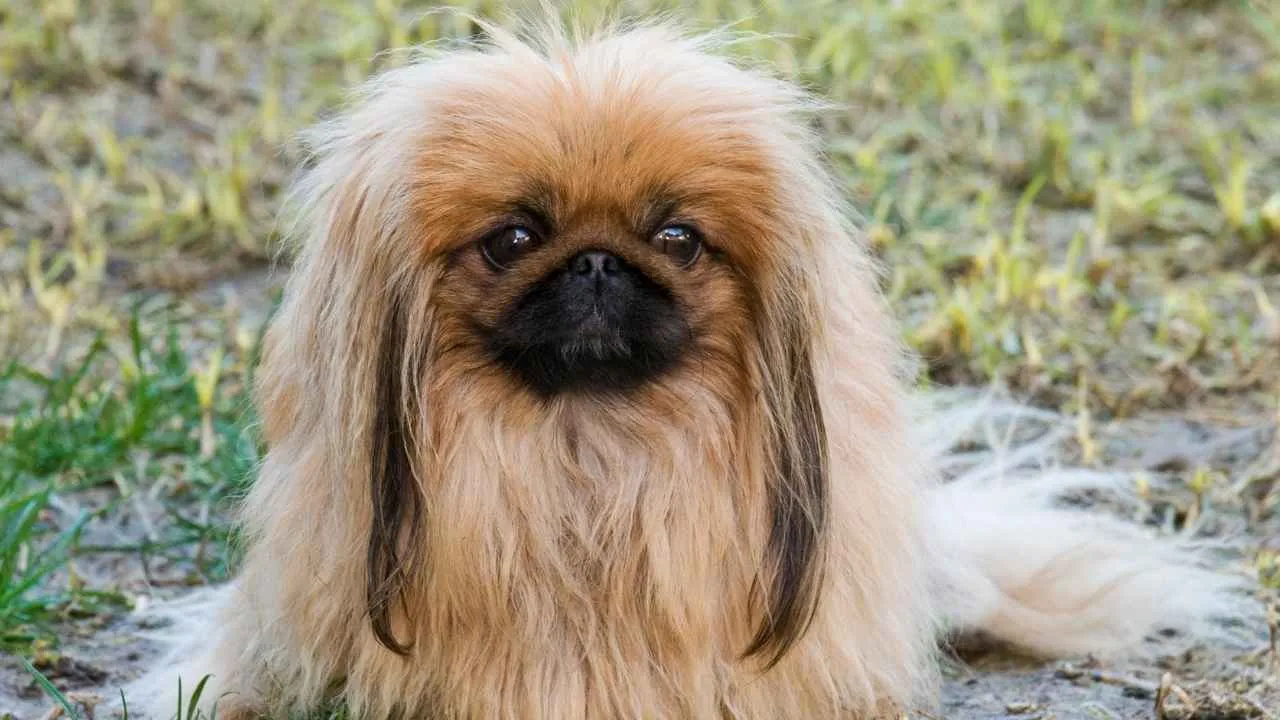
The toy breed was originally developed in China and was favored by the Chinese royalty as a companion dog. Queen Victoria also owned a Pekingese named ‘Looty,’ gifted by a British soldier after the Second Opium War.
Because of the asymmetrical weight distribution and shorter limbs, the ancient breed needs more muscular work to cover the distance. Because of the long spine, it is prone to certain health problems, including IVDD; thus, jumping and running are strictly prohibited. Since it has the history of being carried on silk cushions, it seeks soft spots to rest on.
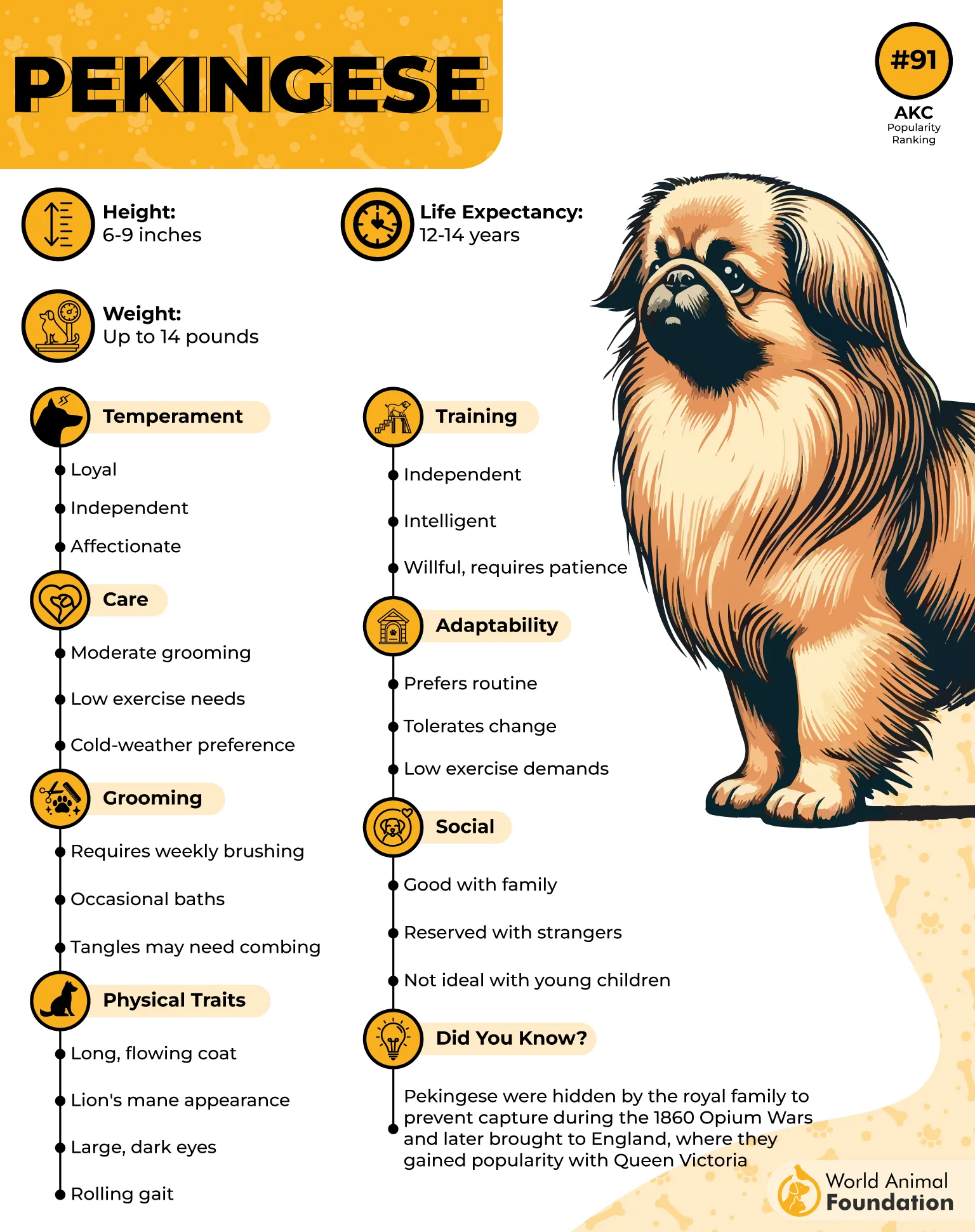
The breed exhibits short bursts of energy and tends to spin in tight circles and zoom around in the house before finally coming back to a prolonged resting phase.
4. Japanese Chin
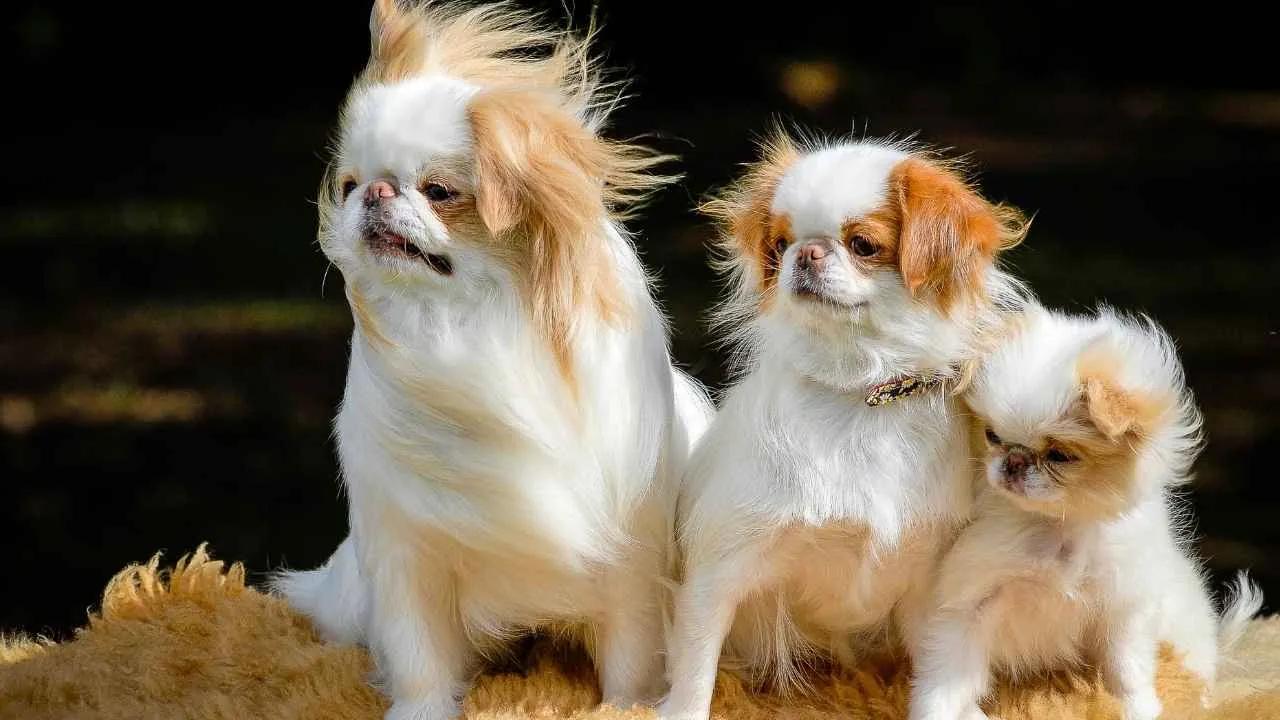
Also known as the Japanese Spaniel, the toy breed was originally bred as a lap dog in China. It was once gifted to the Japanese royalty in the year 720 AD and was brought to England in the 17th century, as reported by Wikipedia.
The selective breeding led to low prey drive and an innate desire to be a quiet roommate. It carries feline-like characteristics and loves to position itself on a high perching point to keenly observe its surroundings. It has a high reactivity threshold and does not respond to doorbells and footsteps.
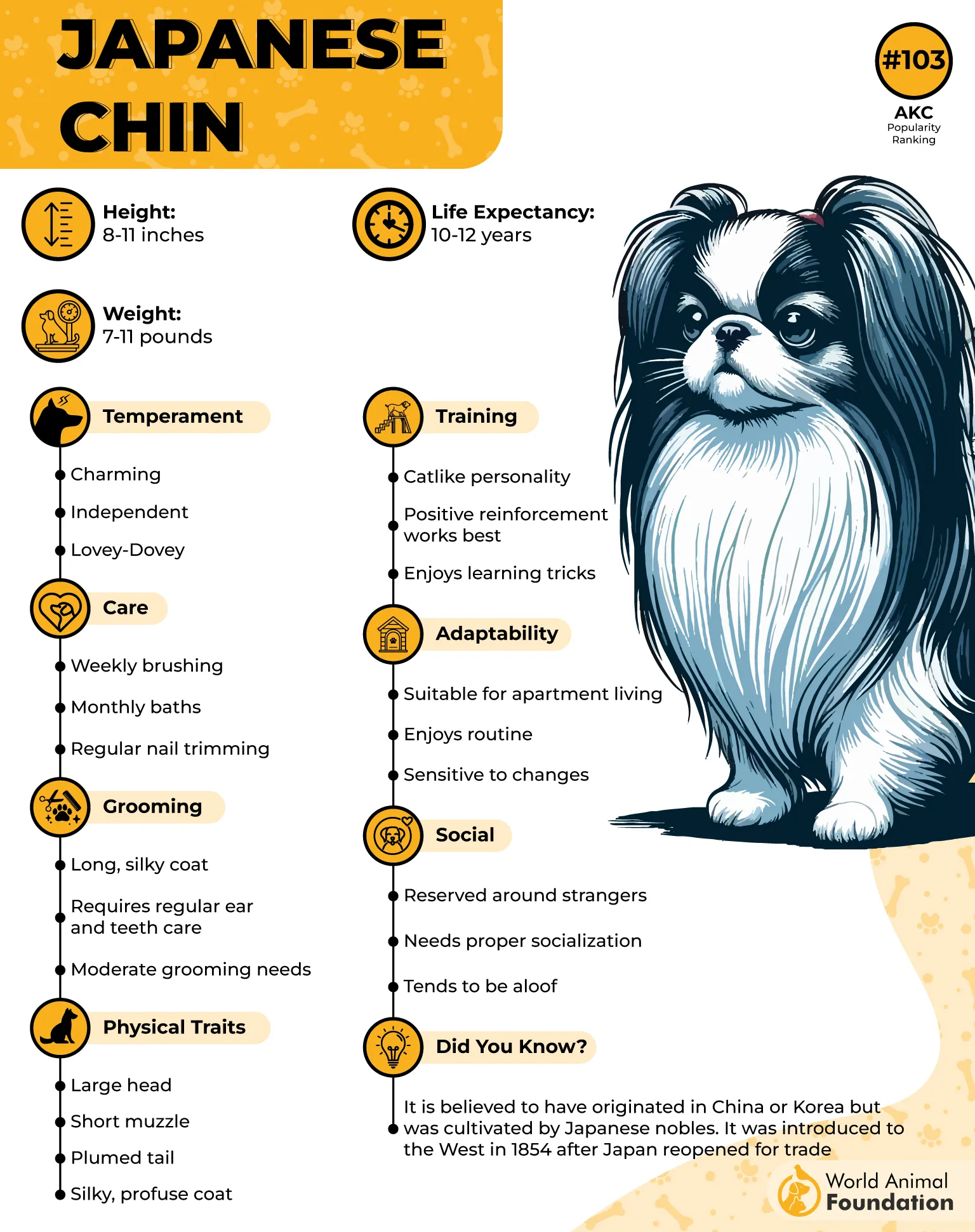
The low-maintenance breed tends to clean itself by using its paws on the coat and face. It has 15-30 minutes of daily exercise needs: soft fetching, indoor play sessions, and short walks.
5. Newfoundland
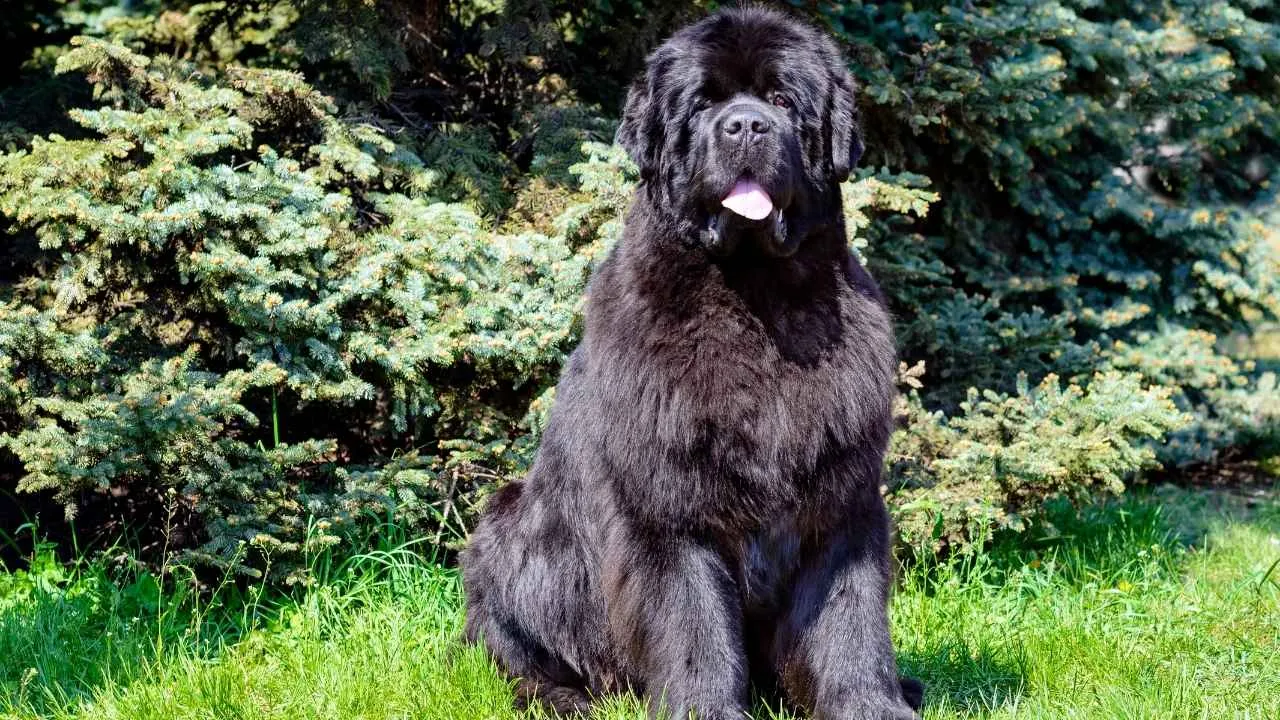
The breed is thought to have descended from the dogs imported from Europe to Canada, and the Great Pyrenees, French Boarhounds, and Huskies may have contributed to the development of the breed.
The large dog has a lower metabolic rate than high-drive breeds. The small surface-area-to-mass ratio limits body heat dissipation through the skin, making it prone to physical exhaustion during summer. The breed has a forgiving and patient nature and is also used as a nanny dog around children by watching them.
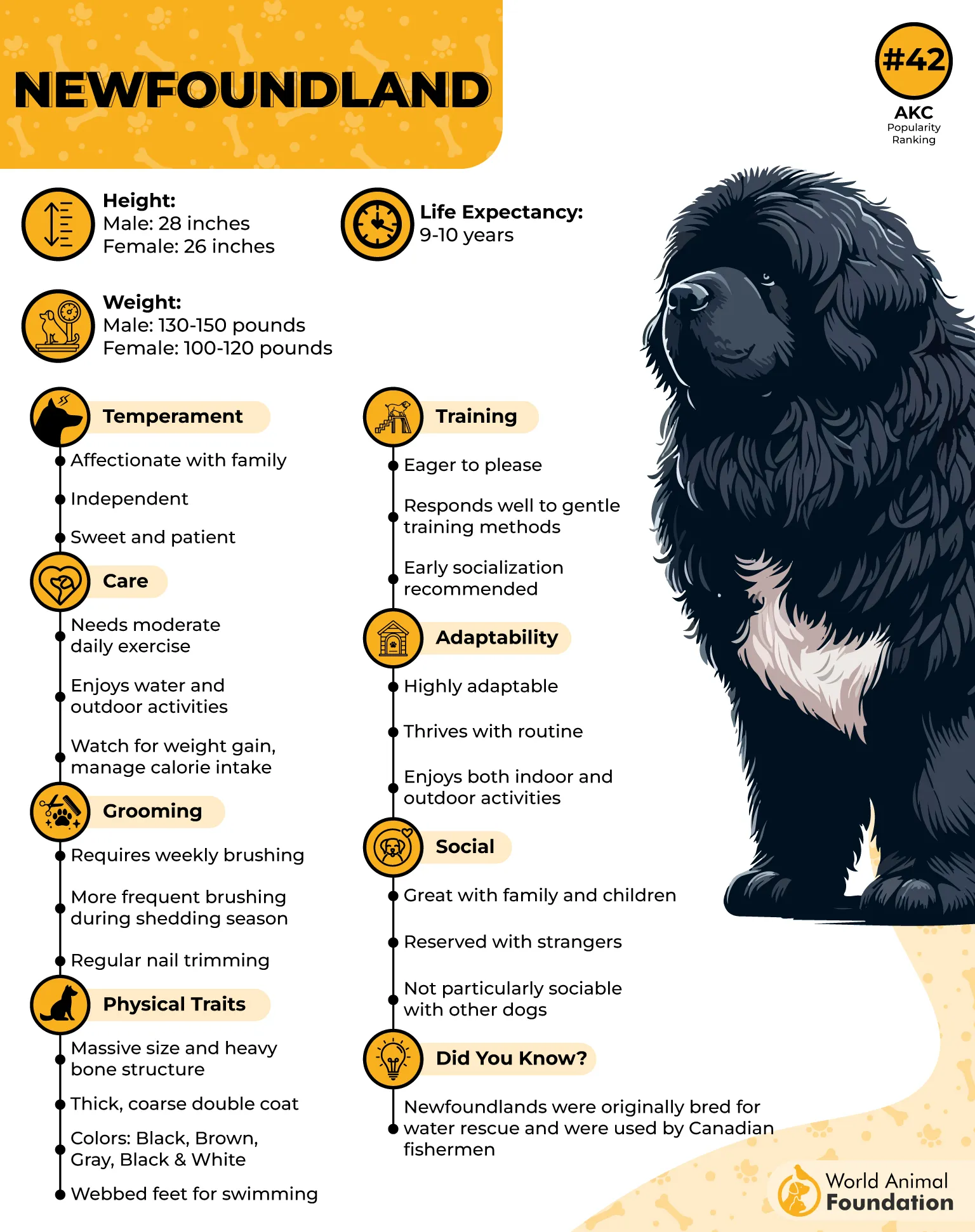
It frequently lands its body weight against the owner’s legs or rests its heavy head on the owner’s lap. It prefers cooler surfaces like floors in a frog-leg position instead of lounging on a sofa.
6. French Bulldog
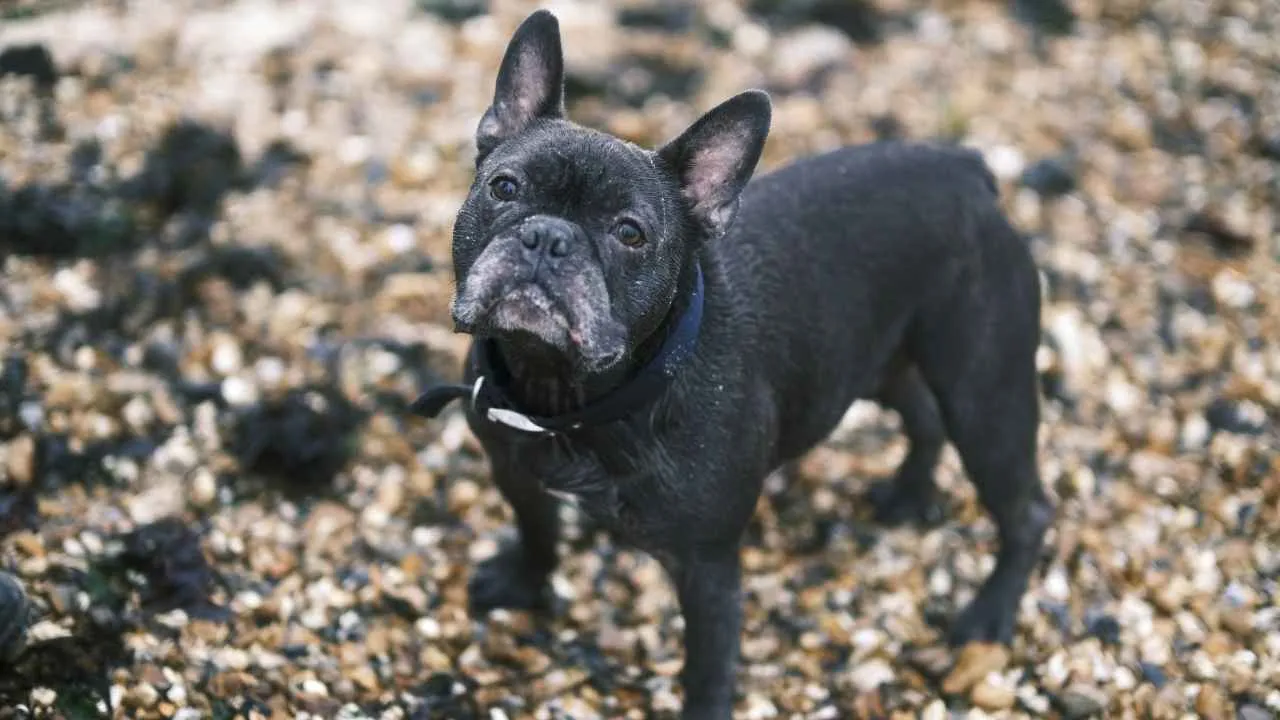
The toy breed was developed in France in the mid-19th century by crossing local Parisian ratters and the Toy Bulldog. Today the breed is commonly kept as a pet animal. However, it is prone to certain health issues because of facial wrinkles and a flat face.
The breed has a disproportionately dense body mass in front of the chest and bowed limbs, making extended trotting and running difficult. It was selectively bred for low working and prey drive and thus an even-tempered, docile breed. It is famous for sprawling flat on its belly with its back legs stretched behind it while sleeping.
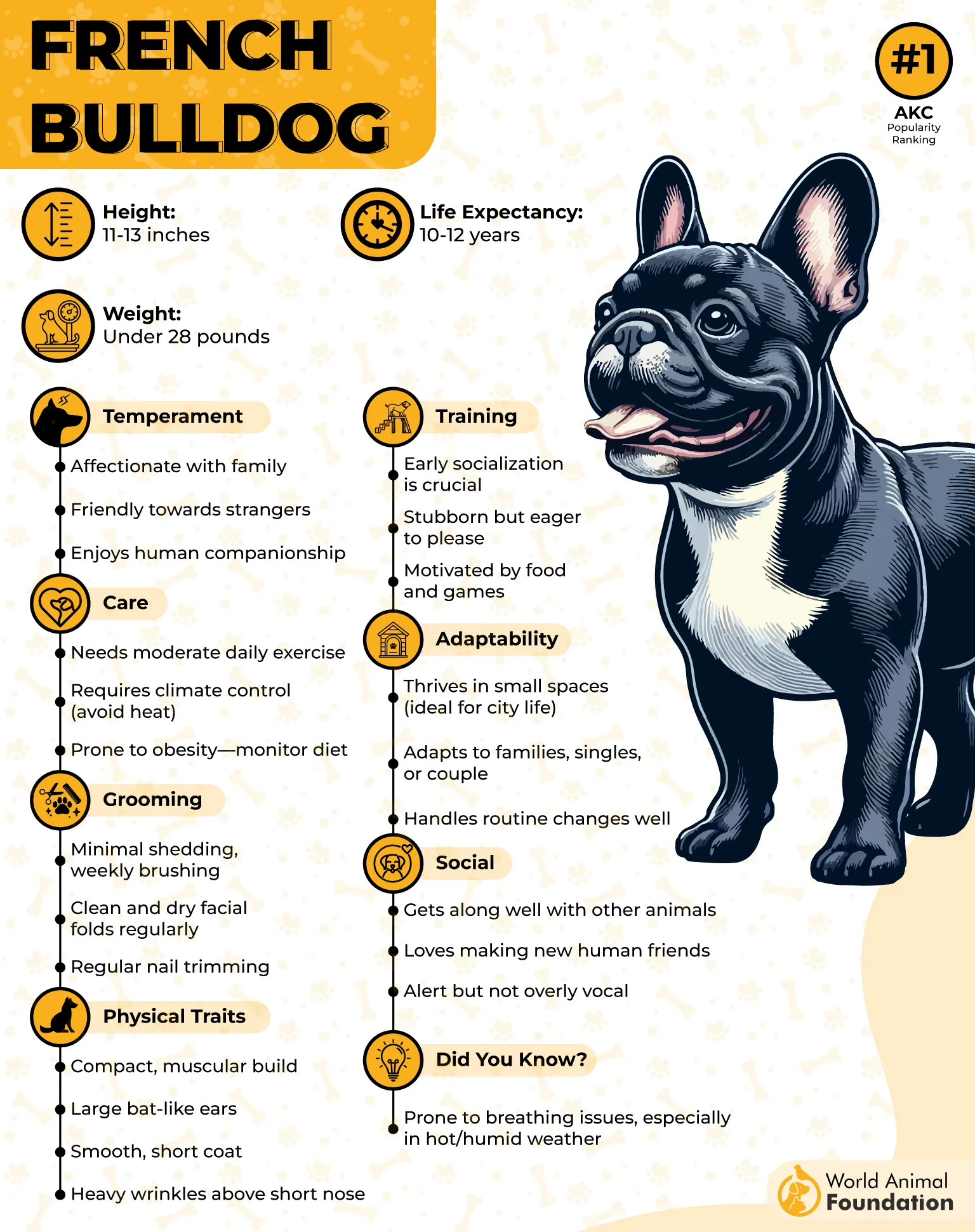
Instead of continuously yapping, the affectionate breed tends to communicate with snores, chortles, gargles, and yawns. Since it has low energy levels, it thrives in small spaces and short walks, and interactive puzzle toys are effective.
7. Pug
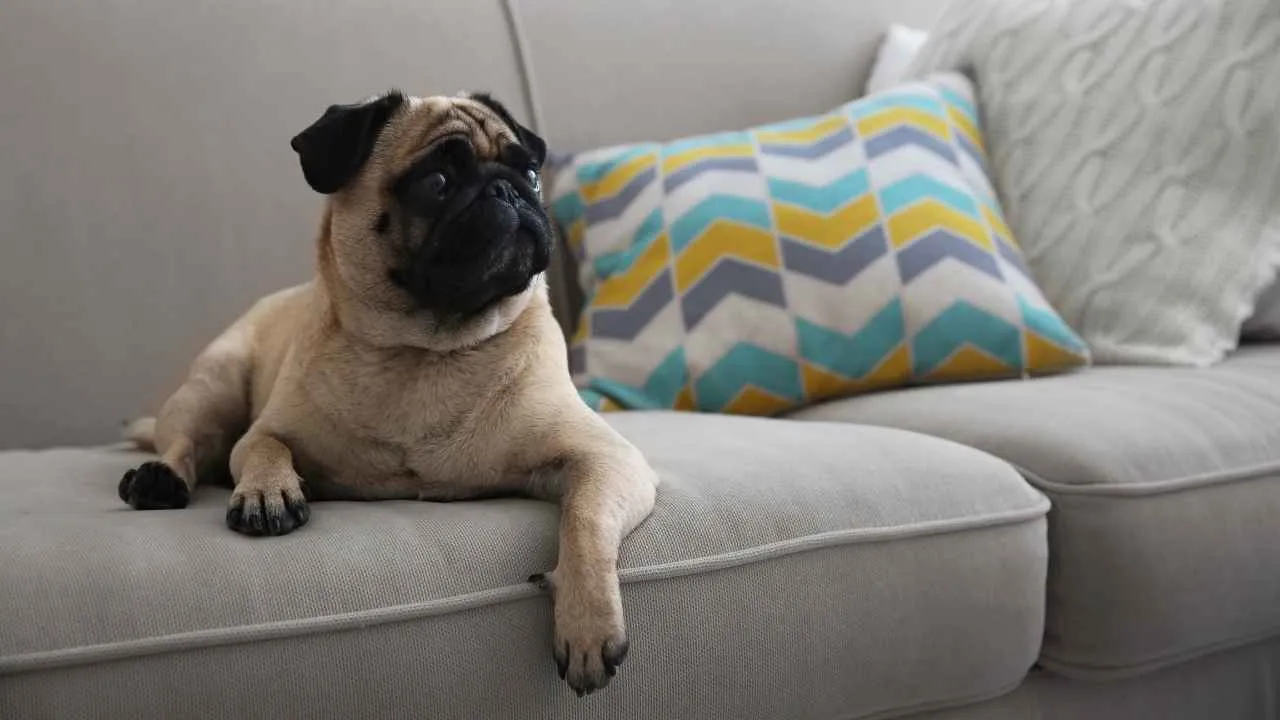
The small dog breed was developed in Tibet and then gained popularity in Japan and Europe, where it was favored by the royalty, including Marie Antoinette and Josephine, according to Greencross Vets. The name comes from a Latin word, Pungus, which means a clenched fist.
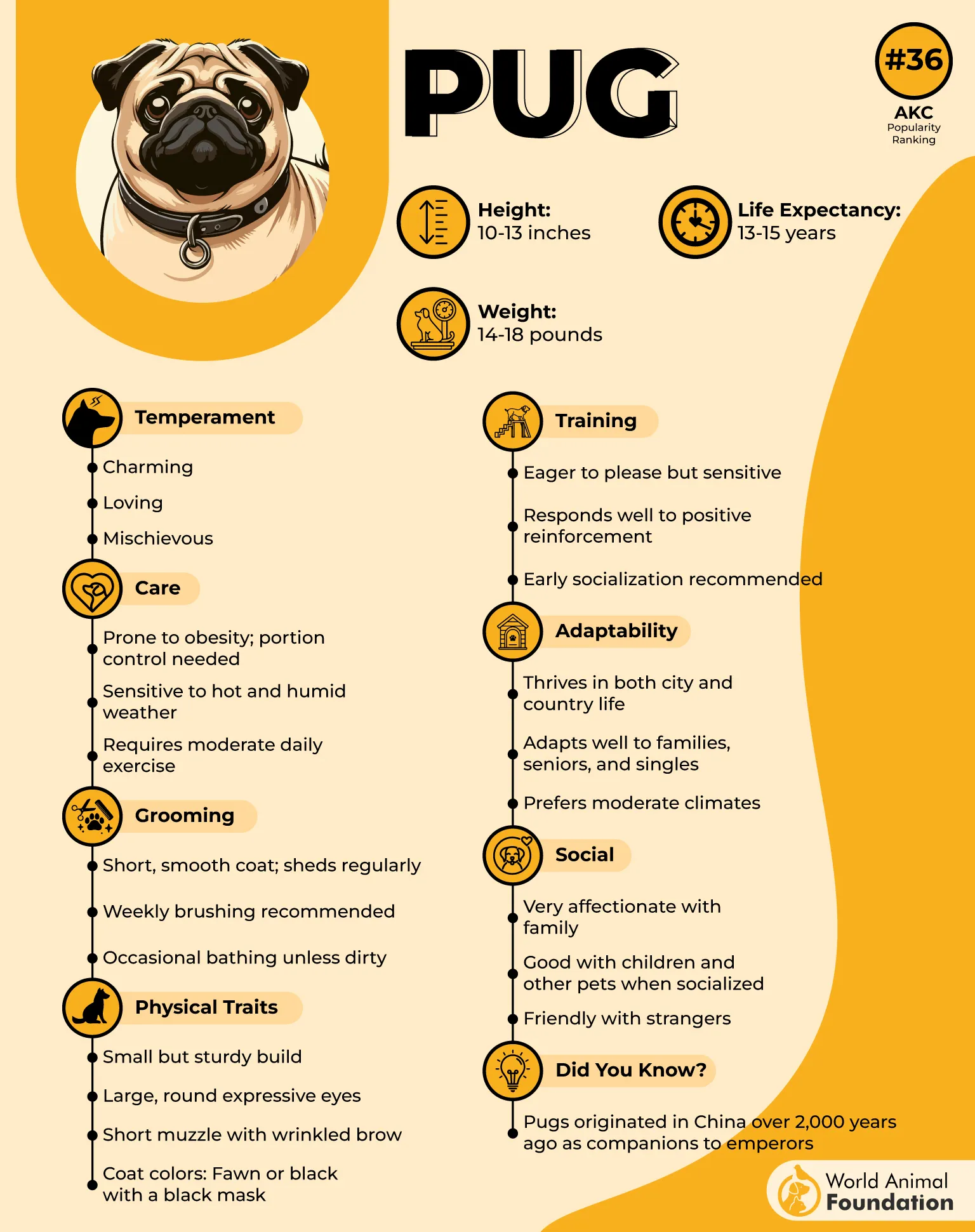
Because of its brachycephalic nature, the low-energy dog breed finds it difficult to breed during intense physical activity. It follows the motto ‘multum in parvo,’ since it tends to have short bursts of energy despite having short limbs. The breed is prone to joint issues, such as hip dysplasia and luxating patella; thus, it prefers staying on the sofa.
The lazy dog breed shows minimal territorial instinct and has low prey drive, making it less reactive to environmental changes. The breed needs strict calorie management because of weight gain risk.
8. Basset Hound
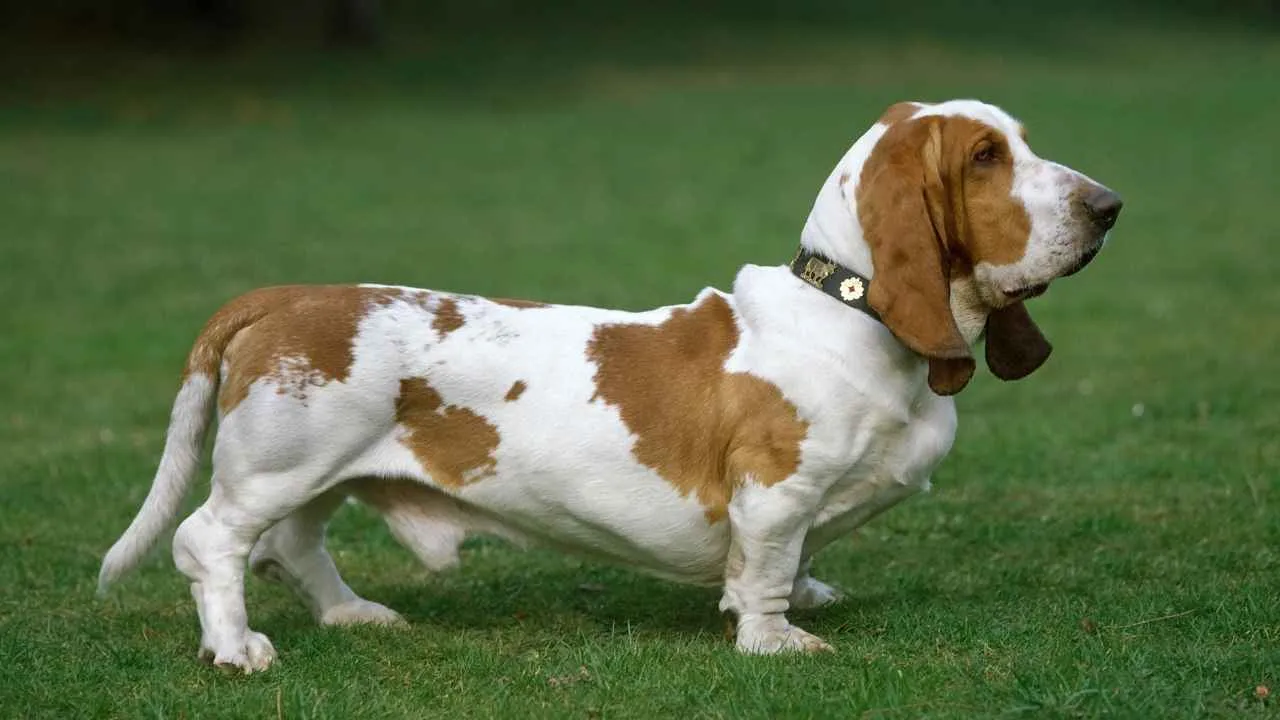
Descended from a hunting breed, the St. Hubert hound, this active dog was separated from its ancestor and was classified into two categories: the Bloodhound and the Basset Hound. Both breeds have the strongest sense of smell among all canine breeds.
Being a chondrodysplastic breed, it has short and broad legs, making running and jumping difficult. It has a high bone-to-body mass ratio that makes body movement quite a task. It was selectively bred to hunt at a slow pace and needs only 20-30 minutes of physical and mental stimulation.
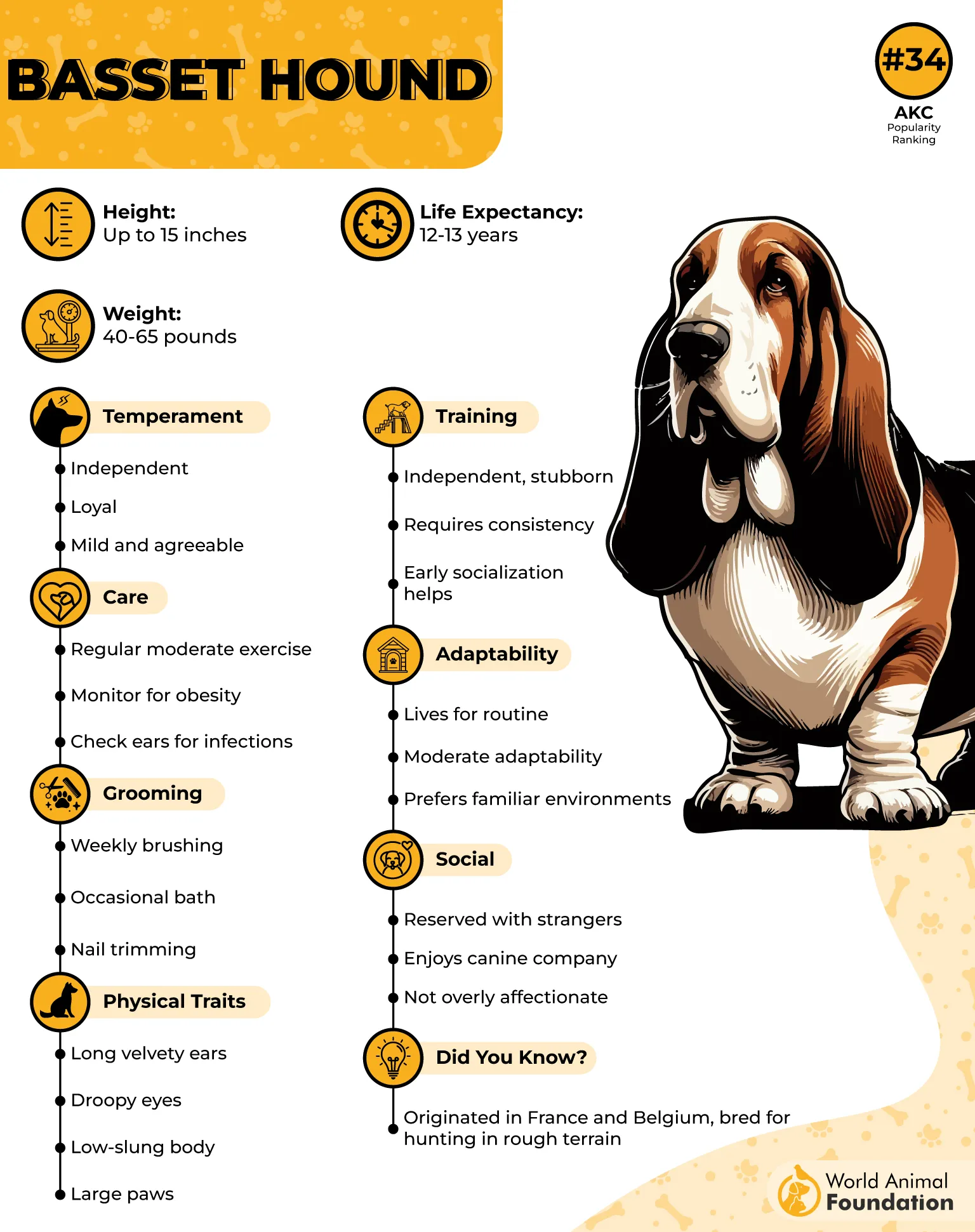
It takes time to get mentally mature, usually 2-3 years, and prefers cuddly time with the owner. Since the breed is highly food motivated, it needs daily short walks for weight management.
9. Clumber Spaniel
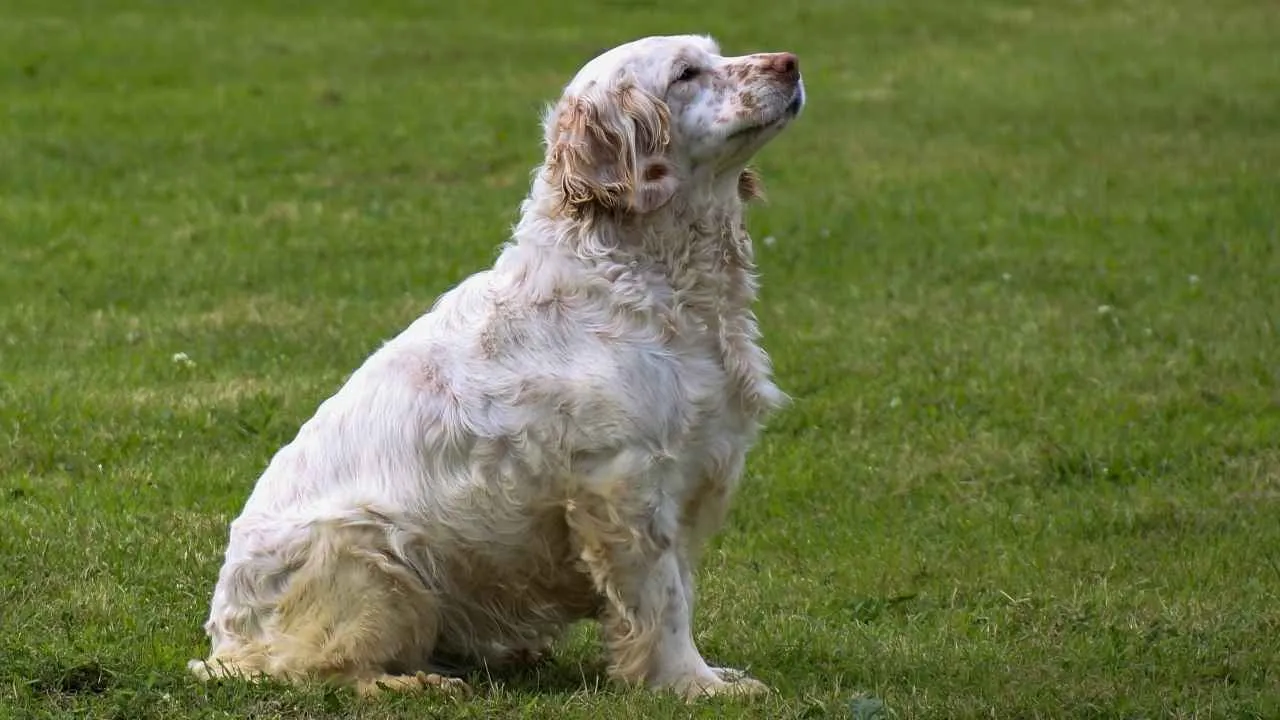
The largest Spaniel breed was developed in the United Kingdom as a gundog. It was kept by many royal members, including Prince Albert, King Edward VII, and King George V, and was recognized by the AKC in 1884.
It has a heavy-boned, low-slung mass that requires substantial metabolic expenditure. Historically, the nervous system does not require hyper-stimulation since it was bred to hunt at a slow pace. It has an independent streak and does not actively require constant companionship.
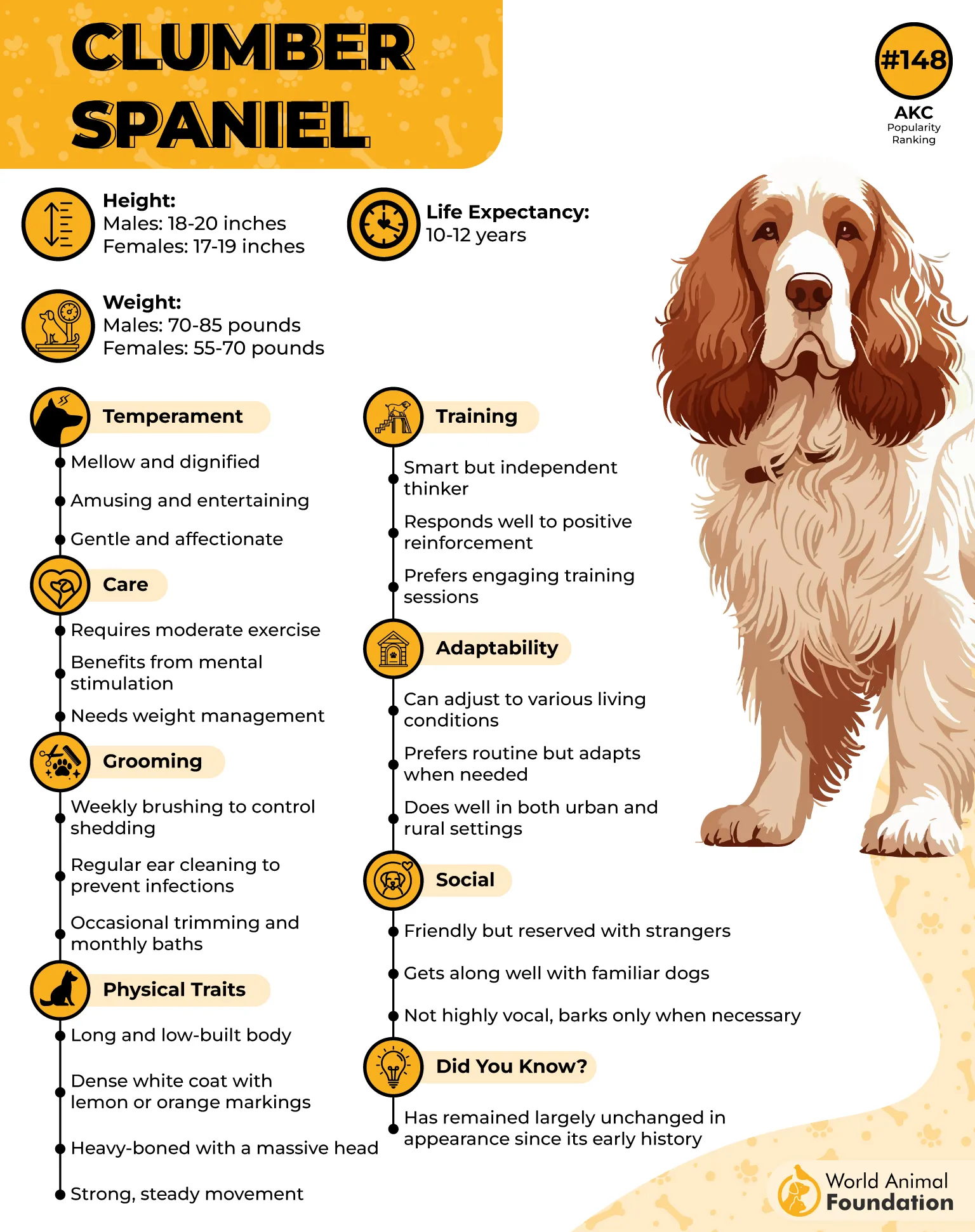
The loose skin around the face naturally gives it a drooping look. The loving dog tends to carry random objects in its mouth and hold them like a trophy. It is sensitive to hot temperatures because of the thick double coat.
10. Greyhound
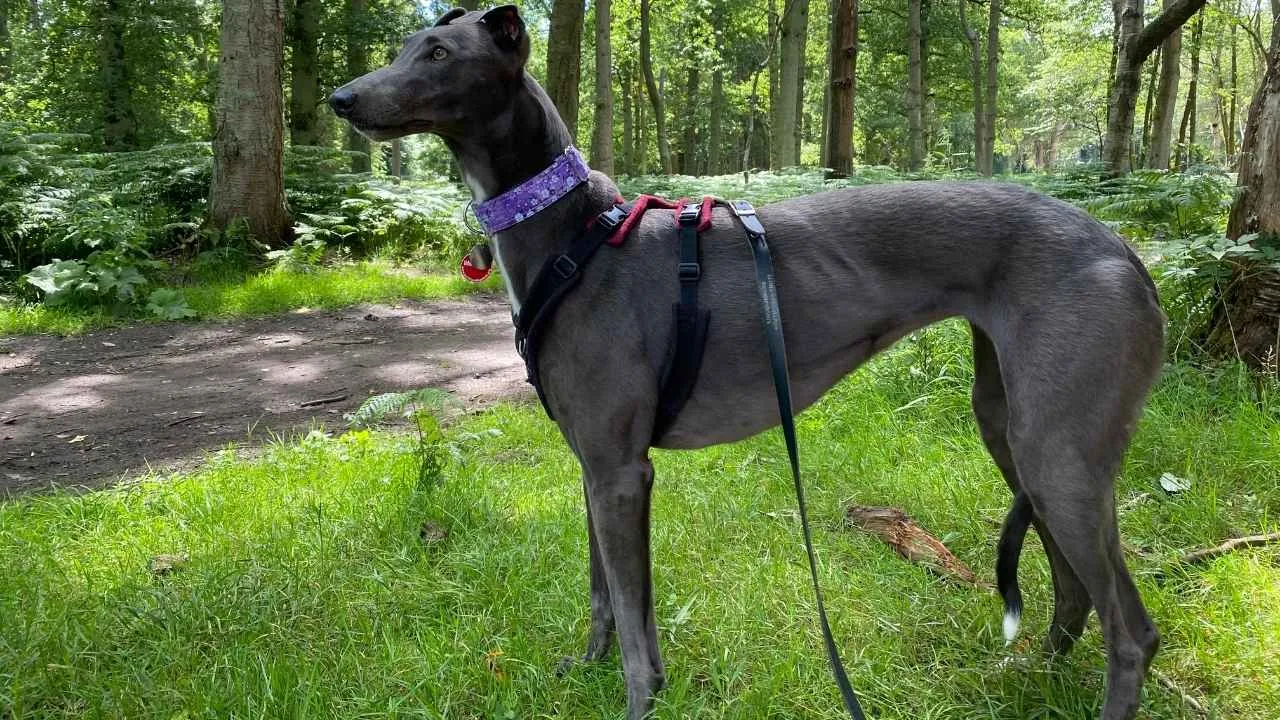
The sighthound was developed for hunting using its sharp sense of speed and sight. It tends to run at a high speed of 36-38 mph, but activates its couch potato mode indoors. Today, it is widely kept as a companion and a show dog.
It burns its energy at an explosive rate and needs a prolonged resting phase once its physical needs are met. It typically carries about 17% body fat, and thus lying on hard floors can cause pain. This also makes the breed prone to getting cold in winter. The gentle giant can sleep for up to 18 hours a day.
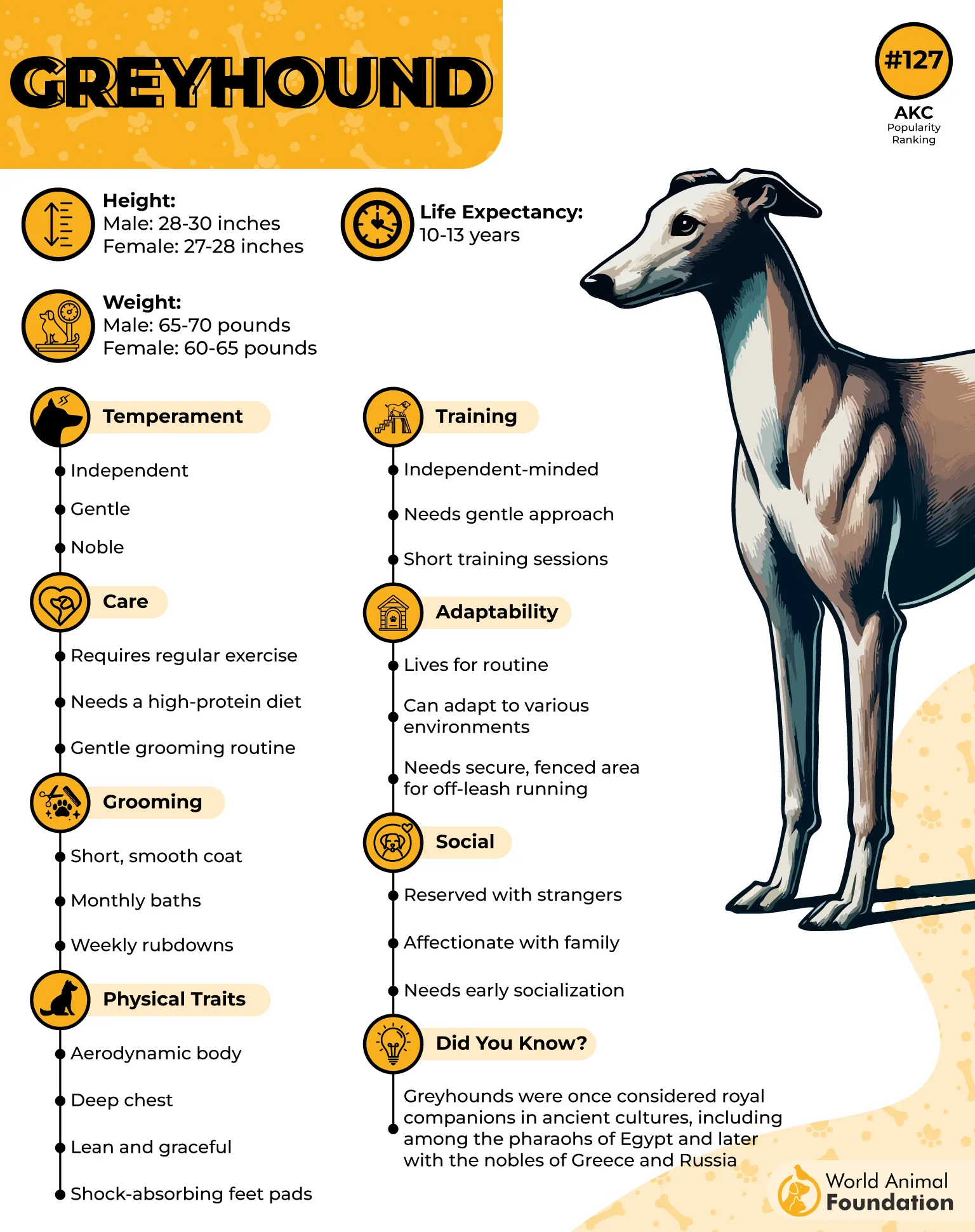
It sleeps flat on its back with all four legs sticking up in the air. Since it is not a velcro breed, it does not follow you from door to door and has a minimal dog odor because of the short and tight coat.
Conclusion
A couch-potato dog is not asking for a boring life. It is asking for comfort, kindness, and a person who understands that sometimes the best plan is no plan at all.
The right gentle breed can turn an ordinary evening into something special: a warm body beside you, a slow walk after dinner, and a quiet kind of loyalty that makes a house feel like home. Some will snore. Some will shed. A few may claim the best seat before you even sit down.
Choose based on your space, schedule, budget, and energy, not just a cute face. Meet the dog first, ask questions, and be honest about what you can offer. When the match is right, you will not just gain a pet. You will gain a favorite person who happens to have four paws and a serious talent for relaxing.
