




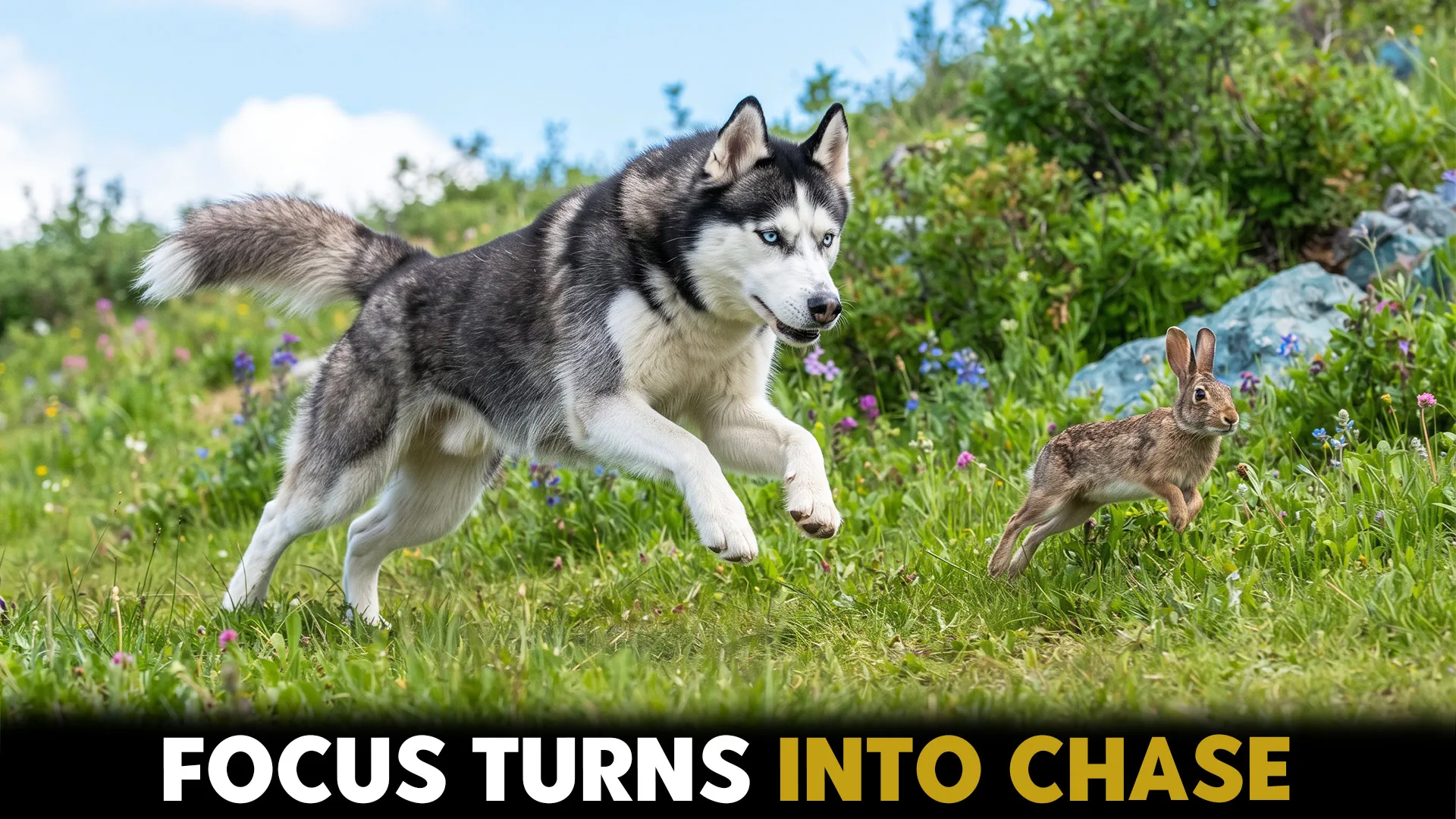
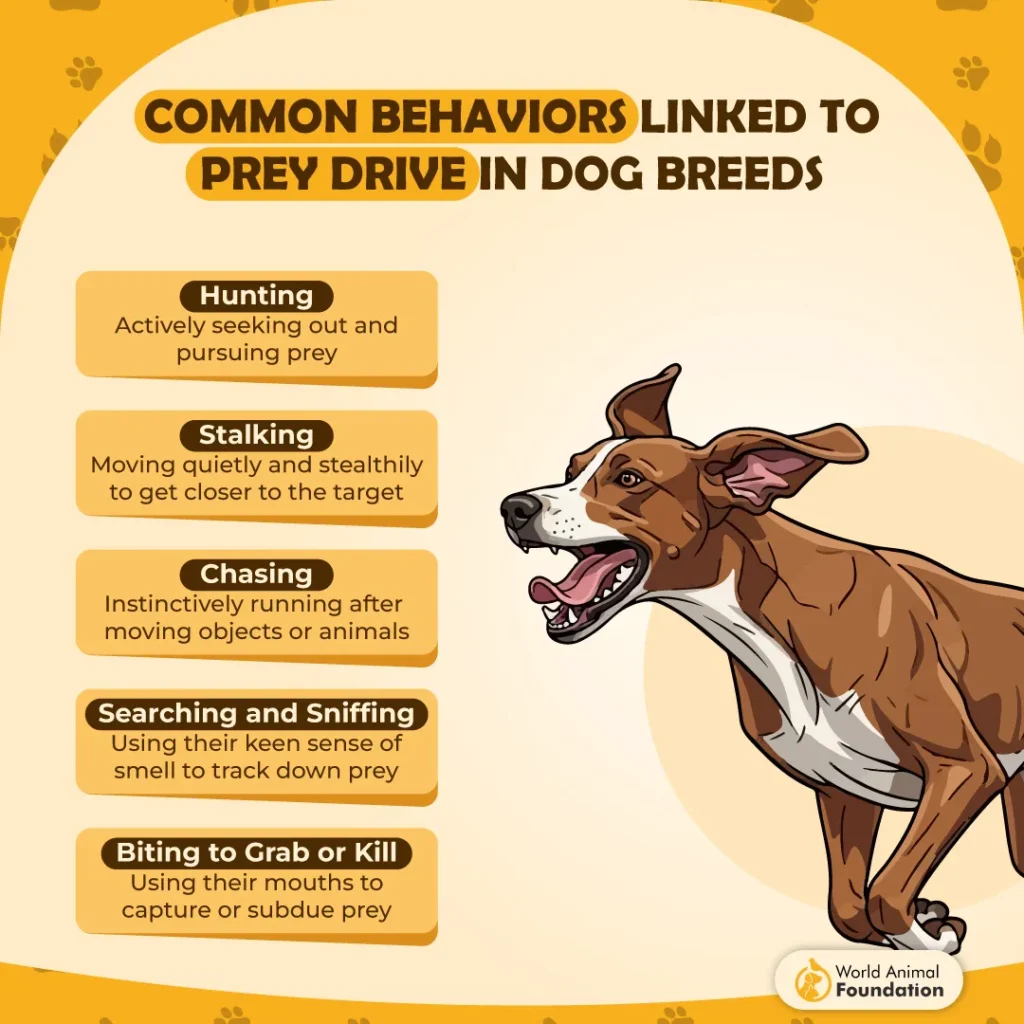
A dog can notice a squirrel crossing the yard before you have even seen it. That quick shift in attention comes from prey drive, an instinct linked to behaviors dogs inherited from their working ancestors.
Chasing, stalking, tracking, grabbing, and carrying objects can all appear in dogs with a strong instinct to pursue moving targets. For some dogs, a fluttering bird, darting rabbit, or running cat can become more interesting than anything happening around them.
Their response may be especially noticeable outdoors, where movement, scent, and open space provide plenty of stimulation. Prey drive also varies from one individual to another, even within the same breed, so behavior can never be judged from breed reputation alone.
The dogs featured here are known for stronger natural tendencies toward chasing and pursuing. You will see what gives each one that instinctive edge and what it means in everyday life for owners today.
Key Takeaways
A fluttering bird, running rabbit, or even a passing bicycle can catch a dog’s attention in an instant. For some breeds, that reaction is deeply instinctive.
Greyhounds can go from resting quietly on the sofa to chasing movement at remarkable speed, while Salukis were bred for long pursuits across open land.
Afghan Hounds and Whippets share that powerful urge to chase, so a secure outdoor setup becomes especially important for them.
The Rhodesian Ridgeback and Jack Russell Terrier bring their own hunting history into the picture, with the Siberian Husky waiting to reveal another side of this instinct.
Dog Breeds Known for Their Instinctive Prey Drive
1. Greyhound
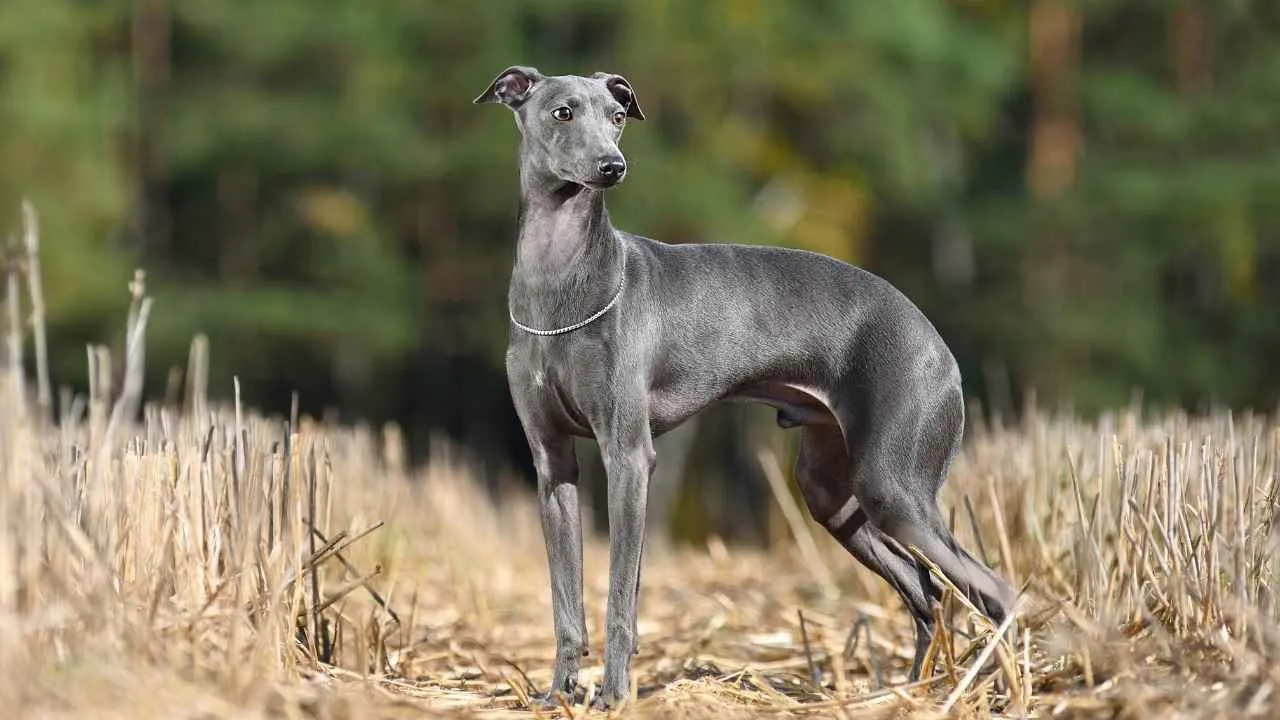
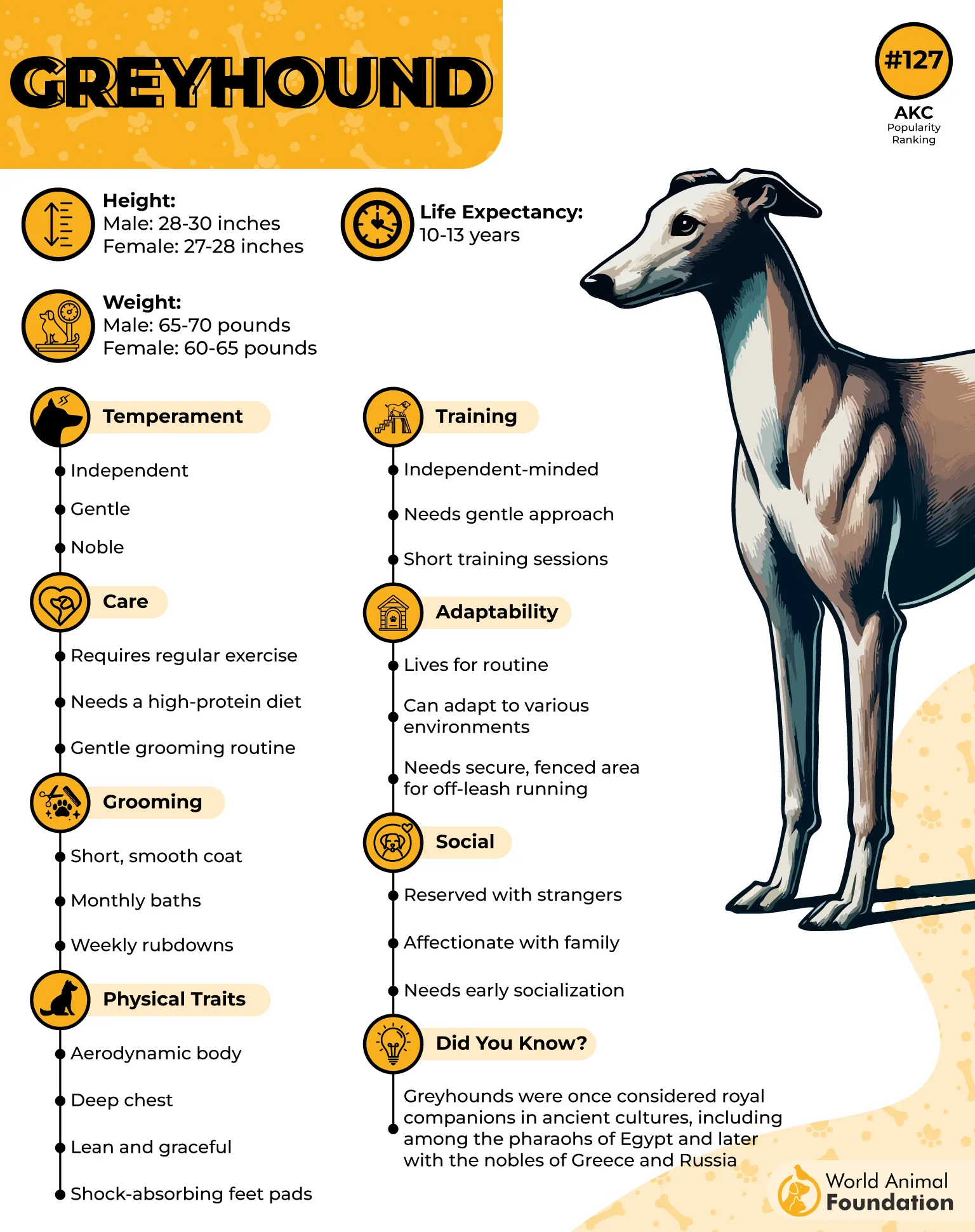
Greyhound is an old European sighthound once used to spot and pursue game, relying on exceptional vision rather than scent to locate its target. Its slim frame, long legs, and flexible spine later helped it reach speeds of up to 43 miles per hour over short distances.
Prey in Sight
That visual hunting style still matters around smaller animals, since a Greyhound may instinctively chase when something triggers its predatory response.
An upright, rapidly wagging tail, fixed stare, stiff posture, stalking, lunging, or chasing can signal that a small dog is being viewed as prey, as GRV explained.
A safer interaction can look quite different:
Relaxed tail and loose body
Calm interest during greetings
Easily redirected by the handler
A Sprinter’s Rhythm
This high prey drive breed can reach remarkable speed, yet its athletic design is suited to brief bursts rather than prolonged running. At home, this same dog is often quiet and relaxed, with a strong preference for long periods of sleep on a sofa, bed, or whichever spot feels most comfortable.
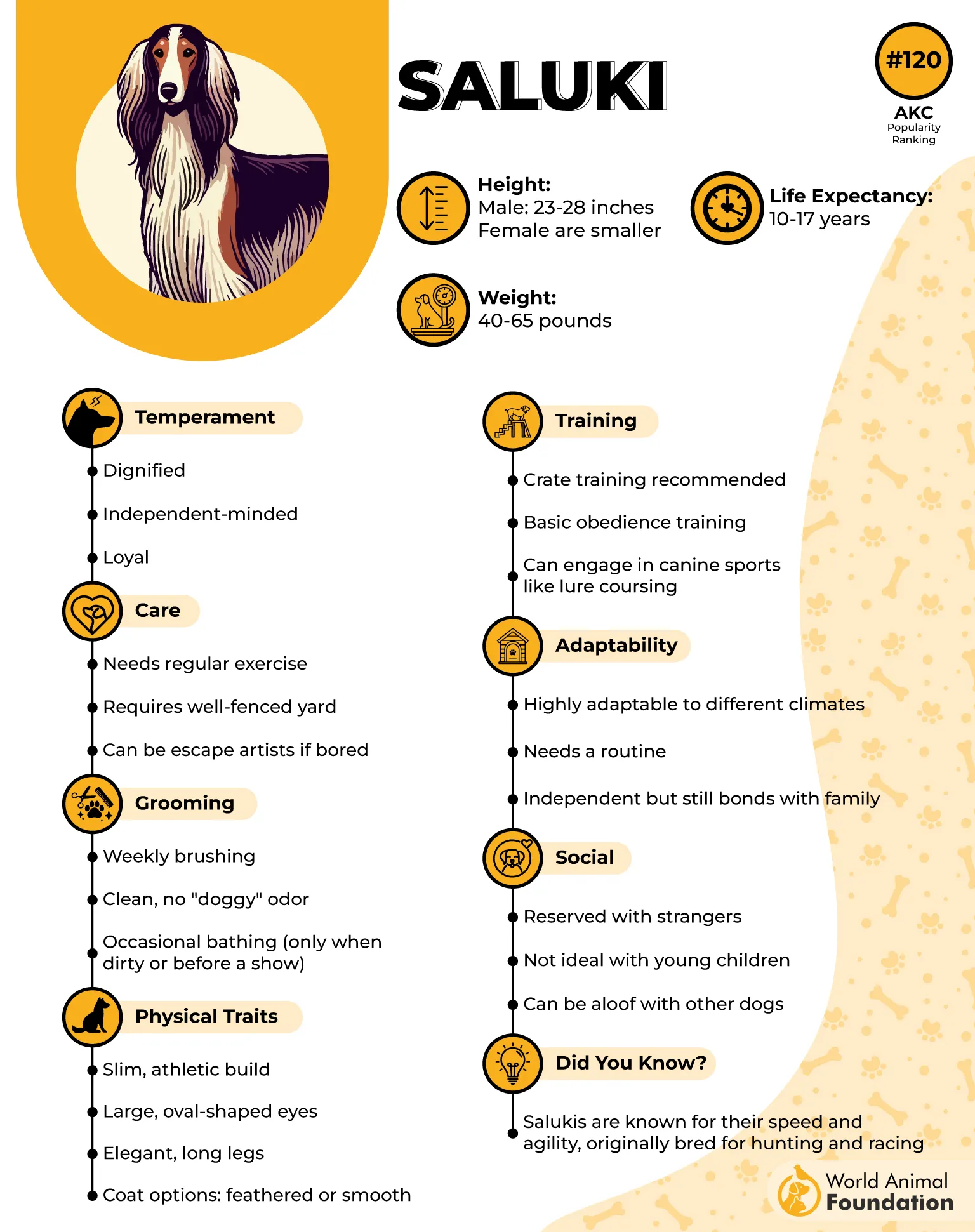
2. Saluki
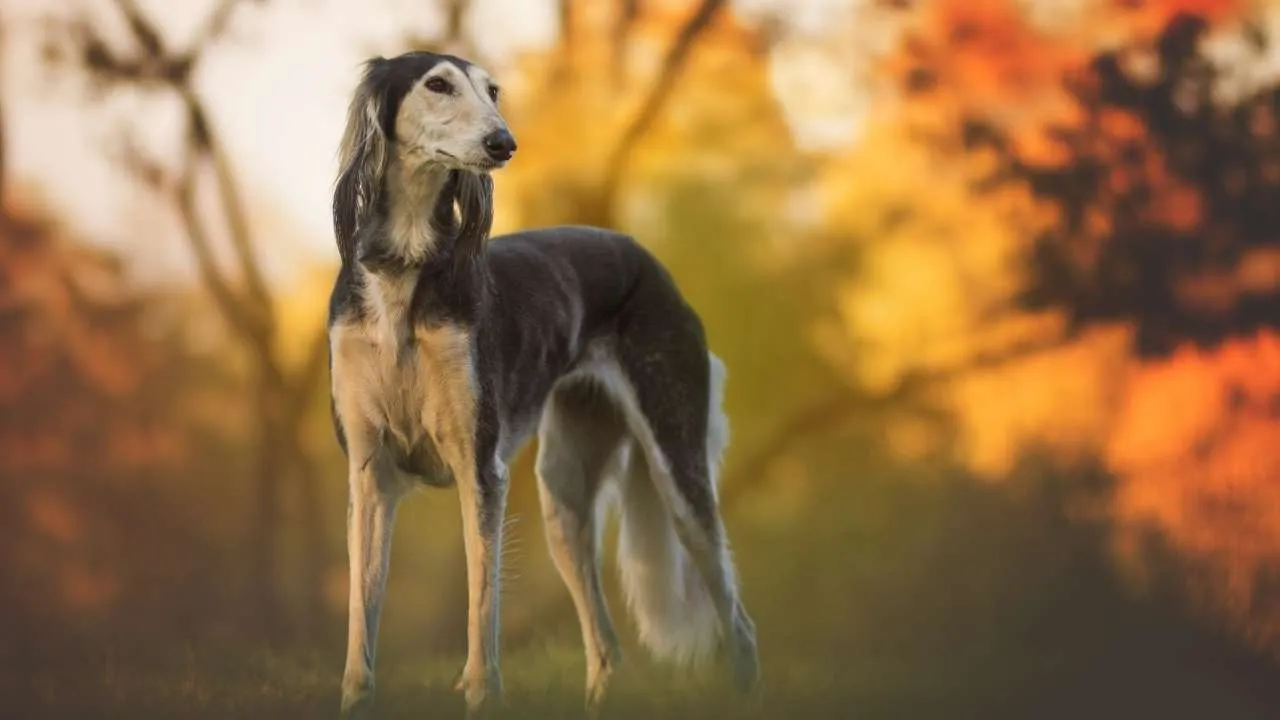
Saluki has existed for thousands of years, although its precise origin remains uncertain. Mummified Saluki remains found in Egyptian burials alongside Pharaohs offer one possible link to the breed’s distant past and its long association with desert hunting cultures.
Born to Chase
Saluki was bred as a sighthound to spot, pursue, and bring down gazelle and hare across enormous stretches of land. Its speed is unusual even among racing dogs, with the breed built for sustained high-speed running over longer distances.
These points matter when managing that instinct:
Secure fencing should reach 6 fee
A sighthound harness helps prevent collar escapes
Lure coursing provides a controlled sprinting outlet
Triggered in Seconds
This dog can react intensely to cats, rabbits, chickens, and rodents, especially when a small animal suddenly runs nearby. An indoor cat raised alongside the dog may be accepted, while the same cat racing outdoors can trigger an immediate chase response, as reported in Omlet.
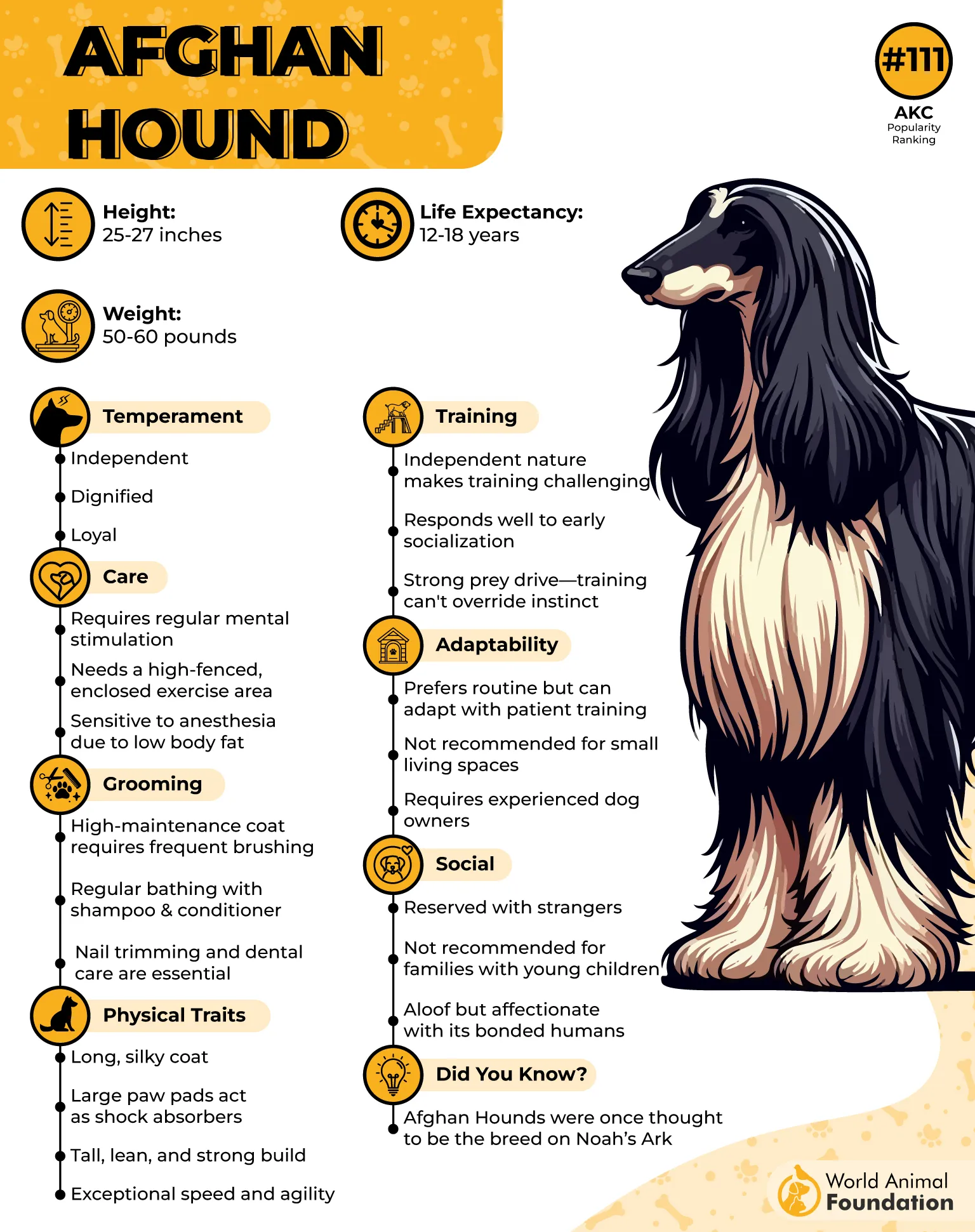
3. Afghan Hound
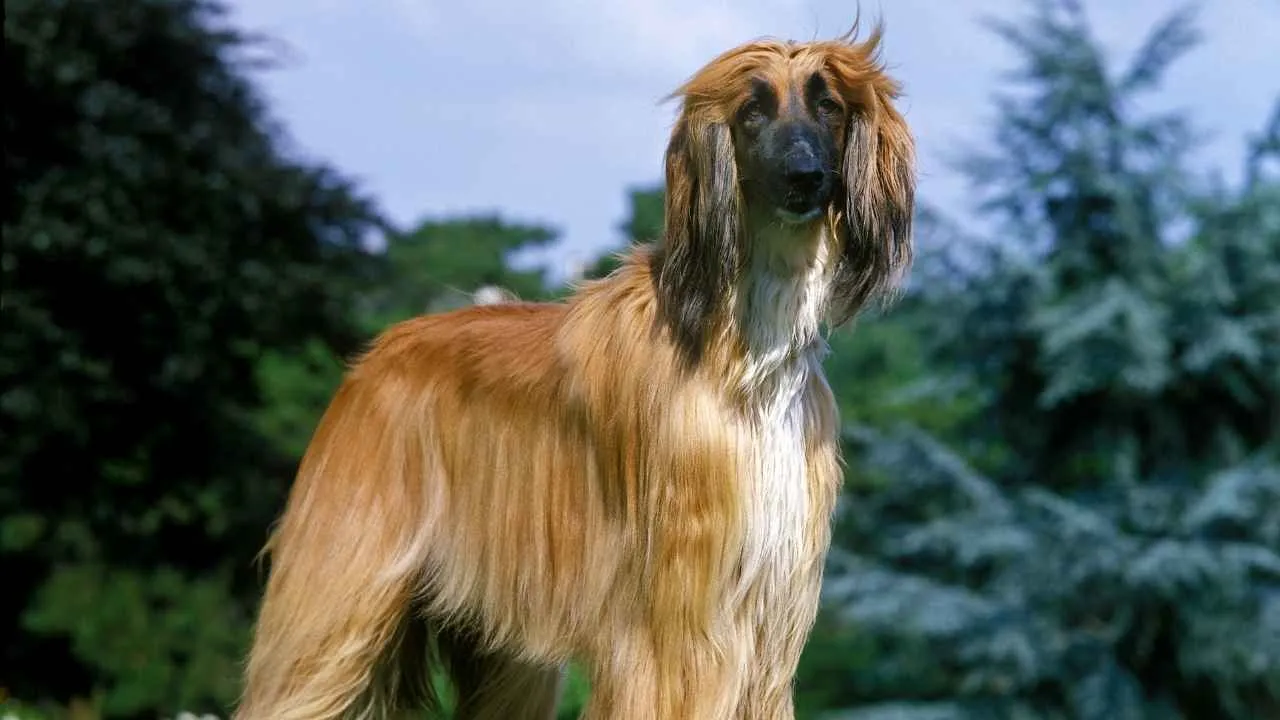
Afghan Hound belongs to the ancient sighthound family, with roots among nomadic peoples across Afghanistan, Pakistan, and northern India thousands of years ago. Its early purpose centered on coursing game through mountainous terrain, where speed and pursuit were essential.
A Relentless Chase
This hunting dog has an exceptionally strong prey drive, backed by lightning-fast speed and an instinct to pursue moving animals. That combination can make rabbits, guinea pigs, and other small creatures especially difficult to ignore during outdoor adventures.
These characteristics matter for managing that instinct:
Six-foot fencing helps prevent escapes
Lure coursing provides a controlled chase outlet
Martingale or slip leads suit outdoor walks
Independent by Nature
Afghan Hounds can be highly intelligent while still making training a test of patience, particularly when harsh correction is involved. Gentle guidance paired with firm consistency tends to work better, while its independent streak can make cooperation unpredictable.
4. Whippet
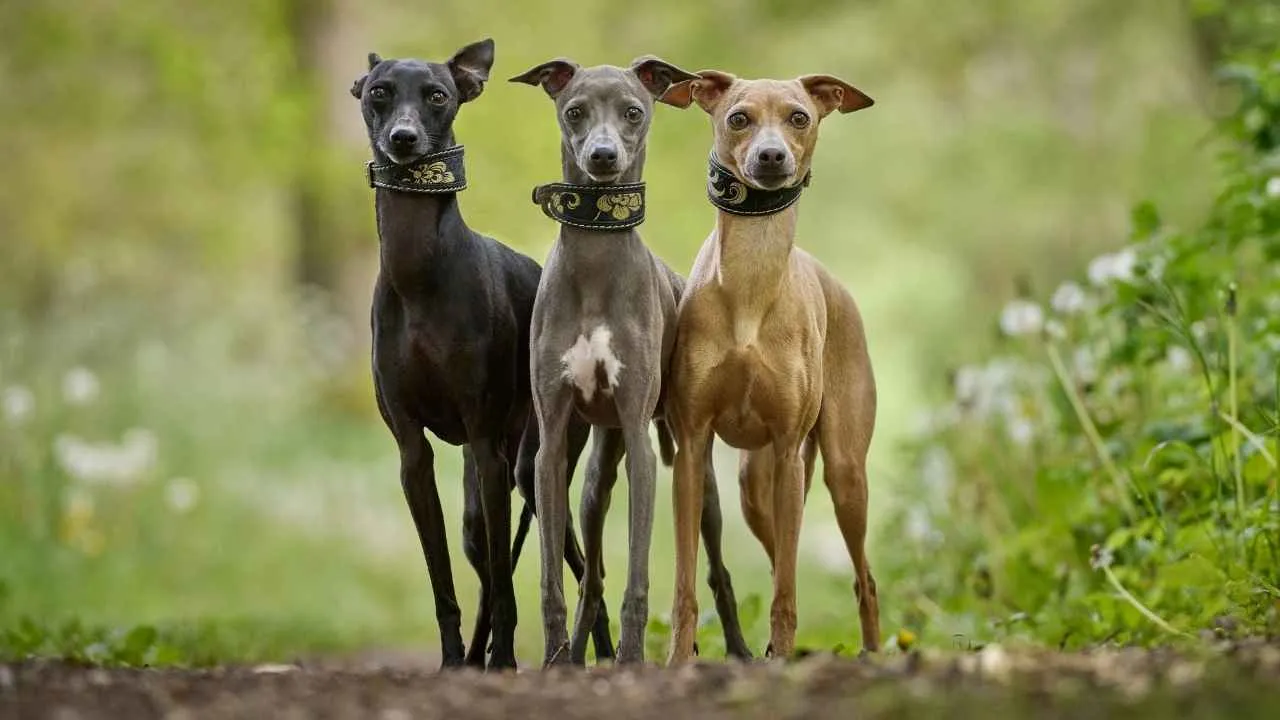
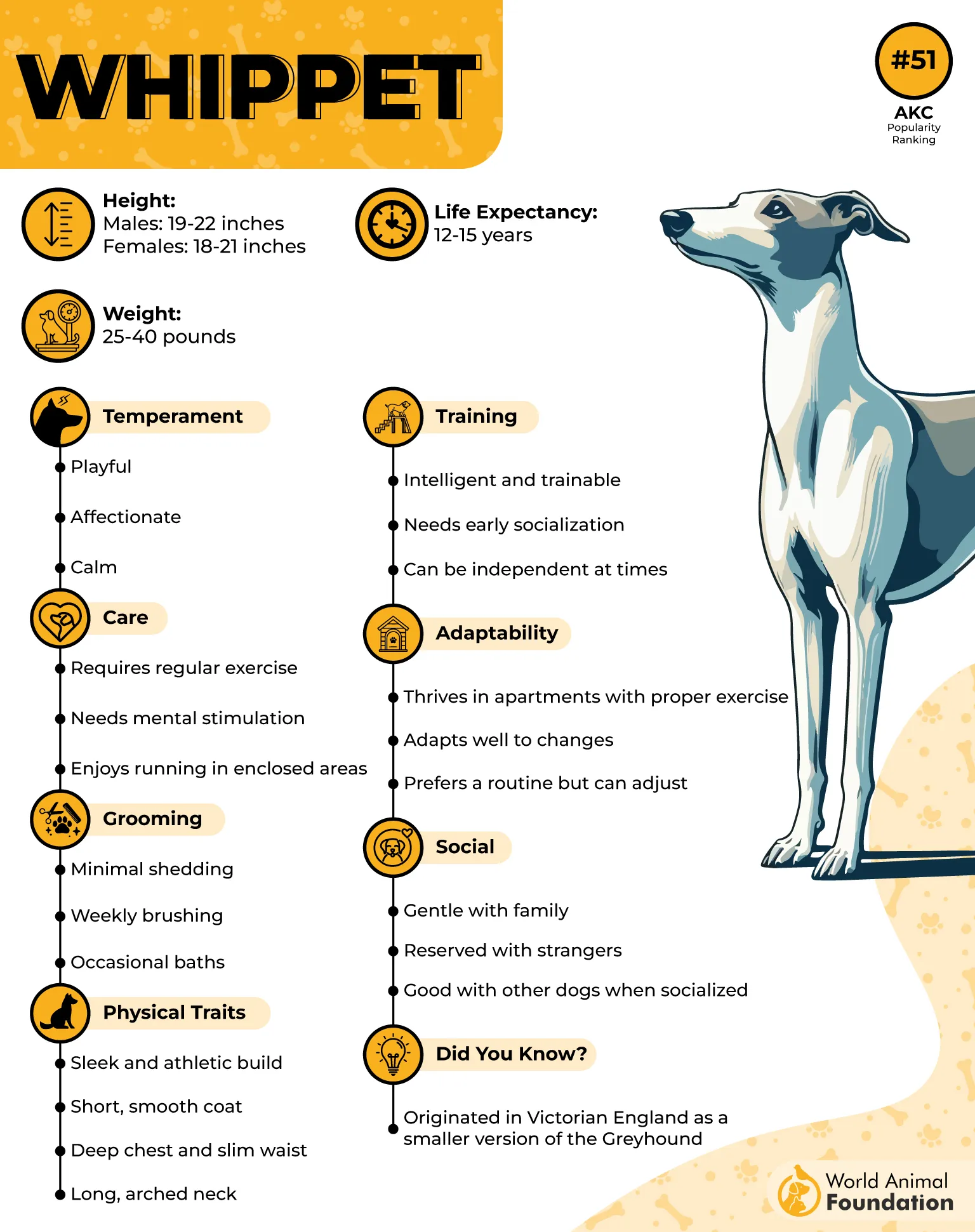
Whippet began with Greyhound stock, with smaller Greyhounds possibly bred with other dogs to create a more compact hunting dog. The breed became a rabbit-catching sight hound before gaining a new role in 19th-century city life through the popular sport of Whippet Racing.
A Chase in Seconds
This high-energy breed has an exceptionally strong prey drive, and a rabbit or other fleeing animal can trigger an immediate pursuit, as Orvis claims. Their sight-hound vision lets them notice movement from far away, so reliable recall and secure control outdoors are essential.
These precautions matter when that instinct kicks in:
Use a leash outside secure fencing
Train with a 15-to-30-foot-long line
Use high-value rewards for focus work
Learning the Pause
Whippet can learn to disengage from a chase with patient, consistent training, including impulse-control exercises that encourage a brief pause before reacting. A strong “look at me” cue can also help redirect its attention quickly when wildlife suddenly enters its field of vision.
5. Rhodesian Ridgeback
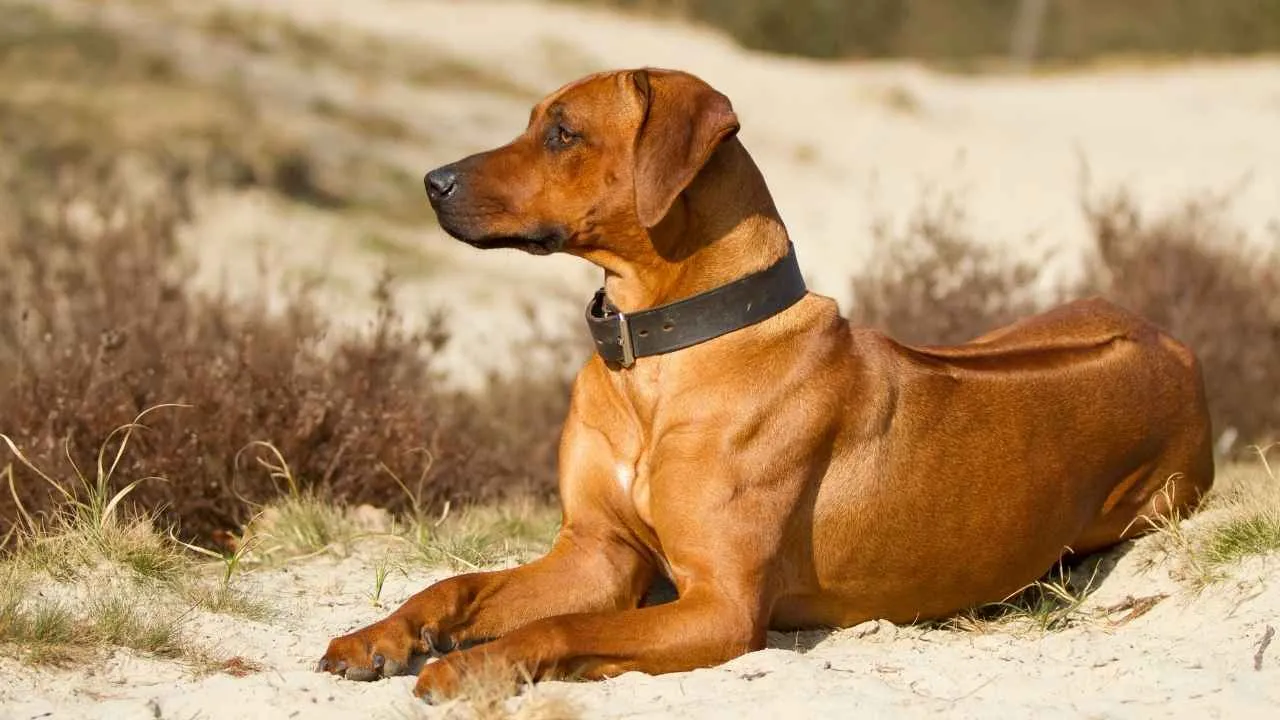
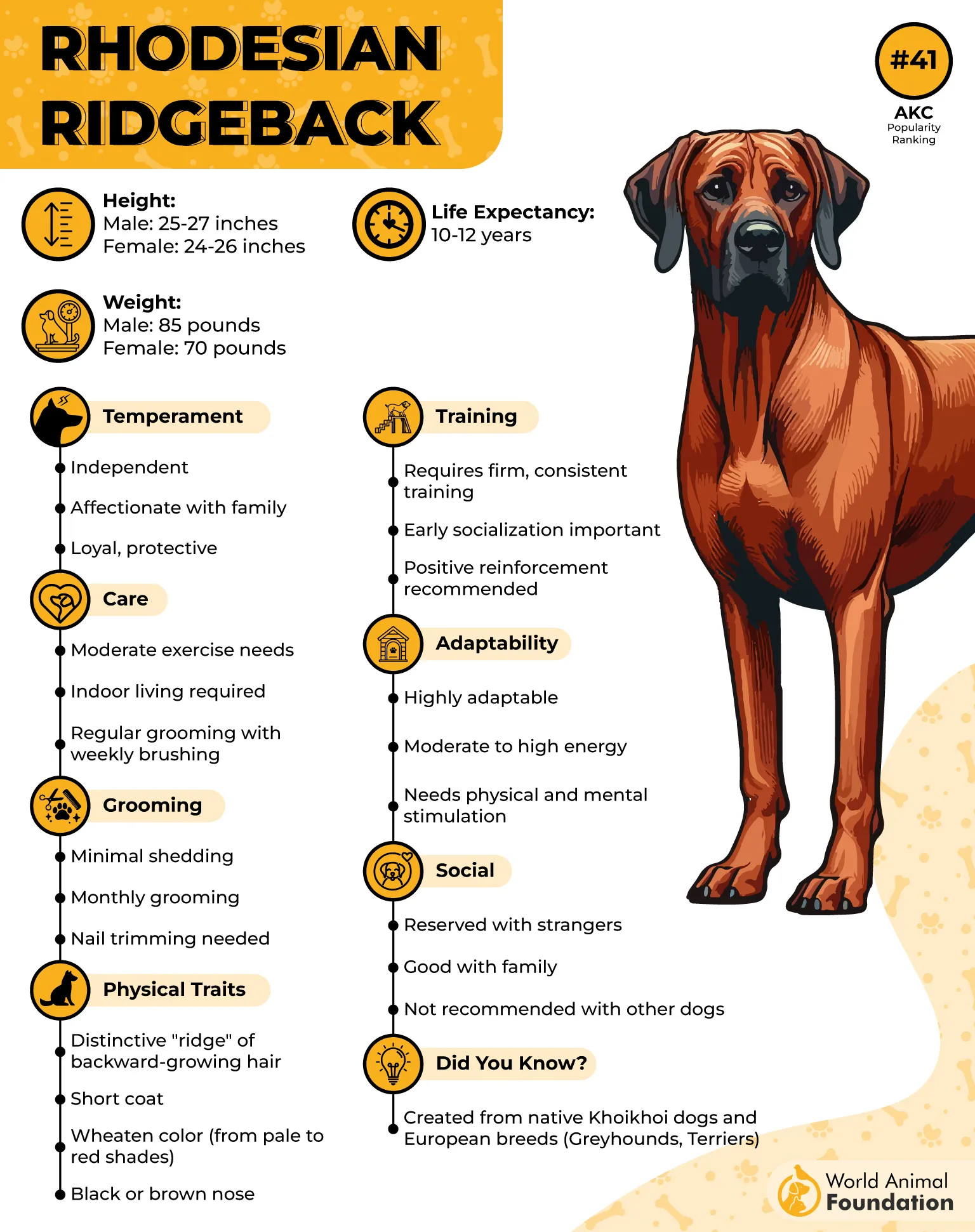
Rhodesian Ridgeback was specifically bred from crosses between European hunting and working breeds and native dogs in southern Africa during the 16th and 17th centuries.
By the late 1800s, these dogs were being used in Rhodesia, now Zimbabwe, to track lions and keep them at bay until hunters could take their shot.
A Powerful Chase Drive
Rhodesian Ridgeback has keen eyesight and a strong sense of smell, allowing it to notice potential prey at considerable distances. Fast-moving targets such as cats, squirrels, rabbits, and even a windblown bag can trigger an immediate pursuit.
Its natural drive calls for both activity and control:
Needs secure fencing or a reliable leash
Young dogs have high energy and enjoy running
Older Ridgebacks tend to relax more at home
Training With Purpose
Rhodesian Ridgebacks can be strong-willed because their hunting work required independent judgment and cooperation with people. Puppy training works best with food rewards, praise, and clear boundaries, while agility, obedience, and tracking provide useful outlets for its abilities.
6. Jack Russel Terrier
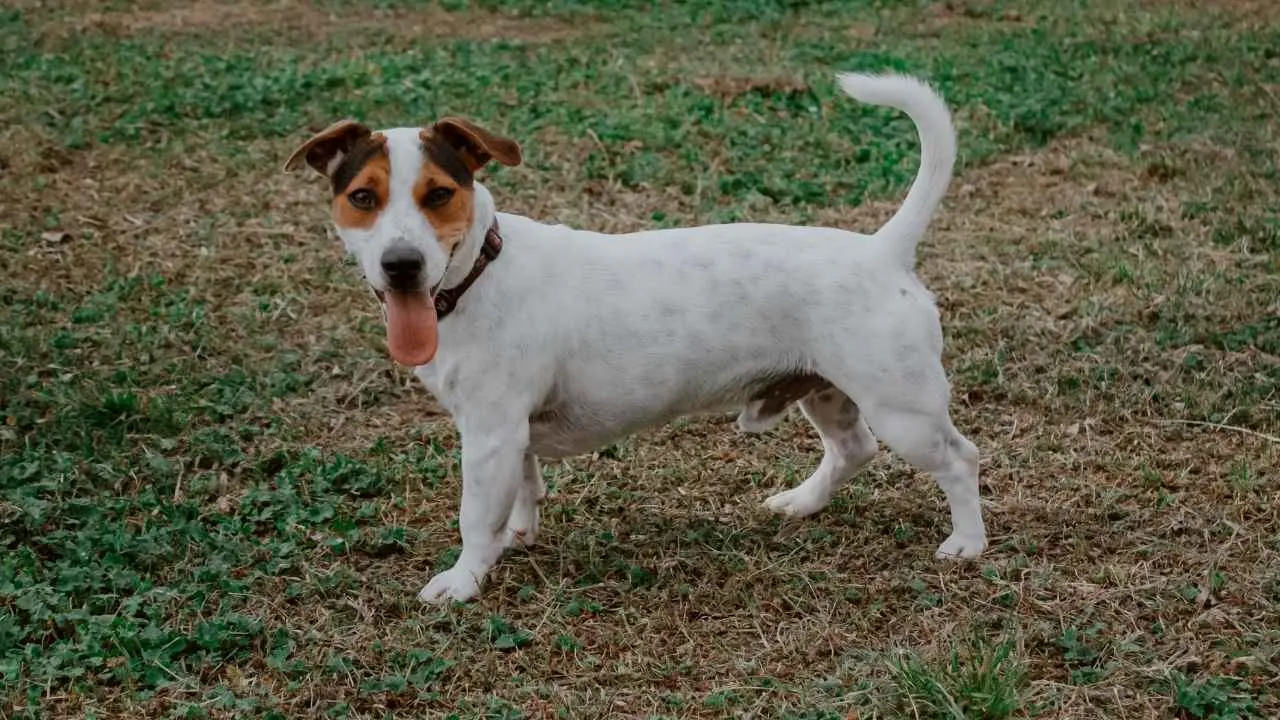
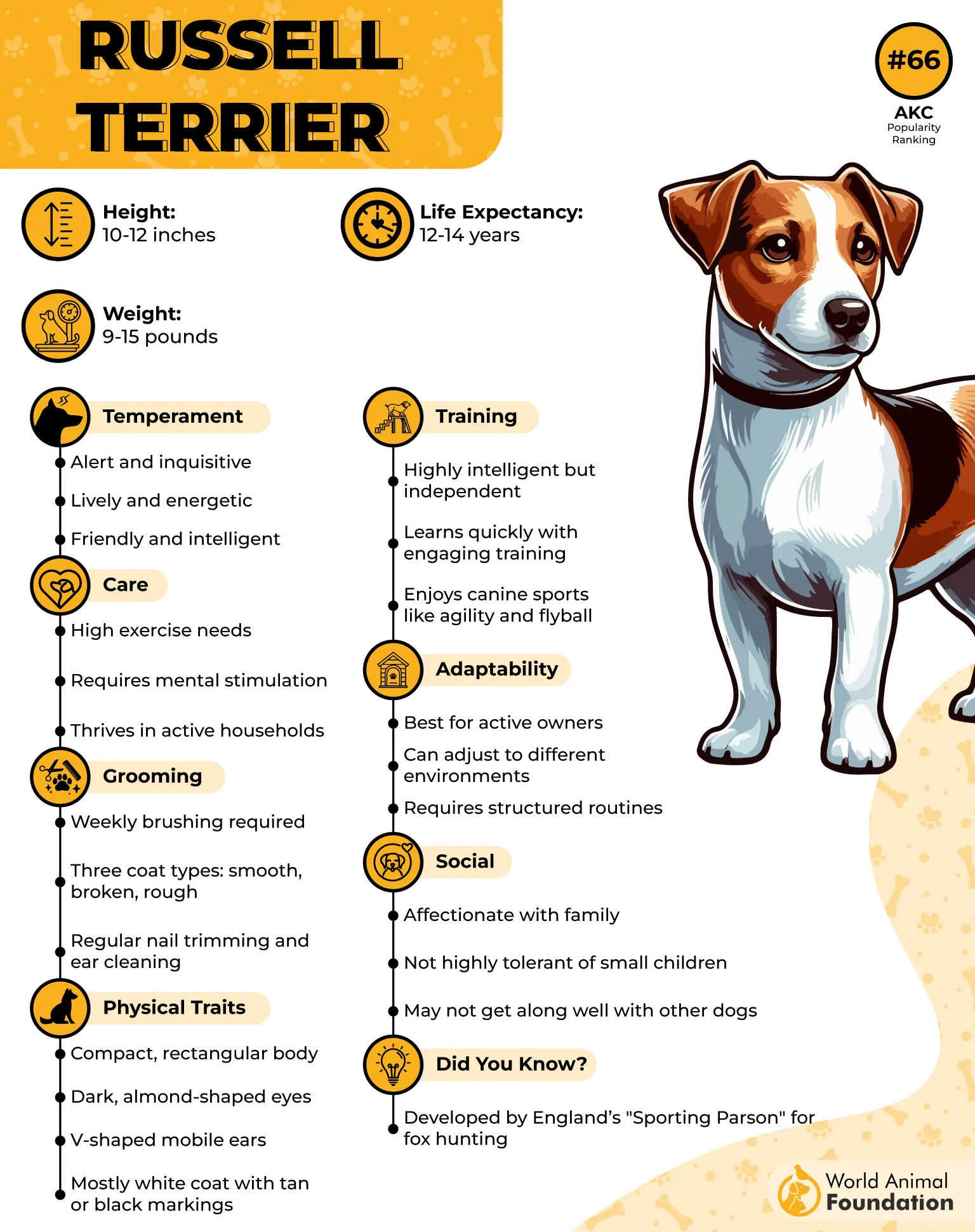
Jack Russell Terrier began in 1800s England as a cross involving the now-extinct White Terrier, with fox hunting shaping its early working role. These small dogs were expected to locate foxes, dig them out, and hold them until the hunter arrived, before becoming valued rat catchers.
Prey Drive in Action
This terrier responds to three major prey triggers: movement, sound, and scent, with individual dogs leaning more heavily toward one than another. That can turn a passing bicycle, running cat, or noisy machine into an immediate target for pursuit.
These examples reveal how broad that instinct can be:
Chases bicycles and skateboards
Reacts to lawn mowers and vacuums
Digs holes and climbs fences
Social Skills Matter
Jack Russell Terriers can live well with respectful children and familiar dogs, while unfamiliar dogs may trigger a snappy response. Early socialization helps puppies become accustomed to other dogs, and positive reinforcement can redirect attention toward their handler when exciting triggers appear.
7. Siberian Husky
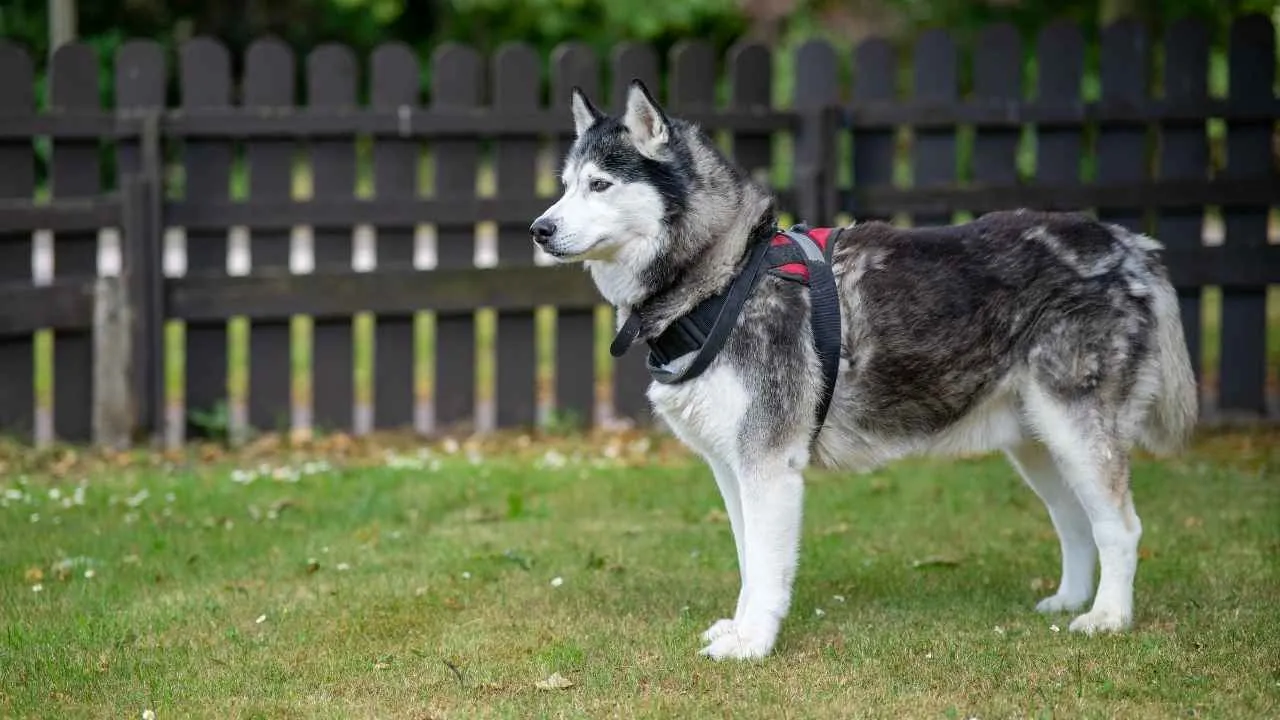
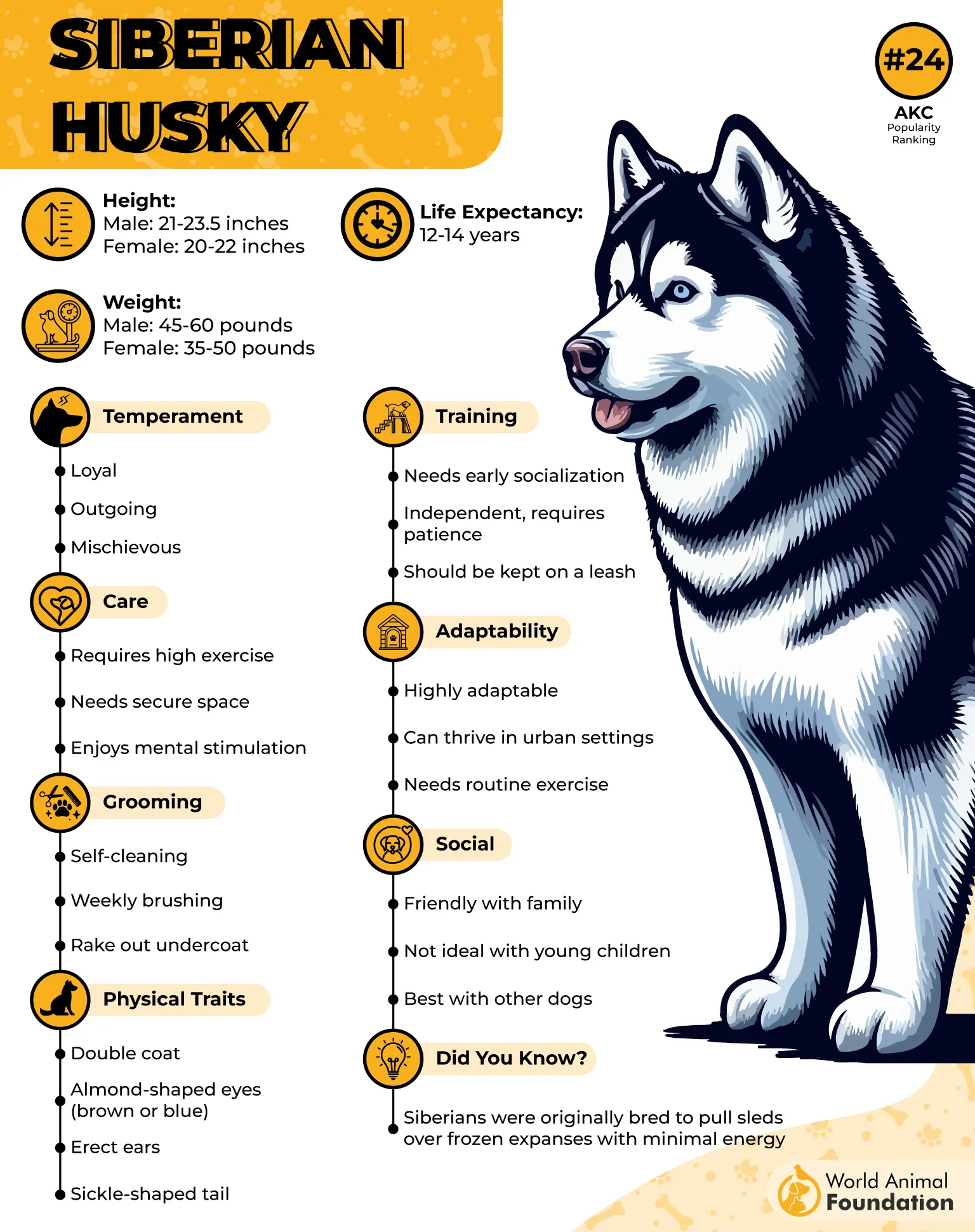
Siberian Husky originated in northeast Asia, where the Chukchi people used Spitz-type dogs to pull sleds for nomadic communities living in Arctic regions. The breed is considered one of the oldest, while the nickname “Husky” is believed to come from “Eksy,” a term associated with Eskimos.
A Powerful Chase Reflex
Huskies have a strong prey drive shaped by the demanding conditions of their northern environment. A squirrel, rabbit, cat, bird, or other fast-moving animal can trigger an automatic chase response before the dog has time to respond to a familiar command.
Three situations deserve particular attention:
Fast movement can trigger an instant chase
Adrenaline can disrupt command response
Small pets can become potential targets
Pack-Minded at Home
Siberian Huskies generally get along well with other dogs because of their strong pack instinct, while early introductions can help when another pet shares the household. Training also calls for firm, positive guidance, with short daily sessions helping channel its quick learning and tendency to test boundaries.
Conclusion
Living with a dog that has strong prey drive means paying attention to what can trigger pursuit. A rabbit, cat, bird, bicycle, or moving person may quickly become the most interesting thing nearby because of the dog’s prey drive. Leash control and secure fencing are important, while recall training should be practiced in safe, controlled settings.
Pet owners should also consider smaller pets, wildlife, exercise needs, and how much supervision they can provide outdoors. Scent work, tracking, retrieving, and interactive games can give these instincts a productive outlet while supporting a balanced dog’s behavior.
Clear boundaries and consistent training can make daily life safer without ignoring natural predatory aggression or the behaviors that shape the dog.
