





A small dog can have a surprisingly serious role in home security. People sometimes associate protection with physical strength, but everyday household safety often begins with awareness.
A dog that notices a strange sound, unfamiliar person, or unusual movement can alert its family long before anyone else pays attention. Dogs hear a broader range of frequencies than humans, and their sense of smell is vastly more sensitive, giving them sensory abilities that can be useful around your home. Their value also depends on behavior.
Excessive fear, uncontrolled barking, or poor socialization can create problems rather than useful alerts. Calm confidence, attentiveness, responsiveness, and consistent training are far more practical qualities to look for. A suitable dog can serve as a companion and an early warning presence without dominating the household.
For anyone thinking about home safety, the dogs ahead bring different forms of awareness and companionship, giving you options for home life.
Key Takeaways
Home security can start with something as simple as a dog hearing a sound you completely missed, especially when that dog is naturally alert and quick to react.
Miniature Schnauzers have the kind of hearing that can turn passing footsteps or vehicles into an instant alert, while Lhasa Apsos were valued as watchdogs in Tibetan monasteries.
Toy Fox Terriers and Chihuahuas show just how much confidence can fit into a tiny frame, with both ready to make their presence known when strangers appear.
Keep going, and the Jack Russell Terrier, Miniature Pinscher, and Pomeranian bring even more surprising watchdog habits to the list.
Ideal Small Dog Breeds to Keep Your Home Safe
1. Miniature Schnauzer

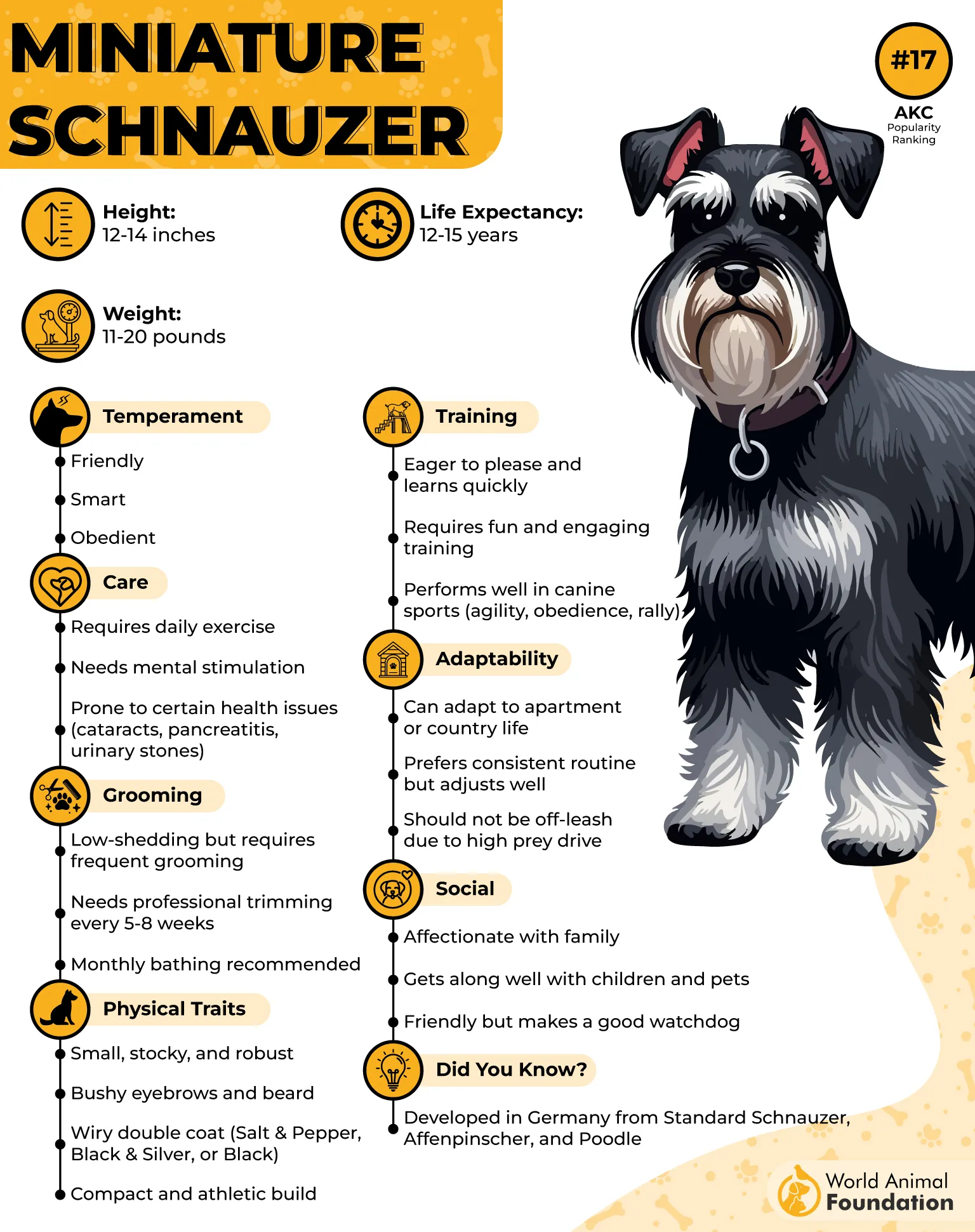
The Miniature Schnauzer took shape in Germany during the late 19th century as breeders worked toward a smaller, versatile working dog. Standard Schnauzers, Affenpinschers, and Poodles all played a role in its development, with the resulting breed used for controlling rats and keeping watch around the home.
An Excellent Alarm System
Miniature Schnauzers have remarkably sharp hearing and can react to subtle sounds around the home, including approaching vehicles, unfamiliar people, and passing animals. For home protection, that quick response makes their bark particularly useful as an early warning.

Here’s how their alertness works:
More likely to bark than bite intruders
Often relaxes after a guest enters
Highly territorial and fiercely loyal to owners
Confident Around Family
This excellent watchdog is generally affectionate with children and other dogs in the household, while its protective nature adds an extra layer of awareness around family members, as mentioned by Orvis. With unfamiliar dogs, it may try to establish dominance, so early social experiences matter.
2. Lhasa Apso
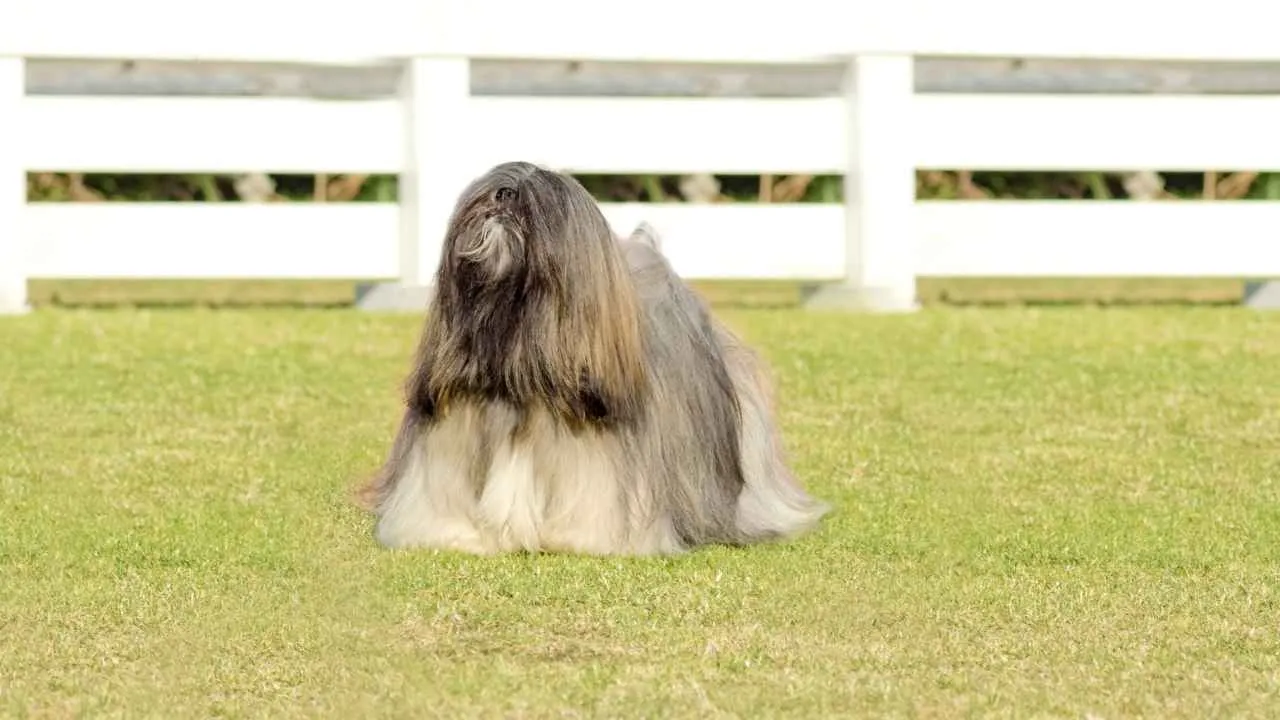
Lhasa Apso has deep roots in Tibet, where Buddhist monasteries valued these small dogs for their watchful nature. They would alert monks when unfamiliar people approached, while the breed’s name also reflects its origins, with Lhasa referring to Tibet’s capital and Apso meaning “bearded”, as noted by Omlet.
A Sharp Alarm
Small in stature but far from passive, the Lhasa Apso tends to take notice when something changes around its home. It can react strongly to unfamiliar people or activity, with a deep, forceful bark that makes its presence known without needing a large body.
These traits make its watchful nature especially useful:
Can manage short periods alone
Needs only a few short walks daily
Enjoys watching the room from high spots
A Mind of Its Own
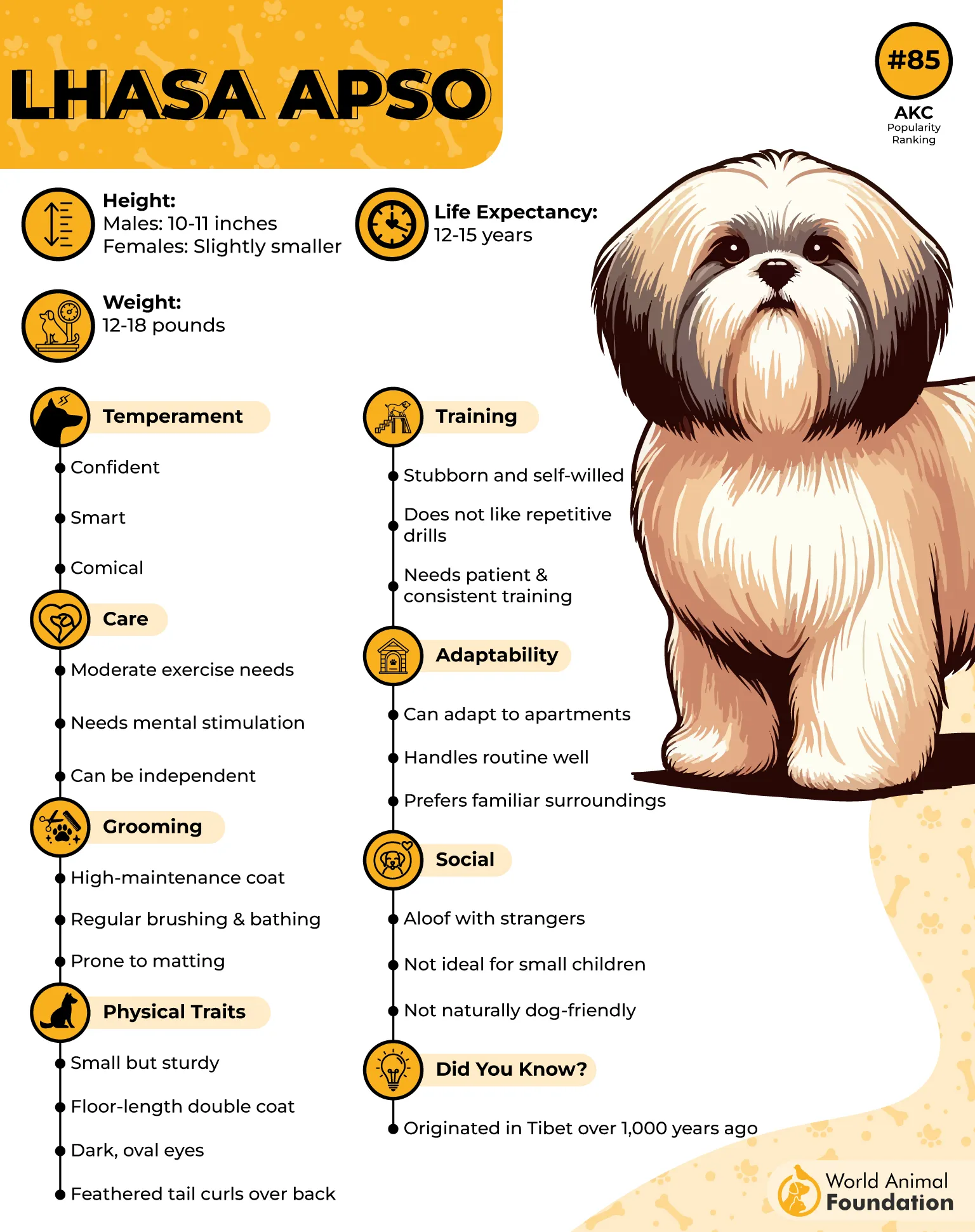
Lhasa Apso is intelligent, curious, and independent, so training can become a test of consistency when it decides to pursue its own preference. It can also remain puppy-like for roughly its first three years, bringing plenty of energy and playful behavior into the household.
3. Toy Fox Terrier
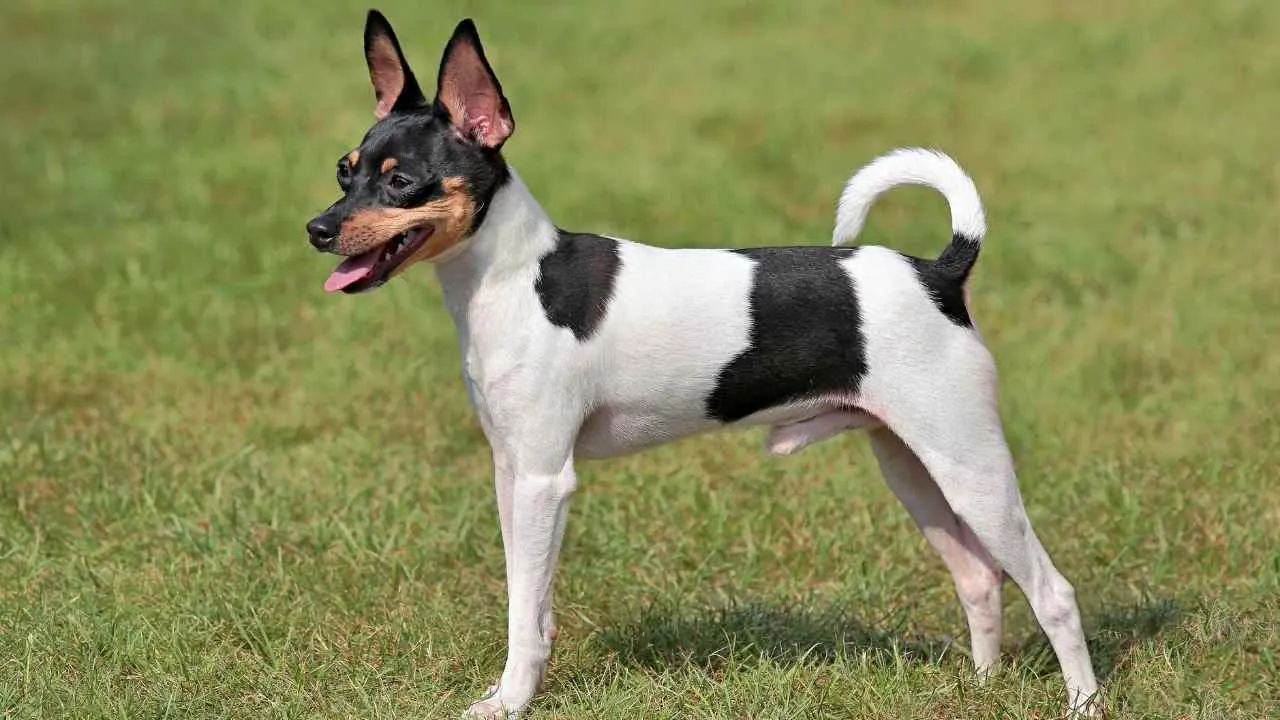
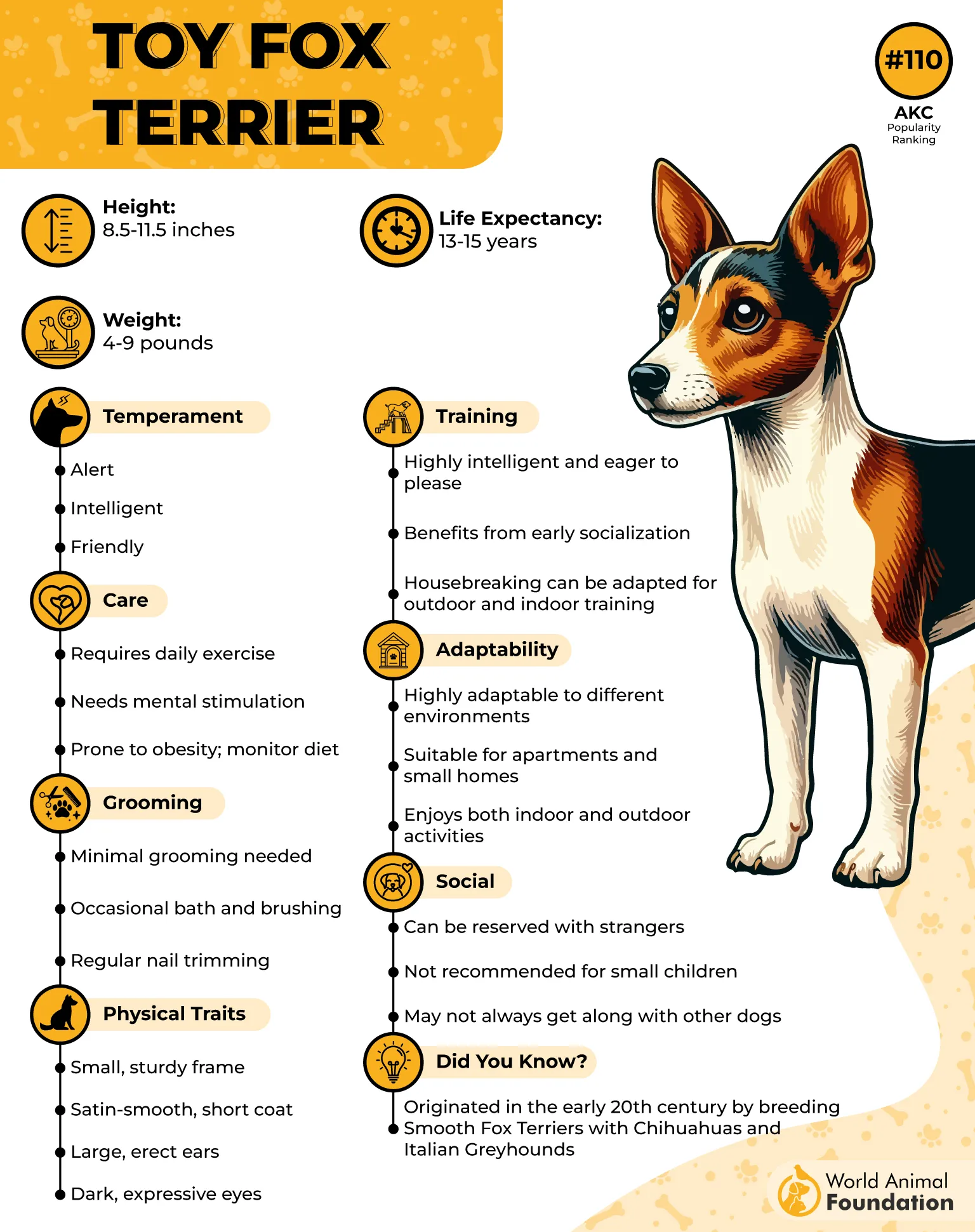
Toy Fox Terrier emerged in the United States during the 1930s as a smaller, milder version of the Fox Terrier. Breeders combined Fox Terrier lines with toy breeds including the Miniature Pinscher, Italian Greyhound, and Chihuahua, creating the dog also called the “Amertoy.”
An Impressive Alarm
Toy Fox Terrier takes home security seriously, especially when someone approaches its territory. Its alert bark can sound surprisingly formidable for such a tiny dog, giving a household an early warning when unfamiliar people arrive at the door.
Its guarding habits are only part of its personality:
Cannot physically confront a determined intruder
Enjoys being pampered and staying close to family
Can turn energetic and playful during yard zoomies
Around Other Animals
Toy Fox Terrier can form peaceful relationships with cats, and dogs raised alongside it may also become familiar companions. Encounters with unfamiliar dogs can be more difficult, while older children who respect its small size are generally a better match than rough young playmates.
4. Chihuahua

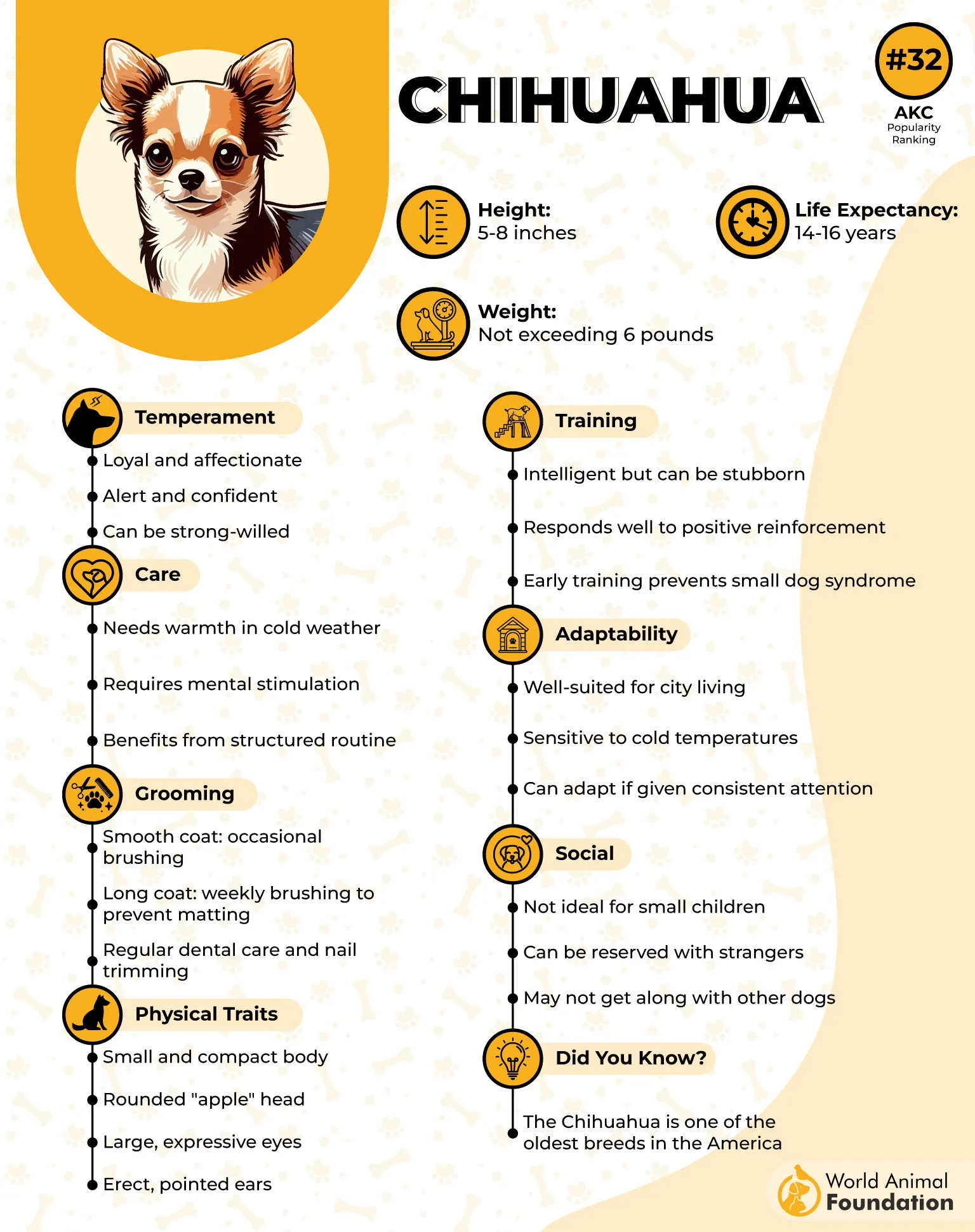
Chihuahua has an uncertain origin, with theories linking the breed to China, Central America, and South America. In 1850, several small dogs were found in Chihuahua, Mexico, before some were brought into the United States and gained recognition as companion dogs.
An Alarm System in Miniature
This little guard dog can be remarkably vocal when someone approaches the home, making its sharp bark useful for alerting people to unfamiliar activity. Its protective attitude toward its territory and favorite person can make even a quiet household noticeably more alert.
These points reflect their watchful nature:
Confident enough to challenge unfamiliar dogs
May snap when strangers approach its person
Often alerts from blankets or tucked-away spots
Big Personality
Chihuahuas are famously independent and can have a strong preference for doing things their own way. It may also become intensely attached to one person, so early training and socialization are important for preventing possessive behavior toward that favorite human.
5. Jack Russell Terrier

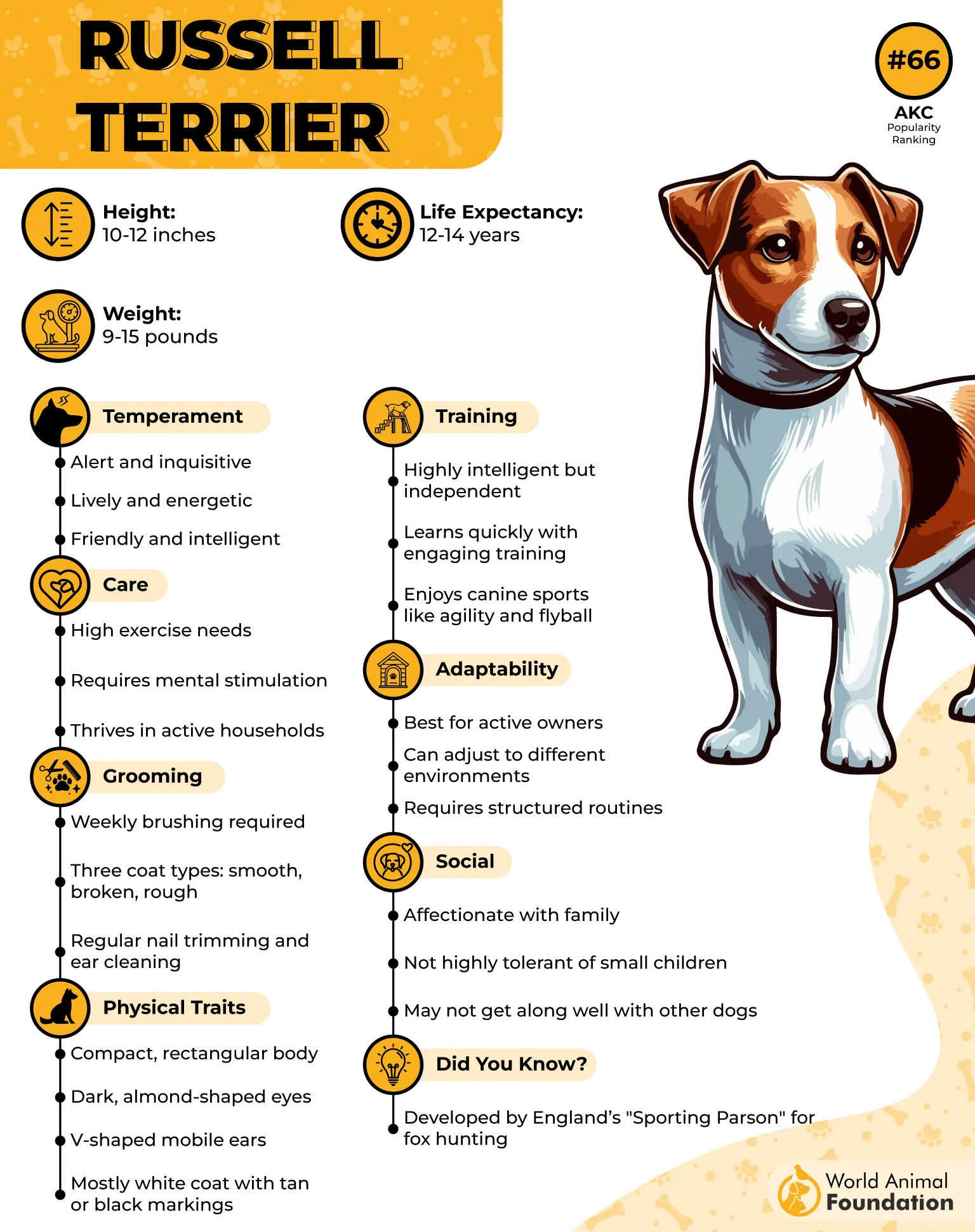
The roots of the Jack Russell Terrier lie in 19th-century England, where it was developed using the now-extinct White Terrier. These small hunting dogs were bred to work on foxes, following them underground, forcing them out, and keeping them in place until the hunter could reach them.
A Sharp Little Alarm
This sturdy dog can make a surprisingly vocal home sentinel, barking at activity around the property, from squirrels and cats to unfamiliar people, as UKC claims. Their fearless attitude also means they may confront an intruder rather than retreating when something feels wrong.
Its fearless streak is matched by an active nature:
Loves to explore, chase, dig, and investigate
Can stay active well into old age
May bark or chew when bored
A Determined Personality
Jack Russell Terrier is curious, sociable with familiar people, and often an enthusiastic playmate for older children who respect its space. Around unfamiliar dogs, people, cats, and smaller pets, its strong prey drive and guarded nature can require careful socialization.
6. Miniature Pinscher

Miniature Pinscher traces its roots to Germany, where it was used for rat catching and vermin control in homes and on farms. For its appearance and as a high-energy dog, they was once mistaken for a smaller Doberman Pinscher, although the breed actually predates the Doberman and was officially renamed in 1972.
A Sharp Alarm
Min Pin can spend one moment acting like a lively little companion and the next keeping track of something unusual around the home. An unfamiliar arrival may quickly catch its attention, followed by a sharp bark to make its presence known.
Its alert habits are supported by keen senses:
Incredibly sharp hearing
High sensory awareness of their surroundings
Inherently fearless, alert, and fiercely devoted

A Small Dog With Big Energy
This family dog has one of the higher activity levels among smaller breeds and can become destructive when boredom sets in. Older children who understand how to handle dogs are a better match, while its strong prey drive can create problems around cats and small animals.
7. Pomeranian

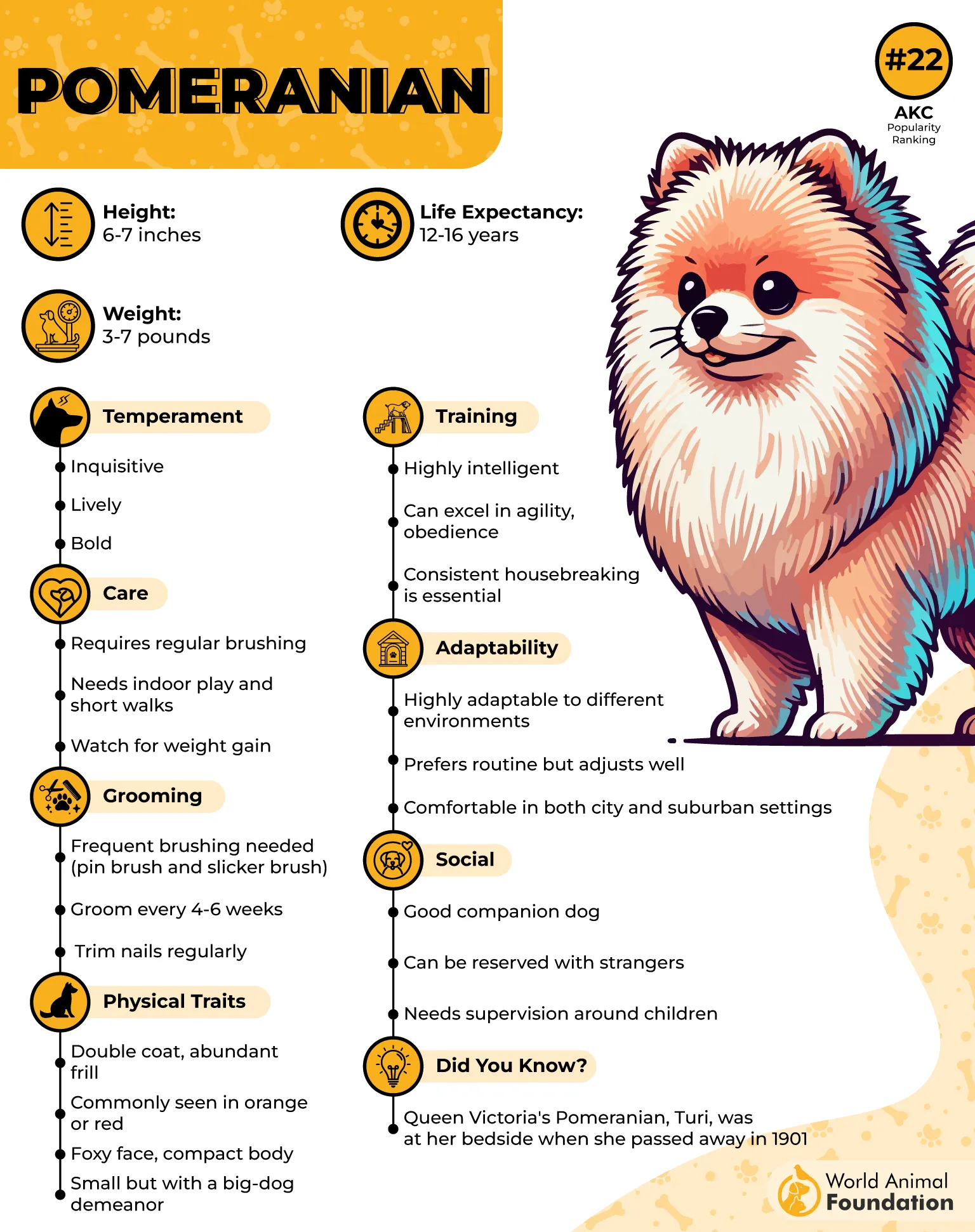
Pomeranians were originally bred as a much larger Arctic working dog, with its name linked to Pomerania, a region along the Baltic Sea. Early Pomeranians helped guard homes, pull sledges, and protect livestock before becoming the much smaller companion familiar today.
A Tiny Alarm System
Poms are highly alert to unfamiliar sounds, approaching people, and animals passing through the yard, making them useful as a household watchdog. Their sharp awareness can also lead to frequent barking, so early training matters in a home where quiet matters.
These characteristics sharpen that watchdog picture:
Descended from Spitz-type dogs
Quick to notice unfamiliar sounds
Bold when confronting larger dogs
Plenty of Personality
This gentle companion is intelligent, lively, and often quite determined about getting their own way, so training works best with positive reinforcement and clear consistency. That combination of intelligence and independence also makes obedience work an interesting challenge rather than a simple routine.
Conclusion
Home protection does not always come from a large, powerful dog. A small companion with keen senses and an alert personality can notice footsteps, unfamiliar voices, or movement outside before you do. The goal is not to expect a tiny dog to physically confront an intruder, but to value its ability to warn the household and fit naturally into family life.
Training, socialization, and consistent boundaries help keep that alertness useful rather than excessive. Owners should also think about barking, exercise, visitors, children, other pets, and time alone. First-time dog owners should consider whether their routine suits active families and whether the right breed can provide enough mental stimulation while fitting comfortably into ordinary home routines.
