




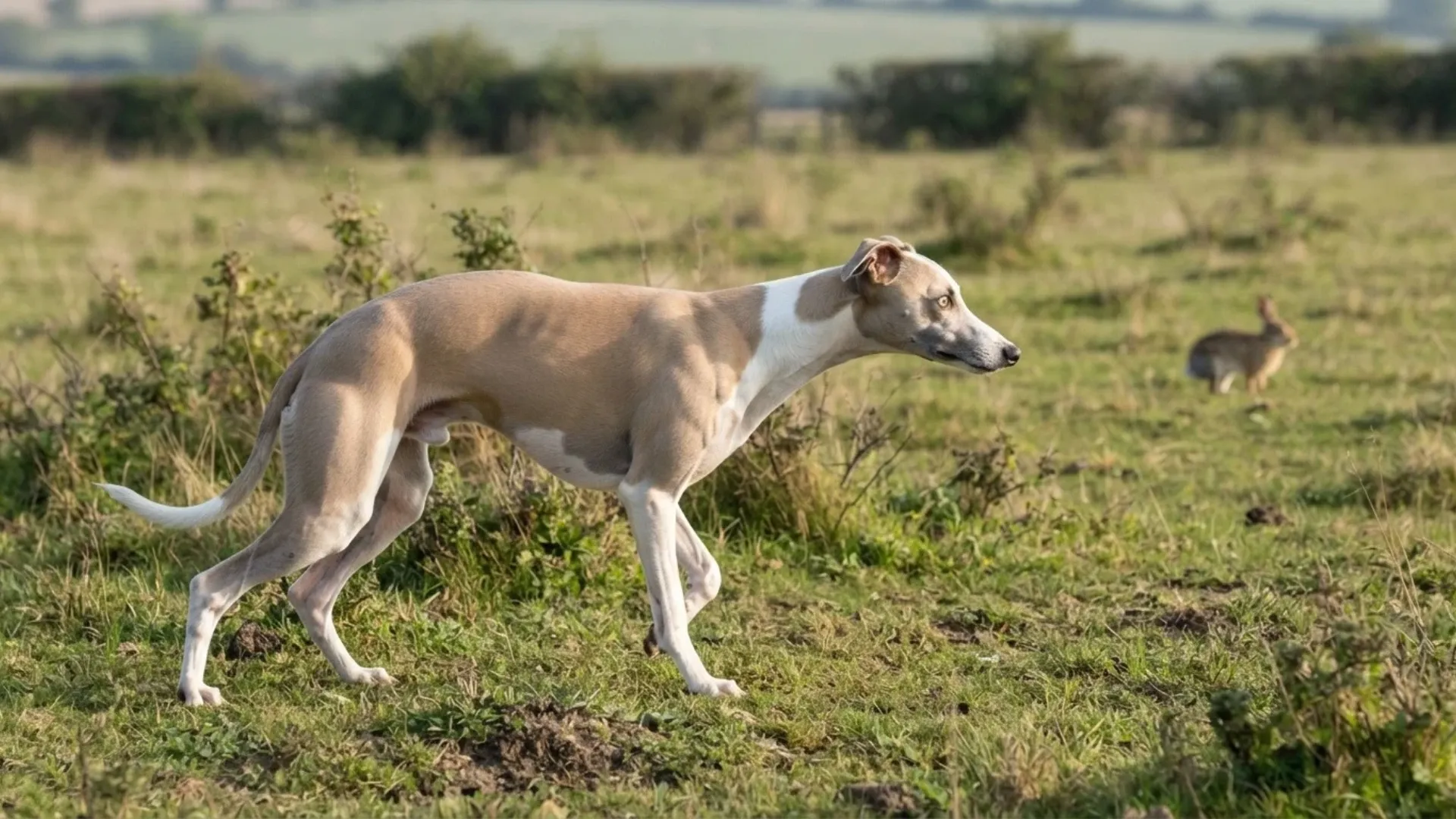
Prey drive is one of those canine traits that becomes easiest to understand when you watch what happens after something moves.
A dog may suddenly stop sniffing, raise its head, fix its eyes on a target, lower its body, and prepare to pursue. That sequence can involve several instinctive behaviors, including orienting, stalking, chasing, and capturing. Intensity differs between dogs, and genetics can influence how readily these behaviors appear.
Dogs selected for hunting, pest control, or other jobs often inherited traits that made them highly responsive to movement or scent. Even a companion dog with no working role today can retain those instincts generations later. A strong prey drive can affect walks, off-leash activities, interactions with smaller animals, and play.
The sections ahead examine these dogs, their natural tendencies, and where those instincts become most visible.
Key Takeaways
A squirrel can turn a peaceful walk into a full-speed chase in seconds, and that reaction comes from instincts that have been shaped for generations.
Greyhounds can reach around 43 miles per hour while chasing, giving you an idea of just how quickly prey drive can take over.
Whippets and Salukis carry the same chase instinct in different ways, while the Afghan Hound can spot movement from a remarkable distance.
The Rhodesian Ridgeback and Jack Russell Terrier add their own powerful hunting instincts, making the final breeds worth a closer look.
Dog Breeds That Exhibit High Prey Drive Behavior
1. Greyhound
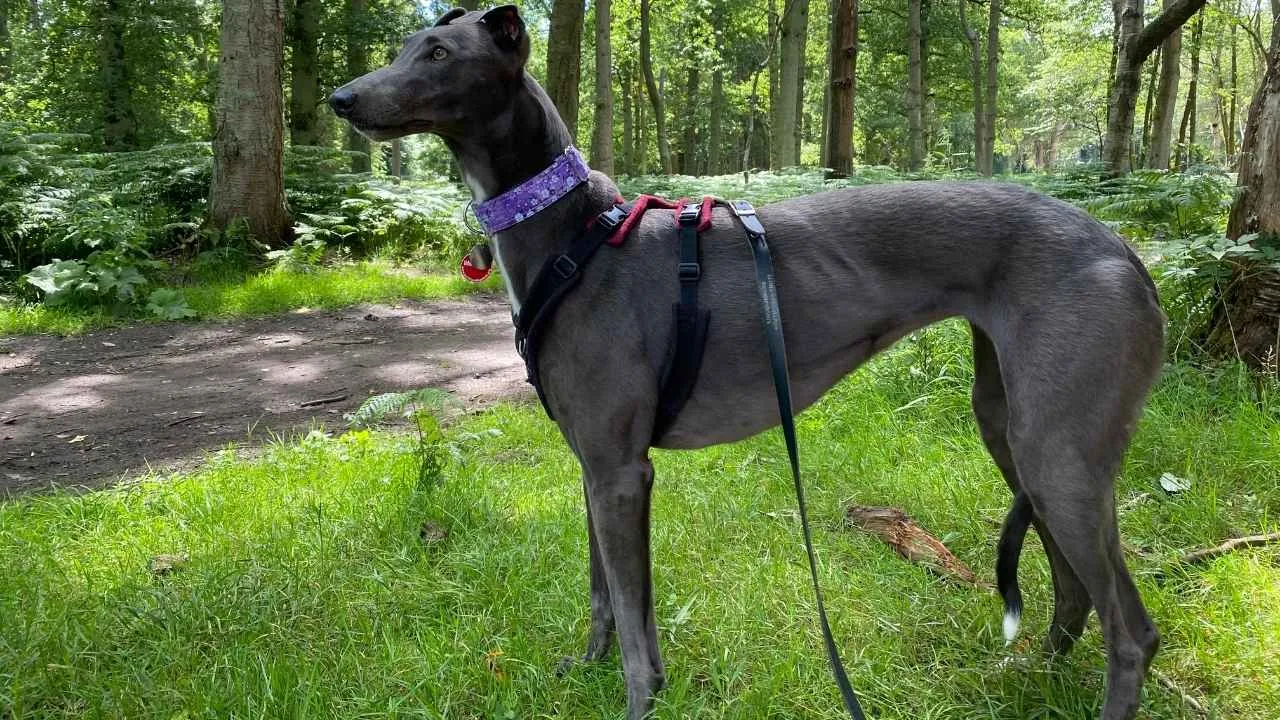
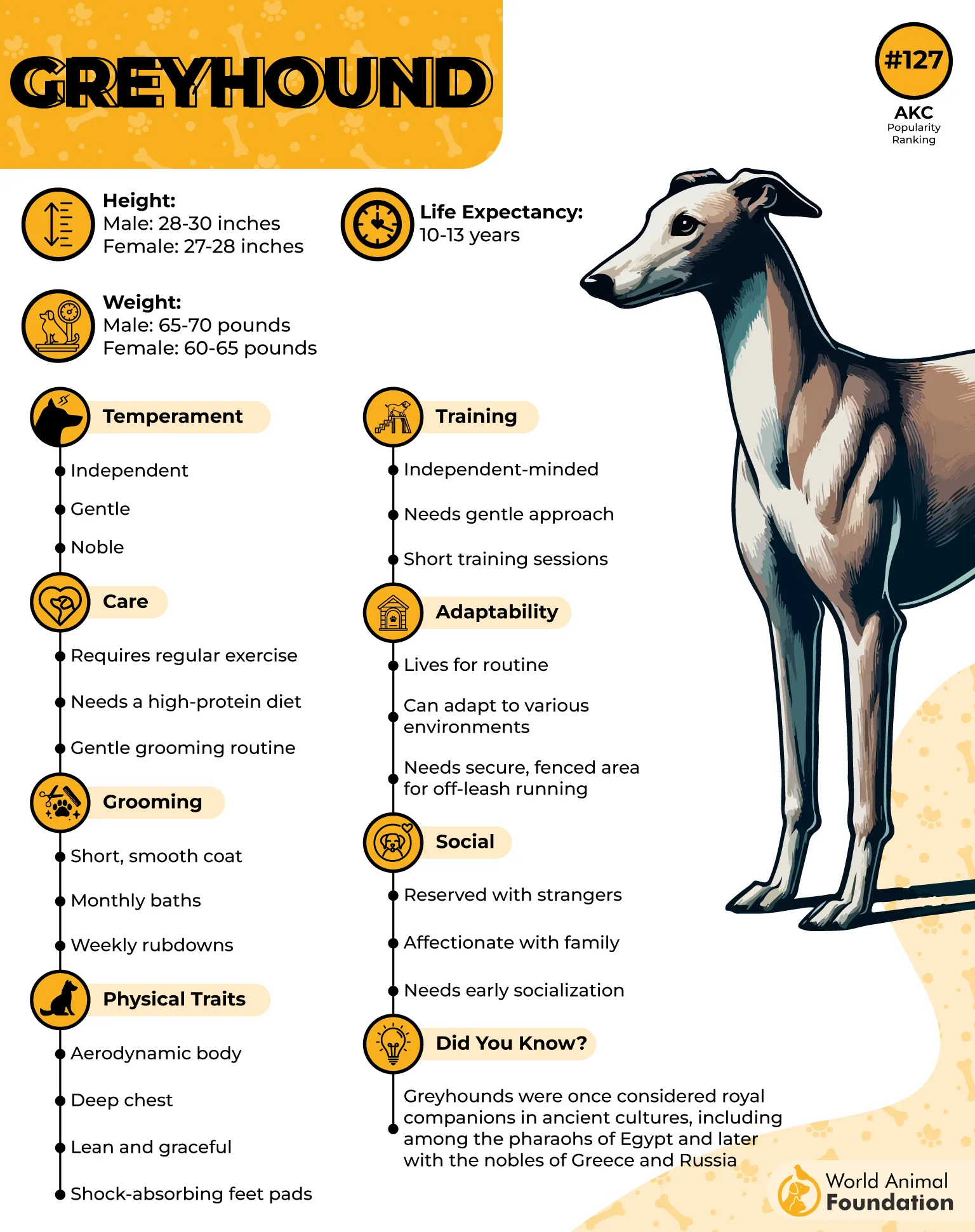
Greyhound is an old European sighthound bred to spot and pursue game, with a slim frame, long legs, and a flexible spine built for explosive acceleration. Over a short distance, this elegant athlete can reach speeds of about 43 miles per hour, making it remarkably quick when chasing fast-moving game.
Prey Drive in Action
They can lock onto small animals with intense focus, particularly during walks or in unfamiliar settings. Small dogs, cats, chickens, and other animals may trigger predatory behavior, especially when early socialization has not taught the dog to recognize them as companions.
Several warning signs can reveal that instinct is taking over:
Stiff, rapidly wagging tail
Fixed stare with a rigid body
Stalking or sudden lunging
A Careful Outdoor Routine
Greyhounds are safest around small animals when introductions are gradual and carefully managed, with some dogs needing a muzzle during early encounters, as per GRV. Even a dog that behaves calmly with familiar pets can react differently to an unfamiliar animal at a park or other open setting.
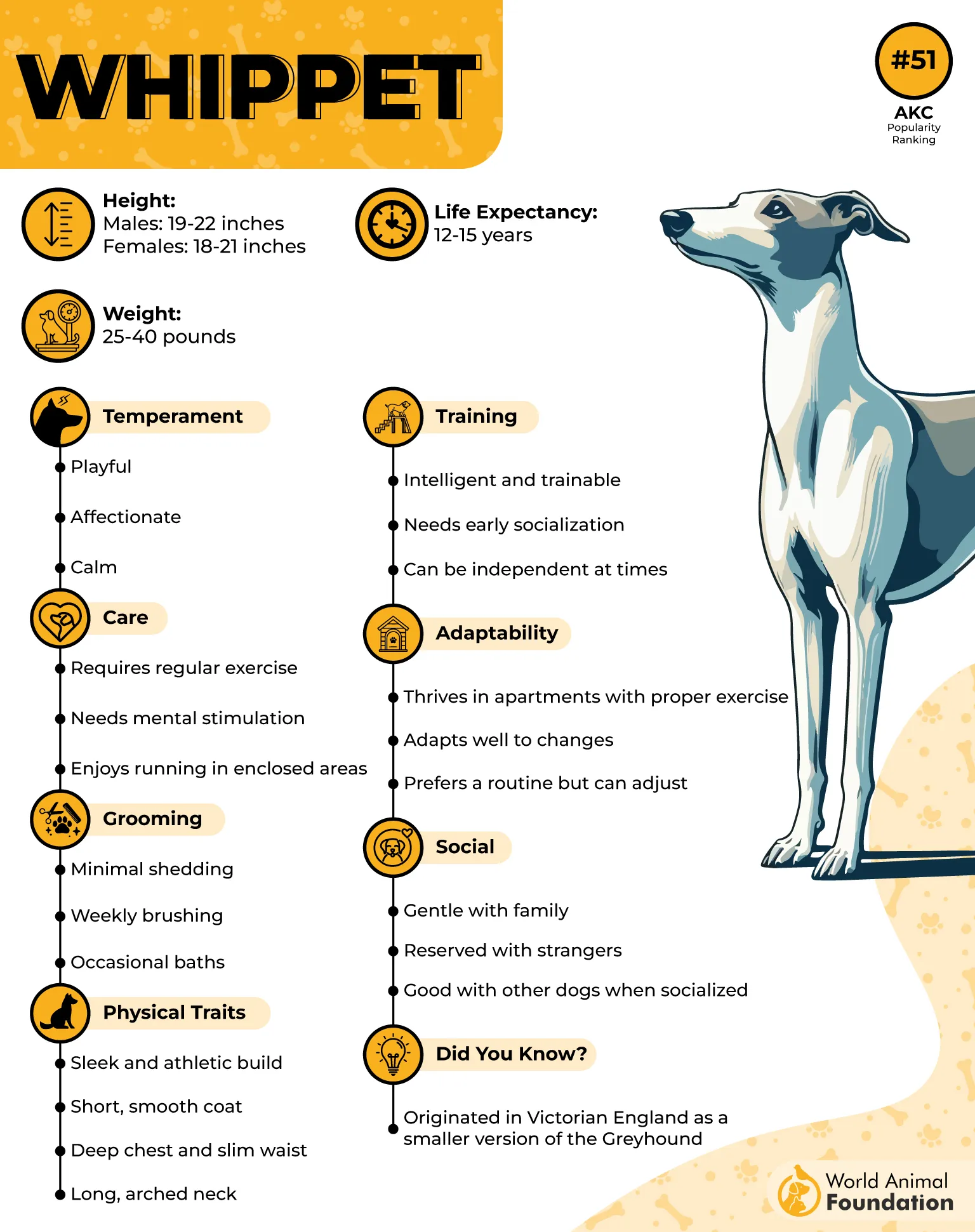
2. Whippet
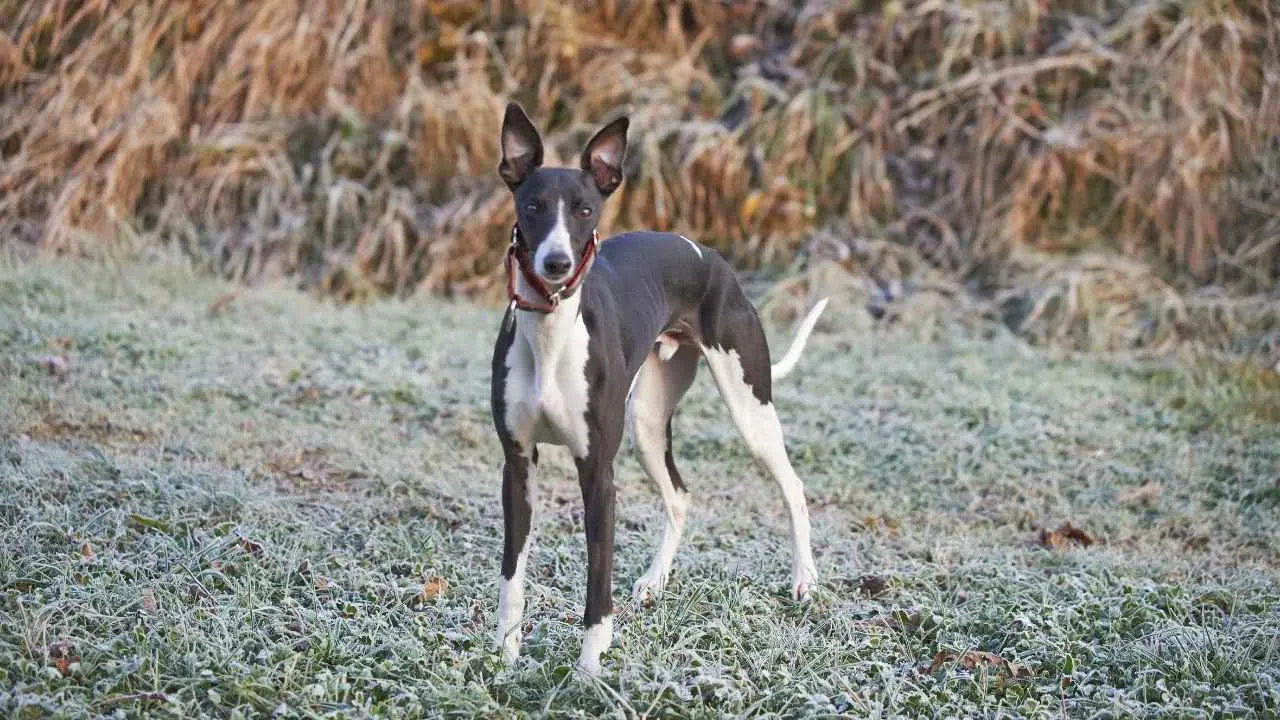
The Whippet began with Greyhound stock and smaller hounds bred for rabbit hunting, giving the breed a long connection with fast, sight-based pursuit. By 1888, it had received official breed recognition, while Whippet racing had already become a popular pastime among working-class communities.
Chase Happens Fast
Whippets have an intense prey drive triggered by sudden movement from animals such as rabbits, squirrels, cats, or small running dogs. Once that visual cue catches its attention, its independent hunting instinct can take over before a handler has much time to react.
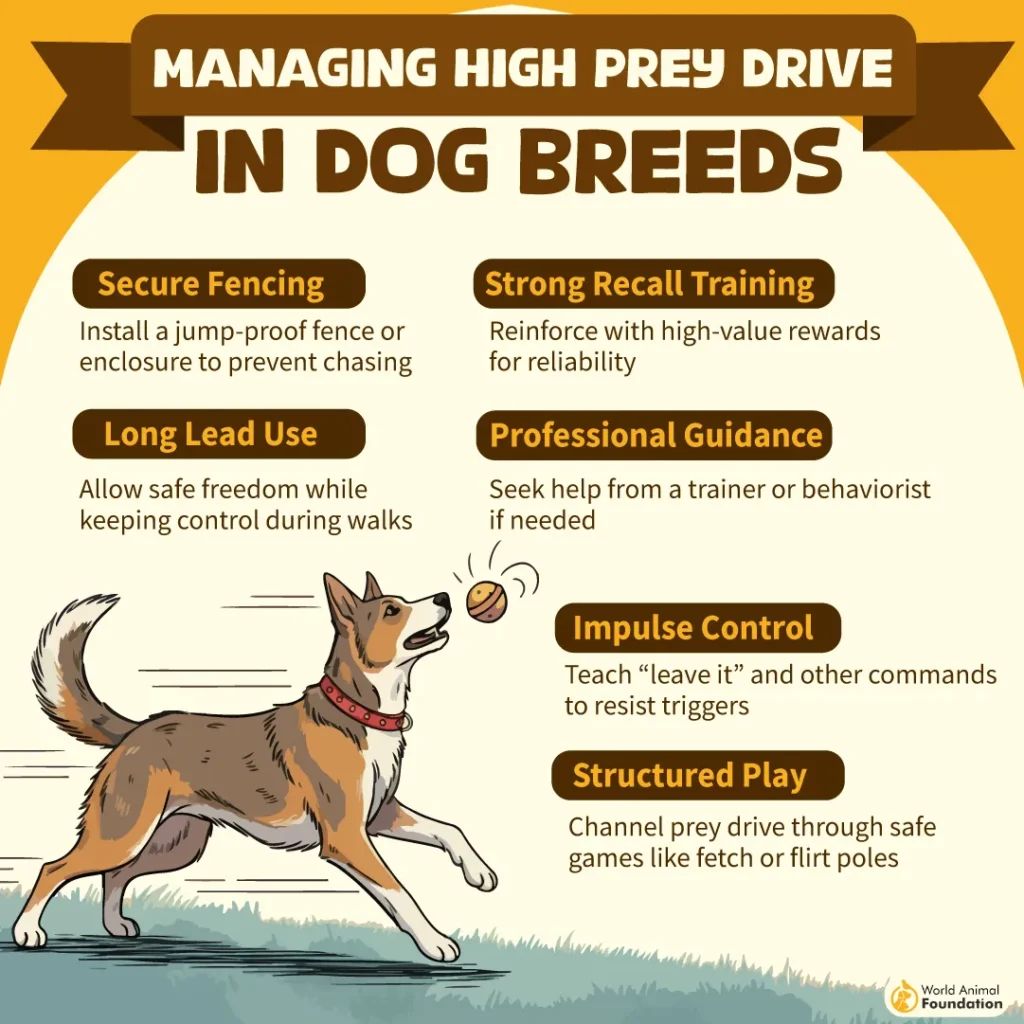
These practical points matter when that instinct kicks in:
Secure fencing around running areas
A leash or long line outdoors
A snug harness or wide Martingale collar
Training Takes Patience
This high prey drive dog can learn to disengage from a chase through consistent impulse-control exercises, but this requires substantial time and commitment. Daily pause-and-wait practice can teach the dog to check in before reacting to something racing across its path.
3. Saluki
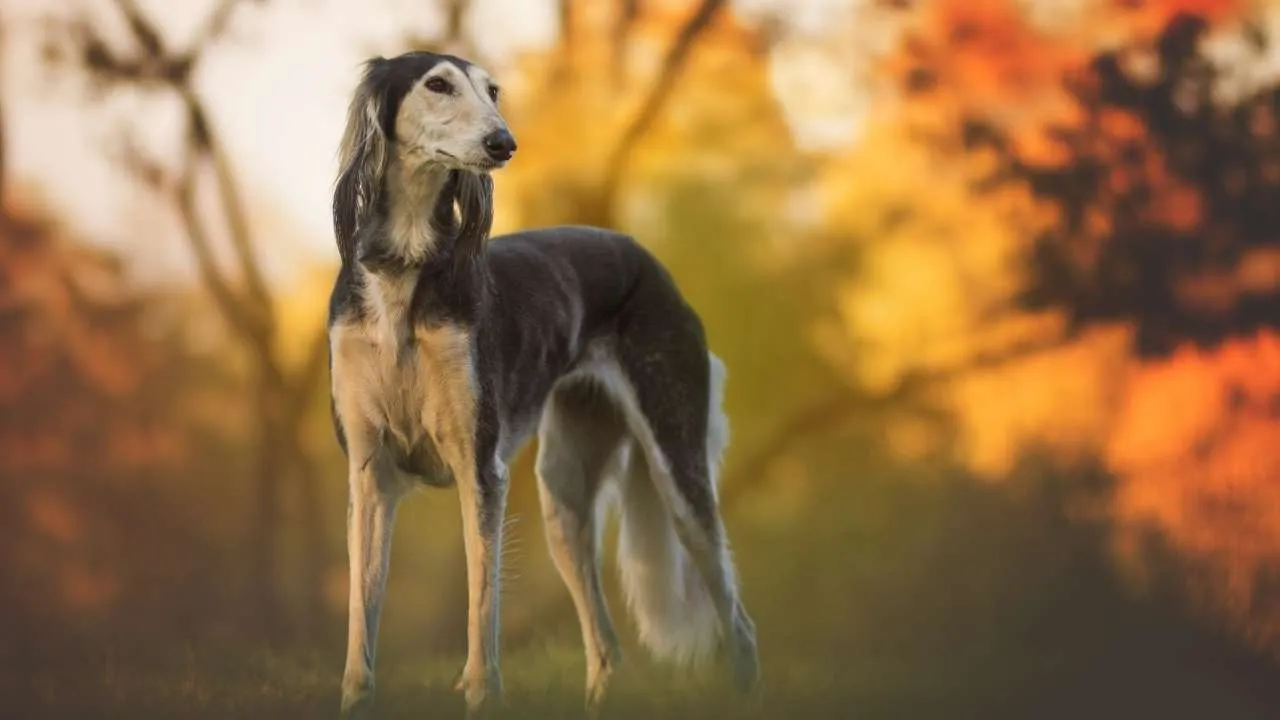
Saluki’s story reaches back thousands of years to the Fertile Crescent, where nomadic Bedouin tribes valued these dogs as hunting companions, as highlighted by Hill’s Pet.
Ancient Egypt also held them in high regard, with mummified Salukis discovered inside old tombs, giving this breed an unusually deep connection to the ancient world.
Born to Chase
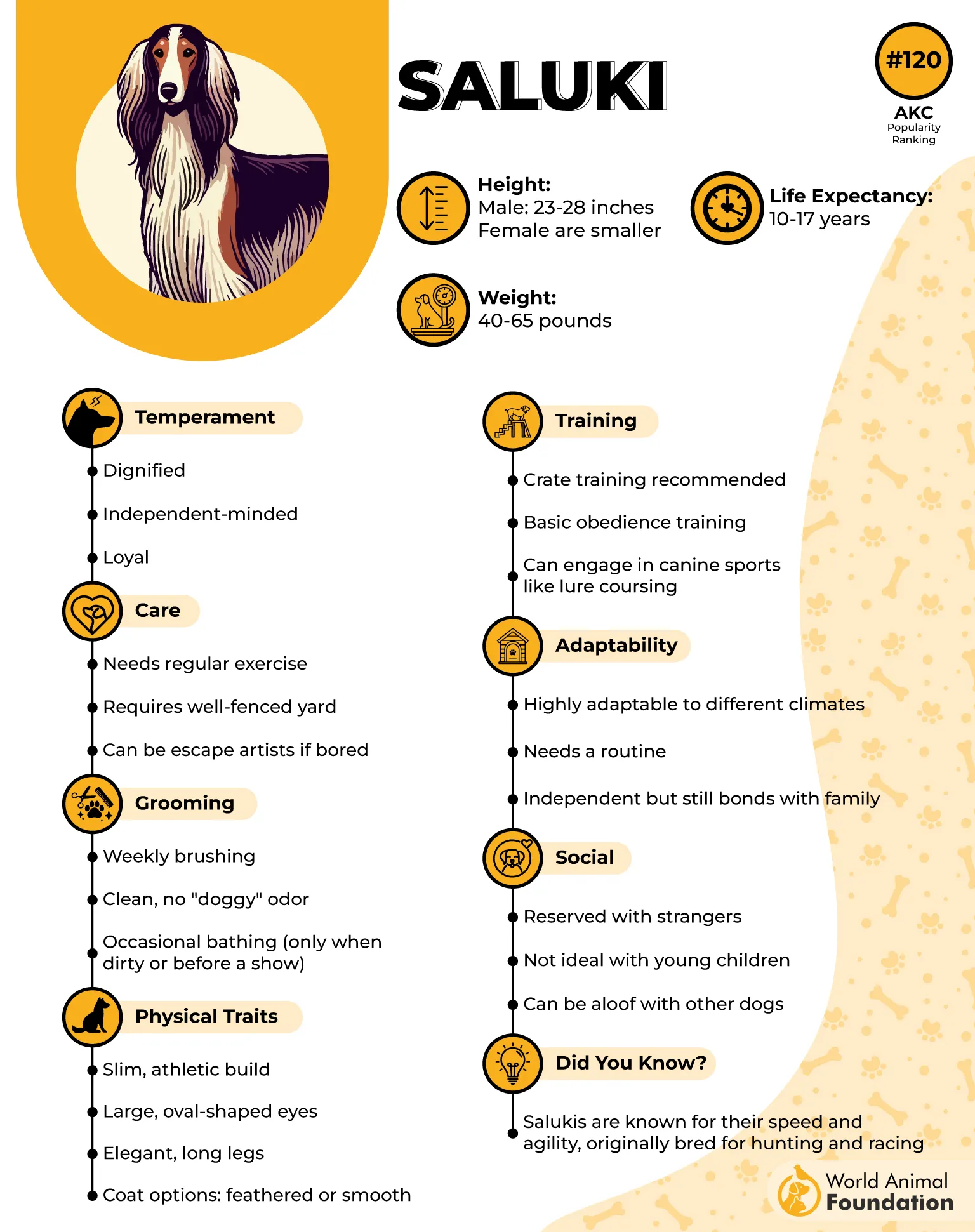
Saluki was used for the speed and endurance needed to pursue hares, foxes, and gazelles across scorching open dunes. That hunting purpose still matters today because a sudden bird, cat, squirrel, or other fast movement can instantly trigger an intense chase response.
The following practical precautions deserve attention:
Six-foot fencing for secure yards
Leash use outside enclosed areas
Recall training around distractions
Quiet and Selective
Saluki often forms an especially close relationship with one person while remaining gentle toward the rest of the household. Loud surroundings and unpredictable behavior can overwhelm this sensitive breed, while calm family members are more likely to receive its quiet affection.
4. Afghan Hound
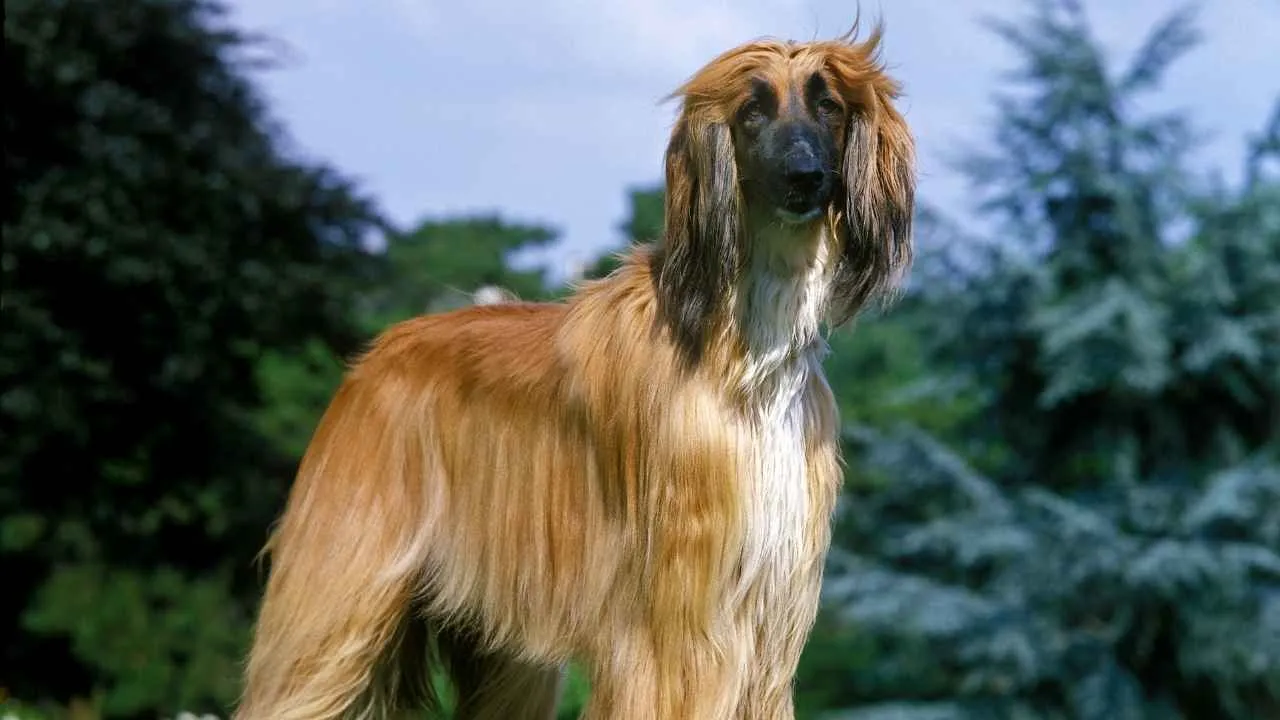
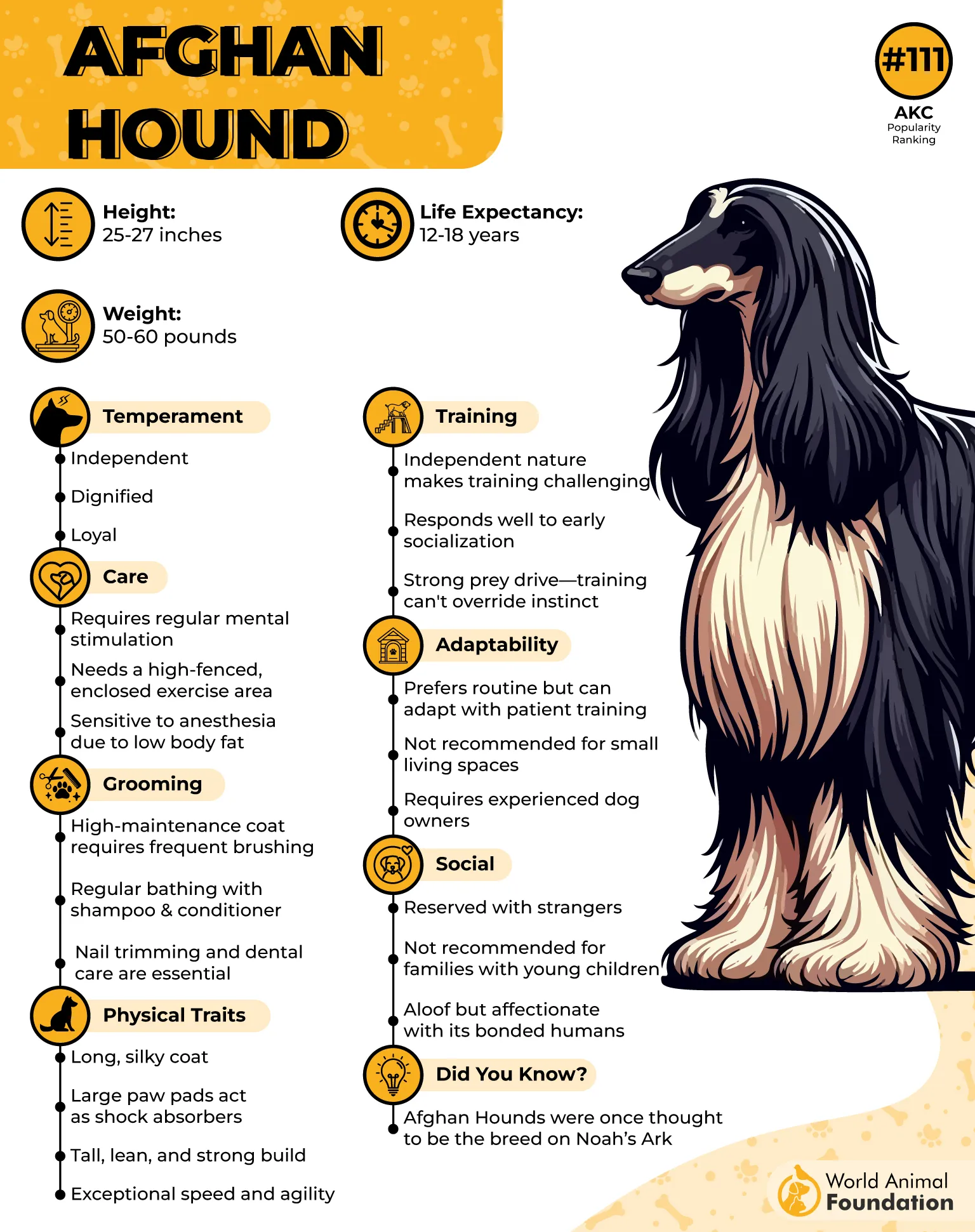
Afghan Hound is an ancient sighthound shaped by nomadic life across Afghanistan, Pakistan, and northern India thousands of years ago. Its early record became fragmented through regional wars, while rugged mountains shaped the breed’s role in chasing game across difficult ground.
Instinct Takes Over
A distant movement on the landscape could be enough to put this Hound into hunting mode, reflecting the visual skills developed for its traditional work. Its quarry included antelopes and other game, with older accounts also describing hunts involving leopards.
A closer look at their prey instinct reveals:
Panoramic vision for spotting motion
Instant acceleration during a chase
Strong urge to seize running targets
Freedom Needs Control
Afghan Hounds can ignore recall when something catches their attention, making an open area especially risky. Secure fencing of at least six feet and a sturdy leash outside enclosed spaces are important safeguards around roads, neighborhood animals, and other tempting distractions.
5. Rhodesian Ridgeback
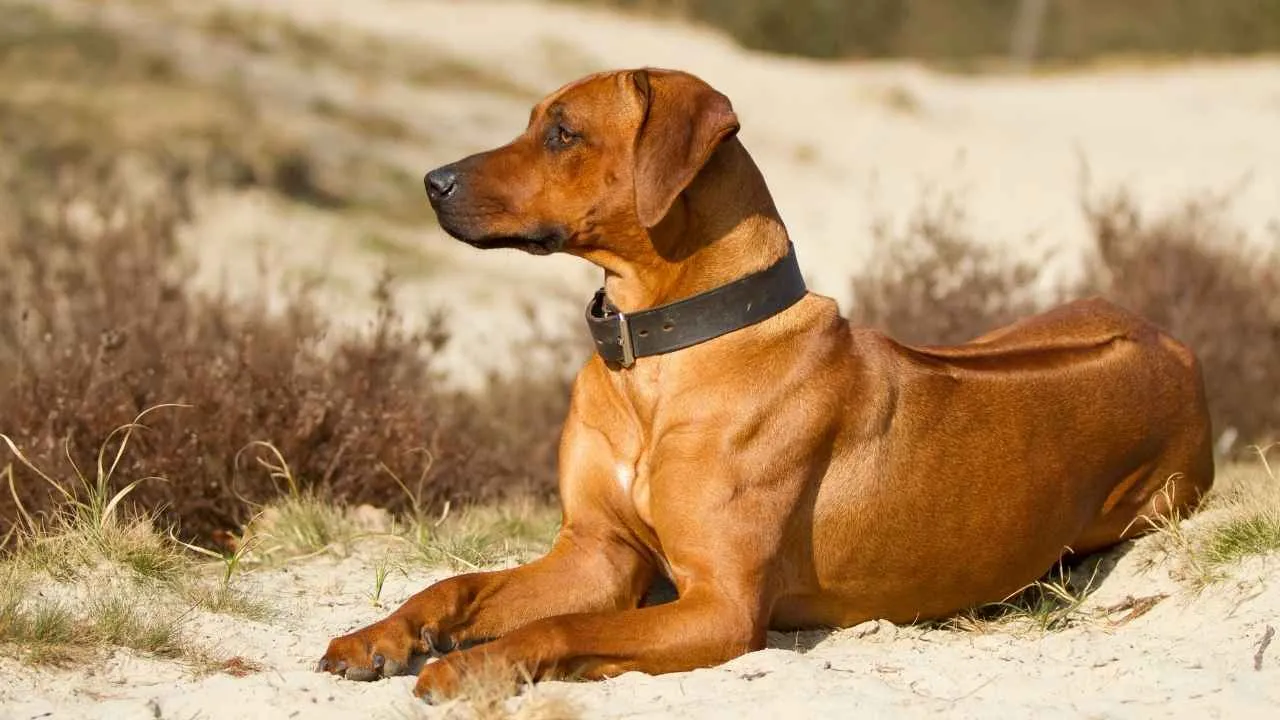
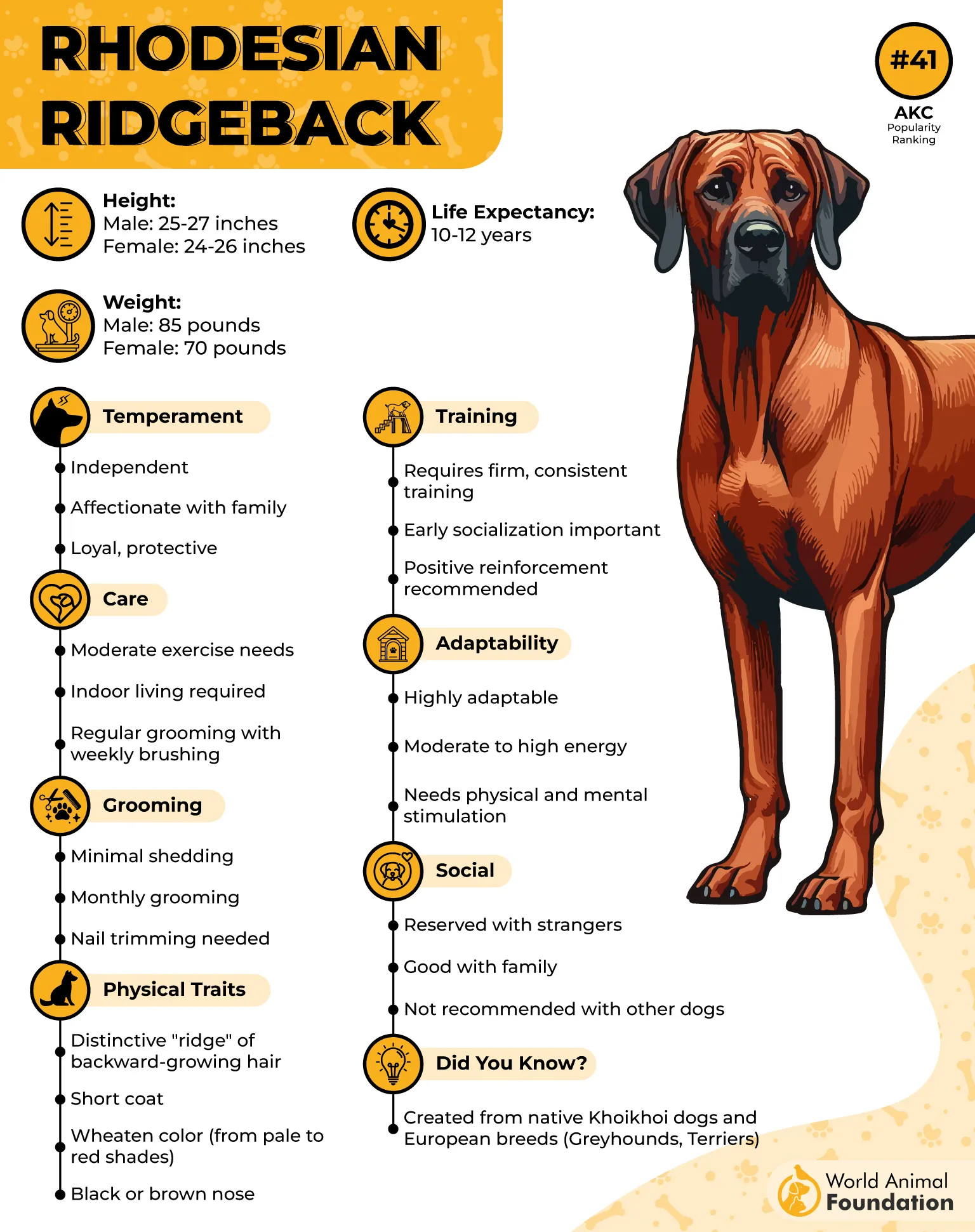
Rhodesian Ridgeback emerged from crosses between European breeds and native hunting dogs in southern Africa, with Mastiffs, Bloodhounds, Great Danes, Pointers, and Greyhounds among the European influences. By the late 1800s, these dogs were used in Rhodesia, now Zimbabwe, for tracking and hunting lions.
Chase Comes First
The strong prey drive of this breed is rooted in its original hunting work, with a strong urge to pursue anything that suddenly runs or darts away. Squirrels, rabbits, cats, small dogs, and even a windblown bag can trigger that response before a recall command gets through.
That instinct creates several practical concerns:
Scent or sight can trigger tunnel vision
Recall may fail during a chase
Off-leash reliability can be risky
Sharp Senses
Rhodesian Ridgeback combines keen eyesight with a strong sense of smell, allowing it to notice potential movement or scents at considerable distance, as Omlet claims. Its independent nature also comes from hunting work that required quick decisions without waiting for constant human direction.
6. Jack Russell Terrier
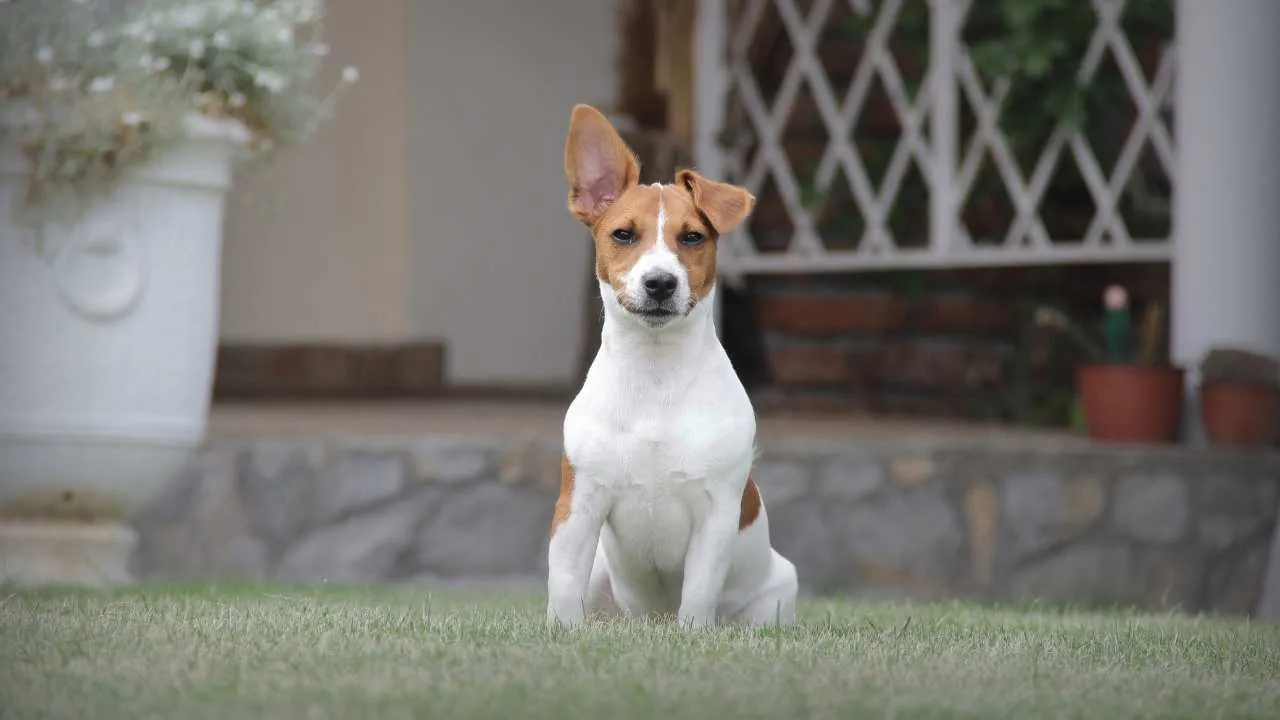
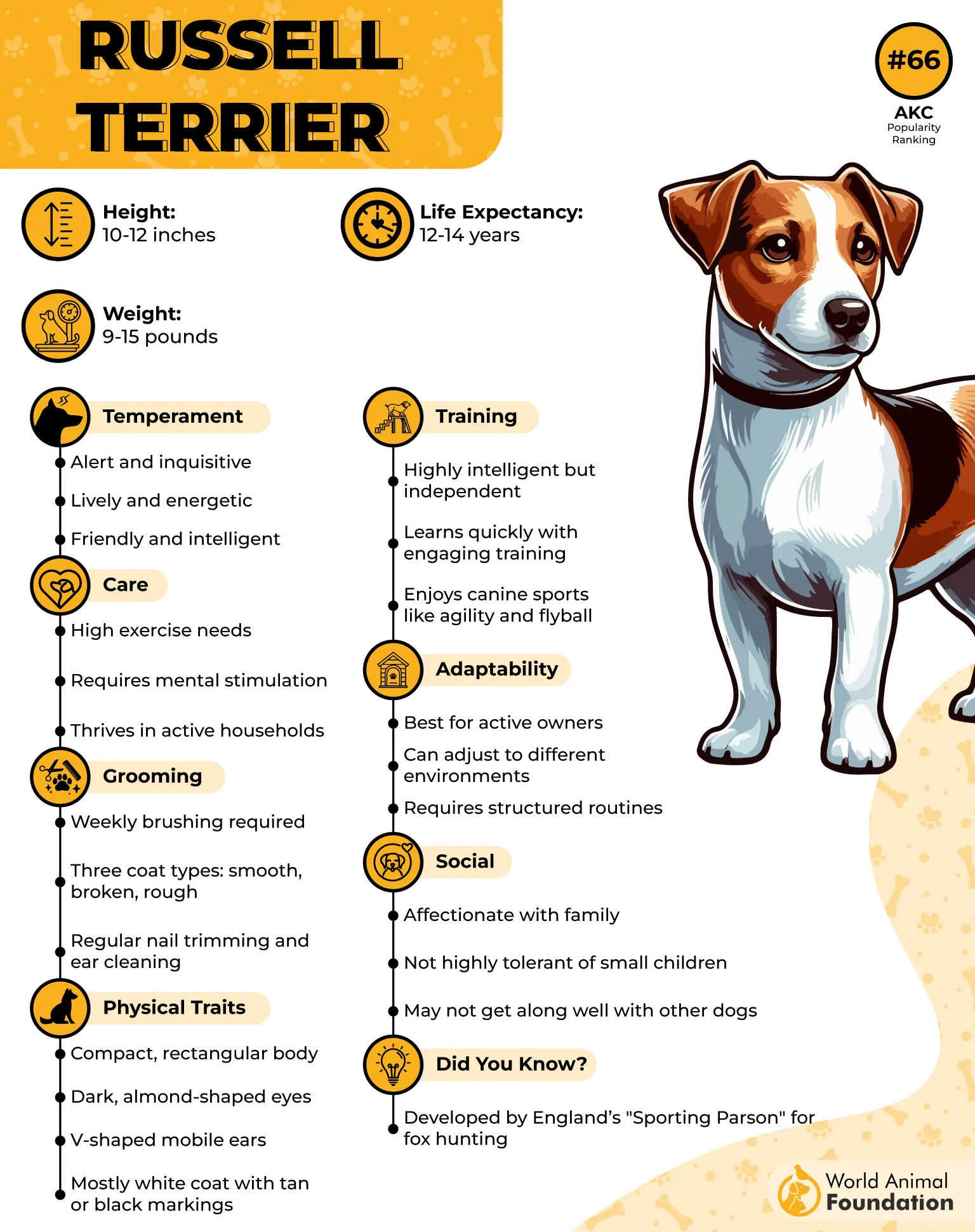
Jack Russell Terrier originated in 19th-century England, beginning as a cross involving the now-extinct White Terrier. Bred for fox hunting, these small dogs could locate a fox, dig it out, and hold it until the hunter arrived, later gaining another job as skilled rat catchers.
Prey Triggers Everywhere
Jack Russell Terrier has an unusually broad prey response, with motion, sound, and scent all capable of setting off its chase instinct. A passing bicycle, running person, cat, or even a noisy machine can become intensely interesting within seconds.
Three common triggers can look very different in daily life:
Motion from skateboards or motorcycles
Sounds from vacuum cleaners or lawn equipment
Scents that pull attention toward potential prey
Training the Reaction
Jack Russell Terrier can learn better responses through positive reinforcement, such as rewarding a SIT and LOOK AT ME cue when a tempting distraction appears. Early, broad socialization helps the dog encounter common triggers in controlled situations, while a front-fastening harness or Halti can provide added control during walks.
7. Weimaraner
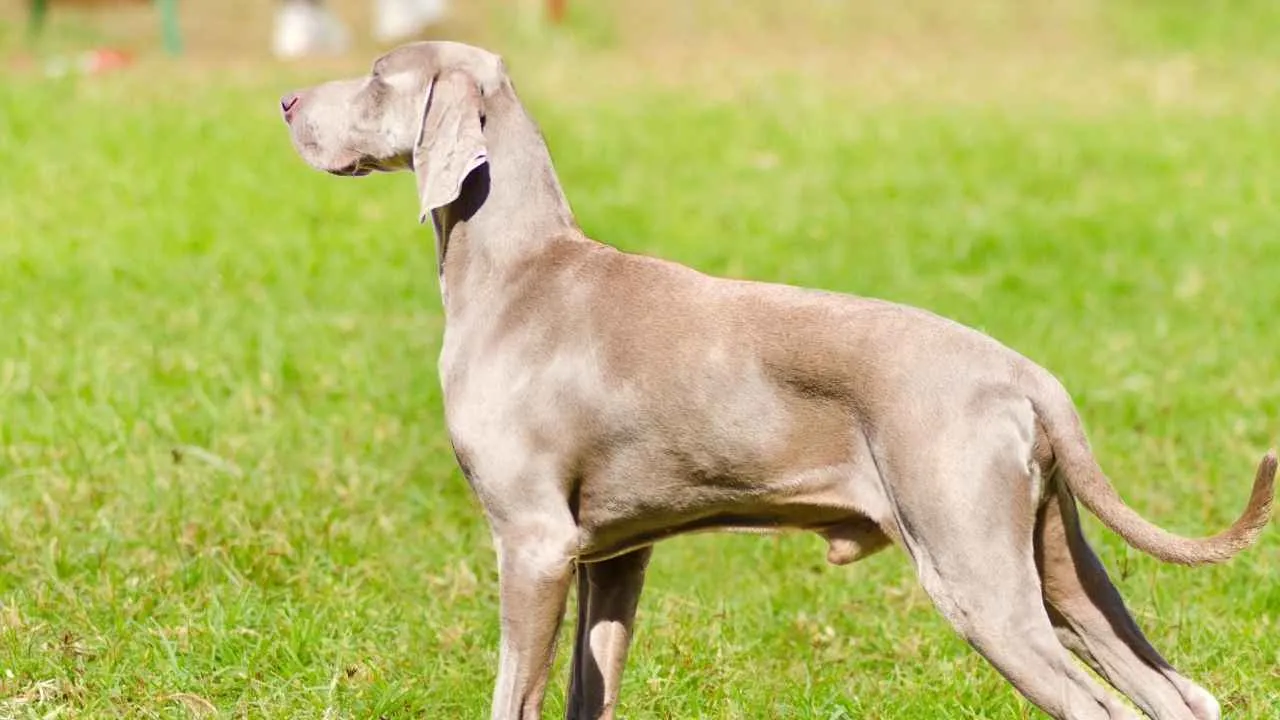
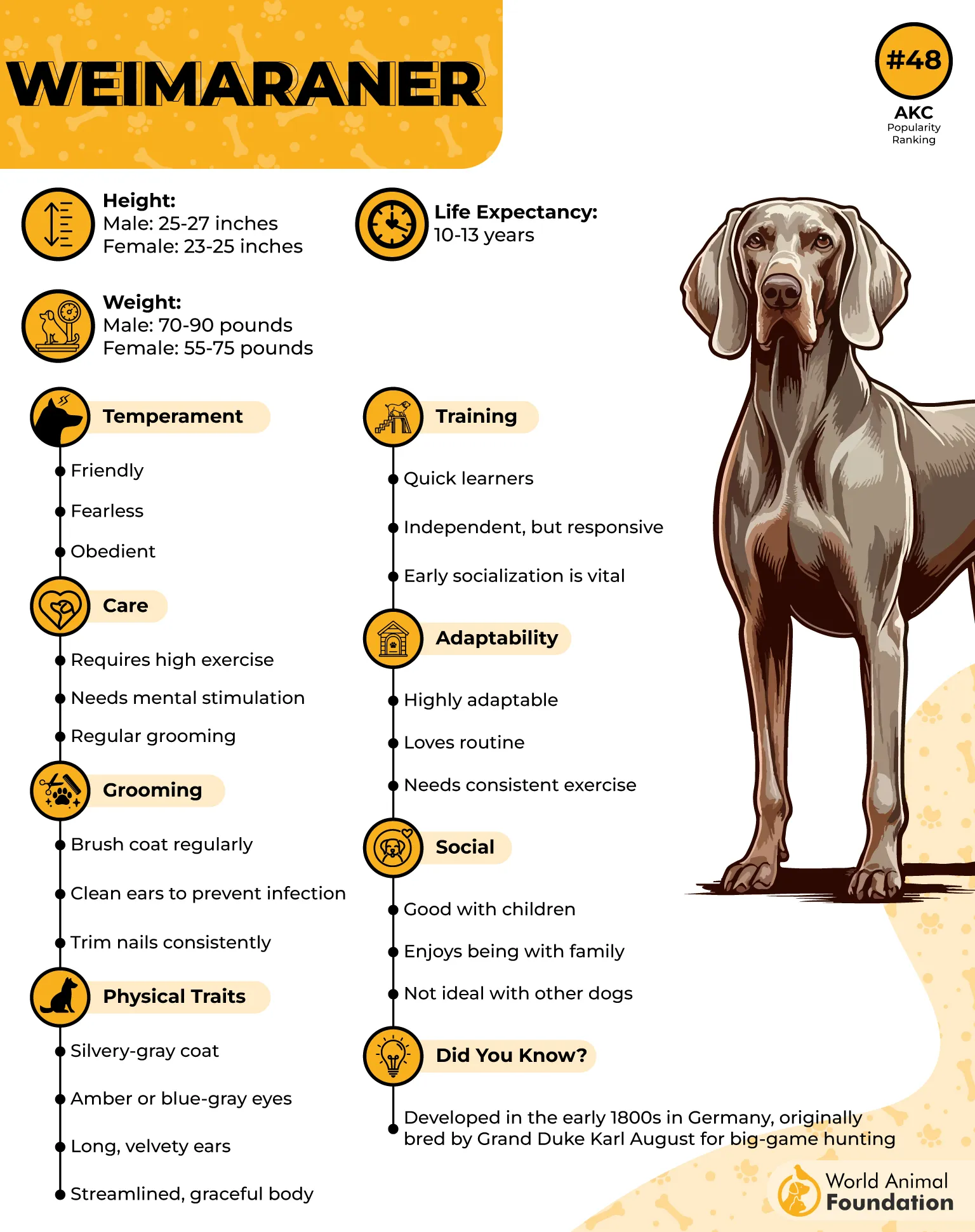
In 19th-century Germany, hunters needed a dog capable of taking on more than ordinary field work, and the Weimaraner was developed for that purpose. Its ancestry reflects this demanding role, with Bloodhounds, Schweisshunds, and pointer breeds among the dogs believed to have influenced the breed.
A Chase Comes Naturally
A moving cat, squirrel, jogger, bicycle, or vehicle can quickly draw a Weimaraner into pursuit, especially when it appears without warning. This chase response has a genetic basis, so careful handling works best by limiting triggers instead of expecting the instinct to vanish.
These situations deserve particular attention:
Learns quickly with patient, kind training
Inconsistent training can encourage stubborn habits
Enjoys fetch, scent tracking, and agility
Serious Energy
Weimaraners can spend an entire day walking and have the stamina for jogging or running alongside a bicycle, with intense activity especially important during their puppy-like first 18 months. Its loud bark also makes it quick to alert family members when an unfamiliar person approaches.
Conclusion
Strong prey drive can make a dog’s behavior focused, energetic, and quickly reactive when something moves. A dog’s prey drive can be useful in hunting work, but it also creates challenges around wildlife, smaller pets, roads, and open spaces. Secure fencing, reliable leash habits, recall training, and early socialization can help owners manage those reactions safely.
Regular exercise and activities such as scent work, tracking, retrieving, or structured games can also give the predatory sequence a productive outlet, especially for a dog that loves active tasks. Before bringing one home, consider your experience, routine, other animals, and ability to provide supervision, including around other dogs. The right management can make life with a driven dog safer.
