




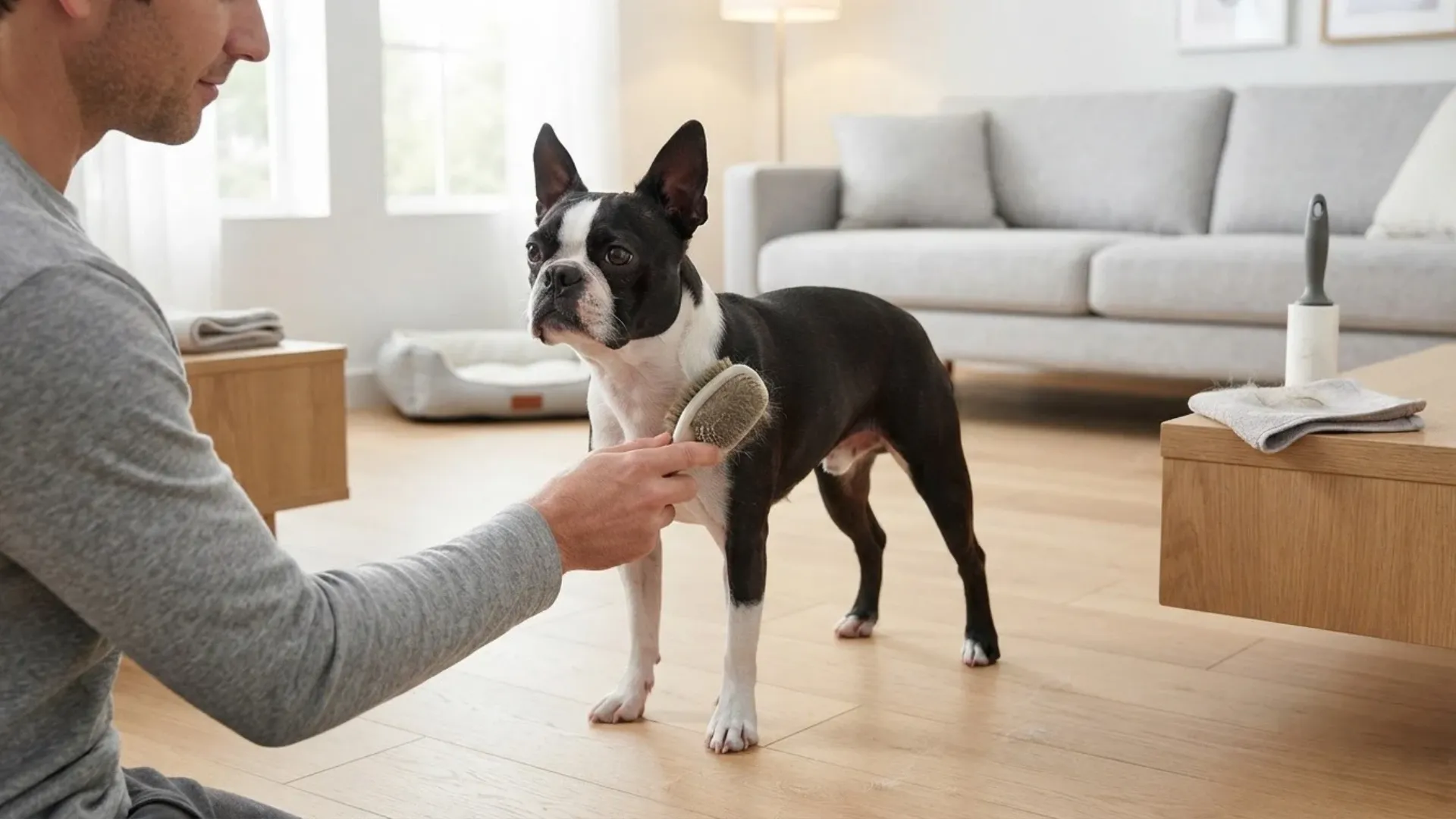
If your dream dog has maximum personality but minimal tumbleweeds of fur rolling across the living-room floor, short-coated breeds deserve your attention. Their sleek coats usually skip the endless detangling, clipping, feather maintenance, and dramatic seasonal fluff explosions associated with many longer or heavily double-coated dogs.
Dog shedding is completely normal because old or damaged hairs eventually need to leave the coat, and breed genetics plus coat type strongly influence how much fur comes loose. Short-coated dogs often leave behind smaller, less visually dramatic hairs, although those tiny hairs can still become suspiciously talented at embedding themselves into upholstery.
Meet ten short-haired dog breeds that bring sleek-coat energy without turning your vacuum into a full-time employee.
Short-Coated Dog Breeds That Shed Like a Breeze
1. Basenji
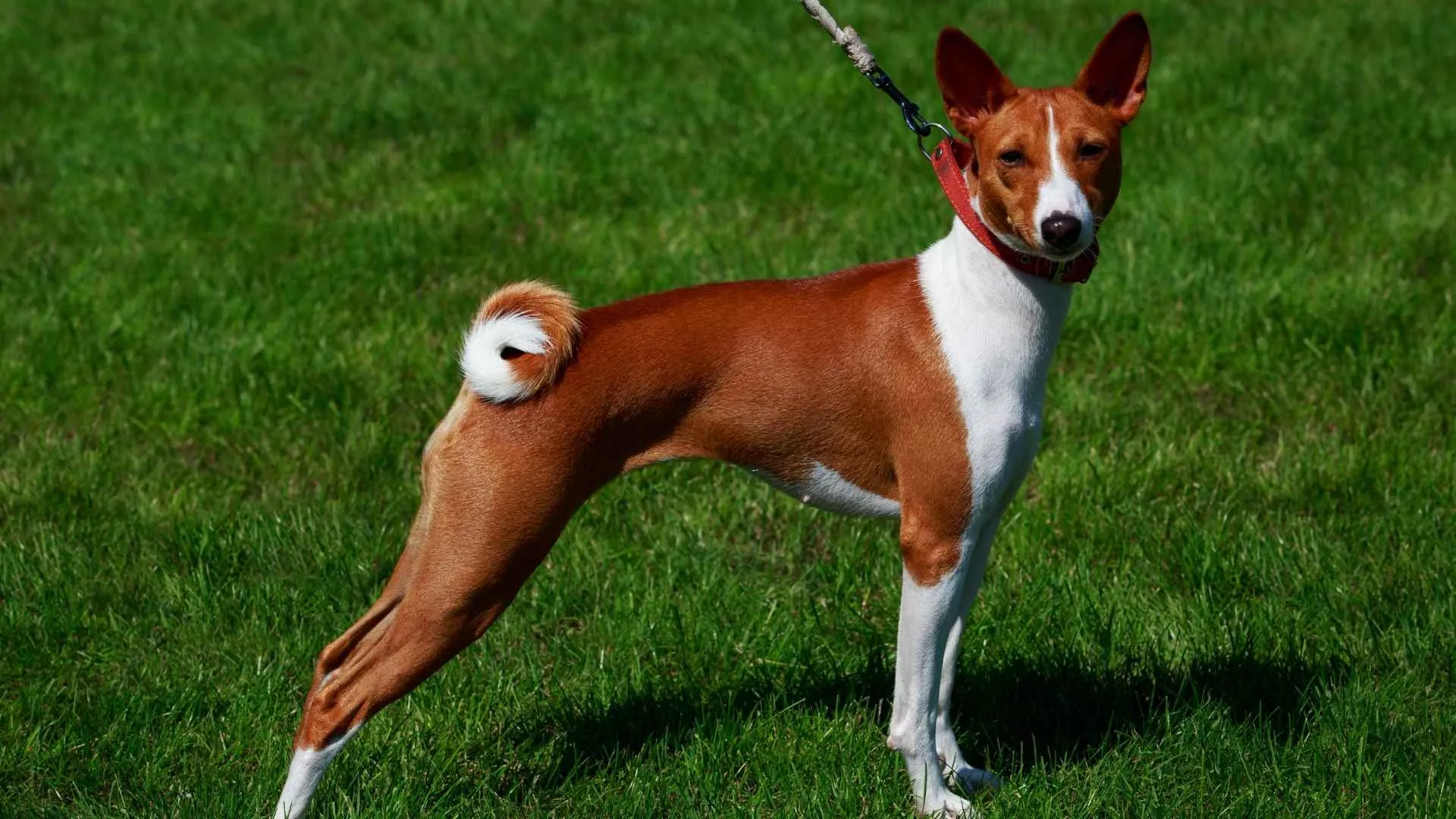
The Basenji is basically that friend who somehow stays immaculate while everyone else looks like they just survived airport security. Its coat is short, fine, smooth, and famously simple to maintain with little more than a quick weekly once-over using a soft brush, grooming mitt, or hound glove.
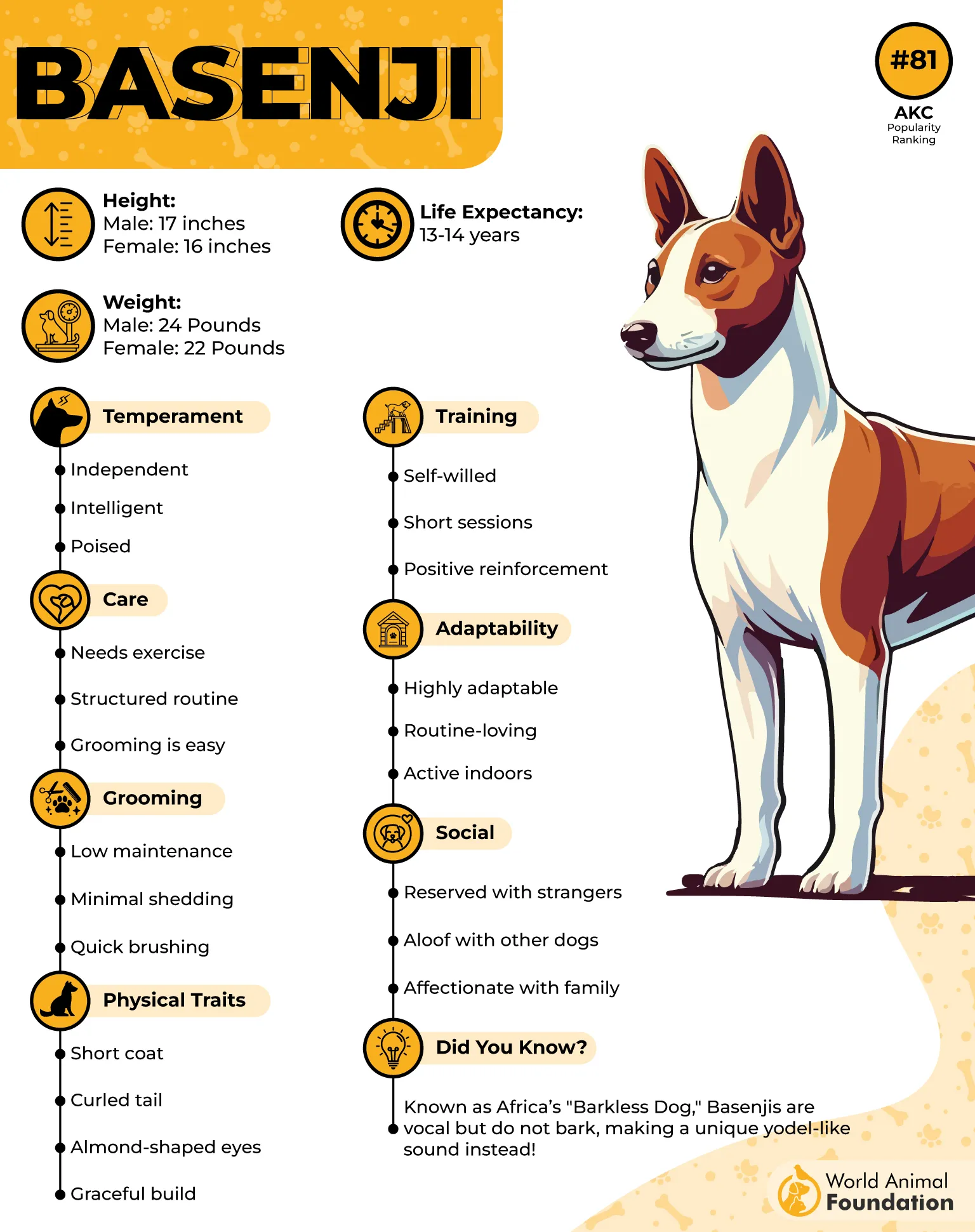
This short-haired breed is particularly famous for being fastidious about cleanliness. These dogs generally lack the strong “doggy” smell associated with some breeds and may not need a bath unless they get genuinely dirty.
That means bath day can stay an occasional event rather than becoming a recurring family crisis involving towels, betrayal, and a mysteriously soaked bathroom ceiling.
Shedding is typically light, says the American Kennel Club (AKC), though individual dogs and climate can affect how noticeable it is. The fine hairs that do come loose are relatively easy to collect with a rubber grooming mitt, and regular brushing helps distribute natural skin oils across the coat.
Their easy coat should not trick anyone into assuming the dog itself is low effort. Basenjis are energetic, inquisitive hunters with strong chasing instincts. Routine care still includes nail trims, ear checks, dental hygiene, and skin monitoring because short fur doesn’t cancel out the rest of the dog.
2. Whippet
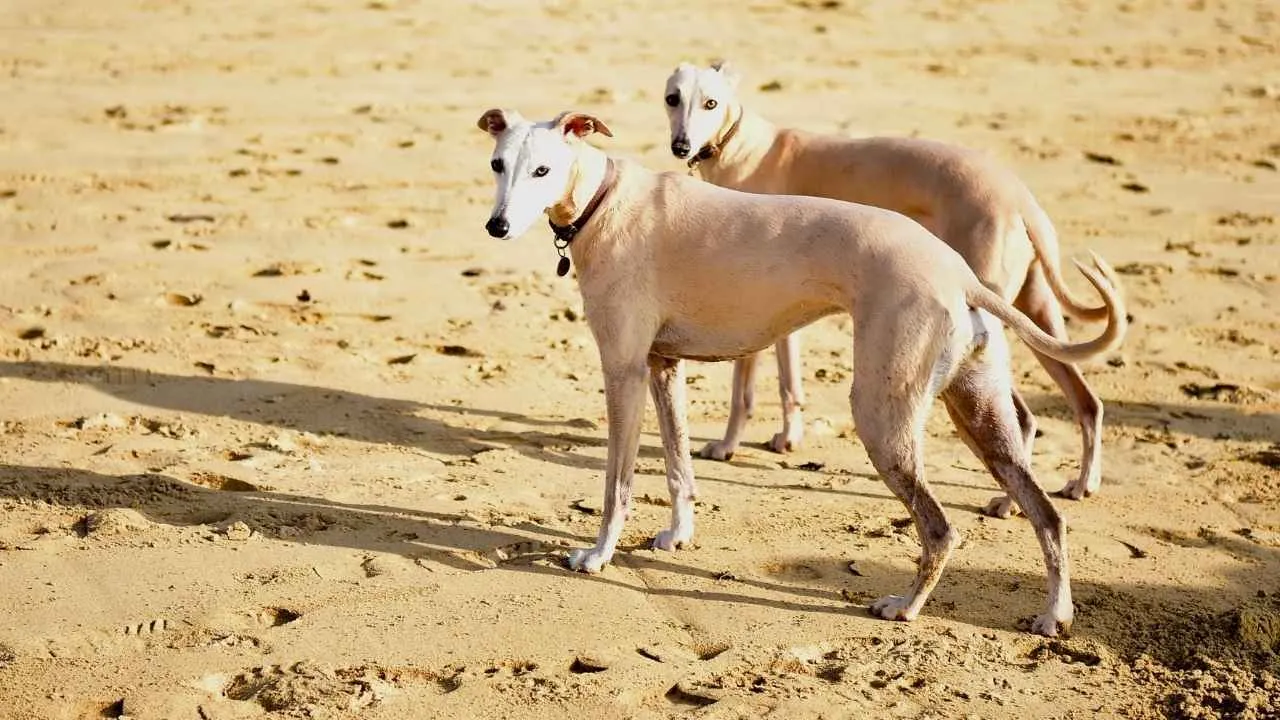
The Whippet coat is extremely short, smooth, and close-fitting, and it needs as little grooming as regular light brushing plus an occasional bath. No mats, complicated trims, beard maintenance, or mysterious undercoat explosions wait around the corner.
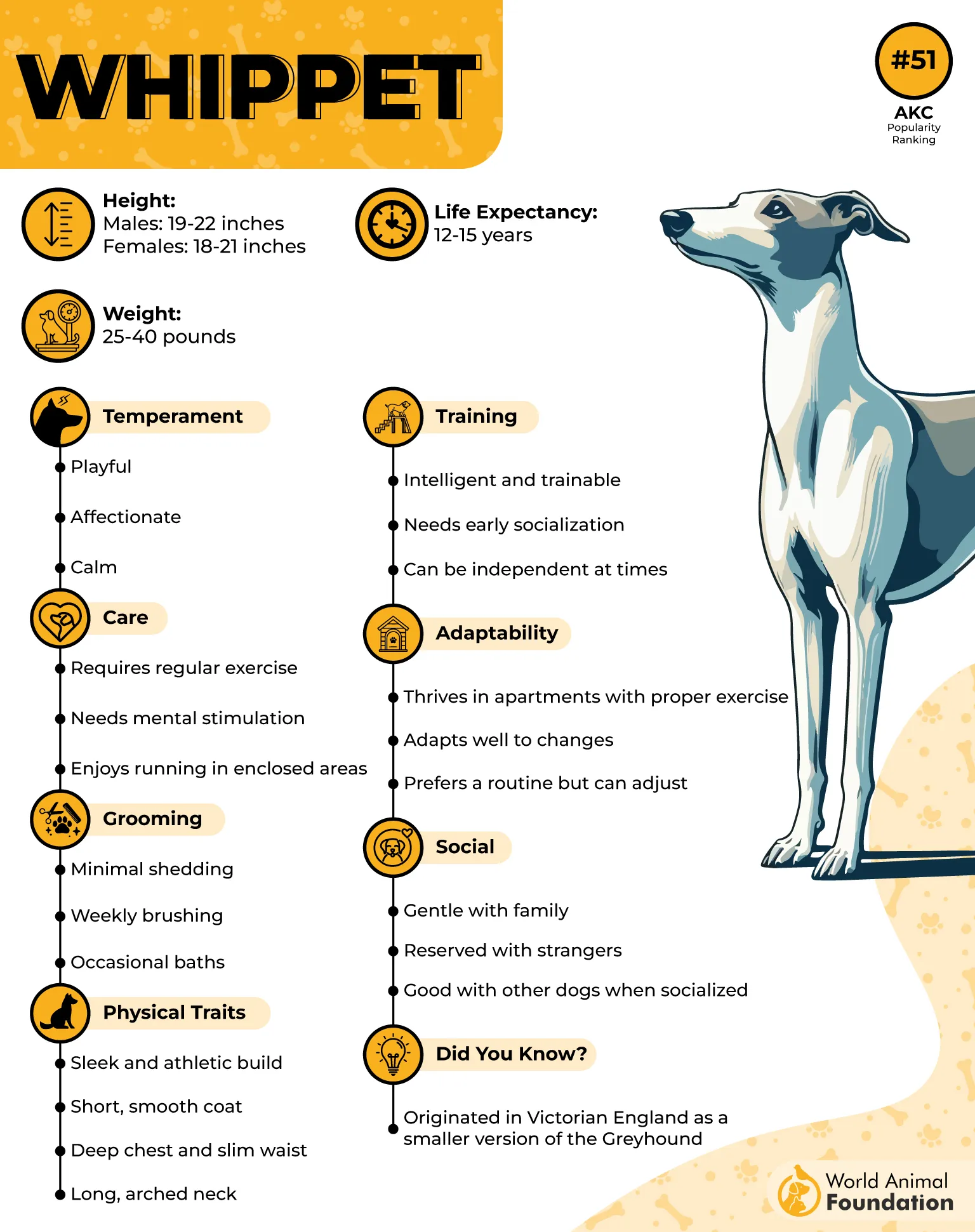
PDSA mentions that shedding is generally manageable because there isn’t much coat to lose. A bristle brush or grooming mitt can lift dead hair before it migrates toward the sofa. Basically, the Whippet is a runway model with an aggressively reasonable beauty routine.
The trade-off for that whisper-thin coat is minimal protection against cold. Whippets have little insulation compared with heavily coated breeds, so many need jackets or sweaters during genuinely chilly weather rather than being expected to tough it out for aesthetics.
That delicate outer layer also offers limited defense against rough brush, sharp vegetation, or enthusiastic collisions. Owners should check the skin after outdoor adventures because small scrapes and cuts happen more easily when there isn’t much fur acting as armor.
3. Greyhound
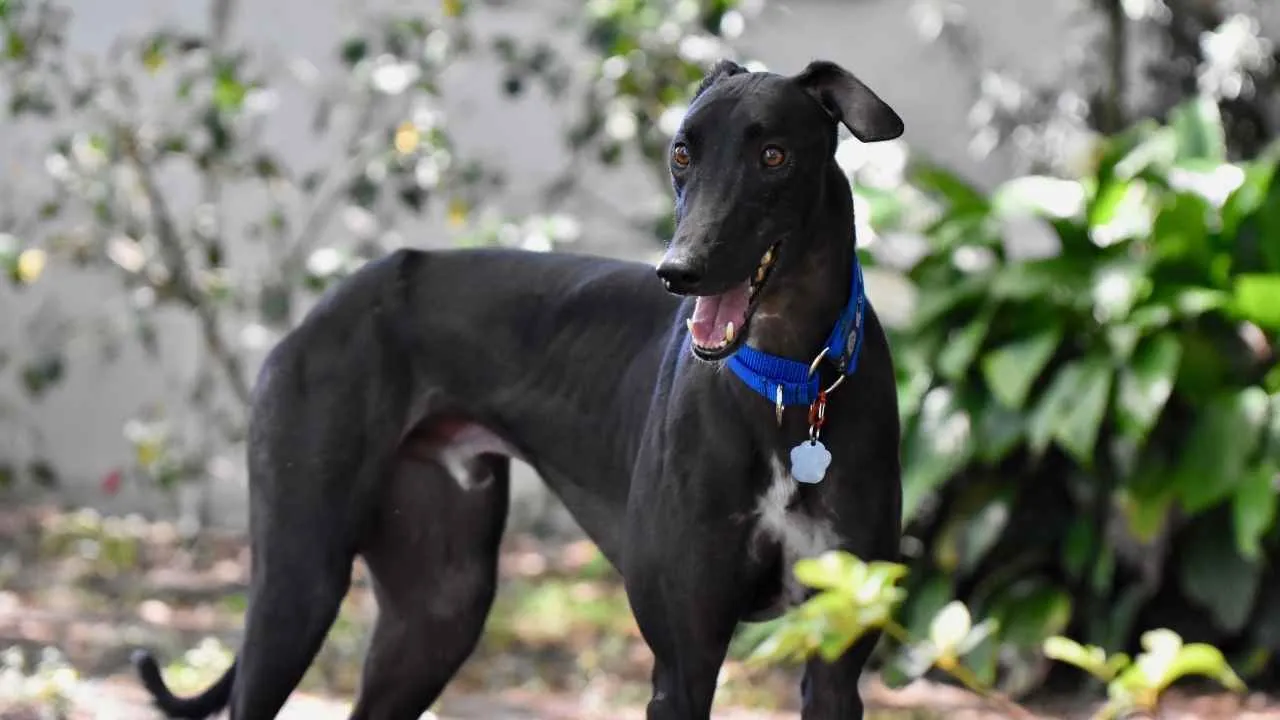
A Greyhound’s short, smooth coat needs very little maintenance beyond baths when necessary and a weekly rubdown with a damp cloth or hound glove. They do shed, but coat management is generally straightforward because the hairs are short and there is no elaborate coat structure to detangle.
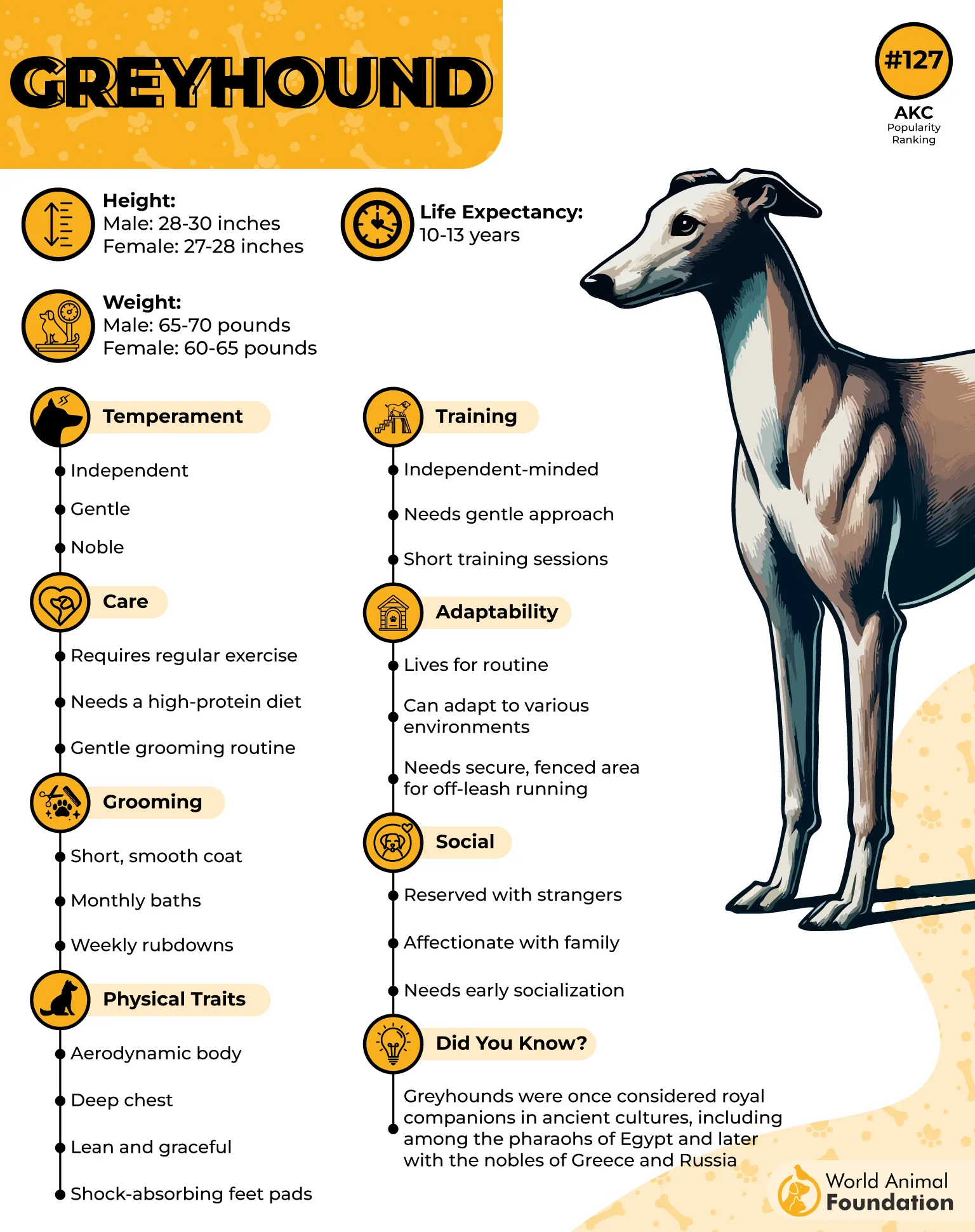
A gentle hound glove removes loose fur while giving owners a chance to inspect the skin, which is particularly useful for a breed whose thin coat offers limited physical protection. Ten minutes of maintenance can accomplish what takes substantially longer on fluffy breeds.
Cold weather is the obvious weakness of such aerodynamic outerwear. Greyhounds have lean bodies and short coats, so coats or sweaters can become practical necessities in cooler climates rather than novelty costumes.
The breed’s indoor temperament adds to its low-drama reputation. Despite their ability to sprint, Greyhounds can spend considerable time lounging when properly exercised. However, they need safe opportunities to run and shouldn’t be casually trusted off-leash, where prey might trigger their chase instinct.
4. Boston Terrier
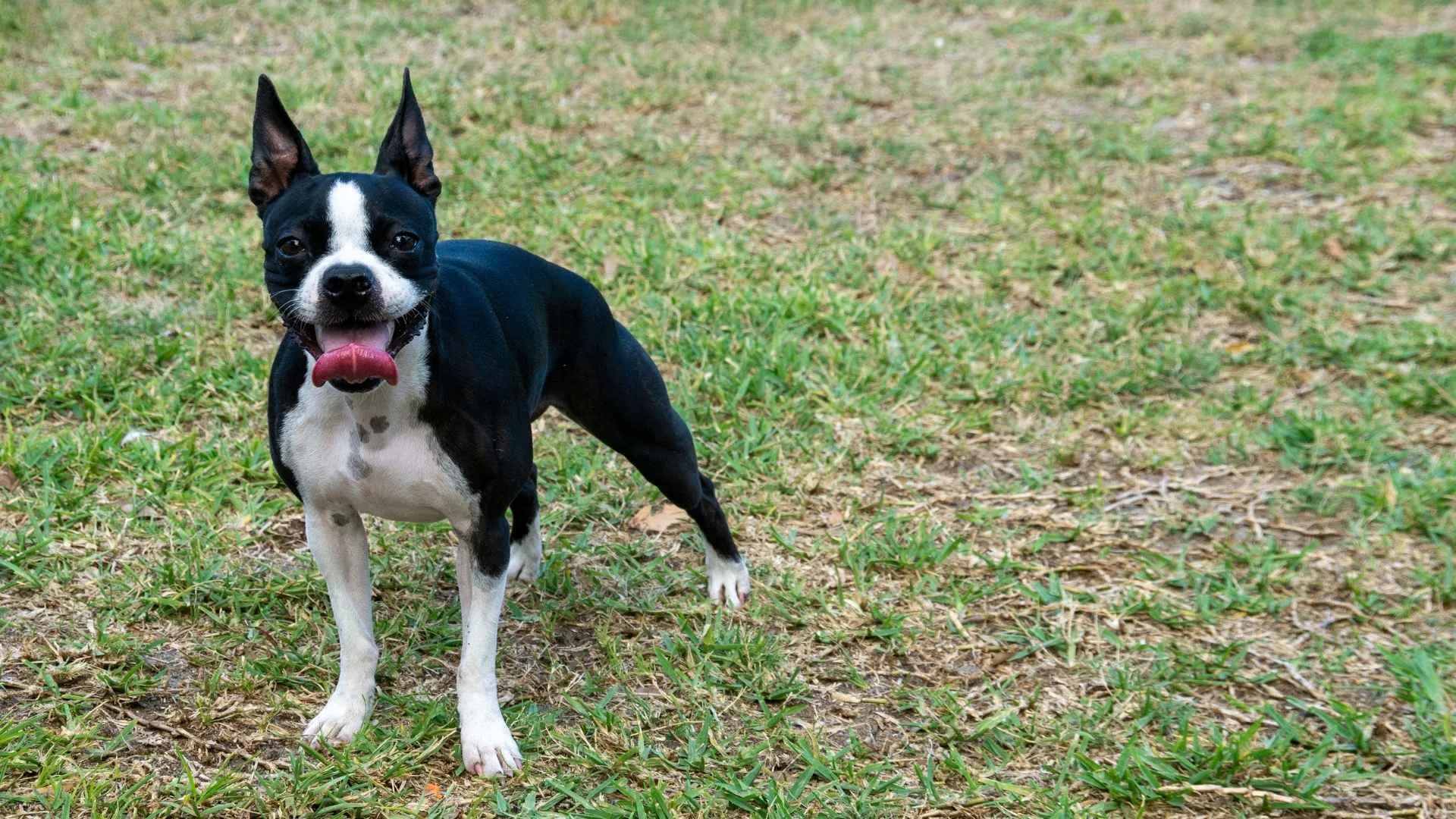
The Boston Terrier comes permanently dressed for a formal event and somehow managed to negotiate a very easy coat-care contract too. Its sleek, fine hair sheds somewhat, but not heavily, and weekly brushing is usually enough to remove loose fur.
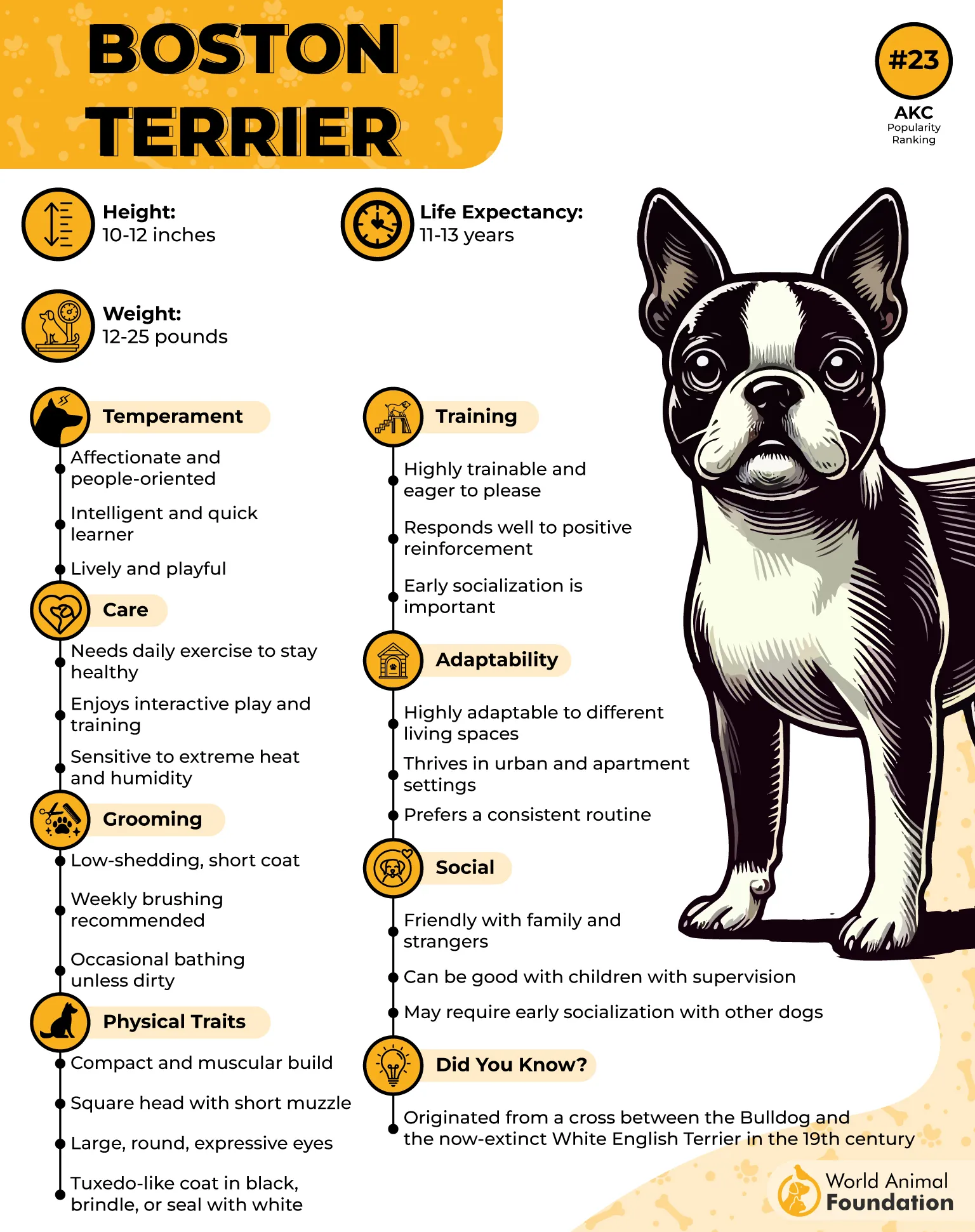
A soft-bristle brush, rubber grooming mitt, or hound glove works well because no thick coat demands industrial-strength tools. Brushing also spreads skin oils and encourages a healthy shine, which helps maintain that polished little gentleman-or-lady aesthetic.
Bathing can remain occasional unless your Boston has made one of those deeply questionable canine decisions involving mud, garbage, or unidentified outdoor substances. Their short hair dries quickly and offers few places for debris to hide, making post-adventure cleanup refreshingly simple.
The coat’s simplicity doesn’t erase temperature considerations. A short coat provides less insulation in cold weather, while the Boston’s flat-faced anatomy also means owners need to be thoughtful about strenuous activity in hot conditions.
5. Dachshund
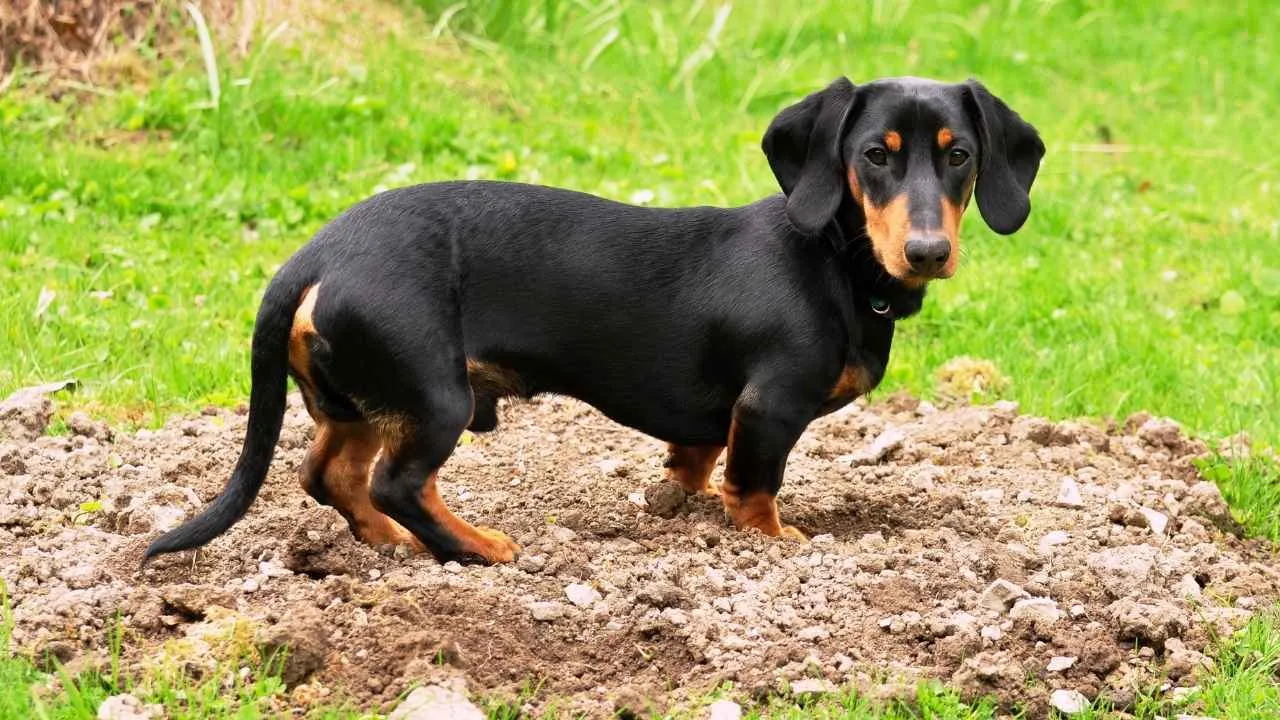
Tiny technical disclaimer before we proceed: Dachshunds come in smooth, longhaired, and wirehaired varieties, so the smooth-coated Dachshund earns its place on this list. The smooth variety is essentially “wash and wear,” requiring little beyond a towel wipe or hound glove to look tidy.
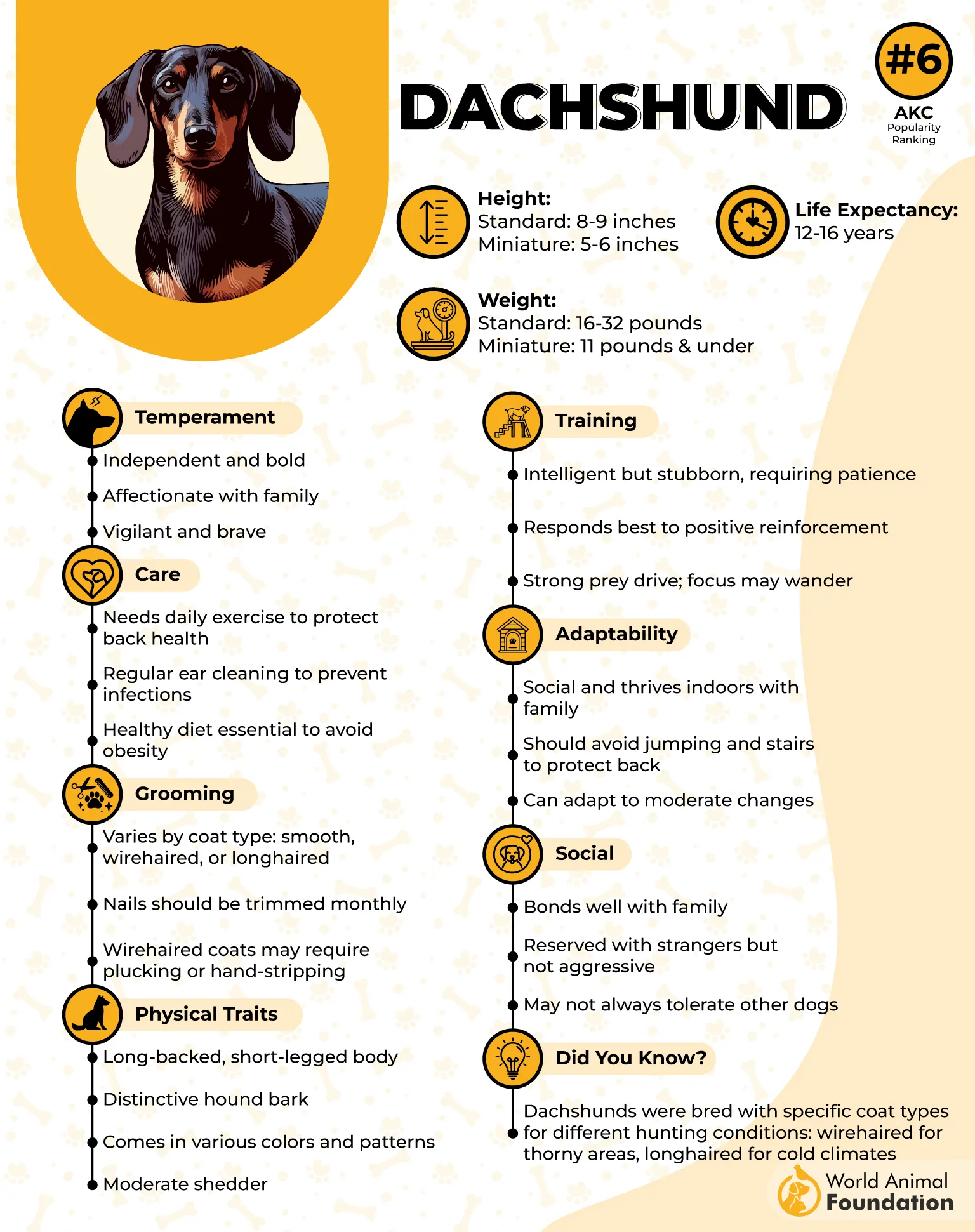
The smooth coat lies tight against that unmistakably long body and does not create mats or feathering that must be combed out. Loose hair still appears because Dachshunds are dogs, not polished ceramic figurines, but a rubber mitt can make routine shedding easy to control.
Britannica says that baths are usually needed only when dirt or odor calls for them, and drying a smooth Dachshund is barely an event compared with drying a heavily coated dog. Their hanging ears deserve closer attention because warmth and reduced airflow can allow wax or irritation to become a problem.
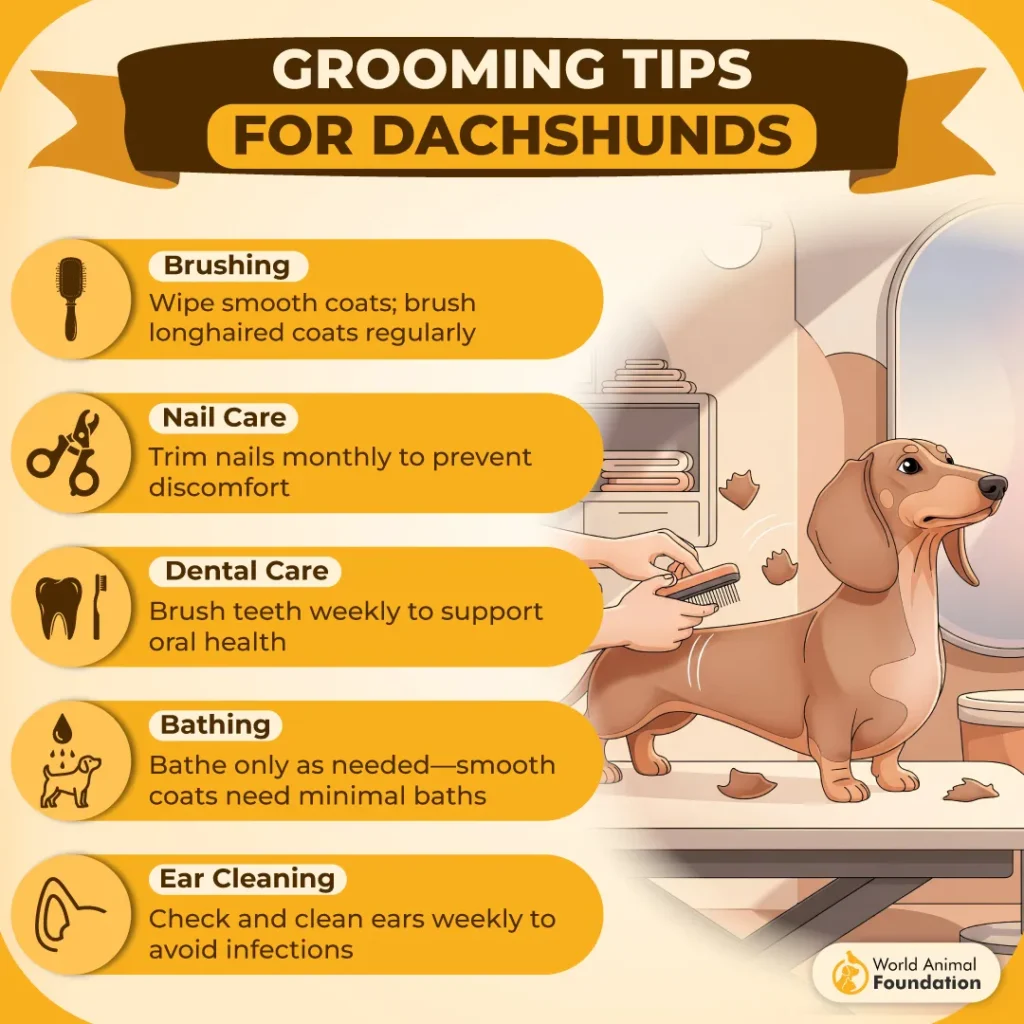
Nail trimming is another non-negotiable. Trimming the nails regularly is necessary, and owners should also watch body weight because keeping the dog lean reduces unnecessary load on its famously long spine. A shiny coat is great, but protecting the structural engineering underneath is the bigger priority.
6. Xoloitzcuintli
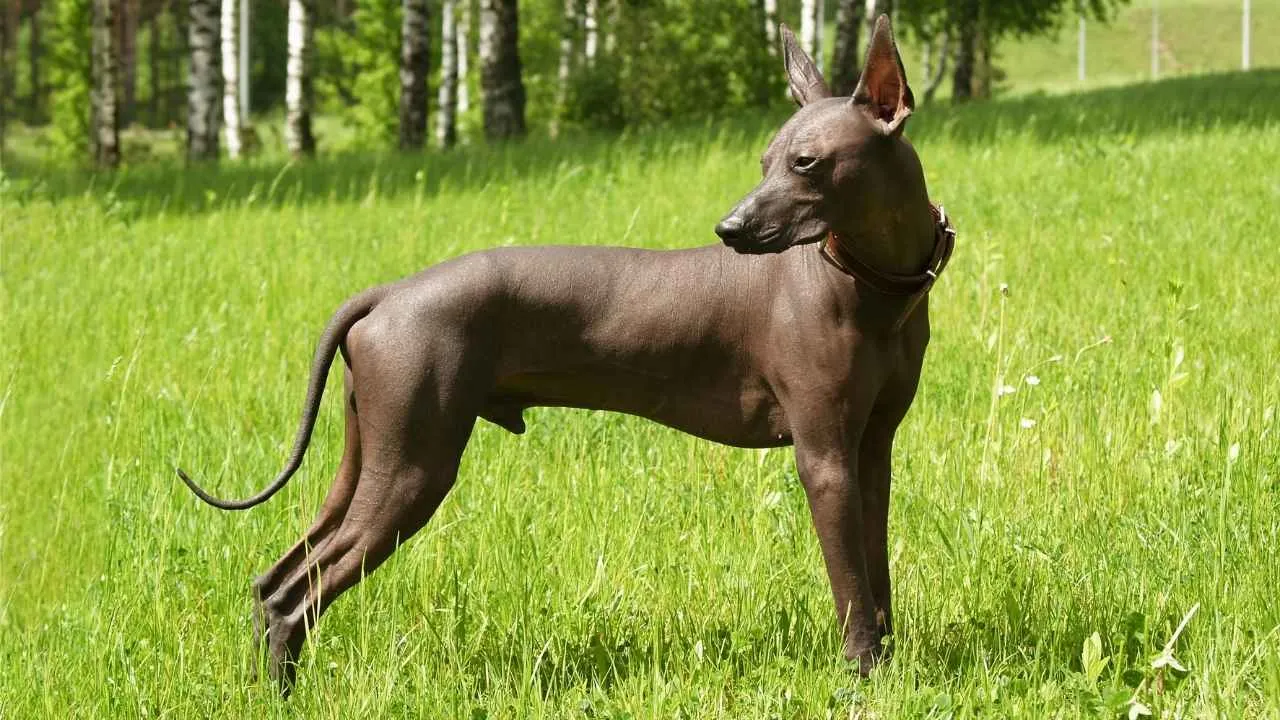
The Xoloitzcuintli comes in both hairless and coated forms, with the coated version carrying a short, flat coat and the hairless version having little to no body hair.
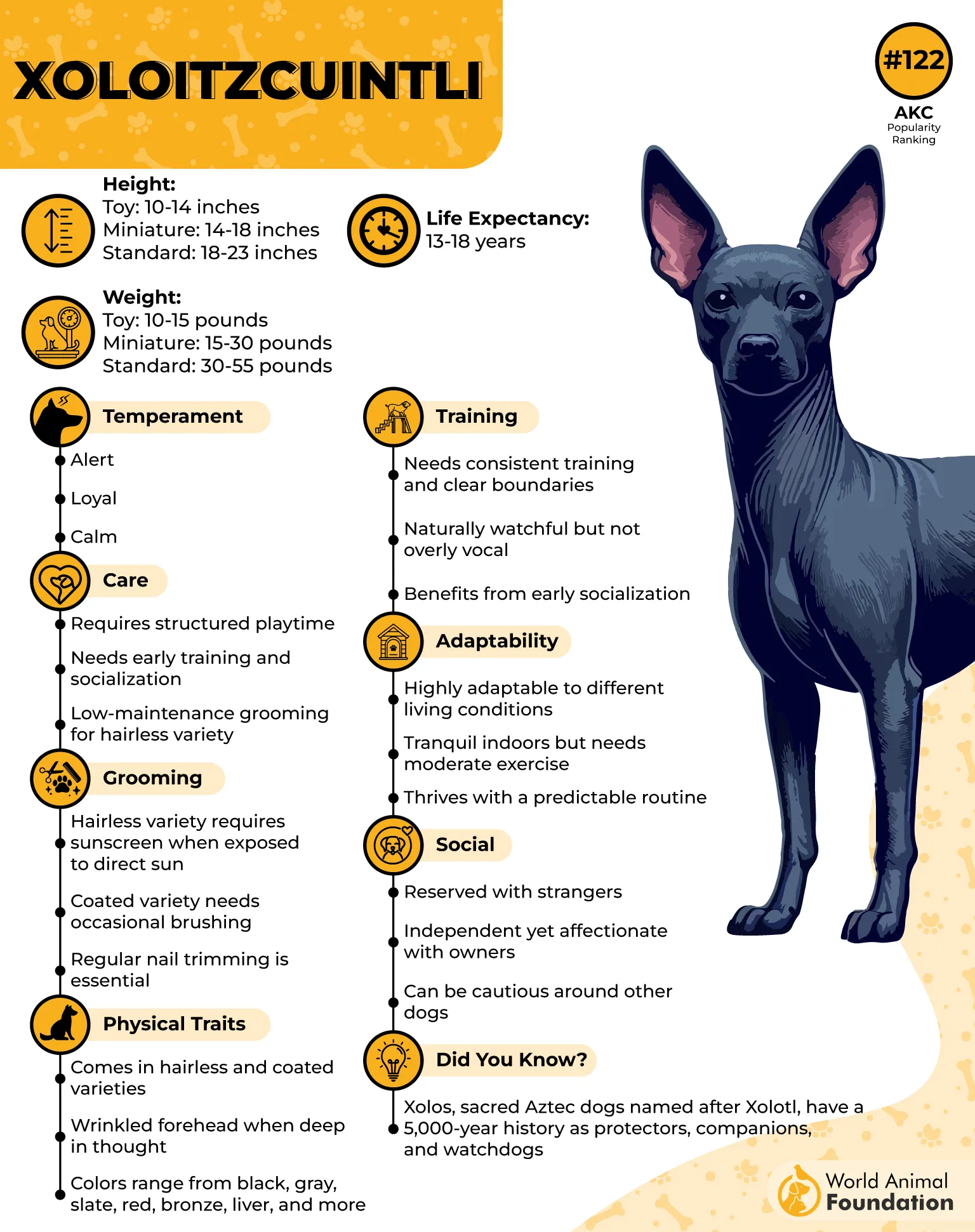
Coated Xolos are still impressively easy to groom, claims Orvis, and don’t require professional grooming. Their short coats generally require only occasional brushing, while hairless adults need relatively minimal conventional coat maintenance. Either way, nobody is spending Sunday evening untangling ear feathering.
Here is the catch: exposed skin replaces coat maintenance with skin maintenance. Hairless Xolos can need sunscreen during extended direct sun exposure, and younger dogs may experience acne that calls for thoughtful skin care.
The breed itself is ancient, athletic, intelligent, and available in three sizes, with a temperament traditionally described as calm and attentive. A Xolo can therefore work for someone seeking a distinctive companion whose fur cleanup approaches zero, as long as that person is genuinely prepared to care for exposed skin.
7. American Hairless Terrier
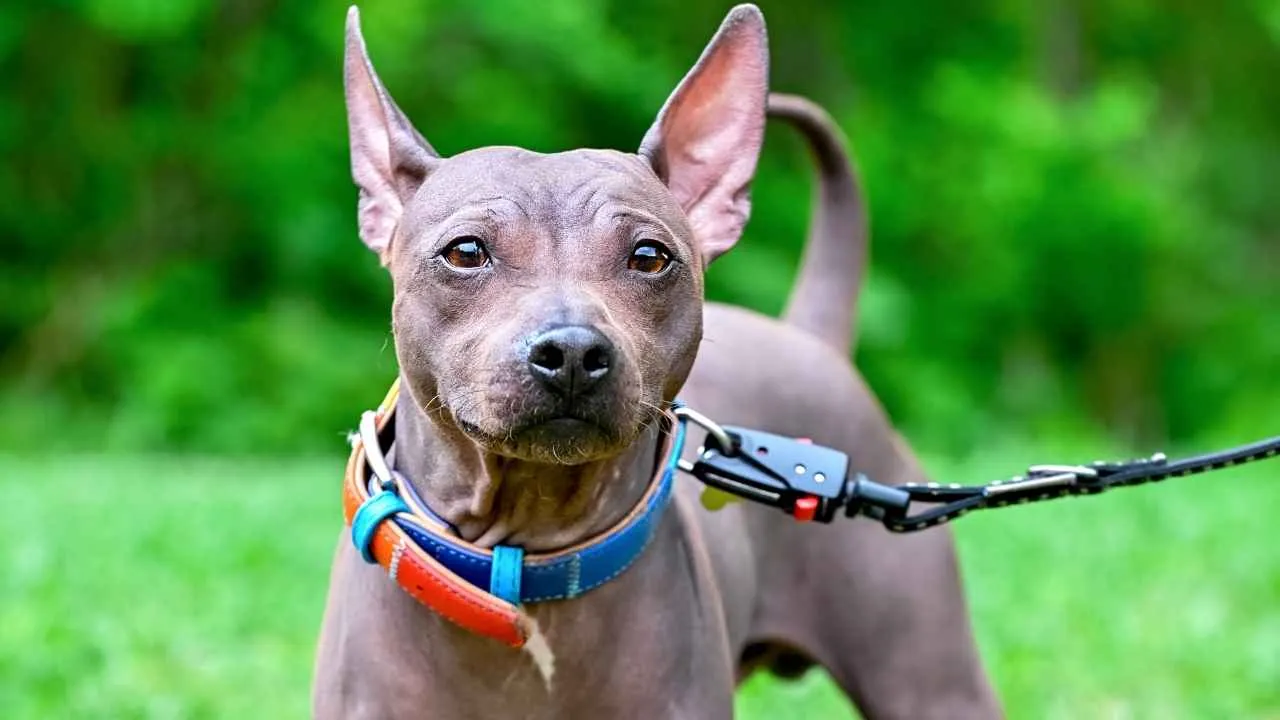
The American Hairless Terrier is essentially what happens when terrier attitude enters the chat, but the fur forgets to arrive. The breed comes in both hairless and coated varieties, with the hairless type having almost no body hair and the coated dogs wearing a short, smooth, shiny coat.
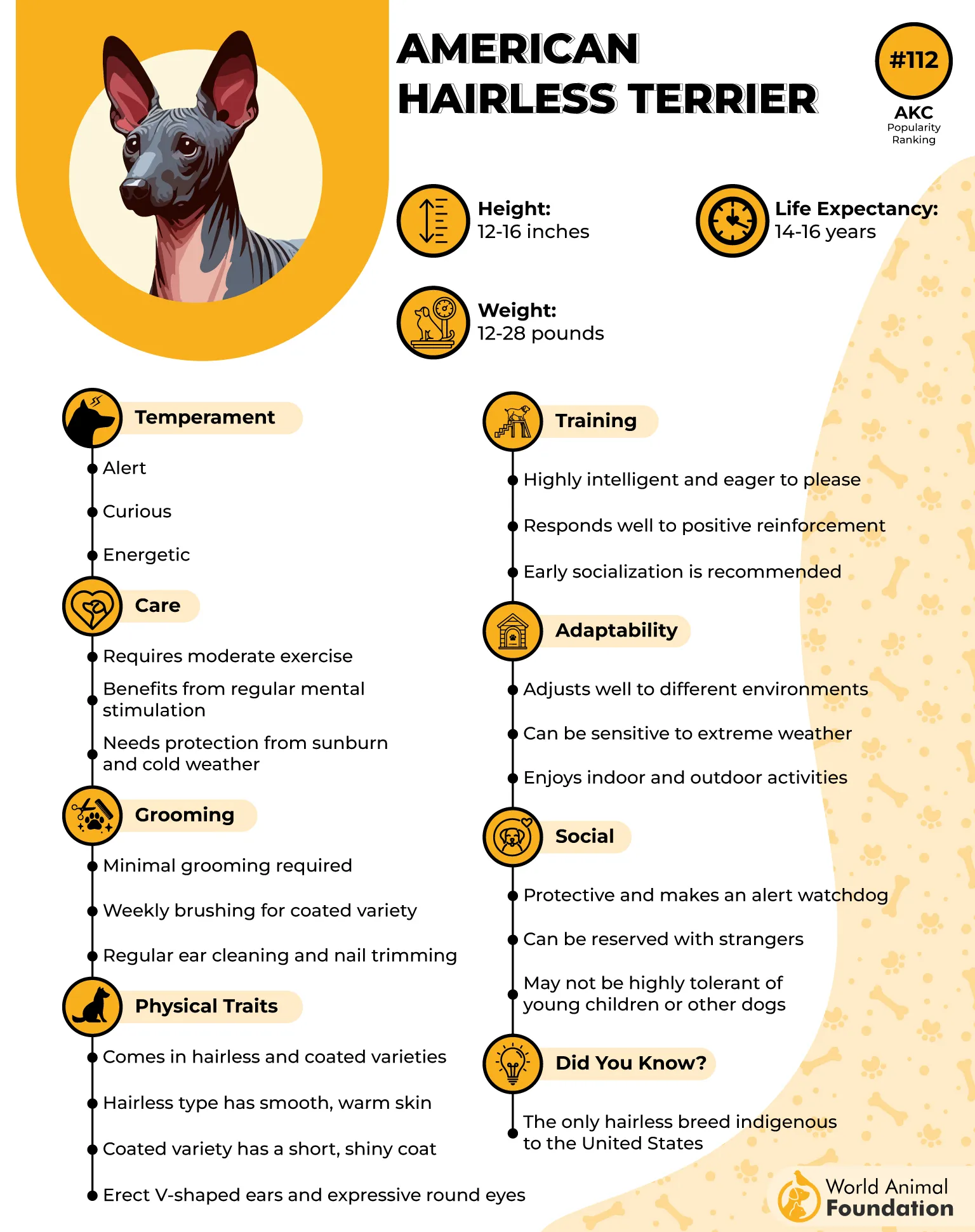
The hairless variety is the obvious shedding champion because there is essentially no coat available to decorate the sofa. Even coated American Hairless Terriers shed very little, and PetMD recommends little more than weekly soft brushing plus occasional bathing for those dogs.
What owners do have to manage is exposed skin. Hairless dogs’ skin can sunburn; use sunscreen or protective clothing when needed, along with basic bathing and ear care. Winter protection matters too, because naked skin did not exactly evolve into a premium thermal jacket.
There is also a fun genetics detail: American Hairless Terrier puppies are born with a temporary “birth coat” that disappears as they grow, typically leaving them hairless by about 8 to 10 weeks. Unlike the mutations behind several other hairless breeds, the AHT’s hairlessness comes from a different genetic mechanism.
8. Chihuahua
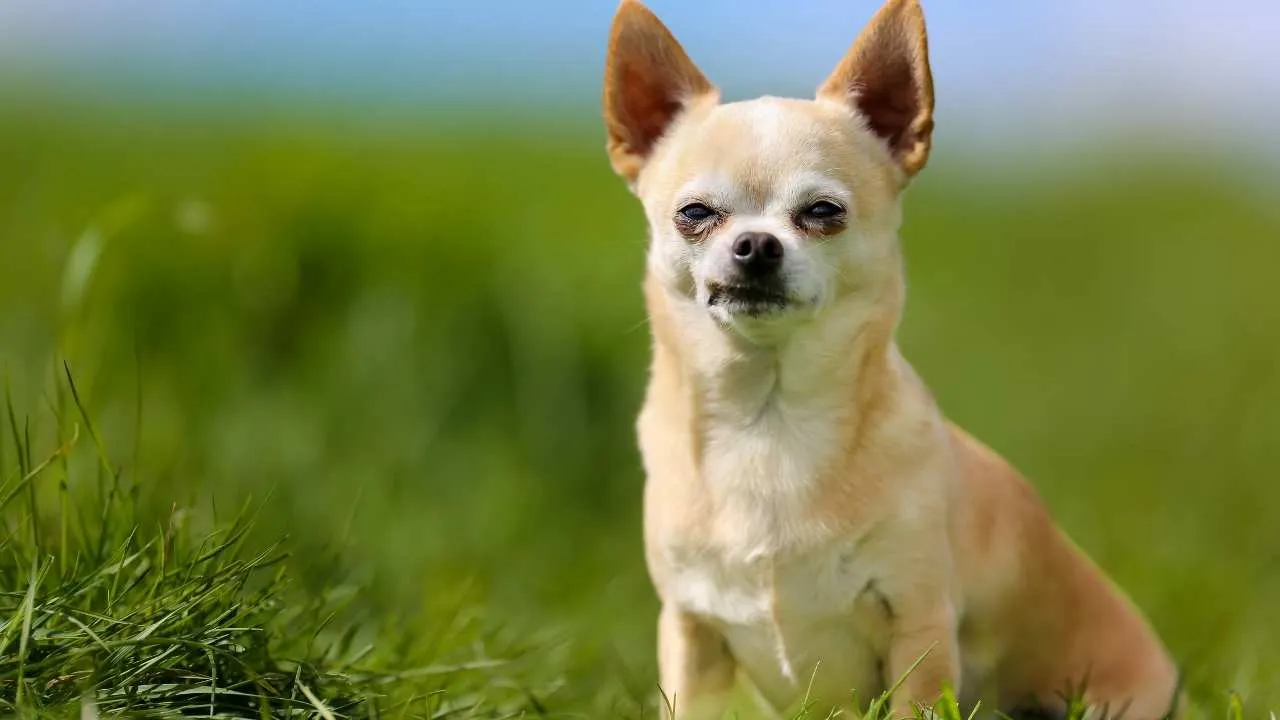
For this short-coat discussion, we’re talking specifically about the smooth-coated Chihuahua, because Chihuahuas also come in a long-coated variety. The smooth type generally needs only occasional brushing and regular bathing to stay tidy.
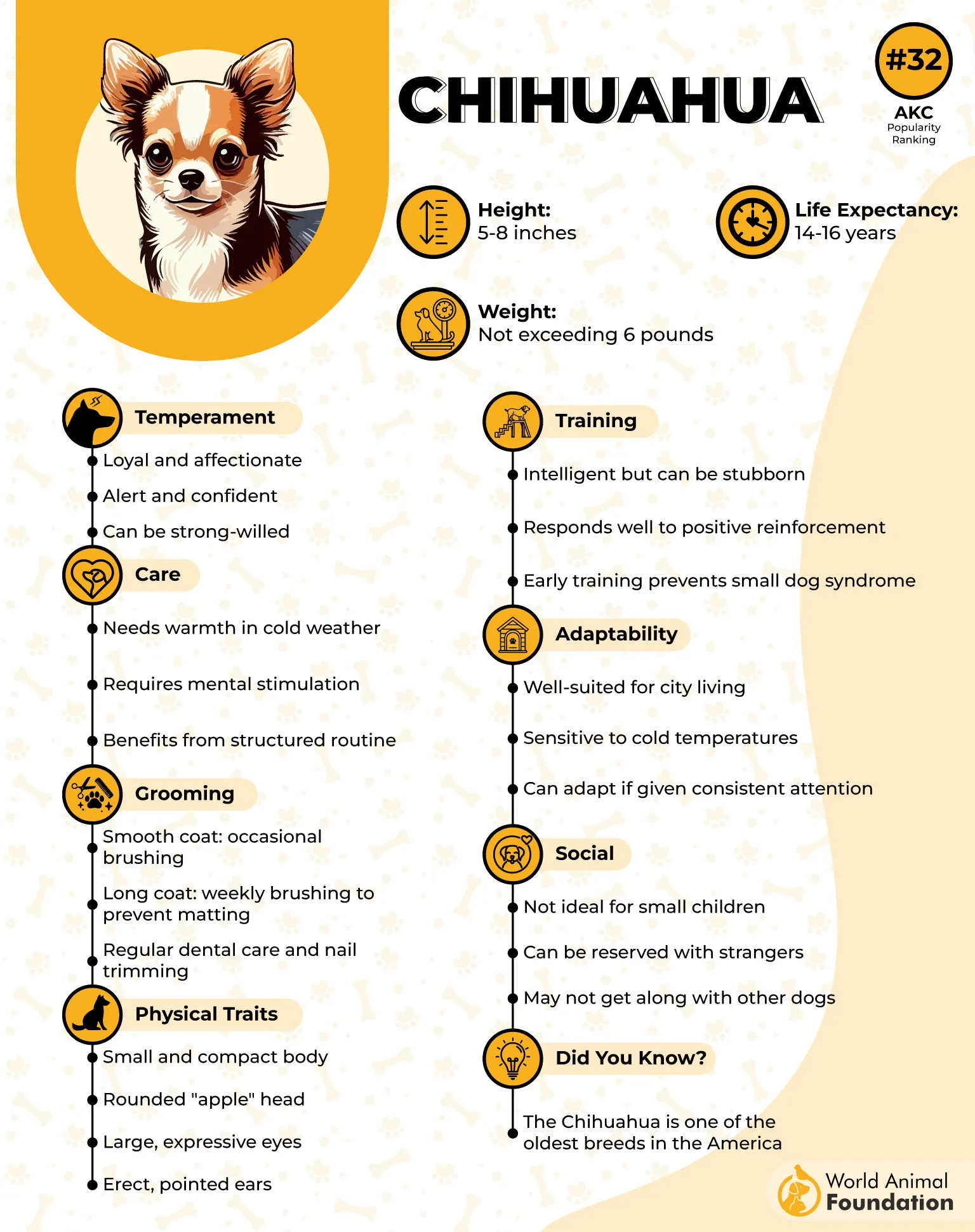
The smooth coat sits close to the body and does shed, but it is much easier to maintain than mats or a thick undercoat. A soft brush or grooming mitt catches loose hairs quickly, and because the dog itself is so small, there is less surface area producing fur. You can basically finish the coat before your coffee cools.
Cold sensitivity is more important than complicated brushing. Chihuahuas have little body mass and smooth-coated individuals lack much insulation, so sweaters and shorter outdoor sessions can make chilly conditions far more comfortable.
Exercise is wonderfully space-efficient. They can burn off plenty of activity in relatively small areas through play and following their humans around, though they still benefit from walks and enrichment.
9. Cane Corso
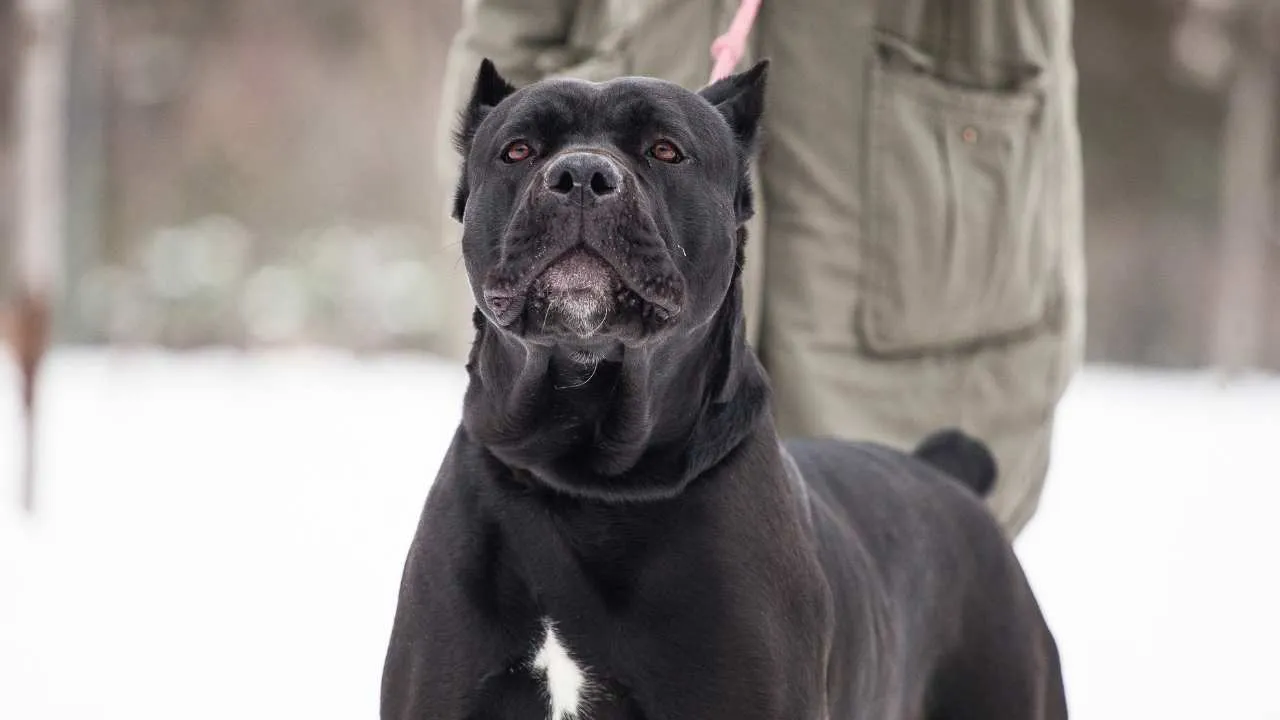
The Cane Corso proves that a “short coat” doesn’t automatically mean “barely sheds.” Unlike some of the lighter shedders above, the Corso carries a short double coat. Seasonal shedding can become more noticeable even though weekly brushing is generally sufficient during much of the year.
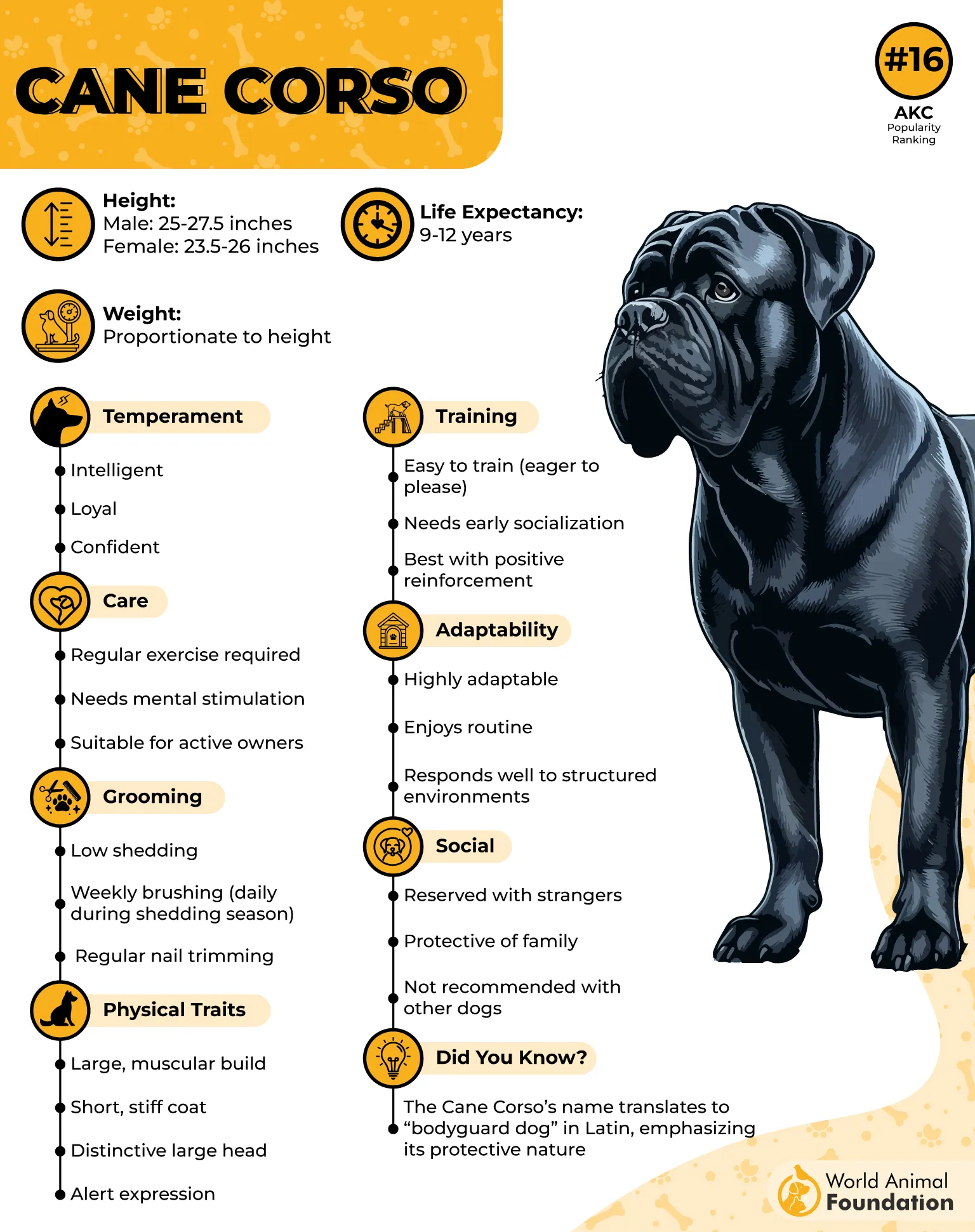
A rubber curry brush or similar grooming tool makes managing loose coat straightforward. The hairs are short, and there is no trimming, detangling, or elaborate coat shaping to schedule, which keeps the grooming routine simple even when the shedding temporarily increases.
Like most double-coated breeds, this dog’s coat density can vary with climate, and owners are most likely to notice seasonal transitions when the furniture gets extra seasoning. More frequent brushing during those periods catches loose hairs before they disperse around the house.
Of course, grooming is one of the easiest parts of owning a Cane Corso. The breed is large, muscular, assertive, and intelligent, and it requires significant training and socialization; adults often exceed 100 pounds.
10. Boxer
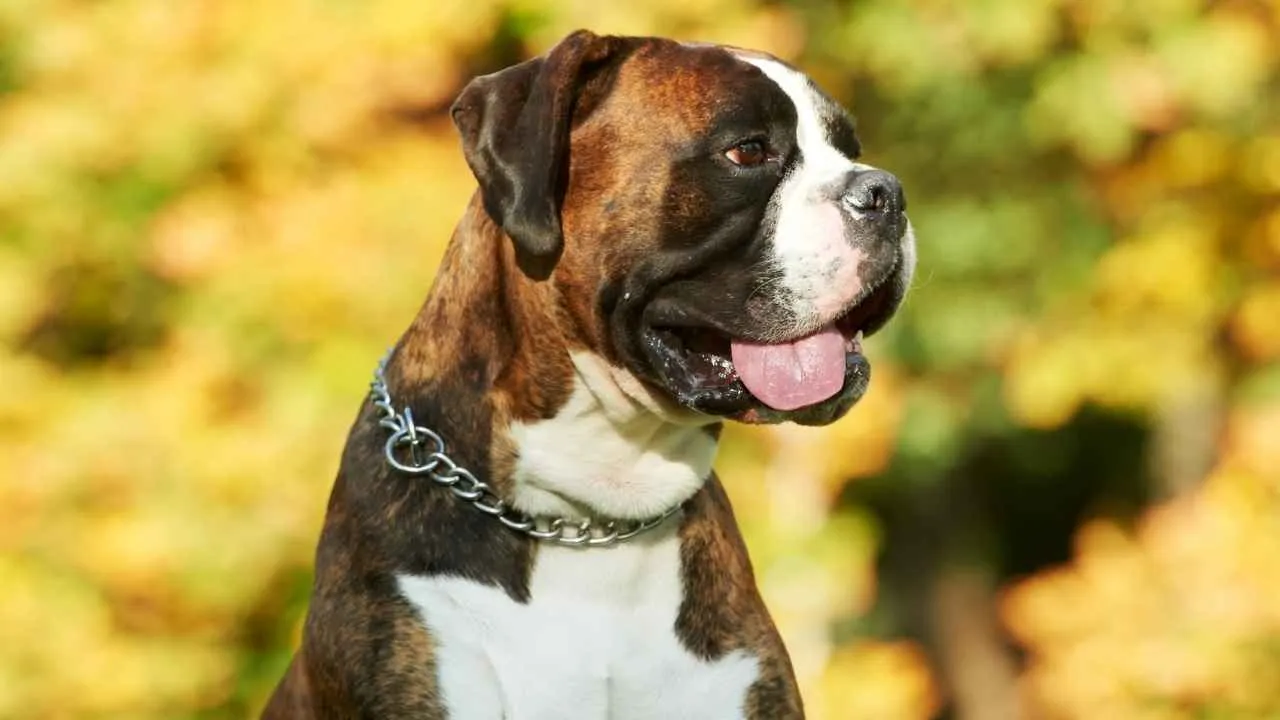
The Boxer wears one of the most gloriously uncomplicated coats in the dog world. Its hair is short, smooth, glossy, and requires little more than a once- or twice-weekly pass with a rubber curry brush or hound glove.
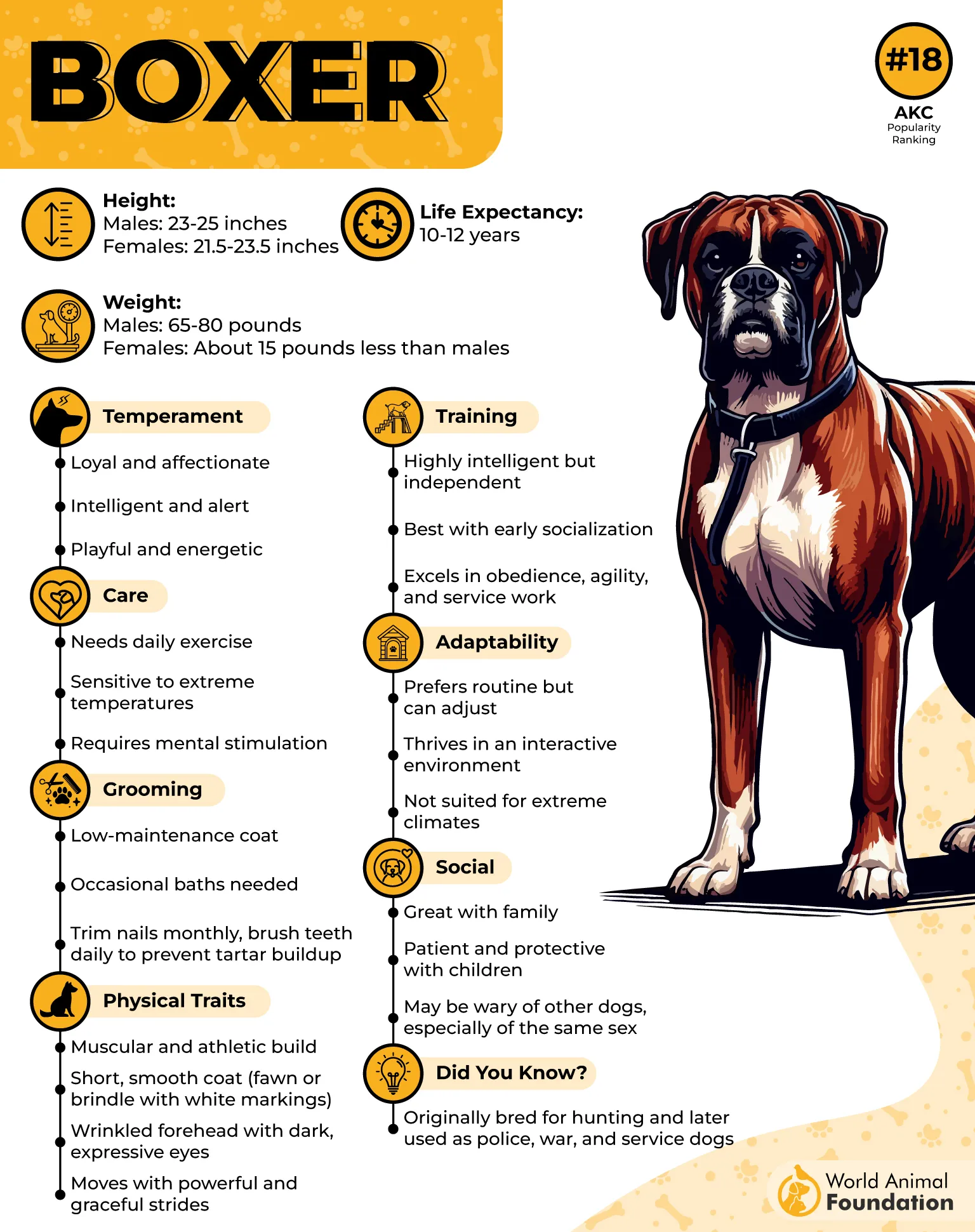
Boxers do shed, and some can surprise owners with how much short dog hair shows up despite the sleek exterior. Those hairs are small rather than fluffy, so instead of forming tumbleweeds, they tend to insert themselves into fabric like tiny biological glitter.
Consistent brushing is therefore less about preventing knots and more about intercepting that glitter before your couch does.
Bathing demands are refreshingly modest. They are generally clean dogs that need baths only occasionally, making elaborate washing schedules unnecessary for healthy animals living ordinary lives. A quick coat, quick bath, quick dry—honestly, the efficiency is beautiful.
Nail care deserves more routine attention than fur care because regular trimming prevents nails from getting too long.
Conclusion
Short-coated dogs can make grooming dramatically simpler, but this list shows why “short hair” and “low shedding” are not identical concepts.
Hairless breeds also remind us that nature rarely gives us a totally free upgrade. Remove the fur, and suddenly sunburn, cold protection, bathing, and skin condition deserve more attention. Less vacuuming, yes; absolutely no responsibilities, sadly not part of the package.
Ultimately, the best short-coated dog is not simply whichever one deposits the fewest hairs on your black jeans. Match the whole dog to your lifestyle—energy, size, training needs, health, temperament, climate tolerance, and grooming included—and treat easy shedding as the extremely convenient bonus that it is.
