




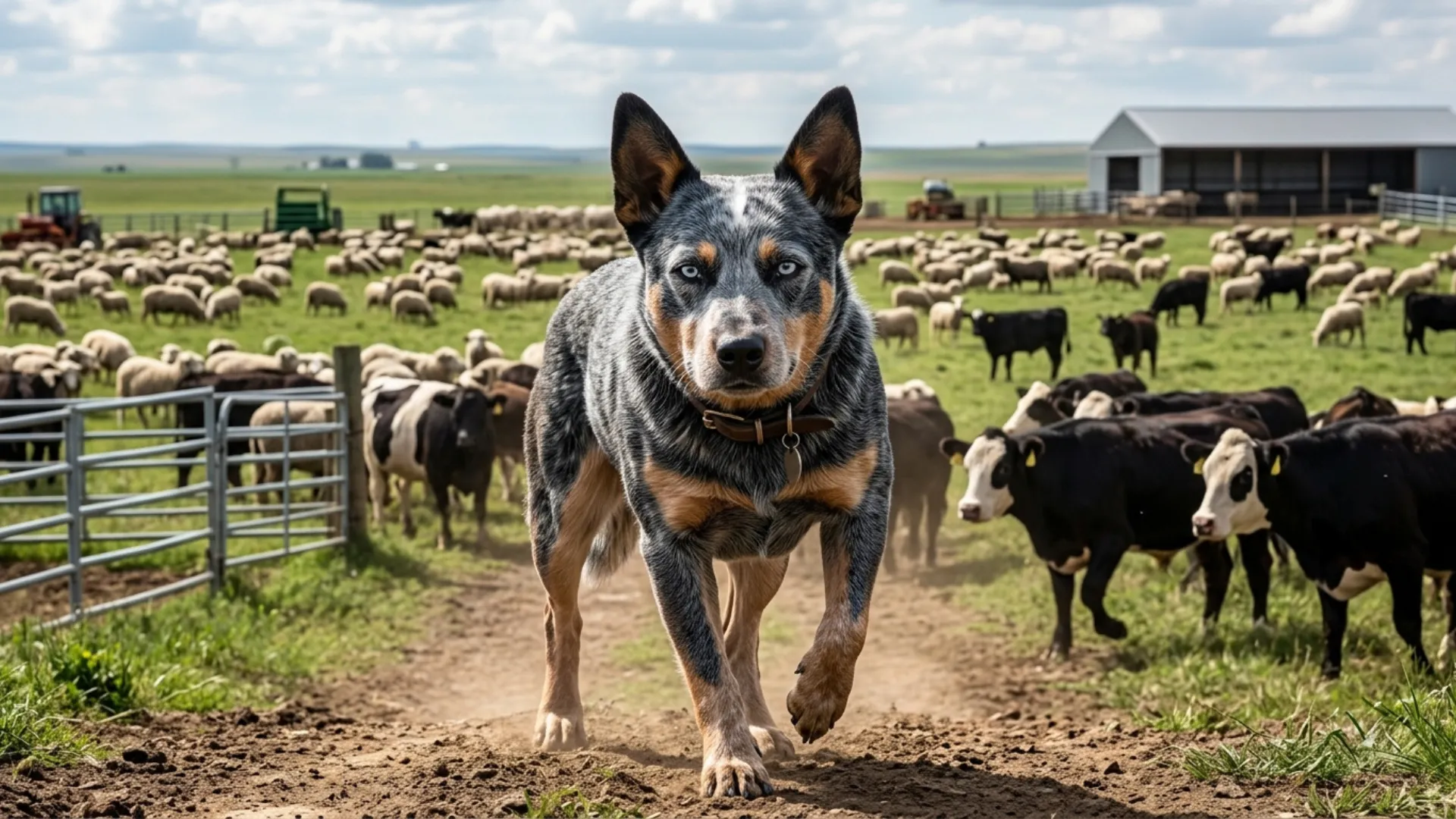
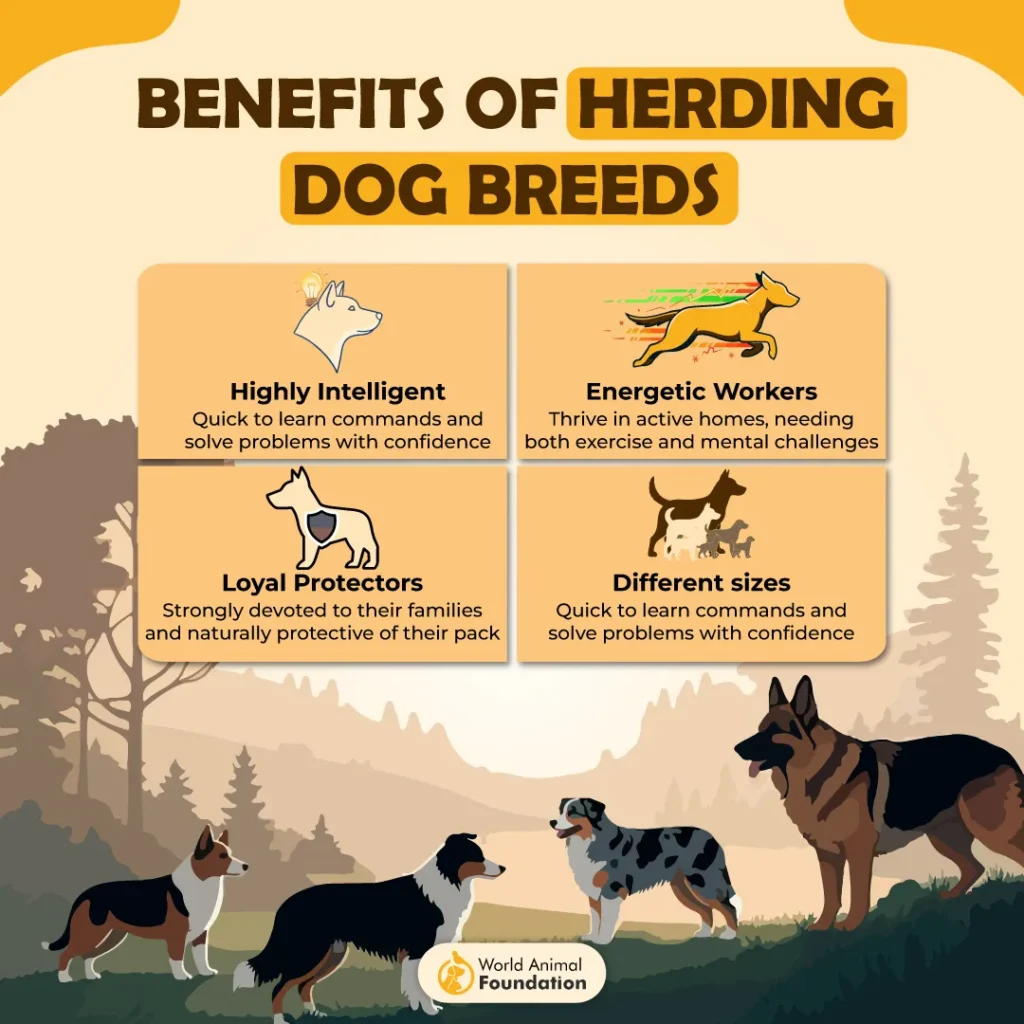
Modern farming may have fancy machinery, smart tools, and plenty of technology, but sometimes the best farmhand still has four paws and a serious work ethic. Herding dogs bring brains, stamina, quick reactions, and an almost comical determination to keep livestock exactly where they belong.
Give them sheep wandering left, cattle heading right, and one stubborn goat plotting an escape, and these dogs are ready for business. For today’s herders, the right working dog can still be an incredibly valuable partner around livestock.
So, which hardworking breeds truly fit modern agriculture? Let’s meet them.
Did you know?
Herding and livestock-working dogs have assisted people for thousands of years, with dogs helping manage and protect livestock in ancient societies. Their specialized working abilities still make these dogs valuable partners for herders in modern agriculture.
Proven Dog Breeds for Herders in Modern Agriculture
1. Border Collie
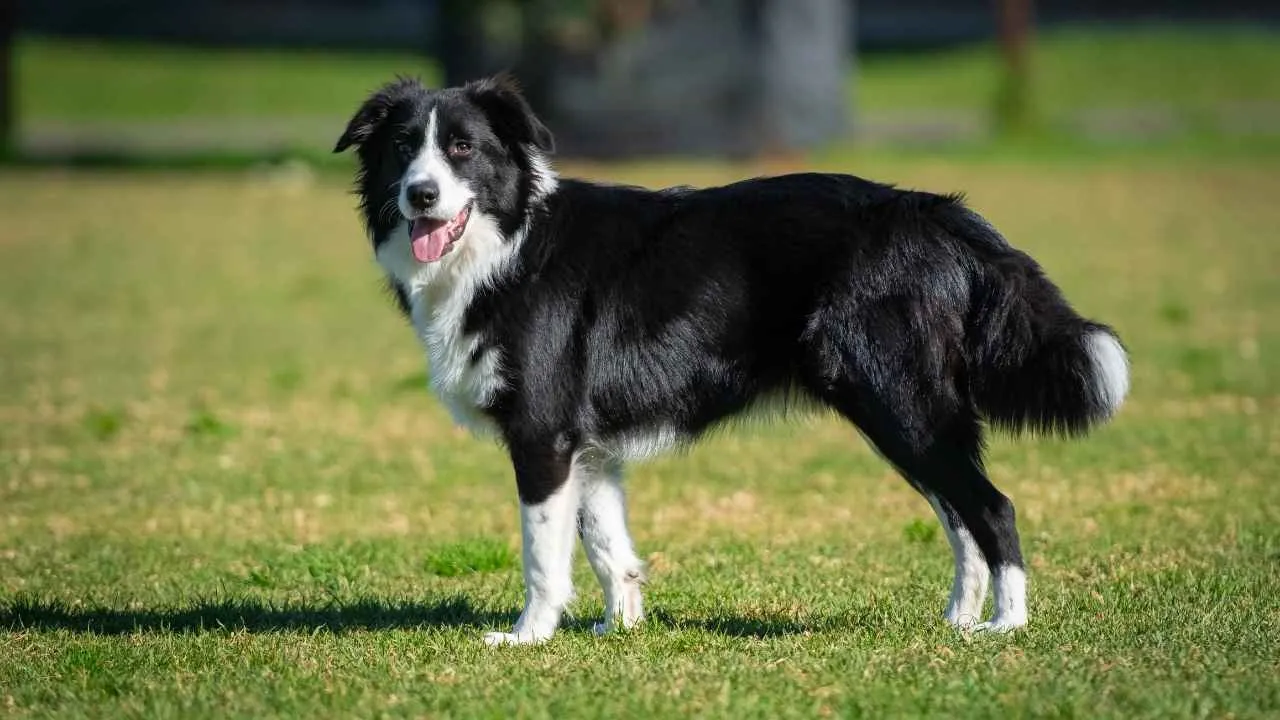
Some dogs need a task list, and the Border Collie looks ready to finish it before breakfast. Bright, athletic, and intensely focused, this highly intelligent dog brings the kind of alert energy that keeps a busy agricultural day moving.
Originally bred around the border regions of England, Scotland, and Wales, the Border Collie proved its worth working sheep across hills and mountains. Speed, stealth, and an instinctive ability to control stock made the breed a serious working partner.
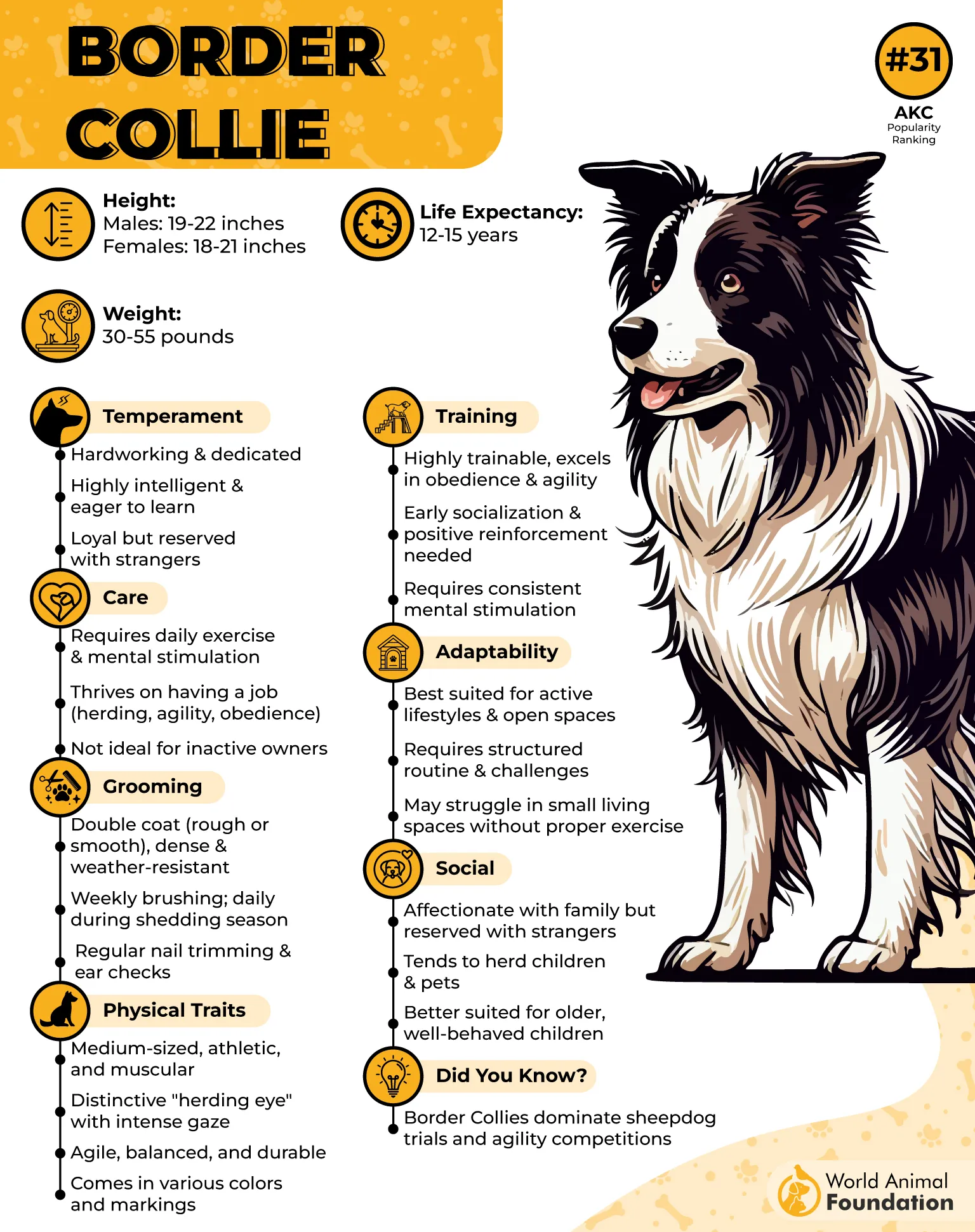
For modern herders, that working instinct still has a place in the field. Border Collies remain active livestock workers, and their place in the Herding Group reflects a breed built around movement, focus, and purposeful work.
What Makes This Breed Stand Out
The famous herding eye gives livestock one seriously focused stare.
Obedience, agility, rally, tracking, flyball, and herding events provide productive outlets for its abilities.
2. Australian Cattle Dog
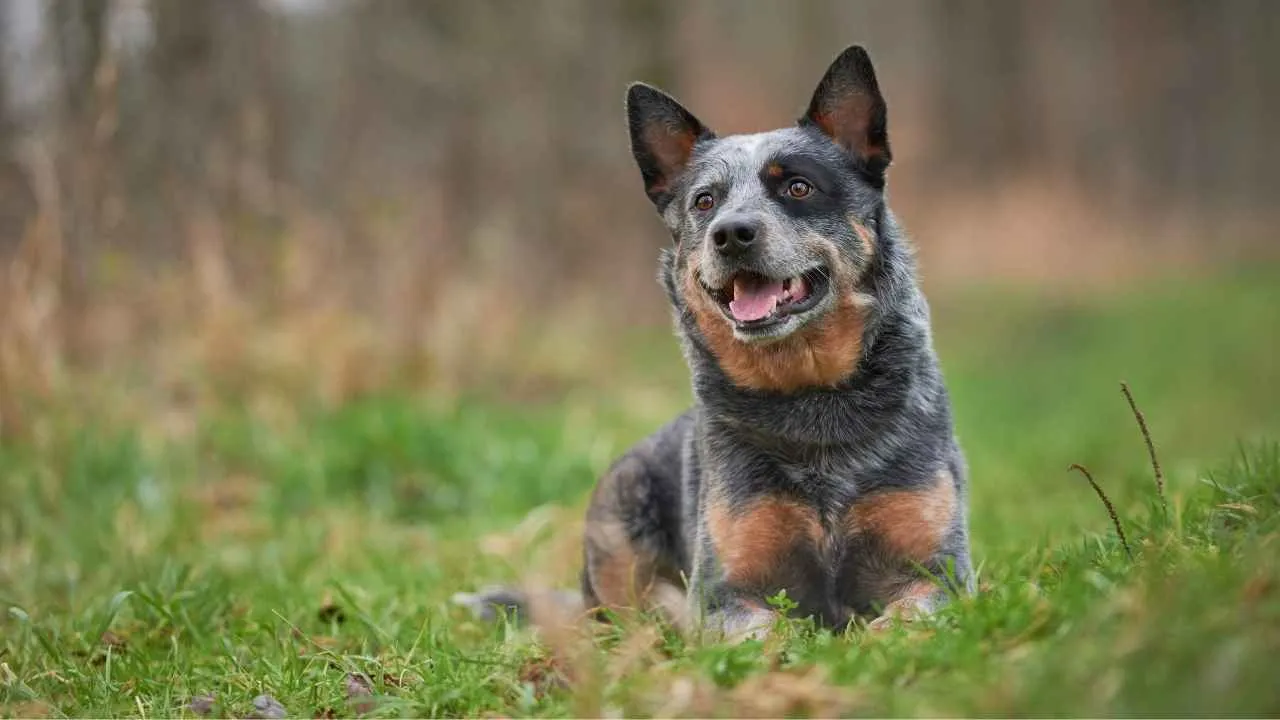
Call this dog the coworker who never seems to clock out. The Australian Cattle Dog was shaped for demanding cattle work, using a low, determined approach and quick heel-nipping action to keep stubborn livestock moving in the right direction.
Out on a farm, the Australian Cattle Dog brings toughness with a very recognizable uniform. Its short coat may appear blue, blue-speckled, blue-mottled, or red-speckled, while its working background suits long, active days around cattle.
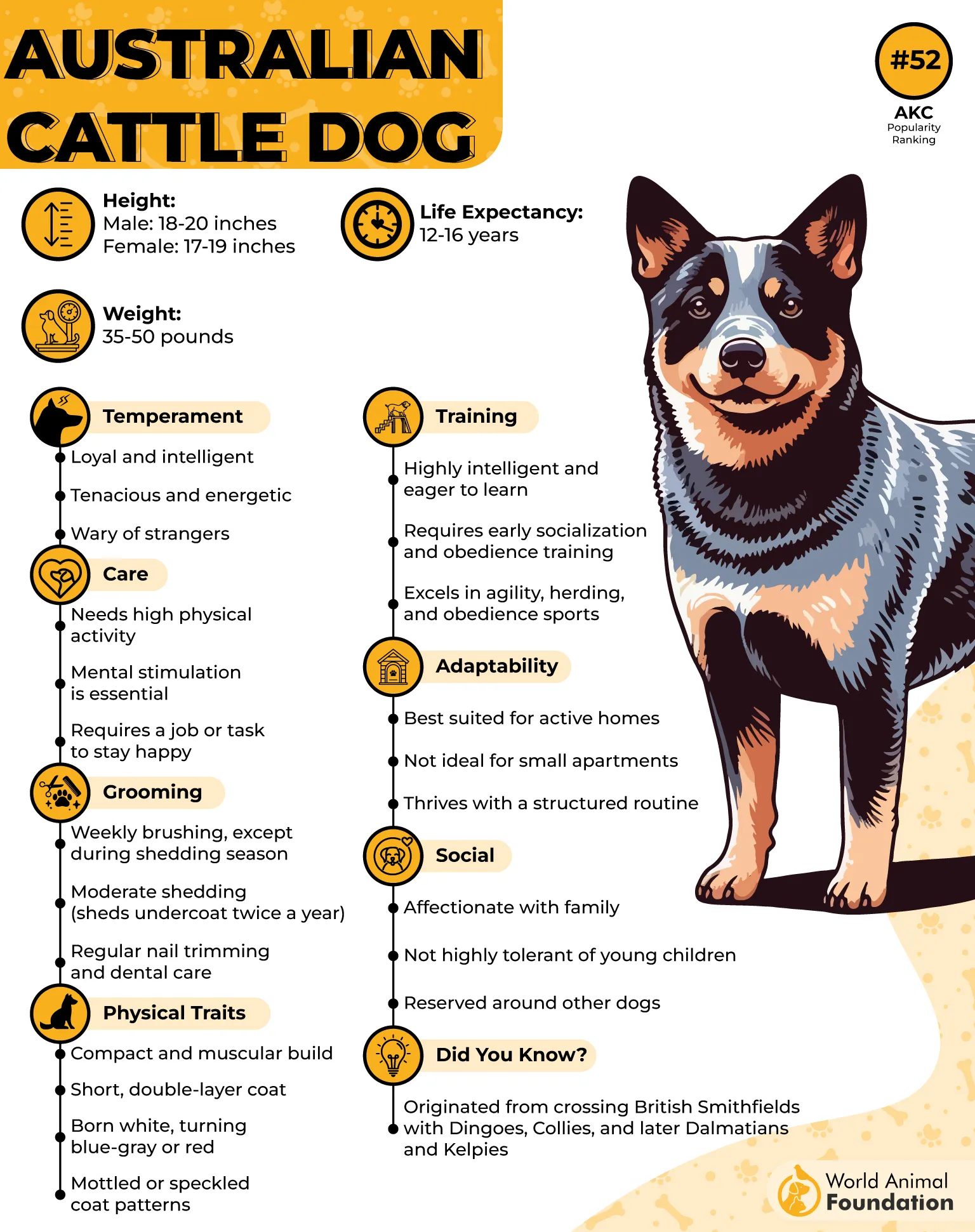
As mentioned by Orvis, Australian Cattle Dogs learn quickly but do best with positive feedback rather than harsh correction. Their eagerness to work also makes advanced obedience, herding, agility, and tracking especially engaging ways to channel that sharp mind.
What Makes This Breed Stand Out
Strong protective instincts can make the breed watchful around property and livestock.
Working dogs can control a herd with an impressive degree of independence.
3. Australian Shepherd
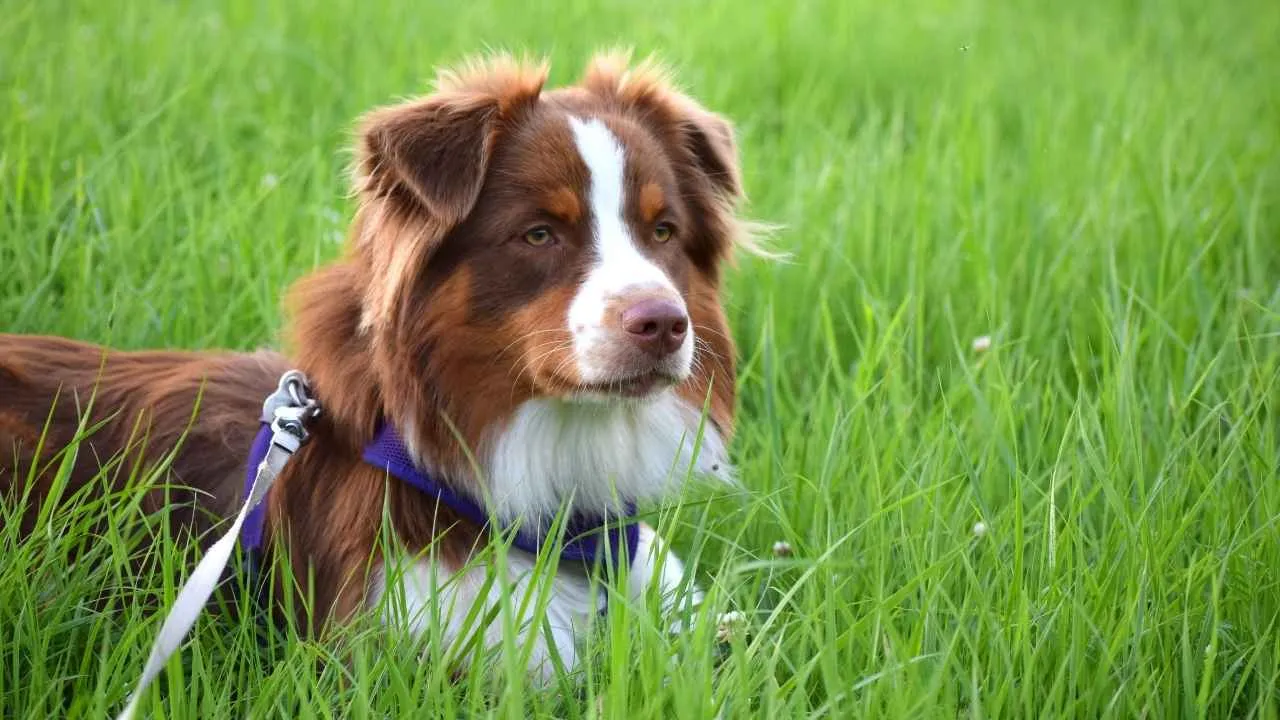
The Australian Shepherd has serious ranch-dog energy packed behind that alert expression. Developed as a working breed in America, this eager, athletic dog still carries the instinct to stay busy, notice movement, and turn everyday farm activity into a job.
Around livestock, Aussies bring both herding and guarding instincts to the equation. Their working background made them useful ranch dogs, and their loyalty plus natural attentiveness can help them stay tuned to animals, property, and the people directing them.
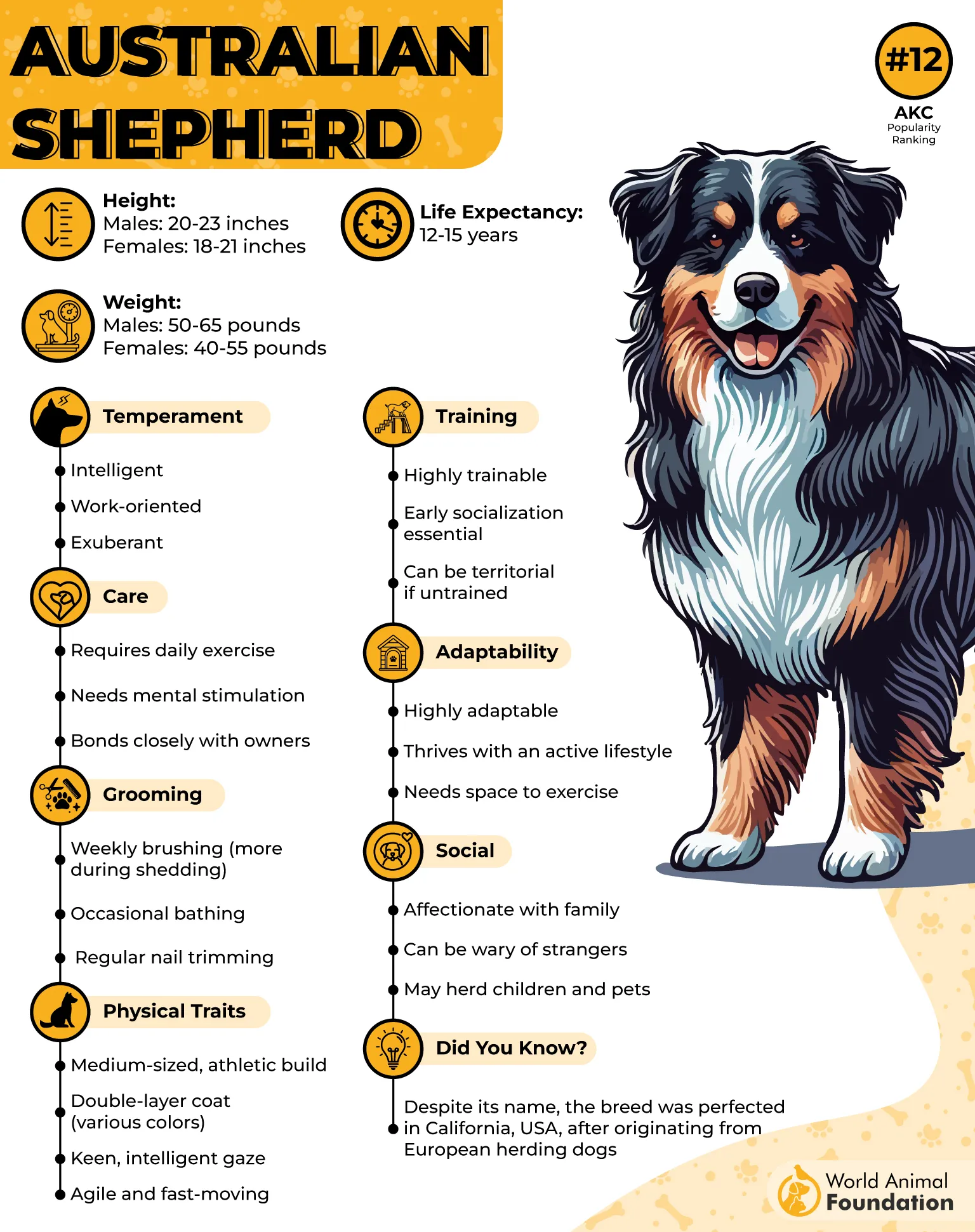
Keeping an Aussie satisfied takes more than opening the back door and hoping for the best. Physical activity and mental challenges matter because this energetic breed thrives when its body moves and its sharp mind has something useful to do.
What Makes This Breed Stand Out
Strong stamina allows this working breed to stay involved through demanding days.
Intelligence and willingness to please can make new working skills click quickly.
4. Bearded Collie
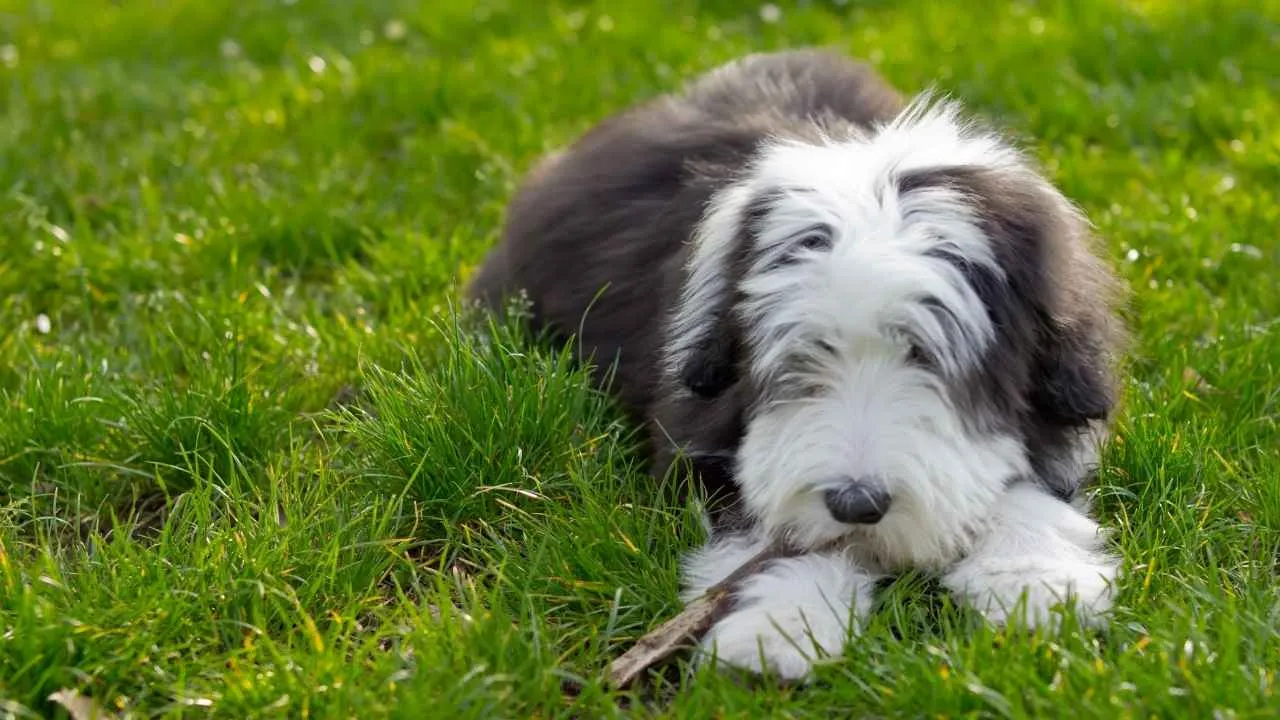
Few farm workers arrive wearing this much hair and this much personality. The shaggy Bearded Collie is an energetic Scottish droving dog with a lively streak, and it was recognized by the American Kennel Club (AKC) in 1976 as an official breed.
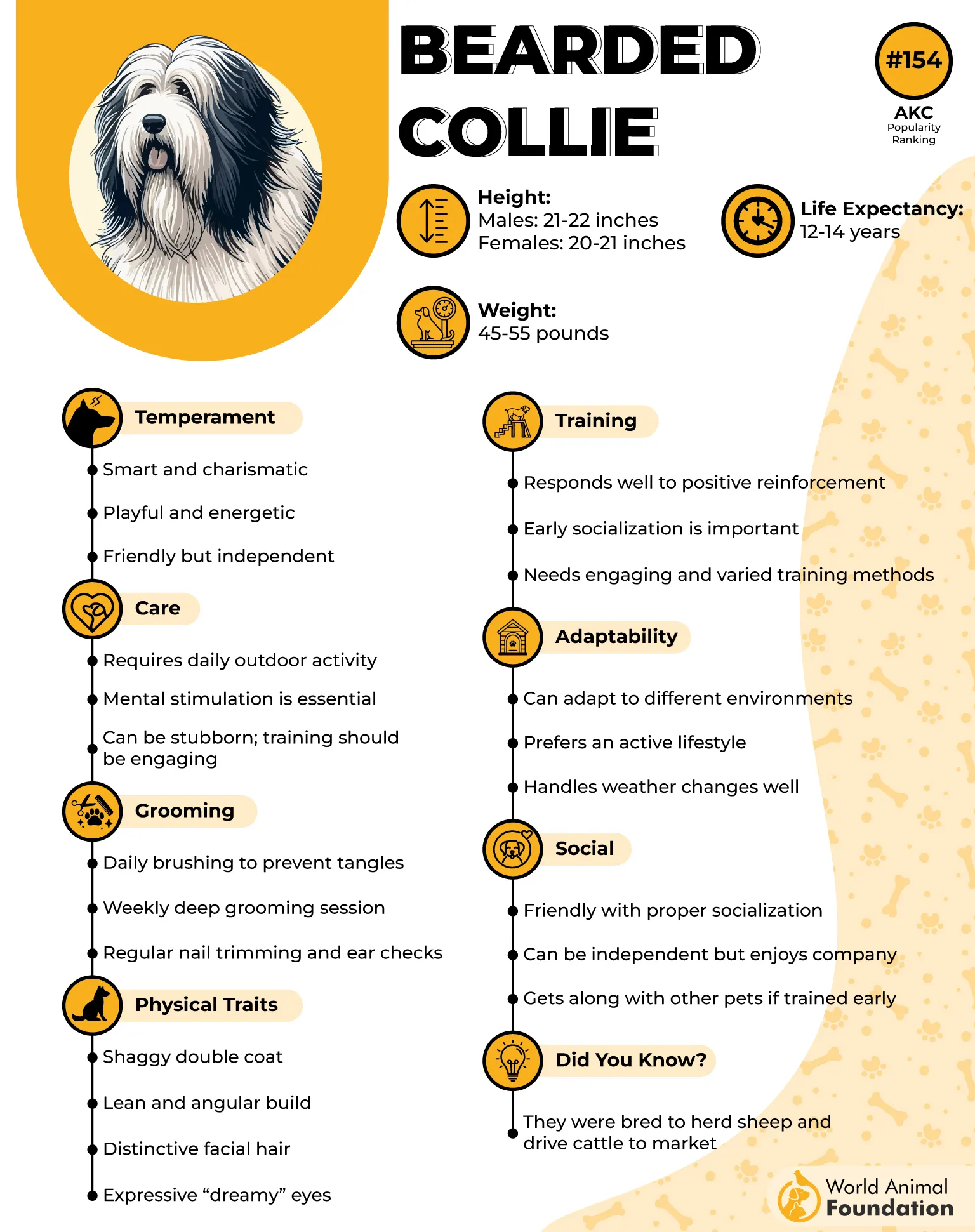
That cheerful bounce hides genuine herding instinct. Beardies were expected to control cattle at pasture and help drive herds to market, so independent decision-making became part of the package. Give one livestock to organize, and the old wiring starts showing.
Getting the best from this shaggy dog takes patience rather than a showdown. Early socialization, interesting lessons, and positive reinforcement suit this clever independent worker. Repetition can bore them, so proper training works better when the dog stays mentally involved.
What Makes This Breed Stand Out
Its protective double coat was designed to cope with demanding field conditions.
Beardies can be friendly with other animals and gentle around children when appropriately managed.
5. Beauceron
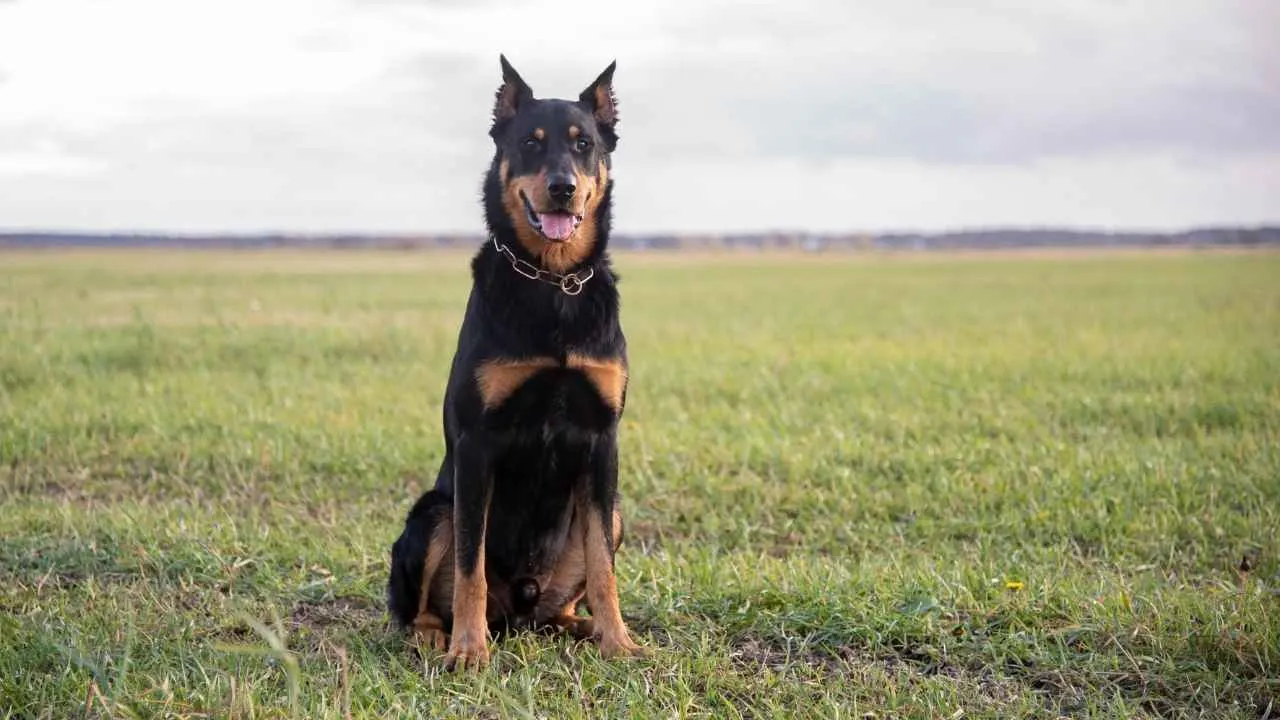
The Beauceron approaches farm work with the confidence of a dog that already checked the whole property. Powerful, energetic, and quick-minded, this French herder thrives when serious work gives all that intensity somewhere useful to go.
Originally bred in France, Beaucerons helped farmers herd and guard large flocks of sheep and other livestock. They developed as capable working dogs that could cover ground, make decisions, and stay useful when a shepherd needed more than simple company.
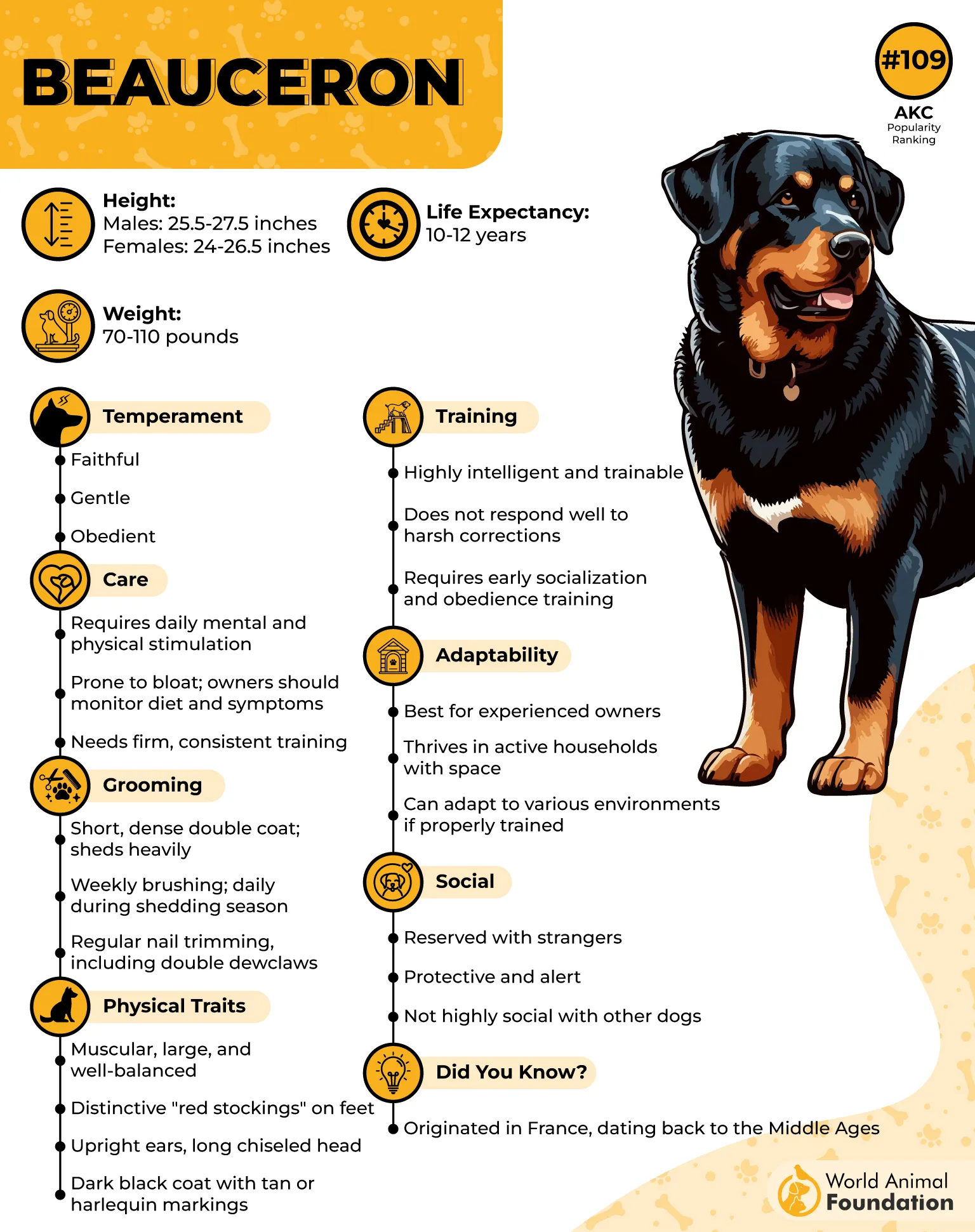
When something suspicious approaches the flock, subtlety is not always on the menu. Beaucerons are highly protective and can bark fiercely at strangers near their territory, giving livestock operations a watchful dog that takes guarding duties very seriously.
What Makes This Breed Stand Out
A quiet, wide-working herding style can move sheep without unnecessarily spooking them.
Their versatility extends to herding events, protection work, agility, and other demanding activities.
6. Dutch Shepherd
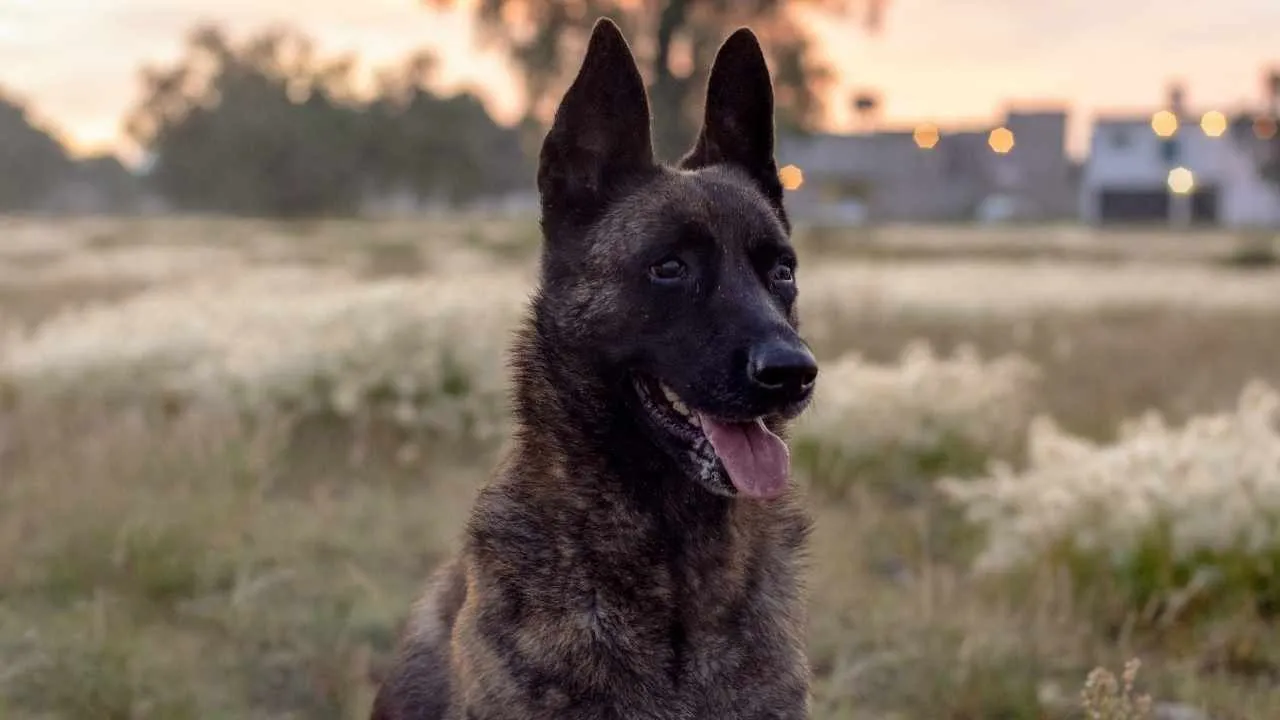
Busy farm, moving animals, changing jobs, no problem. Dutch Shepherds were developed as versatile farm dogs, combining alertness, athletic ability, and a strong herding instinct. Their willingness to work makes them far happier with purpose than with an empty schedule.
Give Dutch Shepherds livestock to organize, and their old working instincts have plenty to say. Their original duties included keeping sheep together in designated areas, while their stamina allowed them to remain active through long stretches of demanding farm work.
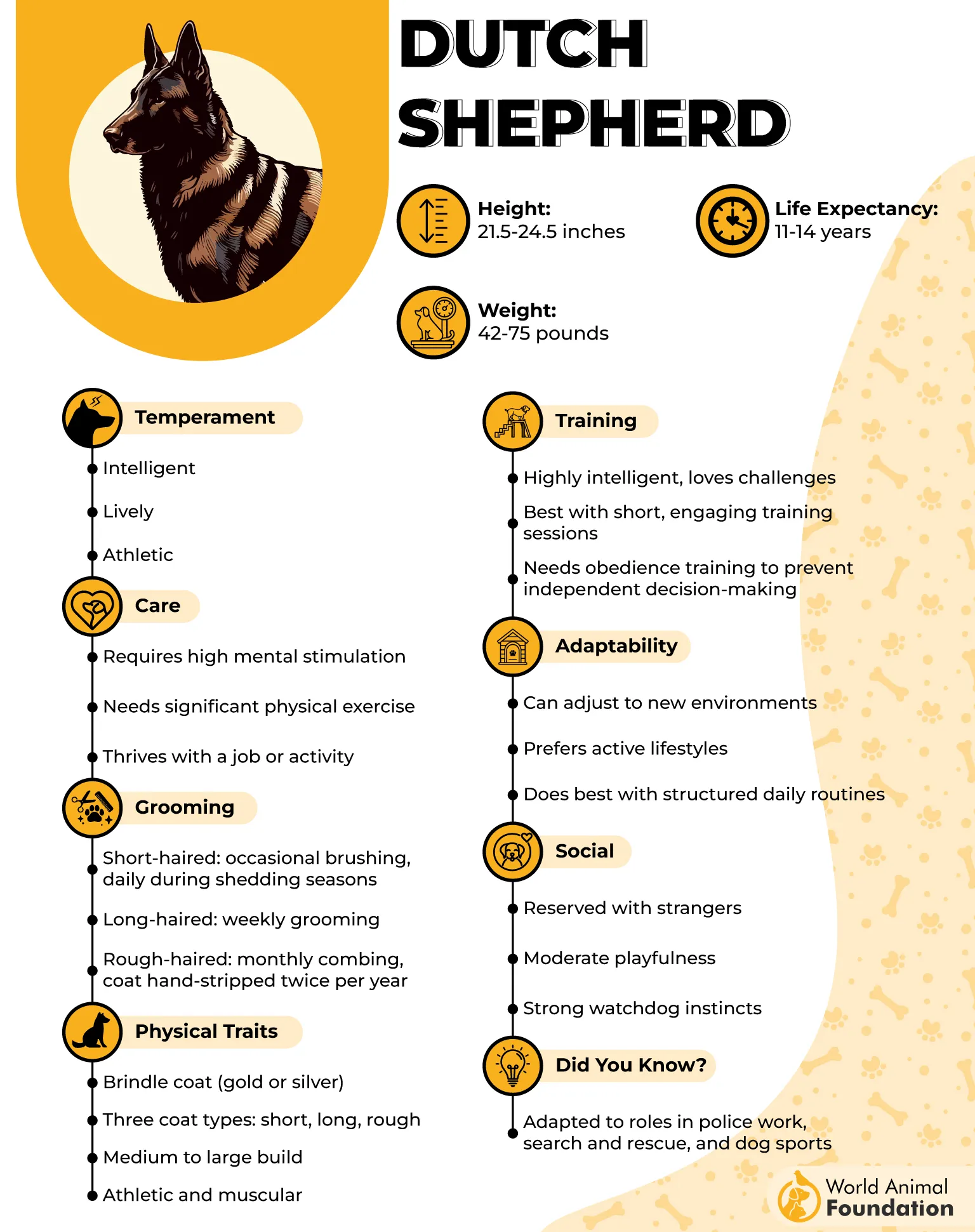
As noted by PetMD, Dutch Shepherds thrive with positive reinforcement and consistent training that challenges both their minds and bodies. Regular exercise helps maintain focus, while early socialization and guidance from an experienced trainer can support confident, well-mannered behavior.
What Makes This Breed Stand Out
Their all-purpose background included guarding farms, driving animals, and working with livestock.
Their working range extends into tracking, scent detection, search and rescue, obedience, and agility.
7. Mudi
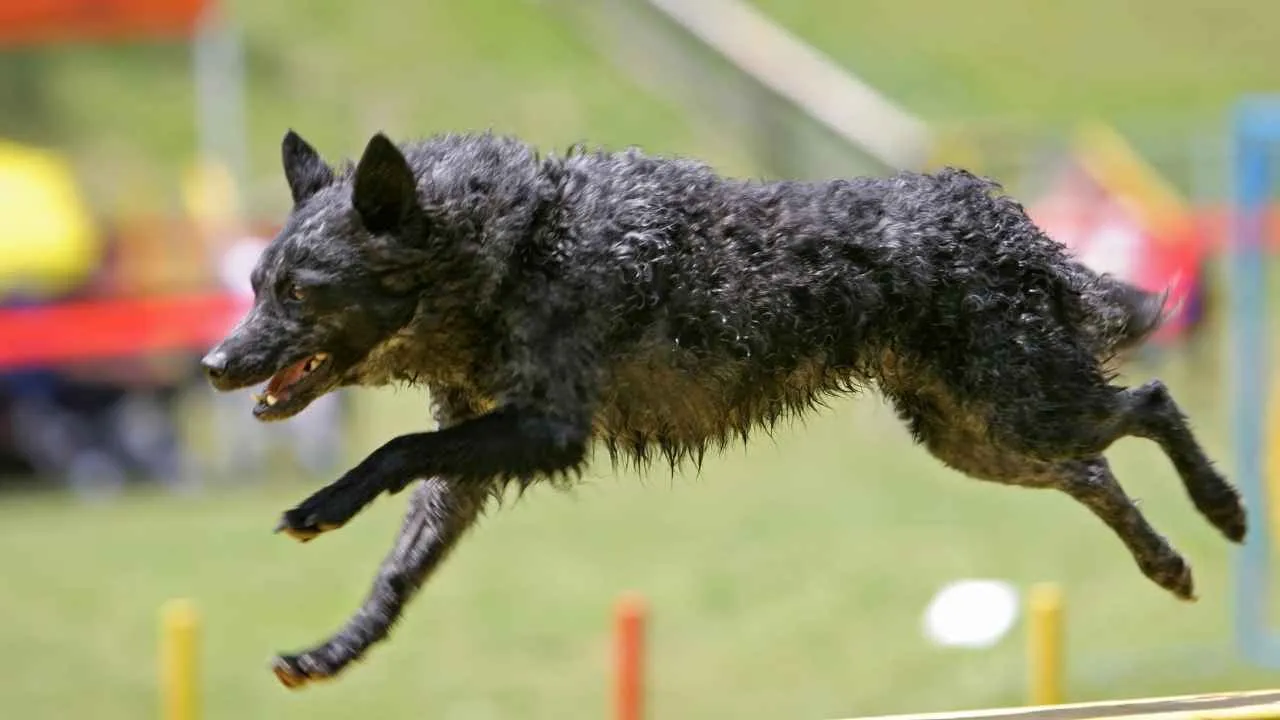
Need a worker that treats a stubborn animal like a challenge rather than a crisis? Mudis bring courage, agility, and an enthusiastic work ethic to farm life. These Hungarian dogs were developed as versatile helpers capable of handling demanding livestock.
Put Mudis into herding trials and their natural talents get a proper stage. They also excel in obedience, flyball, and other dog sports, while their established ability to work both cattle and sheep keeps their agricultural credentials firmly intact.
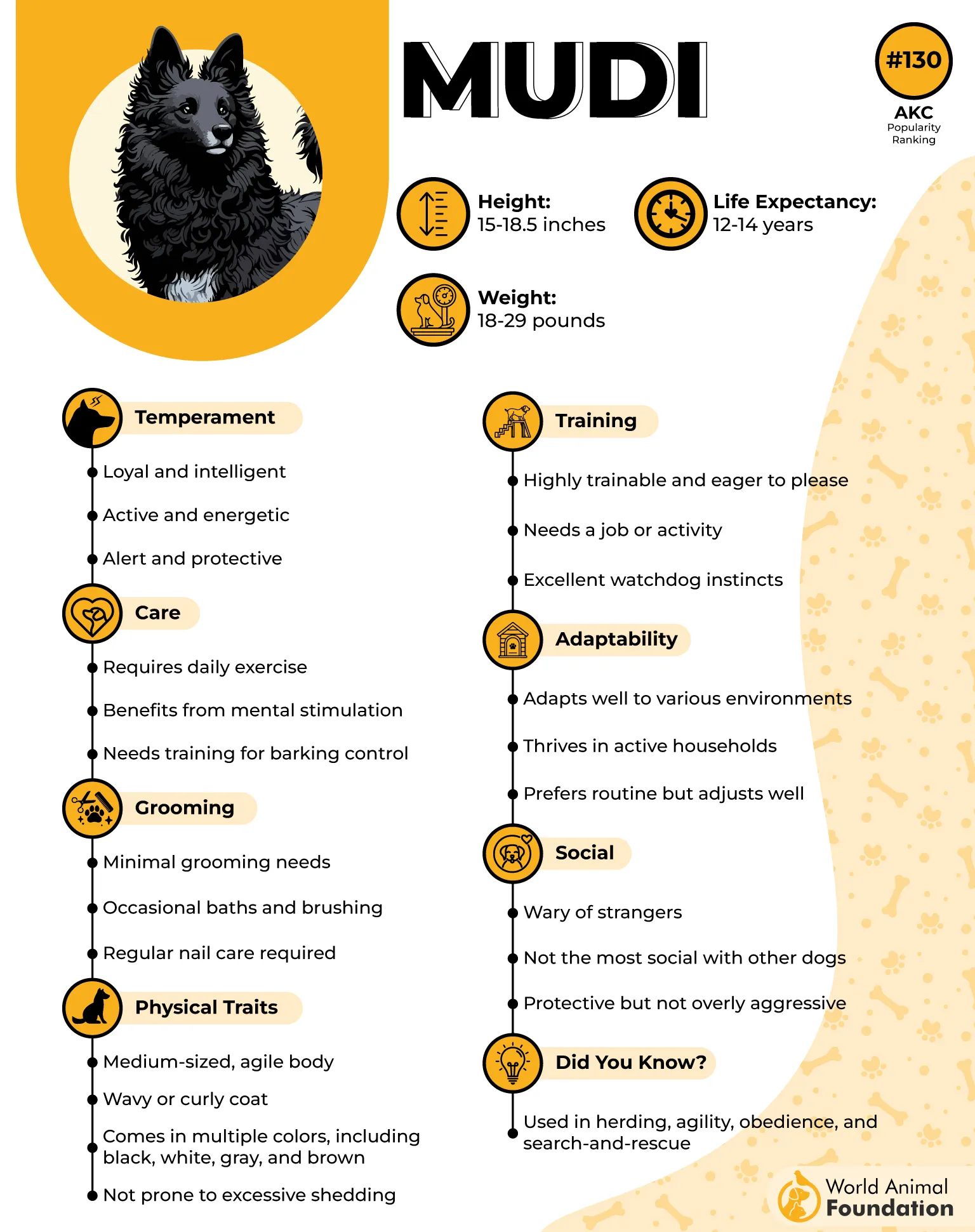
Once the workday ends, Mudis do not suddenly become strangers to their people. Their loyalty, eagerness to please, adaptability, and protective nature can make them excellent companions, especially when regular activity keeps those clever minds pleasantly occupied.
What Makes This Breed Stand Out
Their alert nature makes them naturally attentive watchdogs.
Impressive jumping ability adds another athletic trick to an already lively skill set.
8. Shetland Sheepdog
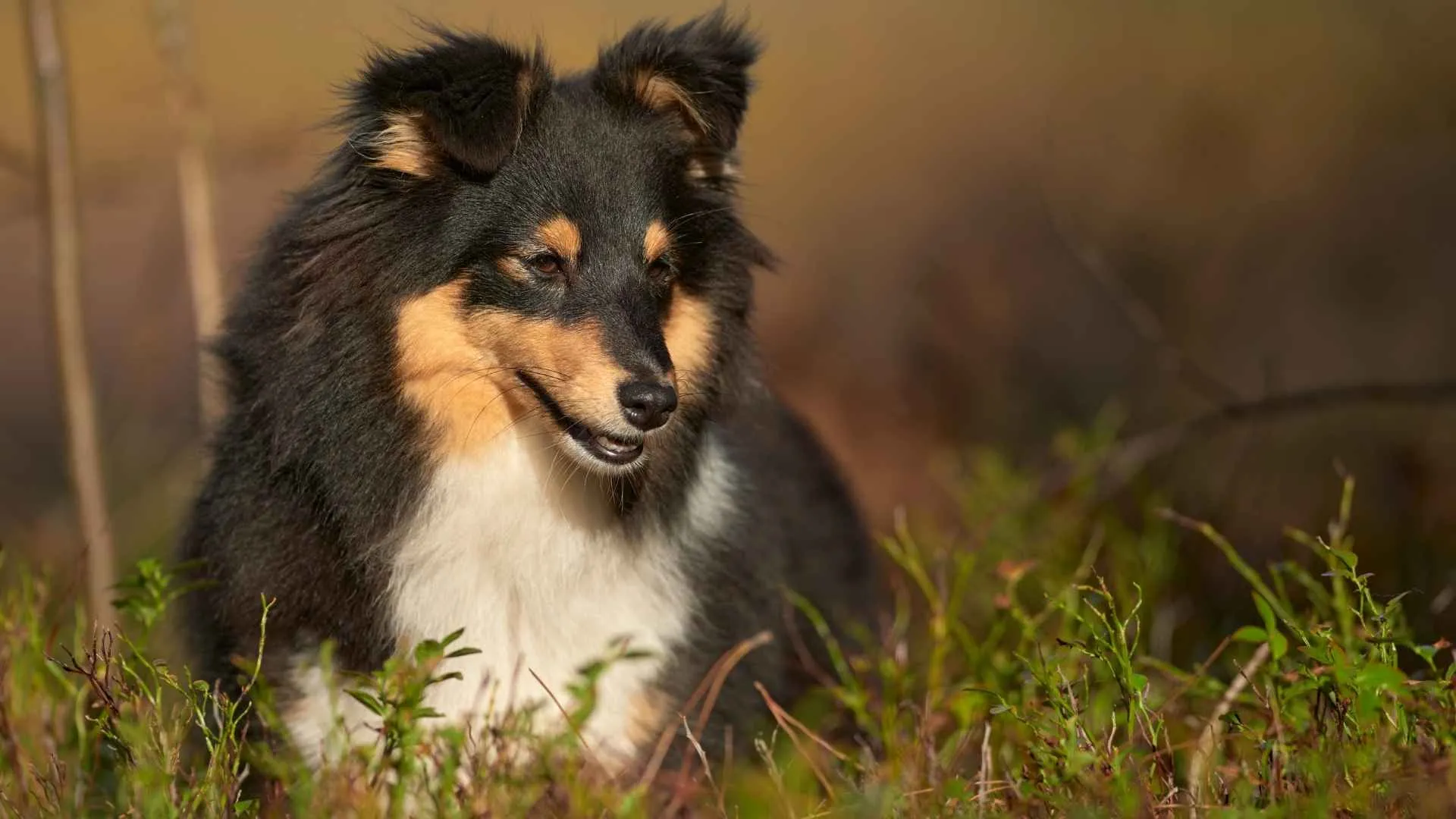
Small package, serious résumé. Shetland Sheepdogs came from rugged islands where farmers needed capable working dogs, and that background still shows in their quick reactions, bright minds, and willingness to stay involved whenever animals need organizing.
Back with the household, Shelties trade field duty for a gentler role rather smoothly. Their affectionate, sensitive nature makes them popular family dogs, and their ability to tune into household moods gives these lively workers a surprisingly soft domestic side.
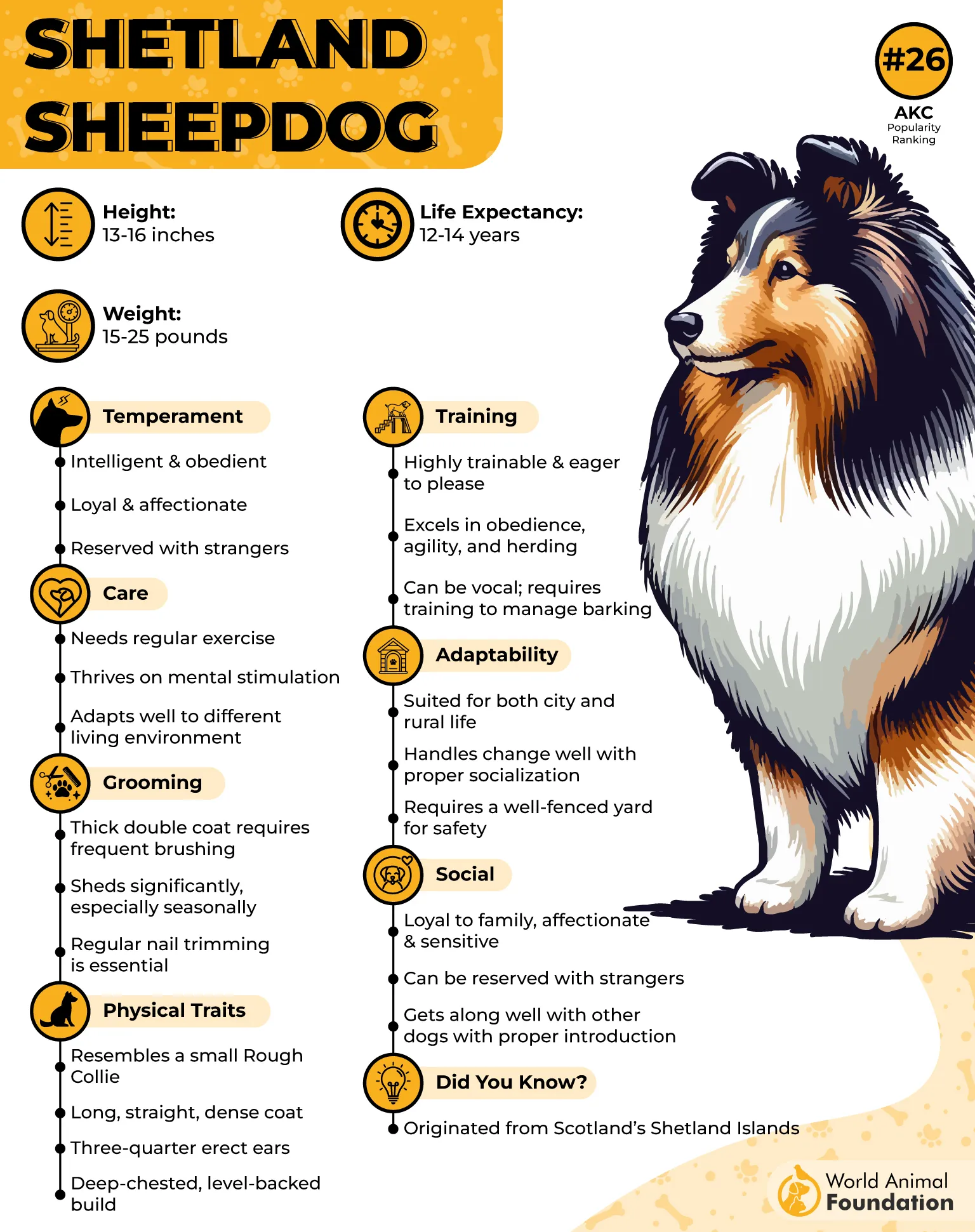
Today’s farms can still make good use of that old sheepdog wiring. Shelties remain quick, obedient herders and belong to the Herding Group, with enough athletic ability to work livestock while also excelling in structured herding events.
What Makes This Breed Stand Out
Their weather-protective double coat developed for demanding island conditions.
Strong trainability also supports success in obedience and tracking activities.
9. Bouvier des Flandres
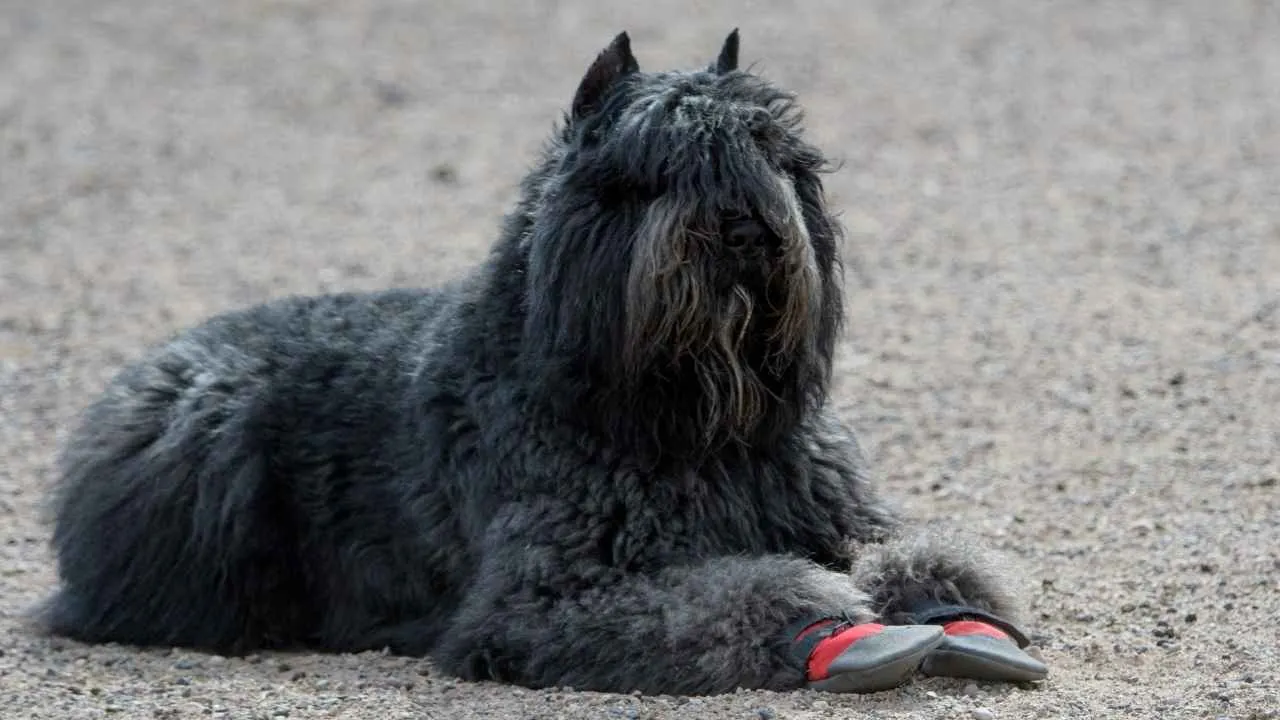
There is nothing dainty about the Bouvier des Flandres work ethic. Built around practical farm jobs, these rugged dogs became versatile helpers that could tackle barnyard duties, herd cattle, and stay useful when the working day demanded something different.
Around people, Bouviers mix affection and loyalty with a decidedly strong-minded streak. They can be patient with children, yet early socialization matters because unfamiliar people may trigger suspicion or barking until the dog learns what deserves concern.
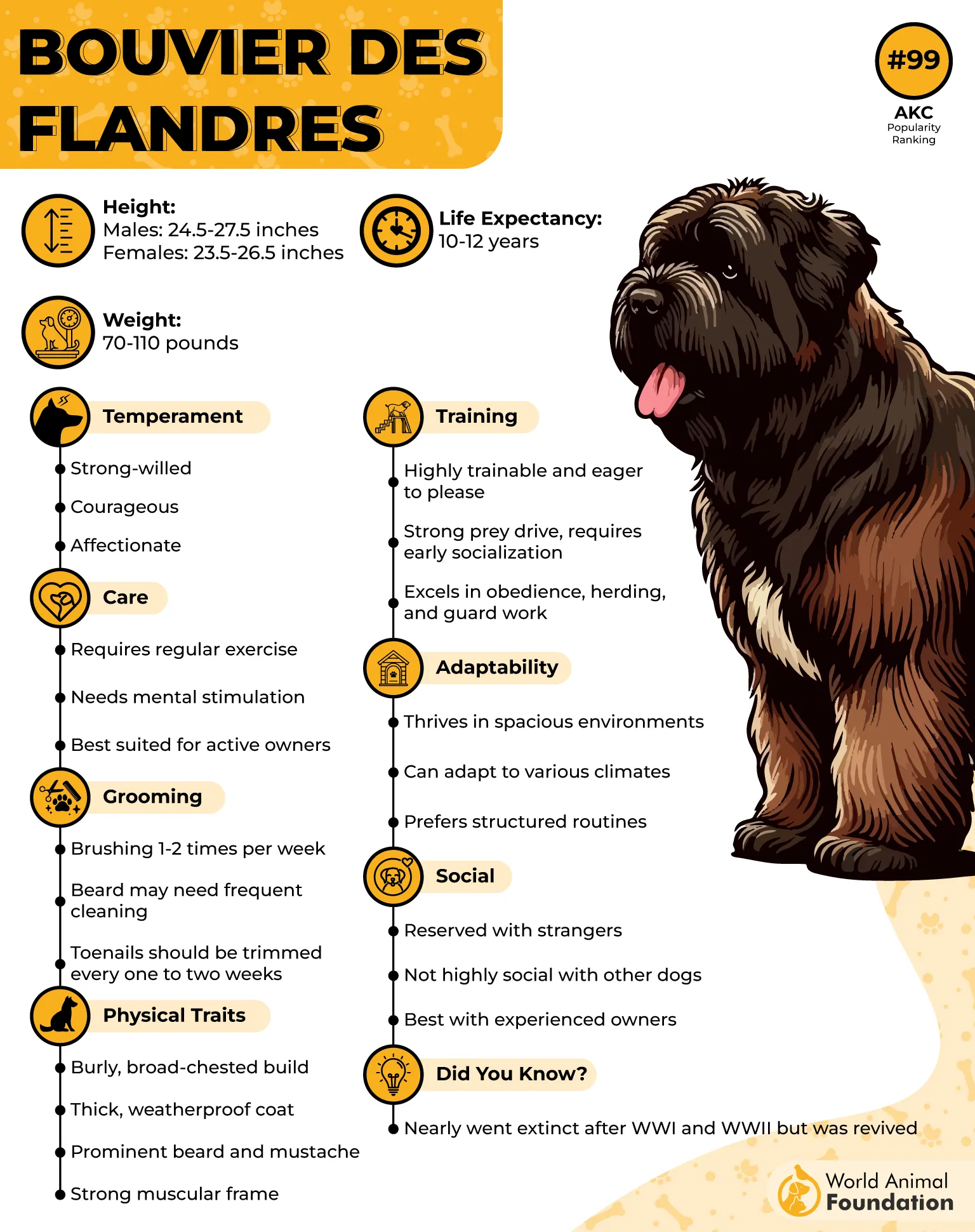
Give that Bouvier brain a real assignment, and things get interesting quickly. Their intelligence supports obedience, herding, guarding, and rescue work, while an eagerness to satisfy their handler can turn complicated working tasks into something they tackle enthusiastically.
What Makes This Breed Stand Out
Their traditional résumé included cart pulling alongside livestock work.
Tracking ability adds another practical skill beyond the pasture and barnyard.
10. Berger Picard
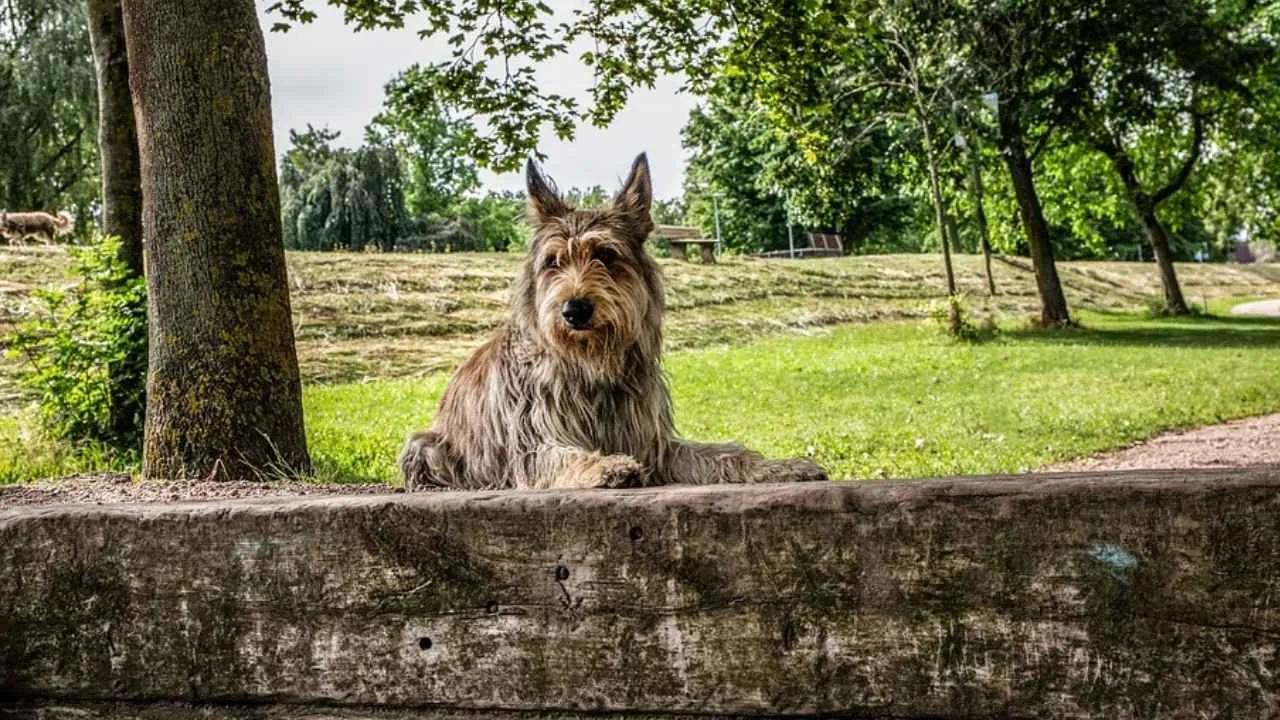
Some farm dogs look polished. Berger Picards arrive looking pleasantly windswept and ready for business. These energetic French herders combine sturdy movement with agility and endurance, useful qualities when livestock work means covering open fields rather than posing beside the gate.
Long before modern farming equipment entered the scene, Berger Picards were working the agricultural Picardy region of France. Farmers valued their stamina and determination while herding, qualities that helped these rustic dogs keep going when livestock work demanded persistence.
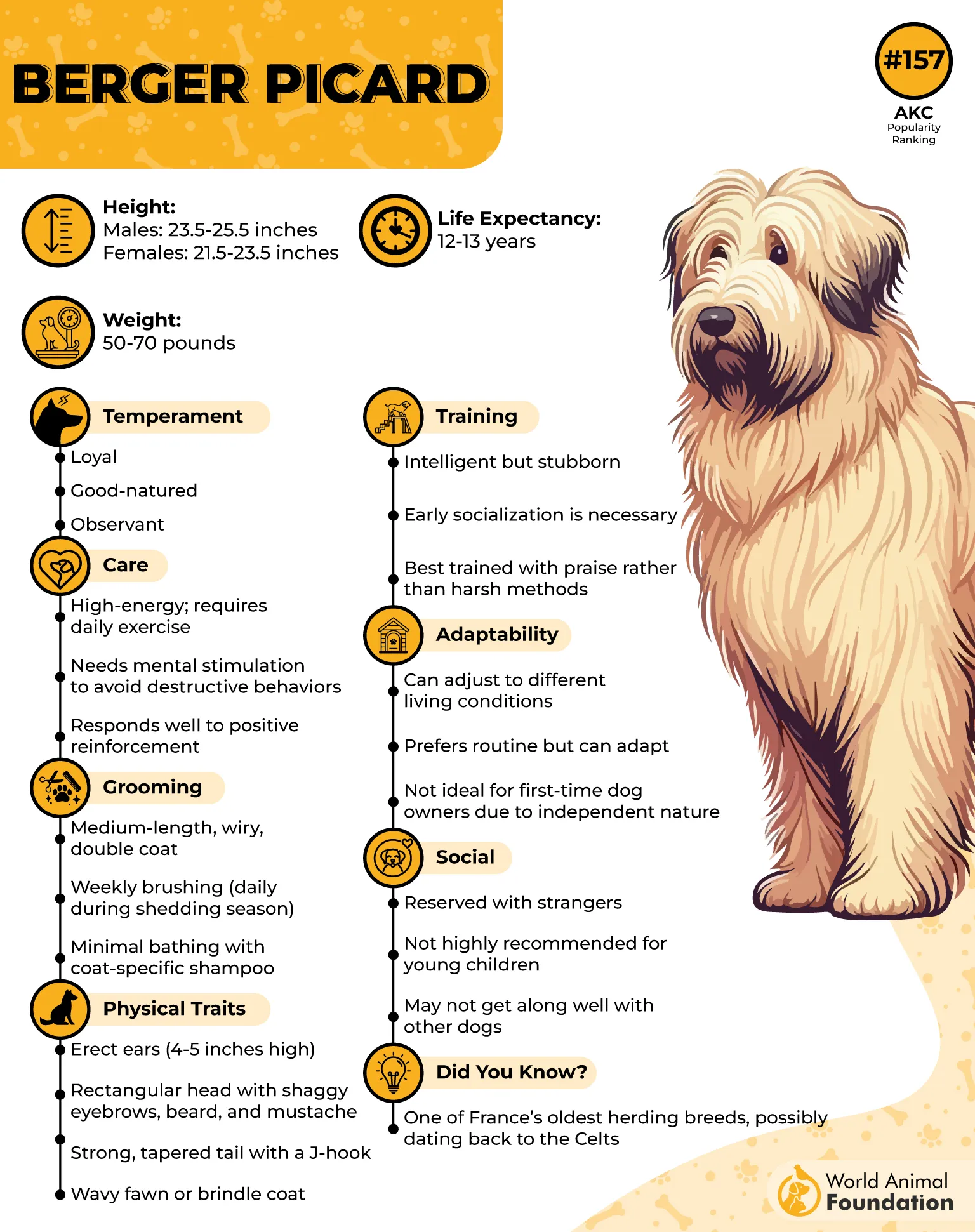
For present-day herders, the working foundation is still very much alive. Berger Picards belong to the Herding Group, and their intelligence, trainability, agility, and endurance give them useful tools for active livestock work in changing agricultural environments.
What Makes This Breed Stand Out
Their wiry outer coat is waterproof and needs relatively little grooming.
Positive reinforcement suits their sensitive nature better than harsh corrections.
Conclusion
These herding breeds bring something special to modern agriculture. Some are intense workers, some are versatile farm partners, and others balance livestock skills with loyalty and family life. The best fit comes down to your routine, property, experience, and the kind of work you actually need help with.
So, look beyond the good looks and pick the breed whose energy, instincts, and working style truly match your farm. The right dog can make everyday tasks feel smoother, more connected, and honestly, a lot more enjoyable. Choose thoughtfully, train well, and let that partnership grow.
