




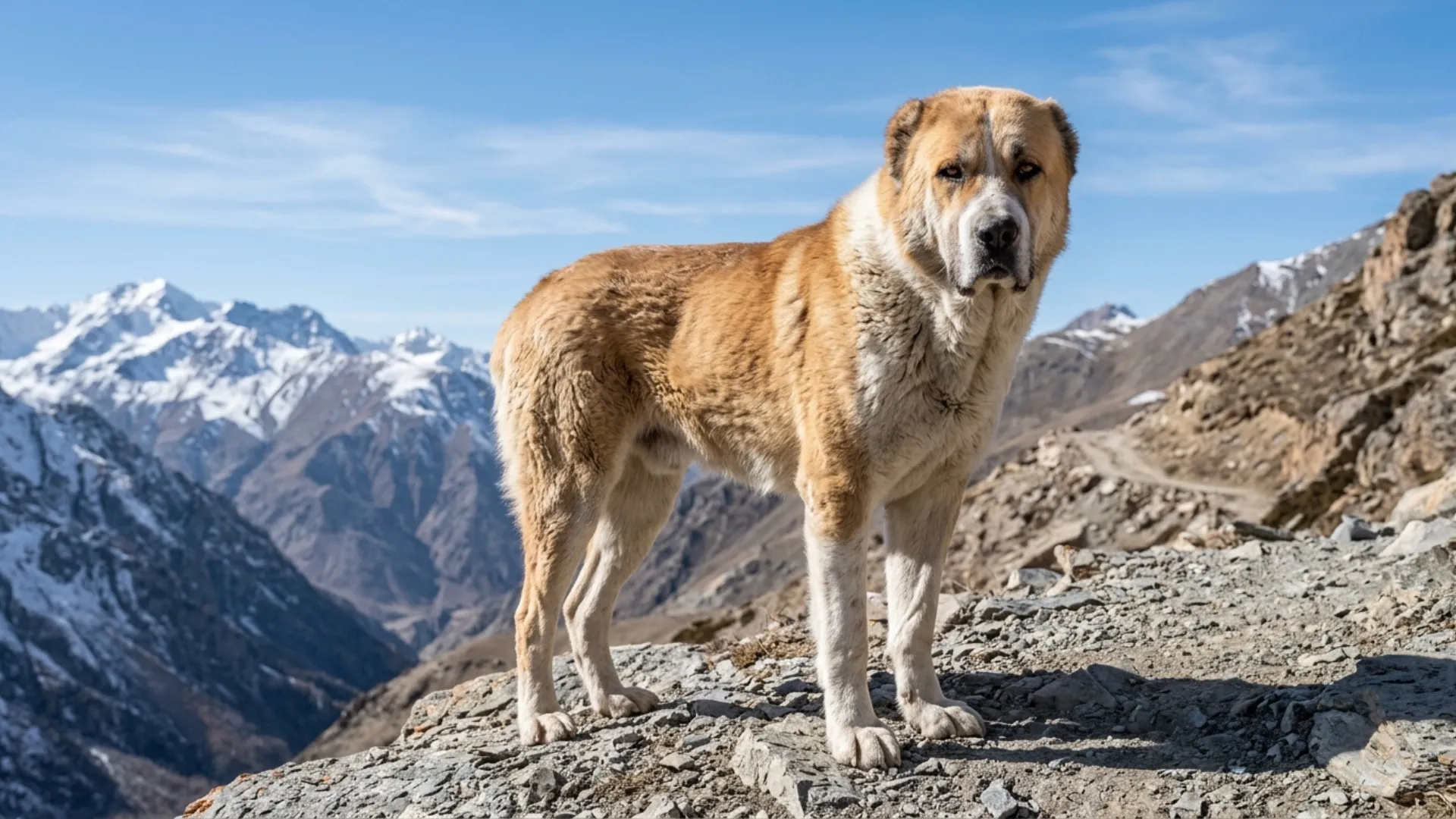
Some dogs avoid snow, mountains, and freezing winds. Others were bred to thrive in harsh conditions, hauling loads, guarding livestock, hunting, and working across rugged wilderness. Still, “built for harsh conditions” does not mean indestructible.
Every dog can suffer from hypothermia, heatstroke, dehydration, exhaustion, injured paws, or exposure when conditions exceed its limits, and modern pet dogs still depend on responsible humans for shelter, hydration, conditioning, veterinary care, and safe decisions. Genetics can provide an impressive toolkit, but they are not a cheat code against nature.
If you want to appreciate serious outdoor breeds, understanding the work they were created to perform is the perfect place to start.
Dog Breeds That Can Survive the Toughest Outdoor Challenges
1. Greenland Dog
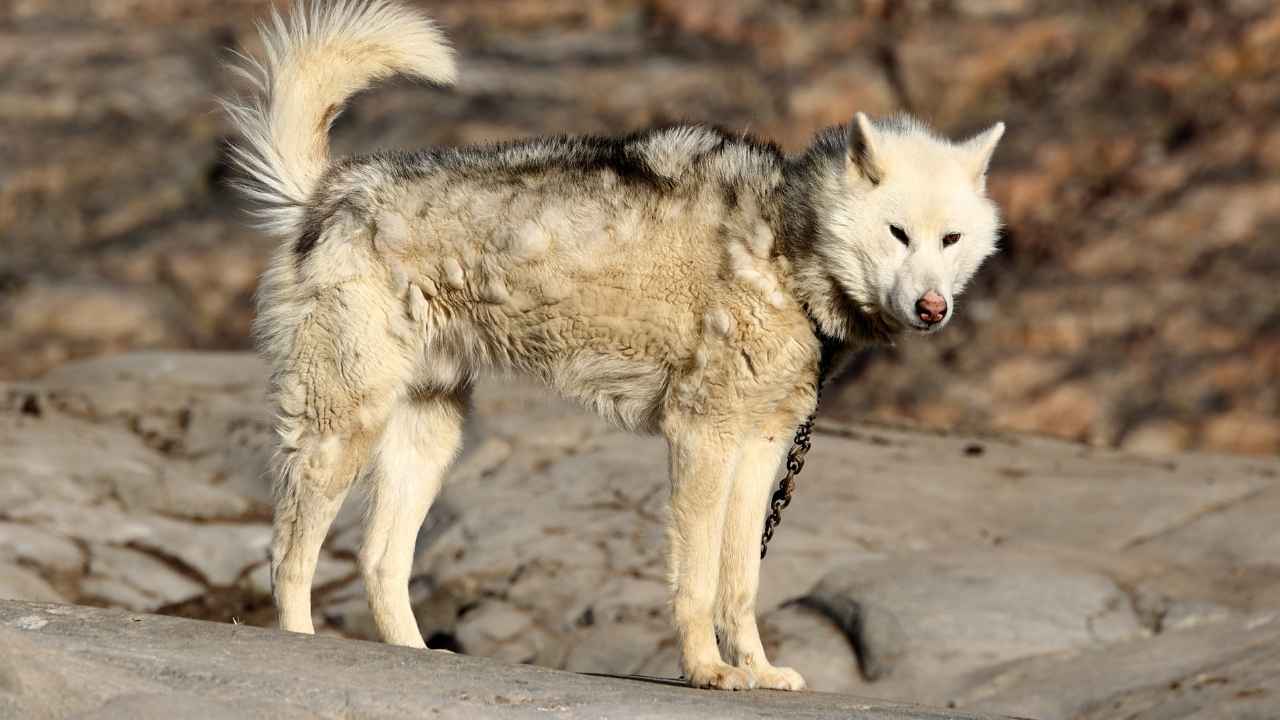
The Greenland Dog is about as close as canine history gets to an Arctic expedition specialist. Purina describes it as a powerful polar spitz specifically built for endurance and strenuous sled work under Arctic conditions, with breeding traditionally emphasizing strength, hardiness, and stamina.
For generations, these dogs worked alongside Inuit communities in Greenland, where dog-team transportation was essential to life. The breed served as the Inuit population’s traditional sled dog and developed around practical working ability rather than appearance alone.
The physical design supports that workload beautifully. Greenland Dogs possess the powerful frame, strong legs, thick coat, and efficient build expected from a northern sled breed whose primary currency is endurance rather than explosive sprint speed.
Mentally, these dogs are also shaped by working life rather than constant human direction. Sled dogs need enough confidence and independence to keep functioning as part of a team in challenging situations, so the Greenland Dog is usually not a “tell me what to do every five seconds” personality.
2. Central Asian Shepherd Dog
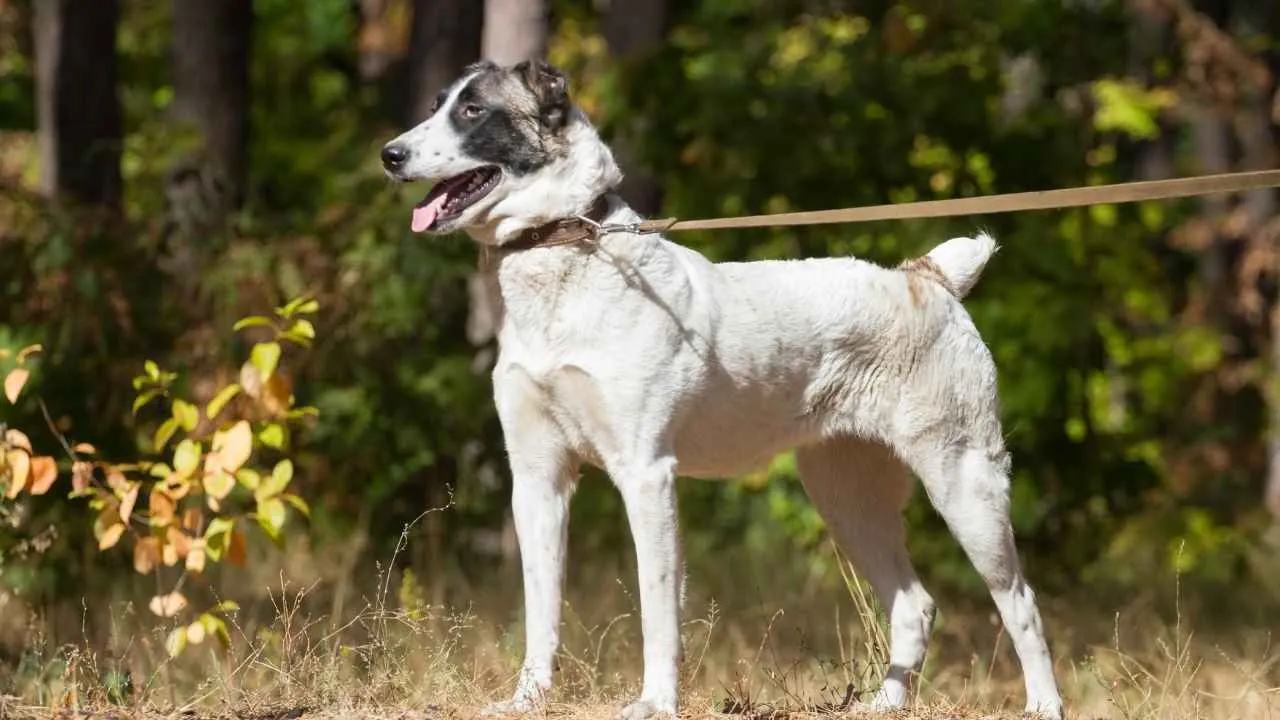
The Central Asian Shepherd Dog has spent centuries operating in landscapes where livestock guardians had to be strong enough to discourage predators and independent enough to make decisions without constant supervision.
The FCI traces the breed’s development across a huge area extending from the Caspian Sea toward China and from the southern Urals toward Afghanistan, with dogs historically protecting livestock, caravans, and homes.
Natural selection played a huge role in shaping the breed. Harsh living conditions and repeated encounters with predators favored dogs that were strong, fearless, and able to conserve energy instead of wasting it unnecessarily.
Unlike a northern sled dog, the Central Asian Shepherd does not need to sprint or pull continuously to demonstrate toughness. Its working strategy focuses more on patience, environmental awareness, endurance, and the ability to stay with animals across large territories for extended periods.
Their independent nature matches their physical strength. Calm, proud, and self-assured, they can assess threats without constant human direction.
3. East Siberian Laika
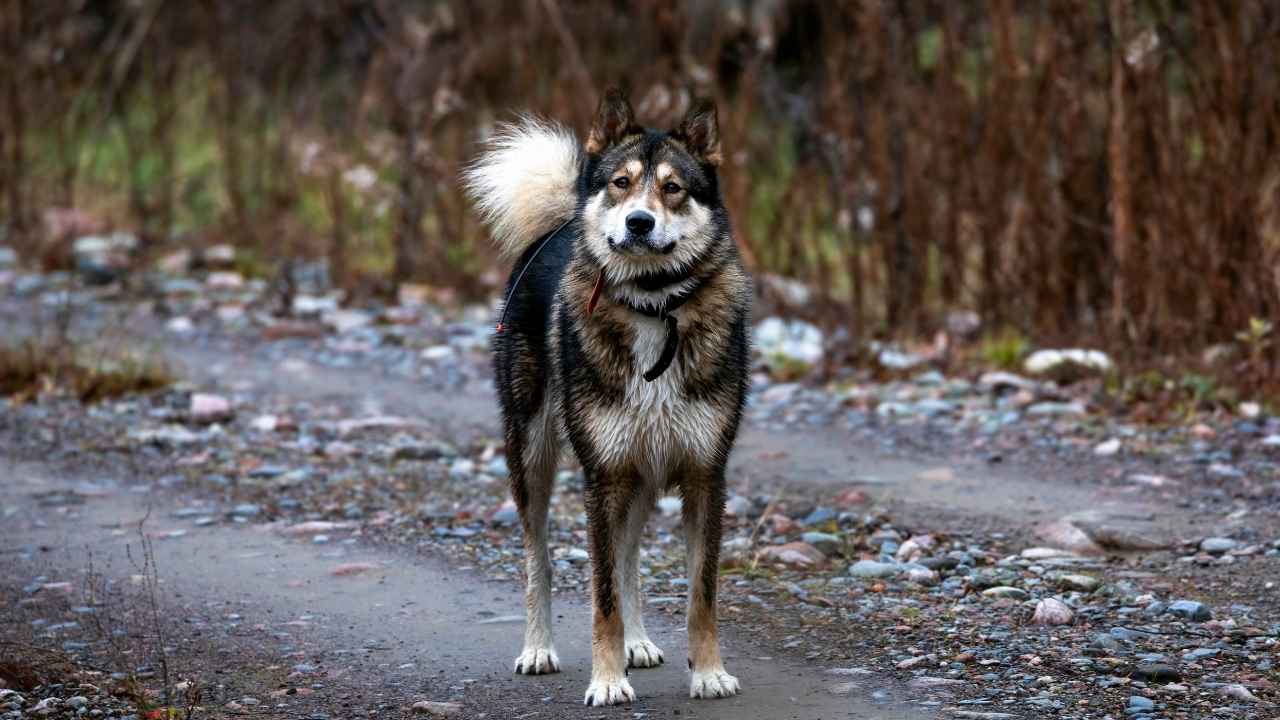
The East Siberian Laika is a northern hunting dog with one of those résumés that instantly explains why sitting all day indoors would feel deeply suspicious. It is among the Nordic hunting dogs and is recognized as originating in the Russian Federation.
Generations of working in demanding northern landscapes produced a versatile dog expected to search, navigate, locate game, and keep functioning far from comfortable conditions.
Unlike sled specialists, Laikas were shaped heavily around hunting independence. These dogs had to cover ground, use scent and hearing, locate quarry, and communicate with hunters, often in large forests where constant visual contact with people was not realistic.
Strong hunting instincts also mean outdoor adventures require serious recall work and responsible management, as per Royal Canin. Wildlife can turn a peaceful hike into an instant mission because northern hunting breeds were literally selected to notice and pursue animals.
Hiking, scent work, tracking, and other challenging activities keep them physically and mentally satisfied. They are a poor fit for a mostly sedentary lifestyle.
4. Yakutian Laika
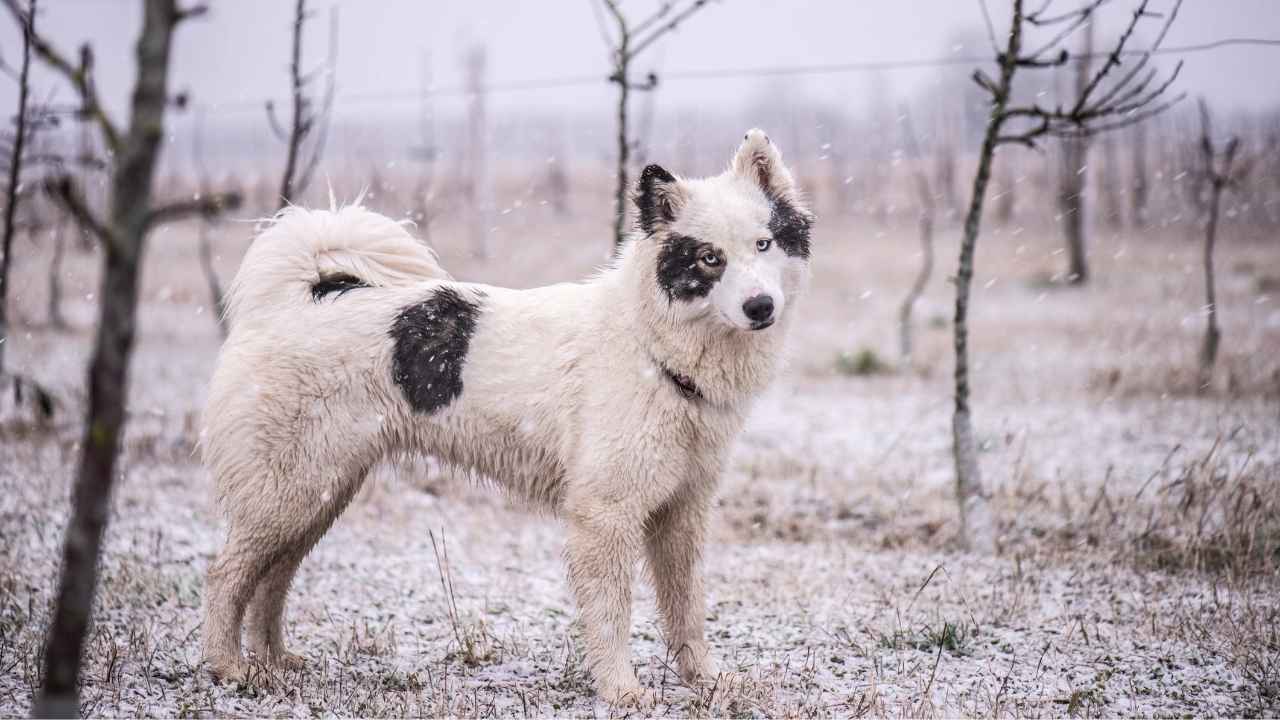
The Yakutian Laika comes from northeastern Russia, where it helped Sakha communities with sledding, hunting, herding, transport, and daily life in extreme winters. Their versatility is what makes them especially fascinating.
Instead of specializing in one narrow task, Yakutian Laikas historically pulled sleds, hunted, guarded homes, transported goods, and worked around reindeer, giving them a broad working toolkit.
Physically, this outdoor dog breed is medium-sized rather than enormous, with strong muscle, compact proportions, and a thick double coat. That combination lets it stay agile while still offering serious protection from cold weather.
Interestingly, Yakutian Laikas can also be notably social compared with some highly independent northern breeds. Their standard describes them as bold, lively, friendly, sociable, energetic, and close to people, reflecting the close partnership they historically had with human communities.
They still need plenty of exercise, training, and mental stimulation because centuries of usefulness do not suddenly disappear when a dog gets a comfortable sofa. Sledding, hiking, skijoring, scent games, structured running in safe temperatures, and other working-style activities can suit them beautifully.
5. Karelian Bear Dog
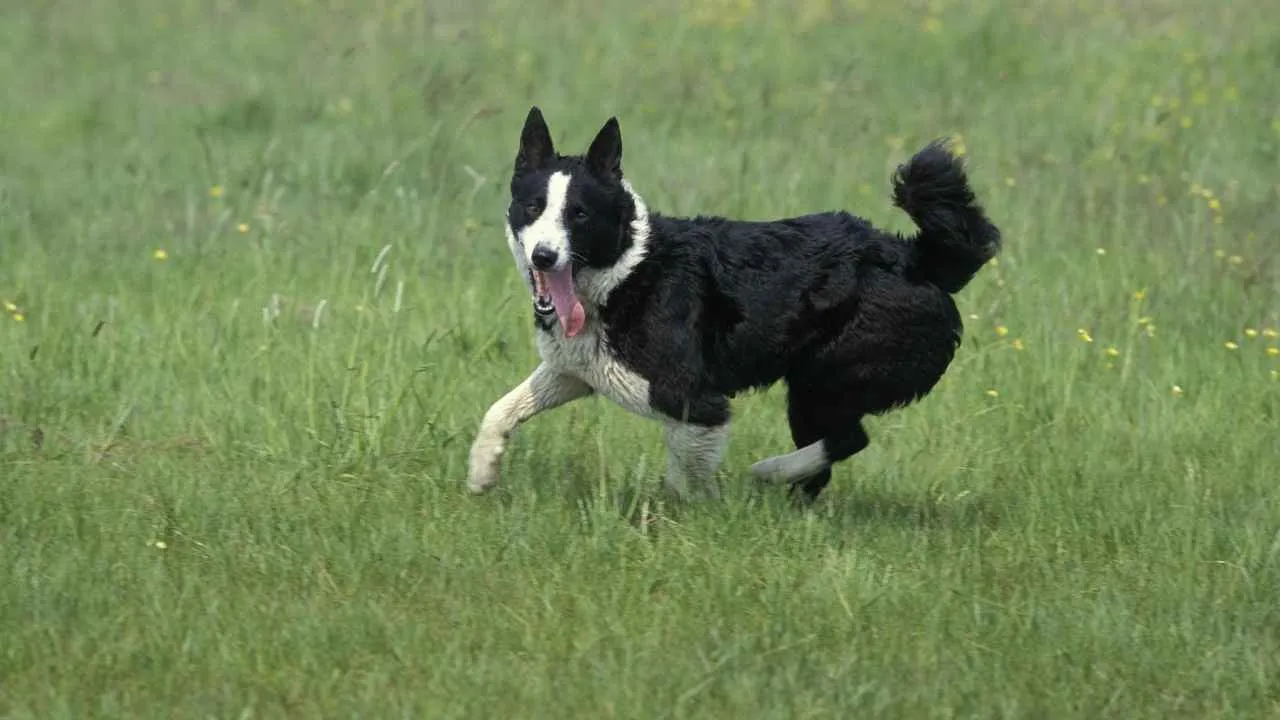
The Karelian Bear Dog doesn’t need a dramatic marketing department because the name has already done that. This Finnish breed was developed to hunt challenging game, and it is independent, courageous, persistent, sharp-sensed, and particularly suited to big-game hunting.
The breed’s hunting technique depends on mobility and nerve rather than brute size. Karelians search for game independently and use barking to hold or mark animals once located, allowing the hunter to approach.
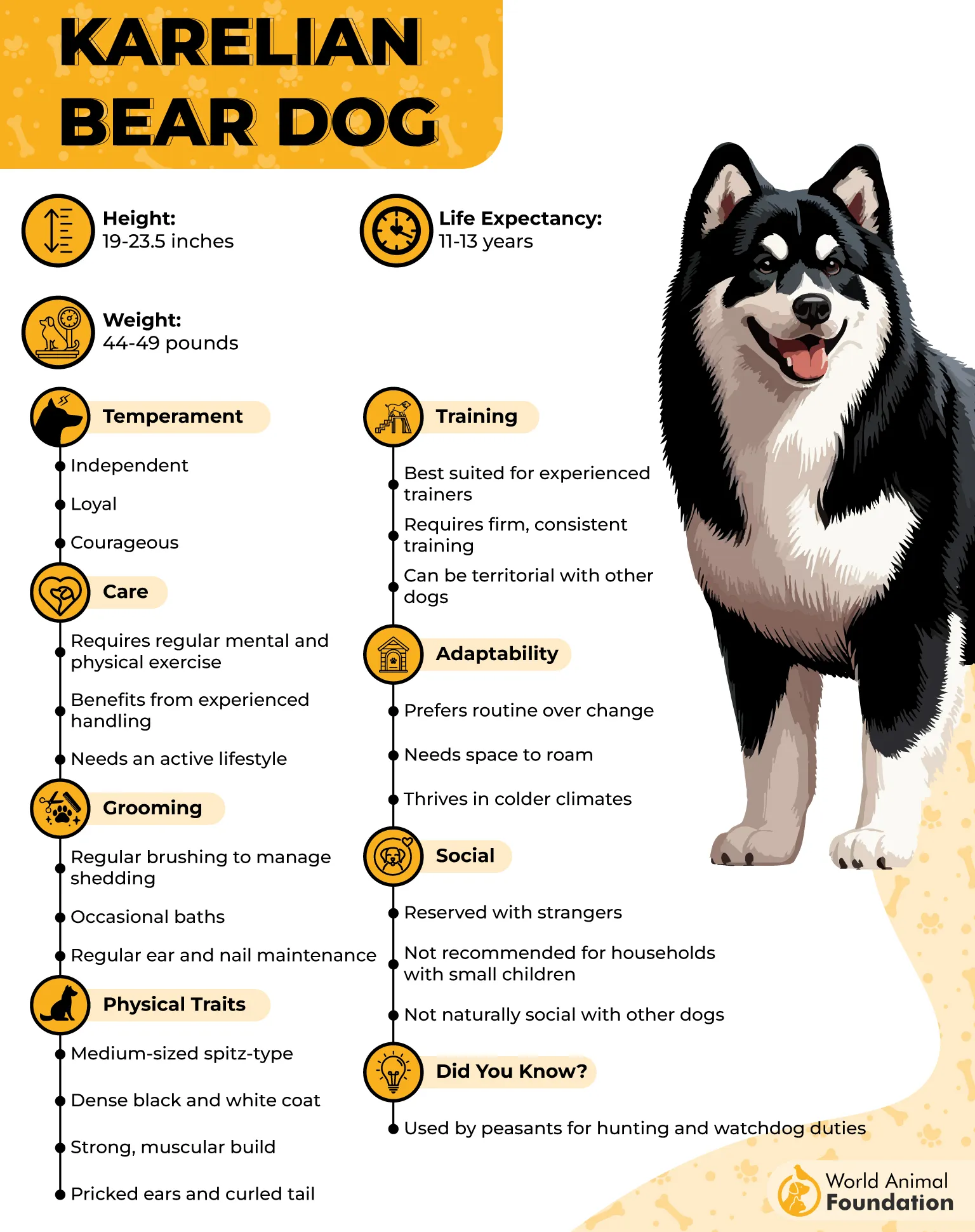
Owners should not confuse bravery with easy manageability. This breed has a strong game drive and can be difficult around other dogs, so careful socialization, management, and experienced handling matter. A Karelian seeing wildlife on a trail may suddenly remember thousands of years of hunting heritage while your casual afternoon stroll immediately becomes a negotiation.
Modern Karelian Bear Dogs can excel when given demanding mental and physical outlets. Tracking, scent work, backcountry hiking, controlled hunting activities where appropriate, and structured training all give that powerful instinct somewhere useful to go.
6. Caucasian Shepherd Dog
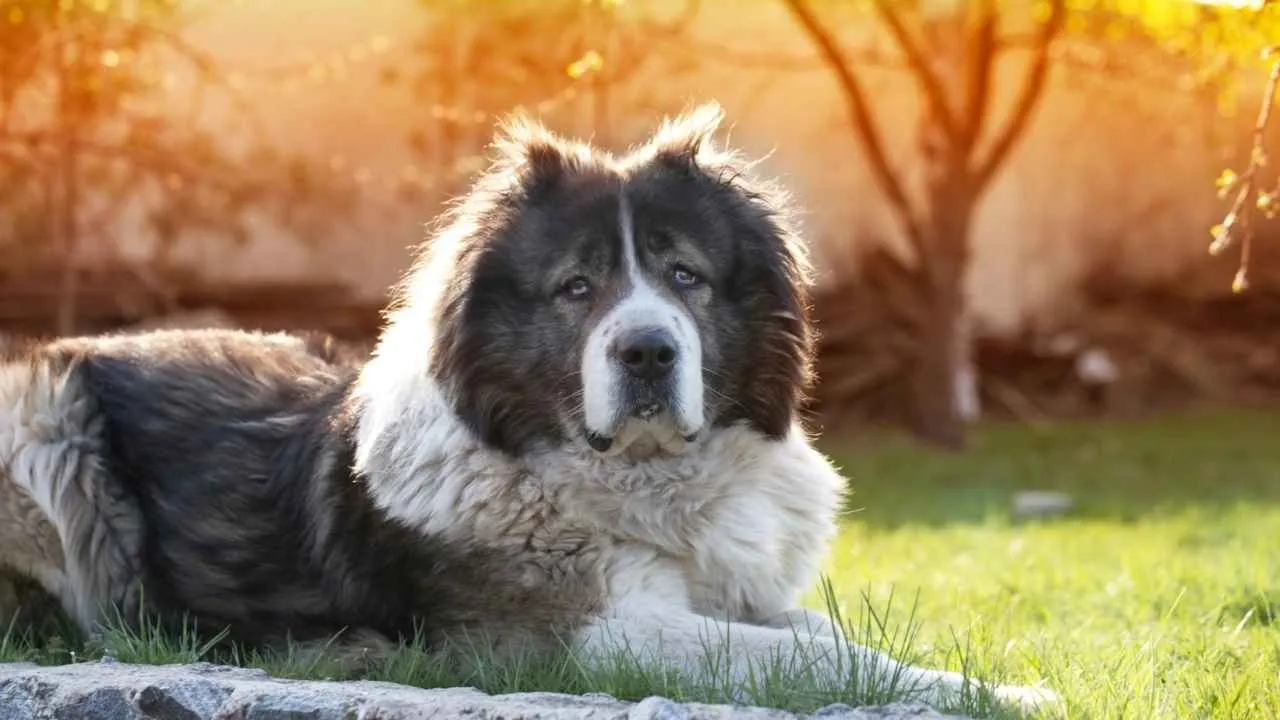
The Caucasian Shepherd Dog is one of those breeds that makes a standard backyard fence suddenly look emotionally insecure. Developed as a serious guardian, these enormous dogs historically protected livestock and property against predators and intruders across parts of the Caucasus region.
Their strong build, endurance, and protective coat help them work in severe climates where harsh weather and predators are constant risks.
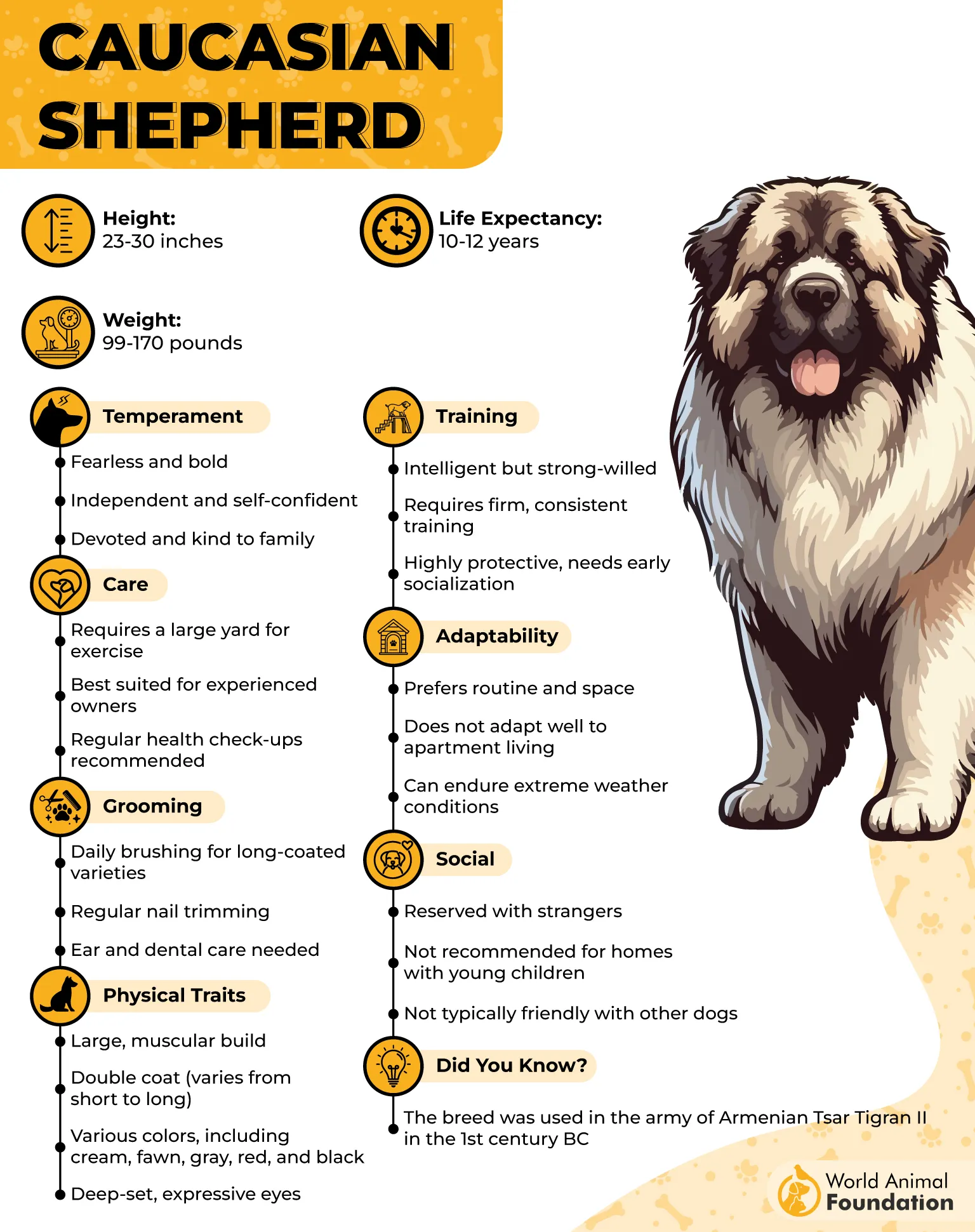
Caucasian Shepherd toughness is different from the athletic endurance of sled dogs. These dogs were bred to stay with their territory or livestock, stay alert for long periods, and react decisively when something threatened what they were protecting.
That guardian instinct makes ownership seriously demanding. Independence, territoriality, enormous strength, and suspicion of perceived threats can become major problems without experienced handling, early socialization, secure boundaries, and realistic expectations.
In an appropriate rural or working environment, however, their calm durability and guardian heritage are extraordinary. They can tolerate difficult weather, patrol large properties, and remain remarkably devoted to the people and animals they consider part of their group.
7. Alaskan Malamute
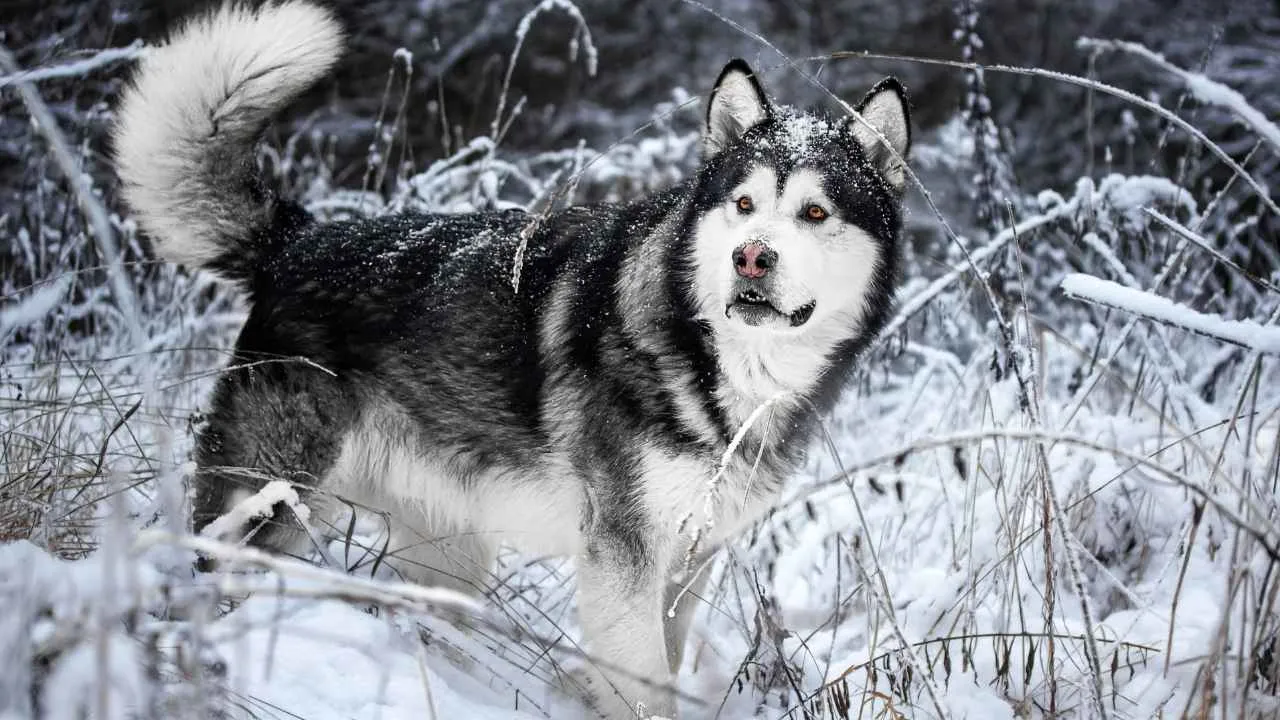
The Alaskan Malamute might be the ultimate poster dog for heavy-duty Arctic work. Unlike racing sled dogs designed primarily for speed, Malamutes were developed to haul substantial loads over long distances at slower, sustainable speeds.
Everything about this large dog’s body screams working power. They have heavy bones, powerful shoulders, deep chests, and thick, weather-resistant double coats. This is not a lightweight racing machine—it is the canine version of a rugged expedition truck.
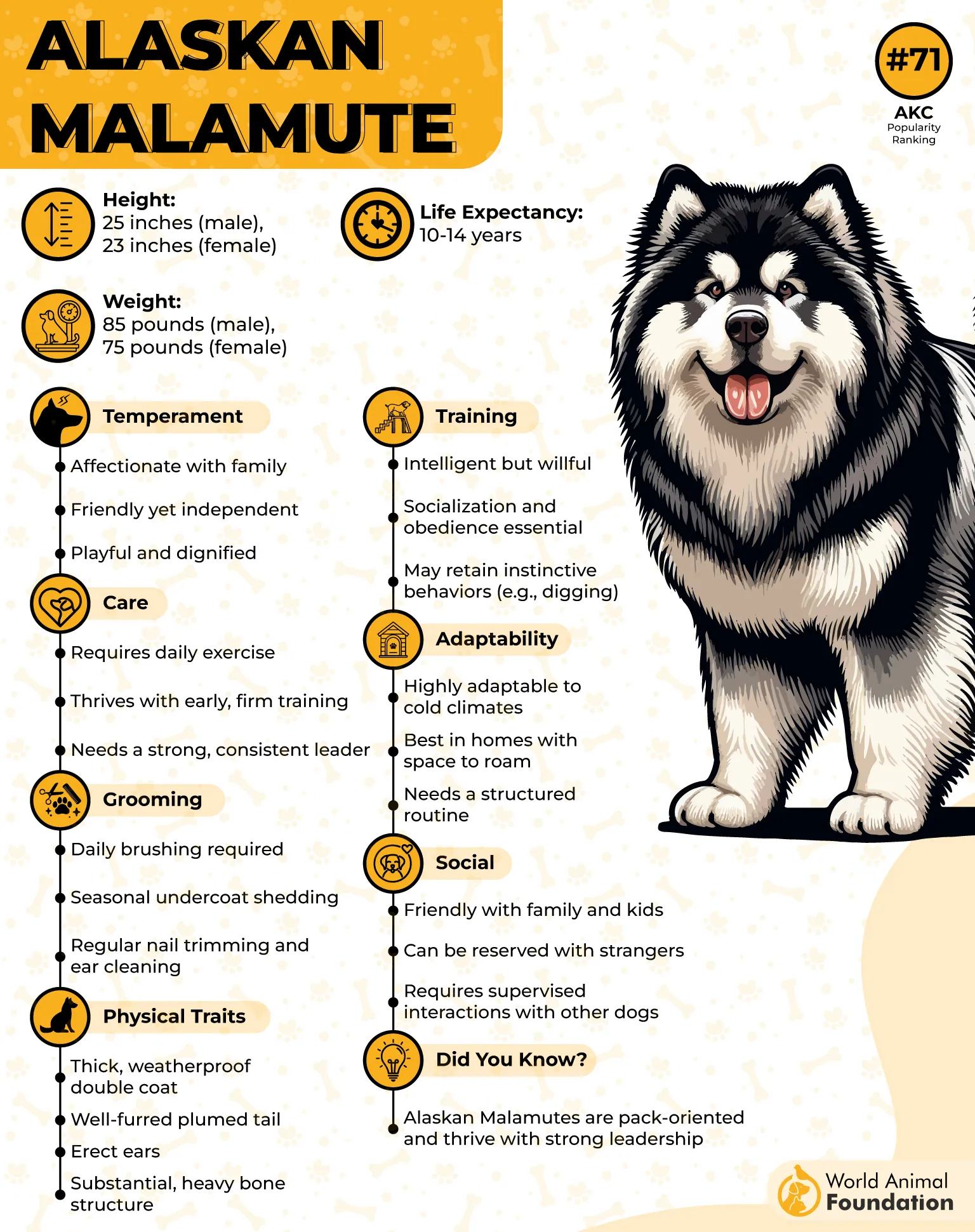
These modern adventure dogs still need serious outlets for that working heritage. Hiking, backpacking, recreational sledding, skijoring, pulling sports, and other endurance activities can give them a much better life than expecting them to be oversized decorative huskies.
They are strong-willed and independent, though, so a pet parent who expects instant obedience may discover their Malamute has scheduled a separate meeting to discuss the terms.
Heat management is especially important because that glorious coat evolved for Arctic conditions, not blazing summer afternoons. Adjust exercise dramatically in warm weather, with access to shade, water, cooling, and safer times of day.
Conclusion
These seven breeds show that canine toughness comes in several completely different forms. Cold-adapted dogs can overheat, powerful guardians can become exhausted, athletic hunting dogs can injure themselves, and even experienced working breeds need food, water, rest, shelter, conditioning, veterinary care, and protection from genuinely dangerous weather.
Bernese Mountain Dogs, Australian Cattle Dogs, German Shepherds, Greater Swiss Mountain Dogs, Golden Retrievers, Australian Shepherds, and Siberian Huskies are also great outdoor dogs suited for camping trips.
The coolest thing about these breeds is not that they can “survive outside.” It is that their bodies and personalities preserve generations of partnership between humans and dogs in some of the world’s most demanding environments.
