




Not every dog that looks rugged can actually handle a real day of farm work. Herding dogs have partnered with farmers and ranchers for centuries, with many of today’s working breeds tracing their roots back to the 1800s, when open land and growing livestock herds demanded a smarter kind of helper.
A true farm dog needs more than energy. It needs stamina, trainability, and the instinct to think on its own when livestock and other farm animals will not cooperate.
That kind of dog is not built by accident. Generations of ranchers and farmers bred for endurance, weather tolerance, and a natural drive to herd, guard, and protect property from predators.
Not every working dog fits every property, though. Matching the right breed to your land, your animals, and your lifestyle makes all the difference between a struggling pet and a true partner.
So which breeds actually earn their keep on a working farm or ranch? Keep reading to find out.
Top Unstoppable Dog Breeds Built for Farm and Ranch Work
1. Australian Cattle Dog
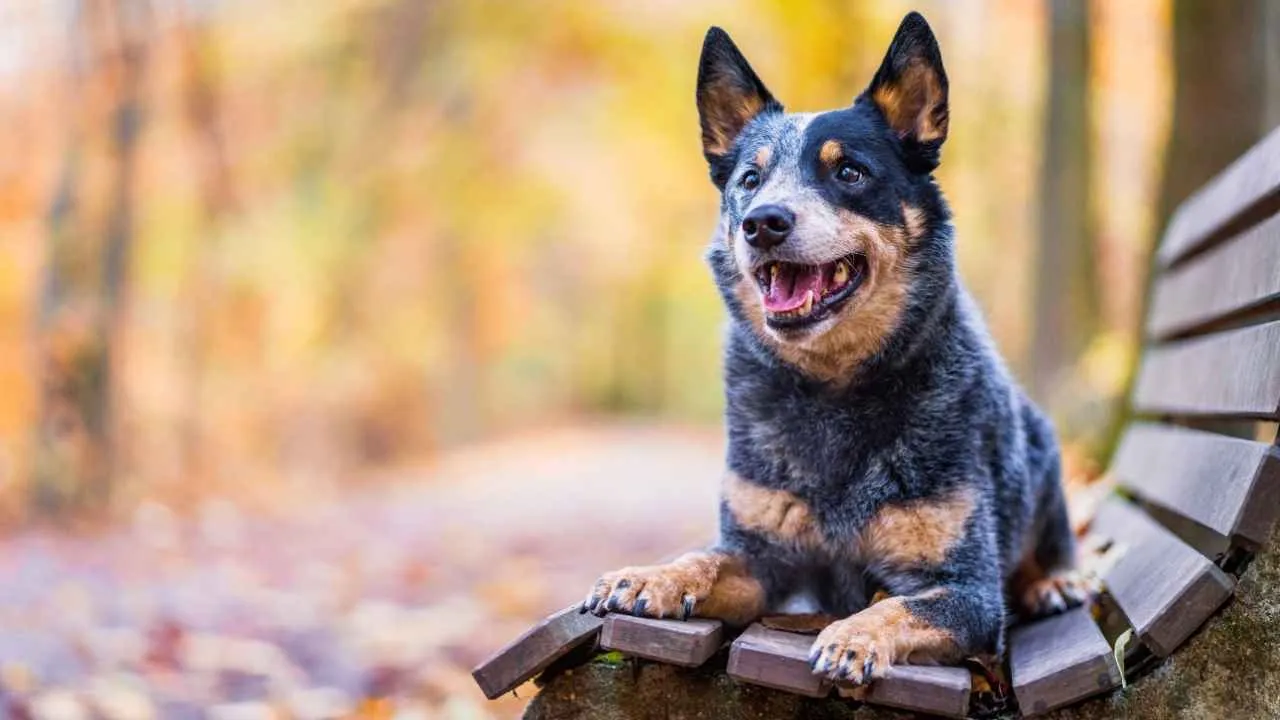
The Australian Cattle Dog was built in the 1800s to move stubborn cattle across the brutal outback. Ranchers crossed tough herding stock with dingoes for a dog that could handle heat, distance, and cattle that refused to cooperate.
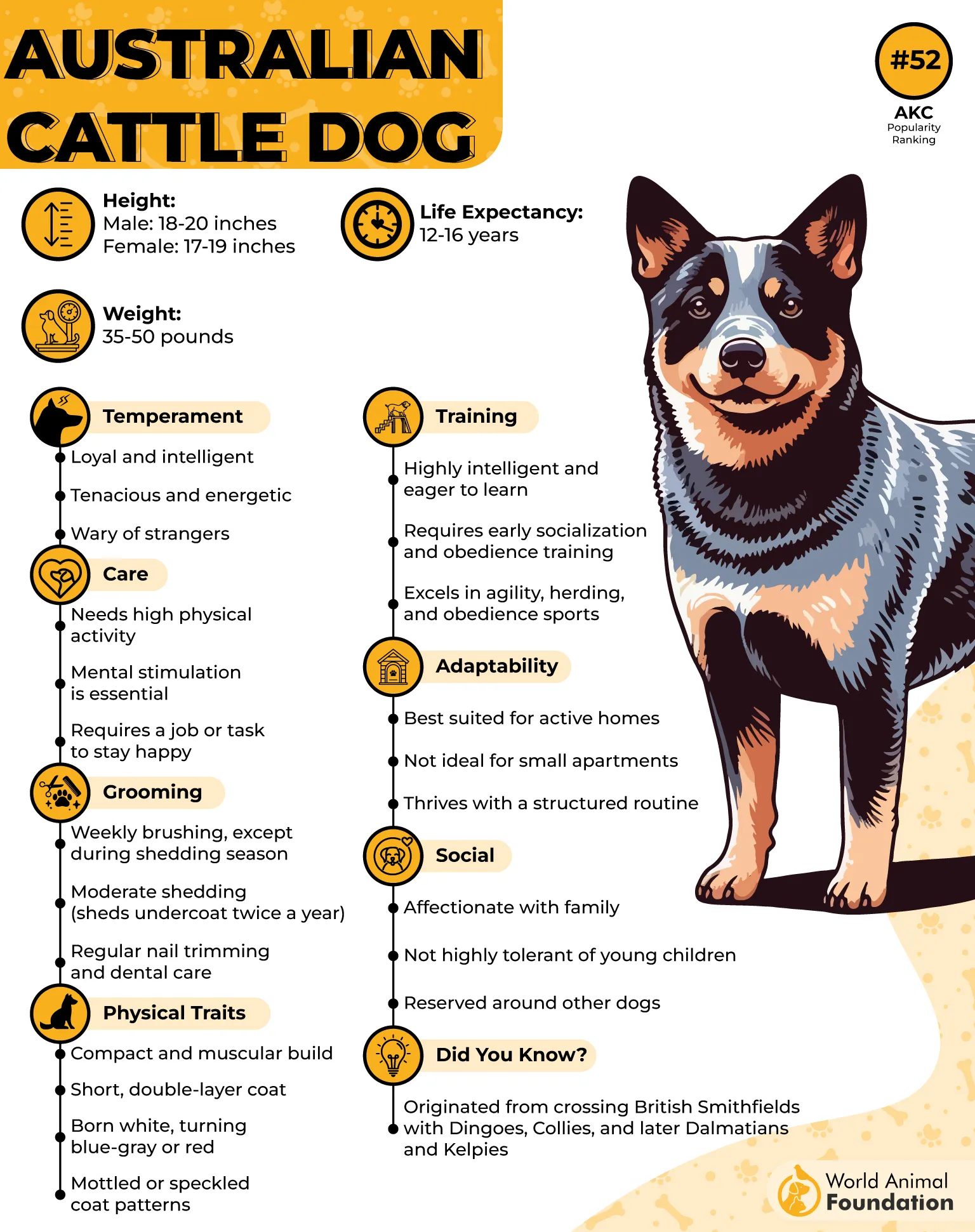
This breed needs serious room to run, according to WebMD. A working ranch or large fenced property suits it far better than a small backyard, and skipping exercise brings destructive habits fast.
Trainability: Sharp and quick to learn, though independent enough to think for itself.
Temperament: Loyal and protective, but wary around strangers until properly introduced.
Its Dingo ancestry sets it apart from every other breed on this list. That wild blood gives it a toughness built for punishment, not just pretty herding trials, and ranchers still prize it for that grit.
2. Australian Kelpie
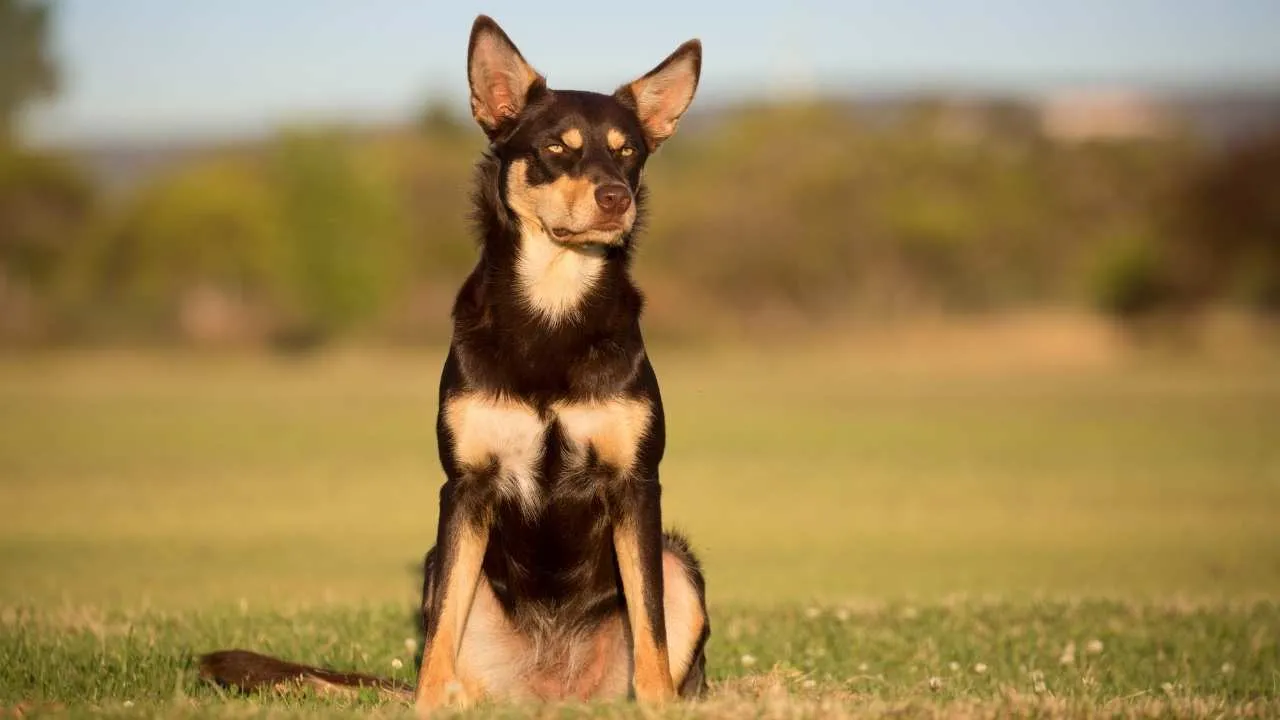
The Australian Kelpie was bred in Victoria to muster massive sheep flocks across wide open country. Farmers built the breed from imported Scottish herding stock, aiming for a dog that never quit after miles of running.
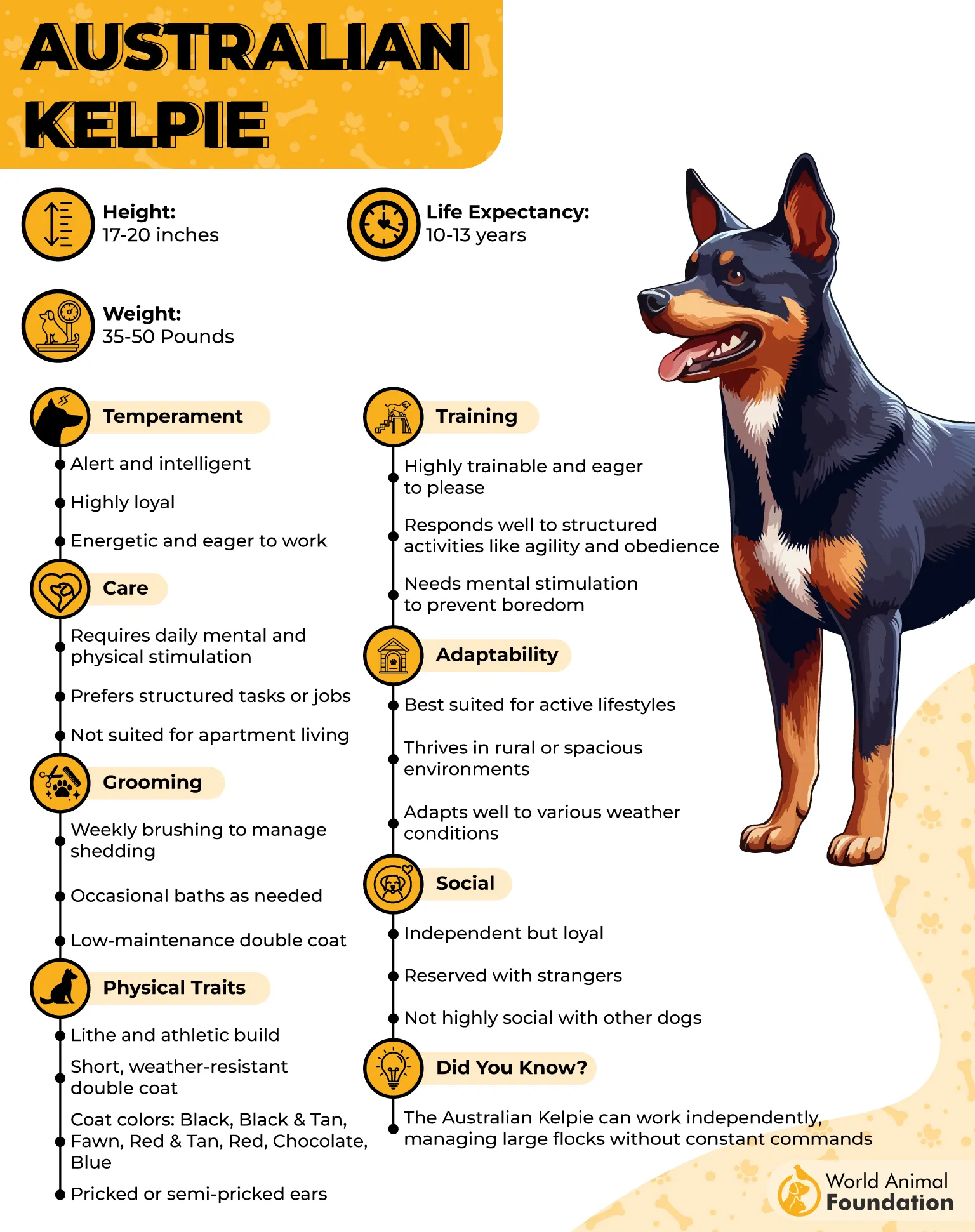
A Kelpie needs space to burn off endless energy, and a true farm setting suits it best, according to the AKC. Small yards and apartment life leave this breed bored and restless fast.
Trainability: Eager to please and quick to learn, thanks to generations of working lineage.
Temperament: Alert, loyal, and deeply bonded to its handler, always ready for the next job.
Raw stamina is the standout trait here. Few farm dogs can match a Kelpie for hours logged in the field, which is why old station owners called one Kelpie worth several hired hands.
3. Border Collie
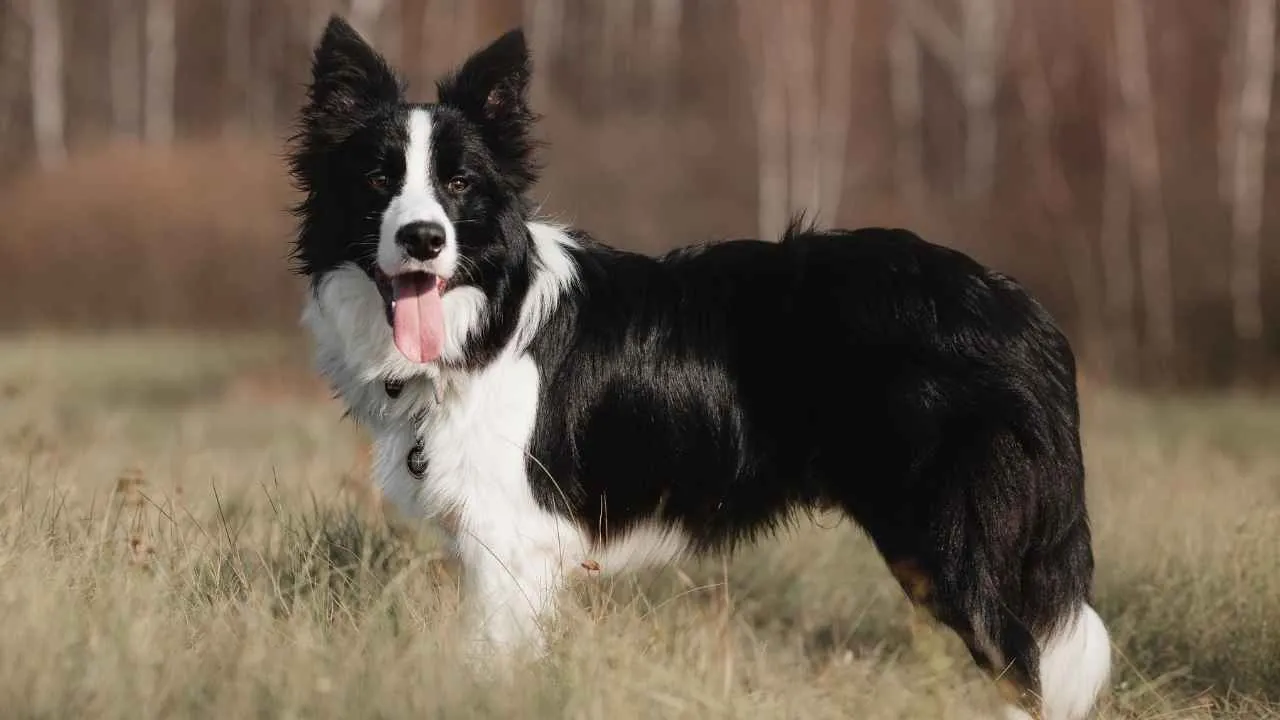
The Border Collie comes from the hills along the England and Scotland border, bred purely to control sheep. Breeders selected for an intense stare, known as the eye, that moves a flock without a single touch.
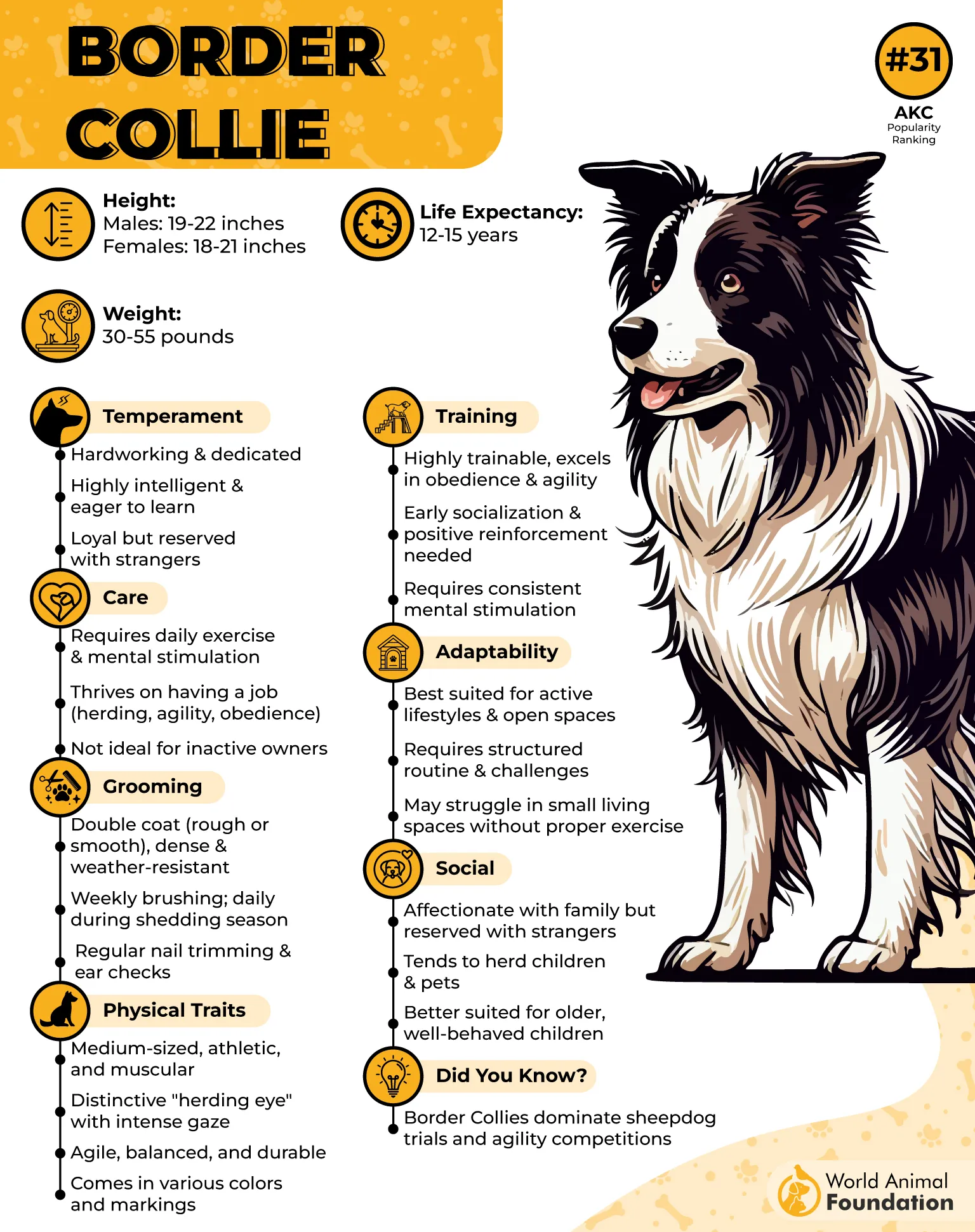
This dog needs constant physical and mental exercise, and small properties rarely give it enough room to work. A farm or large fenced space keeps this high-energy breed satisfied and settled.
Trainability: Widely considered the most trainable herding breed, learning complex commands in a handful of tries.
Temperament: Intensely focused and sensitive, bonding closely with one handler while staying wary of chaos.
Its standout trait is that famous eye. Instead of nipping or barking, this dog freezes a flock in place with nothing but a stare, a herding style no other breed on this list uses.
4. Australian Shepherd
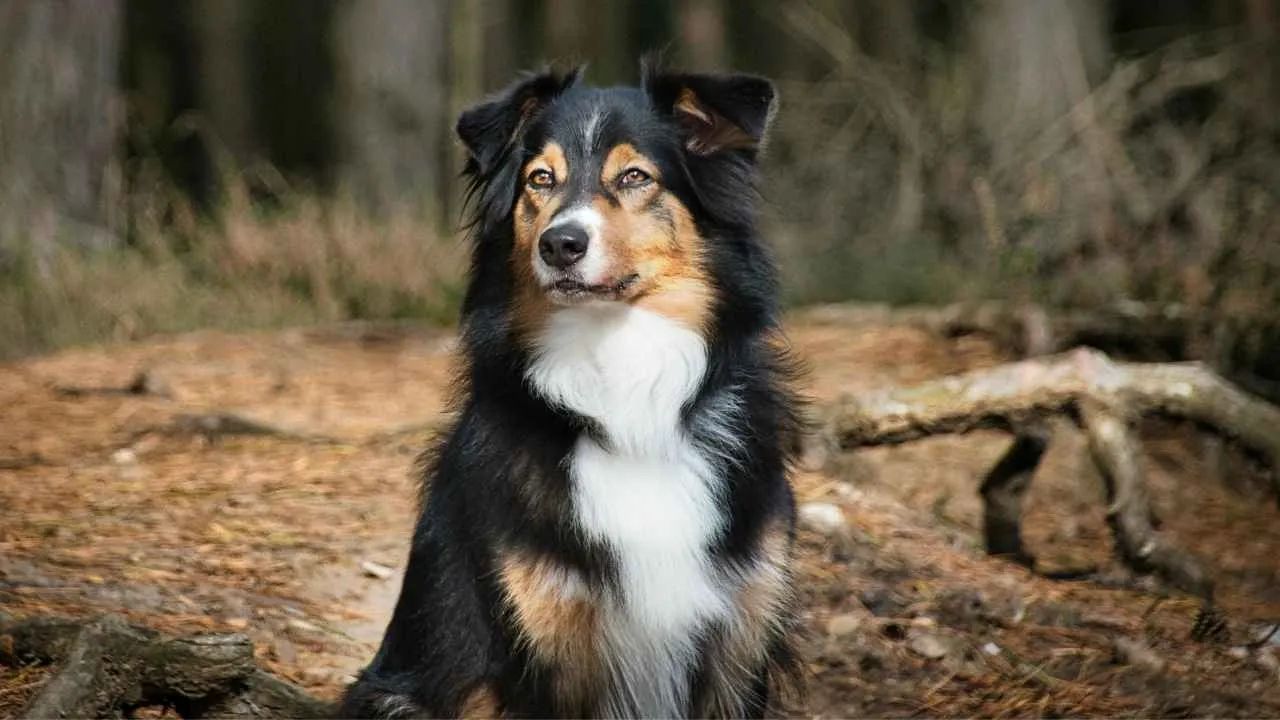
The Australian Shepherd was shaped on American ranches in the 1800s, not in Australia at all, though the name suggests otherwise. Its ancestors were European herding dogs that arrived by way of shepherds working the American West, eventually becoming a rodeo circuit favorite.
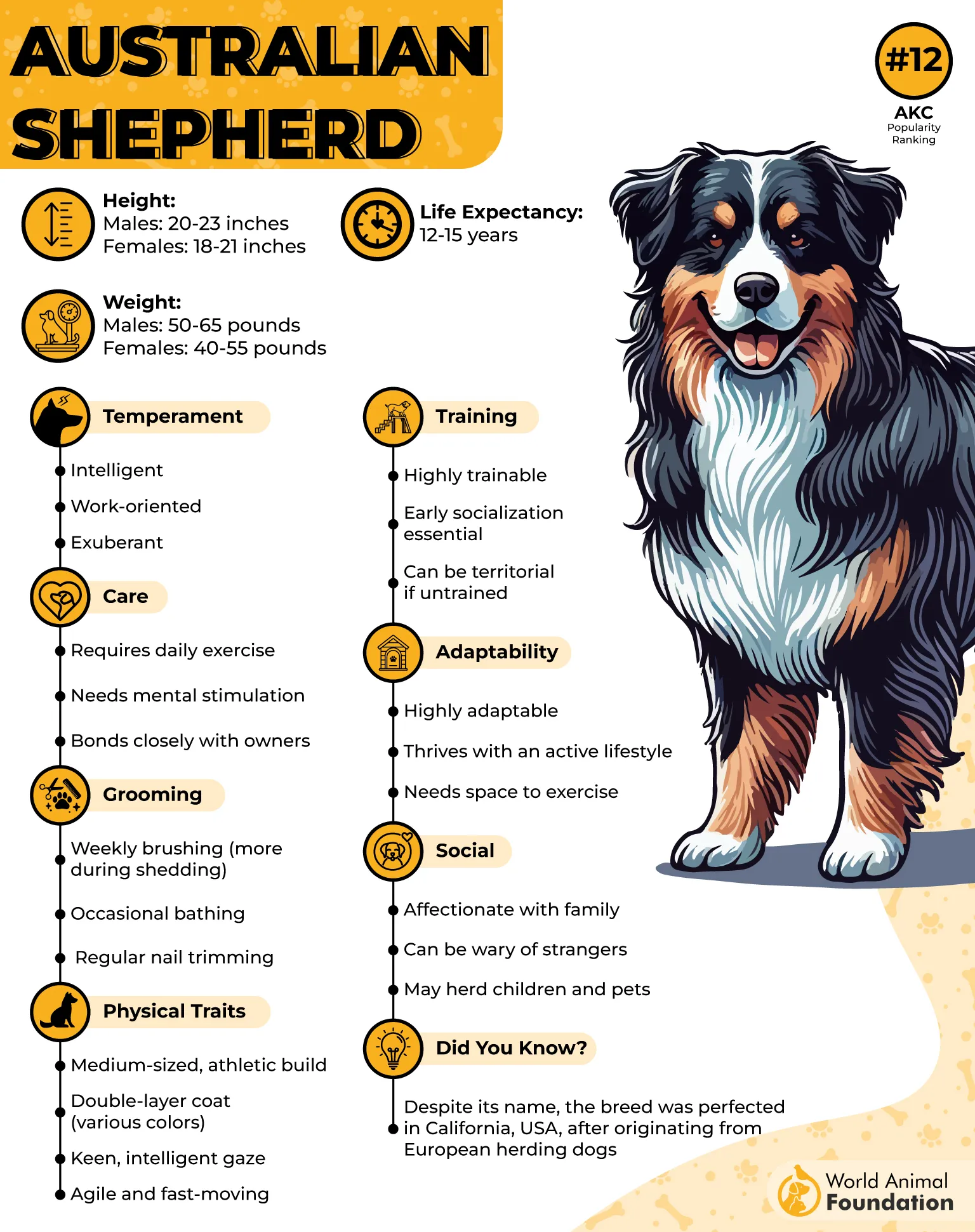
This breed thrives with room to roam and a variety of chores each day. A working ranch or active homestead fits its lifestyle far better than a quiet suburban yard.
Trainability: Highly responsive and eager to learn, especially when training feels like real work.
Temperament: Loyal and protective, often treating the whole family like a flock to manage.
Versatility is the standout trait. This breed handles cattle, sheep, chickens, and even children with the same herding instinct, juggling more roles than most dogs on this list.
5. Catahoula Leopard Dog
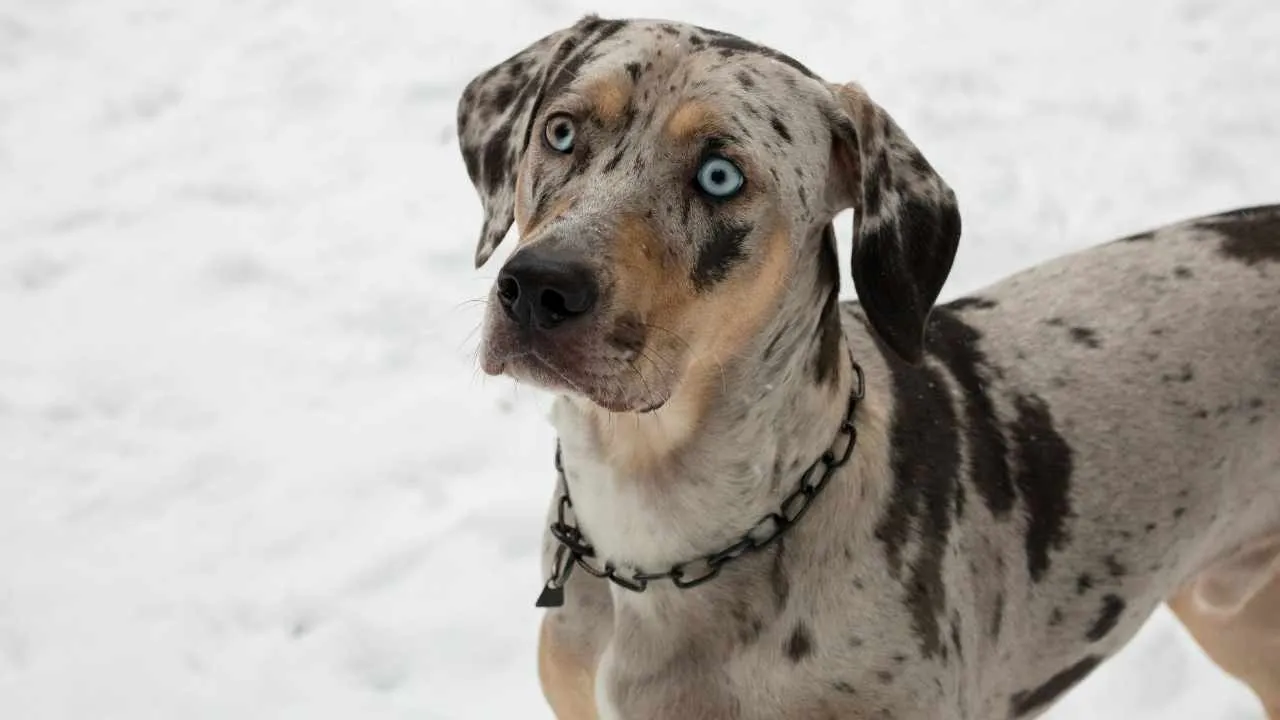
The Catahoula Leopard Dog was bred in the Louisiana swamps to track and drive wild hogs and cattle. Settlers needed a dog tough enough to face large, aggressive livestock in thick, difficult terrain, and this breed delivered exactly that.
This dog needs ample fenced space and daily hard exercise, according to Hill’s Pet. Urban living rarely works for a breed built to cover swampland and farmland alike.
Trainability: Intelligent and quick to learn, though it does best with an experienced handler.
Temperament: Independent and reserved with strangers, but deeply loyal toward its own family.
Its standout trait is how it works livestock. Instead of nipping like a heeler, this breed forms a moving circle around the herd, penning animals in with pure presence.
6. Dutch Shepherd
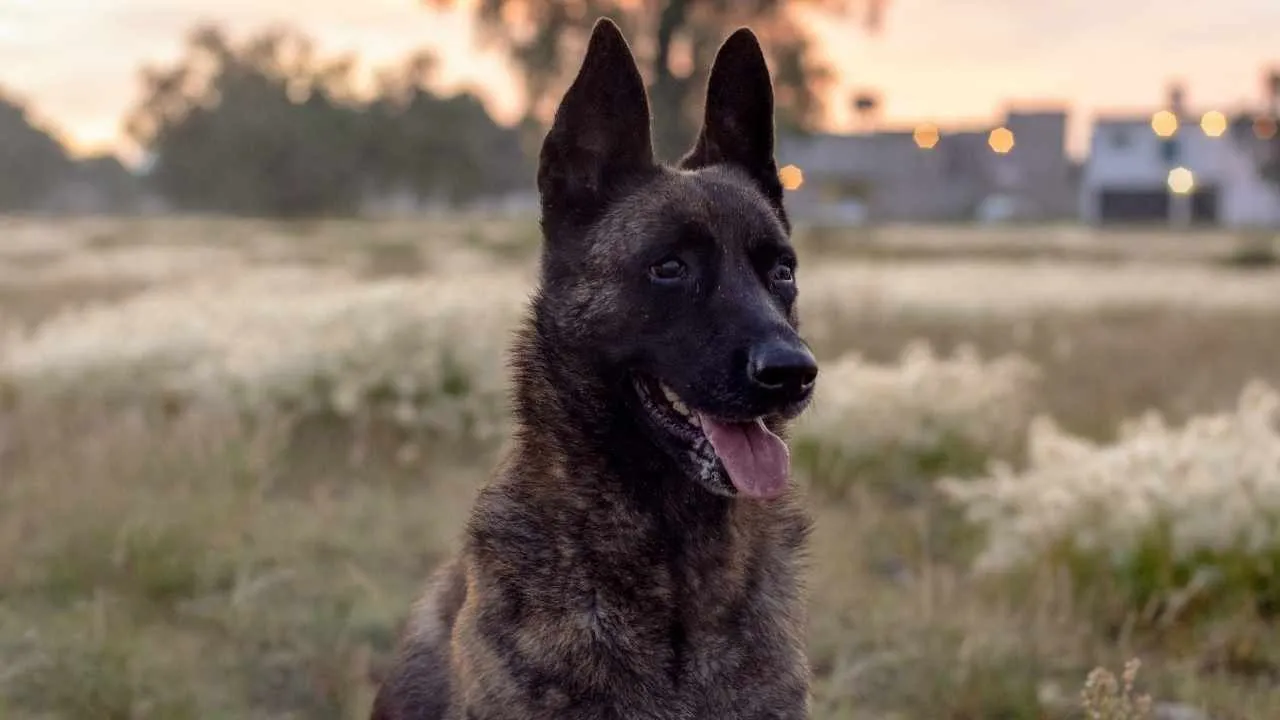
The Dutch Shepherd started as a true jack of all trades on Dutch farms. This breed herded sheep, guarded gardens, pulled milk carts, and alerted the household to visitors, all in a single working day.
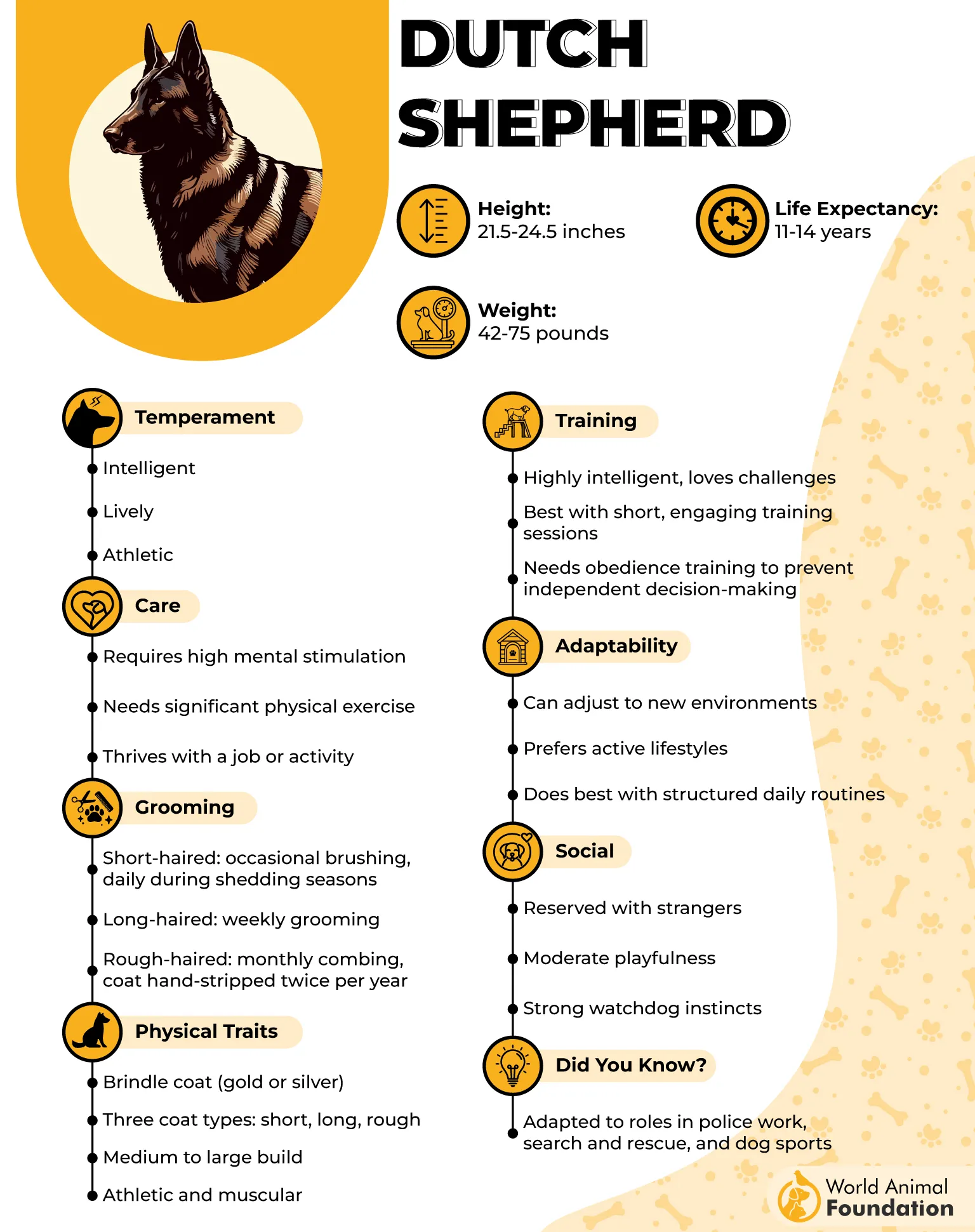
This dog needs real daily exercise and mental work, according to PetMD. An active home with secure outdoor space and a job to do keeps this high-energy breed satisfied and steady.
Trainability: Intelligent and independent, able to handle tasks without constant direction from a handler.
Temperament: Alert and watchful, naturally suited to guarding property while staying friendly with family.
Versatility packed into one working dog is the standout trait here. Herder, guardian, and cart puller all rolled into a single breed is a rare combination on any farm.
7. Beauceron
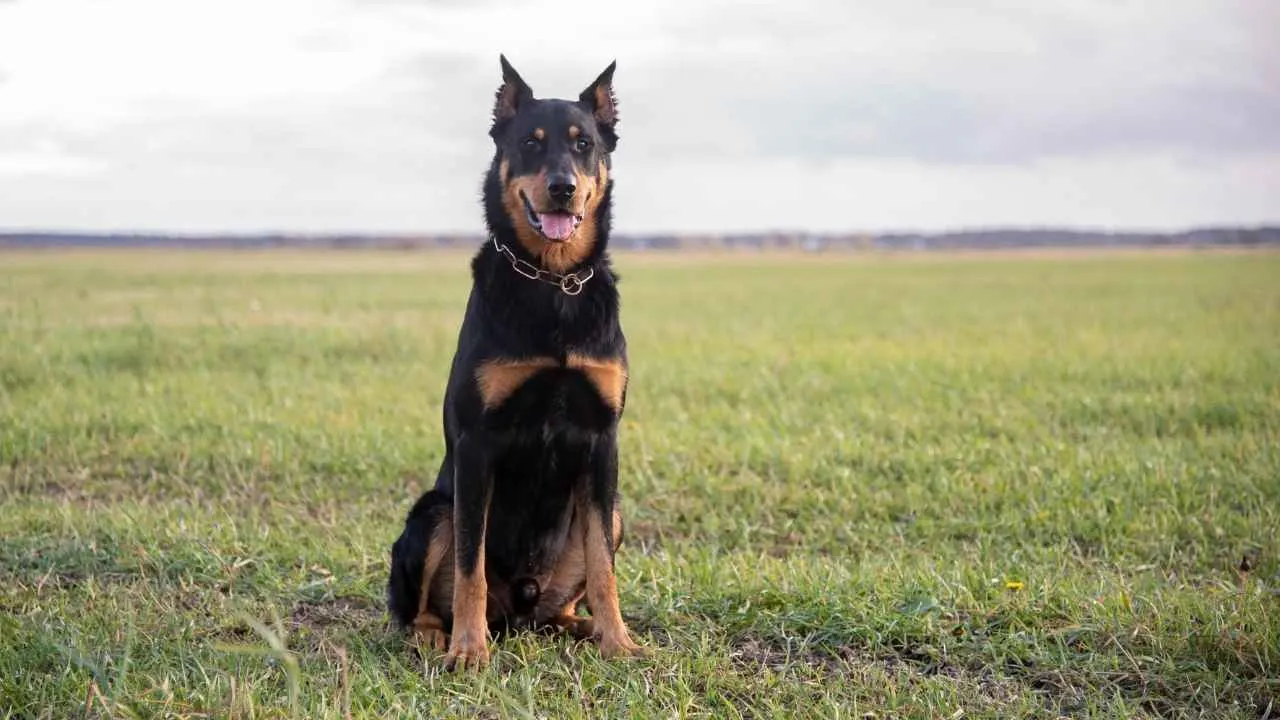
The Beauceron was developed on the wide open plains of central France to herd and guard huge flocks of sheep. This breed handled hundreds of sheep at once, working far back from the flock as a calm, gentle herder.
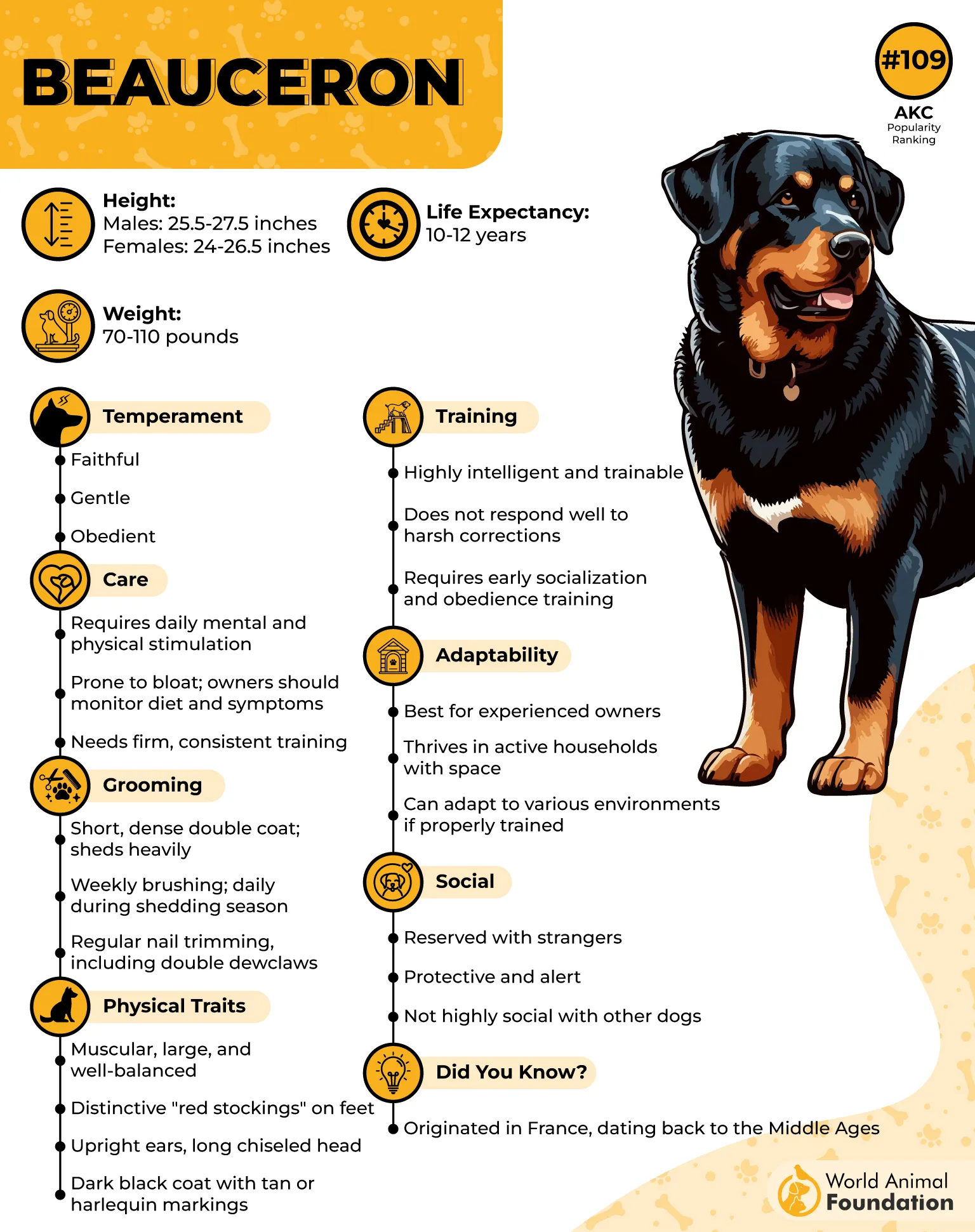
This large, powerful dog needs serious daily exercise, according to Orvis. A big fenced yard or true farm setting fits this breed far better than a small suburban lot.
Trainability: Smart and capable, but strong-willed enough to need a confident, experienced handler.
Temperament: Protective and watchful around strangers, yet deeply devoted and gentle with family.
Its standout trait is the dual role it plays. This breed herds livestock and guards the property at the same time, a rare combination that makes it a true farm all-rounder.
Conclusion
Seven breeds, seven different ways of getting the job done, but the thread running through this whole list is simple. Every one of these dogs needs real work, real space, and an owner ready to match that energy, whether you are guarding livestock, herding sheep, or just keeping predators off the property.
Choosing the right farm dog breed comes down to your own land, your own animals, and how much of a partner you actually need underfoot. Match the breed to your ranch, get your puppy properly socialized and trained early, and you will have a loyal, capable farmhand for years to come.
