




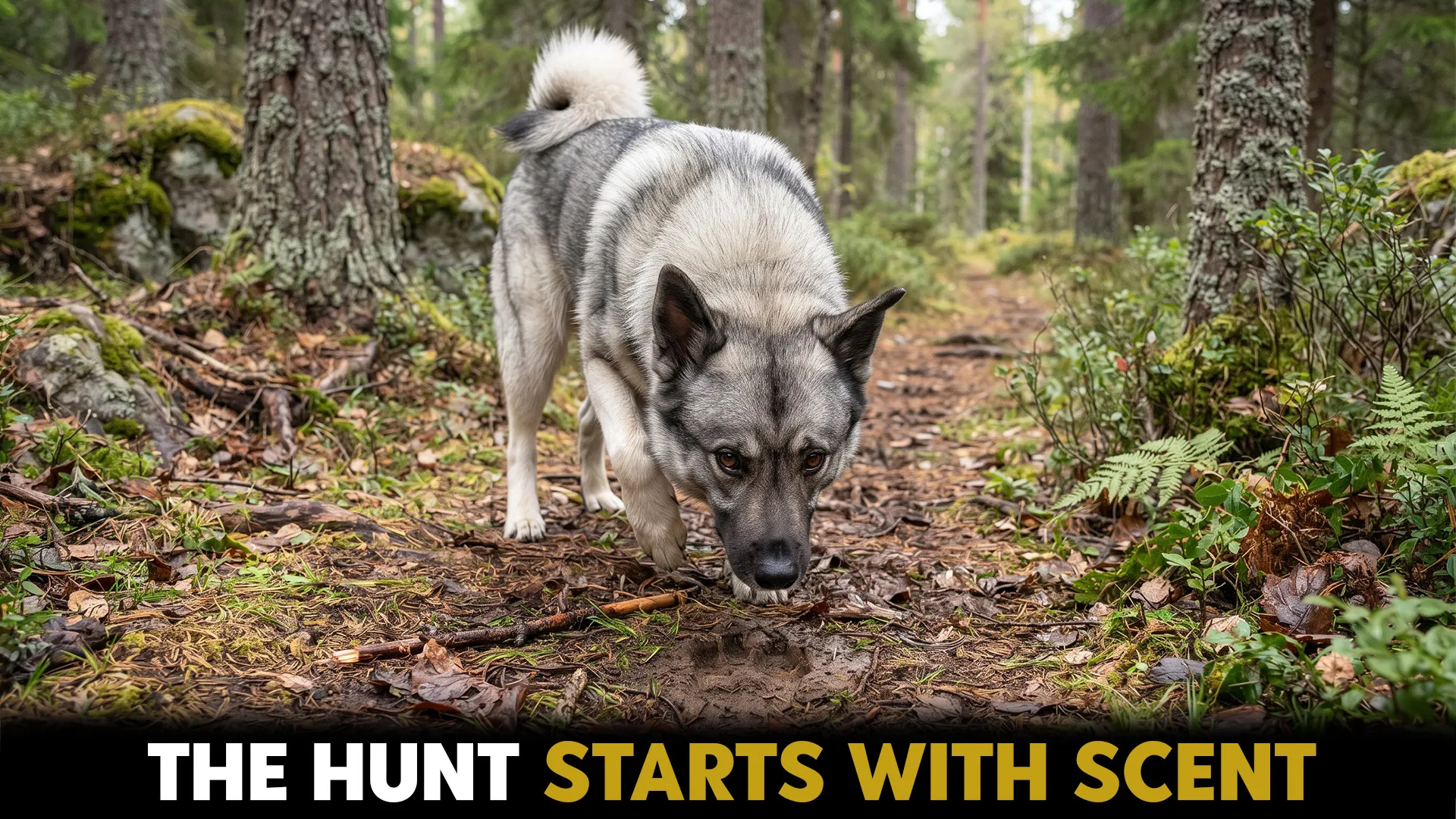
A good hunting dog doesn’t just chase whatever’s in front of it.
It follows a trail, works on a scent, and stays on task even when the trail’s hours old and the wind’s not cooperating.
That’s a TOTALLY different skill than just being fast or eager. Trail following takes patience, a sense of smell, and a strong work ethic that doesn’t quit halfway through the field.
If you are a hunter looking for that kind of partner, breed is important. A LOT. Some dogs were born for this job for generations, and it shows the moment they hit the ground.
We have gathered the top hunting dog breeds skilled at trail following. Dogs bred to track game over long distances, push through thick brush, and stay locked onto a scent no matter how tricky the terrain gets.
Fun Fact
Did you know a Bloodhound’s sense of smell is so precise that its trail-tracking results have been accepted as evidence in U.S. courts? According to Britannica, Bloodhounds can follow a scent trail that’s days old and miles long. That is exactly why law enforcement agencies still use them for search and rescue work today. Not bad for a dog; most people just picture napping with droopy ears.
Top Hunting Dog Breeds Skilled At Trail Following
1. German Wirehaired Pointer
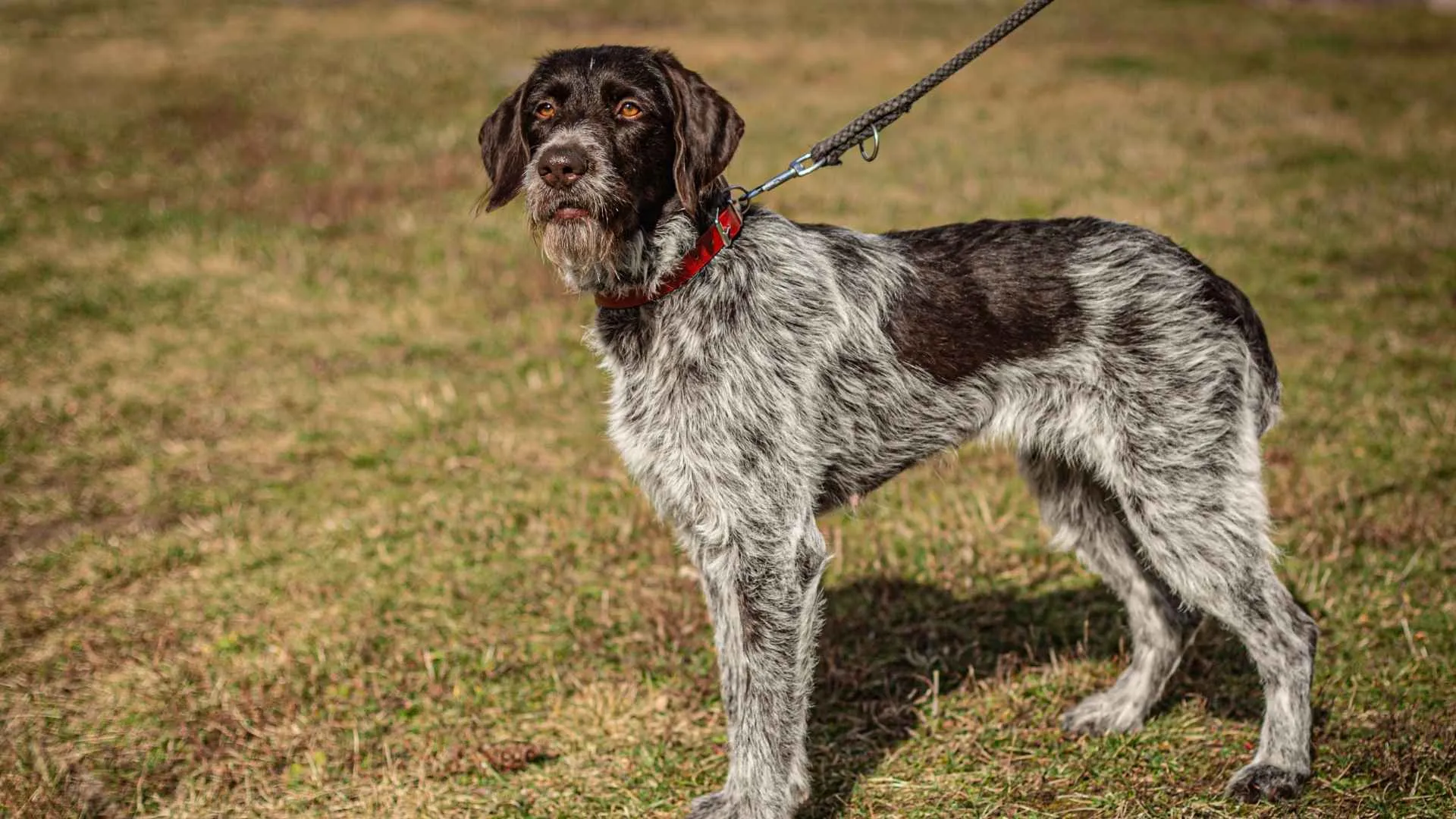
The German Wirehaired Pointer is basically the do-it-all hunting dog. Originally bred in Germany to handle just about any job a human needed, from tracking to retrieving to flushing birds, this Pointer dog breed brings boundless energy and a nose that doesn’t quit.
That wiry coat is not for looks. It’s water-resistant and built to protect them from thick brush, harsh weather, and rough terrain. German Wirehaired Pointers are well suited for various landscapes, whether you are working open fields or dense cover.
According to PetMD, they have a strong drive and a high prey drive to track game over long distances. They don’t get discouraged easily. With consistent training, they become highly trainable, versatile hunting partners that can handle upland birds, waterfowl, and even larger game like deer.
They are even-tempered at home, but out in the field, you will see that strong work ethic.
2. English Springer Spaniel
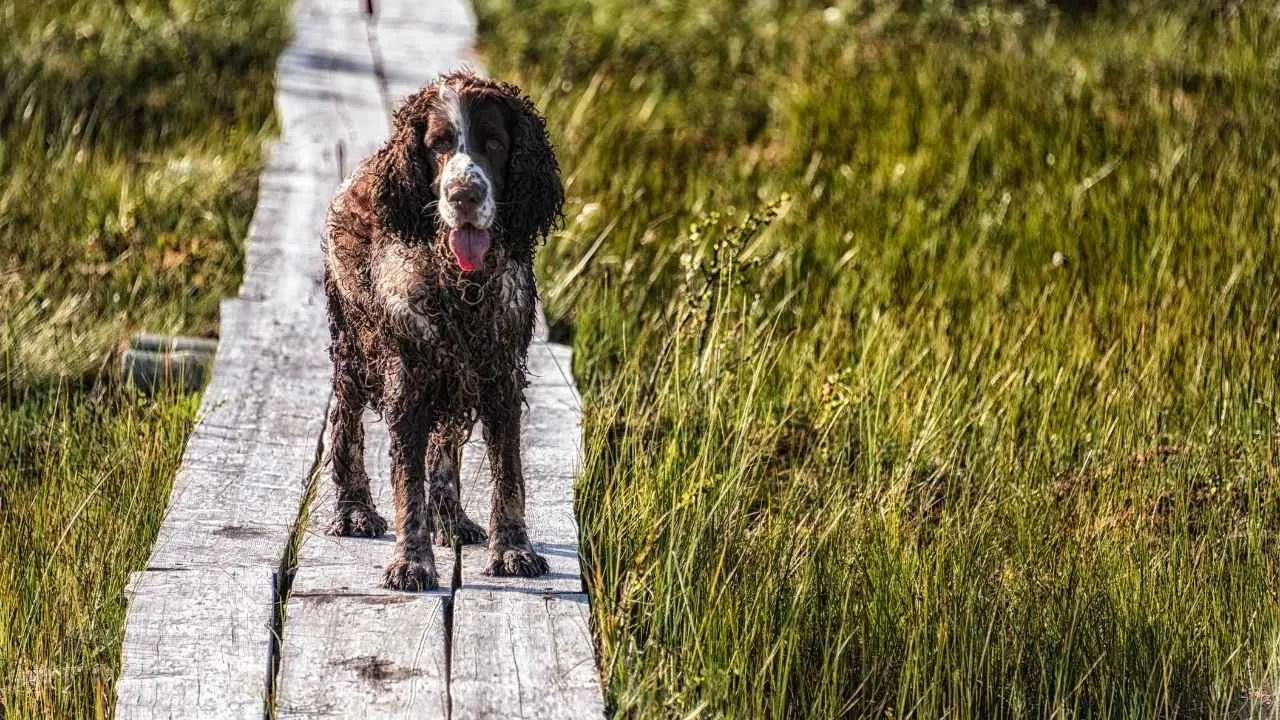
English Springer Spaniels are known for flushing birds, but their trail-following skills deserve credit.
These Spaniel dogs have an incredible sense of smell and an instinct to follow scent trails through dense brush without losing focus.
Their compact size makes it easy for them to move through tight spaces that bigger dogs would struggle with. That is a real advantage when you are working thick cover for upland game.
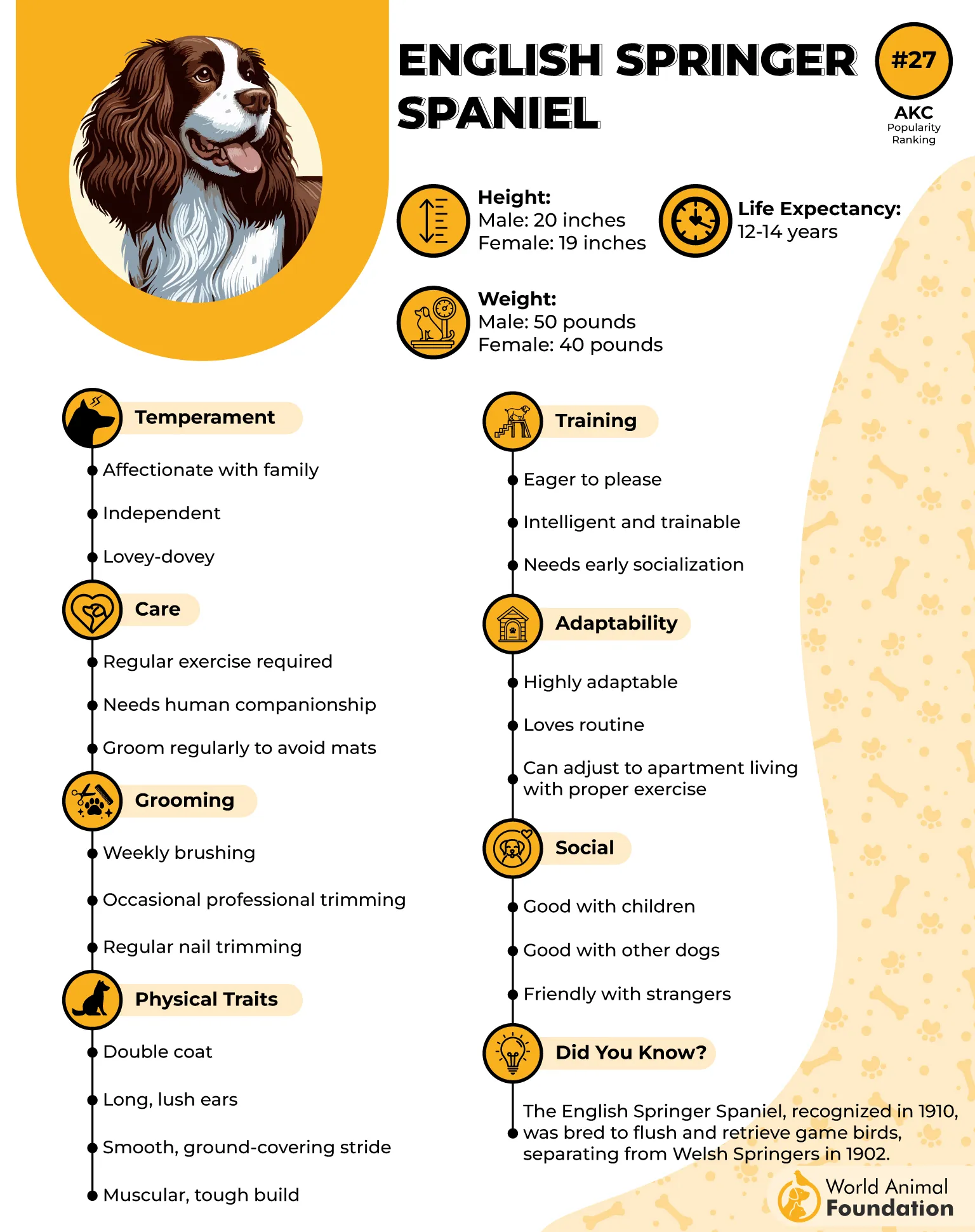
According to Orvis, English Springer Spaniels are energetic, eager to please, and highly trainable, which is why they remain a popular breed among bird hunters. They LOVE the job. Genuinely.
Give them a scent trail to follow, and they will stick with it happily for hours.
3. Boykin Spaniel
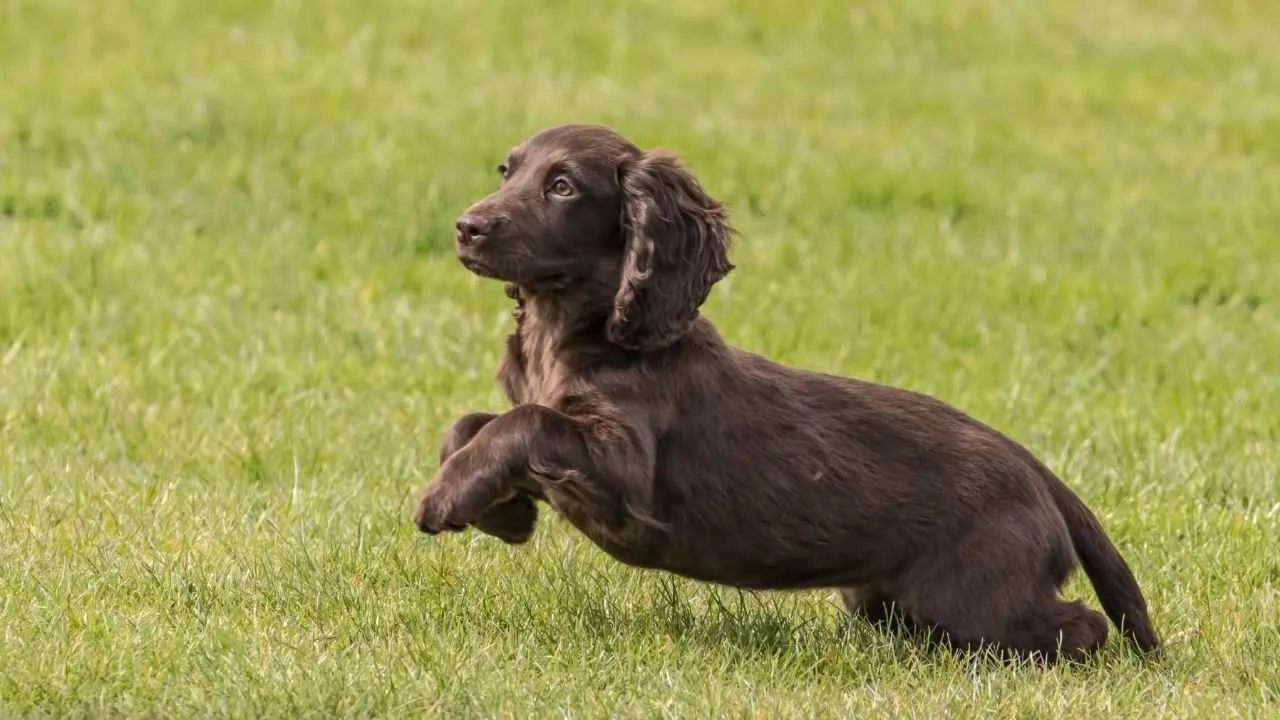
If you have spent any time hunting in South Carolina, you have probably crossed paths with a Boykin Spaniel.
This breed was actually developed there, specifically for waterfowl hunting in swamps and unpredictable terrain. This dog excels at hunting, swimming, and water retrieving.
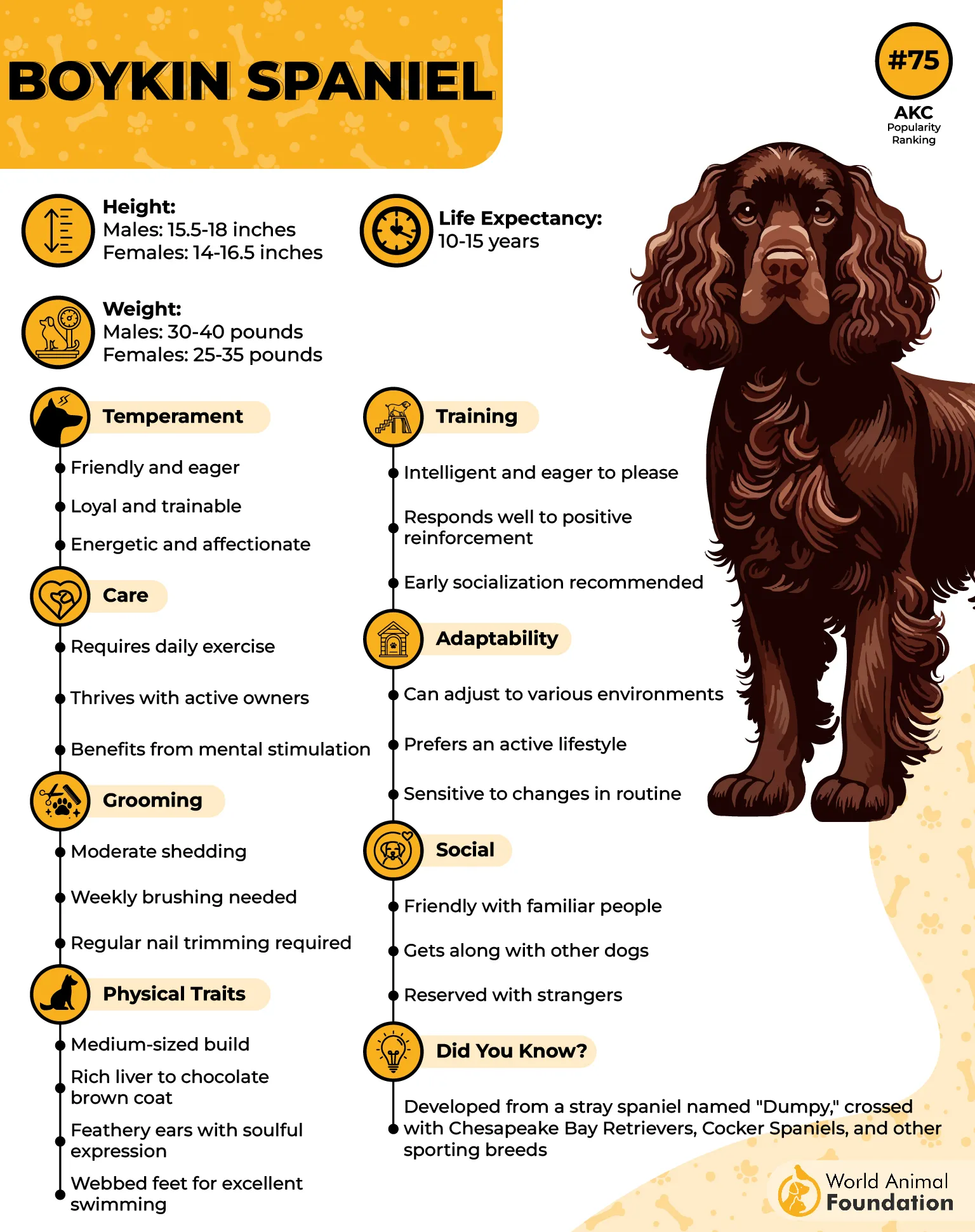
Boykin Spaniels are compact, tough, and surprisingly strong for their size. Their water-resistant coat helps them handle wet conditions without slowing down. Their sense of smell makes them excellent at tracking wounded game through dense brush and rough terrain.
These waterfowl hunting dogs are also famous for being even-tempered and easy to work with, which makes training a smooth process. Boykin Spaniels love the water, so waterfowl hunting is where they really give their best. But they can easily follow scent trails on dry land.
4. Irish Water Spaniel
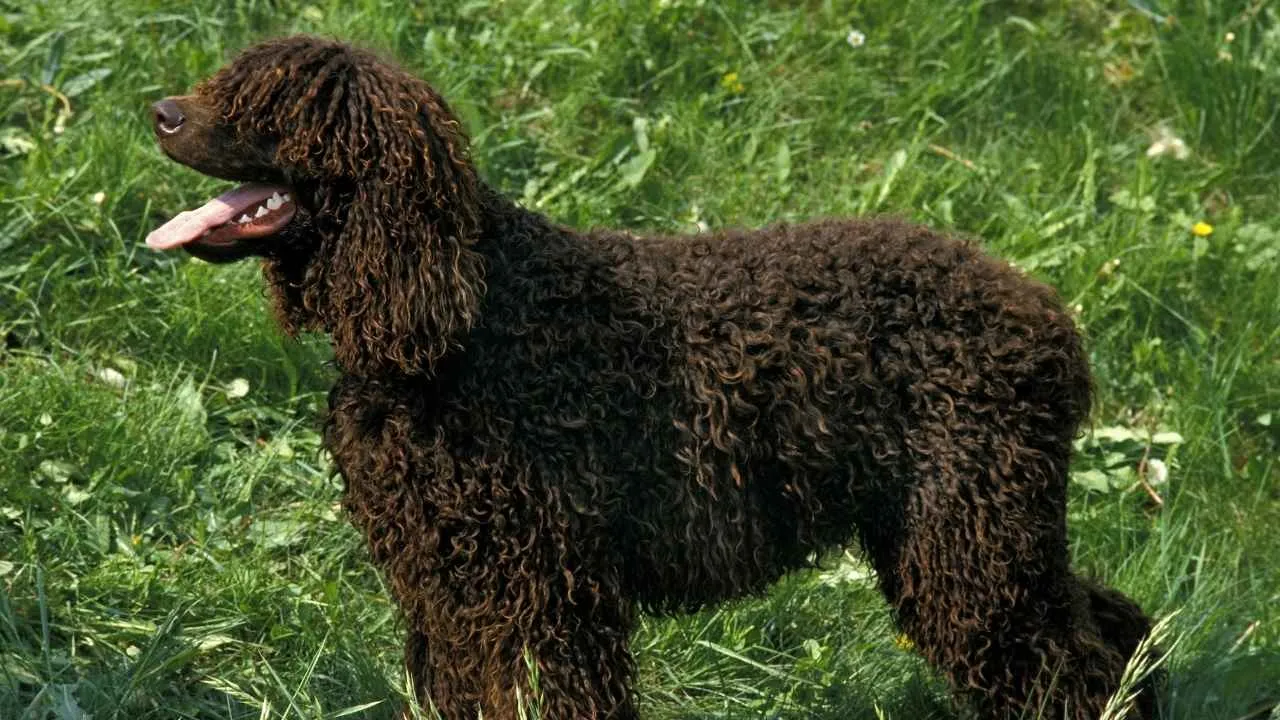
The Irish Water Spaniel might be one of the most underrated hunting dog breeds out there. With that curly, water-resistant coat and a rat-like tail (yes, really, that’s the breed standard), they don’t exactly look like your typical hunting dog.
But don’t let appearances fool you.
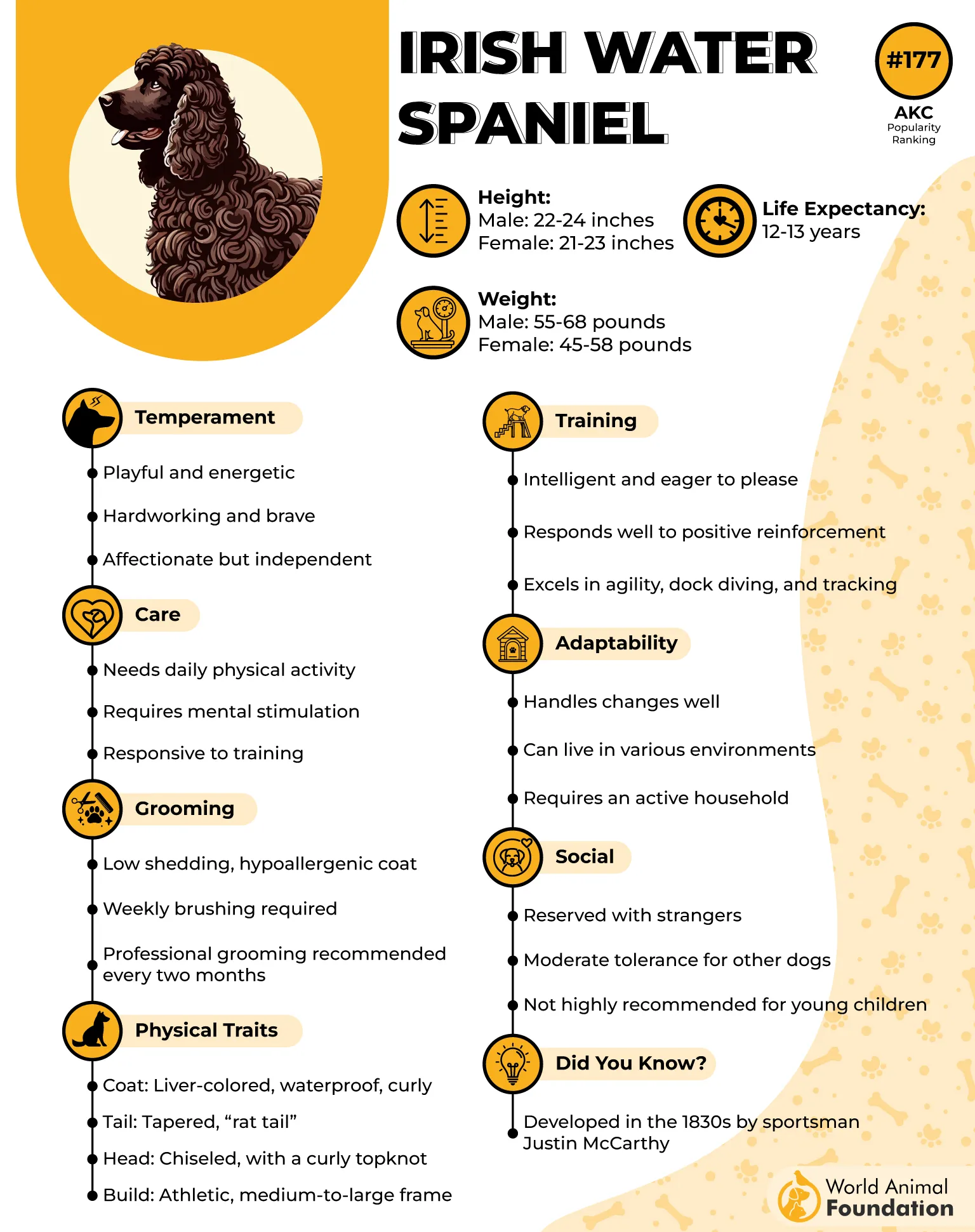
The Irish Water Spaniels were bred for waterfowl hunting, and their retrieving instincts are top-notch. But they are also skilled at tracking wounded game across various landscapes. They use their strong sense of smell to follow scent trails even in tricky, rugged terrain.
These dogs are intelligent, a little independent, and highly trainable once you establish trust. They handle harsh weather better than most breeds, thanks to their curly coat.
That’s why they are a solid choice for hunters who work in unpredictable conditions.
5. Labrador Retriever
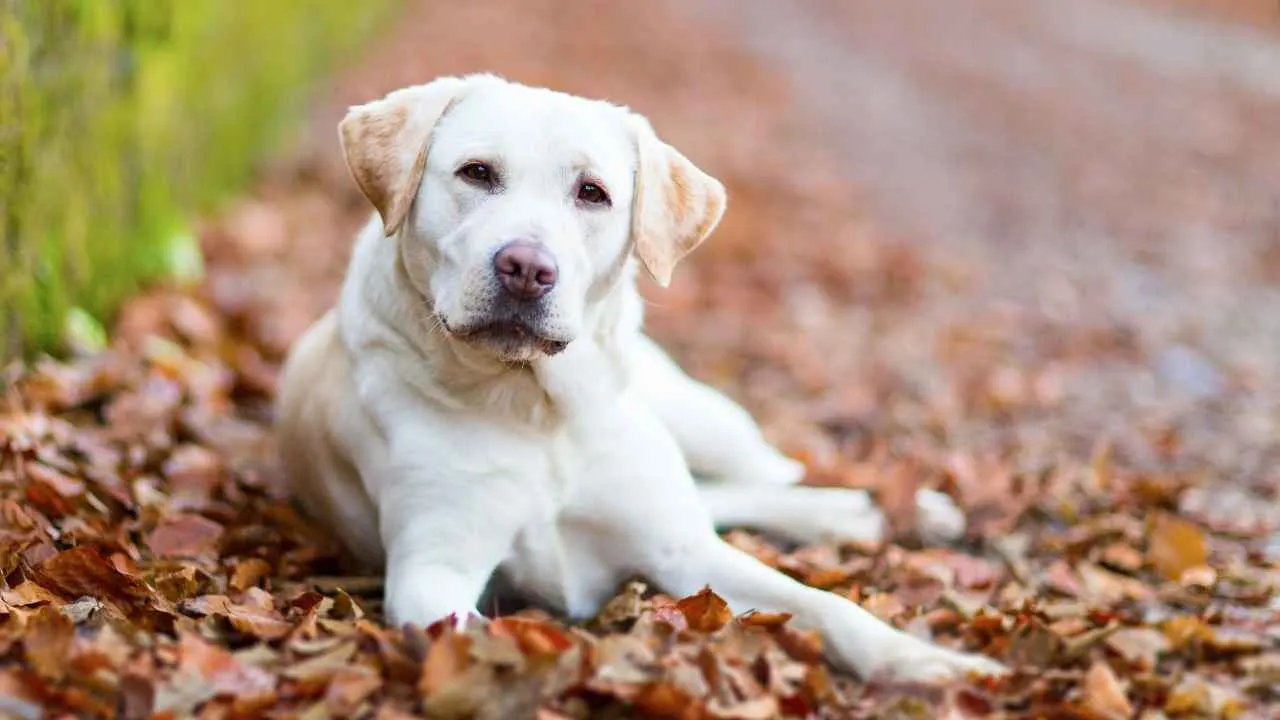
We already know Labs are among the most popular dogs in America, but let’s not forget their roots.
Labrador Retrievers were originally bred for retrieving game, particularly waterfowl, and that hunting instinct runs deep.
Labs have an excellent sense of smell and a natural ability to follow scent trails, which makes them reliable trackers for both small and large game. Their strong work ethic and eagerness to please make training smooth, even for hunters without years of hunting experience.
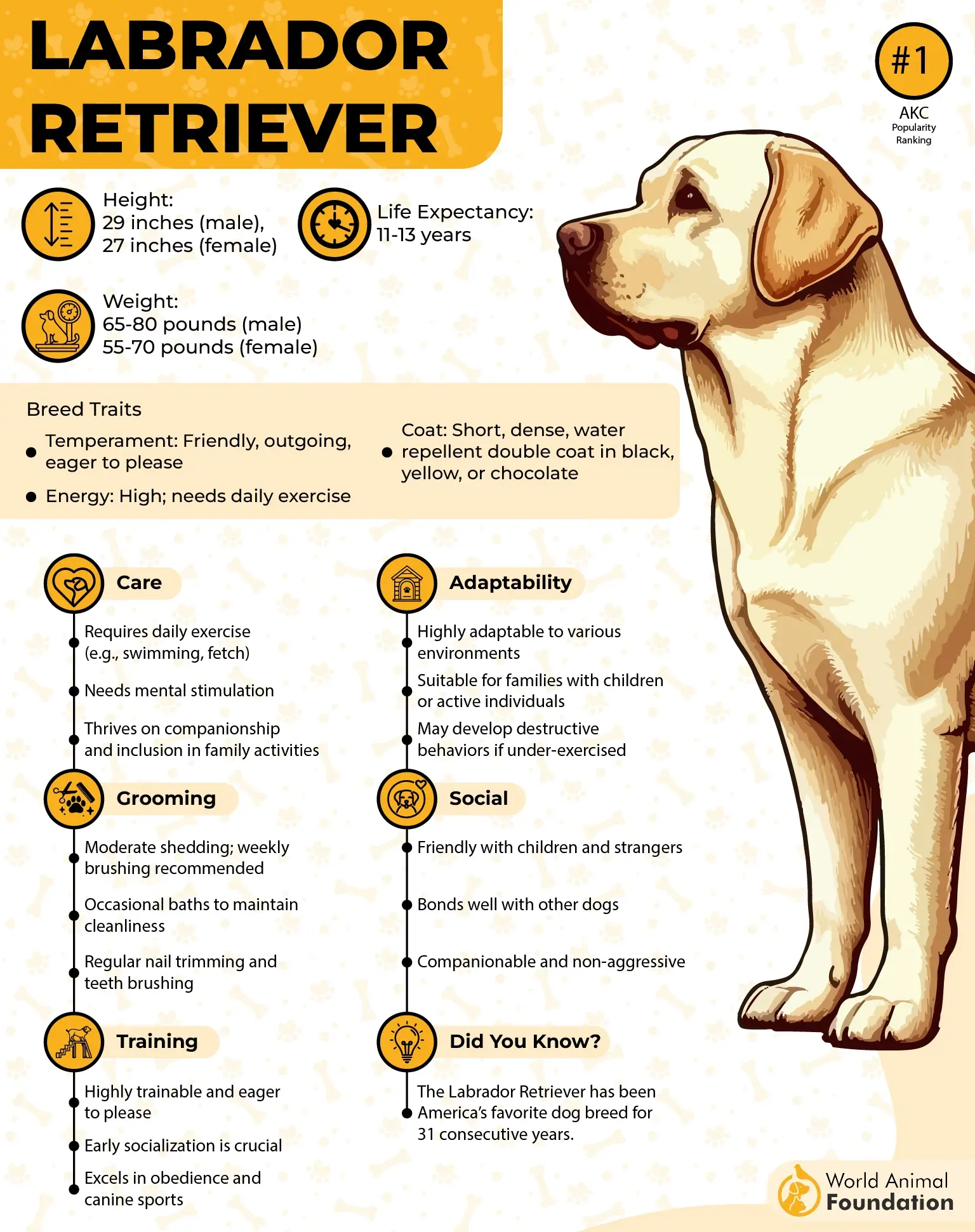
Their thick, water-resistant coat helps them push through dense brush and cold water without much hesitation. If you are working open fields or wetlands, Labrador Retrievers adapt well to any hunting environment.
They are loyal, energetic, and always ready for the next job.
6. Treeing Walker Coonhound
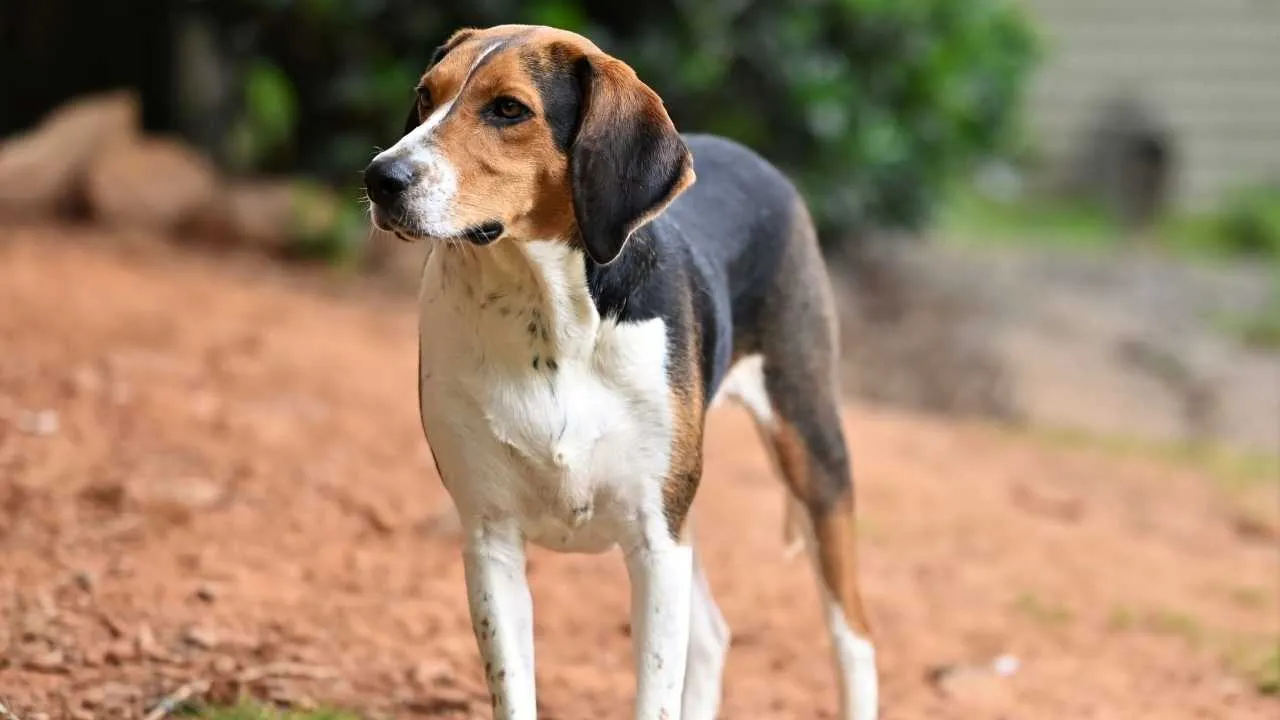
The Treeing Walker Coonhound was bred to track and tree raccoons, and their nose and stamina reflect that specialized job.
These dogs have an incredible sense of smell and a strong drive to follow scent trails over long hunts, even through dense cover and rough terrain.
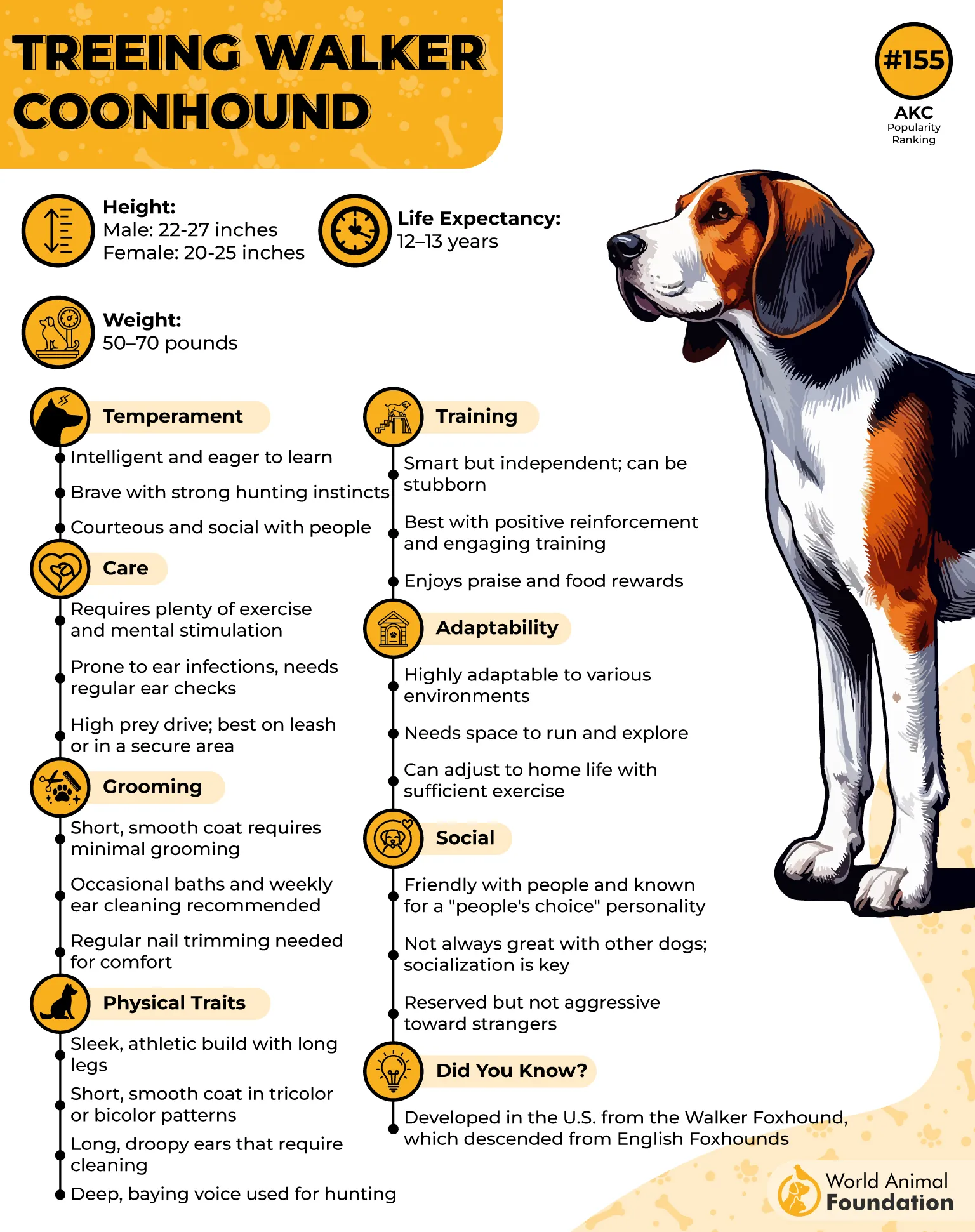
Once they pick up a trail, they stick with it, baying loudly to let hunters know they have treed their prey (hence the name).
Treeing Walker Coonhounds are also used for tracking other small game like squirrels, and some hunters even use these tracking dogs for large game like wild boar and bears.
Their compact size and boundless energy make them well suited to long hunts across rugged terrain. With the right training, they become one of the best hunting dog breeds.
7. Bloodhound
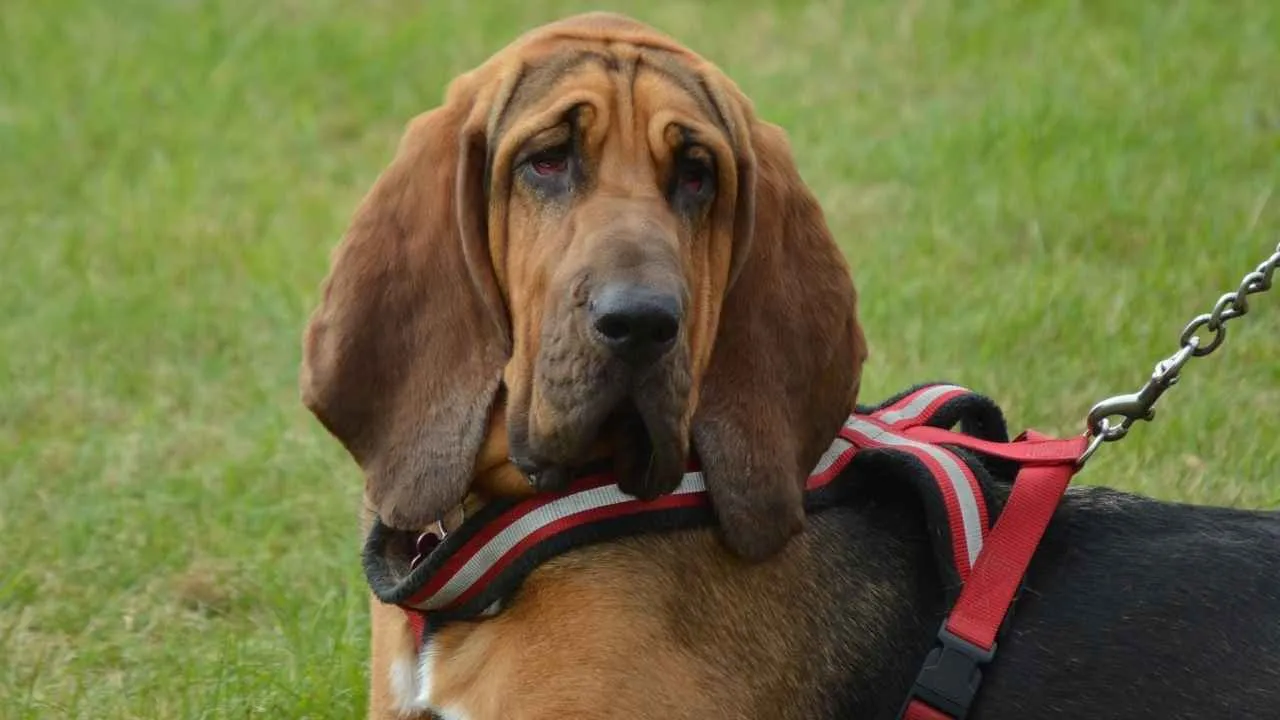
And finally, the legend itself.
When it comes to pure trail-following ability, nothing beats the Bloodhound.
Bloodhounds have arguably the best sense of smell in the dog world. Their long, droopy ears actually help trap scent particles near the nose, and those wrinkly folds of skin around the face help hold onto scent too.
It is basically a built-in tracking machine.
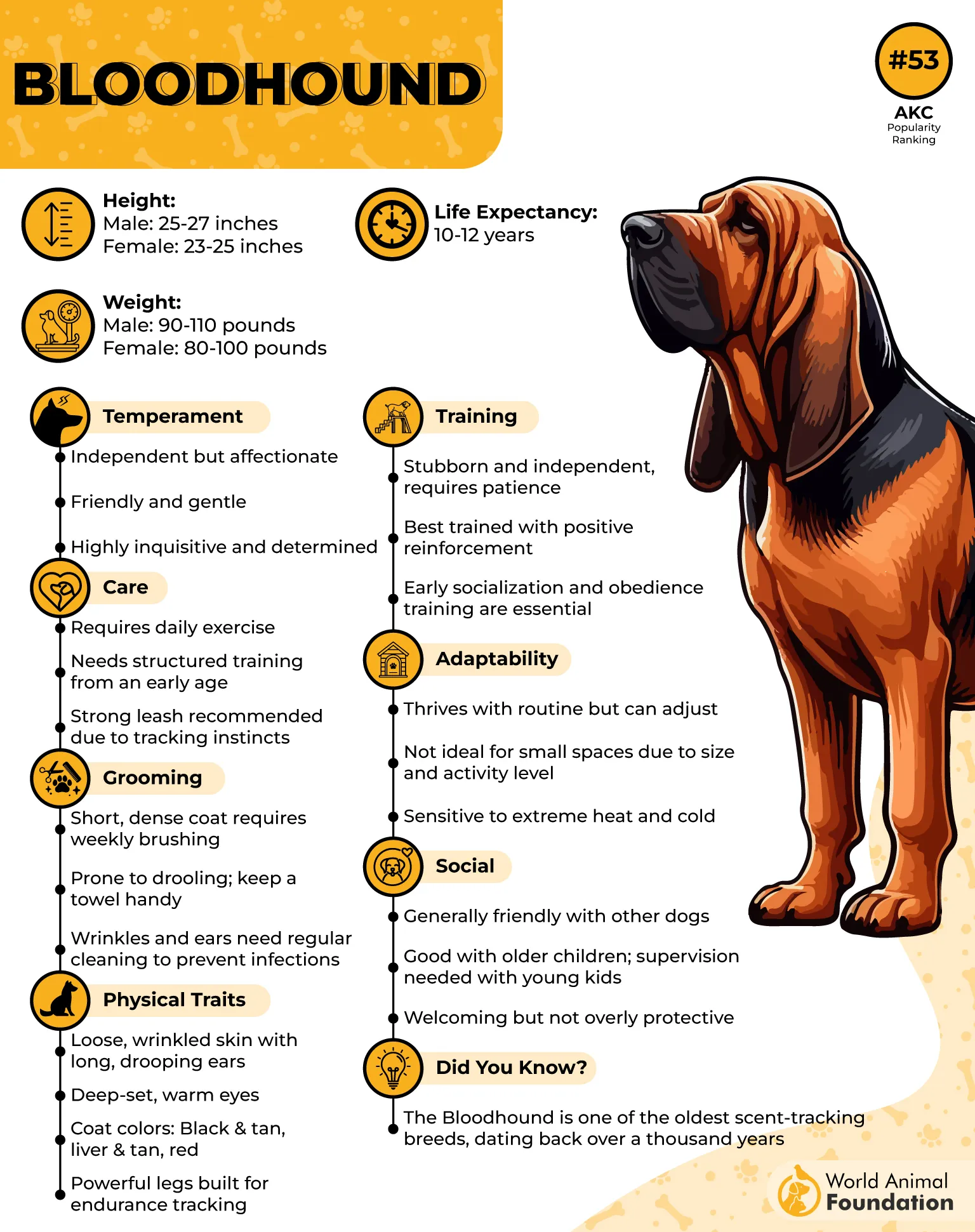
These dogs are famous for tracking wounded game and missing persons across long distances. They work scent trails that are hours or even days old. These tracking dogs are patient and not easily distracted once they lock onto a trail. They are less about speed and more about accuracy, following game birds, a scent through open fields, thick brush, and rugged terrain without losing the thread.
These Hound dogs need consistent training and patience from their handler. That independent, nose-driven focus can make them a little stubborn. But when it comes to tracking, no other breed enhances a hunt quite like a Bloodhound does.
Conclusion
Trail following does not mean you need to have the fastest dog or the flashiest one. It is all patience, an exceptional sense of smell, and a drive that doesn’t fade when the trail gets tough.
Each of these breeds brings something different to the field. Other dogs such as the German Shorthaired Pointer, Beagle, and English Pointer excel at hunting tasks.
Key takeaways!! Match the breed to your hunting experience, invest in real training, and trust the strong work ethic bred into these dogs for generations.
Do that, and you will have the right breed that can track game over long distances, through dense brush and rugged terrain, and still be ready to do it all again tomorrow.
