




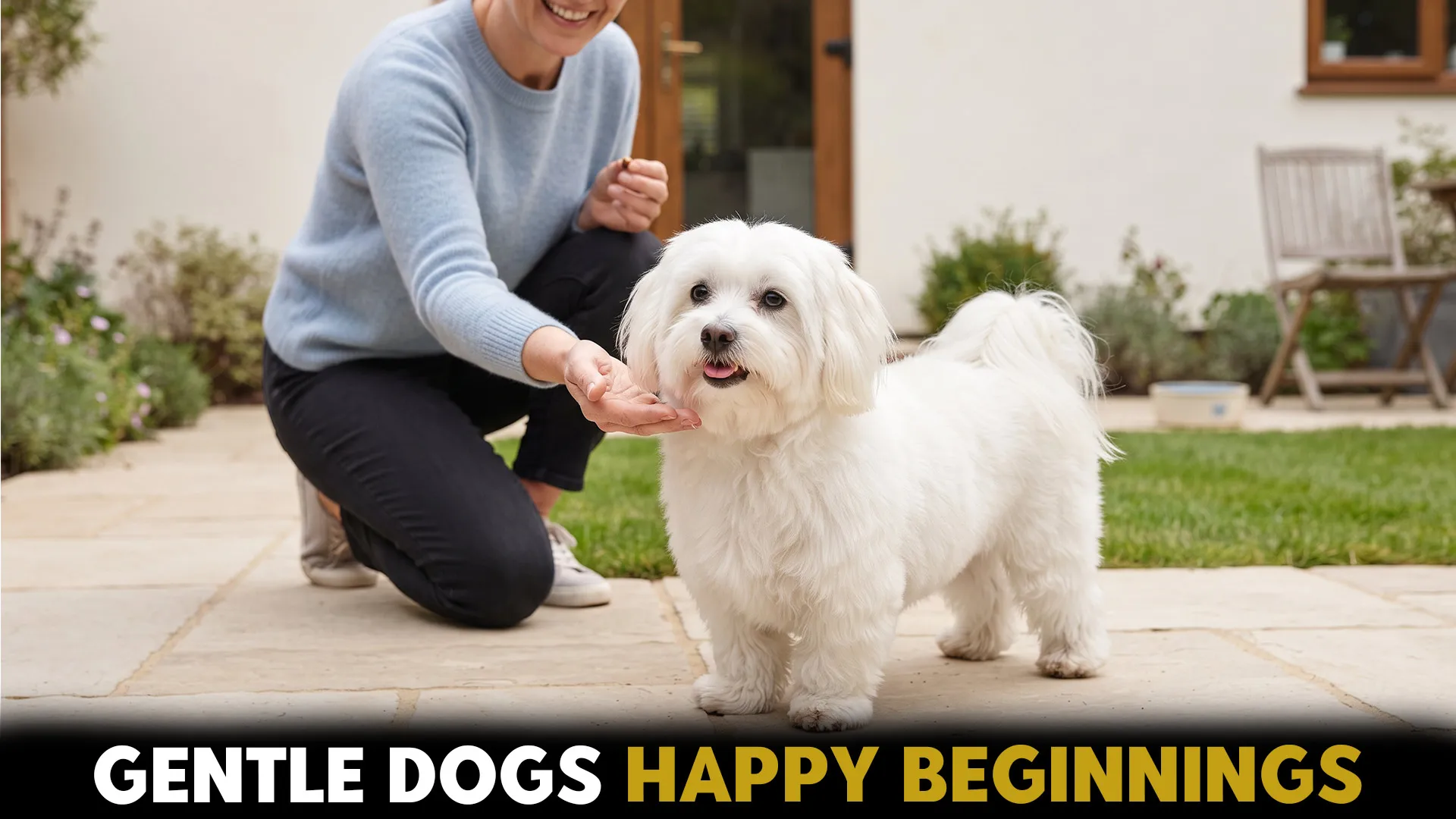
Bringing home your first dog is exciting, but it can also feel like a big responsibility. Between work, family, social plans, and everyday chores, adding a four-legged friend to the mix means making room for feeding, walks, training, grooming, and plenty of attention.
The good news is that some dogs are naturally easier for beginners to manage than others.
For a first-time owner, the right dog is usually one that can adapt to your routine, responds well to training, enjoys being around people, and has care needs you can realistically handle.
But beginner-friendly does not mean completely effortless. Every dog needs exercise, veterinary care, patience, companionship, and a long-term commitment.
The real trick is finding a dog whose personality and needs fit your lifestyle. In this article, you’ll discover some of the best dog breeds that can make the transition into dog ownership a little smoother, along with different energy levels, grooming needs, and temperaments to consider before making your choice.
Amazing Dog Breeds for Beginner Dog Owners
1. Golden Retriever
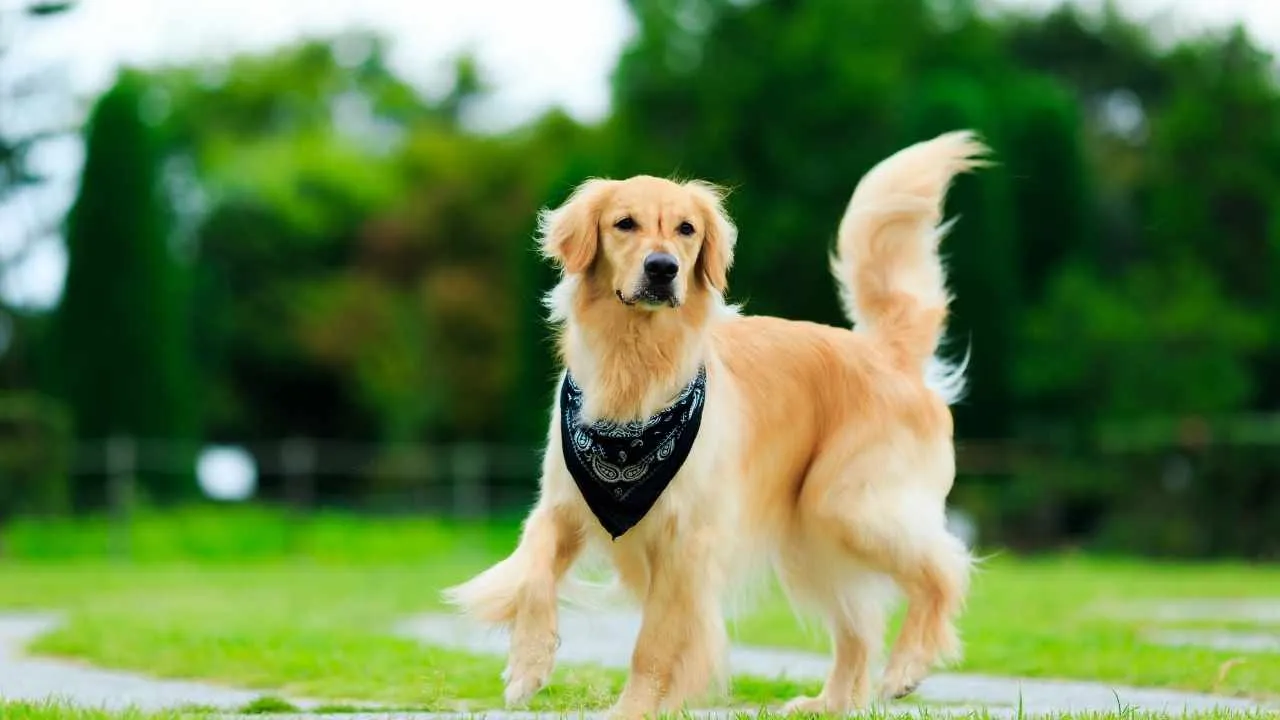
Golden Retrievers are among the most popular family dogs, and their friendly nature makes them appealing to novice owners. They are intelligent, loyal, affectionate, and eager to please.
Originally bred as hunting dogs in the Scottish Highlands, they are now also known as guide, assistance, and search-and-rescue dogs.
Personality and Training
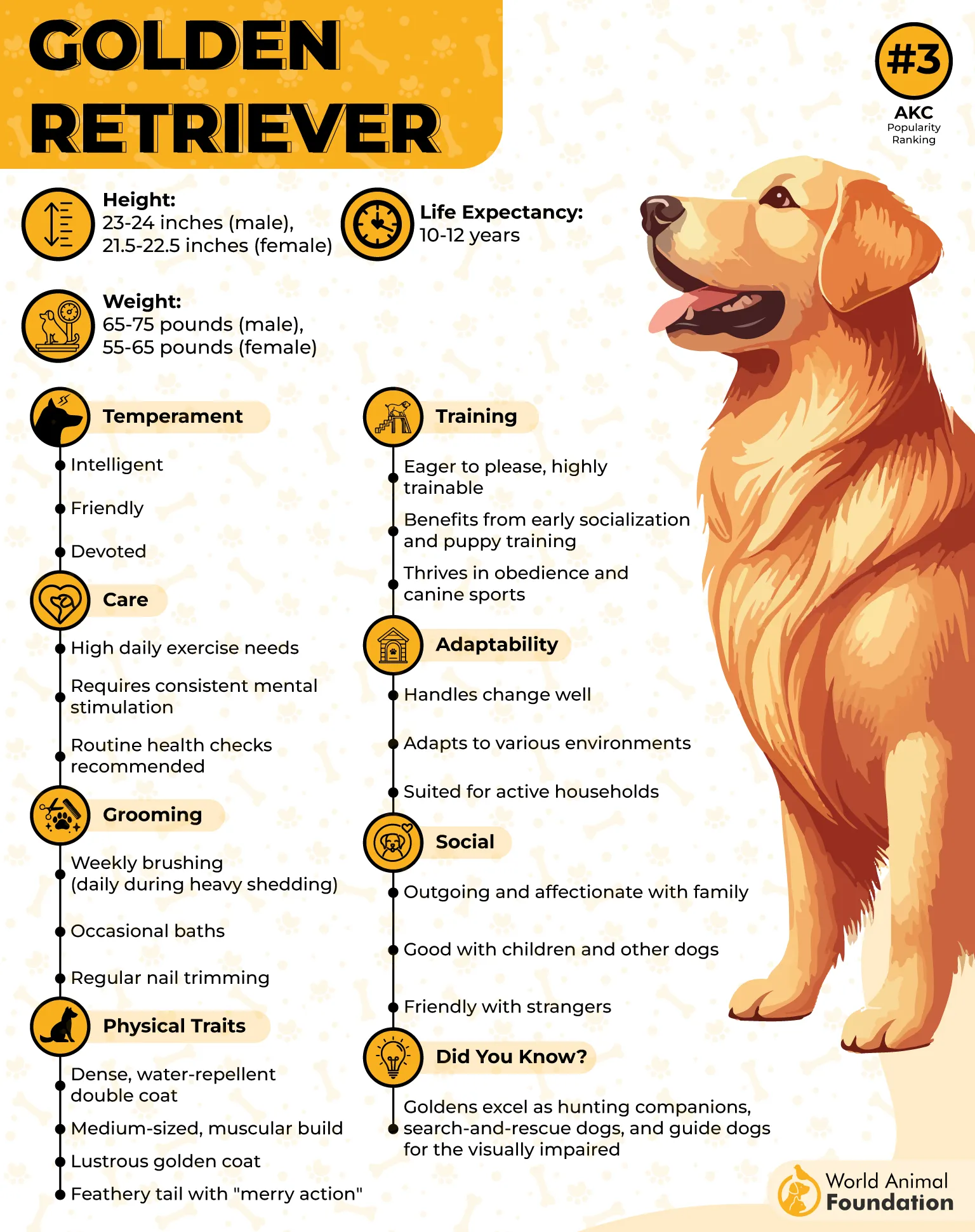
Golden Retrievers are outgoing, playful, and gentle. They enjoy being around their families and love taking part in everyday activities. They are generally easy to train, although young dogs can become distracted during early training.
They usually adapt well to family life and can get along with children and other pets when introduced and socialized from puppyhood. They respond best to patient and sensitive training. Their friendly nature makes them better watchdogs than protection dogs.
Exercise and Grooming
Golden Retrievers have moderate energy and enjoy long walks, running, retrieving, and swimming. They love carrying things in their mouths and are especially fond of water.
Their thick double coats shed heavily and can become matted behind the ears and around the hind legs, so regular grooming is needed. They suit active owners who want a friendly, trainable dog that can happily join them in both outdoor adventures and family life.
2. Cavalier King Charles Spaniel
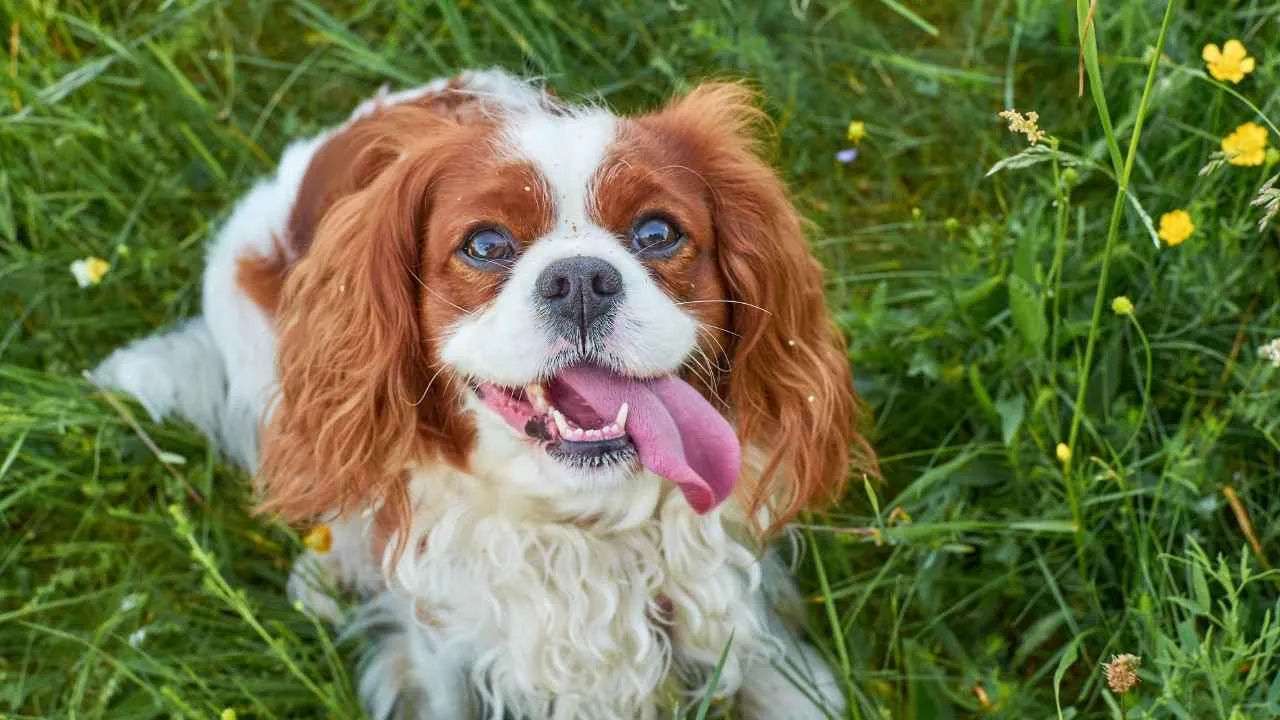
Cavalier King Charles Spaniels are affectionate companion dogs with a gentle and friendly nature. Their history is closely linked to British royalty, as King Charles I and Charles II were known for taking these dogs with them everywhere, according to PetMD.
Today, their loving personality and adaptability make them well-suited to many first-time pet parents and family homes.
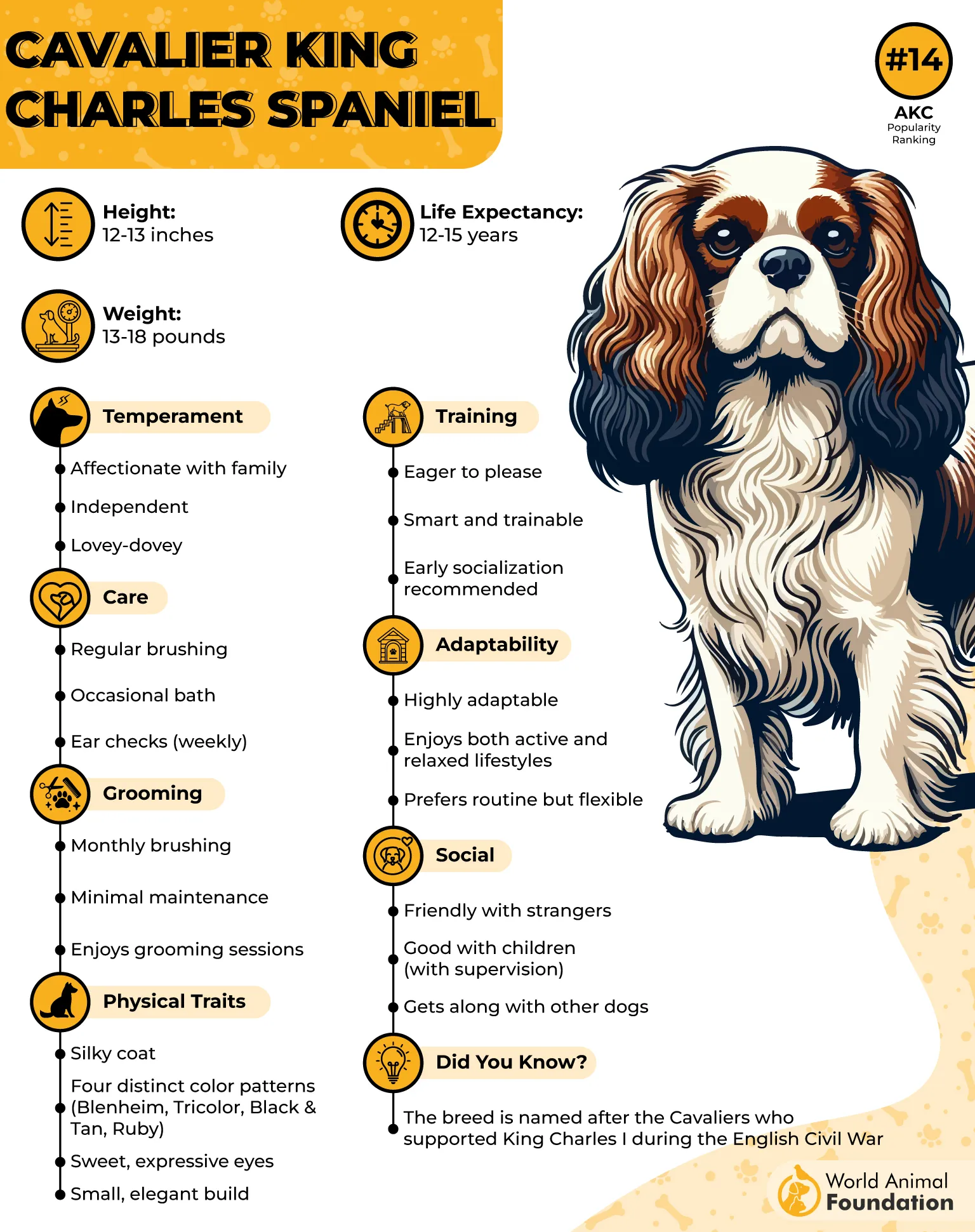
Personality and Training
Cavaliers are playful, patient, and eager to please. They usually get along well with children, other dogs, cats, and even strangers. They enjoy staying close to their people and thrive on companionship, so they should not be left alone for long periods.
They are also intelligent and relatively easy to train. Short, fun sessions using positive reinforcement can help them learn quickly.
Exercise and Care
Cavalier King Charles Spaniels have moderate exercise needs. Two 20- to 30-minute walks each day, along with some playtime, can help keep them happy.
Once their energy needs are met, they are often content to relax with their family. Their long, silky coat needs regular brushing to manage loose hair, while their ears and eyes should be checked regularly.
3. Havanese
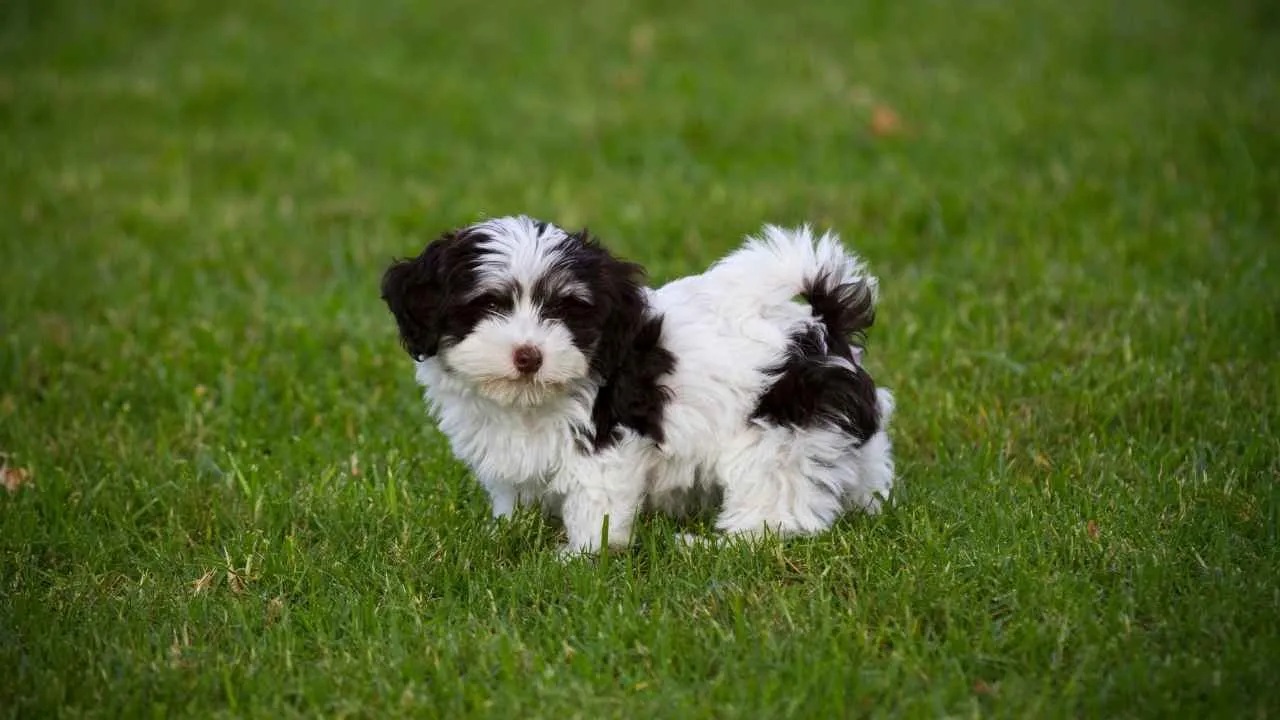
Havanese are cheerful, outgoing, and affectionate companion dogs. They are intelligent, eager to please, and usually friendly with people and other animals. The breed originated in Cuba, with ancestors brought from Spain in the 1600s.
During the Cuban Revolution, some families brought these dogs to the U.S. Their lively personality and love of people have since made them popular family companions.
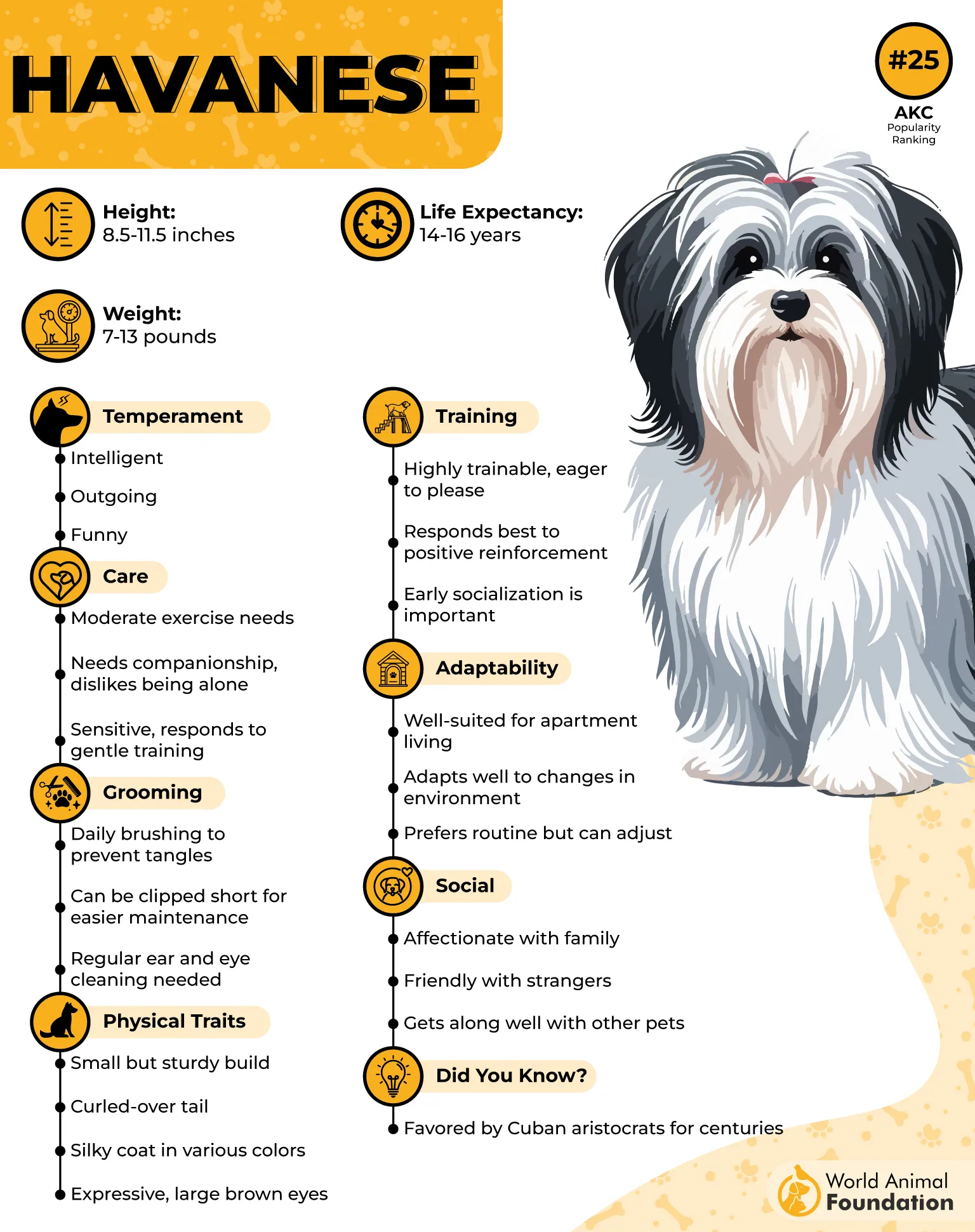
Personality and Training
Havanese are curious, playful, and love being the center of attention. They are often called “velcro dogs” because they enjoy staying close to their owners. They can get along well with children, cats, dogs, and strangers.
They are highly trainable and enjoy learning tricks, agility, and other activities. They respond best to firm, consistent training and positive attention. Some may bark to get attention, but training can help them learn when to settle down.
Exercise and Grooming
Havanese need daily activity to stay happy and healthy. Short walks, play sessions, and family activities can provide exercise, but they also benefit from a couple of decent walks each day.
They can stay home alone for short periods when taught from an early age, but they strongly prefer company. Their long, straight or wavy double coat needs frequent brushing to prevent tangles.
4. Shih Tzu
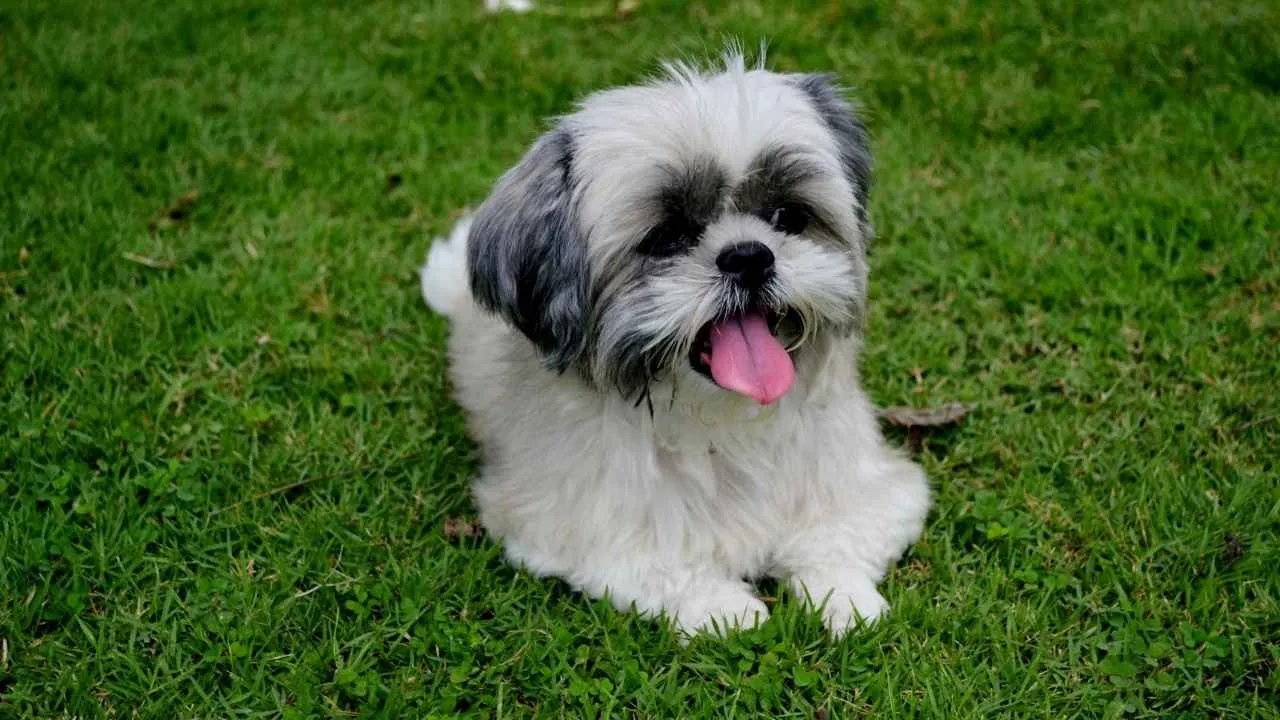
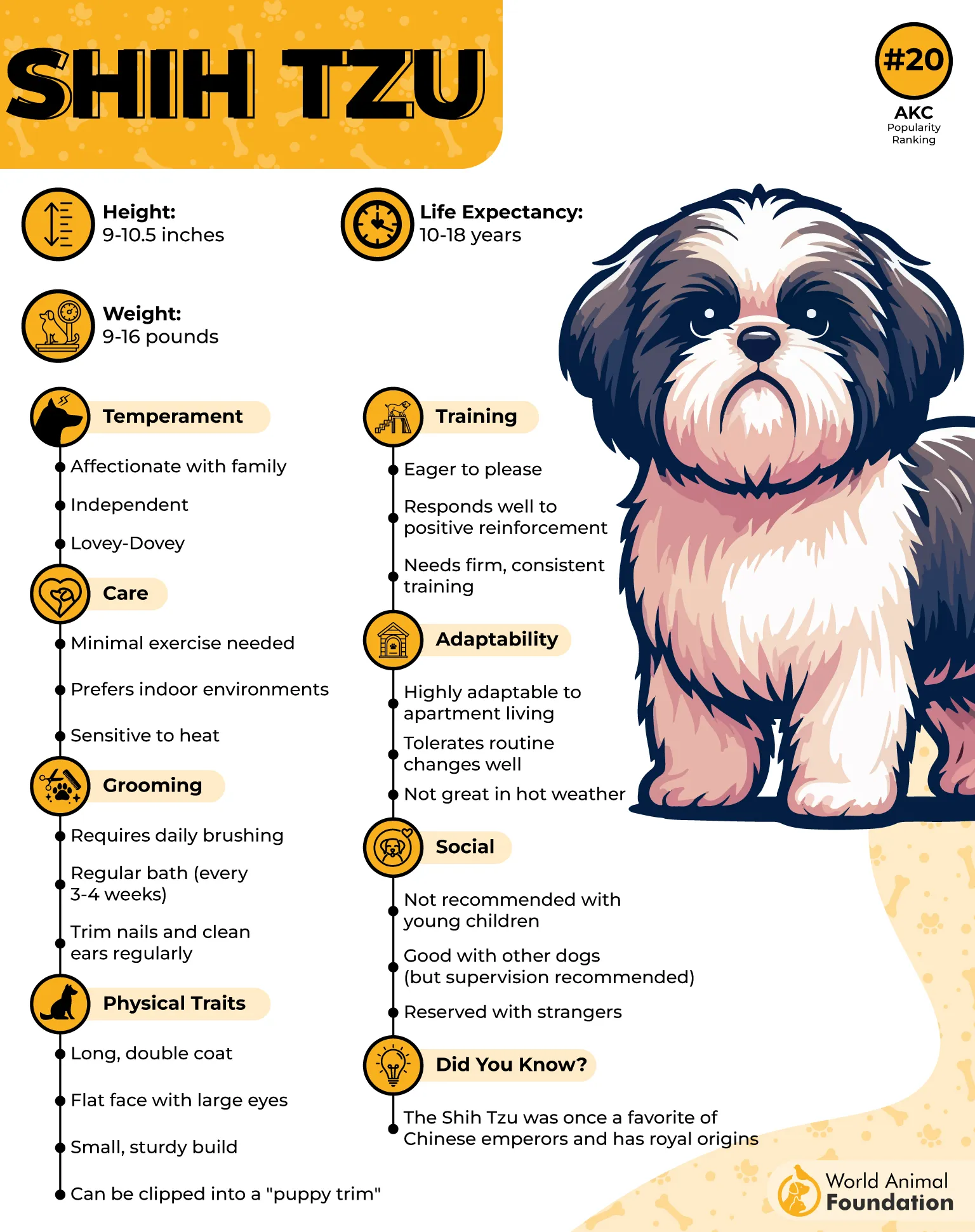
Shih Tzus are known for their friendly and playful personalities. This ancient toy breed was developed as a pampered companion and has a long history connected to Tibet and China.
Their name means “lion dog,” and they were bred to look like lions. Over time, their role shifted from alerting people to visitors to simply being loving household companions.
Personality and Training
Shih Tzus are outgoing, sociable, and usually happy around people and other animals. Britannica says they usually get along with unfamiliar people, dogs, and pets. Their small size and playful nature can make them good companions for gentle older children and seniors.
They are intelligent and can learn quickly, although they may be slow to obey when they are not interested. Early socialization can help prevent unwanted behaviors such as excessive barking or digging.
Exercise and Care
Shih Tzus have moderate exercise needs and are often happy with a 30-minute walk and some playtime at home. They enjoy spending time with their families and do not like being left alone for long periods.
Their long, smooth coat does not shed heavily but needs regular grooming to stay in good condition. A harness is also a better option than attaching a leash directly to the collar because of their anatomy.
5. Bolognese
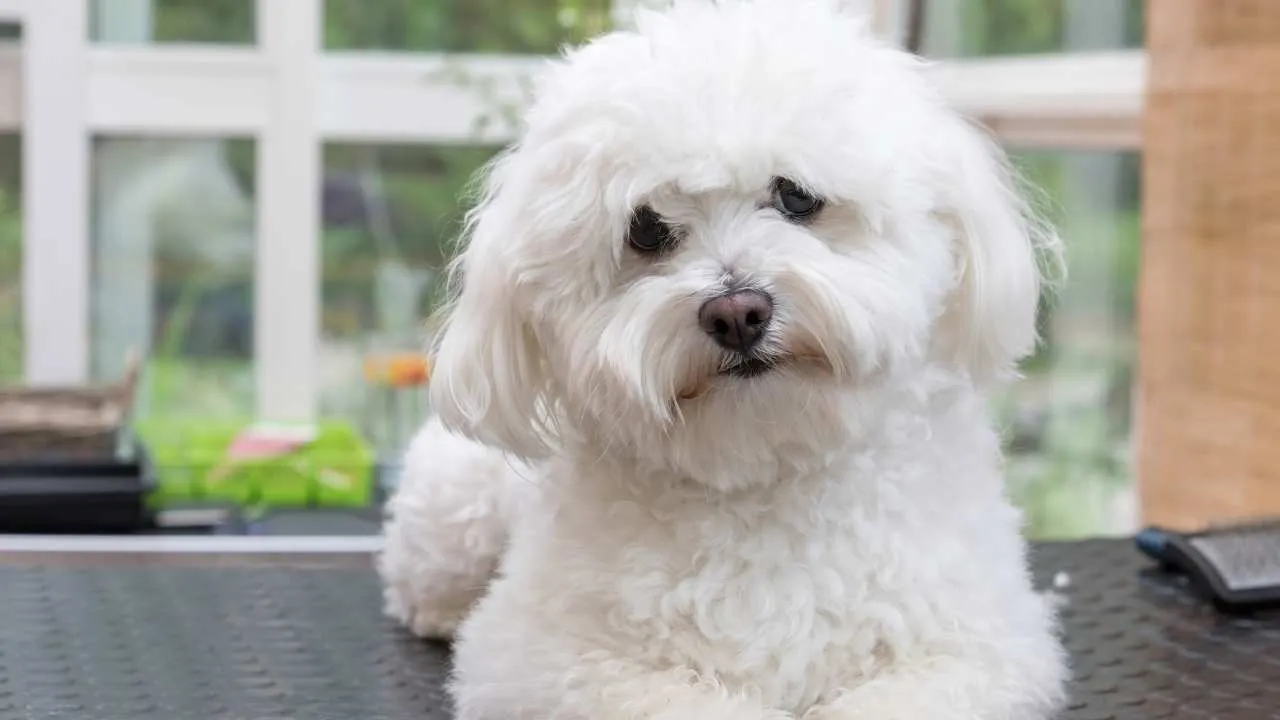
Bolognese dogs are loving dogs that form very close bonds with their families. Their history goes back centuries, with Italian nobility treasuring these small dogs and featuring them in Renaissance-era art.
They belong to the Bichon family and have long been valued for their loyal and loving nature. Today, they are relatively rare but remain devoted household companions.
Personality and Training
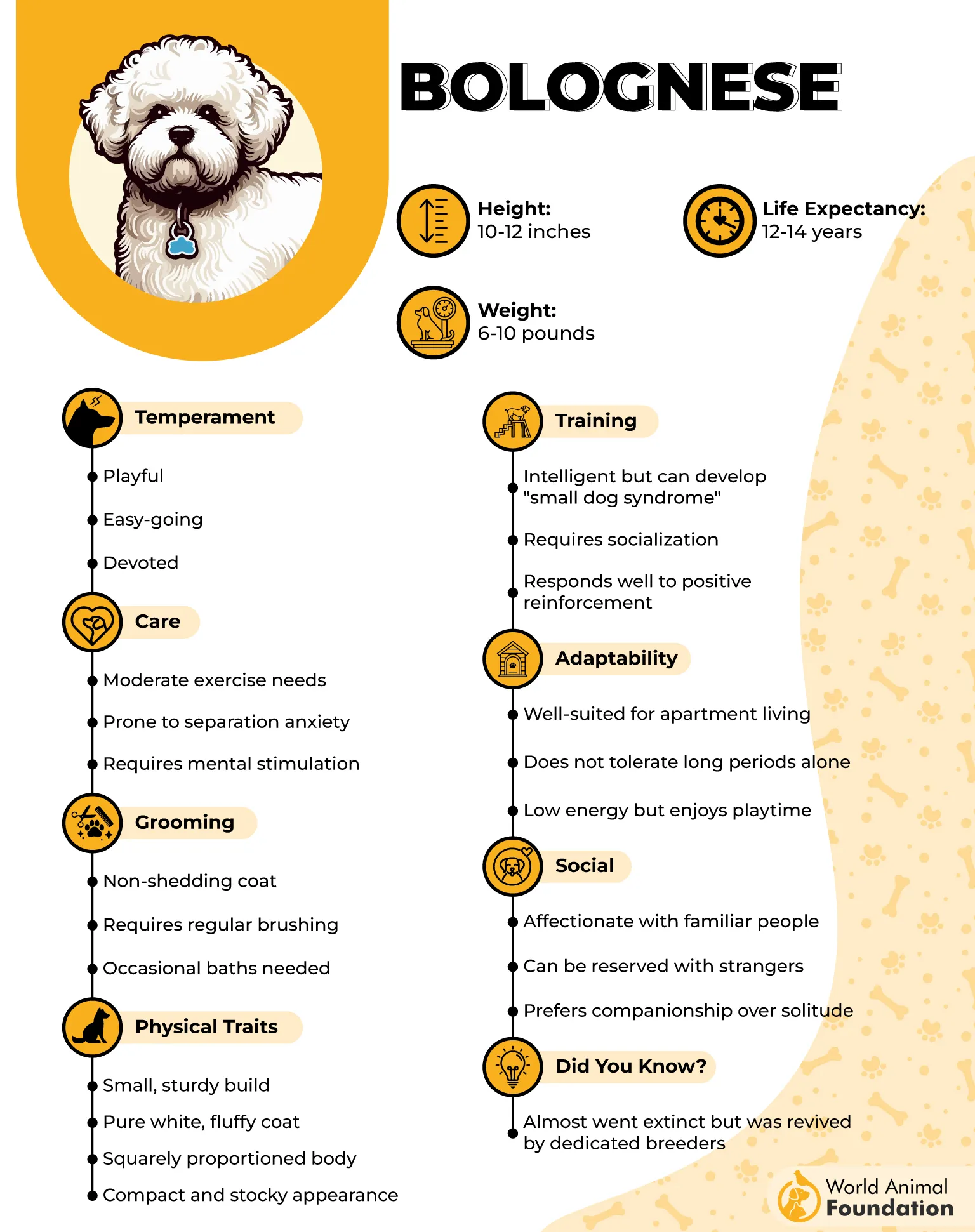
Bolognese are calm, playful, patient, and eager to stay close to their owners. They enjoy cuddling and often choose a comfortable lap or soft spot for naps. They usually do well with children, cats, and other dogs when introduced early.
They can be reserved around strangers and may bark when someone comes to the door. They are intelligent and quick to learn, but fair and consistent training is important. Too much spoiling can lead to unwanted behavior, so owners should set clear boundaries.
Exercise and Grooming
Bolognese have an easygoing nature and can adapt well to apartment living or other homes as long as they have plenty of companionship. Their playful side means they still need regular activity and interaction.
They are also easy to take along on errands and trips because of their compact size. Their soft, wavy white coat needs regular grooming to prevent mats and keep it looking its best.
6. Papillon
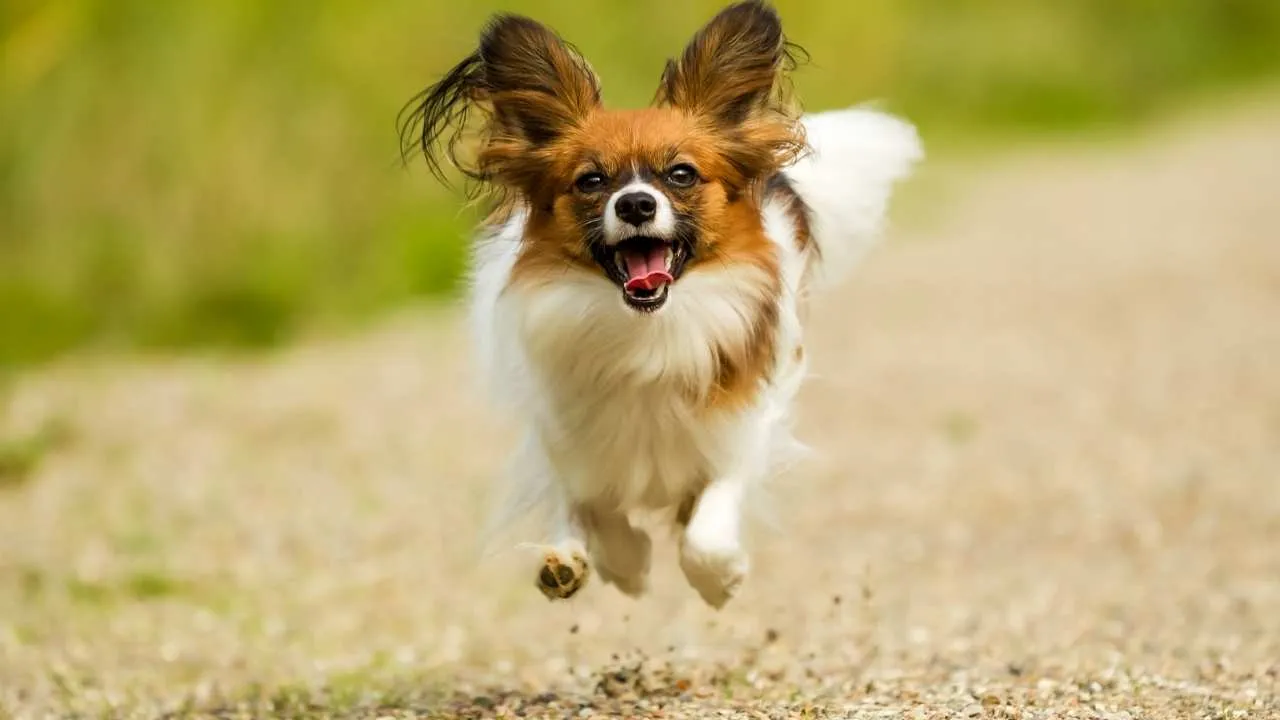
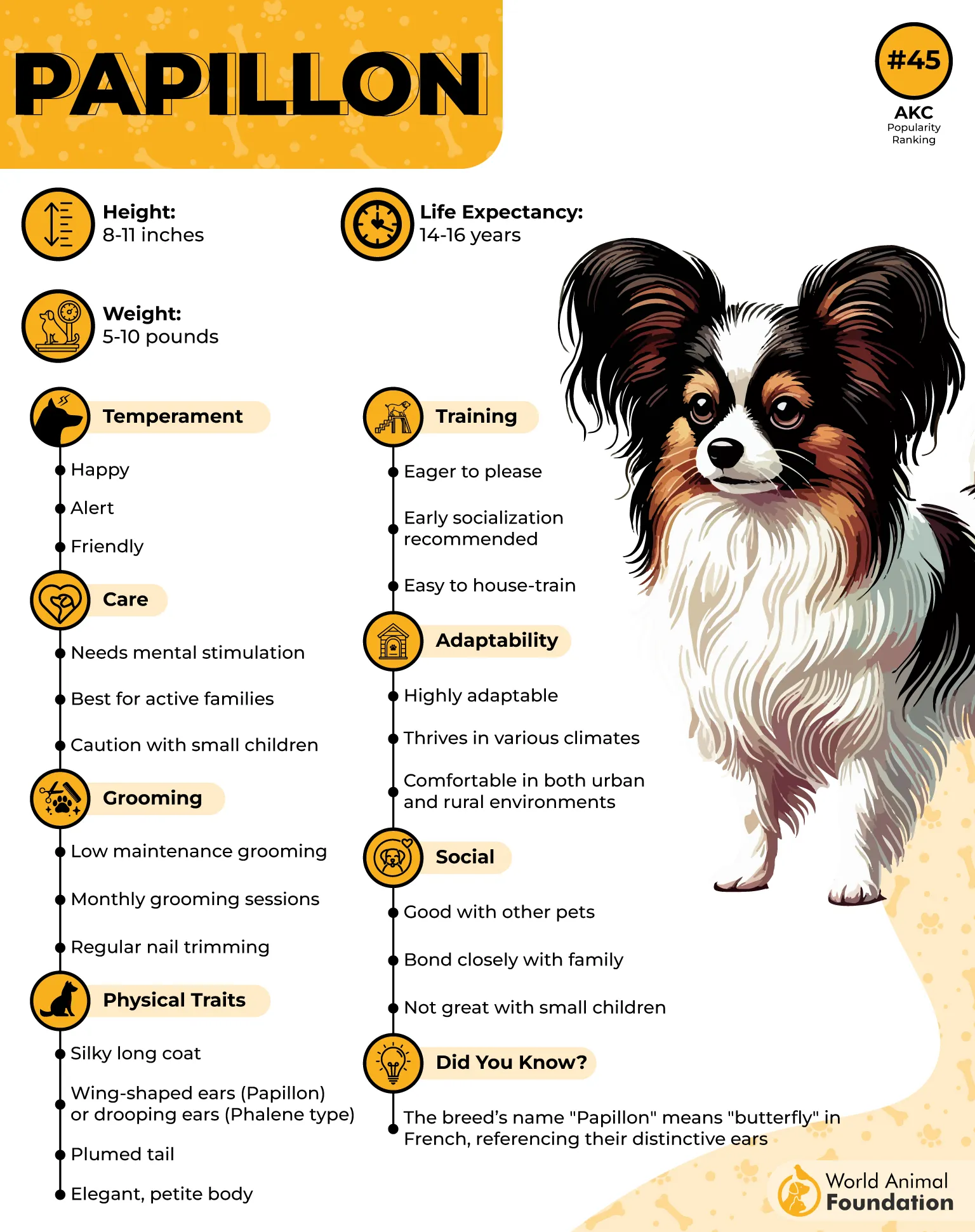
Papillons are small, cheerful companion dogs known for their butterfly-like ears and lively personalities. Their name comes from the French word for “butterfly,” inspired by their large ears with long, wispy hair.
The breed has appeared in Western European artwork since the 16th century and has long been associated with companionship. Today, Papillons are friendly, adaptable family dogs that enjoy spending time with their people.
Personality and Training
Papillons are outgoing, intelligent, and eager to please. They enjoy sitting on laps but are just as happy running and playing around the house. Hill’s Pet mentions they usually get along well with adults, children, dogs, cats, and other pets when socialized from puppyhood.
Their intelligence and willingness to learn make them highly trainable, and they can excel in obedience, agility, tracking, and even therapy work. They can also be good watchdogs, although their small size makes them unsuitable as protection dogs.
Exercise and Grooming
Papillons are more active than many other toy breeds, so they need plenty of exercise and mental stimulation. Indoor games, walks, play sessions, and access to a fenced area can help them burn off their lively energy.
After playtime, they are often happy to curl up beside their owners. Their long, feathered coat needs brushing or combing a few times a week to prevent tangles and mats.
7. Bichon Frise
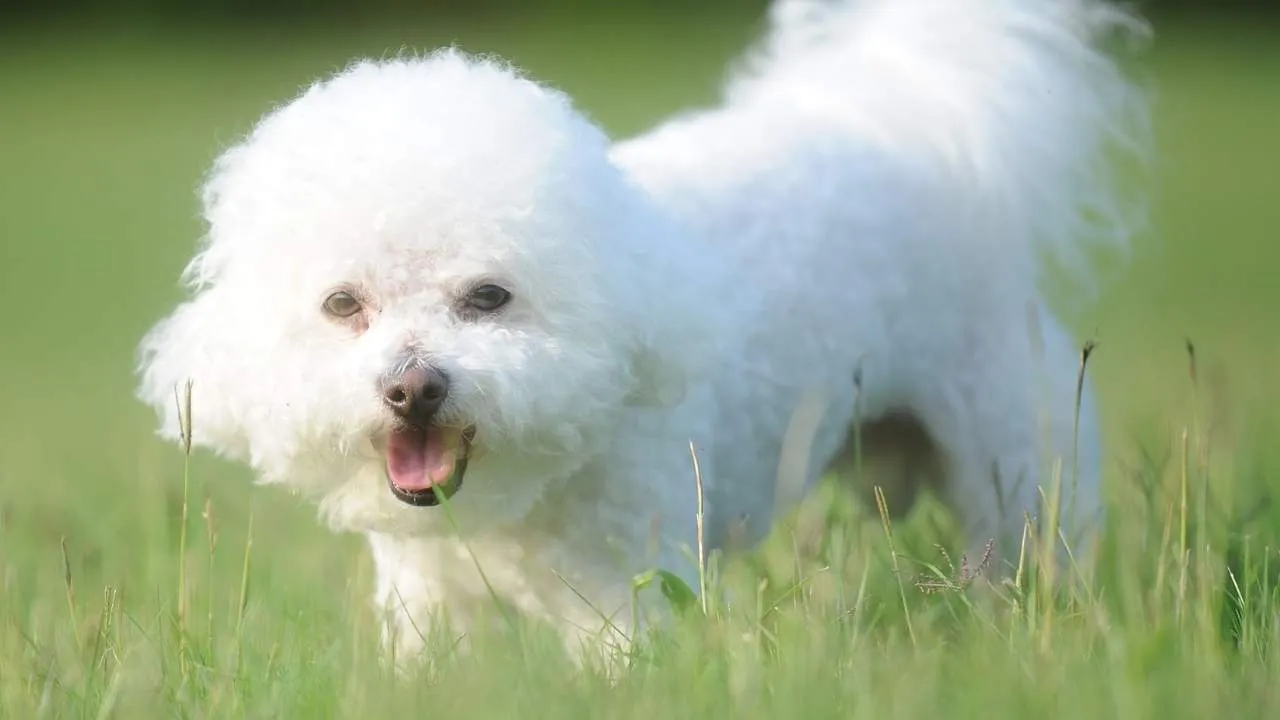
Bichon Frises are cheerful dogs with playful personalities and a friendly nature. Originally a Spanish breed, they have a long history of entertaining royalty, traveling with sailors, appearing in paintings, and even performing in circuses.
Their name comes from a French phrase meaning “curly lap dog.” Today, they are known for being social dogs that enjoy spending time with people and other pets.
Personality and Training
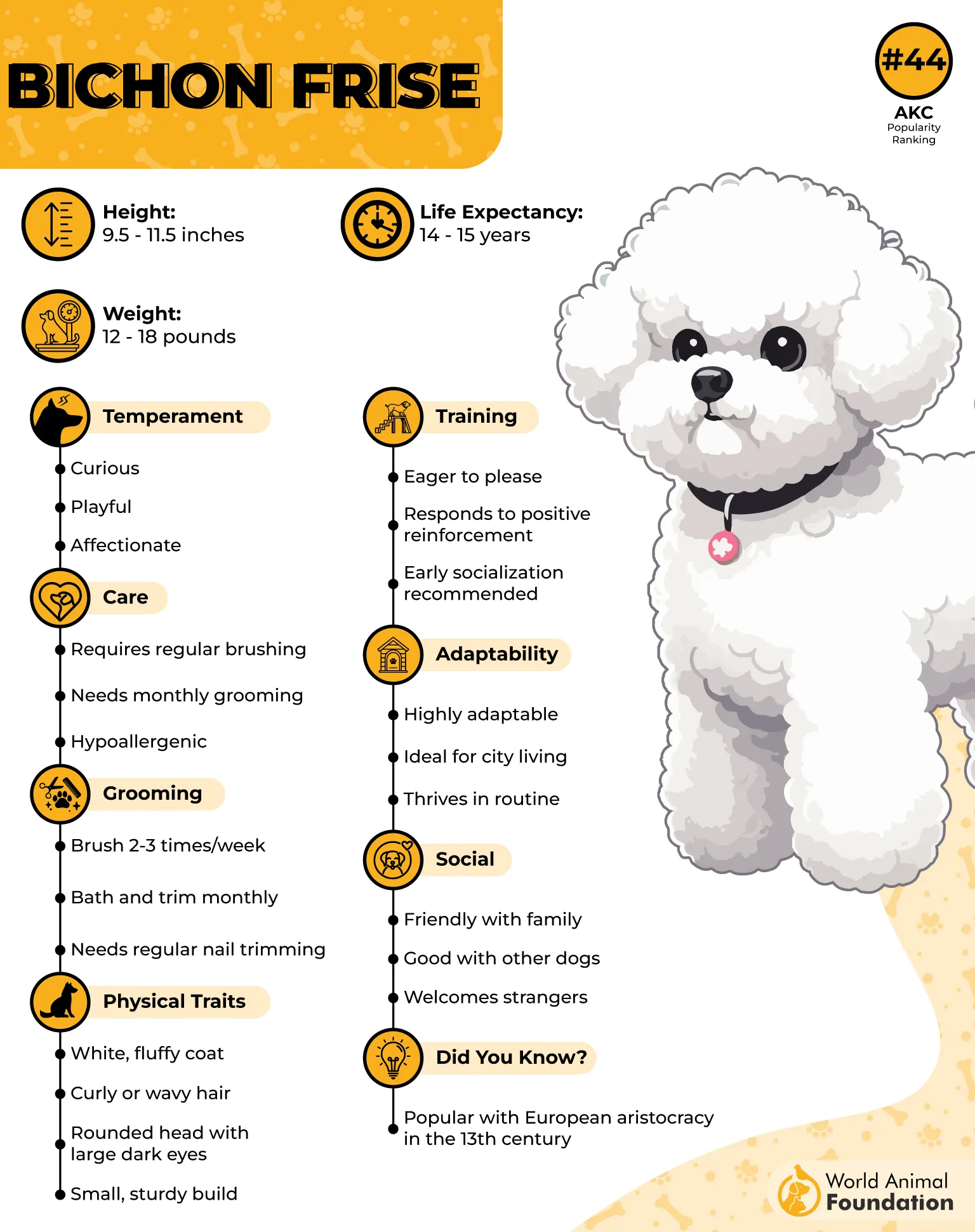
Bichons are energetic, playful, and eager to please, which can make them easy to train. They enjoy learning new tricks and showing off for their families. They usually get along well with children, other dogs, and household pets, and they can adapt well to family life.
Bichons can be enthusiastic watchdogs and may bark when they hear unfamiliar sounds. Their small size also means they are not suited to protection work.
Exercise and Grooming
Bichon Frises enjoy playtime, toys, walks, and learning activities that keep their minds and bodies busy. Once they have had enough activity, they are often happy to relax with their family.
Their small size makes them suitable for apartment living, and they can also learn to stay alone occasionally. Their coat needs regular care, including frequent brushing and professional grooming, to keep it free from tangles.
Conclusion
Choosing your first dog is about more than finding a breed that looks adorable. Temperament, trainability, exercise needs, grooming, and the amount of companionship a dog needs all matter.
The breeds in this article offer different personalities and care needs, giving beginners several options to consider based on their daily routines and homes.
Before bringing a dog home, take time to understand what the breed needs and think honestly about what you can provide. The right start can make those first months much easier and help build a strong bond that lasts for years.
Looking for more dog breeds for first-time dog owners? You can also check out the Labrador Retriever, Border Collie, Miniature Poodle, Cocker Spaniel, Bernese Mountain Dog, Miniature Schnauzer, French Bulldog, and German Shepherd.
