




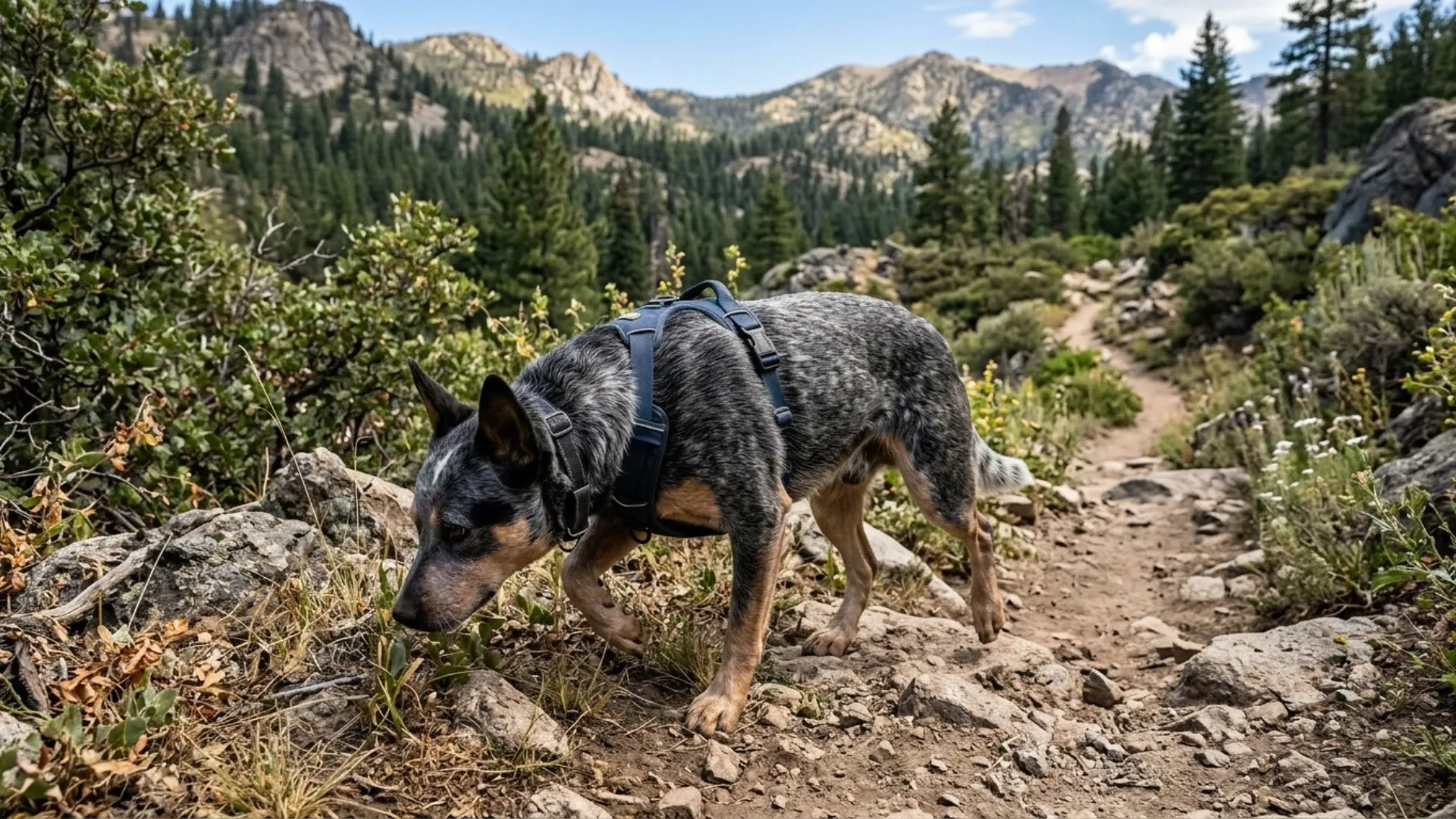
Muscularity in dogs is not simply about appearance. In working breeds, a strong frame often reflects generations of selection for carrying out demanding tasks such as herding, guarding, tracking, pulling, and traversing difficult terrain.
Interestingly, some of the most powerfully built breeds on this list were developed in very different parts of the world. Yet, their bodies evolved toward the same practical goal: efficient movement and sustained physical performance.
The seven best dog breeds below demonstrate different forms of canine athleticism. Some combine compact power with explosive acceleration, while others rely on stamina, balance, or sheer physical strength.
Their muscular physiques closely reflect the jobs they were historically expected to perform, making each breed’s build particularly interesting through the lens of trail and hound work.
Top Dog Breeds with Peak Muscularity for Trail and Hound Work
1. Australian Kelpie
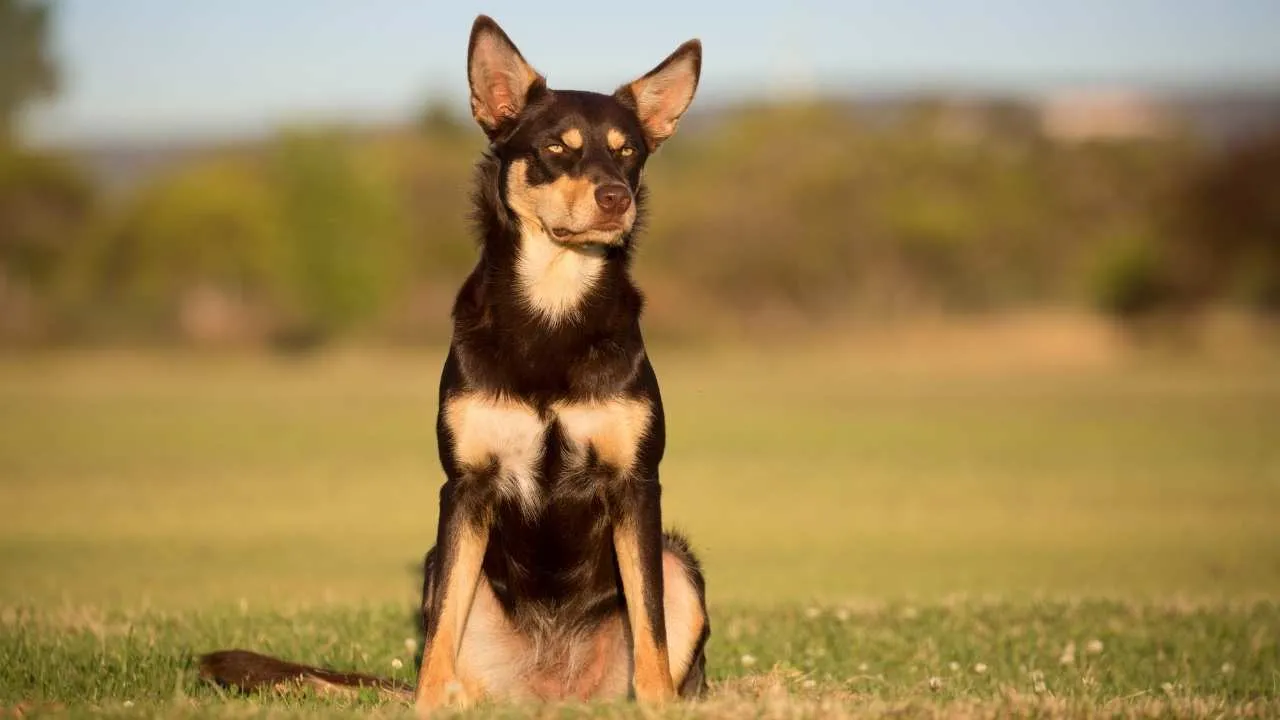
The Australian Kelpie was developed in Australia during the 19th century to handle sheep across vast pastoral properties. Its ancestry is associated with working collies brought from Britain, with selective breeding gradually producing a dog suited to Australia’s heat, distance, and rugged farming conditions.
A Low-Maintenance Coat for an Active Lifestyle
The Kelpie’s short, weather-resistant double coat is relatively straightforward to care for. Weekly brushing can remove loose hair, while more frequent grooming may be useful during seasonal shedding.
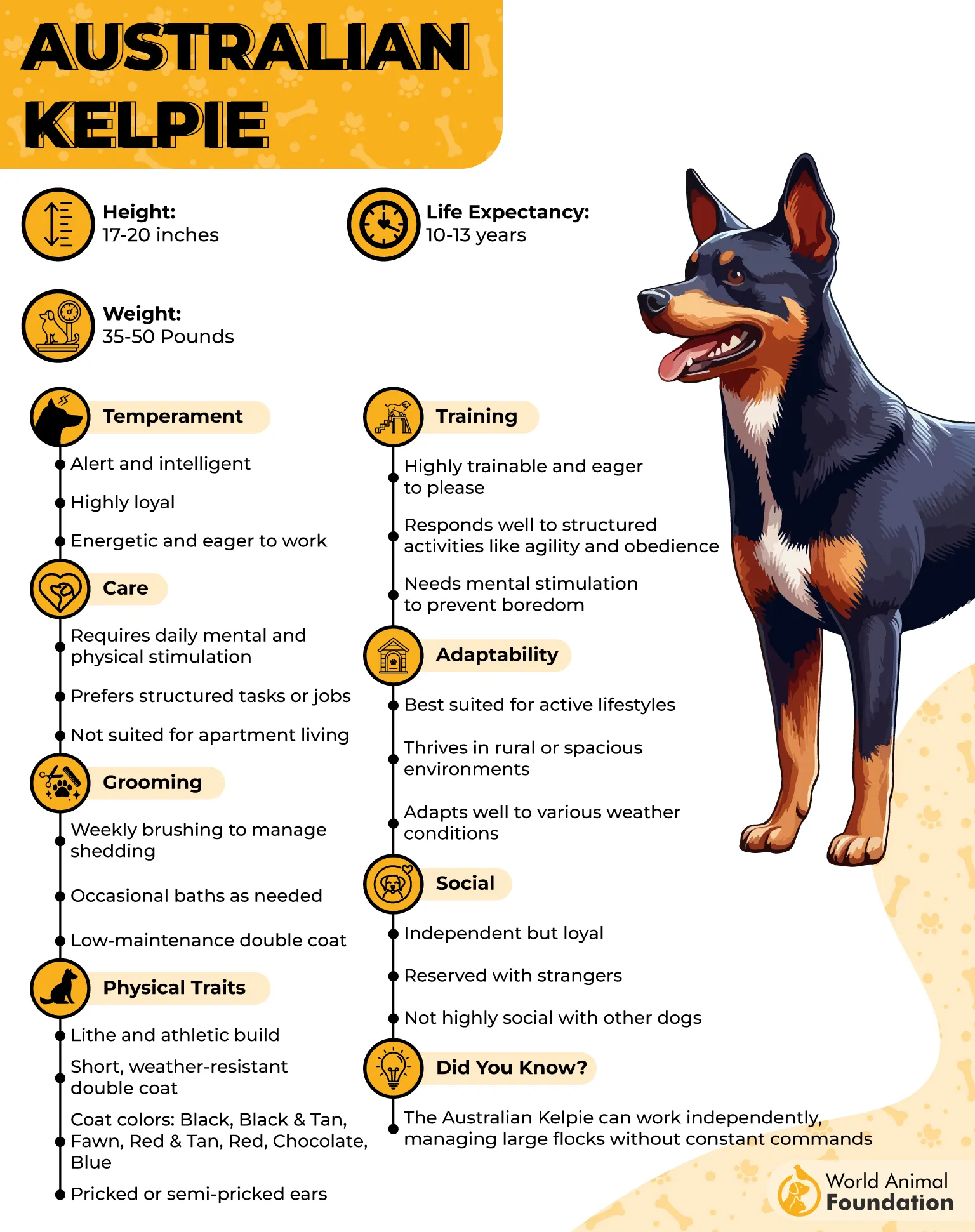
Exercise is a major part of life with this breed. Long walks, running, agility, herding activities, obedience drills, and interactive games can help channel its considerable physical and mental energy.
Compact Muscle Built for Relentless Movement
Rather than possessing the bulky frame of a mastiff, the Australian Kelpie has a lean, athletic physique designed for efficiency. Strong hindquarters, a flexible body, and excellent coordination allow it to change direction rapidly while working livestock.
On trails, this combination of muscular endurance and agility makes the breed particularly capable of maintaining a steady pace over demanding distances.
2. German Shepherd
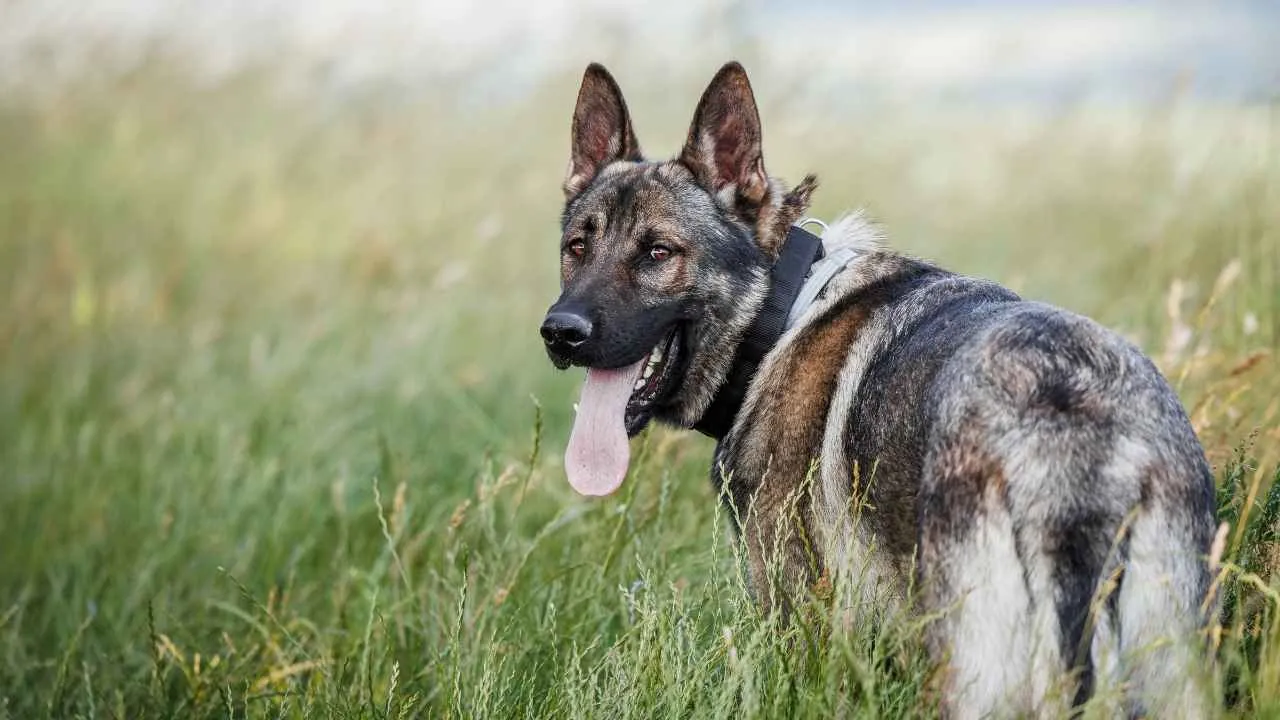
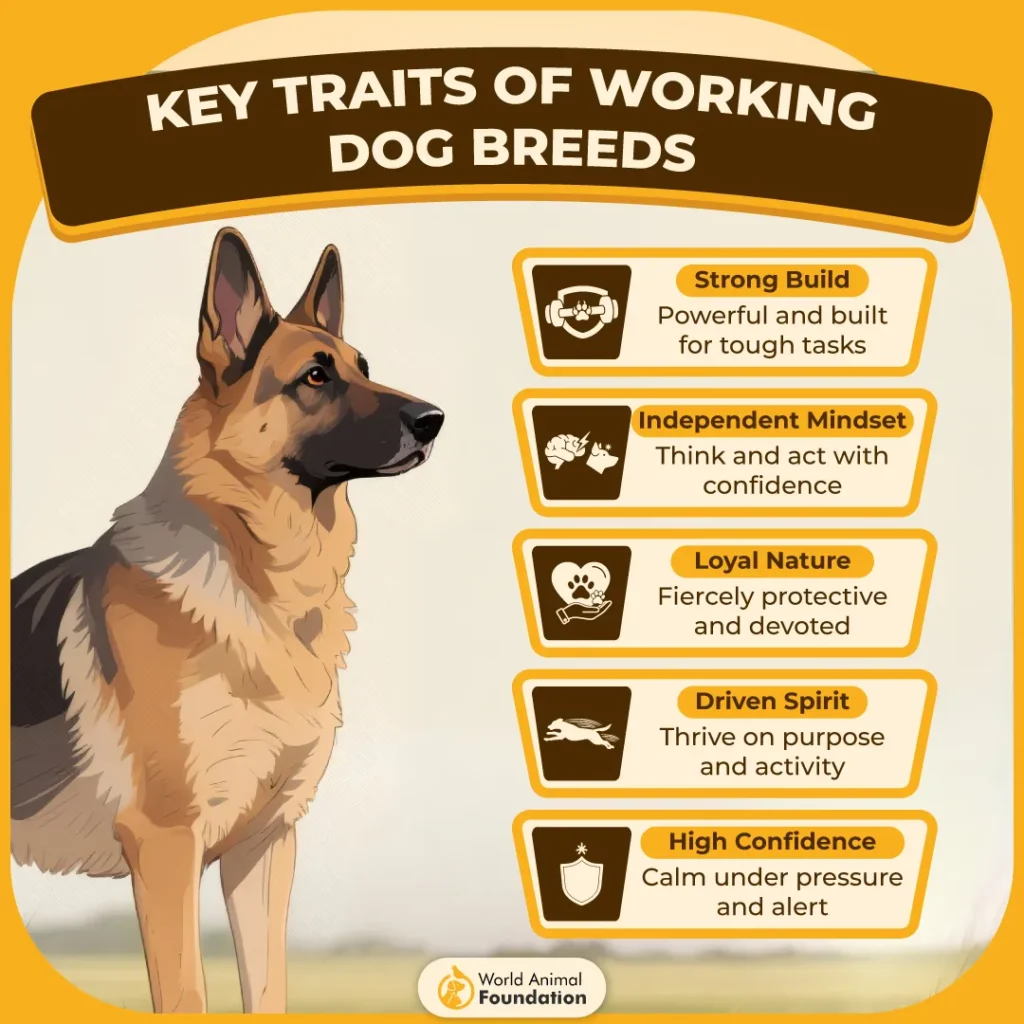
The German Shepherd traces its modern development to Germany, where Max von Stephanitz and other breeders worked toward creating a highly capable shepherd dog in the late 19th and early 20th centuries, as per PDSA. Dogs selected for the breed were valued for intelligence, structure, stamina, and working ability rather than appearance alone.
A Double Coat Backed by a Serious Exercise Requirement
German Shepherds typically have a dense double coat that benefits from regular brushing, especially when the undercoat is being shed heavily.
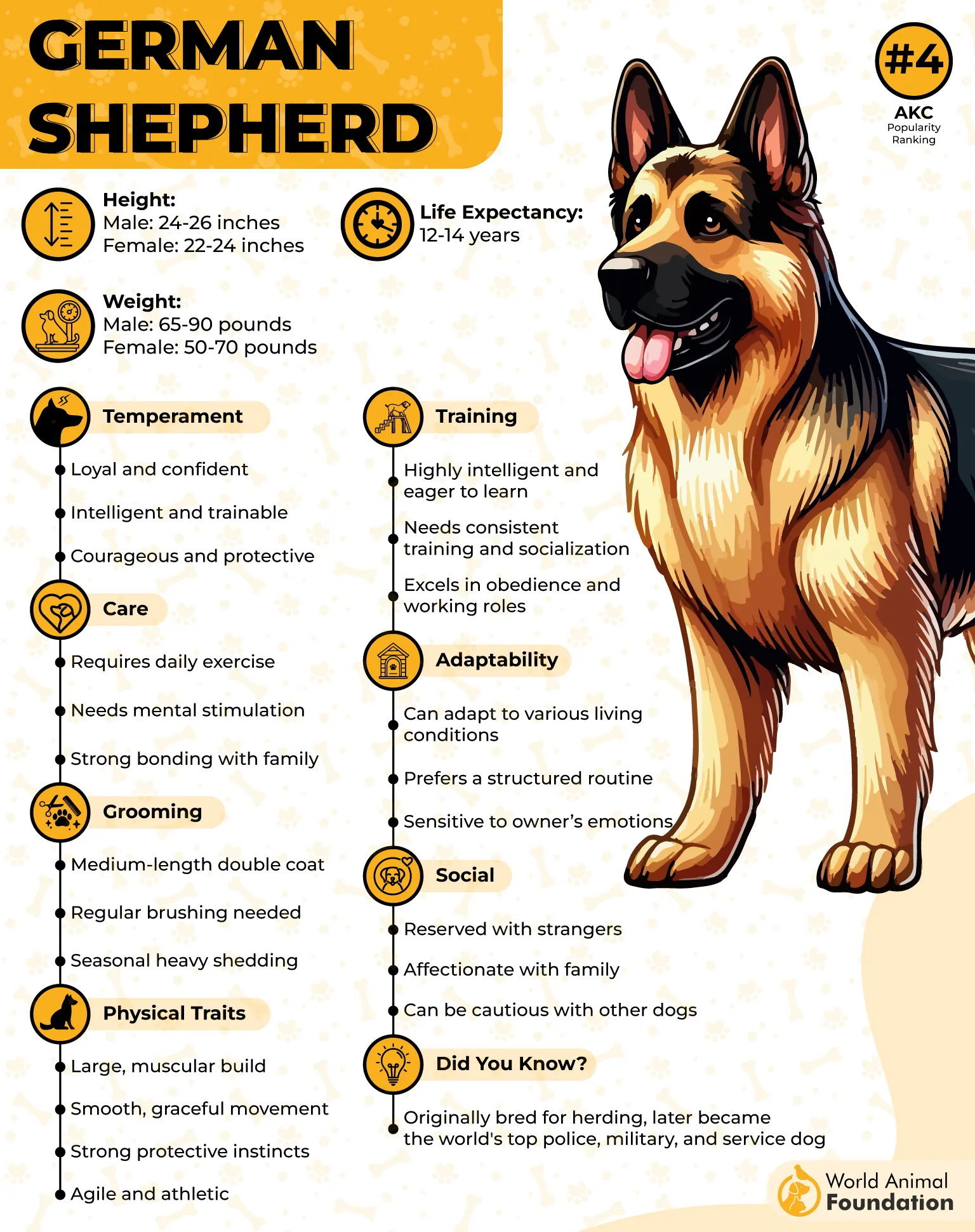
Their physical needs extend well beyond casual walks. Brisk hikes, controlled running, retrieving, scent work, obedience exercises, and structured play can provide the combination of movement and mental engagement they require.
Powerful Structure for Long-Distance Working
The German Shepherd’s muscular shoulders, substantial hindquarters, and balanced proportions give it the ability to combine strength with sustained movement. Its body is suited to accelerating when necessary while remaining capable of covering ground for extended periods.
3. Rottweiler
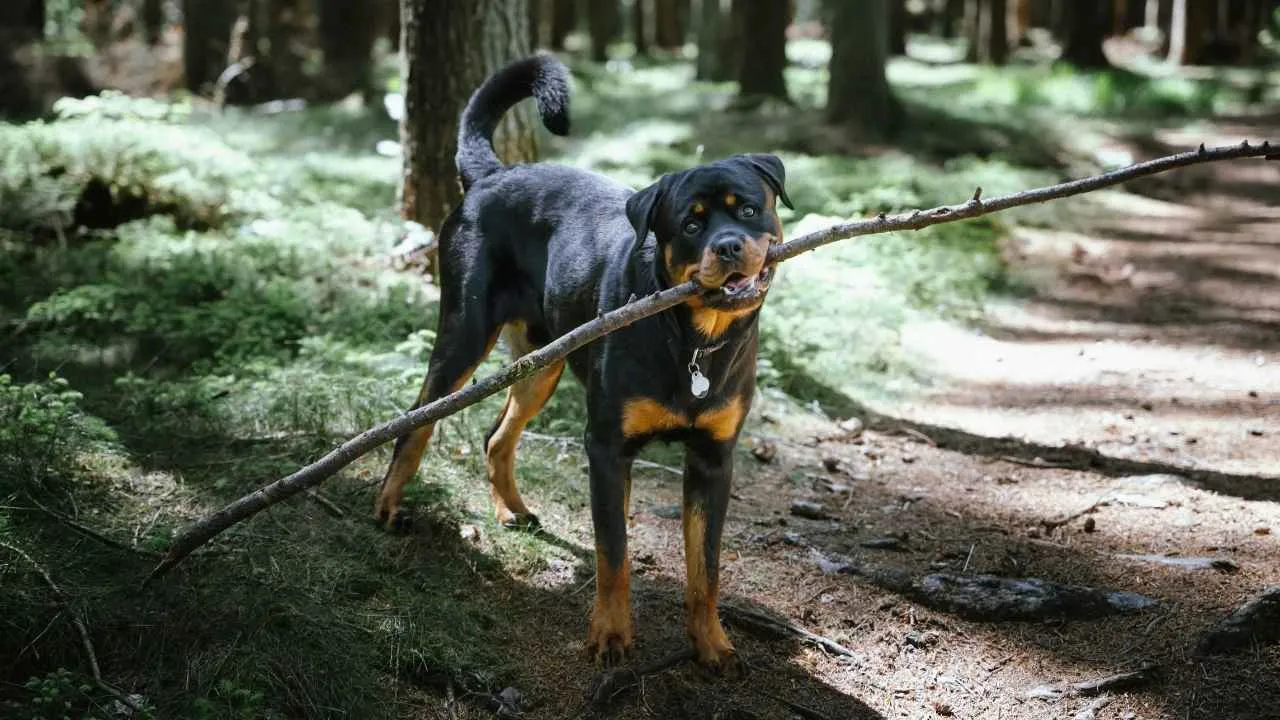
The Rottweiler’s roots reach back to the Roman period, when dogs accompanying Roman armies helped drive and protect livestock, as per the AKC. In the region around Rottweil, Germany, descendants of these working dogs became associated with cattle merchants and butchers.
They were used for herding, guarding, and pulling carts, creating a breed whose substantial physique developed alongside practical working demands.
A Short Coat With Moderate Maintenance
Rottweilers have a short, dense outer coat with an undercoat that tends to become more noticeable during shedding periods. Routine brushing is usually sufficient to keep the coat tidy and remove loose fur.
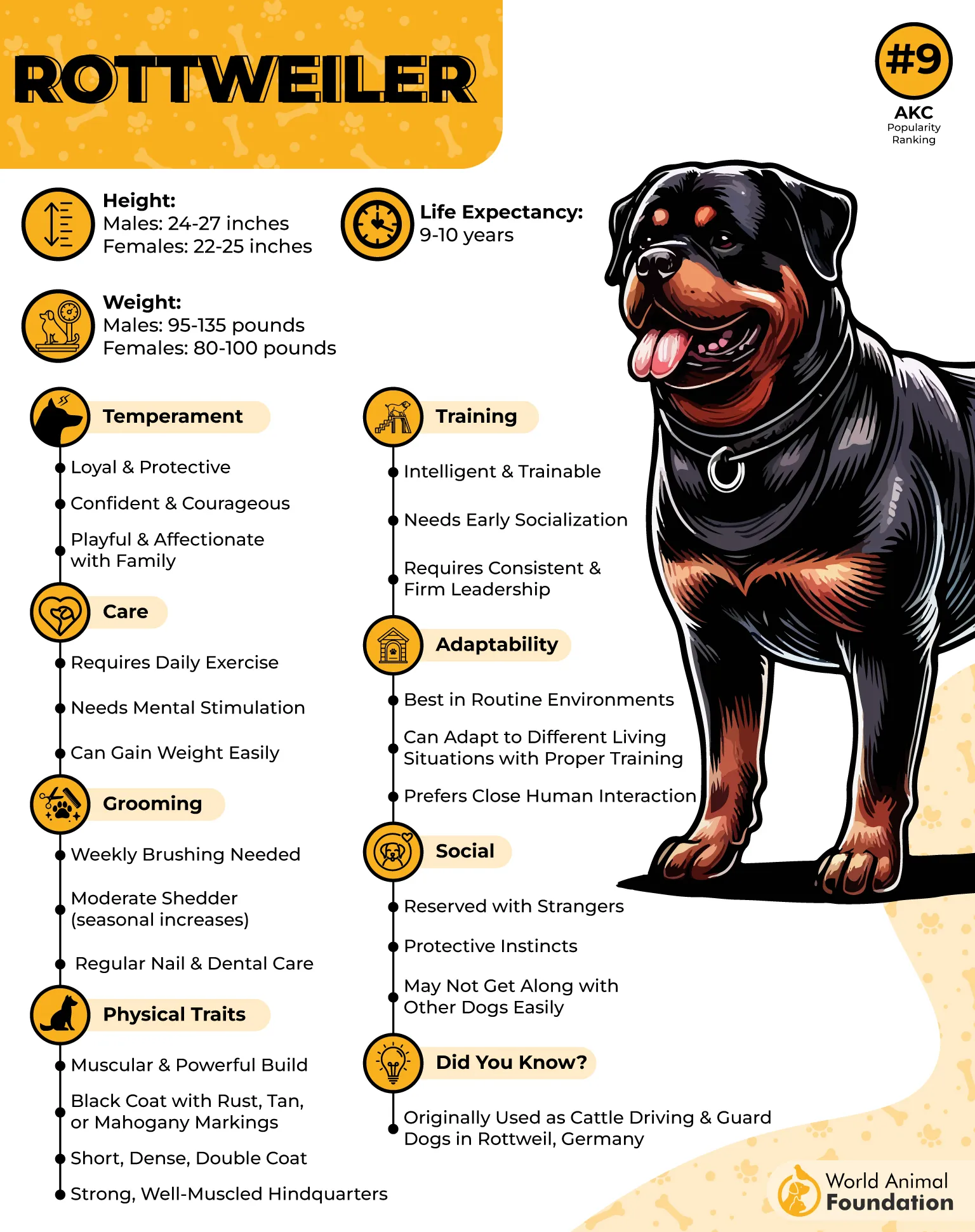
Exercise should be purposeful rather than excessive, with walks, hiking, obedience practice, controlled retrieving, and other age-appropriate activities helping maintain strength without placing unnecessary stress on growing joints.
Dense Muscle Suited to Strength-Driven Work
The Rottweiler has a broad chest, sturdy limbs, and powerful rear assembly that contributes to its imposing physical presence.
Its muscularity is particularly noticeable when the dog moves, as its strength is translated into controlled, deliberate power rather than constant speed. For demanding outdoor work, this build provides a combination of traction, stability, and physical force.
4. Australian Cattle Dog
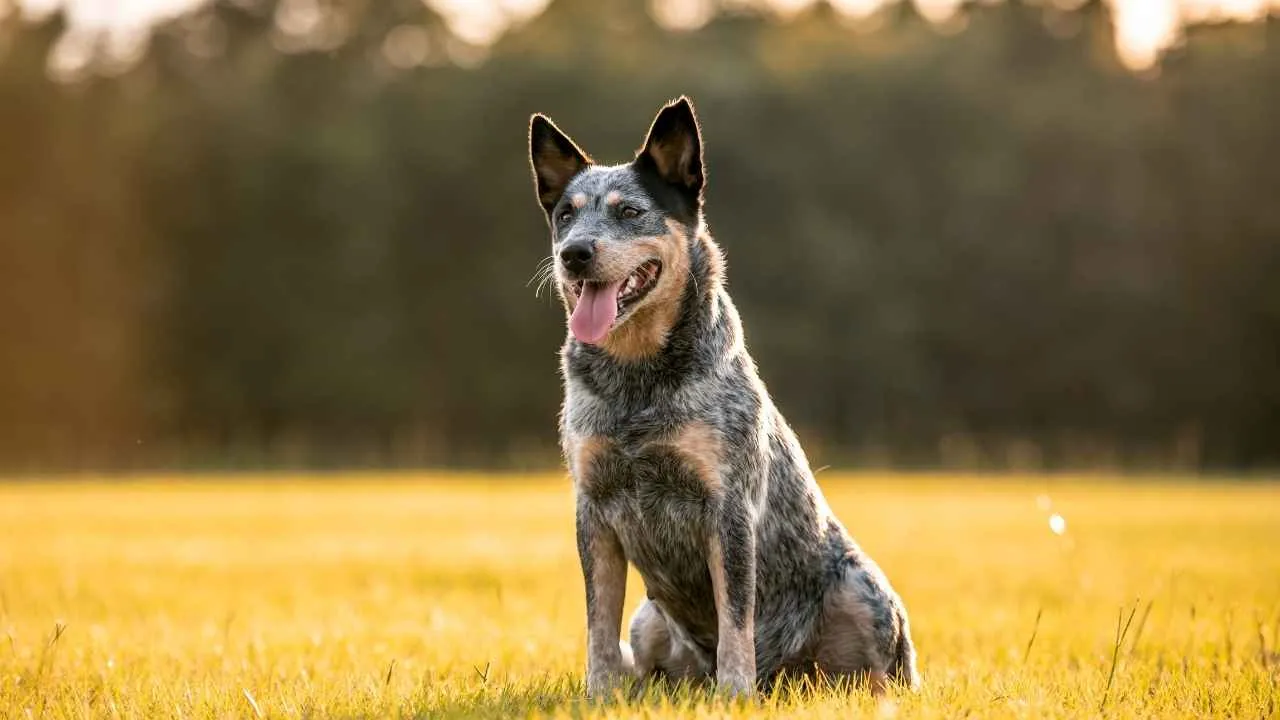
The Australian Cattle Dog was developed by Australian settlers who needed a durable herding companion capable of moving cattle across hot, expansive country. Early development involved British herding dogs and other breeds, including the Dingo, with breeders selecting animals that could tolerate the environment while working independently.
A Weather-Resistant Coat for Outdoor Conditions
Its short double coat is designed to provide protection from Australia’s demanding climate and requires comparatively little maintenance. Brushing once or twice a week can help control loose hair, with additional grooming during heavier shedding.
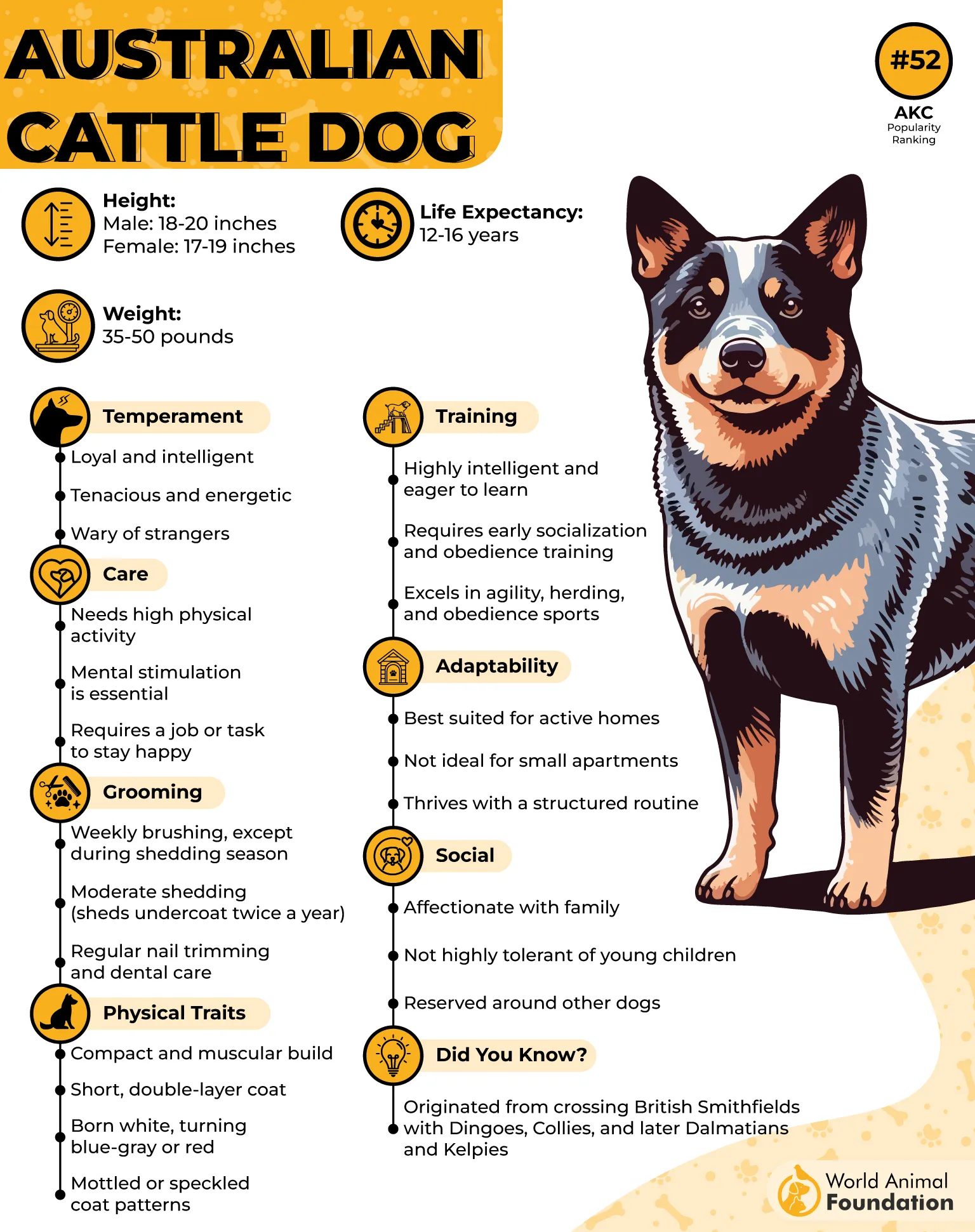
Physically, the breed thrives on activity. Hiking, running, herding exercises, agility, scent games, and problem-solving activities can help satisfy its substantial daily requirements.
Tough Muscle Beneath a Compact Frame
The Australian Cattle Dog does not need a giant body to generate impressive physical performance. Its muscular legs, strong back, and compact construction support quick acceleration and exceptional stamina.
Historically expected to work cattle over long distances, it developed the ability to remain active for extended periods while retaining enough agility to dodge, turn, and respond rapidly to livestock.
5. Doberman Pinscher
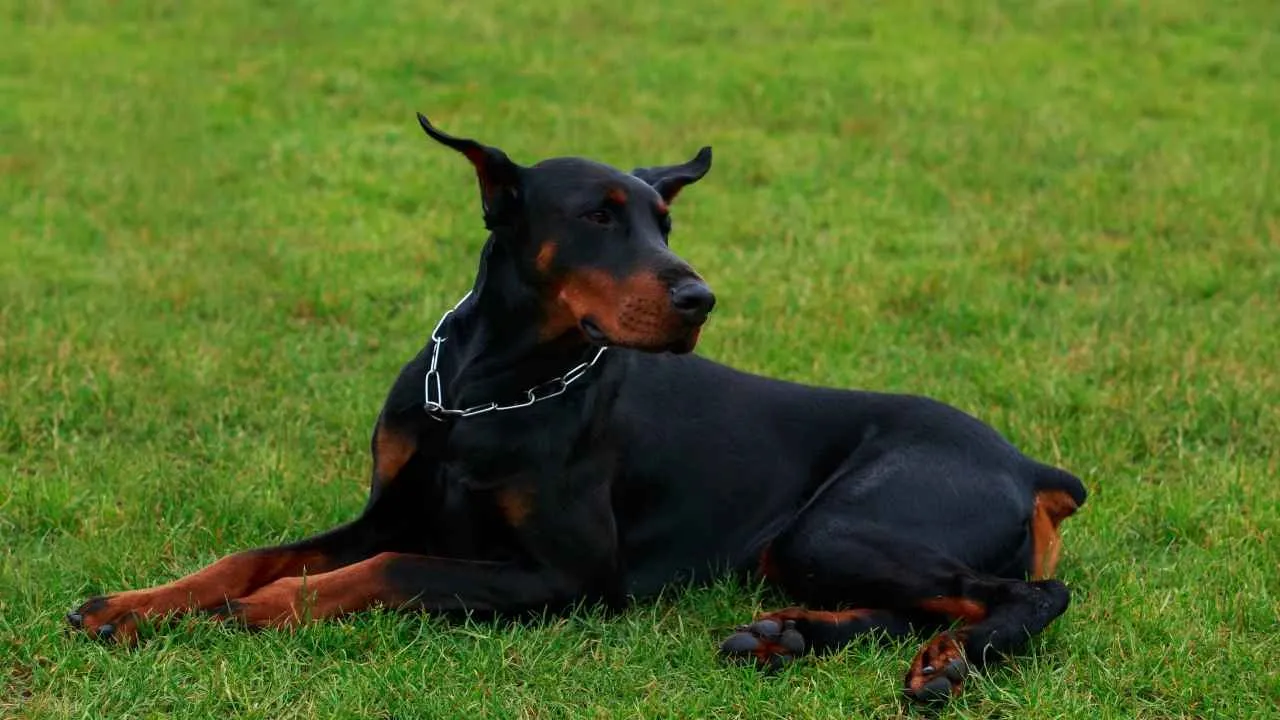
The Doberman Pinscher was developed in Germany in the late 19th century by Karl Friedrich Louis Dobermann, a tax collector who wanted a dependable personal guard dog.
Multiple breeds are believed to have contributed to its development, producing an animal that combined athleticism, alertness, loyalty, and physical capability.
Sleek Coat, Structured Exercise
The Doberman’s short, smooth coat is easy to maintain, with regular brushing generally enough to remove loose hair and keep the skin and coat in good condition.
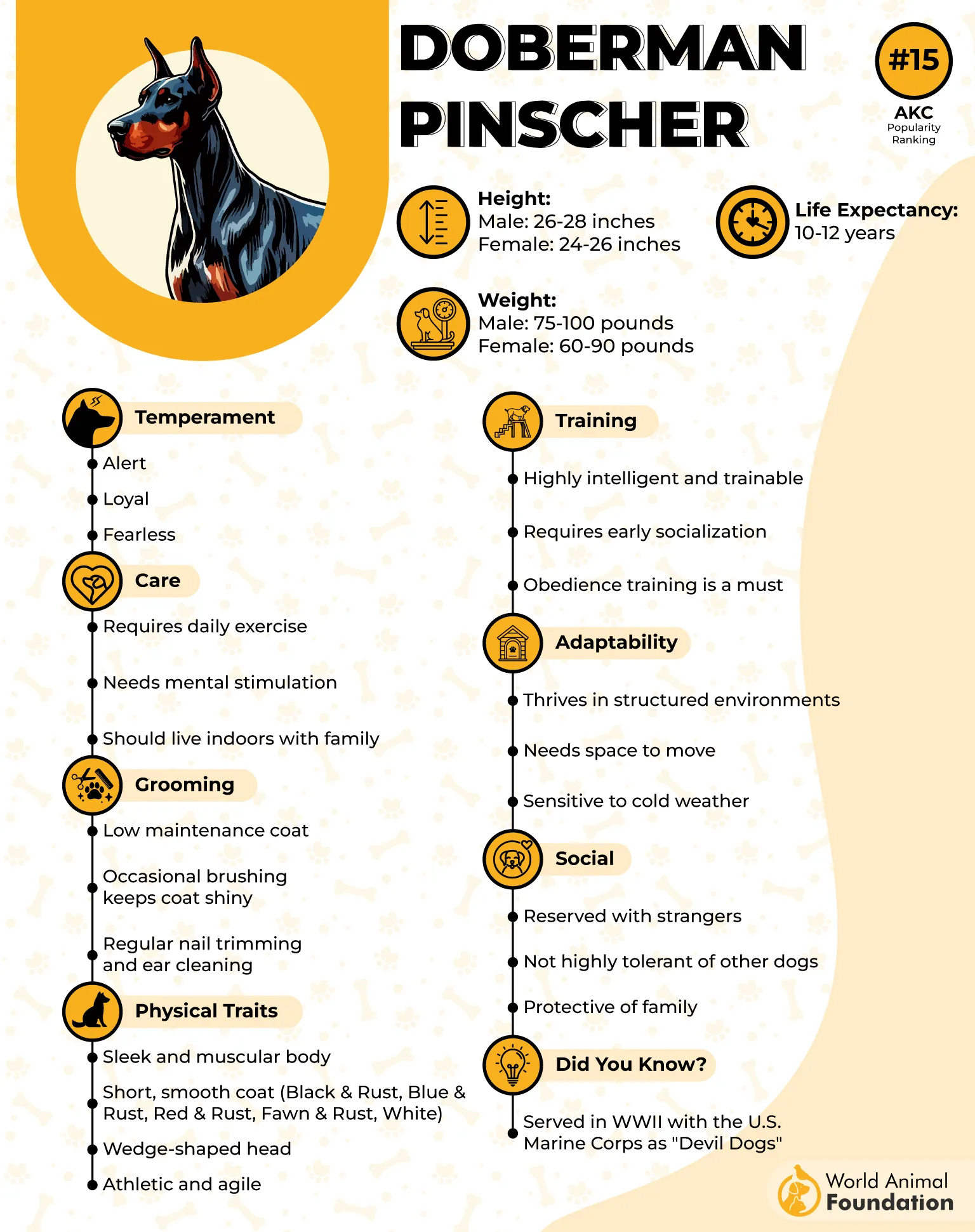
Running, hiking, obedience training, controlled games, and canine sports can provide useful outlets, while mental challenges are equally important for this intelligent breed.
Streamlined Power for Fast Trail Work
The Doberman’s muscularity is expressed through a notably sleek silhouette. Long legs, strong hindquarters, a deep chest, and a firm back allow it to move with speed while retaining considerable physical strength.
This combination makes the breed especially interesting for trail activities where acceleration, responsiveness, and coordinated movement matter as much as raw bulk.
6. Siberian Husky
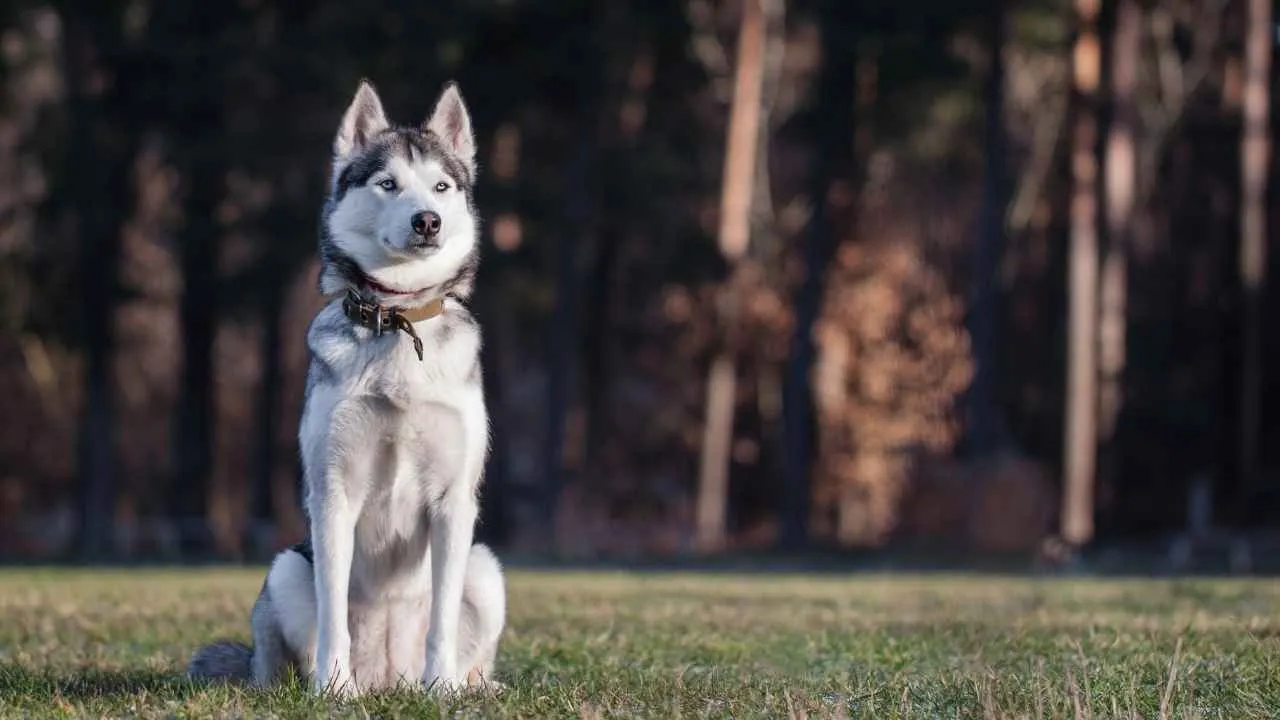
The Siberian Husky originated among the Chukchi people of northeastern Siberia, who developed dogs capable of transporting loads over long distances in severe Arctic conditions. These strong dogs were bred for endurance and efficiency, allowing them to travel considerable distances while pulling relatively light loads.
A Thick Coat Designed for Severe Weather
The Husky’s dense double coat provides insulation against cold temperatures and requires regular brushing.
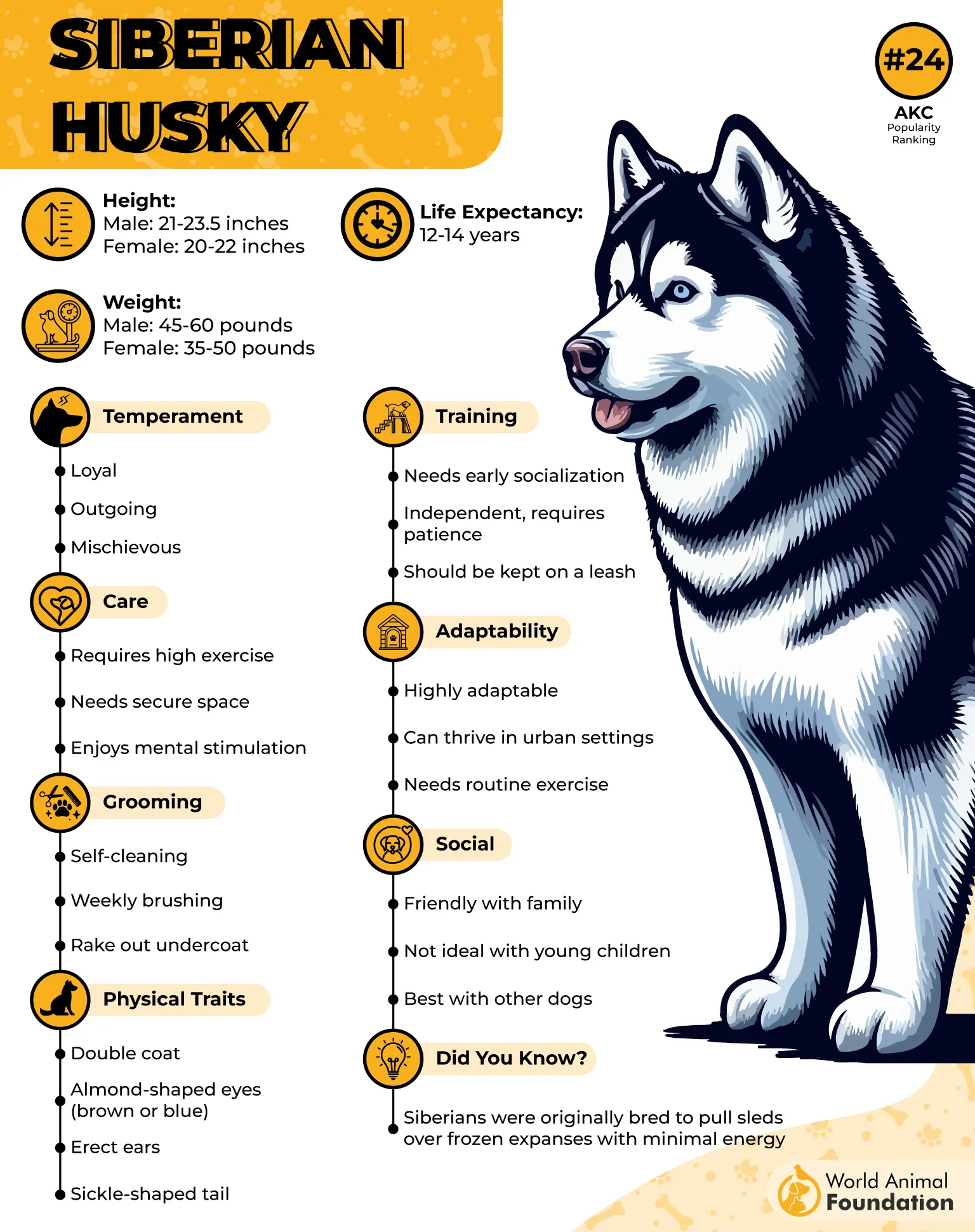
Seasonal shedding can be particularly intense, making additional grooming necessary at certain times of the year. Its exercise requirements are substantial, with running, hiking, pulling activities, long walks, and structured play providing suitable outlets.
Endurance Muscle for Miles of Trail
The Siberian Husky demonstrates that muscularity does not always mean a heavily built appearance. Its lean physique contains the functional strength needed for sustained pulling and efficient travel.
Strong legs, a durable back, and exceptional cardiovascular stamina allow it to maintain movement over long distances, making endurance one of the breed’s defining physical assets.
7. Cane Corso
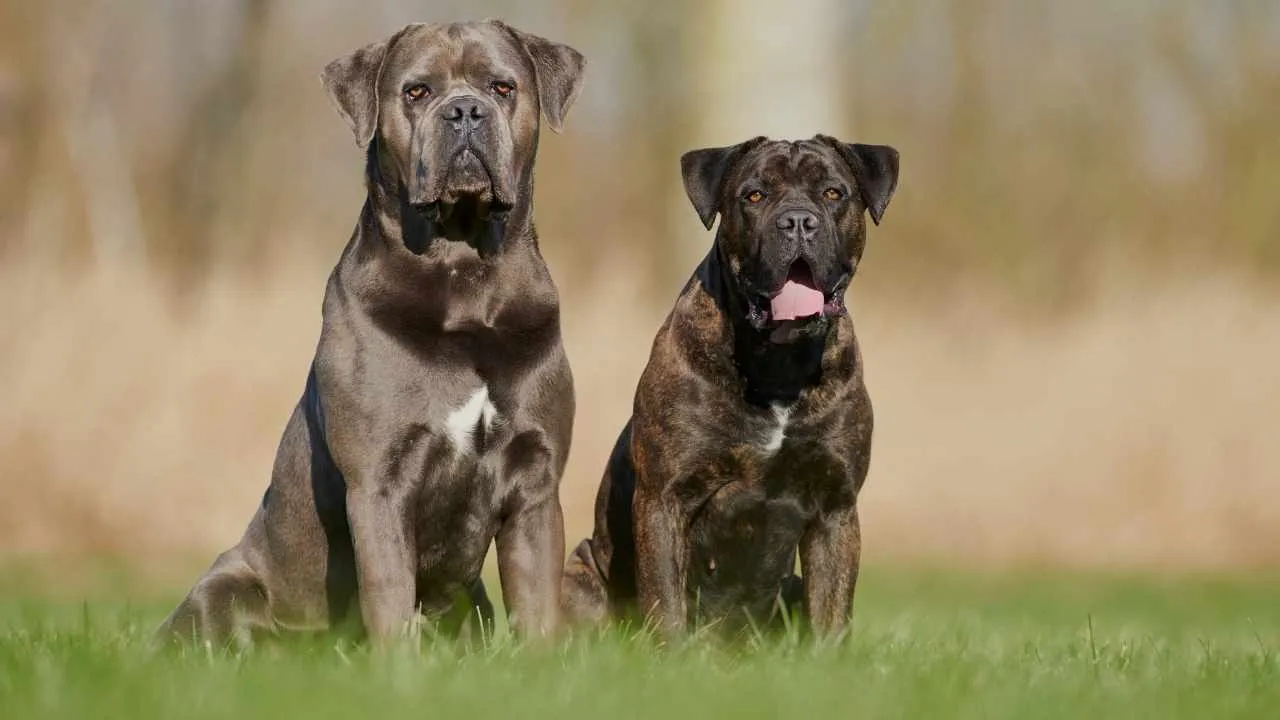
The Cane Corso is an Italian mastiff whose history is linked to ancient Roman working dogs. In rural Italy, its ancestors were used for property protection, hunting, and various farm duties, as per WebMD.
The modern breed developed particularly in southern Italy, where its strength, courage, and imposing physical structure made it useful for demanding tasks around farms and estates.
A Short Coat That Needs Little Fuss
The Cane Corso has a short, dense coat that generally requires only routine brushing to remove loose hair and maintain a healthy appearance. Despite its large frame, exercise should be thoughtfully structured rather than based solely on endurance running.
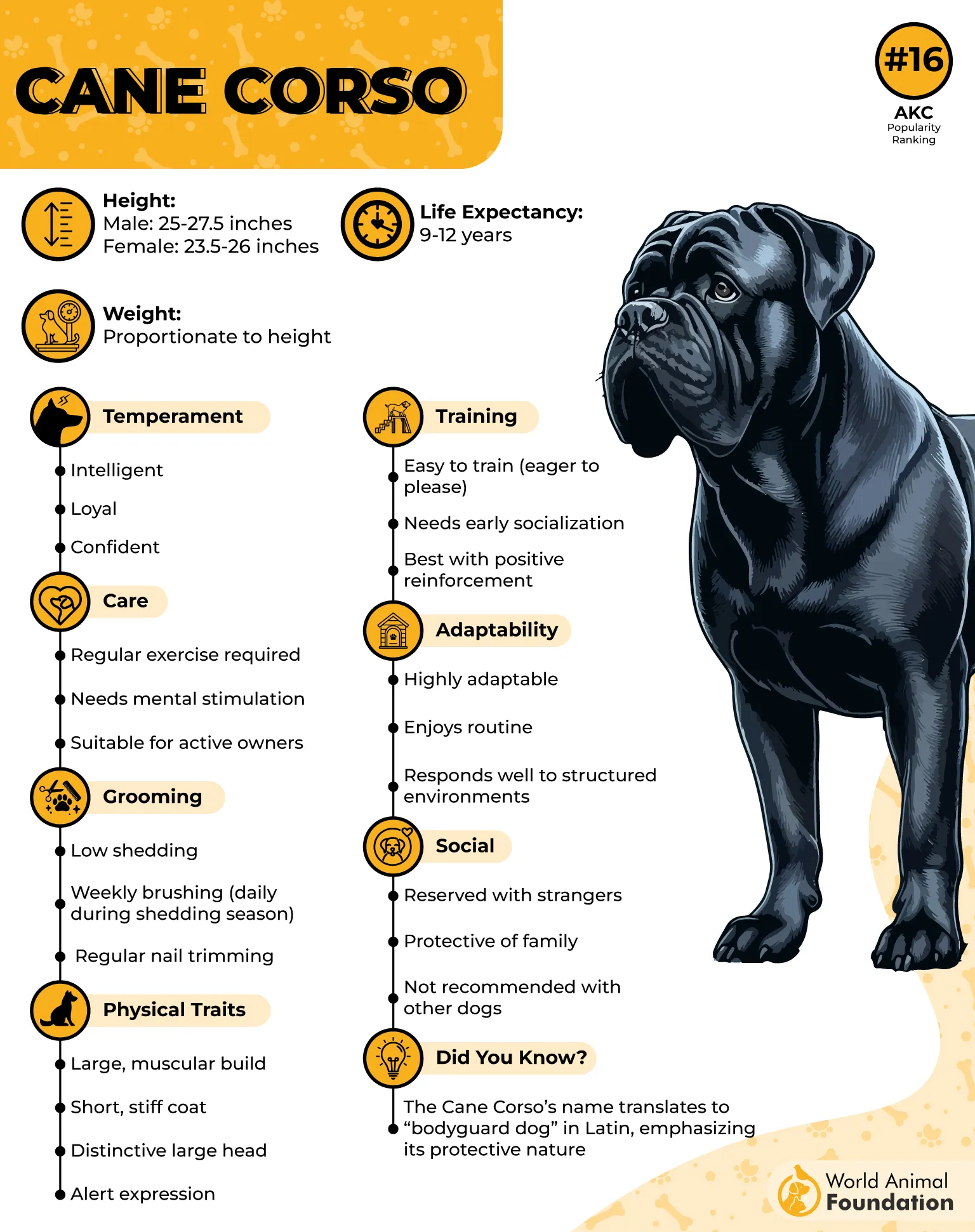
Daily walks, controlled hikes, obedience work, scent activities, and moderate play can provide physical stimulation while also encouraging good body control.
Heavy Muscle for Strength and Stability
The Cane Corso possesses one of the most substantial physiques among the breeds featured here. Its broad chest, thick neck, strong shoulders, and powerful hindquarters create a body built around force and stability.
That structure is particularly relevant to demanding work where physical presence, controlled movement, and strength are more important than covering ground at high speed.
Conclusion
Choosing the right dog for trail and hound work means looking beyond size and appearance. The best working breeds combine strong, muscular bodies with stamina, agility, sharp senses, and the determination to keep moving across rough terrain for long periods.
Whether you need a powerful tracking companion, a durable trail dog, or a hardworking hound, the right breed should match your activity level, training experience, and environment. With proper exercise, care, and training, these muscular breeds can become dependable partners both in the field and at home.
