




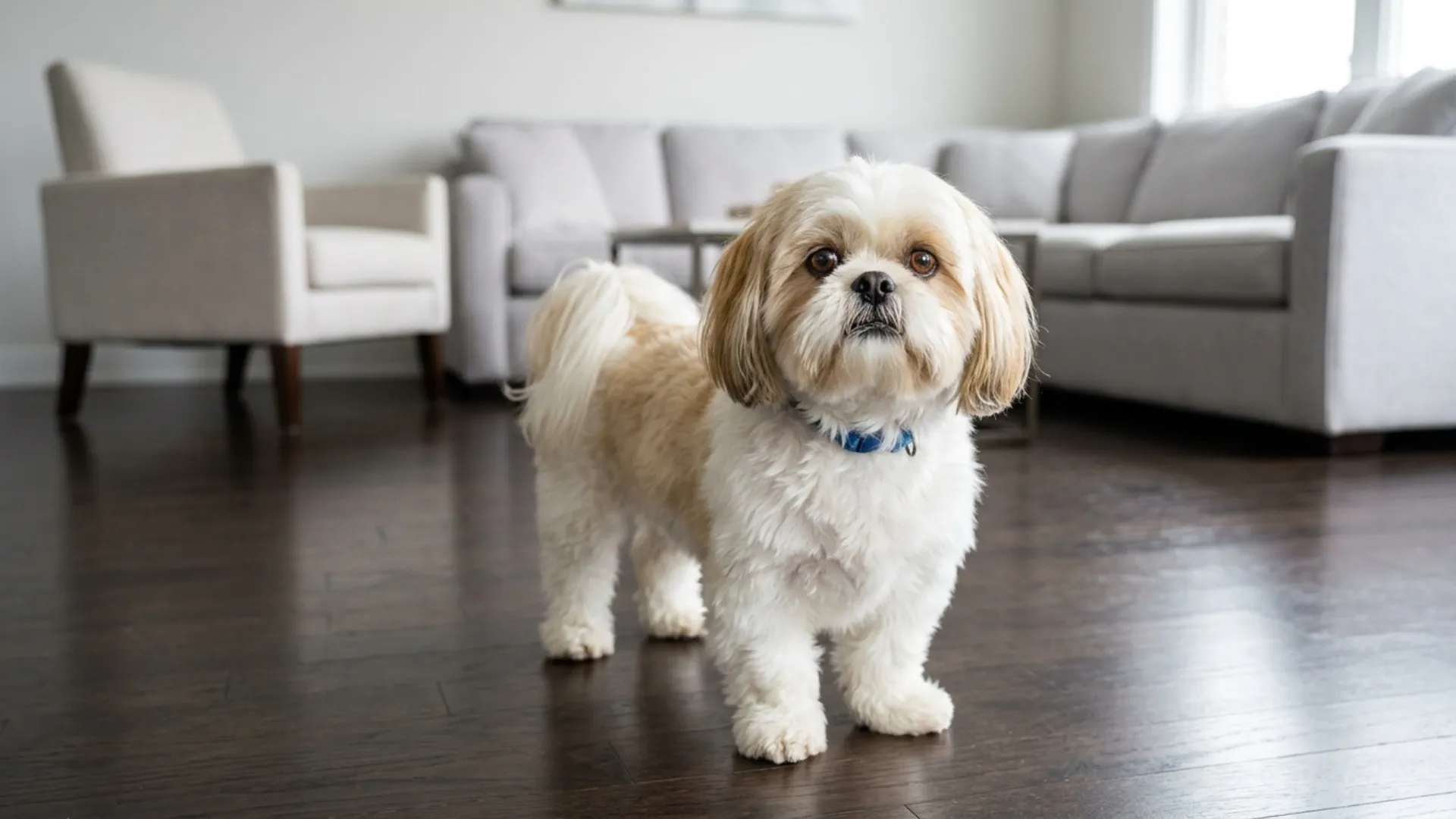
Want a dog that leaves less fur around your home?
Some breeds can make life a little easier for busy families. Still, no dog is completely hypoallergenic. Most dog allergies come from dander rather than hair itself. Dogs can also release allergens through their skin, saliva, and urine.
Some breeds may produce fewer allergens in their hair, though. Short coats can also mean less loose fur on floors, furniture, and clothes. However, low shedding does not always mean low maintenance.
Every dog has different needs, and grooming remains an important part of care. This guide explores breeds with different coats, sizes, and lifestyles. It is helpful for families, pet lovers, and anyone who wants less cleanup.
We will also cover useful care tips and recommended products that can make life with your new furry friend easier.
Low-Maintenance Dog Breeds That Barely Shed At All
1. Whippet
The Easygoing Athlete With a Simple Coat!
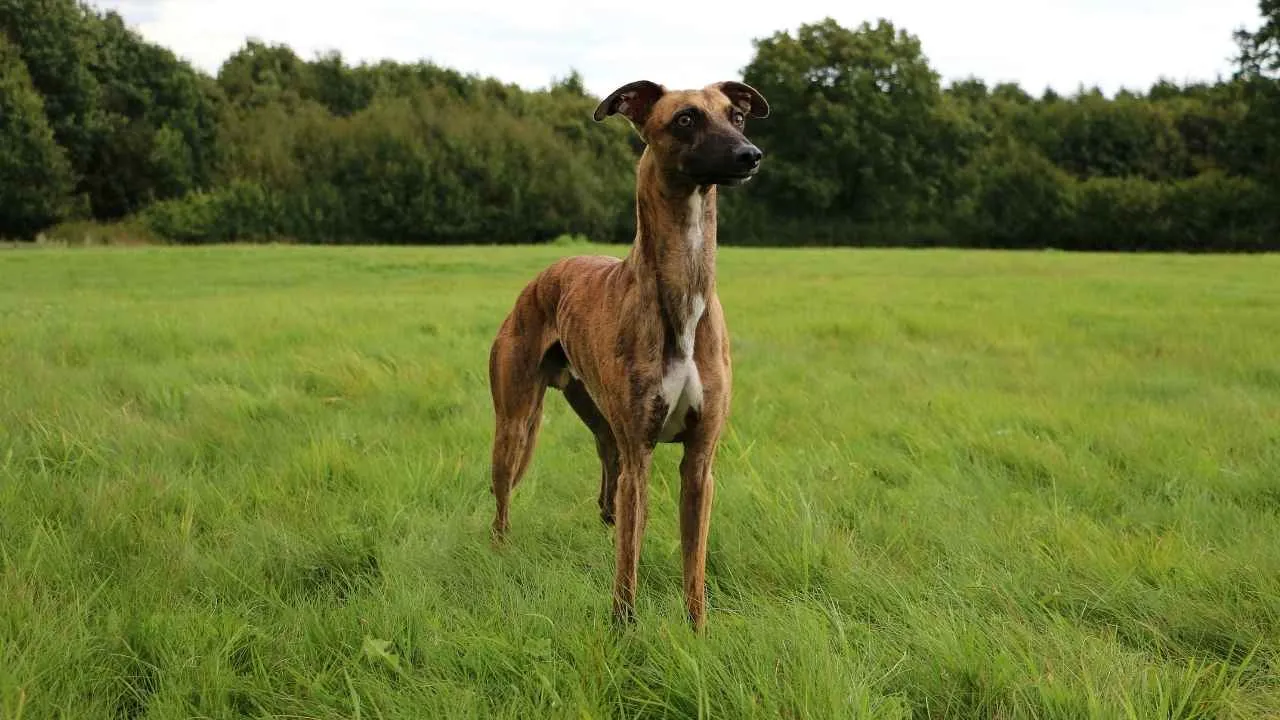
The Whippet has a sleek body and short, smooth coat. According to Wikipedia, Whippets have a minimal-shedding coat that is easy to manage because it lacks an undercoat.
This makes them handy for owners who prefer simple grooming. The breed also has a strong, athletic build and is generally healthy.
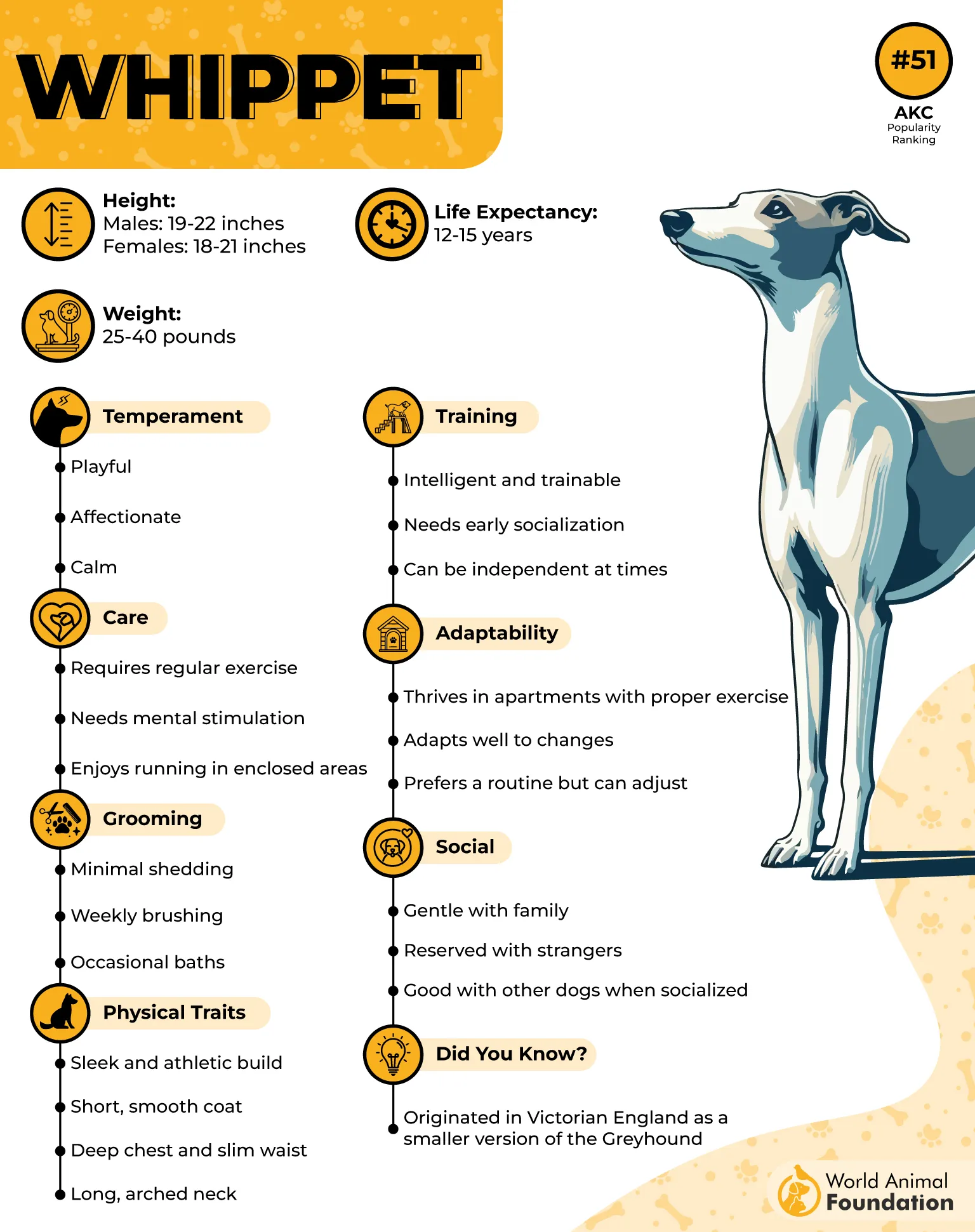
Often called one of the fastest dog breeds, the Whippet enjoys exercise and room to run. Historically, Whippets were known as “poor man’s horses” because working people used them for racing and hunting.
Today, they can be a playful companion at home. Their short coat and low body fat, however, make them sensitive to cold weather.
Easy Ways to Care for a Whippet
Use a warm jacket during cold outdoor walks.
Check the skin for scrapes after active play.
Keep bedding soft and warm during winter nights.
Trim the nails when they become too long.
Provide a comfortable resting spot away from drafts.
2. Shih Tzu
Long-Haired Dog With Surprisingly Little Shedding!
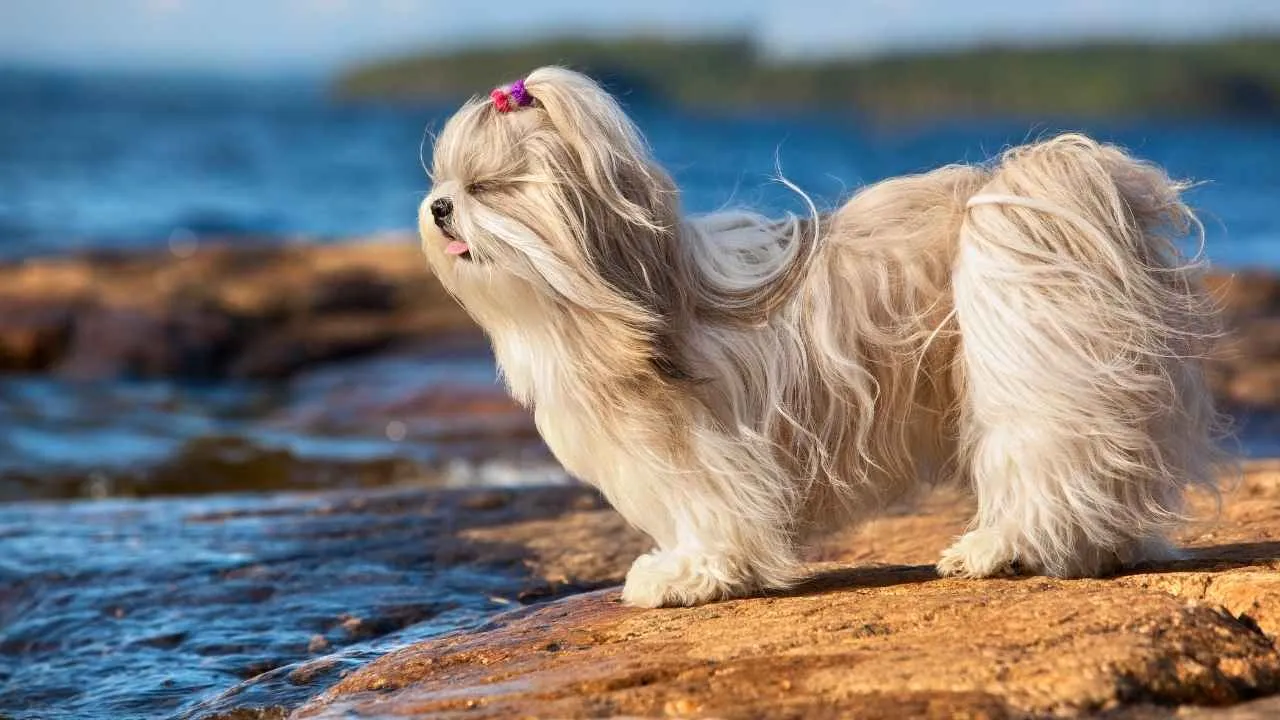
The Shih Tzu is a small companion breed with roots in Tibet. It is believed to have been developed from the Pekingese and Lhasa Apso. Pleasant and social, these dogs enjoy being around people and other dogs.
According to PetMD, they do not shed much and are often described as a “hypoallergenic dog,” although no dog is truly hypoallergenic. This makes the breed worth considering for some allergy sufferers.

As a low-shedding dog, it leaves less loose hair around the home than breeds that shed much. However, its long coat can tangle and mat easily. So, less shedding does not mean less care.
Owners need to keep the coat manageable and free from painful tangles.
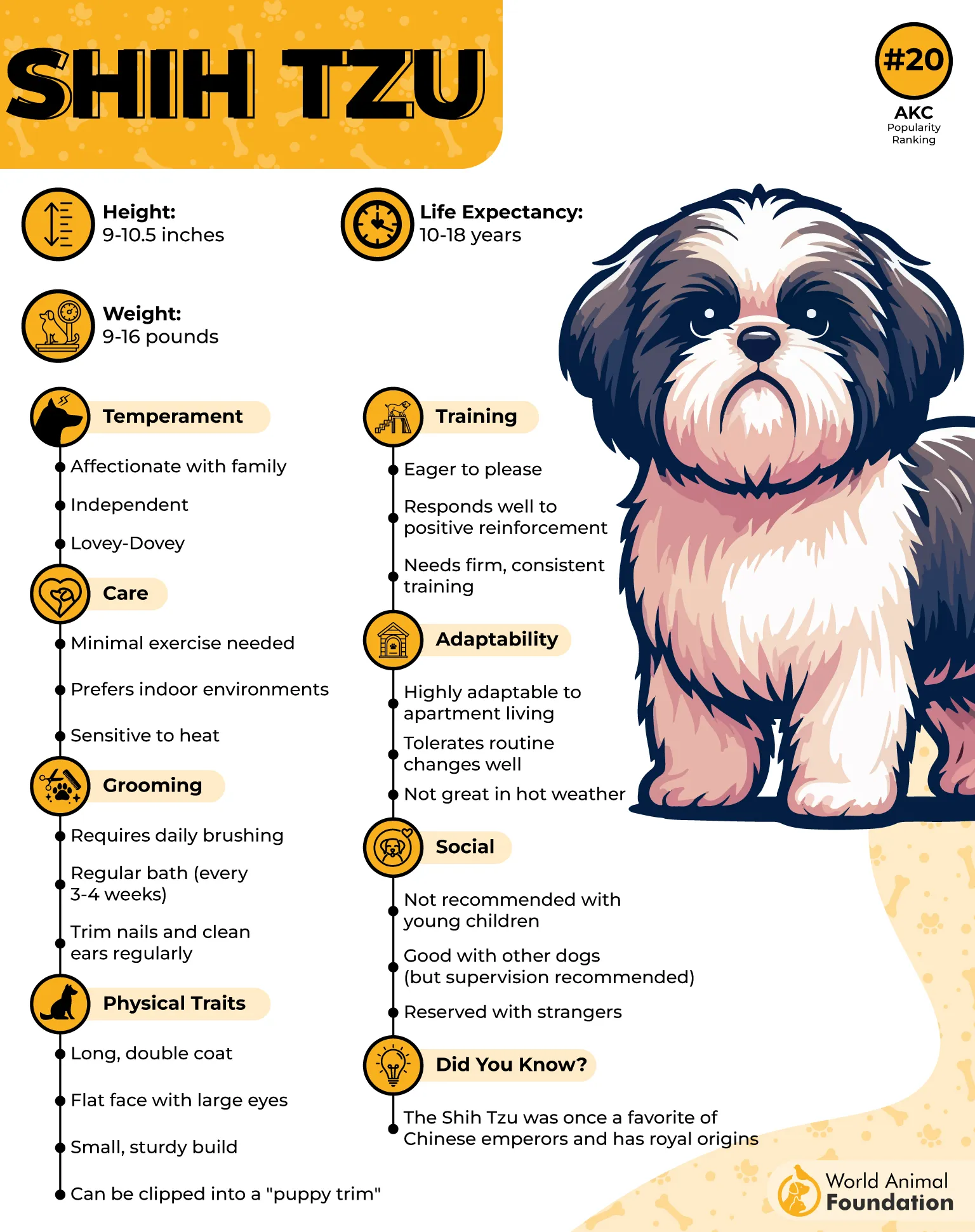
Keeping a Shih Tzu Comfortable
A short puppy cut can make coat care easier.
Longer coats need weekly brushing and bathing.
Professional grooming can help maintain a longer coat.
Its friendly nature makes it a pleasant family companion.
Its intelligent nature can make simple training enjoyable.
3. Basenji
The Naturally Tidy, Quiet Companion!
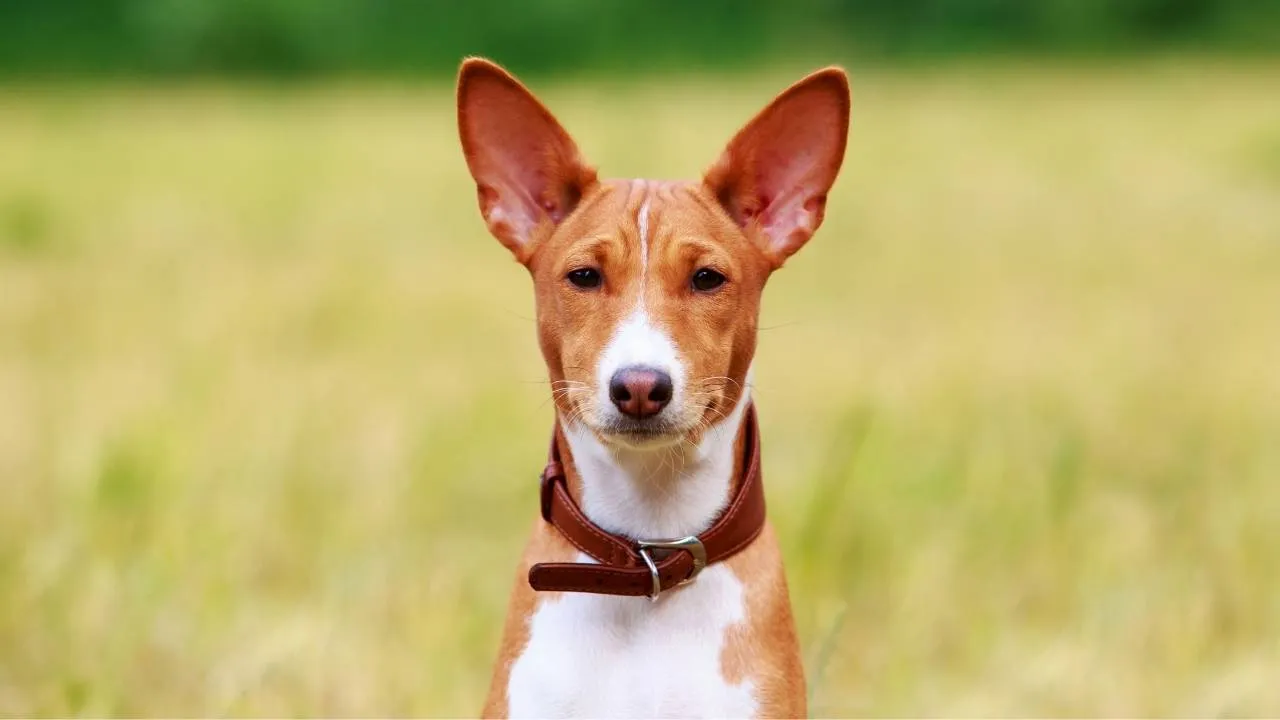
According to the American Kennel Club, the Basenji is Africa’s famous “Barkless Dog,” known for its intelligence and graceful nature. This compact hunter has a short, fine coat and a habit that makes care surprisingly simple.
Basenjis often groom themselves much like cats, which helps them stay clean without much fuss. They also have little typical dog odor, making them appealing to pet owners who prefer a tidy home.
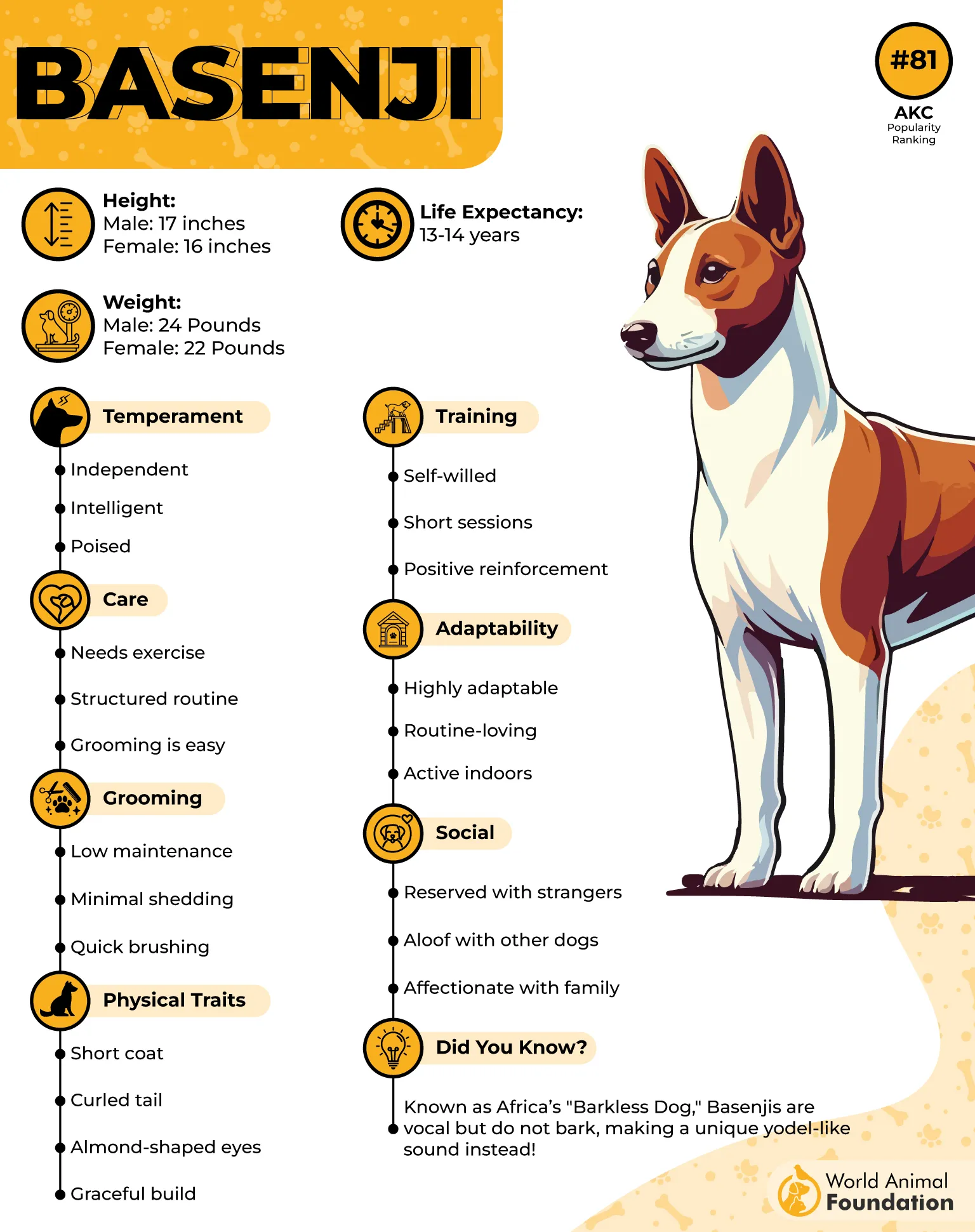
As a quiet dog breed, the Basenji does not bark like most dogs. Instead, it can make a strange sound between a chortle and a yodel. Its neat coat may also collect less loose hair and less dander around the home.
Simple Care for a Basenji
Weekly brushing can help remove loose hair.
Their curled tail adds a distinctive touch.
They need plenty of exercise to stay content.
Early training helps manage their independent nature.
Supervise introductions when meeting other pets.
4. Boston Terrier
A Compact Companion With Easy Coat Care!
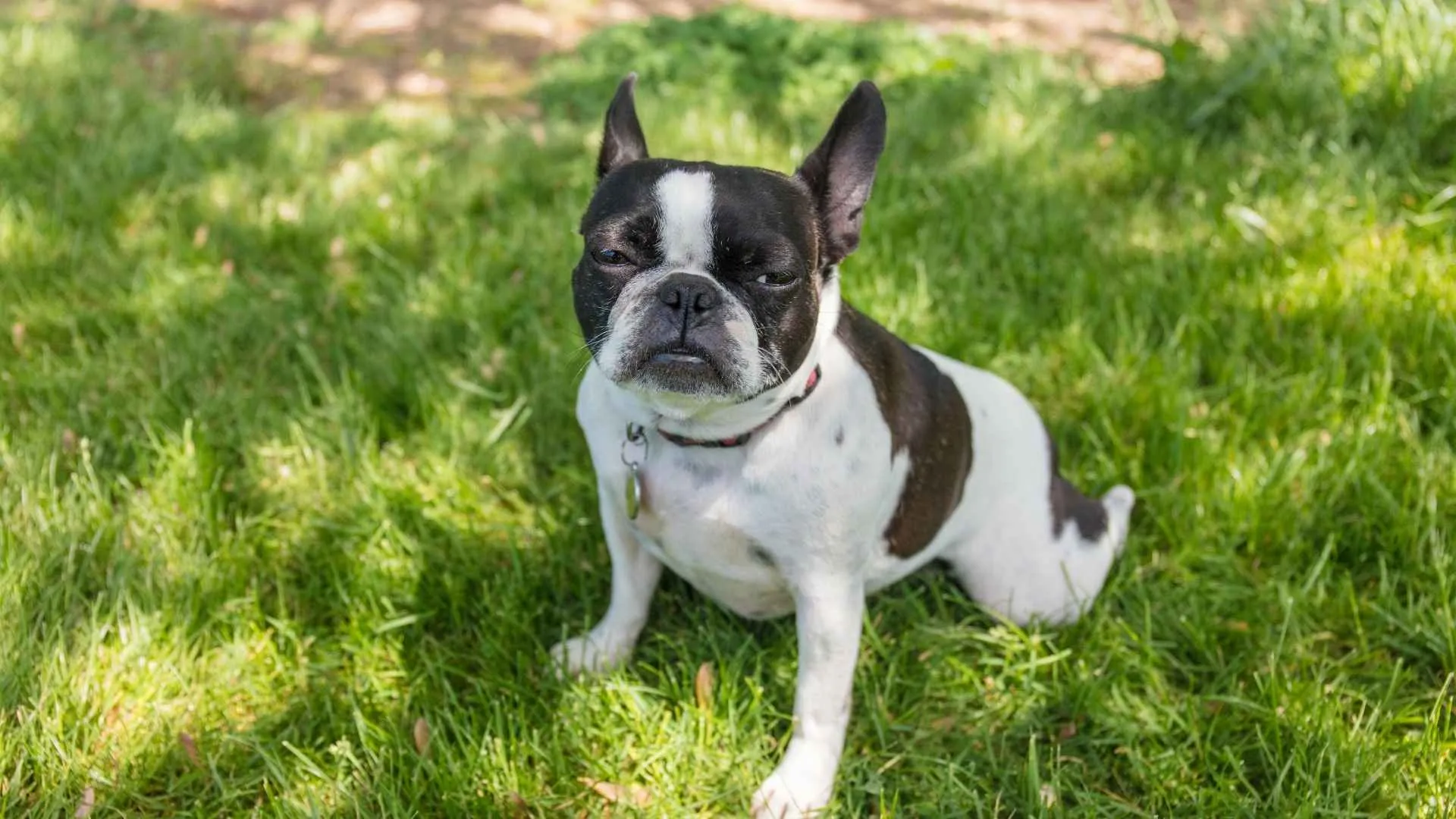
The Boston Terrier is a cheerful small dog breed with a smooth coat that keeps everyday grooming fairly simple.
Its neat appearance and compact build have helped it earn the nickname American gentleman, while its affectionate personality makes it a pleasant companion for many homes. According to Purina, Boston Terriers are lively, social, and fond of human company.
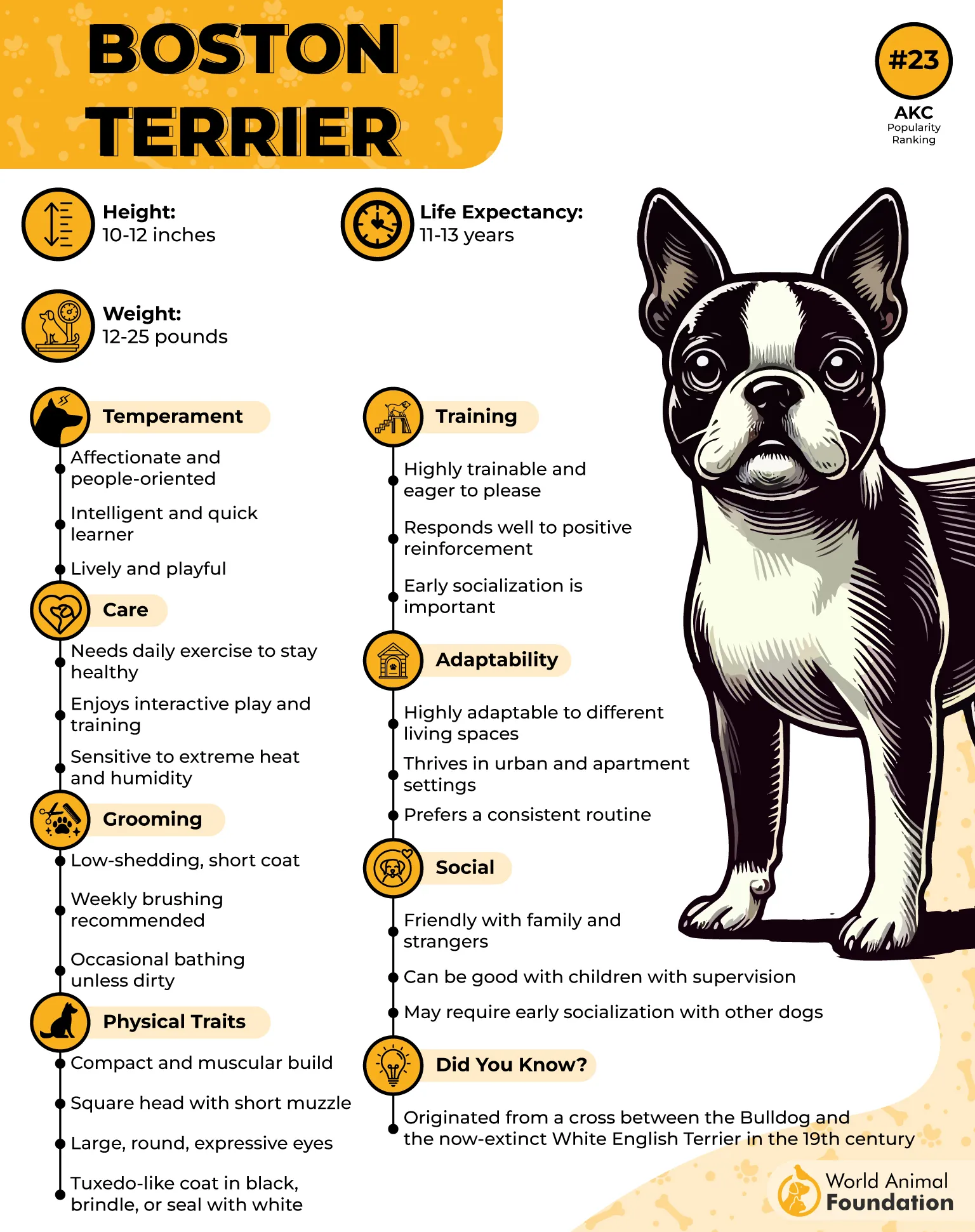
As a short-haired breed, it does not need the extensive brushing required by dogs with long or dense coats. However, shedding minimally is not the same as no shedding, and some loose fine hair can still collect around the house.
This makes the Boston a practical choice for owners who prefer straightforward coat care. Its grooming routine is mostly about keeping the coat clean and checking the dog regularly rather than managing complicated styling.
Making Everyday Care Easier
Use a soft grooming brush to lift loose hair from the coat.
Bathe your Boston when outdoor adventures leave it dirty.
Keep nails trimmed so they do not become overly long.
Check the ears regularly for dirt, redness, or unusual buildup.
Avoid overly rough play because the breed can be prone to eye injuries.
5. Poodle
The Low-Shedding Coat That Needs Real Grooming!
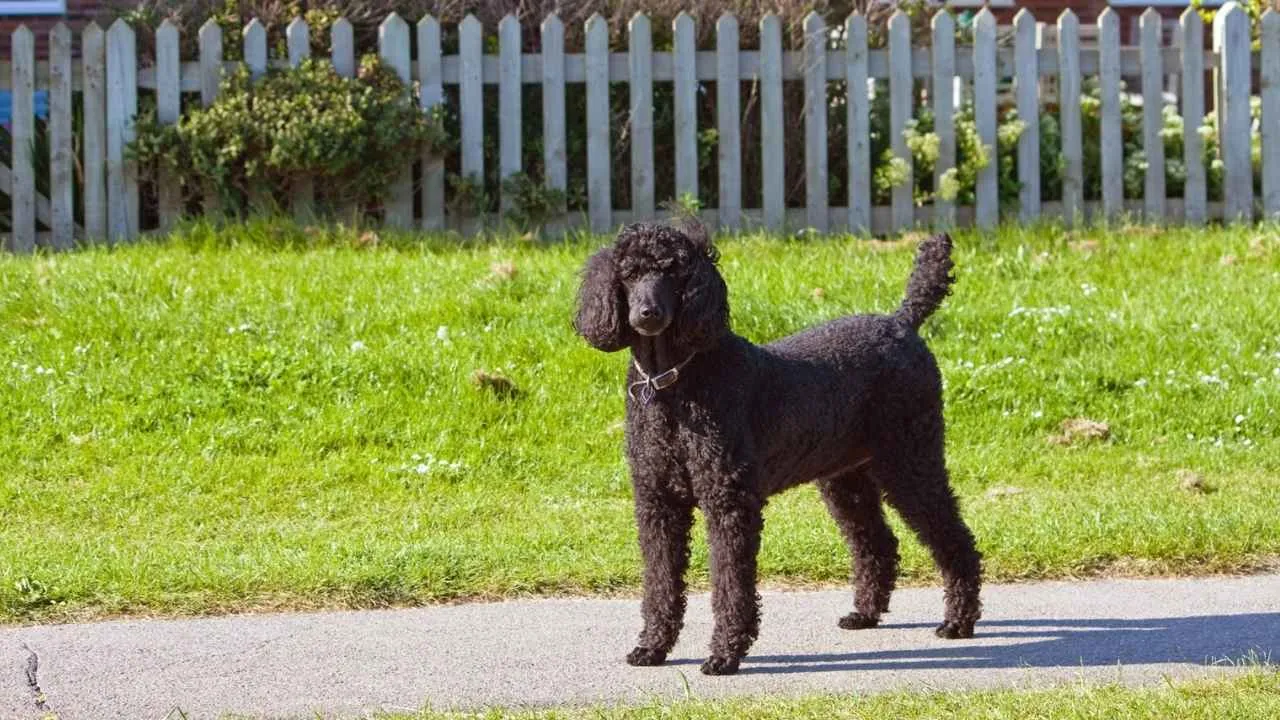
The Poodle is a low-shedding dog breed whose distinctive curly coat holds onto loose hair instead of letting much of it fall around the home.
This helps explain why Toy Poodles are often considered a popular hypoallergenic breed, although no dog is completely hypoallergenic or guaranteed not to trigger allergic reactions. According to Orvis, Poodles come in three sizes, including the Miniature Poodle, while all follow the same breed standard.
Their low-shedding coat comes with an important trade-off: trapped hair can tangle and form mats when neglected. Regular grooming is therefore essential for keeping the coat comfortable and manageable.
For owners seeking a sweet, loyal companion, the Poodle can be appealing, but its distinctive coat requires consistent attention rather than occasional care.
Keeping the Poodle’s Coat Manageable
Brush the coat regularly to prevent tangles.
Schedule professional trims to control its length.
Check commonly tangled areas during grooming.
Keep the coat clean between grooming visits.
Dry the coat thoroughly after bathing.
6. Bichon Frise
The Fluffy Favorite That Holds Onto Loose Hair!
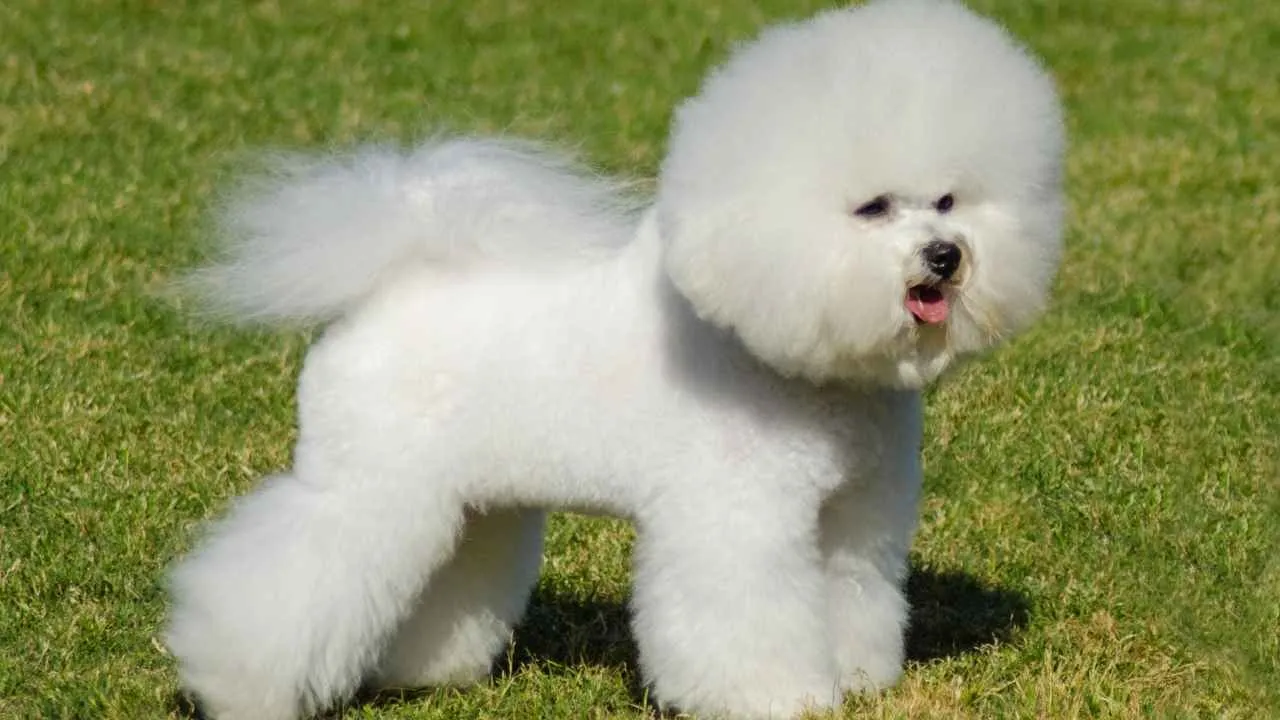
The Bichon Frise is a popular hypoallergenic dog breed known for its soft, curly coat and cheerful nature. According to PDSA, Bichons are affectionate dogs that generally do well with children and other pets.
Their curly texture catches loose hair within the coat, which means less fur may be scattered around the home. However, that trapped hair still needs regular attention. Daily brushing helps remove loose strands and prevents small tangles from developing into uncomfortable mats.
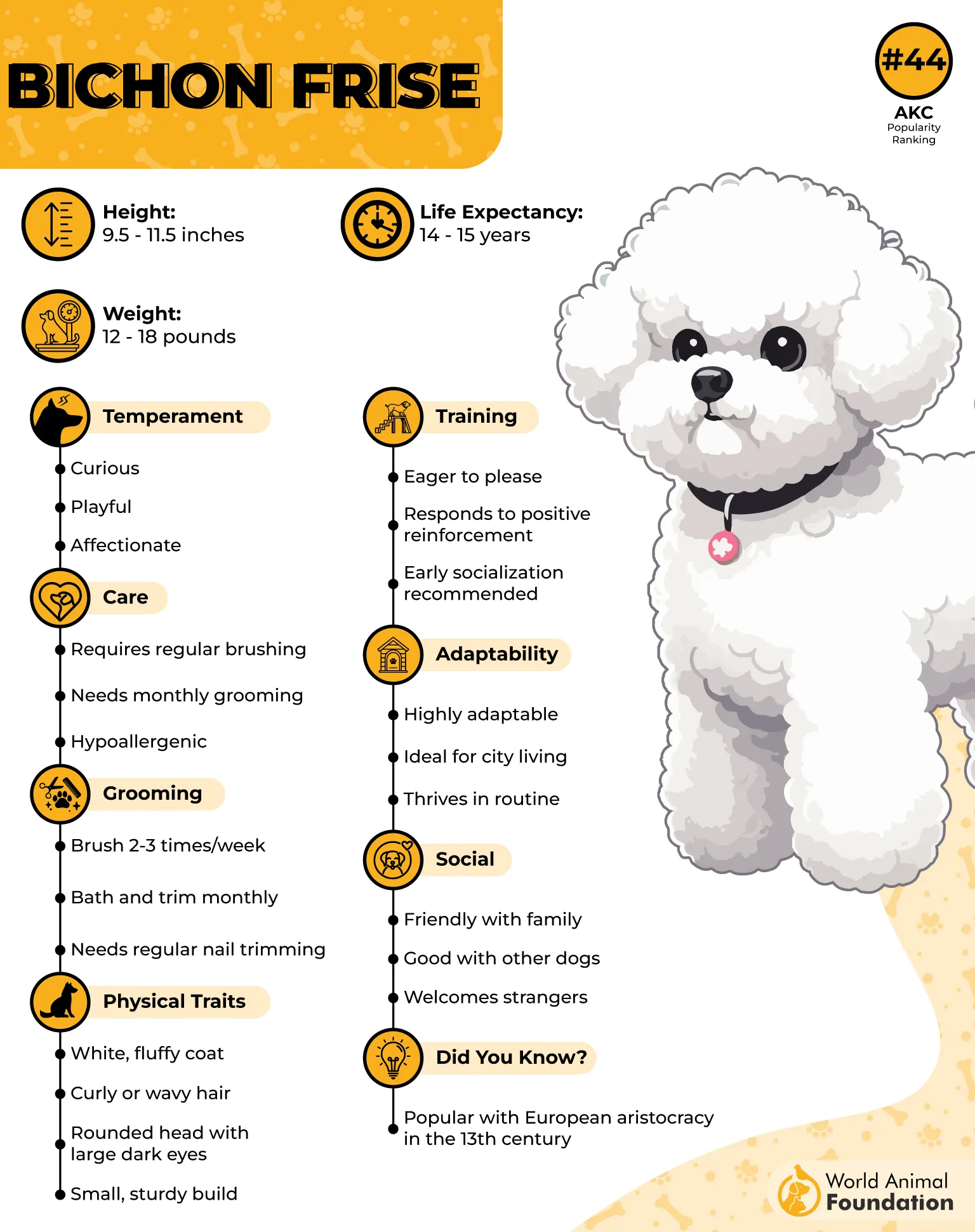
This makes coat care an important part of keeping a Bichon looking neat and feeling comfortable. Their compact size also makes them suitable for small spaces, while their friendly temperament can make them great pets for households wanting an affectionate companion.
As a member of the Bichon family, this fluffy breed combines a tidy home with a grooming routine that requires consistency.
Keeping the Coat Tangle-Free
Brush daily to keep the curls neatly separated.
Check behind the ears for hidden knots.
Use gentle strokes around sensitive areas.
Begin grooming routines early to build comfort.
Watch for signs of separation anxiety.
7. Miniature Schnauzer
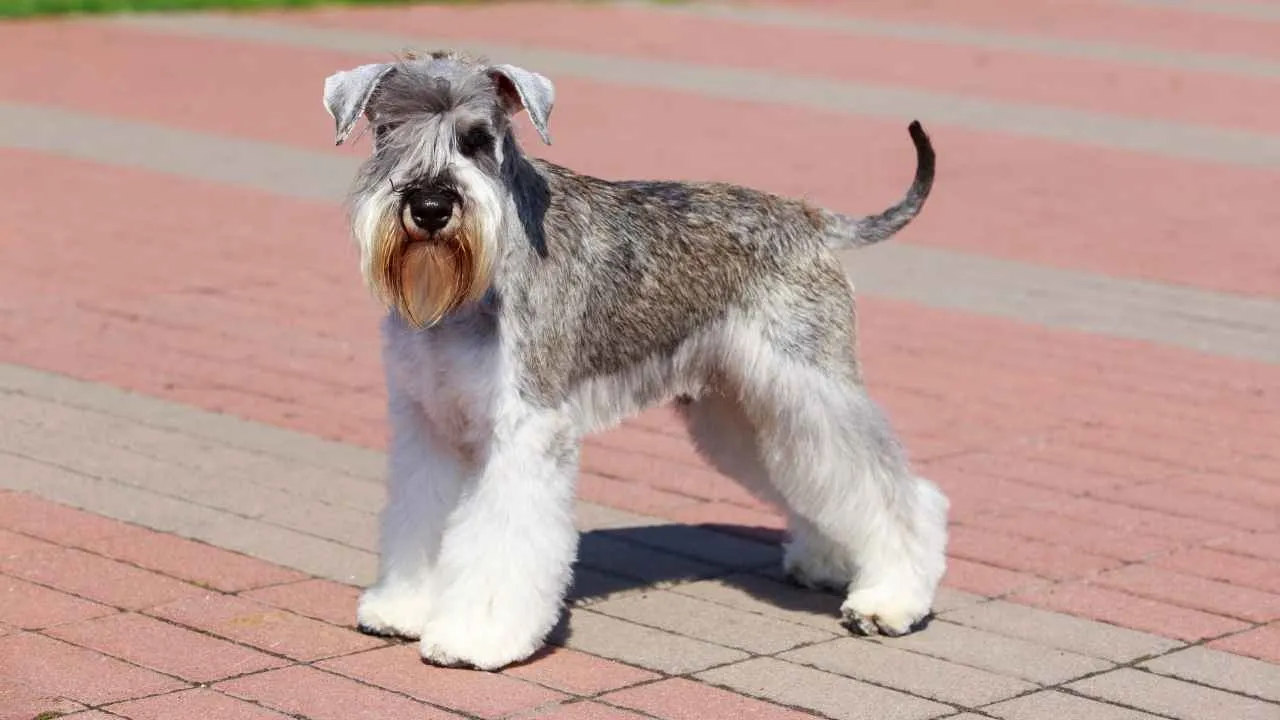
A Neat Coat With Grooming Needs!
The Miniature Schnauzer is a low-shedding companion that suits owners who prefer a scheduled grooming routine. According to Omlet, these playful and alert dogs are trainable, friendly, and energetic, although they can be stubborn at times.
Regular professional care helps keep their coat manageable and prevents mats from becoming difficult to handle. Grooming appointments every four to six weeks are a practical way to stay ahead of coat maintenance, especially for busy owners.
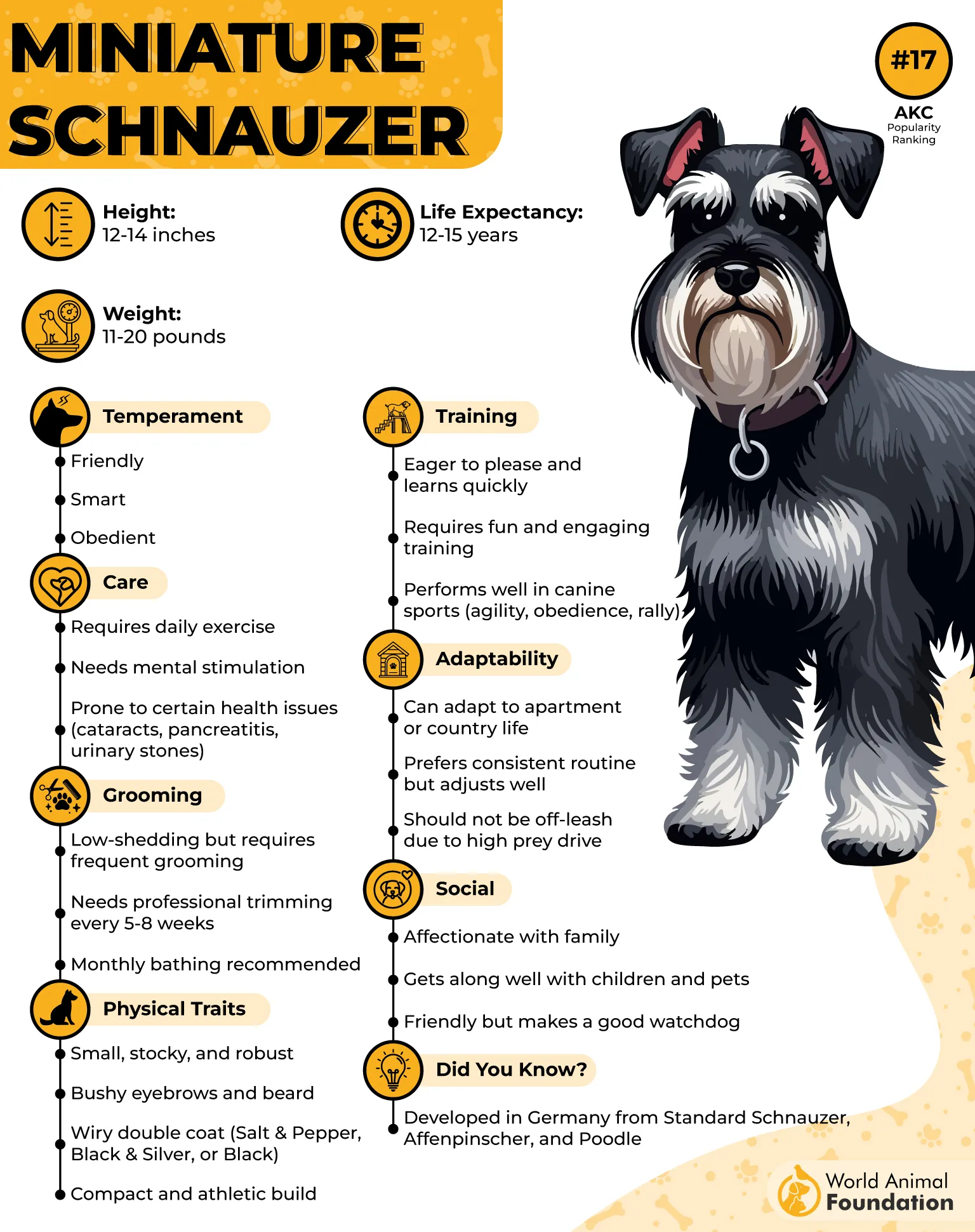
As a long-lived dog breed, the Miniature Schnauzer can be a lasting companion, making a manageable care routine worthwhile over the years. Its wiry coat may also benefit from hand stripping, depending on the desired finish.
While grooming requires planning, having appointments on the calendar makes coat care more predictable and prevents maintenance from being overlooked.
Planning Grooming Appointments
Book professional grooming every four to six weeks.
Keep appointments consistent throughout the year.
Discuss your preferred coat length with groomers.
Check the coat between scheduled grooming visits.
Budget for grooming as a regular expense.
8. Italian Greyhound
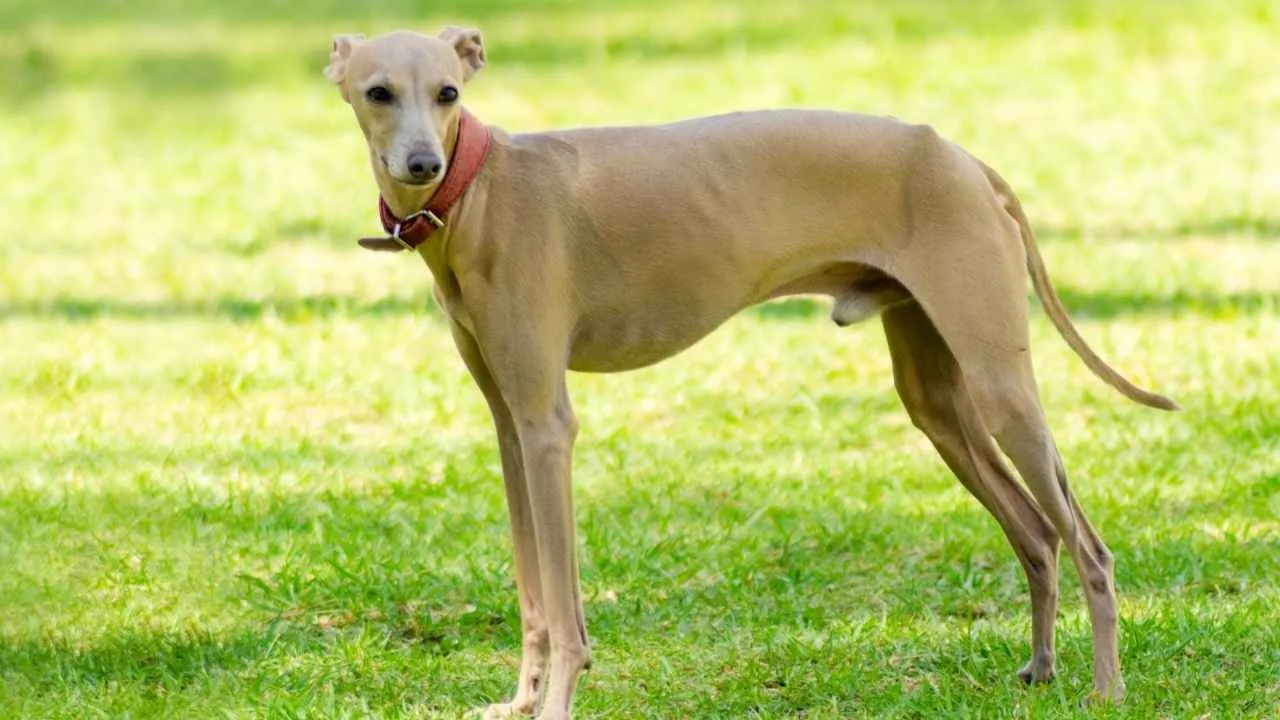
Tiny Size, Minimal Grooming Routine!
The Italian Greyhound has an exceptionally short, fine coat that makes everyday grooming refreshingly simple. According to WebMD, it was originally bred in the Mediterranean region mainly as a companion for wealthy families.
Unlike a long-haired dog breed, this elegant little sighthound needs very little coat maintenance, with only occasional regular brushing to remove loose hairs. Owners can also skip lengthy grooming sessions, as the sleek coat rarely requires complicated care.
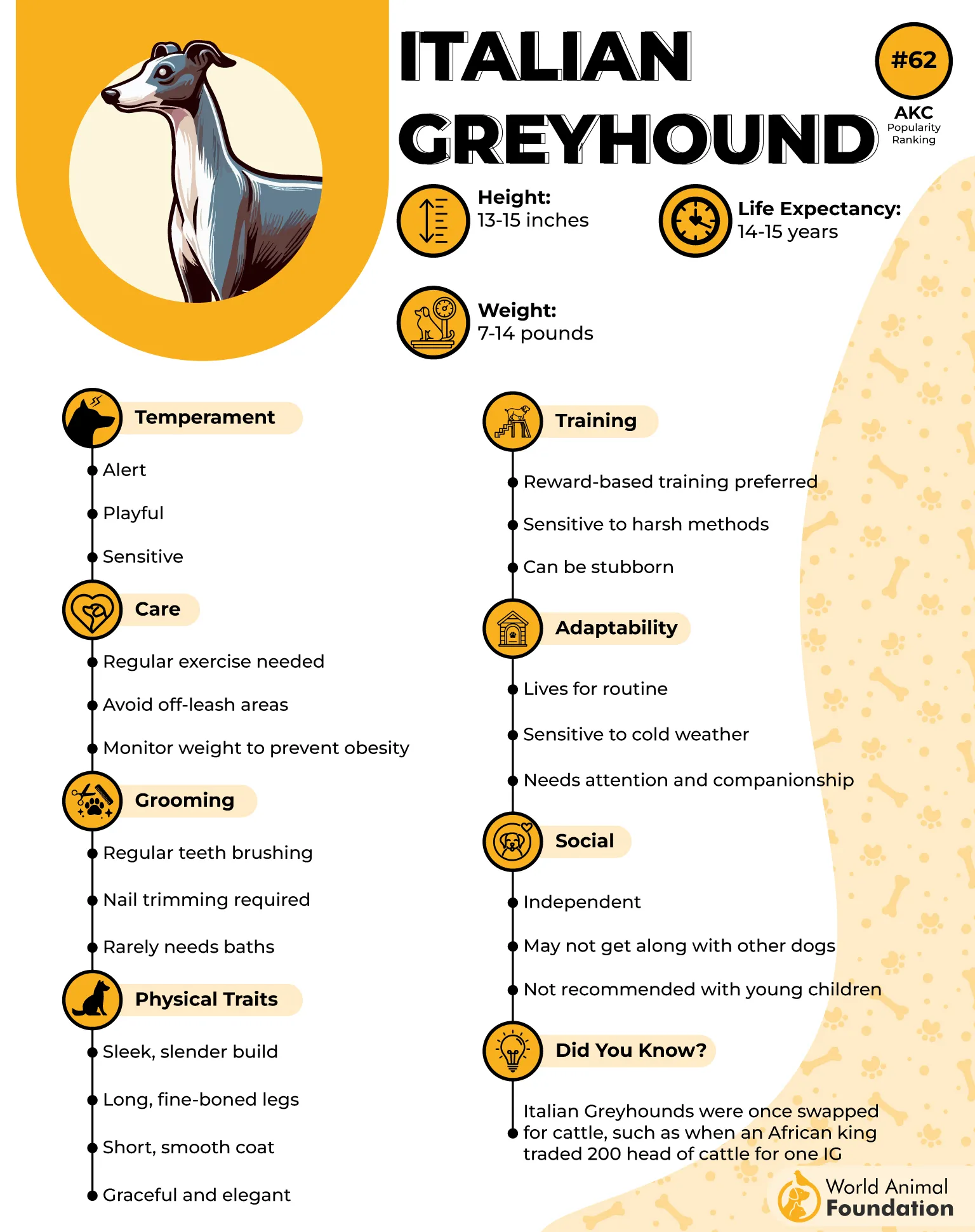
Some short hairs can still appear on furniture or bedding, but cleanup is generally straightforward. Although the Italian Greyhound has the instincts of a small hunting dog, its coat needs remain minimal.
This makes it appealing for owners who want a tiny companion without the extensive coat maintenance associated with dogs that have longer or denser fur.
Keeping Grooming Simple
Wipe the coat gently after outdoor adventures.
Use soft grooming tools on delicate skin.
Keep bedding clean to manage loose hairs.
Bathe only when the coat becomes dirty.
Protect the dog from harsh cold weather.
9. Portuguese Water Dog
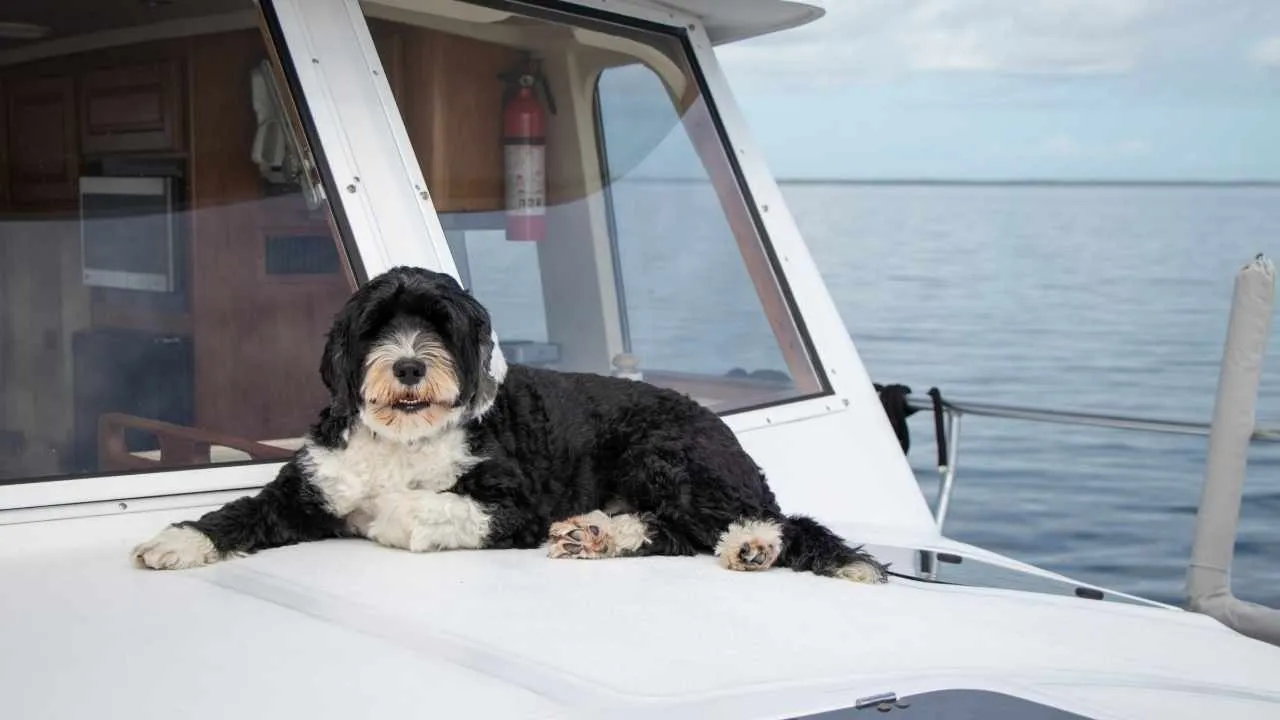
A Curly Coat Made for Regular Grooming!
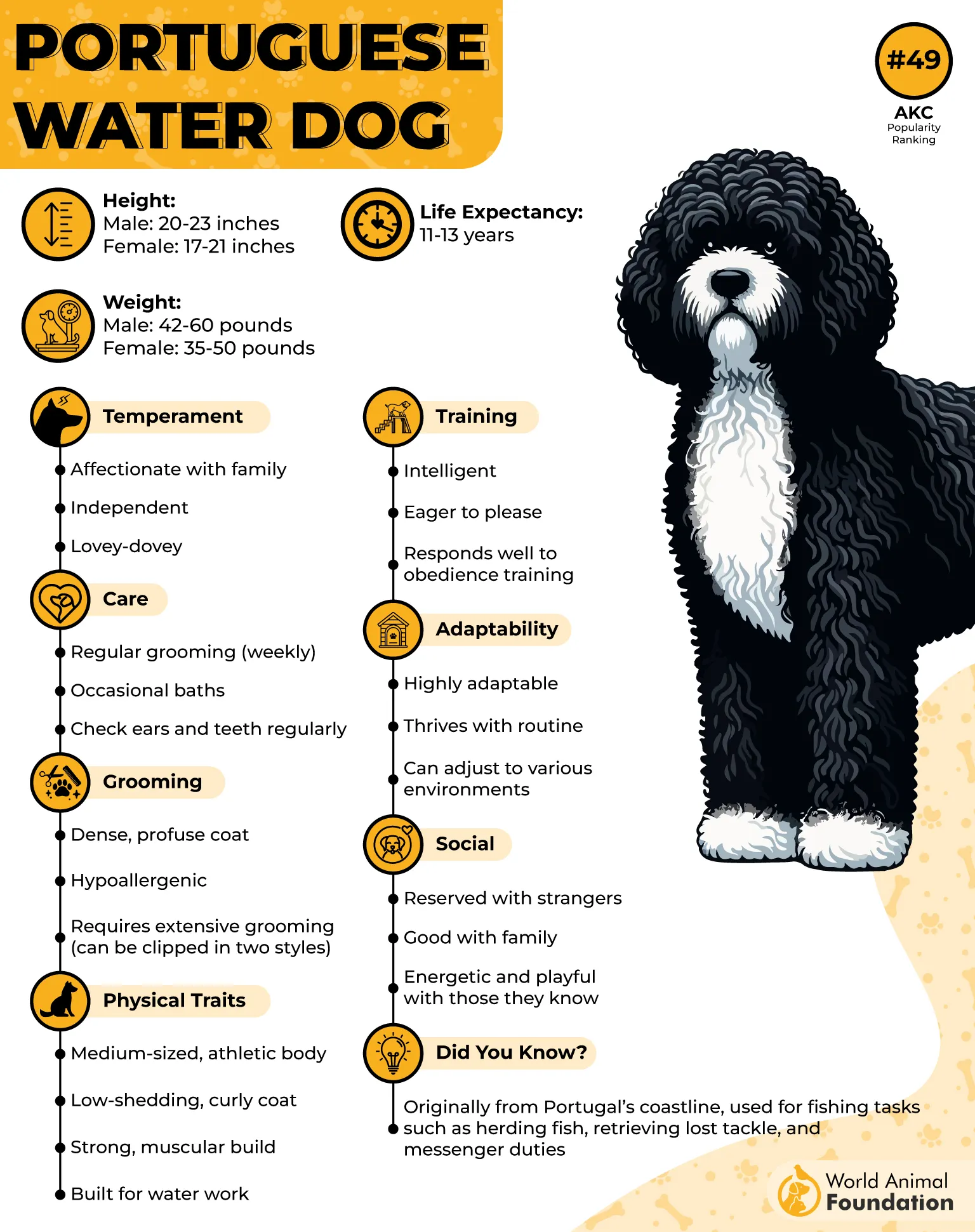
The Portuguese Water Dog is a low-shedding dog breed with a distinctive curly and wavy coat that keeps loose pet hair from spreading widely around the home. According to Hill’s Pet, these dogs have a strong working background and require plenty of activity to stay occupied.
Their coat still demands consistent care because loose hair can remain within the curls and contribute to tangles. Professional grooming every six to eight weeks helps keep the coat manageable and makes the long-term routine easier to plan.
The breed’s high-energy nature also means grooming is only one part of responsible ownership. With two varieties of clipped coat styles, owners can choose an appearance that suits their preferences while keeping maintenance practical.
Planning Coat Care
Schedule grooming every six to eight weeks.
Check the coat regularly for developing mats.
Keep appointments consistent throughout the year.
Choose a clip that suits your lifestyle.
Provide enough daily exercise for this active breed.
10. Maltese
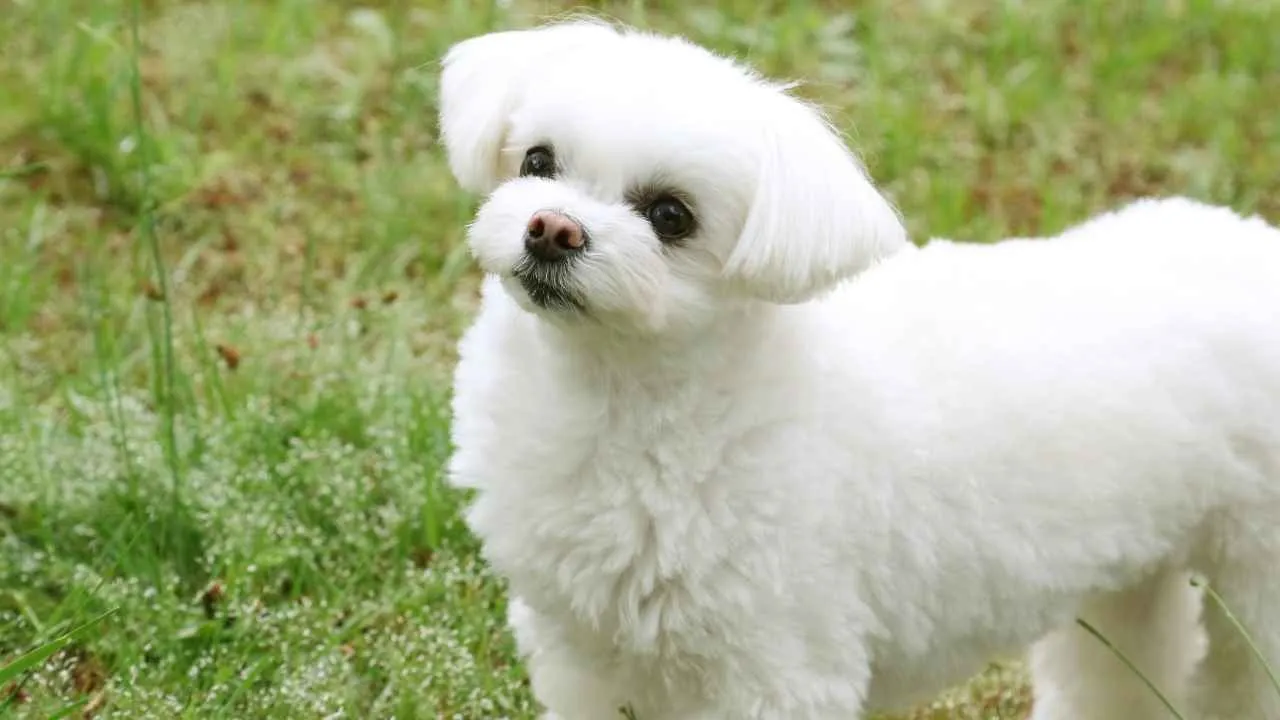
Hair That Needs Daily Attention!
The Maltese is a tiny companion known for its fine, flowing silky hair, which sheds very little around the home. According to Britannica, the breed is named for Malta and may have originated there more than 2,500 years ago, giving it a long history as a treasured companion.
Its connection to the island is so strong that it is often described as the national dog of Malta, while its ancient roots have led some to call it the oldest dog breed. The Maltese may also appeal to owners looking for a hypoallergenic dog, although no dog is completely free of allergens.
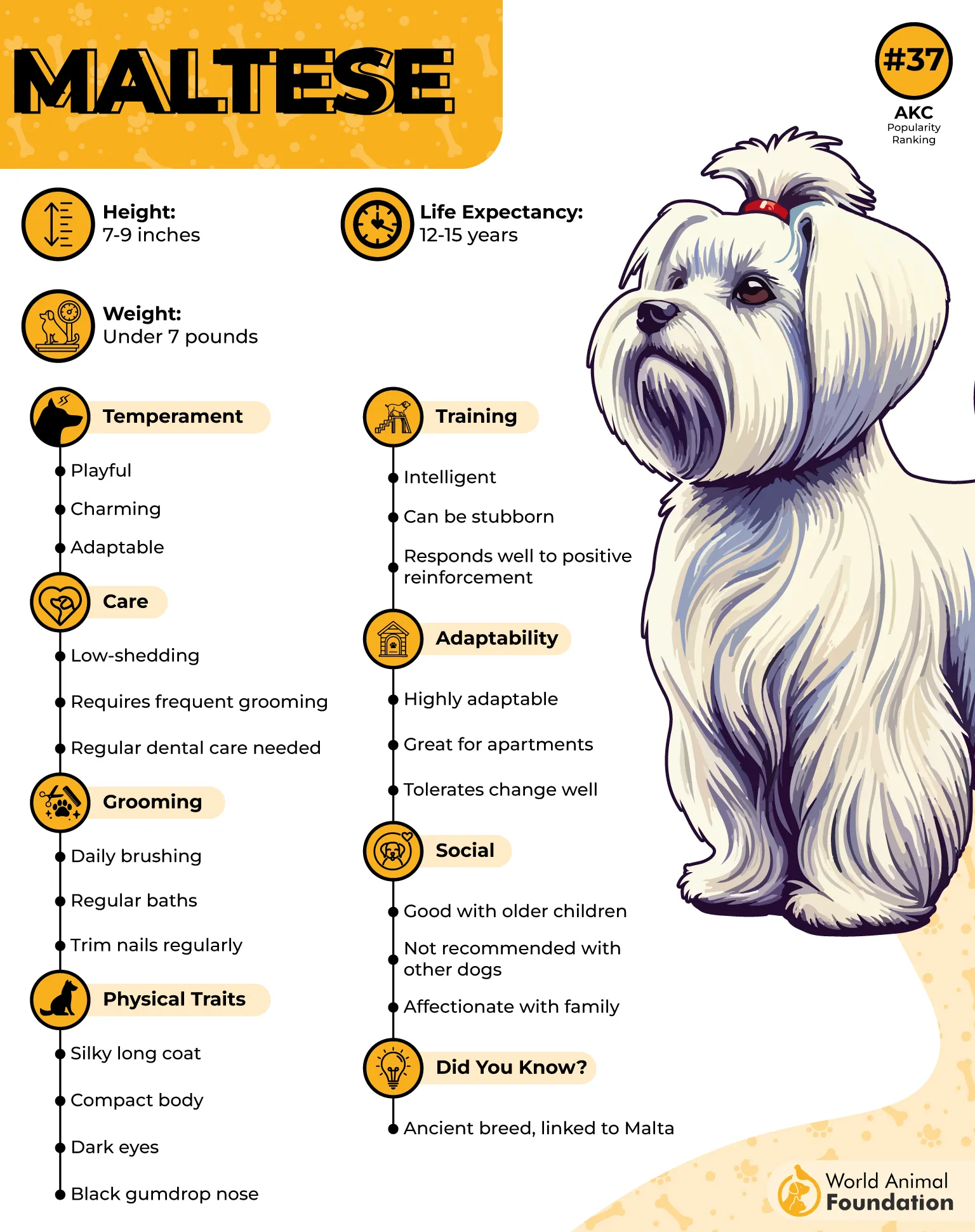
Its fine coat can tangle easily, so daily brushing should become part of the normal routine. Unlike heavier coats, the challenge is not managing large amounts of loose fur but keeping the delicate strands smooth and separated.
Making Daily Coat Care Easier
Work through small tangles before they tighten.
- Use a soft brush for gentle daily grooming.
Check behind the ears for hidden knots.
Keep the silky hair clean and dry.
Allow enough grooming time for careful brushing.
Conclusion
Choosing a low-shedding companion starts with knowing that even a hypoallergenic dog can still cause allergies, since allergens come from skin, saliva, and dander, not only loose fur. Dogs that don’t shed can reduce visible hair indoors, while short coats often make brushing easier.
Still, hairless and coated varieties can have different care needs, and coats that resemble human hair may require extra effort and regular grooming. A weather-resistant coat or feathery tail can also add specific maintenance needs.
Many owners should consider cleaning, recommended products, regular exercise, grooming time, and possible health issues over a long period. An intelligent temperament can make training easier, but companionship also depends on lifestyle.
Spending time with a dog before adoption can help you choose what suits your home.
