





Being a single parent often means handling a lot on your own, from keeping the household running to making sure everyone feels safe. Having a dog by your side can offer more than companionship.
Low-maintenance guard dogs can be especially helpful for busy parents who may not have hours to spend on grooming or constant upkeep. The right dog can be attentive, loyal, and steady without demanding too much from your already packed routine.
Of course, every protective dog still needs proper training, socialization, exercise, and plenty of affection to become a well-balanced companion.
So, what should a single parent look for in a guard dog? A good fit should offer a natural protective instinct while being manageable, dependable, and comfortable around family members.
In this article, we’ll look at some of the best guard dog breeds that can bring companionship and an added sense of security to a busy home.
Low‑Maintenance Guard Dog Breeds Ideal for Single Parents
1. Great Pyrenees
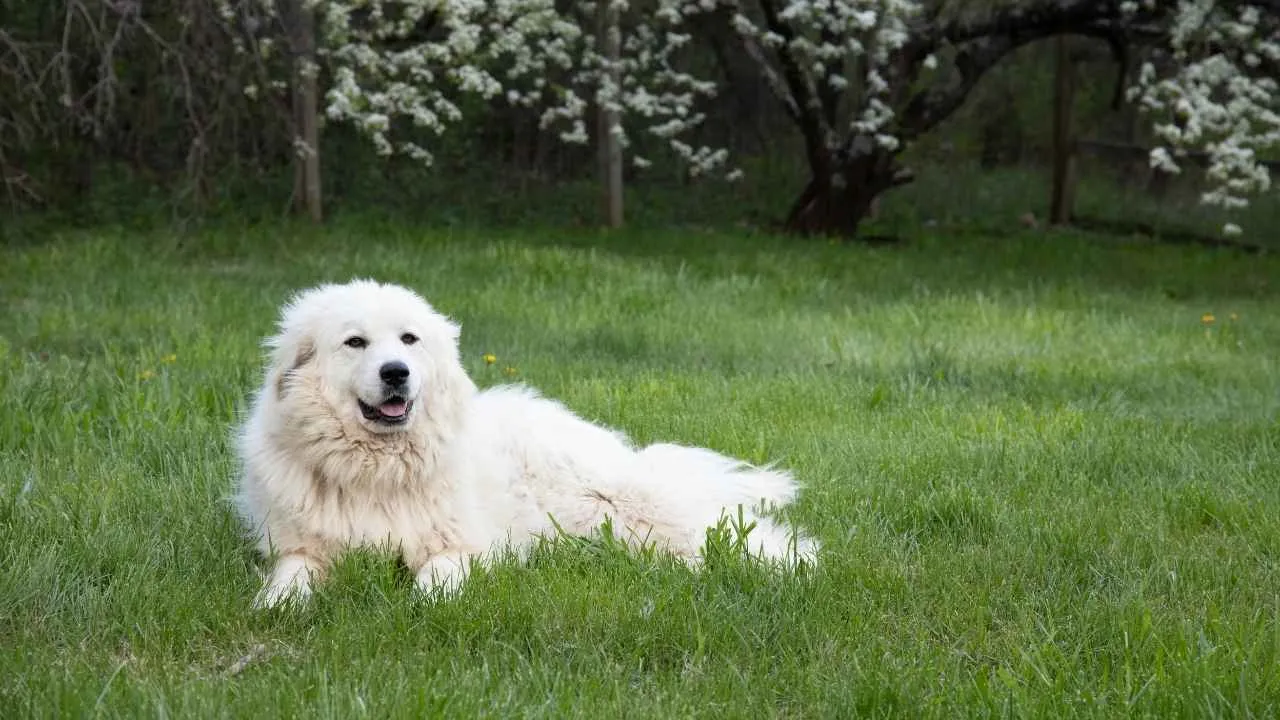
The Great Pyrenees is a majestic giant breed originally bred to guard sheep and livestock in the Pyrenees Mountains between Spain and France.
Their thick white coats helped them blend into snowy surroundings while protecting flocks from predators such as bears and wolves. Despite their strong guarding background, they are usually calm, gentle, and patient with the people they love.
Personality and Care
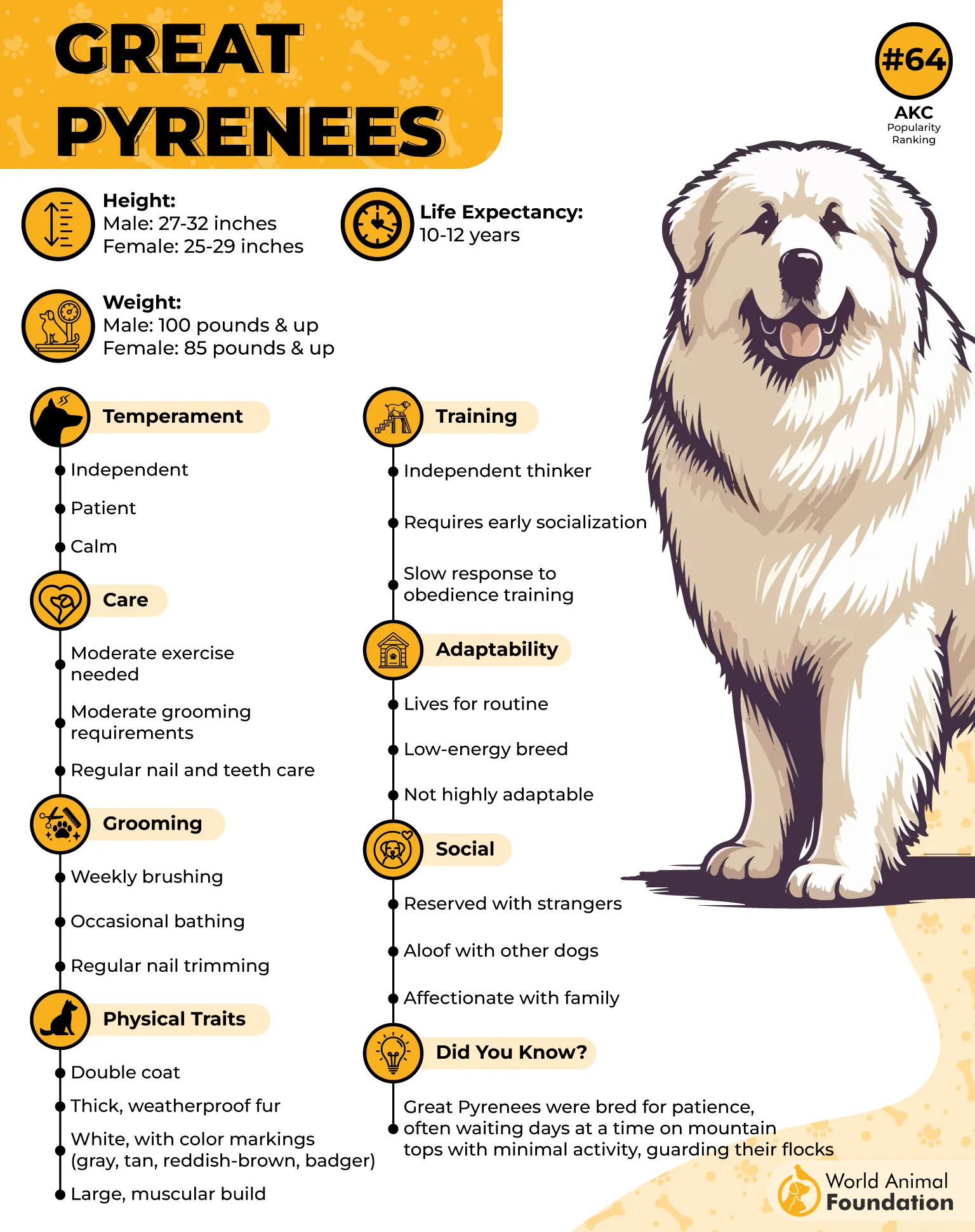
Great Pyrenees are low-energy dogs that do not need a highly active lifestyle. They were bred to work independently and spend long periods guarding livestock, so they are comfortable with some alone time.
According to PetMD, their long outer coats are also dirt- and tangle-resistant, making their grooming needs fairly manageable. Weekly brushing helps care for their undercoat and reduce shedding around the home.
Training and Living Needs
Great Pyrenees can be strong-willed because of their independent nature. Early training and socialization are important, especially because of their size and territorial nature around strangers and other dogs. Daily walks or play in a fenced yard can keep them fit.
They also tend to bark and may roam or explore, so secure gates and leashes are important. They enjoy cooler weather, prefer quiet routines, and can be gentle around cats and other smaller pets.
2. Mastiff
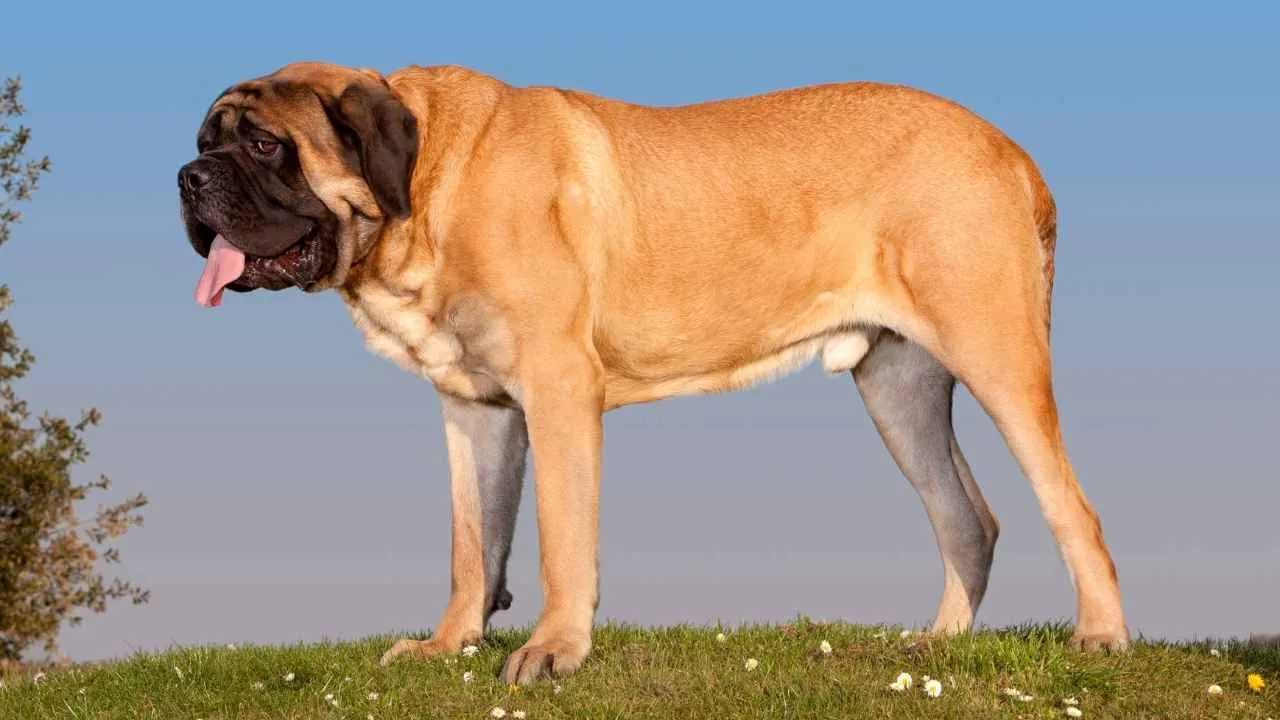
English Mastiffs are ancient giant dogs with a long history as hunters and guardians. Despite their imposing appearance, they are known for being calm, loyal, and gentle with their families.

Their protective nature remains strong today, and they can become alert when unfamiliar people enter their home.
Personality and Care
Mastiffs are laid-back dogs that usually do not have high energy needs. They can be affectionate and devoted, often seeing themselves as lap dogs despite their enormous size. Their short, dense coats are easy to maintain and shed moderately.
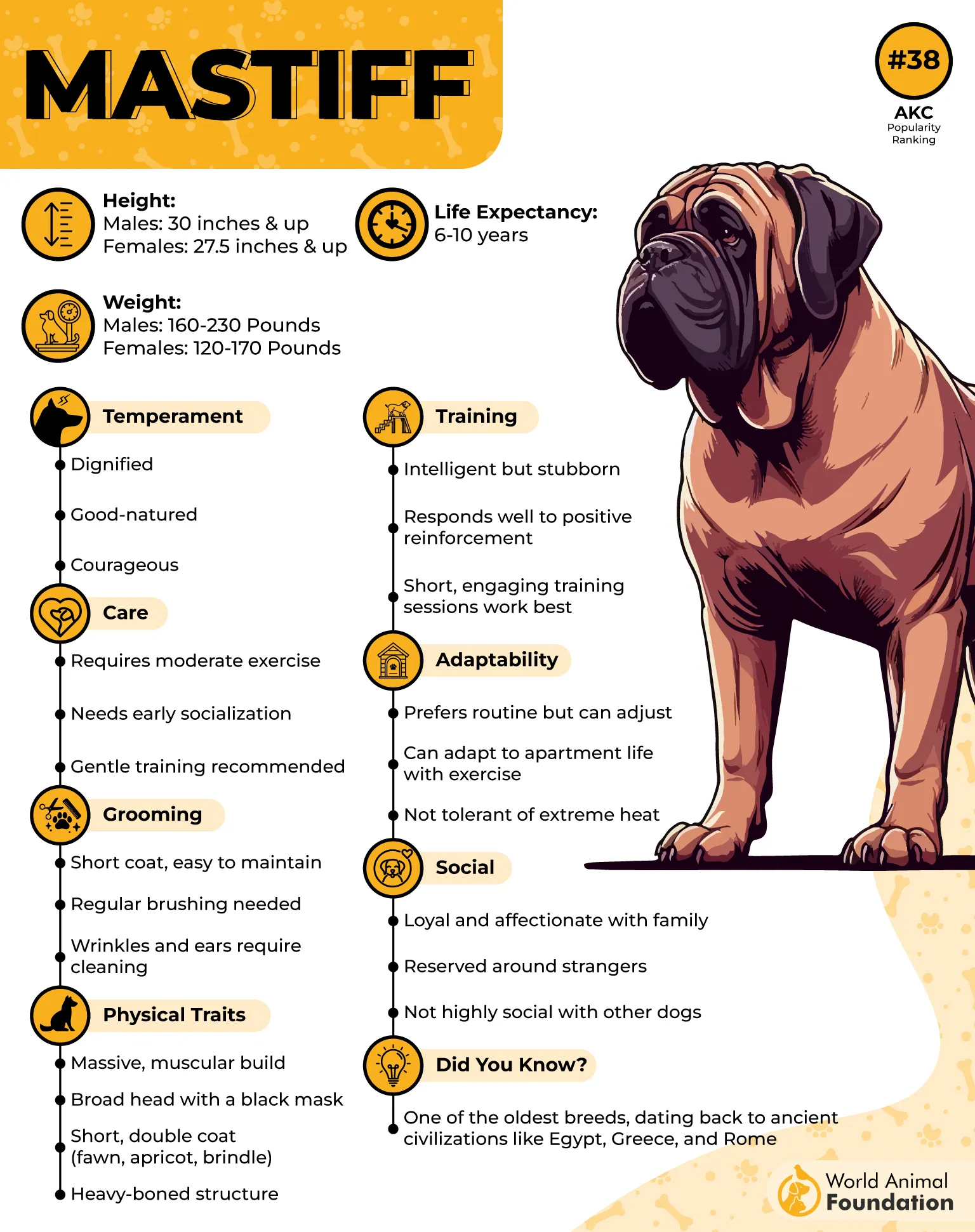
Weekly brushing can help reduce shedding, while bathing is only needed every few months. They are also known for heavy drooling, so quick cleanups may be part of daily life.
Training and Living Needs
Early training and socialization are important for these powerful dogs. They can be suspicious of unfamiliar people or other dogs, so positive early experiences can help them become well-mannered companions.
Mastiffs generally enjoy a calm home and do not require extensive exercise. Families should still supervise them around children and smaller animals because their size can lead to accidental knocks or injuries.
3. Great Dane
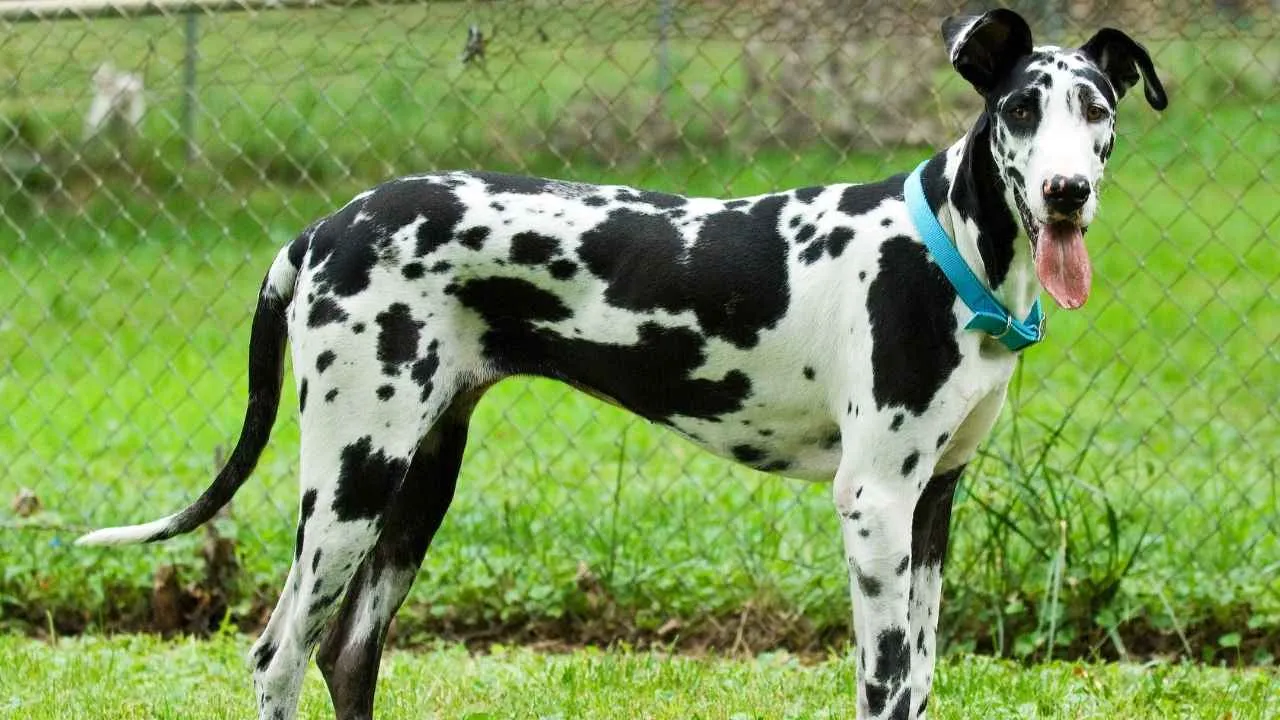
Great Danes are gentle giants with a history of hunting wild boar and guarding estates in Germany. Despite their impressive size, they are known for being kind, affectionate, and closely bonded with their families.
Britannica says they can also be intimidating watchdogs without being constant barkers, making them attentive companions for a busy household.
Personality and Care
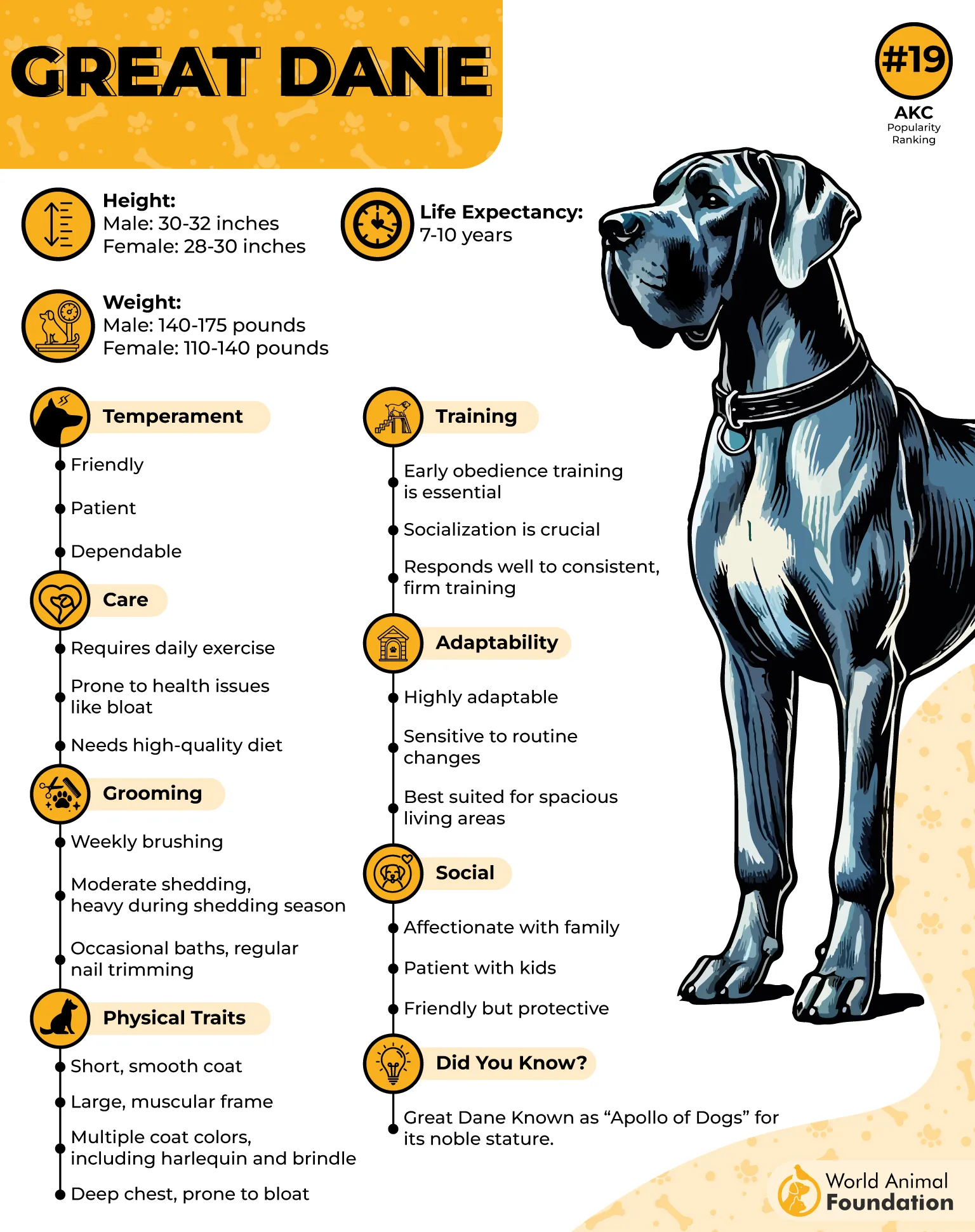
Great Danes have fairly low energy levels and usually do not need constant activity. They can be playful but are often ready to settle down after a short while.
Their short coats are fairly easy to maintain and need weekly brushing, with occasional baths. Their large size can make even simple grooming more time-consuming, however.
Training and Living Needs
Great Danes are generally easy to train, although they may not respond quickly to commands. They are usually friendly with strangers and unfamiliar dogs and can live well with other pets.
Early training and supervision are important because their size and strength can make accidental knocks or injuries more likely around children and smaller animals. They also need enough space to live comfortably, while their food and veterinary costs can be higher because of their size.
4. Newfoundland
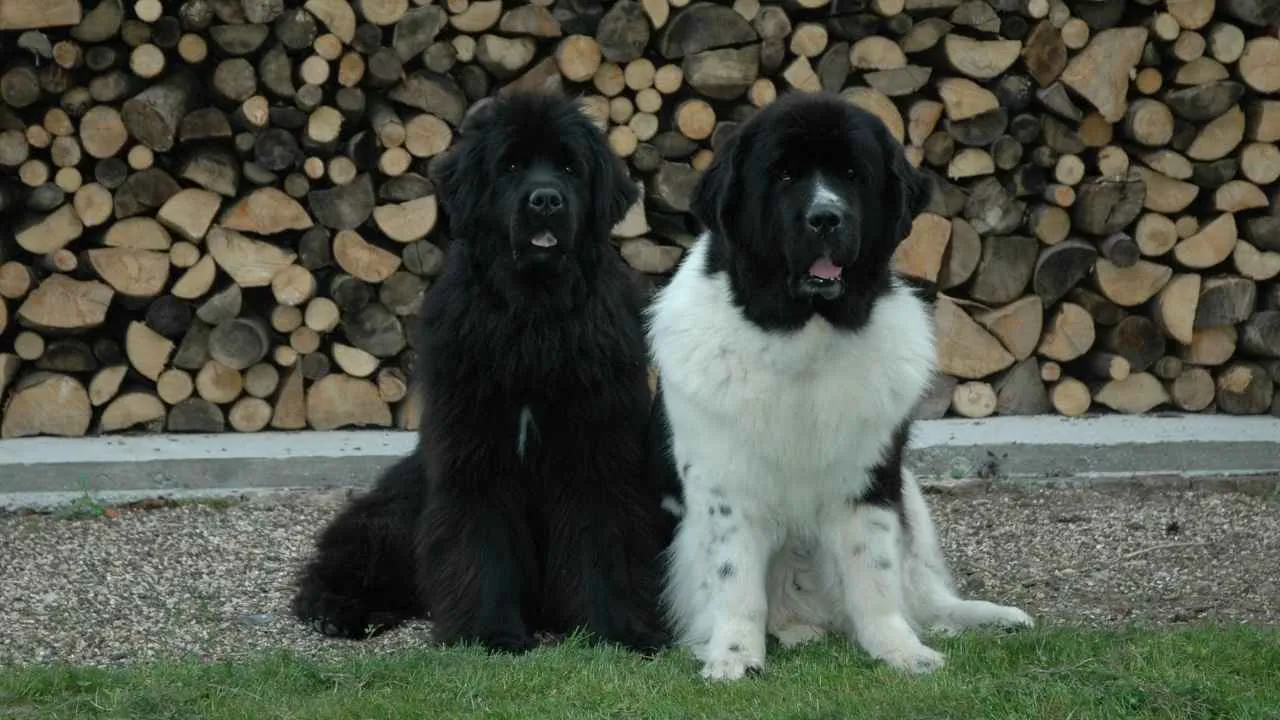
Newfoundlands, often called Newfies, are calm, affectionate, and easygoing dogs. They originated in Newfoundland, Canada, where they worked with fishermen and served as water rescue dogs.
Their history also explains their natural swimming ability, webbed paws, and thick double coats. Despite their size, they are known for being gentle with families, children, other dogs, and household pets.
Personality and Care
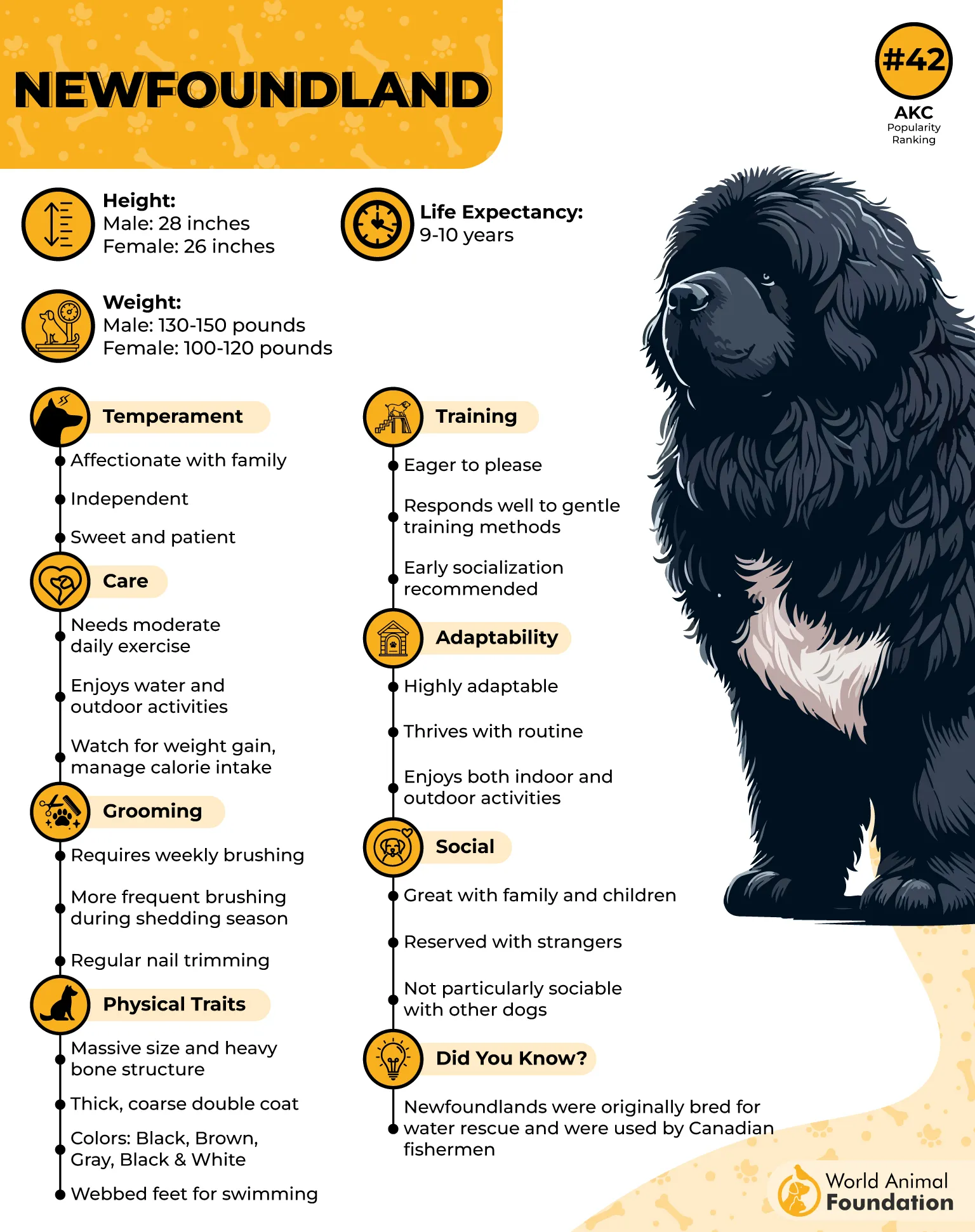
Newfoundlands are playful, people-loving dogs that enjoy being close to their owners. They are intelligent, willing to please, and among the easier giant breeds to train, although they may learn at their own pace.
Their thick double coats shed throughout the year, with heavier shedding twice a year, so consistent brushing is needed. They also tend to drool and need regular upkeep.
Training and Living Needs
Early training is important because Newfoundlands become very strong as they grow. They need considerable yard space for exercise and ideally safe access to water. They are watchful but not known for excessive barking.
If their family feels threatened, they can become protective and may place themselves between their people and a stranger. Their size and strength can still make them difficult for children or seniors to manage.
5. Rhodesian Ridgeback
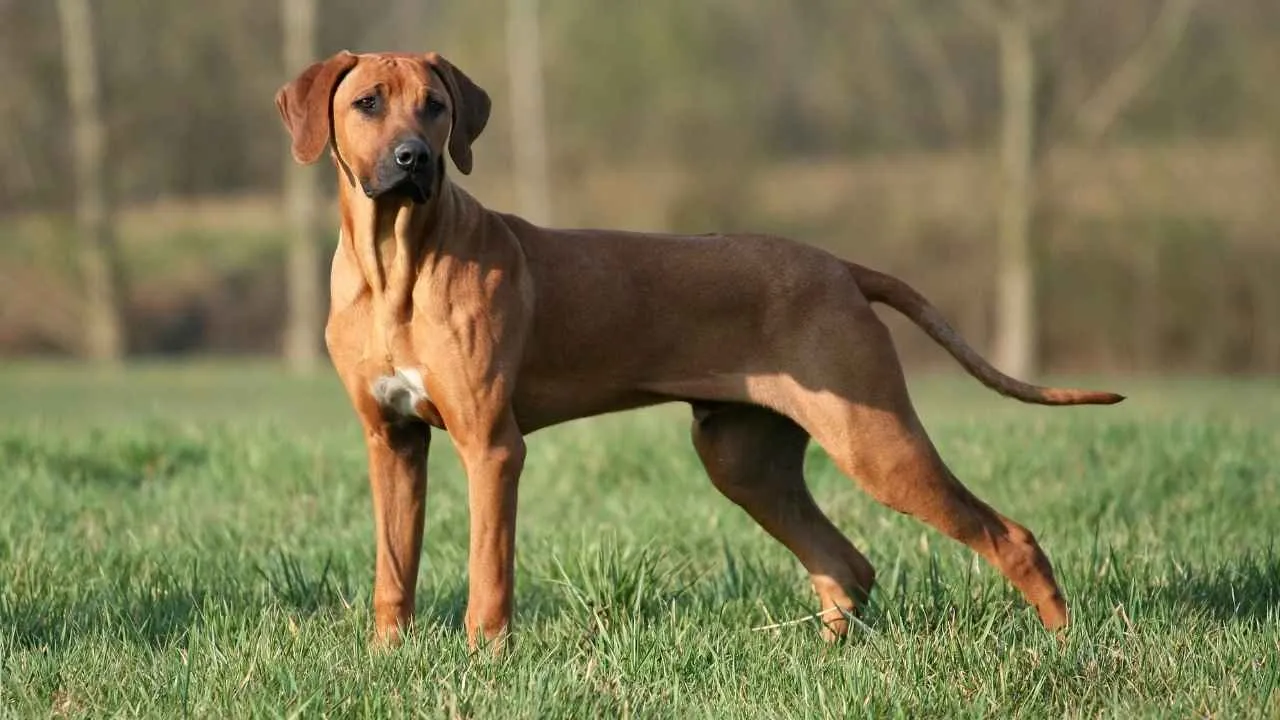
Rhodesian Ridgebacks are gentle, intelligent dogs with a strong history as hunters and protectors. Also known as African Lion Hounds, they were bred to track and flush large predators, including lions.
According to Omlet, their name comes from the distinctive ridge of hair along their back, which grows in the opposite direction from the rest of their coat.
Personality and Care
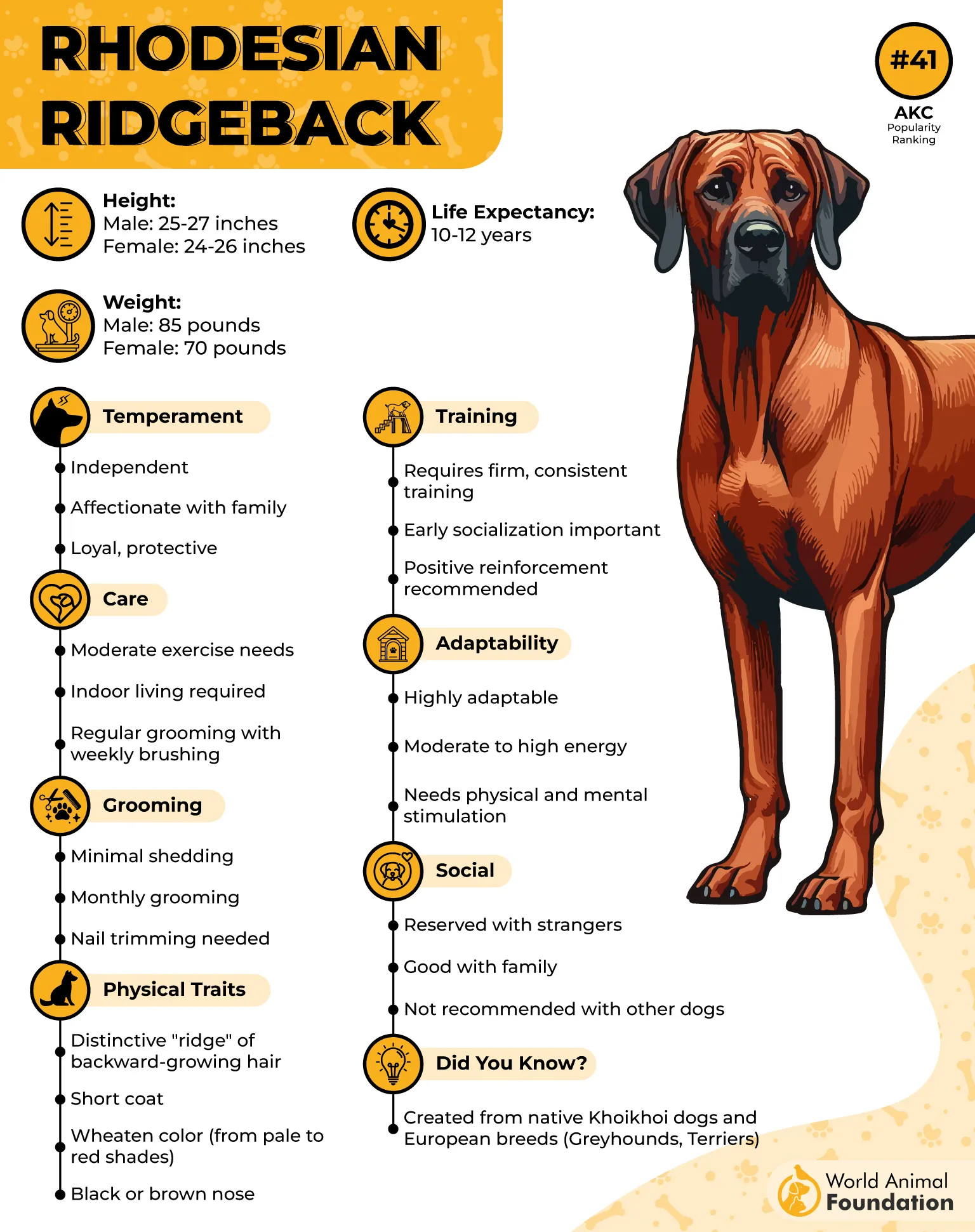
Rhodesian Ridgebacks are loyal and affectionate with their families but can be aloof and wary around strangers. They are excellent watchdogs and effective protection dogs, often noticing unusual activity before their owners do.
Their short coats have minimal grooming needs, with weekly brushing and monthly baths helping manage moderate shedding. They can also be strong-willed, so consistent training and early socialization are important.
Training and Exercise
These athletic dogs need regular exercise, with at least 45 minutes a day plus mental stimulation. Young Ridgebacks can have plenty of energy and may become destructive when bored, so toys, play, tracking, obedience, or agility can help keep them occupied.
Their prey drive is strong, so walks should be on a lead or in a secure area. They can be good with children and other pets when properly socialized, but their strength and energy mean supervision is important around small children.
6. Cane Corso
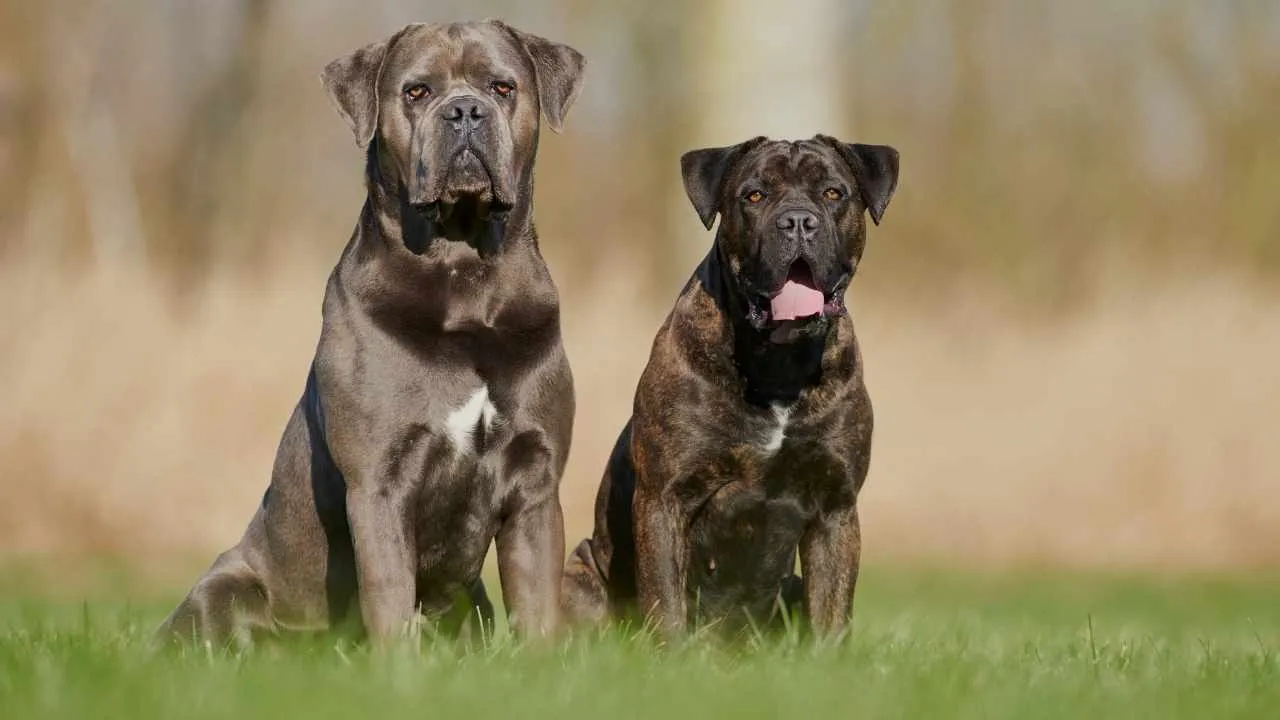
Cane Corsos, also known as Italian Mastiffs, are intelligent, affectionate working dogs with a strong history as guardians.
Their ancestry goes back to ancient Greece and Rome, and they once worked as watchdogs, farm dogs, and even canine soldiers. Today, they remain deeply loyal to their families and naturally protective of their home and territory.
Personality and Care
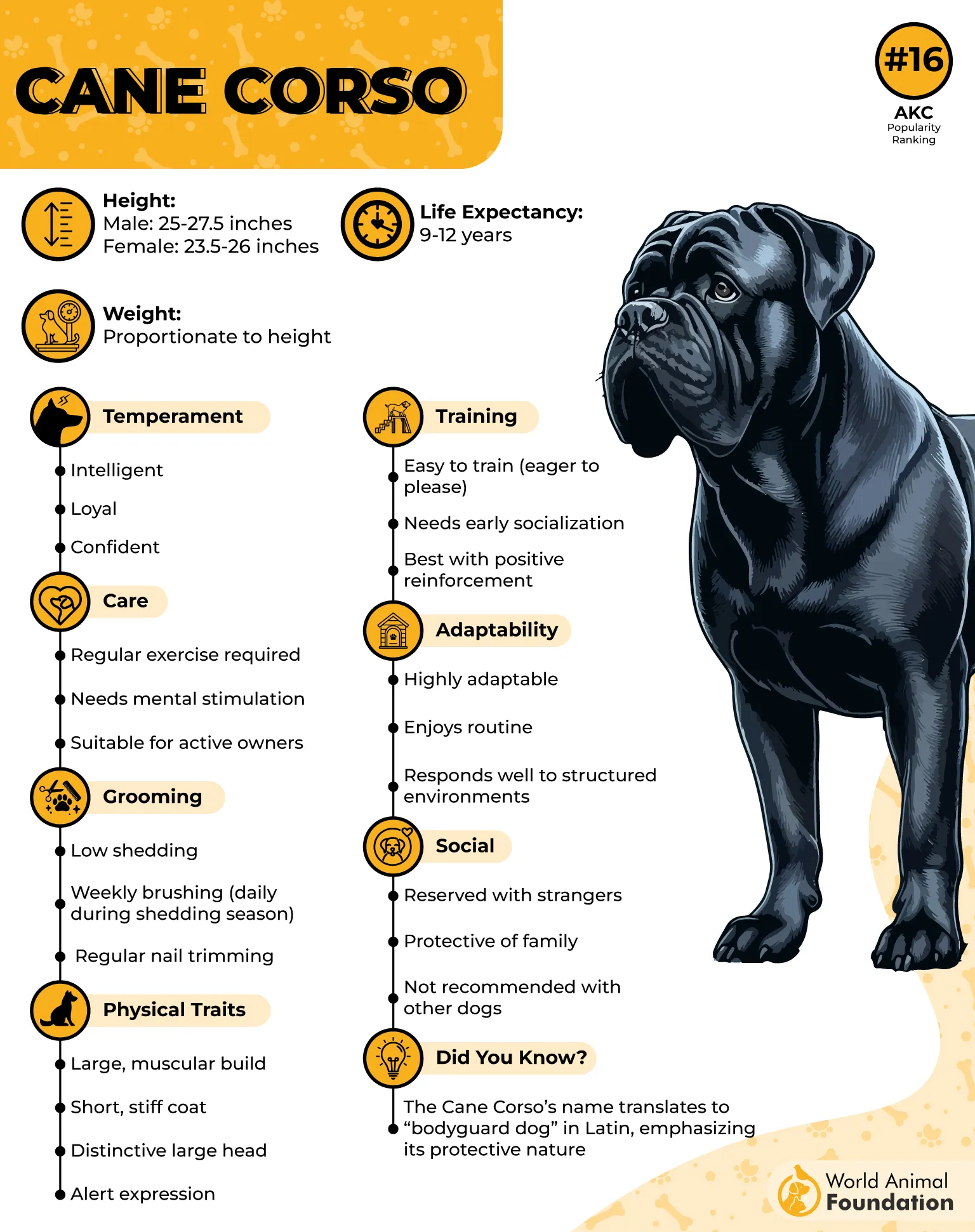
Cane Corsos are eager to please, smart, and devoted, but they can also be willful. They respond well to rewards and positive-reinforcement training rather than harsh corrections.
Early socialization with people, children, and other animals is important because they can be suspicious of unfamiliar people and pets. Their short, smooth coats are easy to maintain, although they shed moderately throughout the year.
Training and Exercise
These muscular working dogs need plenty of daily exercise and mental stimulation. Walks, structured activities, training, tracking, agility, and other purposeful tasks can help keep them engaged.
Consistent training and confident leadership are important for such a powerful breed. Without enough activity or guidance, they may become restless, destructive, or overly protective.
7. Doberman Pinscher
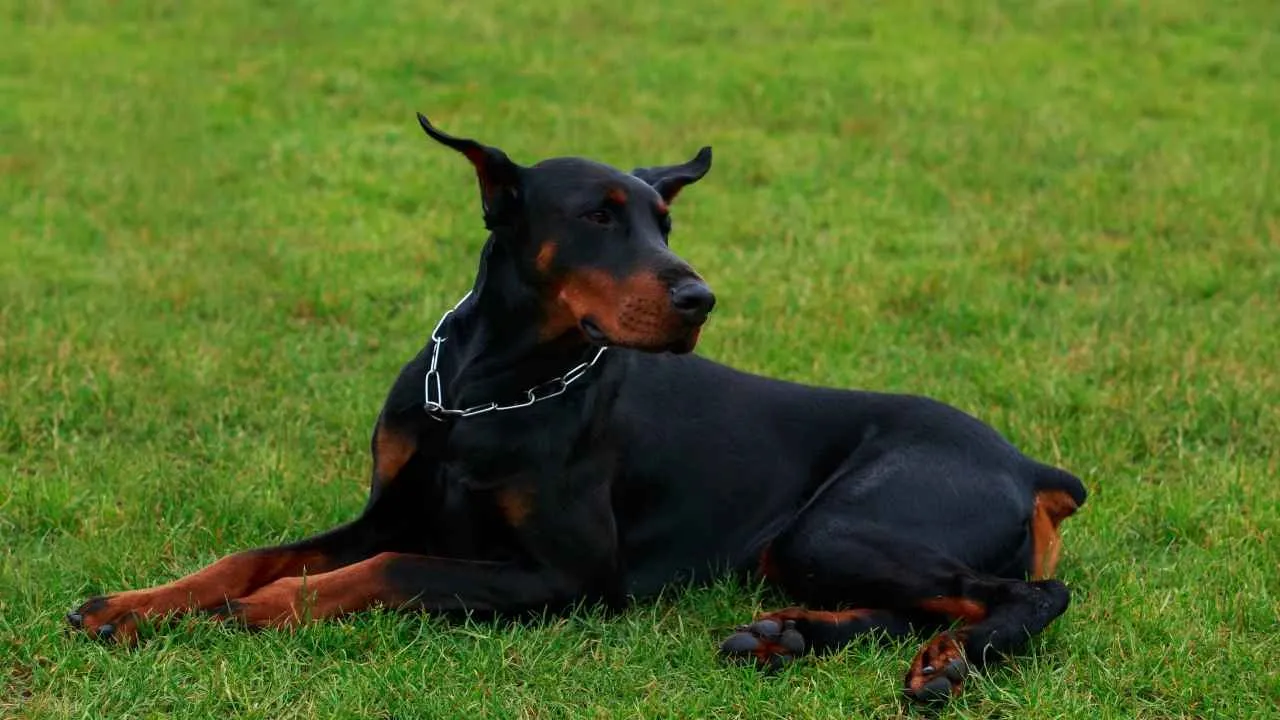
Doberman Pinschers were first developed in Germany in the late 1800s by Louis Dobermann, a tax collector who wanted a reliable guard dog and companion.
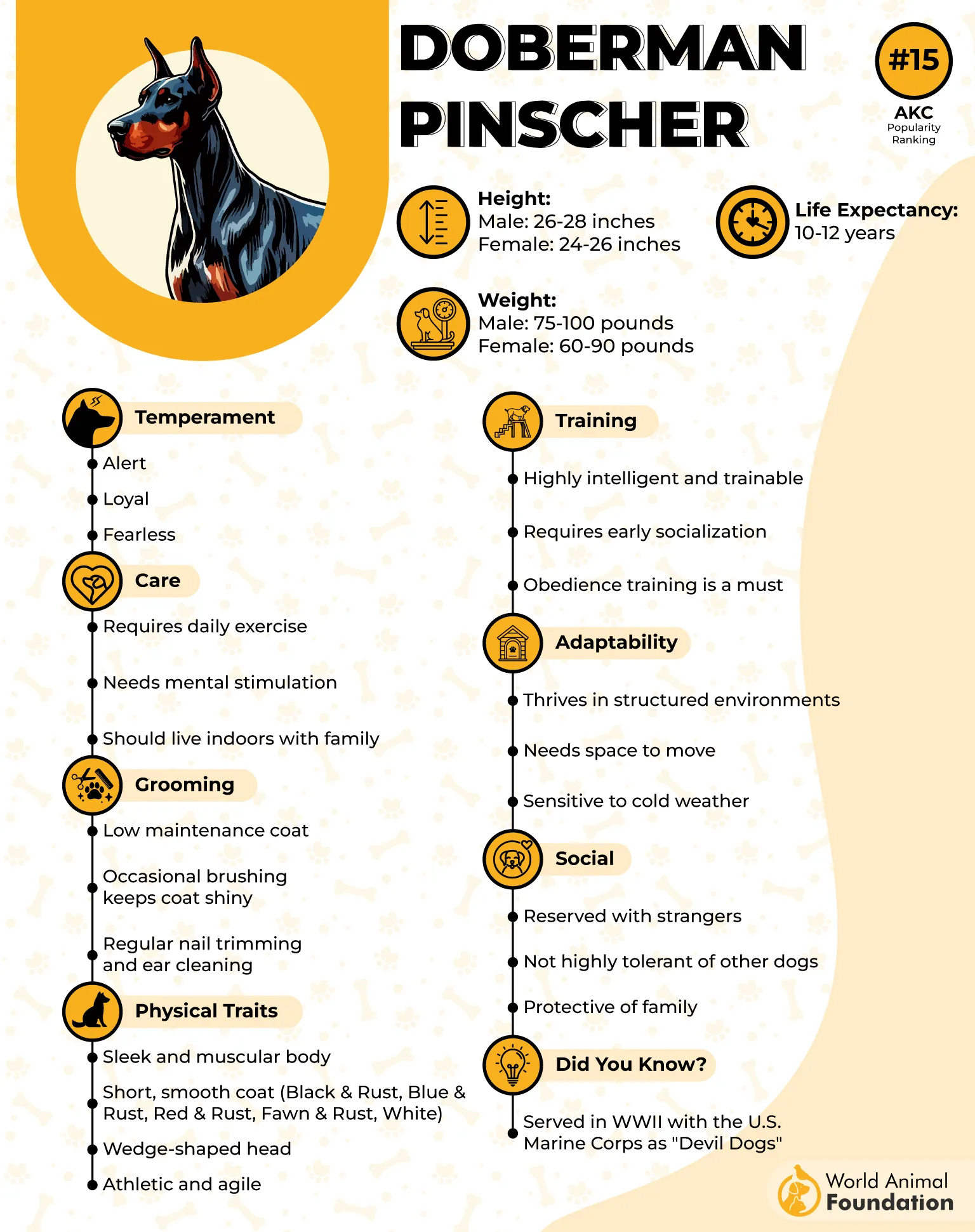
Today, these intelligent and alert dogs are also used in security, police work, and search and rescue. They are protective and fearless, yet can be loving and loyal with their families.
Personality and Care
Dobermans are highly intelligent, energetic, and eager to please. They form close bonds with their families but can be wary of unfamiliar people and other dogs.
Early and consistent socialization helps them become well-balanced companions. Their sleek coats are simple to maintain, but their strong prey drive means care is needed around small animals and when they are outside.
Training and Exercise
These active dogs need plenty of physical exercise and mental stimulation. Long walks, runs, hikes, play, and training sessions can help keep them engaged. They learn quickly but can become bored, so training should stay interesting.
Without enough activity, they may develop unwanted or destructive behaviors. Because they are strong-willed and protective, consistent training is essential.
Conclusion
Choosing a protective dog breed as a single parent is about finding the right balance between protection, companionship, and everyday care. The breeds in this list offer different combinations of loyalty, alertness, calm temperaments, and manageable grooming needs.
Still, each dog has its own exercise, training, and socialization needs that should be considered before bringing one home.
Take time to consider your daily routine, living space, and the amount of care you can realistically provide. A protective dog can become a trusted part of the family, but the strongest bond comes from consistent training, attention, and plenty of affection.
Looking for more personal protection dogs? You can also check out the German Shepherd, Staffordshire Bull Terrier, Belgian Malinois, Giant Schnauzer, and Rottweiler.
