




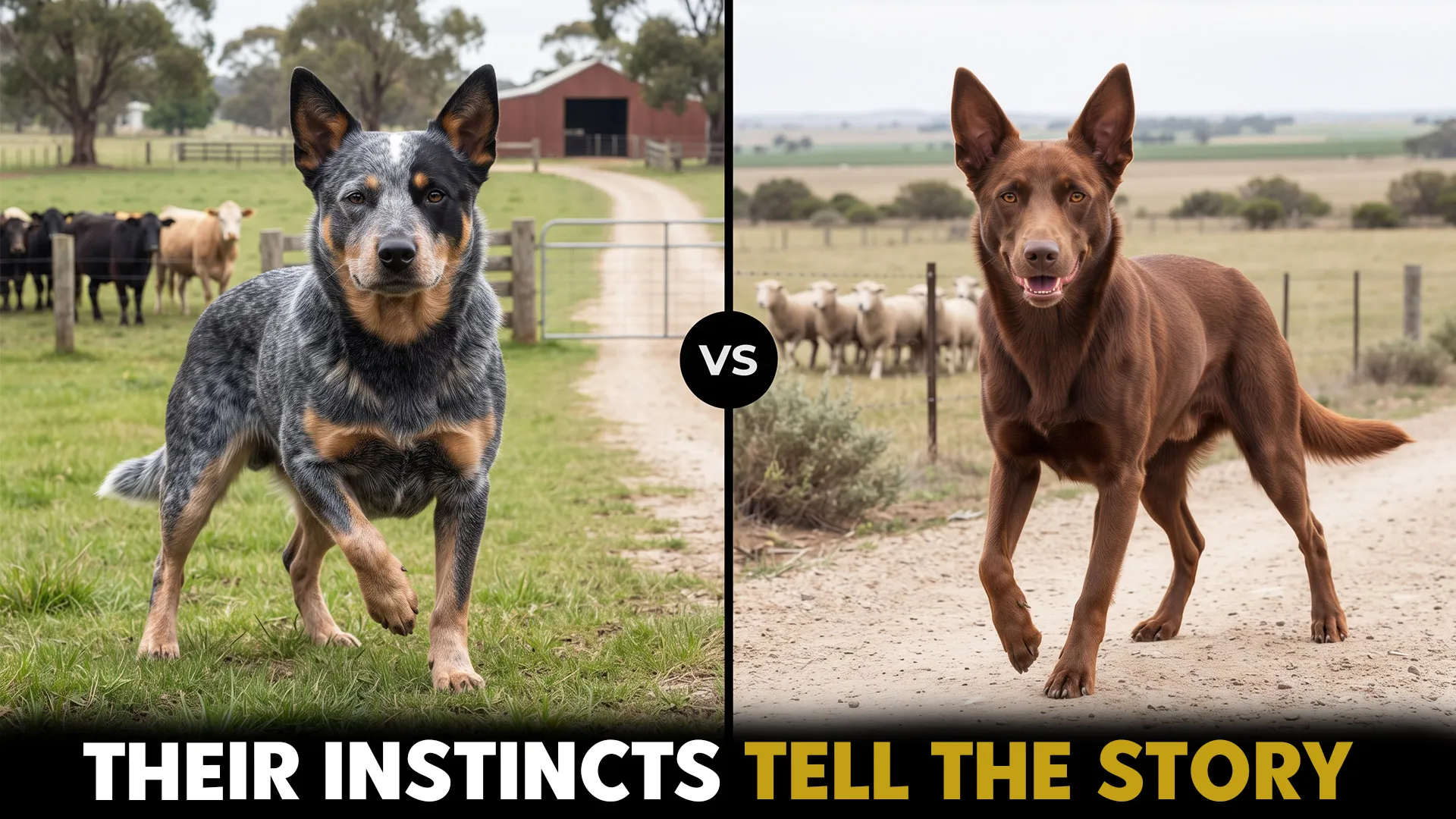
Put two hardworking herding dogs in the same field, and good luck convincing either one that it is time to relax. These dogs do not exactly have “professional couch potato” on their résumés. They were built to move, think, work, and stay busy. Give them a job, and they are all in.
Leave them bored for too long, and they may decide your backyard needs reorganizing, your routine needs supervising, or somebody definitely needs herding. But here is where things get interesting. Similar working roots do not mean identical personalities.
Their temperament, training style, exercise needs, family fit, and everyday behavior can feel surprisingly different once you live with them. So, which energetic four-legged worker would actually fit your lifestyle? Let’s compare their traits and see what really sets them apart.
Did you know?
Kelpie origins are debated, but they likely trace back to Scotland, while their Gaelic name translates charmingly to “water sprite” today. Meanwhile, Australian Cattle Dogs have Dingo ancestry, with early breeders crossing Dingoes with working dogs while developing dependable Australian cattle herders.
Australian Cattle Dog vs. Australian Kelpie: Key Traits Compared
1. Breed Origins & Functional Background
This comparison starts where both dogs earned their reputation: real working country, rough conditions, and livestock that did not exactly cooperate. Their backgrounds and histories were shaped by practical jobs, so their modern traits still carry plenty of old-school working attitude.
The Australian Cattle Dog, also known as the Red or Blue Heeler, was developed in nineteenth-century Australia for droving cattle across rugged terrain and vast distances. Breeders favored stamina, resilience, tenacity, and quick decision-making, producing a working dog that could manage difficult cattle while protecting the drover when needed.
The Australian Kelpie came from Collie-type dogs imported from Scotland and was developed in Australia for demanding sheep work. It had to handle heat, dust, rough terrain, and enormous distances, turning practical endurance into one of its defining working qualities.
2. Physical Characteristics & Body Structure
Put these two side by side, and their working builds tell different stories. One carries a compact, muscular look built around strength and durability, while the other has a lighter, flexible outline designed for sustained movement and all-day work.
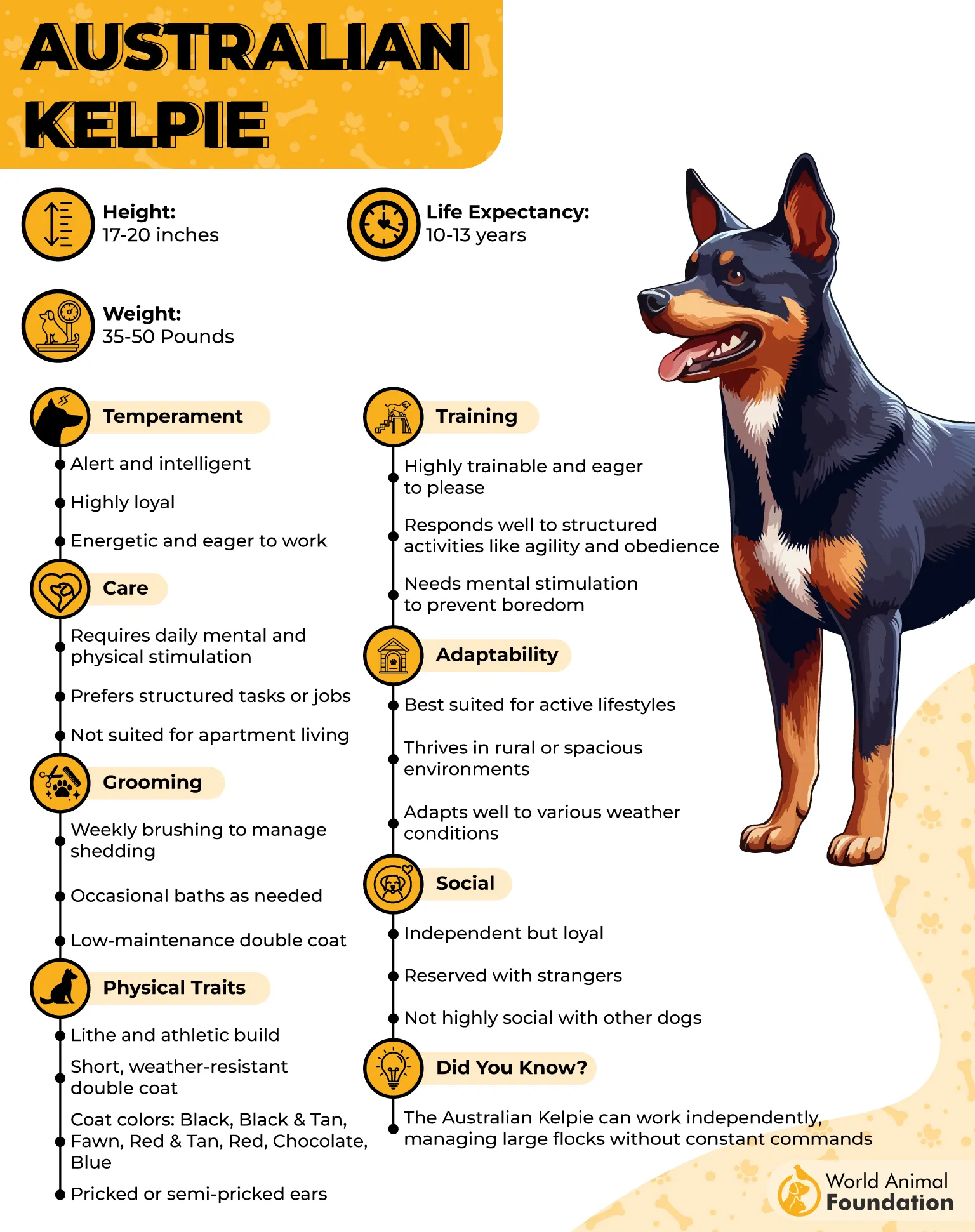
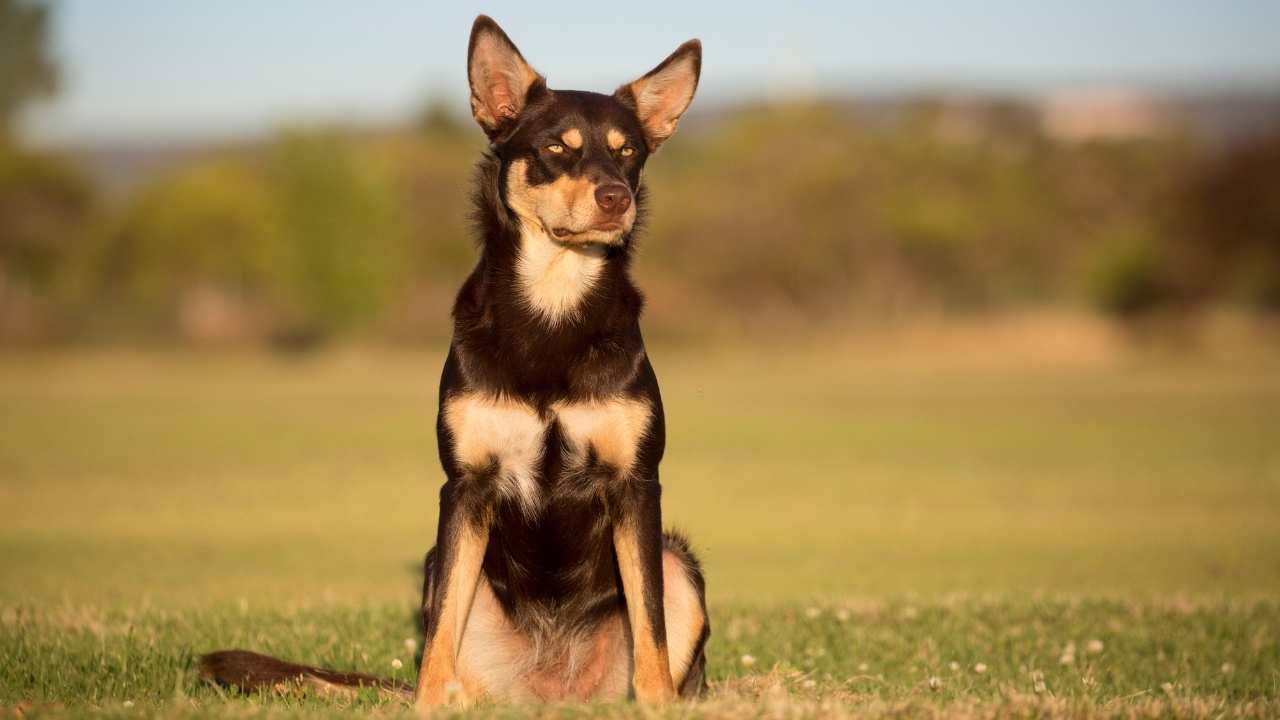
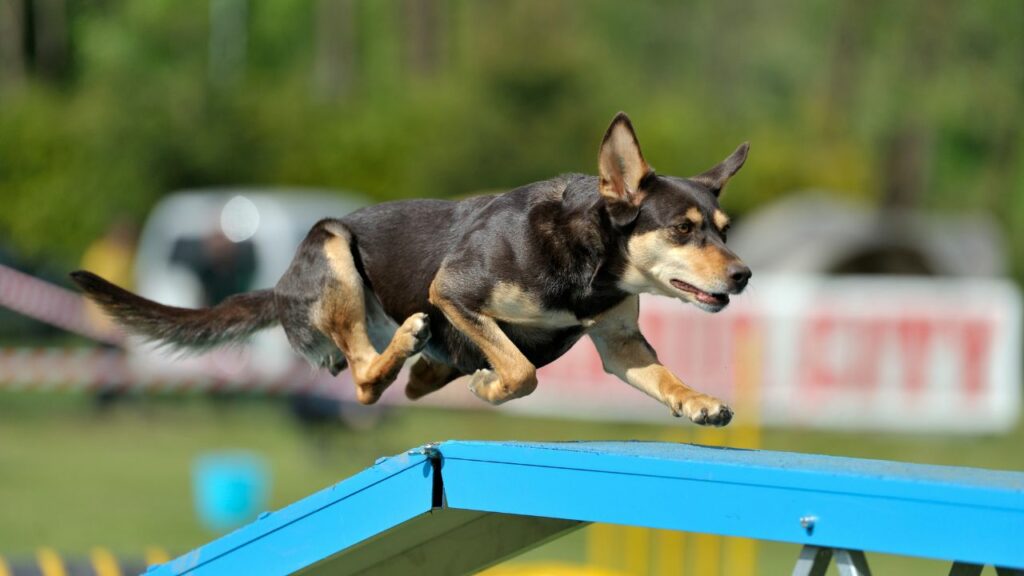
The Australian Kelpie has a lithe, active body with strong muscle tone and enough suppleness to work for long periods. Its athletic build suits constant movement, while coat colors can include black, black and tan, red, red and tan, fawn, chocolate, and smoke blue.
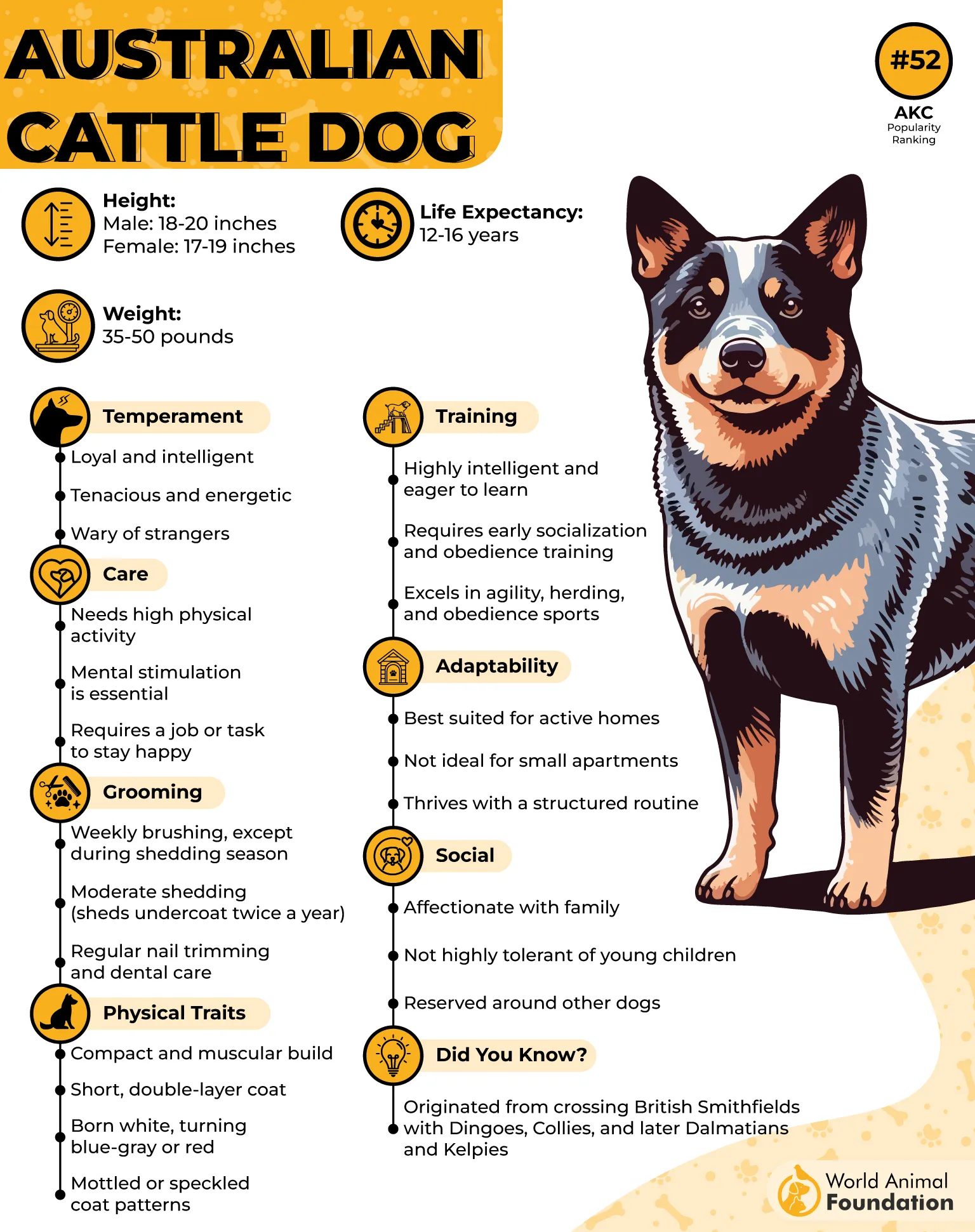
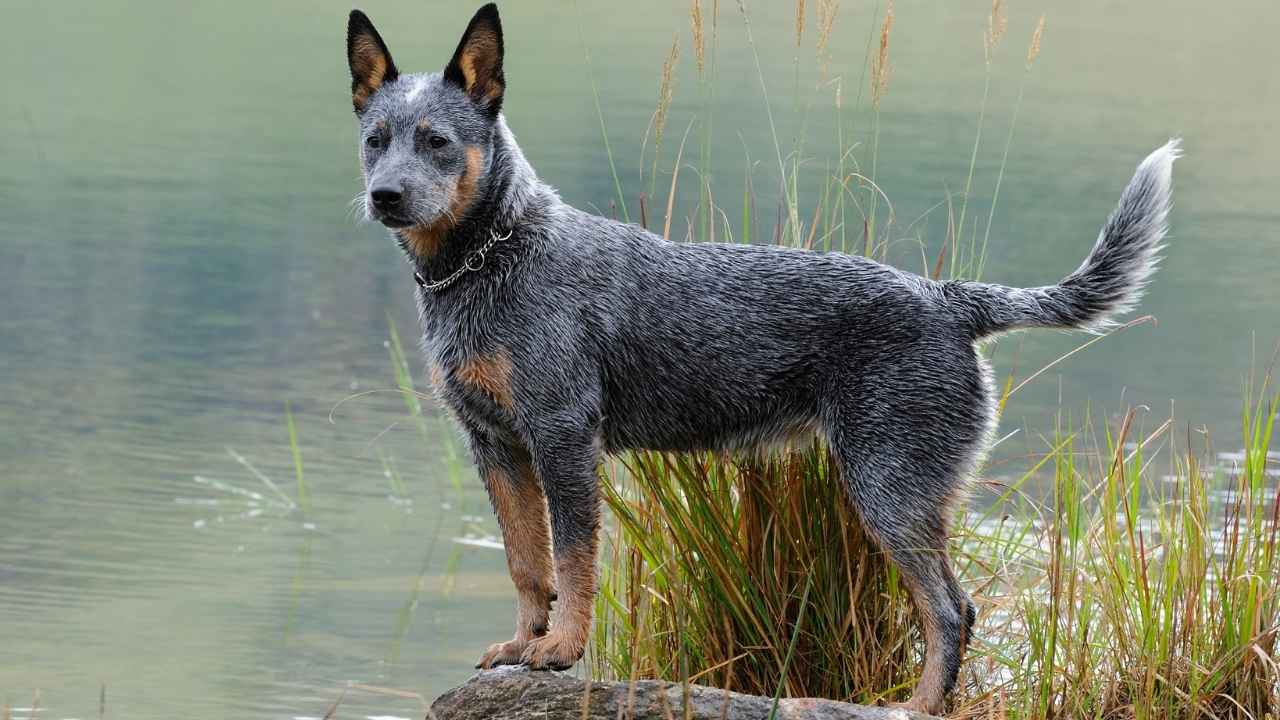
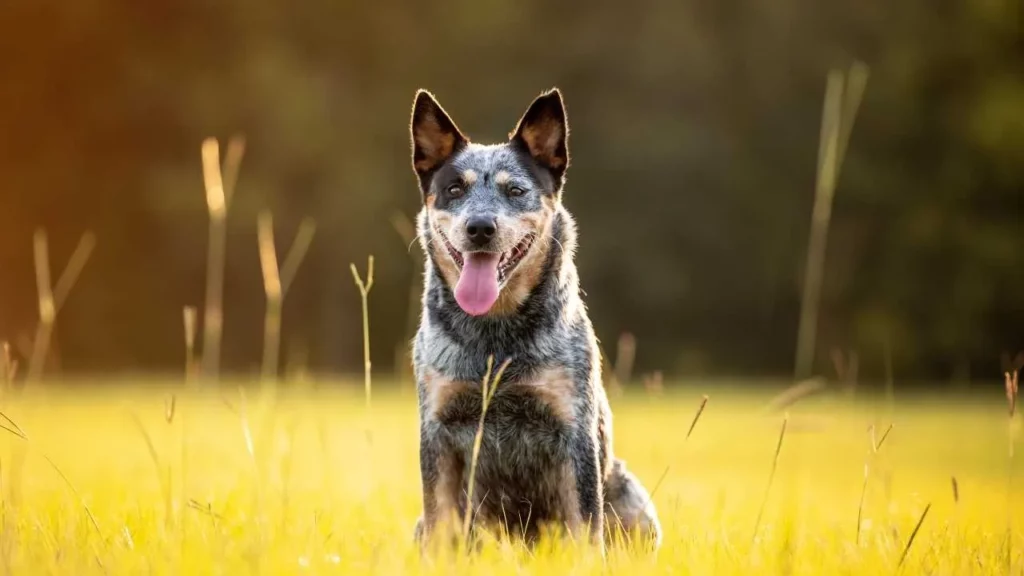
The Australian Cattle Dog looks sturdy, compact, muscular, and firmly put together. A broad skull, muscular cheeks, pricked ears, powerful muzzle, deep chest, and strong neck give it a working appearance that looks ready to get involved in business before anything even happens.
3. Temperament & Behavioral Profile
Personality is where this comparison gets interesting. Both dogs bring brains and working focus, but they express those qualities differently. One leans toward watchful determination and protective devotion, while the other mixes alert enthusiasm with loyalty and an eager working attitude.
The Australian Cattle Dog is intelligent, watchful, courageous, and deeply devoted to its family. It can be protective of people and possessions, carries an independent streak, and may become mischievous when bored, so this dog rarely enjoys being ignored.
The Australian Kelpie is alert, loyal, intelligent, and intensely devoted to duty. Its natural herding instinct stays close to the surface, yet it can settle after serious activity, giving this energetic worker a useful off switch once the job is done.
4. Activity Requirements & Energy Levels
Neither dog approaches activity with a casual shrug. These working breeds expect movement and mental engagement to be part of the deal. The real question is not whether they need exercise, but how prepared you are to keep up.
The Australian Kelpie has plenty of energy and does best when physical exercise is paired with mental challenges. A long workout, jogging, or obedience work suits its energy, and having a job gives all that enthusiasm somewhere productive to go.
According to the American Kennel Club (AKC), the Australian Cattle Dog is seriously energetic and needs more than a casual stroll. Give this dog running, herding, obedience, or agility, and suddenly all that working drive has somewhere useful to go.
5. Trainability, Intelligence & Learning Ability
Brains are not in short supply here, which sounds convenient until you remember clever working dogs notice everything. Both respond best when learning feels purposeful and engaging, making repetitive, half-hearted sessions a poor match for what these minds can handle.
The Australian Cattle Dog is highly intelligent and capable, which can also make this clever pup independent and a little stubborn. Structured training works best when things stay interesting, while socialization should start when they are still puppies, and continued herding, agility, or obedience helps keep that busy brain happily engaged.
As noted by PetMD, Australian Kelpies are an incredibly intelligent breed that benefits from early obedience training and socialization. Positive reinforcement and training games keep that sharp mind engaged, while dog sports or a useful job provide productive mental and physical outlets.
6. Coat Maintenance & Grooming Needs
Neither coat turns grooming day into a full production, which is welcome news after all that working-dog intensity. Both breeds carry practical double coats, but their upkeep has slightly different rhythms when brushing, shedding, and occasional bathing enter the picture.
The Australian Kelpie keeps things fairly simple with a short, dense undercoat and a straight outer coat that resists rain. Weekly brushing or combing clears dead hair, while an occasional bath usually handles the rest of its grooming routine.
As mentioned by WebMD, Australian Cattle Dogs have a smooth double coat that protects them outdoors and sheds their undercoat twice yearly. Weekly brushing usually keeps things tidy, while shedding season calls for more frequent brushing to tackle those impressive fur tufts.
7. Average Lifespan & Longevity
Years matter when choosing a dog, especially when so much personality comes attached. Their expected lifespans overlap, but regular veterinary checkups still matter because staying ahead of breed-related health concerns can help owners manage problems sooner.
The Australian Cattle Dog typically lives 12 to 16 years. This hardy breed can be prone to deafness, progressive retinal atrophy, and hip dysplasia, so routine vet visits and recommended health screening are especially useful throughout its life.
The Australian Kelpie has an average life expectancy of 10 to 13 years. Although generally hardy, the breed can develop conditions such as cerebellar atrophy, Collie eye anomaly, and progressive retinal atrophy, making regular veterinary care worth keeping on the calendar.
8. Suitability for Family Life vs. Guard Duties
Here is where the household question gets a little more interesting. Both breeds can be deeply connected to their humans, yet their instincts shape that bond differently, especially when family routines, watchfulness, and reactions to movement enter the conversation.
The Australian Kelpie is intensely loyal and devoted, but its herding instinct can spill into family settings by targeting other dogs, pets, or even children. After serious activity, though, it can settle with the family and switch into downtime mode.
The Australian Cattle Dog brings stronger watchful energy, staying loyal to owners while remaining wary of strangers. It can be fiercely protective when used as a watchdog, yet its herding behavior around children means structure and responsible handling still matter.
Conclusion
The Australian Cattle Dog and Australian Kelpie both bring intelligence, loyalty, energy, and serious working drive. The Australian Cattle Dog is generally considered more watchful and protective, while the Kelpie brings eager enthusiasm, stamina, and a strong desire to have something useful to do.
Your best match depends on your house, experience, and training commitment. Choose the pup whose needs genuinely fit your lifestyle, and you are more likely to build a happy, rewarding bond that feels natural for both you and your dog.
