




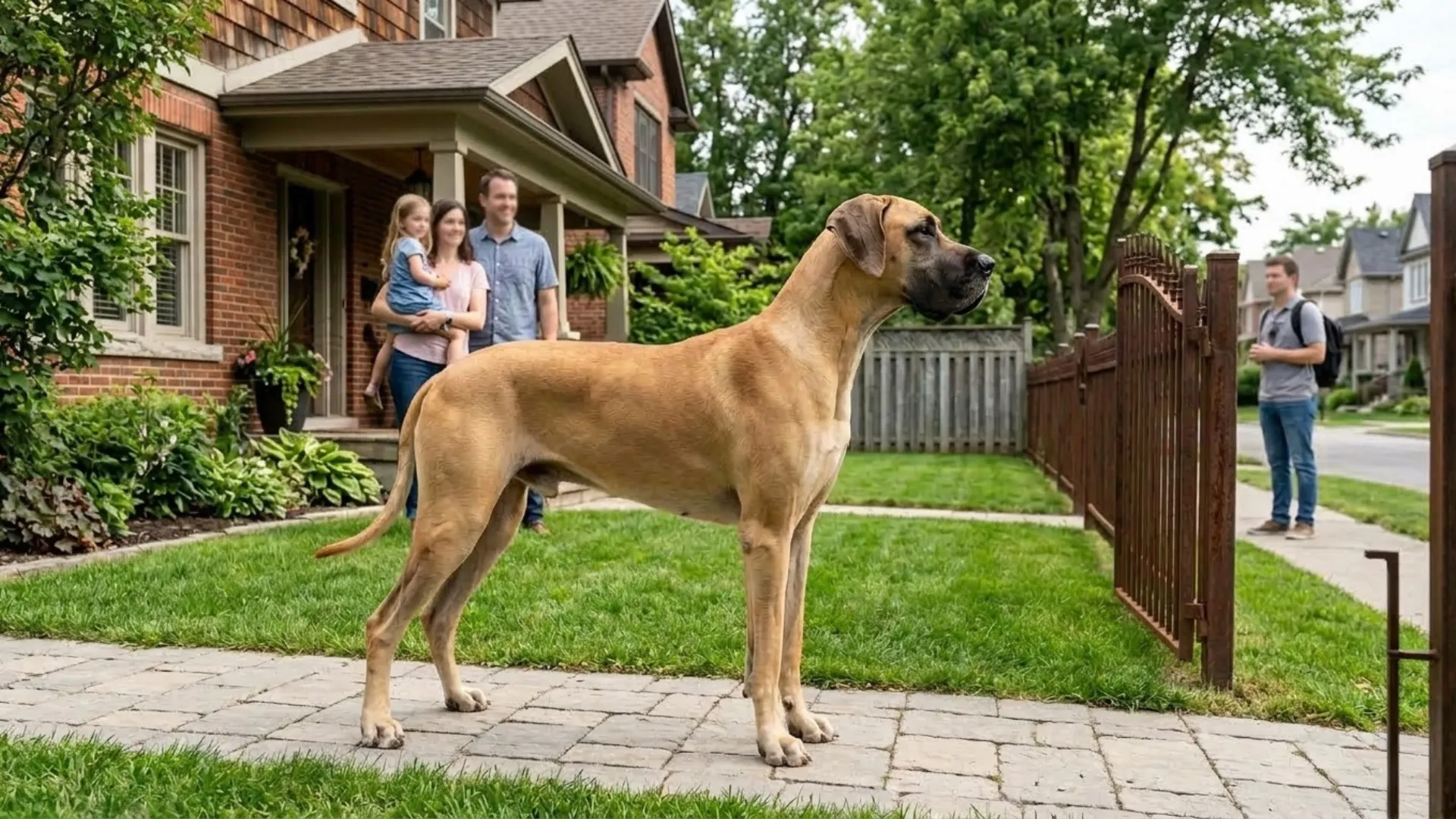
People often hesitate out of fear when looking for guard dog breeds for their families. And it’s all because of the common misconception that effective guard dogs are inherently aggressive, unpredictable, or difficult to control.
This is not accurate.
True protective dogs are not an aggressive liability, but they are calm, stable, and deeply loyal companions. They have guarding abilities, instincts, and build, but also mental stability and awareness about when to react.
We have shared the top nine guard dogs in this guide that make good companions for families. We will discuss how they behave at home and what makes them good for families.
You will also learn about their temperament, work history, bite force, defense system, grooming, and training routine. Don’t get overwhelmed, but this is what will genuinely help you choose the right protection dog.
Superior Protective Dog Breeds for Families Seeking Extra Safety
1. Doberman Pinscher
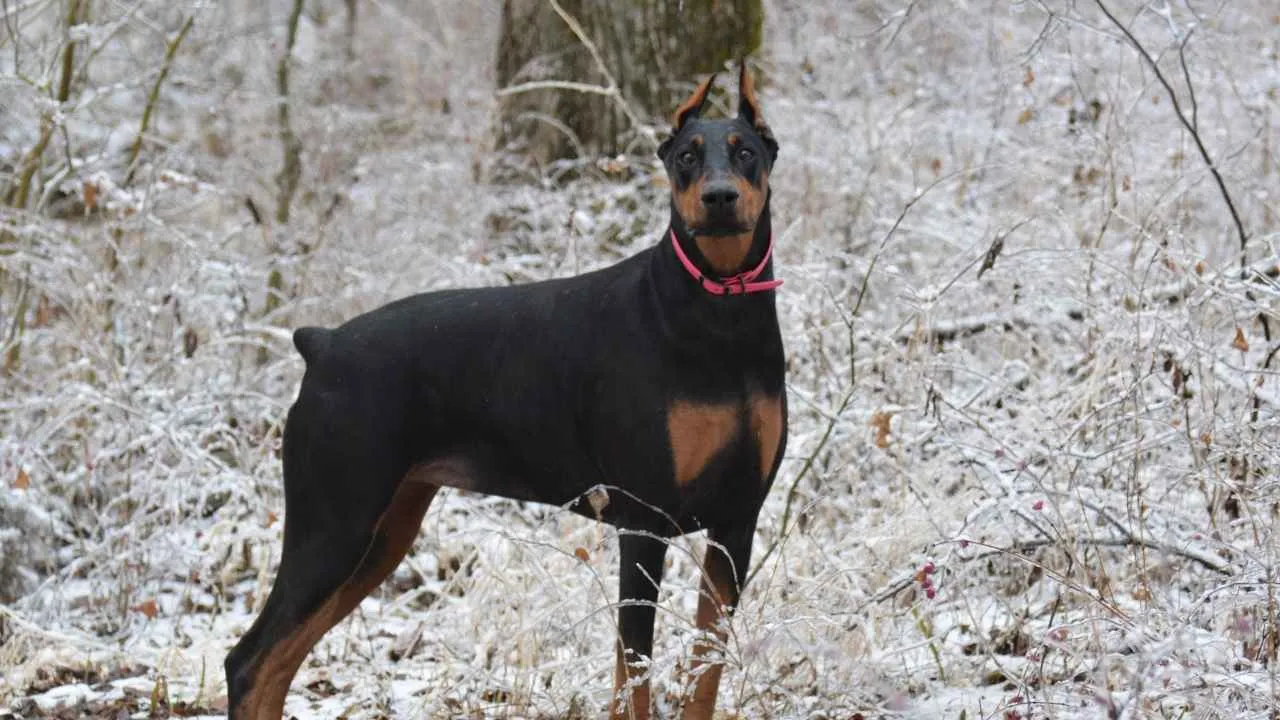
Doberman Pinschers are proud, alert, and deeply affectionate with their inner circle. They are sensitive and watchful companions with a calm and stable nature. They are among the best family protection dogs, as the AKC shared, because that’s what they were bred for.
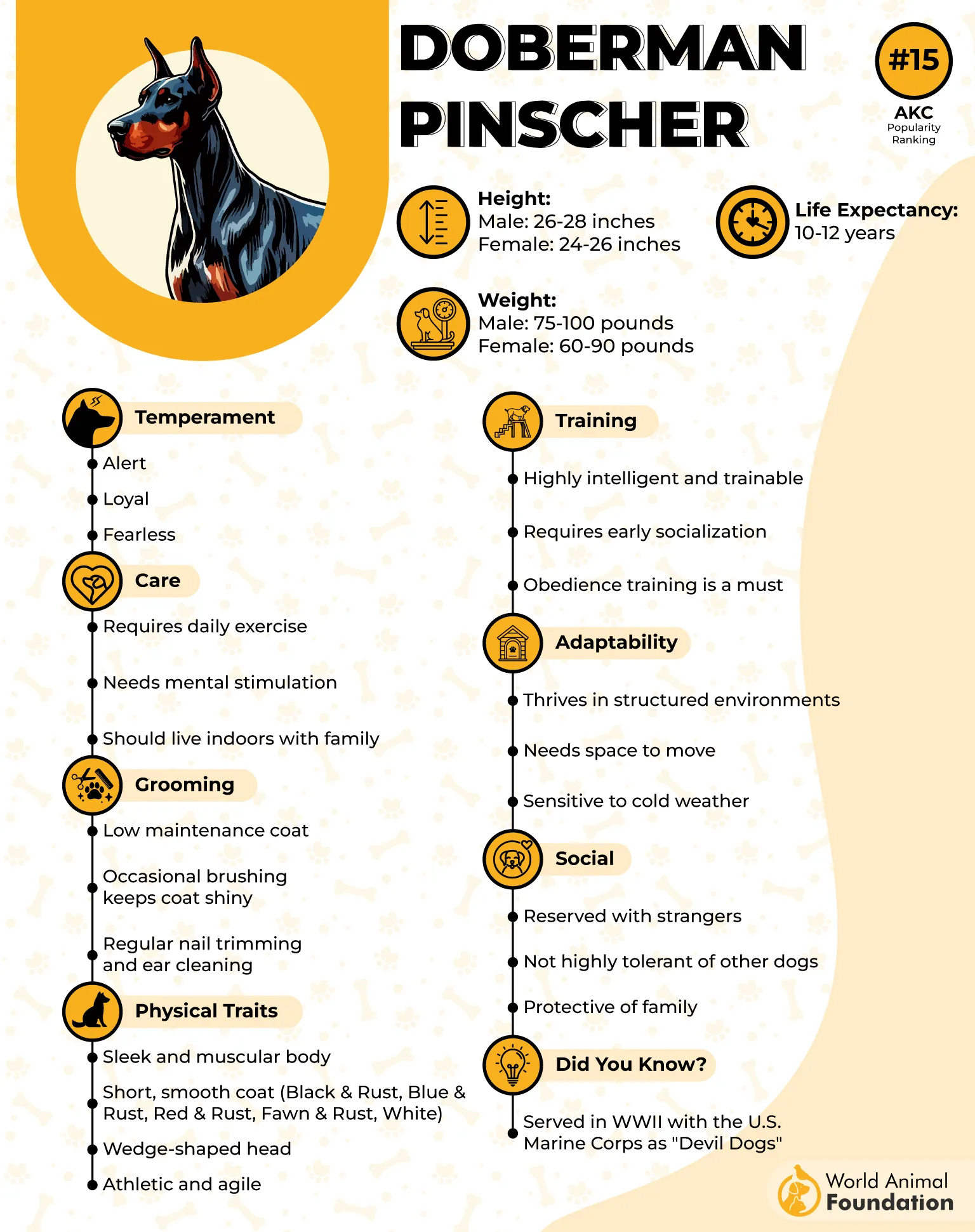
These large dogs have an athletic build and a formidable bite force of 228-305 PSI. They respond instantly to ward off intruders and position themselves between danger and family. Doberman Pinschers are not baseline aggressive toward their household and have high emotional intelligence.
And that’s what also makes them loving family pets. These are energetic dogs and require 60-90 minutes of daily exercise for mental stimulation. They rank among the fastest learning breeds and have a short coat, which is relatively low maintenance.
2. German Shepherd
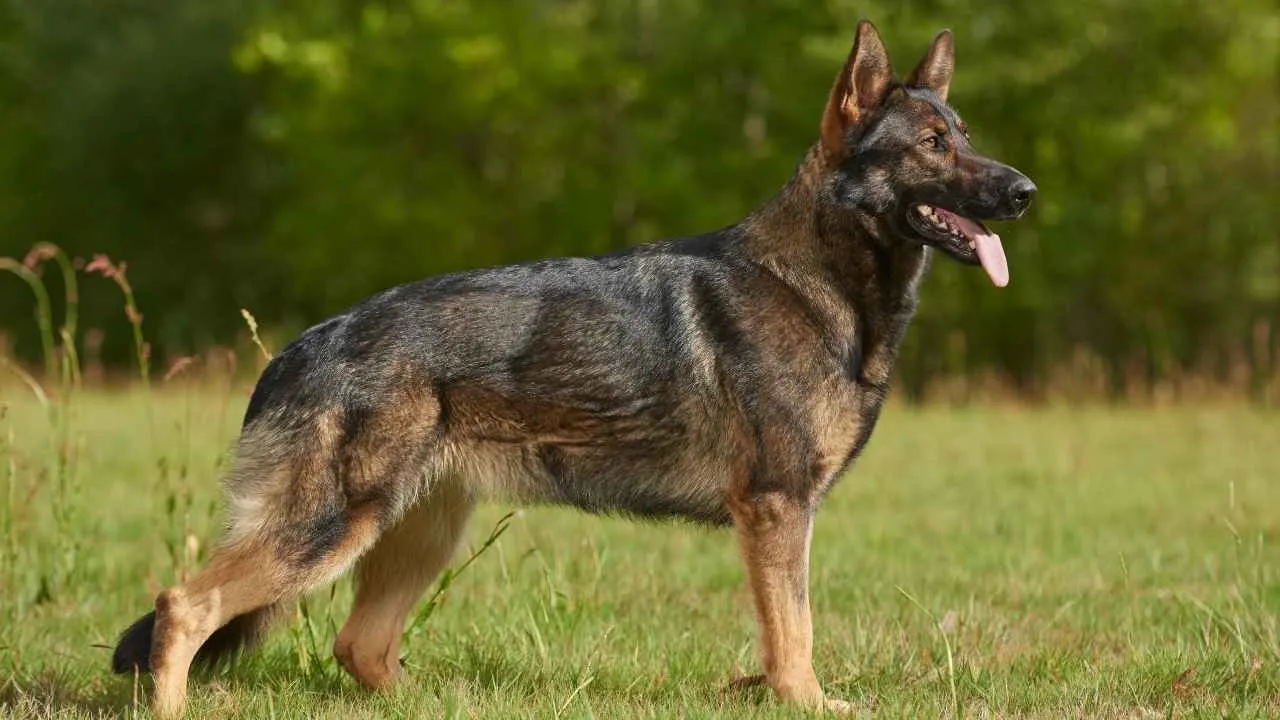
German Shepherds are intelligent, confident, and fiercely loyal companions. They were originally bred to herd and protect sheep but later also served as military, search and rescue, and police dogs and personal security.
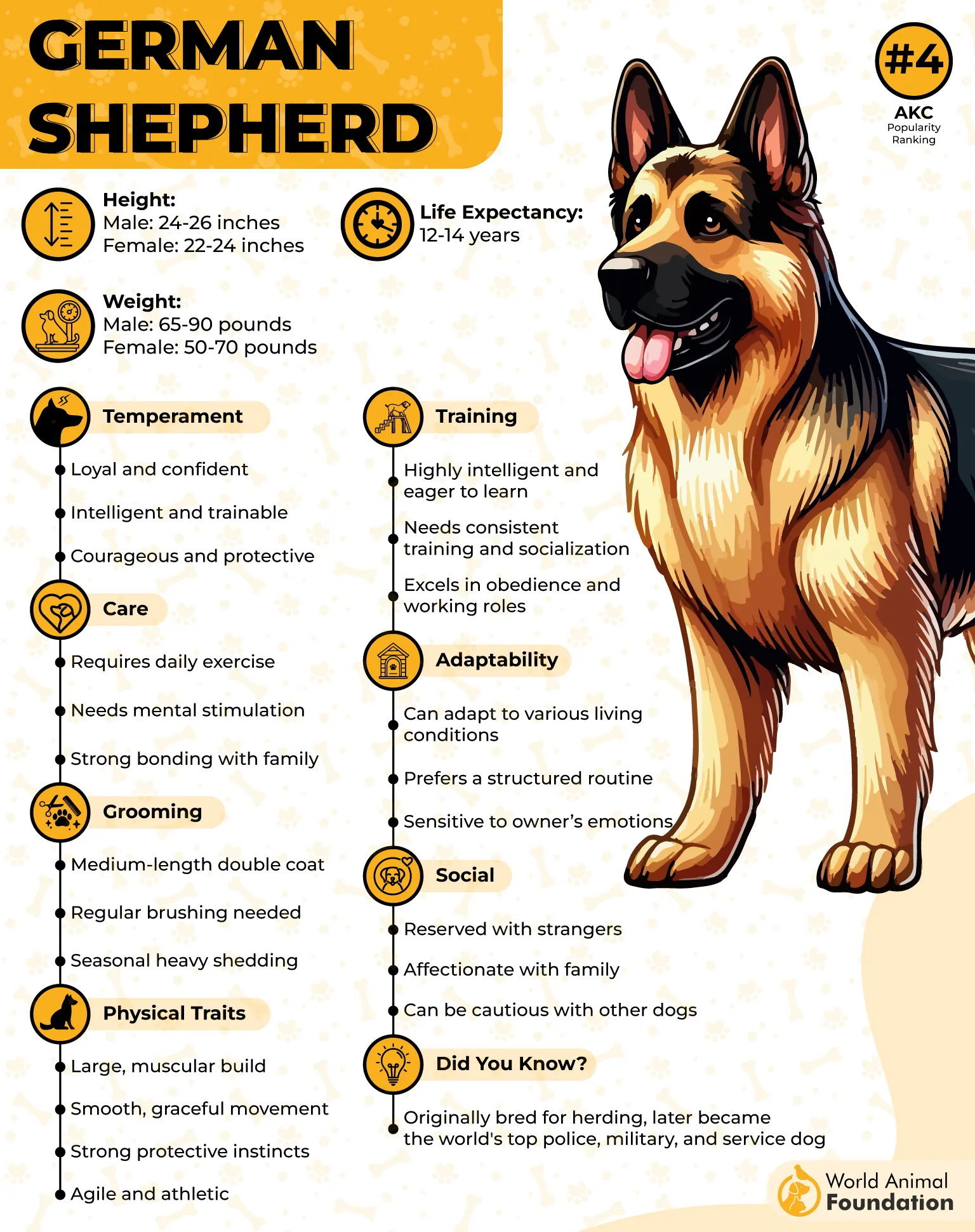
These large herding dogs have an impressive bite force of 238 PSI. These family protection dogs protect through constant alertness and strategic positioning while using their booming bark and intimidating presence. They are super gentle with their loved ones.
These are excellent guard dogs but require 2 hours of exercise for mental stimulation, as per PetMD. They are eager to work but also have herding instincts, which require proper training and early socialization. GSDs do well with experienced owners.
3. Rottweiler
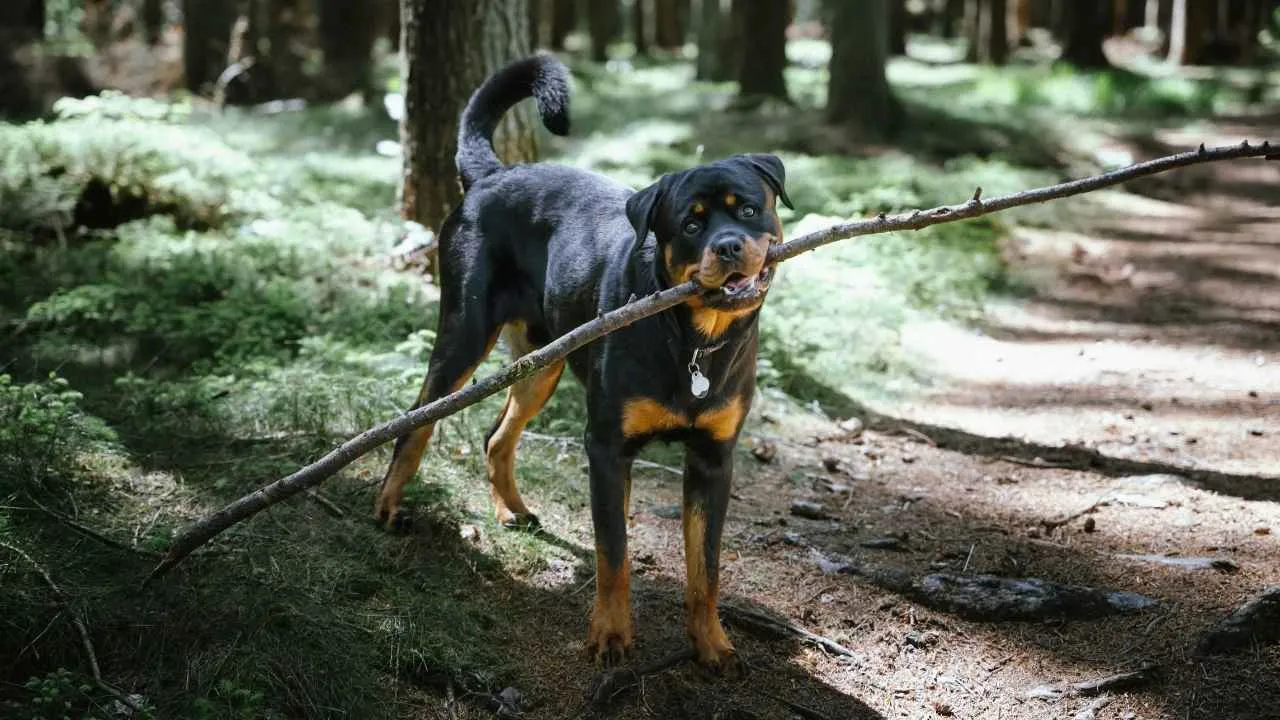
Rottweilers are calm, confident, and deeply devoted pups. They are known for their wait-and-see attitude. These large dogs are also quiet, self-assured, and affectionate at home. However, they were originally bred to drive livestock to market and guard butchers’ and herdsmen’s earnings.
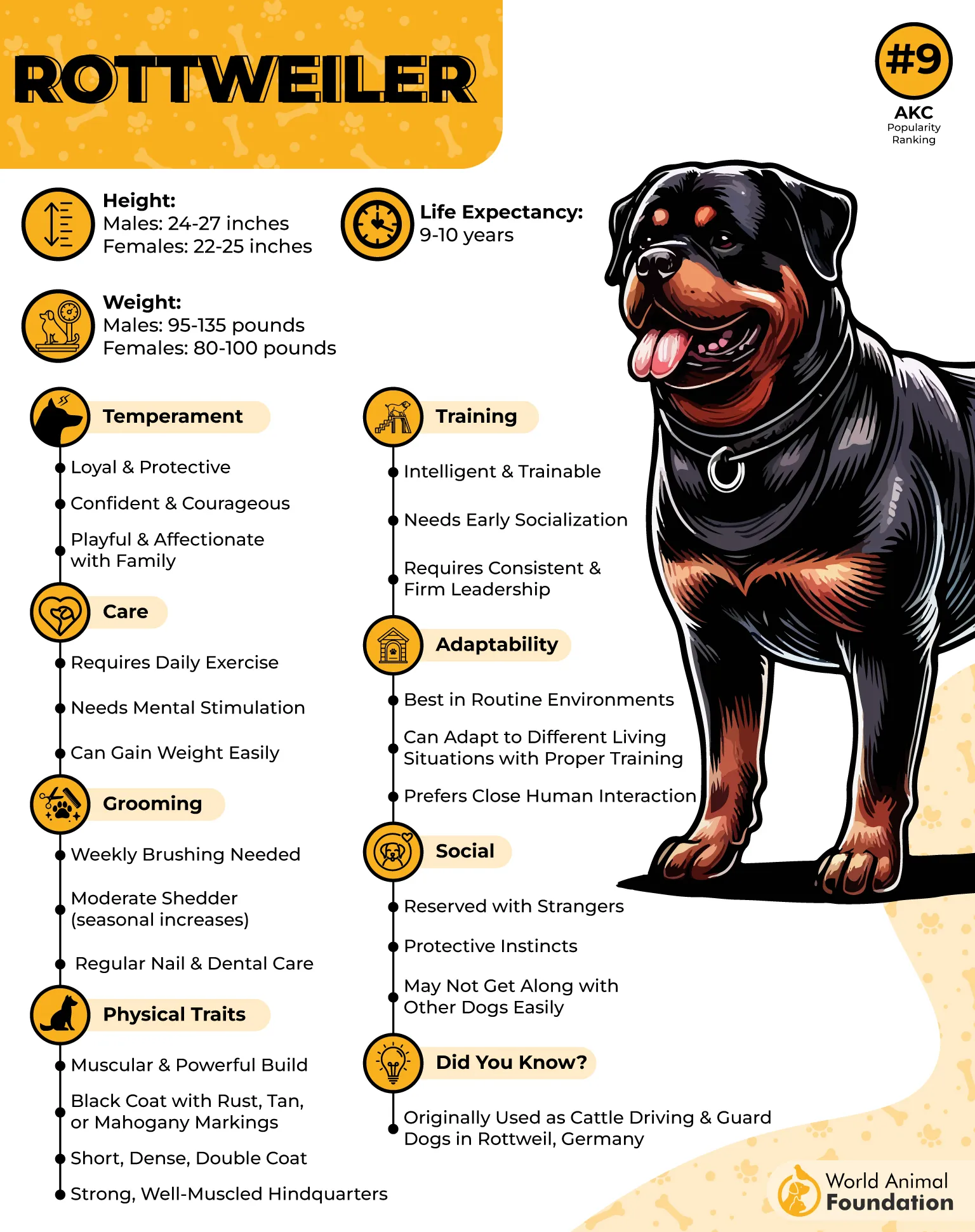
They also have a strong bite force of 328 PSI, which is enough to crush the bones of someone trying to attack you. In addition, they also have heavy bone, a broad-chested frame, and massive strength. Properly trained protection dogs (Rotties) are loving.
They have moderate to high activity levels and enjoy brisk neighborhood walks. They possess a short, dense double coat that moderately sheds but requires weekly brushing to remove dead hair. Apart from this, Rottweilers require calm handlers.
4. Bullmastiff
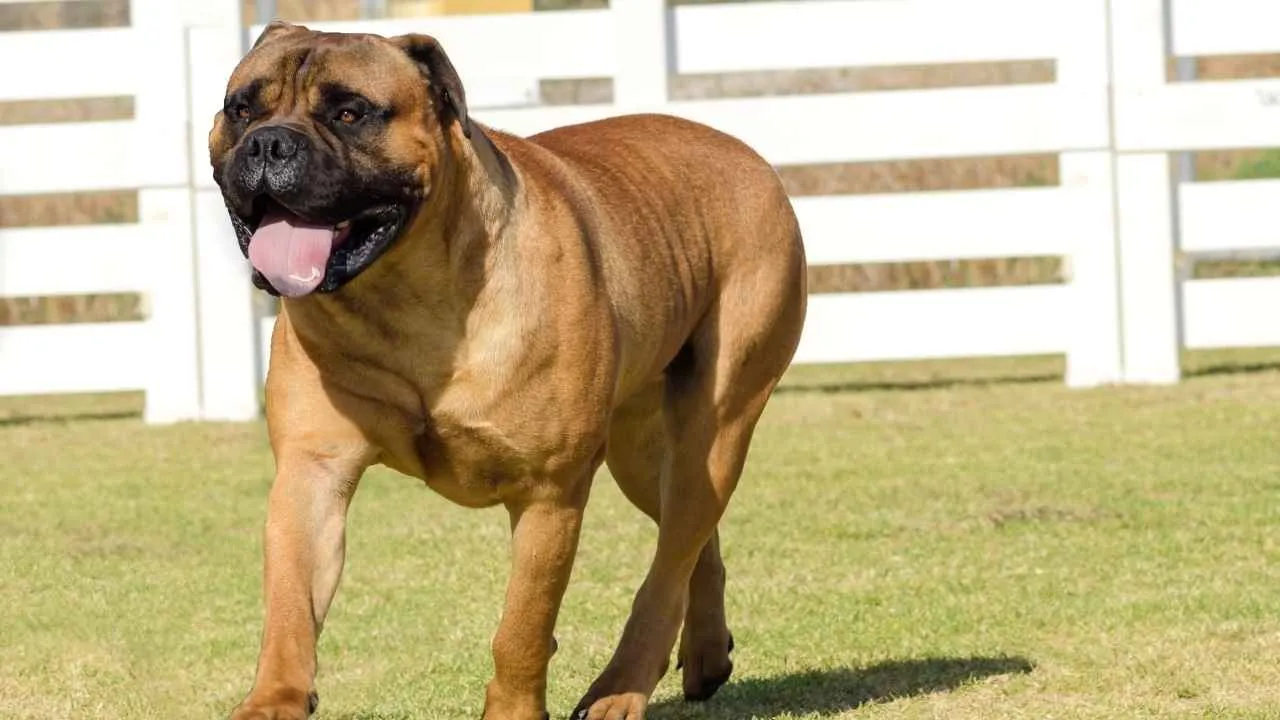
Bullmastiffs are also known as ‘Gamekeeper’s Night Dog’ because they were bred to guard against poachers. These large dogs are quiet, fearless, and gentle giants. They are surpirinsgly low key around the home and prefer spending time lounging.
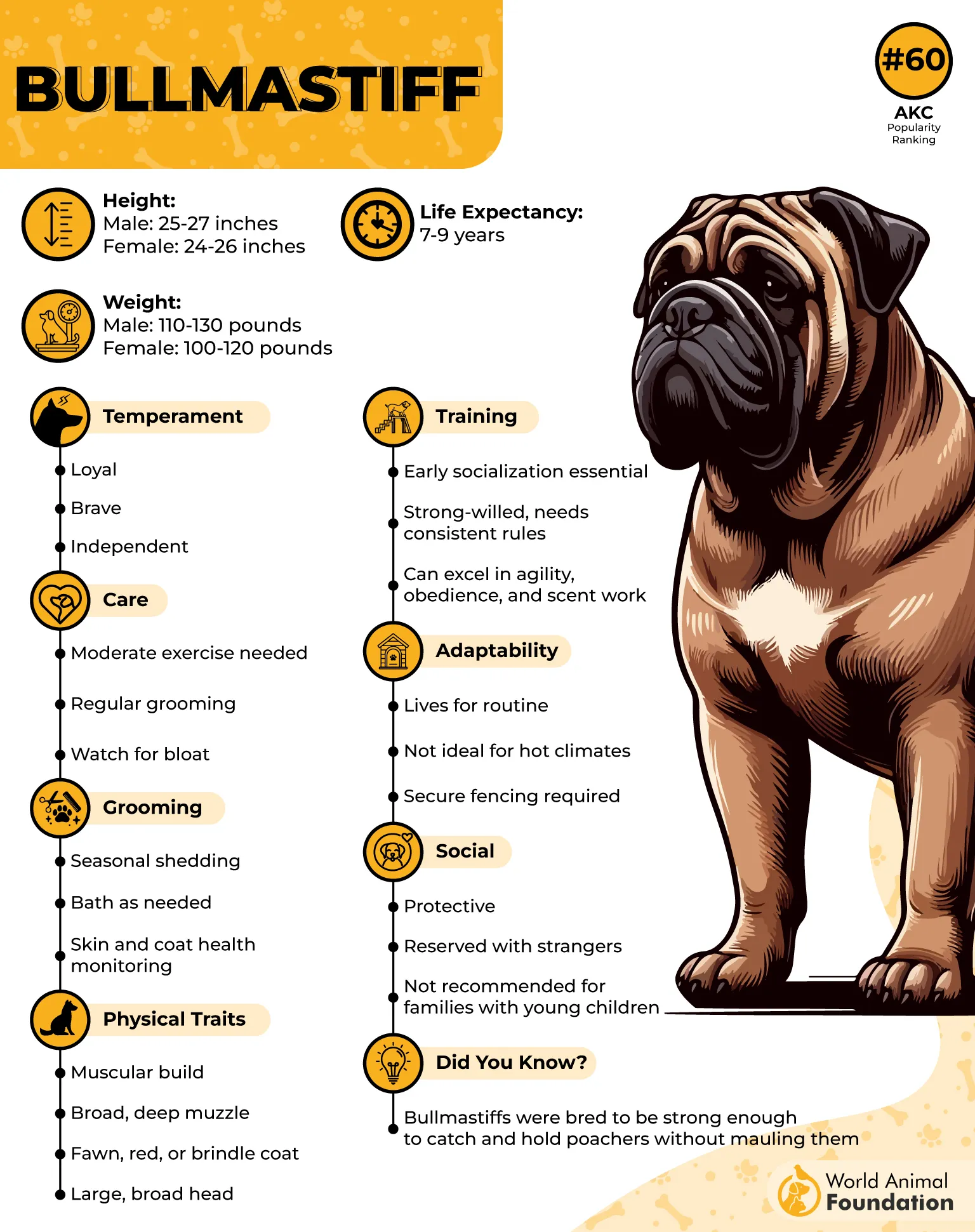
These muscular dogs have a 305 PSI bite force and rely on their physical power and intimidation to protect you. They are silent tracking guardians and rarely bark without any reason. They may look tough, but they have a high tolerance for noisy households.
Bullmastiffs have moderate activity levels and require about 45-60 minutes of regular exercise. They have an average-shedding short coat and require brushing once a week. These Mastiffs also need experienced owners.
5. Great Dane
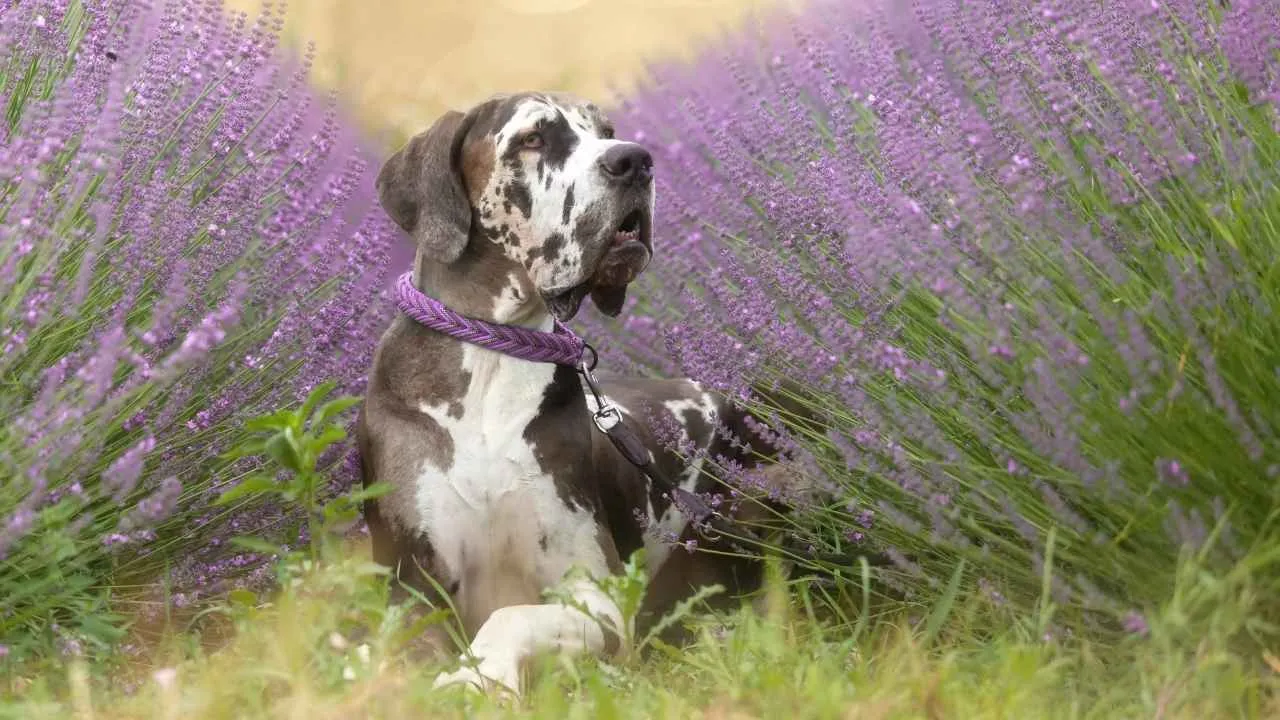
Great Danes are sweet, patient, and easygoing companions. They are also known as ‘gentle giants’ and ‘Apollo of Dogs’. They are among the tallest dog breeds in the canine world, as per WebMD, and often think they are lap dogs and prefer snuggling.
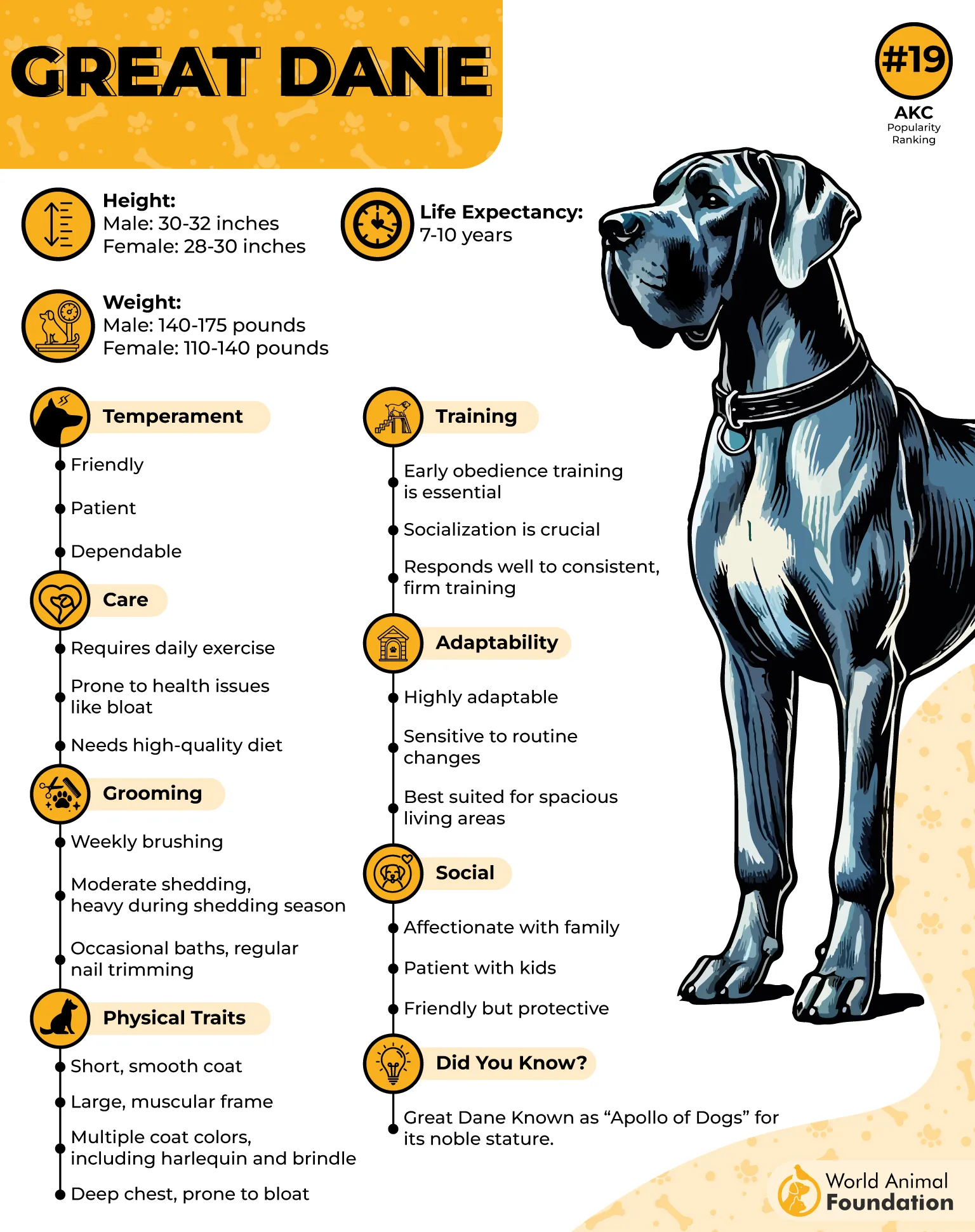
However, Danes were bred to hunt massive wild boars, and over time their aggressiveness was bred out. They have a strong bite force of 238-300 PSI along with their athletic frame and highly territorial vigilance. So they do guard farms, homes, and YOU well enough.
These trusted companions have moderate energy levels. Their eager-to-please and calm nature makes training them a lot easier, though their sheer size requires experienced owners. Plus, they have a low-maintenance short coat.
6. Akita
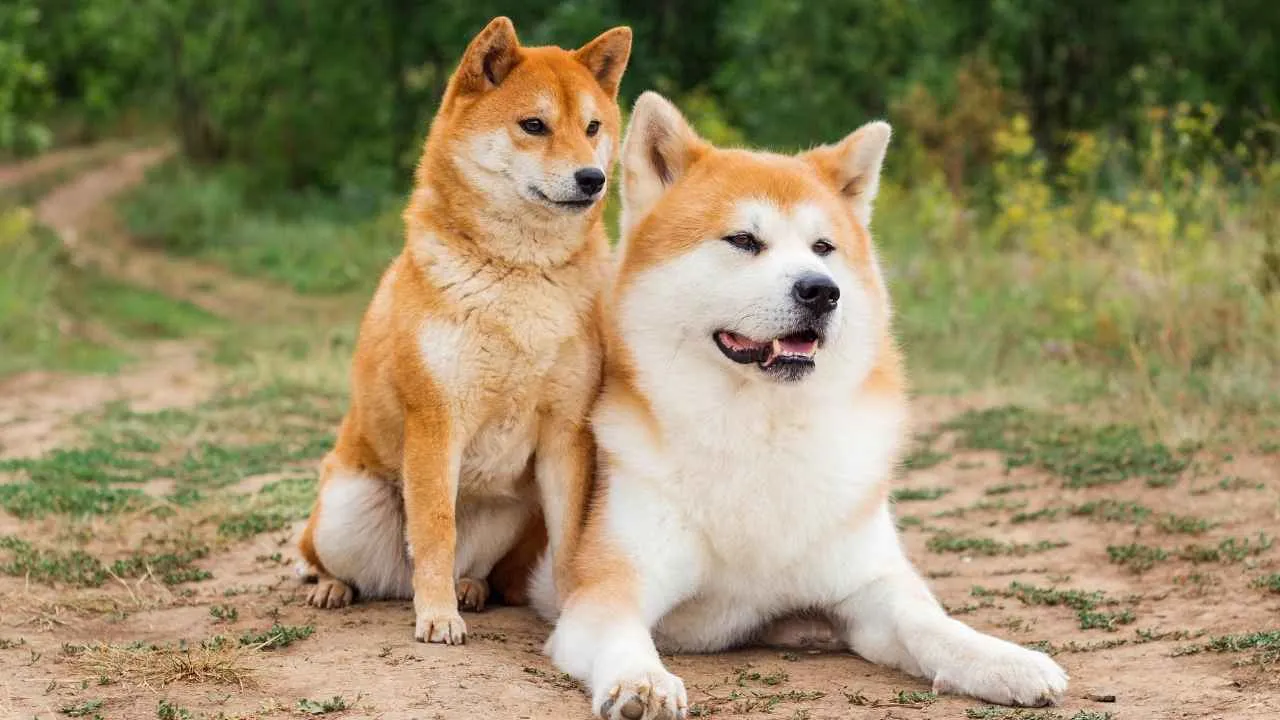
Akitas were originally bred as royal hunters and estate guardians, so they have those protective instincts innate. They are fearless, independent, and naturally wary of strangers. They usually have stable temperaments at home and make good companions.
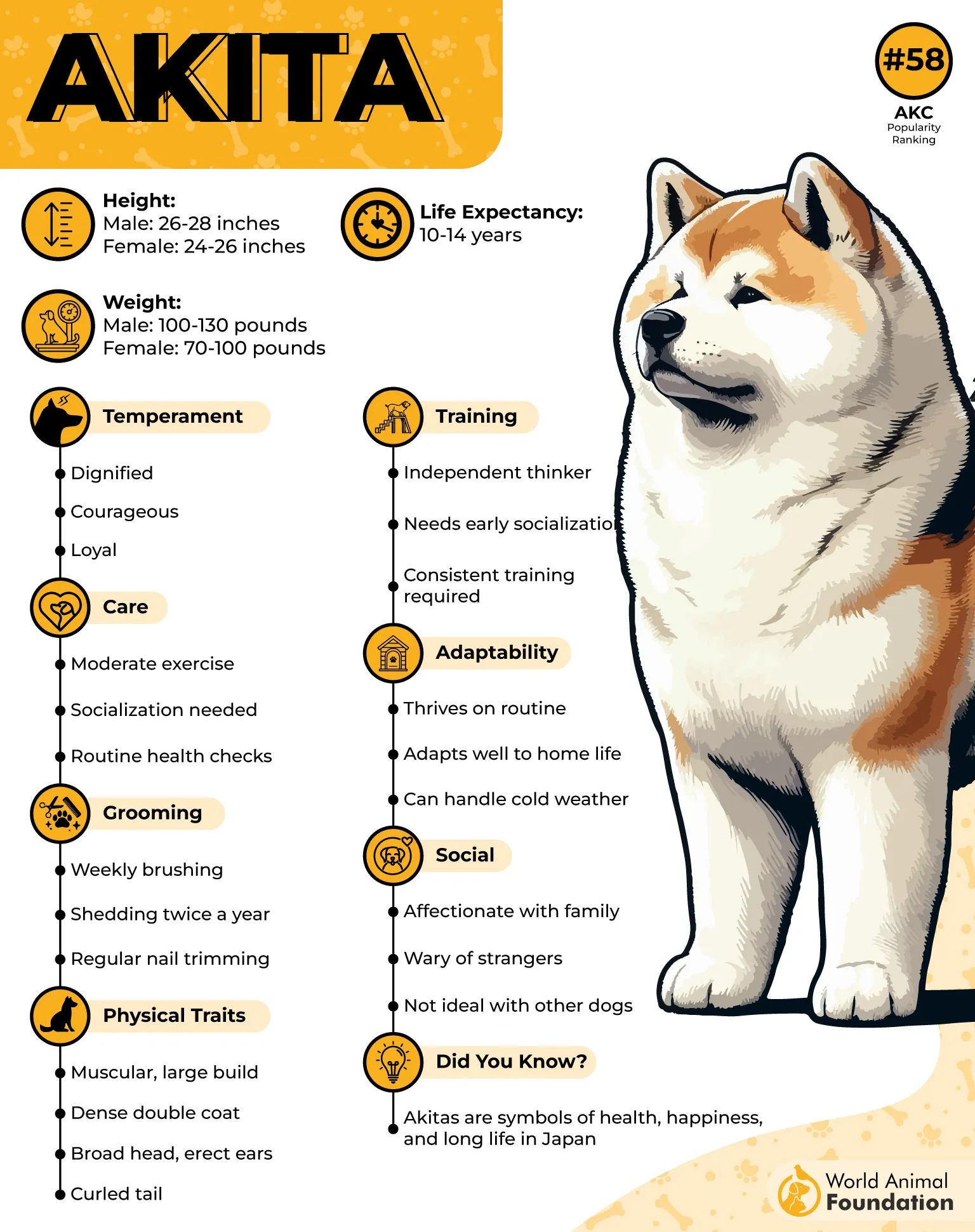
These working dogs have a bite force of 350-400 PSI along with a powerful build and heavy bone structure. They don’t bark unnecessarily and protect you with constant surveillance. They also make good home security systems.
These guard dogs require 60 minutes of activity for mental stimulation. They do well with firm, consistent training and proper socialization. Akitas are high-maintenance dogs as they have a plush double coat and require brushing 2-3 times a week.
7. Weimaraner
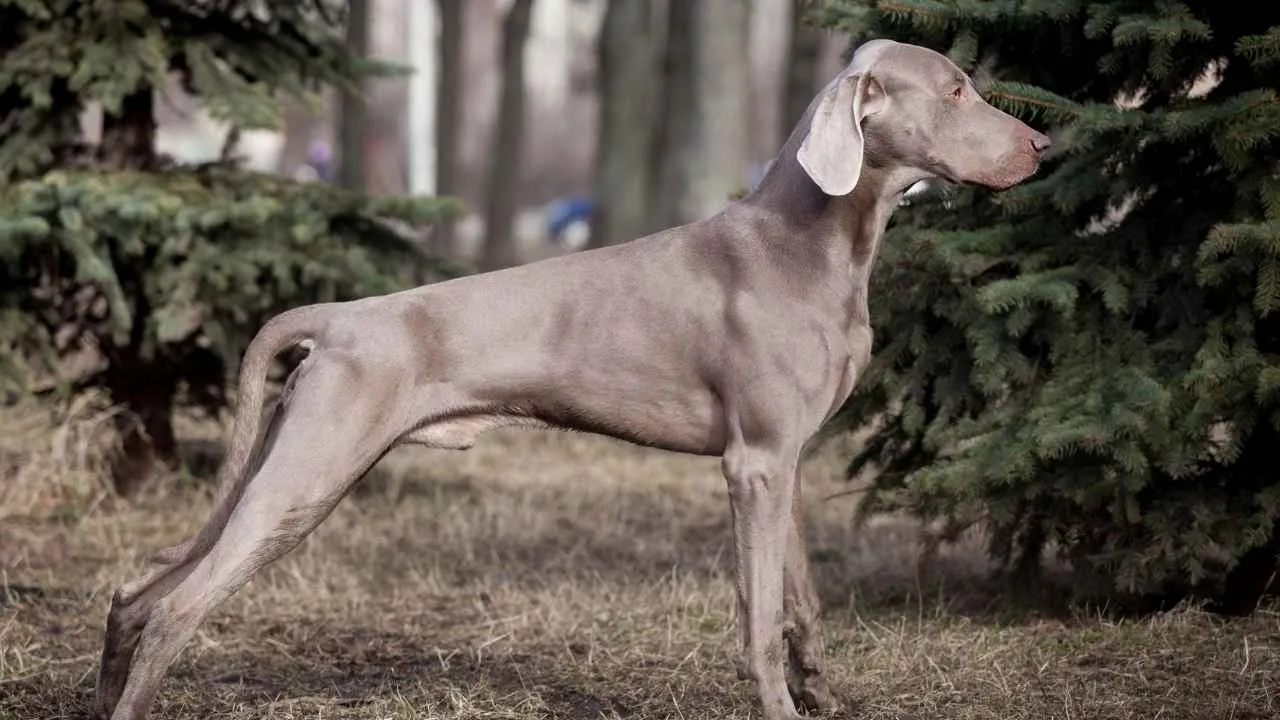
Weimaraners are affectionate, loyal, sweet, and energetic dogs that prefer staying close to their owners. They are also known as ‘Gray Ghosts’ as Pedigree shared and were bred to track and hold large game animals like mountain lions and bears.
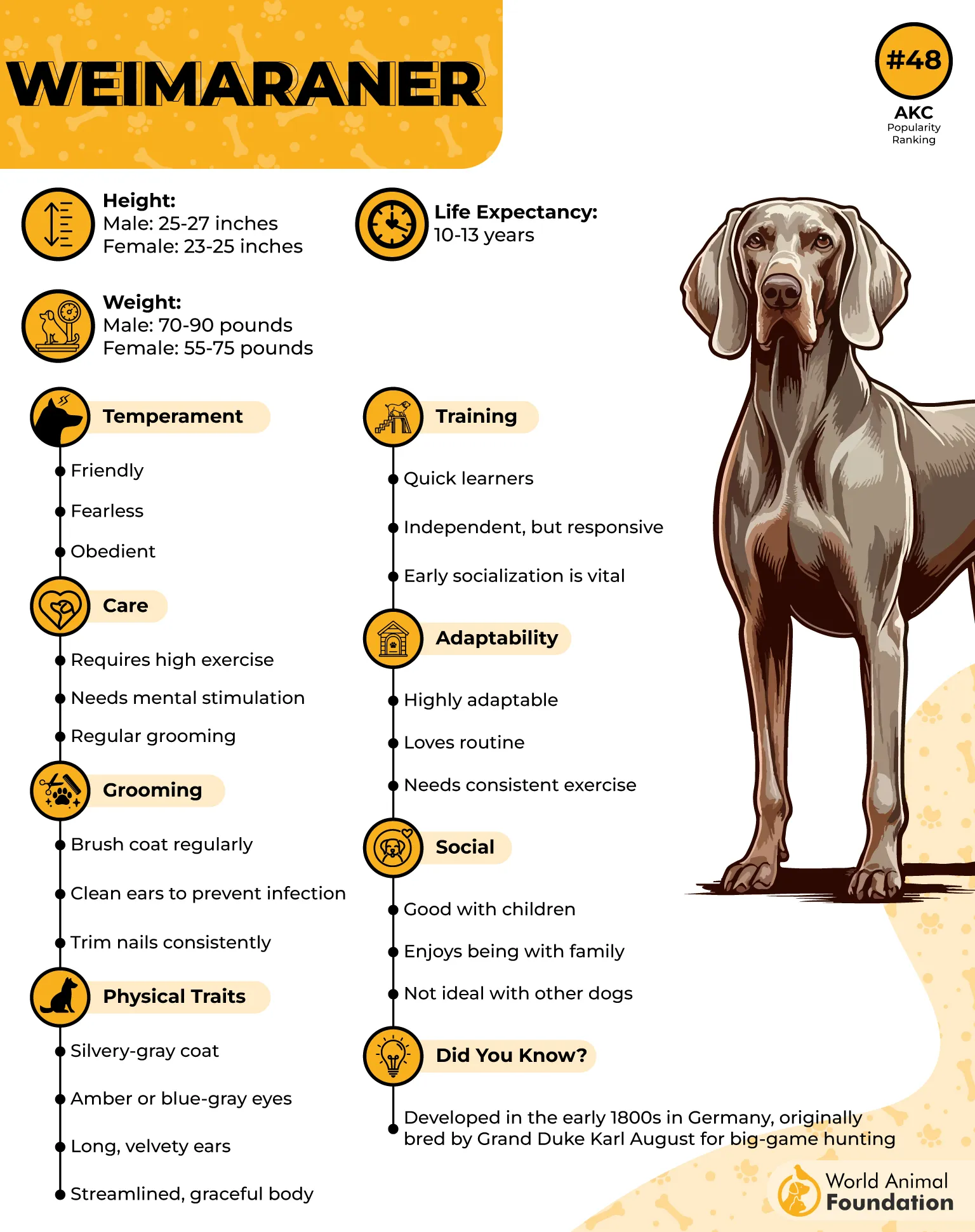
They have strong bite force, agility, speed, and presence to protect. These long-legged dogs rely on their hearing and eyesight to spot unusual activity. Weimaraners are deeply loving, highly social, and protective of their family members.
They have high energy levels and require 60-90 minutes of vigorous daily exercise. They enjoy hiking sessions, fetch games, and long running. In addition, they have a short coat that requires weekly brushing. These dogs do well with consistent obedience training from experienced owners.
8. Giant Schnauzer
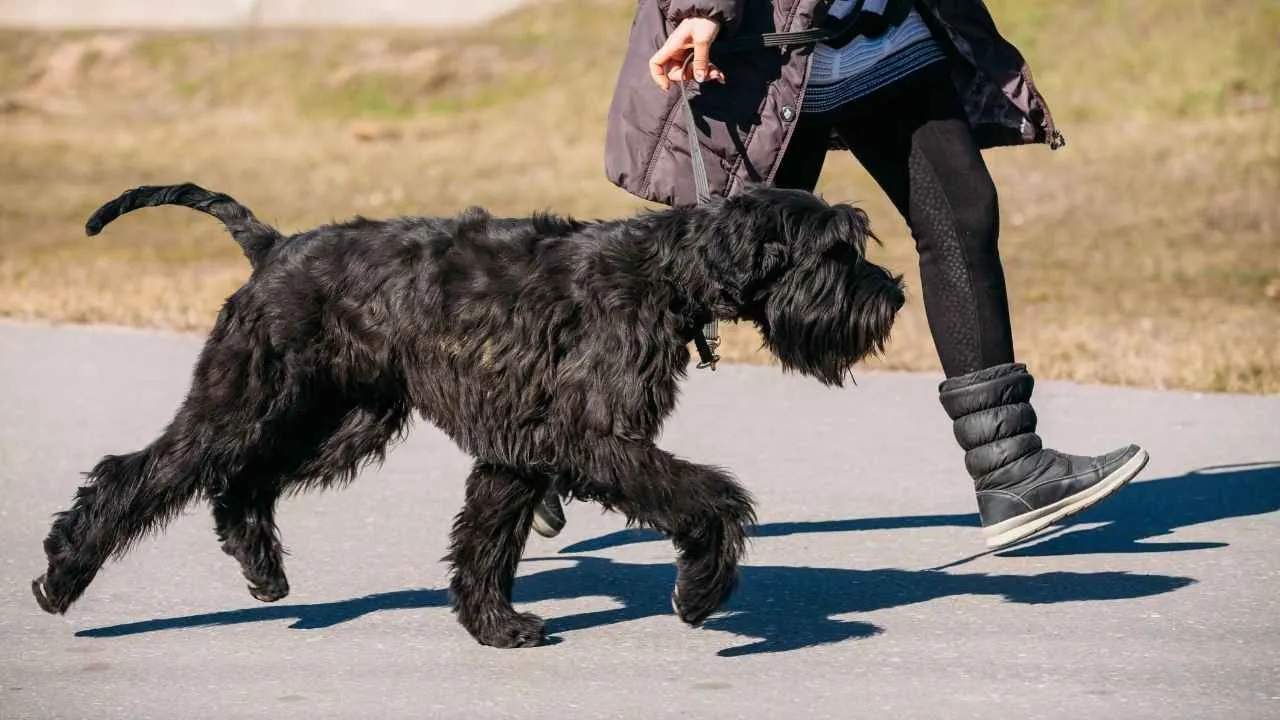
Giant Schnauzers are energetic, intense, and deeply loyal. They are powerful working dogs and possess a bold and commanding presence. These giant breeds were developed as versatile farm dogs. Their intelligence and protective instincts later made them serve in the police and even the military.
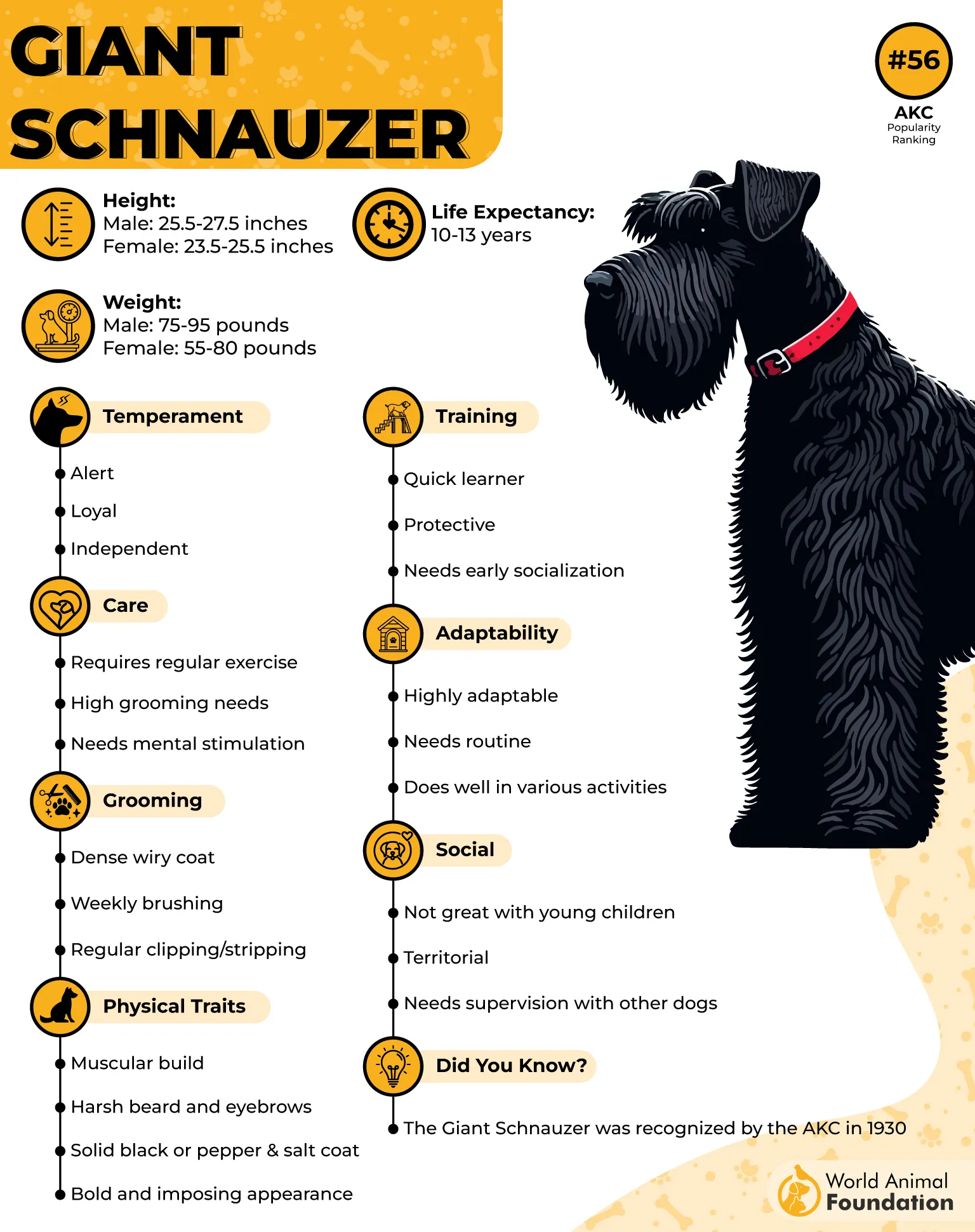
These working dogs have strong bite force, muscular build, and sheer size to deter intruders. While they may look intimidatinting but, a well-bred Giant Schnauzer is an exceptionally stable, loving, and reliable protection dog.
That said, they have a wiry double coat with iconic beard and leg furnishings that sheds minimally. However, they do require weekly brushing to prevent mats, along with professional clipping or hand stripping every 6-8 weeks.
9. Alaskan Malamute
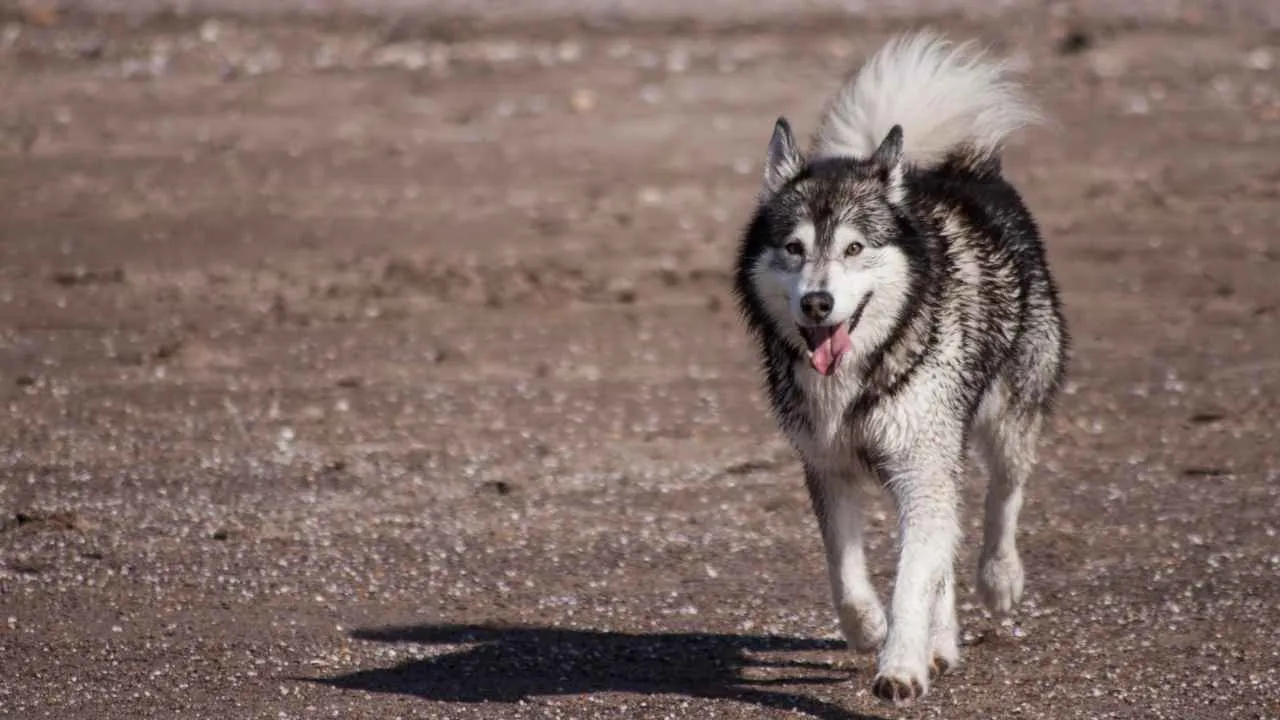
Alaskan Malamutes are friendly, exceptionally devoted, and heavy-duty working breeds. They are warm, outgoing, and true loves at heart. Mals are also the strongest of sled dogs according to the Royal Kennel Club, and they were bred to haul massive loads over frozen landscapes in extreme conditions.
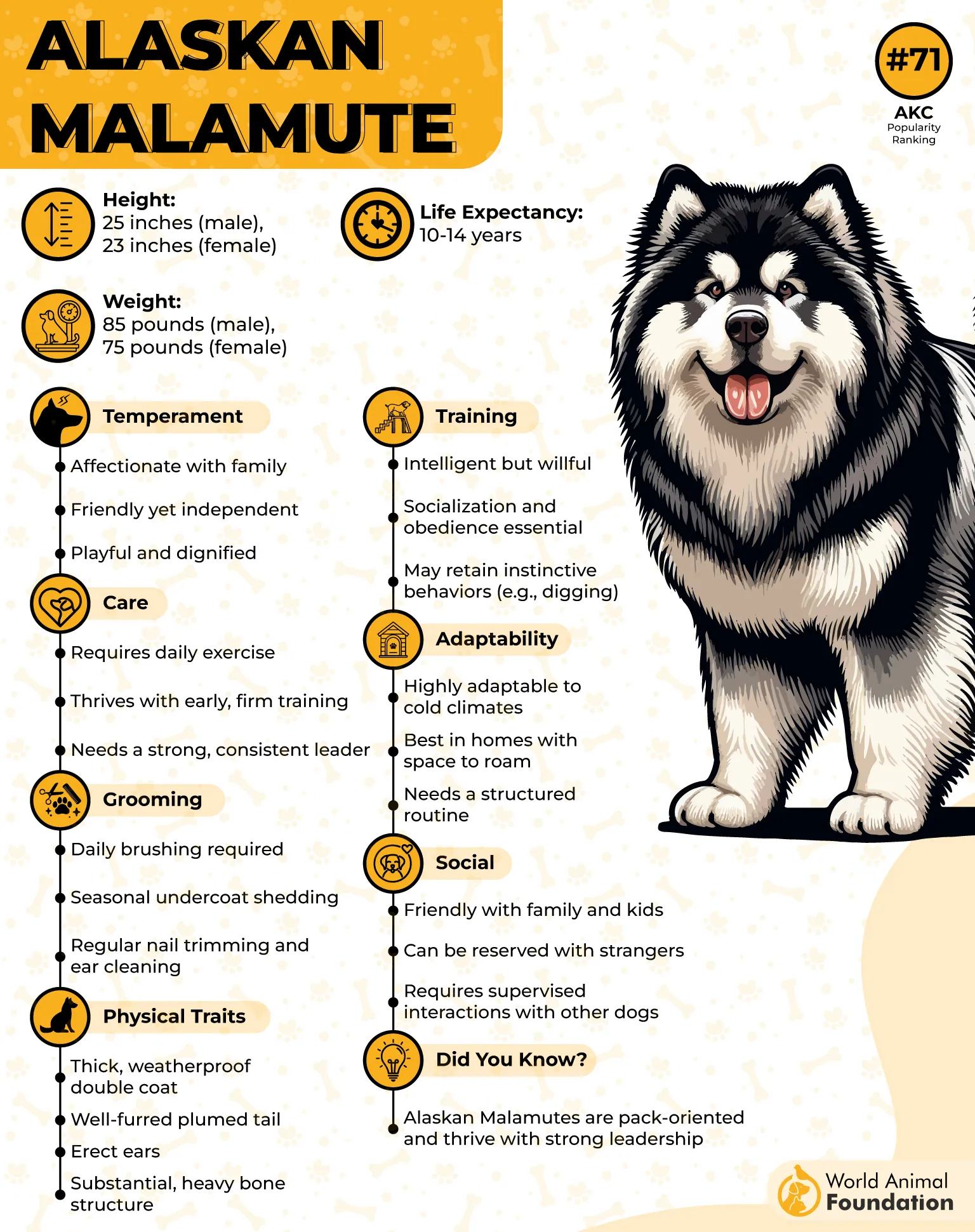
They are muscular and heavy boned with impressive bite force. Malamutes are not traditional barkers, but they do howl to alert you and use their massive build to deter predators. They are often mistaken for being aggressive, but they make perfect family protection dogs if properly trained and socialized.
Mals have high exercise needs and are notorious due to their independent and headstrong nature. They require an experienced handler to train them. Apart from this, they have a coarse double coat that sheds moderately year-round and sheds heavily twice a year.
Conclusion
The above-mentioned dogs are perfect for personal protection due to their strong work history and protective instincts. They all look tough, but they are gentle and loving if properly trained and socialized, so you may have to work on them.
In addition, most of them have strong bite force, muscular build, stamina, strength, and bark to deter intruders. They can tell the difference between real threats and the people who are being generous to them. But it all comes down to YOU.
So, make sure to read the details above and choose the dog that you can manage and train. They all differ in their temperament, personality, and exercise needs.
