




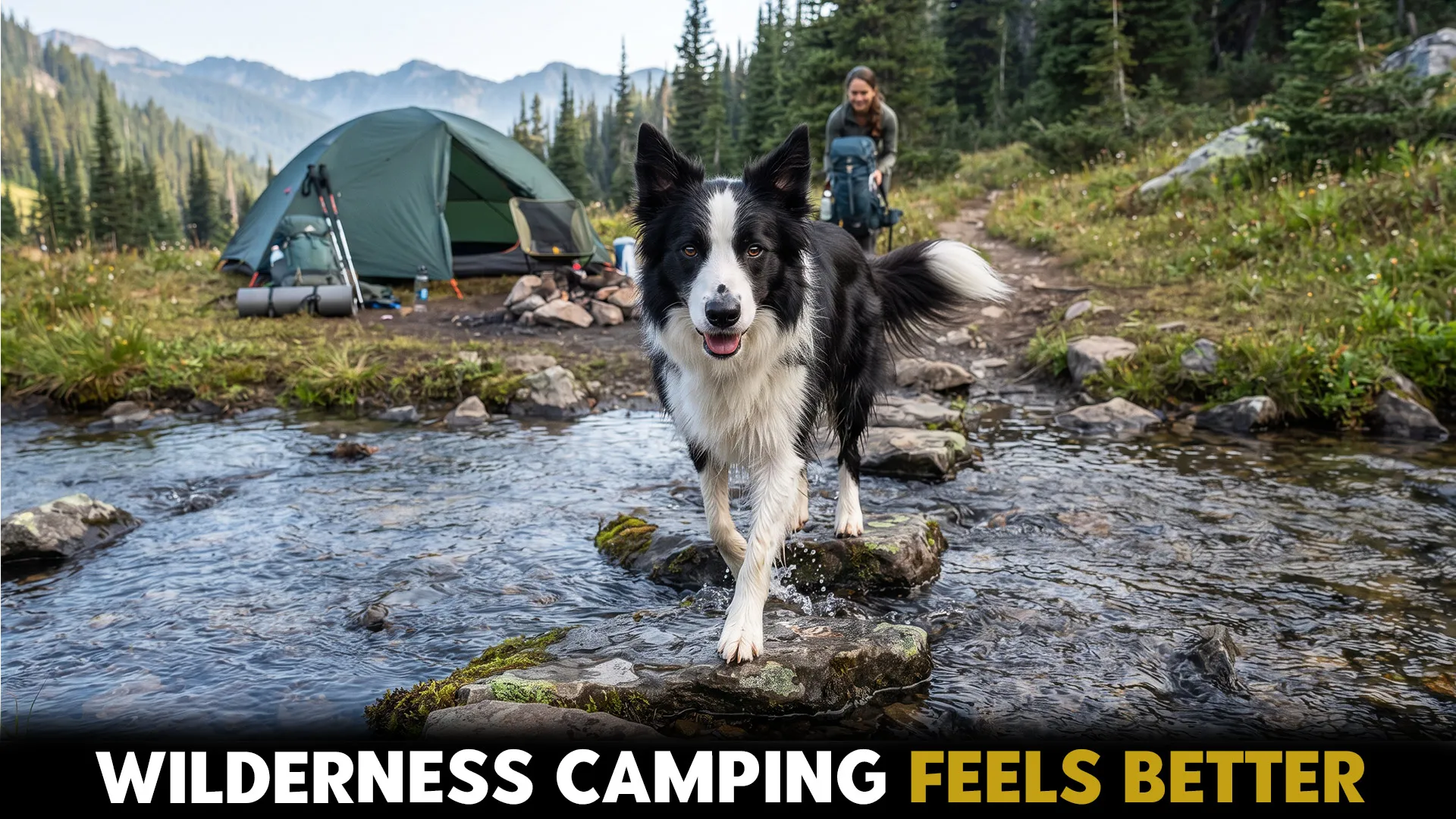
Wilderness camping feels even better when your dog is curled up beside the tent, nose twitching at every forest sound. But not every dog is cut out for muddy trails, long walks, changing weather, and sleeping under the stars.
Some breeds seem to come alive outdoors. They enjoy exploring new ground, staying active, and sticking close to their people when the trail gets rough.
From the dependable Golden Retriever to the tireless Siberian Husky, these dogs bring different strengths to a camping trip. Some are natural swimmers, some thrive on demanding exercise, and others are happiest when they have a job to do.
Before packing the leash and sleeping bag, though, it is important to match a dog’s energy, training, and temperament with your camping style.
Adventure‑Ready Dog Breeds That Love Wilderness Camping
1. Golden Retriever
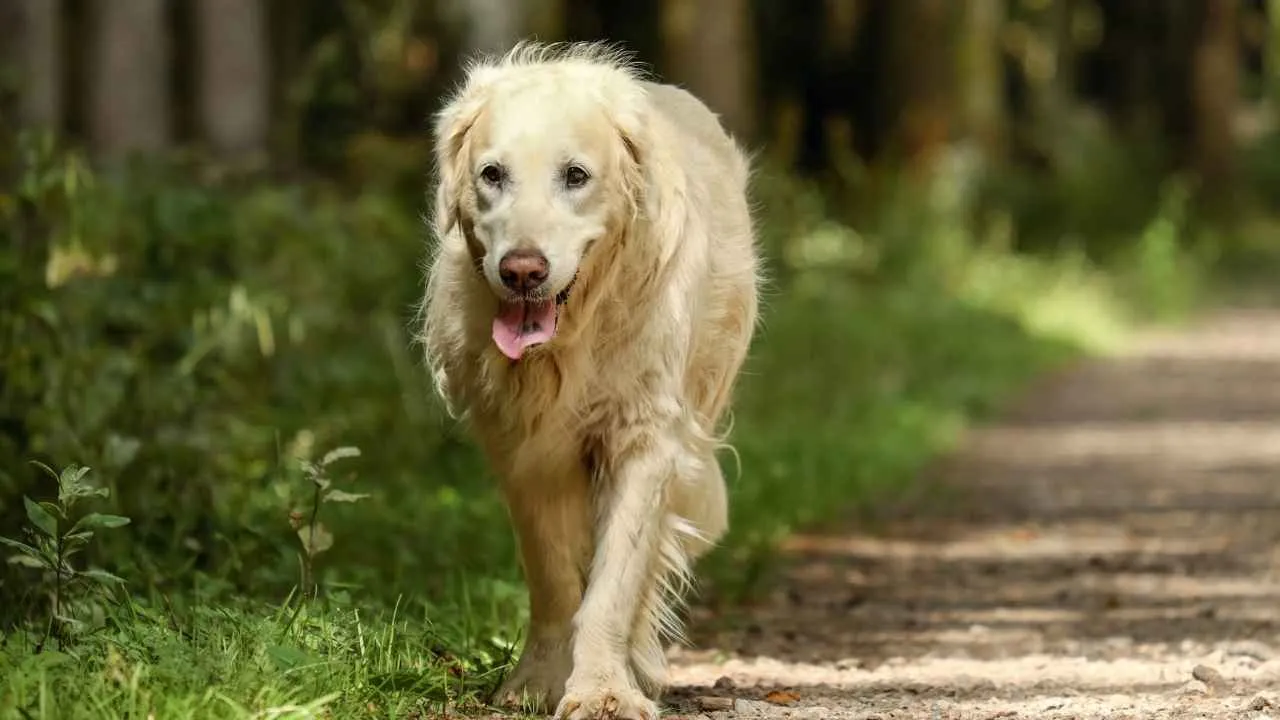
This athletic dog was originally bred by Dudley Marjoribanks in the Scottish Highlands as a retriever breed. The primary purpose was to develop a breed that could work on both land and in water, according to Chewy.
The Golden Retriever has laid-back shoulders, well-muscled hindquarters, and well-bent knees. These features collectively boost the shock absorption system and reduce joint strain while working on rough terrain. Since it has feathering on the back of the legs and underbody, the dog breed is protected from the abrasions caused by thorns.
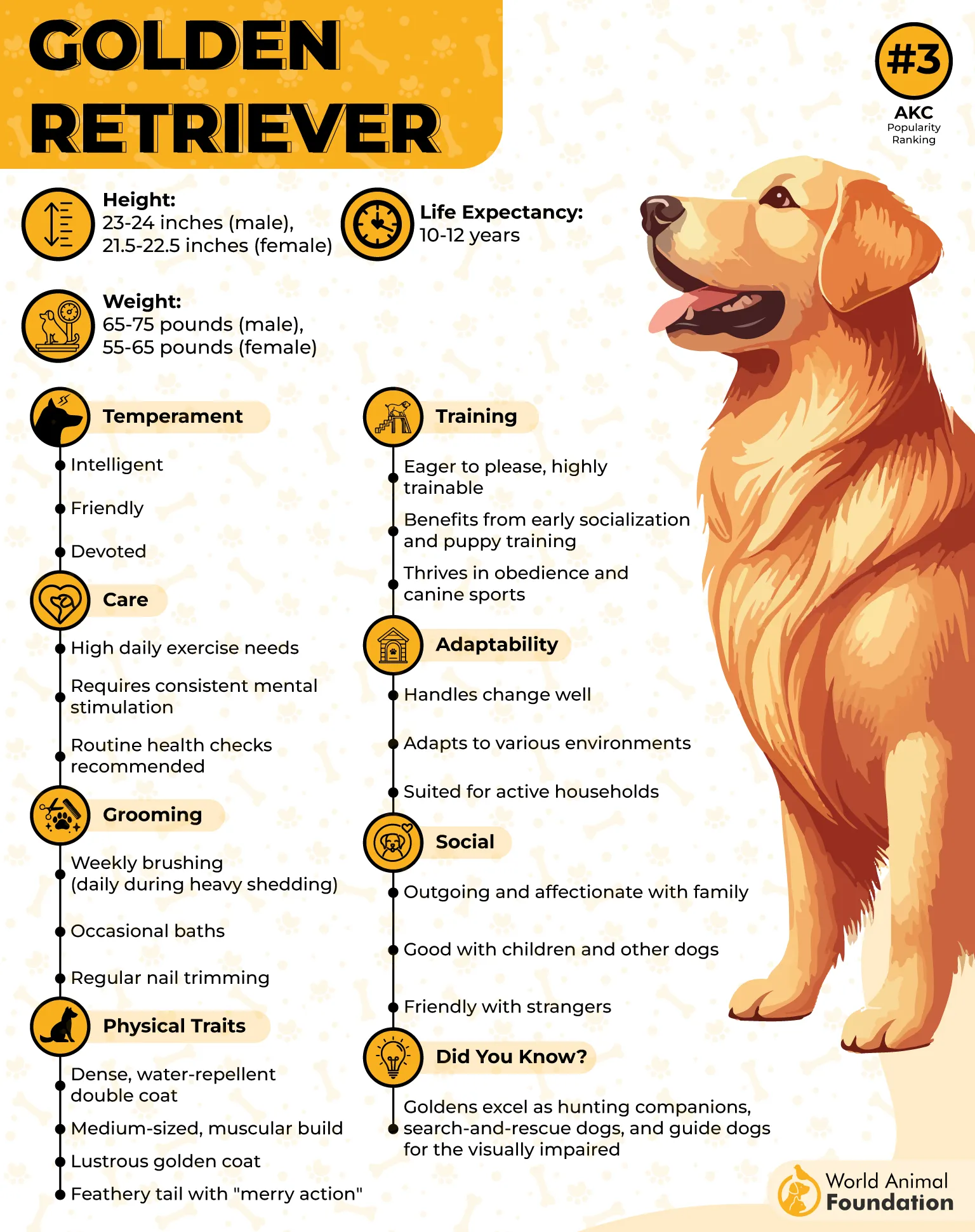
The ‘rudder’ tail stabilizes the breed in strong water currents. It has a well-controlled scissor bite because of the soft mouth. The breed excels in water sports, high endurance hiking, scent games, winter sports, and tracking.
2. German Shepherd
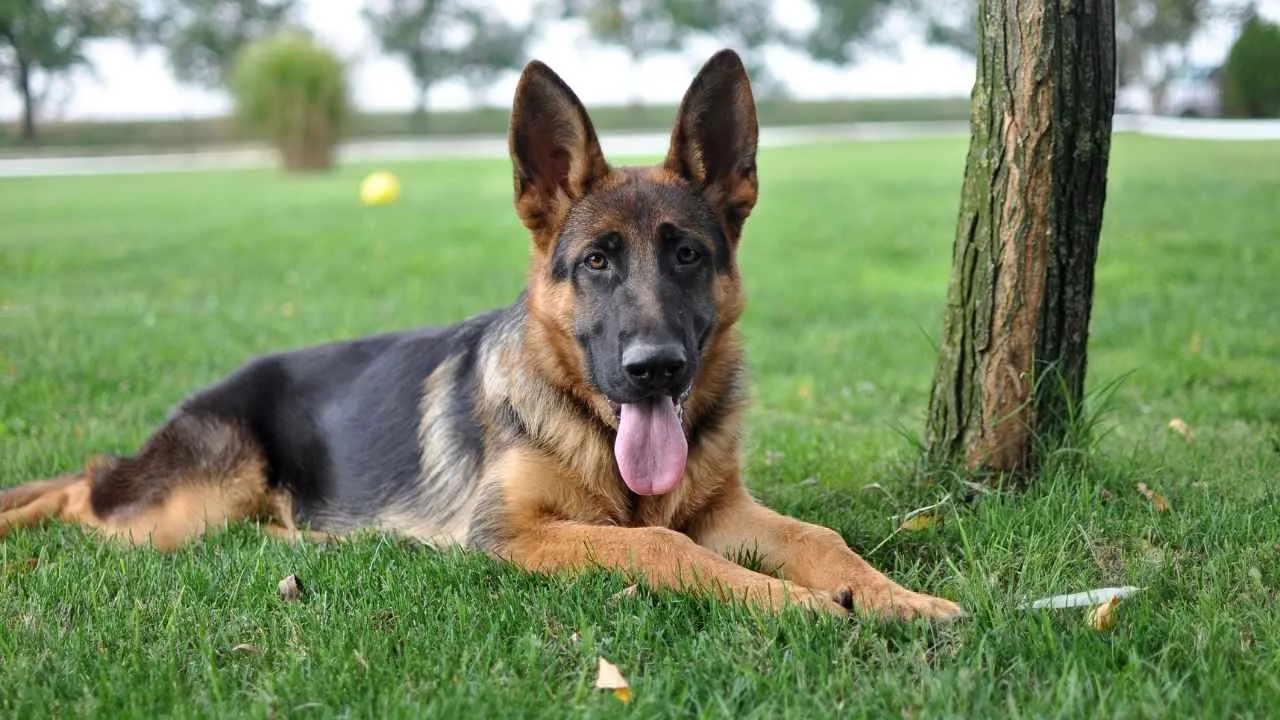
Developed by Captain Max von Stephanitz in Germany in the late 19th century, the GSD was responsible for herding and protecting livestock from wolves. It was in the 20th century that the breed was first used in K9 units.
The level back and well-angled hindquarters provide a ground-covering trot, also known as the ‘flying trot.’ With its 225 million scent receptors, the German Shepherd excels in SAR and tracking roles. Ranked as the third most intelligent breed, it can learn complex training commands and read human body language easily.
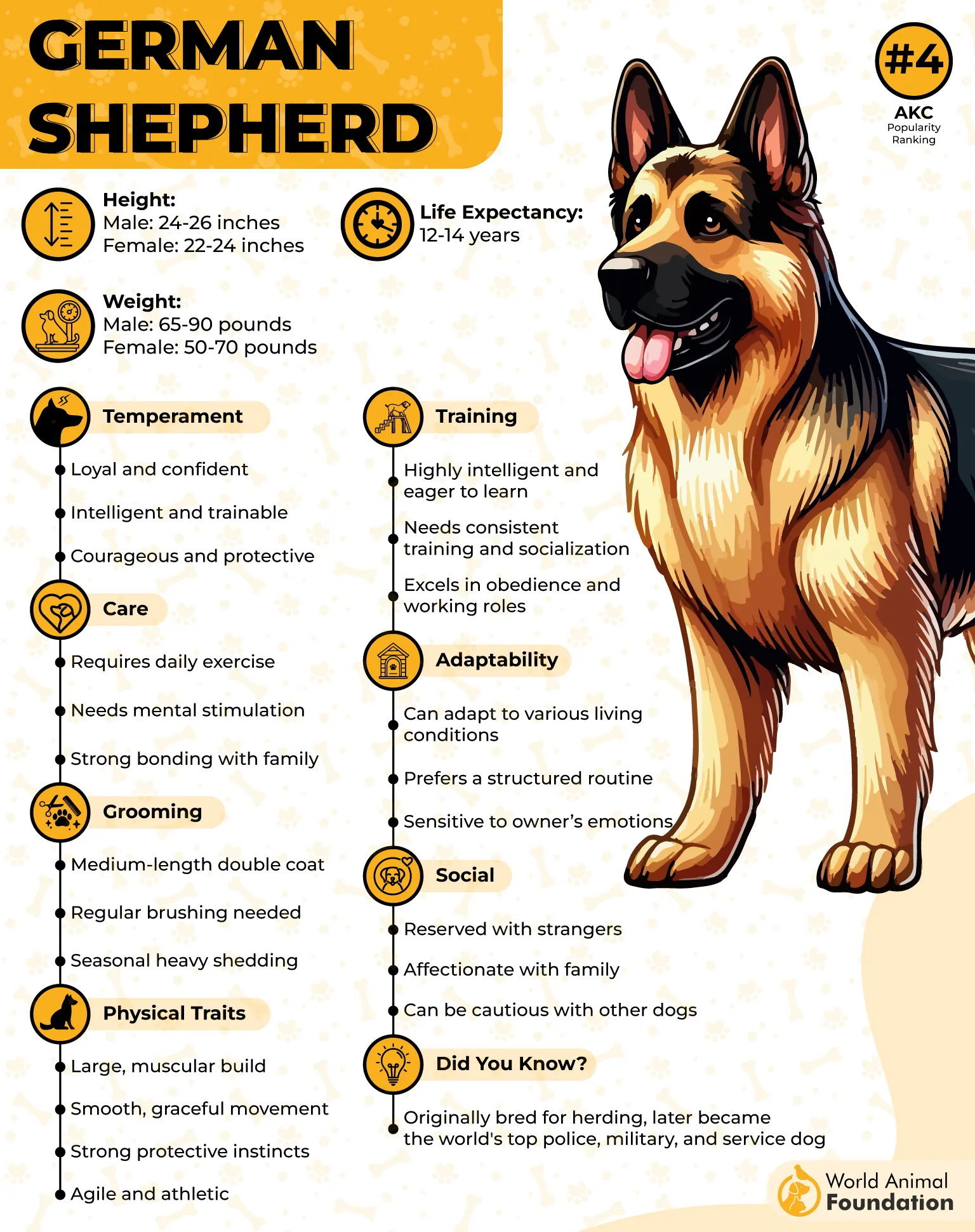
Wilderness trails offer the rich sensory stimulation and sense of purpose that these active working breeds crave. Beyond their endurance on the trail, their natural alertness and protective instincts make them reliable guardians when setting up camp for the night.
The high-energy breed needs 1-2 hours of daily exercise and mental stimulation, such as advanced backcountry hiking, wilderness tracking, open-water fetching, and herding trails.
3. American Staffordshire Terrier
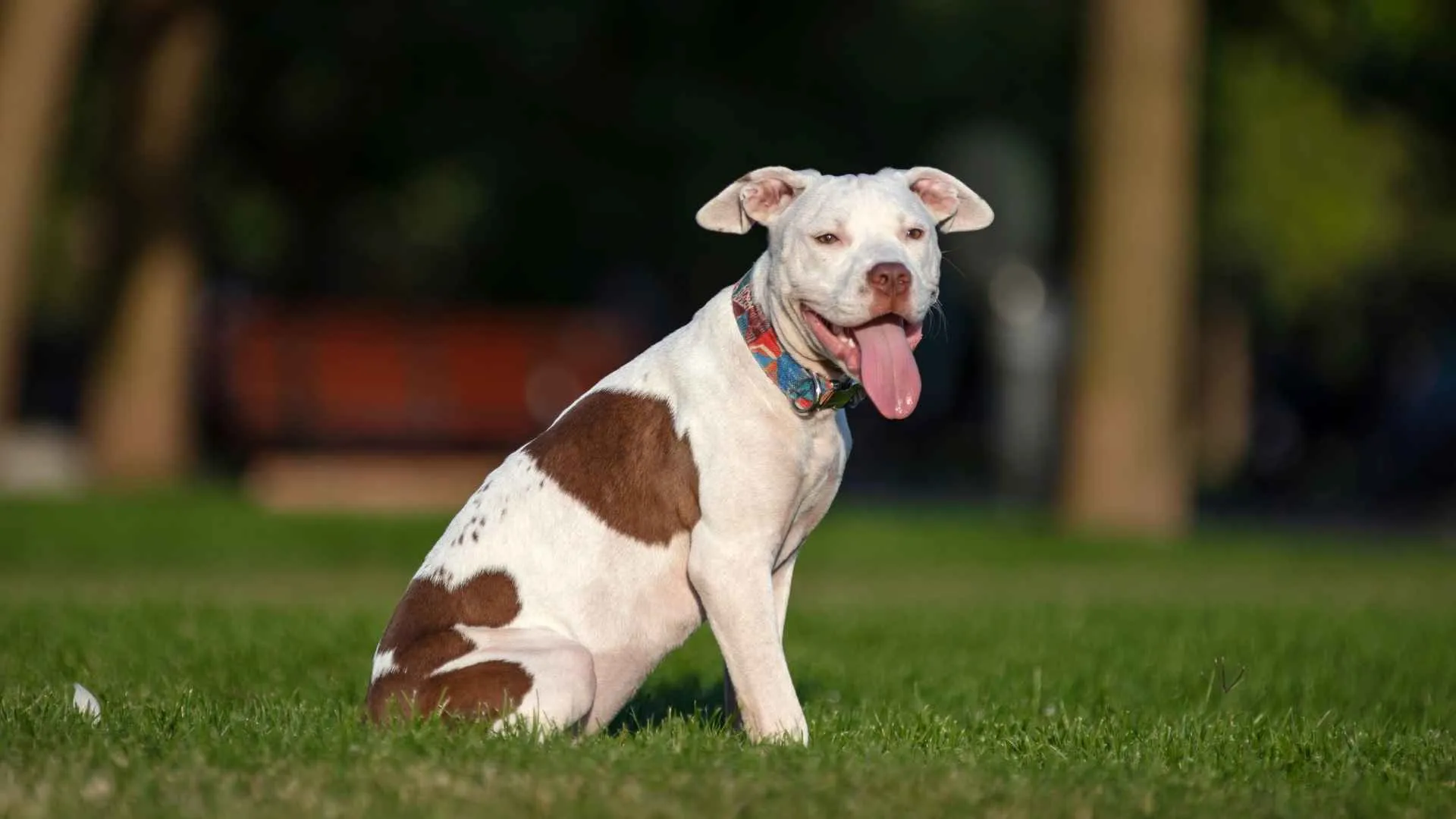
Descended from the Old English Bulldog that was used for bear/bull-baiting, this sport dog was developed in the 19th century by crossing this Bulldog with the Terrier. There were more strains of the breed in the 1930s.
The large and round bones allow the breed to climb, jump, and execute high-impact pivoting. The short and glossy coat makes it ideal for hot environments. Following the ‘gameness’ concept, the breed has a high pain tolerance, and it stays firm on the ground even after an injury.
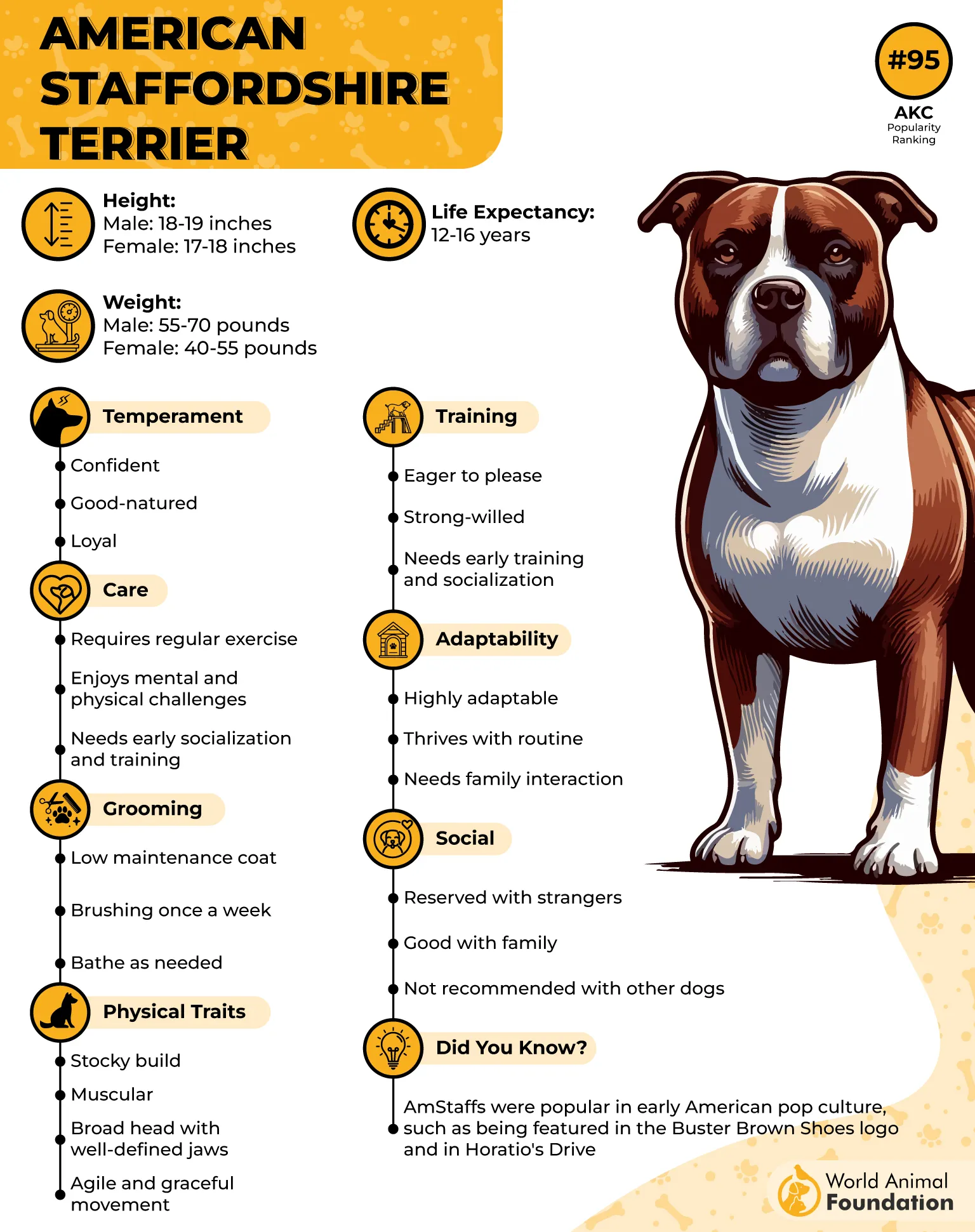
Because they thrive on being close to their humans, these dogs naturally enjoy lounging around the campsite and sleeping in your tent. However, their terrier heritage means they have a strong prey drive, making them prone to chasing wildlife or wandering off if they catch an intriguing scent.
This dog needs 1-1.5 hours of daily exercise and thrives in sprint racing, dock diving, weight pulling, distance excursions, and scent work.
4. Rhodesian Ridgeback
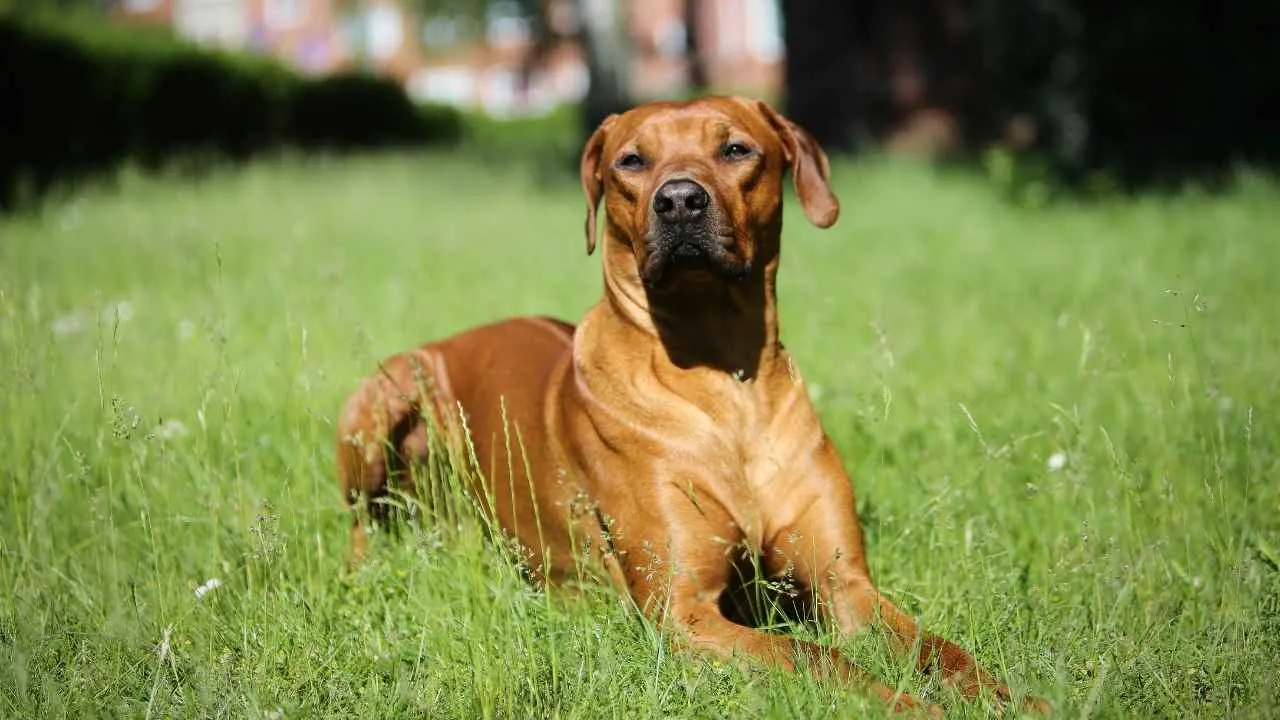
The European settlers brought their hunting dogs in the 16th-17th centuries and interbred them with native hunting dogs. Later, the resultant breed was taken to South Africa in the 19th century and was used as a hunting and tracking breed, as reported by Omlet.
The breed has a light-colored, short coat, making it a heat-tolerant dog, and it can work for hours in hot weather without tiring. The agile dog has explosive speed to chase its target since it has ancestry from the Bloodhound and the Greyhound.
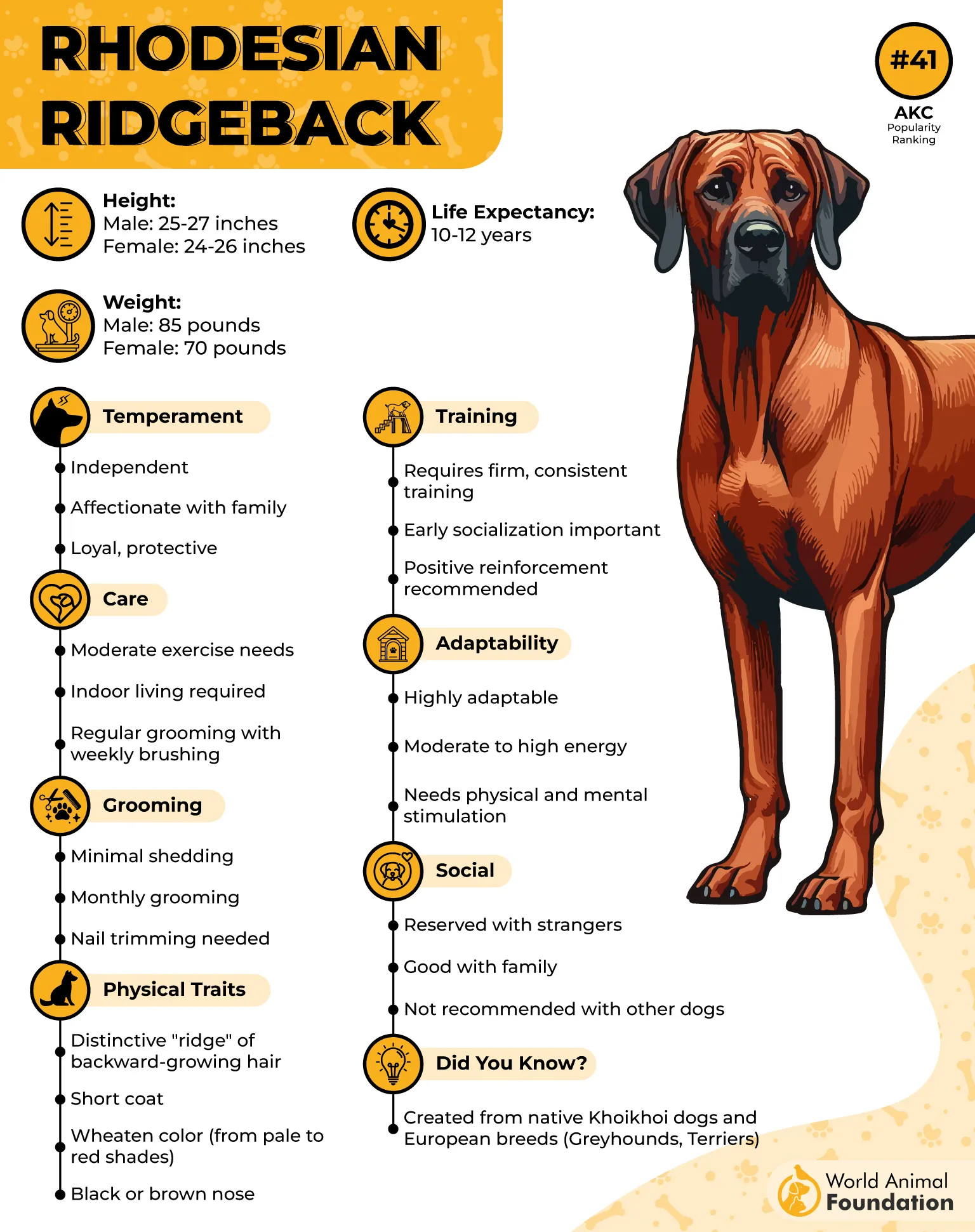
Their short coats and low body fat leave them sensitive to freezing night temperatures, so they will need a warm fleece jacket or an insulated sleeping bag inside the tent.
The breed was designed to corner dangerous predators while dodging their attacks. This big dog has a high energy level and loves to participate in trekking, hiking, running, canicross, scent tracking, and lure coursing.
5. Vizsla
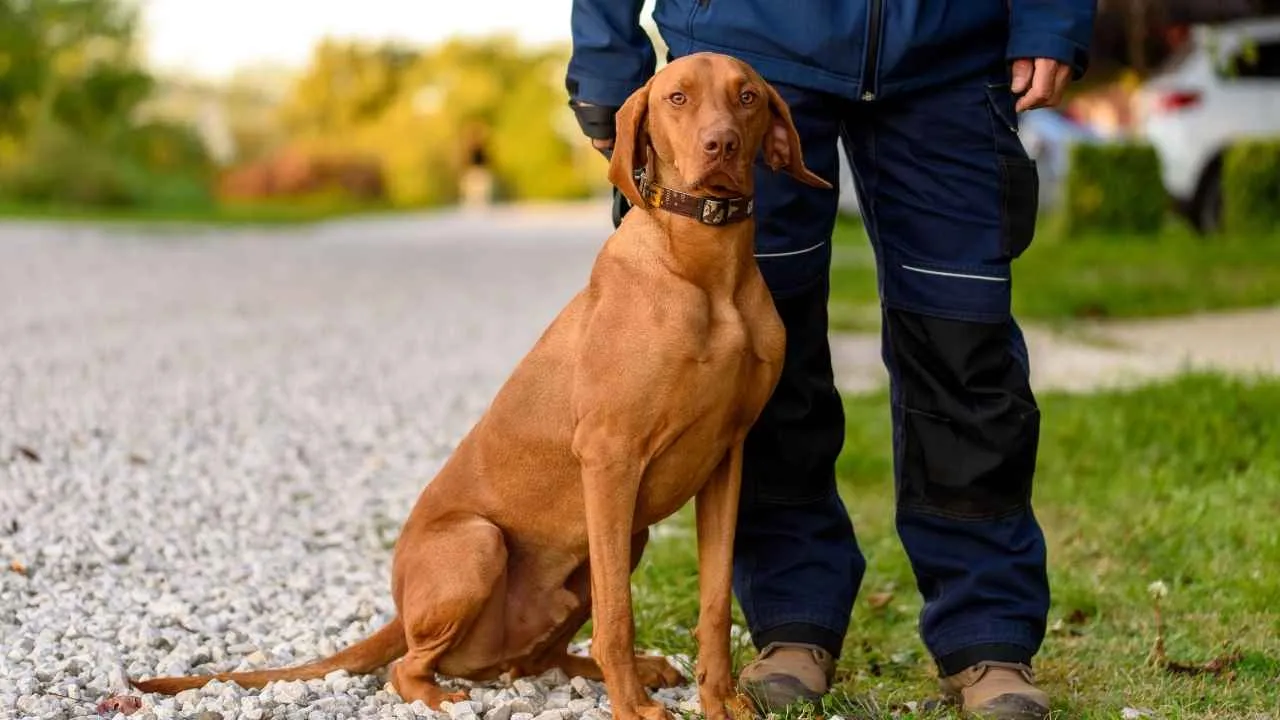
Originally developed as a hunting dog in Hungary, the Vizsla is excellent at pointing and tracking game for guns. Then, it also retrieves the prey from water/land for the handler. It gained popularity after World War II and was kept as a family pet and a working dog.
It can conserve energy for a longer period of time because of advanced metabolic activity. Since the medium-sized dog lacks an undercoat, it dries up in minutes, causing less trouble in swimming than a heavy, wet coat. The long and silky ears funnel the scent particles to the nose, so it can work efficiently in dense bushes.
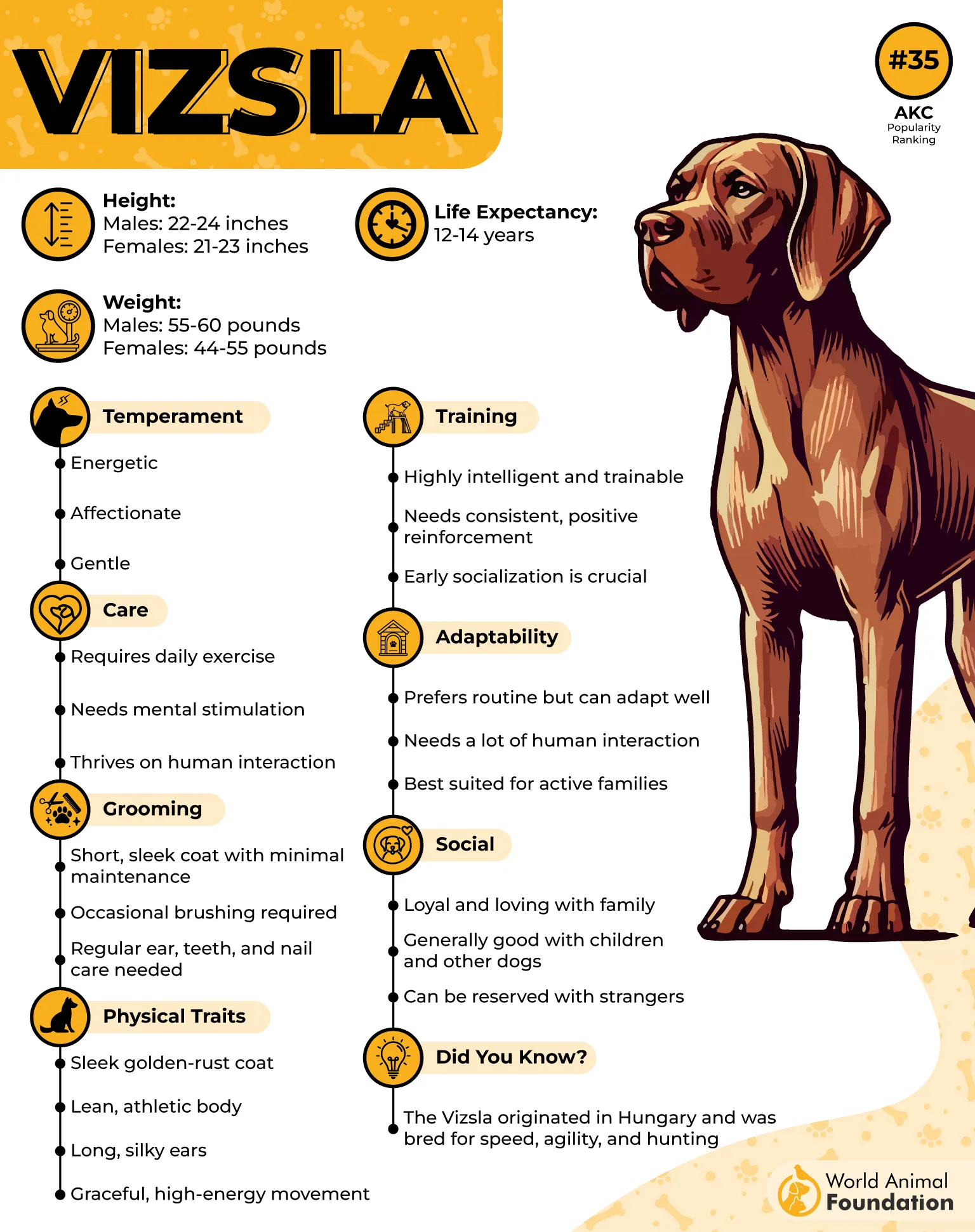
It has a russet-gold coat that acts as a natural camouflage in grasslands, brushwood, and autumn forests. The working dog excels in trail running, canicross, high-mile hiking, field trail, scent tracking, swimming, and mountain biking.
True to their reputation as “Velcro dogs,” they form intense bonds with their owners and naturally shadow your every step, making them extraordinarily responsive trail companions.
6. Siberian Husky
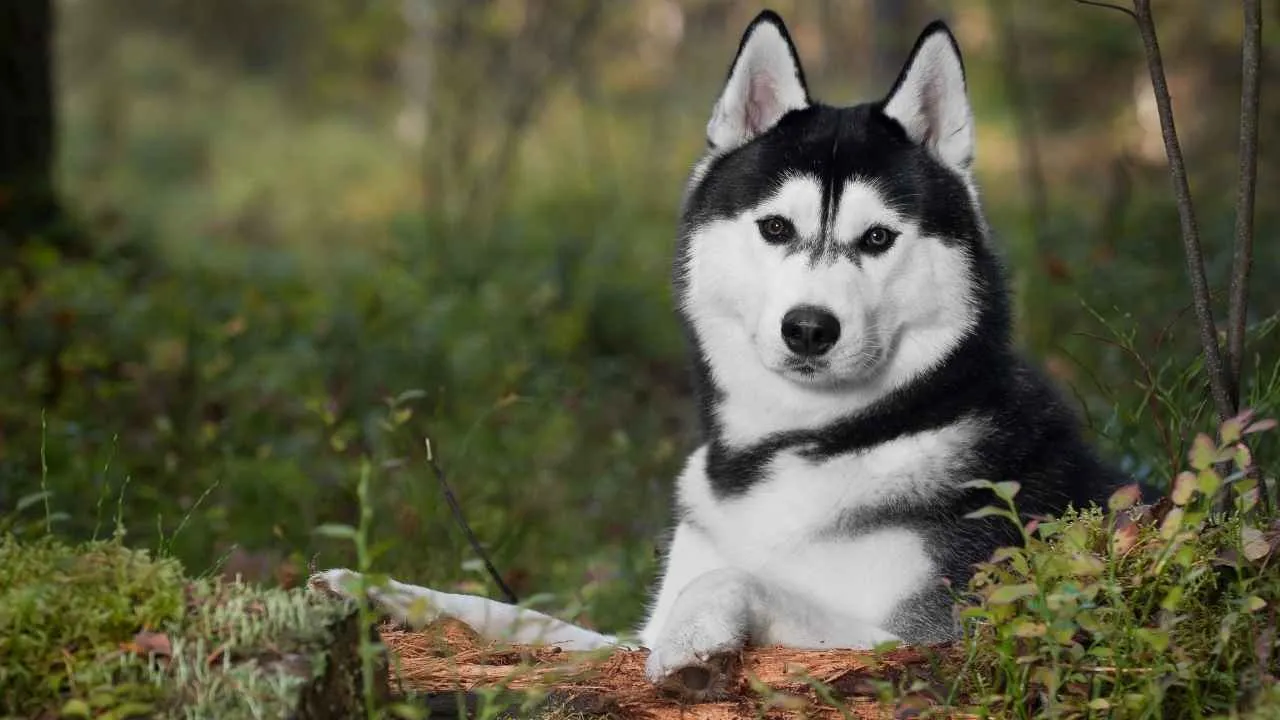
The breed was specifically bred in Northeast Asia by the Chukchi people as a sled dog. It is descended from the Spitz family and arrived in the United States in the 20th century.
The body starts extracting energy directly from the stored fats after a few hours of working to conserve energy. The woolly undercoat and the weather-resistant outercoat help the breed survive outdoors in -50°C (-60°F). The thick padded paws have fur between the toes that provides a natural grip on ice and rugged terrain.
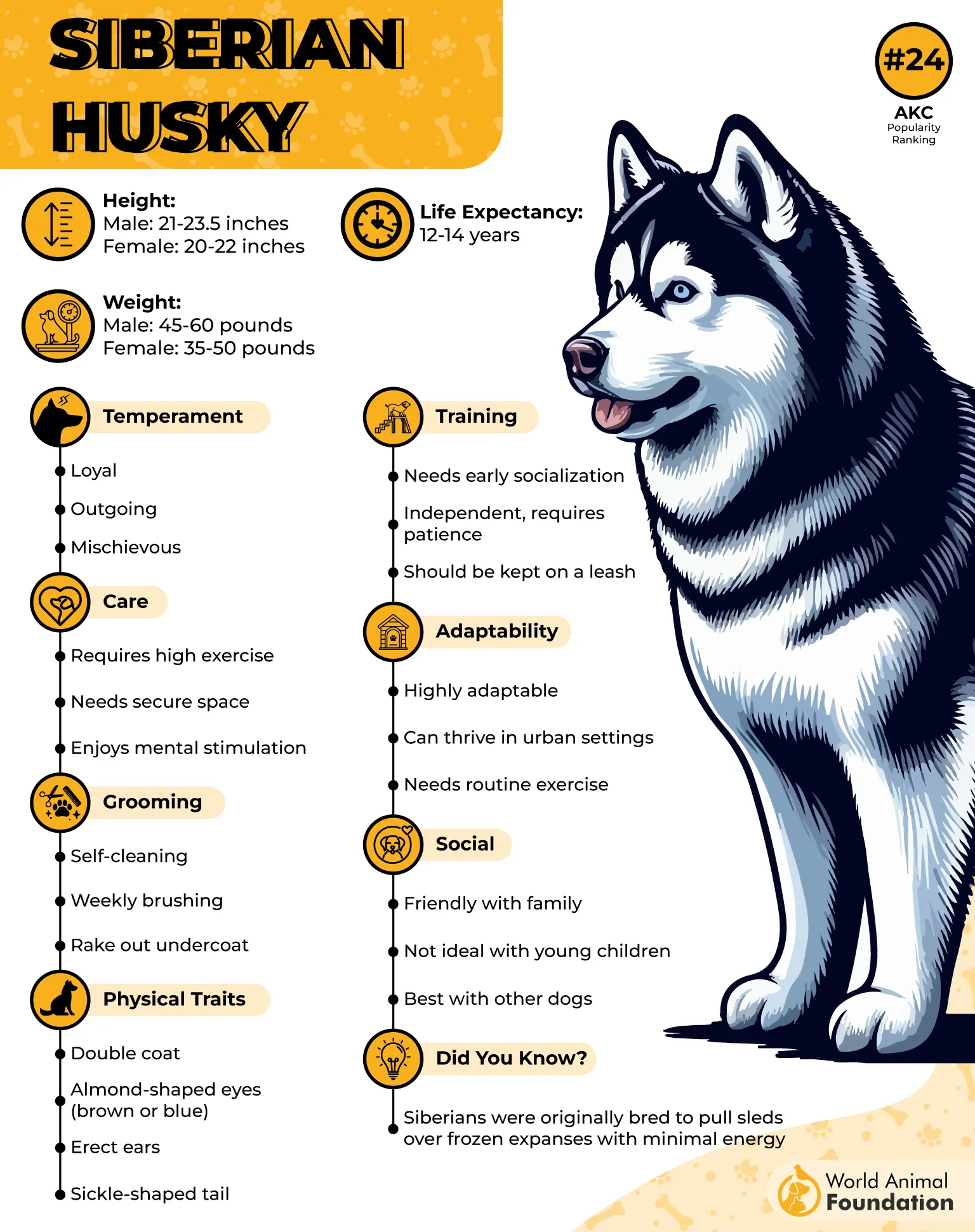
The adventure dog thrives in outdoor adventures such as snow and winter games, dryland mushing, urban sledding, backcountry tracking, camping, and also makes an excellent hiking partner.
Huskies are famous escape artists with a strong drive to roam, so always keep them securely leashed or safely tethered while at the campsite.
7. Weimaraner
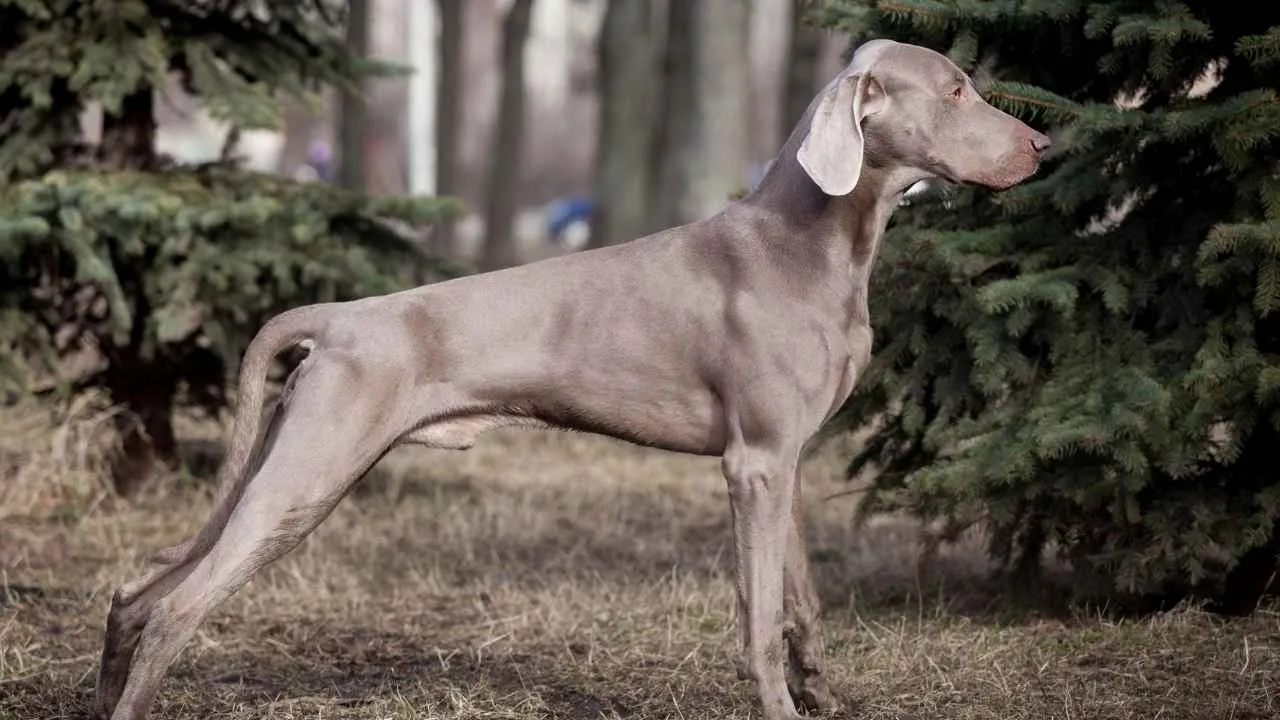
Initially known as the Weimar Pointer, the great hiking companion was developed in the 19th century. However, the records from the 13th century indicate that a similar dog existed before. It was bred by crossing the German Shorthair Pointer and the Bloodhound, says Orvis.
It has a low-ground gait, a flexible spine, and powerful hindquarters that minimize energy expenditure. Since it has low body fat mass, the breed can tolerate hot weather quite well, but they struggle in the cold and is sensitive to low temperatures. It has a high prey drive and tends to track, chase, and retrieve.
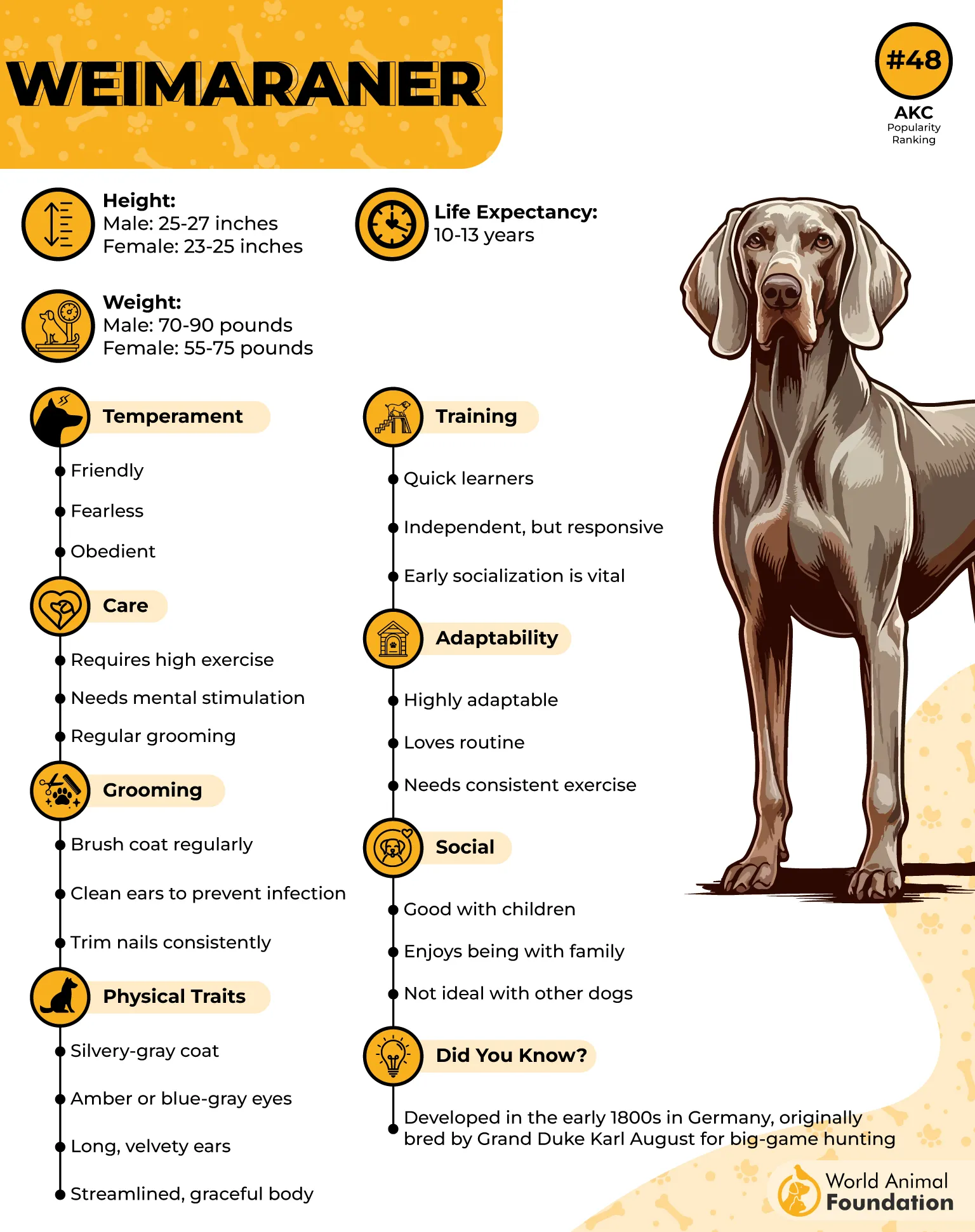
It has an incredible switch-off mode: when it remains highly active outdoors, the Weimaraner becomes laid-back indoors. The breed actively participates in bird hunting, field trials, deep-wood big game stalking, backcountry hiking, and waterfowl retrieving.
Because they form intense bonds with their humans and thrive on companionship, sharing a tent at night is the ideal arrangement.
8. Labrador Retriever
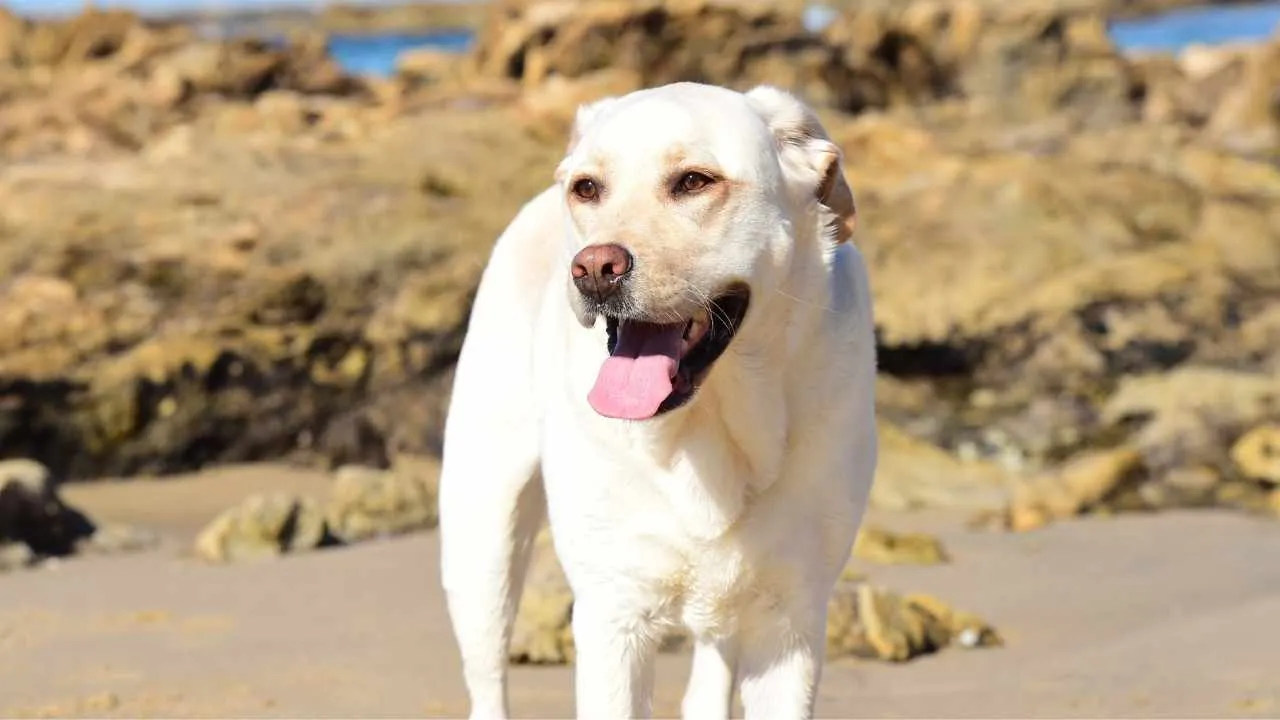
Descended from the St. John’s Dog of Canada, the Labrador Retriever was also developed to help fishermen haul nets and retrieve. The breed has mainly 2 types: the show line (English Lab) and the field line (American Lab).
Because of its webbed paws and a thick double coat, the breed is an excellent swimmer. It has a thick ‘otter tail’ which helps the Lab sustain heavy water currents. It has high intelligence and a high desire to work with humans, making it highly trainable.
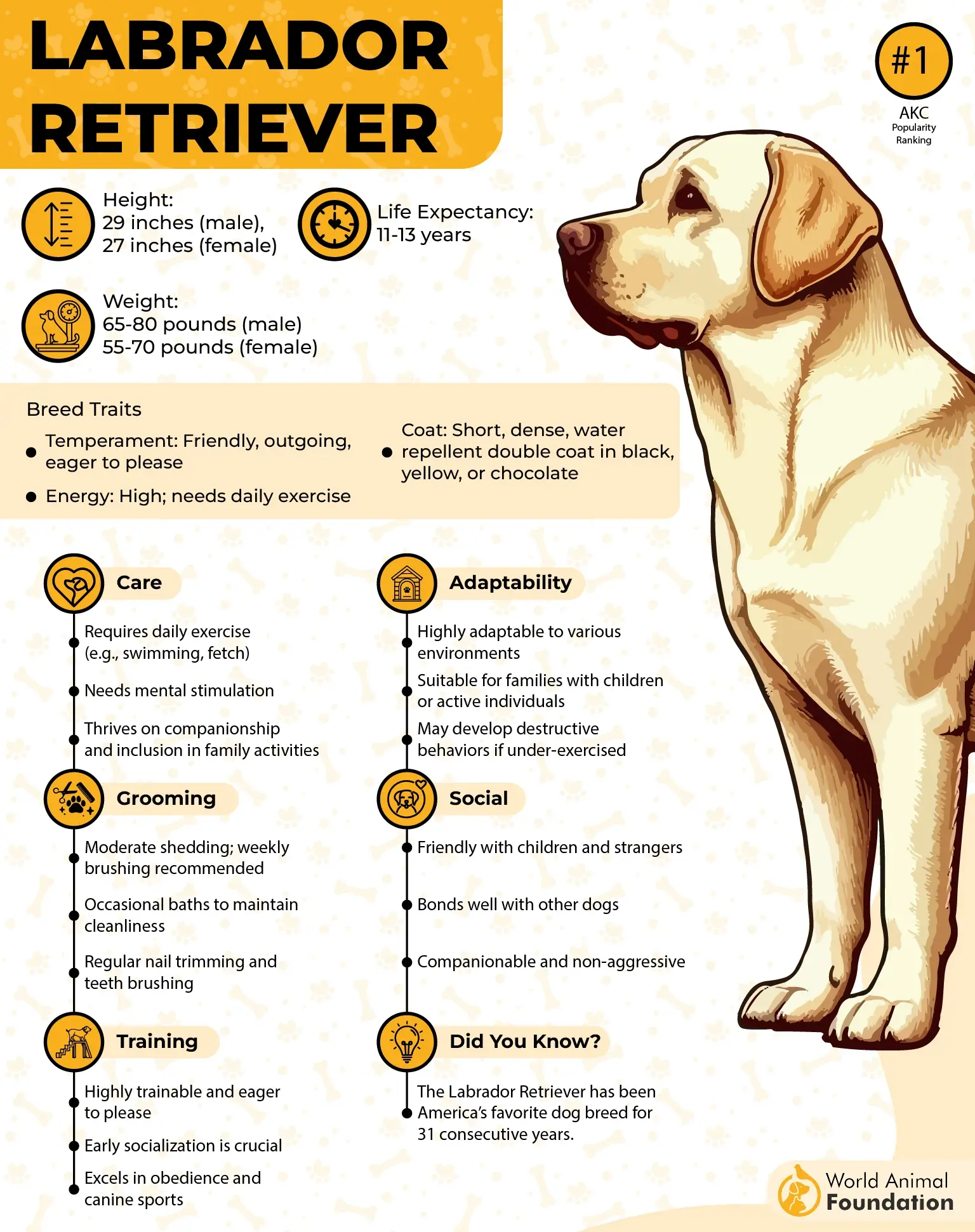
Their friendly, adaptable nature keeps them calm around unfamiliar environments, campfires, tents, and other campers or pets. Paired with high trainability, their reliable recall ensures safety whether they are on a long line or relaxing around camp.
Working in both water and land, the Labrador thrives in water-based adventures and wilderness tracking, deep-woods hiking, field trail, scent tracking, and dock diving.
9. Belgian Malinois
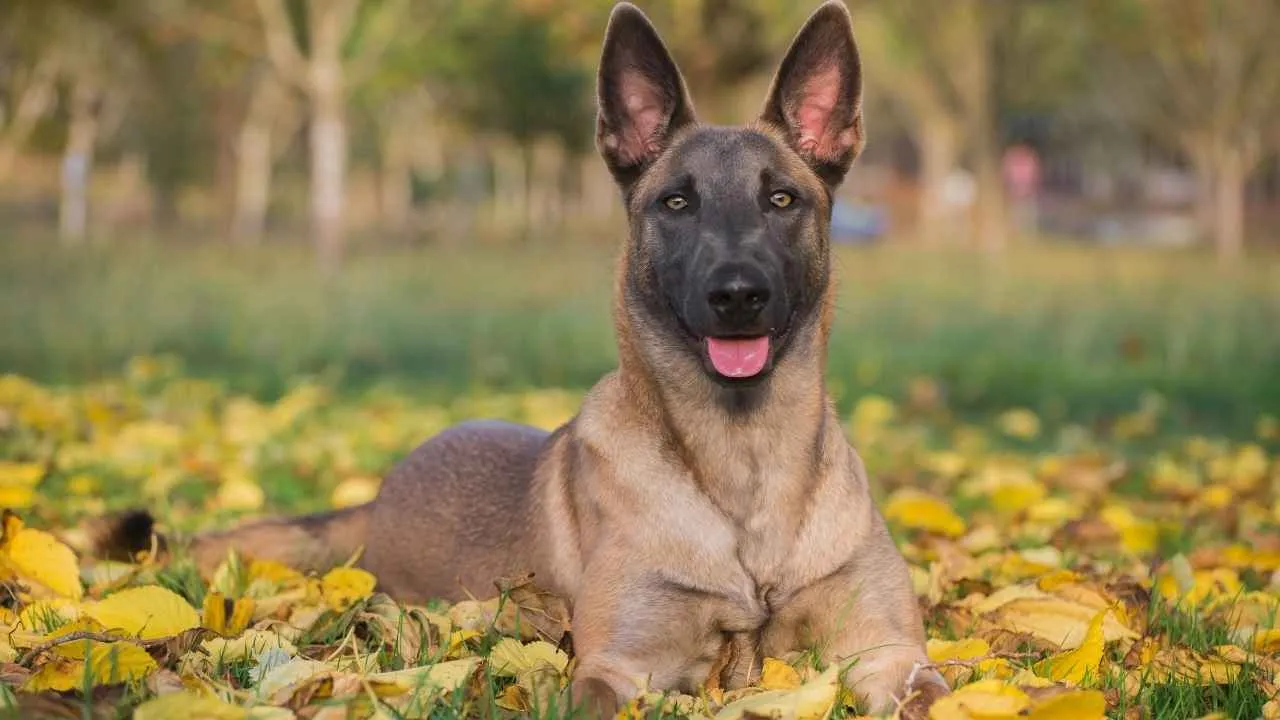
The breed with incredible endurance was developed in Belgium by ranchers to keep track of sheep and cattle. Because of its stamina and temperament, the breed is widely used as a military and police dog today.
The square build and flat back balance the centre of gravity. This structure enables incredible torque and thus rapid directional changes and high vertical leaps.
The short coat facilitates swift heat dissipation, maintaining internal temperature. The high herding and prey drive make the breed work tirelessly for hours without the handler’s instructions.
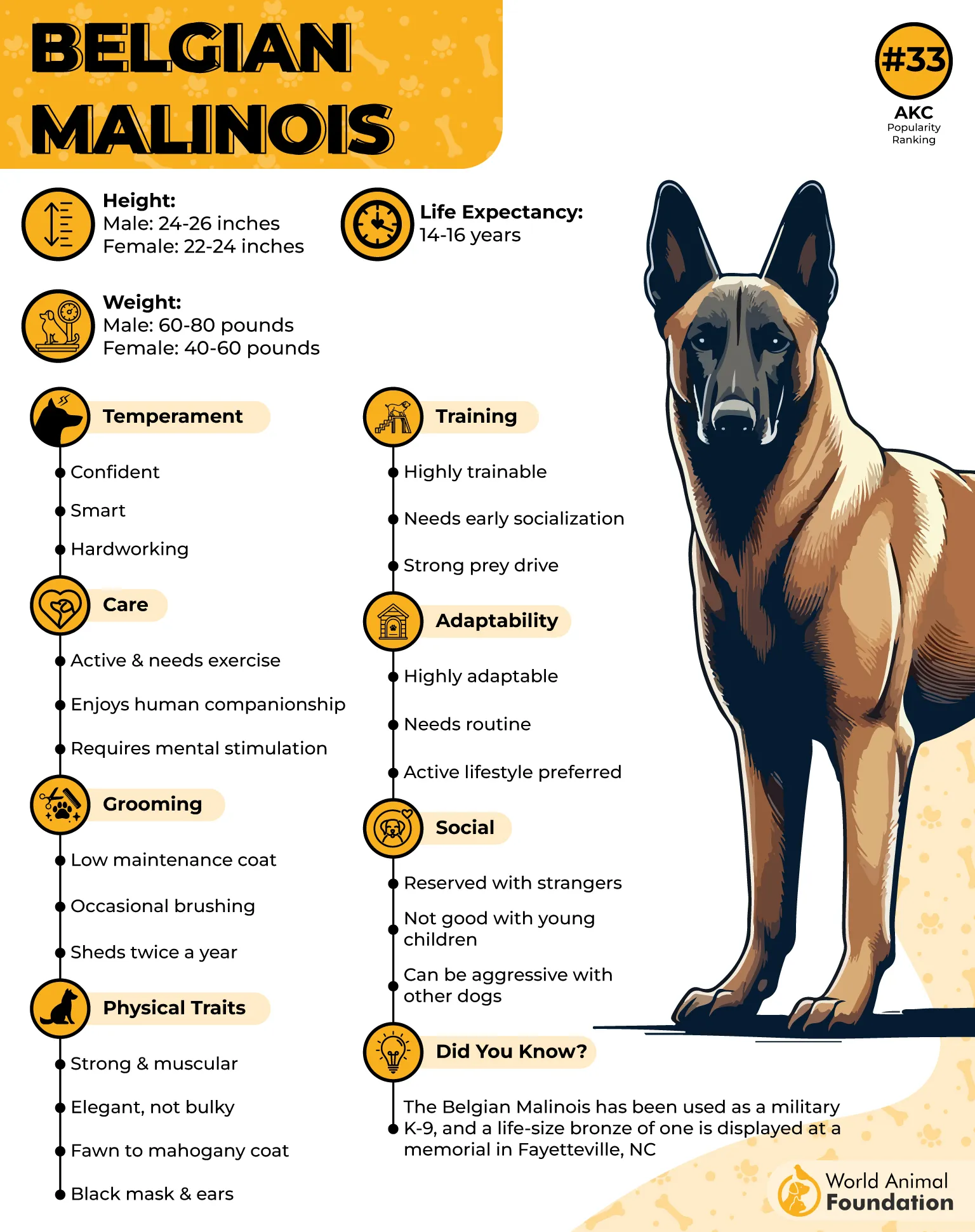
Since the breed can run at a high speed of 30mph, it requires intense physical and mental stimulation. It thrives in high-altitude hiking, bikejoring, trail running, SAR operations, and scent tracking.
Conclusion
A great camping dog does more than follow you down a trail. The right companion can make a quiet morning by the fire feel warmer, a long hike more enjoyable, and a new campsite feel like home. Yet breed alone does not decide whether a dog will enjoy wilderness camping. Age, fitness, training, weather tolerance, recall skills, and individual temperament all matter.
A young, energetic dog may happily tackle a rugged trail, while another dog of the same breed may prefer shorter outings. Good preparation also matters. Bring fresh water, proper food, a secure leash, identification, and gear suited to the conditions. Most of all, pay attention to your dog’s signals.
