




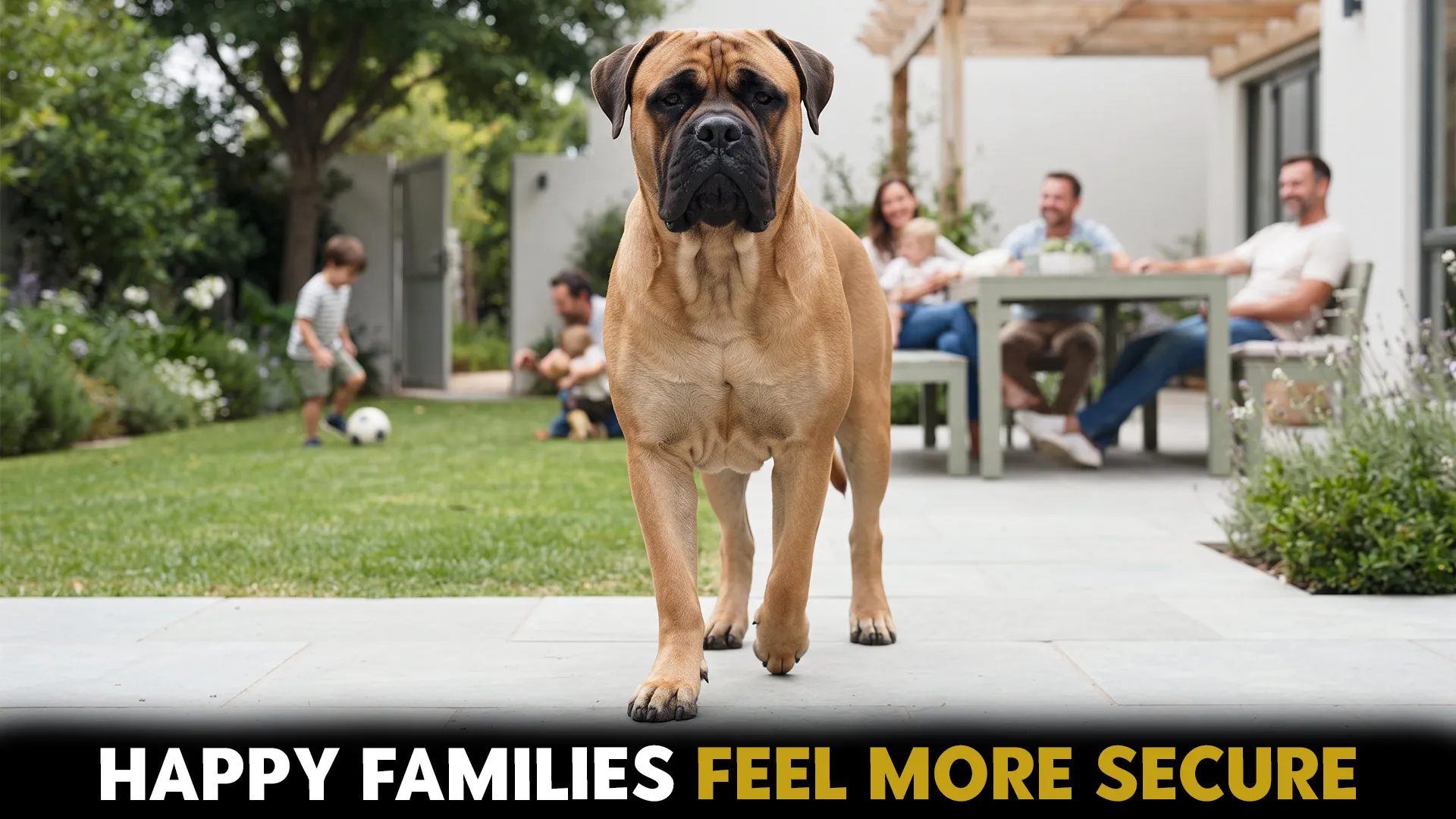
Protection is probably the most misunderstood word in the dog world. Most people hear it and picture an aggressive dog ready to snap at anyone who walks by, and honestly, that fear is fair since some dogs really are like that.
That’s exactly why choosing the right one matters so much. A good protection dog isn’t jumpy, fearful, or quick to react without thinking. Instead, it’s steady, sharp-eyed, and genuinely able to tell the difference between a friendly visitor and an actual threat.
Here’s another thing people get wrong: size has nothing to do with how protective a dog is. What really makes a dog protective comes down to strength, intelligence, calm confidence, and stamina. A truly great family protection dog knows exactly when to be a relaxed, loving companion at home and when to step in and take action.
In this guide, we’ve rounded up the top ten guard dog breeds that can help keep you and your home safe. We’ll also walk through their working history, how they actually protect, plus their exercise, training, and grooming needs, so stick around for the full rundown.
Most Protective Dog Breeds for a Safe and Happy Family
1. Belgian Malinois
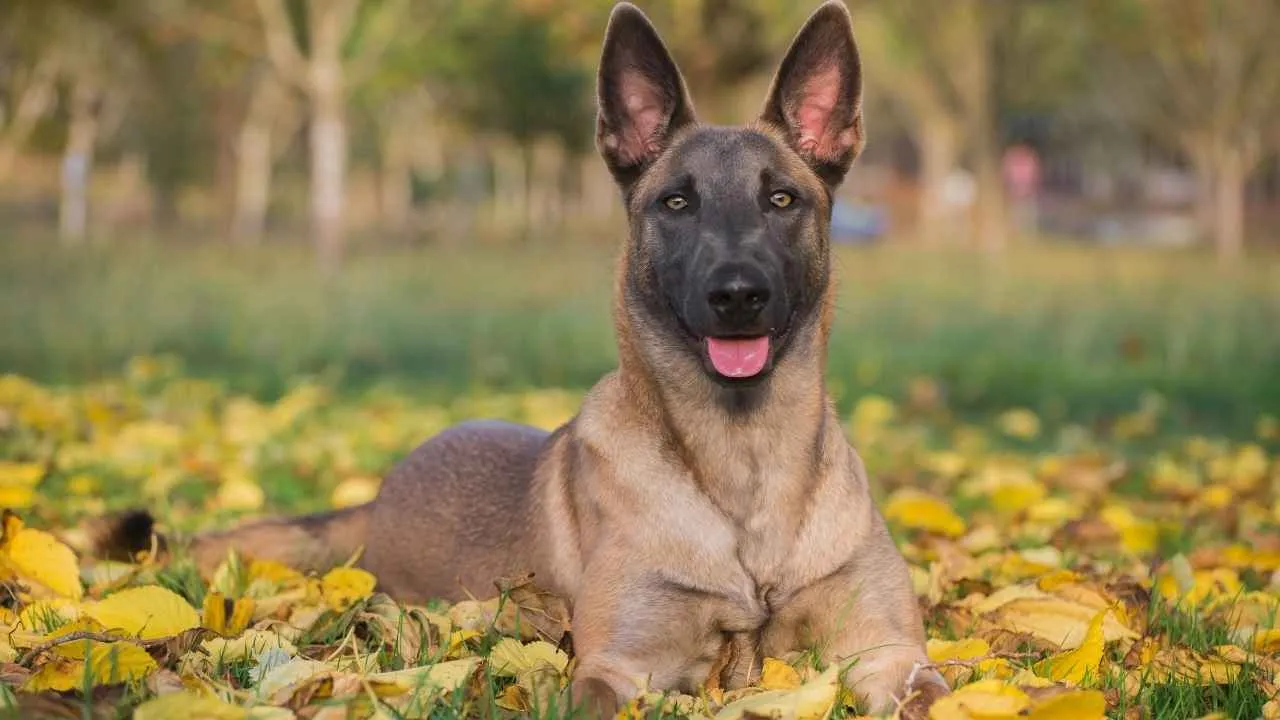
Belgian Malinois are alert, intense, and fiercely loyal to their families. They bond closely with their owners but tend to stay reserved around strangers. These medium-to-large dogs were originally bred for herding, though their sharp intelligence later made them a top pick for military and police work.
Their fearless nature and lightning-fast reactions are what make them such excellent guard dogs. Malinois also have a powerful bite, often cited at around 195-200 PSI, strong enough to do serious damage, which is exactly what makes them so effective at keeping intruders away.
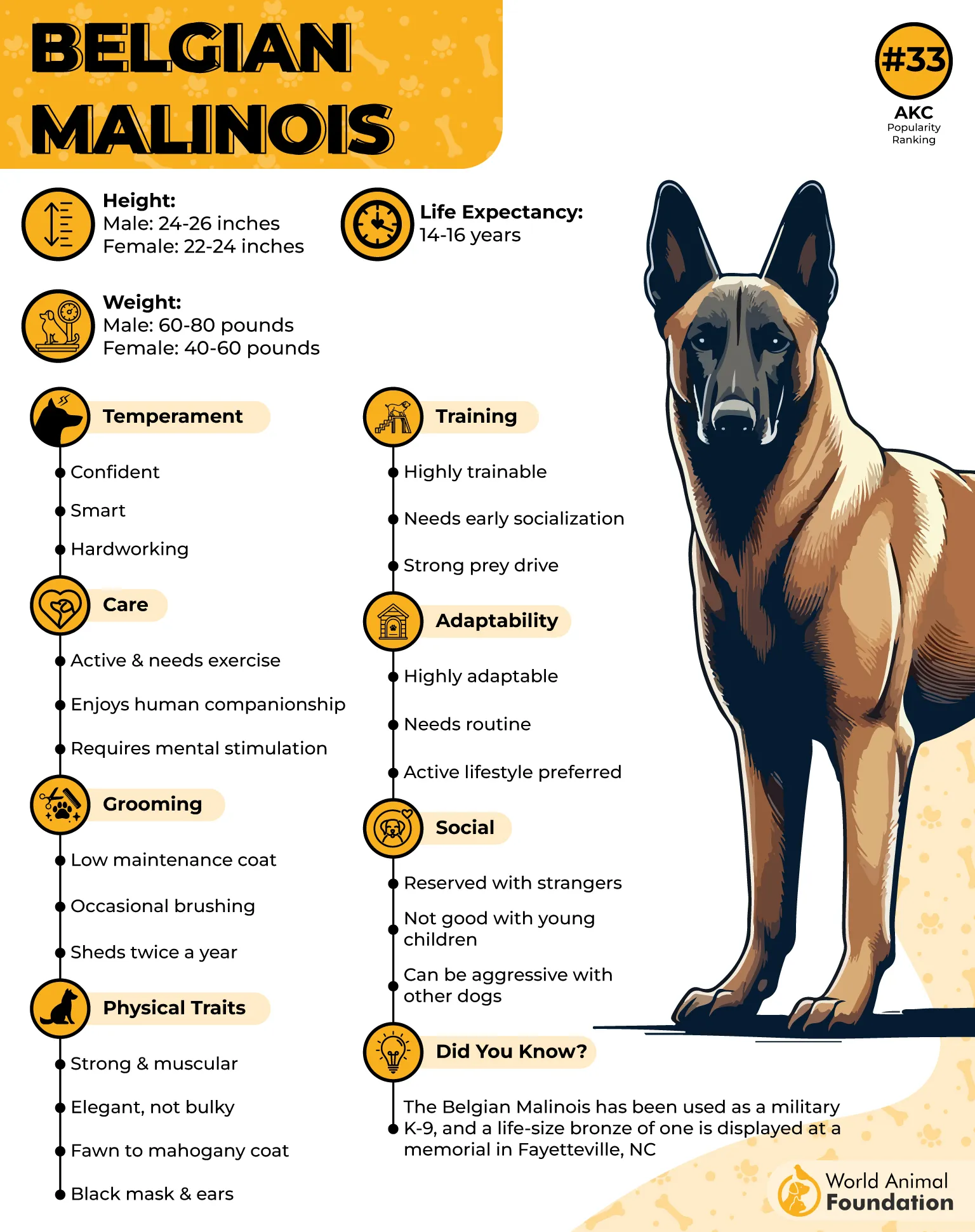
On top of that, they’re incredibly agile, powerful, and built for endurance. But that energy comes with a catch: they’re high-strung dogs that need 1.5 to 2 hours of solid activity every day just to stay mentally balanced. Malinois are whip-smart but also stubborn, so they really do best with experienced owners who know how to handle that combination.
2. Bullmastiff
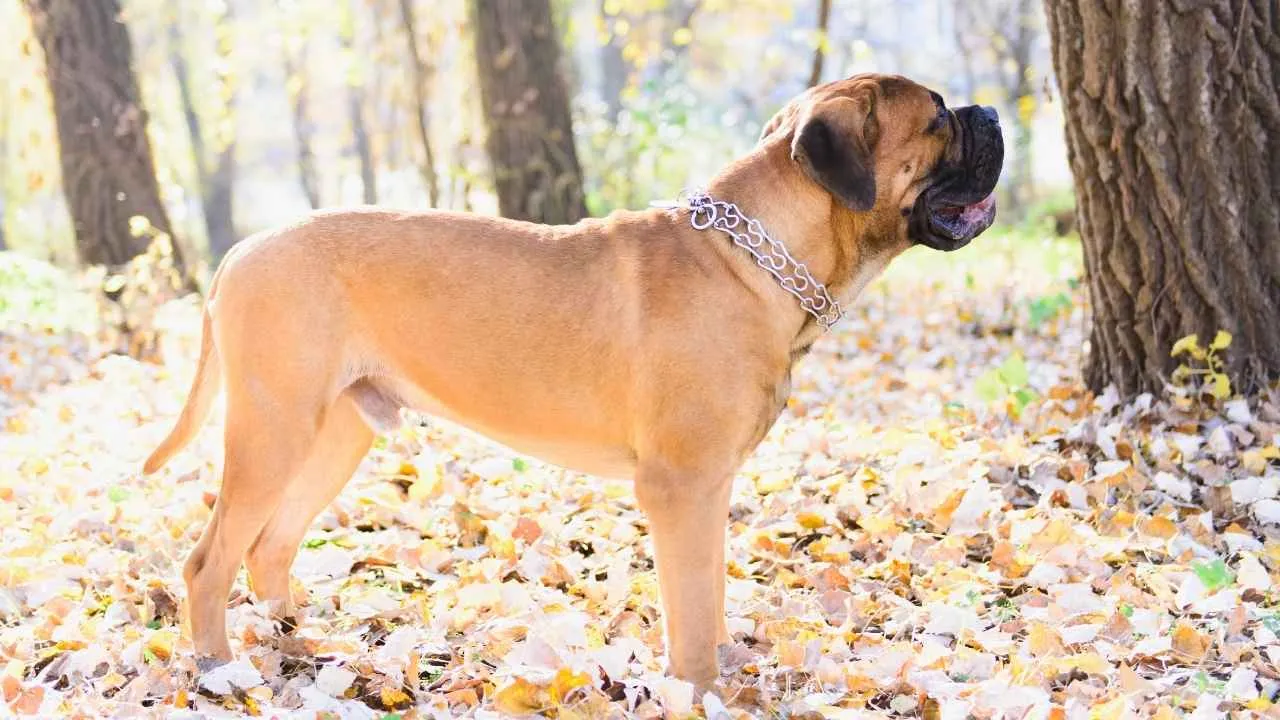
Bullmastiffs are calm, confident, and fearless, the classic “gentle giants” that make such great family pets. They’re quiet, deeply loyal, affectionate, and steady companions through and through. These Mastiffs were originally bred as guard dogs, according to the PDSA.
They’ve also earned the nickname “The Gamekeeper’s Night Dog” thanks to their history of tracking down poachers. Rather than going on the attack, Bullmastiffs rely on a pin-and-hold approach to keep you safe. And they’ve got the power to back it up, with one of the strongest bite forces among dog breeds at around 550 PSI.
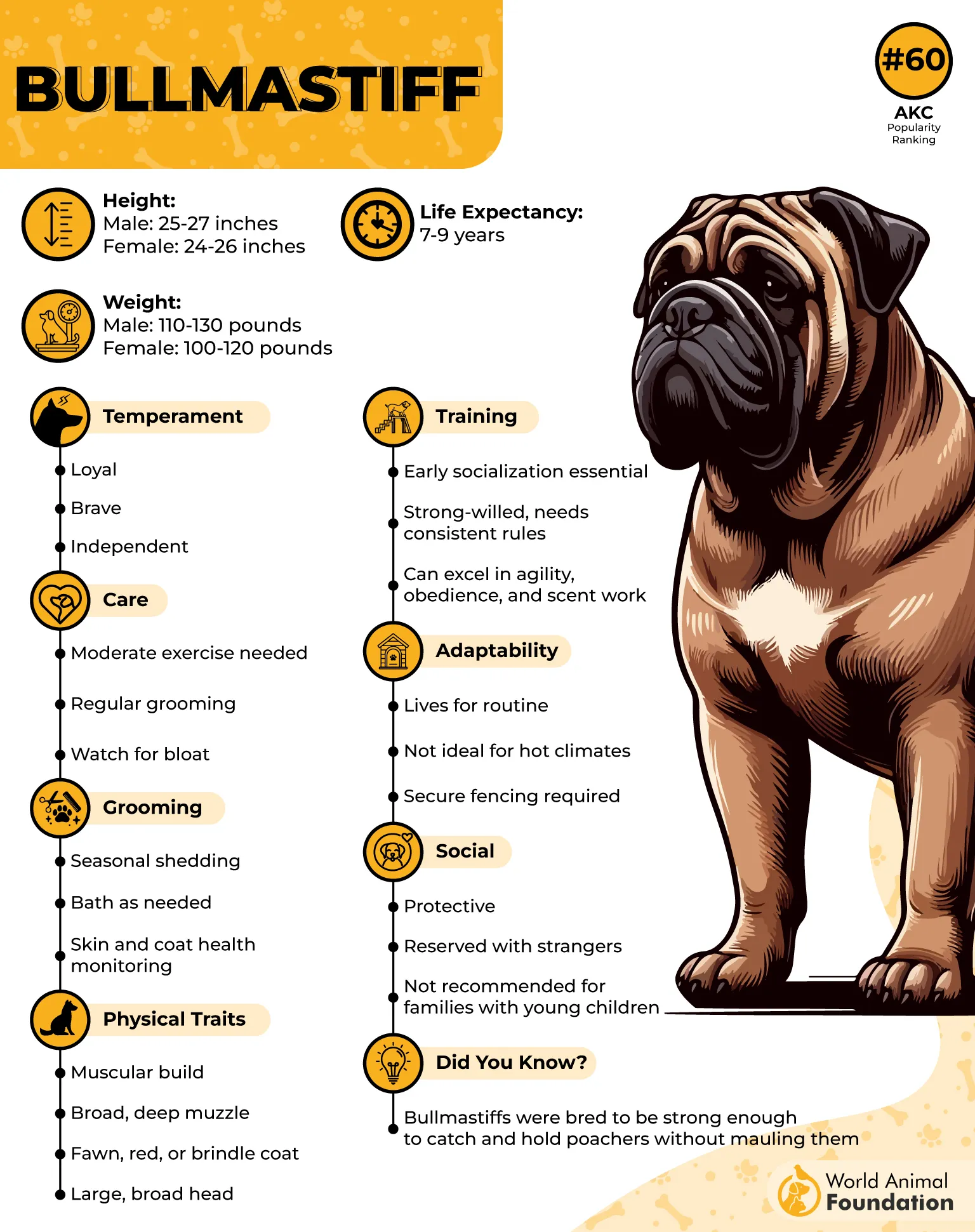
Physically, they’re large, heavy-boned, and built like tanks. Despite their size, Bullmastiffs have moderate energy levels and only need about 45-60 minutes of exercise and mental stimulation a day. They do best, though, with confident owners who can match their strong personality.
3. Doberman Pinscher
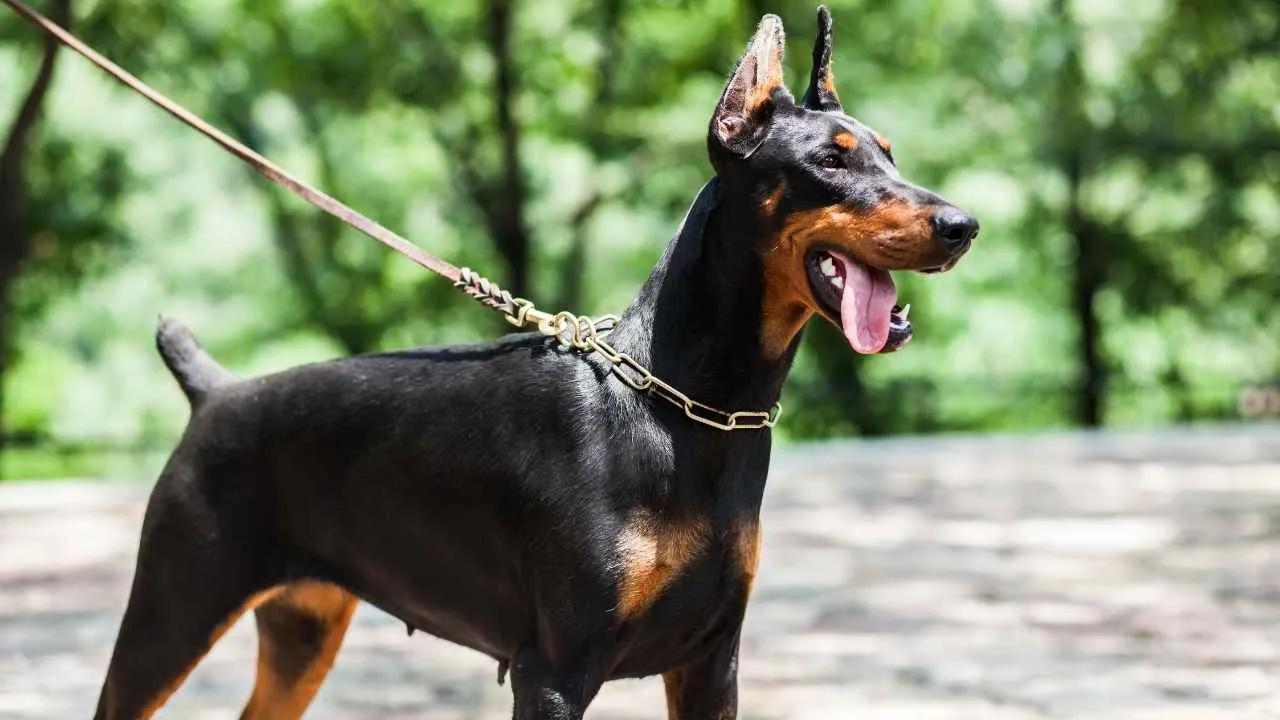
Doberman Pinschers are fearless, highly alert, and deeply loyal protection dogs. They’re often called “Velcro dogs” because they stick so close to their people, which is part of why they make such loving family pets when properly socialized and trained. That said, these large dogs were genuinely bred with personal protection in mind.
A tax collector named Karl Friedrich Louis Dobermann originally bred them, which is exactly why protective instinct runs so deep in the breed.
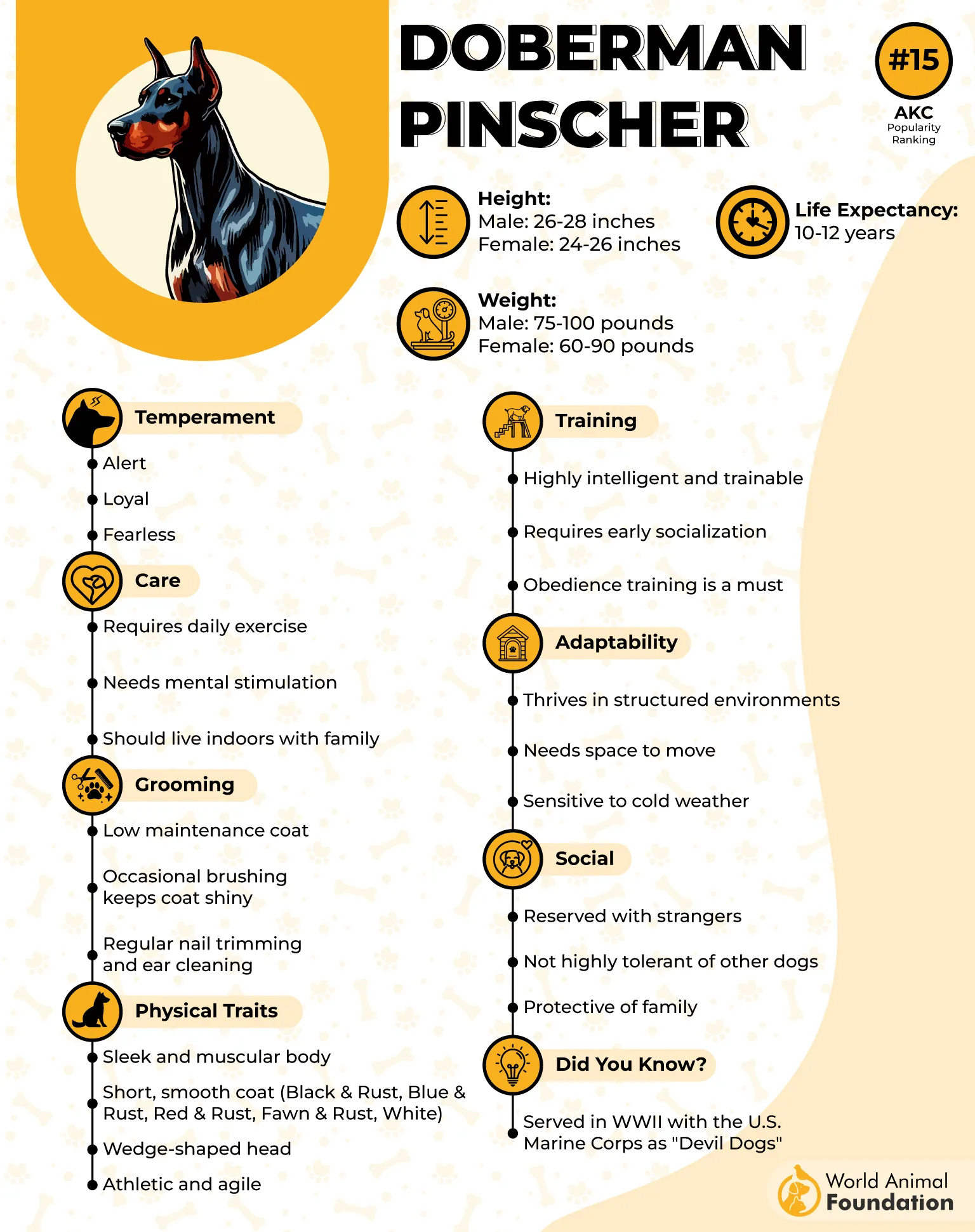
Between their strong territorial instincts, imposing size, and impressive speed, Dobermans are built to protect you when it counts. Add in a bite force of around 228-305 PSI, and it’s clear why they’re taken so seriously as guard dogs.
These dogs also run high on energy and prey drive, so they need confident, experienced handlers who can provide proper training and early socialization. Without that structure, their natural protective instincts and strong-willed personality can be a lot to manage.
4. Great Dane
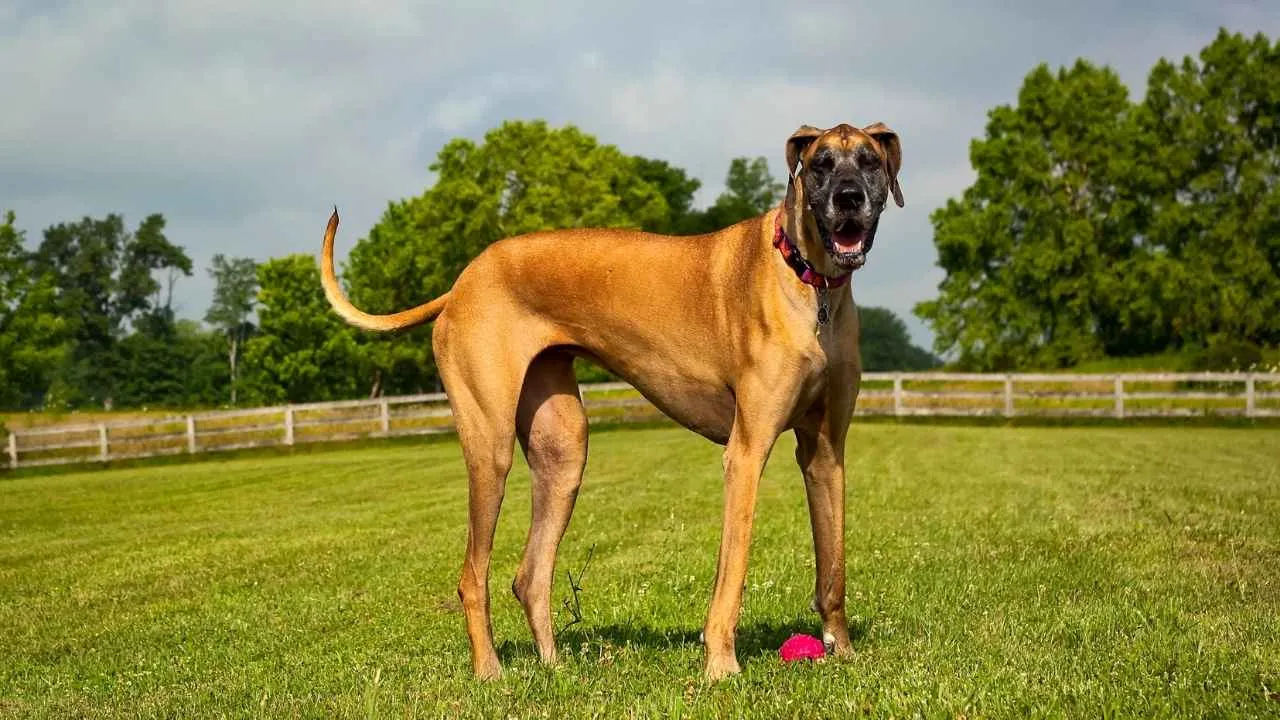
Great Danes are gentle, patient, and deeply affectionate dogs. Often nicknamed the “Apollo of Dogs,” these gentle giants are also among the tallest dog breeds in the world, according to PetMD. Despite their sweet nature, Danes are naturally watchful and a bit wary around strangers.
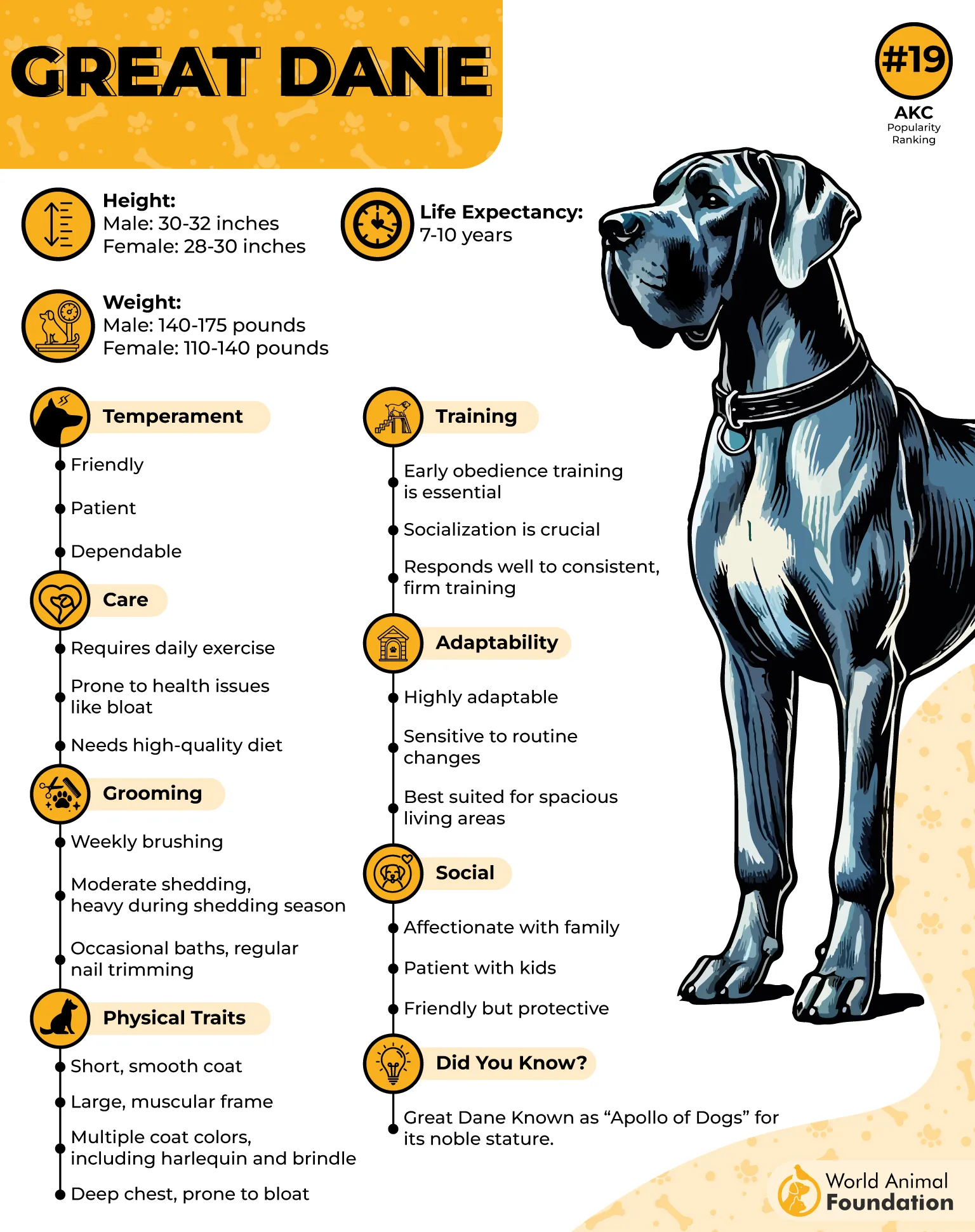
They were originally bred as hunting dogs, but these days it’s their sheer height, deep rumbling bark, and confident presence that do most of the work, usually enough on their own to make a potential threat think twice. Add in a solid bite force of around 238-240 PSI, and it’s easy to see why they’re considered such capable protection dogs.
That said, these gentle giants only have moderate exercise needs. They’re eager to please but can be a bit stubborn now and then, so obedience training and proper socialization go a long way. Great Danes tend to do best with active families and owners who have some experience under their belt.
5. Rhodesian Ridgeback
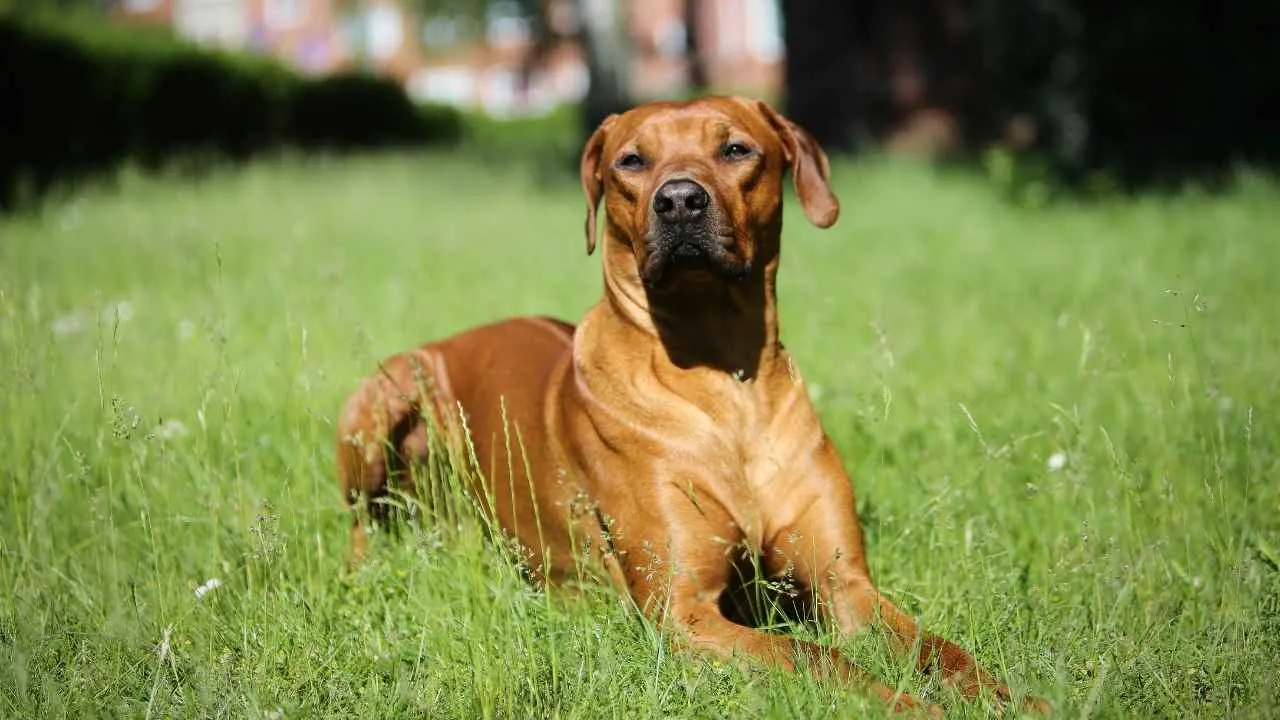
Rhodesian Ridgebacks were originally developed by the native Khoikhoi people for hunting, specifically to track and hold large game. They were bred to bay big game and keep dangerous predators at bay until the hunter arrived, and that same fearless instinct is still very much part of the breed today.
These hounds bring a strong bite, natural agility, and a deep, commanding bark that’s usually enough to keep intruders at a distance and protect what’s yours. That said, Ridgebacks are far from couch potatoes; they need about 1 to 1.5 hours of exercise and mental stimulation every day.
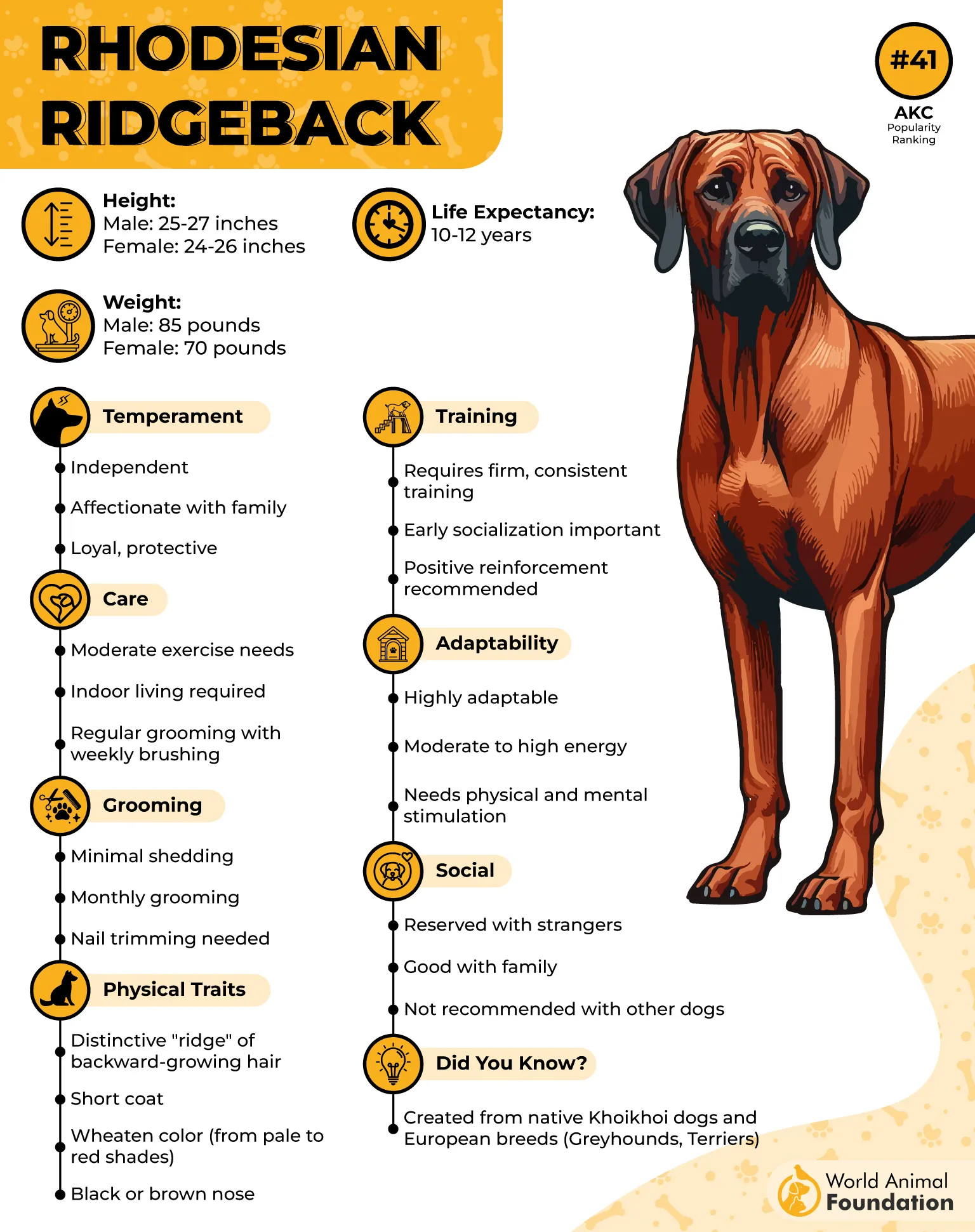
With their high prey drive and energetic nature, Ridgebacks do best in calm, confident, and active households, as Omlet points out. On the upside, grooming is easy. Their short coat sheds an average amount and only needs a quick weekly brush to stay clean and healthy.
6. Giant Schnauzer
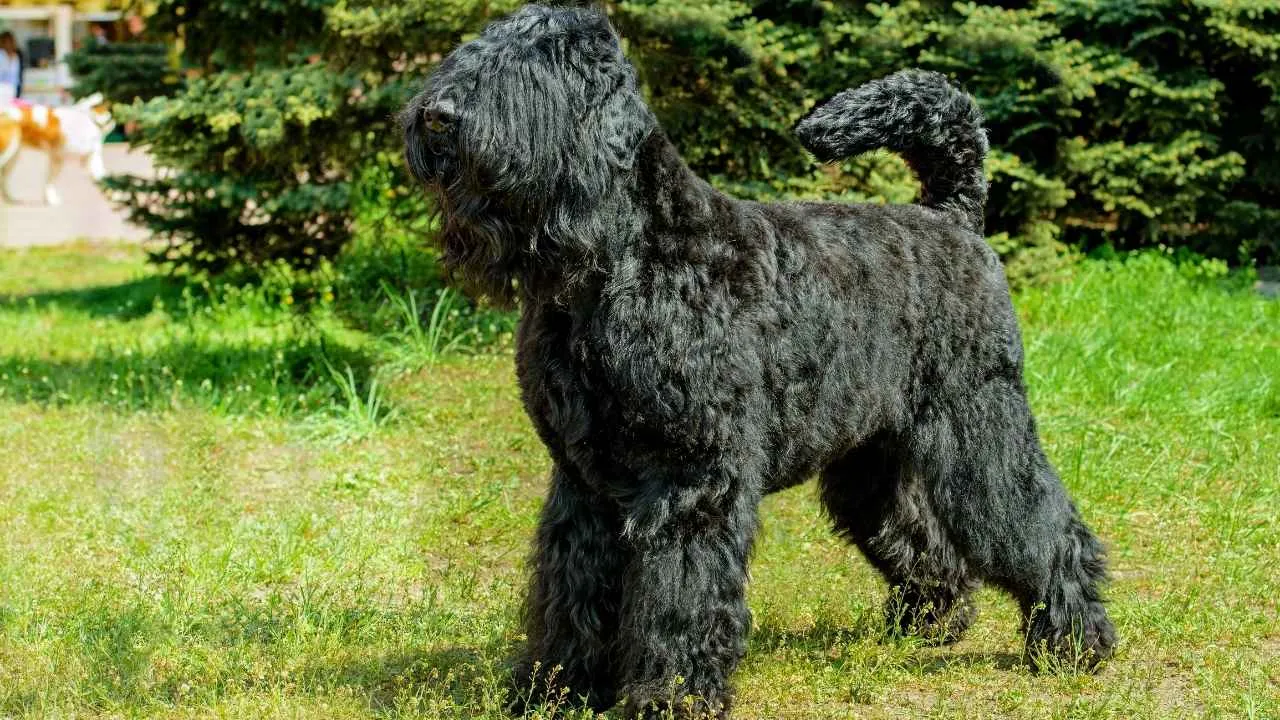
Giant Schnauzers are bold, energetic, and incredibly loyal working dogs. They carry a commanding presence, sharp intelligence, and a deep devotion to their families. Interestingly, these big dogs actually started out as farm dogs, originally bred to drive cattle to market.
These days, it’s their courage, strength, deep bark, territorial instincts, and a bite force of around 240-280 PSI that make them such effective guard dogs. They keep a close eye on their boundaries and won’t hesitate to stand their ground to protect the family.
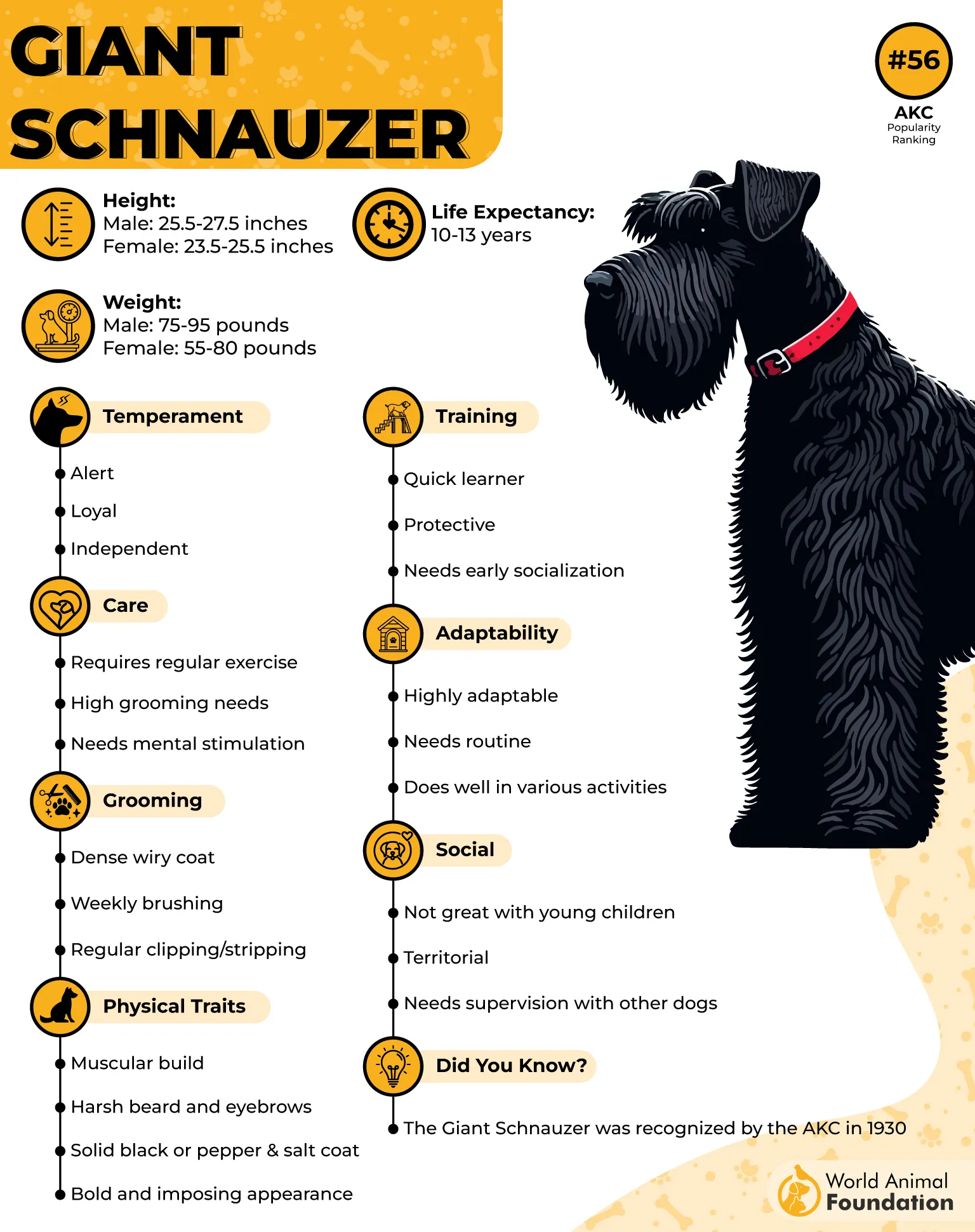
That said, Giant Schnauzers have high exercise needs and do best with 1 to 1.5 hours of vigorous daily activity to keep them mentally satisfied. They’re smart, but also strong-willed, so early training really matters to help them learn how to respond the right way in different situations.
7. Staffordshire Bull Terrier
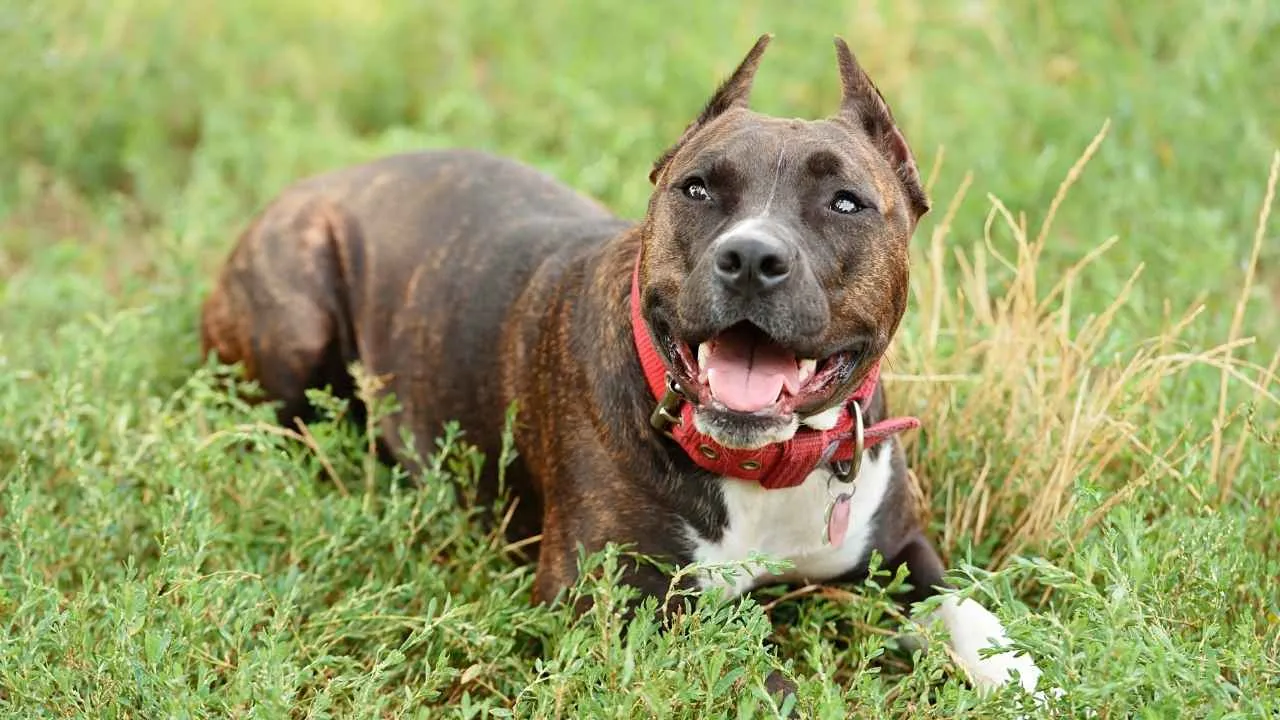
Staffordshire Bull Terriers, or “Staffies” as they’re affectionately known, are famous for being affectionate, courageous, and full of enthusiasm. They might have a tough look, but underneath it they’re known for being gentle and sweet, which is exactly why they earned the nickname “nanny dog.”
Staffies were originally bred for bull baiting, but those aggressive traits were bred out of the line once that practice was banned. Today, they’re simply alert and watchful, quick to notice anything unusual going on around them. Their muscular, athletic build also gives them real physical strength to back it up.
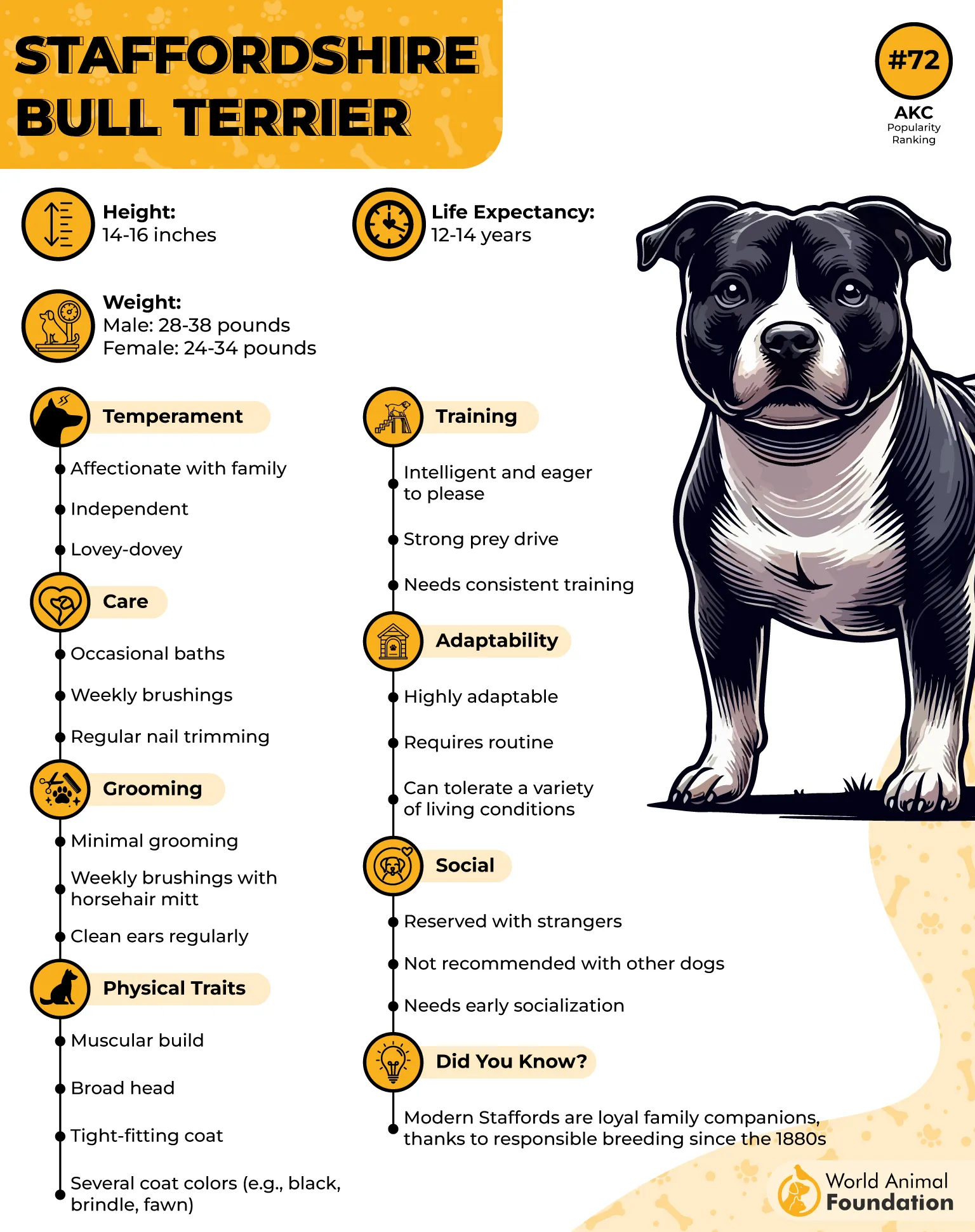
They’ve got strong jaws too, with a bite force ranging from about 300 to 328 PSI. These medium-sized dogs need around 60 minutes of physical activity a day to stay mentally satisfied. They’re smart and eager to please, but they do best with confident, loving owners who can keep their training consistent.
8. Tibetan Mastiff
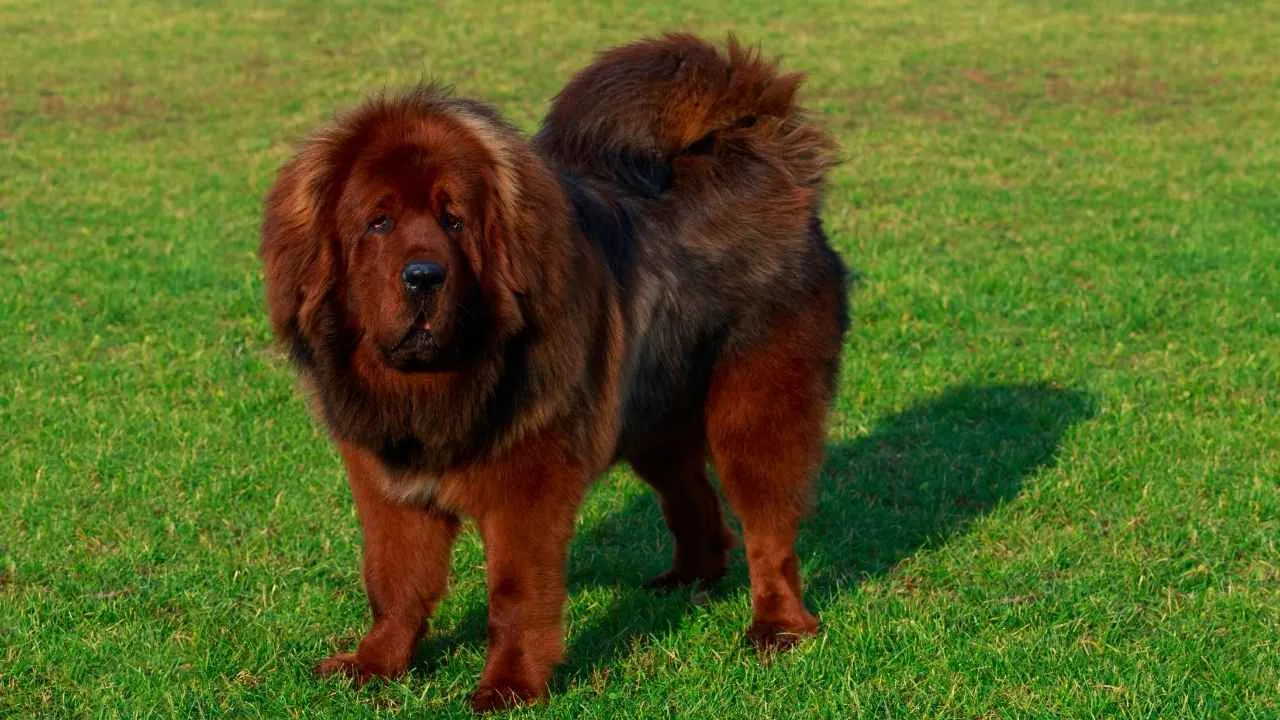
Tibetan Mastiffs are calm, extraordinarily independent guardians. They’re naturally quiet, serious, and deeply devoted to their families. TMs also tend to make headlines for being massive in size and quite expensive; honestly, it’s hard to describe them without reaching for words like huge, giant, and big.
But there’s real substance behind that size. These giant dogs were actually bred to be guardians, and that protective nature runs deep. They bring fierce territorial instincts, a deep, booming bark, and serious physical strength to the table, backed up by an impressive 550 PSI bite force.
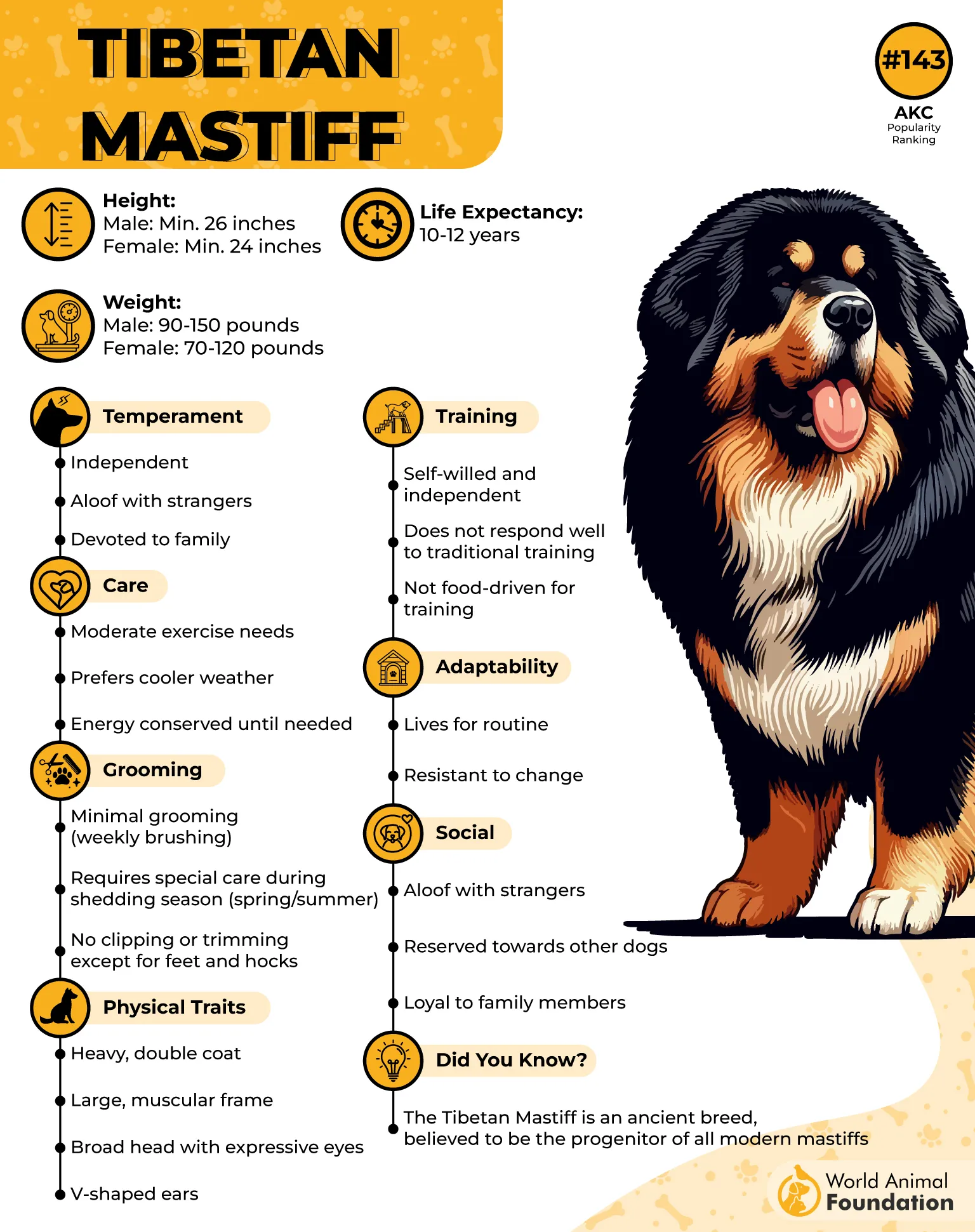
Tibetan Mastiffs have moderate exercise needs but can be genuinely challenging to train, which is why they’re really best suited to experienced owners who understand their independent, stubborn streak. On top of that, they carry a dense double coat that blows at least once a year, according to the Royal Kennel Club.
9. German Shepherd
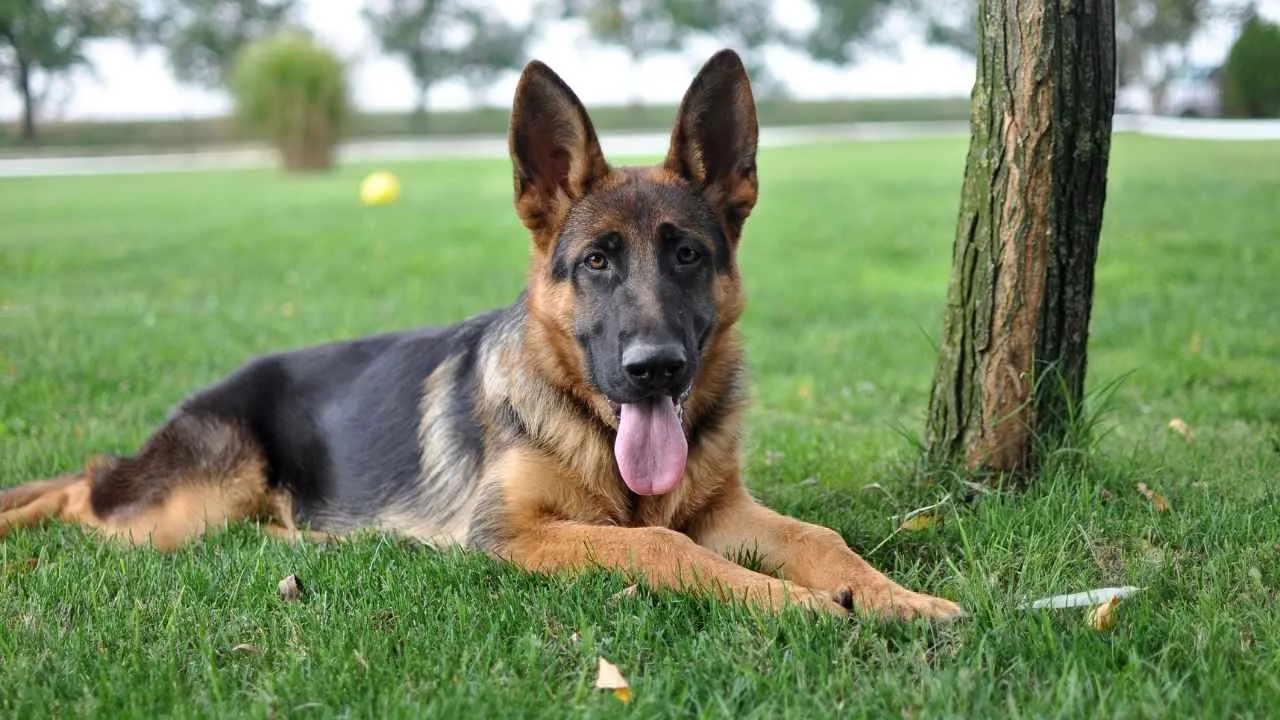
German Shepherds are intelligent, courageous, and devoted working companions. Naturally wary of strangers, they were originally bred to herd and protect large flocks of sheep. Over time, their agility, trainability, and sharp intelligence made them one of the most popular breeds around.
That same versatility is what took them into military, service, and even police work. With a strong bite force of around 238 PSI and sharp territorial awareness, German Shepherds naturally position themselves between a threat and you.
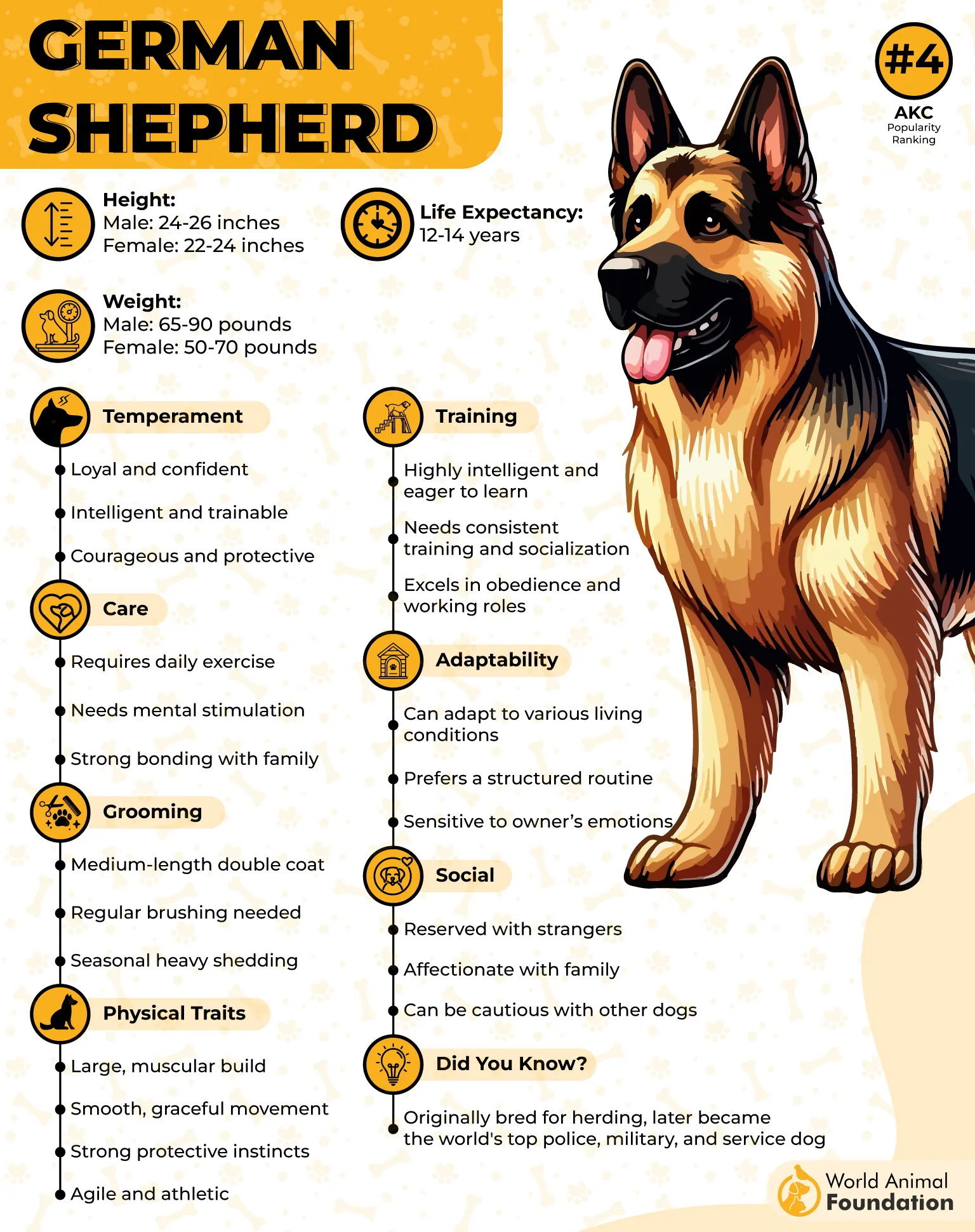
These medium to large dogs also have high exercise needs, typically requiring at least 2 hours of activity a day to stay happy and balanced. They’re highly intelligent and eager to please, but their strong prey drive means they’re best suited to owners who can commit to consistent training and early socialization.
10. Cane Corso
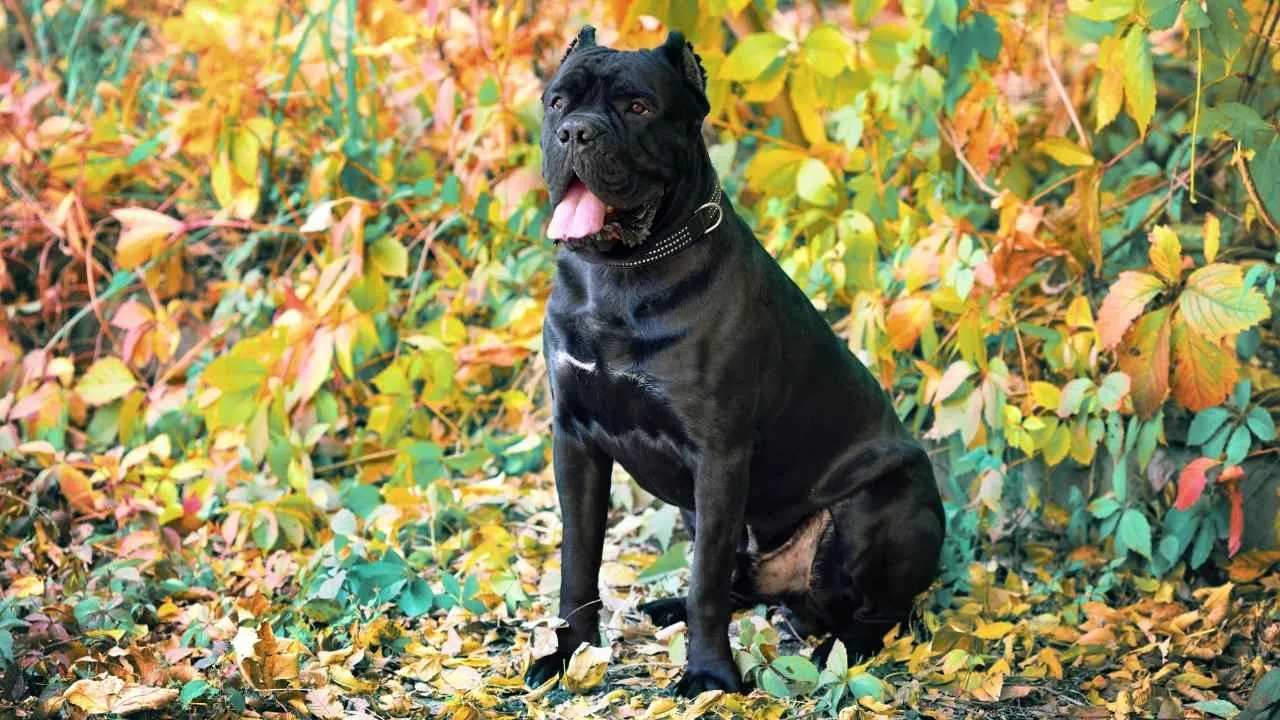
The name Cane Corso roughly translates to “bodyguard dog” in Latin, so you already know what they’re built for: protection. They’re affectionate and gentle with their inner circle, but stay aloof and watchful around strangers; these dogs definitely have their favorites.
Physical strength, territorial awareness, and courage all come together with a deep, intimidating bark that’s usually enough to stop a threat in its tracks.
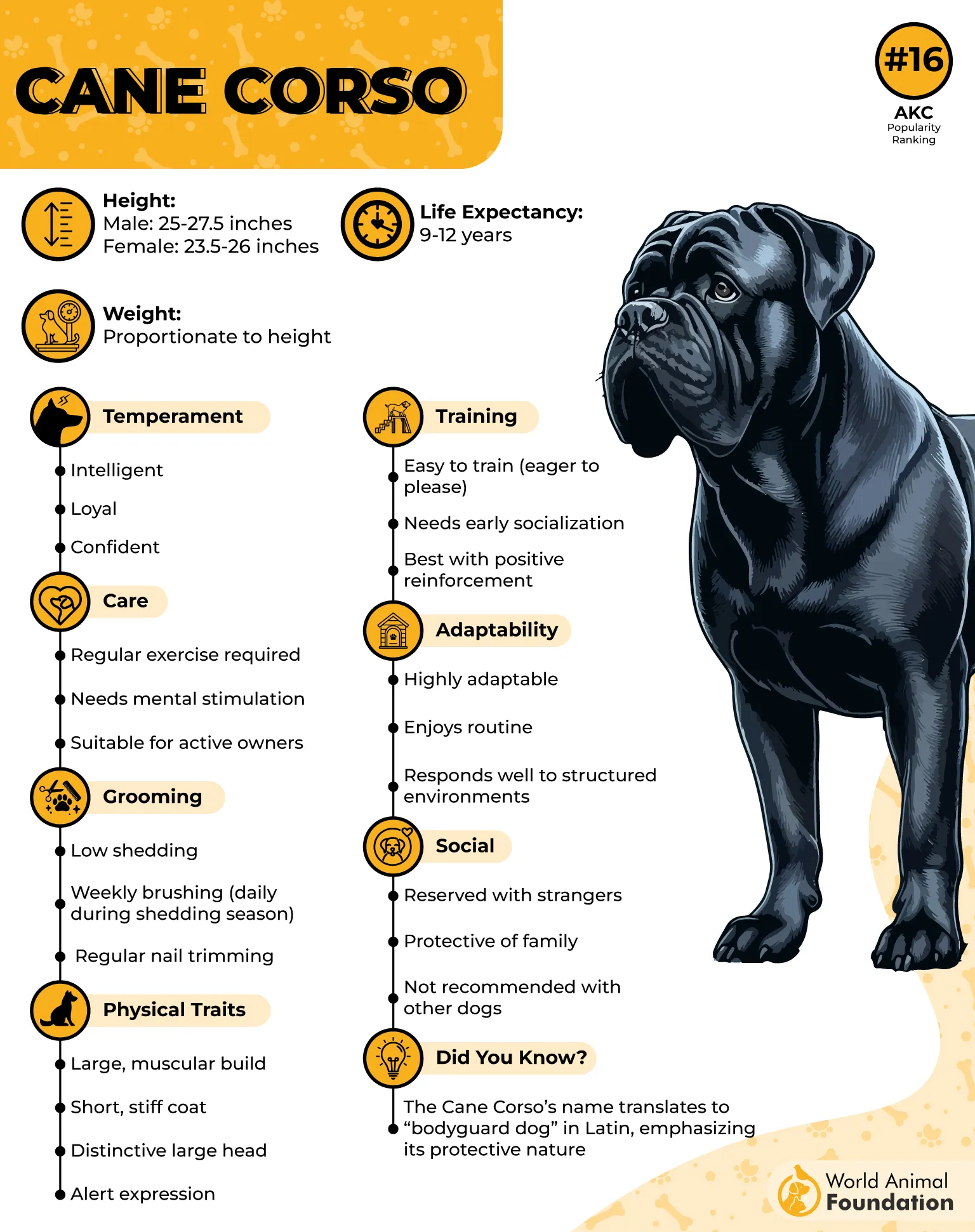
And if it comes down to it, Cane Corsos have one of the strongest bites of any breed, clocking in at around 700 PSI, so yes, it’s exactly as serious as it sounds. On top of that, they’re large and heavy-boned dogs built with real power behind them.
They can be moderately challenging to train due to their dominant nature, so they’re best suited to experienced owners who can set clear boundaries from the start. On the plus side, Cane Corsos are fairly low maintenance, as VCA Hospitals notes, thanks to their short, easy-care coat.
Conclusion
These ten family guard dog breeds are among the best when it comes to protection and guarding. Each one comes with a strong background in guarding, herding, or hunting work, which gives them a real edge when it counts. Add in their powerful bite force, and it’s clear why intruders think twice before testing any of them.
That said, make sure you go back through the details above so you don’t miss anything important. Picking the wrong protection dog, or one that’s simply too much for you to handle, can end up being more trouble than it’s worth.
