




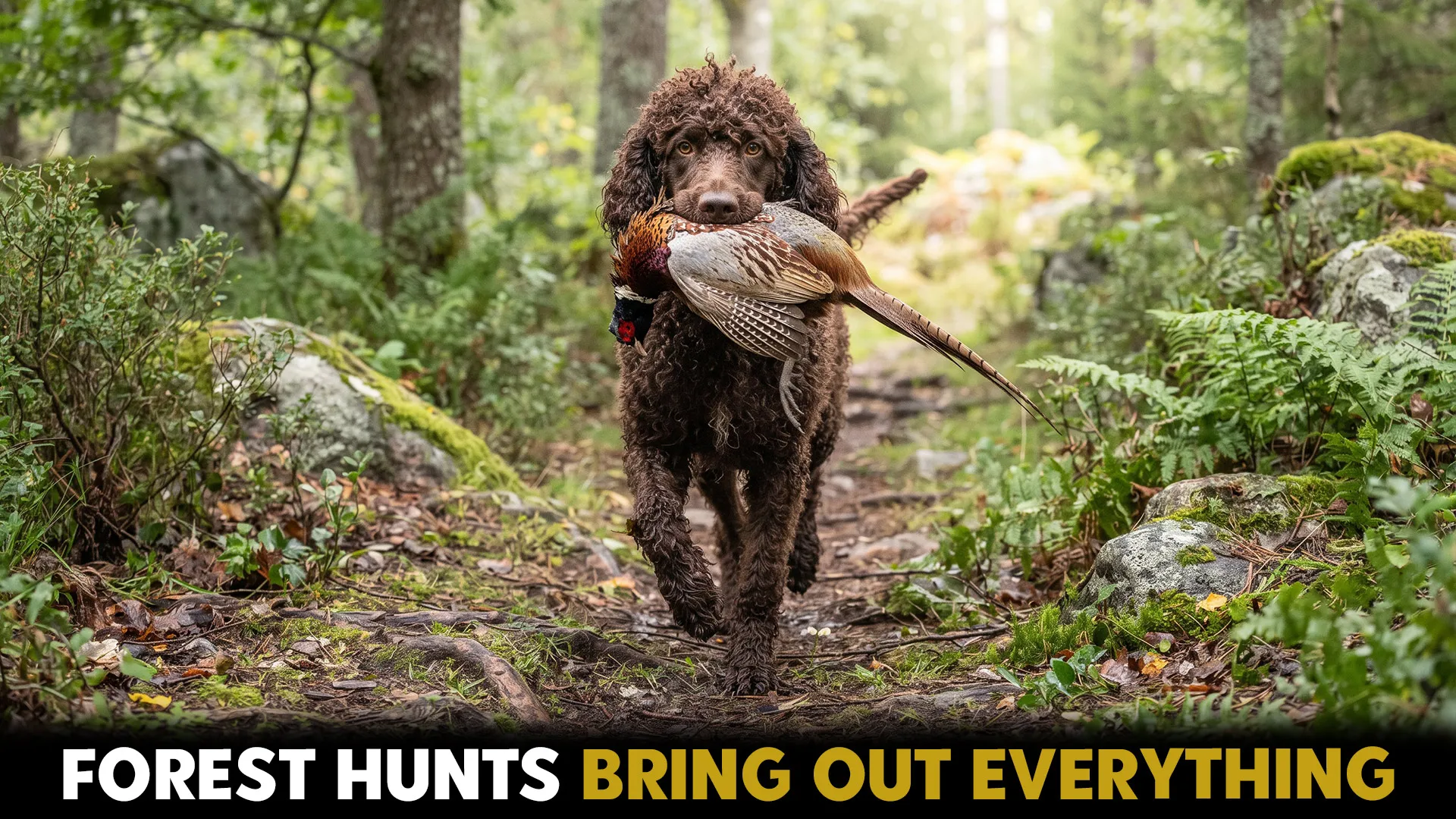
Hunting in a forest is a whole different game compared to retrieving or pointing in open fields. Dense foliage, thick underbrush, and rugged terrain can easily trip up standard hunting breeds, which is why you need a tough, hardy dog built for the job.
A good forest hunting dog breed needs to push through thick brush, handle rough ground, and shrug off fallen branches and heavy tree cover without missing a beat. That kind of work calls for a very specific mix of physical traits and natural instincts.
In this guide, we’ve rounded up the top seven dog breeds that specialize in forest hunting. We’ll break down what each one excels at, whether it’s pointing, tracking, retrieving, or flushing, and how they genuinely help hunters navigate whatever the forest throws their way.
You’ll also get the full picture on their exercise, training, and grooming needs. Because knowing a dog is good at hunting isn’t enough on its own; you also need to know whether it actually fits your schedule and lifestyle, and whether you’re really the right owner for that breed. So stick around.
Excellent Dog Breeds Specializing in Forest Hunting
1. German Wirehaired Pointer
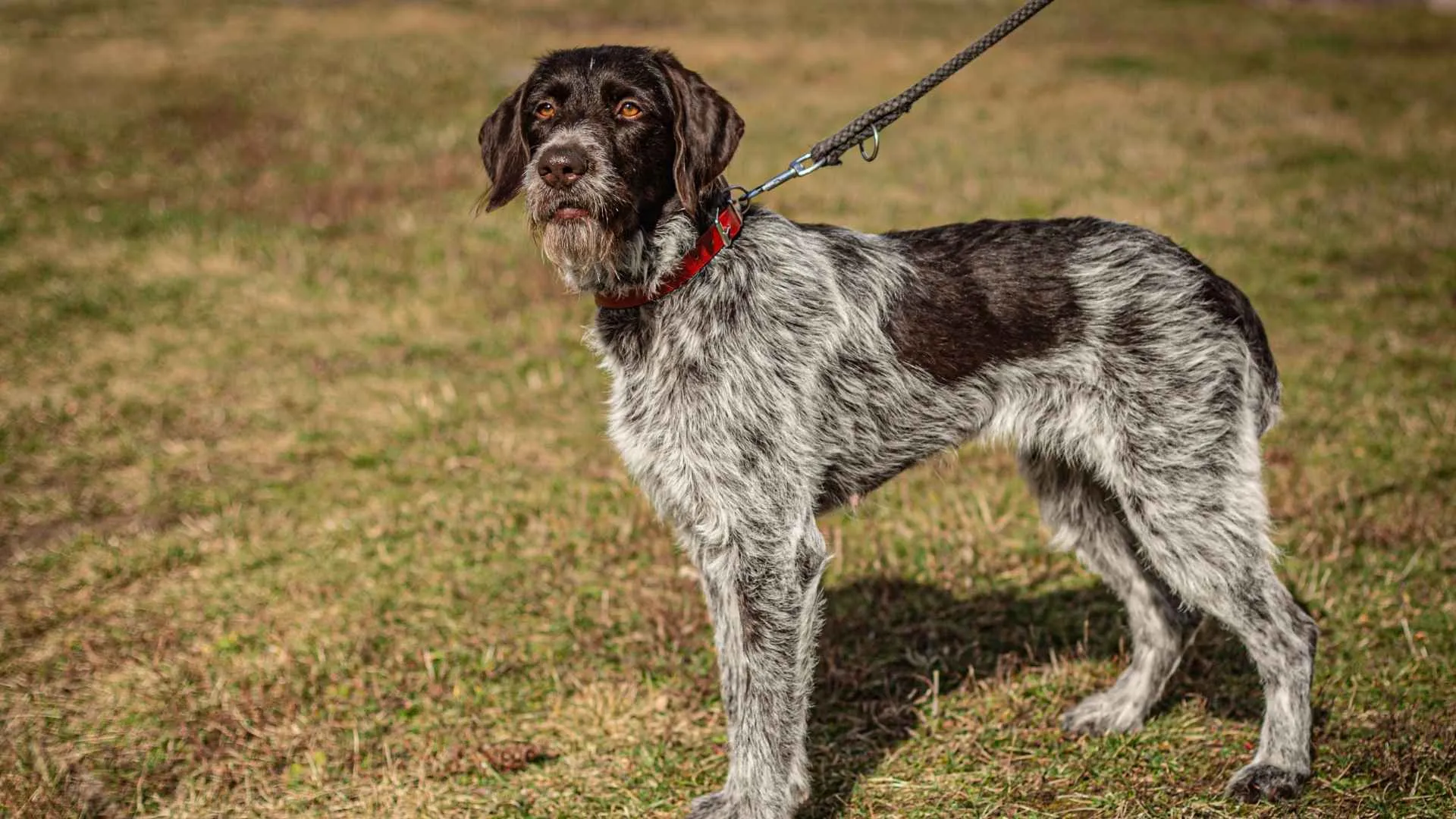
German Wirehaired Pointers are energetic, intelligent, and deeply loyal dogs with an eager-to-please attitude. They’re affectionate with family, highly alert, and switch into total focus mode once they’re outdoors. These medium-sized dogs were originally bred to be all-around hunting dogs.
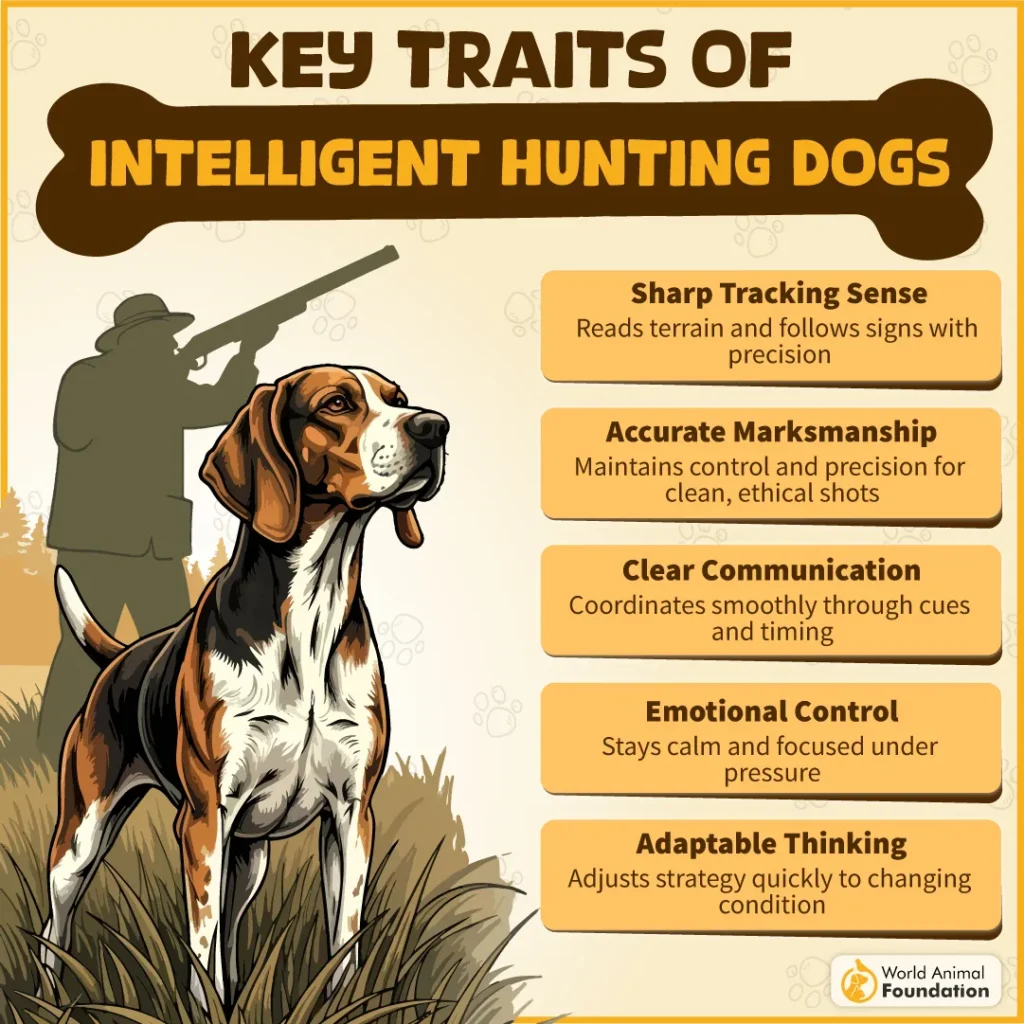
Their name pretty much says it all. As pointers, they freeze in place to signal an animal’s location to hunters. But GWPs aren’t one-trick dogs; they’re also skilled at tracking through heavy underbrush and can track, flush birds, and go after other small game just as easily.
Their signature harsh, wiry double coat helps protect them from thorns and rough brush in the forest, and their thick paw pads hold up well on rugged terrain too.
That said, GWPs need around 2 hours of exercise a day to stay mentally satisfied, according to the Royal Kennel Club. They also carry a high prey drive, so proper training is a must.
2. English Springer Spaniel
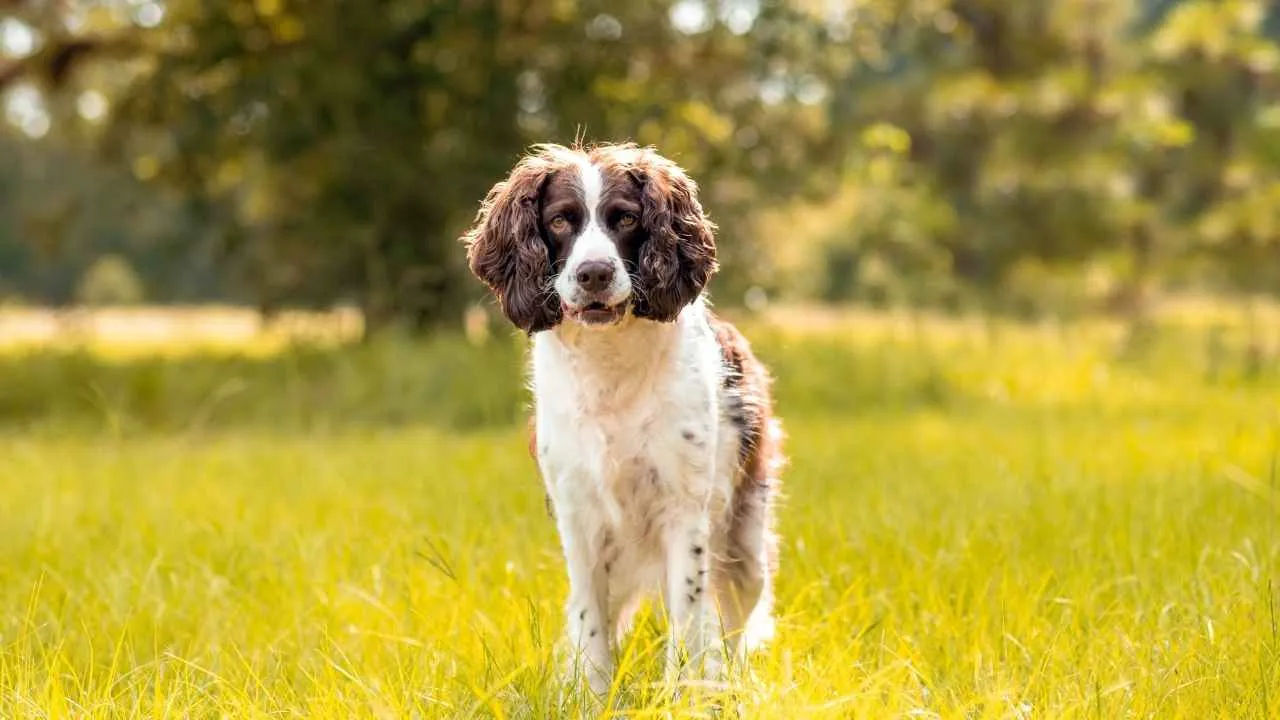
English Springer Spaniels are highly enthusiastic, obedient, and friendly dogs known for their joyful nature and strong work ethic. According to the AKC, they’re true bird dogs at heart, originally bred to flush out upland birds for hawks, nets, and guns. They’re also versatile enough to work both land and water, making them a real two-in-one gun dog.
Springers work closely with hunters, using their keen sense of smell to trail small game before flushing it out into the open. Their compact, medium-sized build is a real advantage too, letting them weave under low branches and through tight spaces where bigger dogs simply can’t follow.
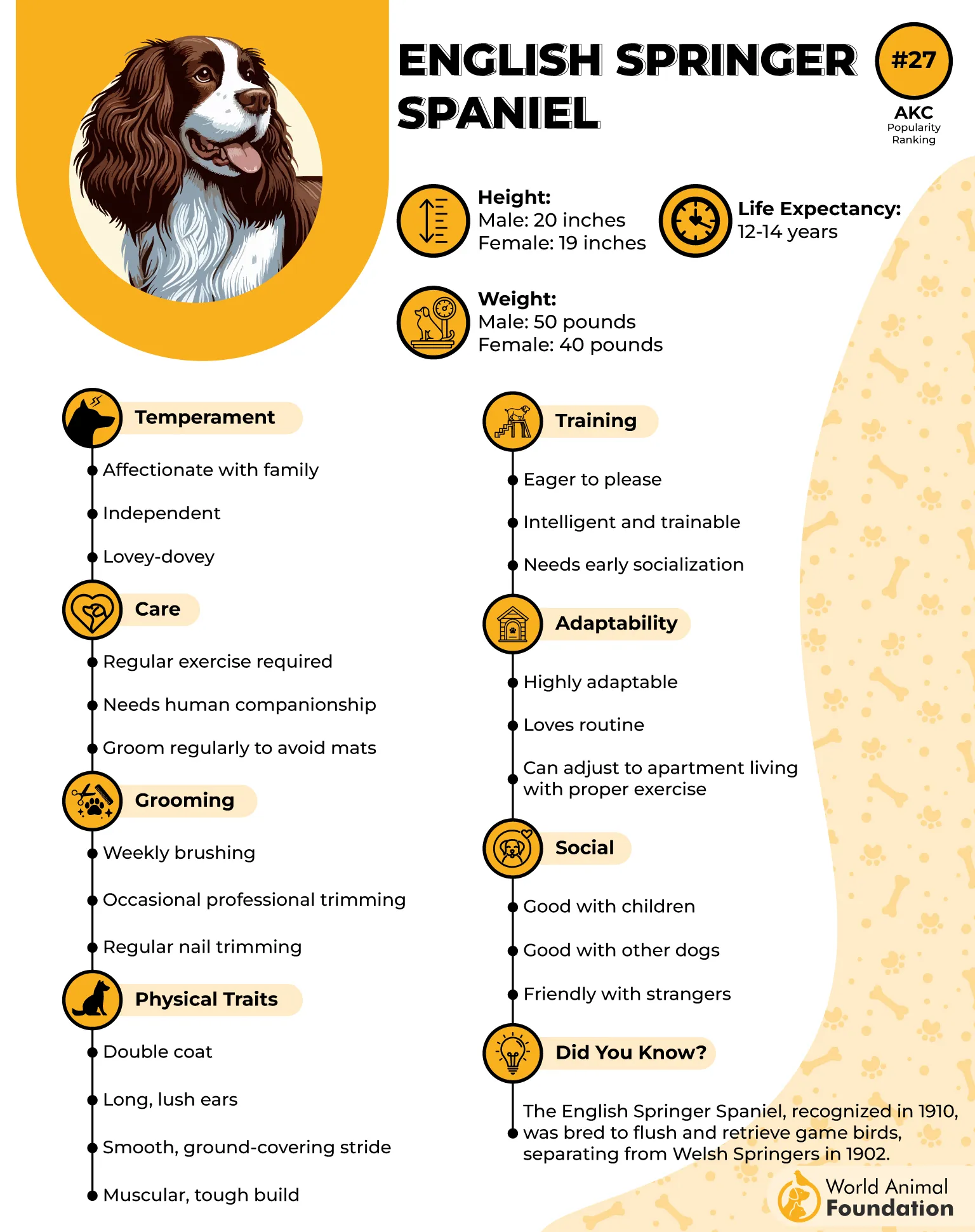
That energy comes with a bit of an independent streak and a strong prey drive, so proper training and early socialization really matter with this popular breed. Their coat sheds moderately year-round and needs brushing 2-3 times a week to prevent mats and clear out any twigs picked up along the way.
3. Boykin Spaniel
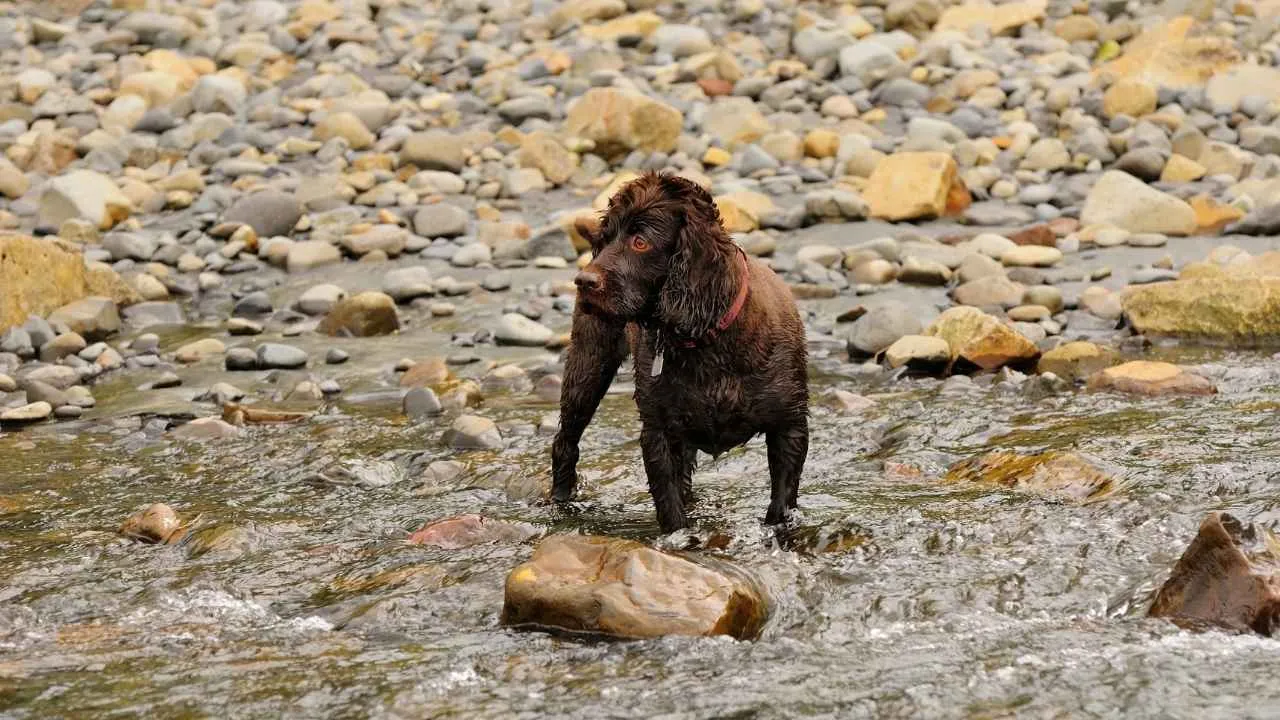
Boykin Spaniels were originally bred in South Carolina in the early 20th century to hunt wild turkey and ducks through the swamps. They’re energetic, friendly, deeply eager to please, and warm-hearted working dogs that bring real enthusiasm to the field while staying closely bonded with their human family.
These Spaniels make excellent companions, but they’re just as skilled at flushing, tracking, and scenting both upland game birds and waterfowl. Their process is simple but effective: flush the flock, bark to alert the hunter to the location, then retrieve the wounded game.
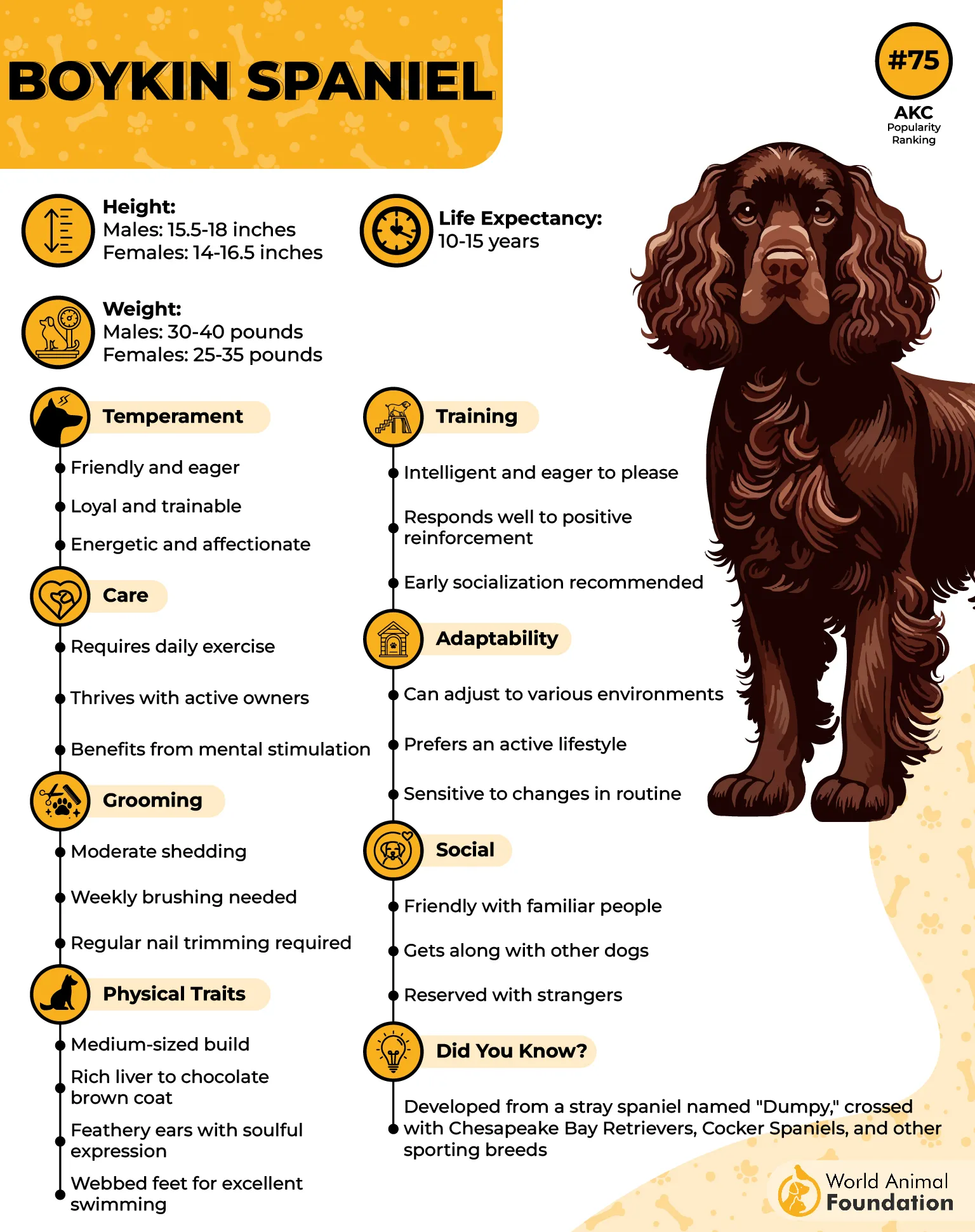
They’re also built for the job, with tough paw pads that handle rough terrain and webbed toes that make retrieving in water a breeze. These medium-sized dogs are highly active and trainable, and they respond best to positive reinforcement paired with consistent rules. As for grooming, Boykin Spaniels are an average shedding breed.
4. Labrador Retriever
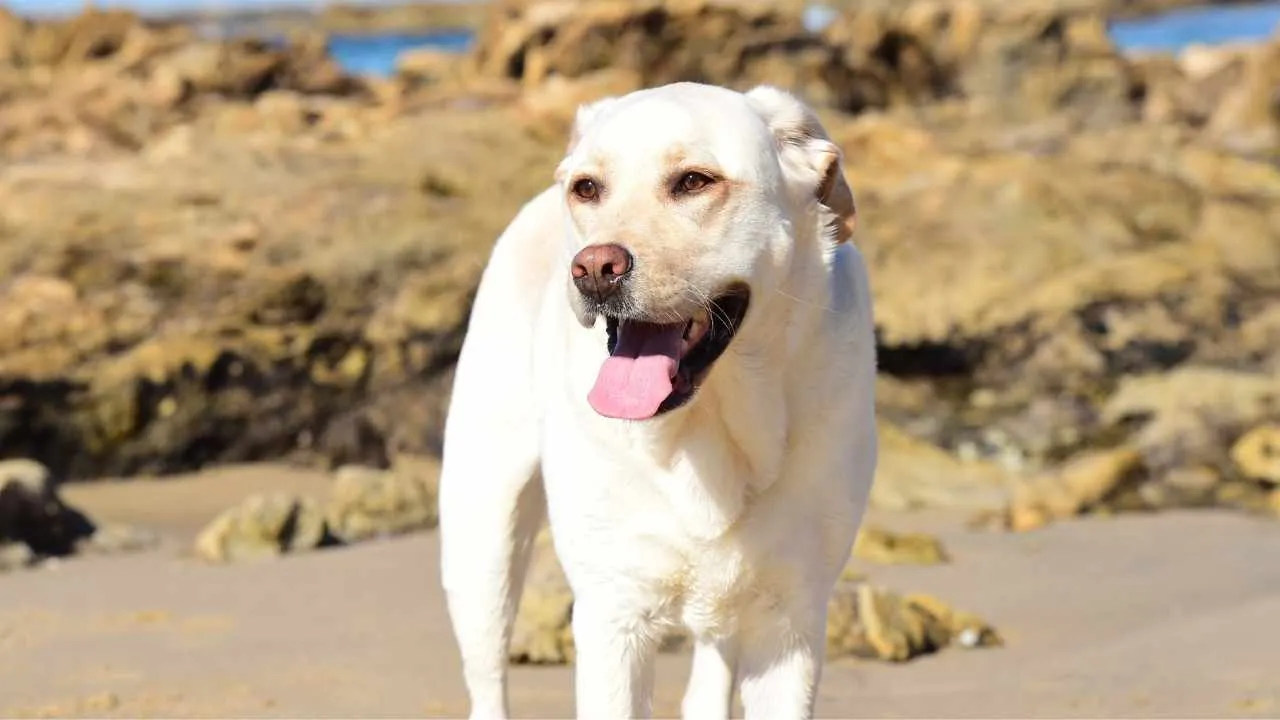
Labrador Retrievers are water lovers through and through, and honestly, they’ve got good reason to be. They were originally bred to help fishermen haul nets and retrieve fish that had slipped away, and it wasn’t long before their signature soft mouth made them stars at retrieving game instead.
While Labs are best known for catching downed birds and other game, they’re also surprisingly capable when it comes to scent tracking and flushing. Their short coat repels water and holds up well against sharp branches, cold and damp conditions, and everything else the forest throws at them.
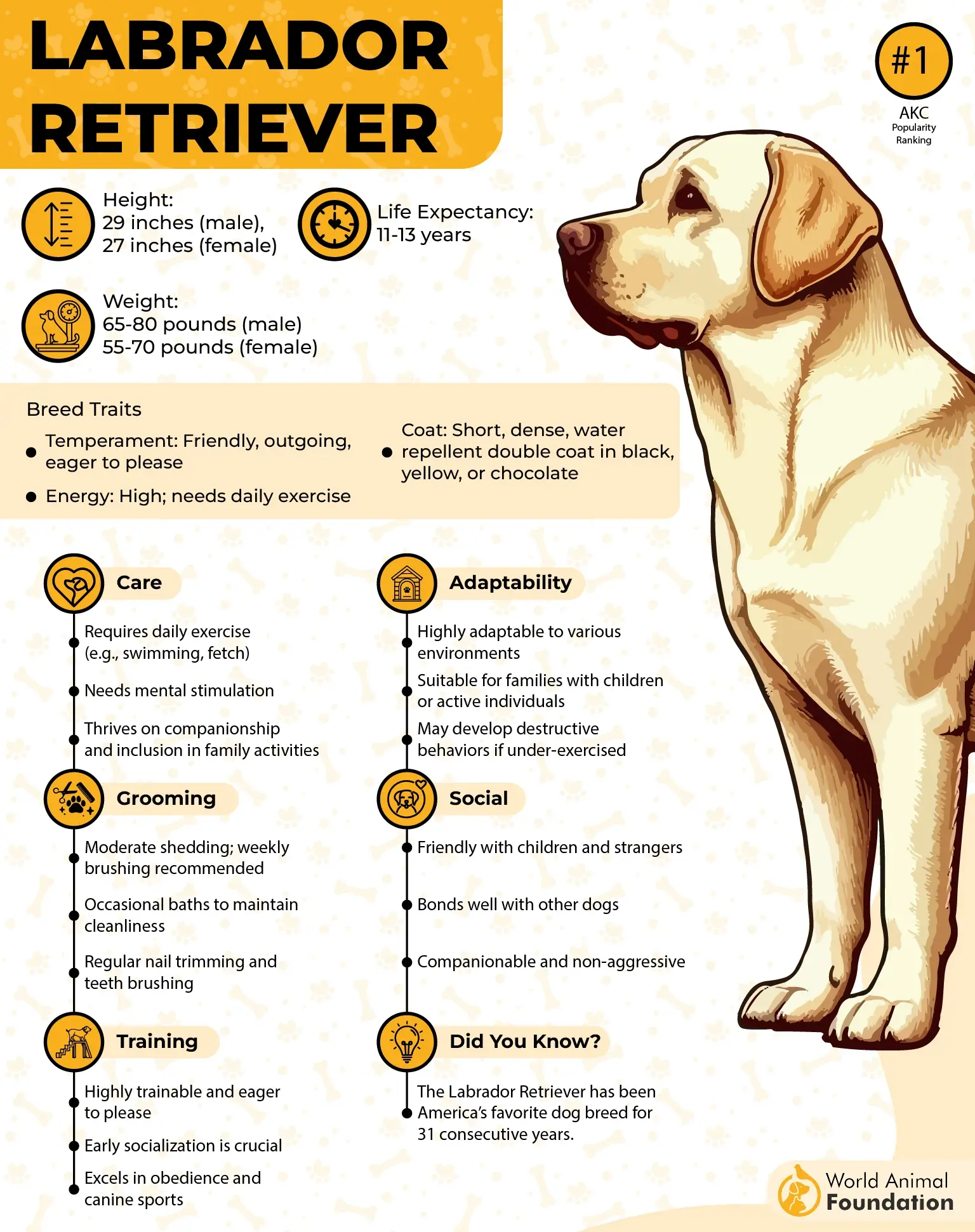
With high energy levels, Labs need around 60-90 minutes of exercise each day to stay happy. They’re also fairly easy to train using reward-based methods, which makes them a great fit for both first-time owners and more experienced hands. One thing to keep in mind, though: according to PetMD, these hunting dogs shed heavily year-round.
5. Treeing Walker Coonhound
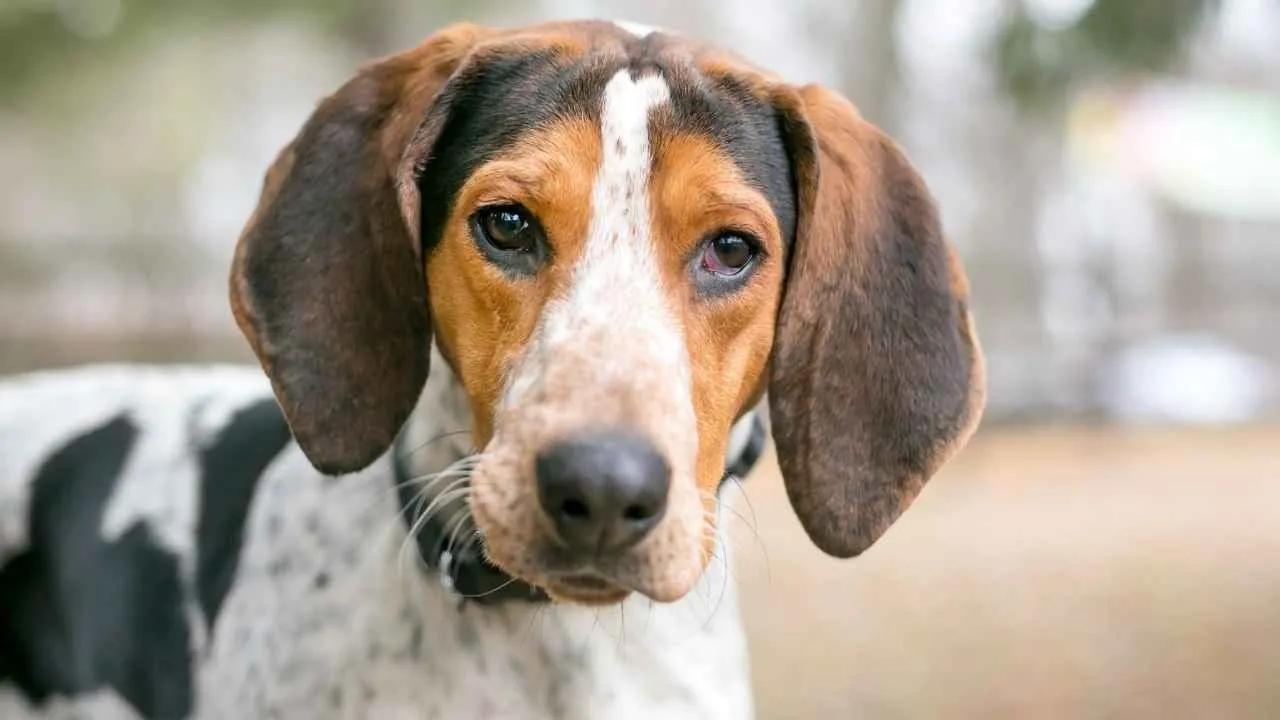
Treeing Walker Coonhounds are classic American working dogs, and don’t let the name fool you; they’re just as good at running as they are at “walking.” There’s actually a good reason they’ve earned the nickname “The People’s Choice,” a title that’s pretty unique in the dog world.
These Hounds were originally bred in the US to track raccoons and other forest game up into the trees. And they’re genuinely great at it, often called “hot-nosed hunters,” as VCA Hospitals puts it.
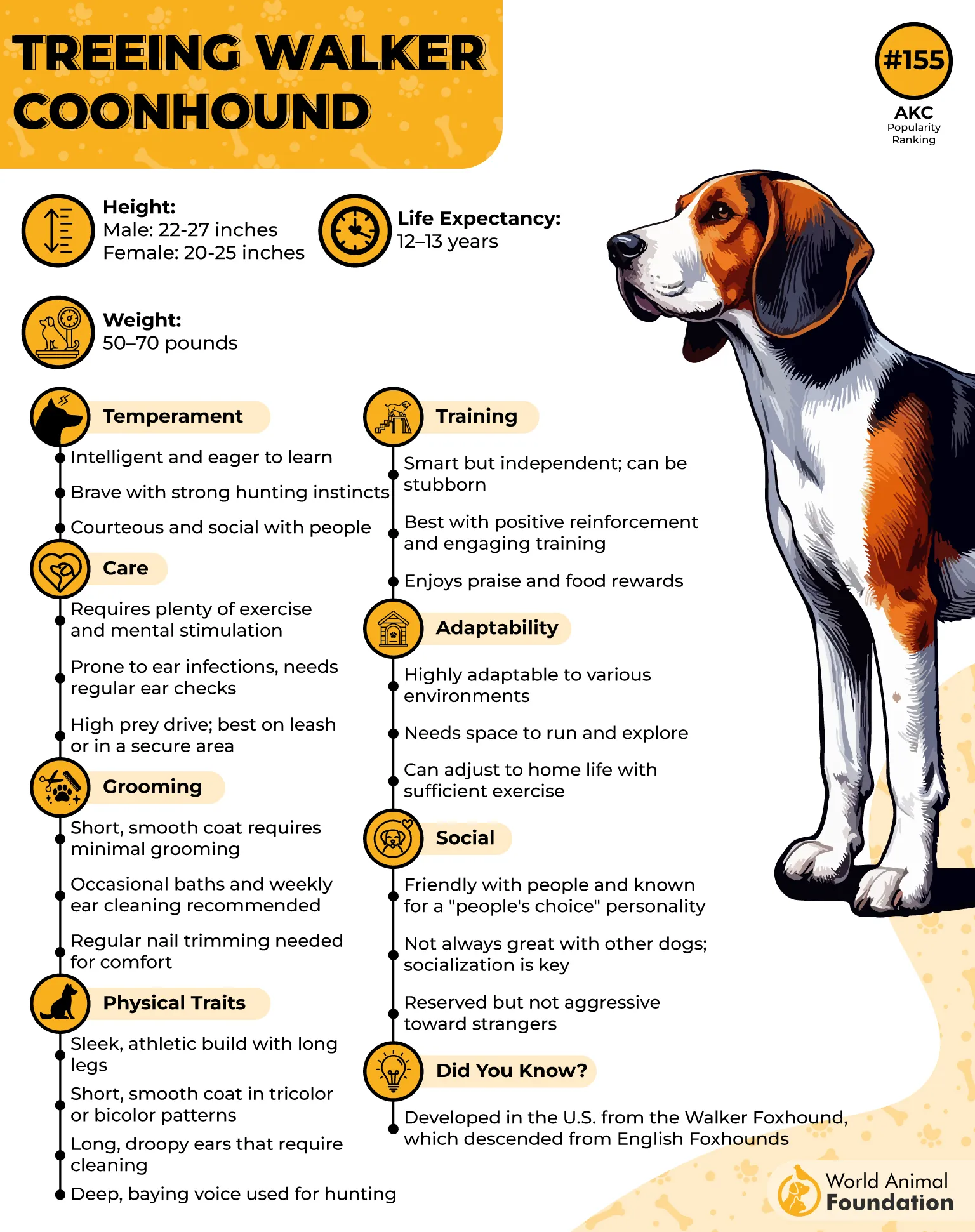
That nose makes them masters of hot scent trails, capable of tracking, treeing, baying, and trailing both small and big game.
These large Hounds also have a booming bark that helps hold an animal in place until the hunter catches up. Built for speed and agility, they run high on energy and have a bit of an independent streak, meaning they can get easily distracted by an interesting scent. Because of that, it’s best to keep them leashed when you’re out walking in parks.
6. Bloodhound
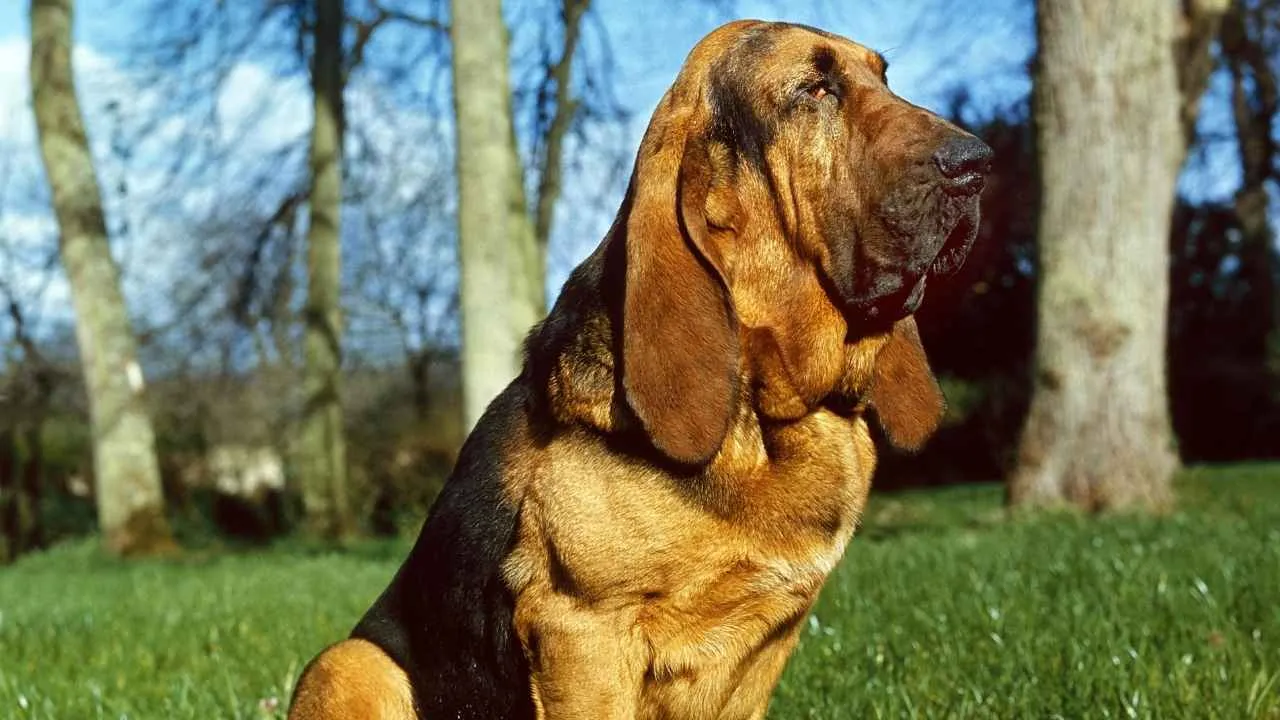
Bloodhounds are gentle, affectionate, and noble dogs with an even temper and a laid-back attitude. Originally bred for trailing large game like wild boar and deer, their incredible scenting ability eventually made them some of the best tracking dogs around, used to find both lost people and game animals alike.
They’re famous for picking up cold scents that other breeds miss entirely, and their tracking results are even considered reliable enough to hold up in court, which says a lot about just how good their nose really is.
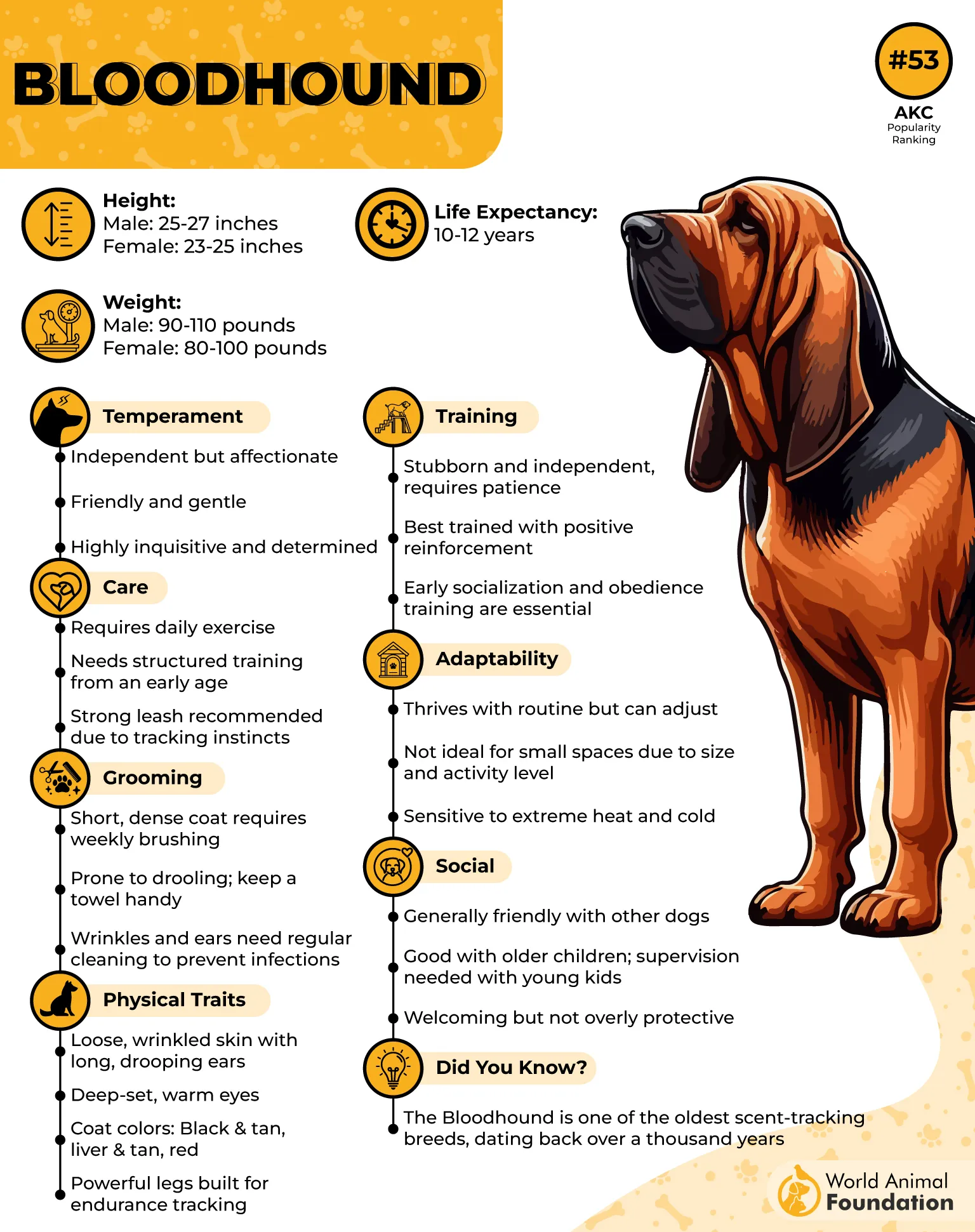
While tracking, Bloodhounds also let out a deep bark to let the hunter know exactly where they are. Even their loose, wrinkled skin and long droopy ears play a role, helping trap and funnel scent toward their nose.
These scent hounds need daily activity to stay fit and happy; think long walks, tracking games, and plenty of nose work. They’re known for being independent, so they do best with firm, confident owners who can take the lead. As for grooming, Bloodhounds have a short coat that sheds moderately and just needs a weekly brushing to stay in good shape.
7. Irish Water Spaniel
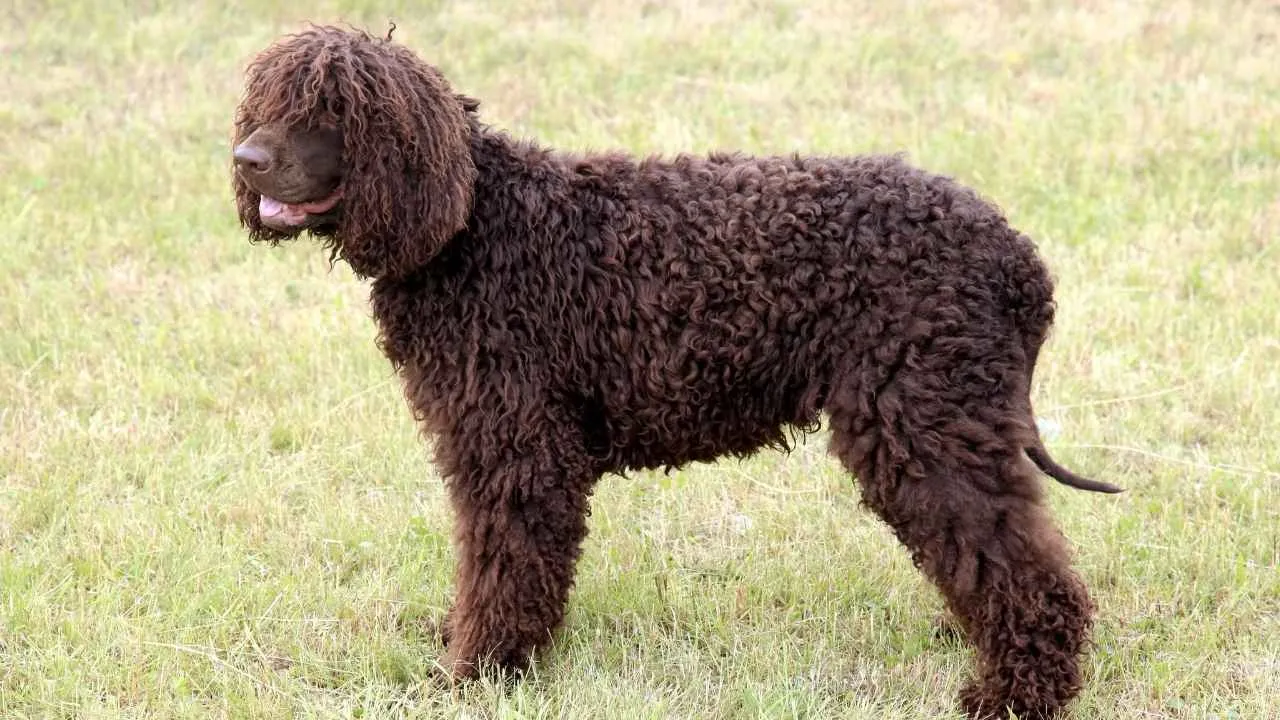
Irish Water Spaniels were bred to be dual-purpose gun dogs and waterfowl retrievers. They’re intelligent, alert, and highly spirited, with a charming, almost clownish personality. IWs take their work seriously but tend to settle into a calm, easygoing demeanor at home. Out in the field, they’re skilled at tracking, flushing, and retrieving game birds.
These energetic dogs have a tight, ringlet-shaped coat that naturally repels water and helps protect them from cold forest streams and ponds.
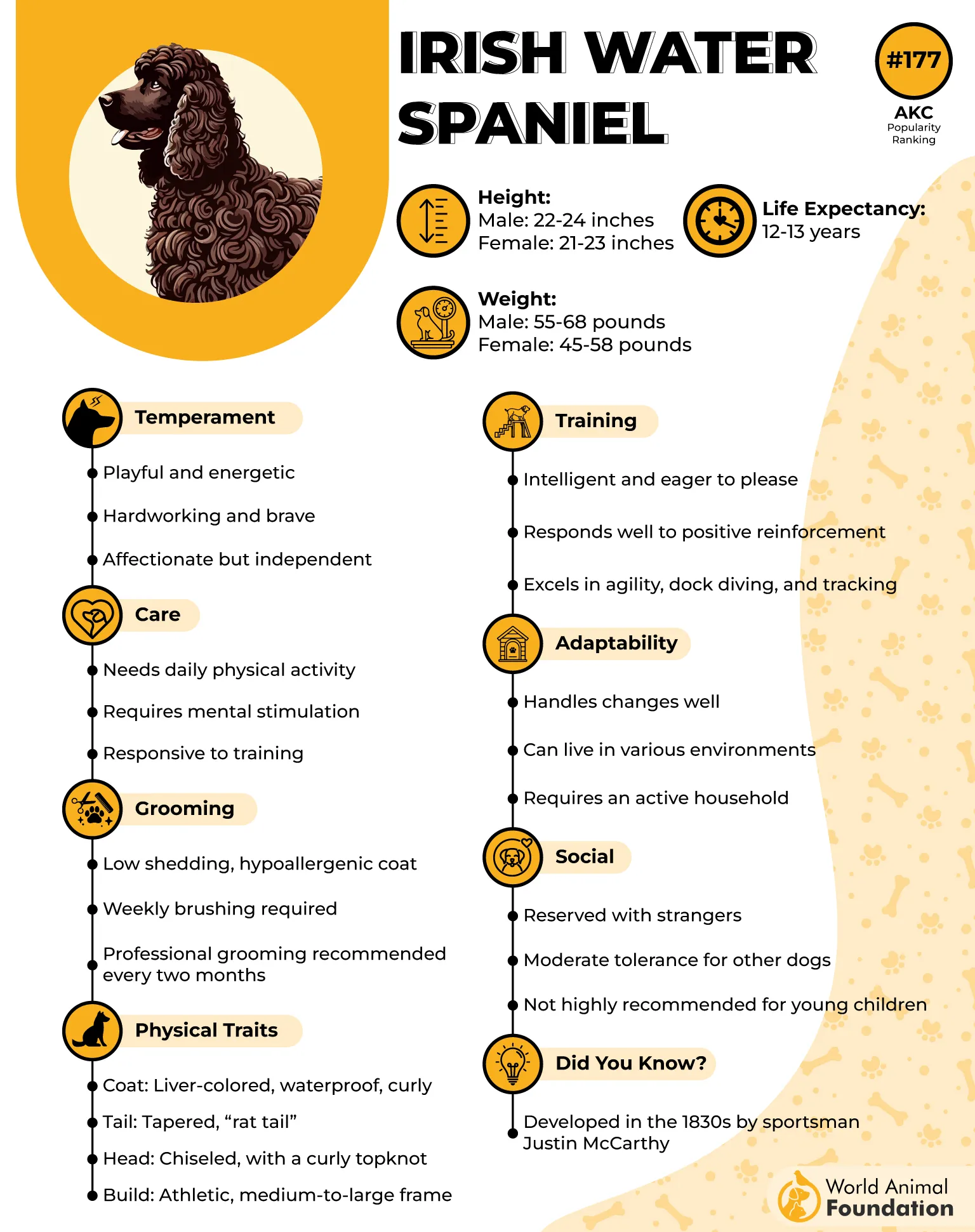
They’re also built with webbed feet, tough paw pads, and a distinctive rat-like tail that works like a rudder in the water, all of which makes them a natural fit for forest hunting.
That said, Irish Water Spaniels have high energy levels and need around 60-90 minutes of exercise a day. They’re eager to work, but every so often their clever, independent streak shows through. Grooming-wise, their curly coat sheds very little, though it does need brushing 1-2 times a week to stay tangle-free.
Conclusion
These seven sporting breeds stand out for forest hunting because of their proven history in pointing, retrieving, flushing, or tracking. They’re not lapdogs or pampered pups; they’re dogs that have been working the field since the day they were bred, and that’s exactly what they’ve been doing for generations.
That kind of history means they come with real, instinctive hunting skills, but it also comes with a flip side: stubbornness, independence, a strong will, and a high prey drive. So training really isn’t optional here. Make sure to go back through the details above and pick the breed that best matches what you’re looking for.
