




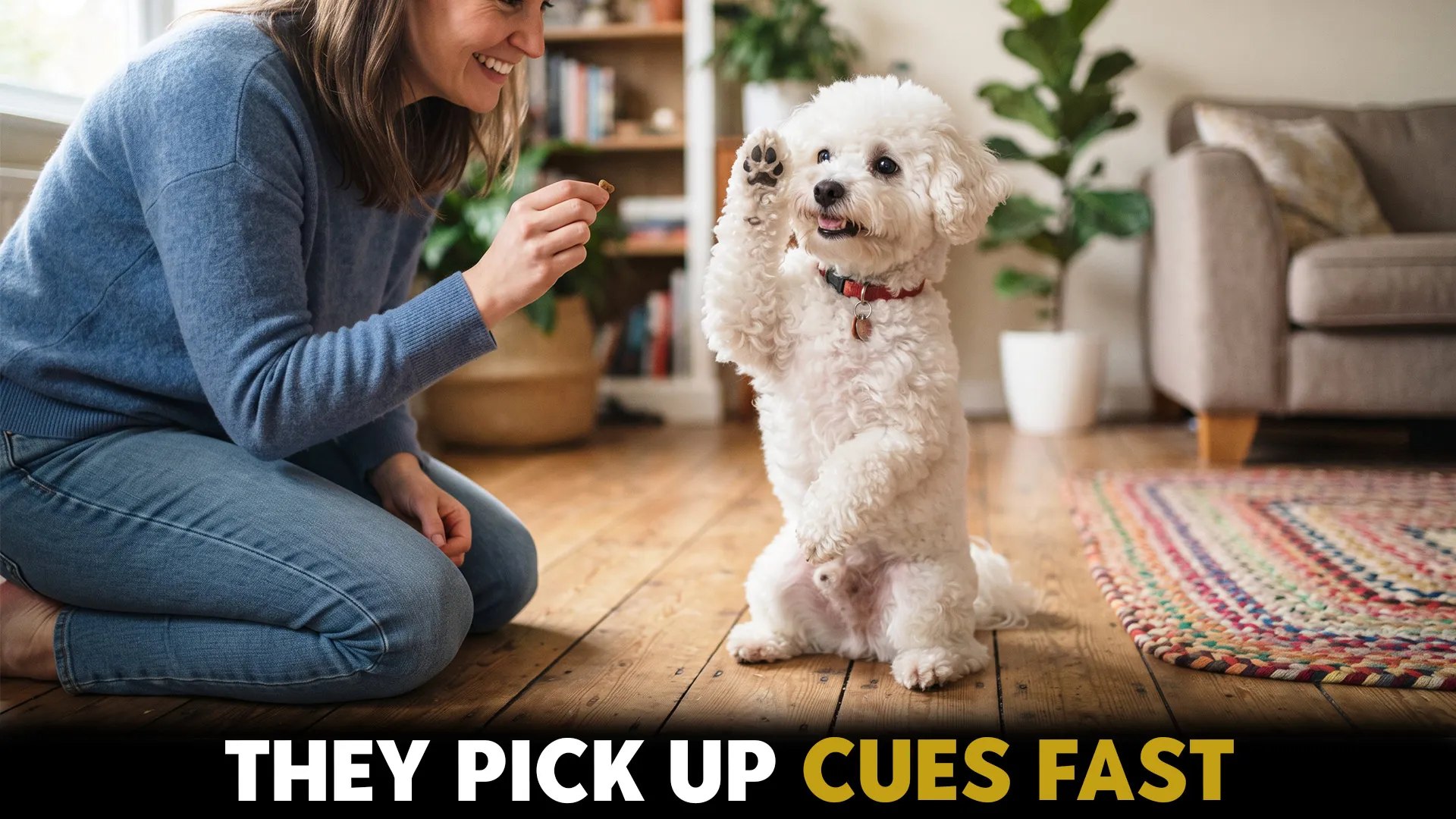
Small dogs often get labeled “stubborn,” but that’s not the full story. Some tiny pups are quick learners that genuinely enjoy working with you. They watch your face, read your tone, and figure out what you want faster than you expect.
The Papillon, for example, is ranked among the smartest dog breeds and is the only Toy Group breed on that list.
The seven breeds below are known for responding well to clear, patient training. They are not robots, and none will obey perfectly every single time. But with short sessions, treats, and plenty of encouragement, they can learn commands, tricks, and household manners quickly.
If you want a small companion that can keep up with your training goals, these little dogs may be exactly what you’re looking for.
Miniature Dog Breeds Known for Their Quick Training Response
1. Papillon
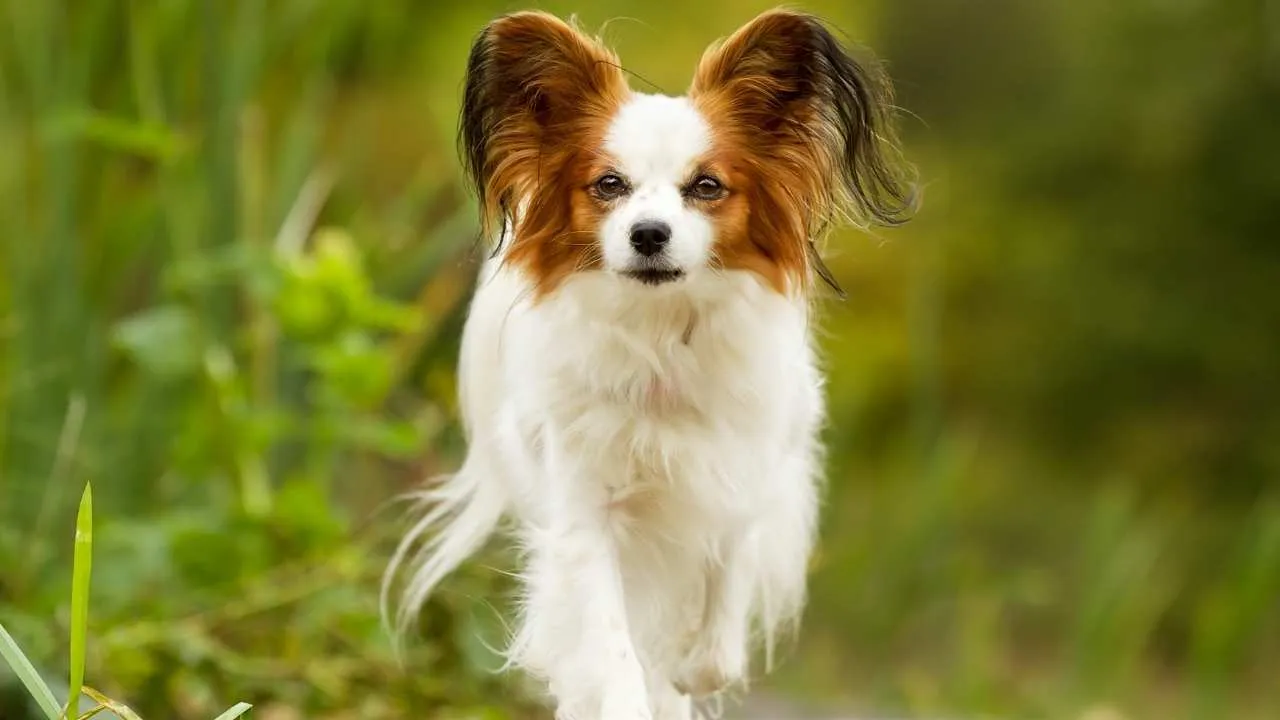
This toy Spaniel was originally bred in France and was favored by noblewomen. The small dog breed was also depicted in paintings from the 13th century. Because of its unique ears, it was given a name that translates to ‘the butterfly ears,’ according to Orvis.
It has a strong prey drive mechanism for a working gundog, making it naturally responsive to human signals. The forward-facing eyes and large ears with acute auditory tracking provide hypersensitivity to environmental cues. Because of its high speed and agility, the breed can perform complex motor sequences easily.
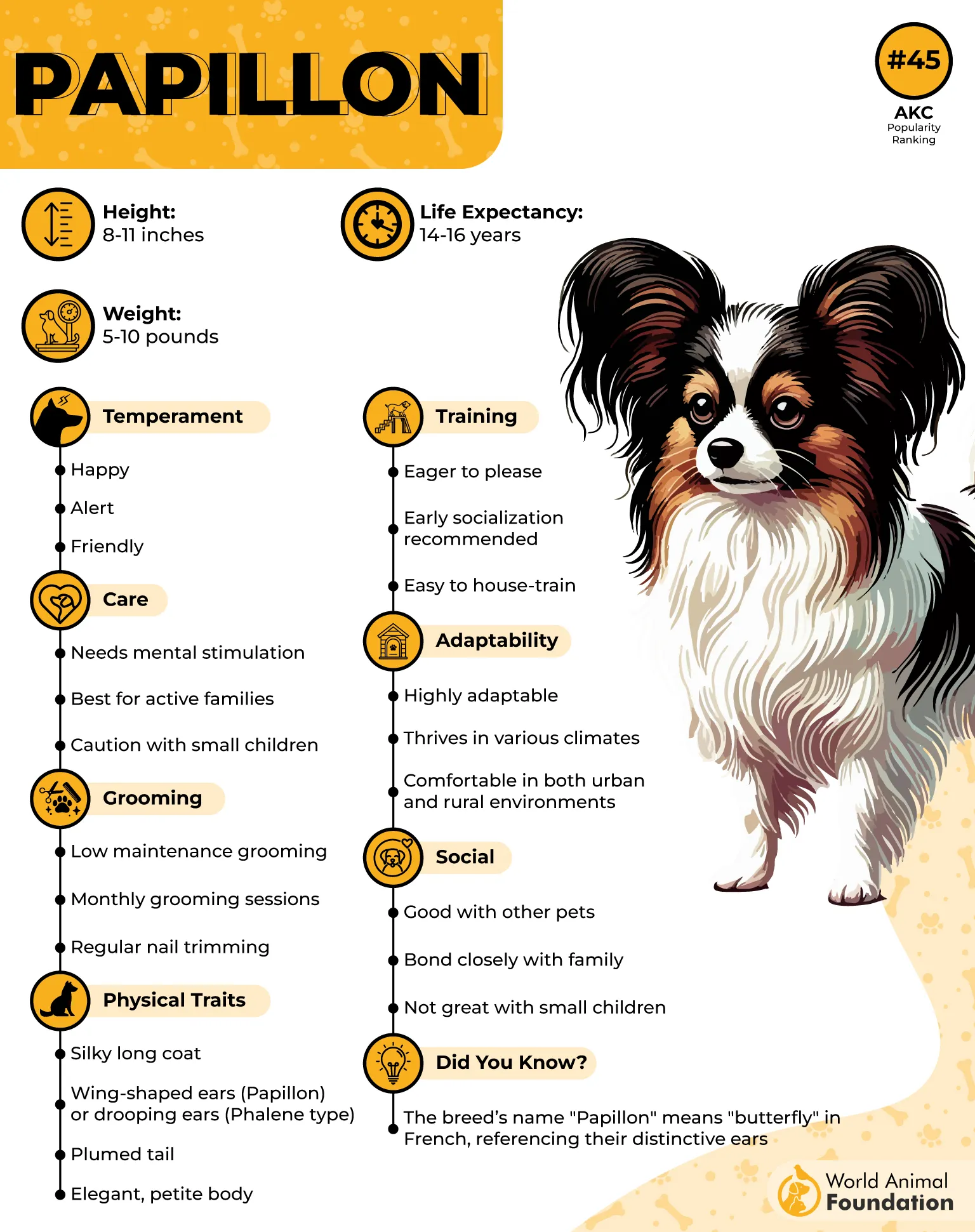
Go for shaping and clicker training rather than luring. Move quickly to agility, obedience training, and trick training. Keep formal sessions between 5-10 minutes for puppies and scatter the day into 2-3 micro-sessions.
2. Miniature Schnauzer
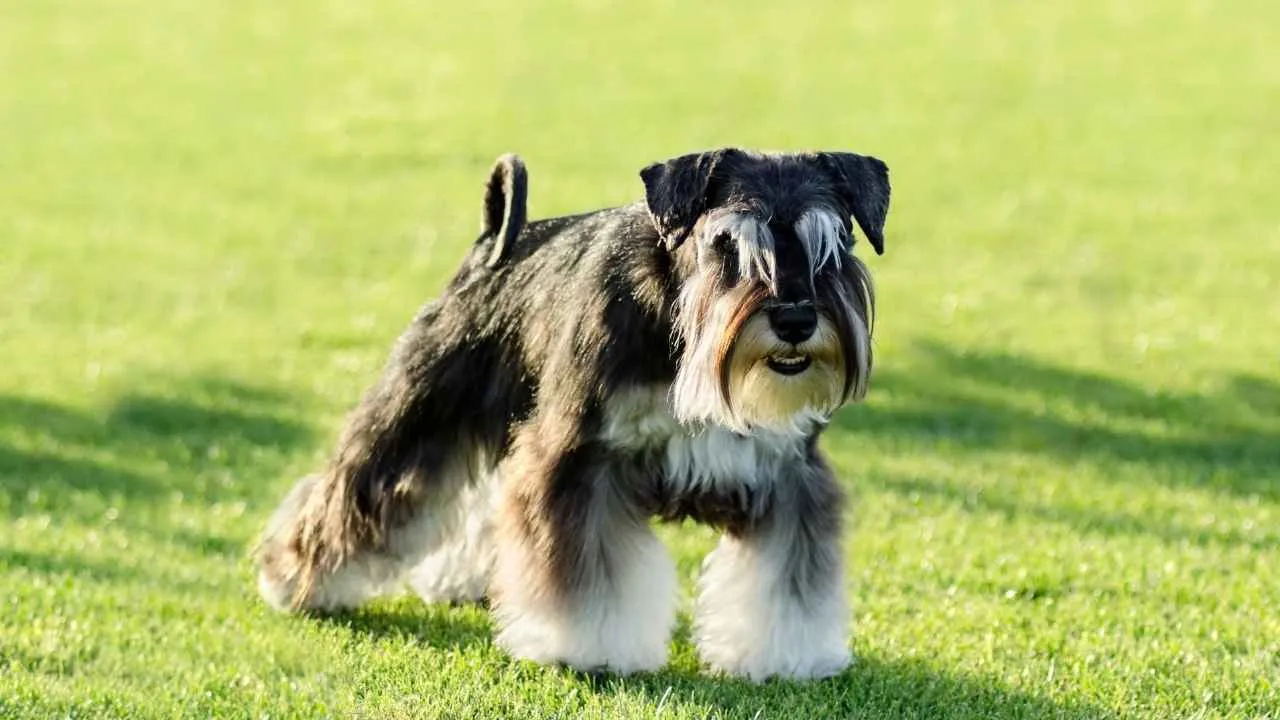
The little dog was originally developed in Germany as a farm dog to catch rats. The ancestors were found in the 15th century, but the modern-day Miniature Schnauzer was bred in the 19th century by crossing the Affenpinschers, Standard Schnauzer, and the Poodle.
With its robust memory matrix, the small breed dog can map household routines quickly, and rather than waiting for a direct command, the mixed breed follows the trial-and-error method to learn tricks. Since it forms strong bonds with the owner, it tends to make them happy by being obedient.
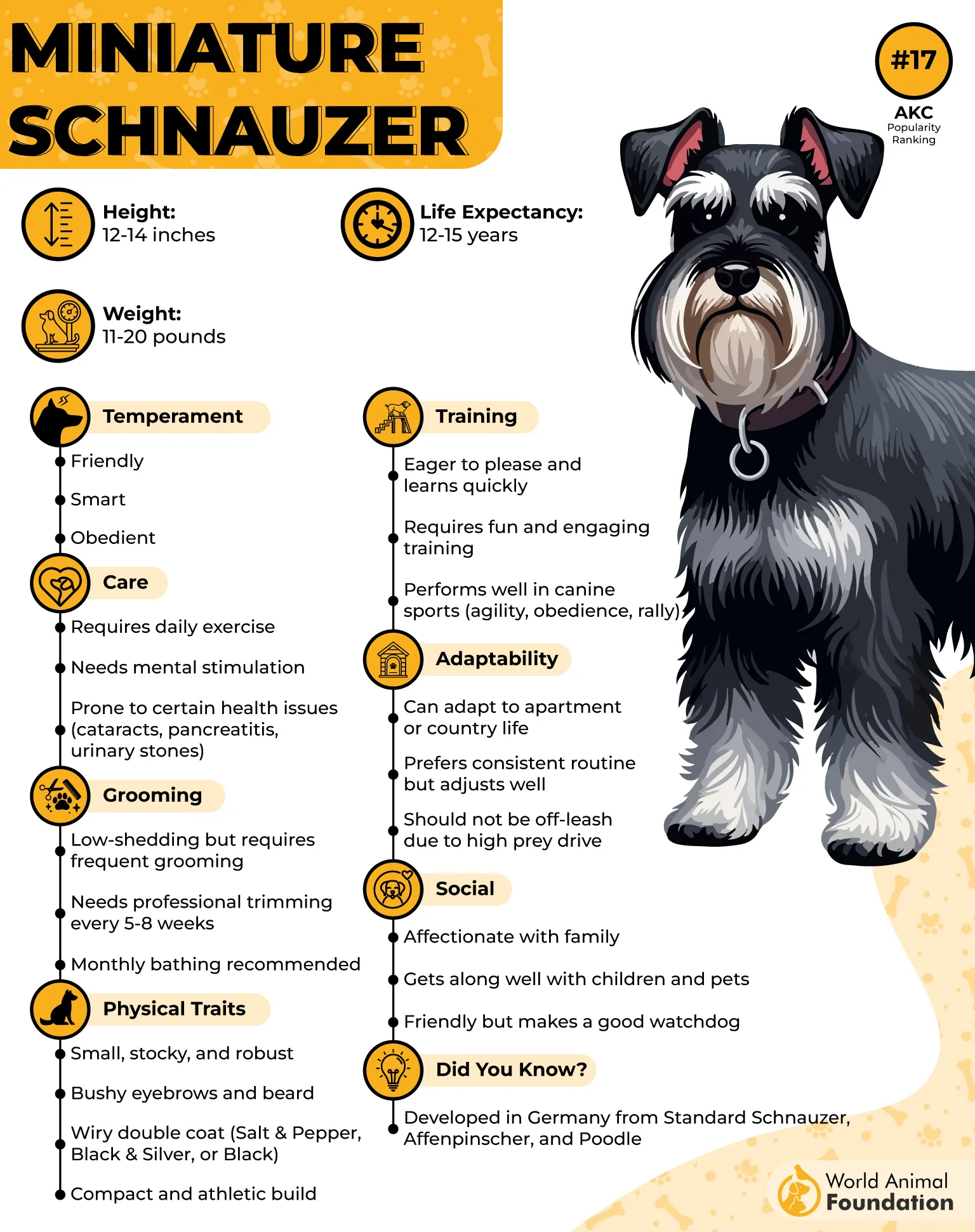
Los Angeles Times mentions that this small dog breed is highly food-motivated. This, combined with positive reinforcement (toys and clicker training), is the ideal approach to train the breed. Avoid long and repetitive sessions to avoid boredom and stubbornness.
3. Cavalier King Charles Spaniel
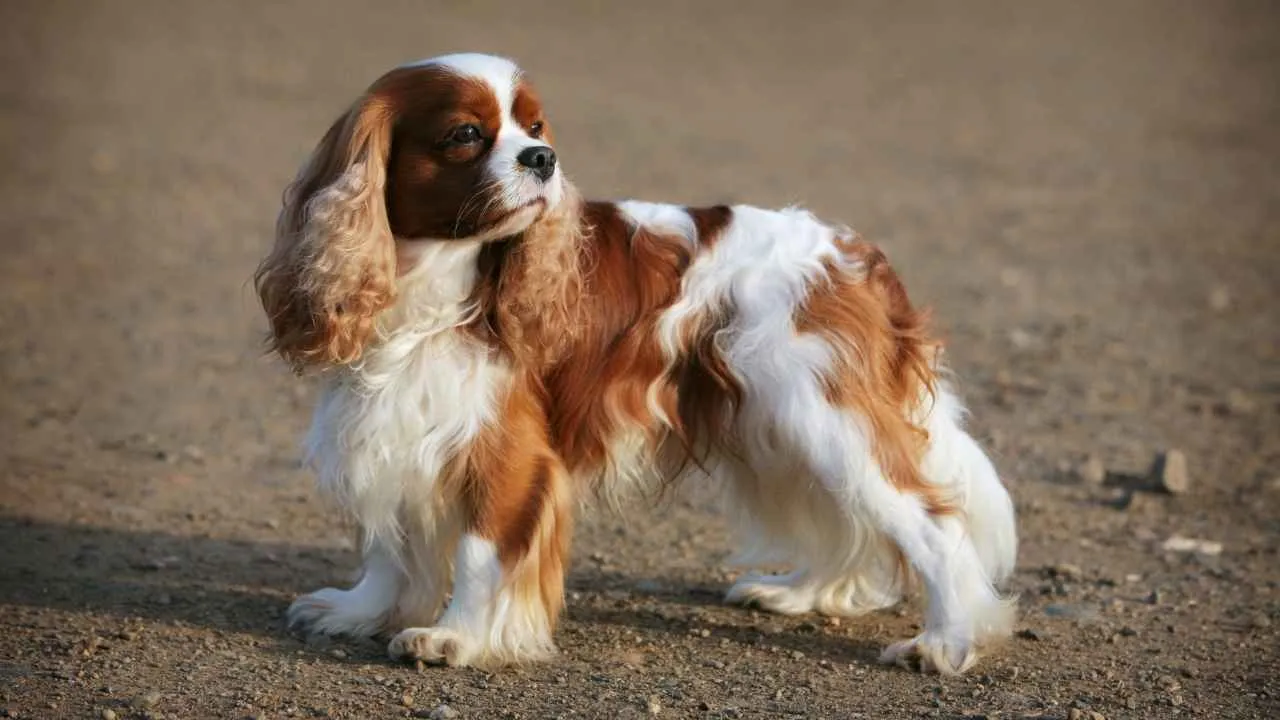
The breed was originally developed to hunt birds. However, its small stature and even temperament make it a great companion and a lapdog. It was mixed with some Asian toy breeds, such as the Japanese Chin and the Pug, during Queen Victoria’s reign.
The tiny dog needs face-to-face visual affirmation from the handler. The Cavalier has a moderate energy threshold, allowing it to switch from a resting phase to focused training. It has low defensive aggression and tends to follow the human lead. Counteract its pulling instinct early using structured leash sessions.
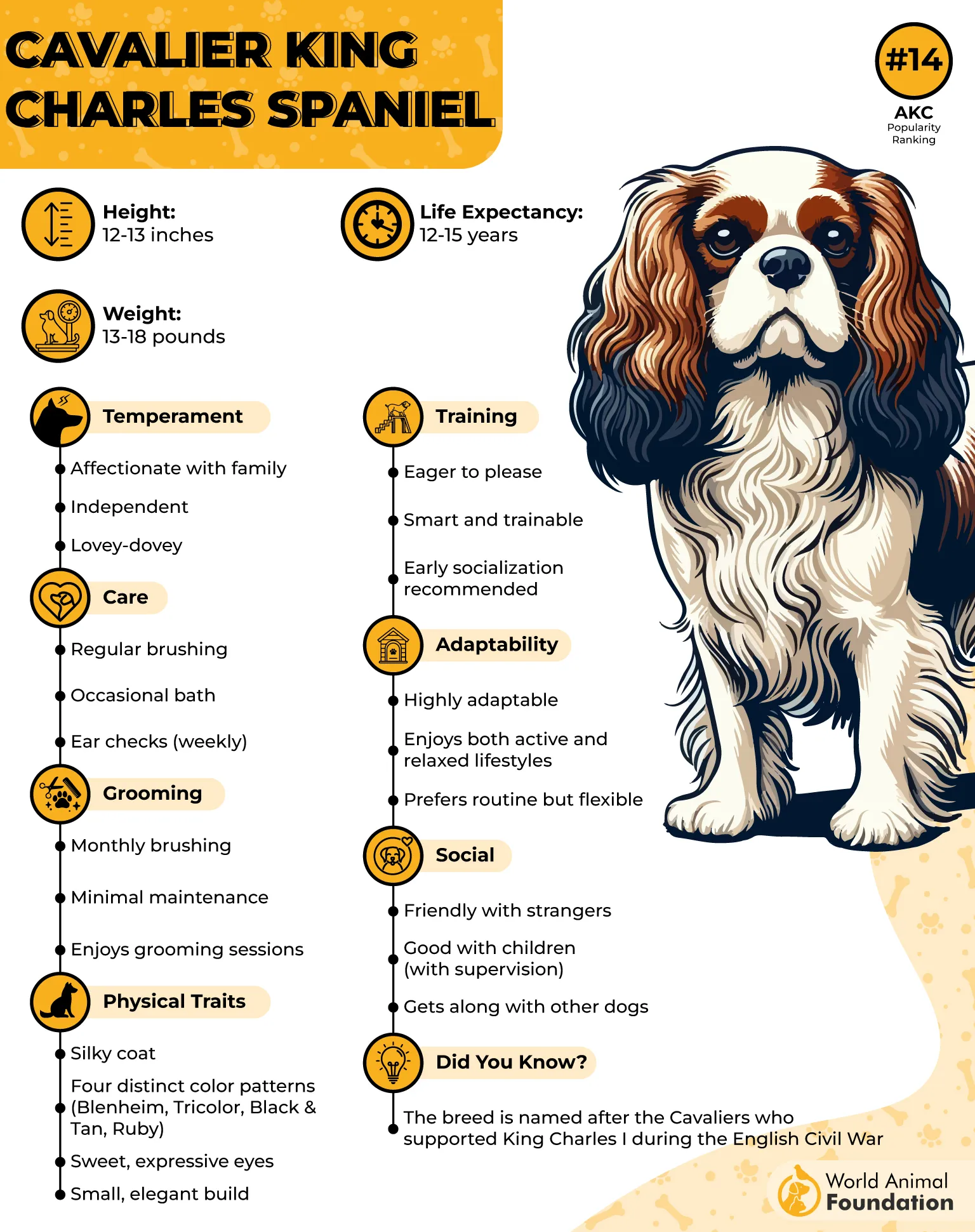
Being a velcro dog, the dog is prone to separation anxiety when left alone for too long. Thus, avoid harsh training since it is highly emotionally sensitive. Teach it how to switch off by sending it to the designated mat.
4. Pembroke Welsh Corgi
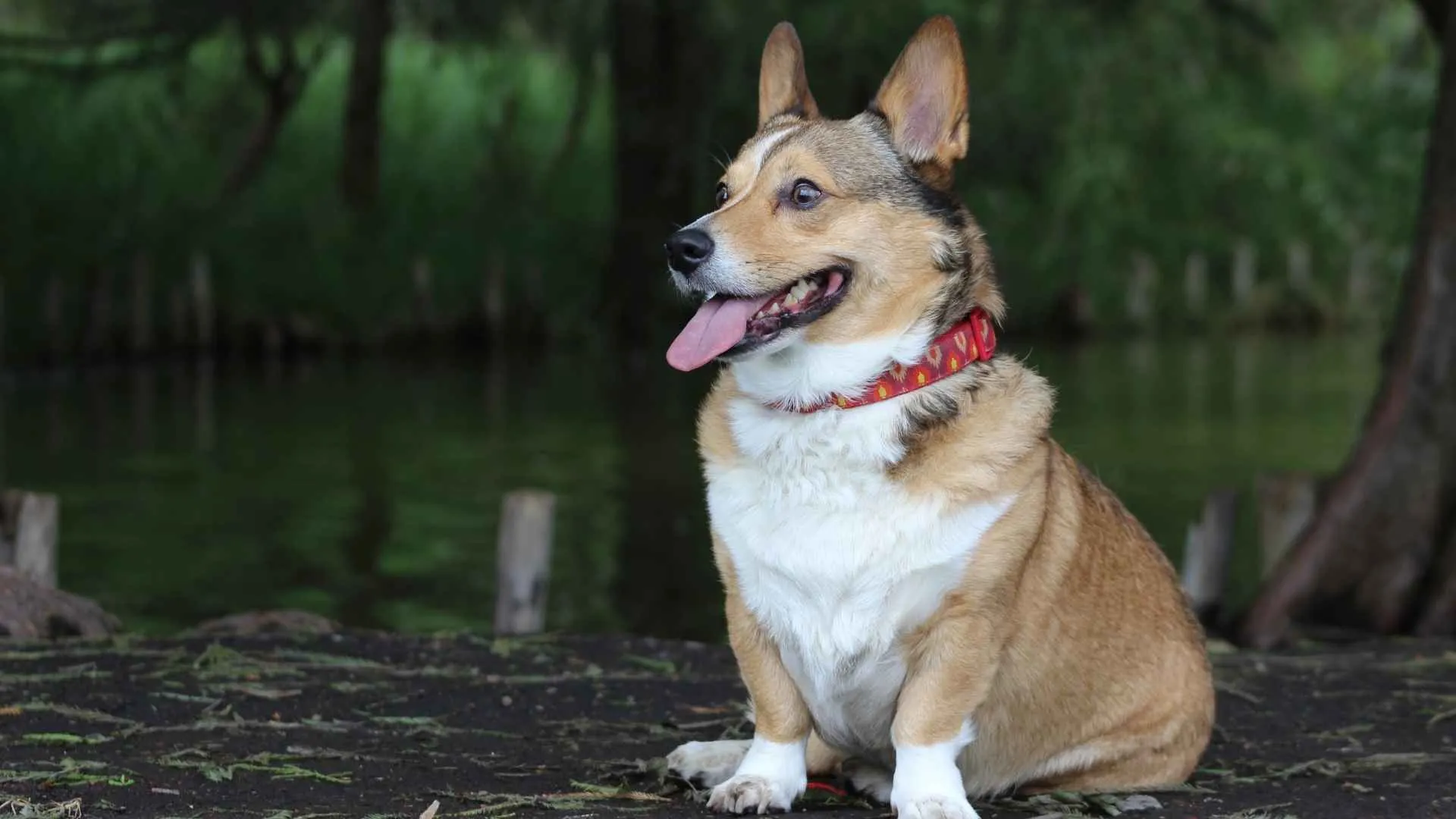
The breed was developed in Wales and is thought to have descended from the Swedish Cattle dog, found in the 9th and 10th centuries. The primary purpose of the herding breed was to drive cattle and sheep and nip at the heels of the stubborn livestock. Queen Elizabeth II became fond of the breed ever since she received her first Pembroke in 1933.
The perfect pet is prone to weight gain because of its high food drive. It has an attentive, foxy face and an alert posture that translates into high visual and auditory attentiveness. The short legs and low-to-the-ground body stature provide rapid movements. It focuses heavily on shifting emotions because of its herding history.
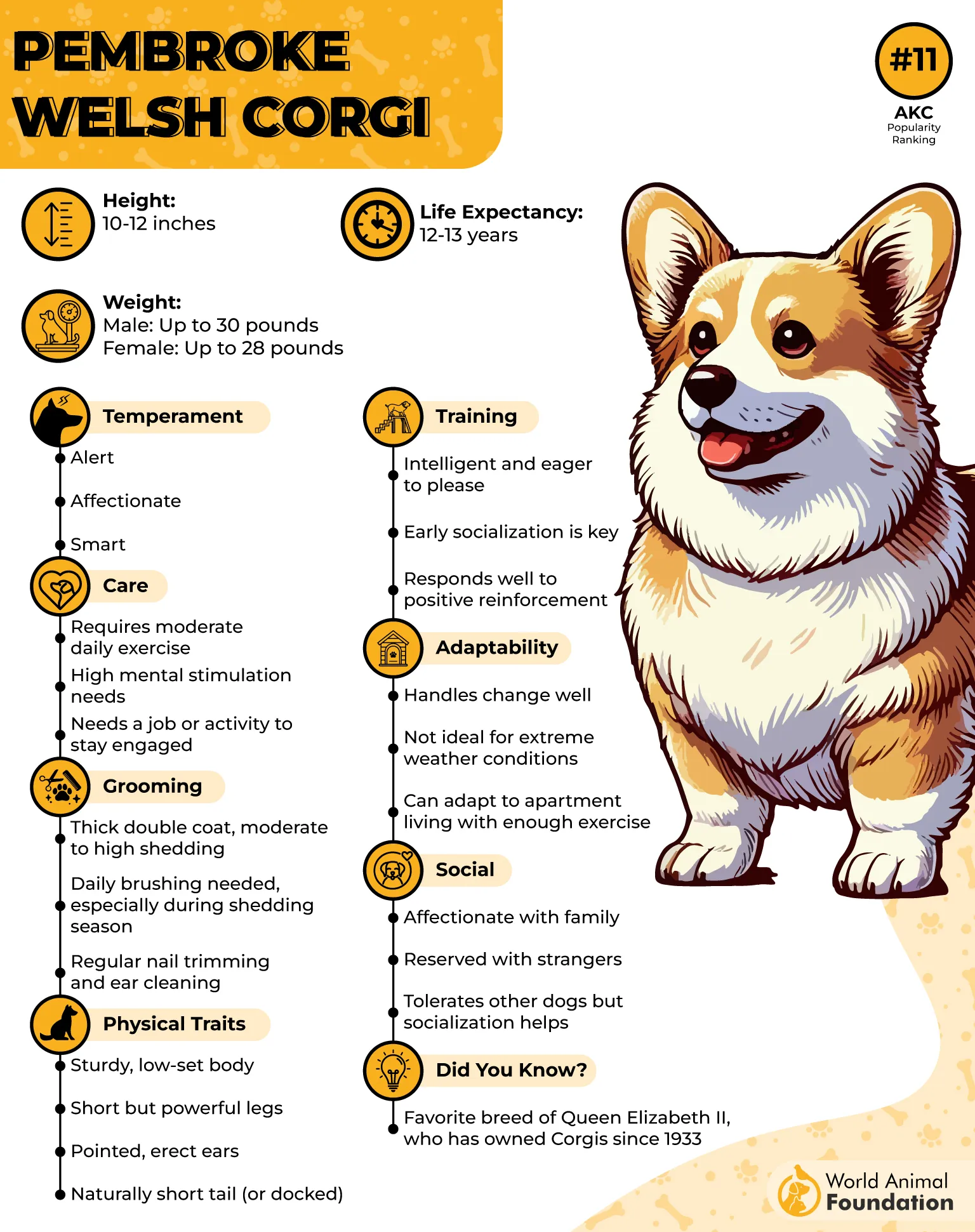
Since it was bred as an independent breed, it may be stubborn without proper training and early socialization. Treat the biting trait with interruption and redirection. Teach the breed basic commands, such as ‘quiet’ and ‘enough’ to control excessive barking.
5. Bichon Frise
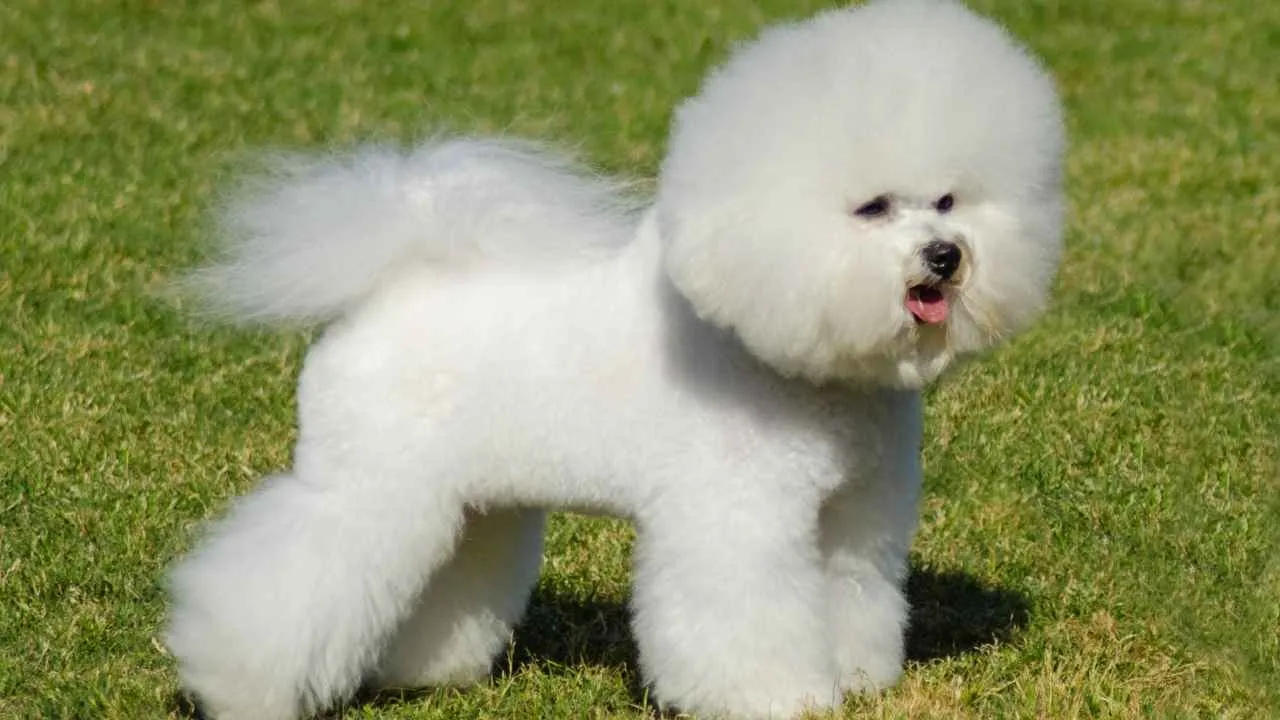
The history of the ancient breed dates back to the Canary Islands in the 13th century, when it was used by sailors in trading and was favored by the French royalty. However, it lost its status after the French Revolution. Soon, it became a circus and street dog for its survival.
Because of its high intelligence, the breed can learn new tricks and commands within 25-40 repetitions. Its nervous system is calibrated to monitor human expressions, vocal inflections, and body language, allowing it to capture training cues efficiently. Because of its circus history, the breed tends to learn commands to please the audience.
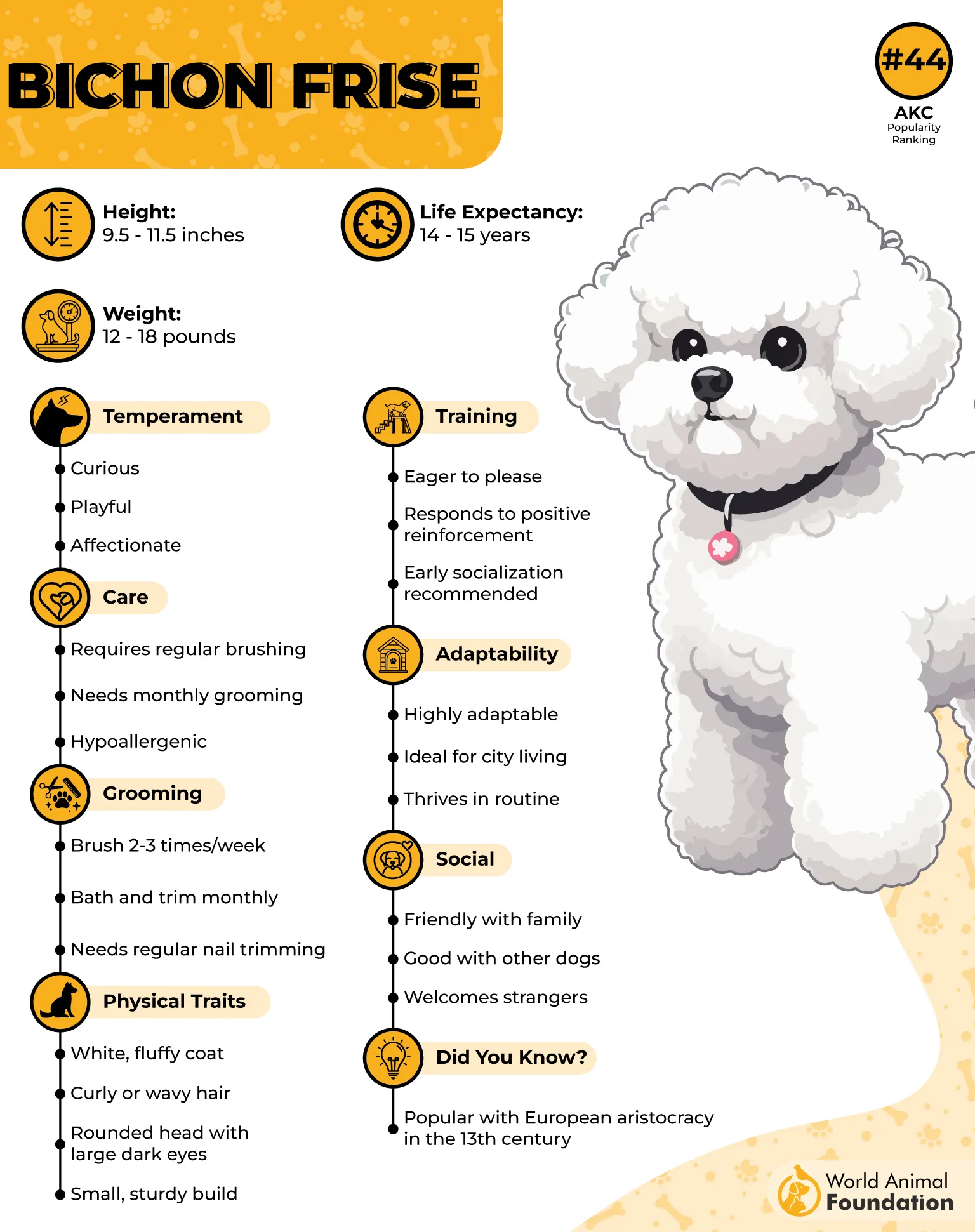
Establish a marker sound, such as ‘charge,’ before teaching any command, and then deliver a treat. Do this at least 10-15 times a day until the dog starts responding. It excretes frequently because of the small bladder; thus, set housebreaking rules at an early age.
6. Boston Terrier
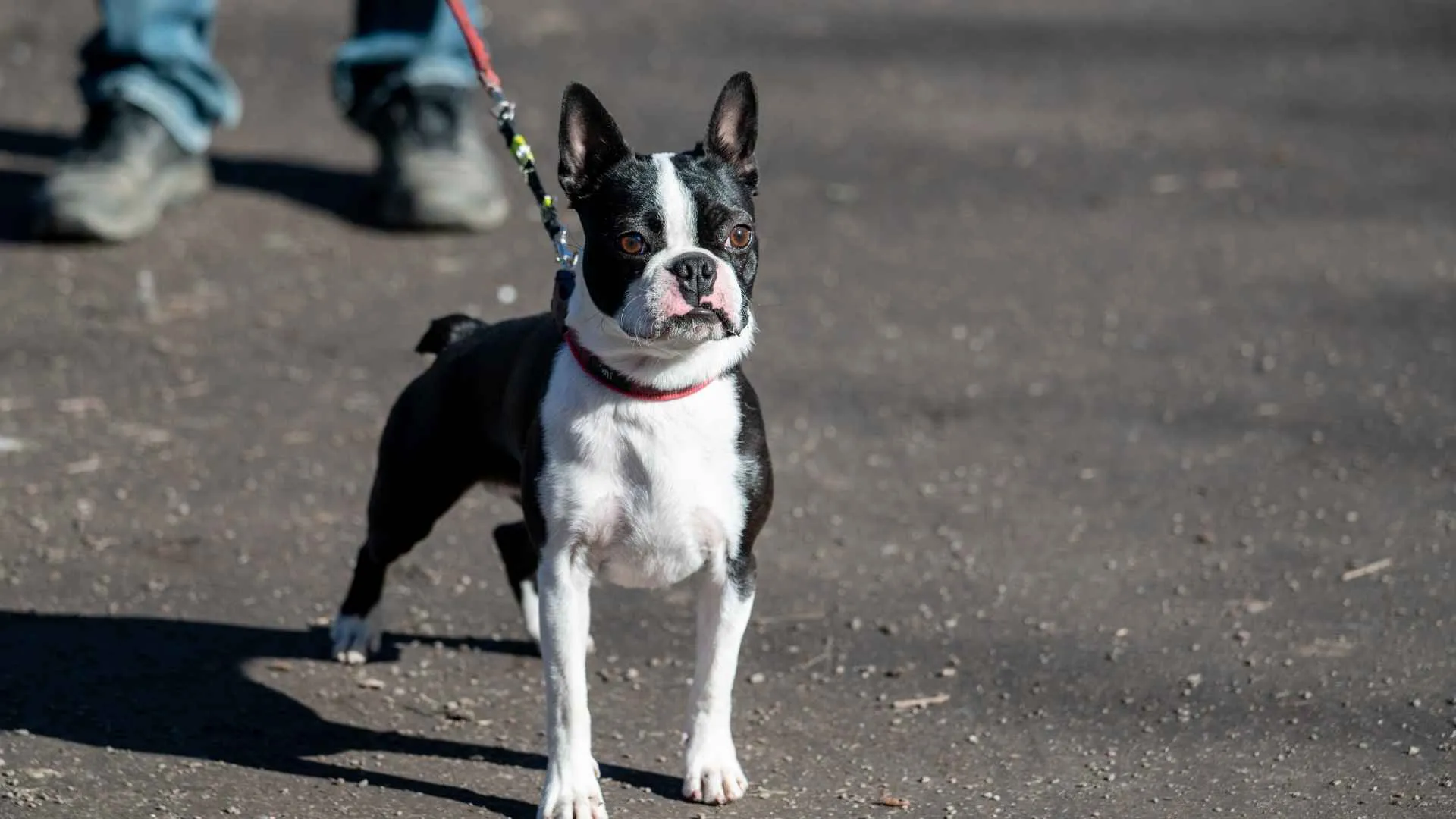
The unique breed was developed in the United States as a non-sporting breed in the 19th century and was recognized by the AKC in 1893. The compact breed is known for its erect ears and short tail, says Wikipedia. The breed was bred by Robert C. Hooper from a Bull-and-Terrier-type dog.
It has a compressed facial structure because of brachycephaly, making it highly prone to overheating. Thus, short but highly focused sessions for 10-15 minutes are suggested. The compact size makes it highly suitable for apartment living. The breed has an average-to above average tier for working and obedience training.
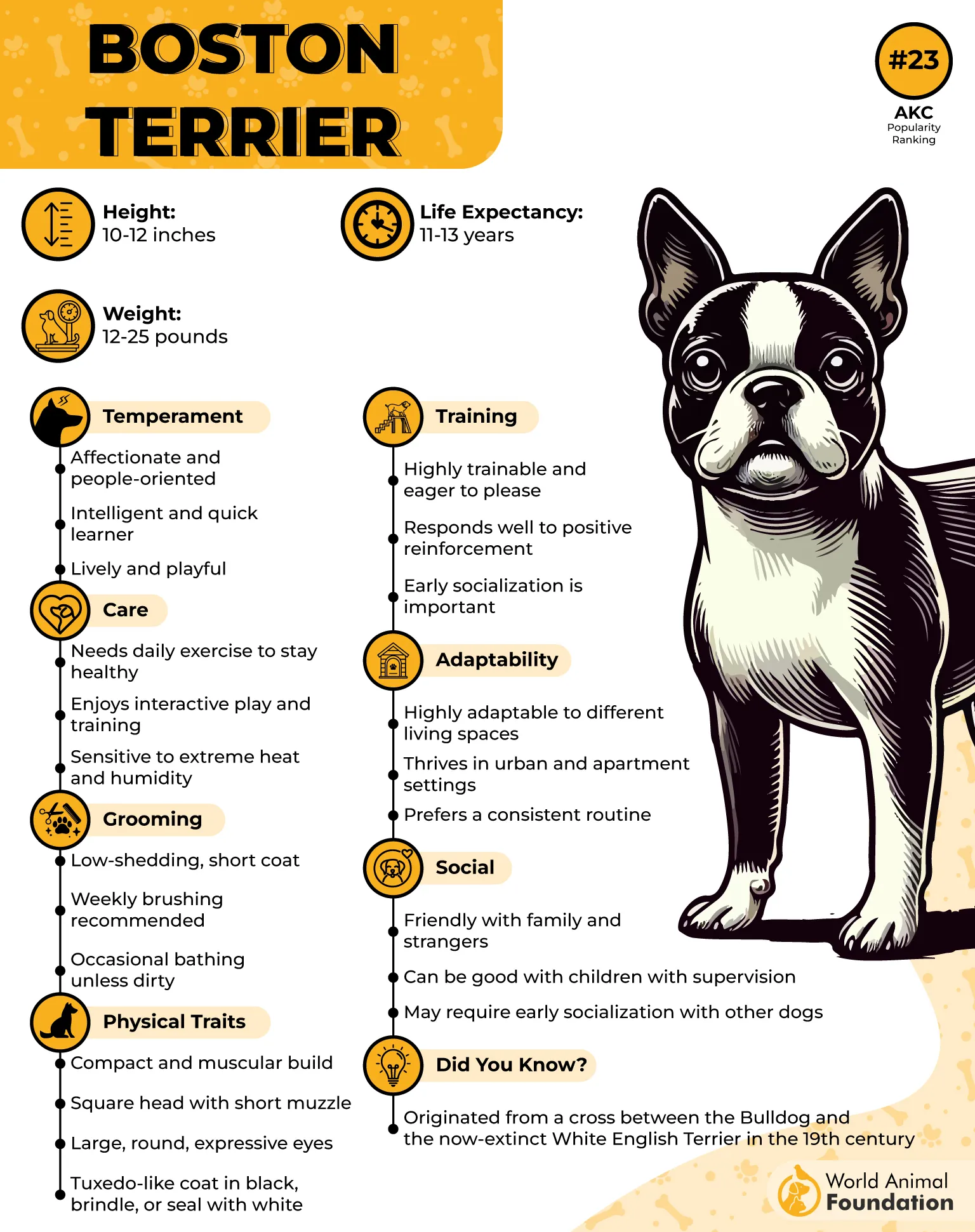
Always use a properly fitted Y-shaped harness for leash training since it has a short muzzle. The breed is highly attuned to human emotions; thus, yelling can terrify the breed. Use enthusiastic verbal praise followed by reward training.
7. Border Terrier
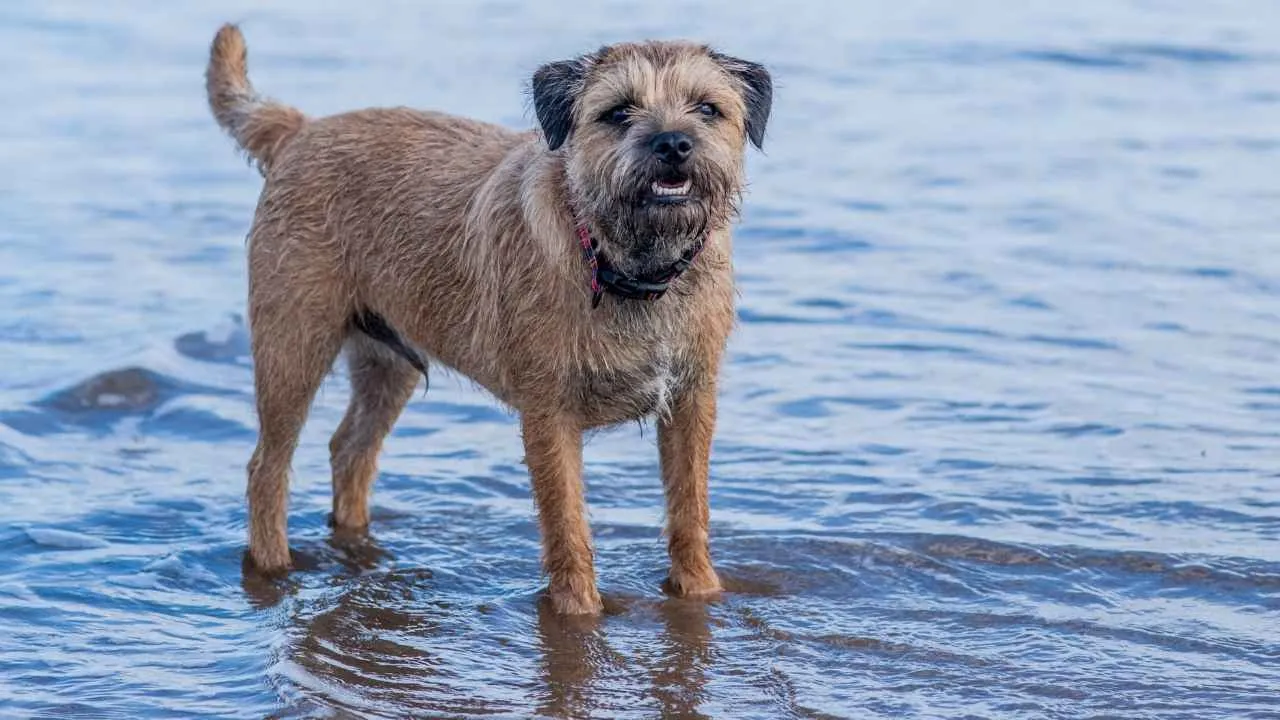
The little Terrier was developed between England and Scotland as a hunting breed to hunt and kill foxes. Known for its sociability and bravery, this dog is now commonly kept as a family pet. Though officially recognized in the year 1930, the breed is still rare in the United States.
Bred for endurance and agility, the dog has an advanced off-switch, which activates once the exercise needs are met. It rarely suffers from extreme environmental anxieties because of its calm temperament. It is quiet and less reactive, and redirects its energy to learning house rules if trained consistently.
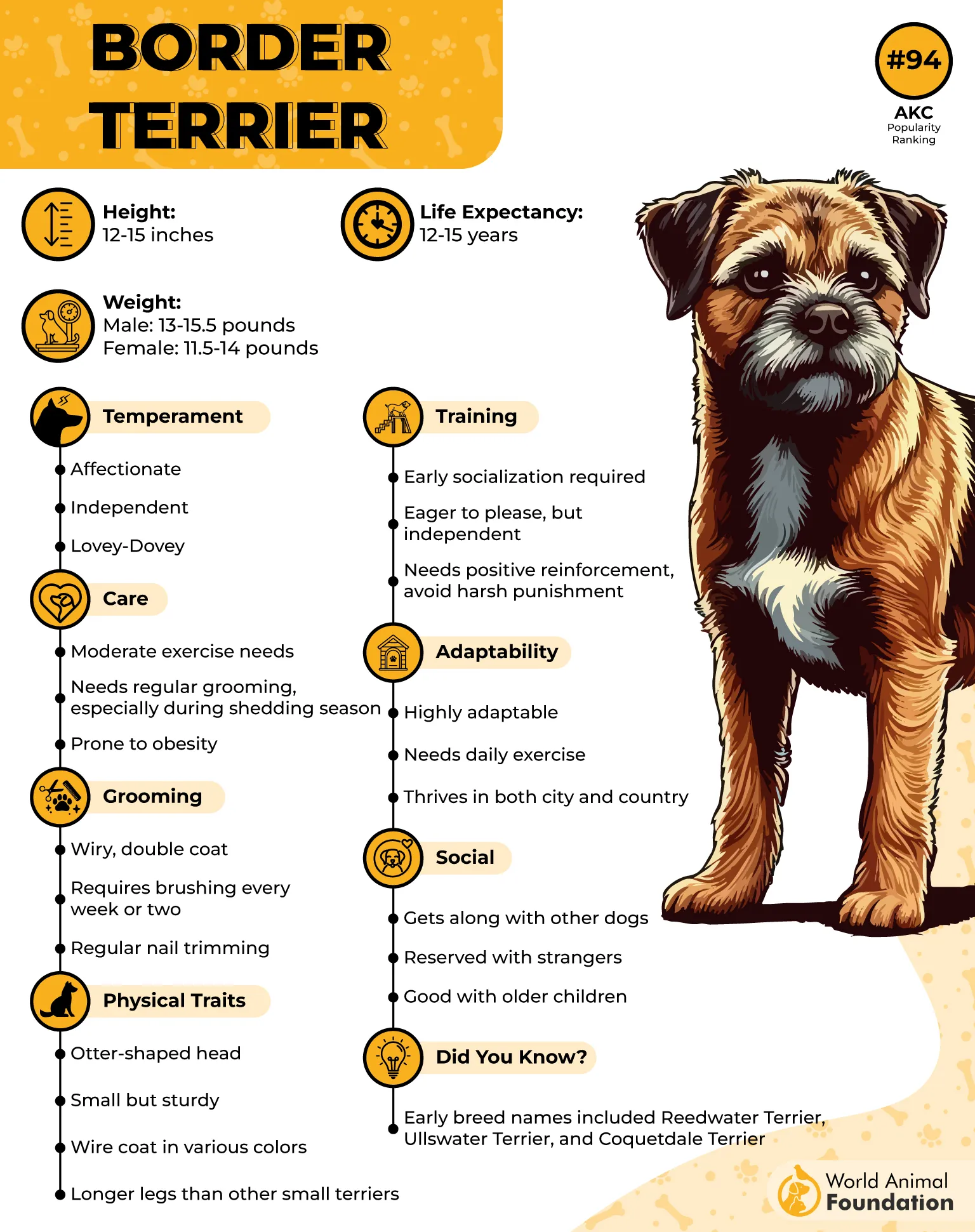
Practice recall training to control strong hunting drive. Keep it on leash when outdoors, since it tends to chase small moving objects. Command training is important to prevent jumping.
Conclusion
A quick-learning miniature dog can make everyday life smoother. You spend less time repeating yourself and more time enjoying walks, games, and quiet moments together. Still, “quick” does not mean “effortless.” Every dog needs consistency, kindness, and realistic expectations.
Choose a breed that fits your schedule and energy level, not just one with a clever reputation. A Bichon may thrive on gentle praise, while a Border Terrier needs a job to do. Training works best when it feels like teamwork.
