




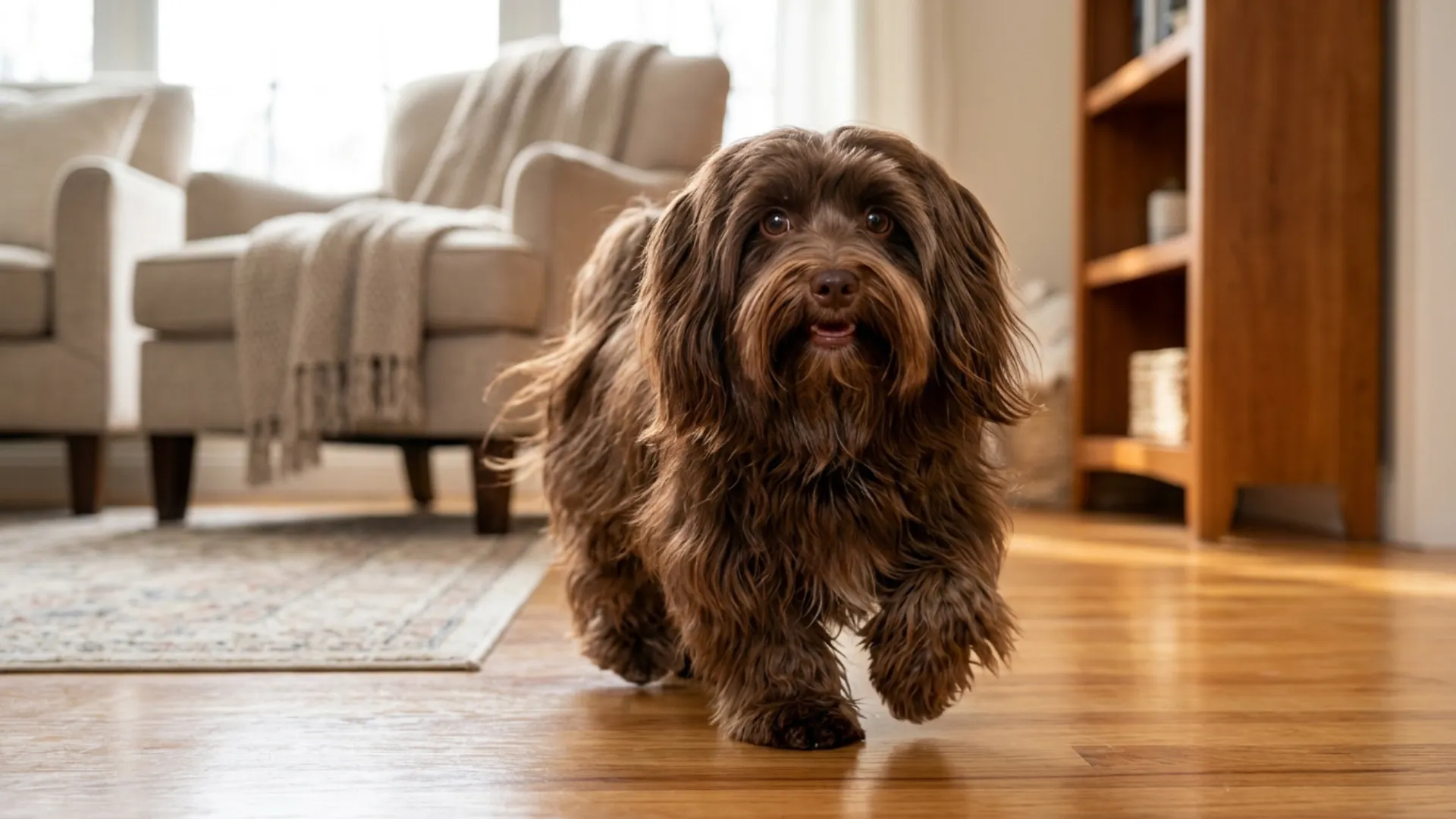
Some dogs don’t just turn heads — they stop traffic. Long-haired breeds with silky coats are among the most visually striking dogs on the planet, and that coat is only part of the story.
What most people don’t realize is that silky and fluffy breeds are not the same thing — and choosing the wrong coat type for your lifestyle is one of the most common mistakes new pet parents make.
This guide breaks down everything you need to know before you fall in love. Keep reading — your perfect long-haired companion might be closer than you think.
Remarkable Long-Haired Dog Breeds with Silky Coats
1. Afghan Hound
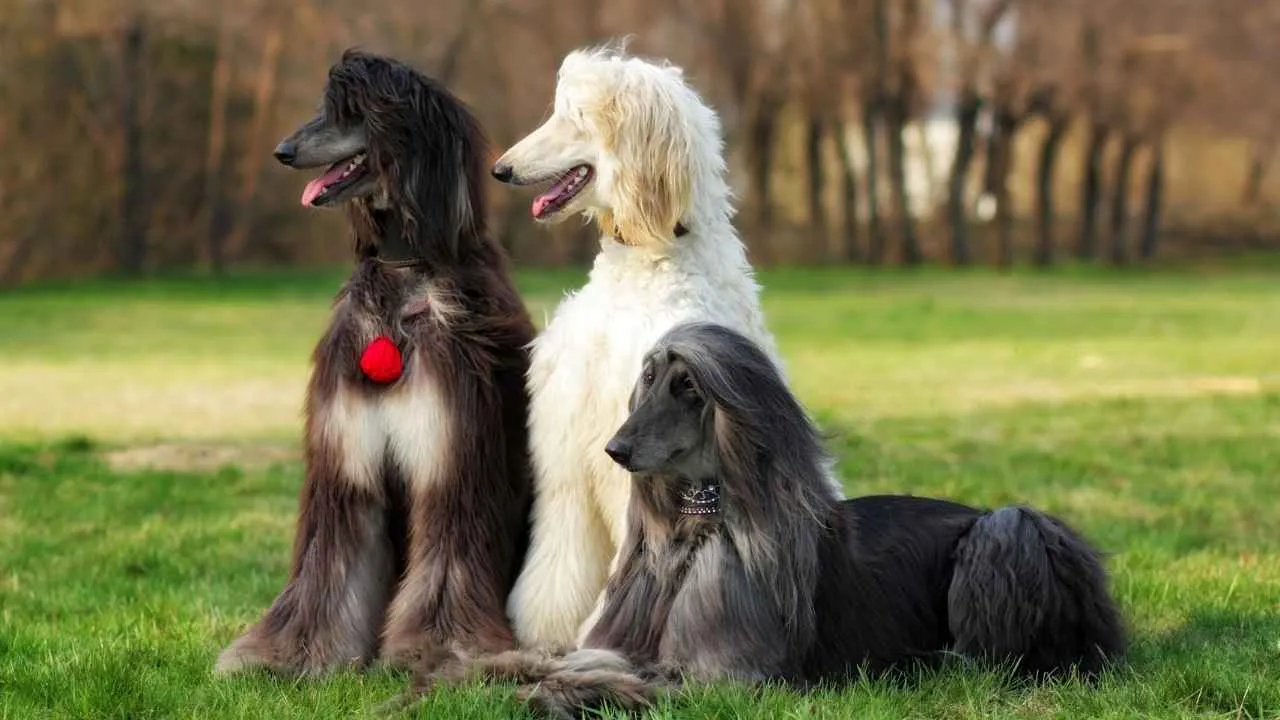
One of the most ancient breeds on earth, the Afghan Hound was bred to hunt across Afghanistan’s mountains. Its long, flowing coat was protection against harsh winds, built for a sighthound made for speed and stamina.
Puppies have a short coat; between 9 and 18 months, the silky, human-hair-like adult coat comes in, with a normal shorter saddle along the back.
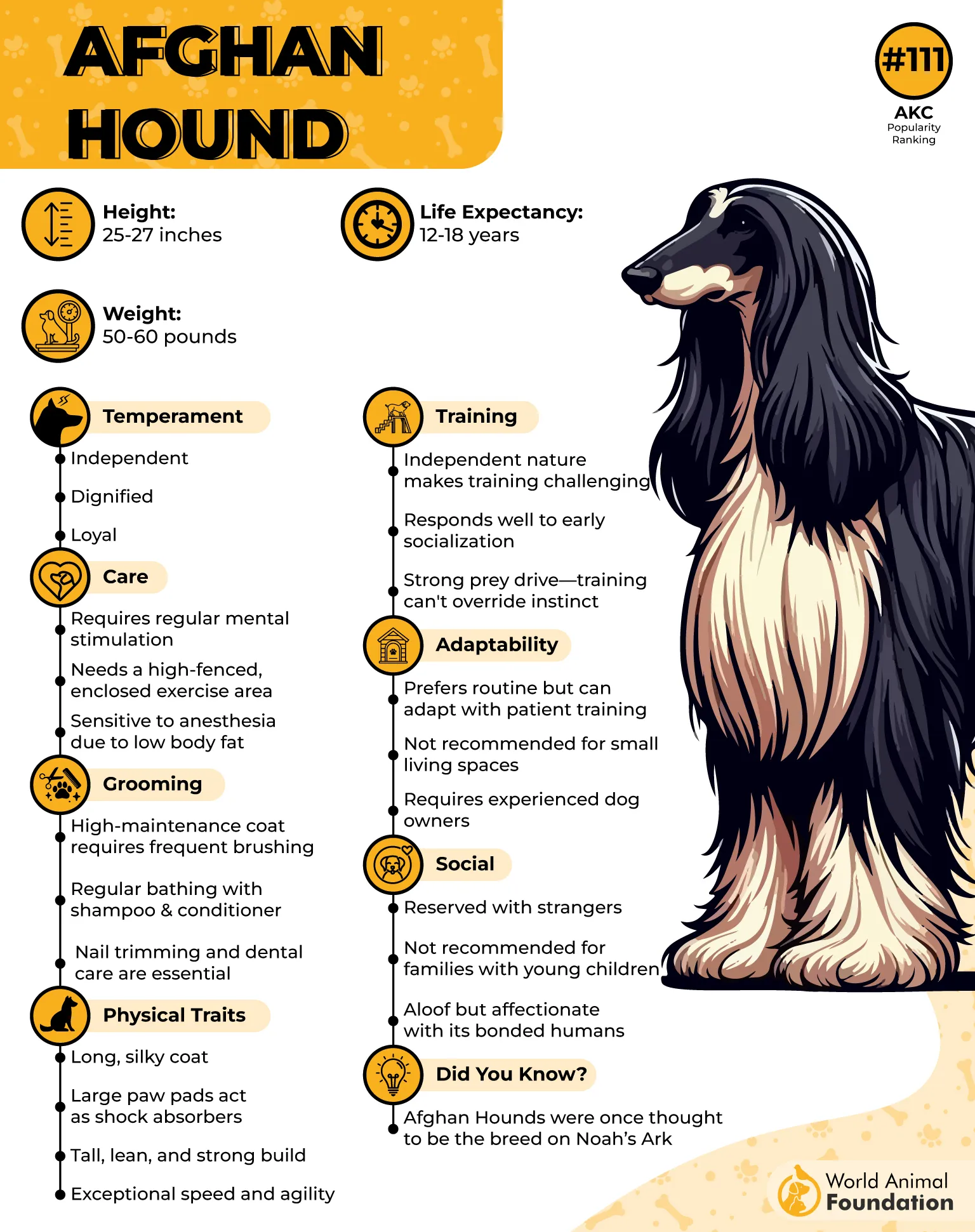
Brush a few hours per week; never on a dry or dirty coat
Bathe every one to two weeks, always followed by a blow-dry
Feed a diet rich in omega-3 and omega-6 fatty acids and high-quality protein for coat strength and shine
Use a conditioning spray before every brushing session
The adolescent coat change is where many Afghan coats are lost — not to bad genes, but to grooming routines that can’t keep up. PetMD confirms this is a high-maintenance breed if you want to keep them in full coat. Acclimate puppies to bathing early or pay for it later.
2. Bearded Collie
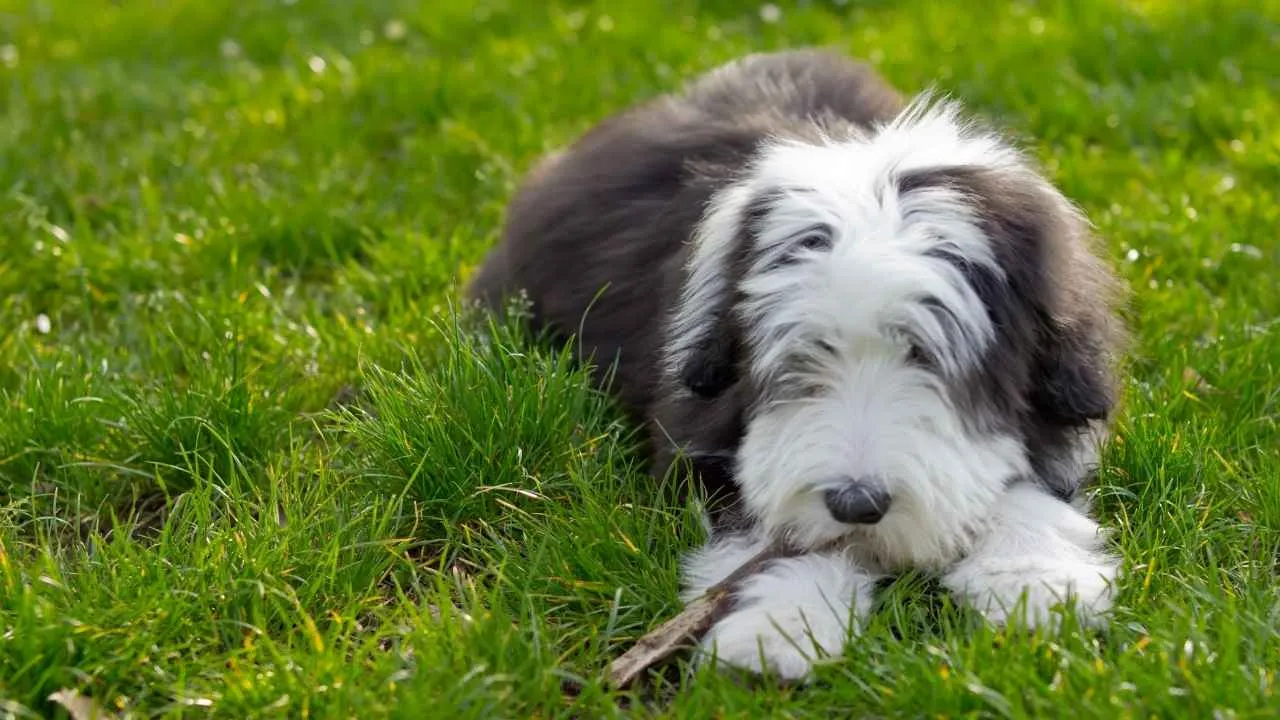
Bred to herd sheep across the foggy Scottish Highlands, the Beardie’s shaggy double coat was a weatherproof shield, not decoration. It’s a rare breed today. Puppies are born dark and lighten gradually before settling into their final shade; the adult coat parts down the back with a signature beard.
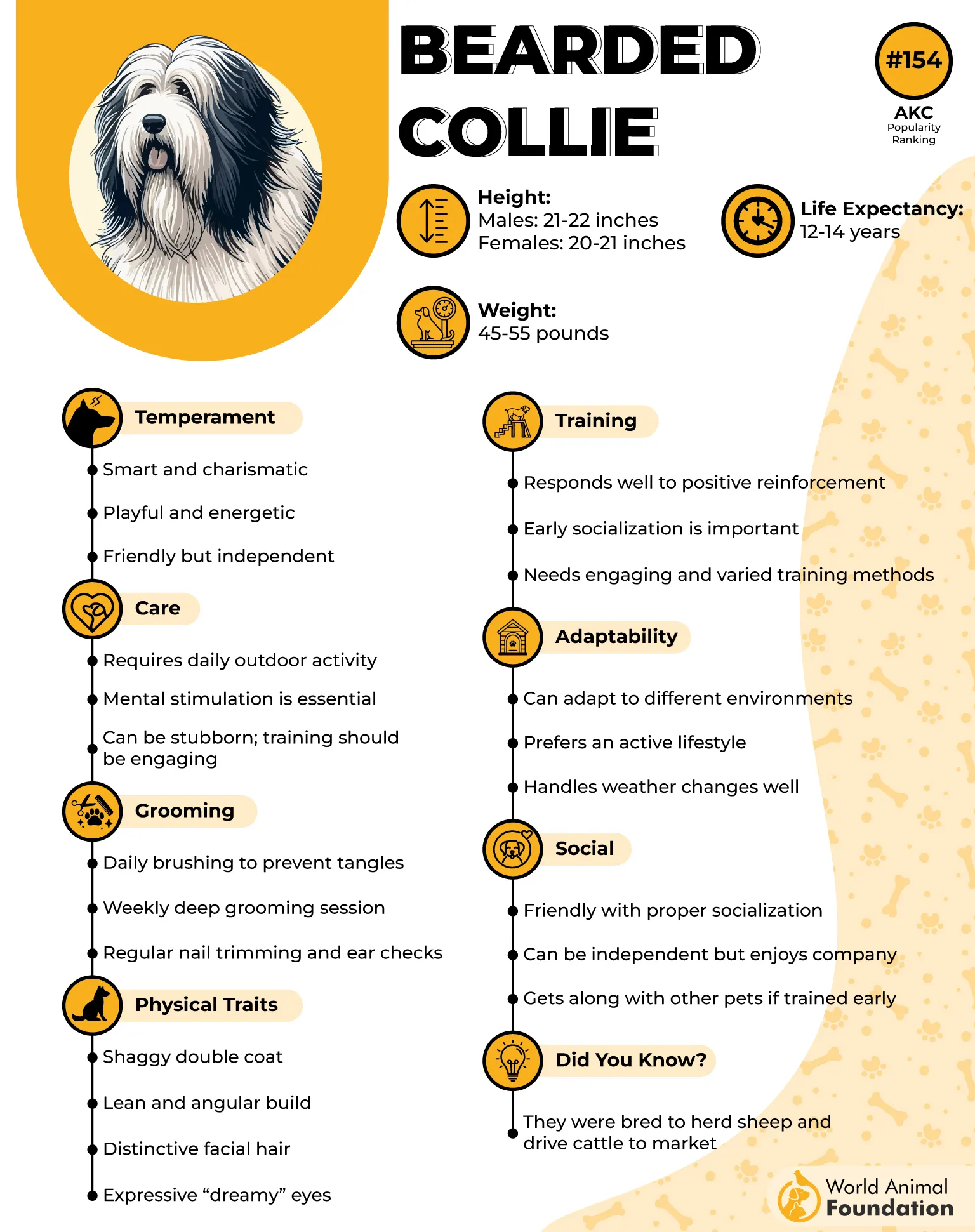
Daily brushing is essential, especially during the 9–18 month coat transition
Mist lightly with water before every brushing session
Bathe regularly; dry thoroughly so the undercoat doesn’t stay damp
Feed foods with omega fatty acids and biotin
The puppy coat transition is the hardest stretch of Beardie ownership. The soft puppy hair and incoming adult coat interlock and mat rapidly.
Hill’s Pet notes that if your Bearded Collie has a soft coat, expect to spend considerably more time untangling mats and removing debris. Plan for daily brushing — or embrace the puppy cut.
3. Havanese
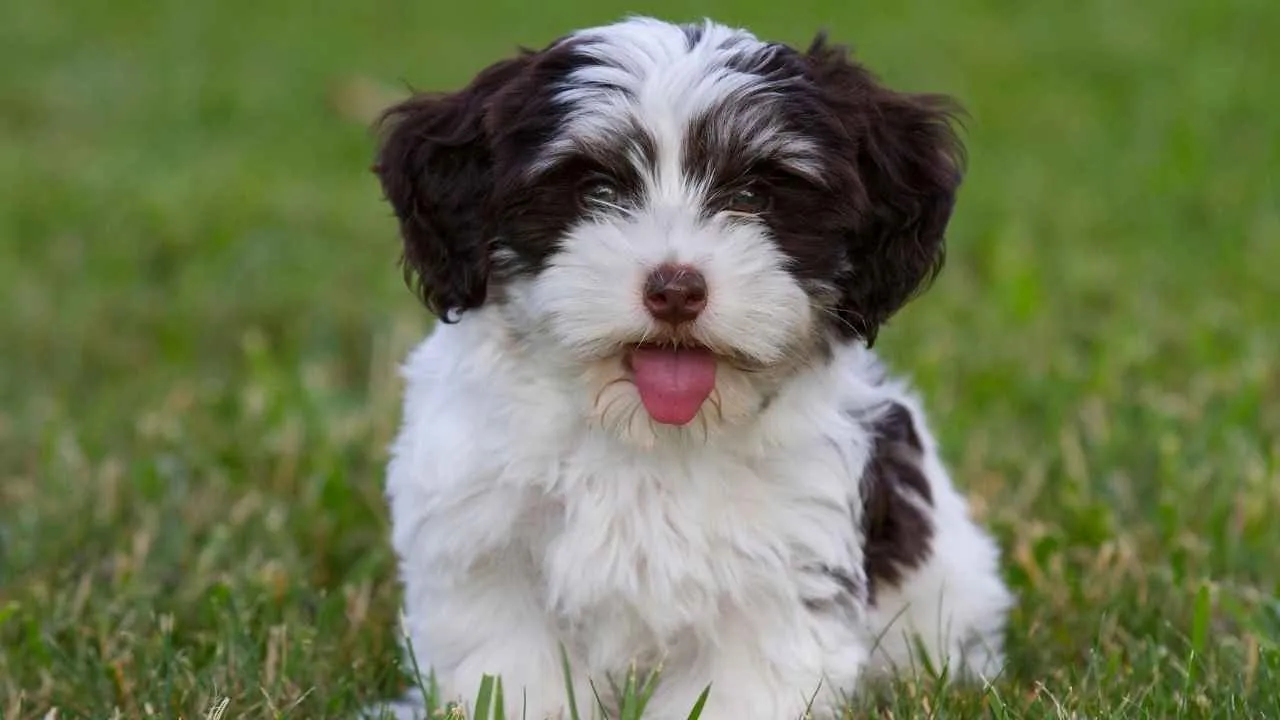
Cuba’s only native breed, the Havanese began as a silky companion for wealthy Havana families in the 1600s, once known as the Havana Silk Dog. The fluffy puppy coat transitions between 8 and 15 months into a flowing, pearly-sheened adult coat, 6–8 inches long, wearable long or corded.
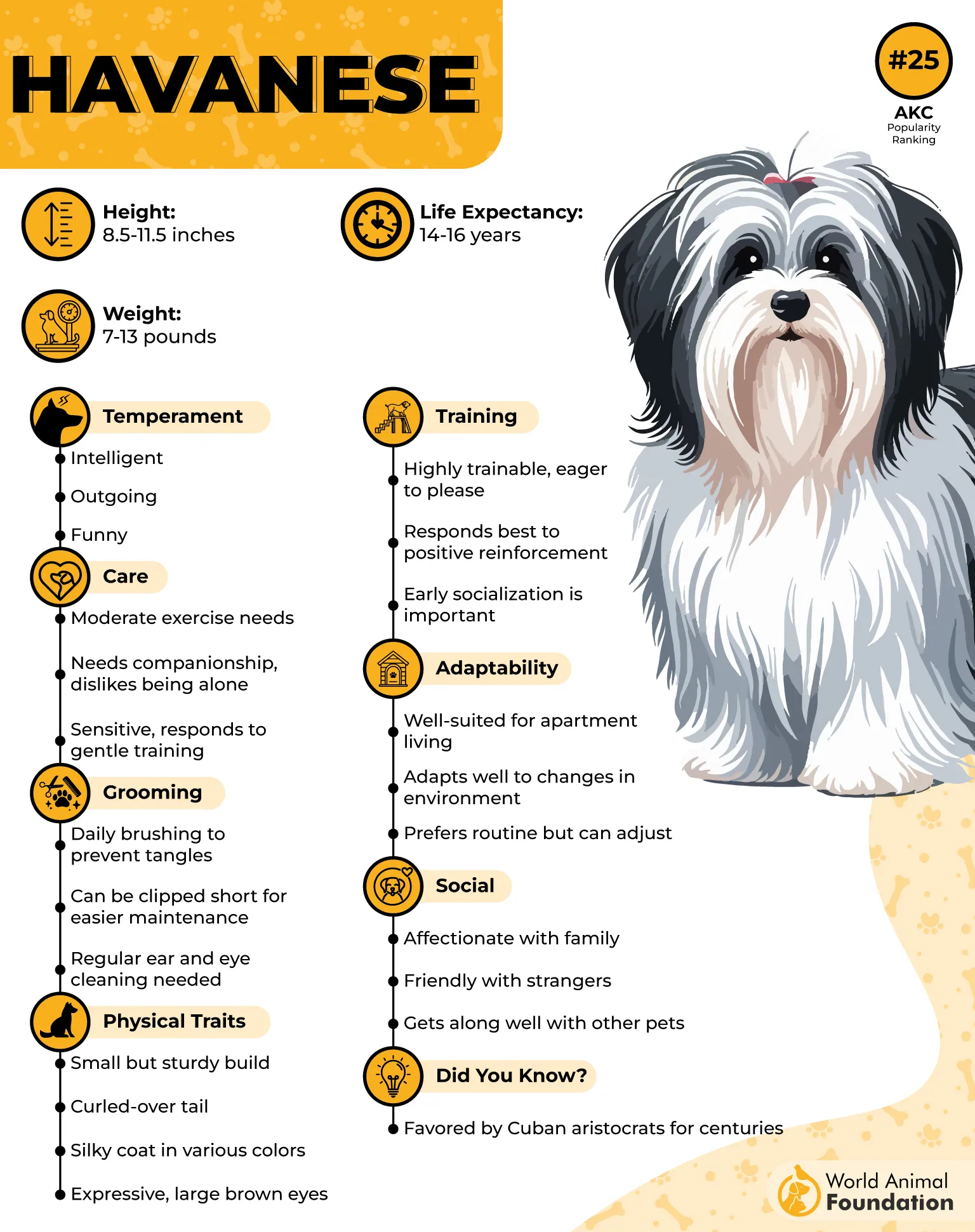
Brush at least four days a week; daily for long coats
Bathe no more than twice a month to protect natural oils
Use a de-matting conditioner spray before brushing
Feed an omega-rich diet for coat texture
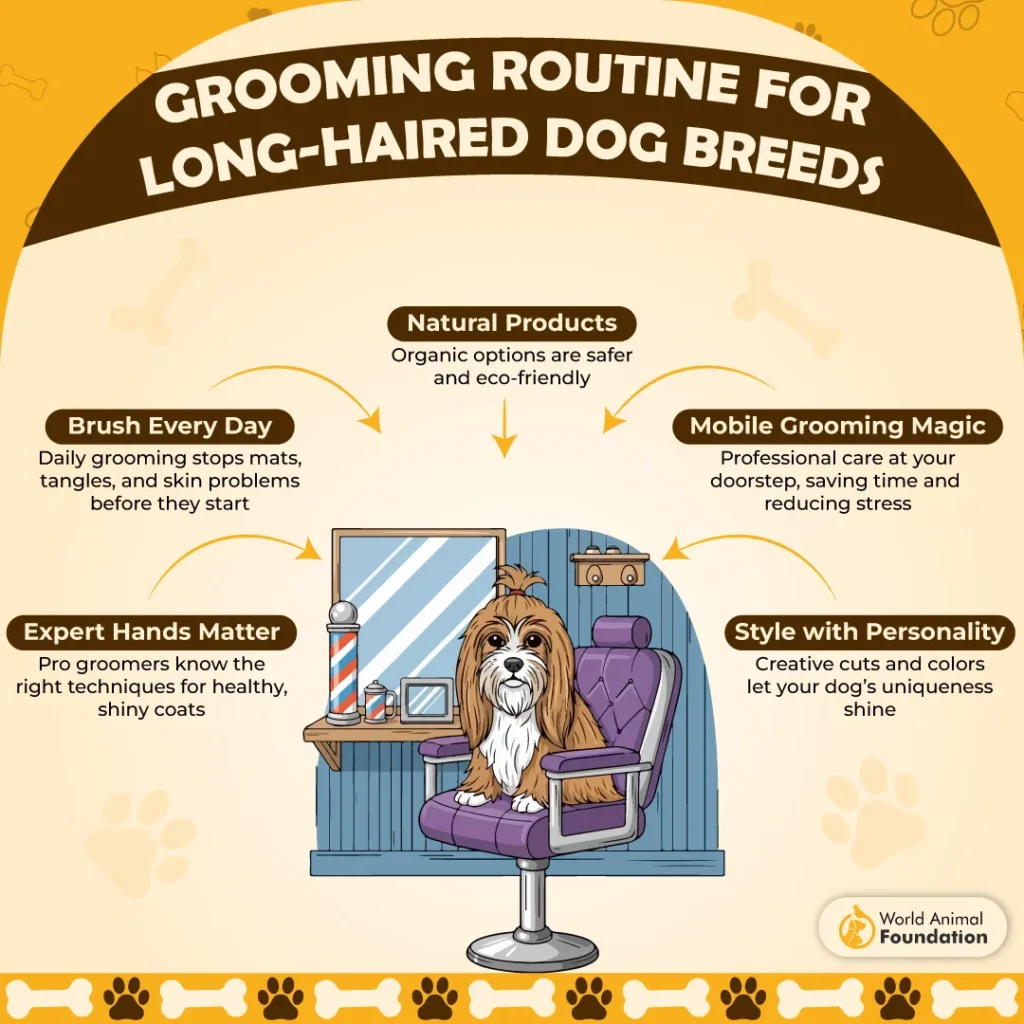
During the coat change, matting can appear almost overnight. A cottony coat mats faster than a silkier one, so coat texture really does matter here.
The golden rule for surviving this stage is simple — brush more, not less. This lively, outgoing little dog deserves a gorgeous coat to match its personality, but that coat asks for real commitment in return.
4. Lhasa Apso
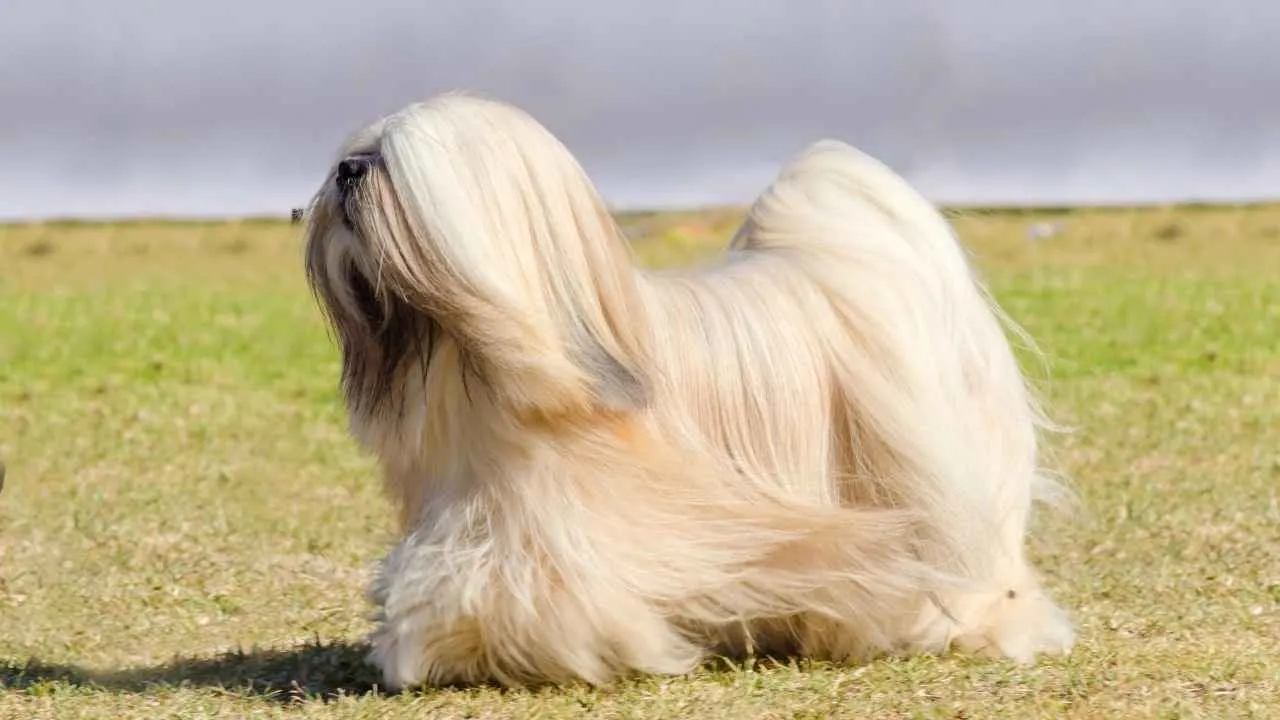
Bred for over a thousand years in Tibetan palaces as a sentinel dog, the Lhasa Apso was considered sacred, and the Dalai Lama gifted the first Lhasas to the U.S. in the 1930s. The soft puppy coat gives way to a dense, floor-length adult coat parted down the middle, built for the Himalayas.
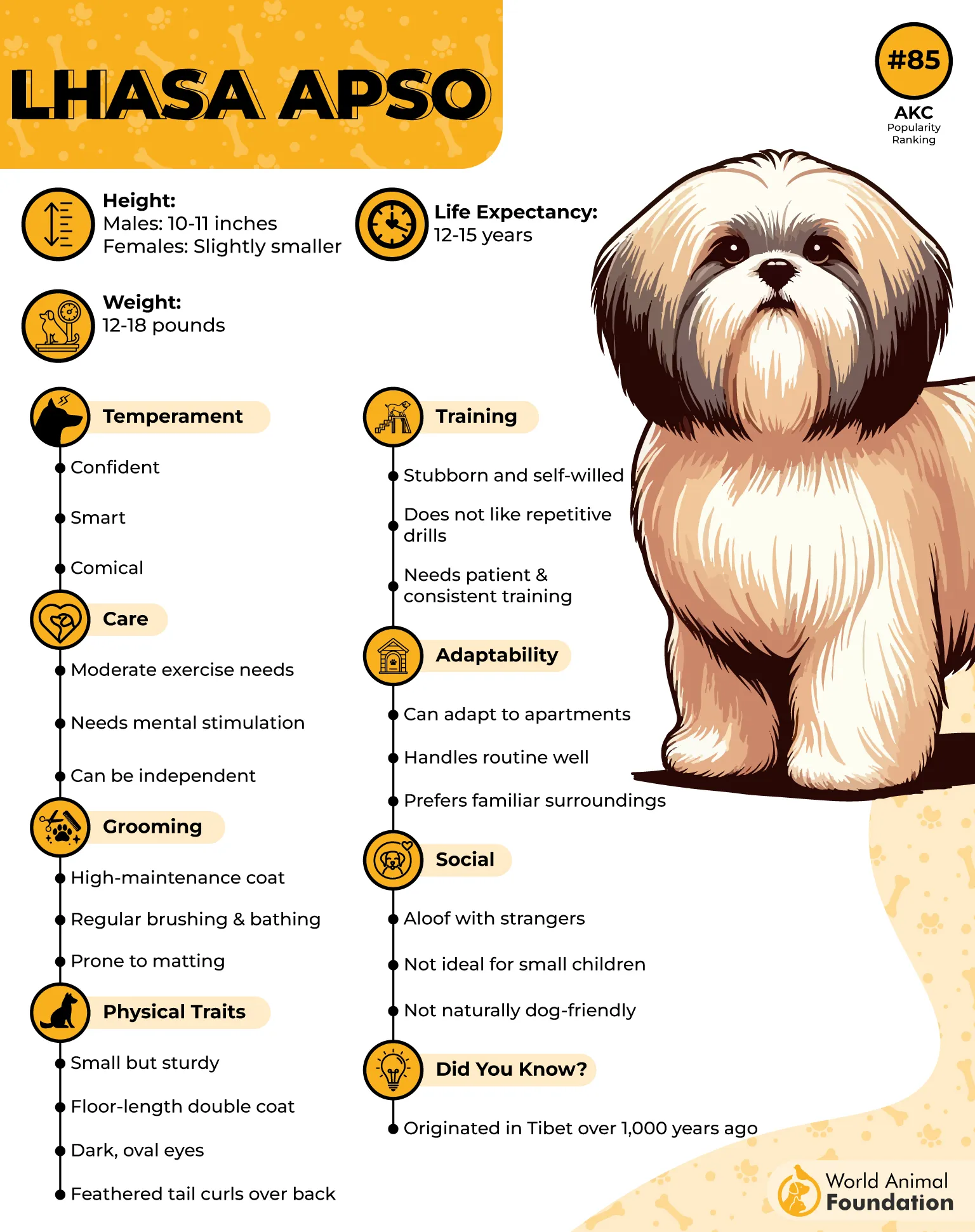
Brush and comb every other day; daily for show coats
Bathe every two weeks; wash mouth-area hair daily
Keep hair out of the eyes with trims or clips
Choose foods with omega-3s and zinc
The Lhasa Apso is one of the oldest dog breeds still in existence today, and that history comes with considerable care requirements.
Many pet parents opt for a shorter puppy trim to make the grooming routine more manageable. Even clipped, a Lhasa still needs regular attention — this is a breed with high standards, and it expects the same from its humans.
5. Yorkshire Terrier
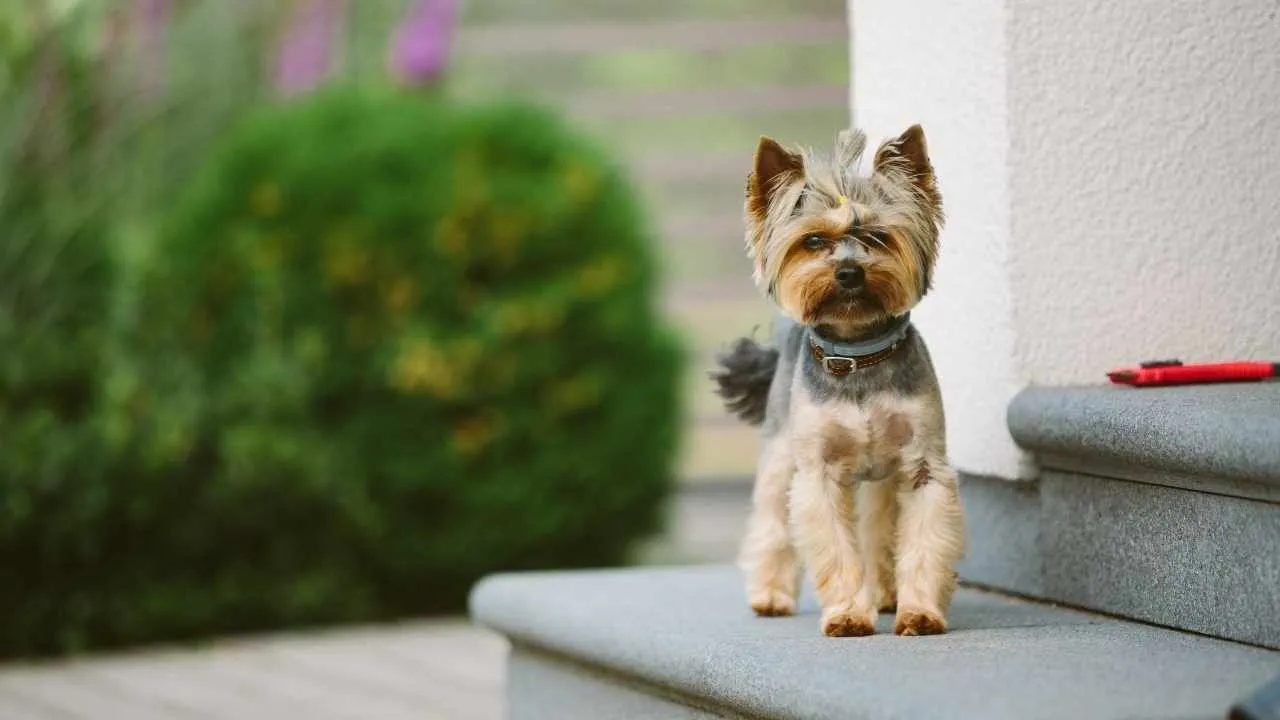
Yorkies started as tough ratters in Victorian England’s mines and mills before leaning into their floor-length silky glow-up. The dark puppy coat shifts between 6 and 18 months into the glossy steel-blue-and-gold adult coat, growing continuously with no undercoat.
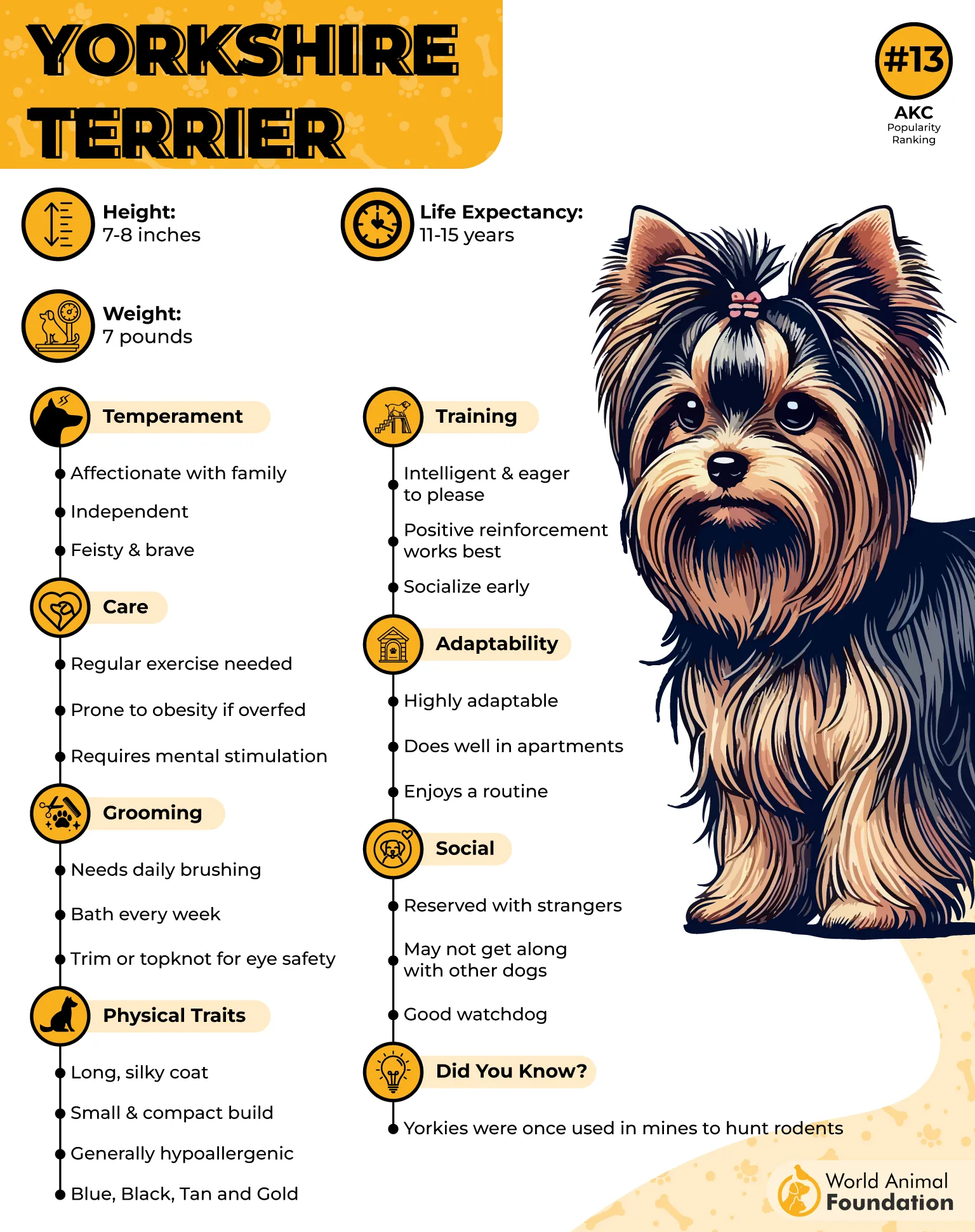
Daily brushing with a pin brush, finished with a greyhound comb
Conditioning spray before every brush to prevent breakage
Bathe every four to six weeks
Feed a high-protein, omega-rich diet
The ASPCA is clear: for a long, silky coat like the Yorkie’s, daily attention is non-negotiable — use a slicker brush for tangles, then follow with a bristle brush. Skip a few days, and you’re working through mats. Keep up with it, and the payoff is one of the most fabulous coats in the small dog world.
6. Maltese
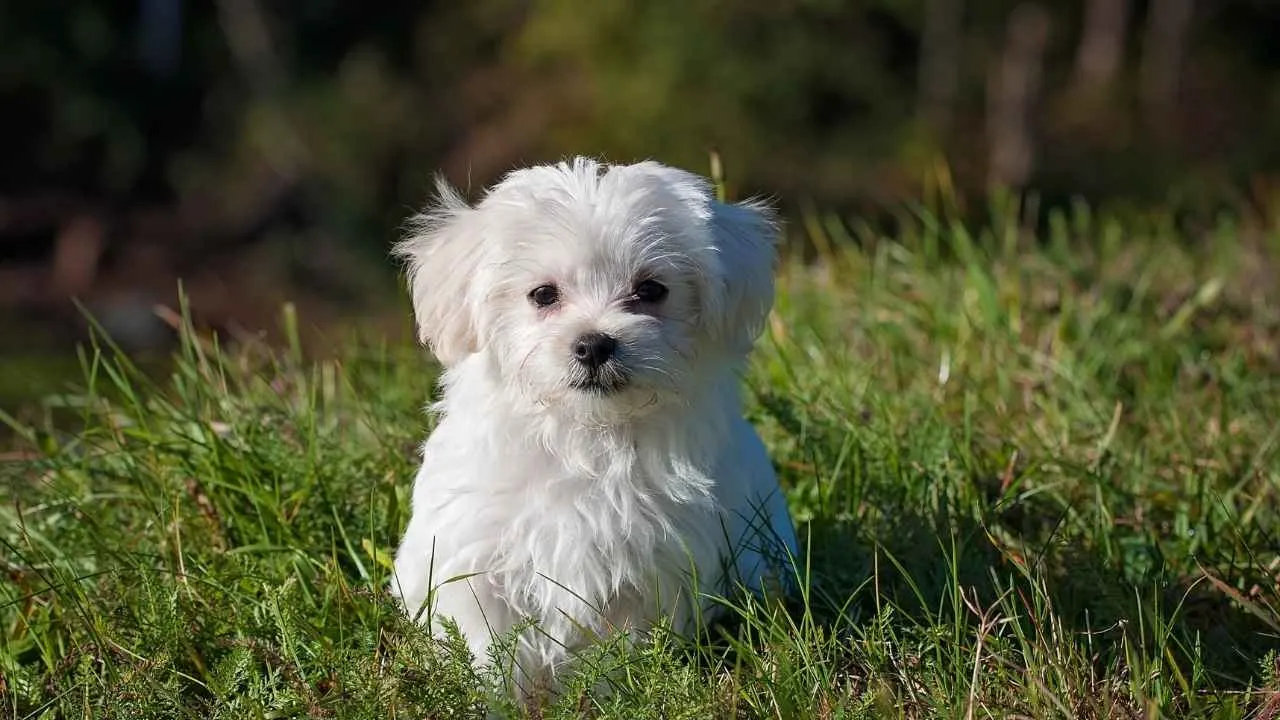
One of the most ancient toy breeds, the Maltese traces back through the Roman Empire, was preserved by Chinese breeders, and debuted at the first Westminster show in 1877. The single-layer coat has no undercoat, so Maltese don’t shed traditionally; short, soft puppy hair becomes a flat, flowing white adult coat by 10–14 months.
The beautiful coat is a single layer, which is why Maltese don’t shed in the traditional sense. Instead, their hair grows continuously, much like human hair, and falls in a pure white silky curtain that can reach the floor in adulthood.
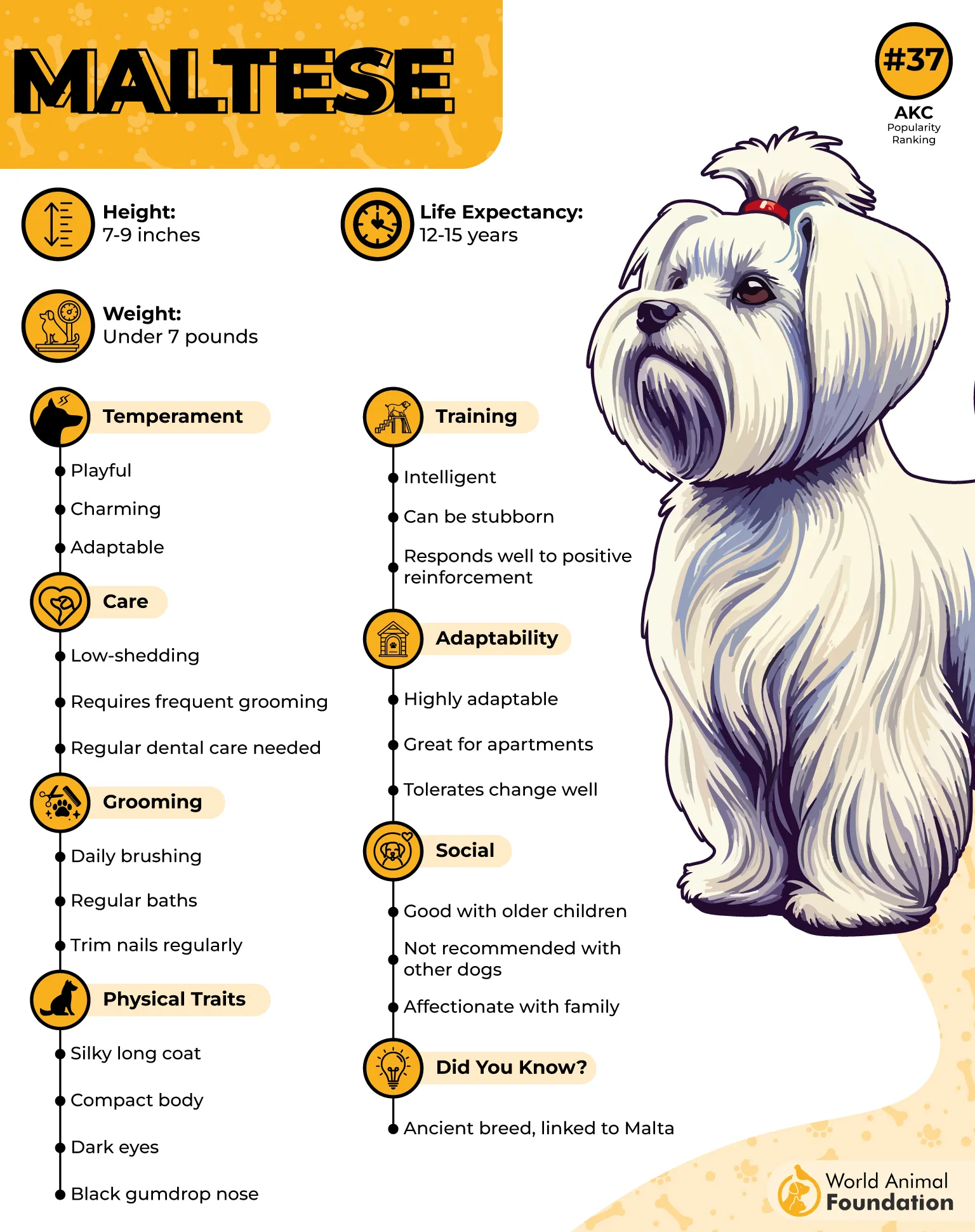
Daily brushing with a pin brush or steel comb, from ends to roots
Bathe regularly with gentle shampoo; always condition after
Blow-dry on low, warm setting — never skip
Feed omega-3 and omega-6 fatty acids
The Maltese has no undercoat, so loose hair stays trapped in the coat rather than landing on your sofa — making them a popular choice for allergy sufferers.
For pet parents who want a lower-maintenance option, a shorter puppy cut is a smart move. It’s still a grooming commitment, just a kinder one on your schedule. That pristine coat shows everything — tear stain management is part of the routine too.
7. Biewer Terrier
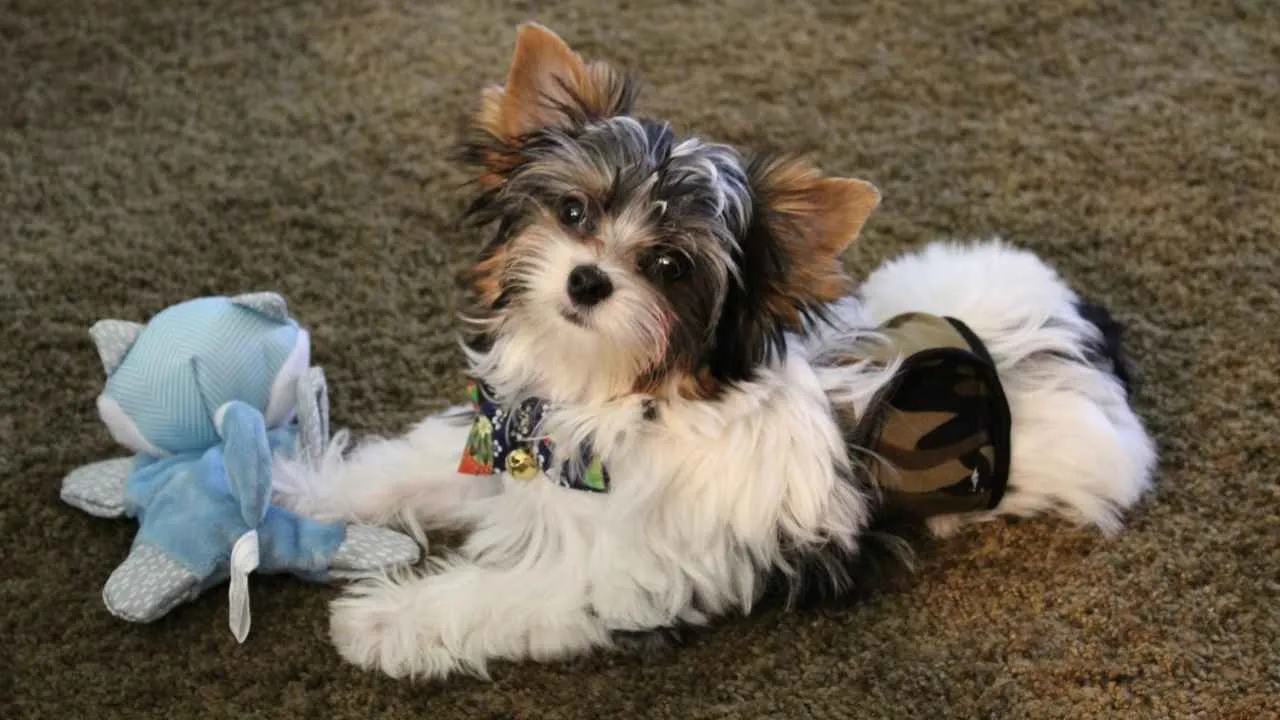
The Biewer Terrier traces to 1984, when German breeders Werner and Gertrud Biewer produced a piebald puppy from Yorkshire Terrier stock. Puppies start black with tan points; over 18 months, colors soften into steely blue and gold.
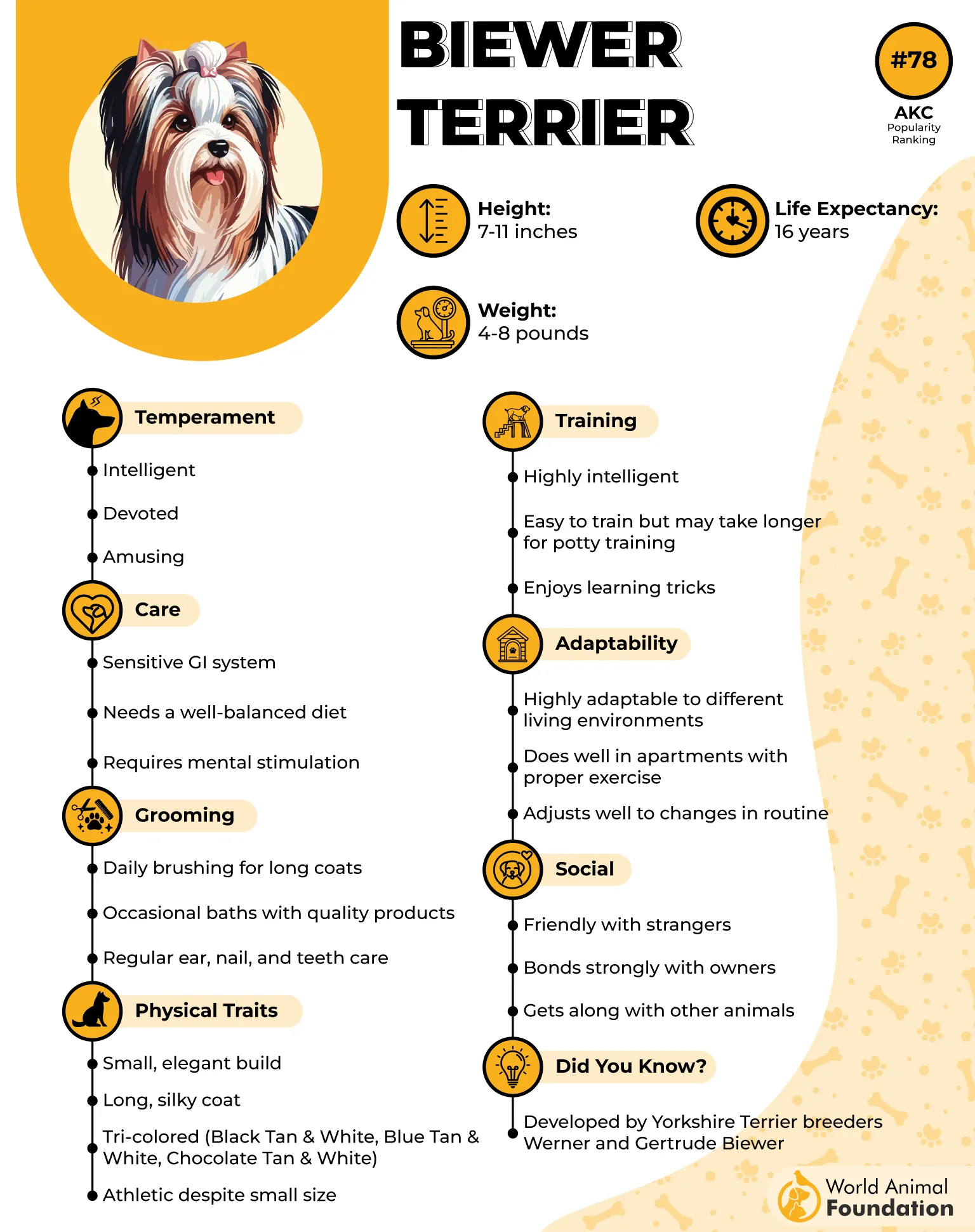
Brush daily for long coats; weekly with a short puppy cut
Mist with water-and-conditioner before brushing — never brush dry
Bathe weekly with dog-specific shampoo
Feed high-quality protein, omega-3s, and biotin
The Biewer Terrier Club of America includes a strict grooming clause right in the breed standard — that’s how seriously coat care is taken.
The coat texture ranges from cotton to silk, and cottony coats mat faster and need even more attention. This is a charming, playful, affectionate little dog, and it earns every minute of grooming time it asks for.
Conclusion
Every long-haired breed with a silky coat is making you the same quiet promise — stunning appearance in exchange for a real grooming routine. The more you understand that deal upfront, the happier both you and your dog will be.
Pick the breed that matches your actual schedule, not your dream schedule, and start building that grooming routine before the puppy even comes home. Drop your questions in the comments — which silky-coated breed caught your eye, and what’s holding you back from bringing one home?
