




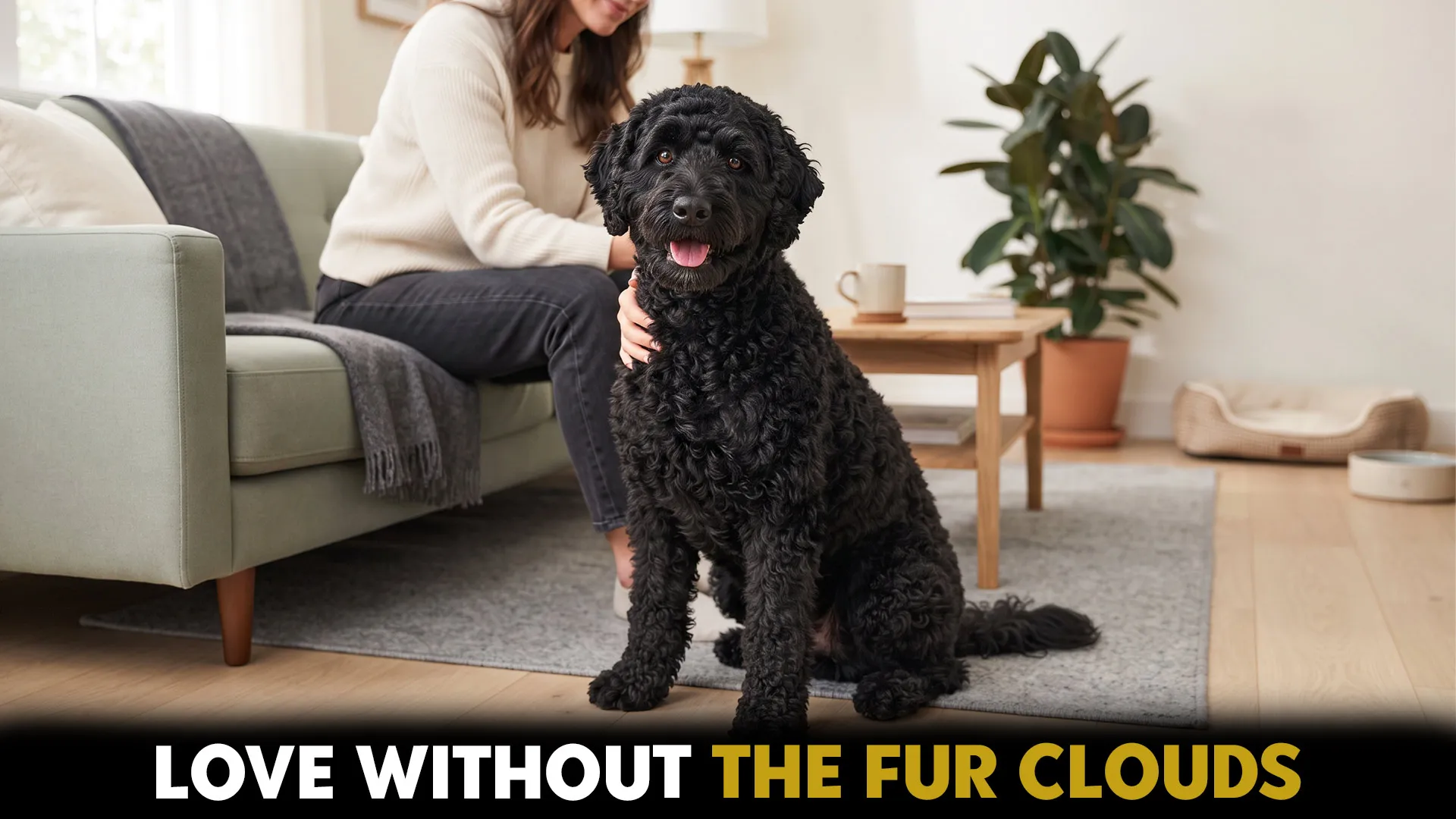
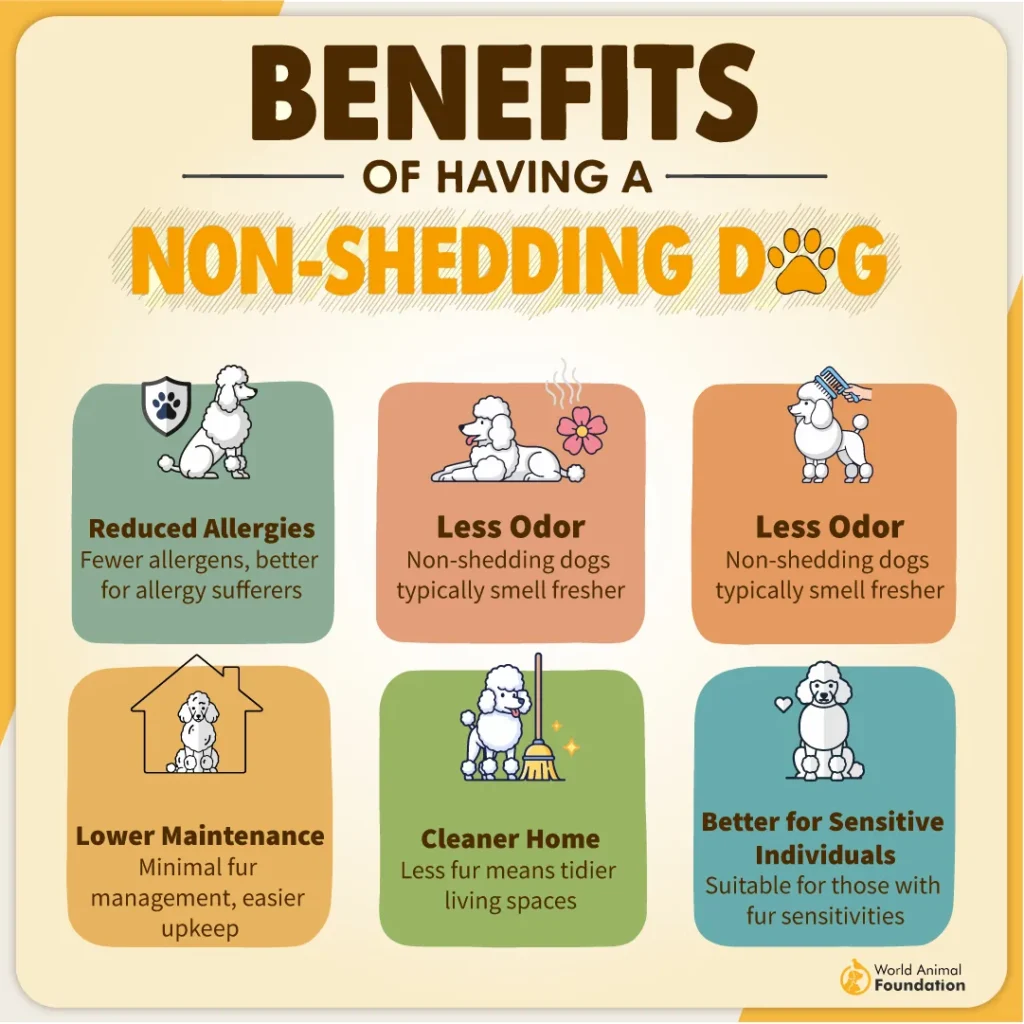
Low-shedding dogs are a top choice these days, and honestly, for good reason. Some people just have busy lifestyles, while others are dealing with allergies.
Whatever the reason, it’s important to have realistic expectations when it comes to low-shedding dogs. Shedding less doesn’t mean zero maintenance, and it definitely doesn’t mean hypoallergenic.
In fact, no dog breed is truly hypoallergenic. That’s because the proteins found in a dog’s urine, saliva, and dander are usually what trigger allergic reactions, and fur is simply what spreads them around. So a dog that sheds less won’t scatter allergens all over your home, but they can still carry them.
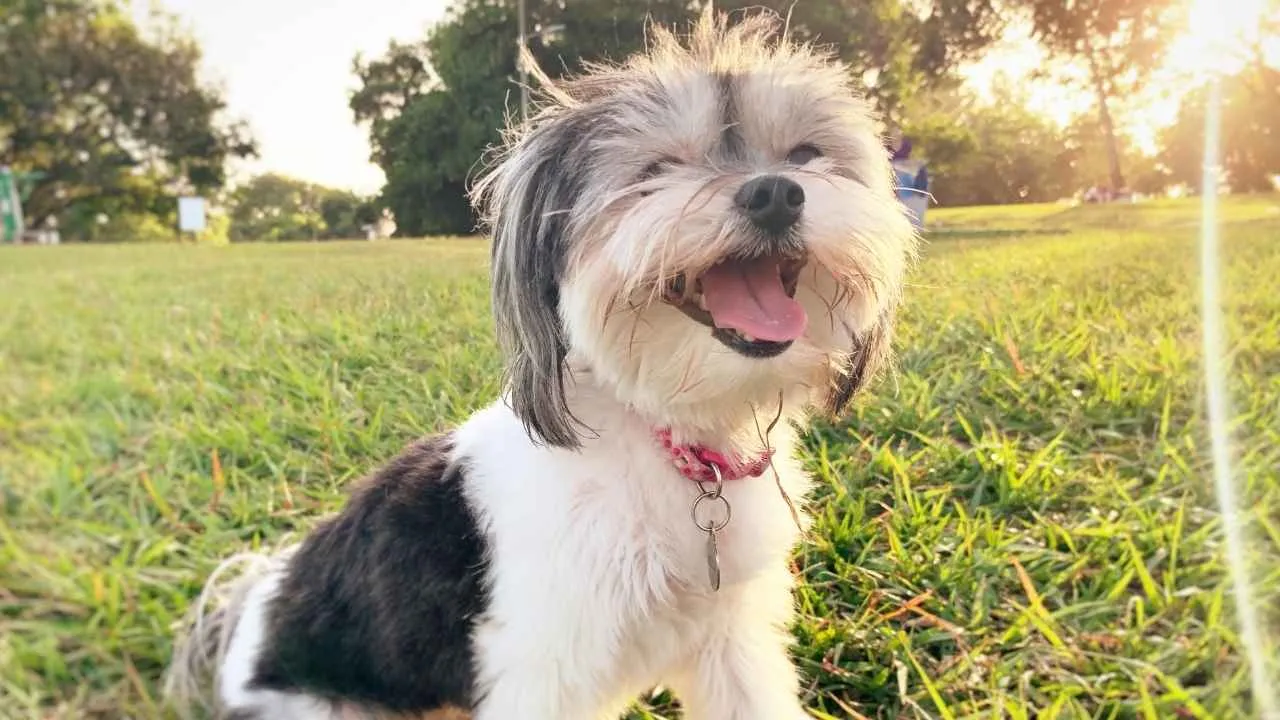
In this guide, we’ve rounded up seven beautiful low-shedding breeds. They vary in coat type, texture, length, personality, and exercise and training needs, but they all share that same low-shedding common ground.
You’ll learn why each one sheds less, along with their brushing and grooming needs, so stick around.
Wonderful Dog Breeds: Low Shedding and Easy to Love
1. Bichon Frise
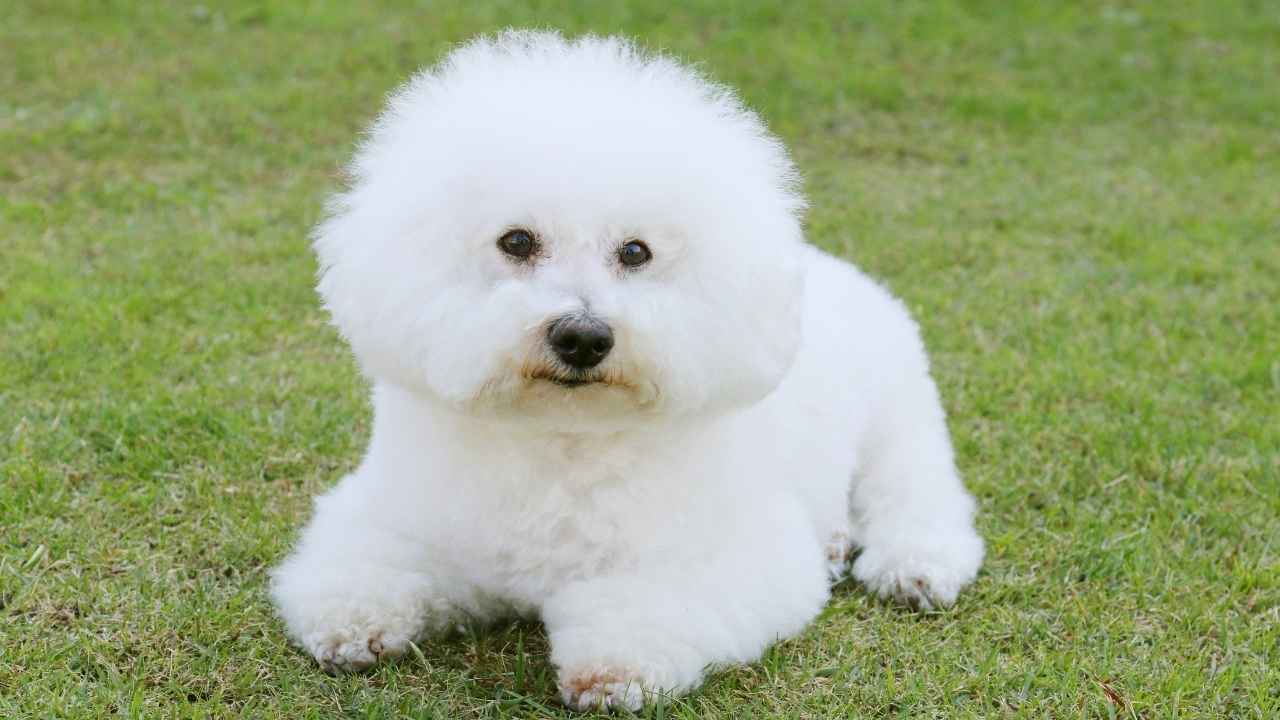
Bichon Frises are joyful, affectionate, and famously cheerful dogs. They’re natural entertainers who love being the center of attention and usually get along wonderfully with kids, visitors, and other pets. These small dogs were bred as companions and lapdogs, so you won’t find much of a prey drive in them.
What makes them stand out, though, is their plush double coat: a curly outer layer paired with a soft undercoat. Instead of falling to the ground, loose hair basically gets trapped within the coat itself. That’s exactly why they’re often considered hypoallergenic dog breed, as PetMD also notes.
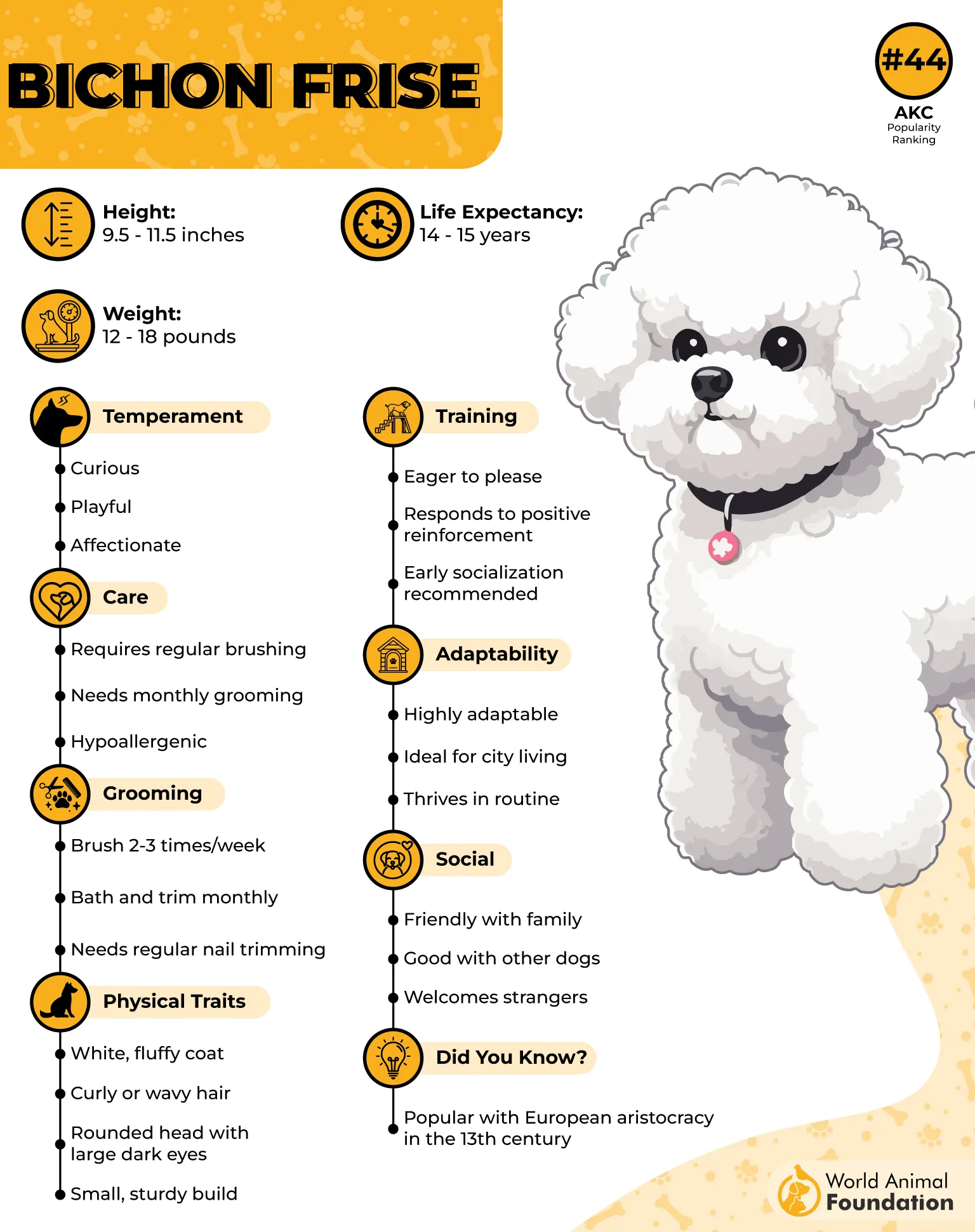
That said, these white dogs are actually fairly high-maintenance. They need daily brushing and a bath every 3-4 weeks.
On the plus side, their exercise needs are moderate, and their eager-to-please nature makes them wonderful family pets for seniors, families with young children, and first-time pet parents alike.
2. Maltese
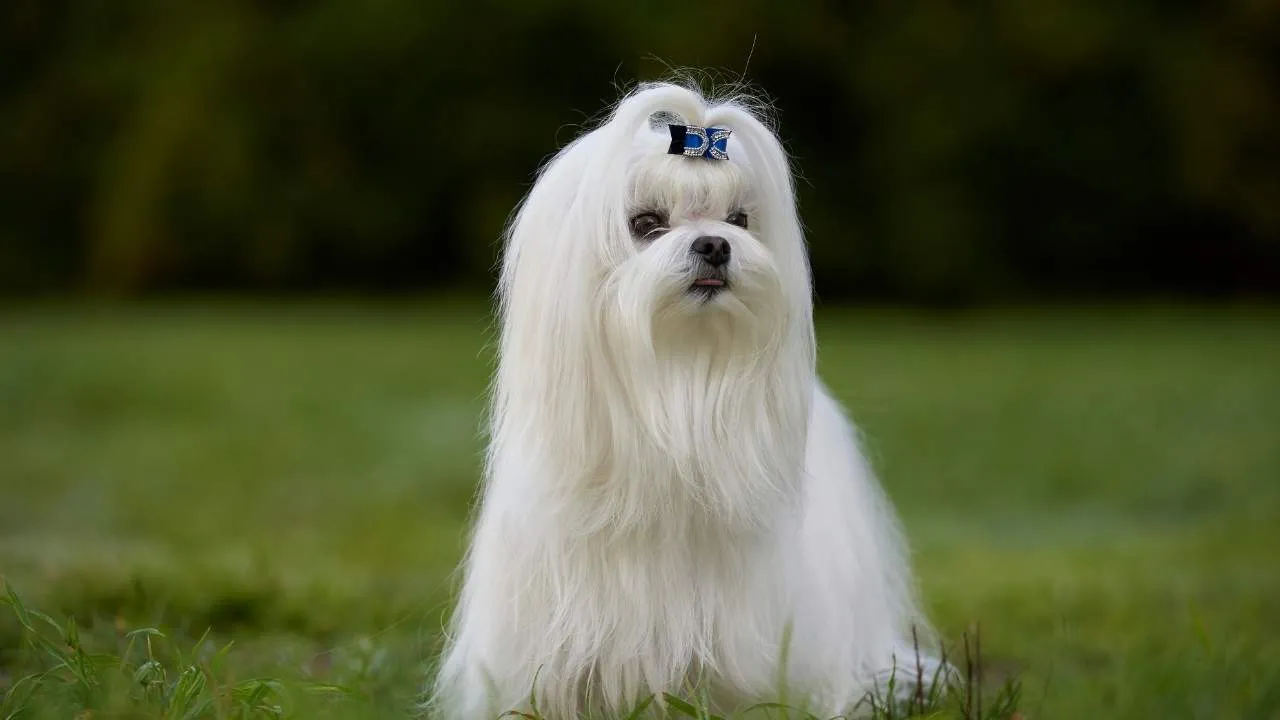
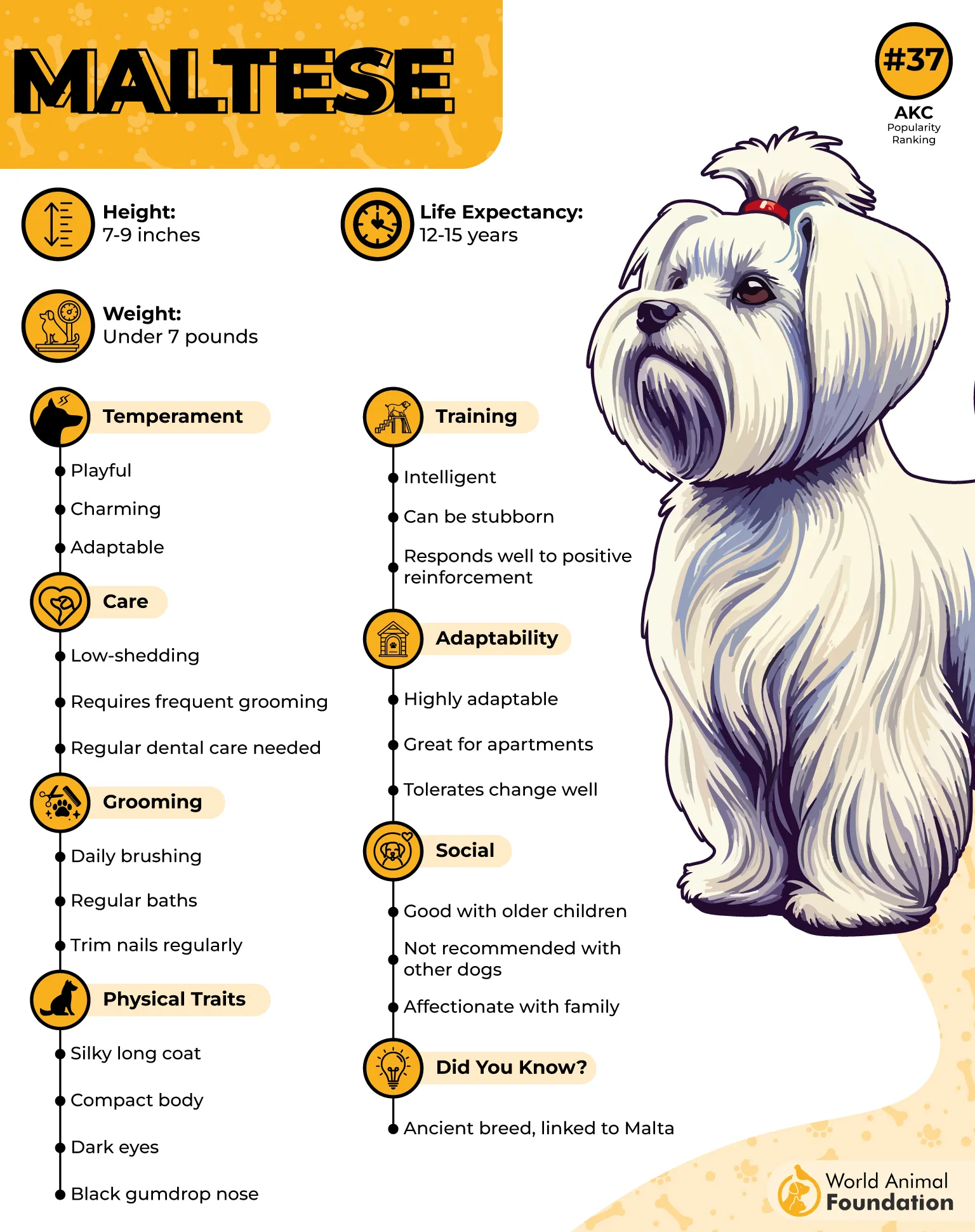
Maltese are gentle, playful, and deeply affectionate dogs that form strong bonds with their owners. They were originally bred as luxury lapdogs and companions for royalty and noble families. These toy breeds have a single, silky white coat that doesn’t shed much.
That said, daily brushing is still a must to prevent tangles. Many owners opt for a puppy cut instead, which cuts brushing down to just 2-3 times a week. Beyond their gorgeous coats, Maltese also have a bold, fearless streak that makes them surprisingly good watchdogs, as Purina points out.
They were so beloved throughout history that the Greeks built tombs for their Maltese, and statues of the breed have even been found in Egypt.
As for exercise, Maltese need about 20-30 minutes of daily activity, including walks, to stay mentally stimulated. They’re highly trainable, though a touch of stubbornness can show up now and then, so reward-based training works best.
3. Havanese
Havanese are friendly, playful, and incredibly social dogs that don’t shed much. Loose hairs tend to get caught in their wavy coat rather than falling out, so you won’t see much fur floating around until brushing day. Havanese are actually the national dog breed of Cuba, and they’re often called “velcro dogs” thanks to how much they love sticking close to their owners.
While they’re low-shedding, these little dogs are still fairly high-maintenance. They need brushing 3-4 times a week to prevent matting, plus baths every 3-4 weeks.
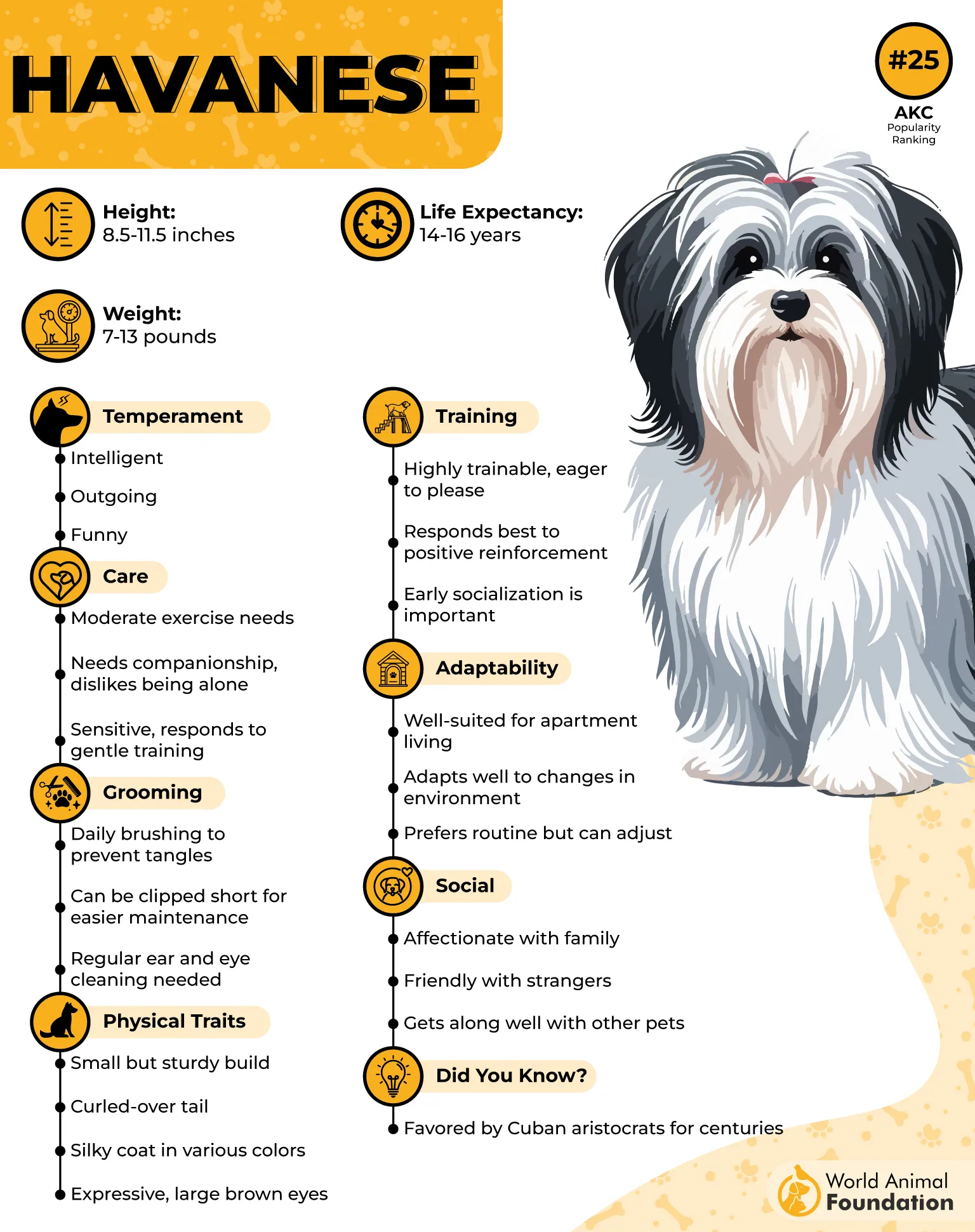
If you keep them in a short clip, professional grooming every 6-8 weeks is also recommended. On the activity front, Havanese are moderately active dogs, as Orvis mentions.
They’re also highly intelligent and easy to train, responding especially well to positive reinforcement and praise. These toy breeds make wonderful companions for owners looking for a snuggly dog, whether that’s a family household or a remote worker who wants company nearby. And since Havanese tend to bark when something’s up, they also make pretty decent little watchdogs.
4. Portuguese Water Dog
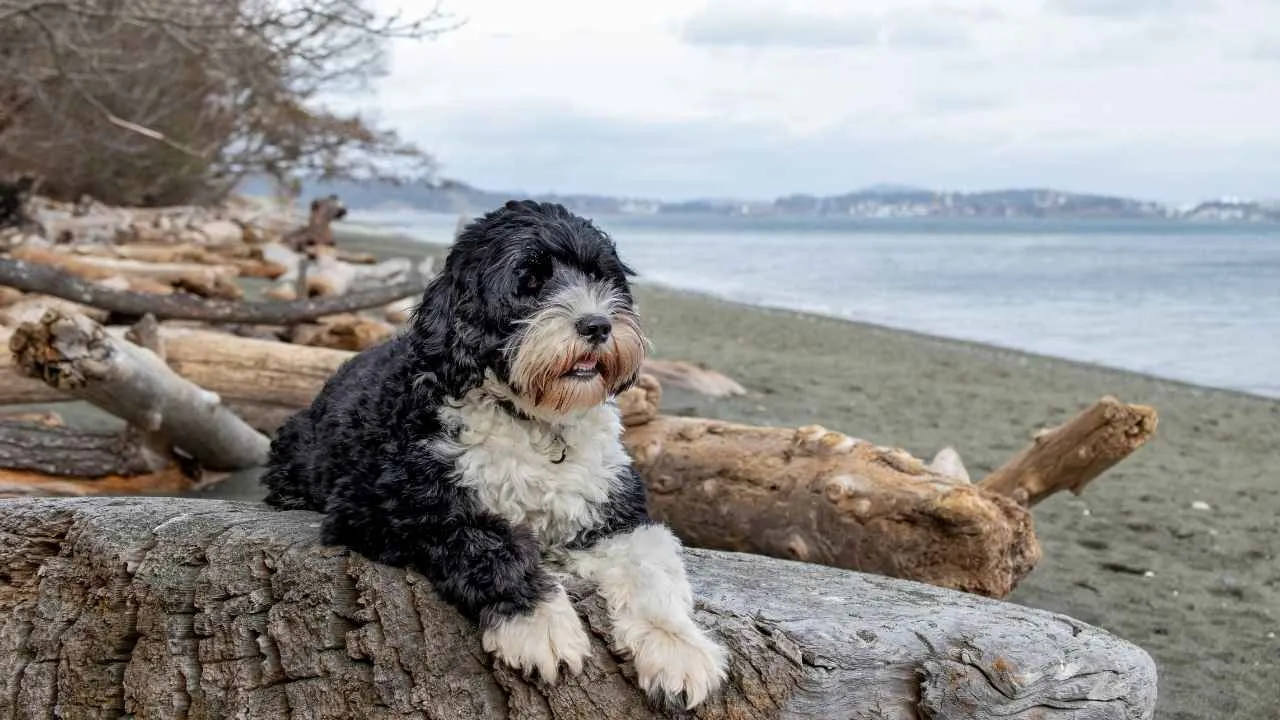
Portuguese Water Dogs, true to their name, absolutely love water. They were originally bred to help fishermen by herding fish into nets and retrieving lost gear, and these days, they’ll happily jump into any puddle they come across. They’re energetic, loyal, and intelligent dogs with a coat full of voluminous waves and curls.
That thick, curly coat traps loose hair inside rather than letting it fall out, at least until you brush it out yourself. PWDs need thorough brushing 2-3 times a week, along with regular grooming and bathing.
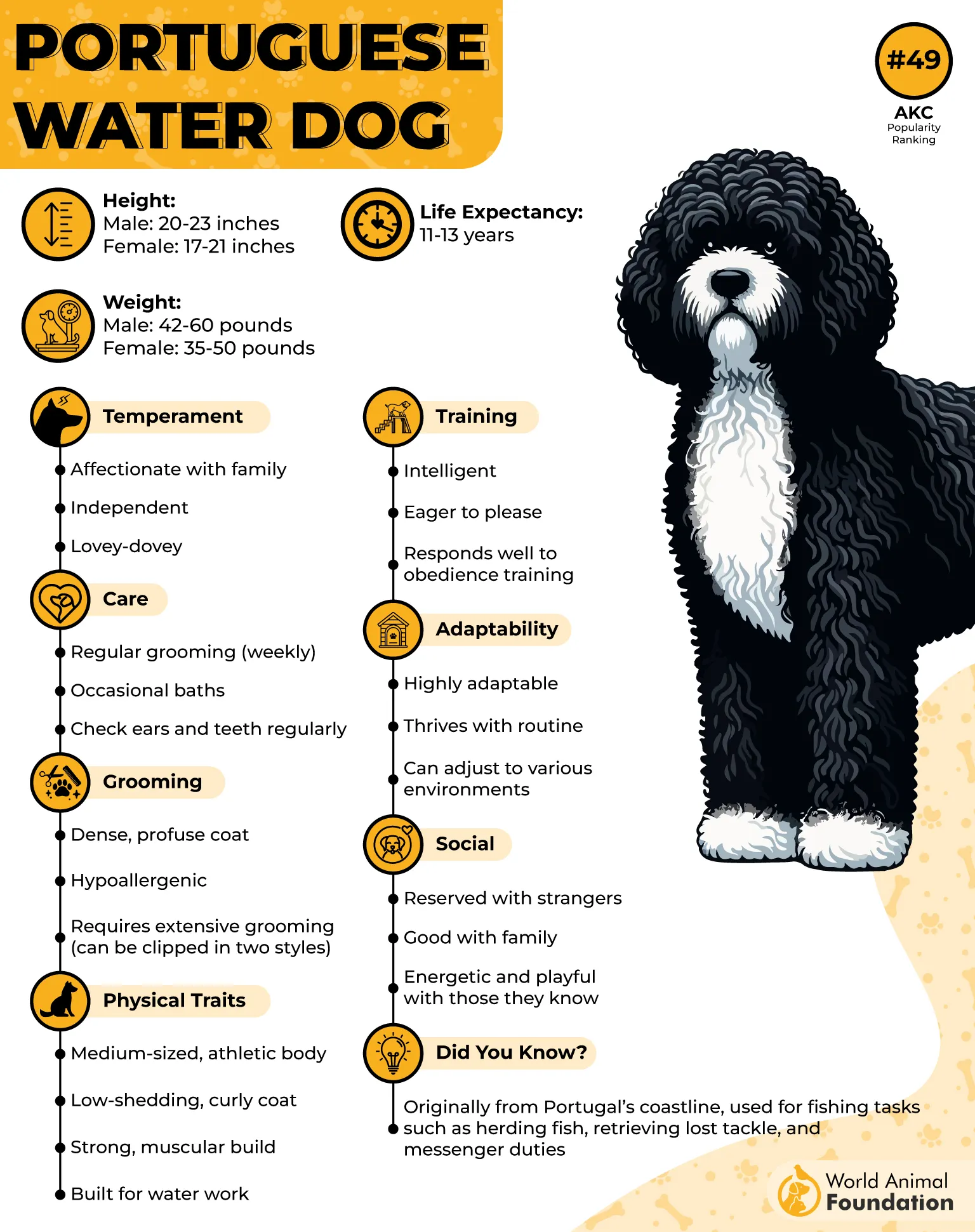
You can go with a retriever cut or a lion clip, so trimming needs vary a bit by style, but overall, they’re a great option among bigger low-shedding dogs.
Keep in mind, these water-loving dogs need 60-90 minutes of daily exercise to stay mentally stimulated. Swimming is by far their favorite activity, but they also enjoy dock diving and long hikes. PWDs are quick learners too, though they can get headstrong or a little mouthy when bored, so consistent training and socialization go a long way.
5. Shih Tzu
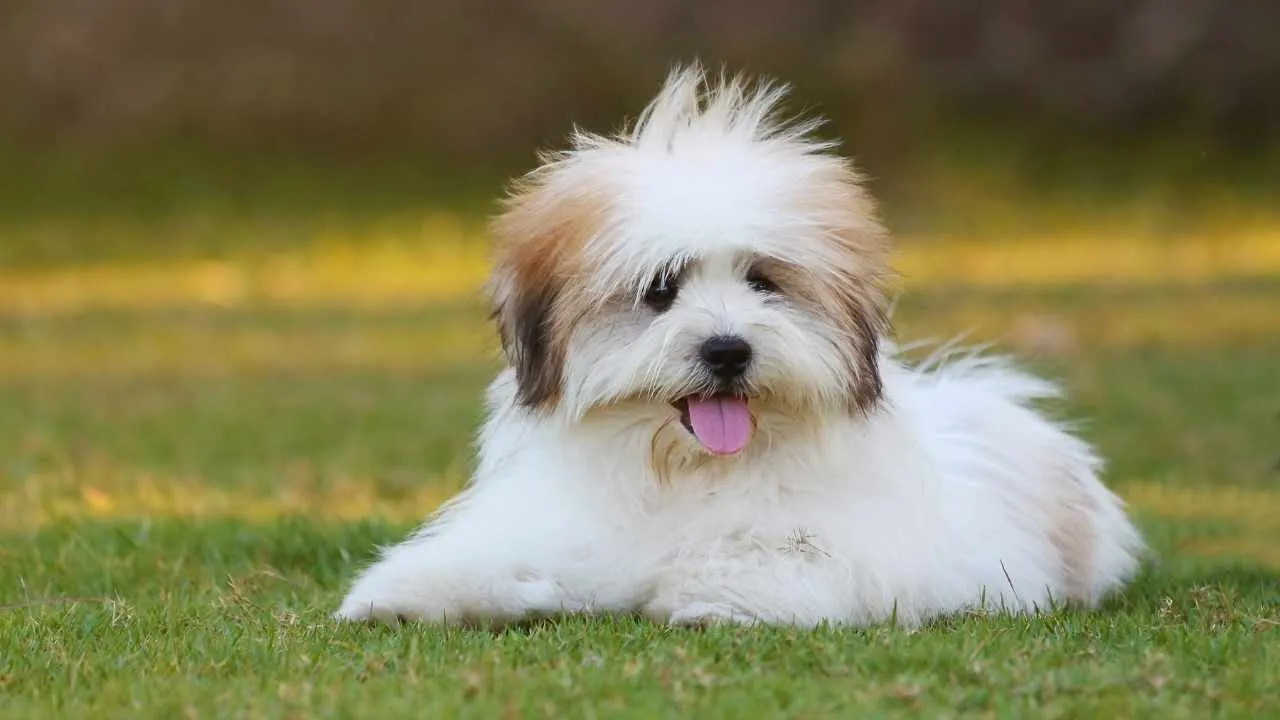
Shih Tzus are affectionate, happy, and outgoing dogs known for their gentle, playful nature. They’re sometimes called “little lion dogs,” according to Chewy, since they were originally bred to resemble little lions. At heart, though, Shih Tzus are true lapdogs who love trailing family members from room to room.
These toy breeds have a dense double coat made of fast-growing hair rather than fur, so loose hair tends to stay trapped in the coat instead of shedding onto the floor.
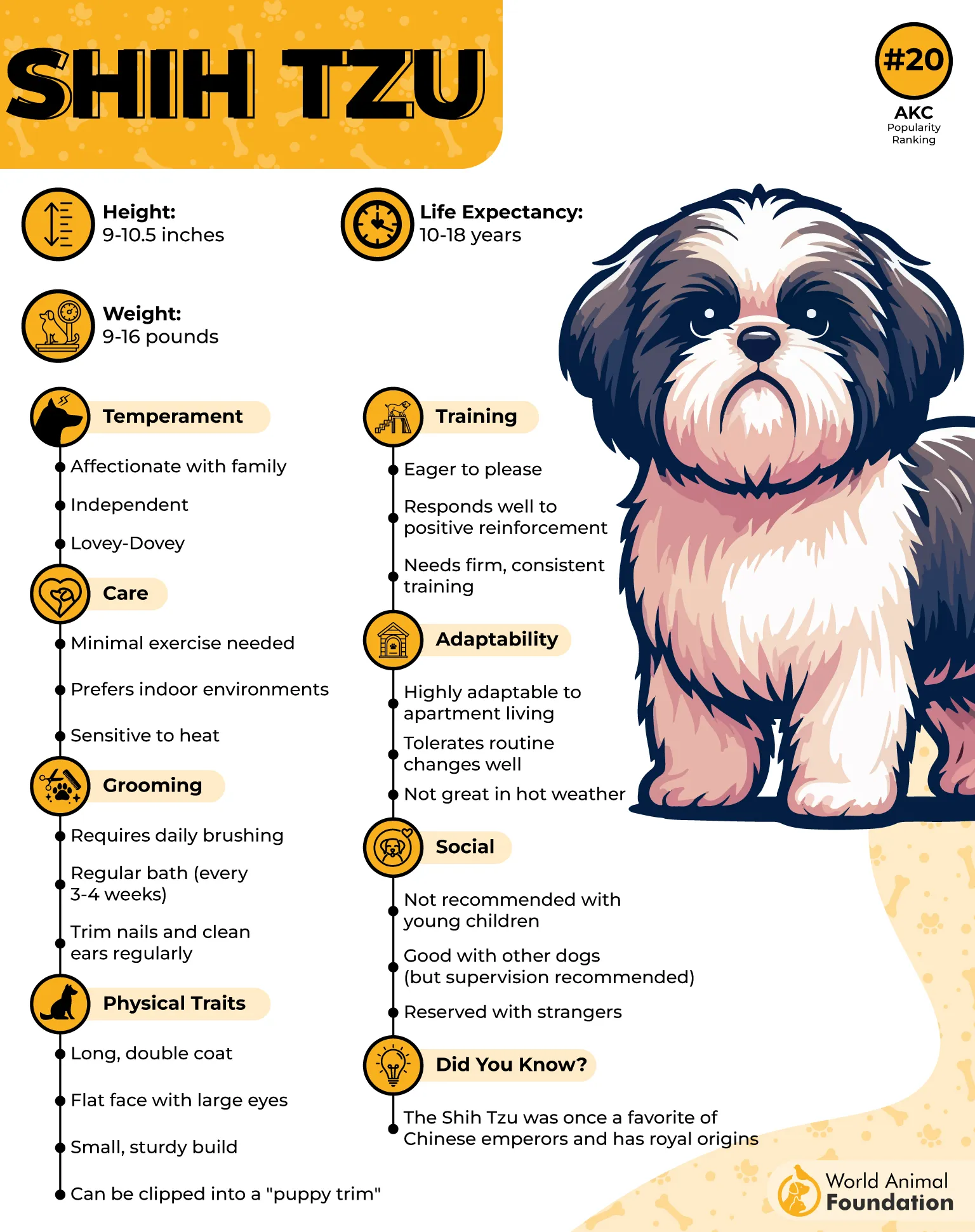
That’s part of why they’re considered hypoallergenic dogs, though not 100% so. On the flip side, this also means they’re fairly high-maintenance in the grooming department and need frequent brushing.
That said, Shih Tzus are calm, low-energy dogs, usually happy with 20-30 minutes of gentle walks plus some indoor playtime. They’re highly intelligent but famously stubborn, so training them takes patience, consistency, and plenty of positive reinforcement.
6. Yorkshire Terrier
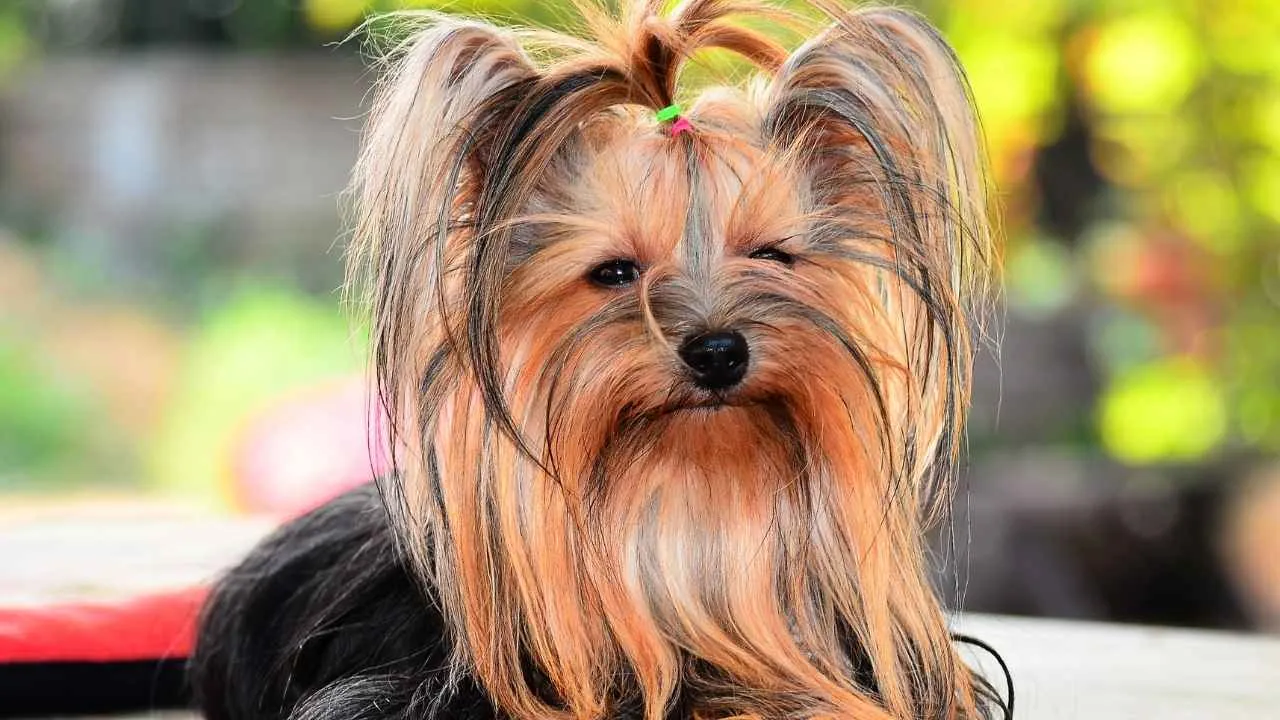
Yorkshire Terriers are feisty, brave, and affectionate dogs with personalities much bigger than their size. They’re energetic, confident, and fiercely loyal to their owners. Originally developed to hunt rats and mice in textile mills and coal mines, Yorkies have since become one of the most popular house dogs for families.
These small dogs are known for their long, flowing, silky coats that shed very little, making them a solid option for people with dog allergies. But that low-shedding coat comes at a cost: daily brushing and frequent bathing are a must, which is why so many owners opt for a puppy cut instead.
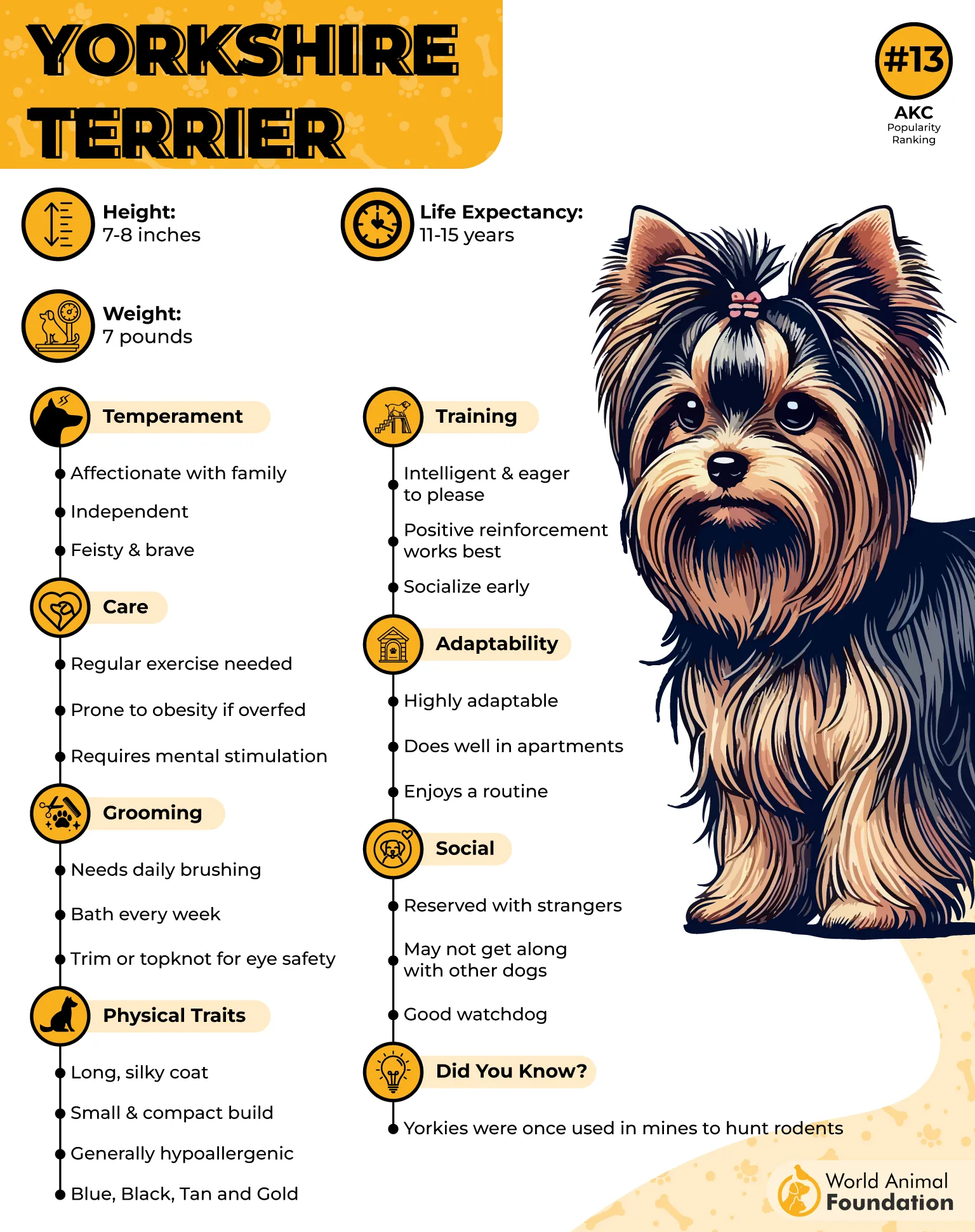
Smart and alert, Yorkies also carry that classic Terrier spark, so firm, consistent, and positive reward-based training works best with them. Their exercise needs are moderate, making them a great fit for active seniors, singles, or families with older kids.
7. Lagotto Romagnolo

Lagotto Romagnolos are loving, keen, and devoted small-to-medium-sized dogs that don’t shed much but are full of bright personality and sharp alertness. Also known as Italian Water Dogs, they’ve earned the nickname “truffle dogs” for their uncanny ability to sniff out truffles, according to the AKC.
These adorable pups sport a tightly curled double coat that traps loose hair inside instead of letting it fall out, and honestly, it gives them that irresistible teddy-bear look too.
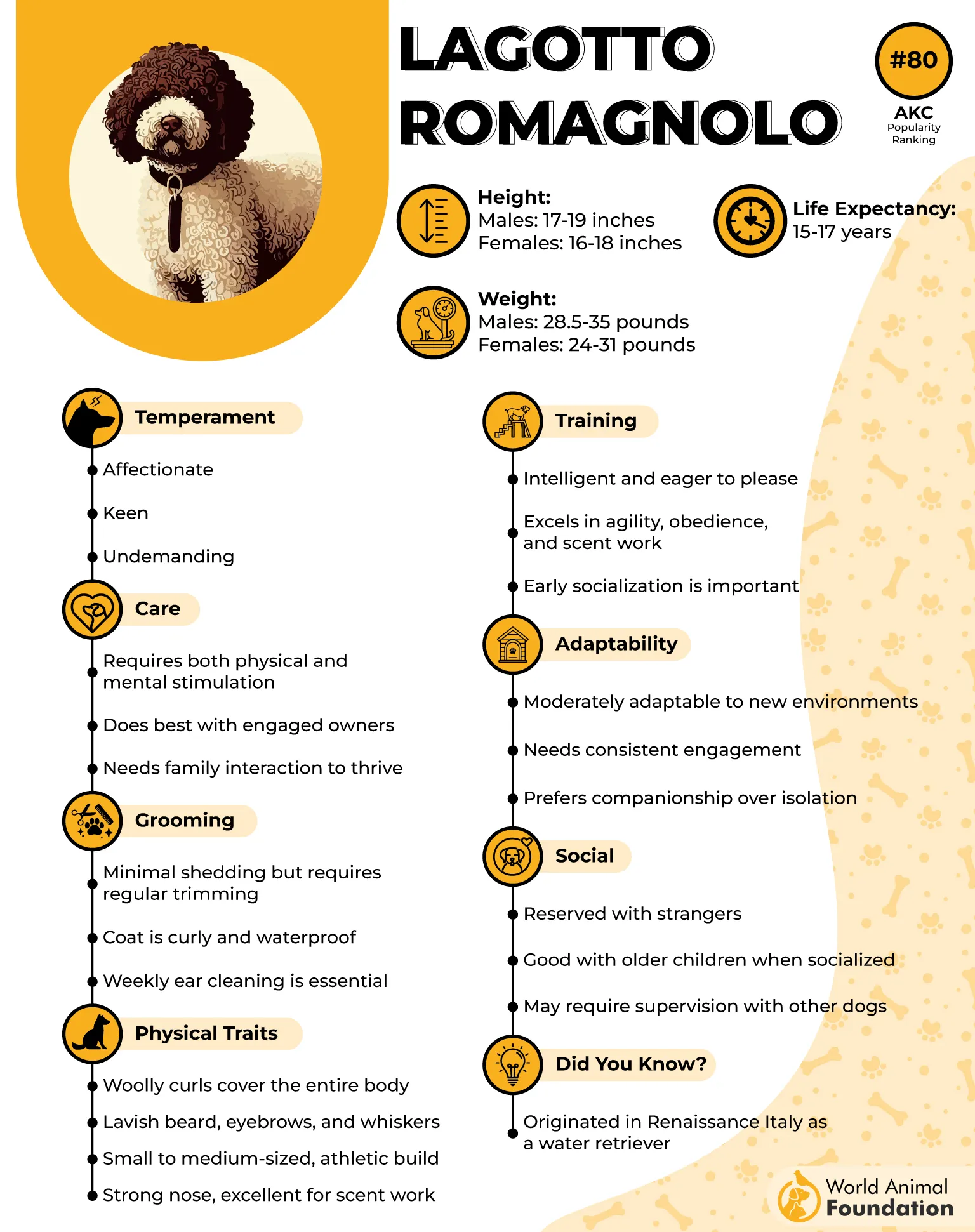
That said, this water dog breed needs regular detangling once or twice a week to prevent serious matting, along with frequent brushing to keep things manageable.
These low-shedding dogs need 45-60 minutes of exercise a day, whether that’s through fetch, hikes, swimming, or scent work. Lagottos are seriously smart and eager to please, and they do best with reward-based training; otherwise, that sharp mind might find its own entertainment, like digging up the yard.
Conclusion
The seven dog breeds above all have low-shedding coats, meaning loose hair gets trapped inside rather than scattered around your home. But remember, low-shedding never means zero maintenance. Most of these non-shedding dogs have thick double coats that need frequent, sometimes daily, brushing to keep loose hair under control.
On top of that, you’ll still need to factor in occasional grooming sessions and baths, though how often varies from dog to dog. Still, these breeds are a great option for anyone dealing with pet hair allergies. Some make perfect lapdogs, while others are especially well-suited to apartment living.
