




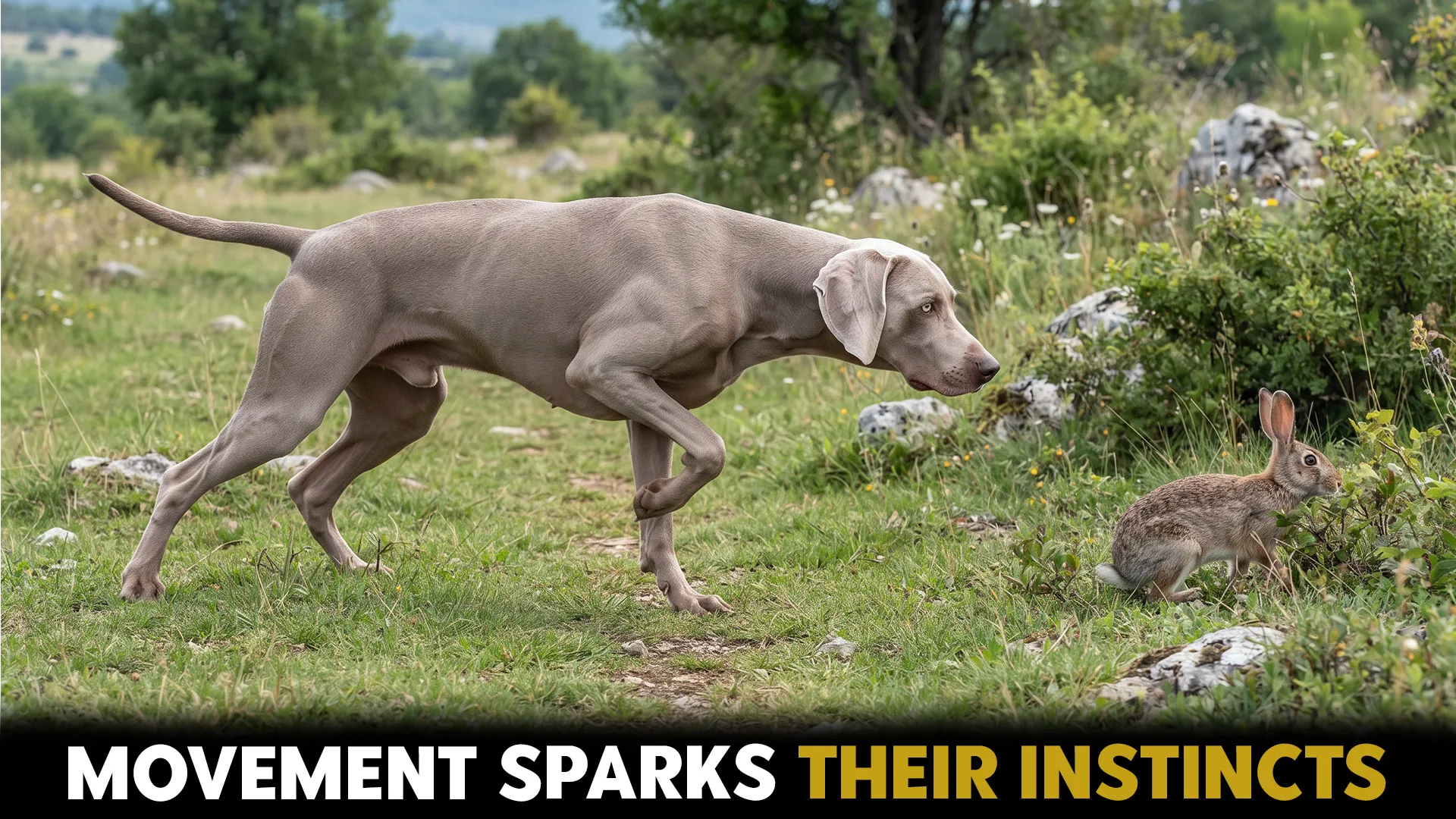
A rabbit darts across the yard, and suddenly your dog forgets everything. Their body stiffens, their eyes follow the movement, and they pull toward the spot where the animal disappeared.
That reaction can be a clear sign of prey drive, an instinct that encourages dogs to notice, pursue, and sometimes capture moving animals. The strength of this response varies widely. Some dogs can watch wildlife and remain responsive to their handlers, while others become intensely focused once something starts running.
Fast movement is often the main trigger, but sudden sounds and interesting scents can also draw a dog’s attention toward potential prey. This instinct matters because it can influence recall, leash manners, fencing needs, and everyday interactions with smaller pets. It can also make certain forms of exercise especially rewarding and mentally engaging.
By the end of this article, you’ll have a clearer picture overall of which dogs tend to show this instinct strongly and what living with it daily can really involve.
Key Takeaways
One quick movement can completely change a dog’s focus, especially when its instinct tells it that something small and fast is worth chasing.
Greyhounds are famous for their speed, while Salukis could cover long distances in pursuit of gazelles and hares across the desert.
Then comes the Rhodesian Ridgeback, which was once used to track lions, followed by the Weimaraner and Jack Russell Terrier with their own powerful hunting instincts.
Afghan Hounds can turn a glimpse of a rabbit into an instant pursuit, and there is still one more breed to discover before the full picture of prey drive comes together.
Dog Breeds That Exhibit a High Prey-Drive Instinct
1. Greyhound
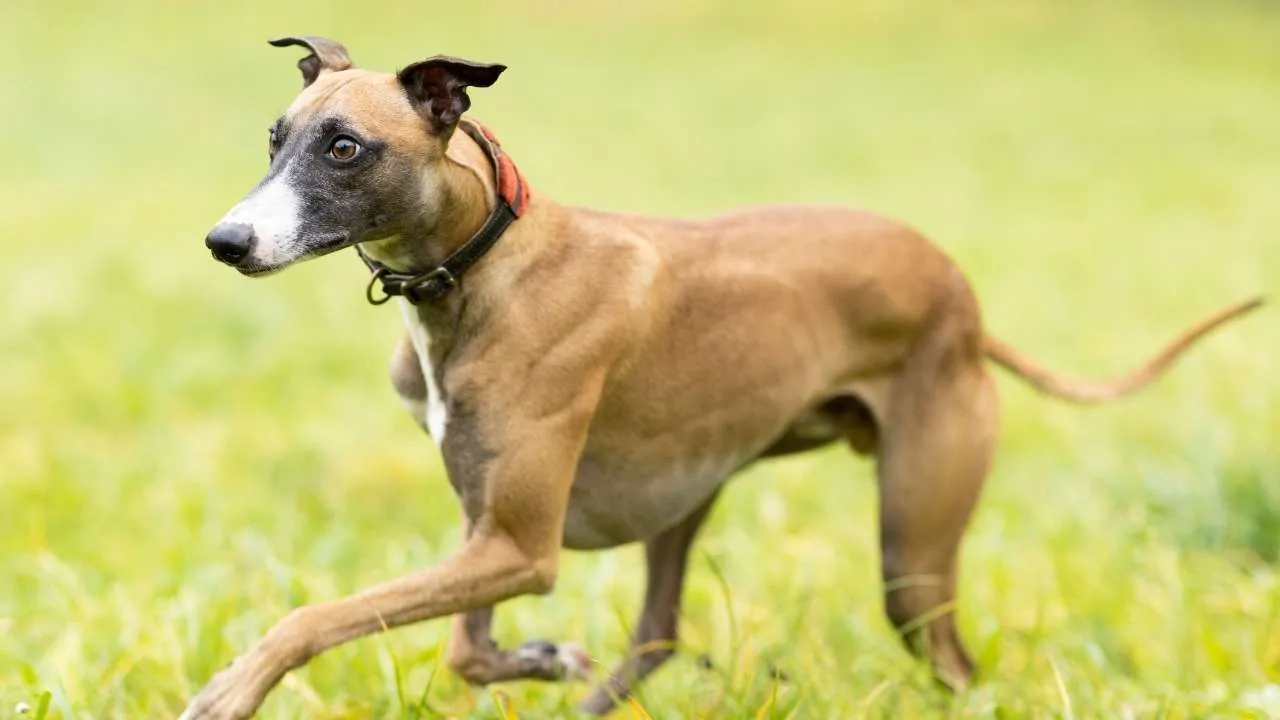
Greyhound is an ancient European sighthound bred to spot and pursue game using sharp vision rather than scent. Its slim frame, long legs, and flexible spine help it reach remarkable bursts of speed across open ground, with recorded top speeds of about 43 miles per hour.
Instant Chase
This racing dog can react to sudden movement almost instantly, which makes its prey drive especially important during outdoor walks. A darting squirrel, cat, or small dog can trigger a chase within seconds, so open areas require careful control.
Three details are especially useful to remember:
Visual hunting rather than scent tracking
Explosive acceleration over short distances
Enjoys running in short, intense spurts
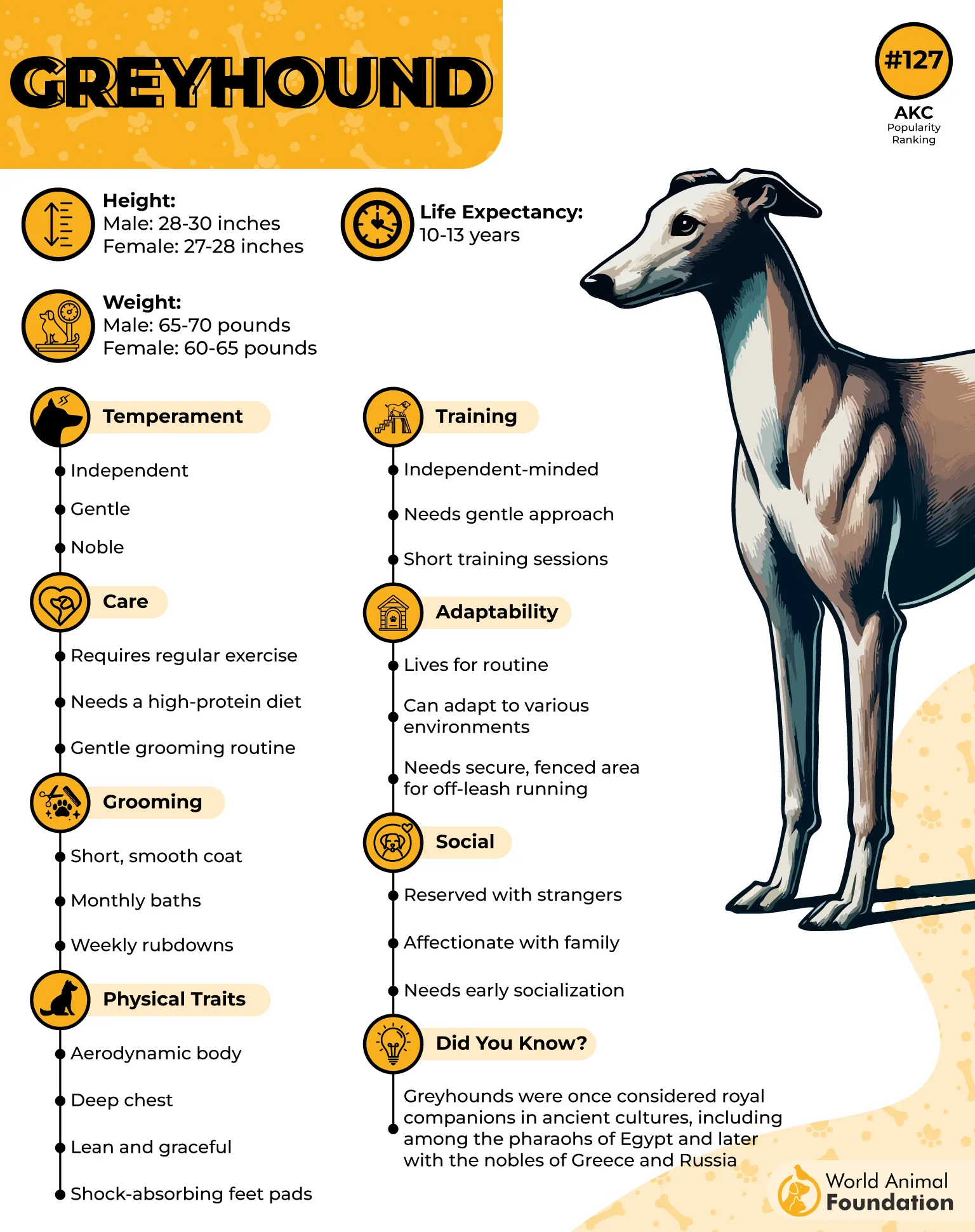
Gentle at Home
Greyhounds have a gentle, friendly side that makes them a pleasant family companion after their active periods, as PetMD claims. Its sighthound nature also brings an independent streak, while secure fencing and controlled walks become particularly important around small animals.
2. Saluki
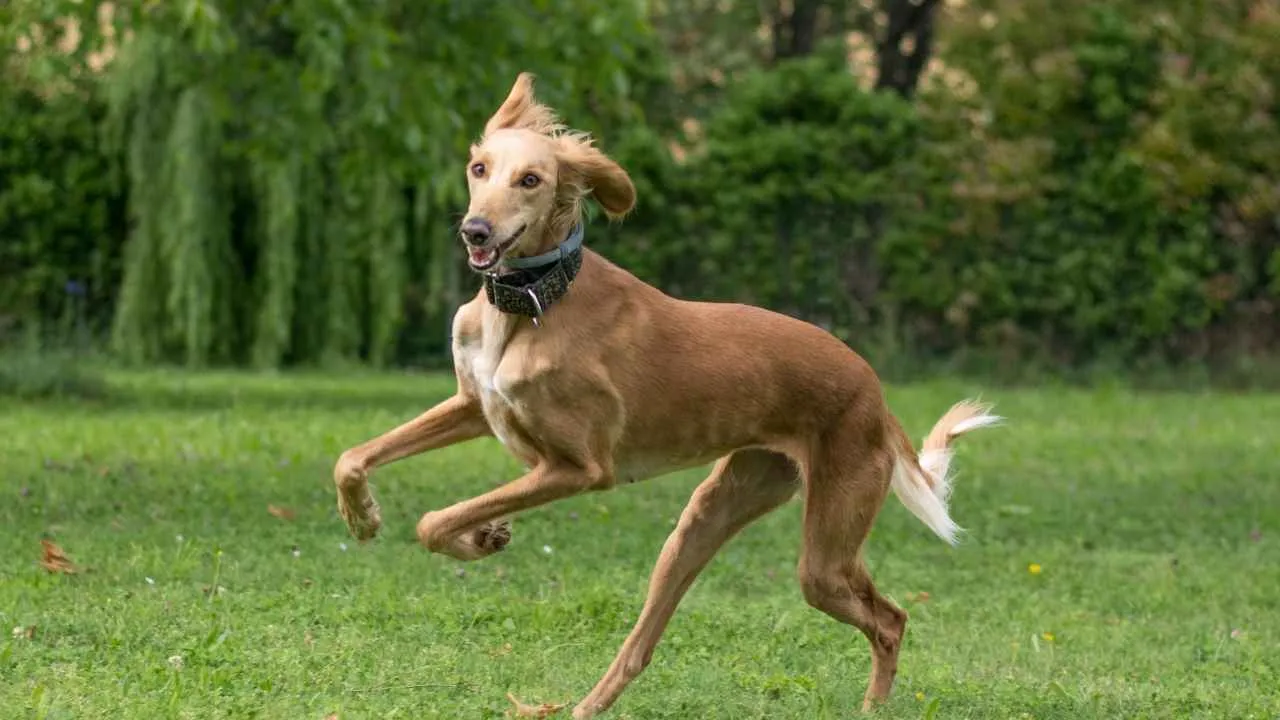
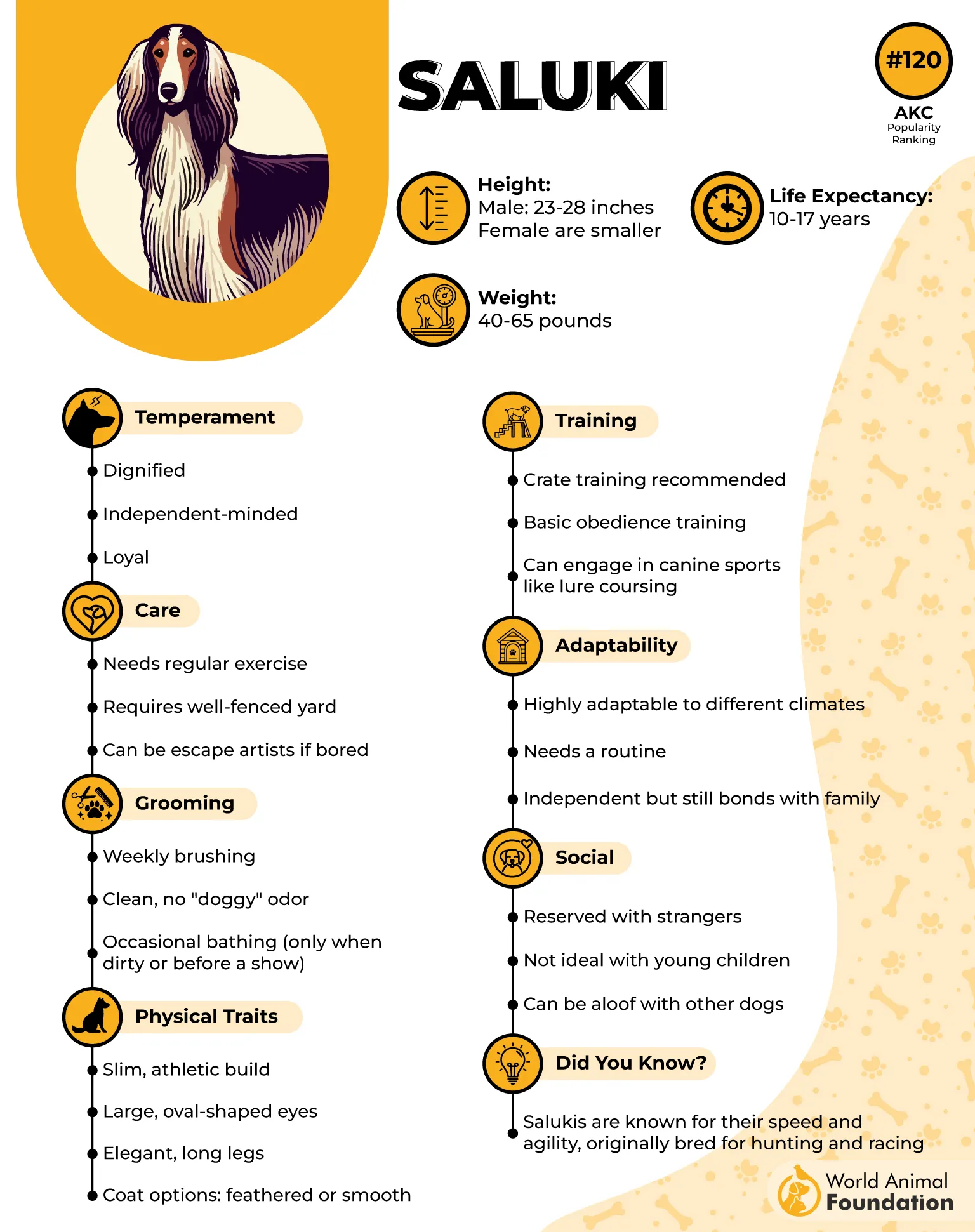
Saluki has existed for thousands of years, although its exact place of origin remains uncertain and is still debated. Mummified remains found in Egyptian tombs have led to the theory that the breed was closely associated with Pharaohs and ancient desert cultures across the region.
Built for the Chase
Saluki was bred as a sighthound for nomadic tribes, using sharp vision to spot, pursue, and kill gazelles and hares across vast open areas, as Omlet highlighted. Its exceptional speed and endurance allow it to cover long distances at a pace few dogs can match.
This is what makes their hunting instinct especially powerful:
Sight triggers the chase response
Speeds can reach about 43 mph
Recall can fail once prey is spotted
Small Animals Are Different
Saluki can live peacefully with dogs it grew up with, while rabbits, rodents, and other animals can quickly trigger its intense hunting response. It also prefers older children who understand its dislike of rough play and sudden handling, while unfamiliar people may find it reserved or timid at first.
3. Rhodesian Ridgeback
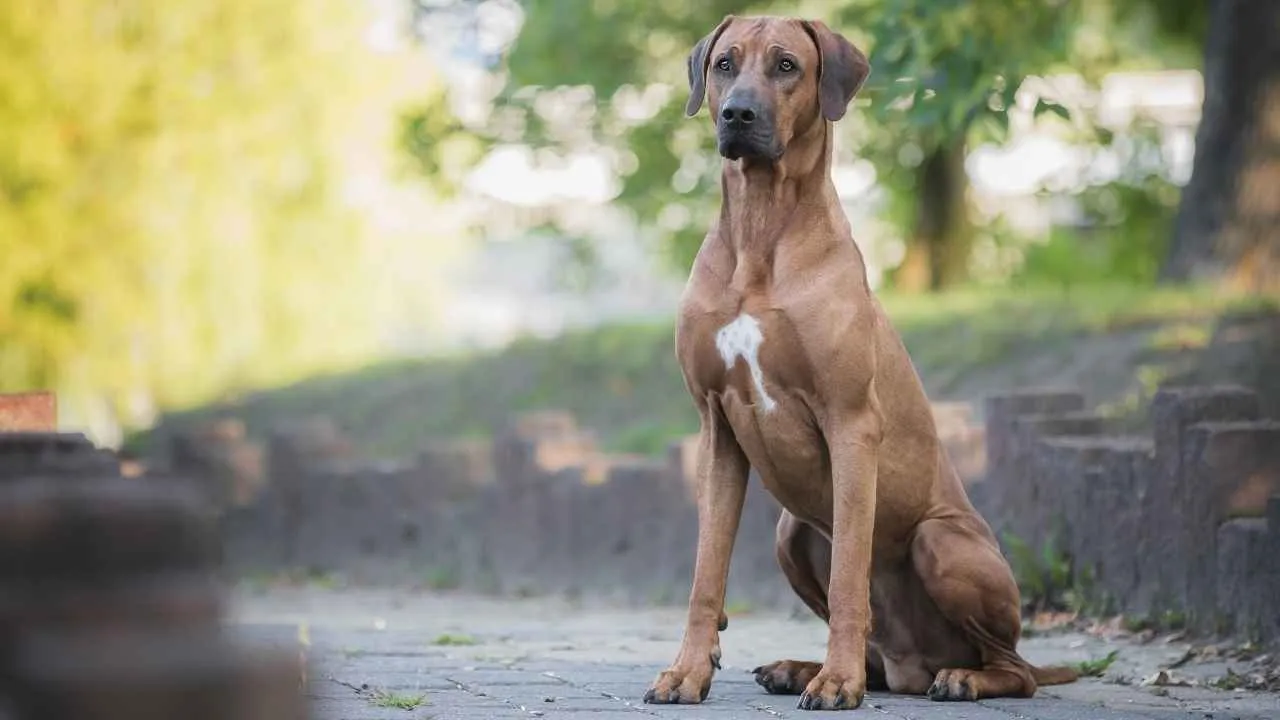
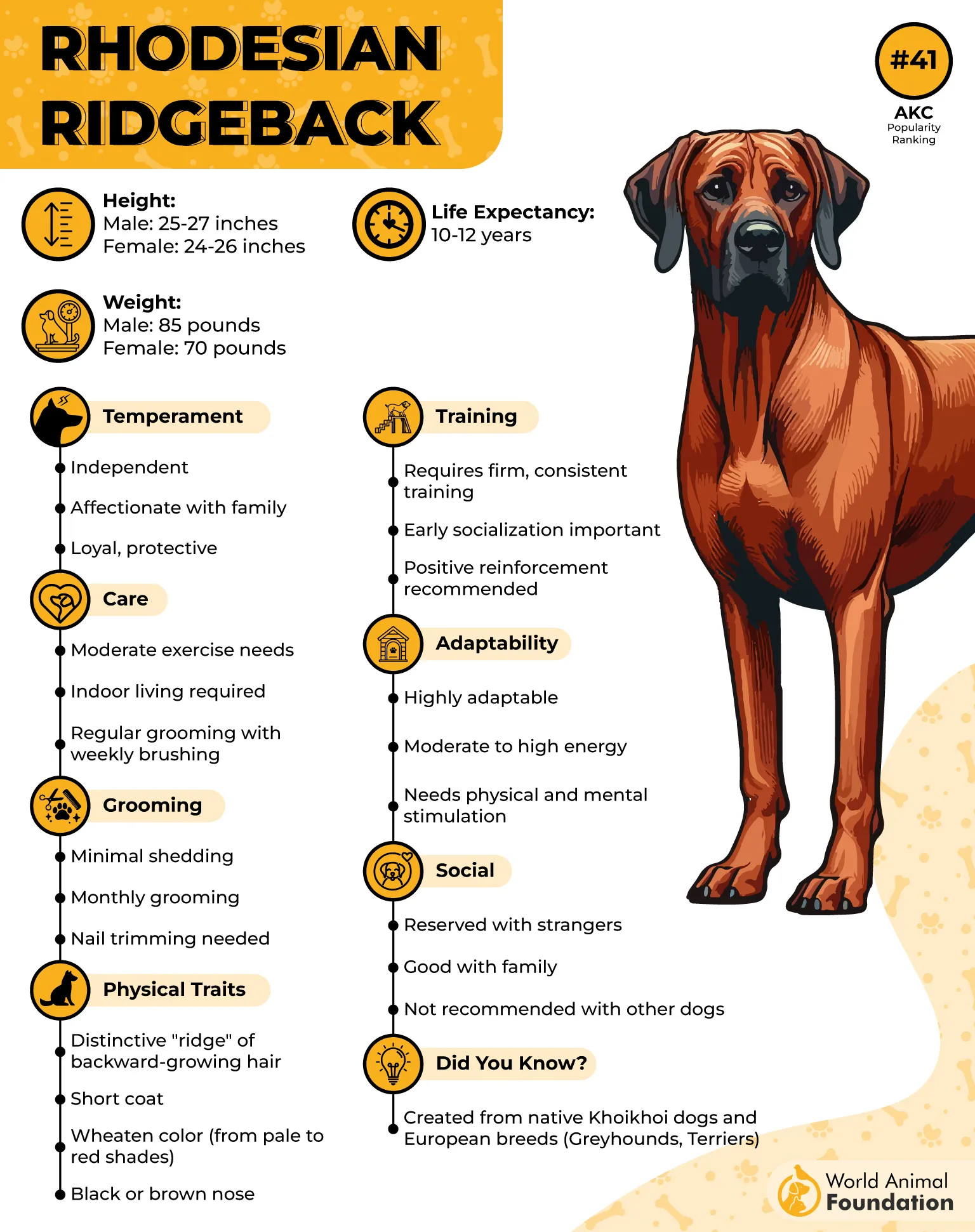
Rhodesian Ridgeback emerged from crosses between European hunting and working dogs and native African hunting dogs during the 16th and 17th centuries. By the late 1800s, these dogs were taken to Rhodesia, where they tracked lions and held them at bay until hunters arrived.
A Powerful Chase Instinct
This hunting dog has an intense prey drive that can be triggered by fast-moving animals or even something as ordinary as a plastic bag blowing across an open area. Once focused on the chase, recall can become difficult, making secure handling especially important.
Its senses play a big role in how it explores:
Keen eyesight and strong sense of smell
Quiet nature makes warning barks noticeable
Open areas require reliable leash control
Independent Energy
Young Rhodesian Ridgebacks can bring considerable energy to running, jogging, training, and play, while age often brings a calmer pace. Early socialization is important around visitors, and cats can be introduced with care when the dog is raised alongside them from a young age, as stated by Orvis.
4. Weimaraner
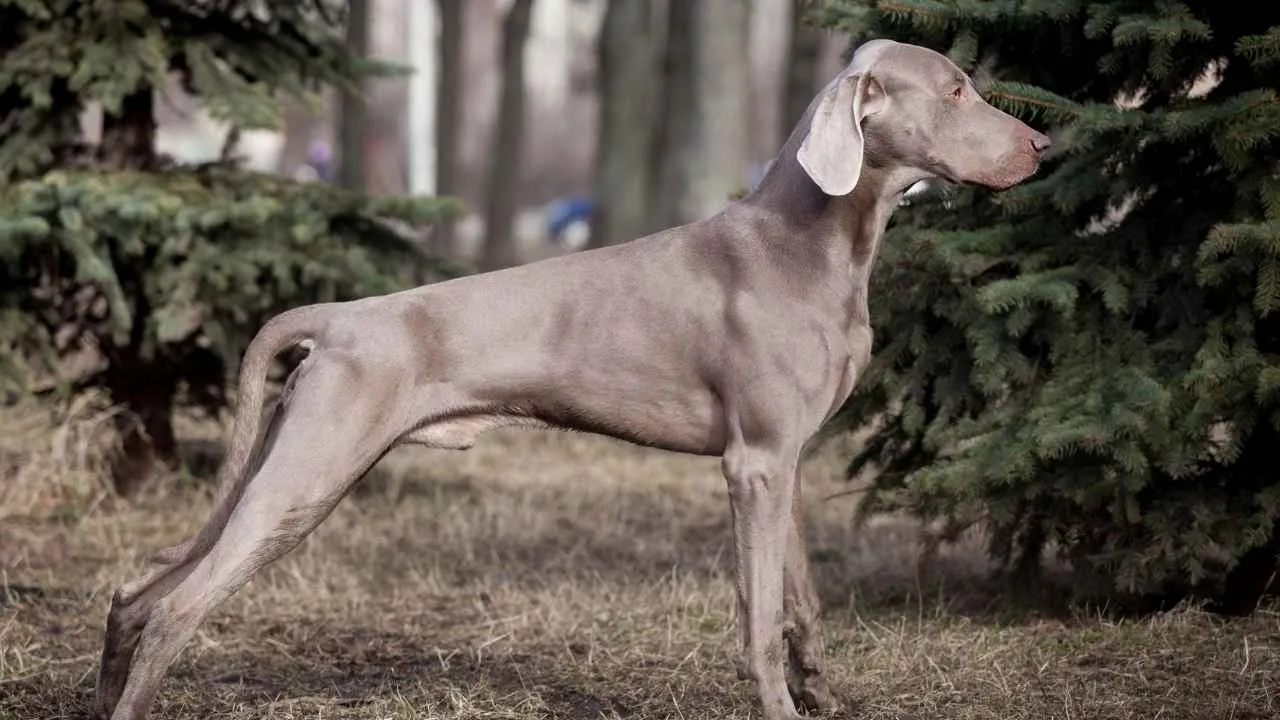
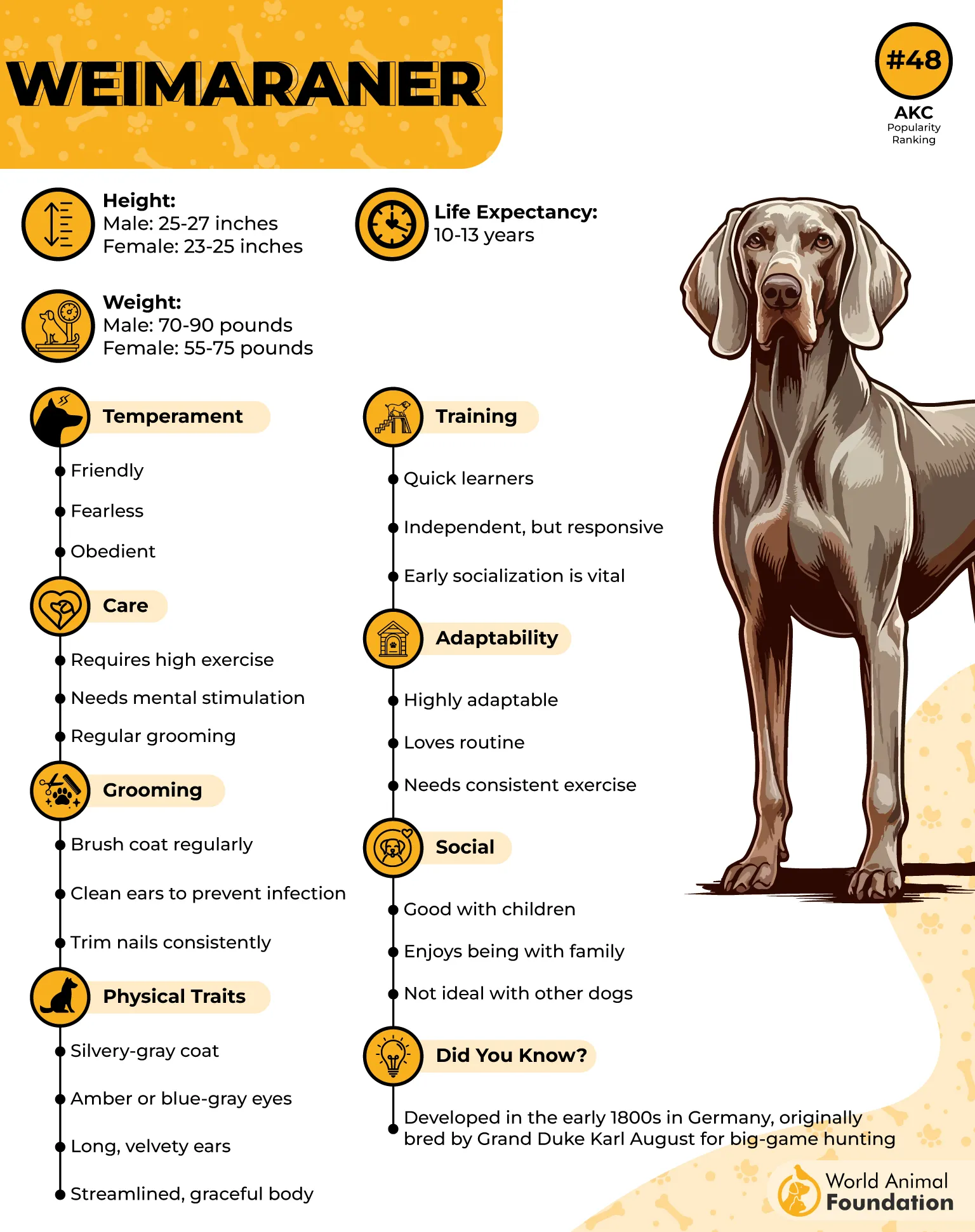
Weimaraner was originally bred in 19th-century Germany as an all-purpose gun dog capable of pursuing substantial game, including deer and bear. Bloodhounds, Schweisshunds, and Pointer breeds contributed to the breed that became the modern Weimaraner.
A Serious Hunting Instinct
They still have a strong prey drive that can send them after cats, rodents, and small dogs, making careful management important around smaller animals. Early socialization can also help it interact more appropriately with other dogs and reduce dominant behavior.
Its instincts and energy both call for consistency:
Can become destructive when bored
Needs consistent training and daily activity
Thrives on close family companionship
Alert Around Strangers
Weimaraner has also served as a home guardian, using its alert nature to notice unfamiliar people and bark when someone approaches. Its protective response does not necessarily involve vicious behavior, although early training helps shape appropriate reactions.
5. Jack Russell Terrier
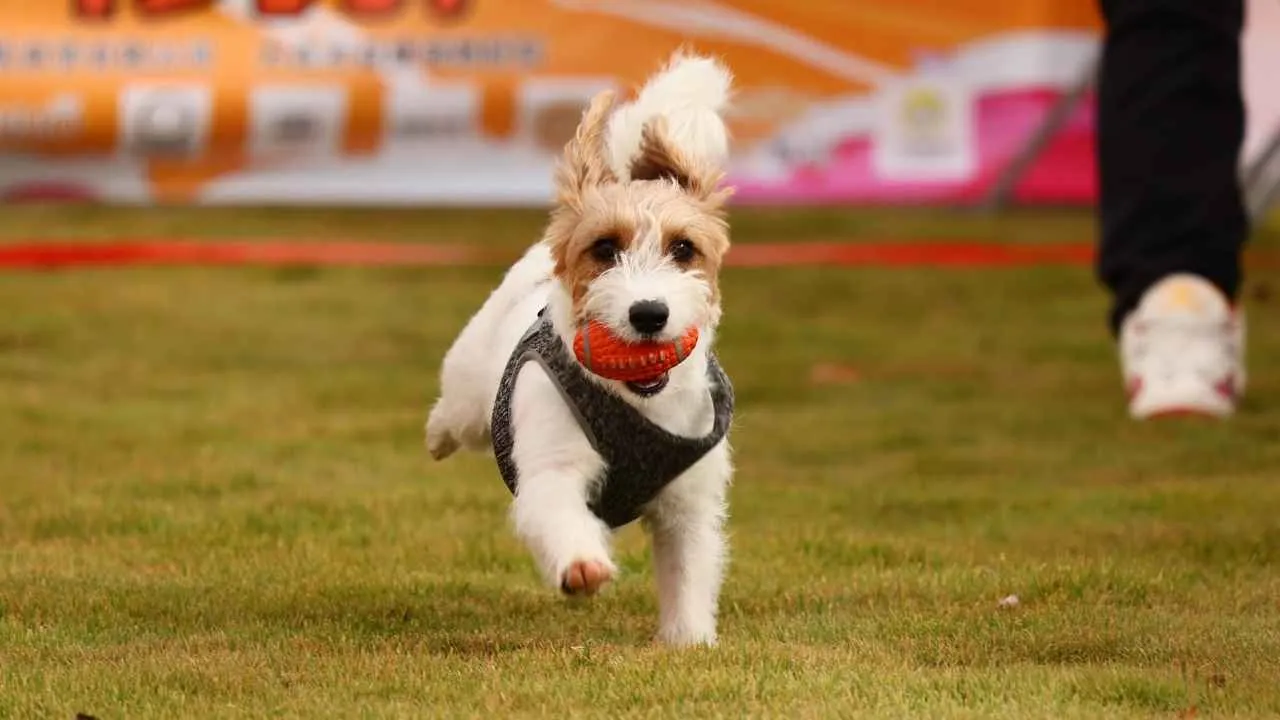
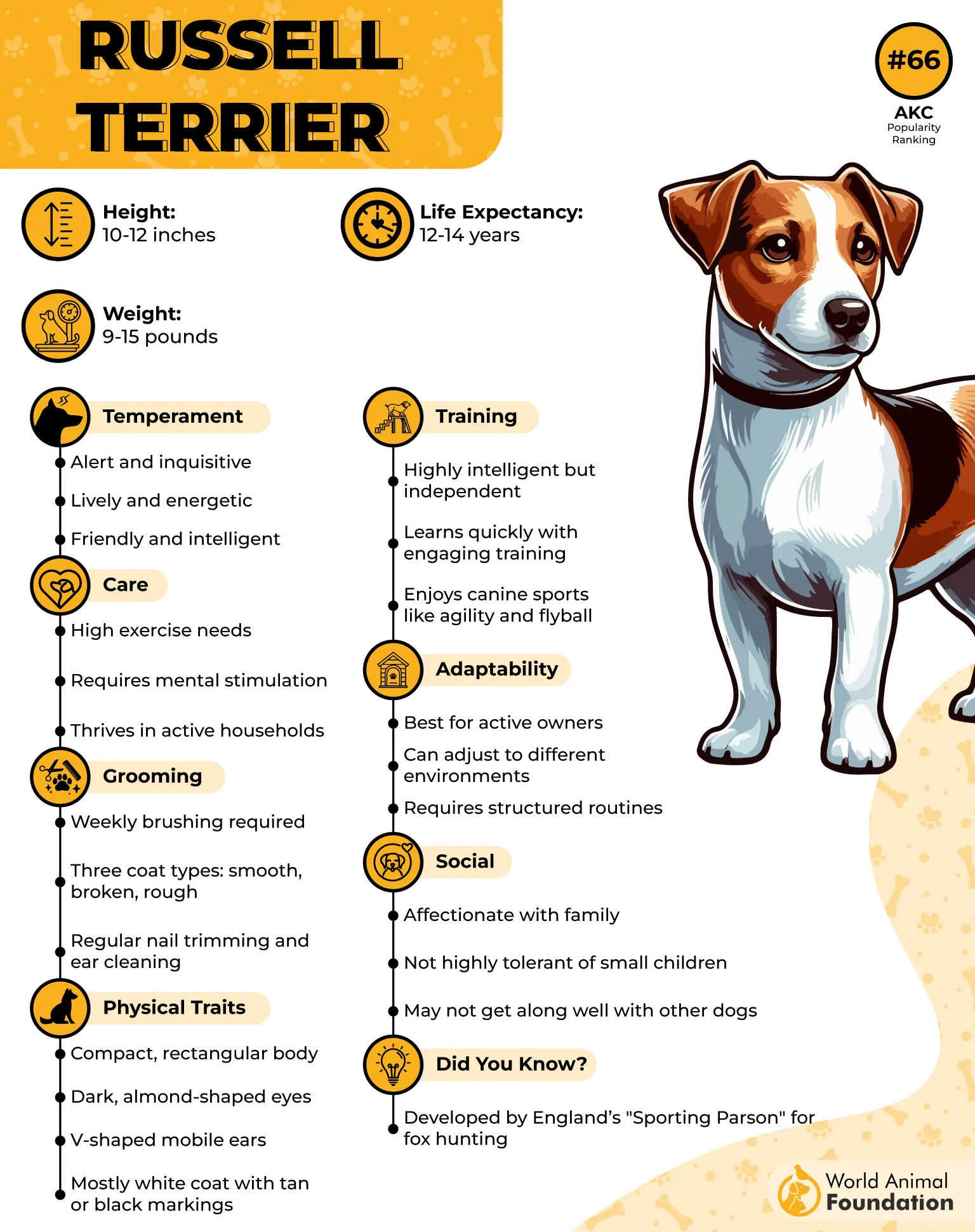
Jack Russell Terrier originated in 1800s England, where early dogs came from crosses involving the now-extinct White Terrier. Fox hunts put them to work locating, digging out, and holding foxes until hunters arrived, while their rat-catching ability soon became another useful role.
A Relentless Nose
This terrier has a powerful chase instinct that can turn a passing cat, bird, or small animal into an instant target. Their active minds keep them sniffing, investigating holes, and searching for something interesting, making secure areas especially important during outdoor activities.
This is what matters when managing that drive:
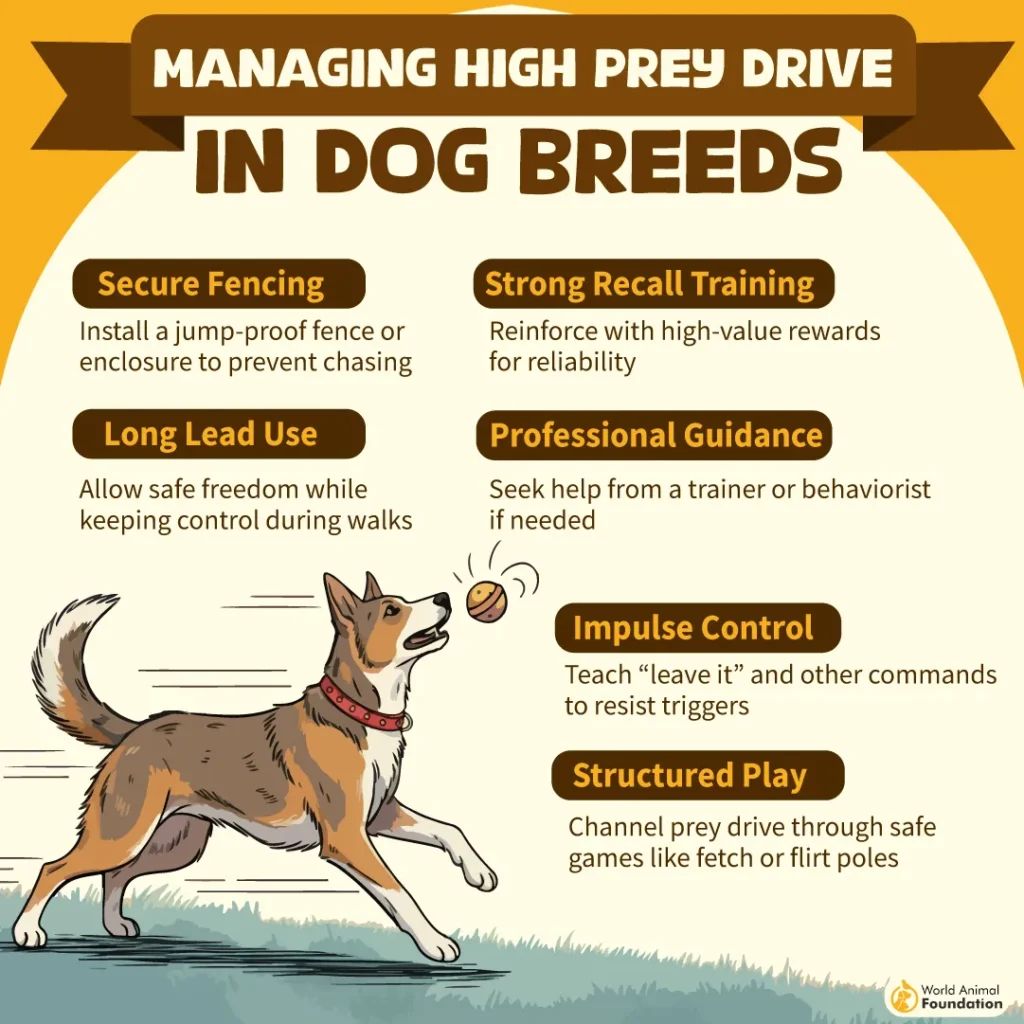
Secure fencing helps prevent escape attempts
Long-line work can reinforce recall
Agility and flyball provide controlled outlets
Clever With an Attitude
Jack Russell Terrier is intelligent, playful, and famously cheeky, with enough determination to turn training into a daily test of consistency. Short, regular sessions work well, while games such as fetch, hide-and-seek, and frisbee give their busy minds something to tackle.
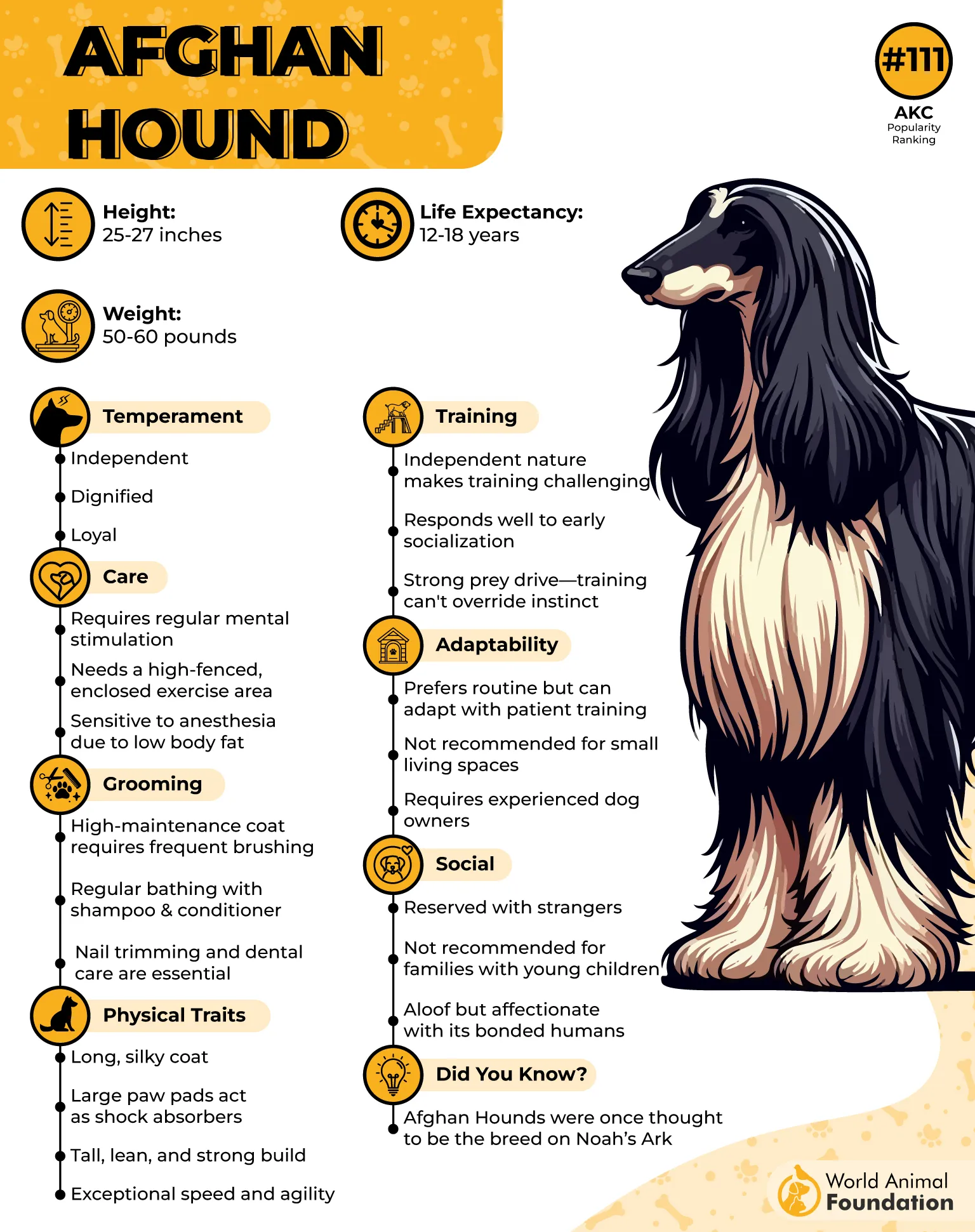
6. Afghan Hound

Afghan Hound traces its lineage to ancient Middle Eastern sight hounds, with accounts placing the breed as far back as the era of Egyptian Pharaohs and early desert cultures. Nomadic tribes used these swift hunters to pursue hare, deer, and mountain leopard across demanding and rugged terrain.
Built for the Chase
Afghan Hound’s high prey drive is closely tied to its sight-hound design, with long legs, and large feet suited to rough ground. Its speed and jumping ability can turn a glimpse of a rabbit or squirrel into an instant pursuit.
That instinct comes with several practical considerations:
Needs secure, tall fencing outdoors
Strong chase instinct can override recall
Lure coursing and agility activities help channel these instincts
Independent by Nature
This high prey drive dog can be aloof during training and often approach lessons with an independent, almost cat-like attitude. Consistent work can improve cooperation, while daily walks, safe running opportunities, and activities such as rally or barn hunt provide useful outlets for its instincts.
7. Whippet
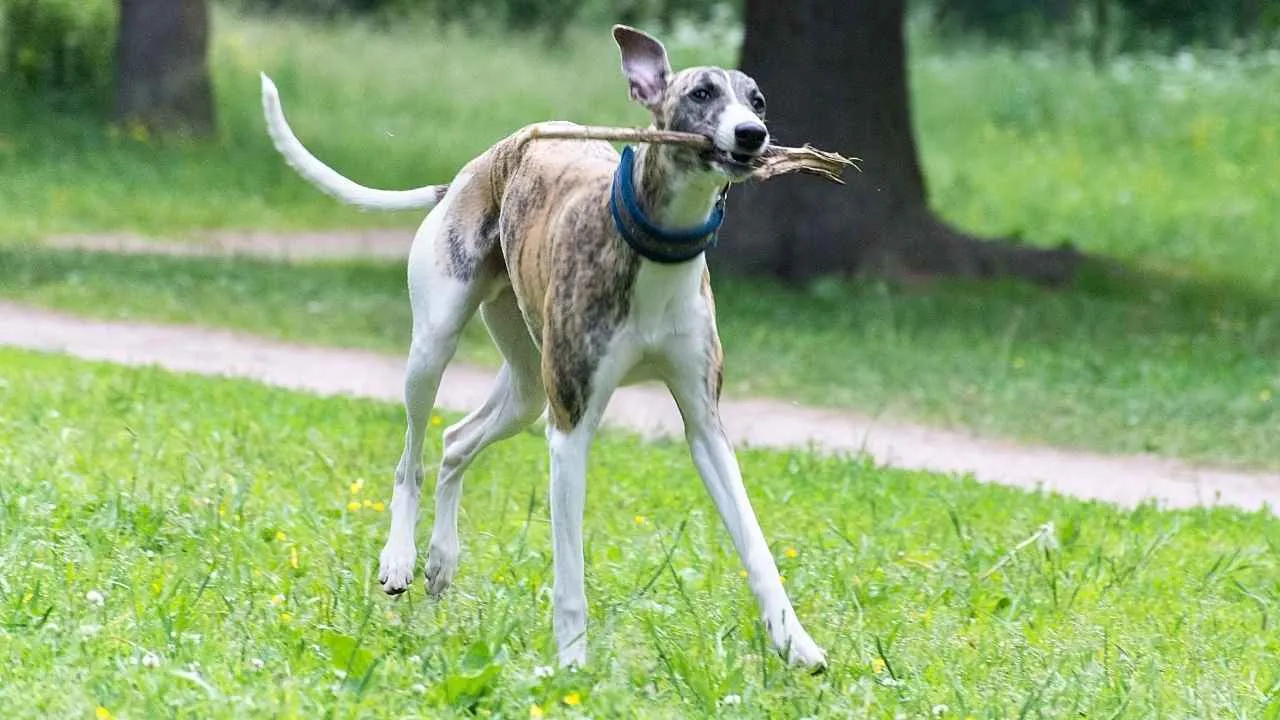
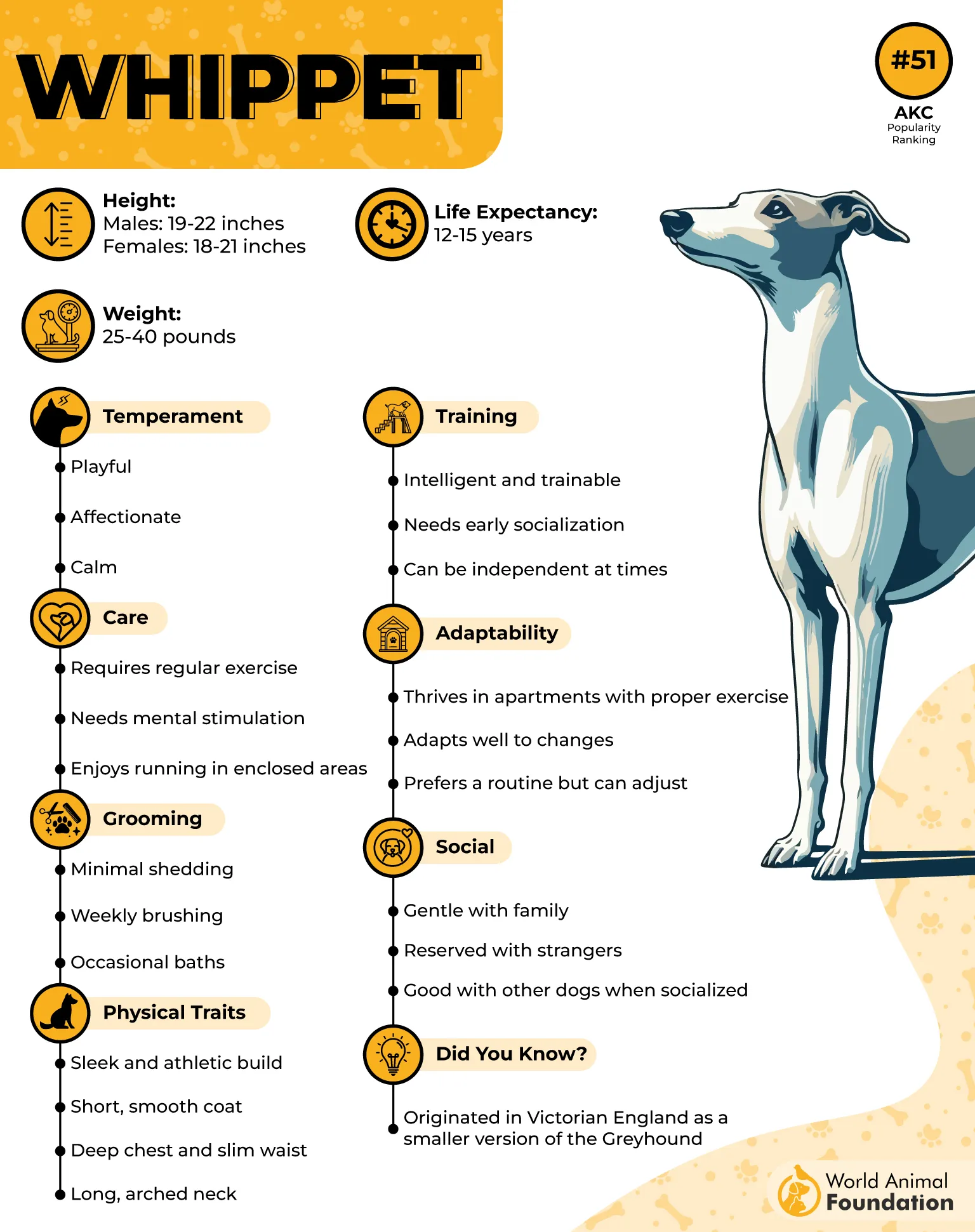
Whippet grew from Greyhound stock and was bred as a sight hound for chasing rabbits. When working people moved into cities, the breed found a new role in flag chasing, with Whippet Racing becoming a popular working-class pastime before official recognition in 1888.
Chase Comes First
Whippets’ sharp visual focus can make fast movement especially tempting to chase, reflecting their traditional role as sighthounds. Bicycles, jogging people, stray cats, and other moving targets can quickly trigger their pursuit instinct outside.
These practical considerations matter when managing that instinct:
Open areas require secure fencing
Recall may fail during pursuit
Rabbits and rodents are especially risky around them
Around Other Dogs
Whippets can generally interact well with other dogs when socialization begins early, giving puppies experience with appropriate canine play. Their thin skin also deserves attention during rough games because overly boisterous play can result in cuts or bruises.
Conclusion
Living with a dog that has a strong prey drive means paying attention to moments that can trigger pursuit. A squirrel, rabbit, bird, or a moving object can quickly become more interesting than anything happening nearby.
Leash control and secure fencing are important, while recall training should be practiced regularly in controlled, safe settings.
Owners should also consider smaller pets and careful introductions. Plenty of physical activity and mentally engaging work can give those instincts a productive outlet. When daily routines account for the dog’s behavior, managing that powerful drive becomes much more practical at home and outdoors, especially in securely fenced areas.
