




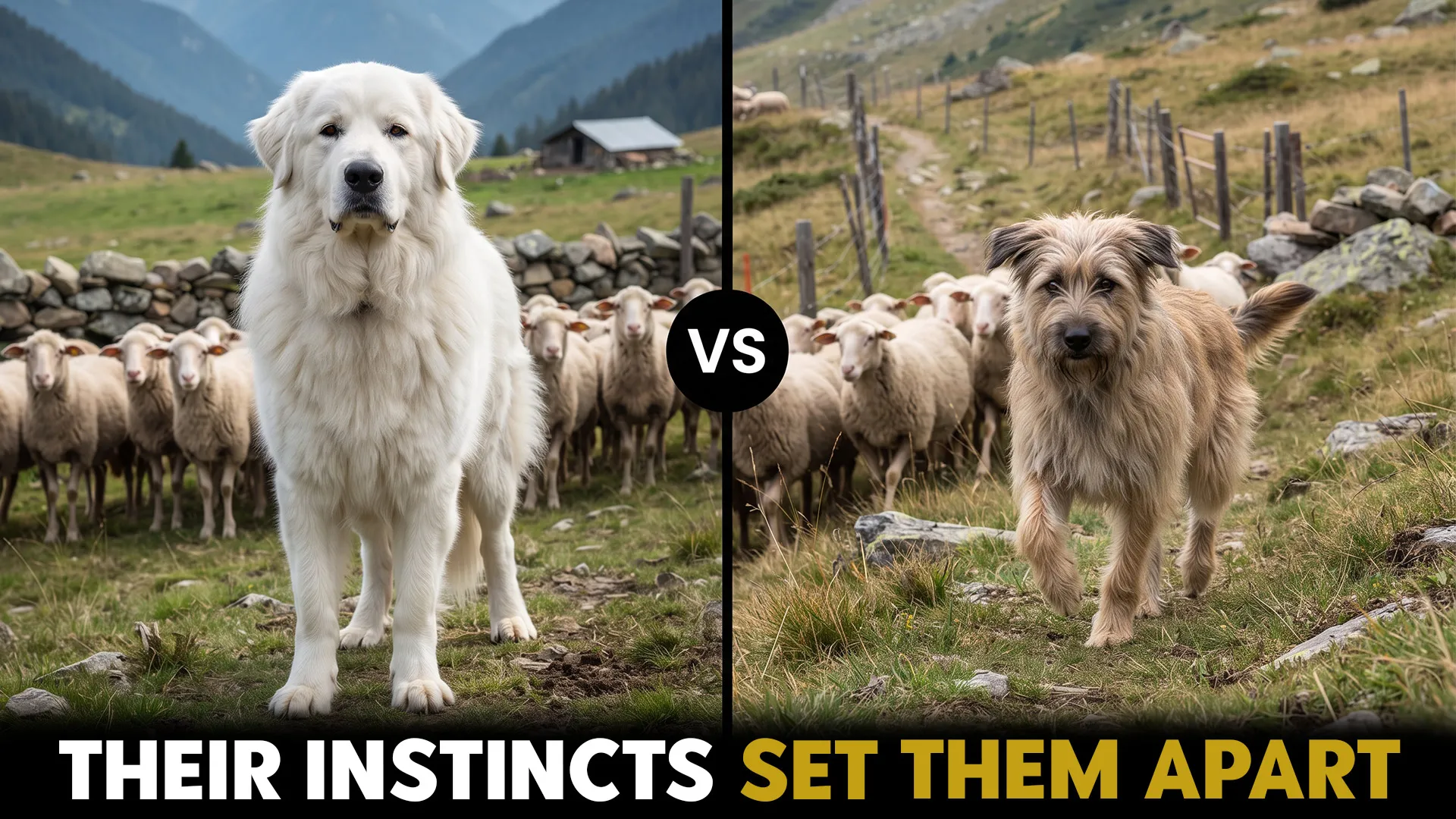
One is a towering white guardian that takes nighttime security very seriously. The other is a small, scruffy whirlwind that seems to have somewhere important to be every five minutes.
The Great Pyrenees vs. Pyrenean Shepherd comparison gets interesting because these dogs grew up in the same rugged Pyrenees Mountains, but their jobs were worlds apart. One stood watch over vulnerable sheep. The other darted around the flock, keeping every wandering member pointed in the right direction.
That old division still shows up at home. The Great Pyrenees brings patience, independence, and serious protective instincts. The Pyrenean Shepherd brings speed, curiosity, athleticism, and a brain that rarely seems to take a day off.
So, which mountain worker fits your life?
Great Pyrenees vs. Pyrenean Shepherd: Unique Strengths of These Working Breeds
1. Origins & Purpose
Go back thousands of years to the French and Spanish border, and the difference becomes crystal clear.
The Great Pyrenees was bred as a livestock guardian. Farmers needed a powerful dog capable of staying with animals and confronting predators such as wolves and bears. This wasn’t a job where someone stood nearby handing out instructions. The guardian had to think for itself and decide when something looked dangerous.
The Pyrenean Shepherd had the busier assignment. This compact shepherd worked close to people, gathering and directing sheep across steep terrain.
Their small frame wasn’t a disadvantage. It was the whole point. A lighter body could move rapidly over rocky ground and cover huge distances.
Two Pyr Sheps could historically manage a flock of around 1,000 sheep, and working dogs could cover as much as 25 miles in a day. That’s quite a commute for a dog barely reaching 21 inches tall.
2. Size & Build
Put these two side by side, and the difference is almost hilarious.
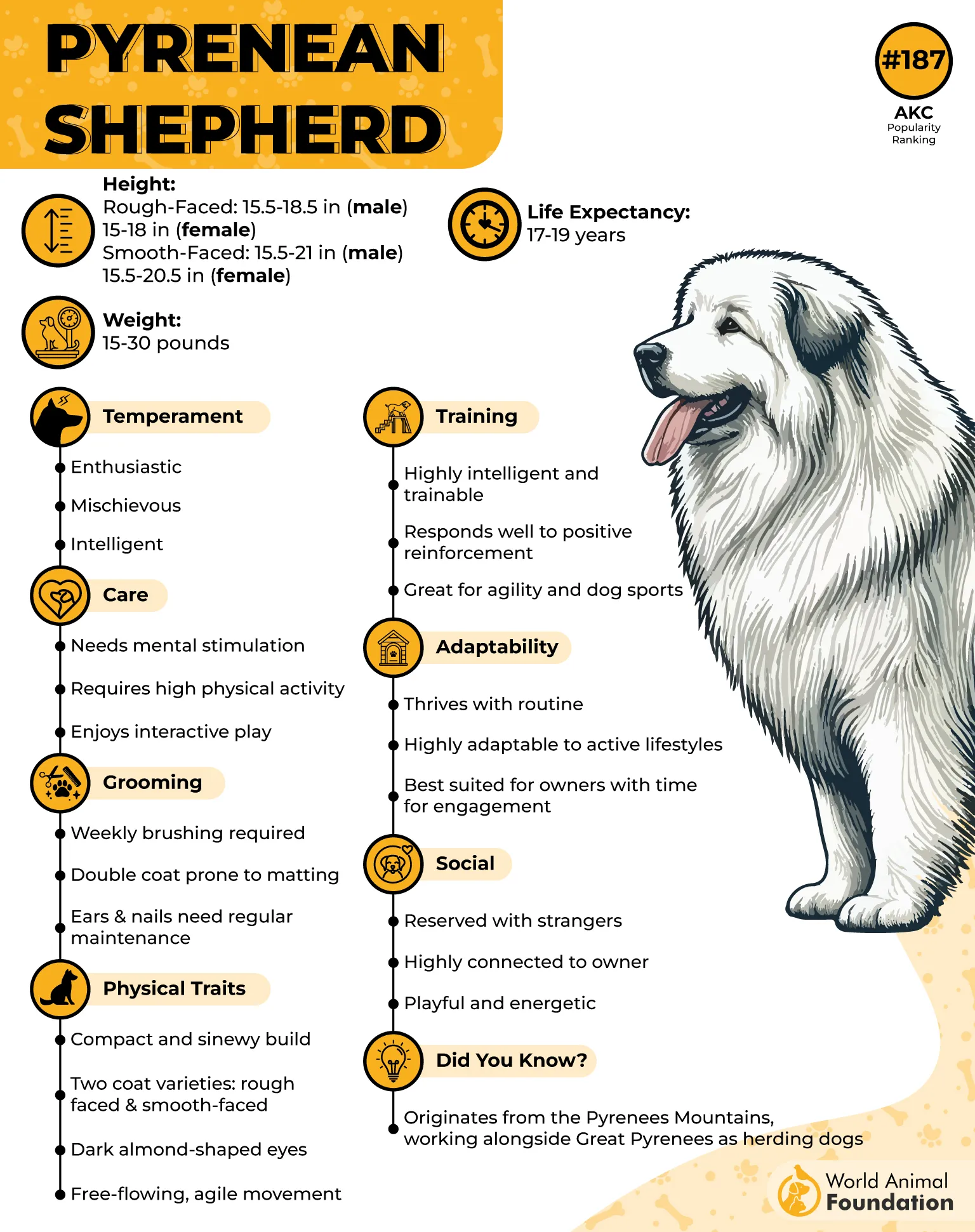
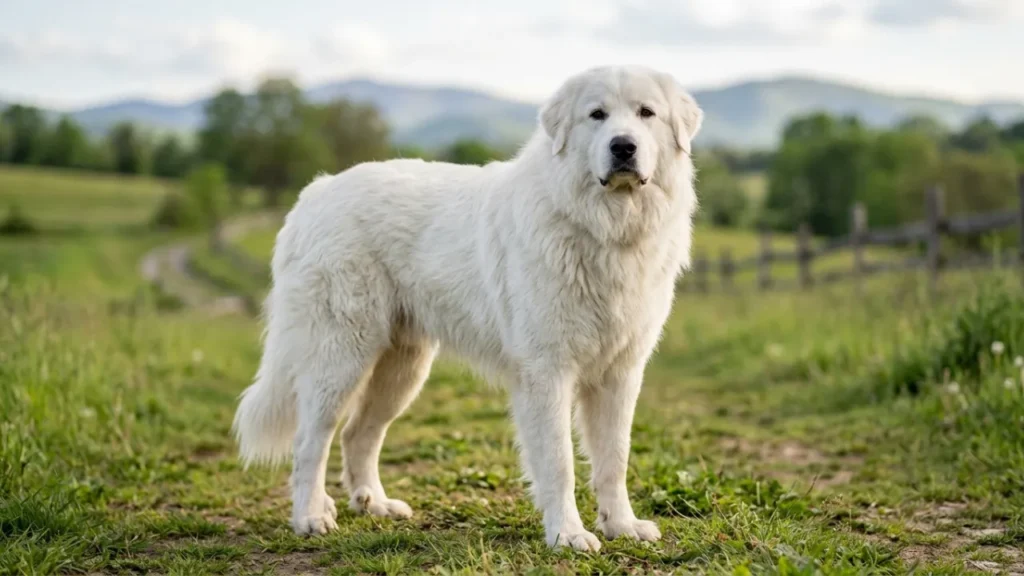
A male Great Pyrenees stands around 27–32 inches tall and weighs 100–130 pounds. Females measure about 25–29 inches and weigh 85–120 pounds. That thick double coat adds even more visual drama, making this gentle giant look ready to patrol an entire estate before breakfast.
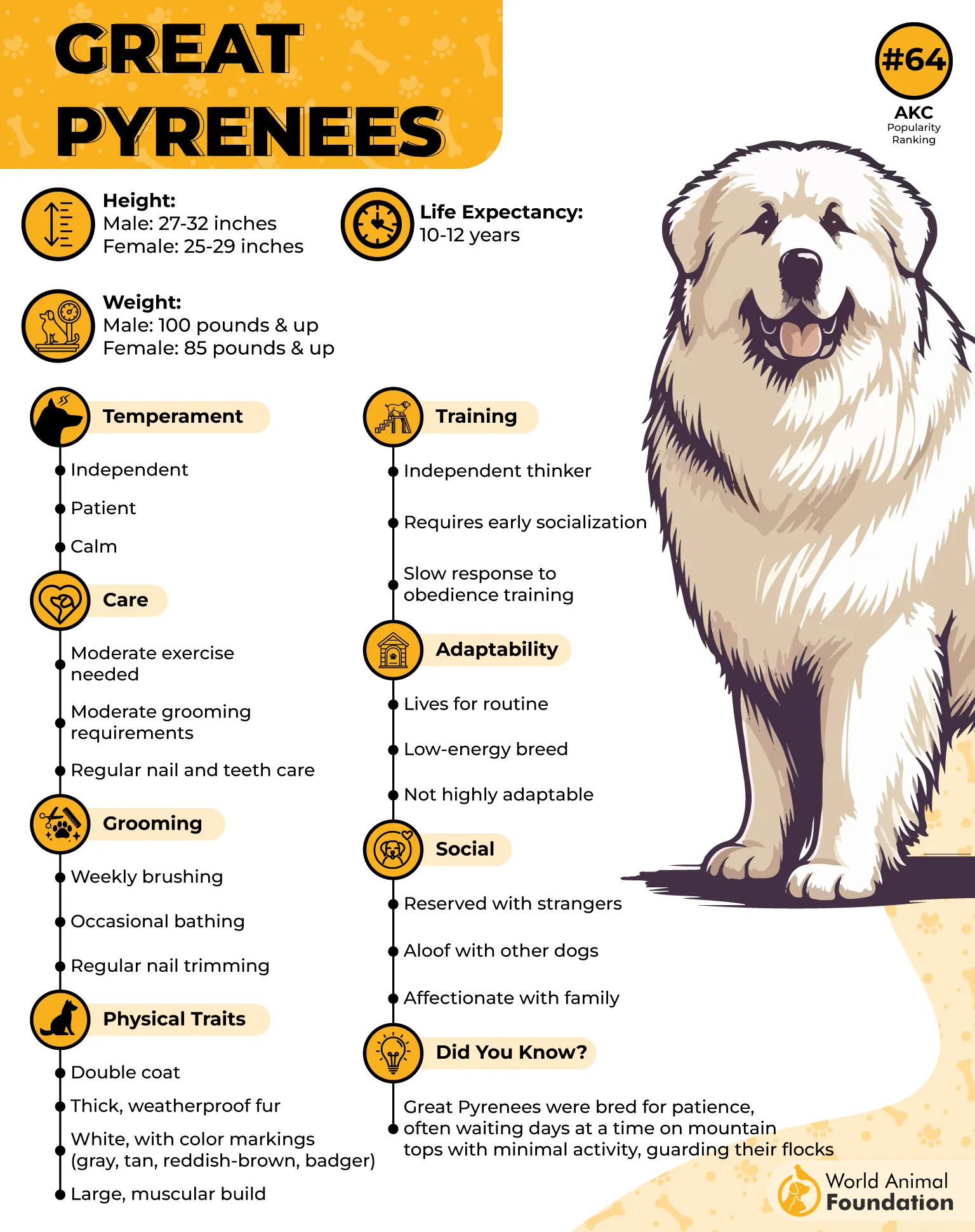
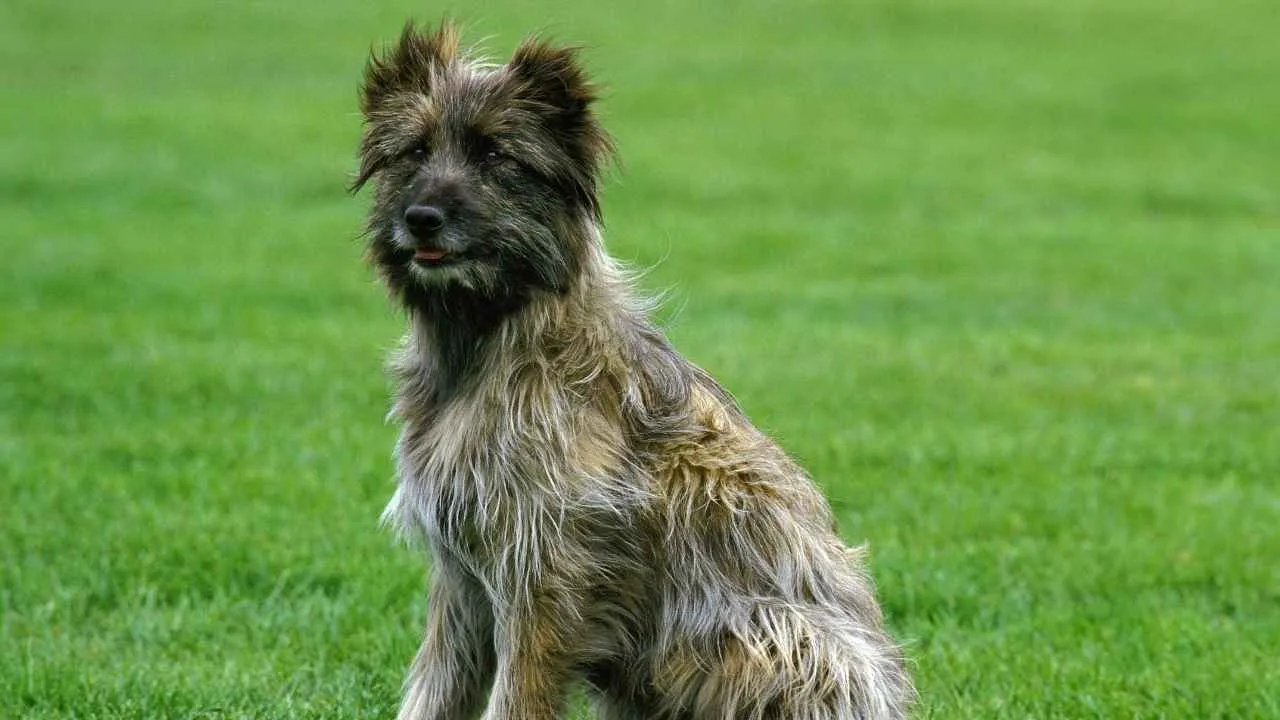
The Pyrenean Shepherd is built like a completely different machine. Rough-faced males stand about 15.5–18.5 inches, with females around 15–18 inches.
Smooth-faced males reach 15.5–21 inches, and females reach 15.5–20.5 inches. Males weigh 15–35 pounds, and females weigh 15–32 pounds.
The Pyr Shep’s lean body is made for acceleration, tight turns, and long days on rough ground. The Great Pyrenees carries the sort of physical presence that makes a delivery driver reconsider knocking twice.
3. Price & Availability
Your budget gets another reality check here.
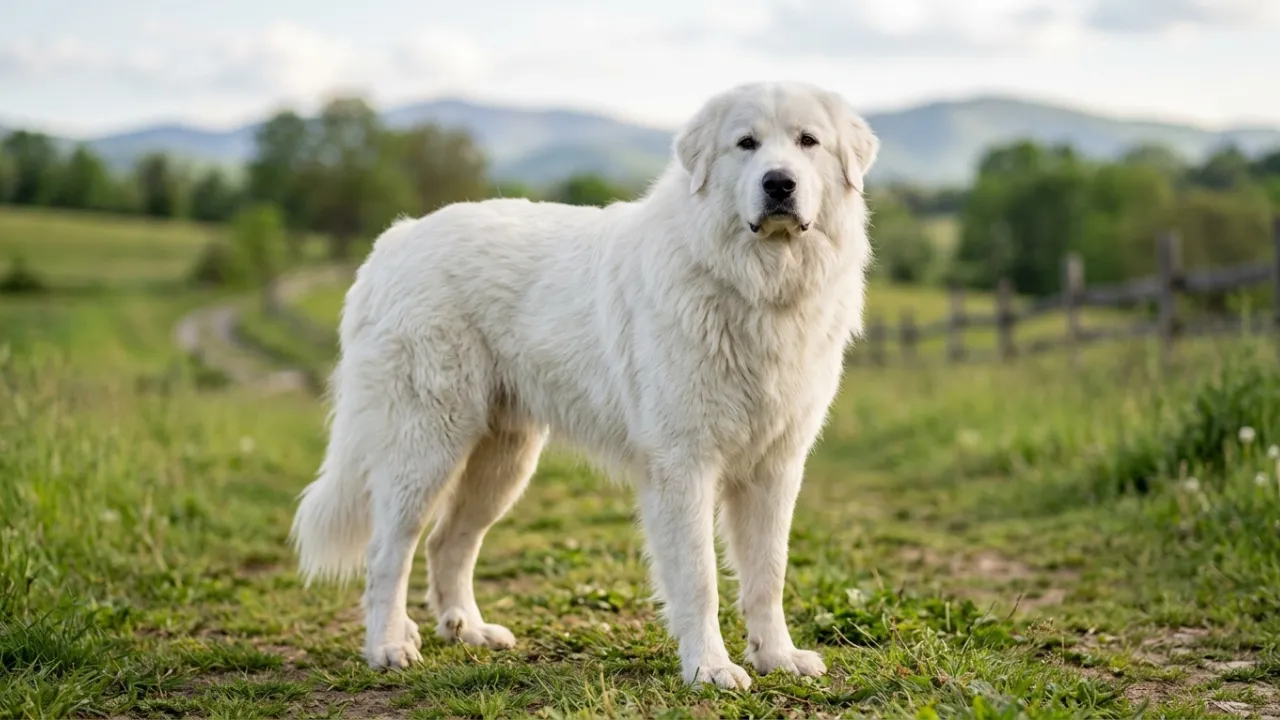
A responsibly bred Great Pyrenees puppy in the U.S. typically costs around $1,800–$2,500, based on current Good Dog breeder-market data. Individual puppies can sit outside that range depending on pedigree, location, breeder reputation, health testing, and whether the dog comes from working or show lines.
The rarer Pyrenean Shepherd generally costs more. Current Good Dog listings place responsible-breeder prices around $2,500–$3,500 in the U.S. Some established breeders list puppies in the $2,000–$3,000 range after deposits.
Availability is the bigger headache for the Pyr Shep. The American Kennel Club lists the breed among its rarer registrations, with the breed ranking 191st out of 202 breeds in its 2025 registration figures.
Don’t let a bargain price rush the decision. Health testing, responsible breeding, early socialization, and good puppy care matter far more than finding the cheapest listing.
4. Temperament & Personality
The Great Pyrenees has the emotional energy of a quiet security guard who happens to adore his family.
At home, this dog can be affectionate, patient, and surprisingly mellow. Around unfamiliar people or strange activity, the guardian switch can flip quickly. That deep bark isn’t decorative. It comes from centuries of announcing trouble before trouble reached the flock.
The Pyr Shep brings considerably more sparkle. Purina describes the breed as enthusiastic, mischievous, and whip-smart. These dogs are highly connected to their people and tend to throw themselves into whatever is happening.
Neither dog should be treated like a stuffed toy. Both need structure and socialization from an early age. A well-socialized dog has a much better chance of handling visitors, children, cats, and other dogs with sensible manners.
5. Exercise Needs & Energy Levels
This is where choosing by appearance can get you into trouble.
The Great Pyrenees is a giant working dog with moderate energy. Daily walks, outdoor time, play, and mental stimulation keep that big body and independent brain in good shape. A securely enclosed outdoor space gives the breed somewhere to patrol and stretch its legs.
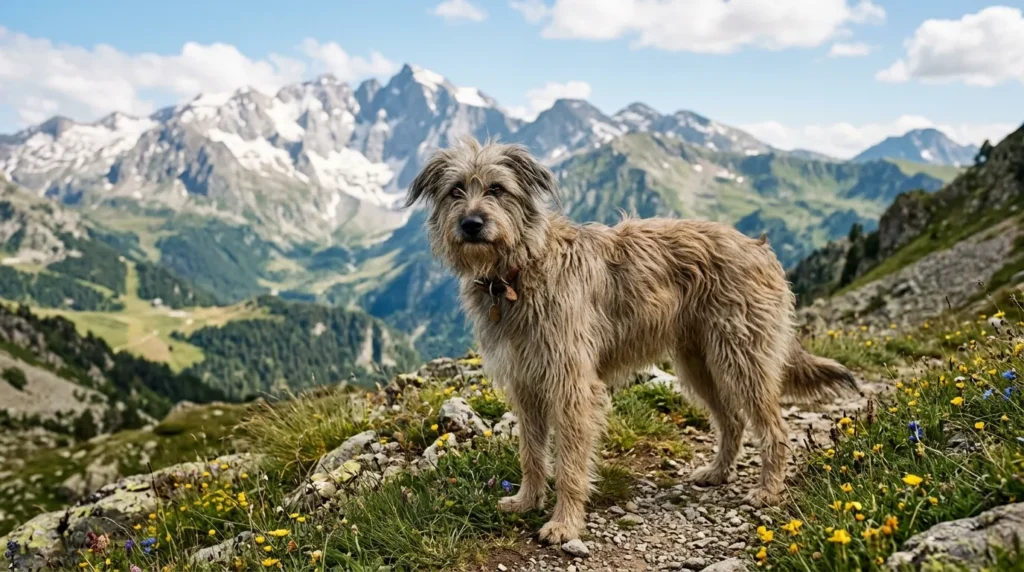
The Pyr Shep is another story entirely.
This little athlete was designed to spend long days moving livestock. Purina notes that the breed can cover up to 25 miles during a working day.
A casual stroll around the block won’t satisfy every Pyr Shep. Hiking, running, herding games, scent work, agility, obedience exercises, and interactive play can give that busy brain something worthwhile to chew on.
6. Trainability & Obedience
Training a Great Pyrenees can feel like negotiating with a very fluffy independent contractor.
The breed was developed to make decisions away from direct human supervision, so blind obedience isn’t exactly part of the original job description. Great Pyrenees can be strong-willed and resistant to traditional obedience methods. Early puppy classes, consistent boundaries, positive reinforcement, and patience work best.
The Pyr Shep has a different relationship with training. This dog is extremely intelligent, responsive, energetic, and eager to work with its person. Royal Canin recommends reward-based methods and notes the breed’s strong potential for agility, rally, obedience, freestyle work, and other dog sports.
The catch? A clever dog needs clever lessons. Repeat the same dull exercise for too long, and that bright little face might start looking for its own project.
7. Grooming Needs & Shedding
Great Pyrenees owners quickly learn that the phrase “white dog” can come with a surprisingly large laundry bill.
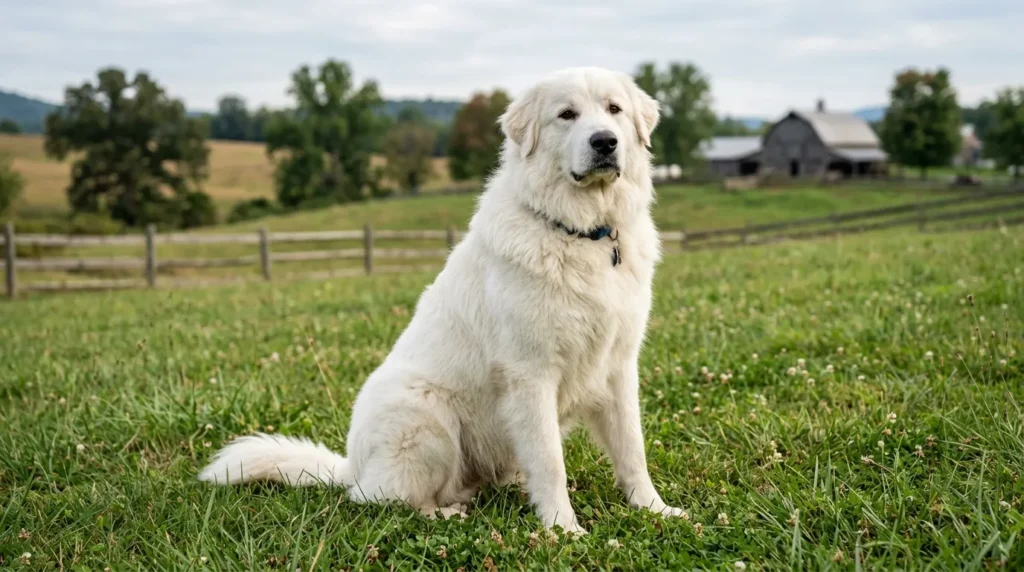
That thick double coat sheds heavily throughout the year. Weekly brushing helps remove loose fur and keeps the coat in decent condition. Extra brushing during heavier shedding periods can save your sofa, clothes, and sanity. The coat is also weather-resistant and built for harsh mountain conditions.
The Pyrenean Shepherd has two coat types: rough-faced and smooth-faced. The rough-faced variety has abundant, somewhat windswept hair around the muzzle and a harsher outer coat. The smooth-faced variety carries shorter facial hair and a finer coat texture.
Both require regular grooming, with the Pyr Shep needing weekly brushing to prevent tangles and mats.
8. Working Heritage & Protective Instincts
This is where their old jobs become impossible to ignore.
The Great Pyrenees was bred to live beside vulnerable animals and keep predators away. The guardian instinct can still appear in ordinary home life. A rustle outside at midnight? Investigation. A stranger near the property? Immediate attention. Something suspicious beyond the fence? Prepare for a full security briefing.
The breed also has a fascinating nurturing side. PetMD notes that Great Pyrenees were bred not simply to confront predators but to care for and protect the vulnerable animals in their flock.
The Pyr Shep’s instinct points in another direction. This dog wants movement, control, and a task. Chasing, circling, gathering, and directing can surface during games or everyday activities.
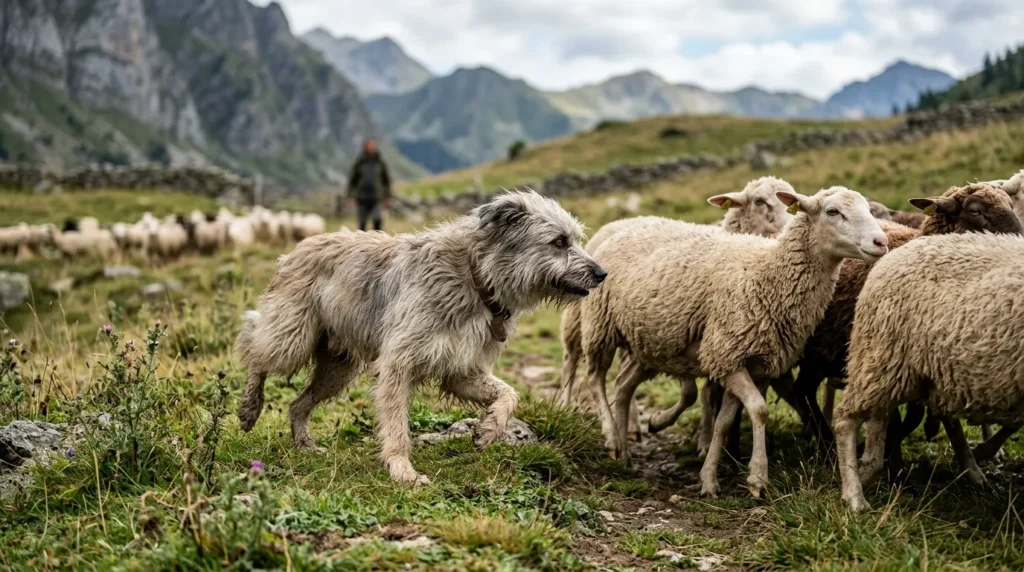
The two breeds worked together for a reason. One guarded the livestock. The other moved it.
9. Health & Lifespan
The Great Pyrenees typically lives around 10–12 years. Its large frame brings several health considerations, including hip and elbow dysplasia, luxating patella, eye problems, and bloat. Responsible breeders should screen breeding dogs for relevant conditions.
The Pyrenean Shepherd has a generally healthy constitution and a longer expected lifespan of 5 to 19 years. Breeders screen for concerns such as hip dysplasia, patellar subluxation, epilepsy, patent ductus arteriosus, and inherited eye conditions, including progressive retinal atrophy.
Good nutrition matters for both. A balanced diet suited to age, size, and activity level supports healthy growth and body condition. Keep fresh water available, monitor weight, and let your veterinarian guide food choices rather than guessing from the label alone.
10. Which Working Dog Is Right for You?
Your lifestyle is the real tie-breaker.
The Great Pyrenees suits people who want a substantial guardian with a calm household presence. You’ll need room, secure fencing, tolerance for vocal alerts, and acceptance of a serious shedding schedule.
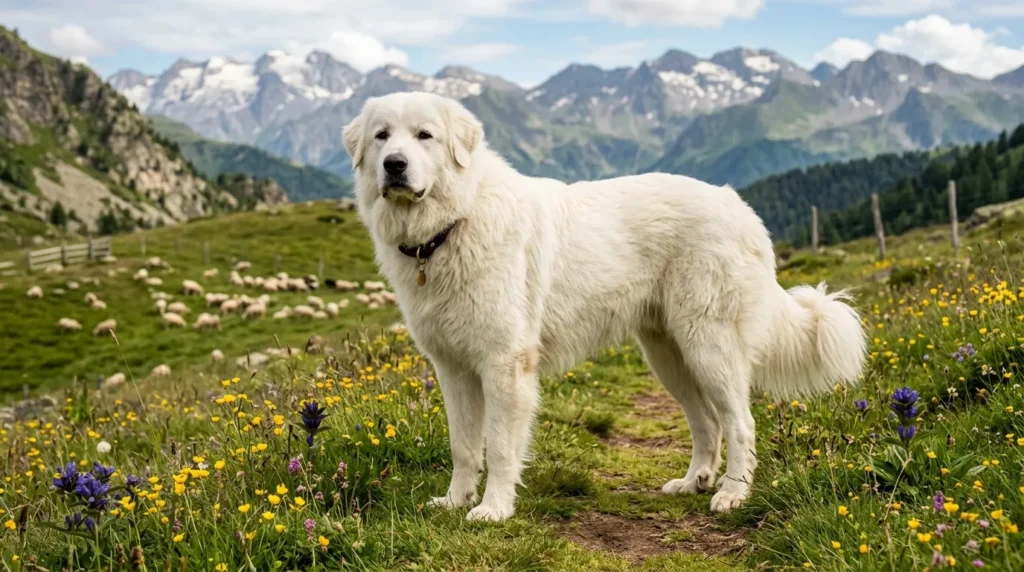
The Pyrenean Shepherd suits active owners who genuinely want a dog to train, hike, run, play, and challenge. This compact worker takes up less physical space, but the energy inside that small frame is enormous.
Think about your home, daily schedule, experience with working dogs, tolerance for noise, and willingness to provide regular exercise and training.
If your dream companion is a watchful white guardian who takes family protection seriously, the Great Pyrenees has plenty to offer.
If you want a fast, clever little athlete who treats life like one long assignment, the Pyr Shep could be your match.
Conclusion
These two dogs share a mountain history, but they bring completely different personalities into modern homes.
The Great Pyrenees carries the quiet confidence of a guardian who has seen enough to know when something deserves attention. The Pyrenean Shepherd brings restless feet, sharp instincts, and an almost comical enthusiasm for having a job.
Neither is a simple “easy dog” pick. Their best qualities shine when their people understand what those old working instincts are trying to say.
Choose the dog whose natural rhythm fits yours. That’s when the mountain magic starts making sense.
