




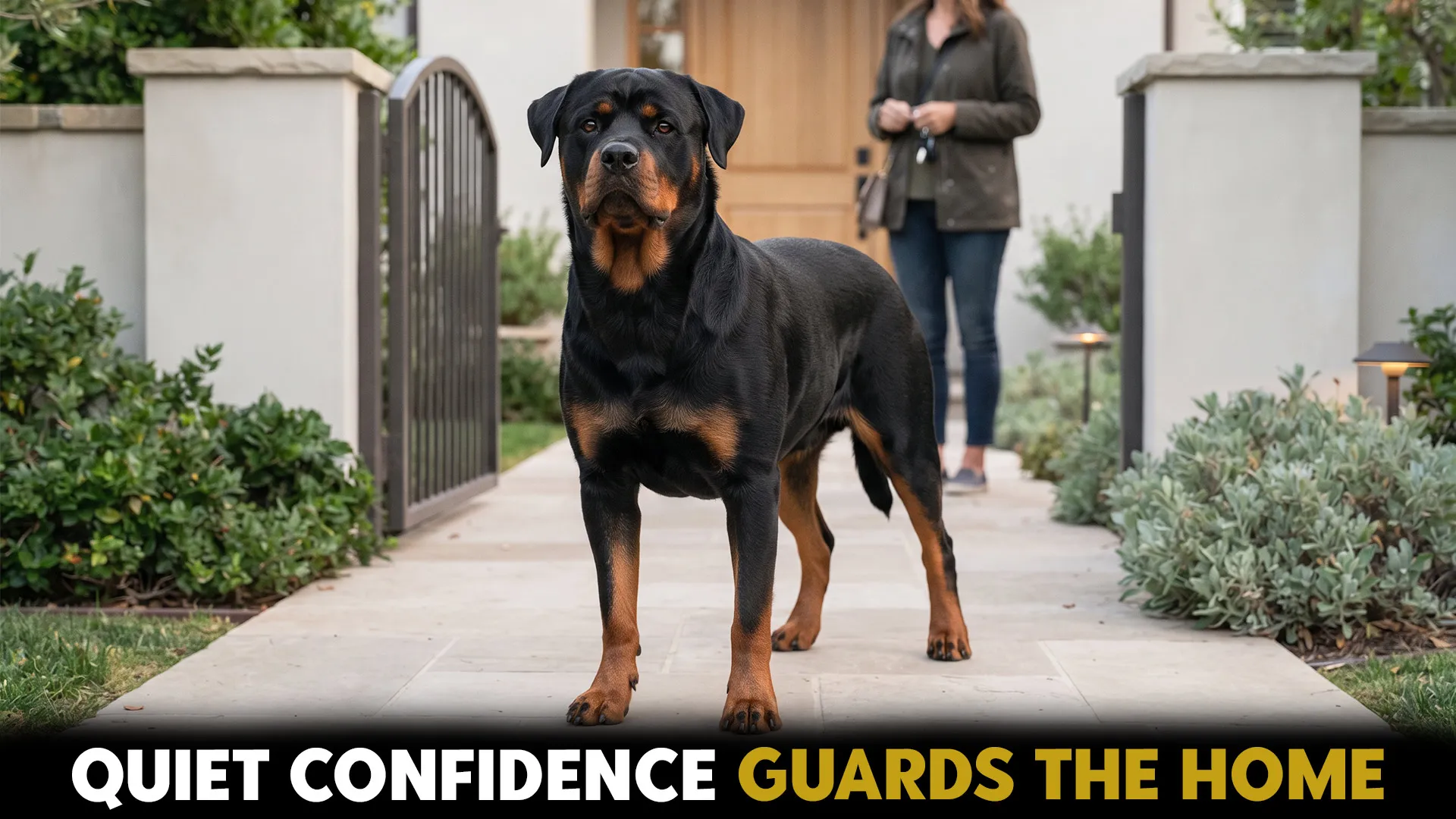
Living alone has its perks. You make the rules, enjoy the quiet, and never have to explain why there are three takeout boxes on the counter. But home security can feel different when you are the only person inside. A well-trained guard dog can offer companionship while also making a home feel less inviting to troublemakers.
The trick is choosing a breed that fits your lifestyle, not simply picking the biggest dog you can find. German Shepherds, Dobermans, Rottweilers, Cane Corsos, Bullmastiffs, Boxers, and Akitas all bring different strengths to the table.
Some are highly responsive to training, while others need a confident owner and careful socialization. So, which one makes the most sense for a single person? Let’s take a closer look.
Top Guard Dog Breeds for Single People and Home Defense
1. German Shepherd
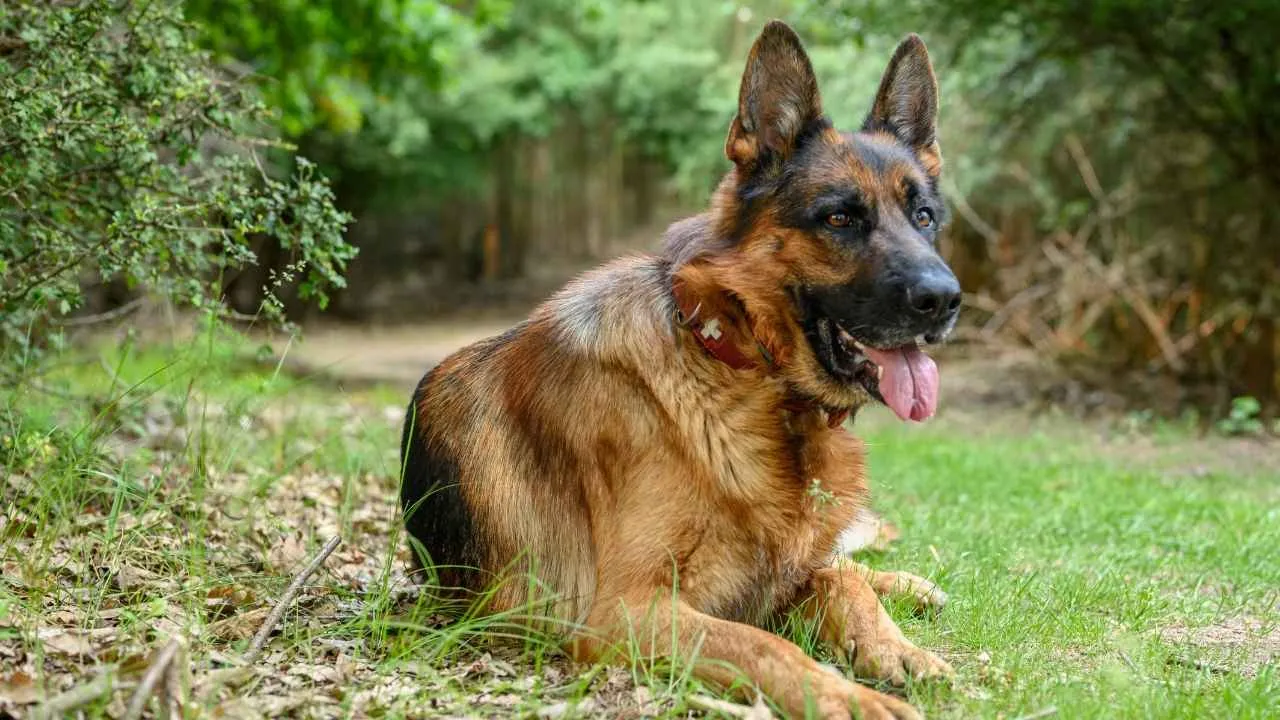
An officer named Max von Stephanitz is credited with the development of the German Shepherd we know today. He crossed various local herding dogs in Germany to design a breed that acts as a fence, patrols the boundary, and ensures livestock does not stray, according to Pooch & Mutt.
The protection dog has a sloping topline and angulated hindquarters that provide a ground-covering trot. With its 225 million scent receptors, it can detect scent long before humans do. It has a high nerve strength and can manage loud noises and intense pressure. The breed loves to patrol at night to ensure everybody inside is safe.
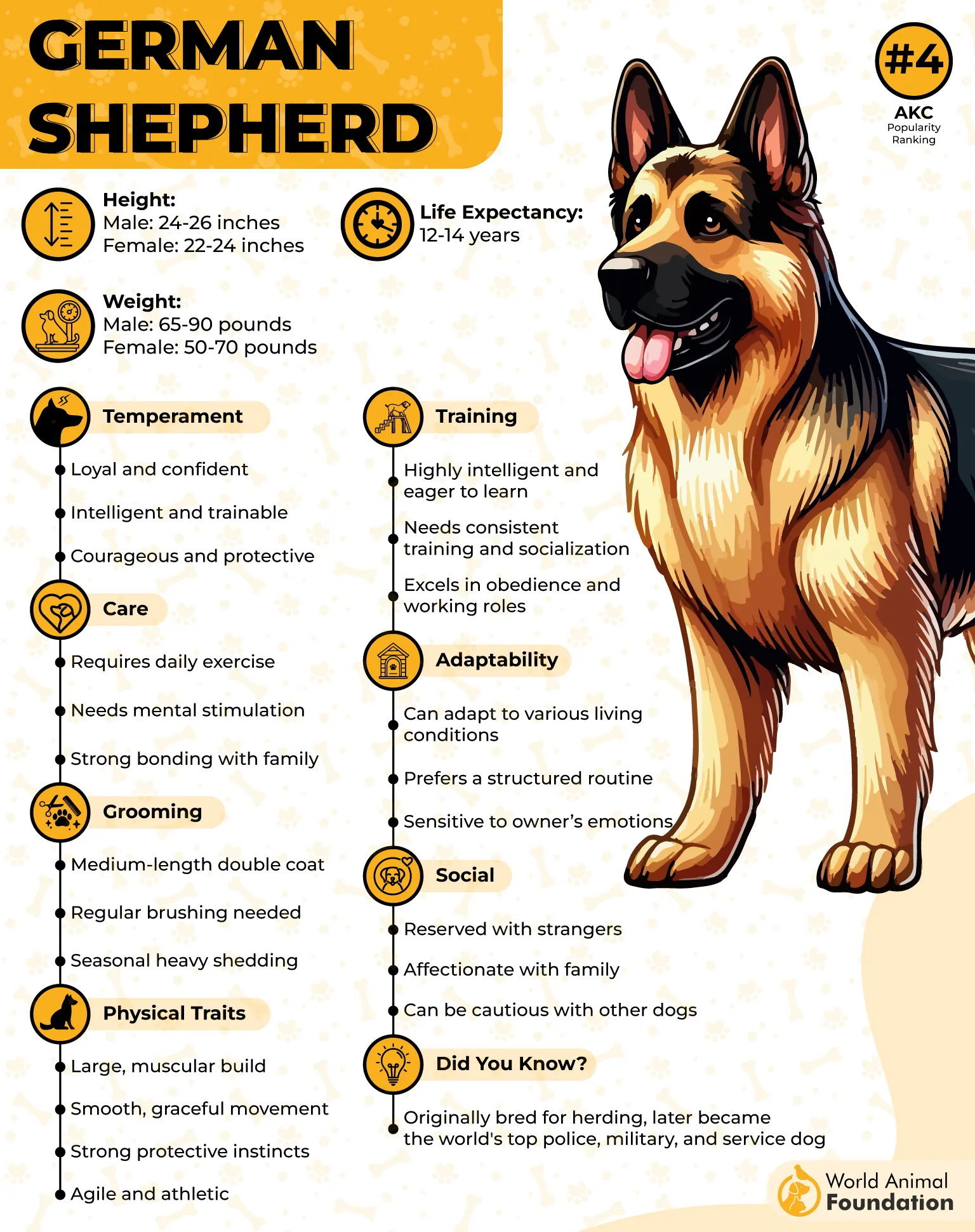
The protective dog breed has an adaptive intelligence and can distinguish between an actual threat and a normal situation. It has a strong bite force of 238 PSI and exhibits a perfect scissor bite.
2. Doberman Pinscher
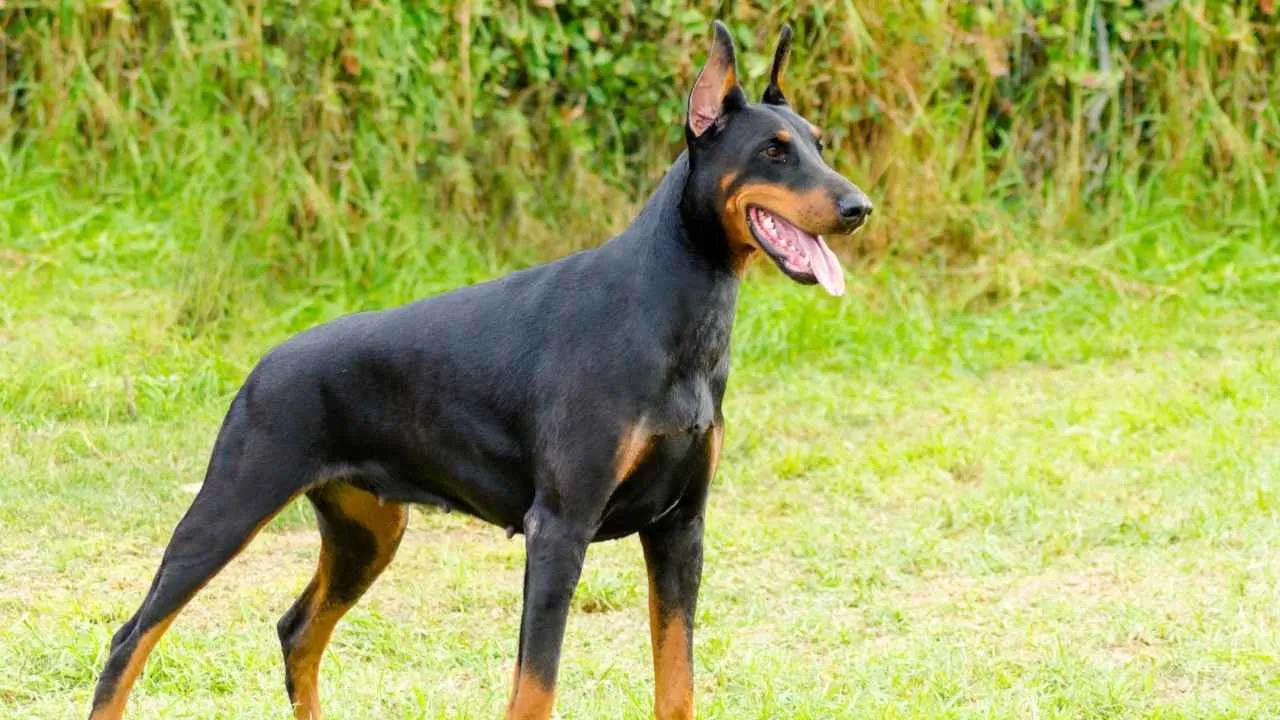
Developed by crossing the Old Shorthaired Shepherd, Rottweiler, German Pinscher, and Black and Tan Terrier, the Doberman Pinscher is known for its fearlessness, intelligence, and agility. Long and strong legs allow it to run at a high speed of 35-40 mph.
The rear molars act as pivot points so the intruder does not pull away easily once a defensive grip is established. It builds a precise mental map of the environment and daily routine, enabling hyperactive pattern recognition. High emotional intelligence makes it read human cues.
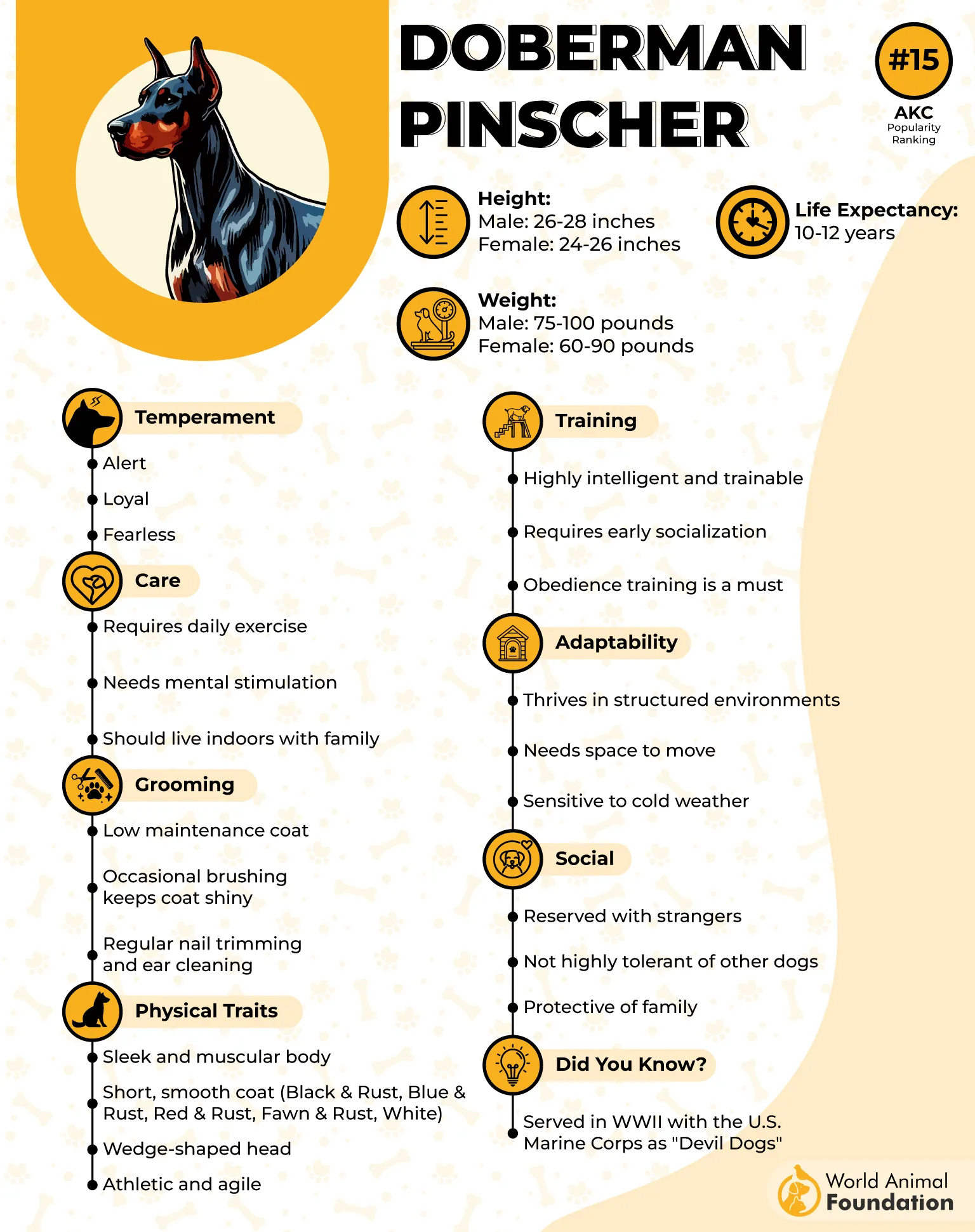
Male Dobermans are known to be more territorial and patrol their boundaries more frequently, while female Dobermans run faster and are more aloof with strangers. Both large dogs require physical activity and mental stimulation for 1-2 hours a day.
3. Rottweiler
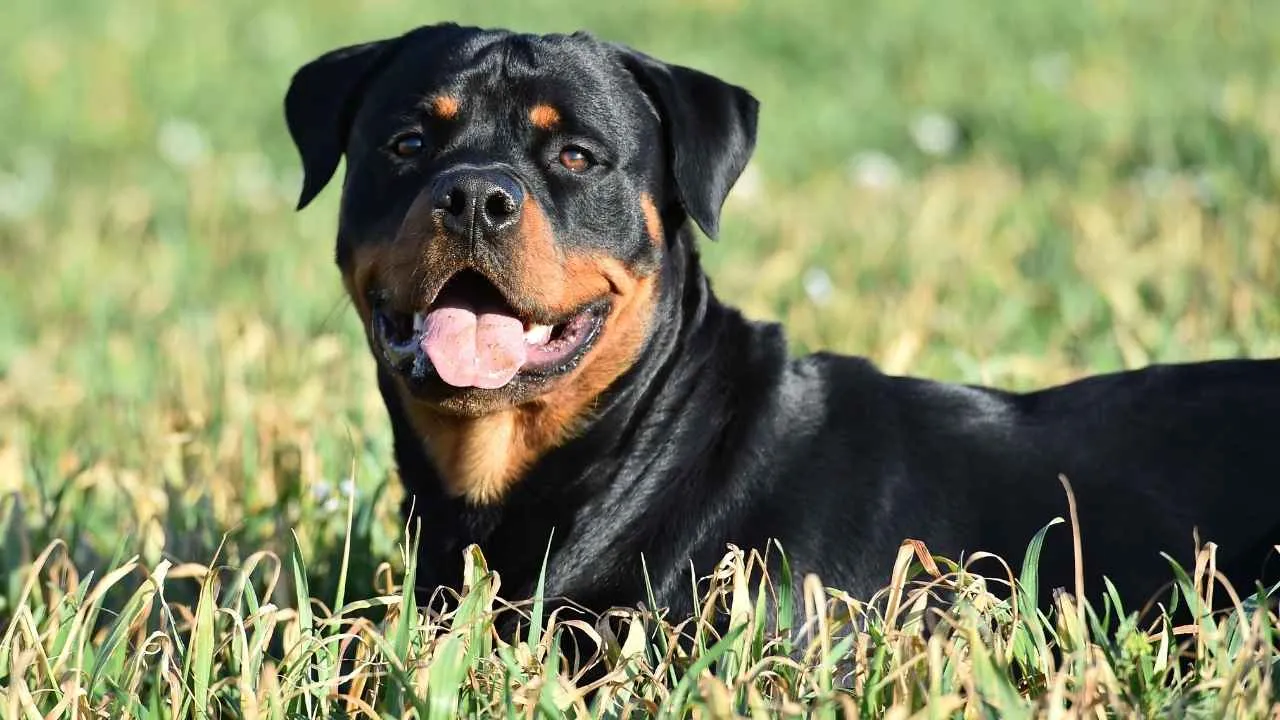
The large breed was developed in ancient Rome and is descended from a now-extinct mastiff breed. The breed has a balanced ‘switch mode,’ friendly around family members and reserved around strangers. The primary purpose of the Rottweiler was to serve as a working and guard dog, says PetMD.
The excellent guard dog has a unique neuromuscular disposition of holding and clamping rather than biting. The thickly muscled hindquarters allow the dog to push intruders and absorb their physical impact. It produces a low-frequency bark as an instant auditory deterrent.
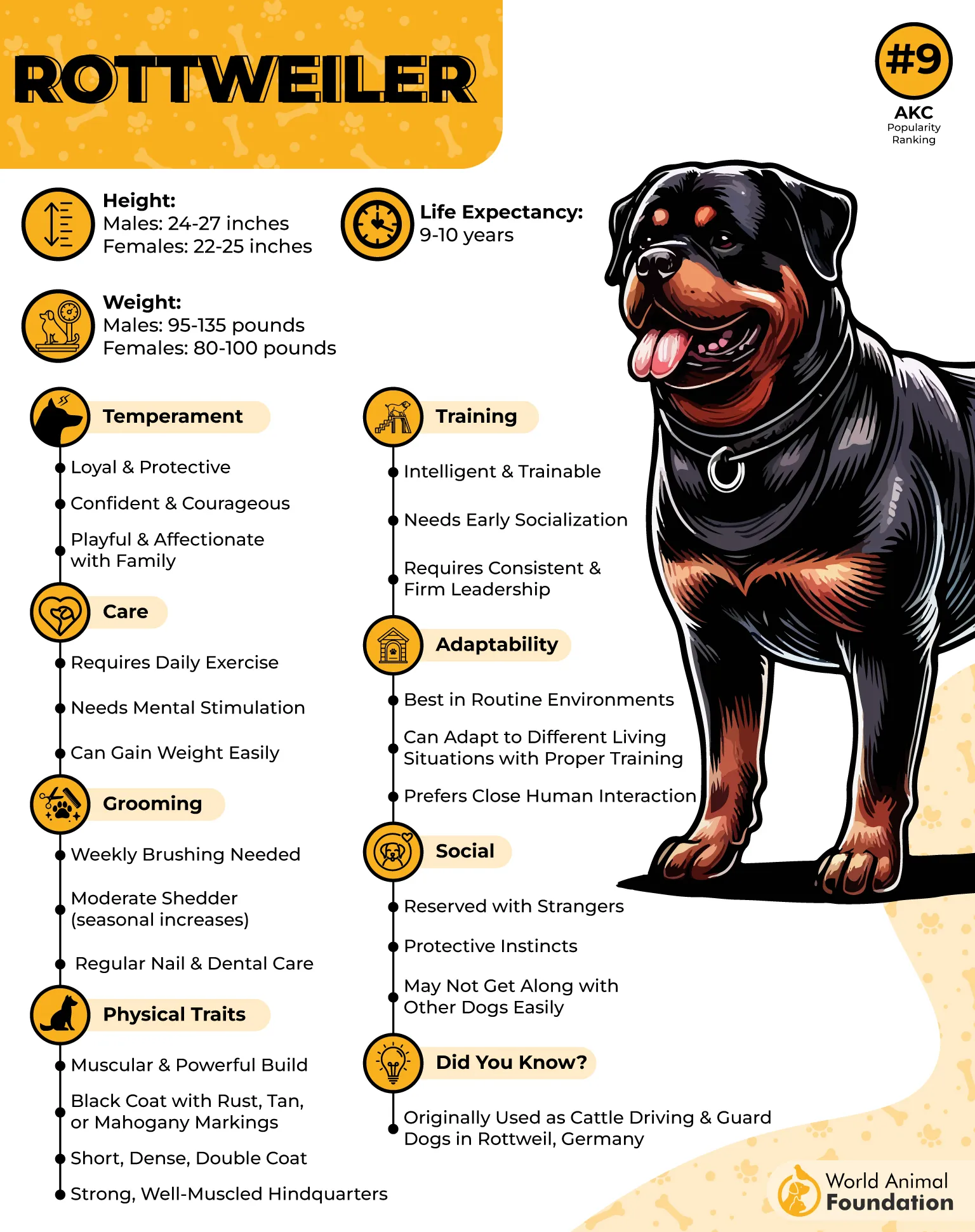
The breed naturally assesses the situation before reacting aggressively. With its natural protective instincts, the dog does not require formal protection training. It is highly trainable and learns home rules and routines quickly.
4. Cane Corso

The breed was developed from a large boned Greek guard dog, the Molosser. These dogs were crossed with the Neapolitan Mastiff to create the modern Corso. It was trained for hunting wild boars, farming, guarding, and herding livestock. The breed was revived in the 1970s by farmers.
It has a strong bite force of 700 PSI, and a group of this breed can knock down a giant lion. It has a waterproof double coat, giving the opponent zero handles. The alert dog makes independent decisions and does not require the handler’s instructions. It naturally develops a defensive perimeter around the home.
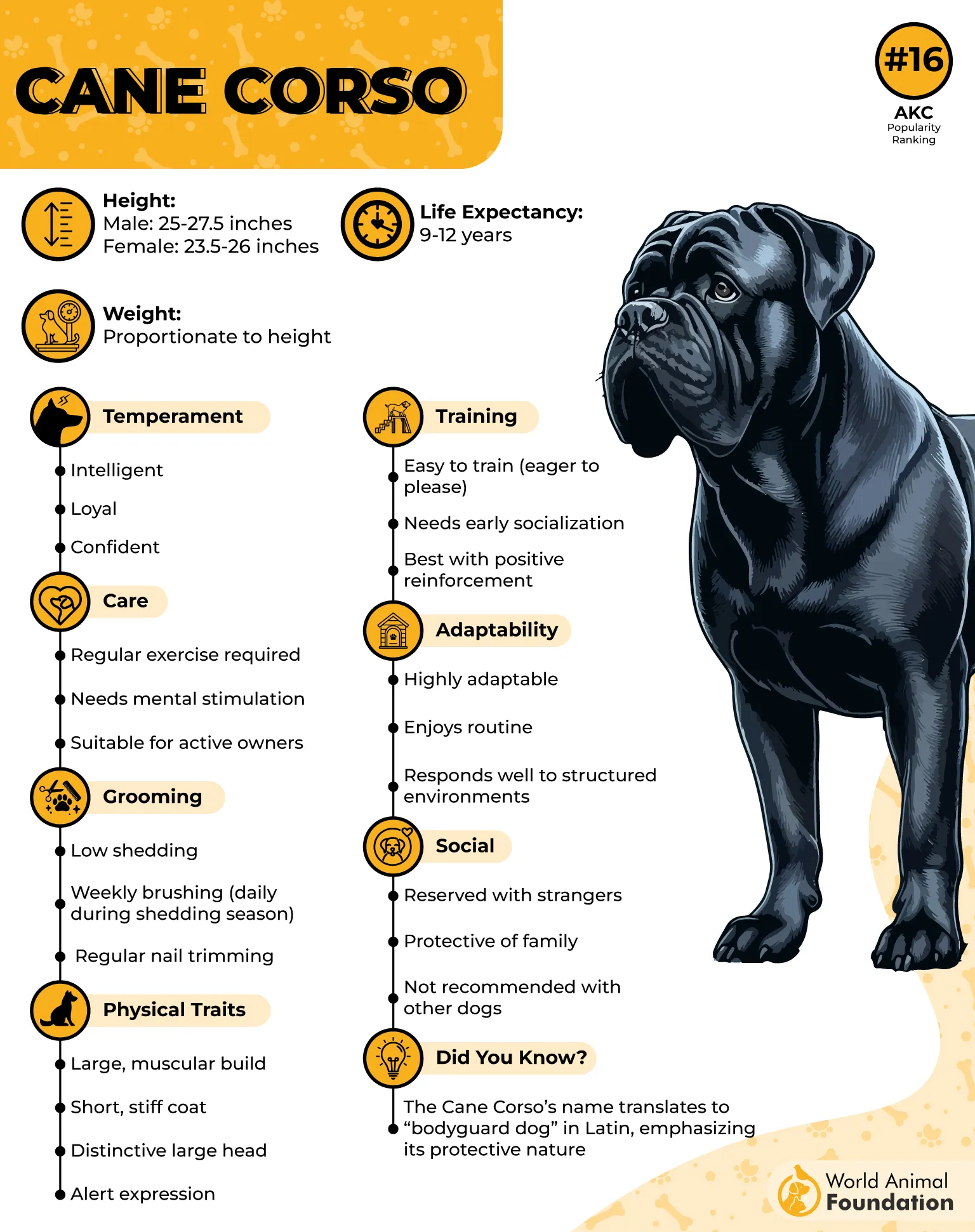
The breed generally has a calm temperament and produces a single bark to alert the owner. The gentle companion forms a strong bond with one person and is highly responsive to reward-based training.
5. Bullmastiff
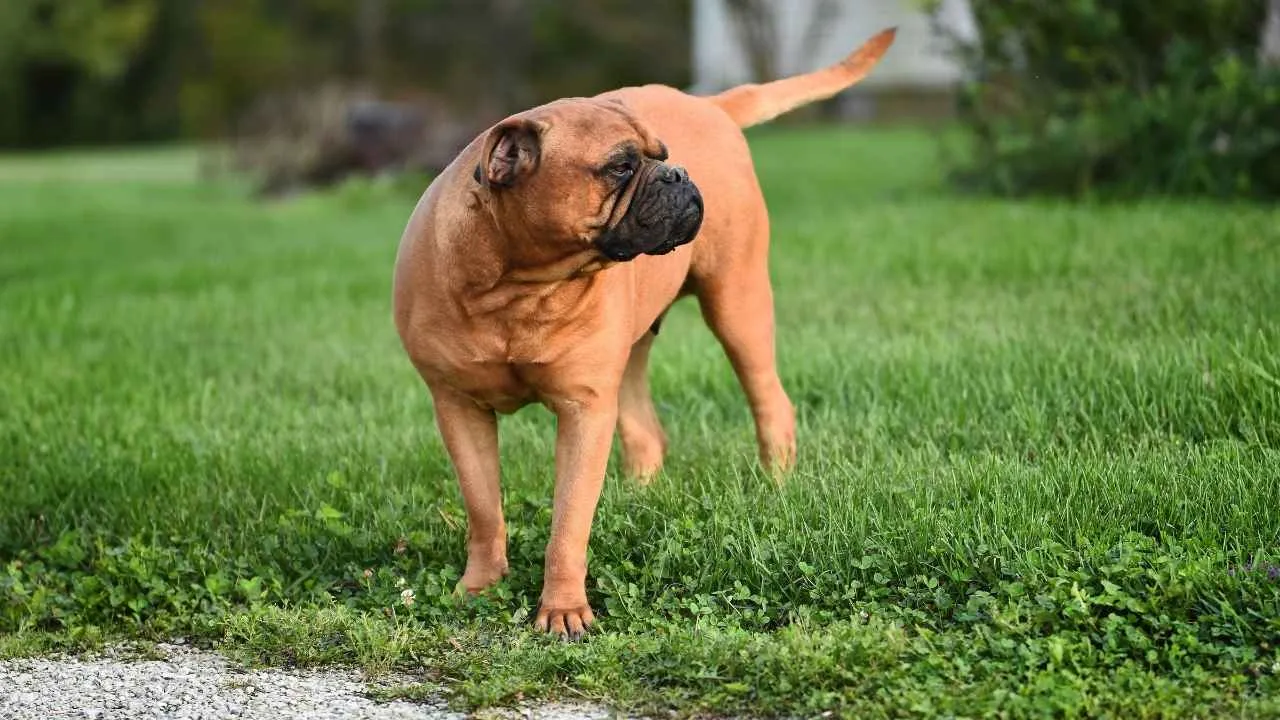
This guard breed was developed in England in the 19th century by crossing the Old English Mastiff and the Bulldog. It was primarily used by the English gamekeepers who were assigned the duty to catch poachers. The breed was specifically developed for agility, speed, and strength, as reported by Wikipedia.
It has a slightly brachycephalic nature that creates a powerful jaw base, providing immense crushing power. The dog maintains a firm ‘pin and hold’ grip on the intruder’s limbs or torso. It takes cues directly from the handler to react. Despite its massive build, the breed has a low-to-moderate energy level
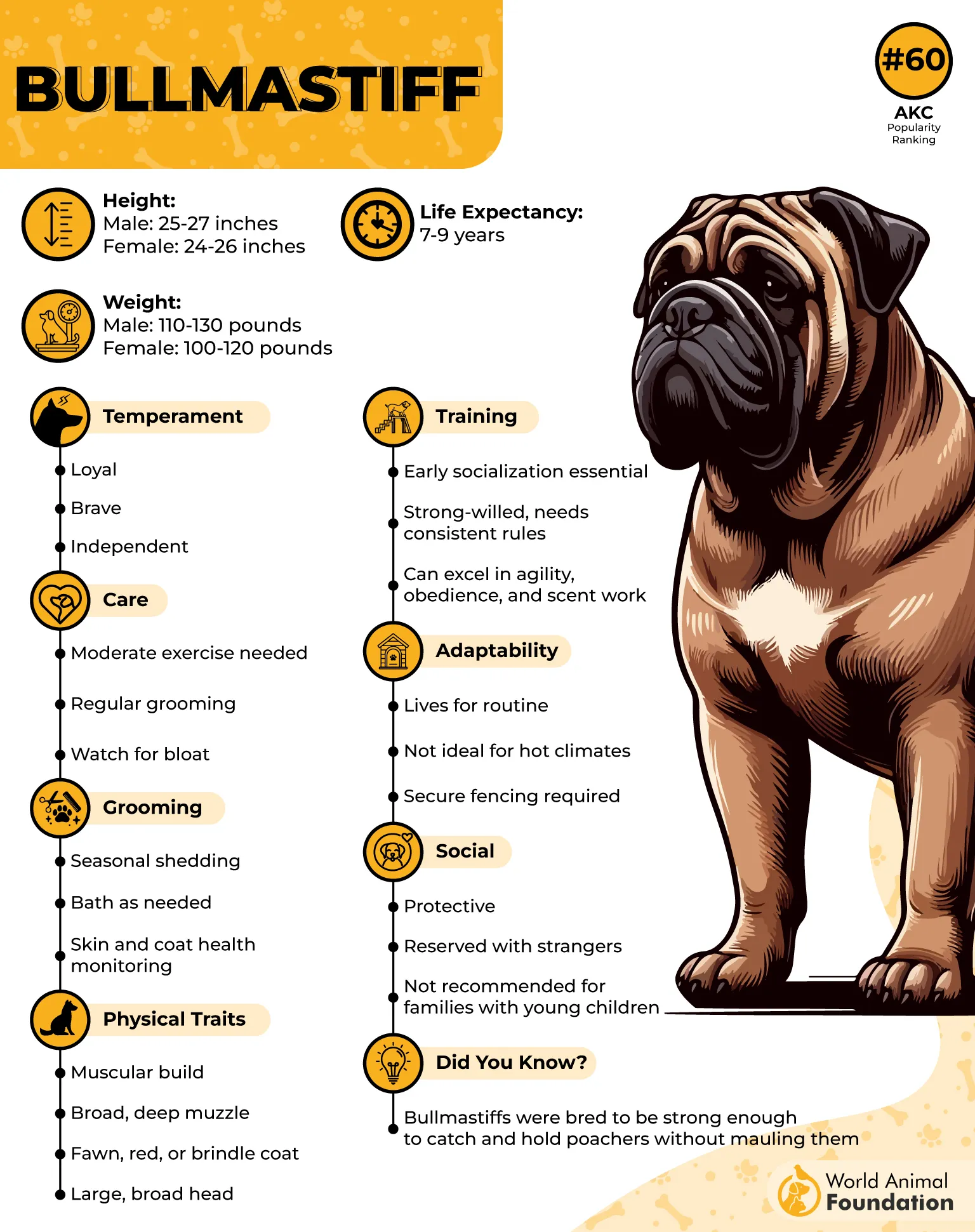
It rarely barks and tends to follow the target from behind, jumps over to pin them down, and holds them. It needs weekly brushing, so if you are living alone in a compact space, cleaning is not a problem.
6. Boxer
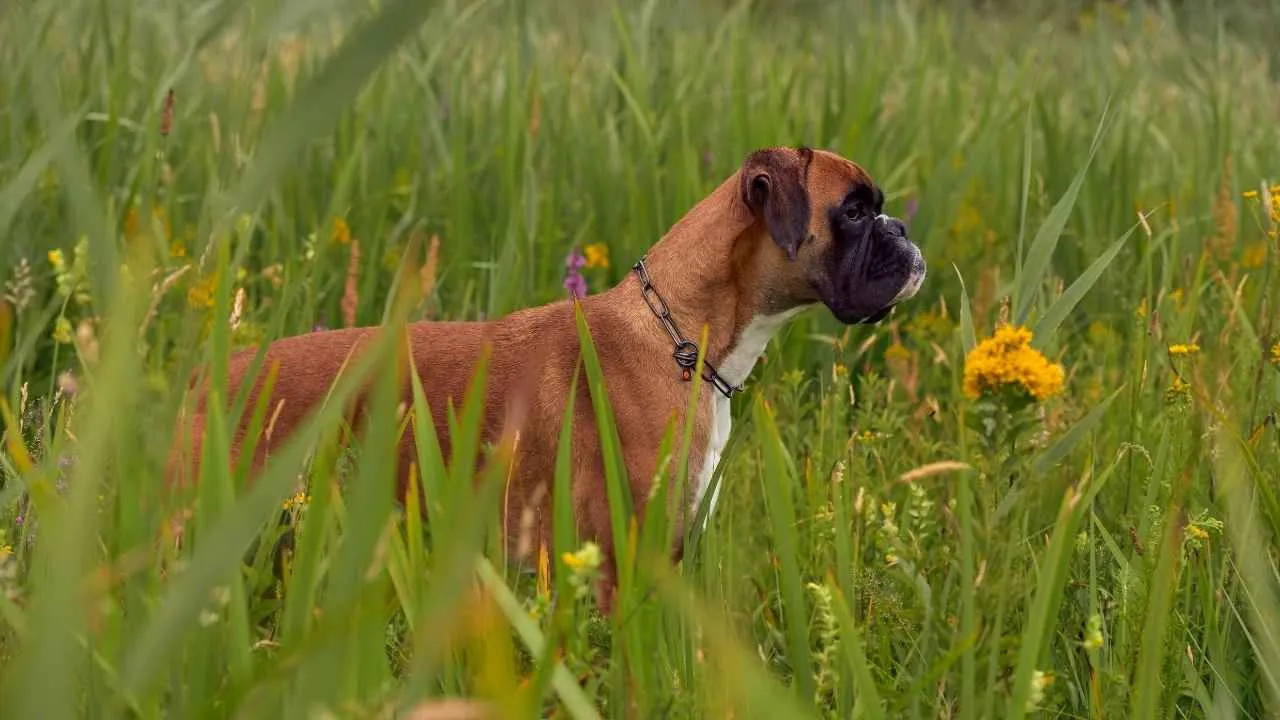
Descended from a mastiff-type dog, the Bullenbeisser, this energetic dog was developed in Germany as a hunting dog to track down large game, such as bears, deer, and wild boars. It was also used by butchers and farmers to guard and drive livestock.
It dynamically uses its front paws to jump, pounce, and intercept threats with precision and high speed. The breed has a docile nature but stays strictly reserved around strangers. The breed has a highly athletic and muscular build with a wrinkled forehead and an alert expression, providing an excellent visual deterrent.
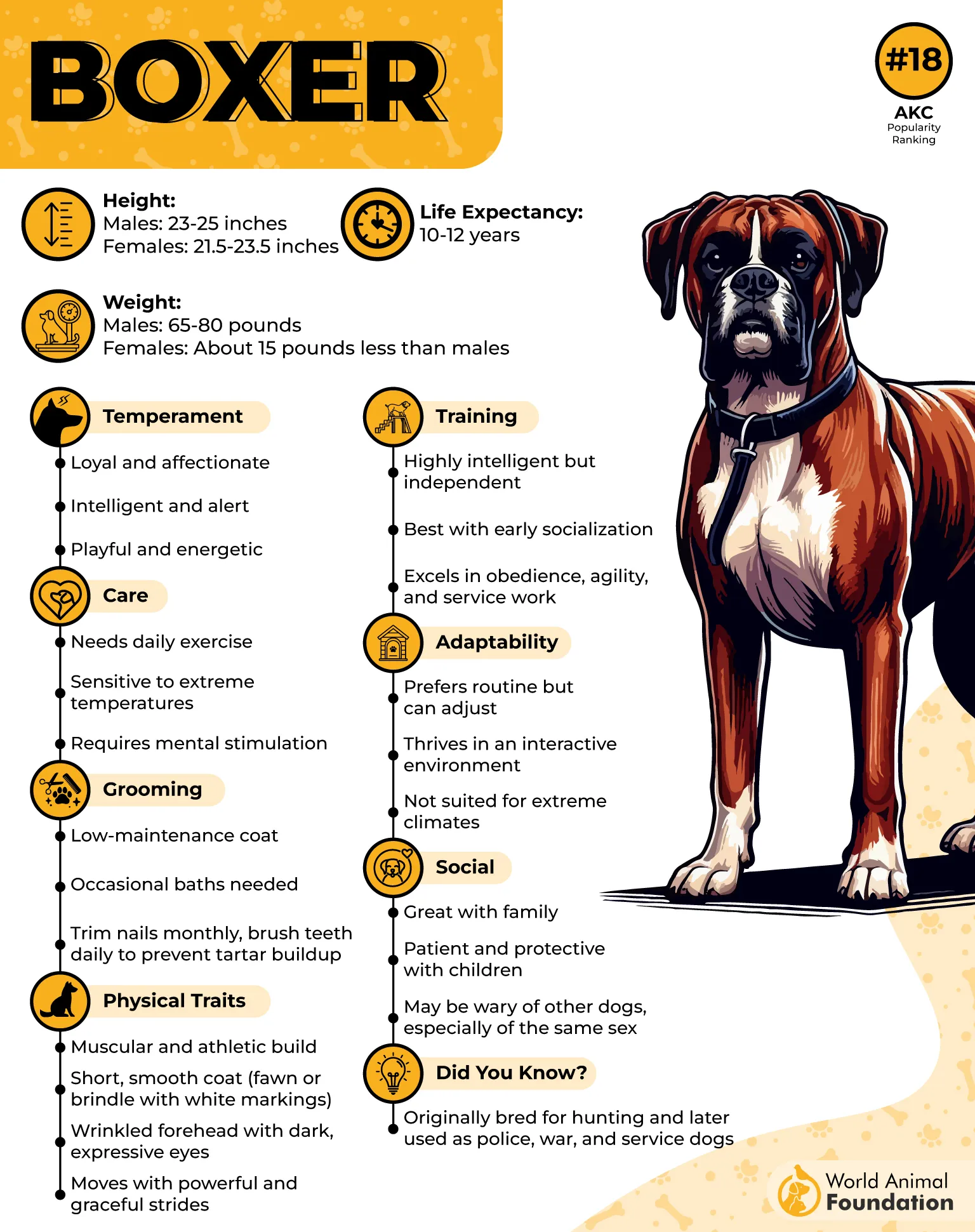
It has high emotional intelligence and positions itself physically between the owner and the potential threat. Since the breed has a history of gripping and holding dangerous adversaries, it is fearless around much larger predators.
7. Akita
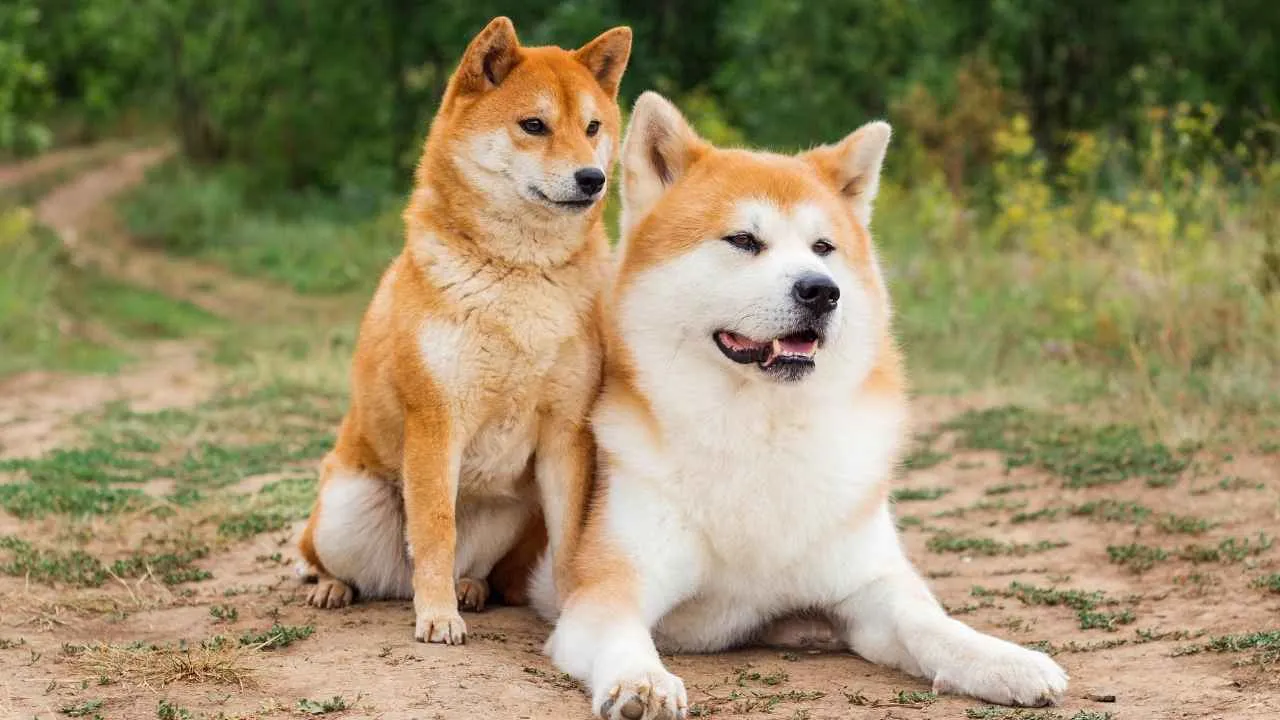
The breed was developed in the mountainous region of northern Japan as a hunting breed. It gained popularity in the United States after the famous author Helen Keller visited the country in 1937. It officially entered the U.S after World War II with American soldiers.
The low centre of gravity provides kinetic energy to physically overpower and neutralize its prey. With its forward-facing, permanently erect ears, the breed can pinpoint the exact direction of low-frequency sounds. The breed has a high prey drive and is poorly suited for multi-pet households.
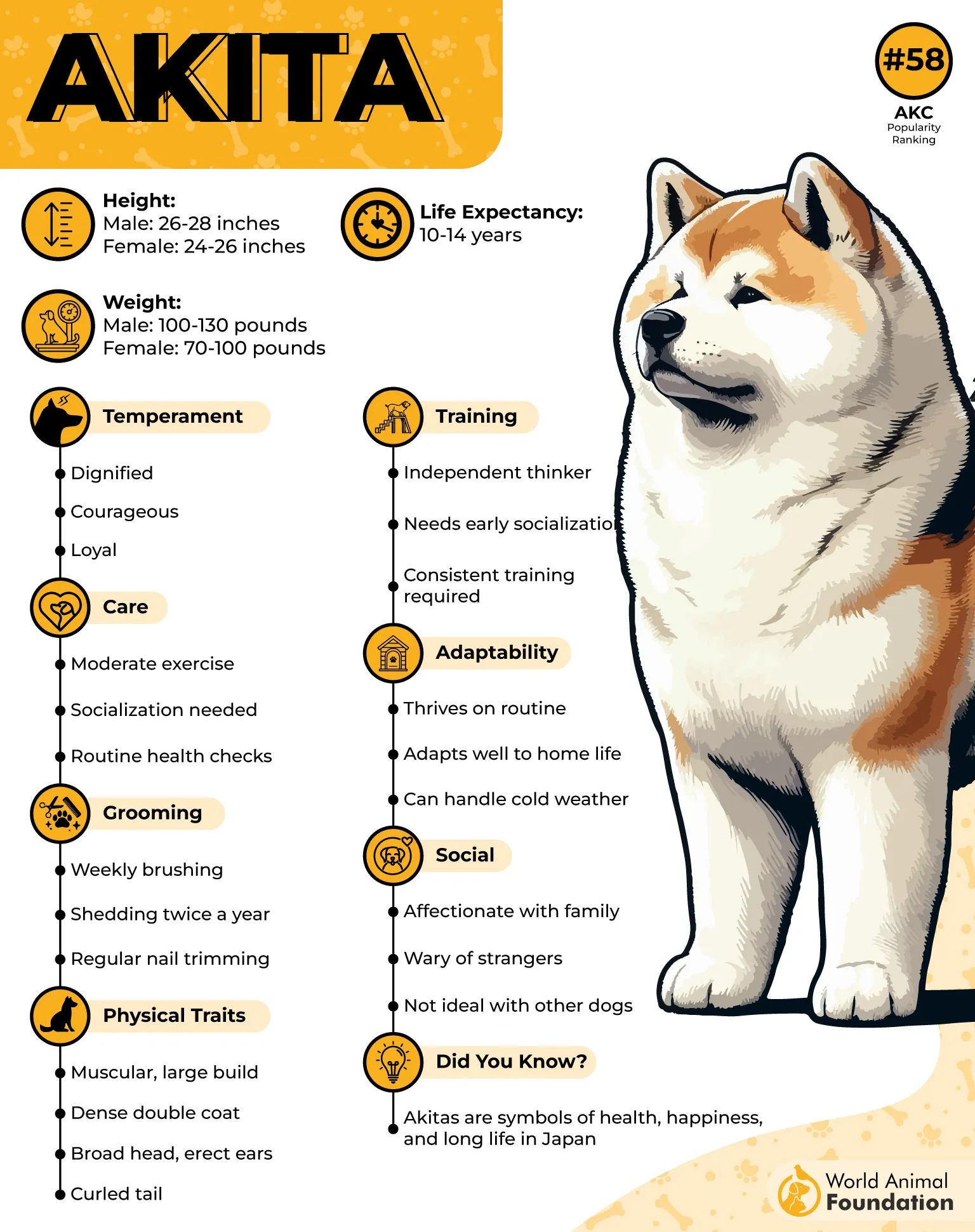
The breed has a Spitz-type frame and a heavy-boned structure, built to physically push the attacker. It is genetically predisposed to dog-to-dog intolerance. It has a thick coat and webbed feet, making it highly suitable for intense cold weather.
Conclusion
Choosing a guard dog when you live alone is about much more than finding the strongest breed. The right dog should make you feel safer while still fitting comfortably into your everyday life. A German Shepherd may suit someone who enjoys structured training, while a Doberman can be a great match for an active owner who wants a close companion.
Rottweilers and Cane Corsos bring considerable strength and require confident handling. Bullmastiffs may appeal to people who prefer a calmer household companion, while Boxers offer plenty of energy and personality. Akitas bring a more independent and reserved temperament.
